
ECSS 2014 - Highlights
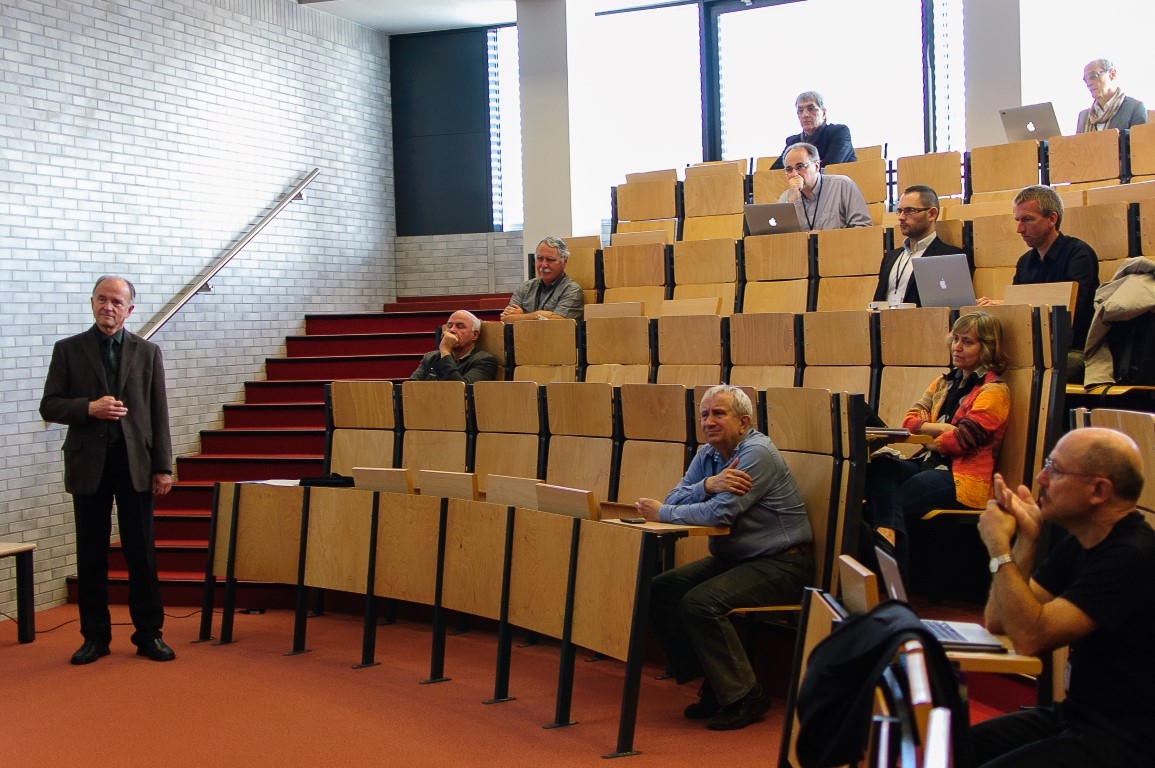
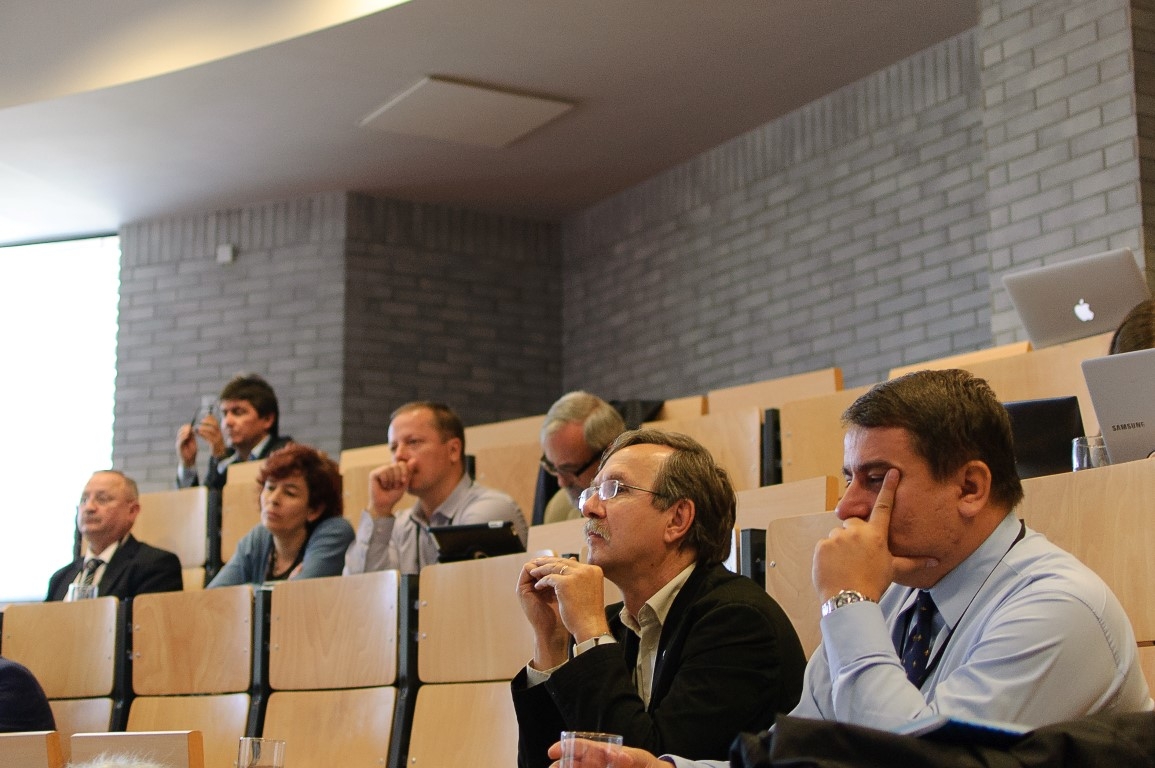
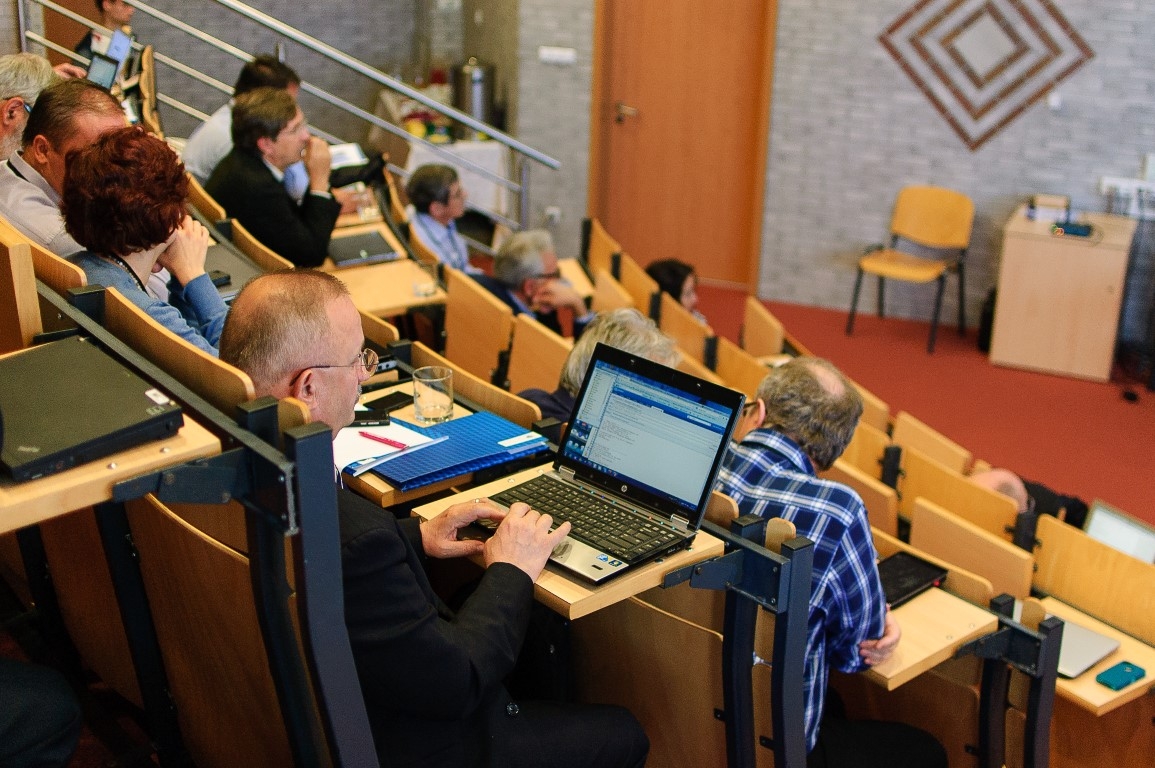
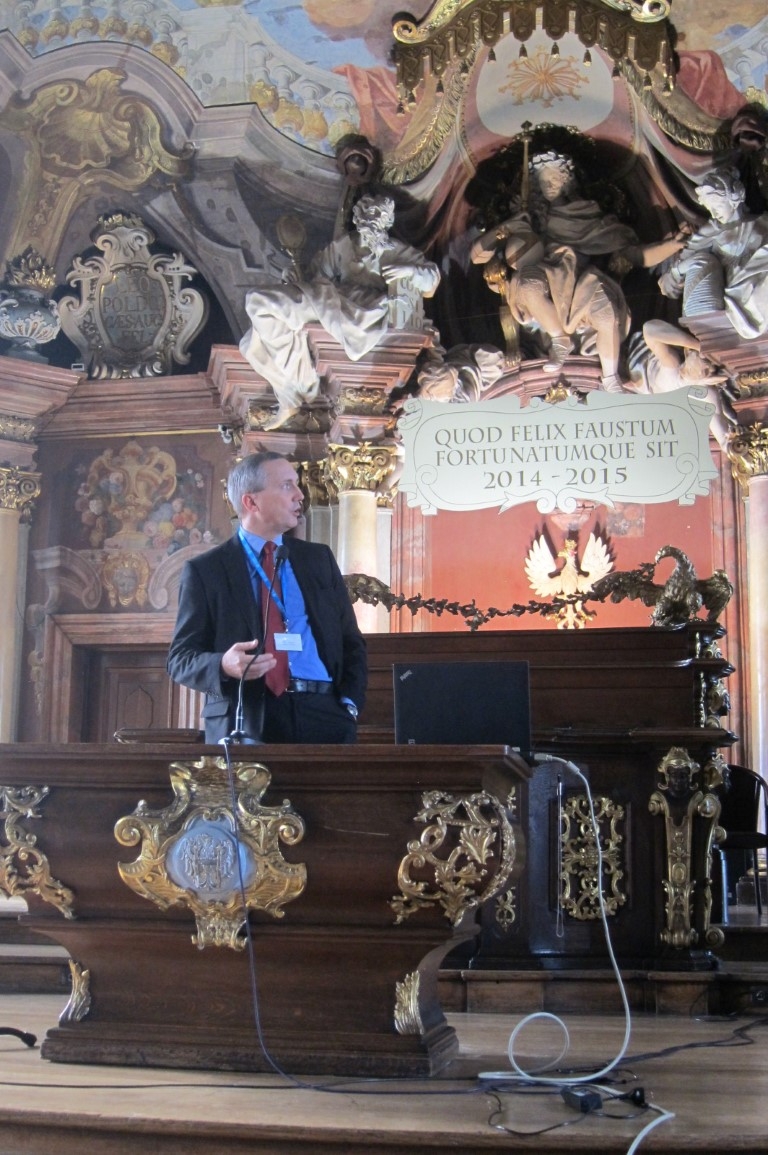
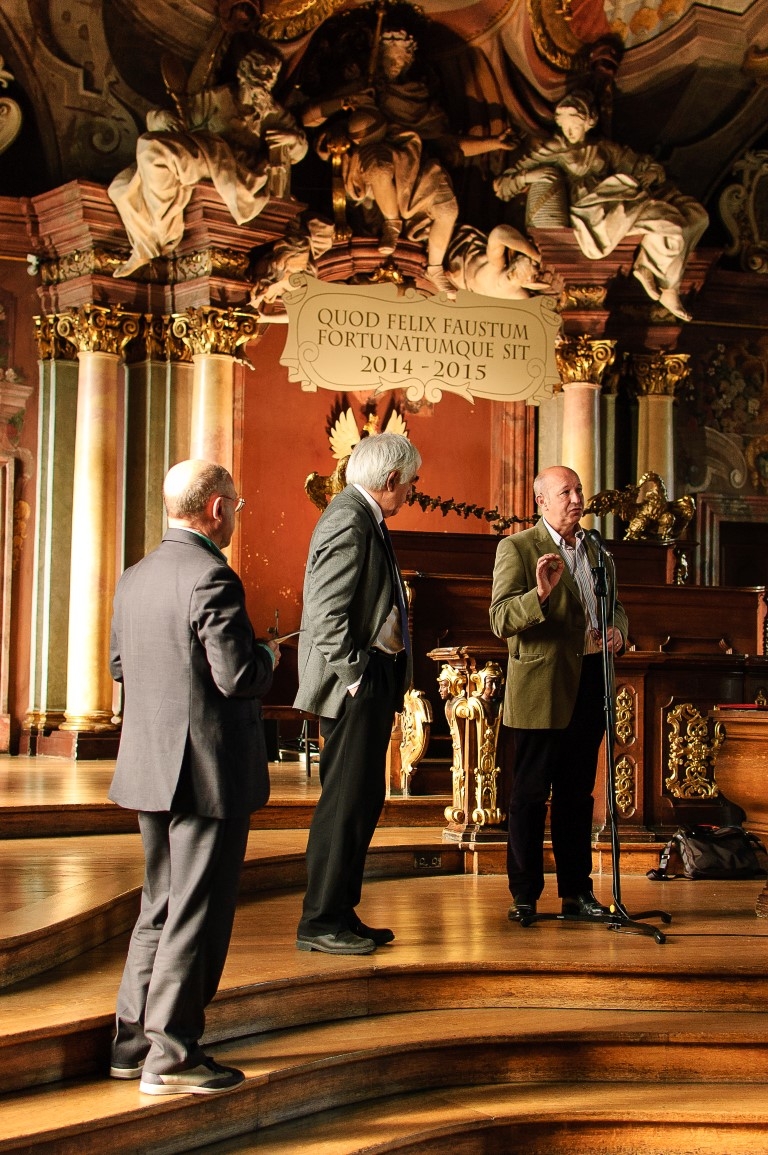
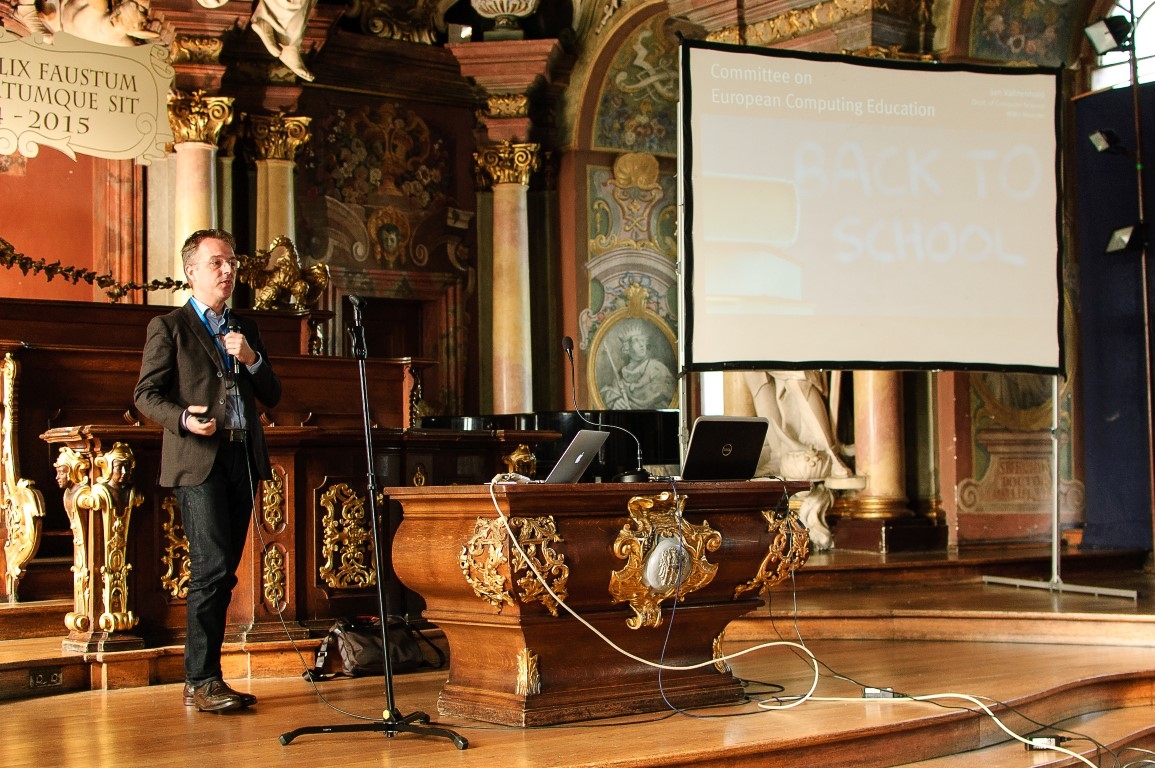
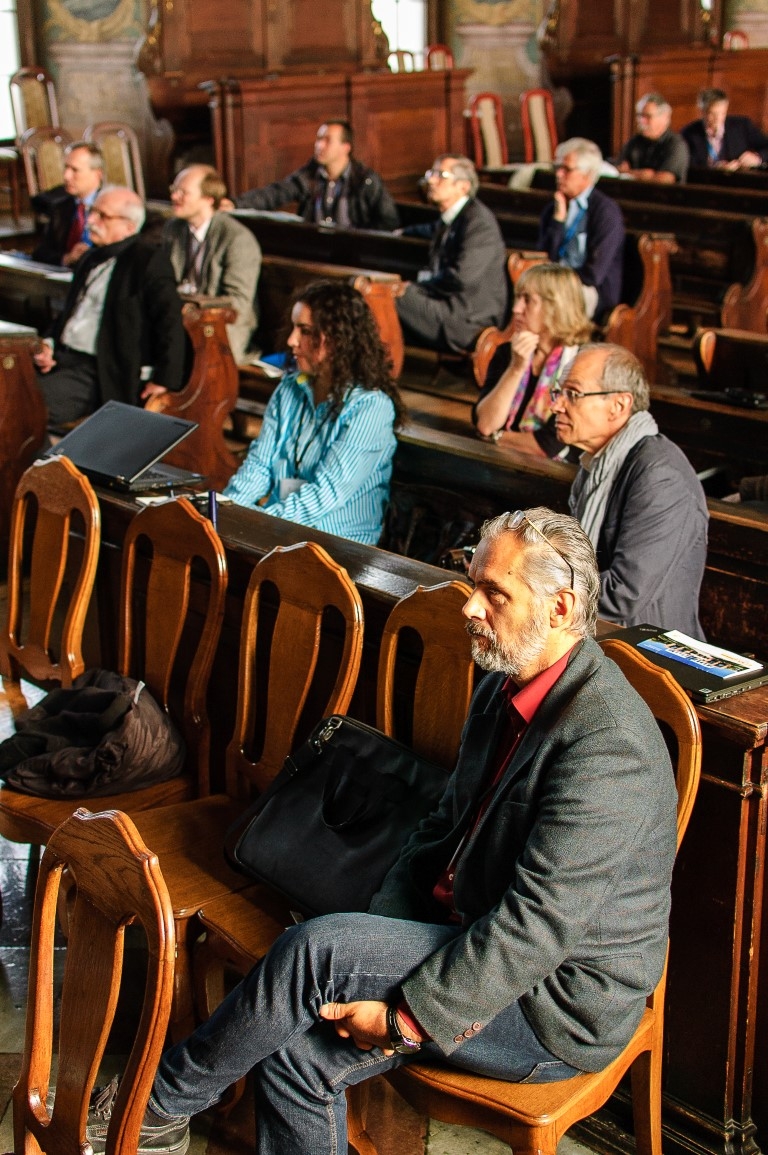
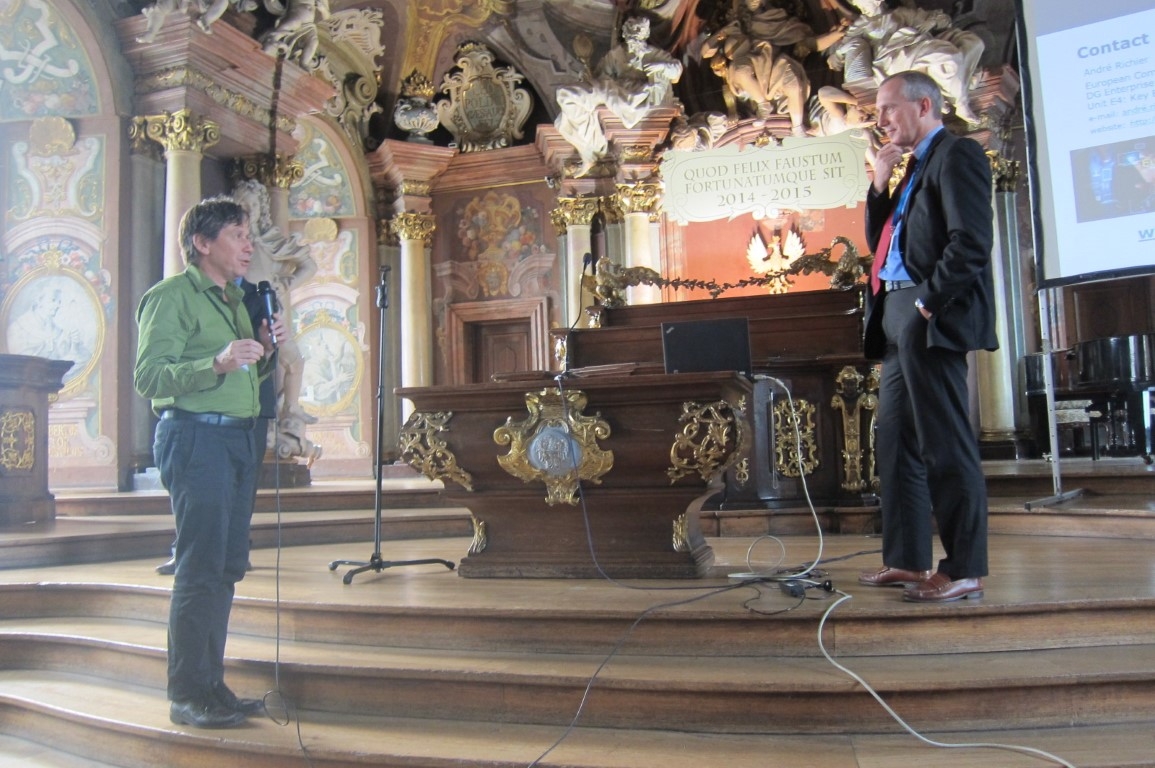
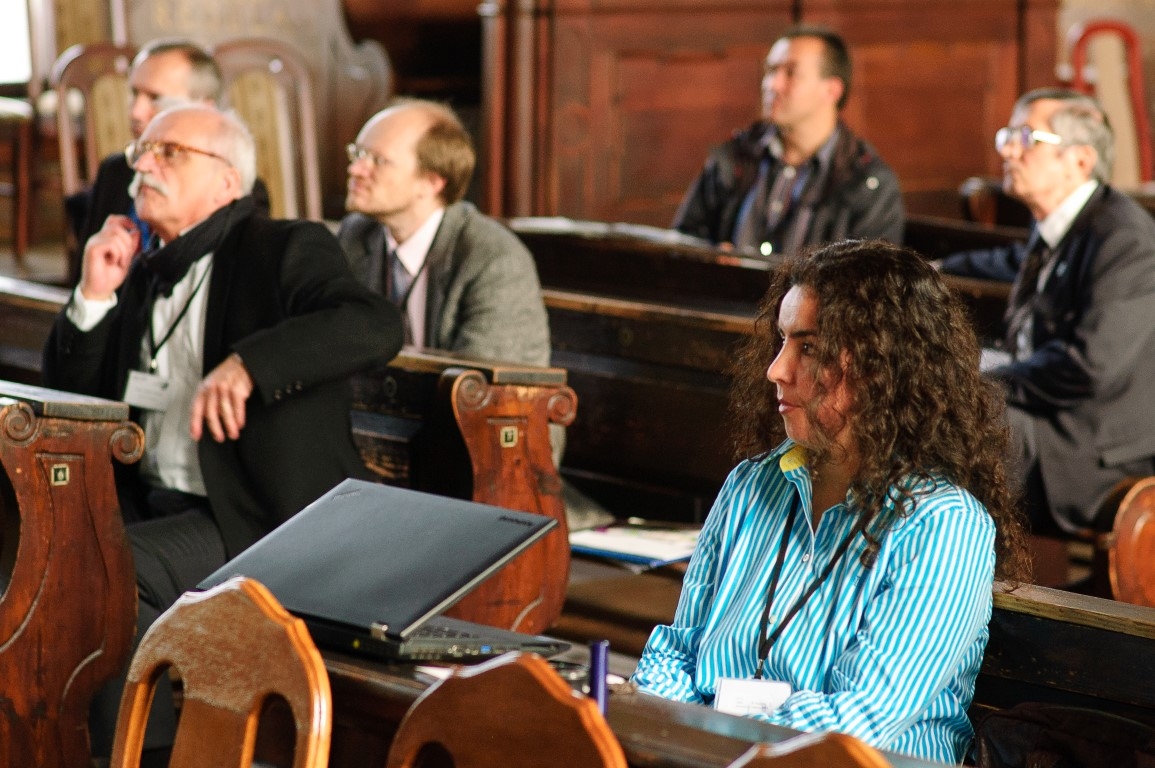
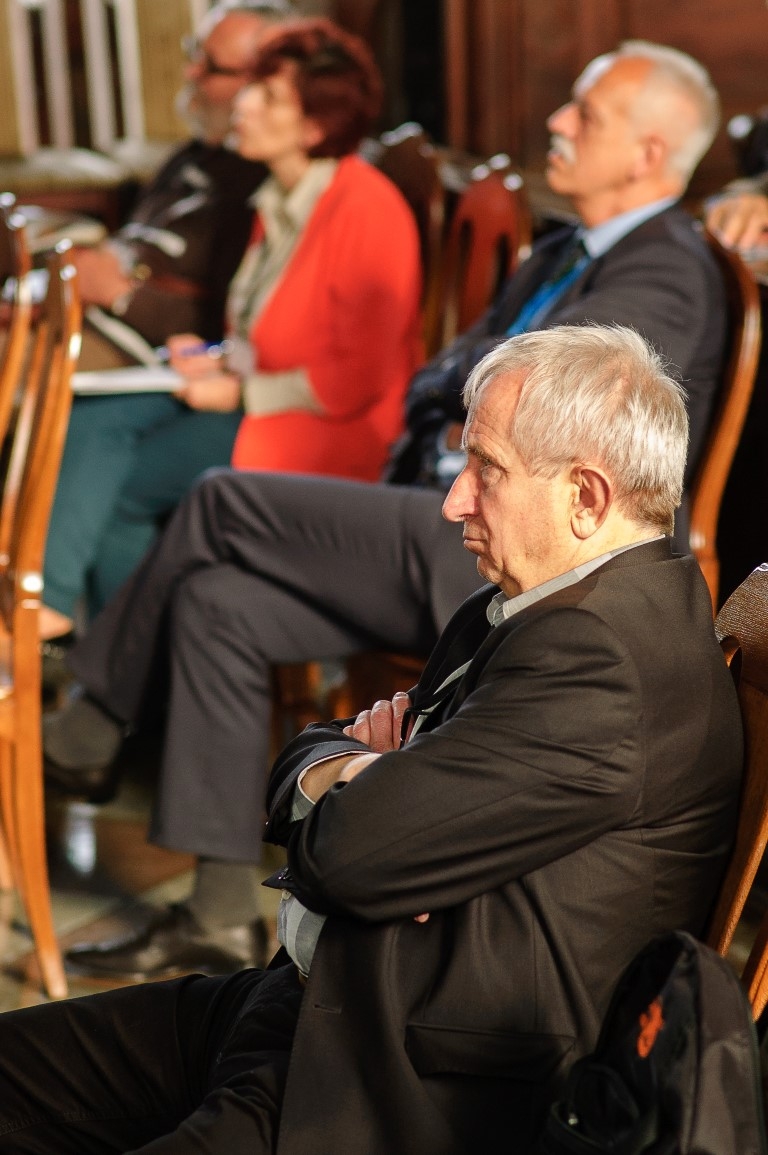
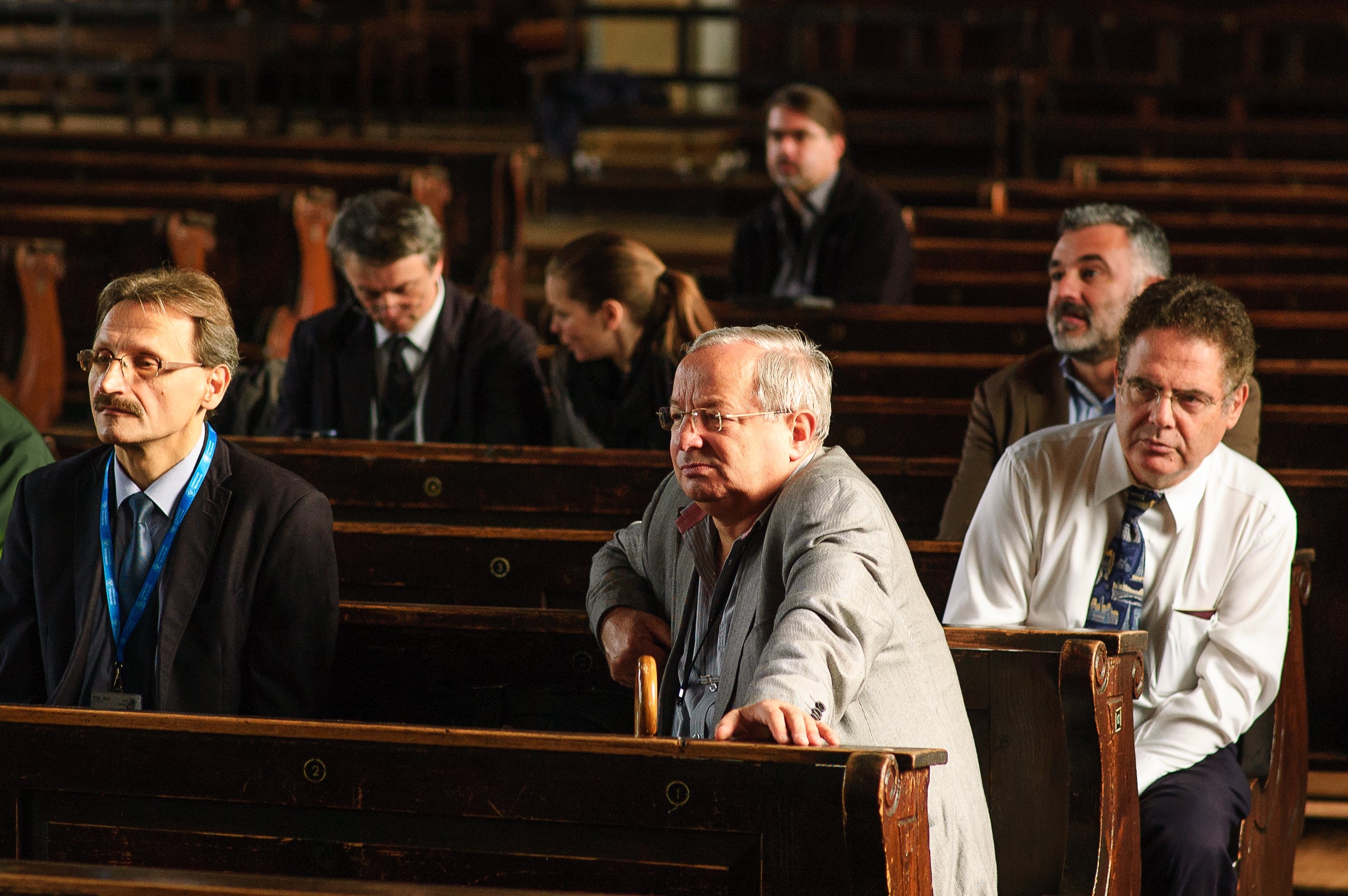
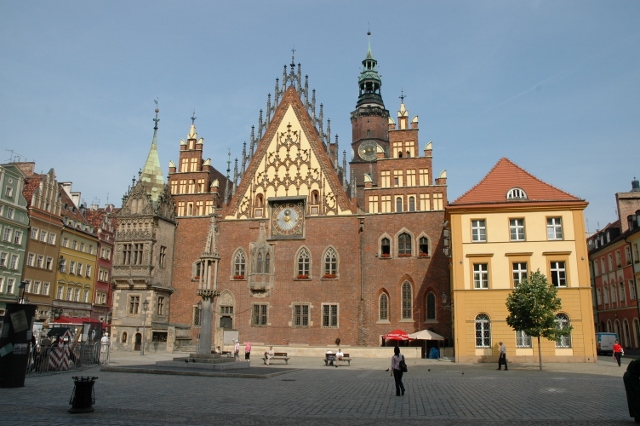
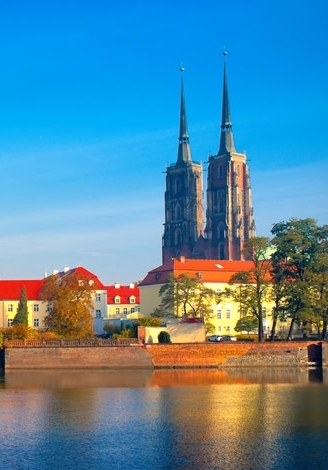
The beautiful city of Wroclaw in Poland hosted this year the 10th edition of the European Computer Science Summit. ECSS is annually organized by Informatics Europe and a member institution; this year the co-organizing partner was the Institute of Computer Science, University of Wroclaw. Deans, department heads, research directors and senior academics from all over Europe joined to discuss highly relevant topics, share experiences and learn from distinguished colleagues in the field.
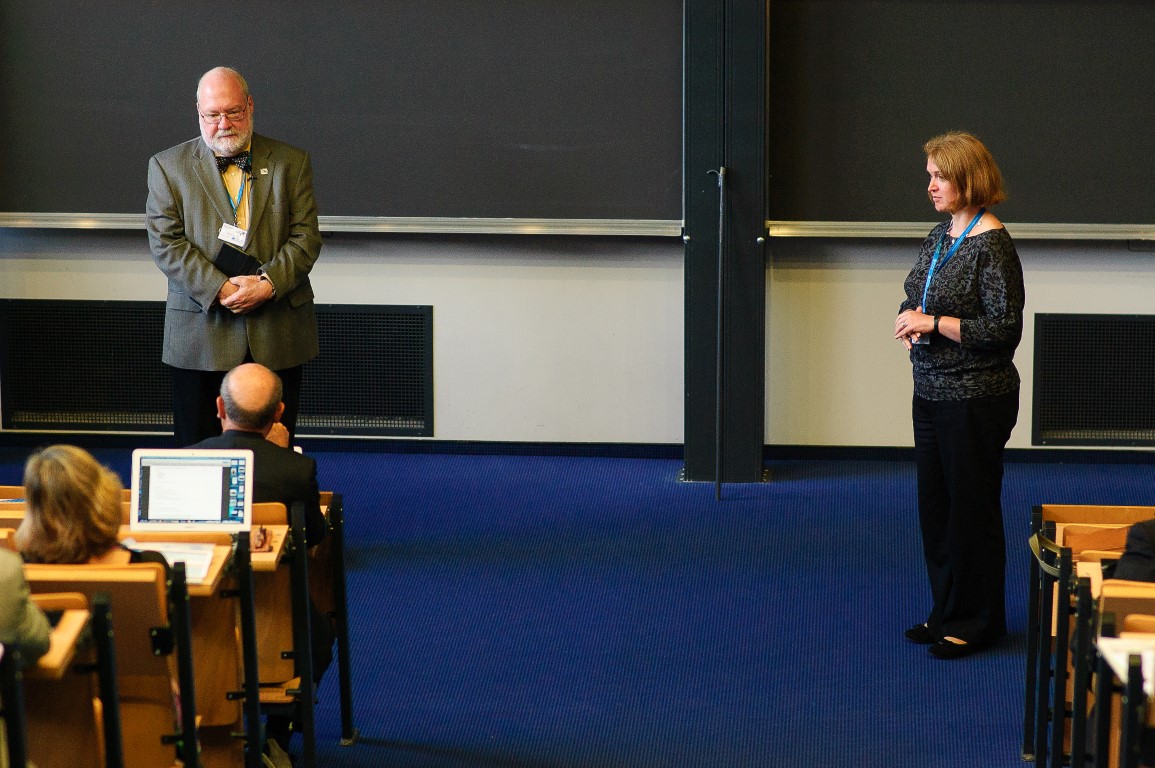
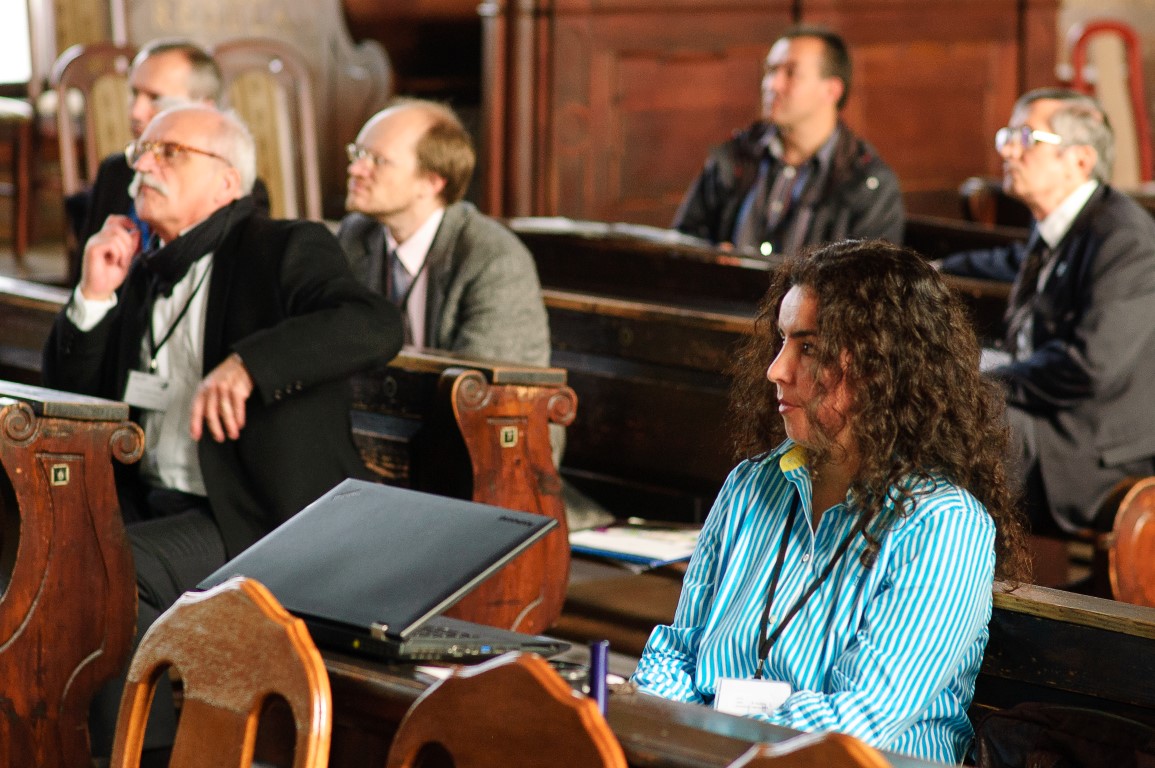
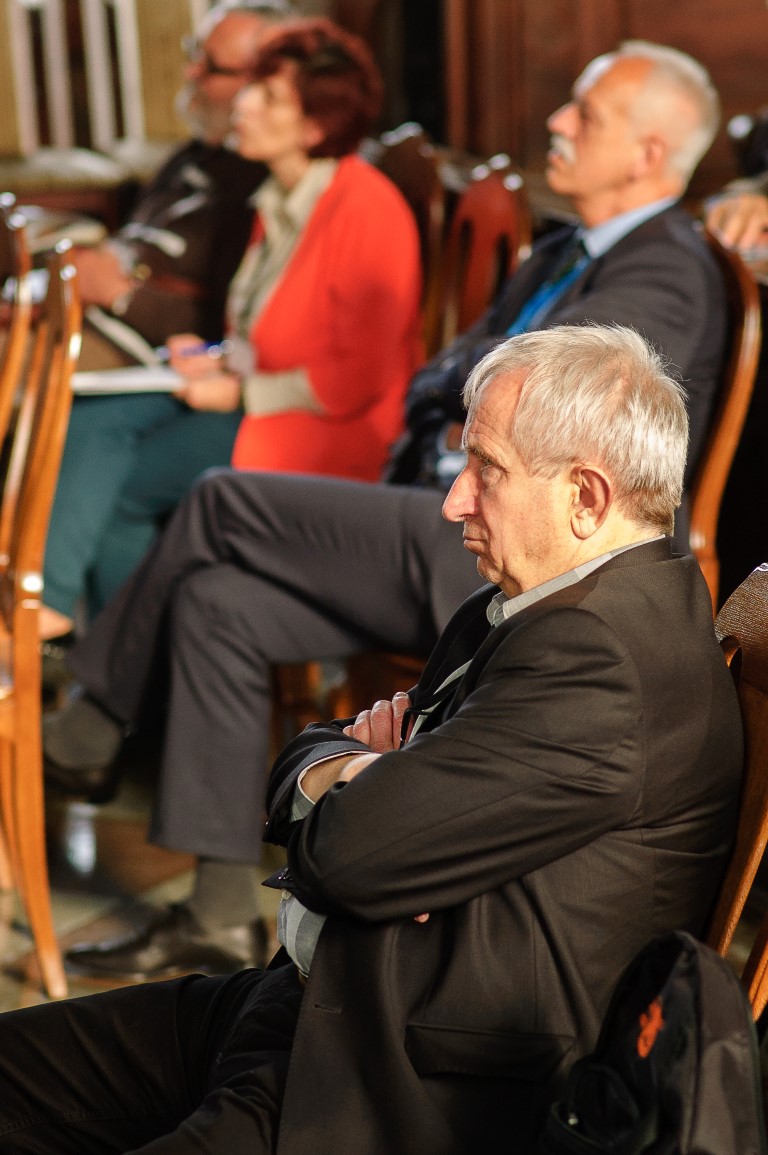
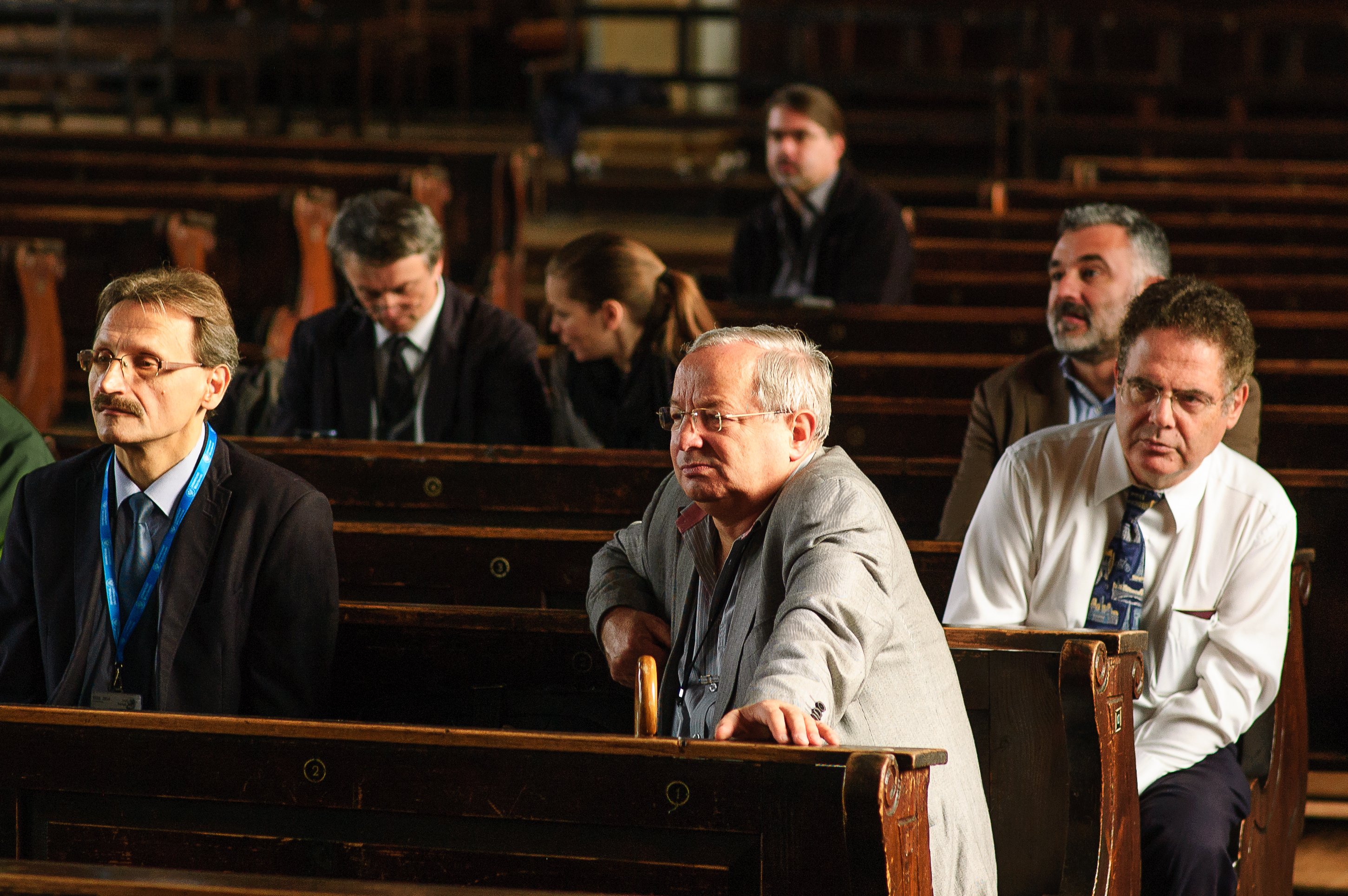
On October 13th academic leaders gathered for the traditional Workshop for Deans, Department Chairs and Research Directors where participants had as usual the opportunity to share their experiences, learn from colleagues in similar strategic roles, exchange best practices and build relationships among different European Informatics research and education institutions.
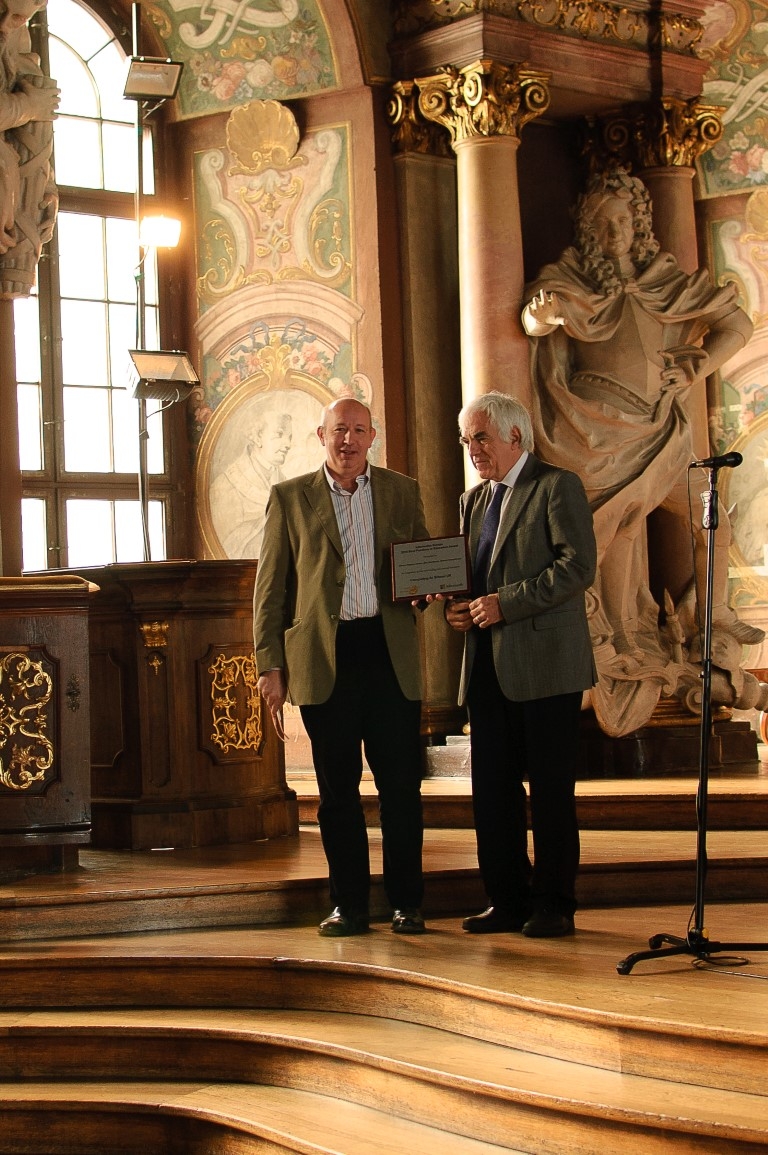
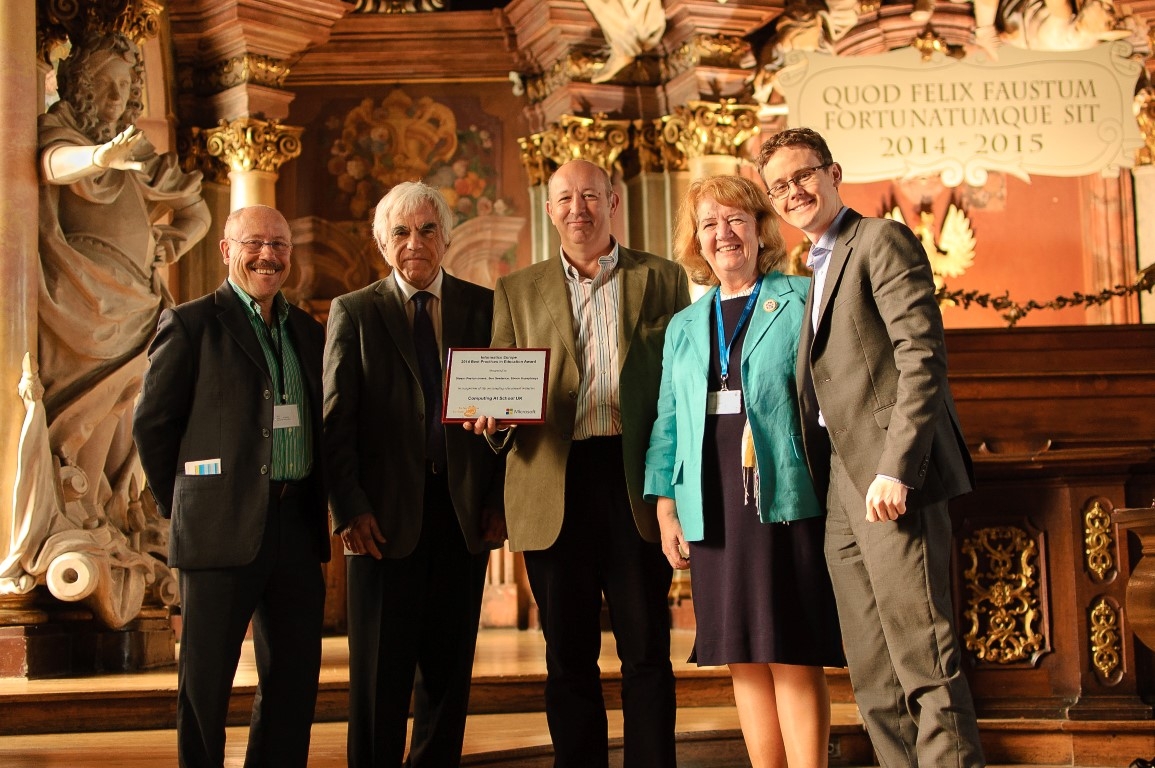
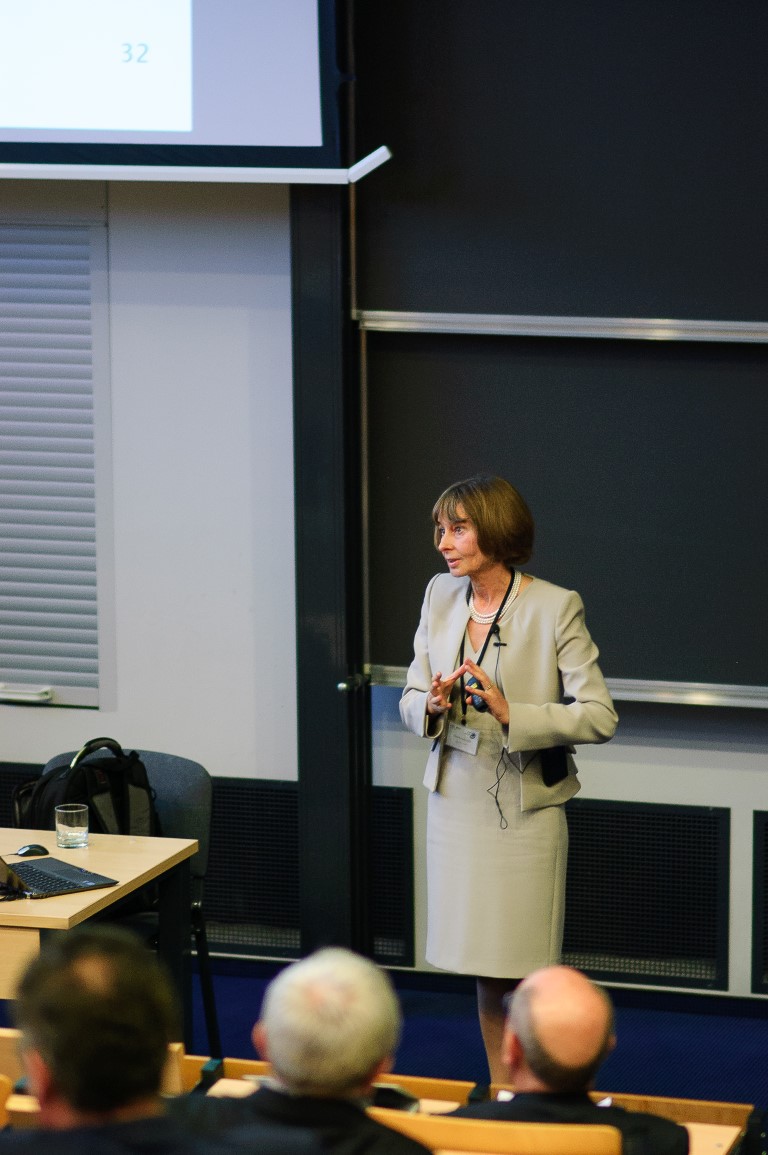
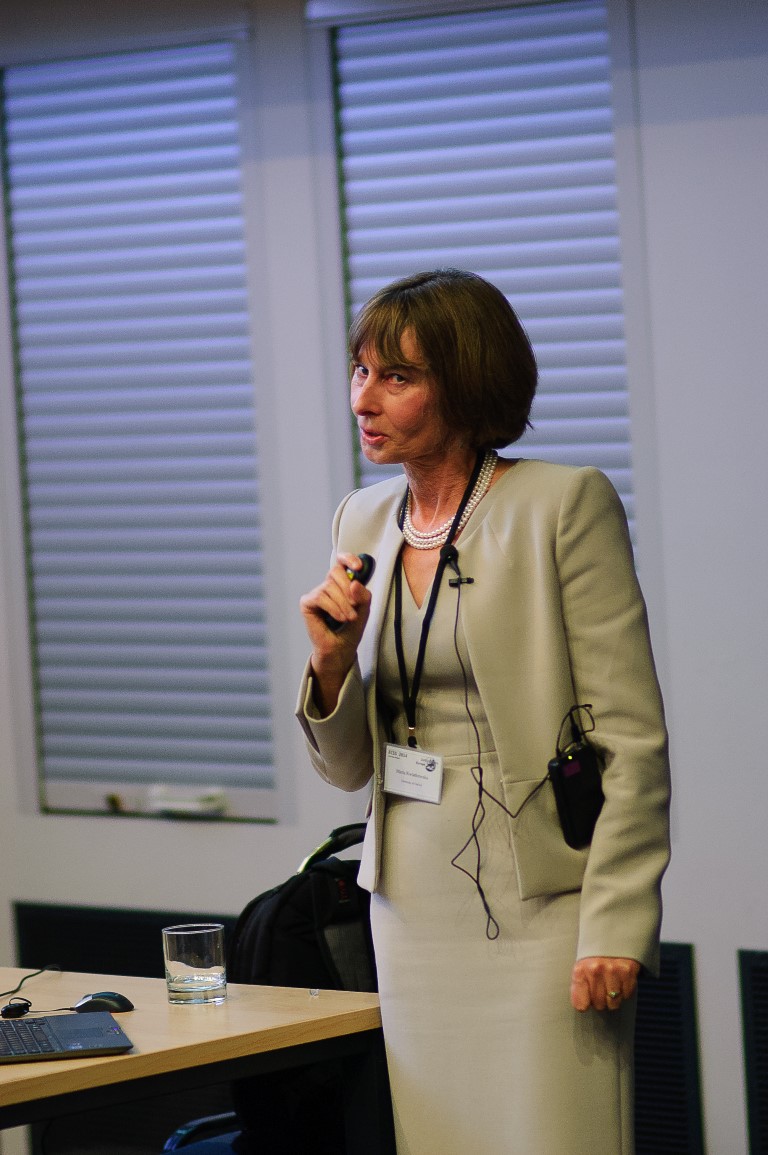
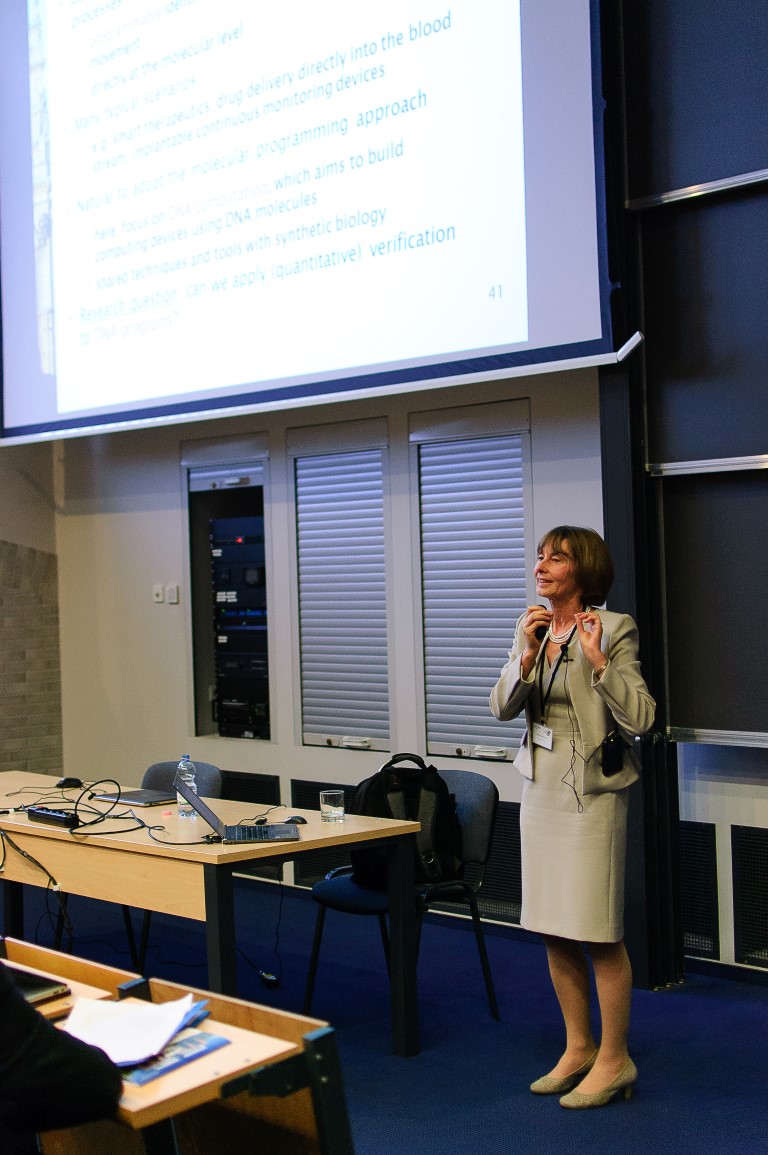
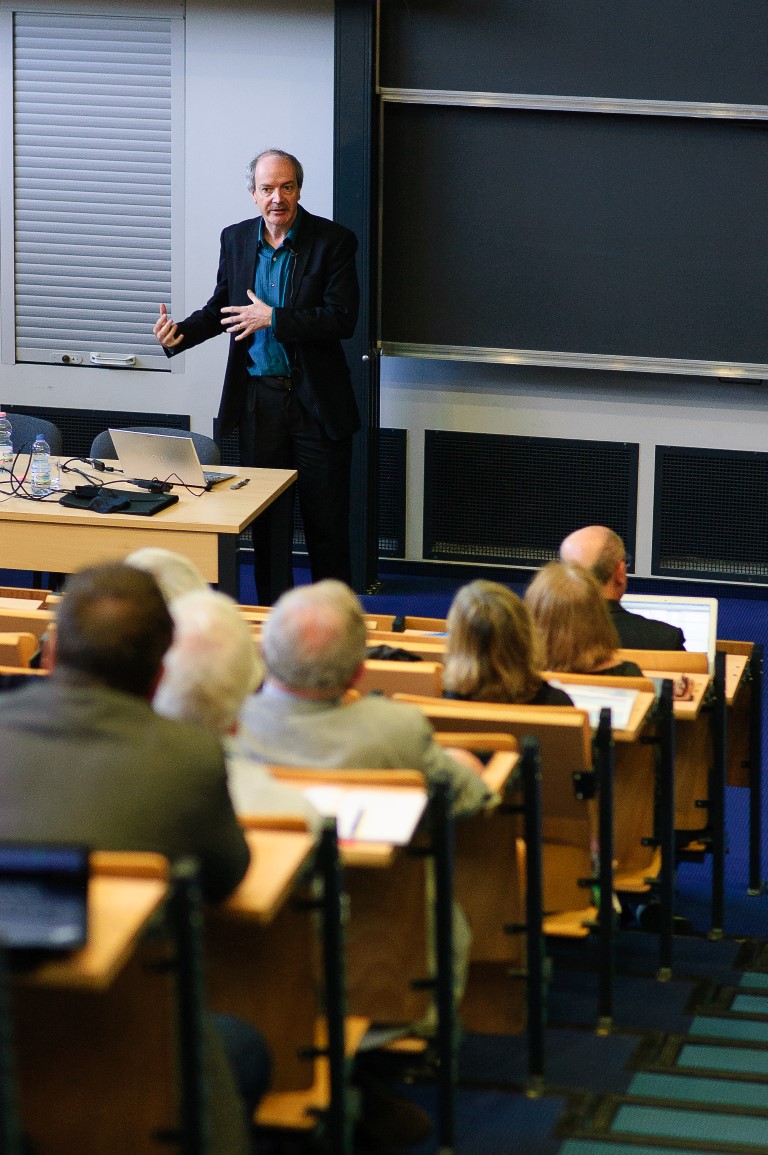
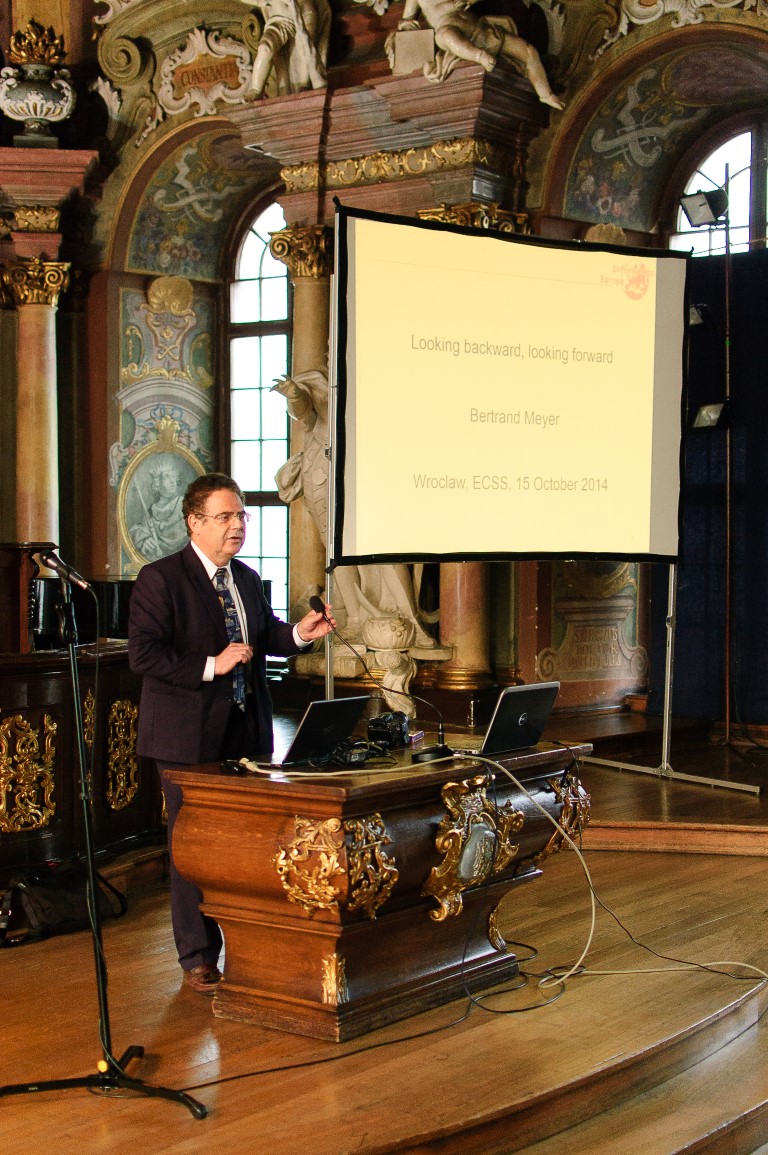
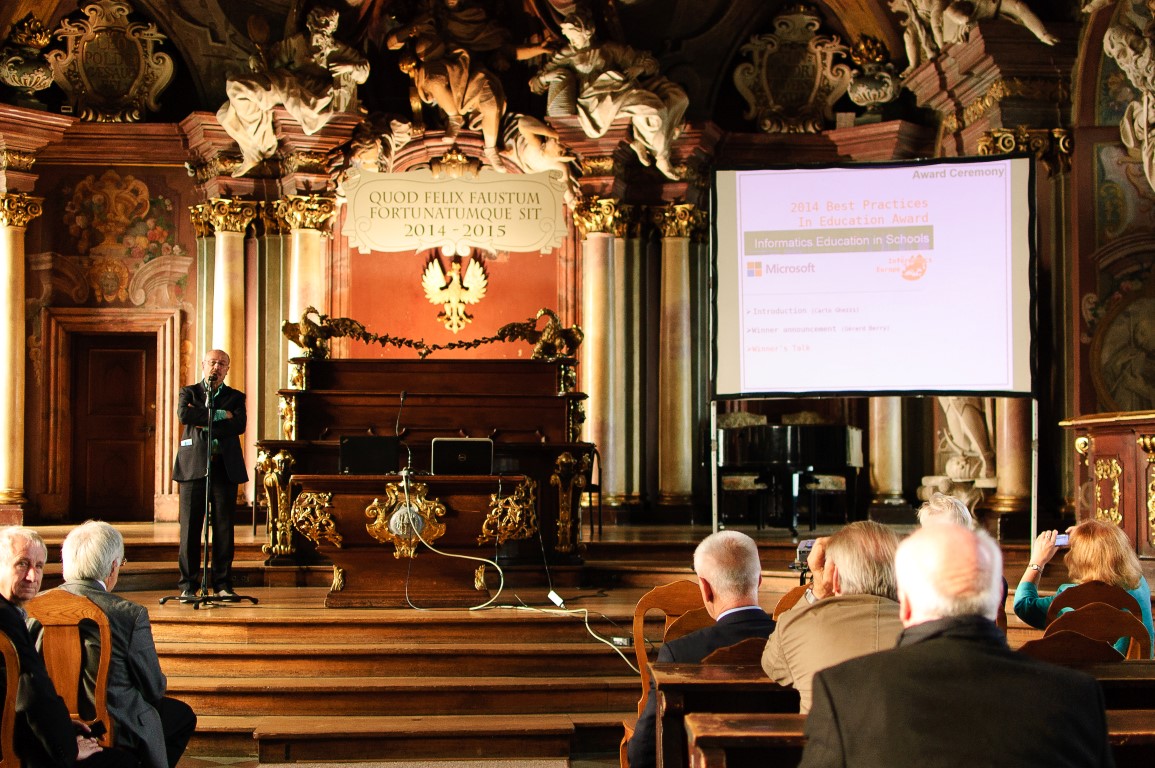
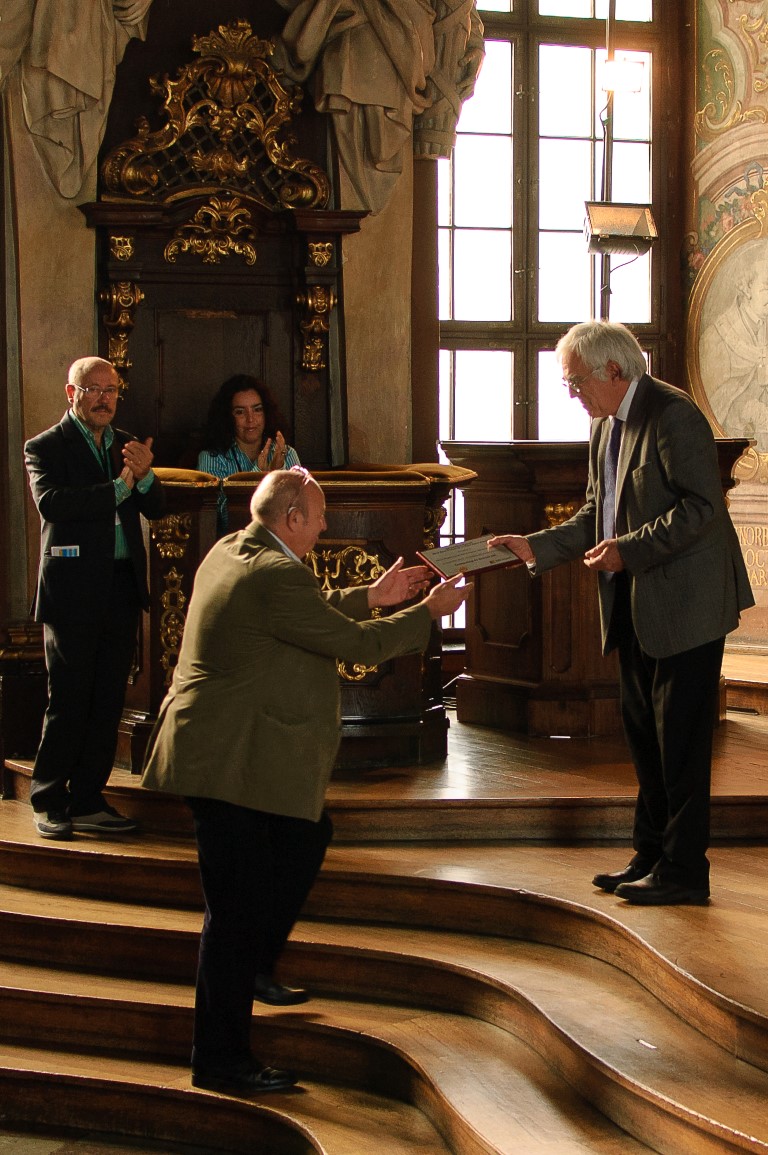
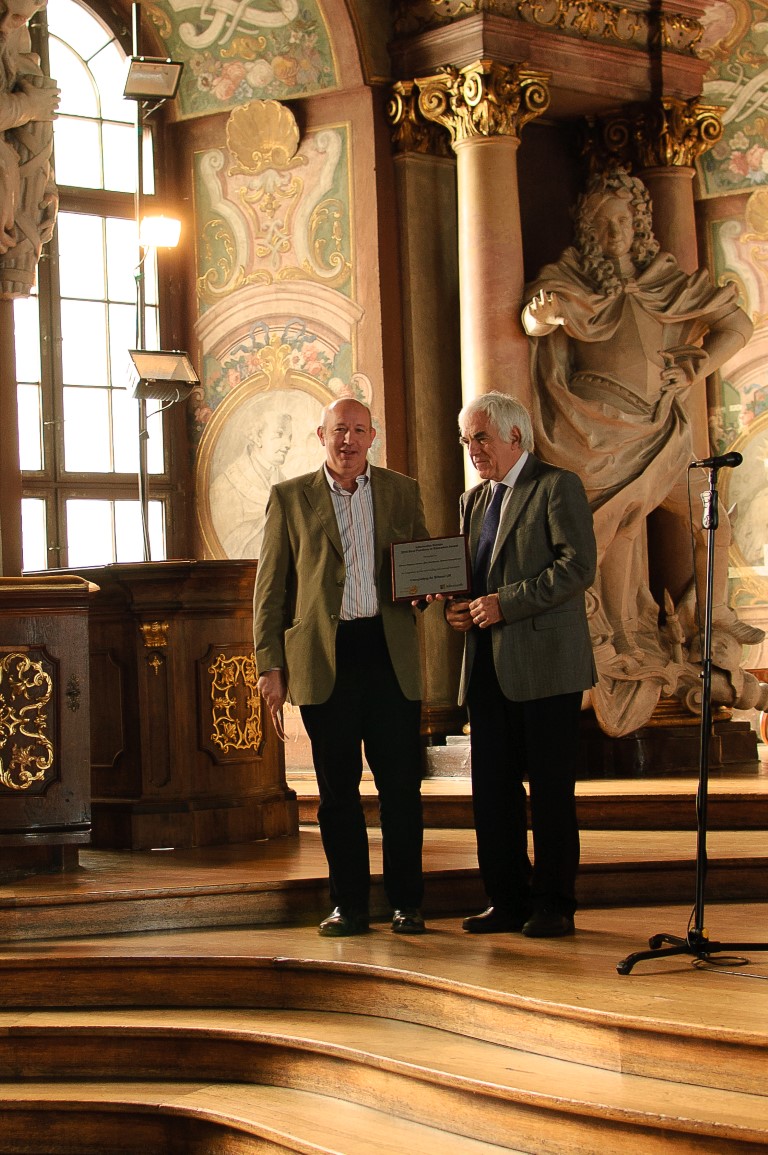
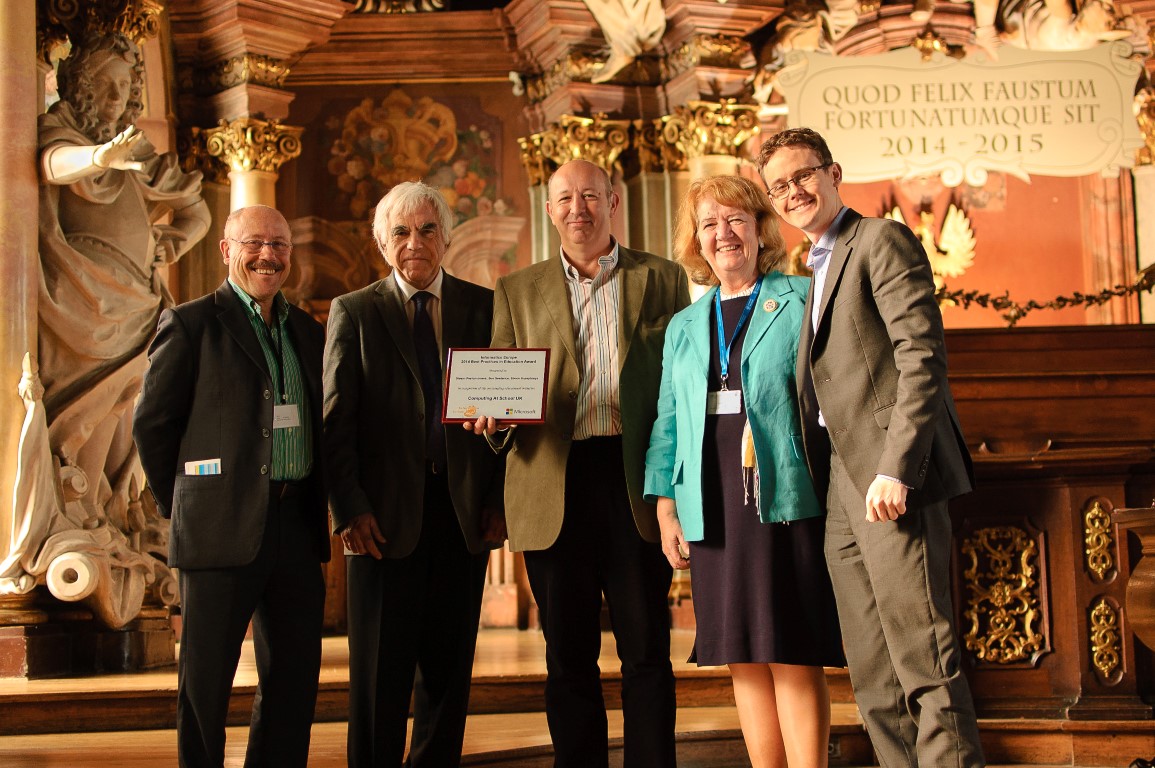
The main Summit on October 14th and 15th included the exciting keynote speeches delivered by Danny Dolev, Marta Kwiatkowska, Andreas Zeller, Eugene Spafford, Bart Preneel, Bertrand Meyer, Pierre Dillenbourg, Andre Richier and Jaan Tallinn. The audience had the opportunity to hear from these prominent speakers about issues of relevance not only to the Informatics community but also to society in general. Talks selected from submitted contributions, discussion panel, and the Informatics Europe Best Practices in Education Award Ceremony and General Assembly rounded the program.
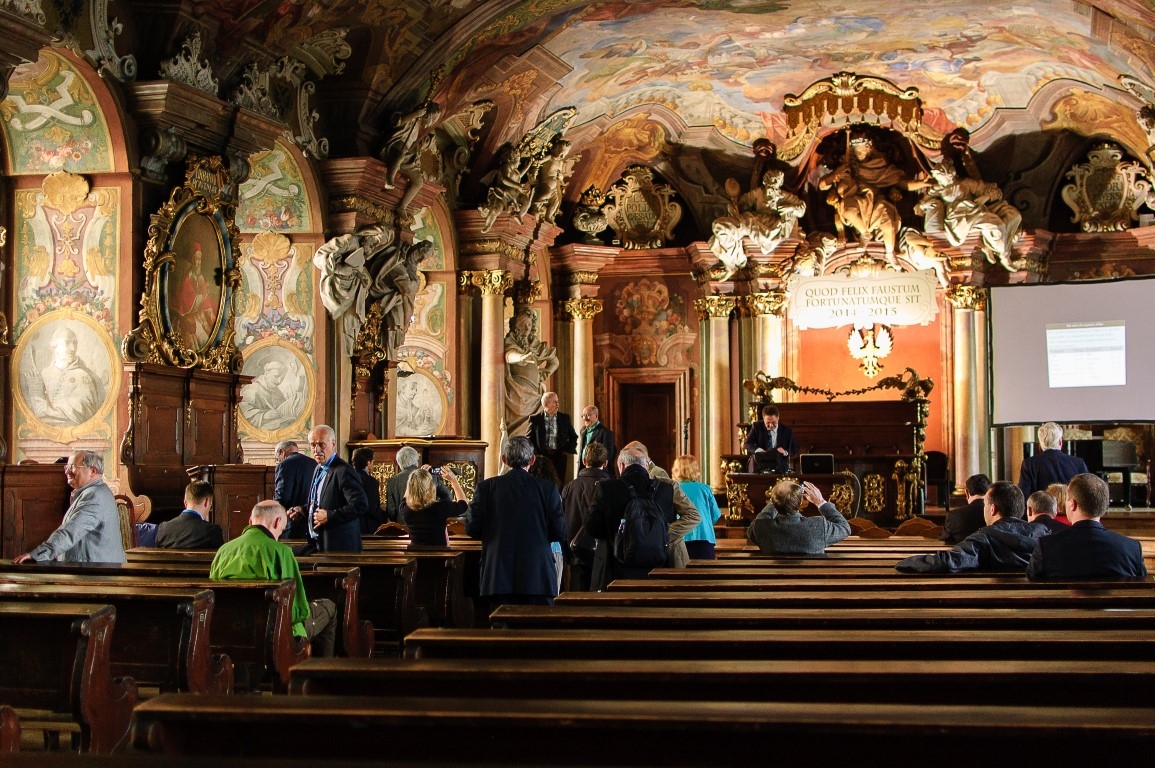
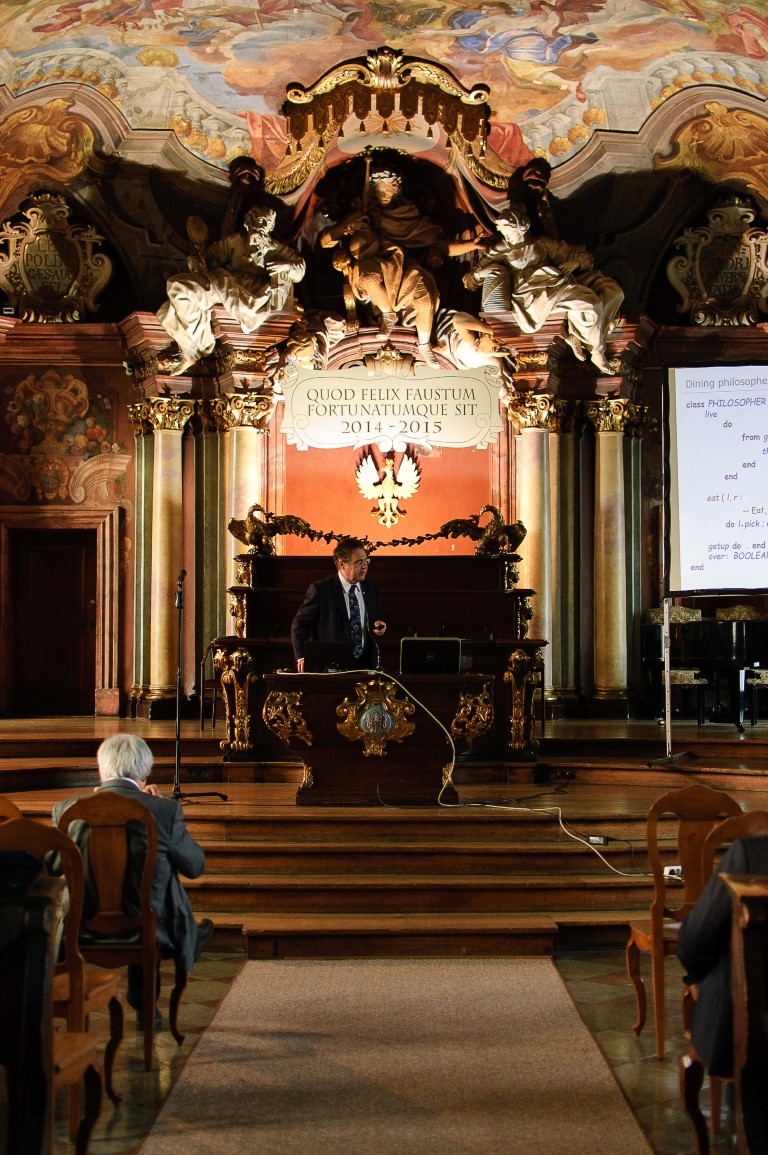
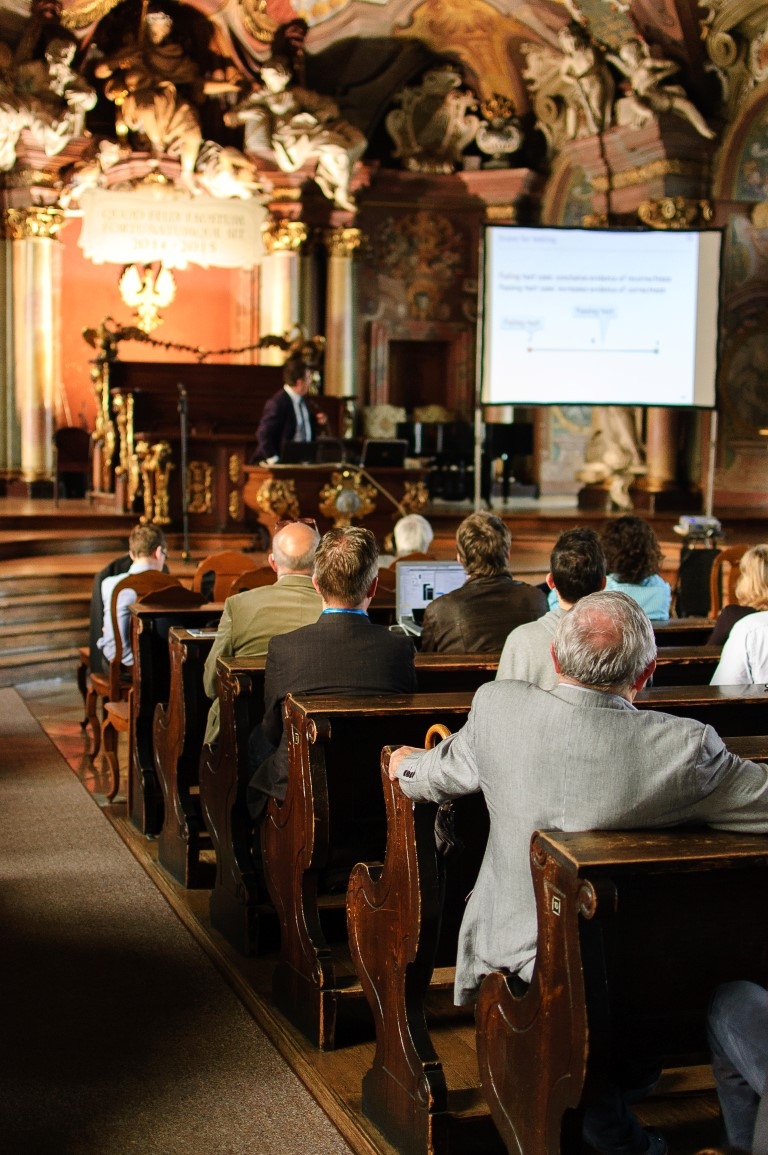
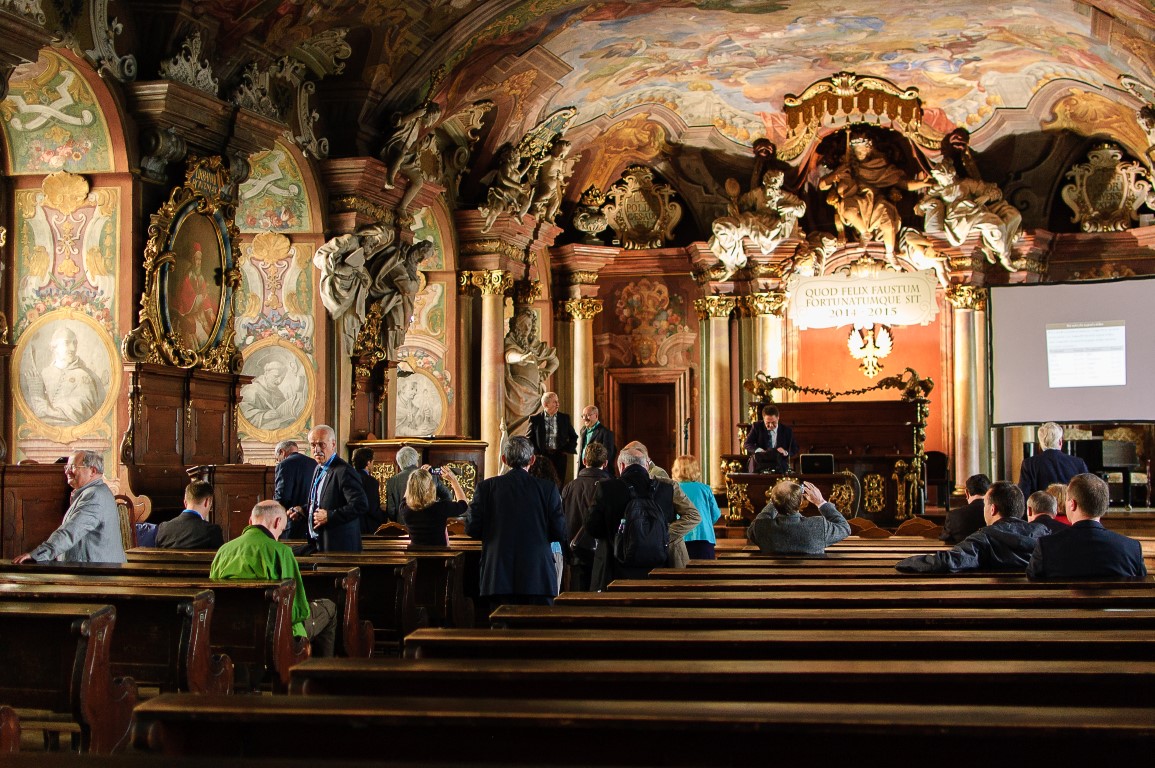
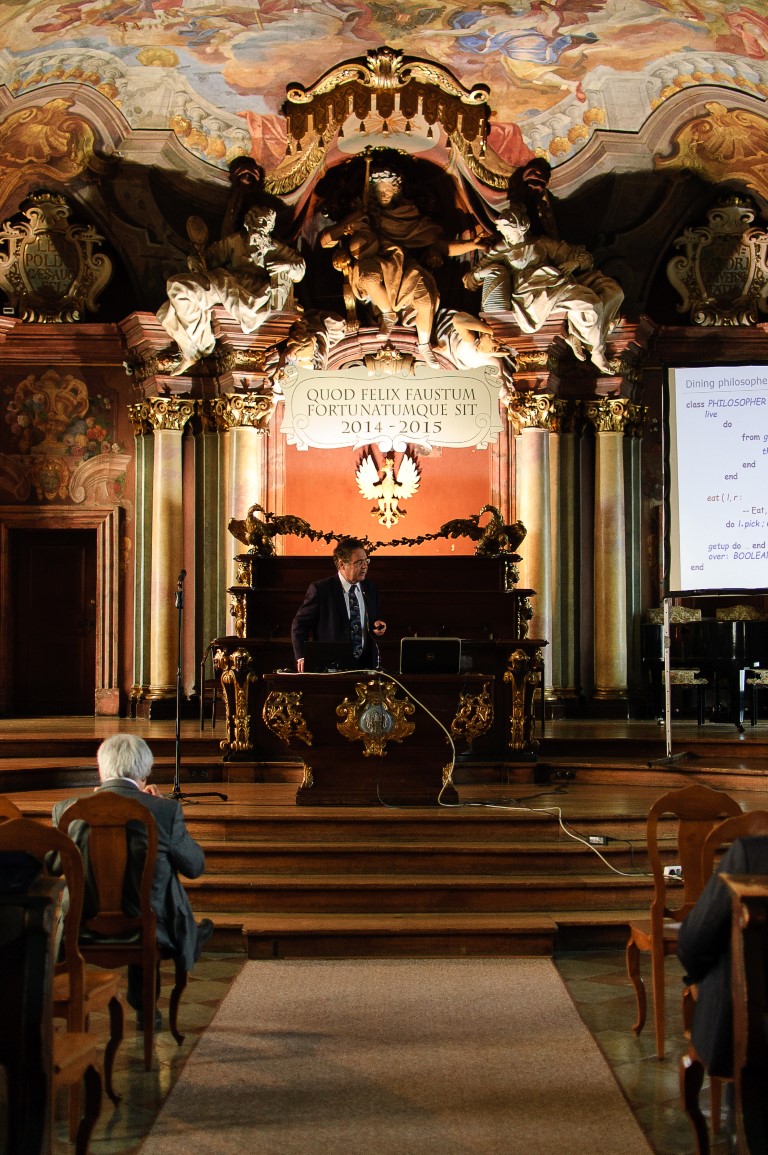
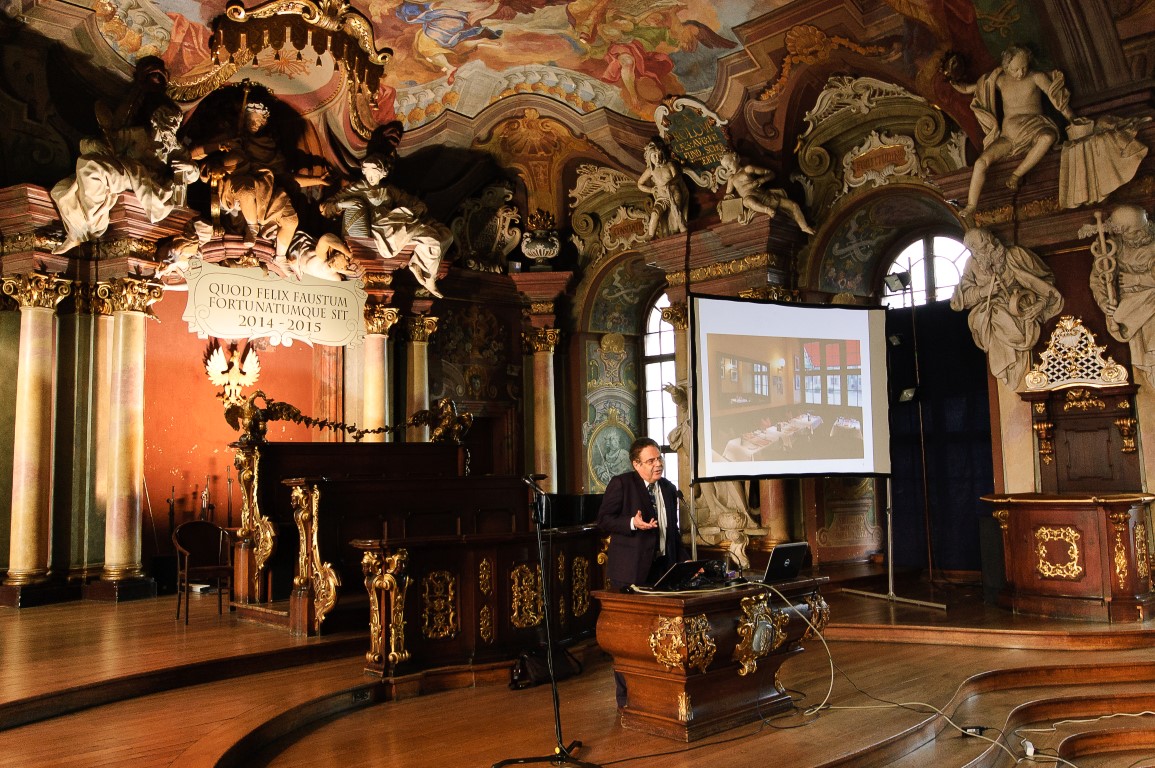
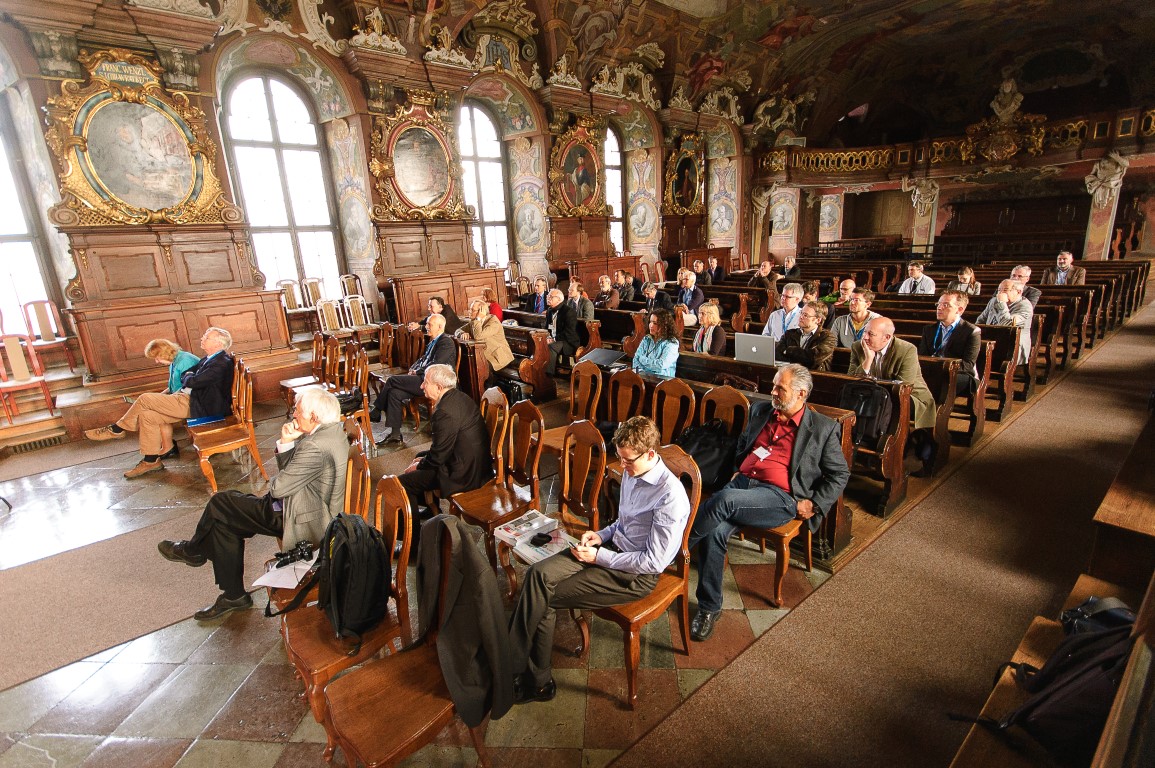
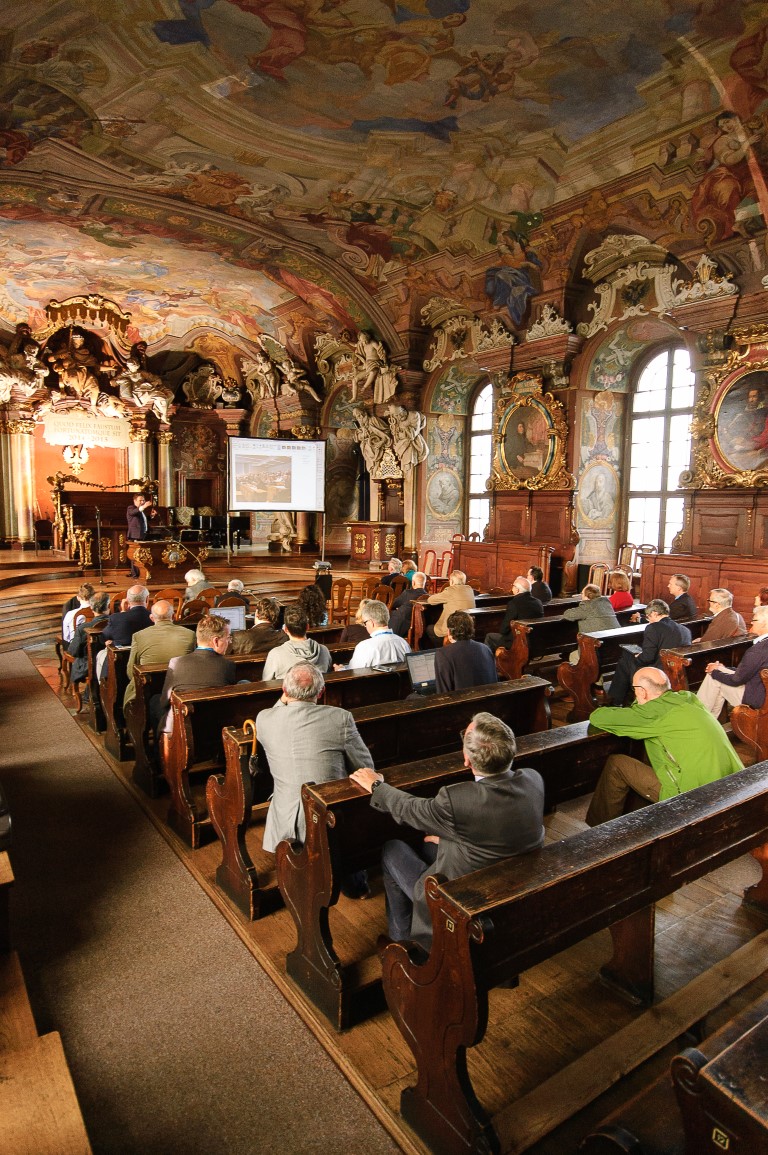
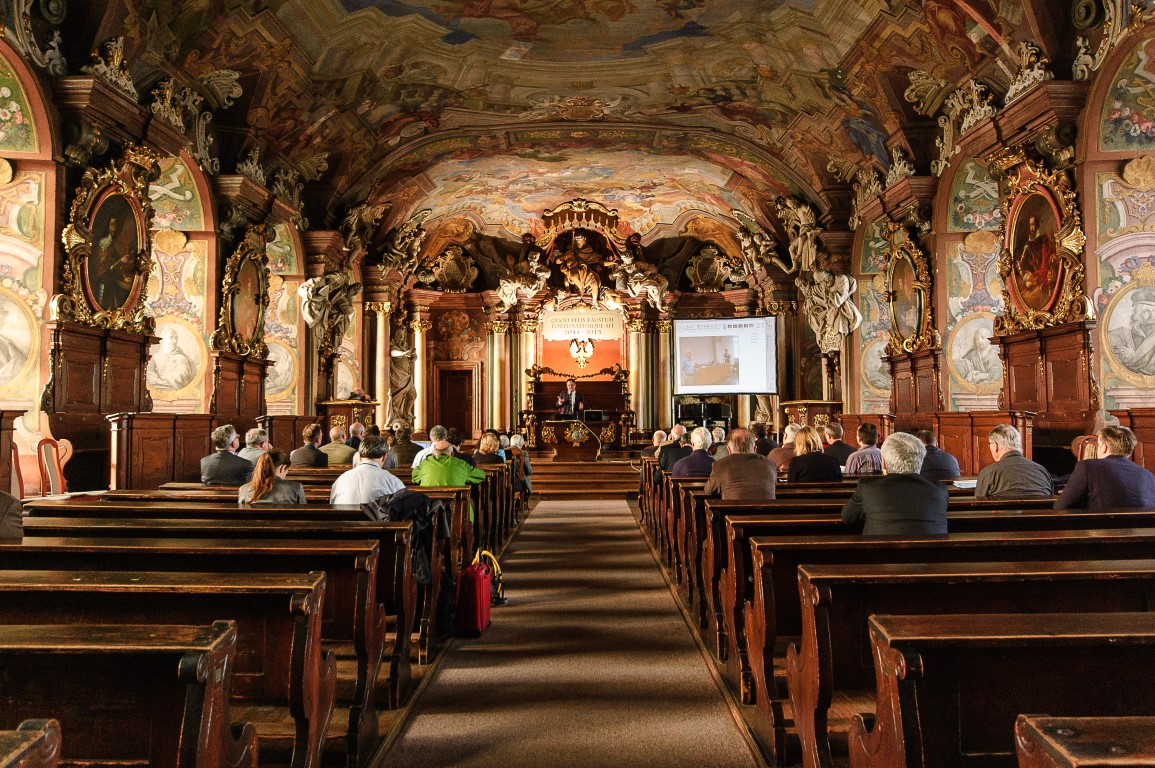
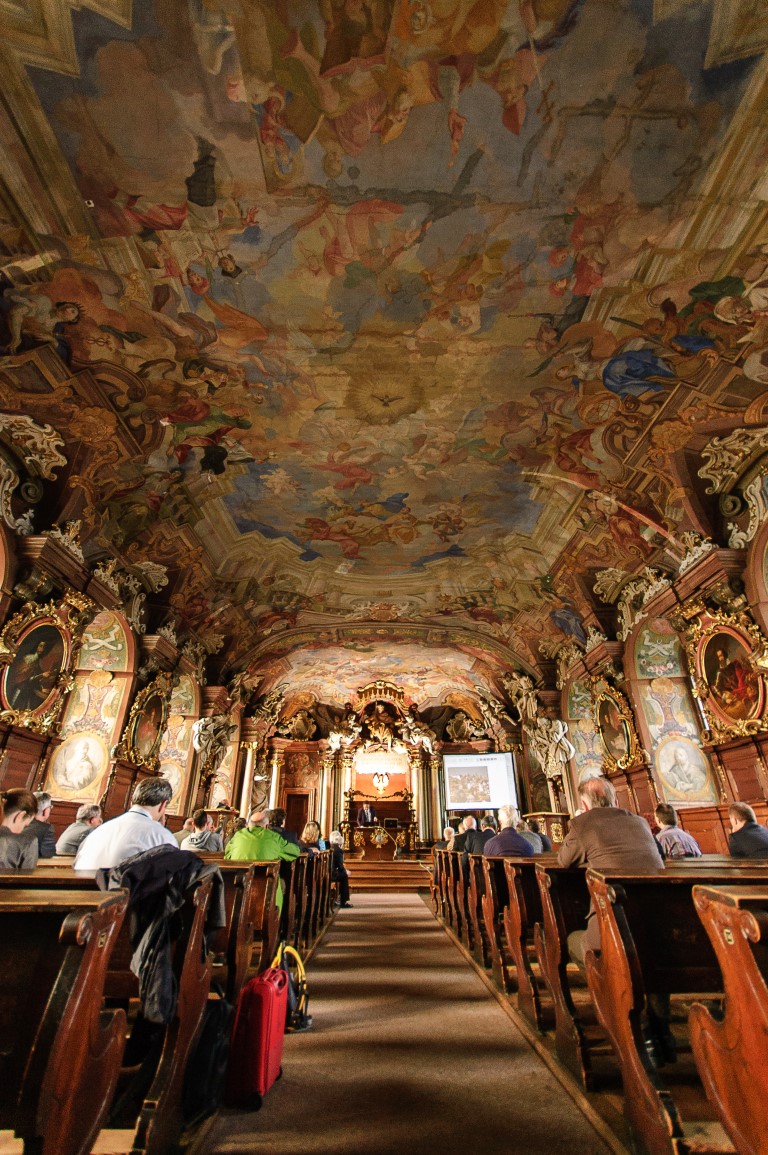
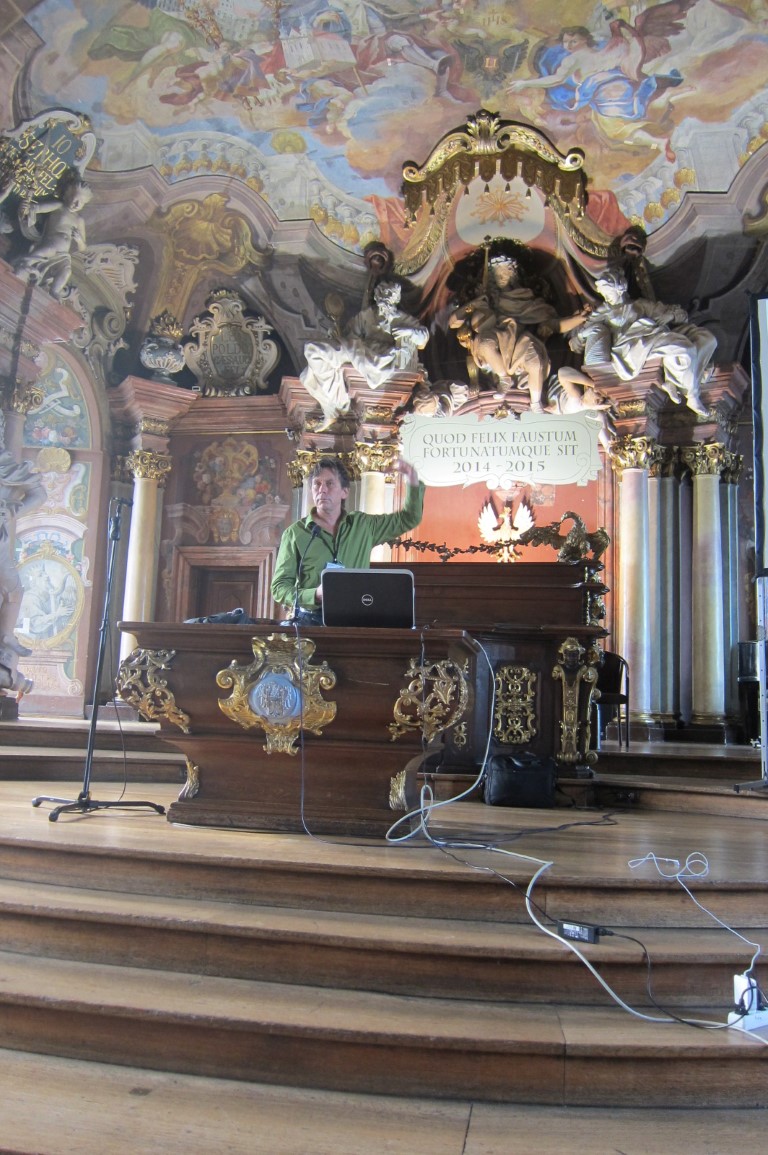
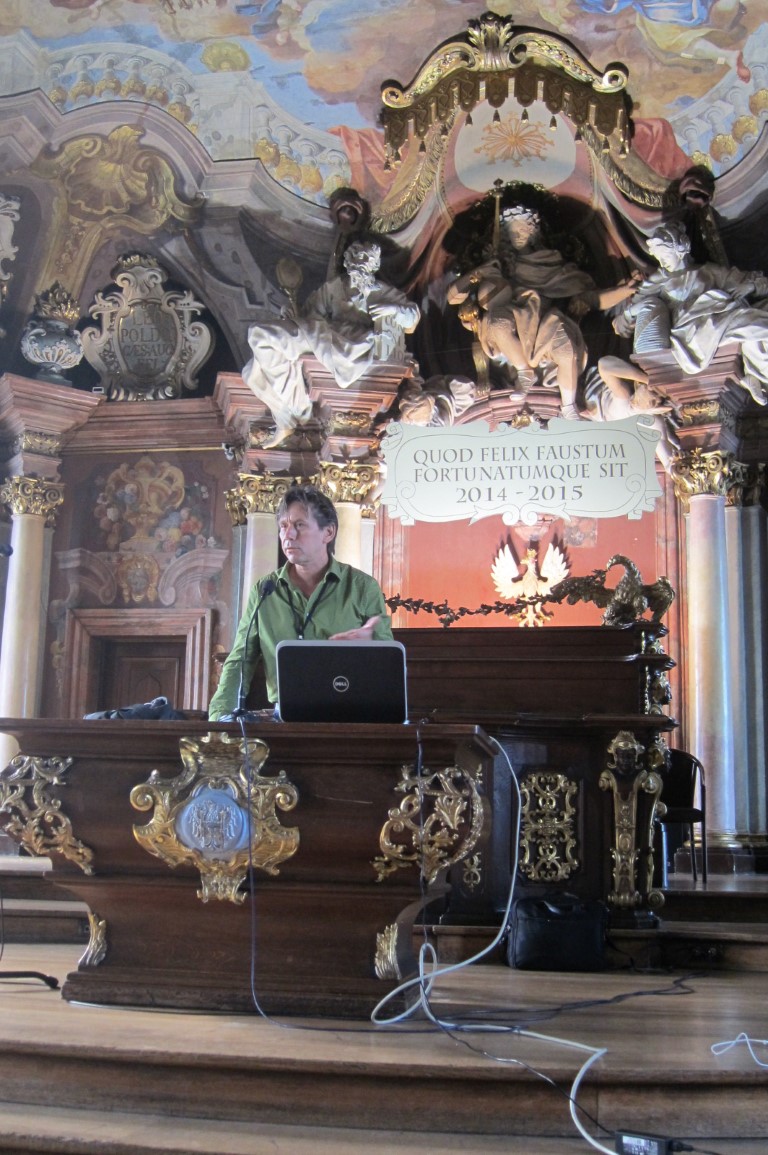
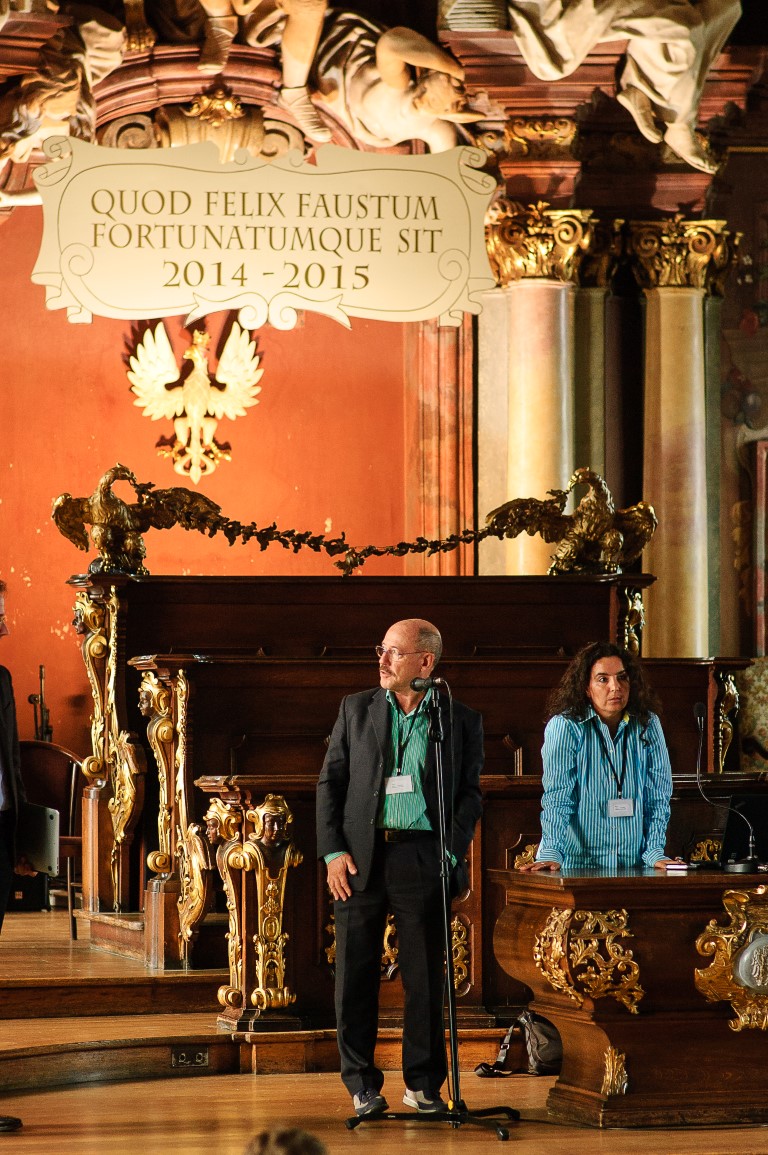
In the memorable visit and dinner at the Museum of the University of Wroclaw participants were able to learn a bit more about the history of the institution and taste Polish culinary delights inside the breathtaking Oratorium Marianum with its exquisite frescoes and baroque architecture.
Overall the conference provided the participants with the unique opportunity to engage with their peers in extremely interesting discussions on topics of great relevance for the future development of the field. As remarked by many participants over the years, this unique forum provided yearly by Informatics Europe is of great importance to strength the European Informatics community and contribute to the future development of the research and education in the field.
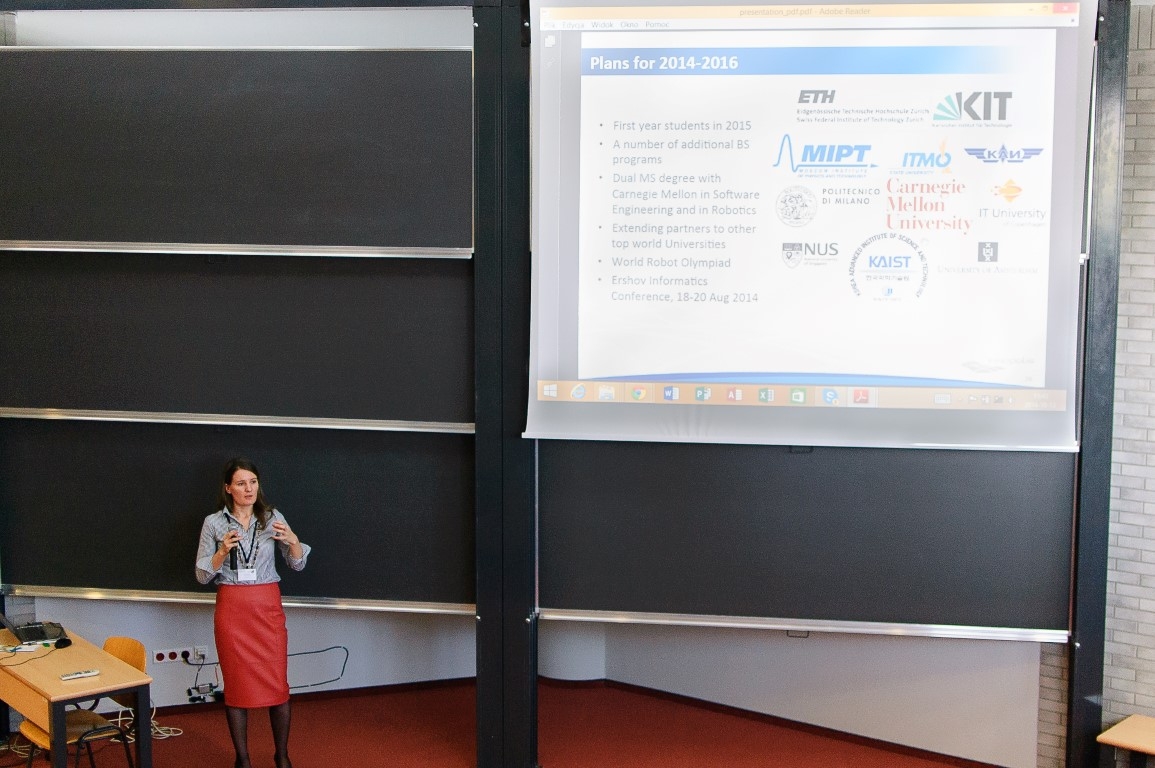
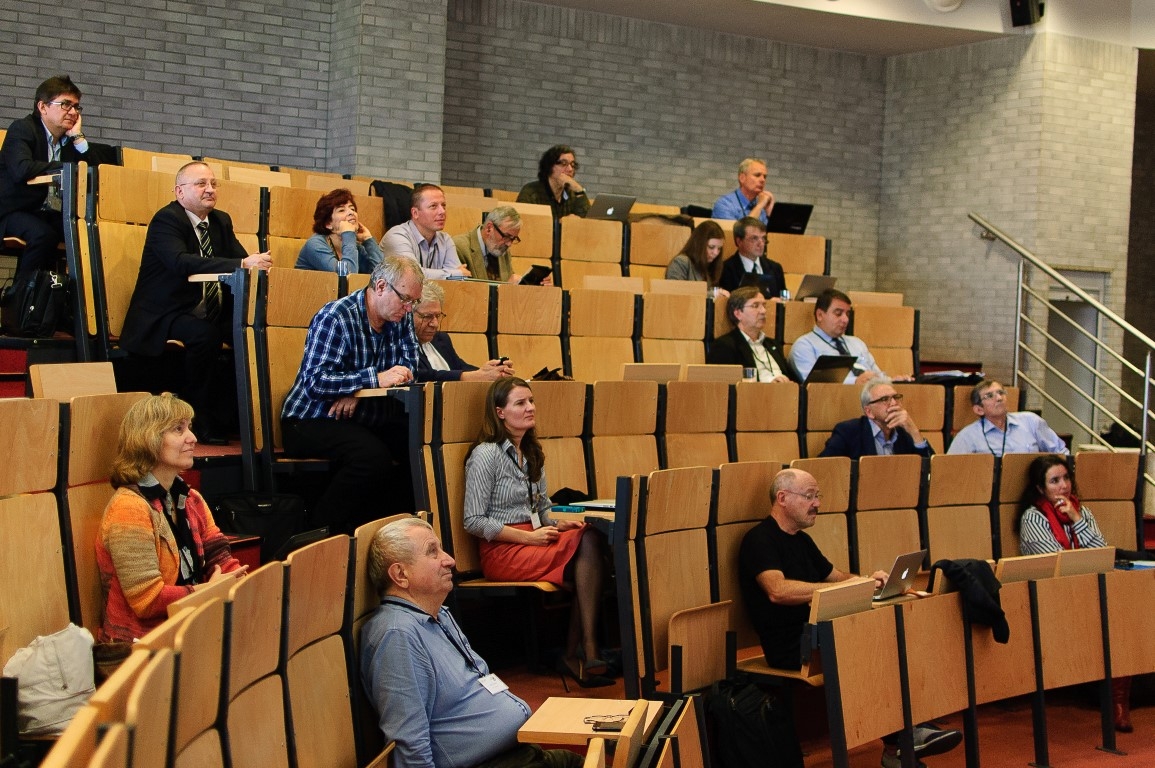
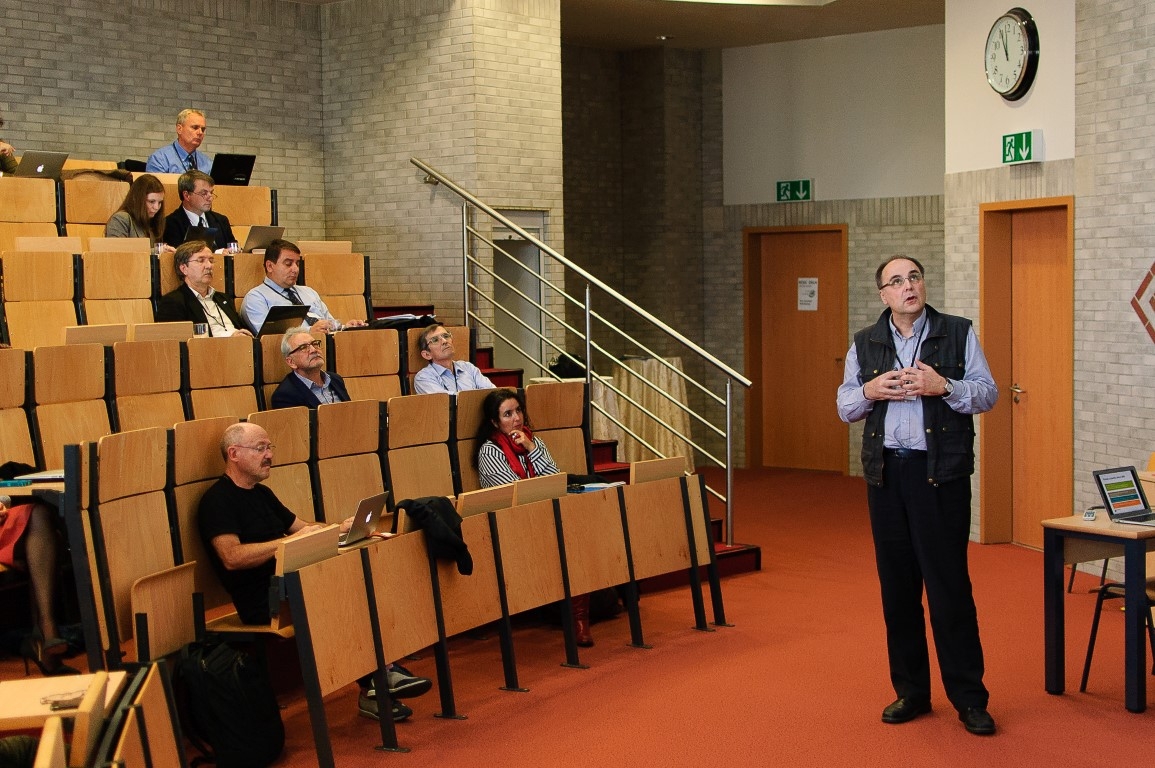
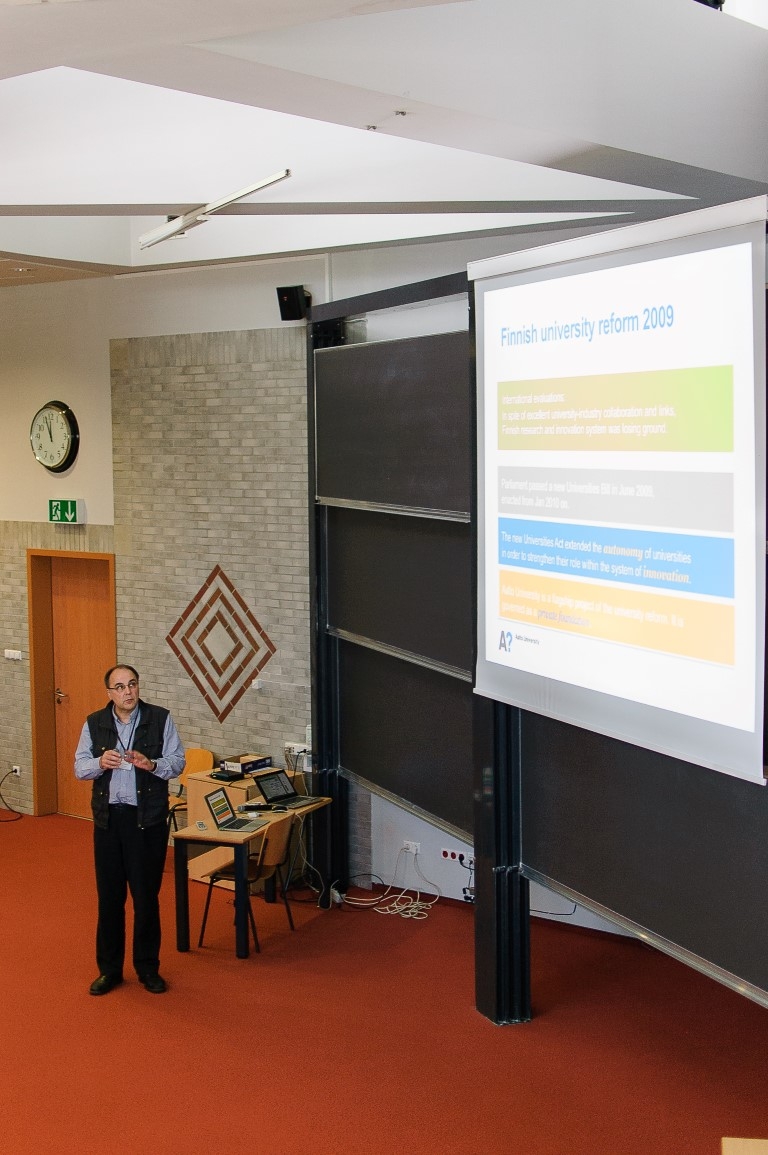
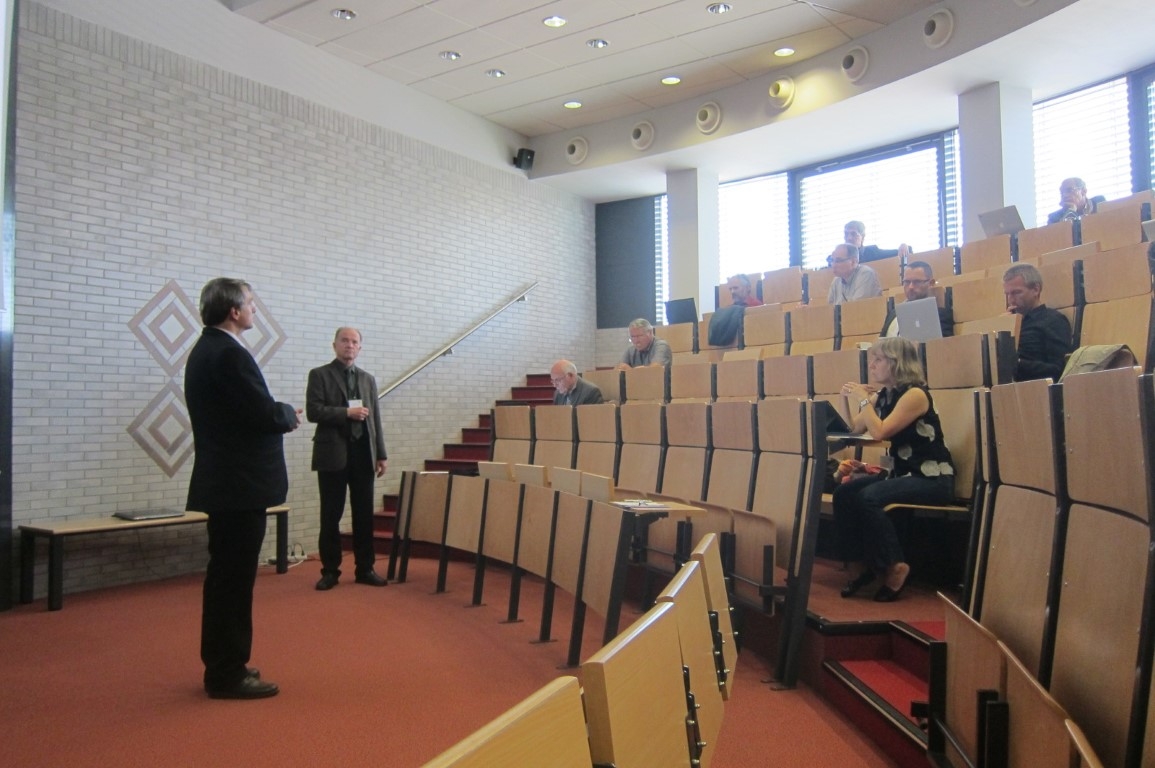
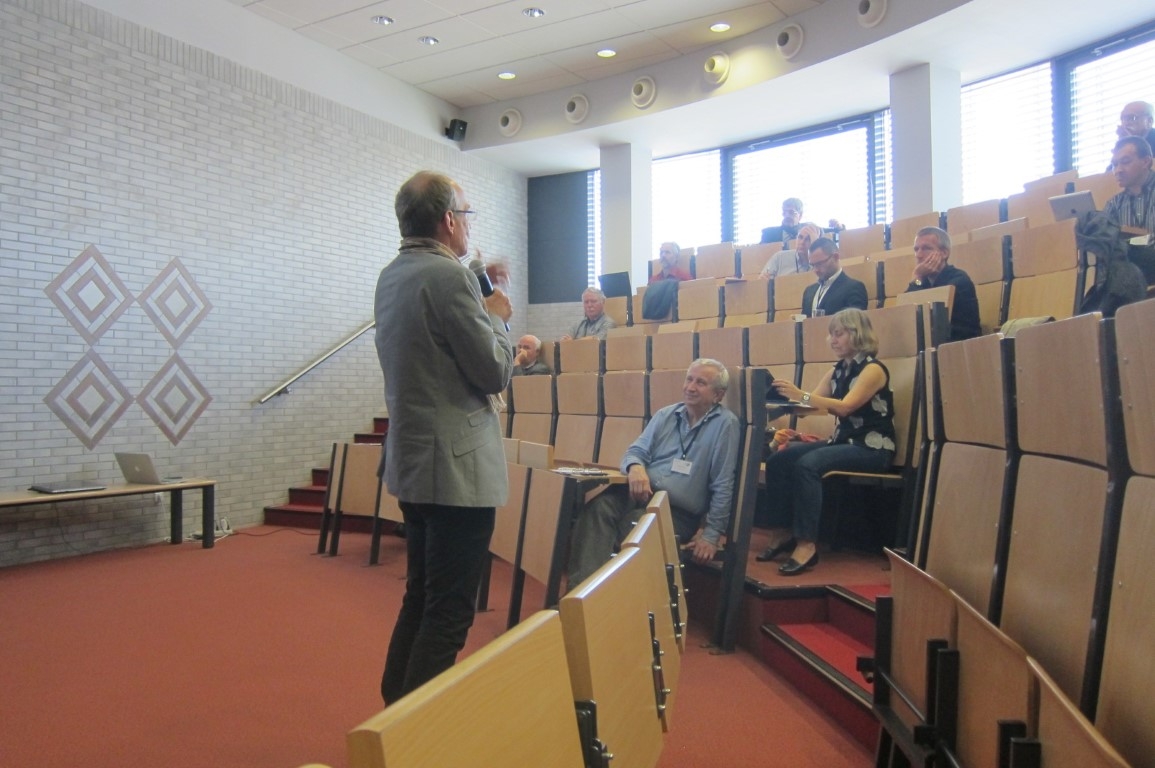
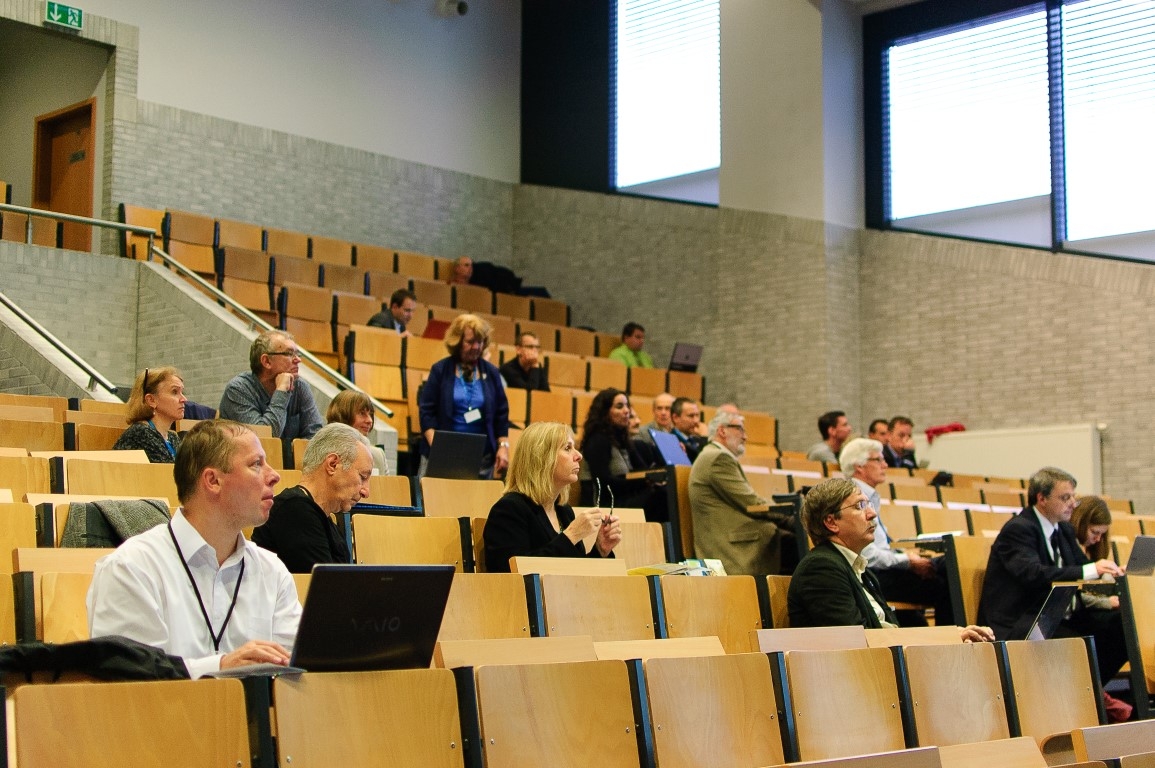
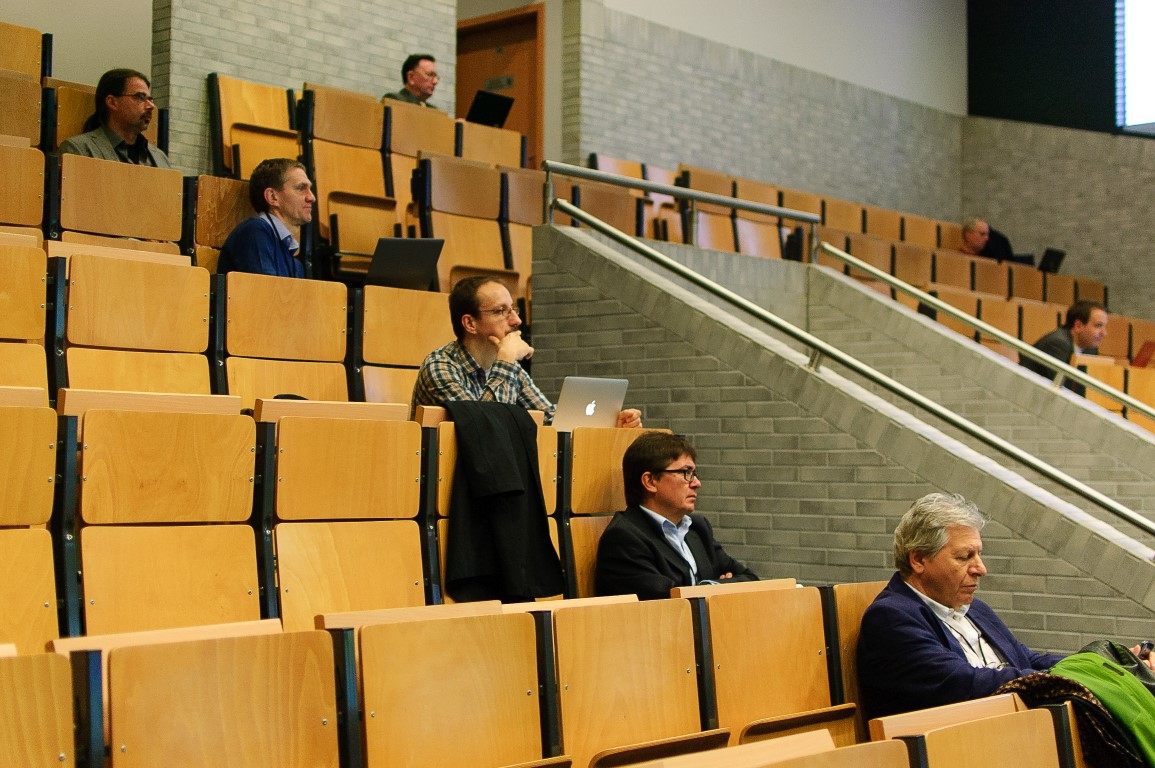
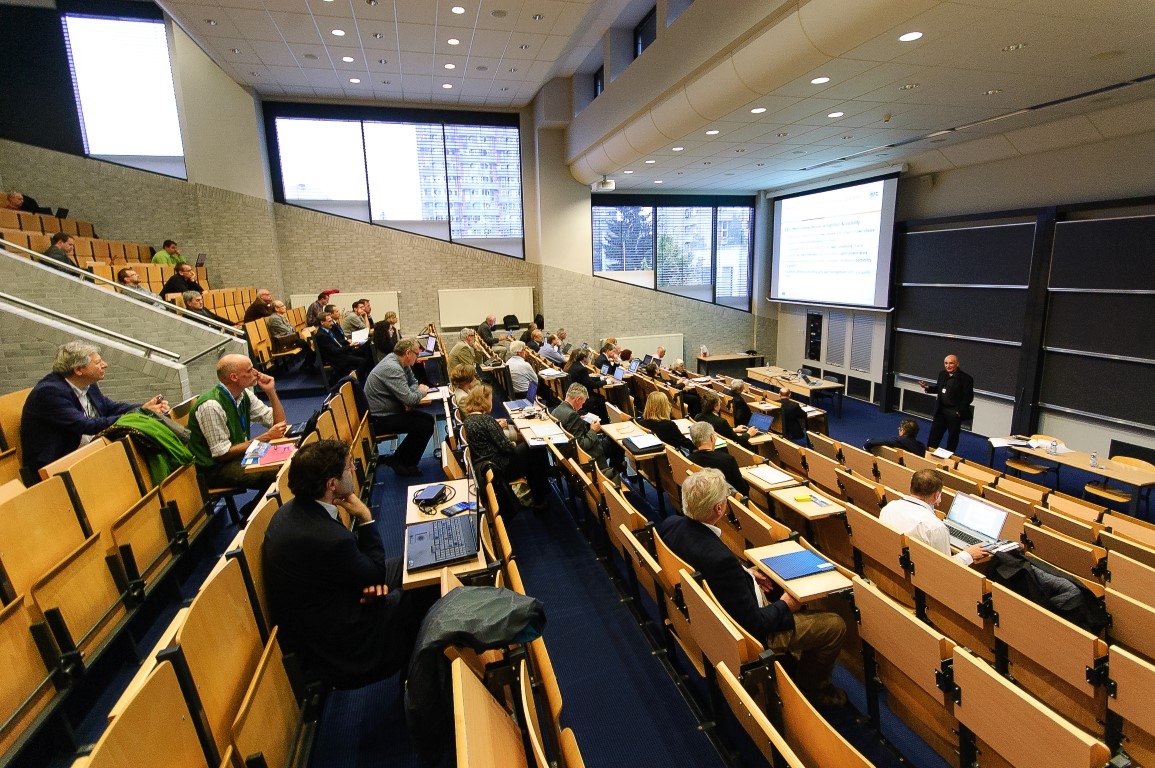
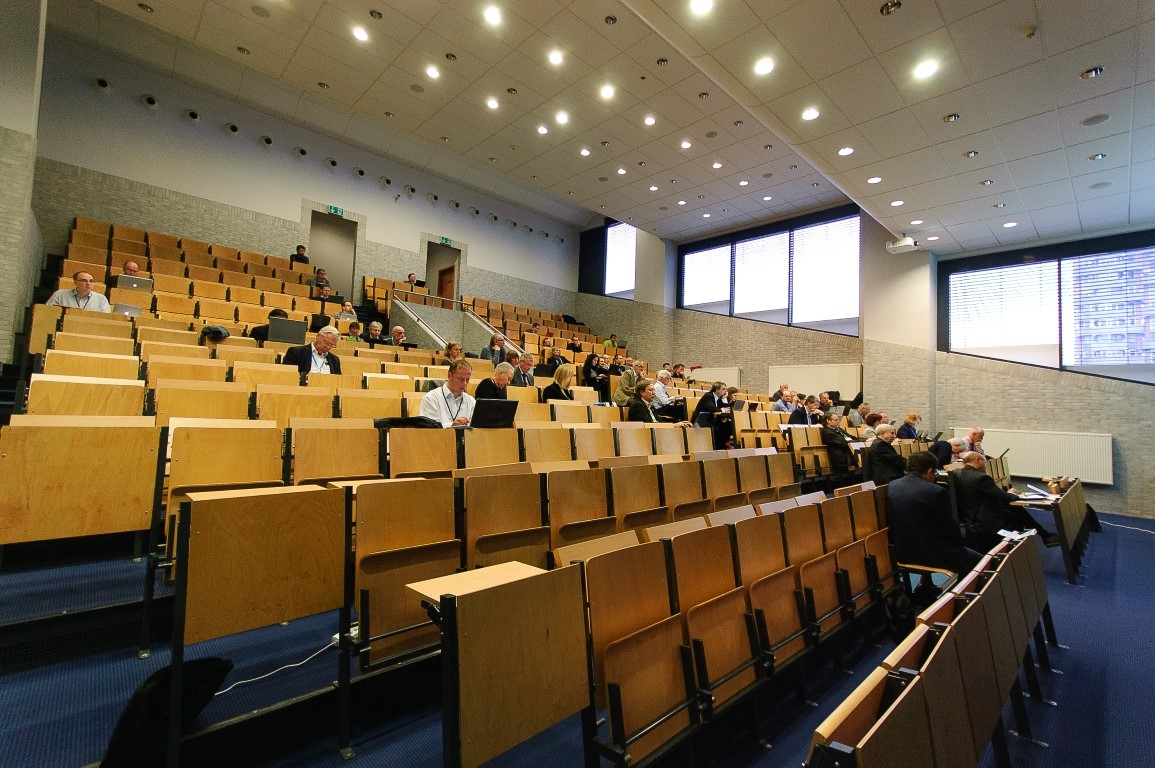
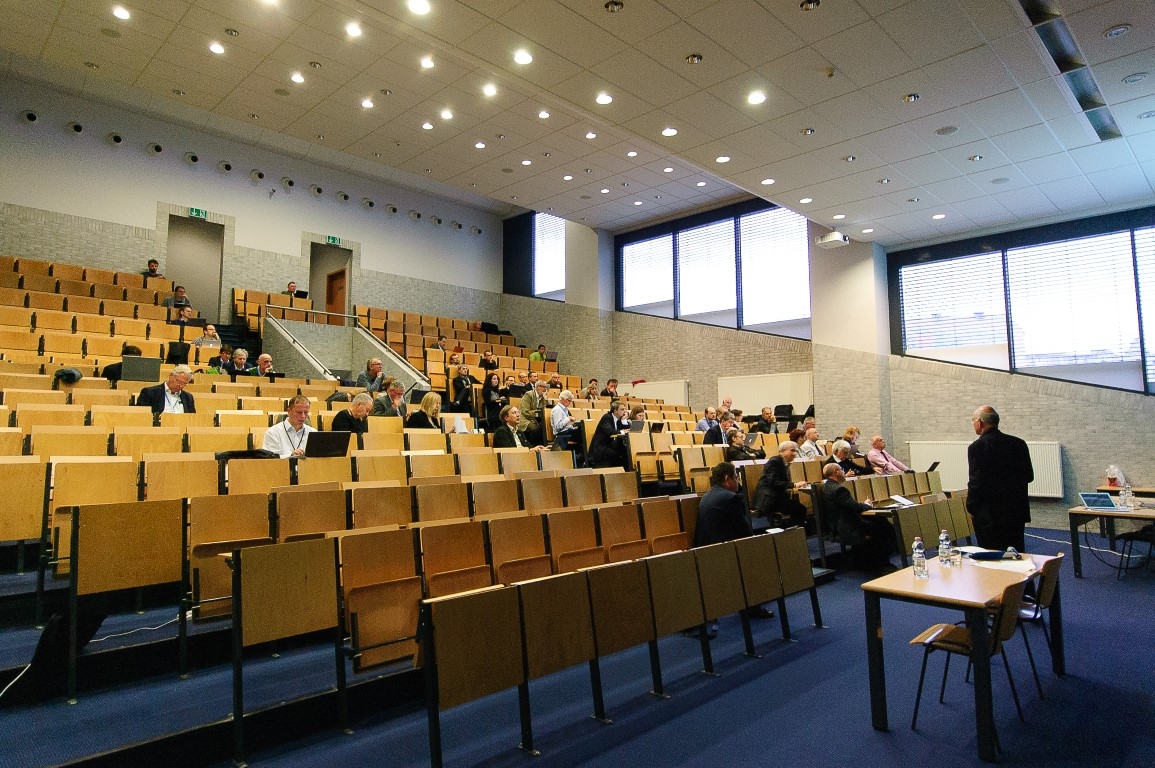
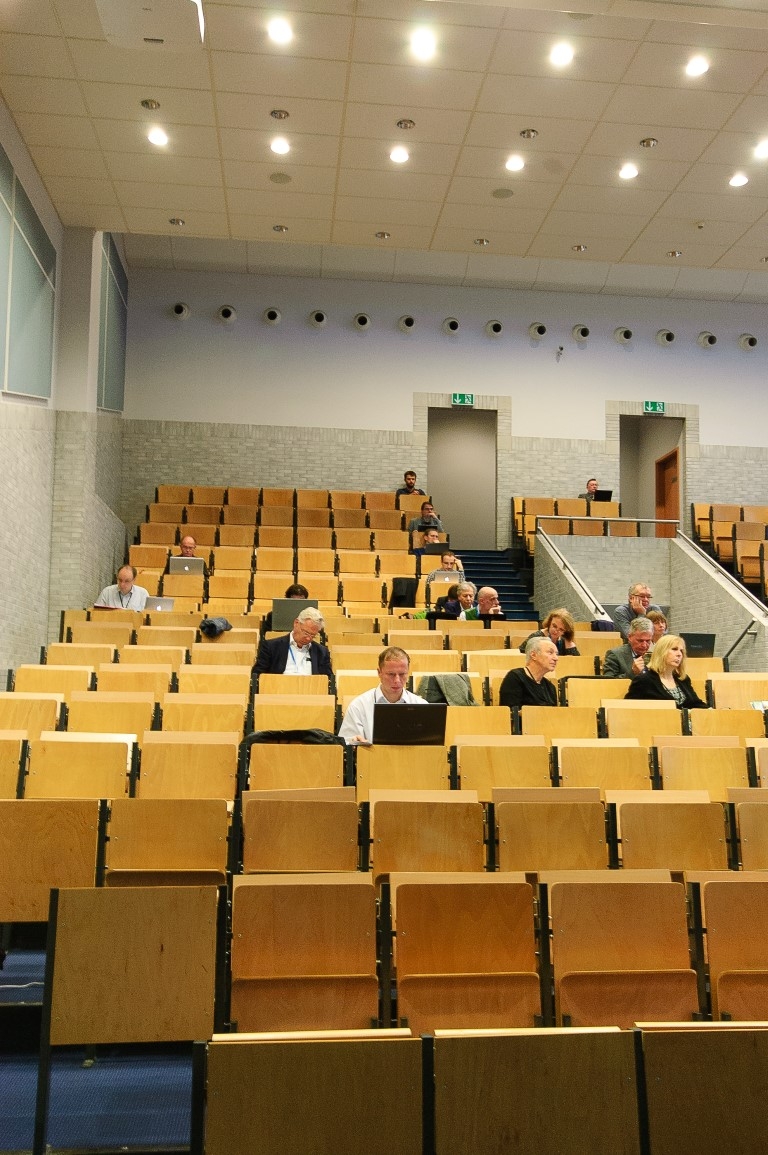
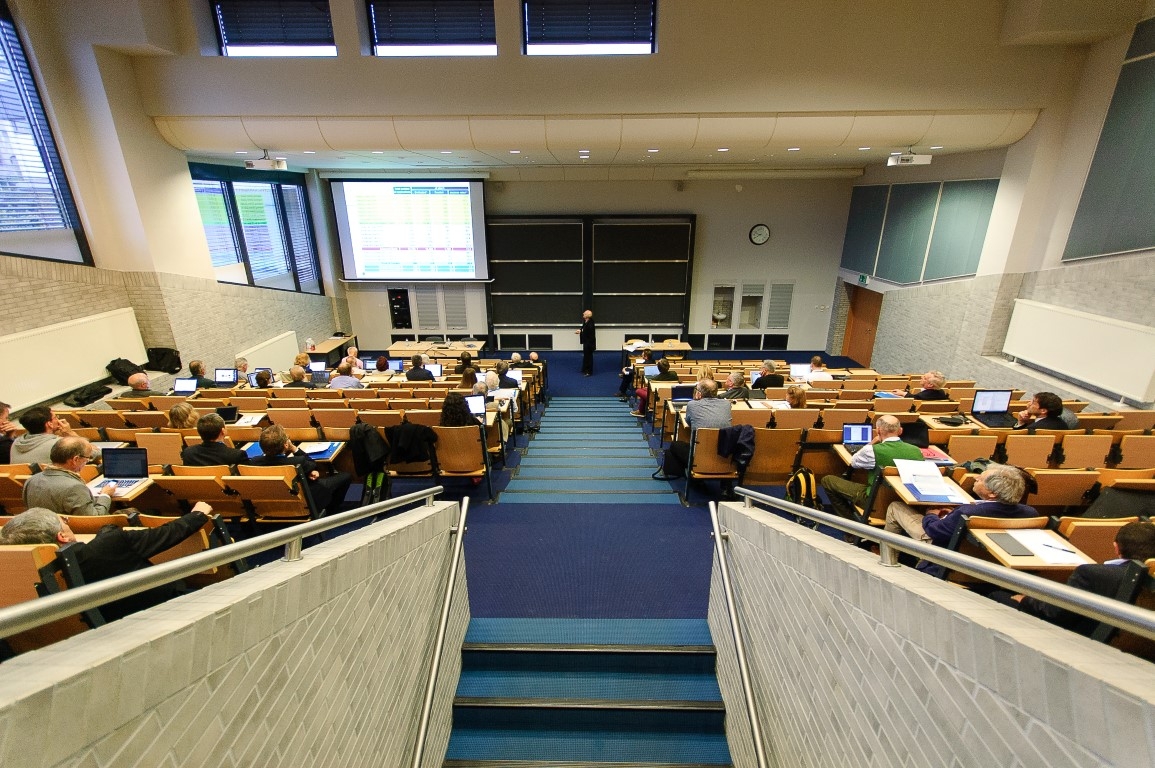
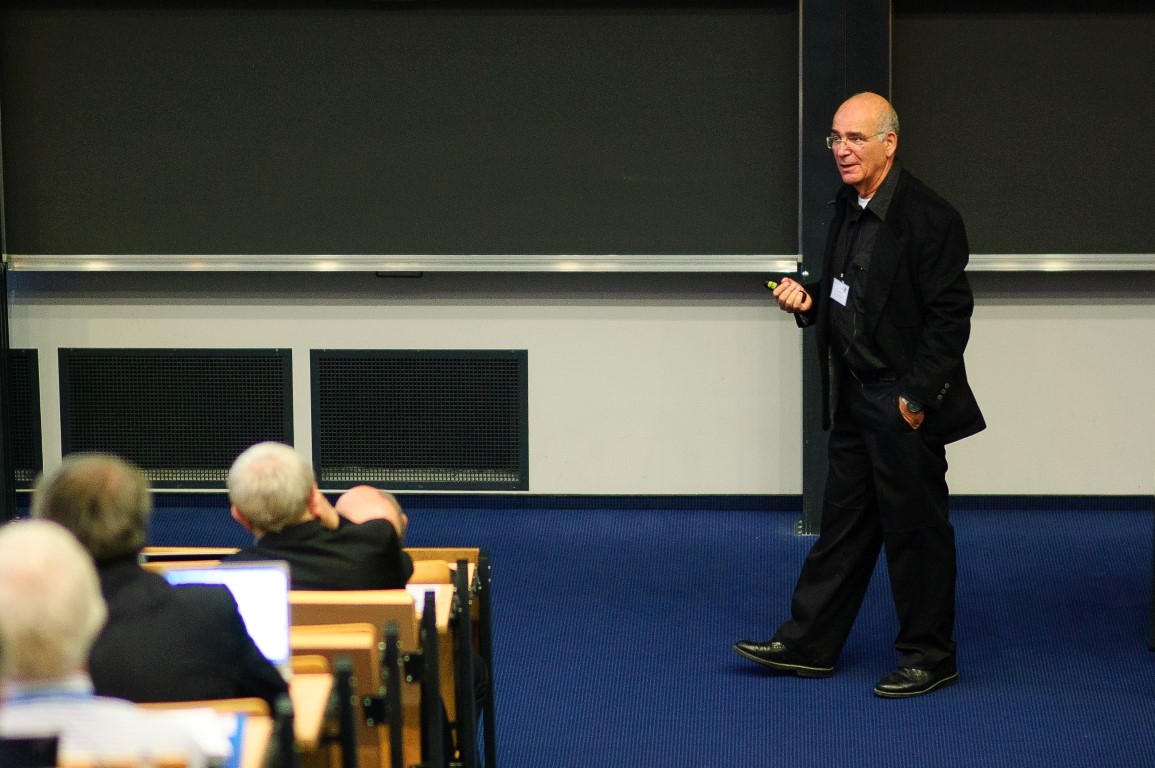
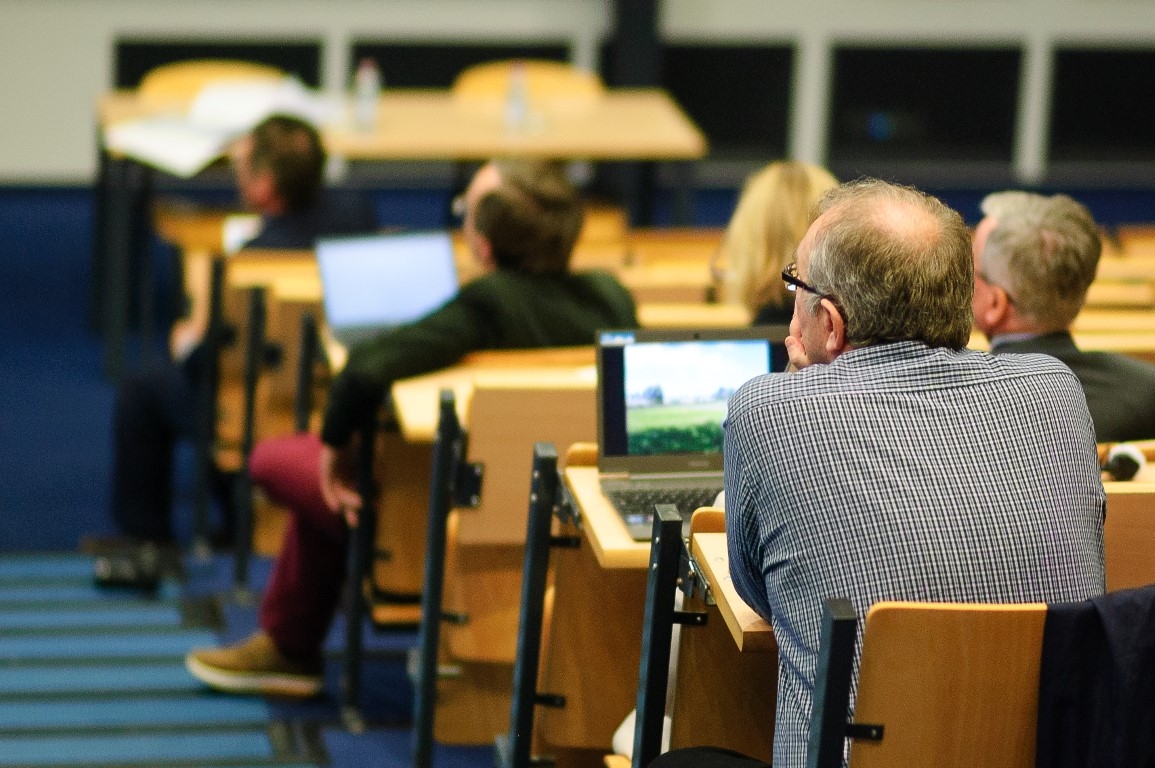
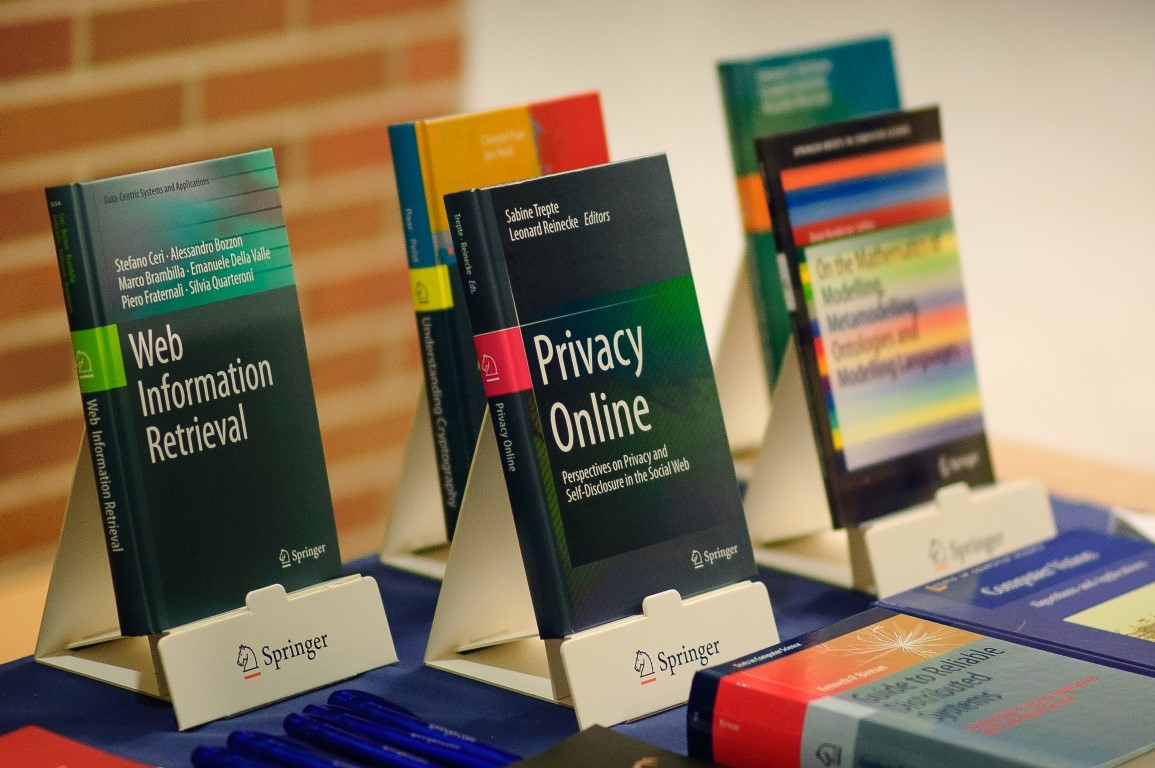
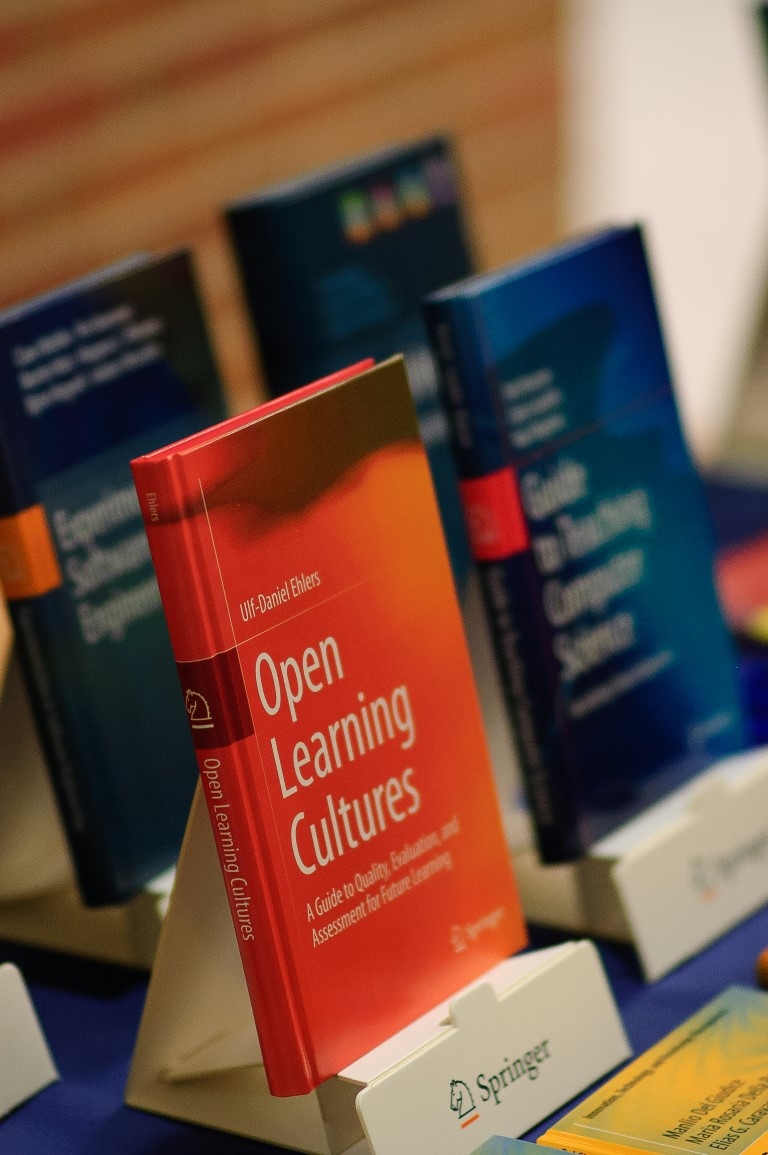
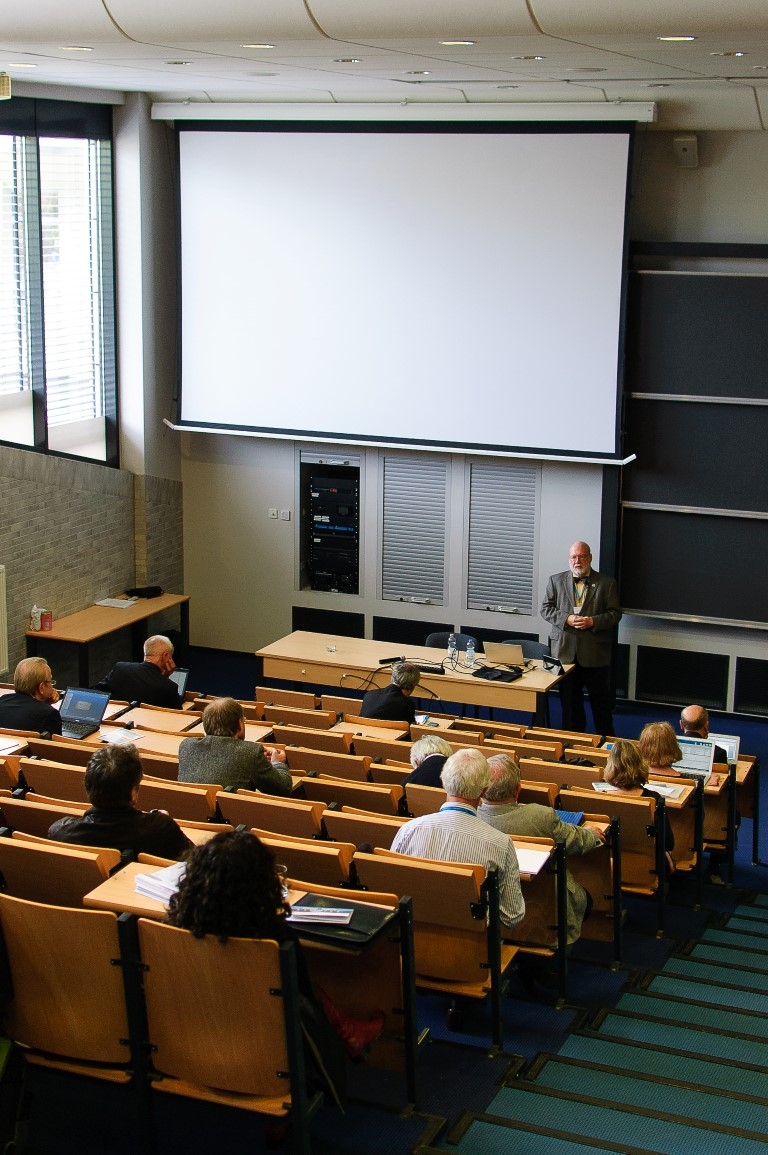
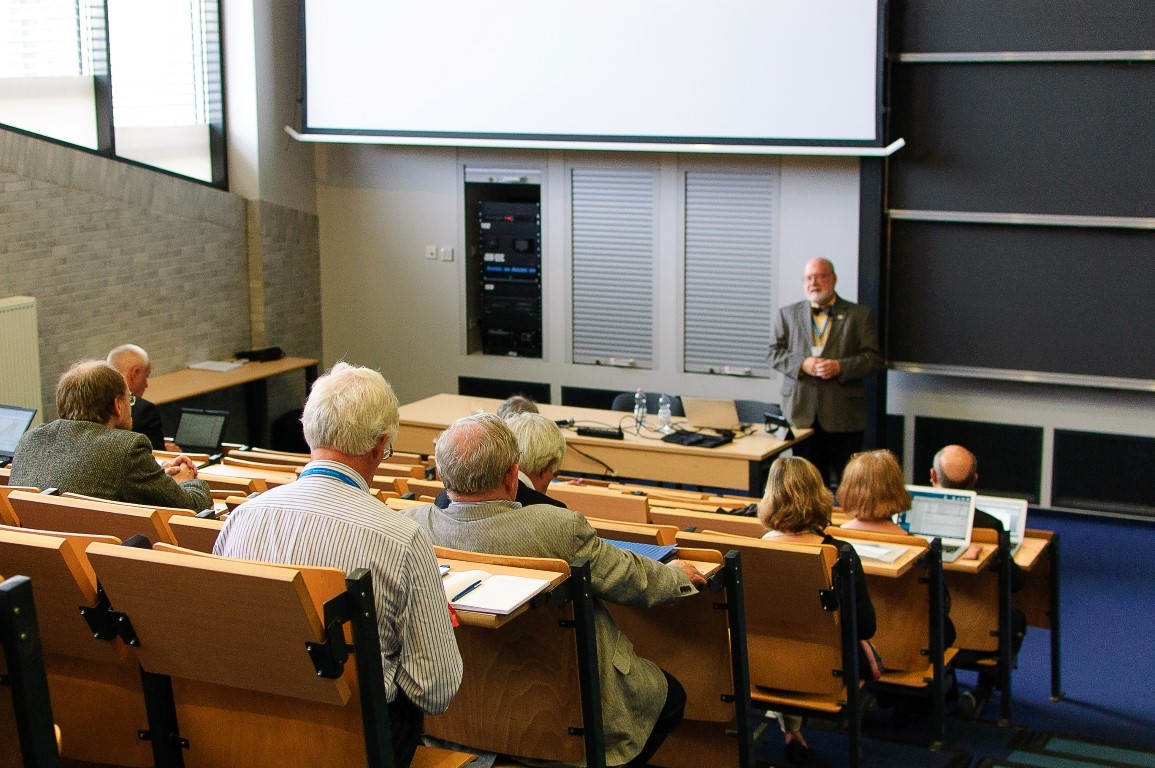
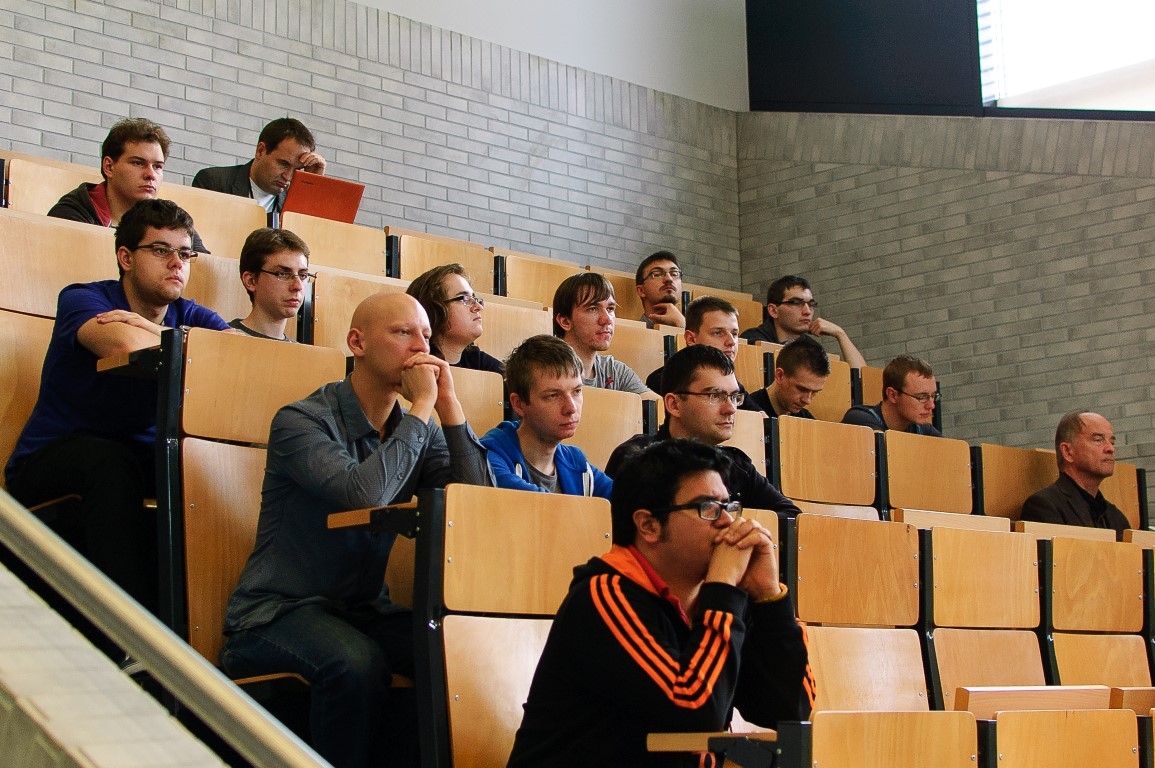
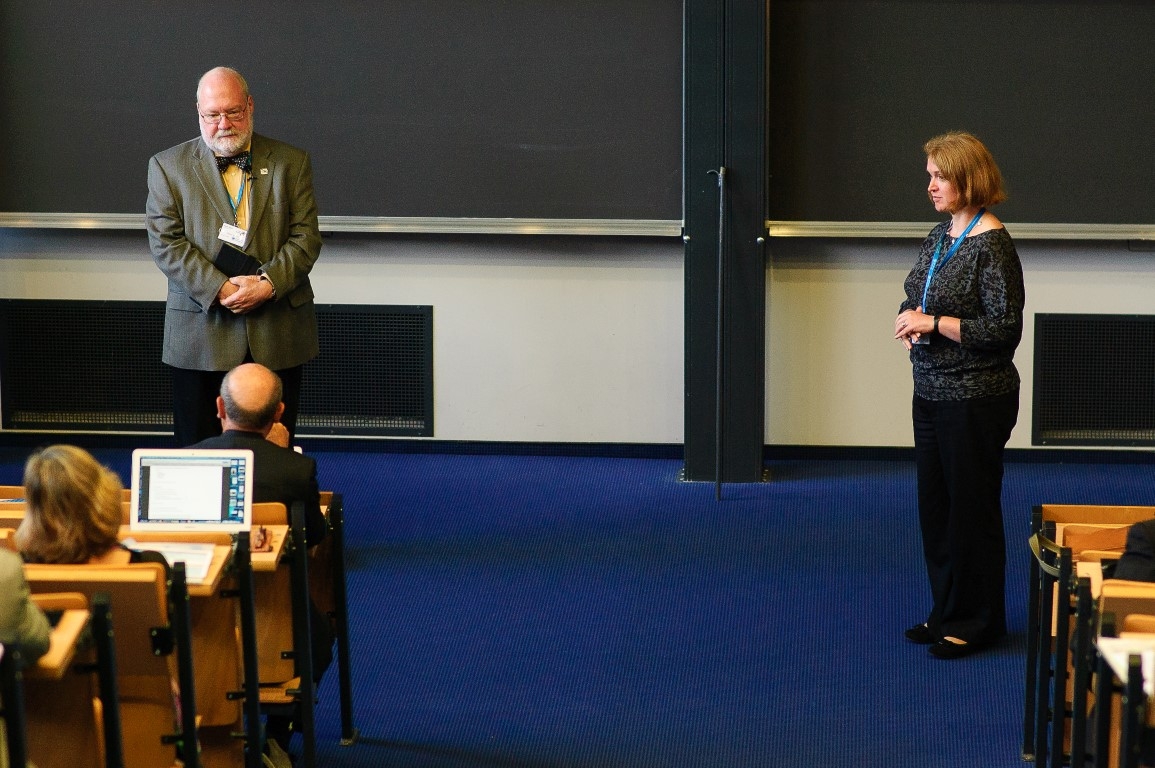
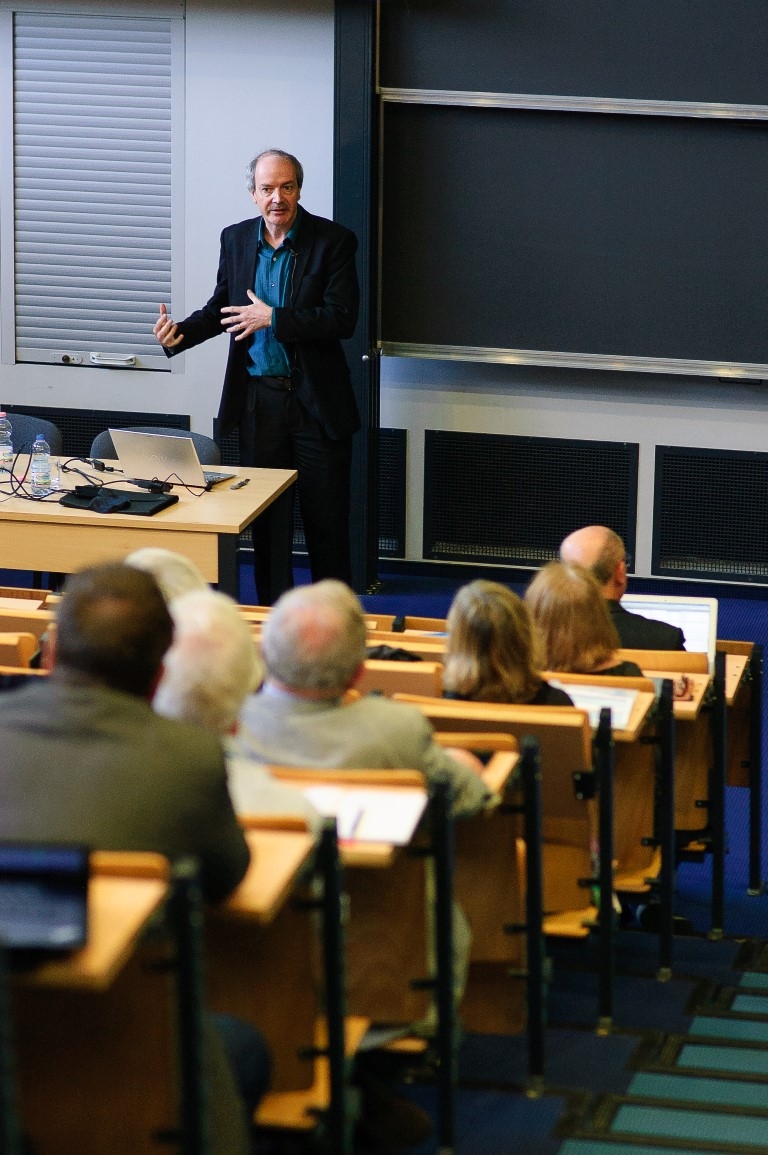
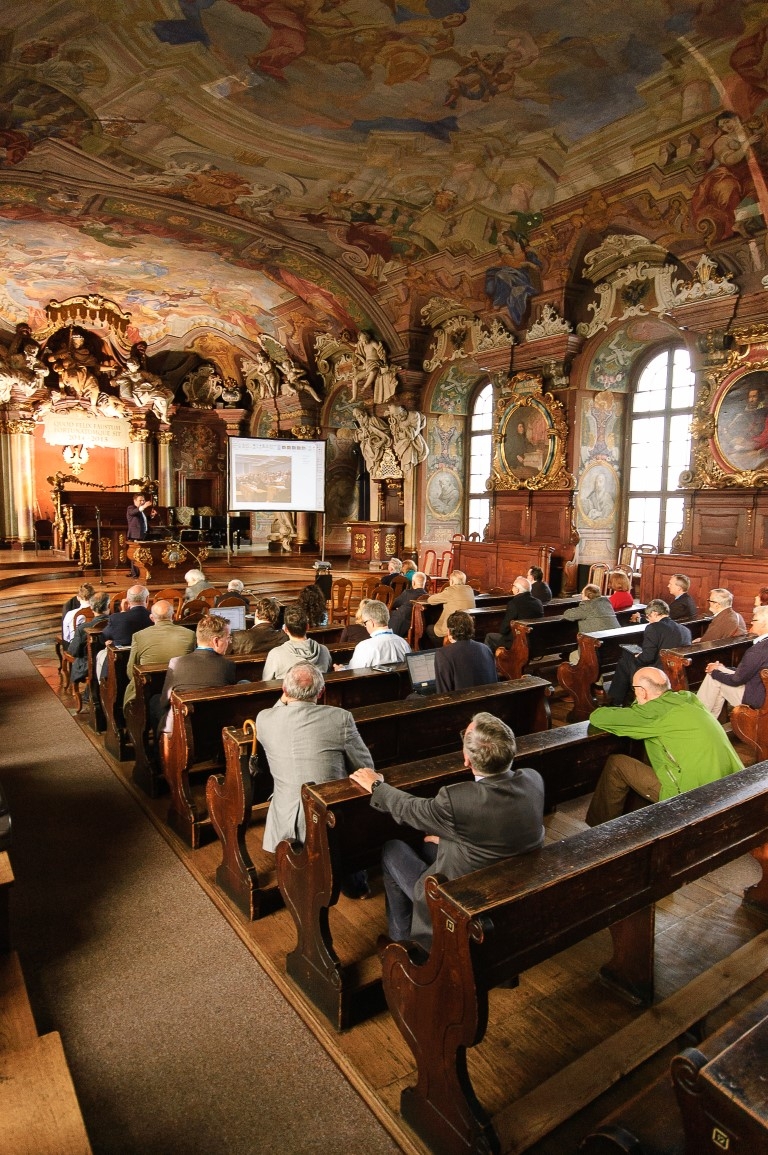
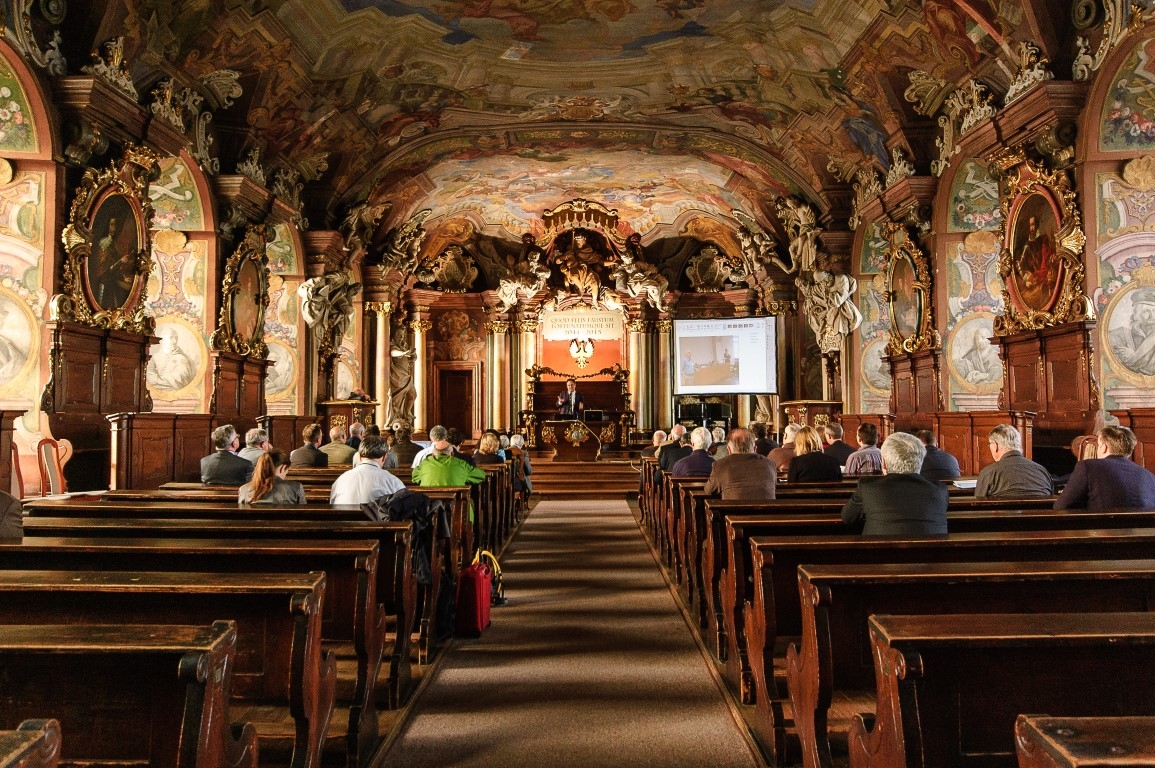
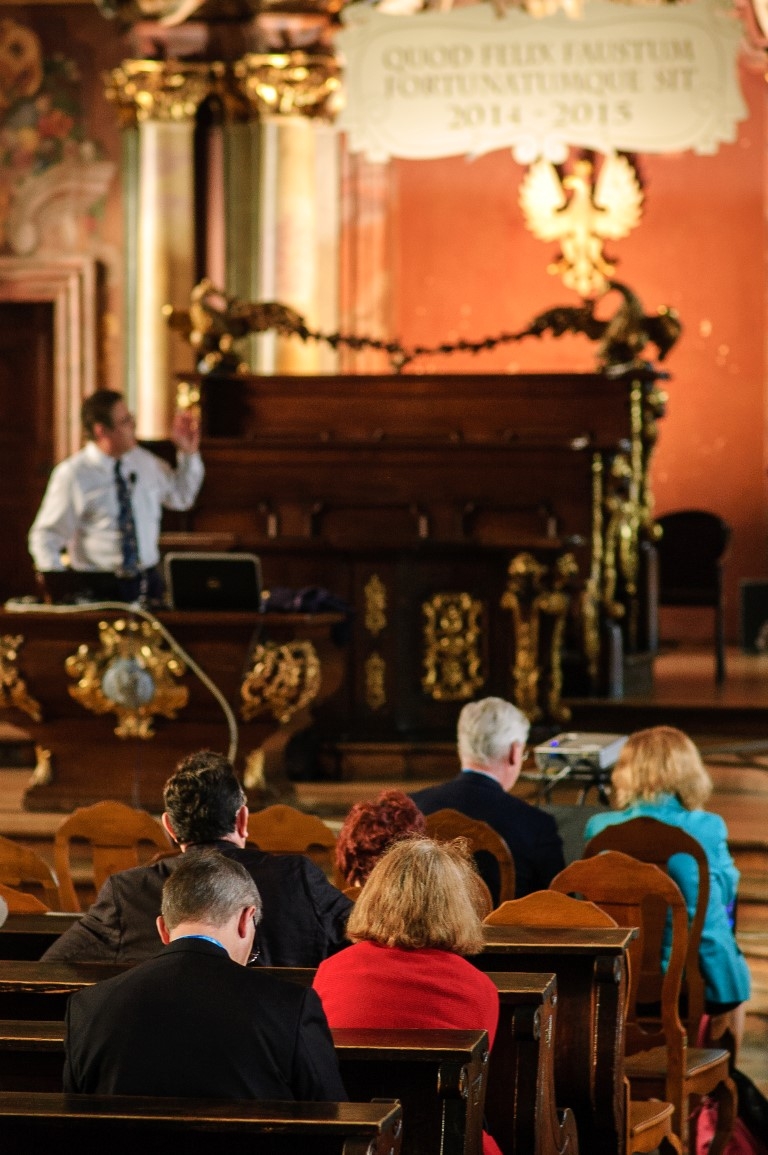
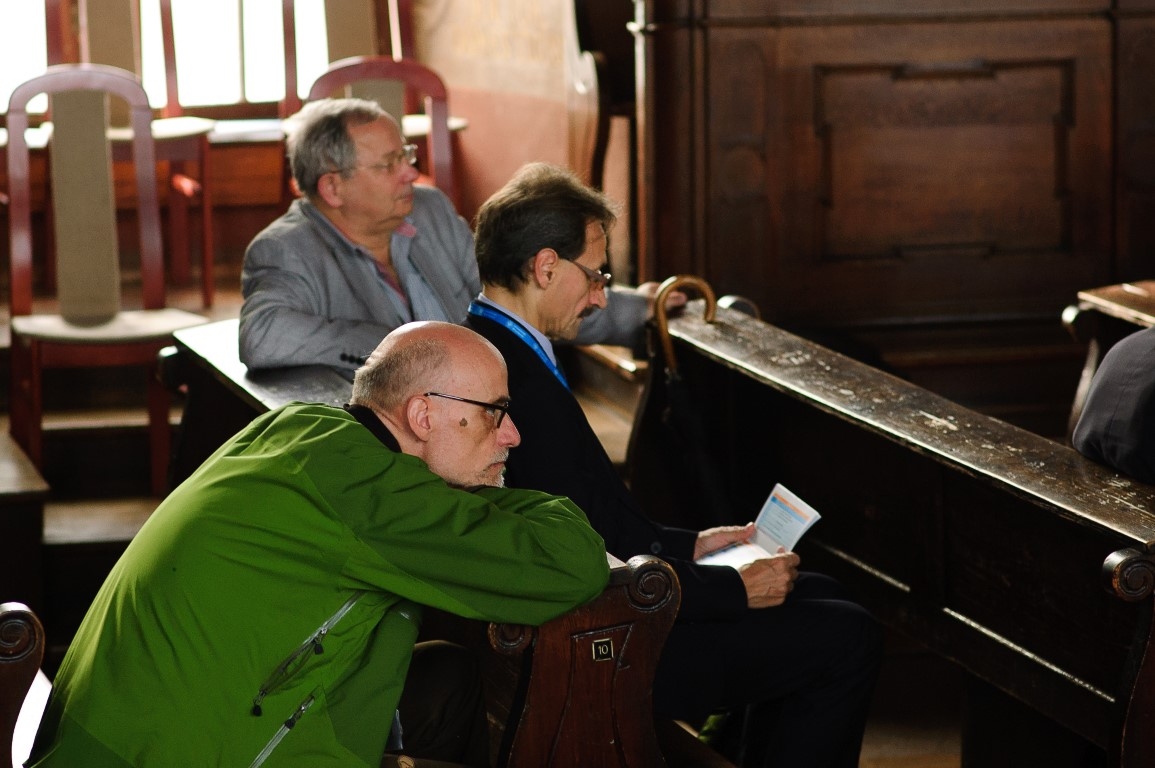
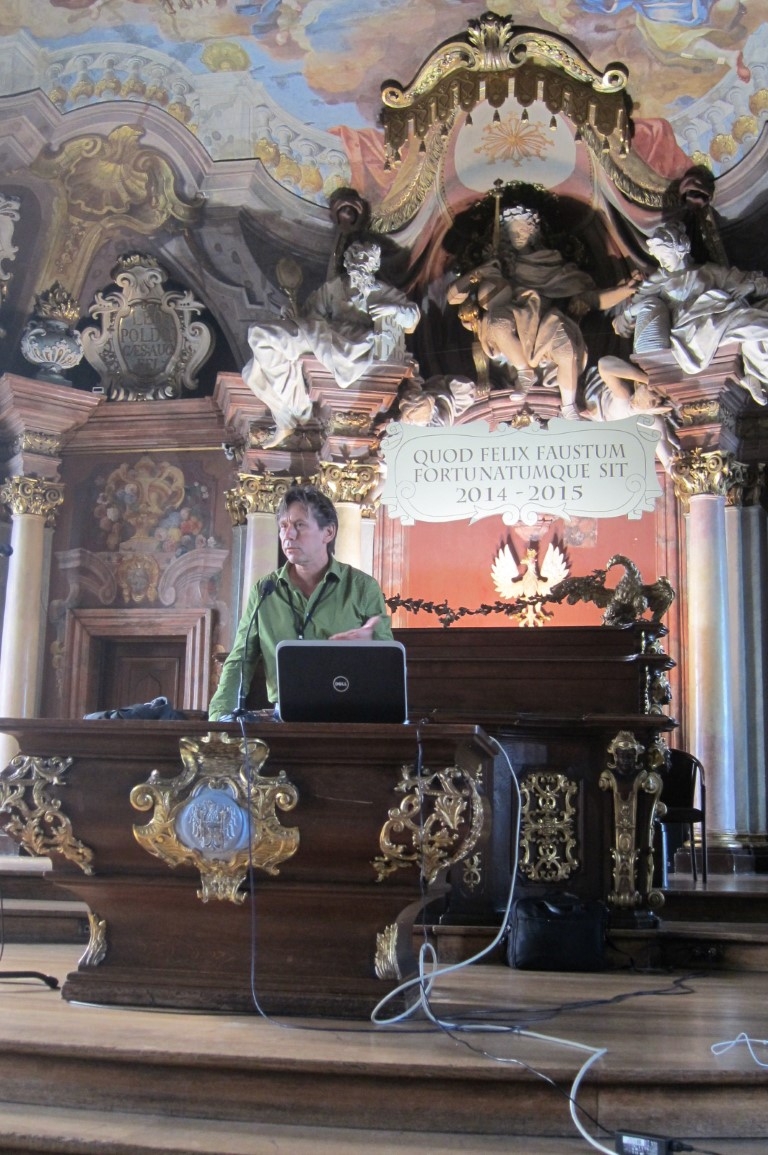
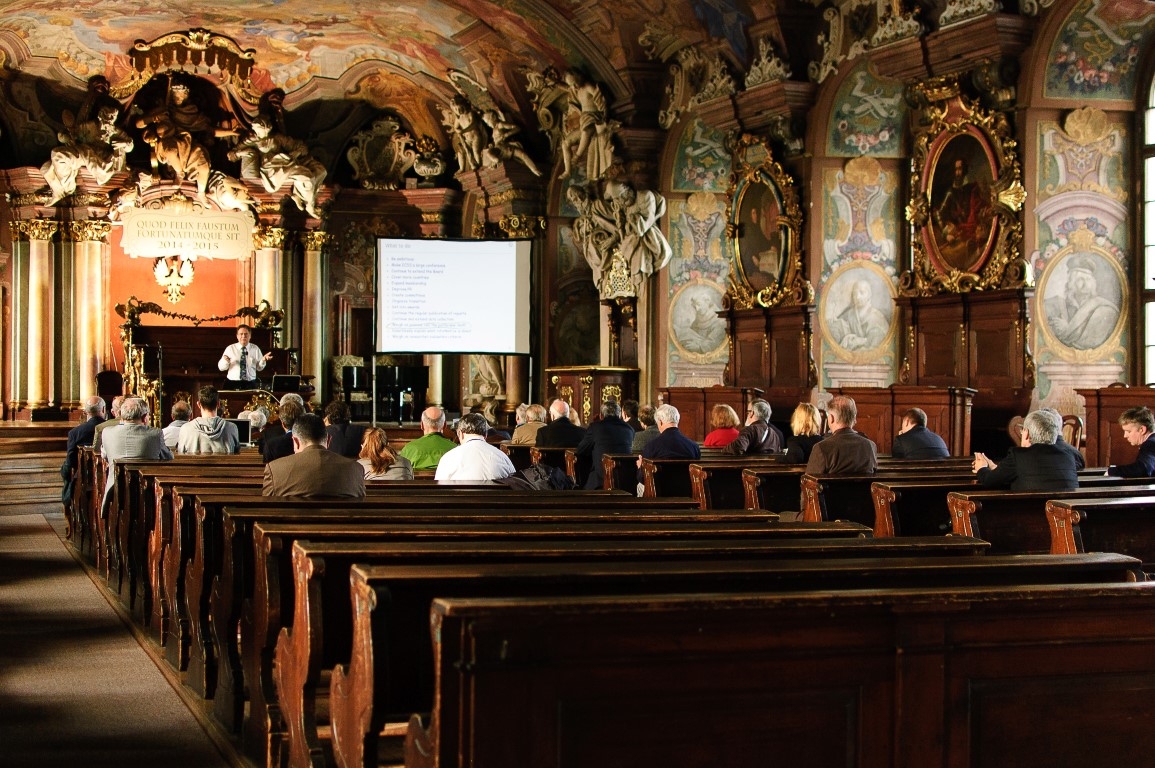
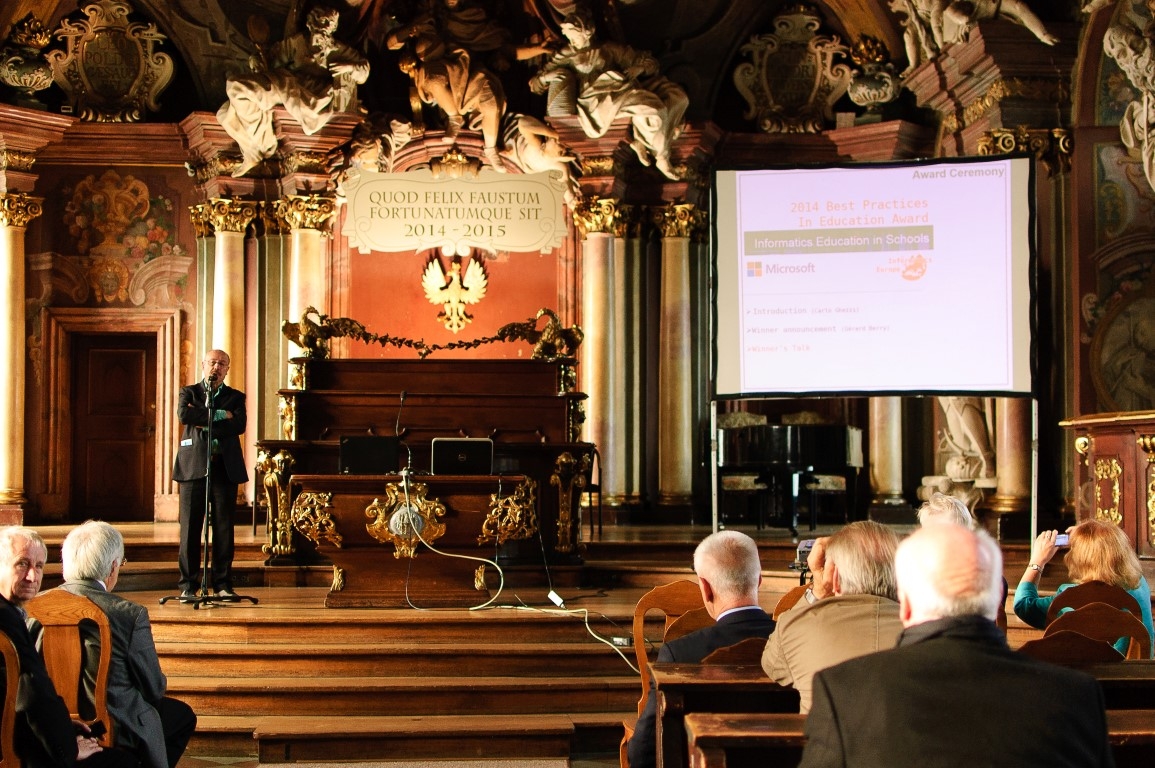
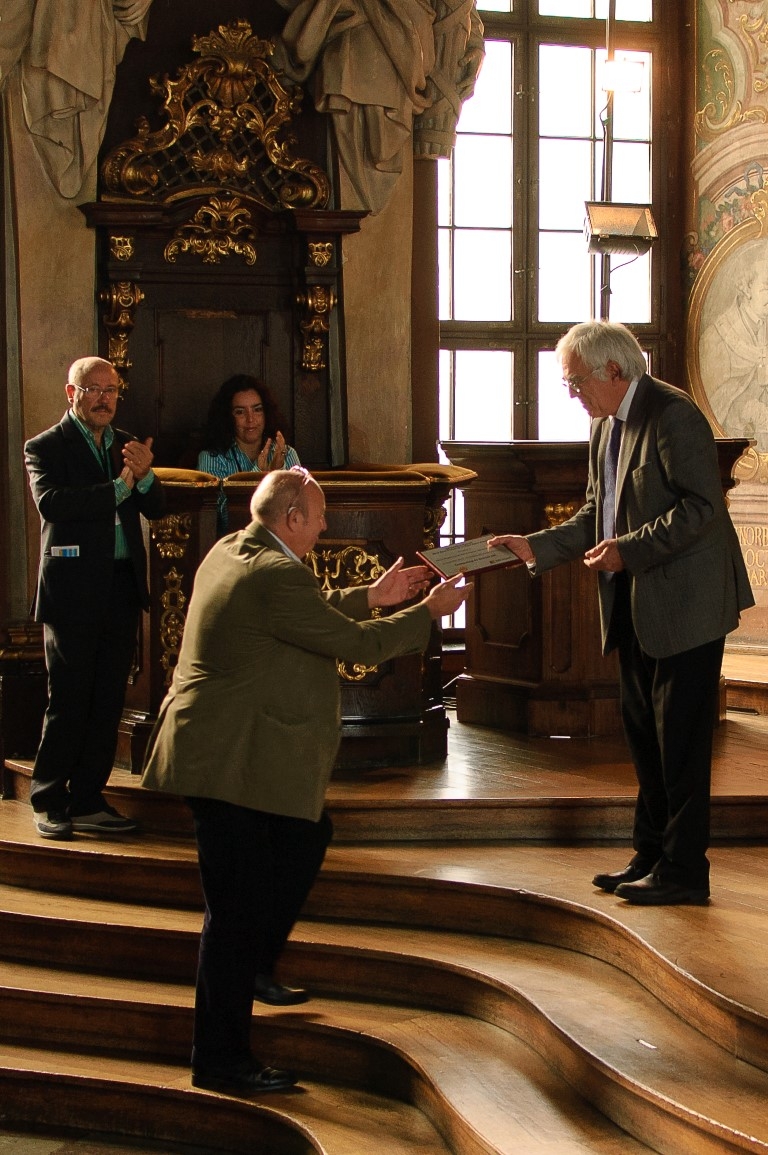
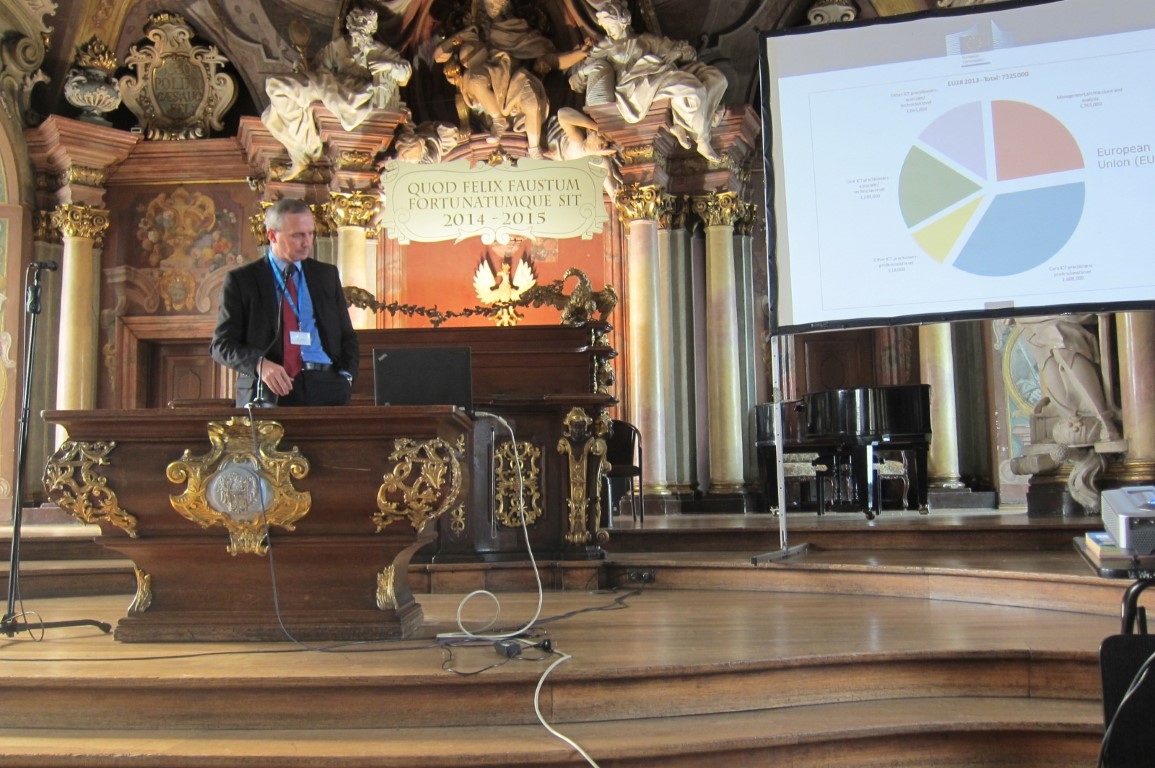
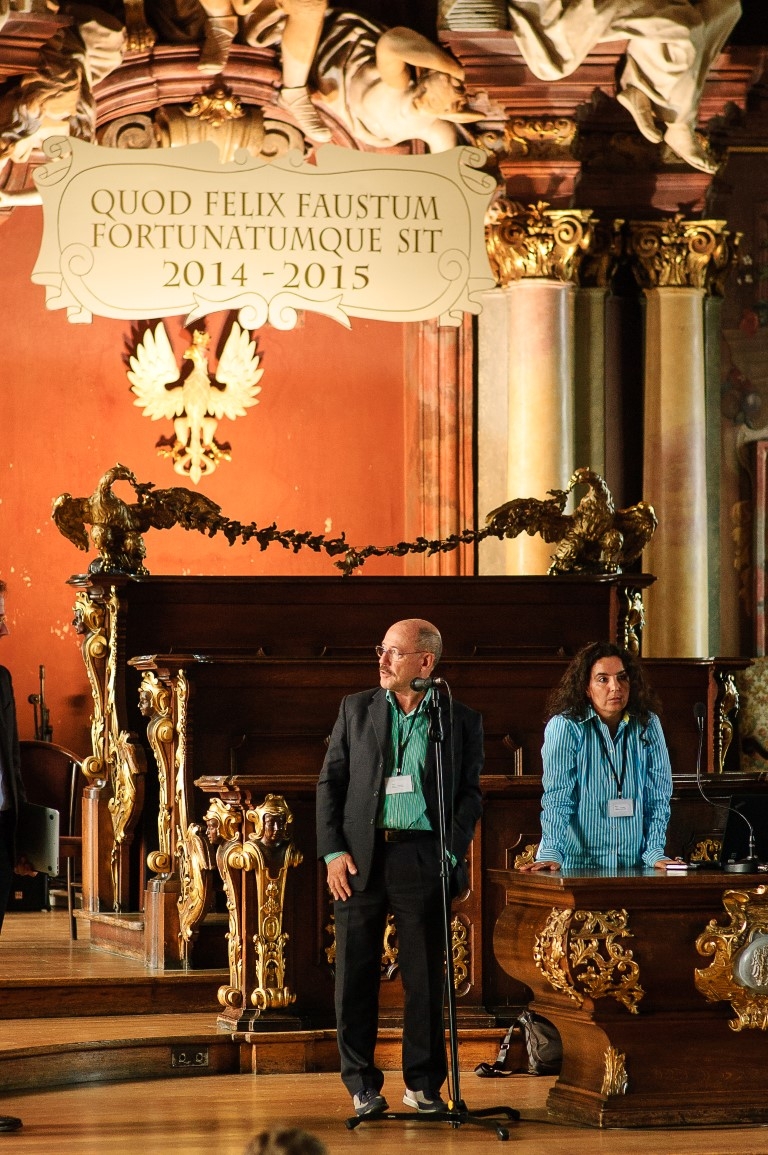
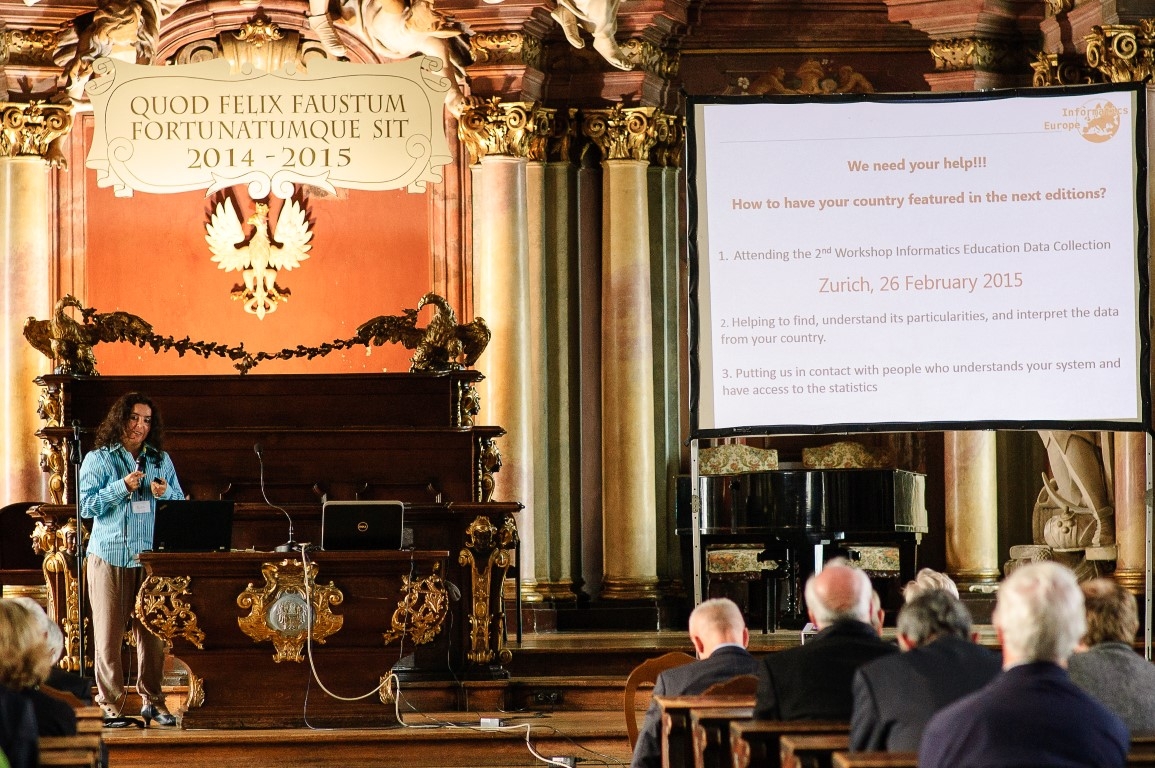
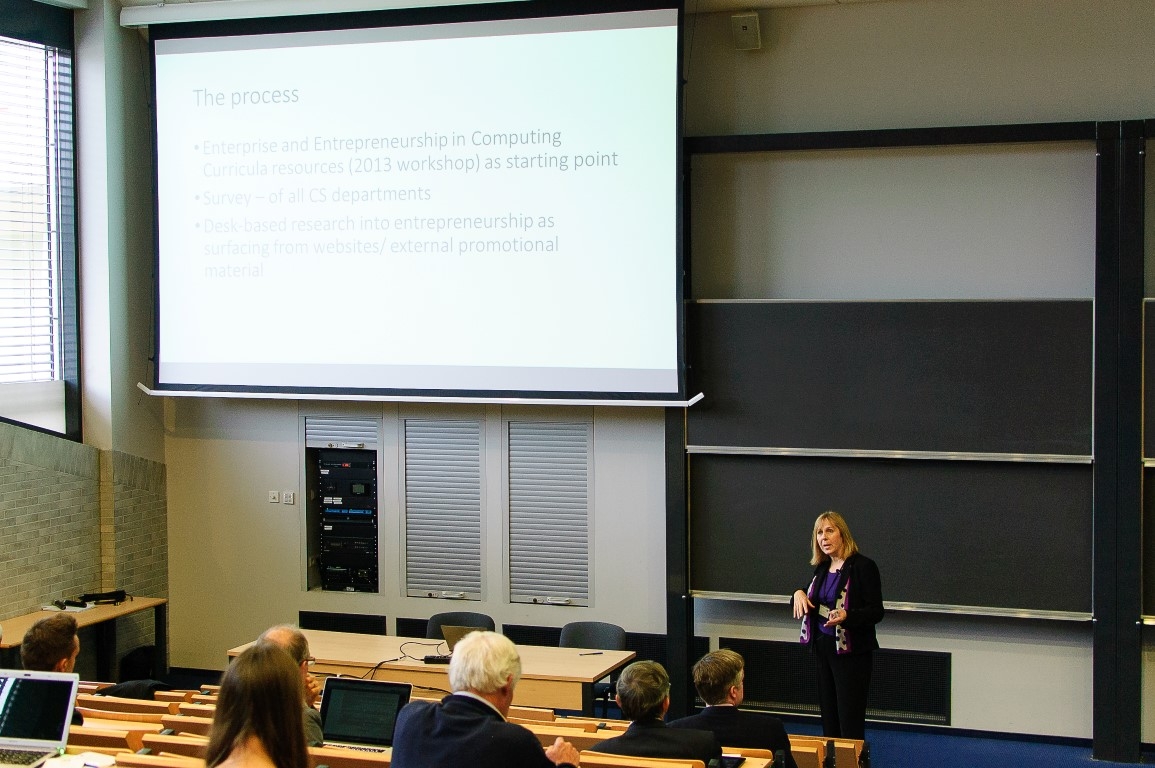
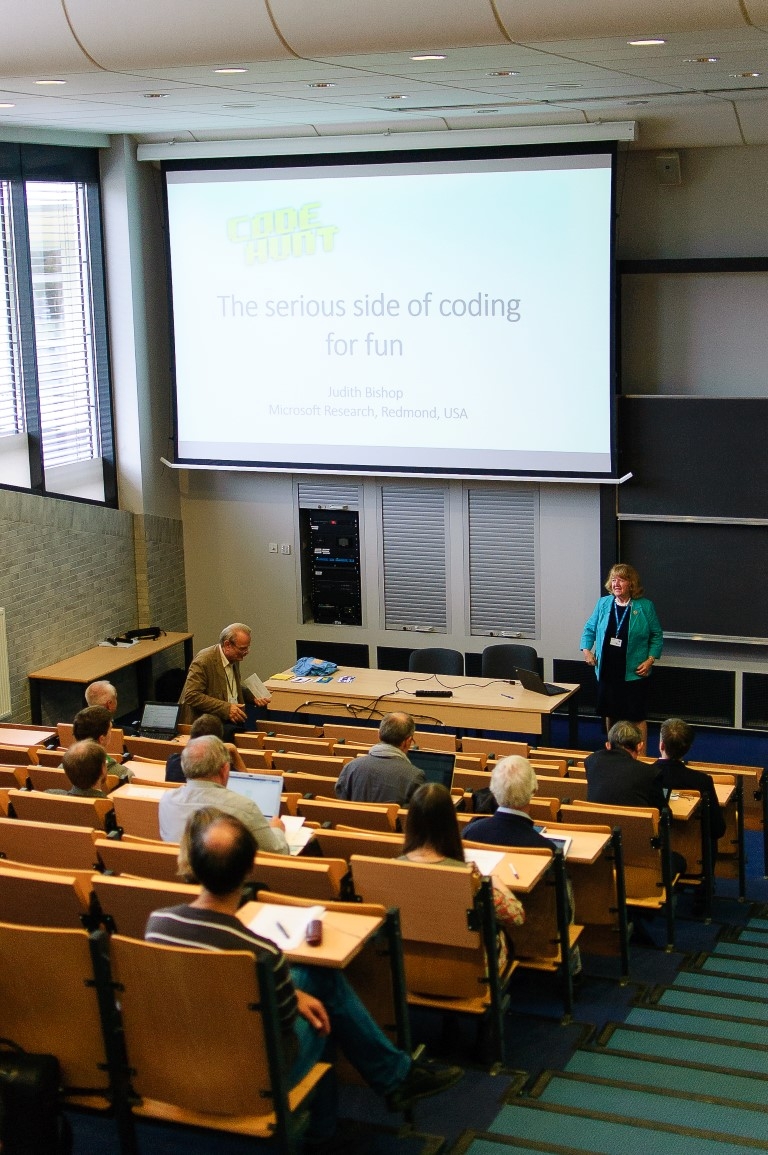
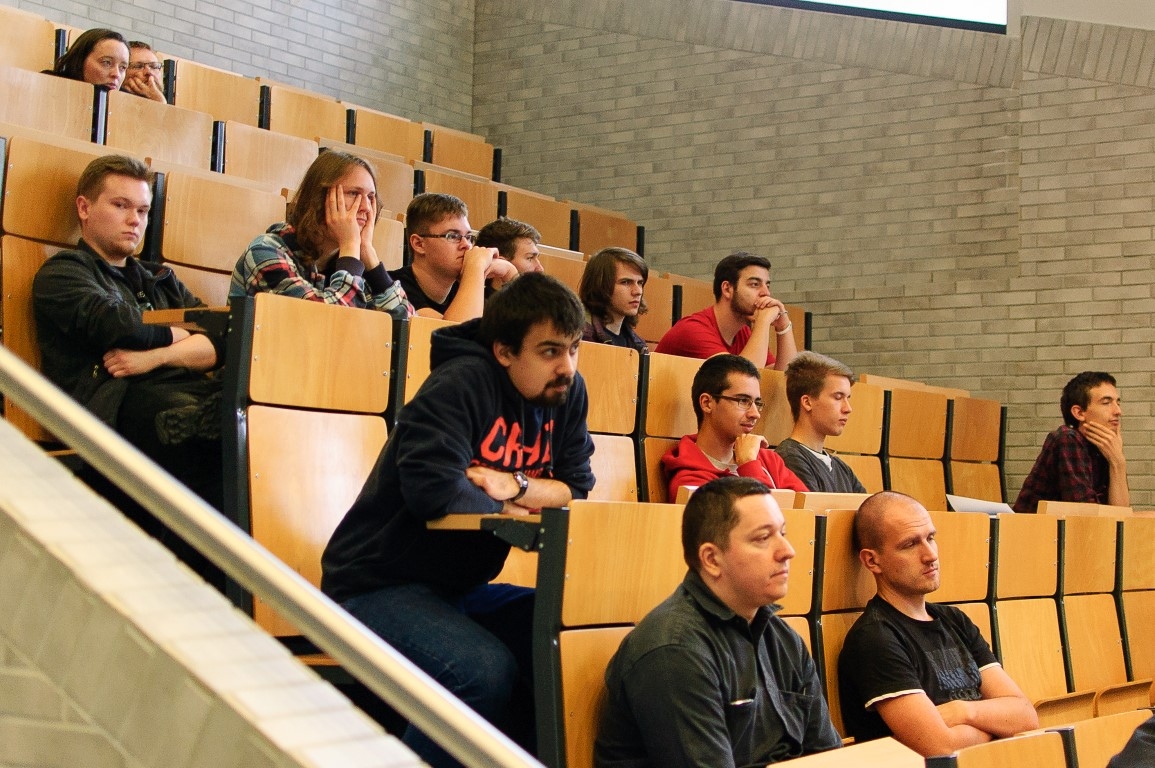
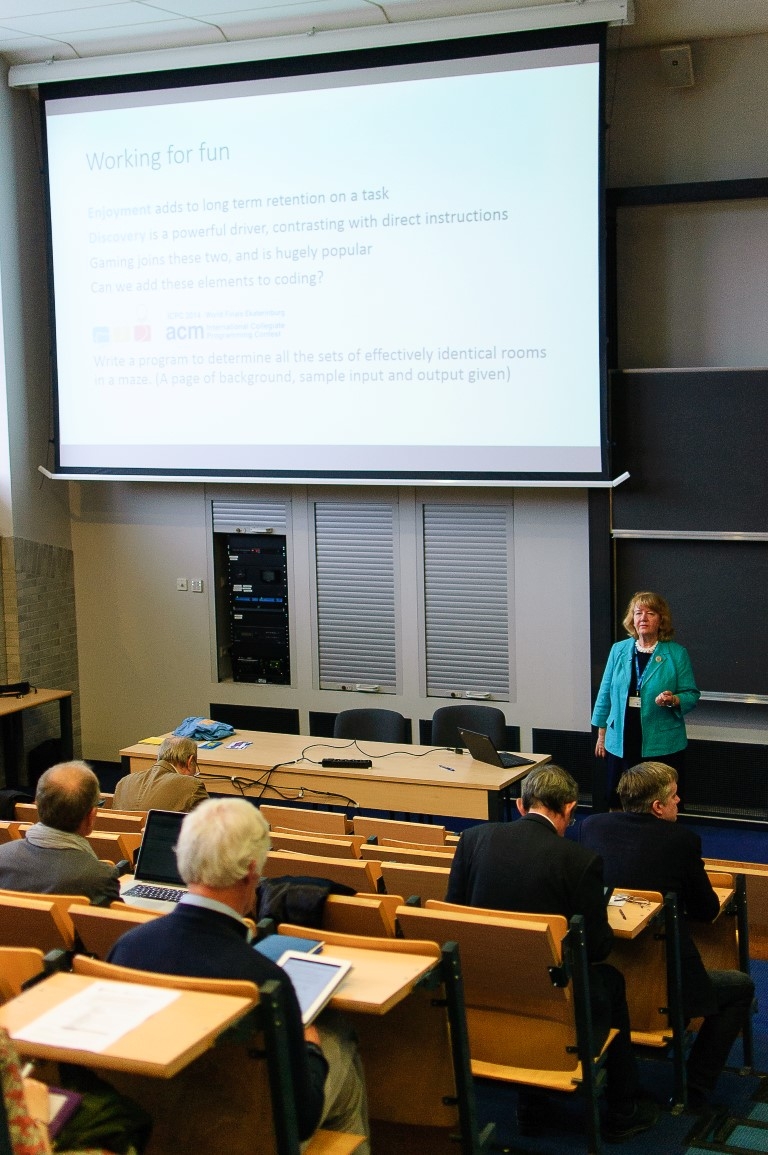
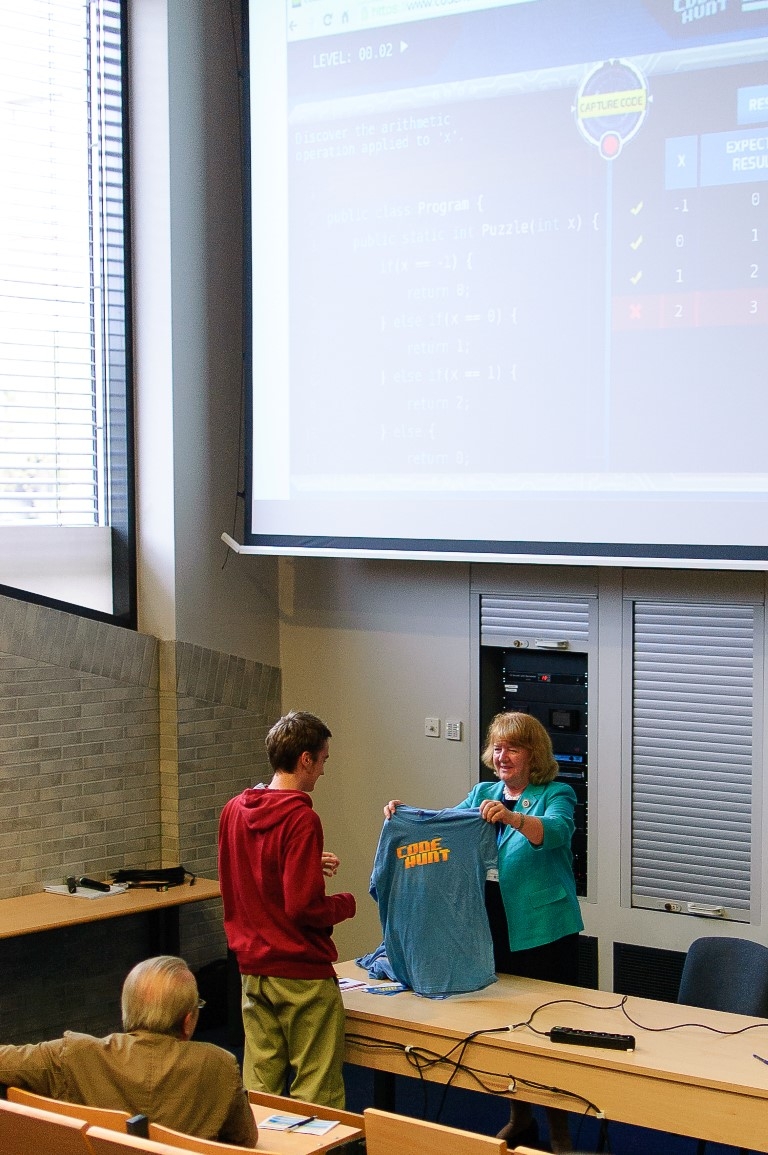
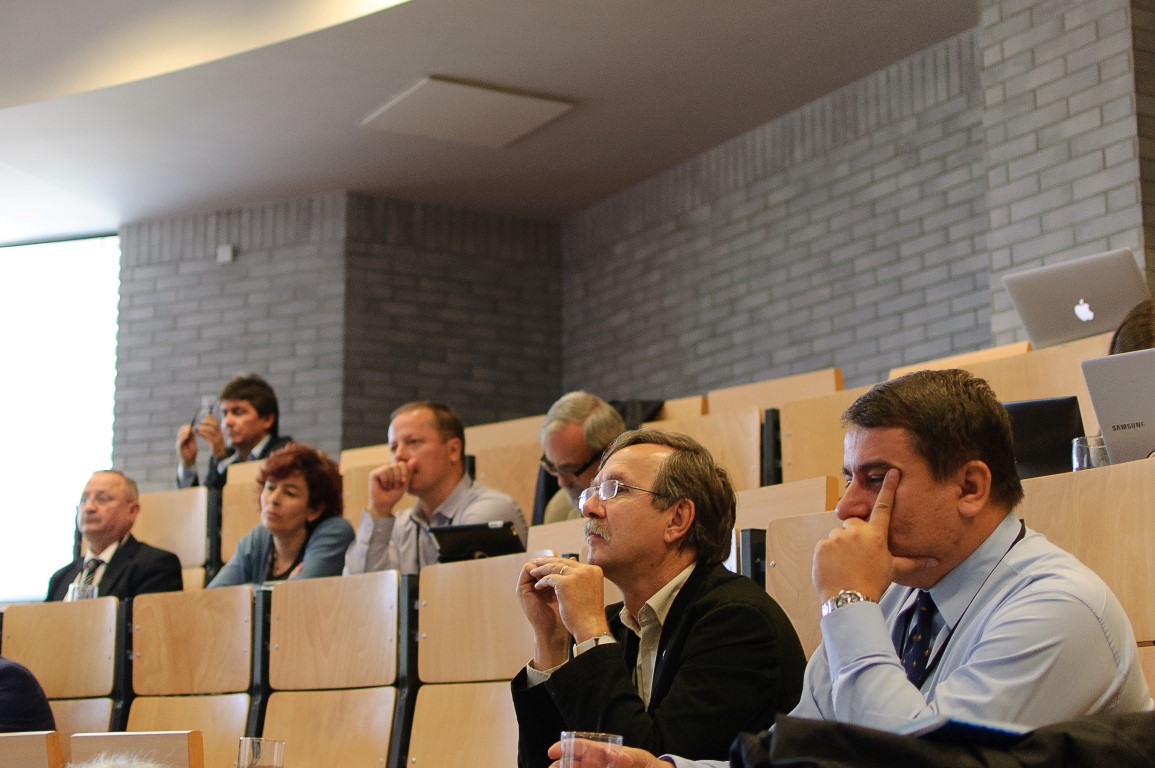
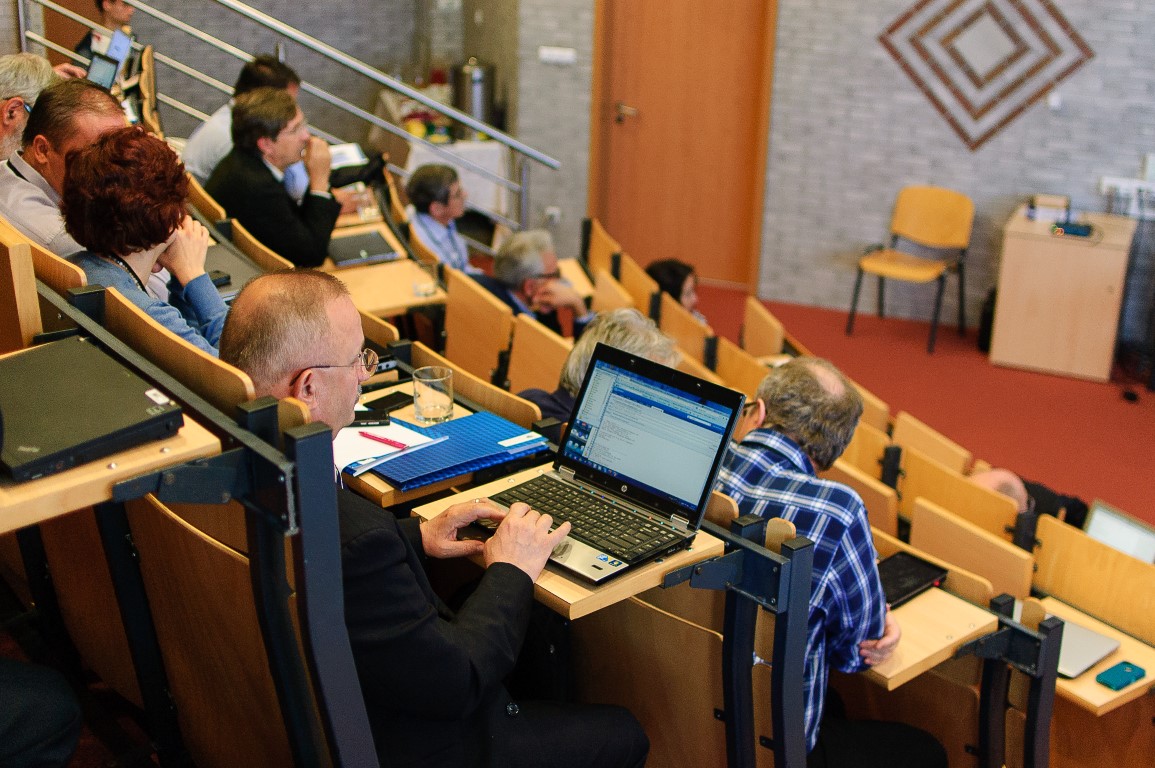
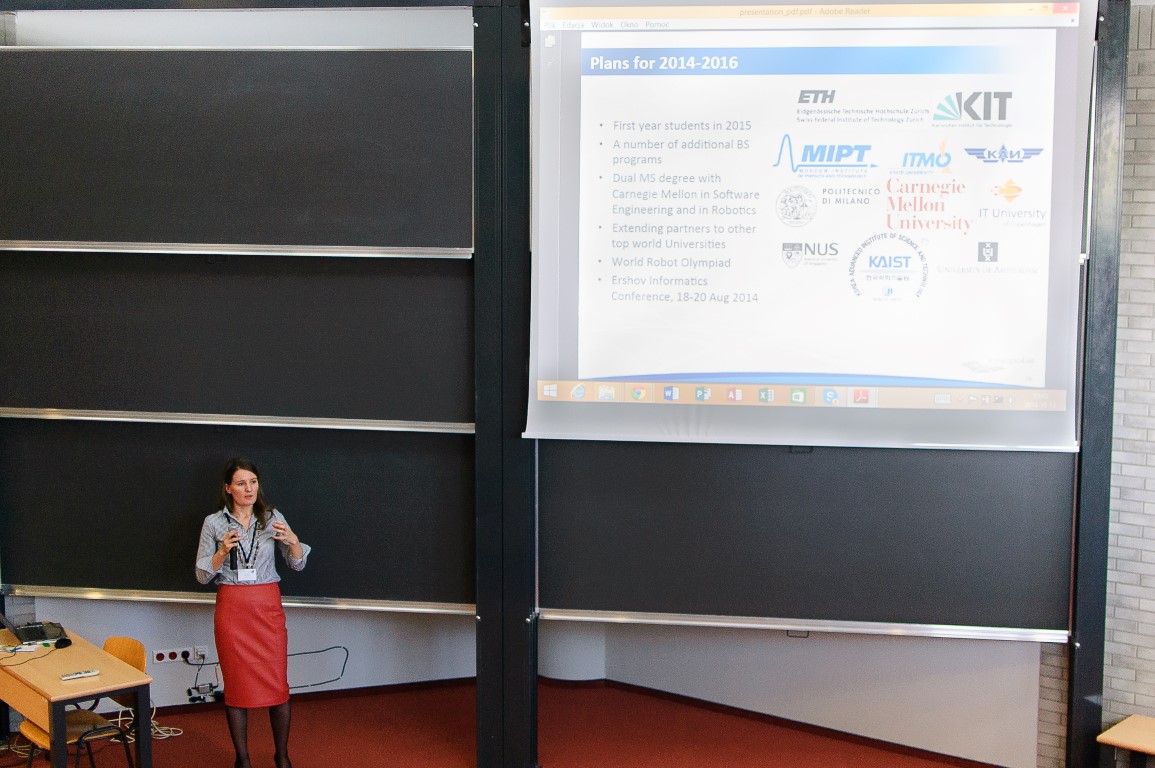
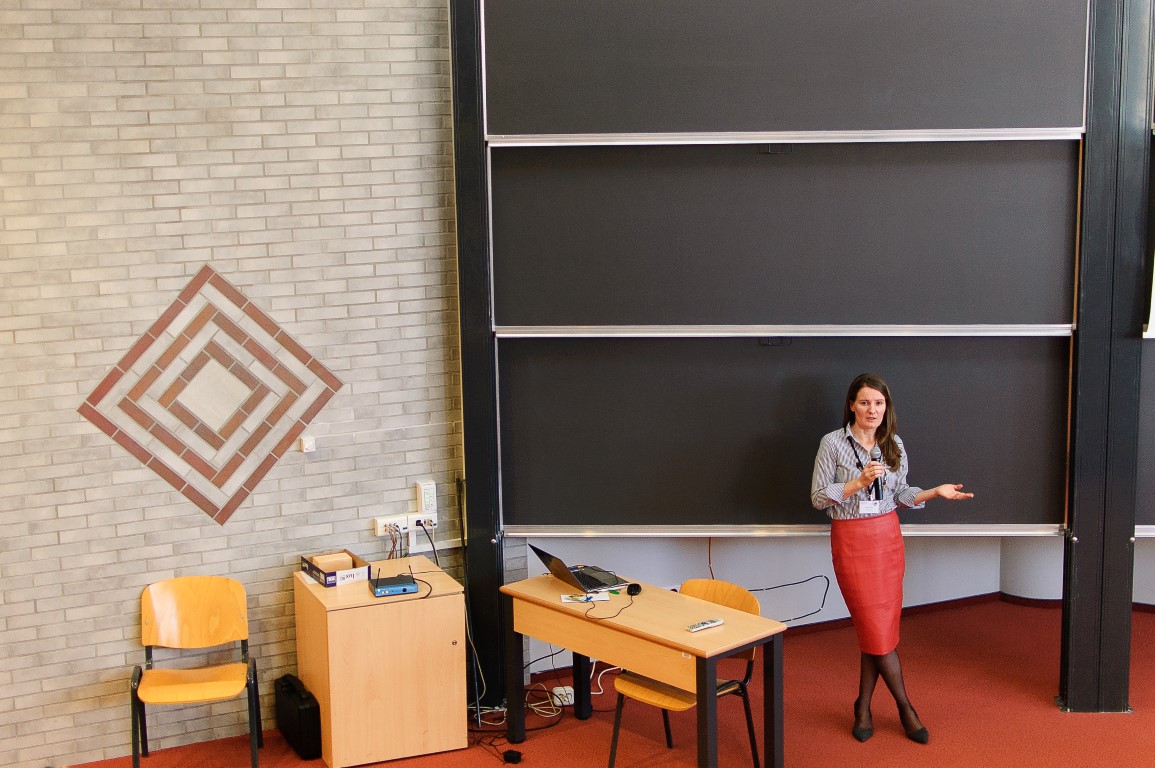
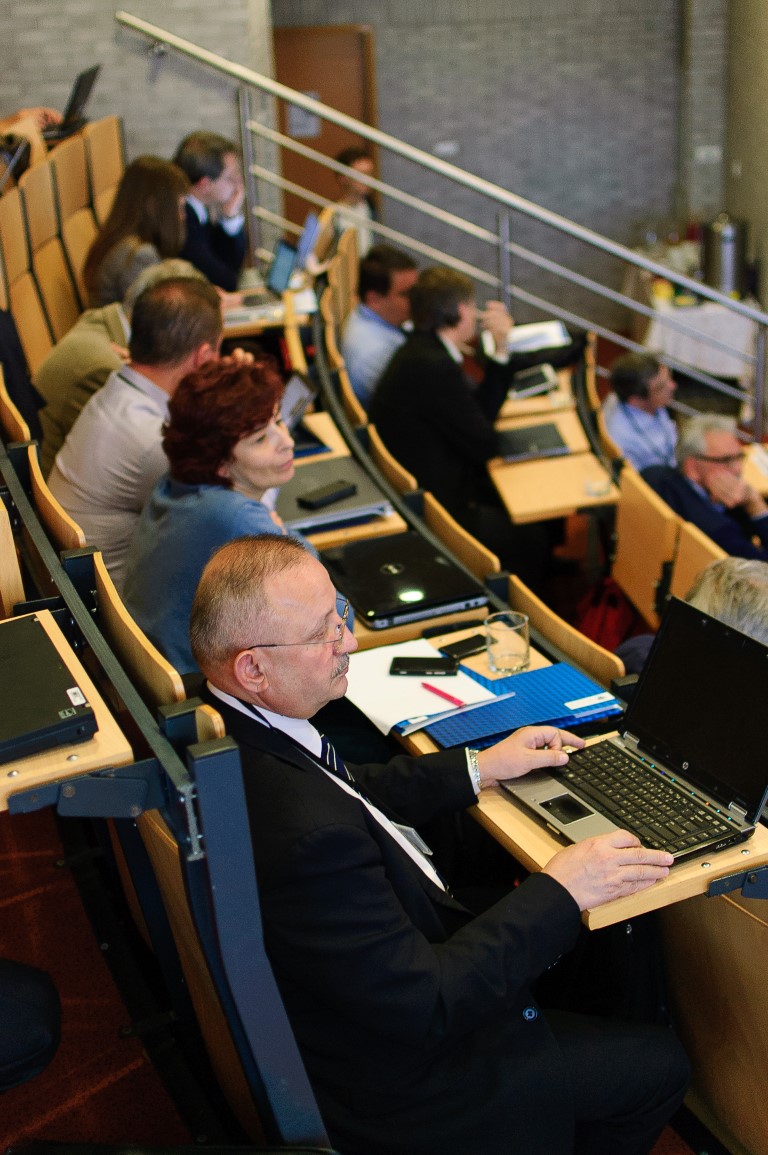
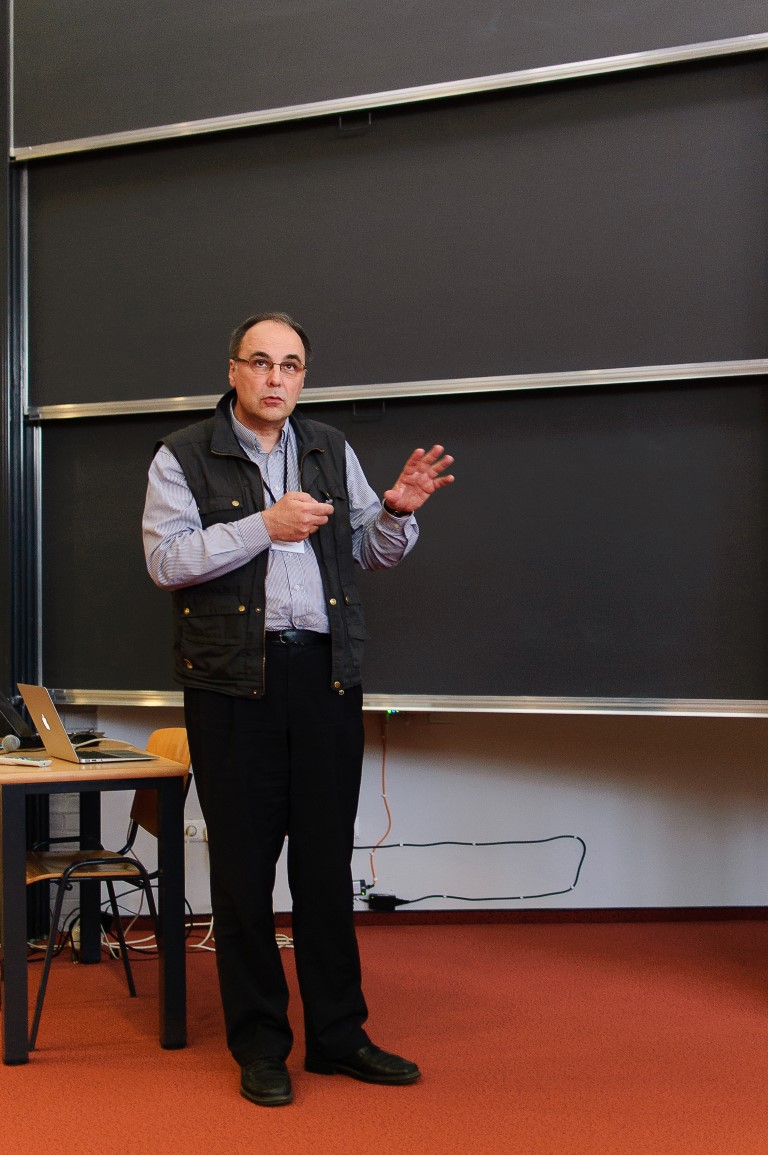
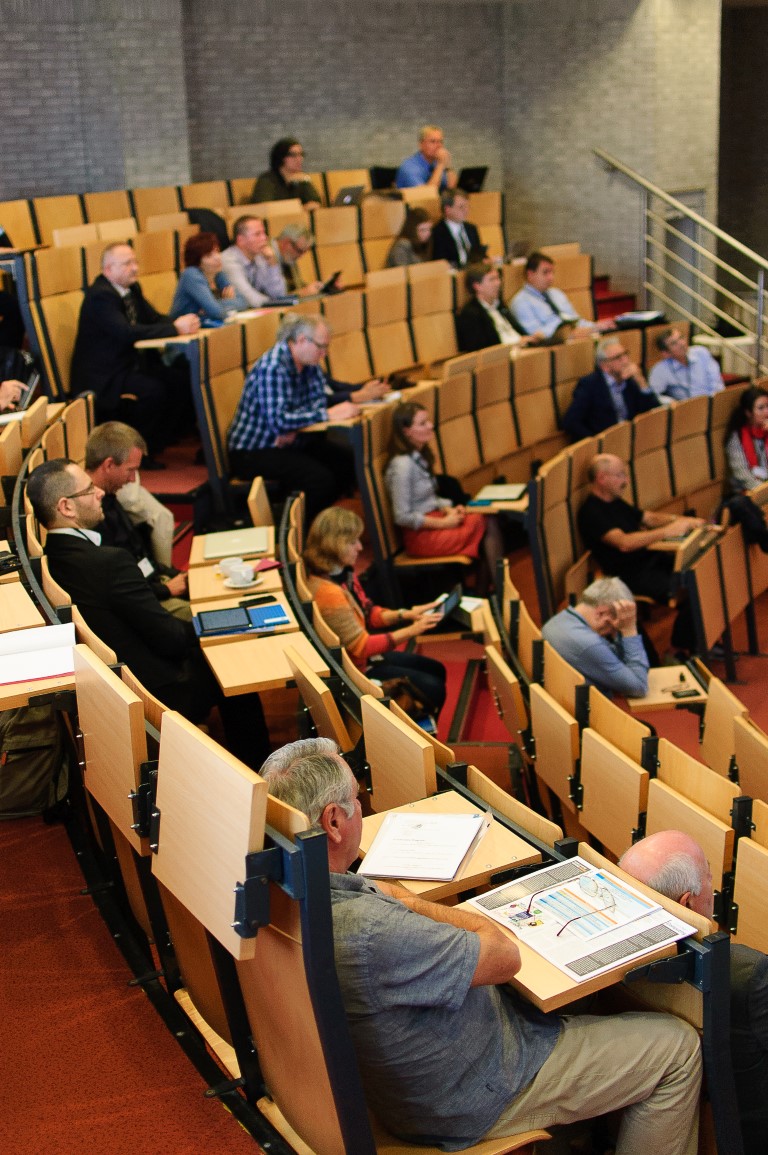
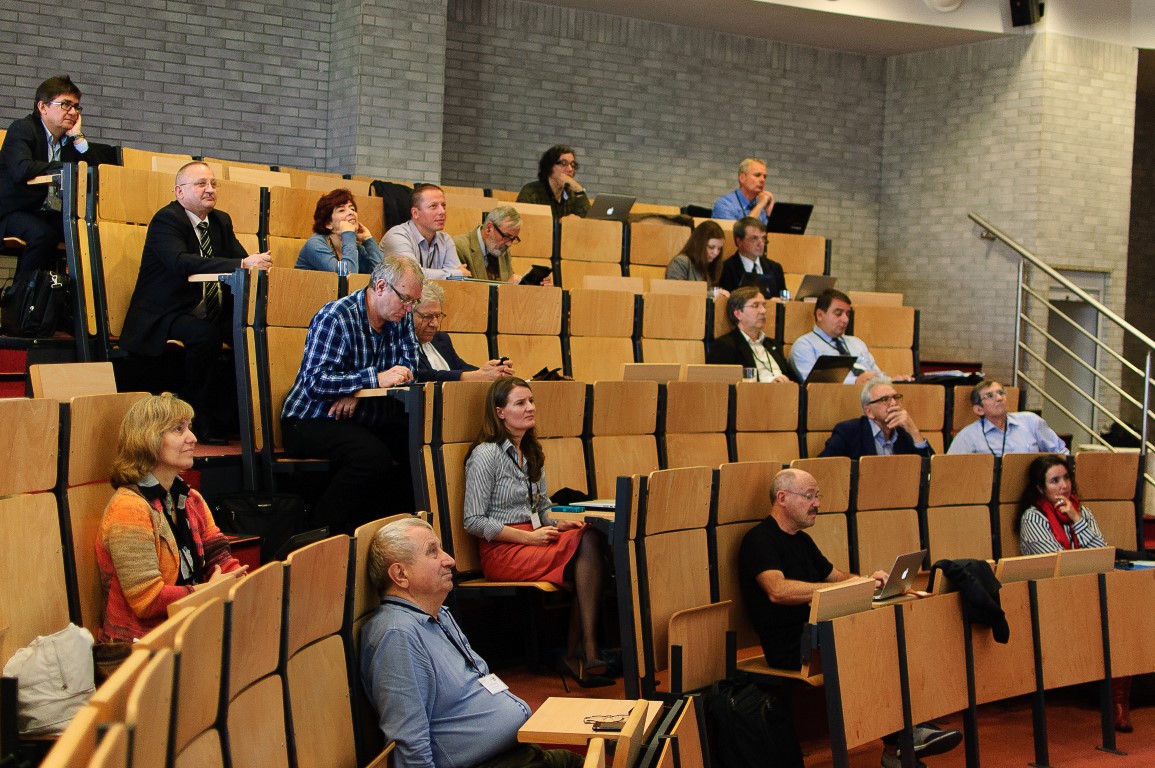
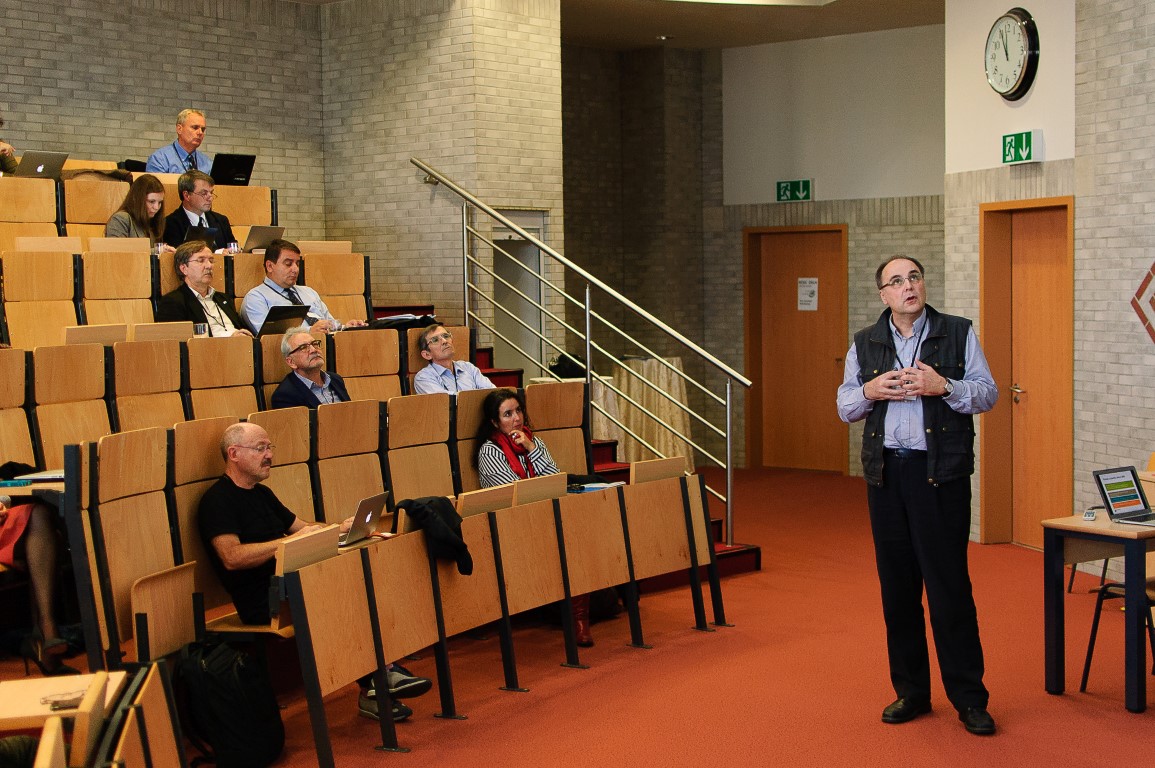
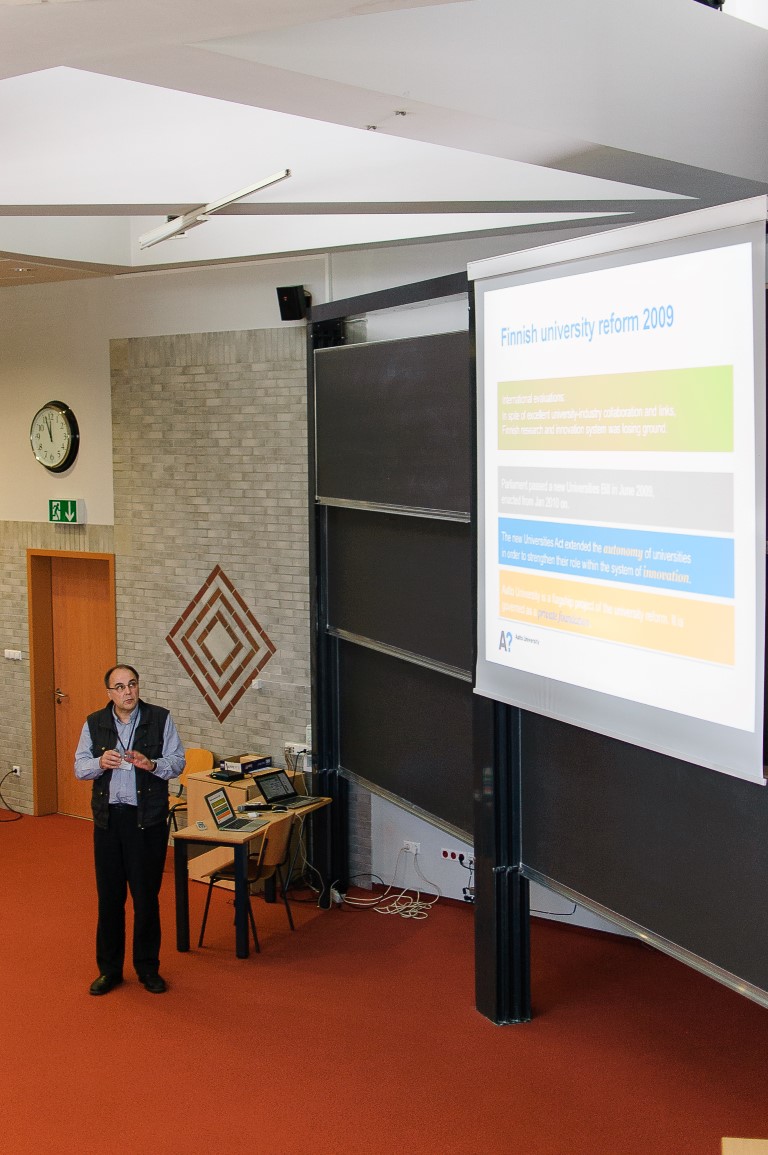
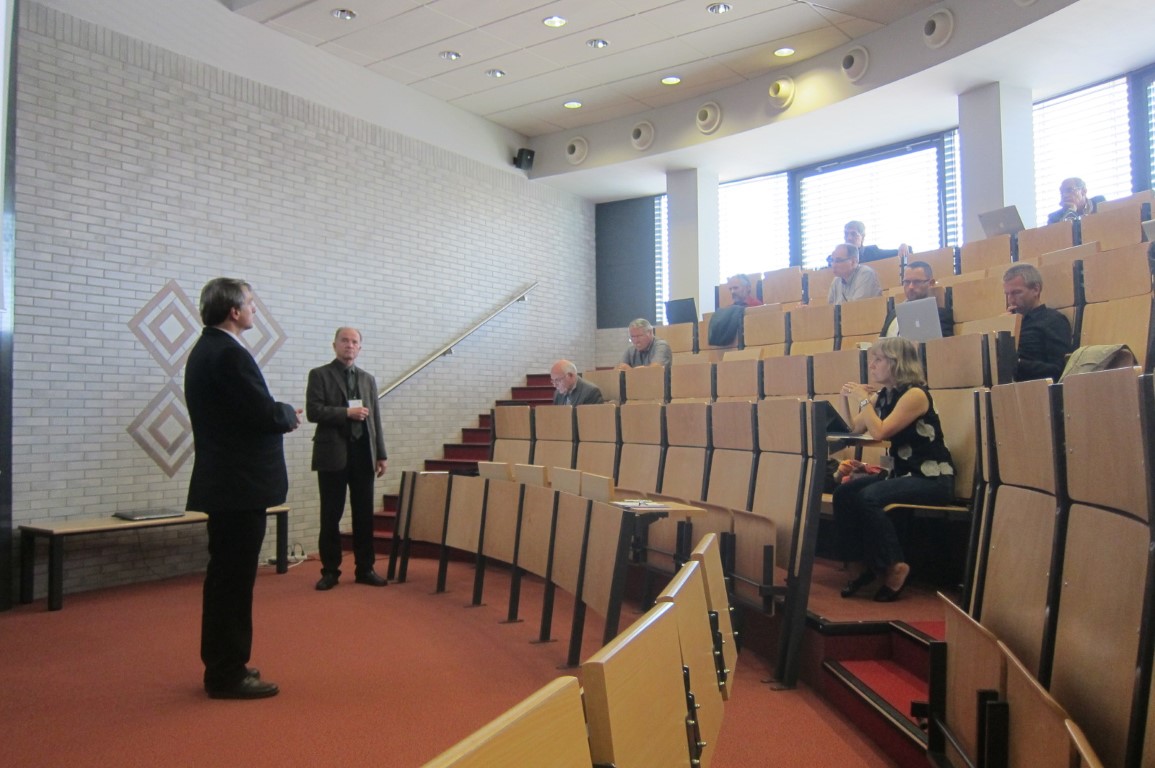
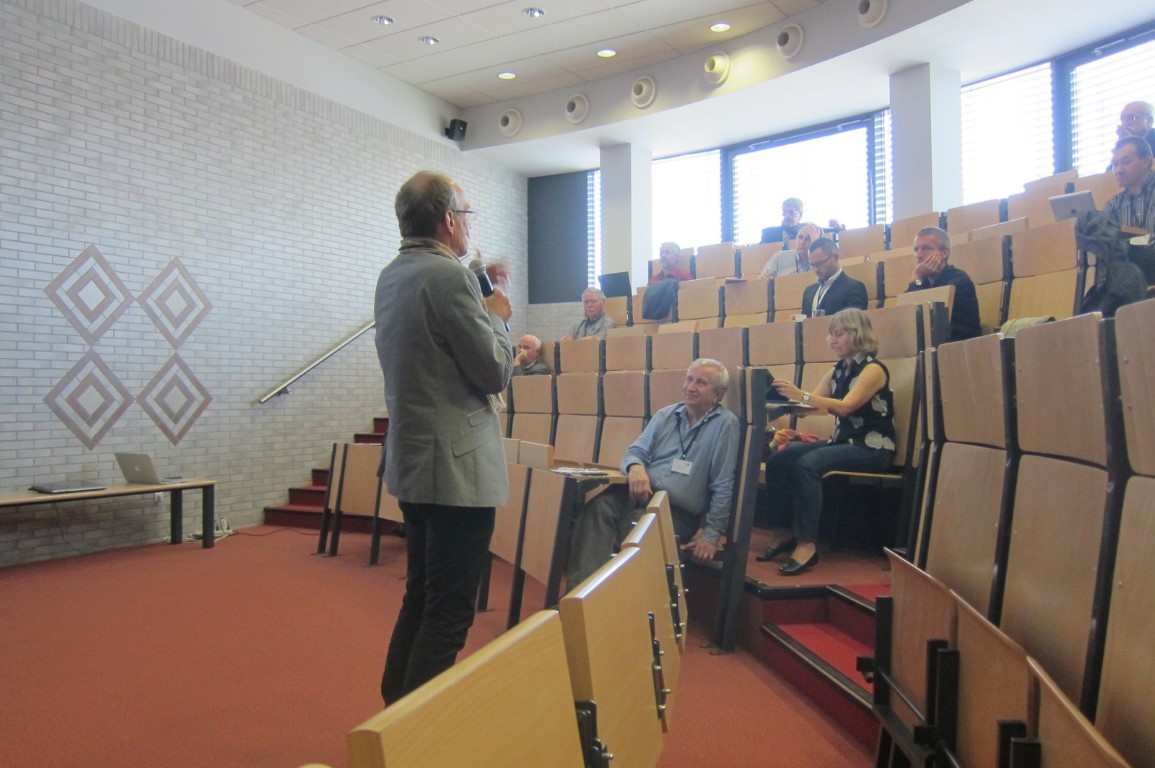
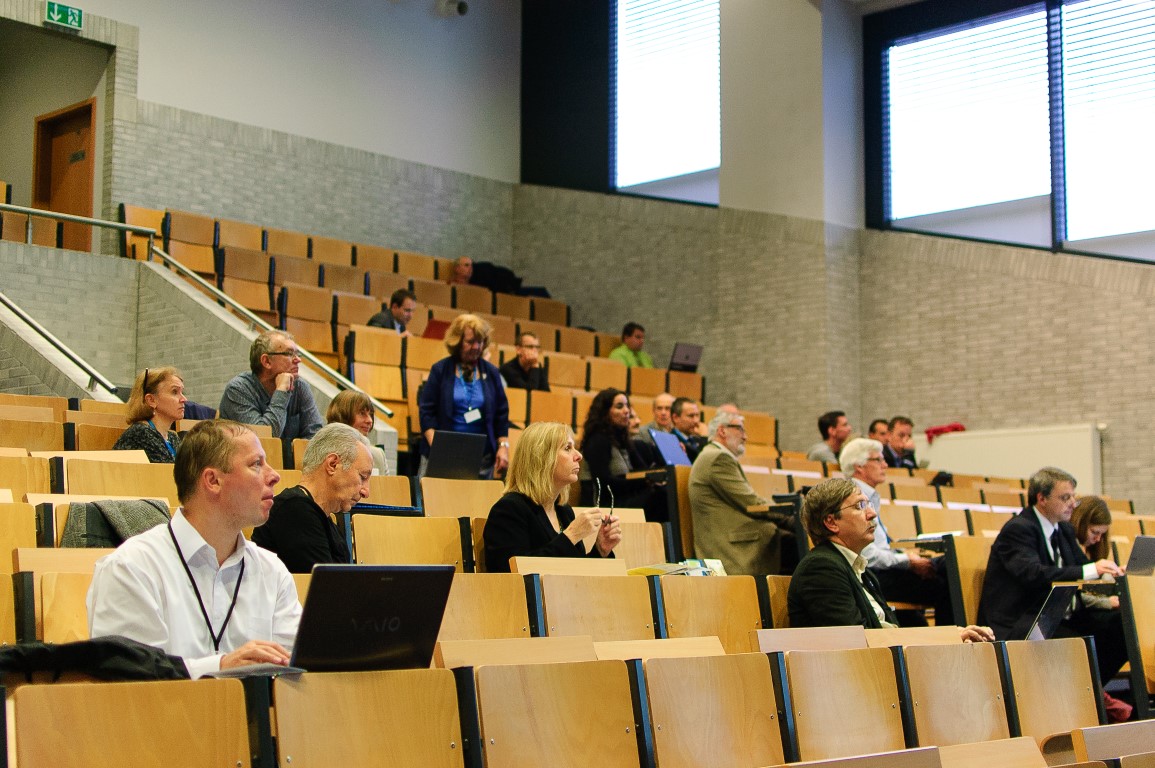
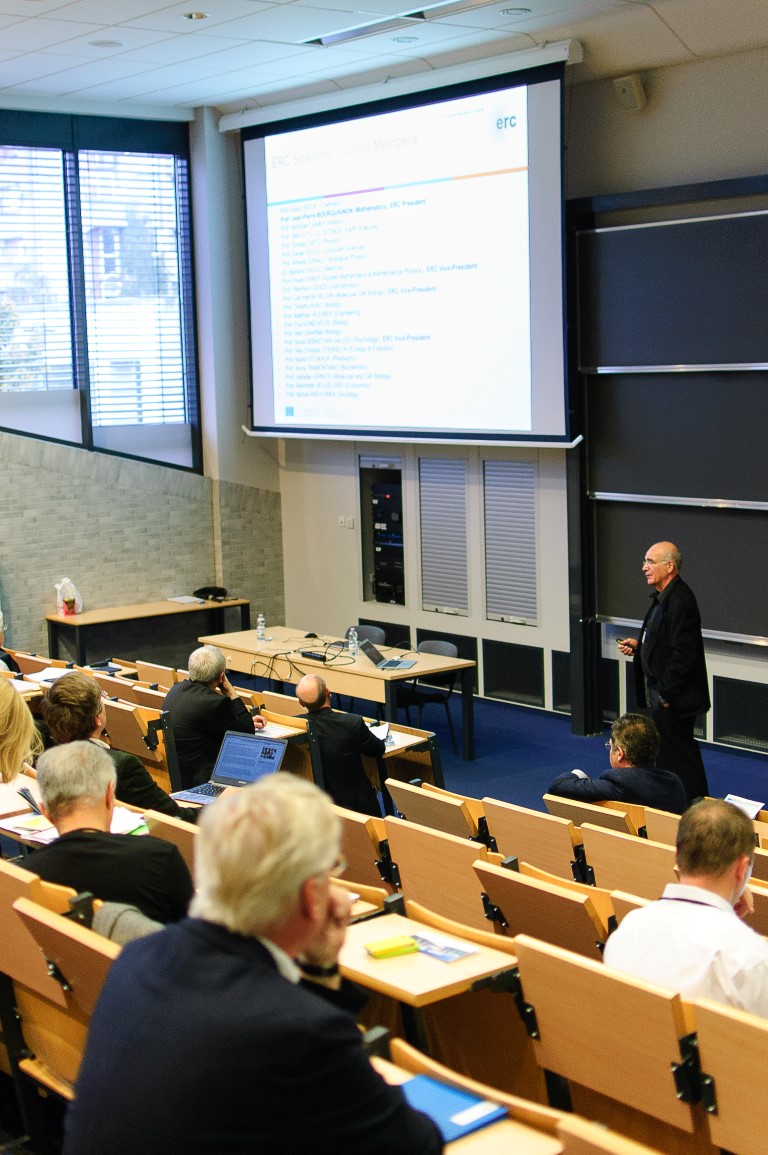
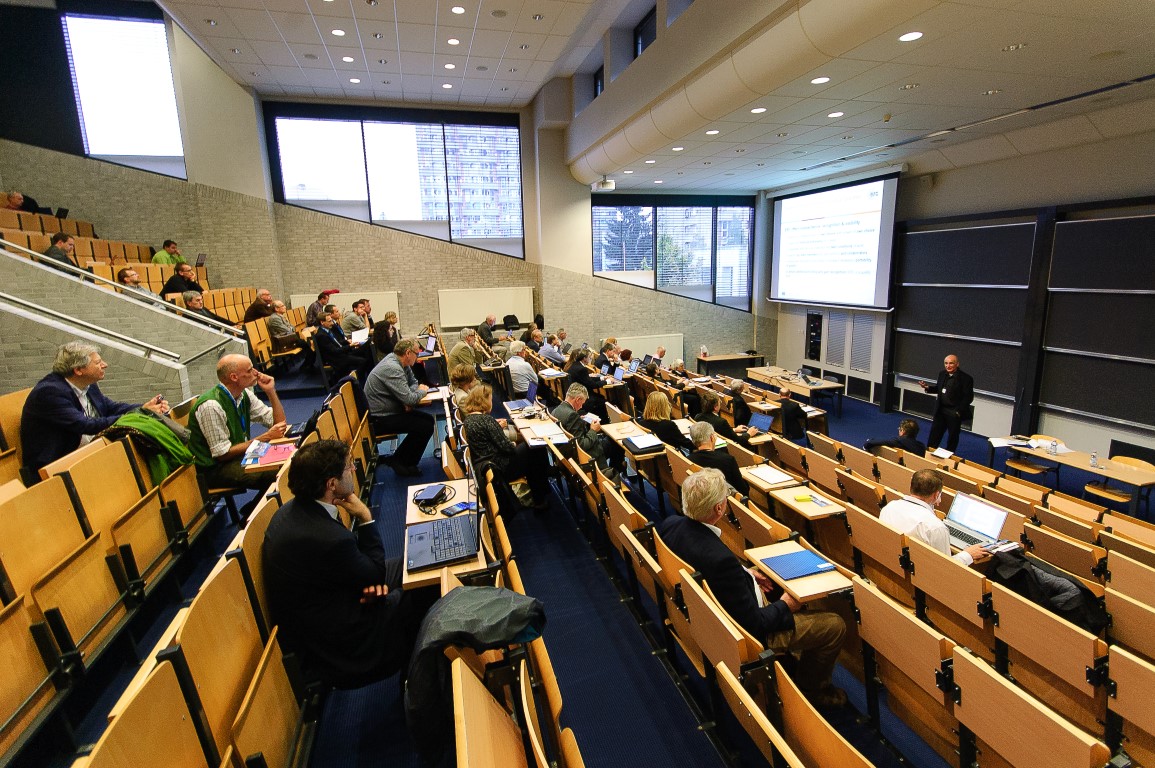
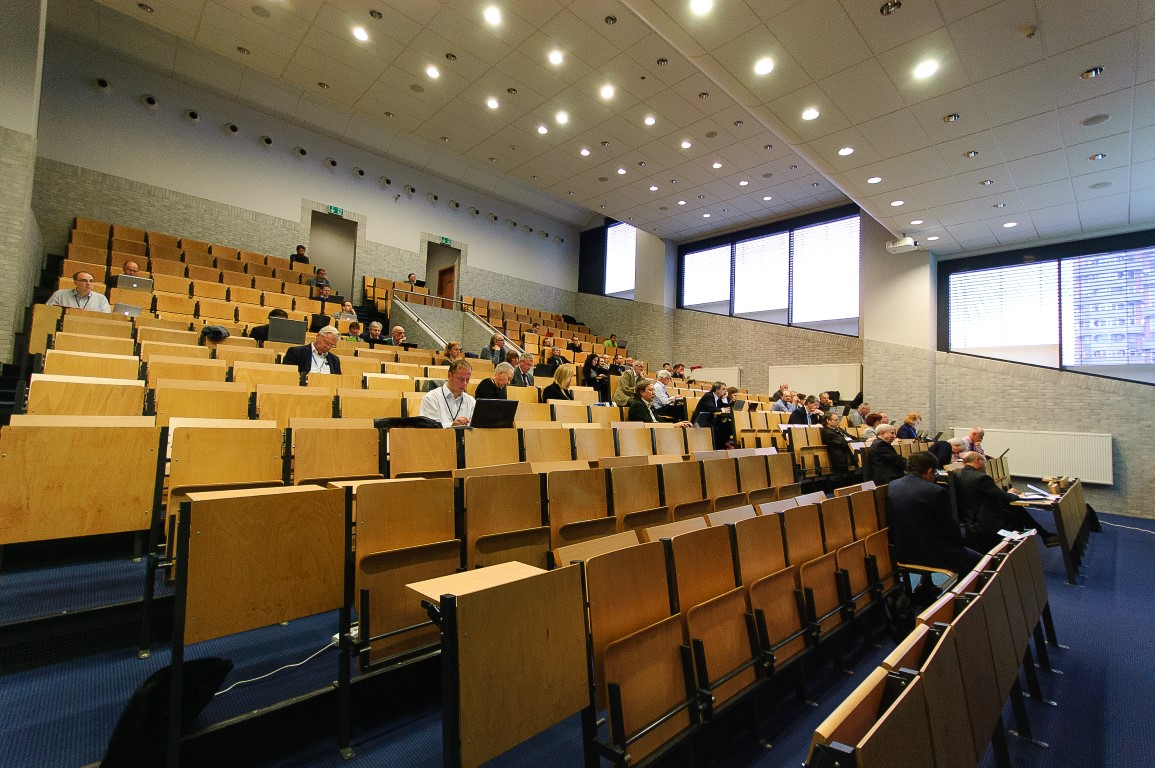
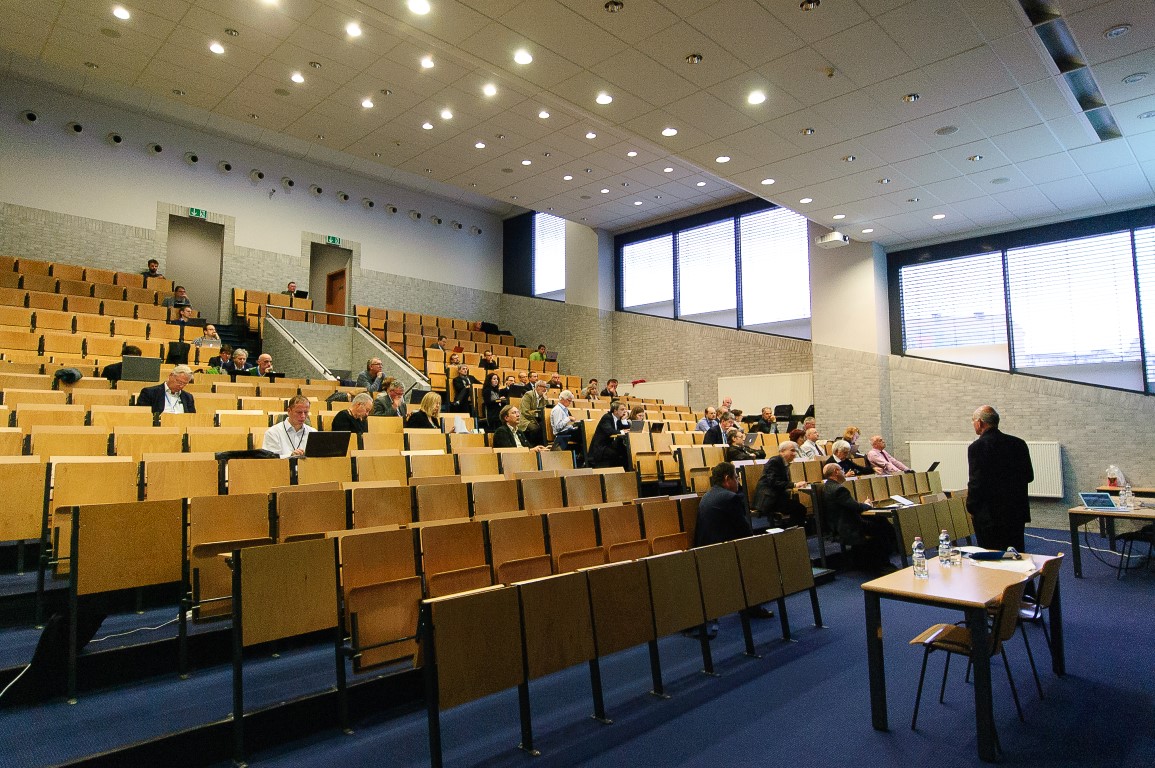
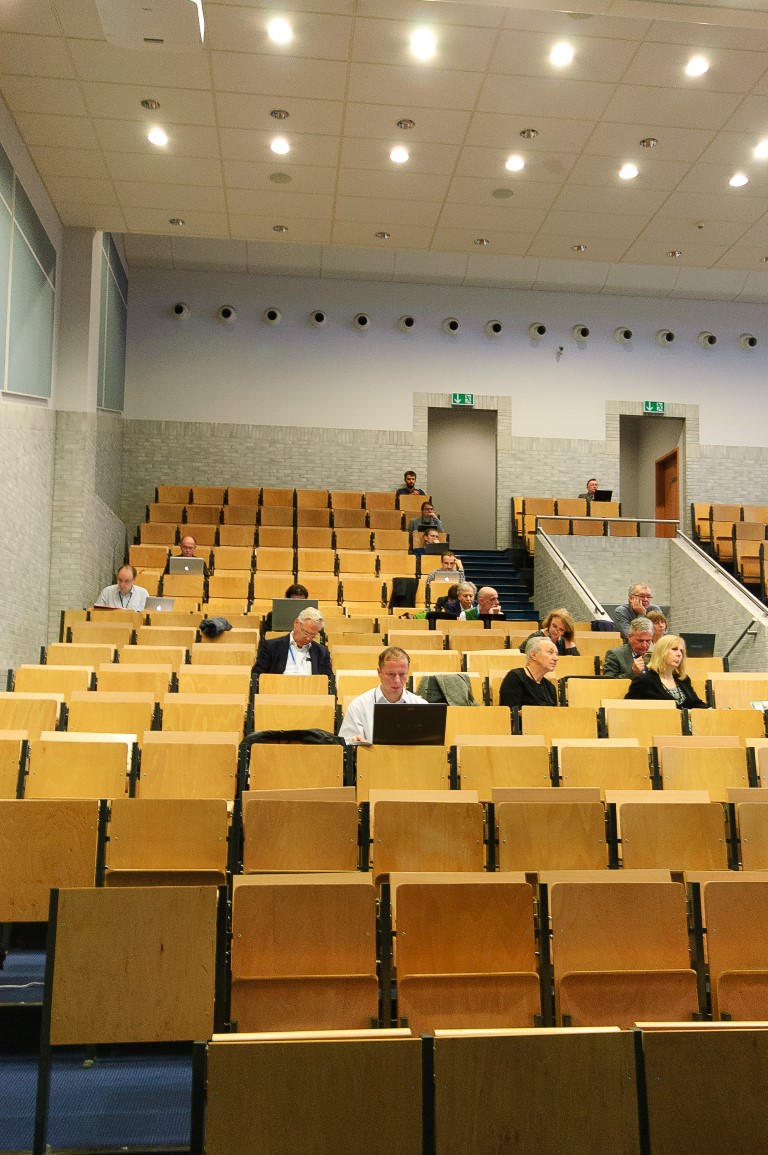
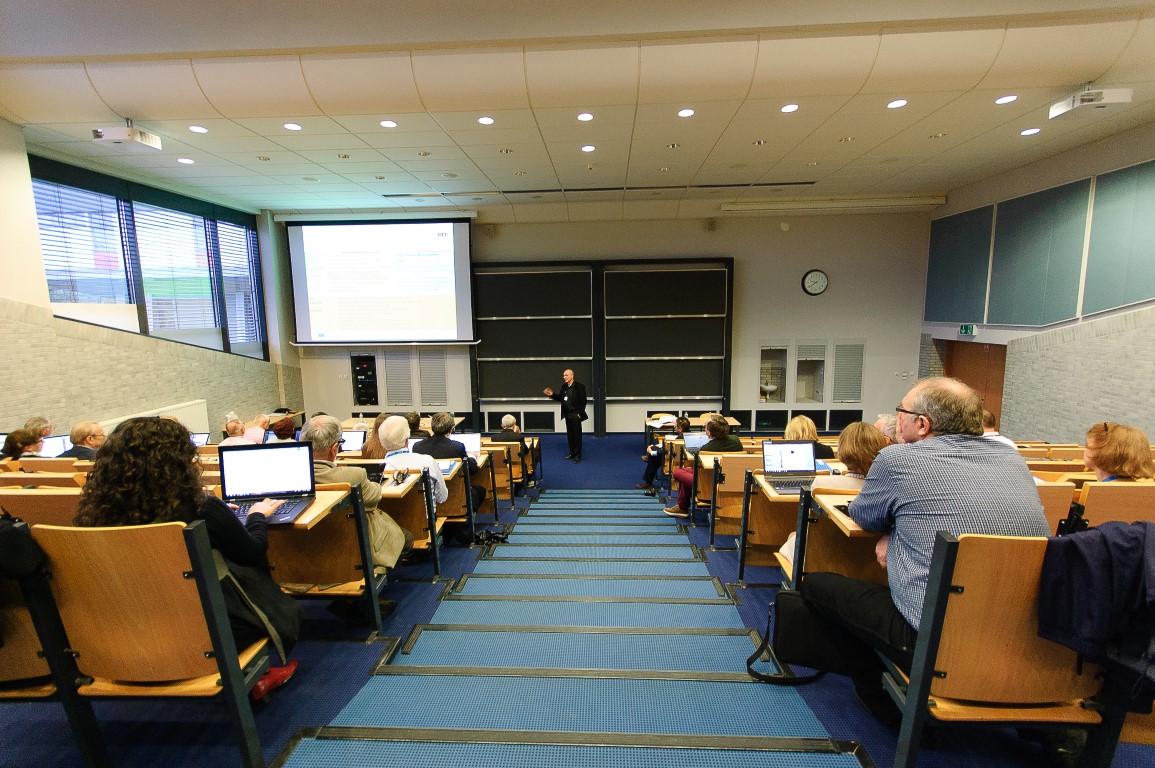
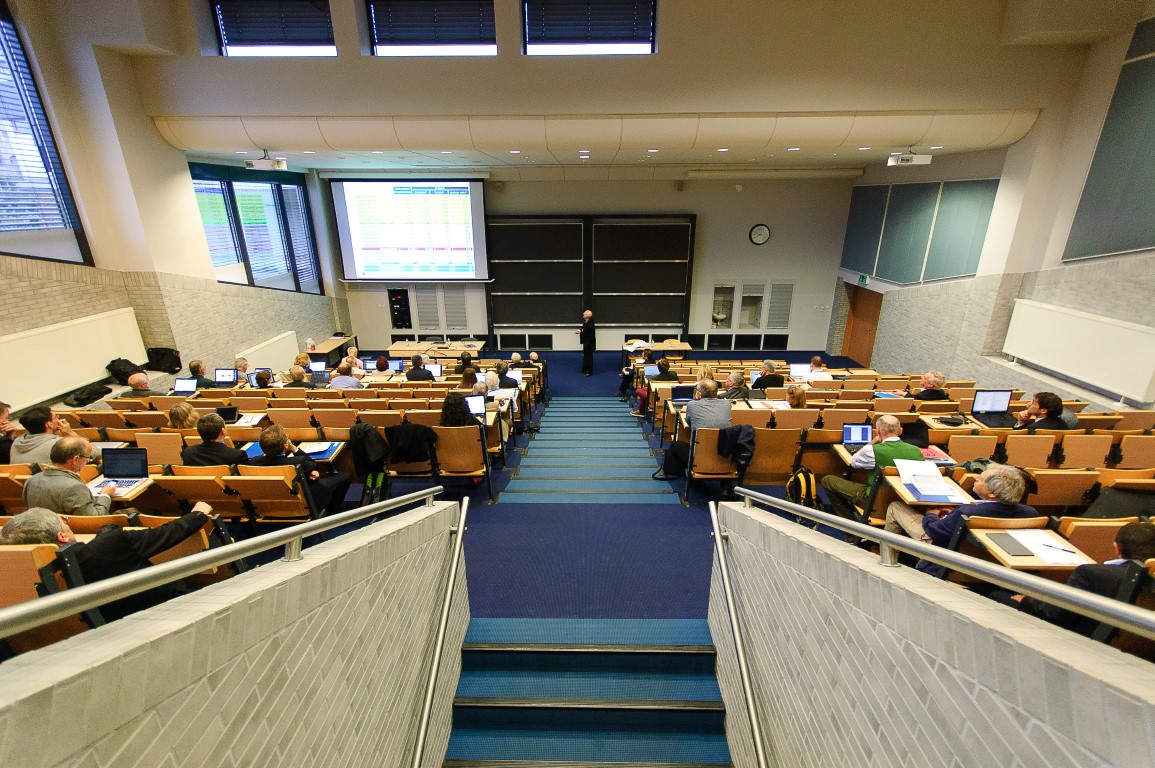
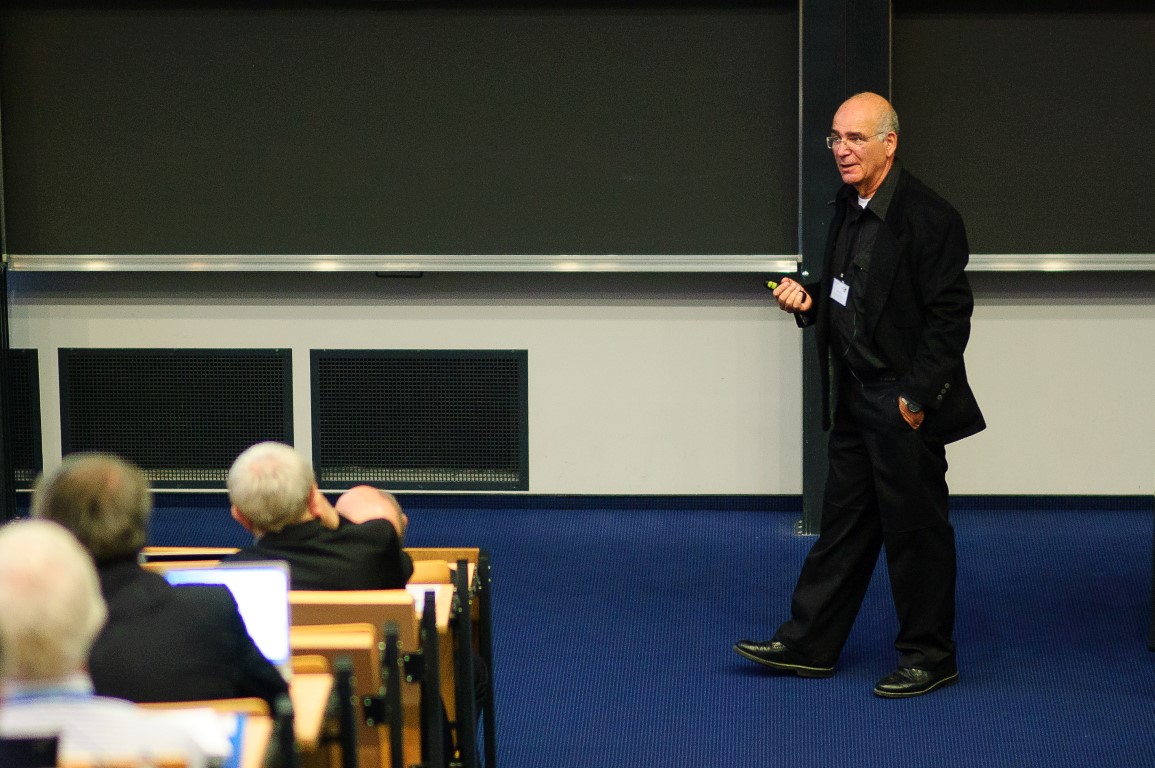
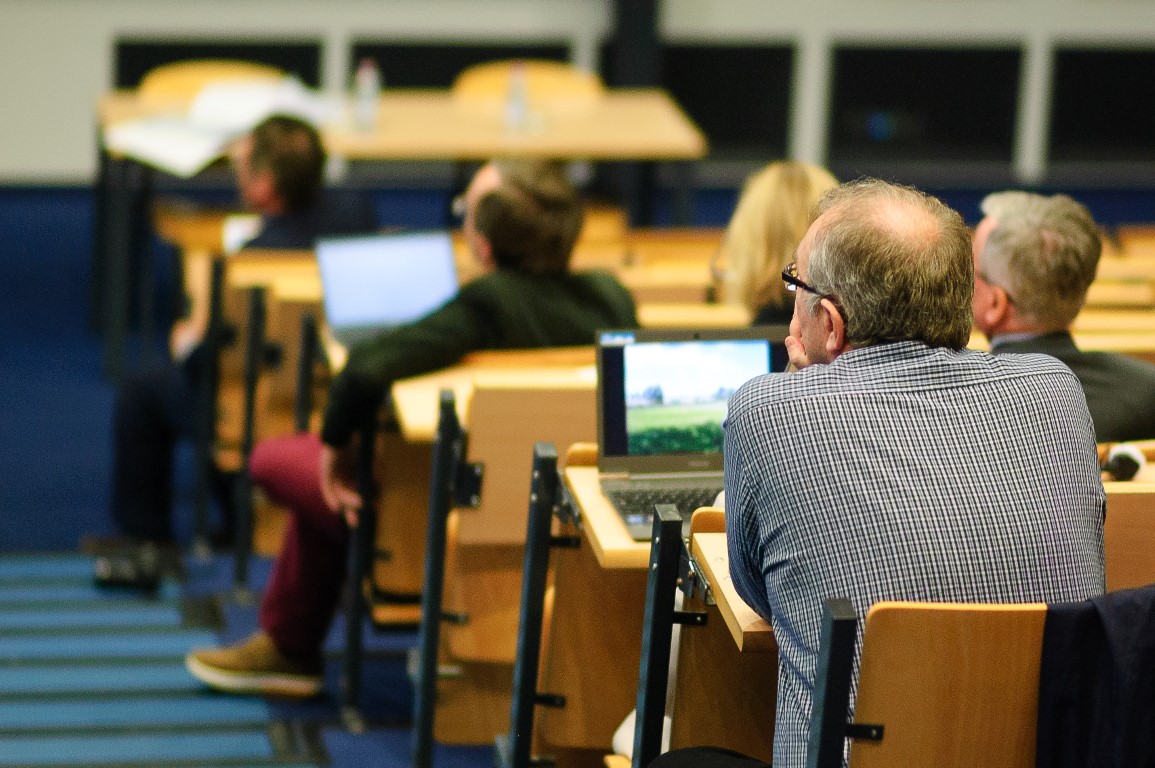
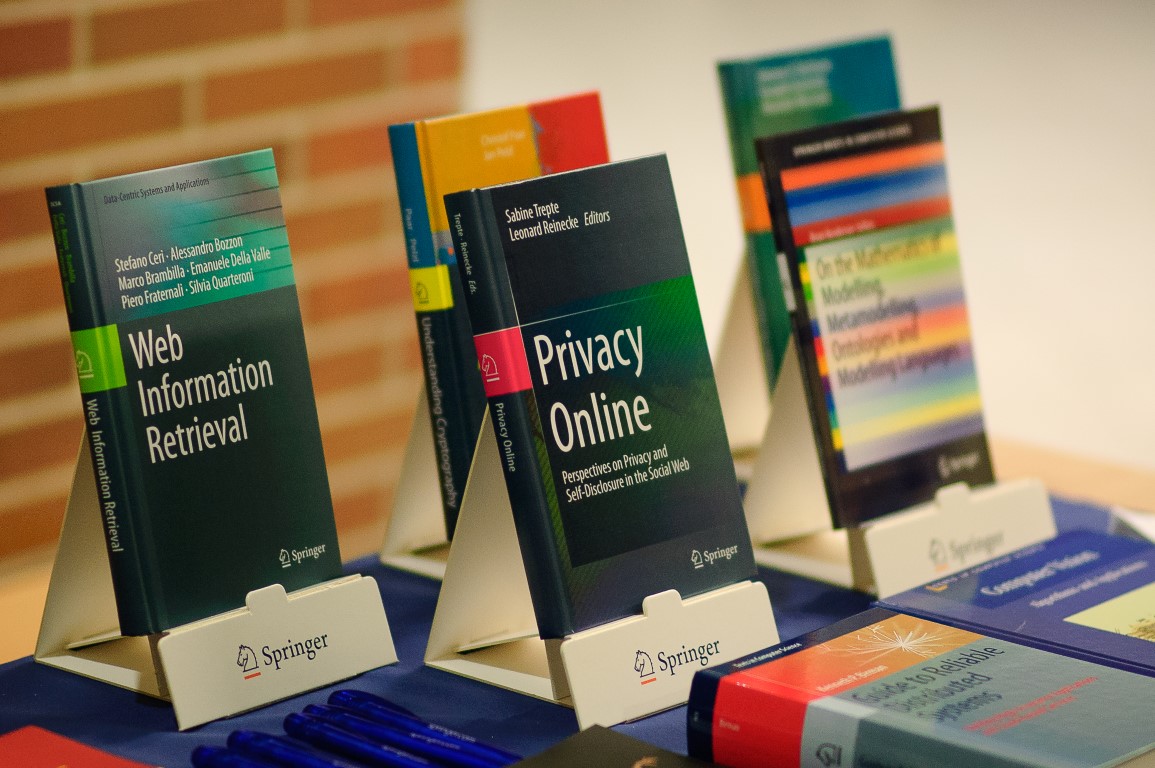
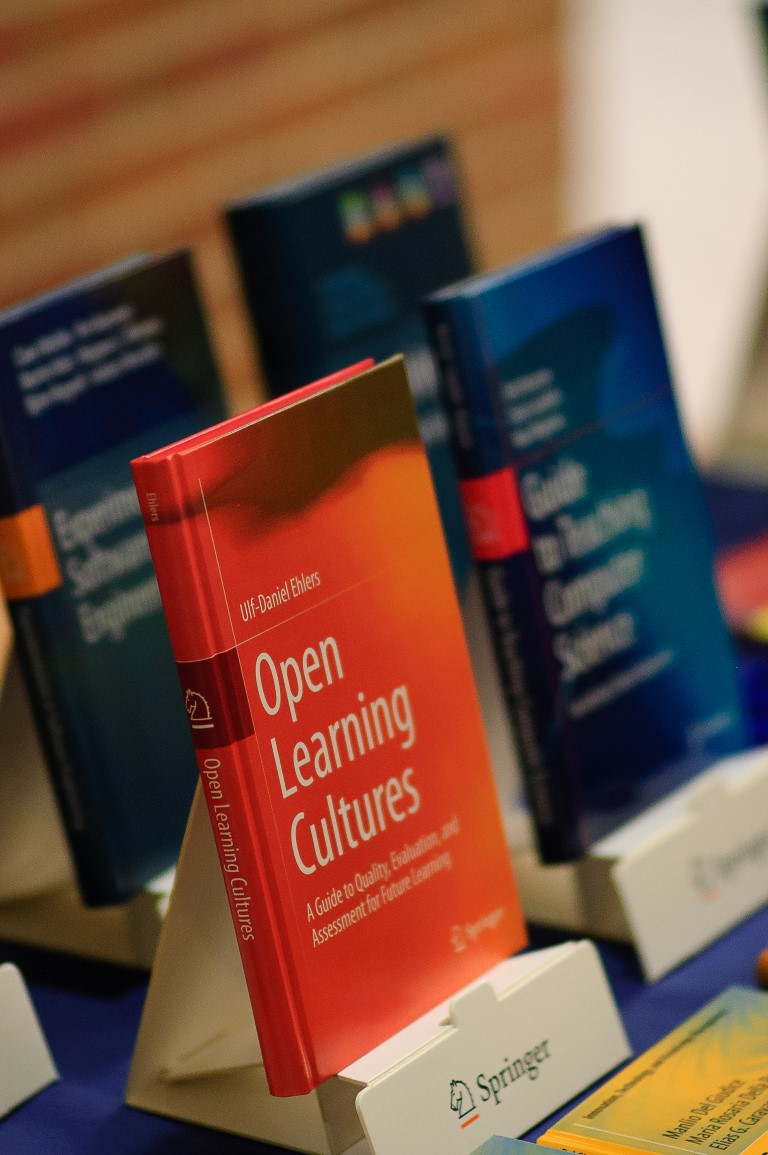
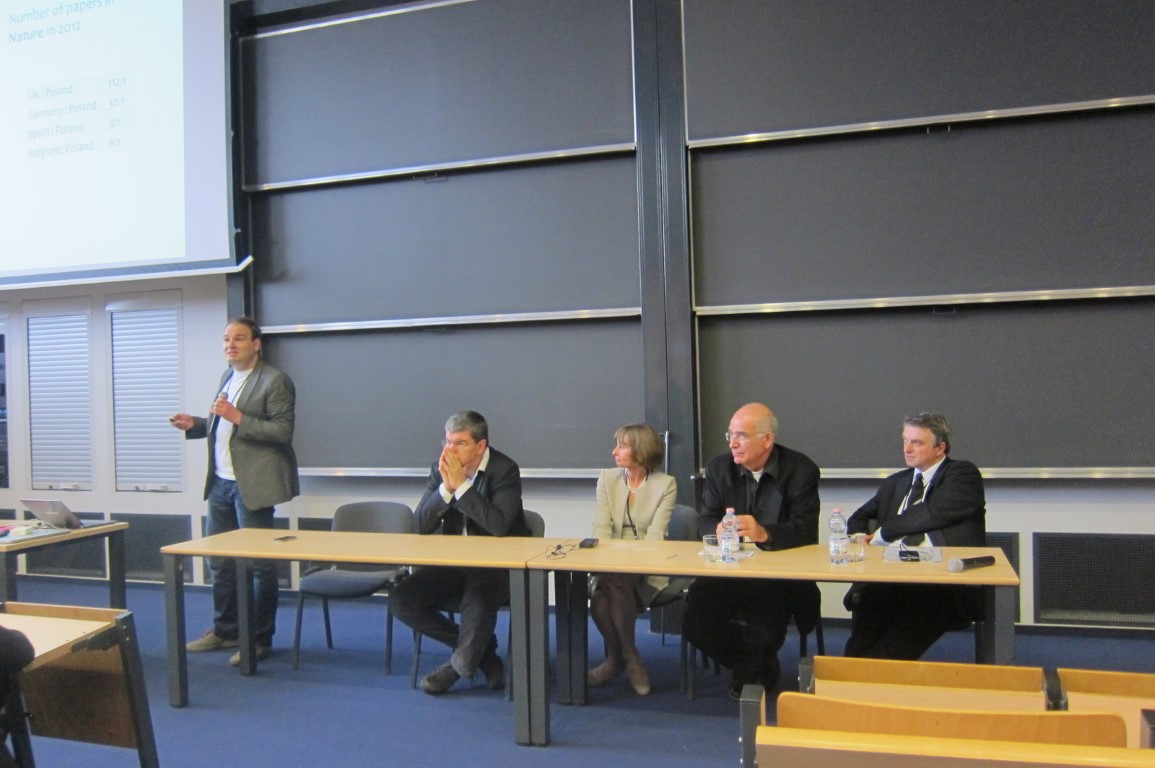
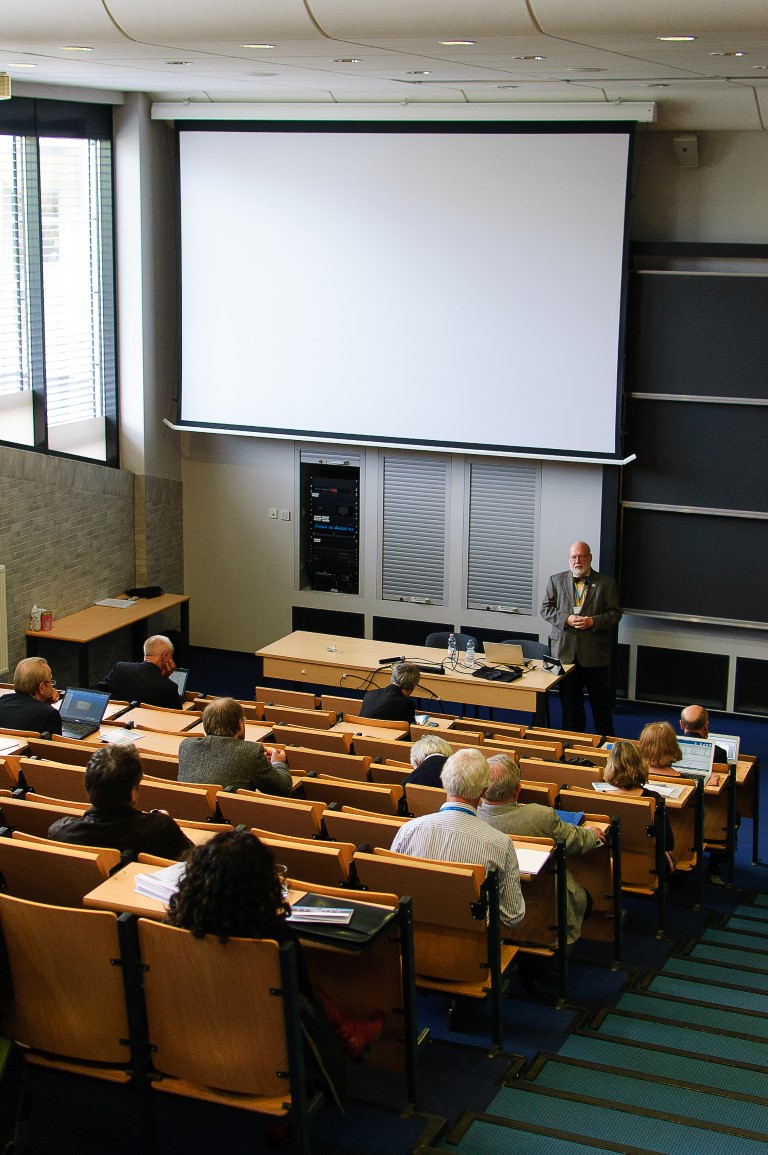
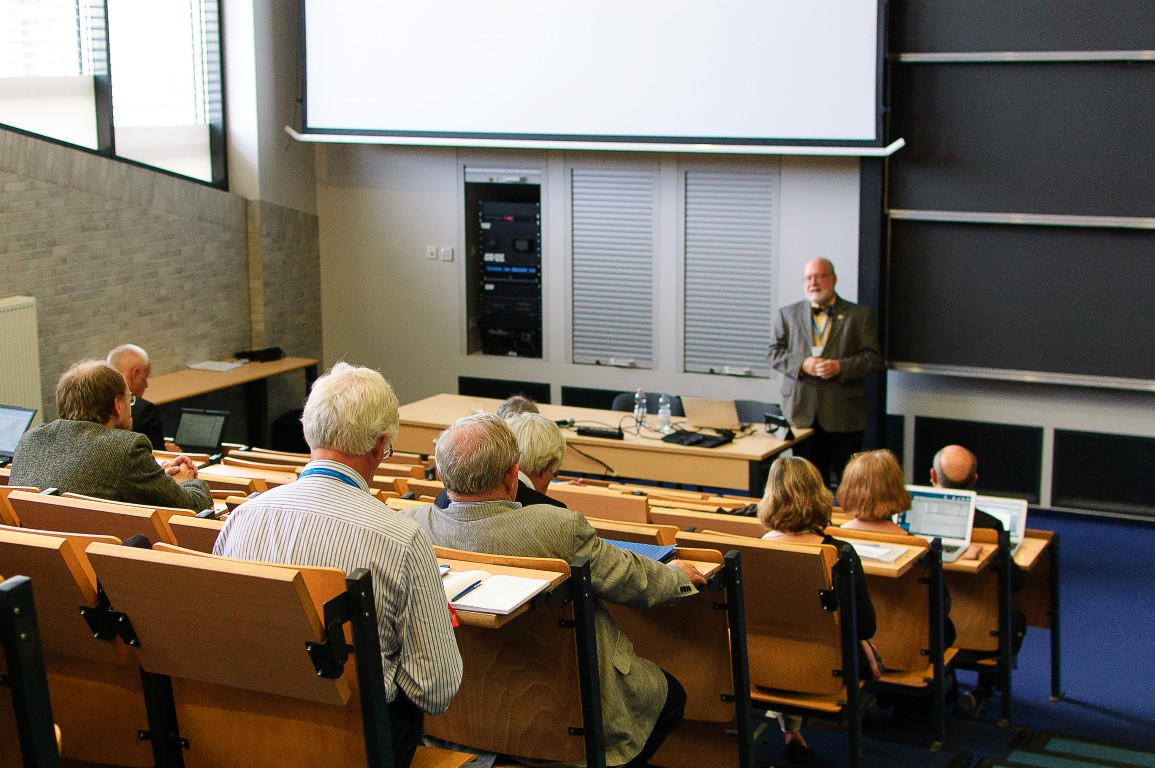
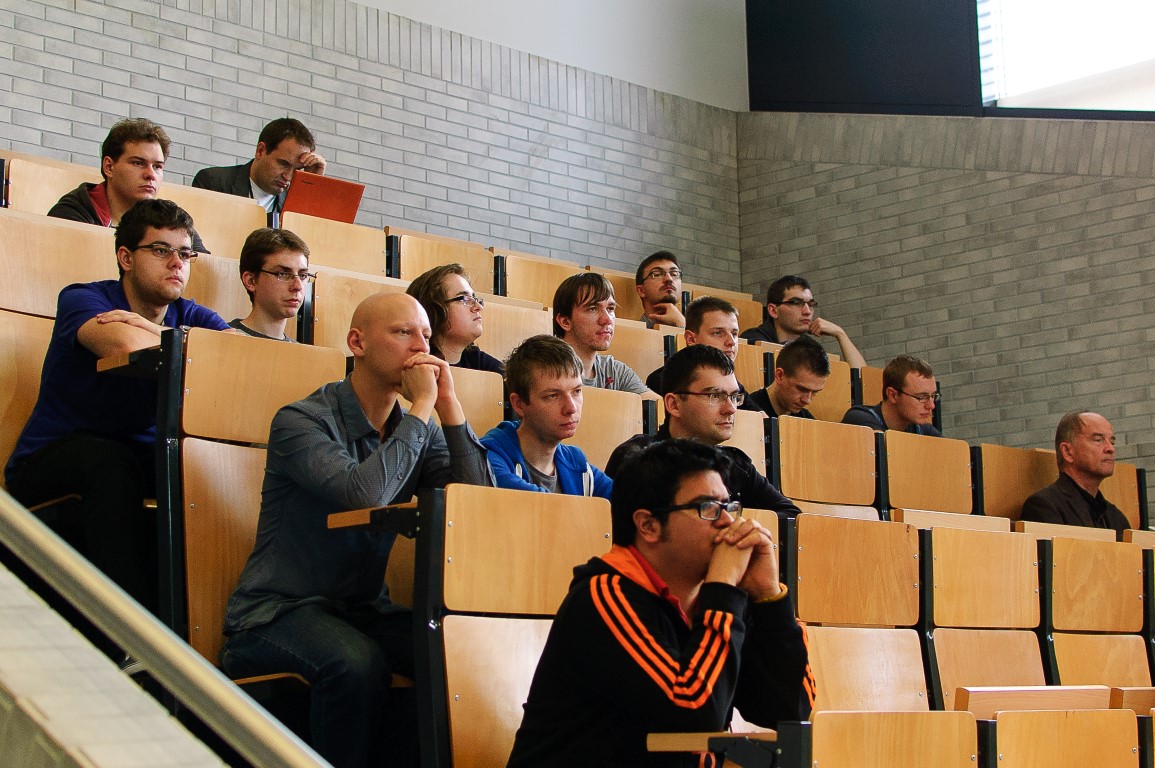
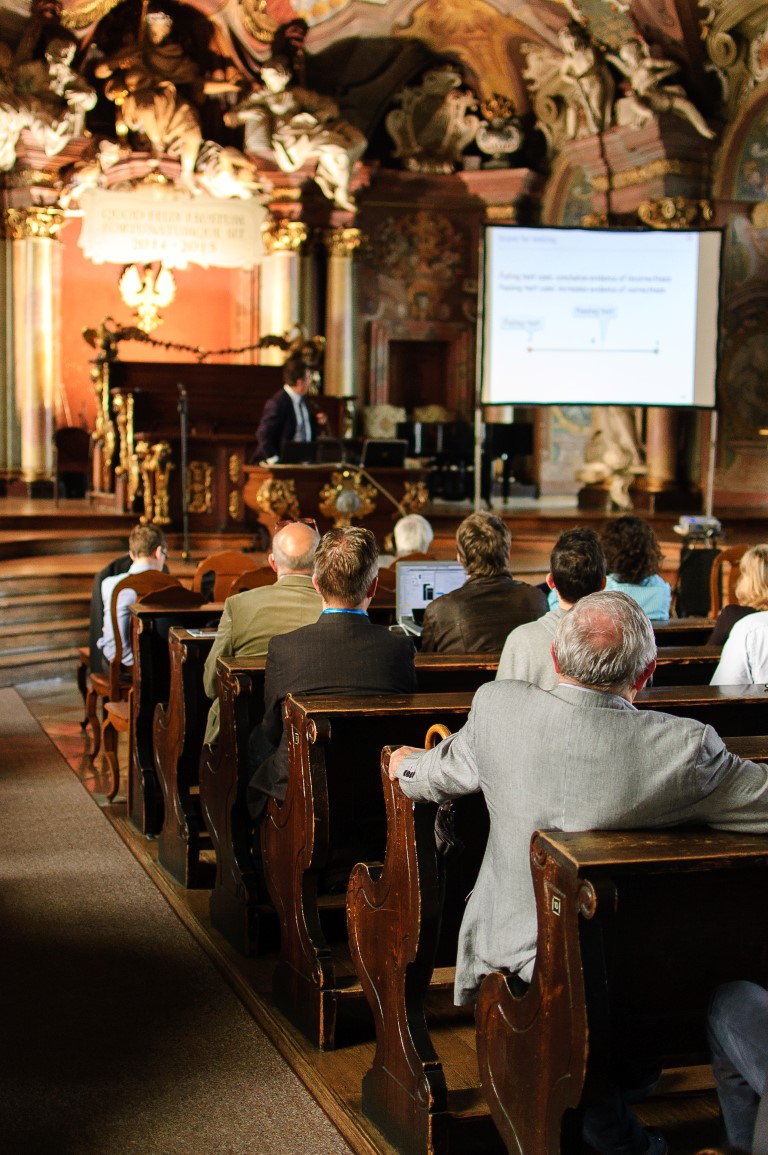
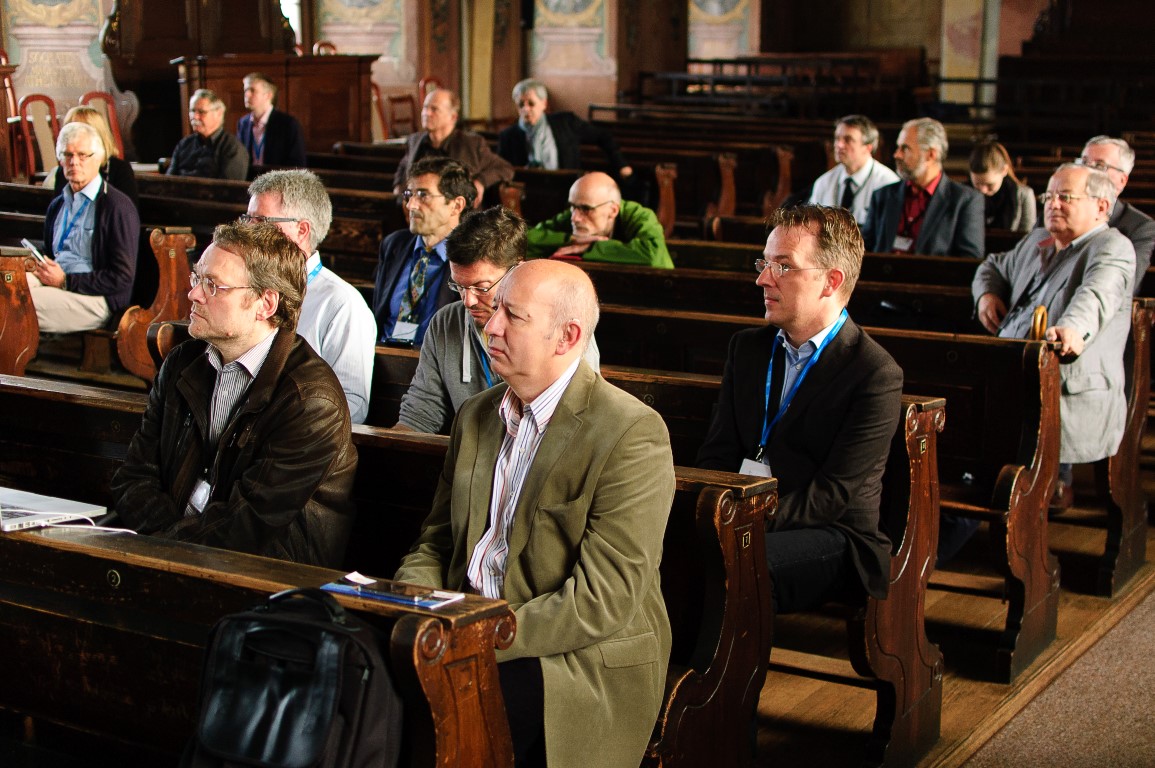
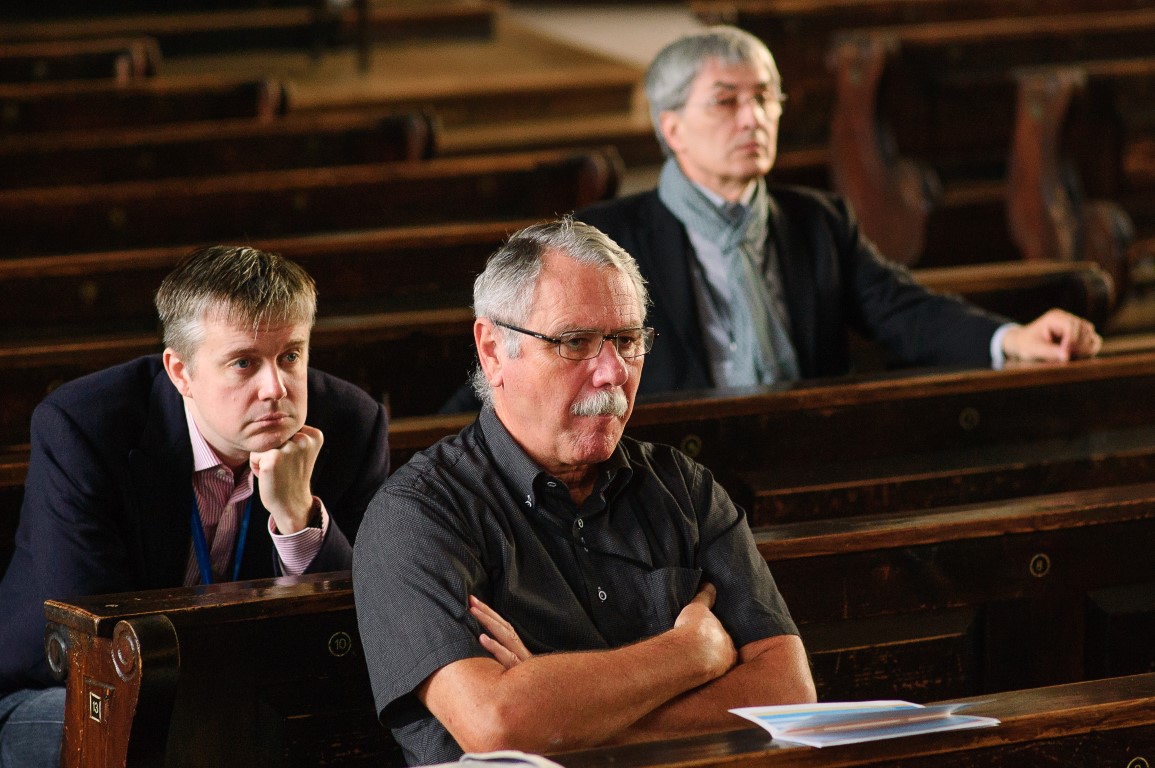
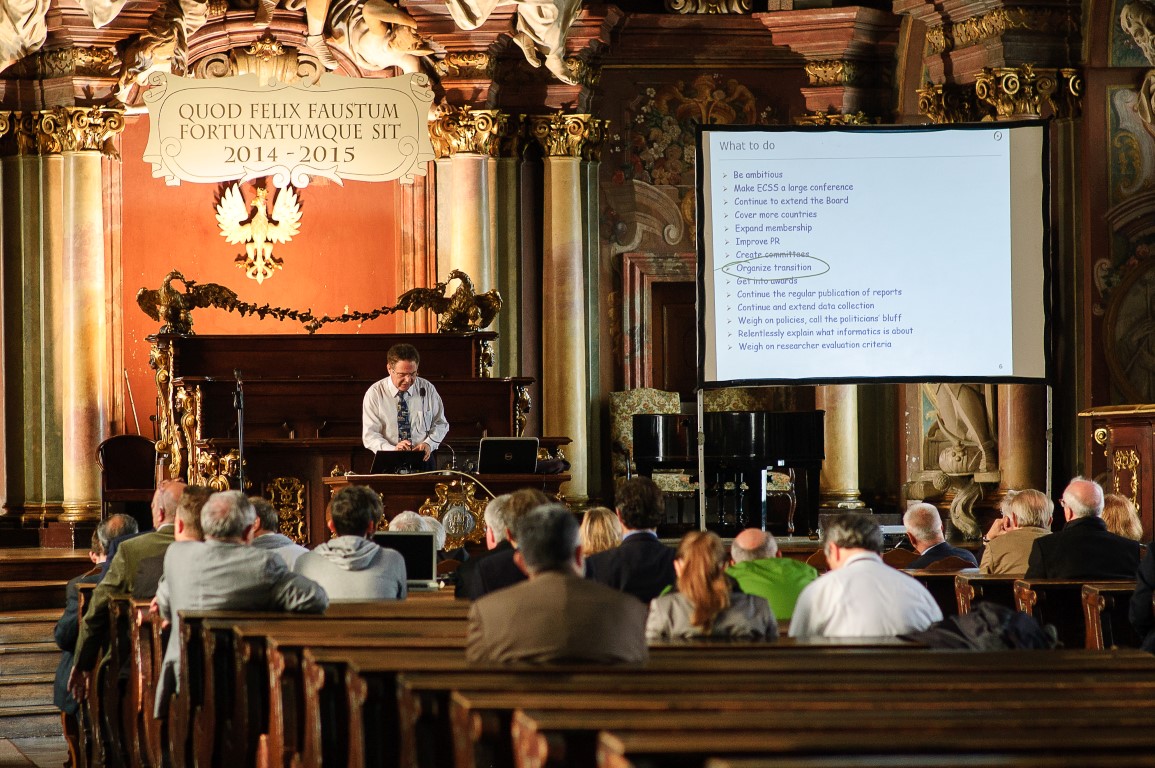
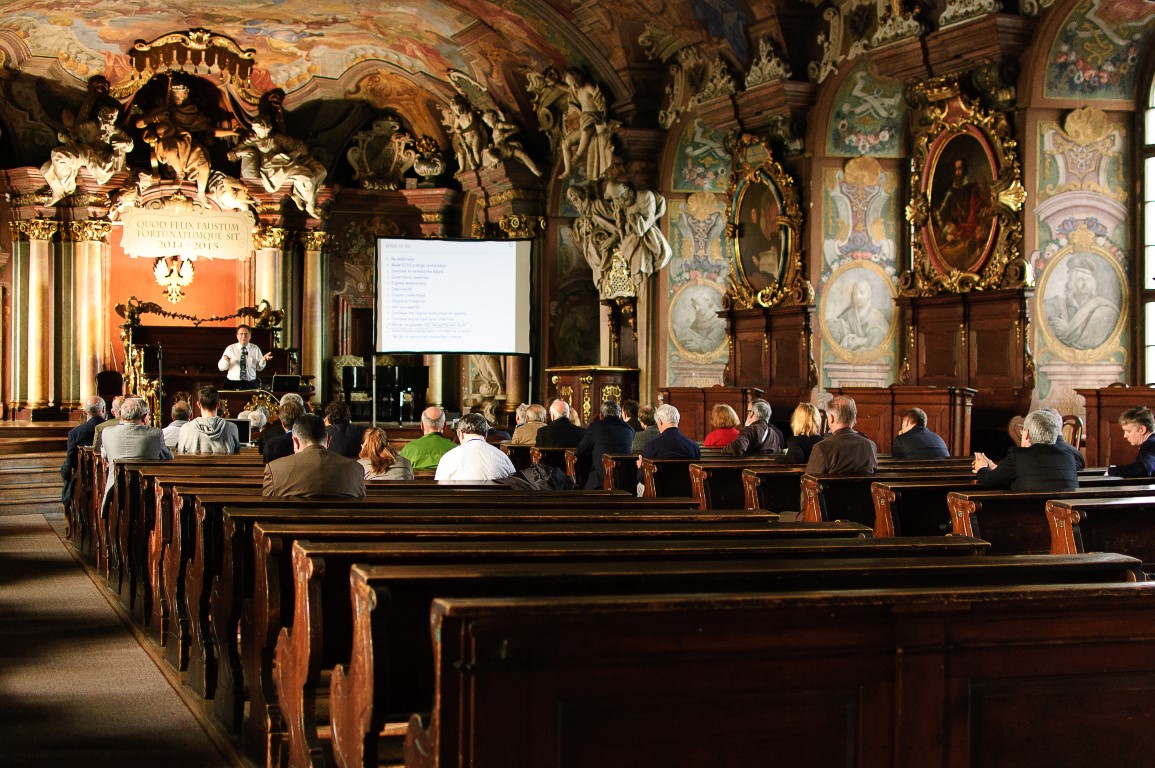
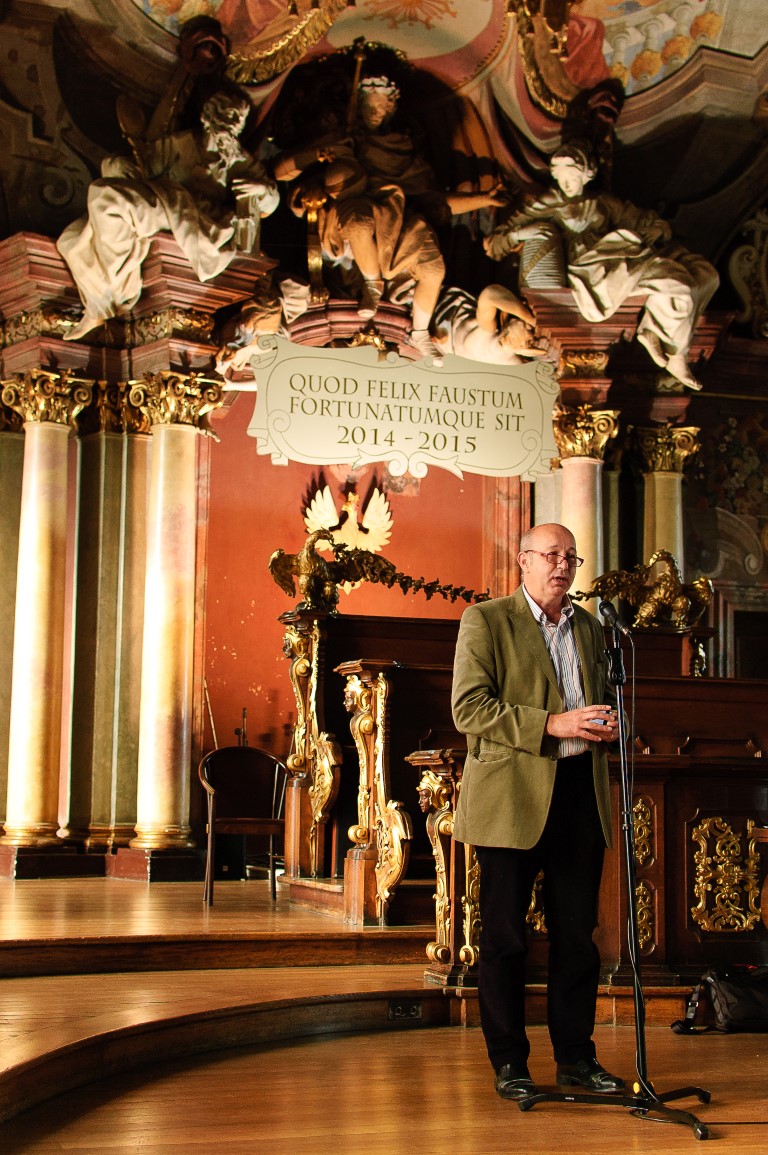
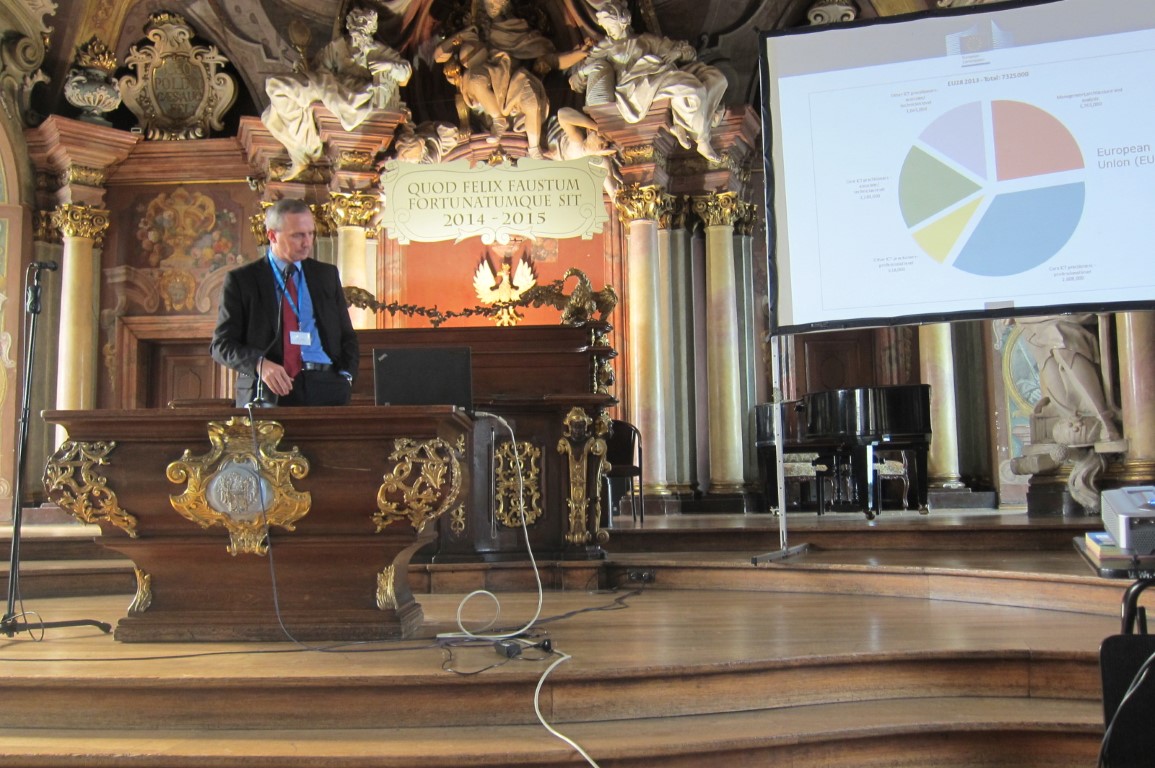
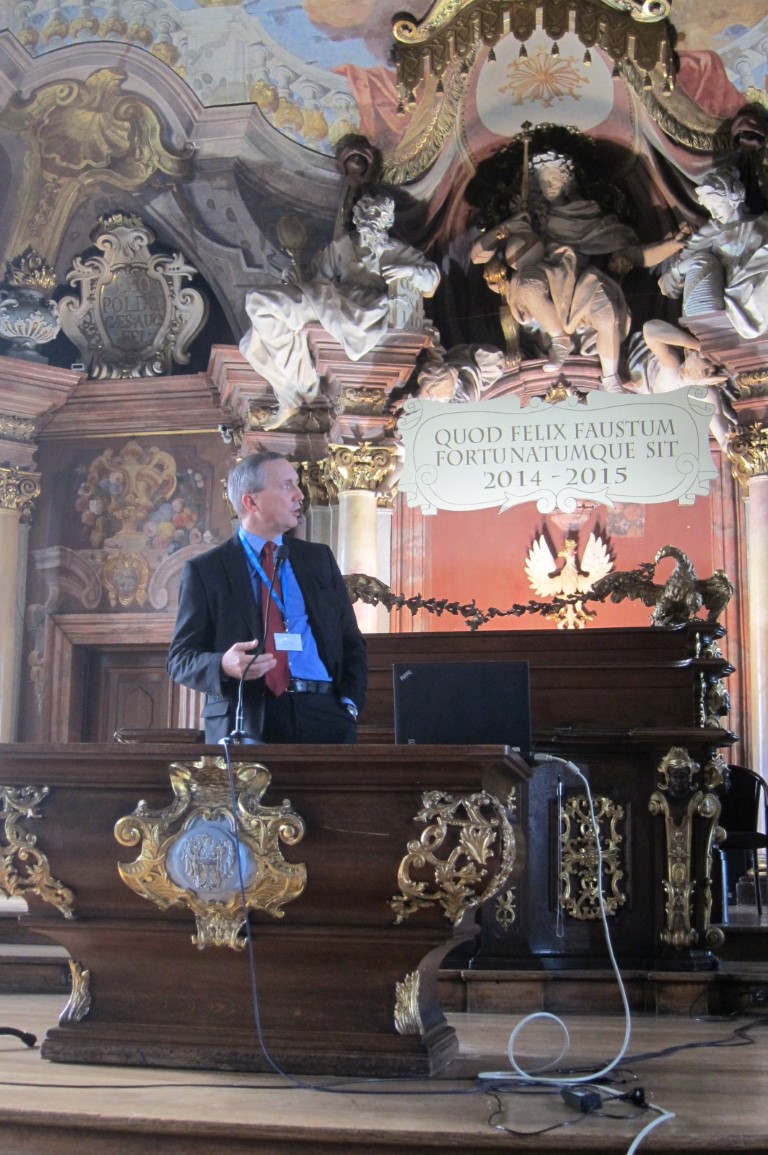
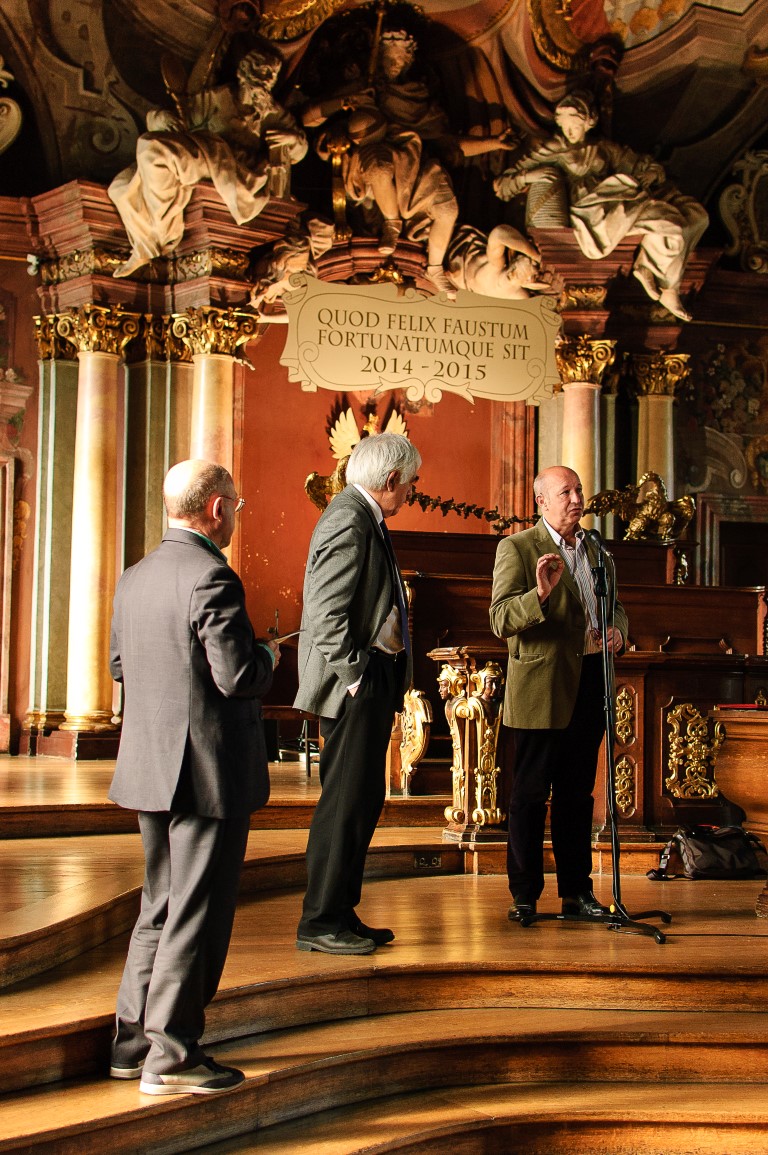
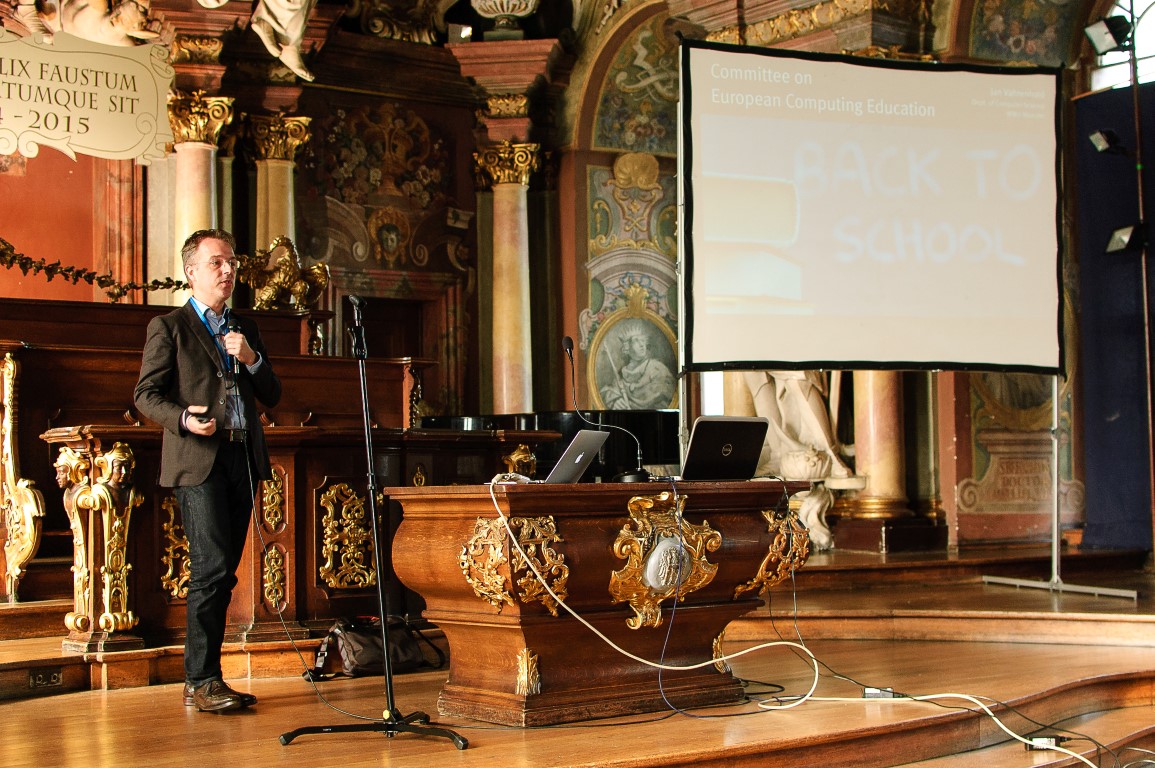
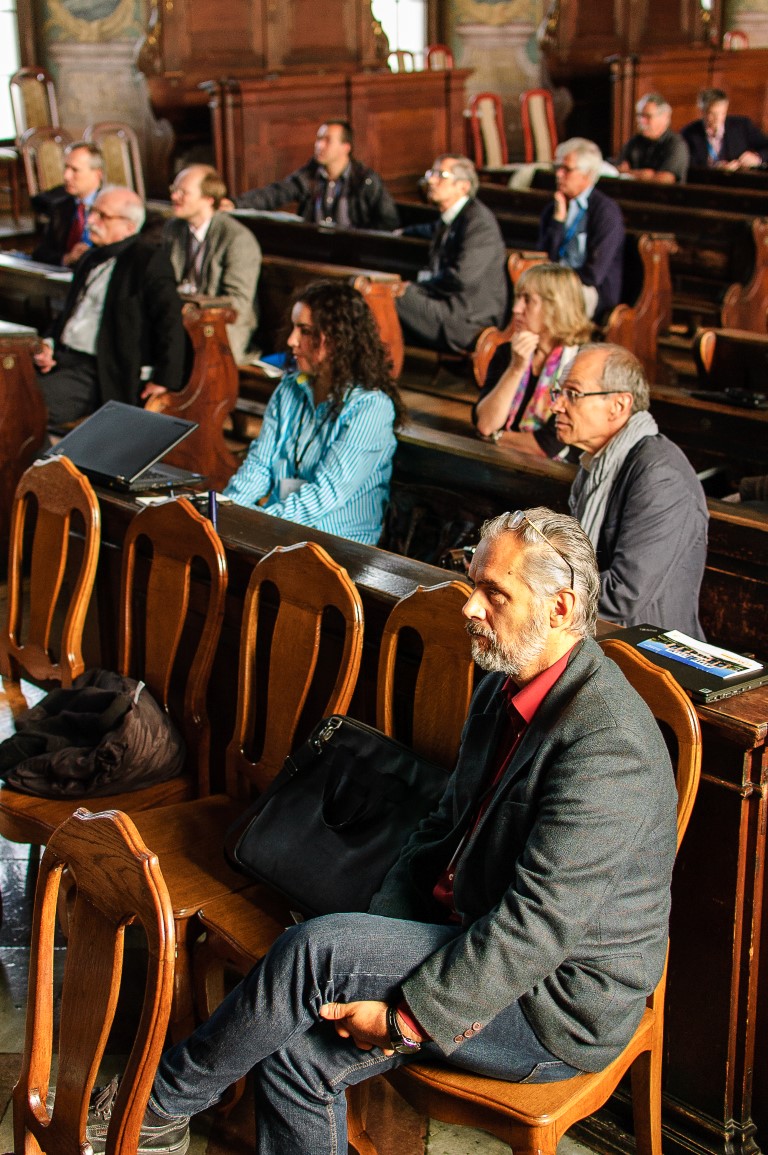
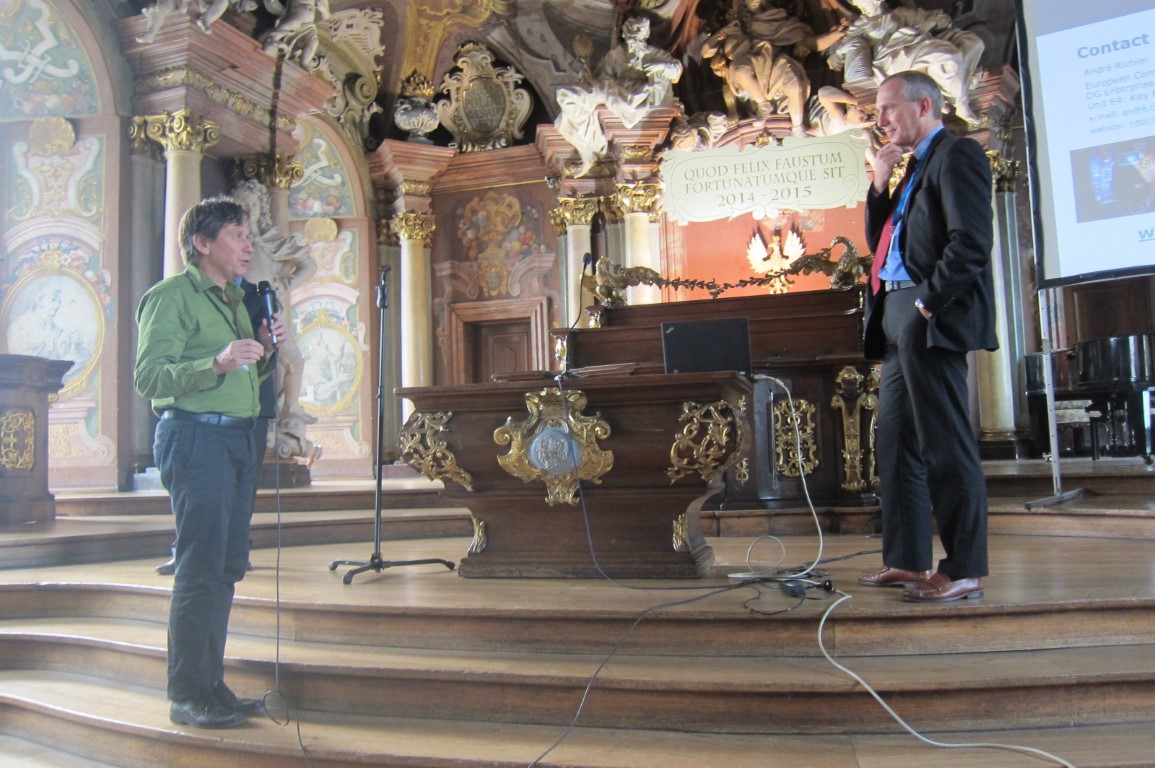
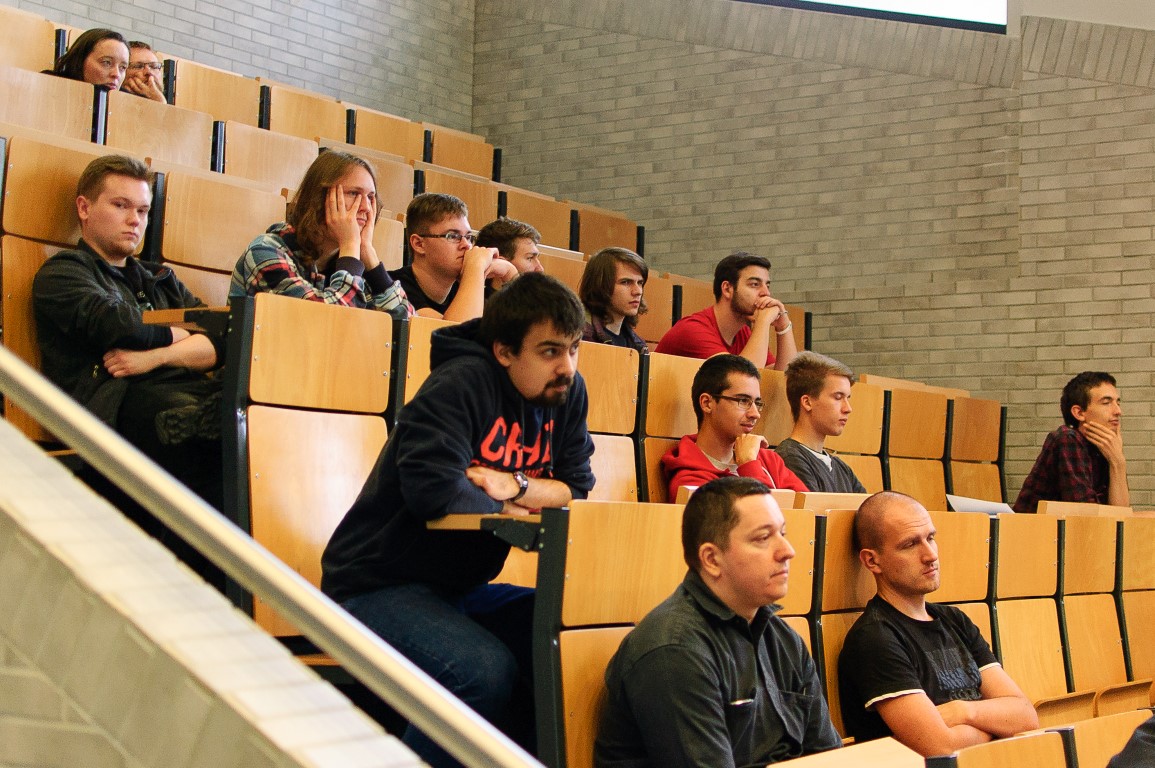
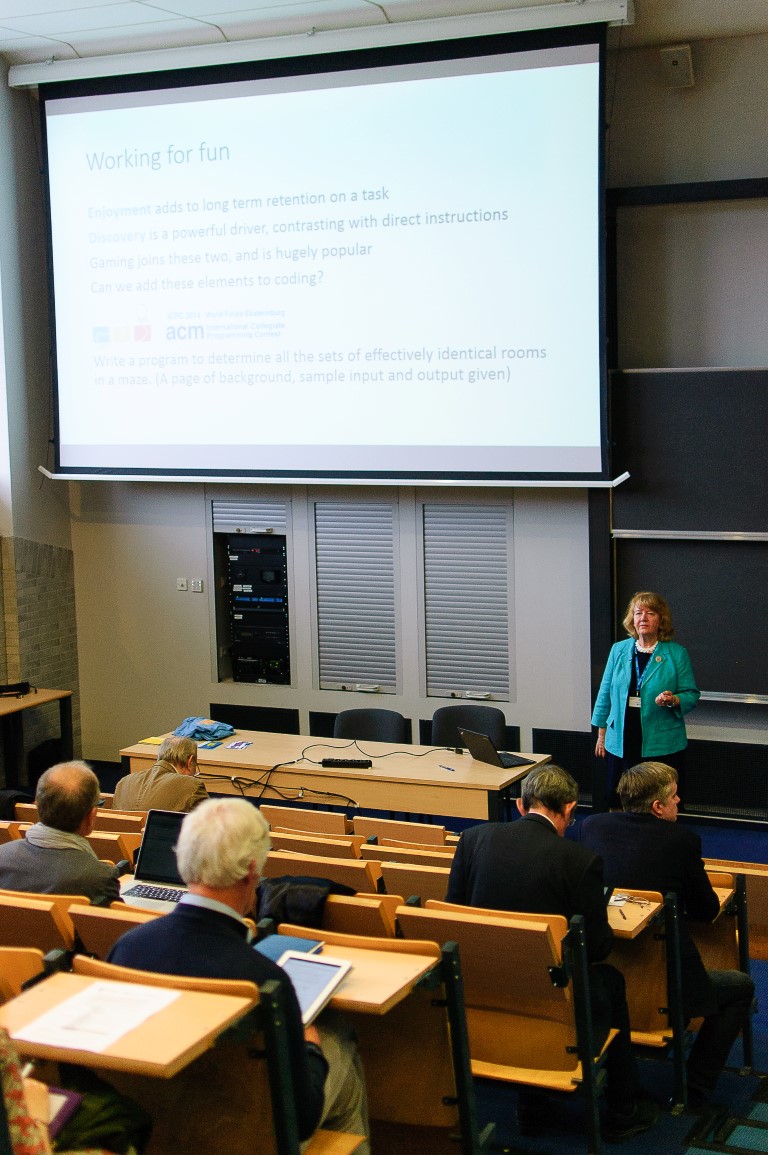
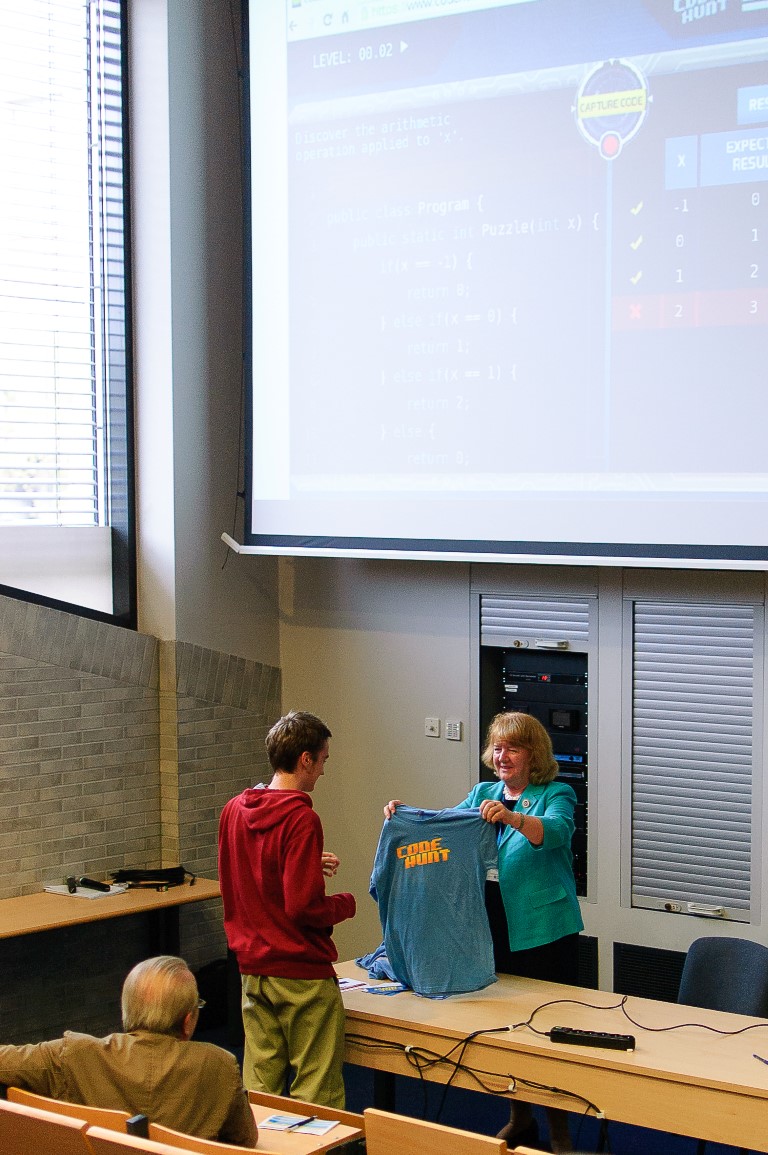
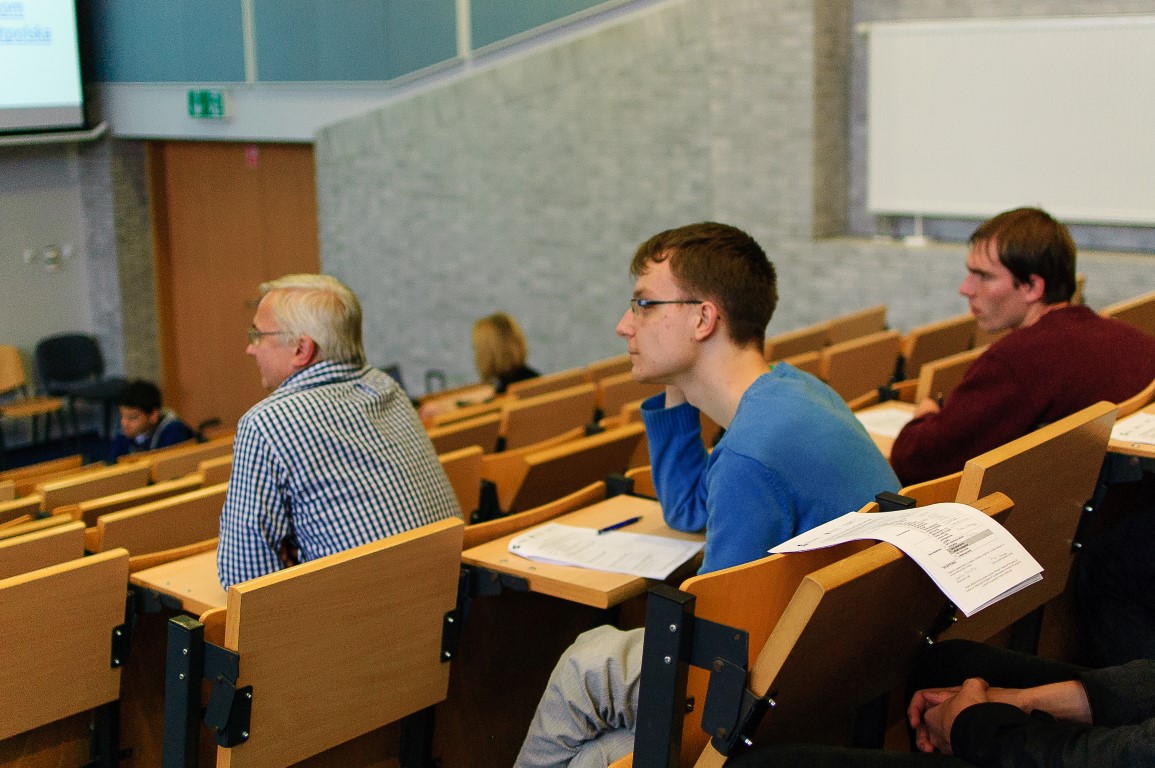
Below a few photos of the event by Marek Materzok and Cristina Pereira
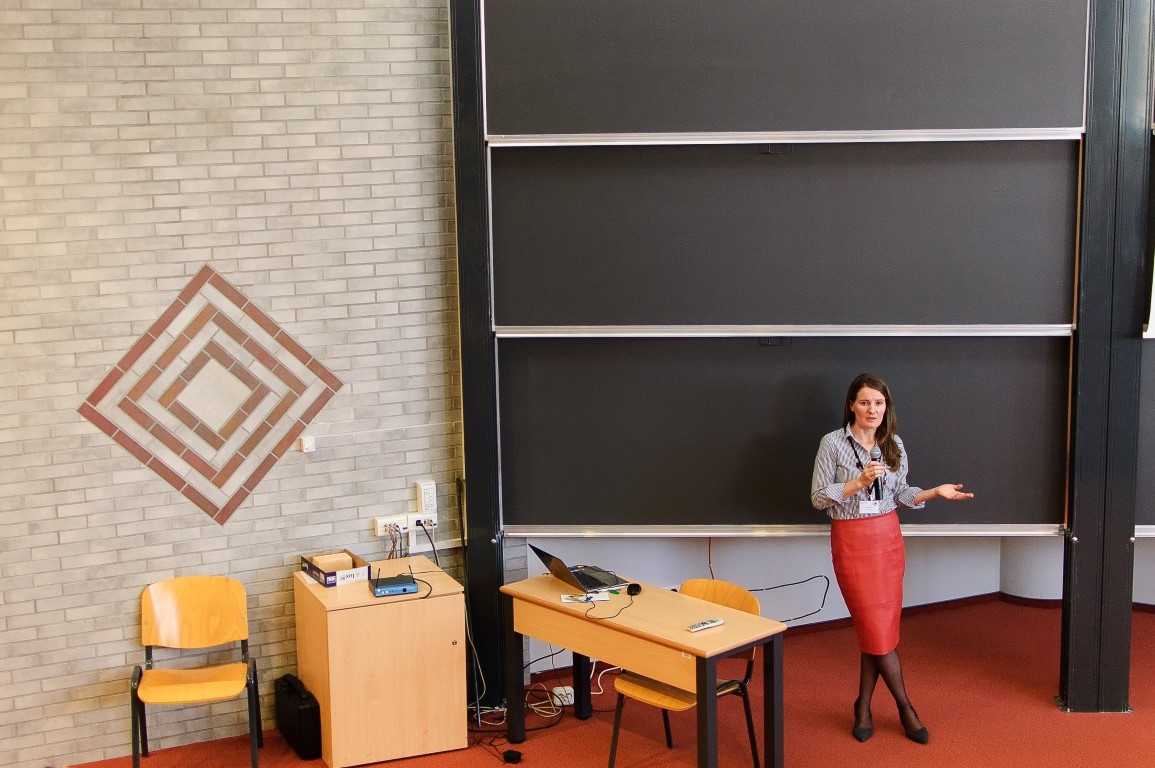
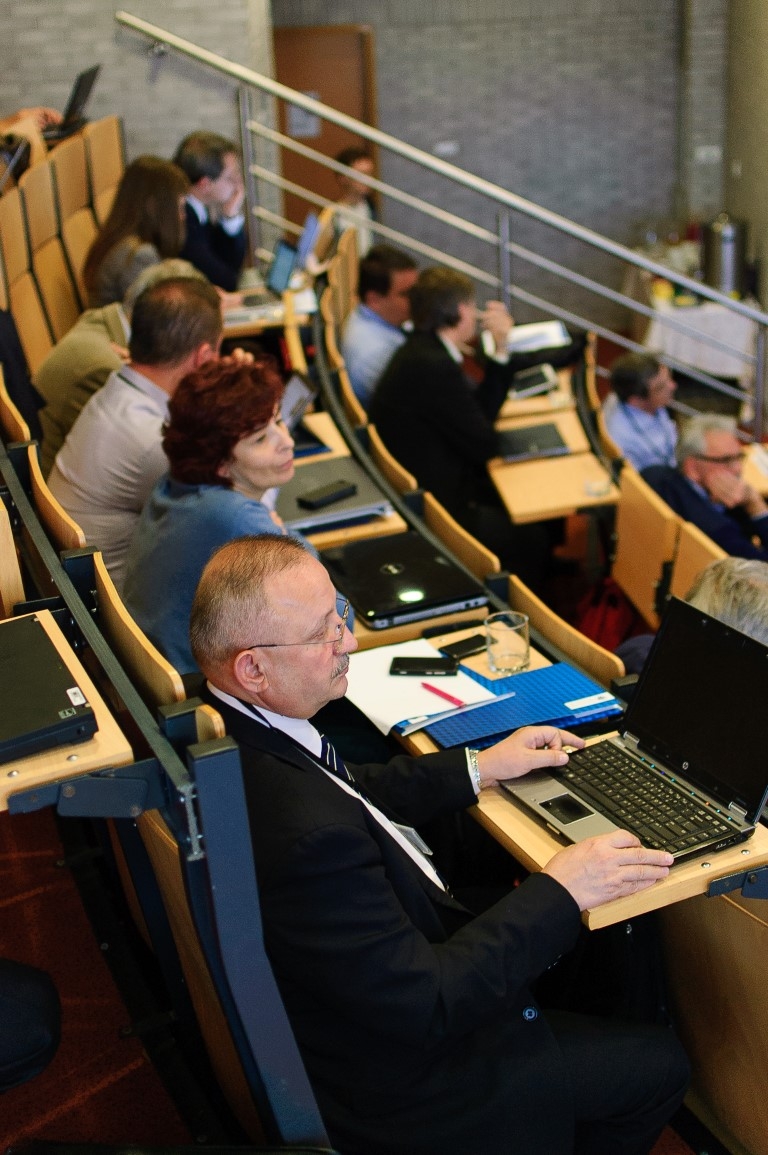
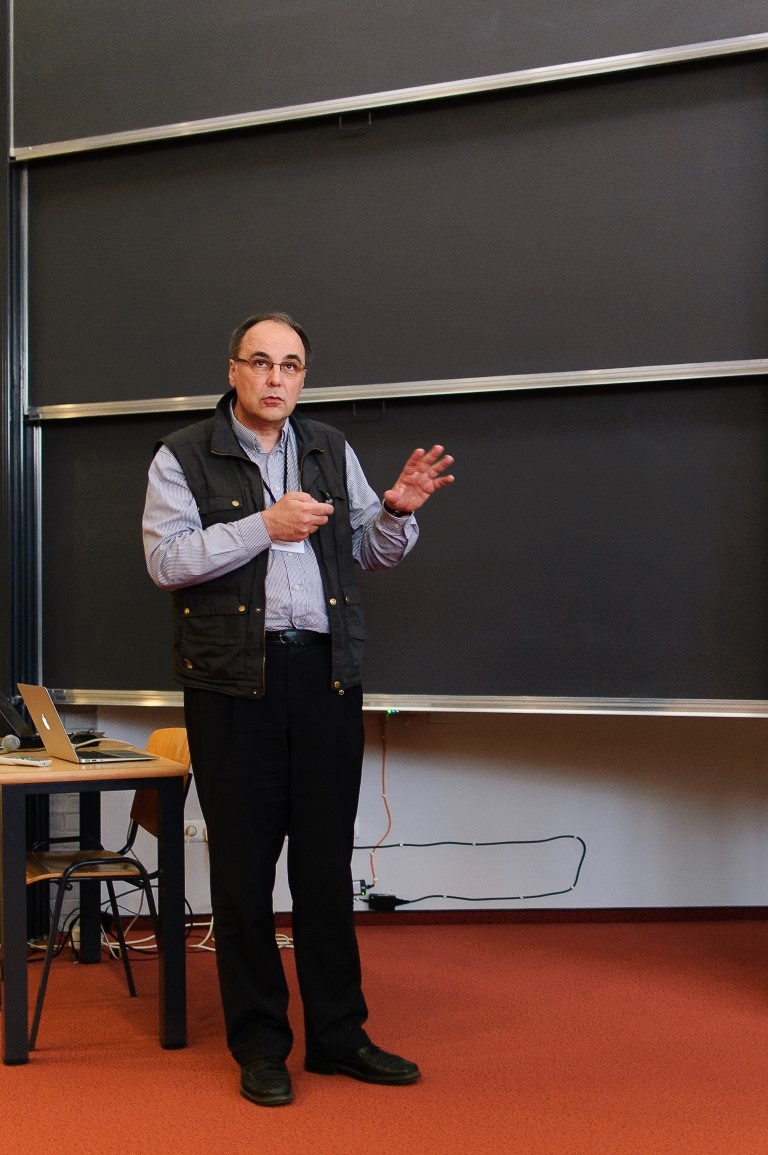
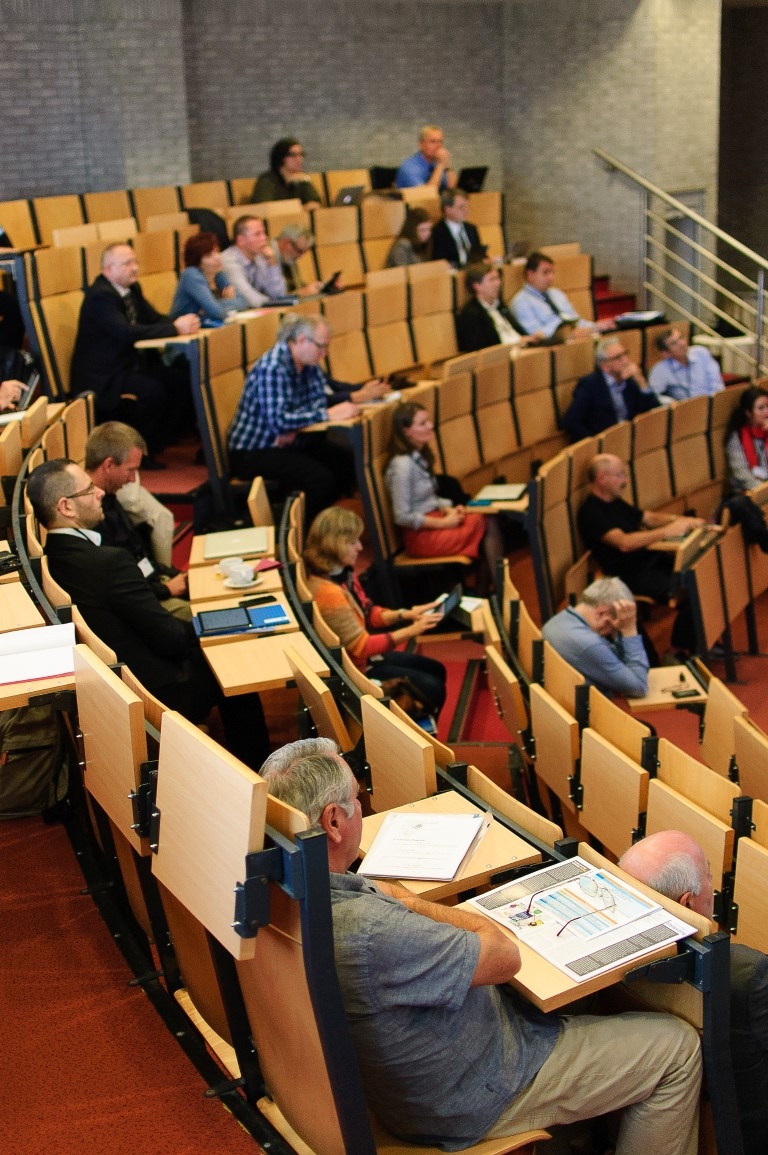




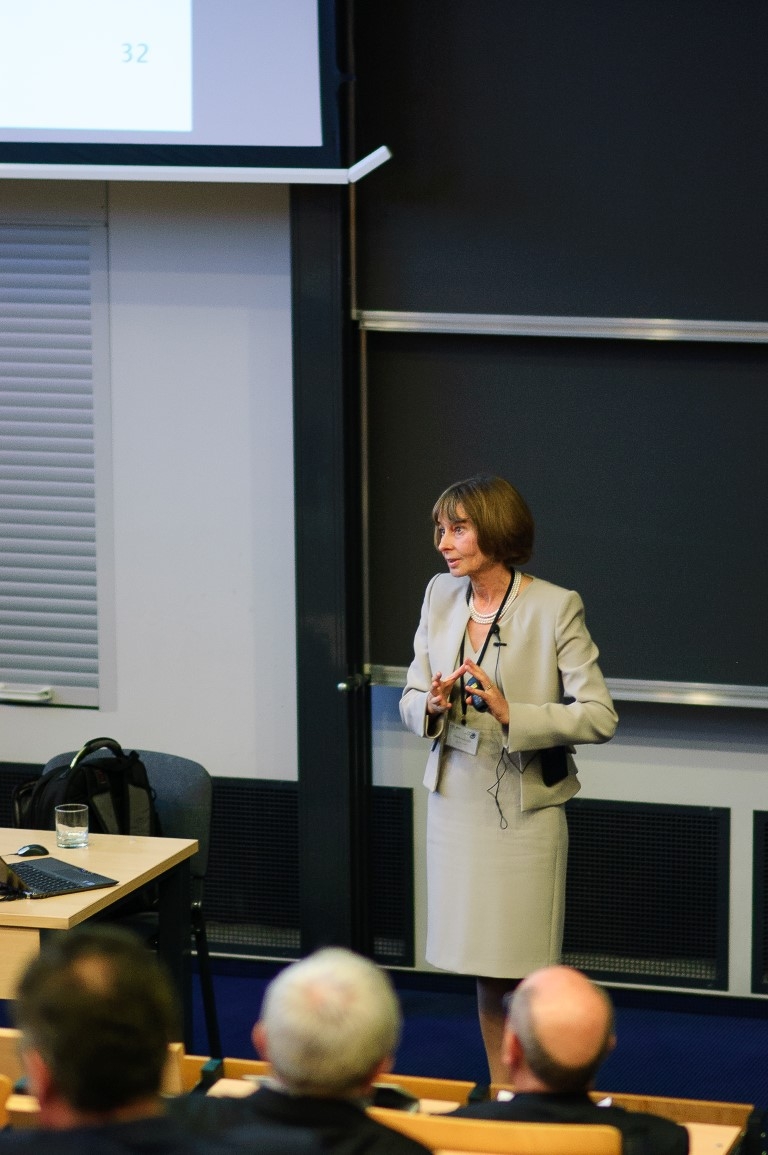
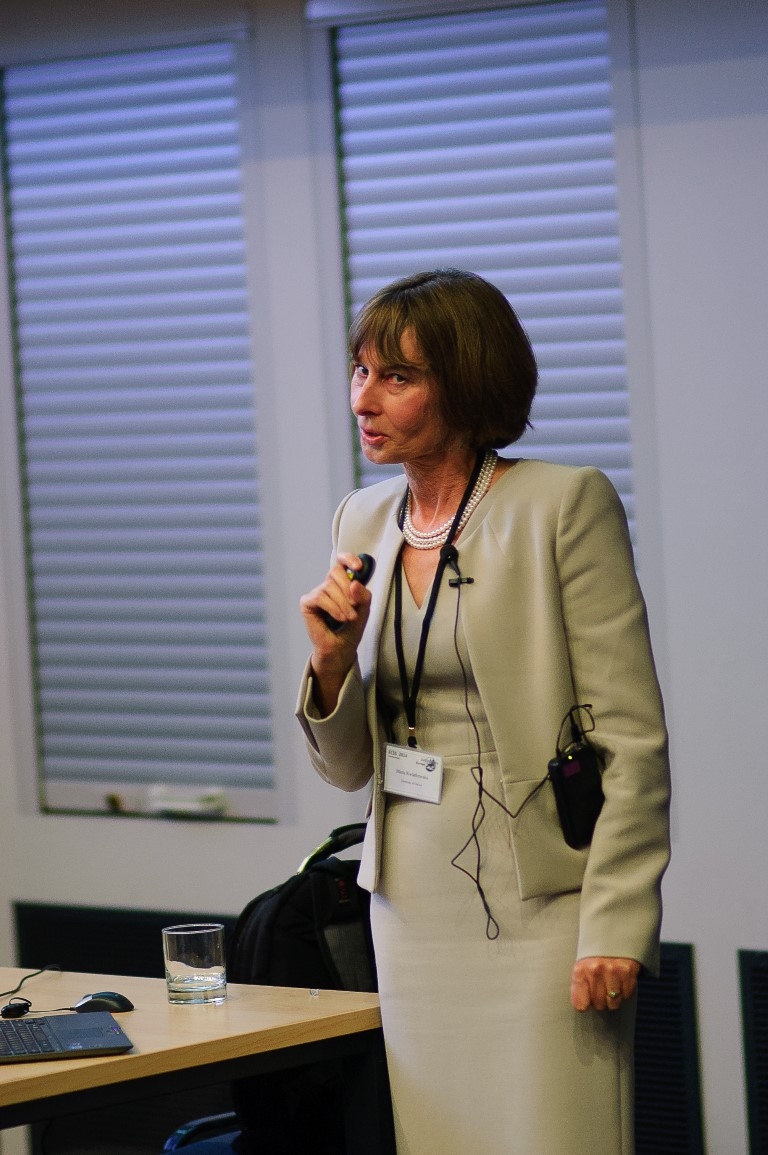
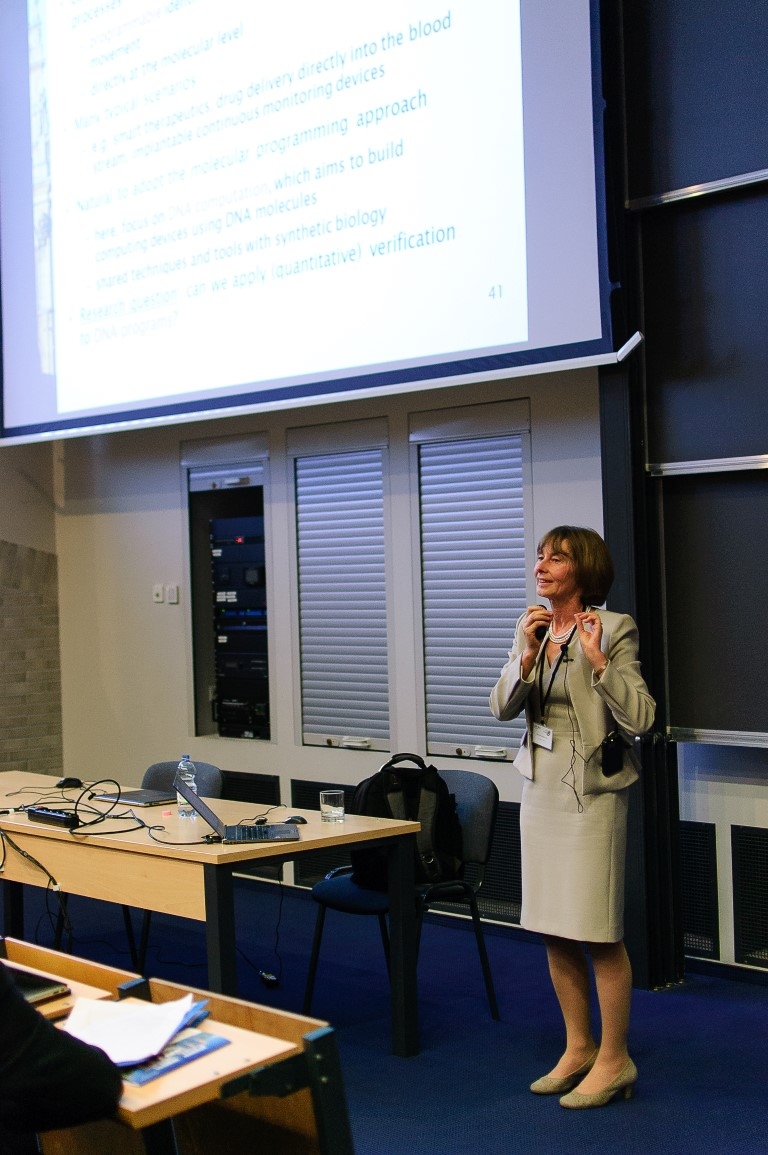
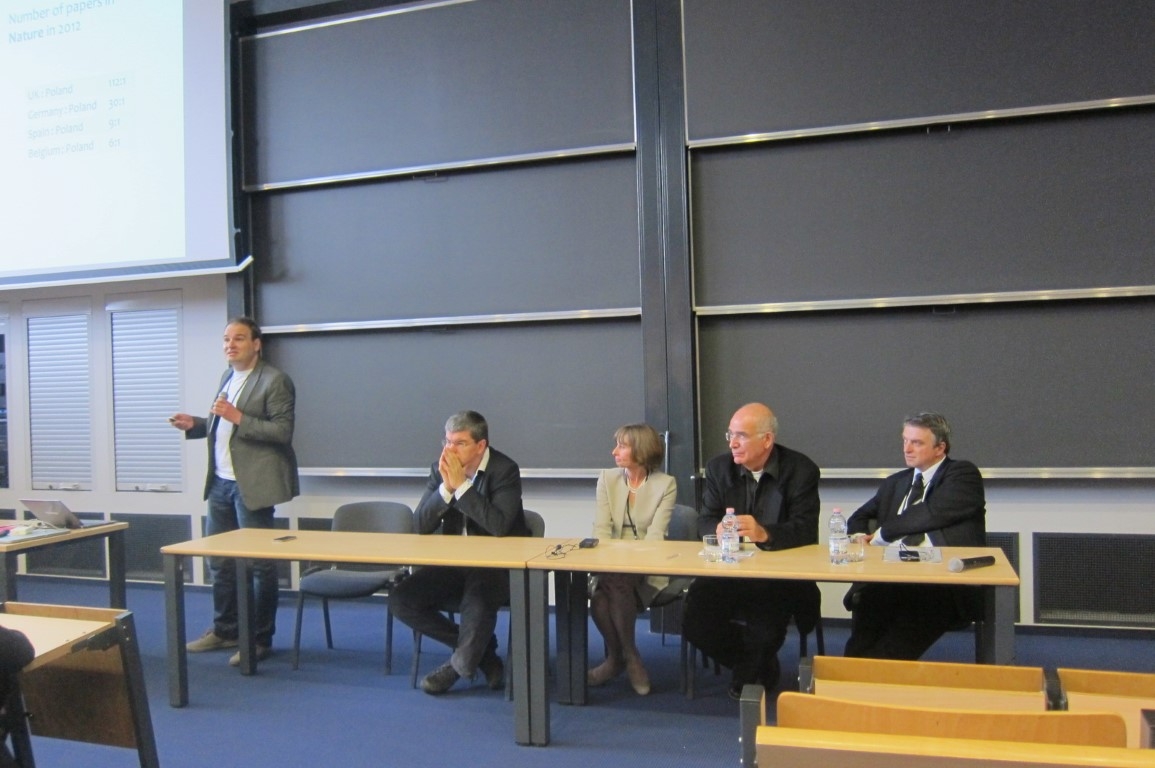

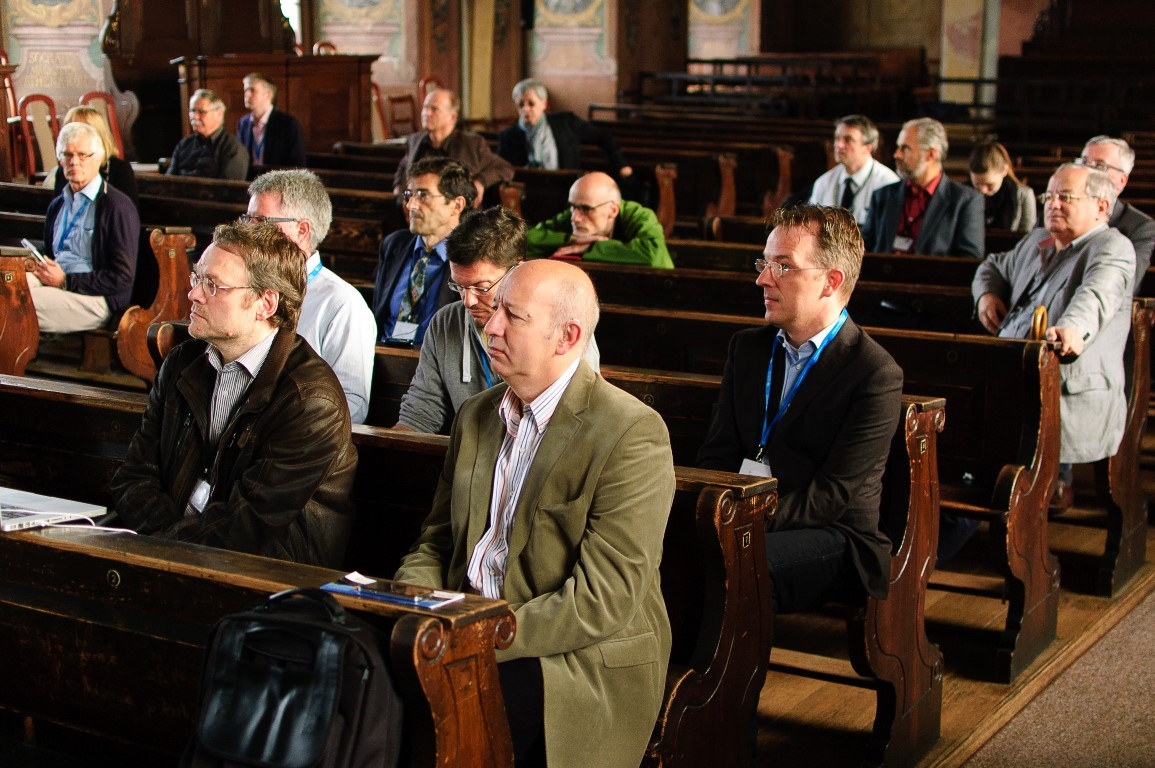
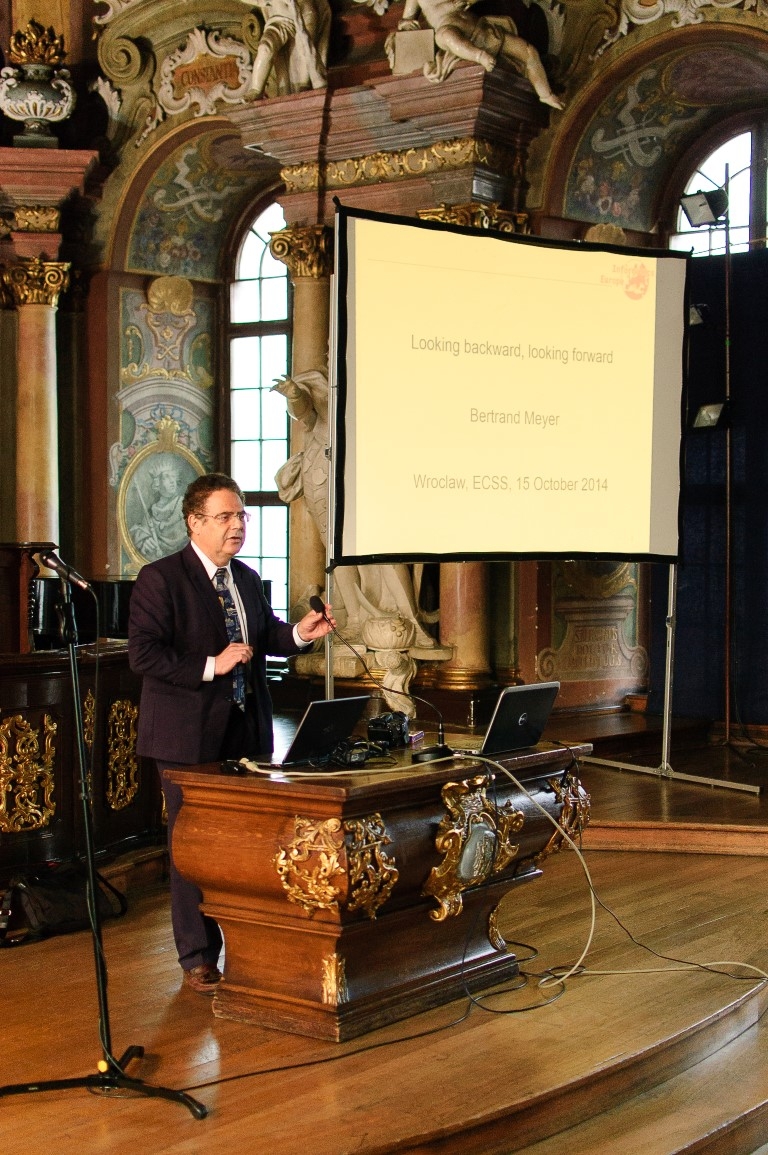
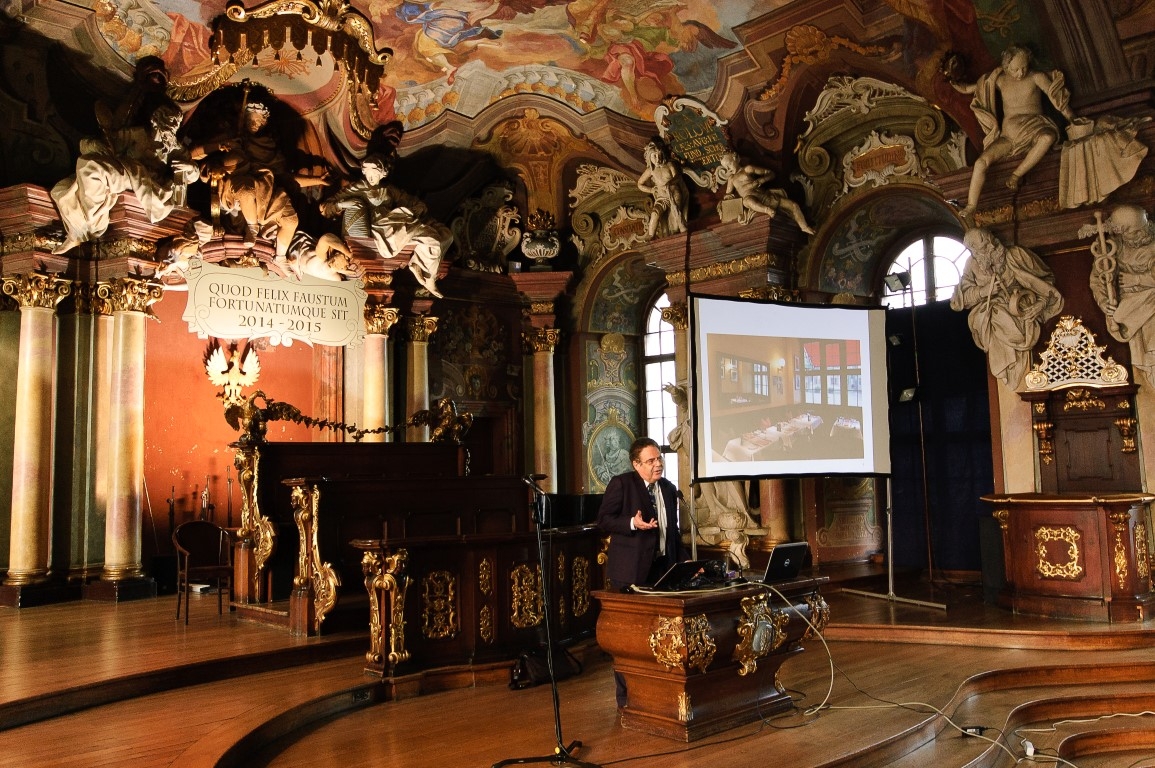
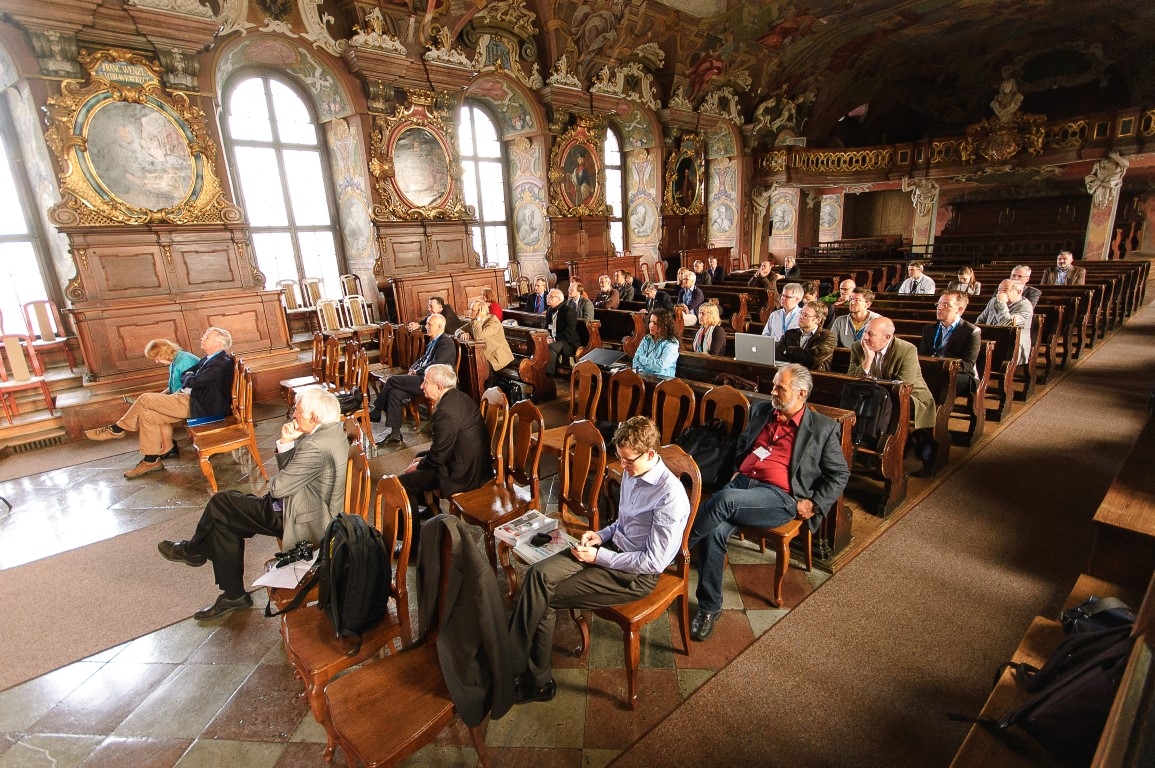

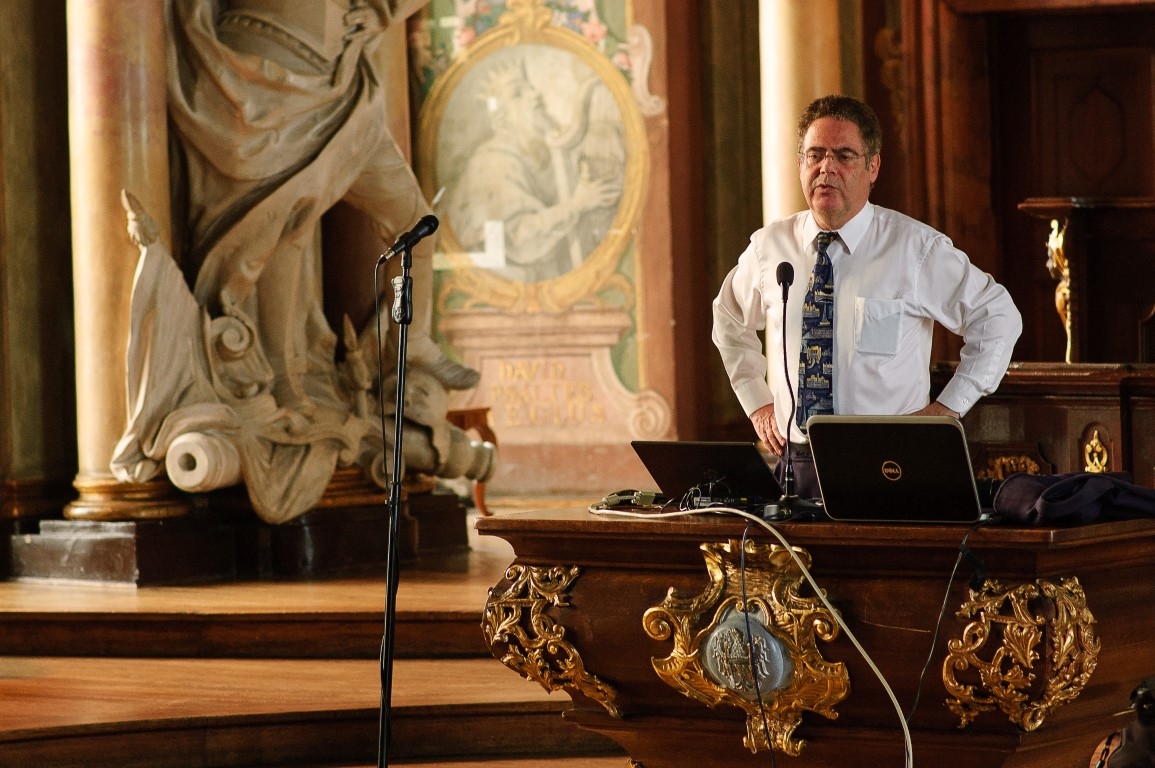
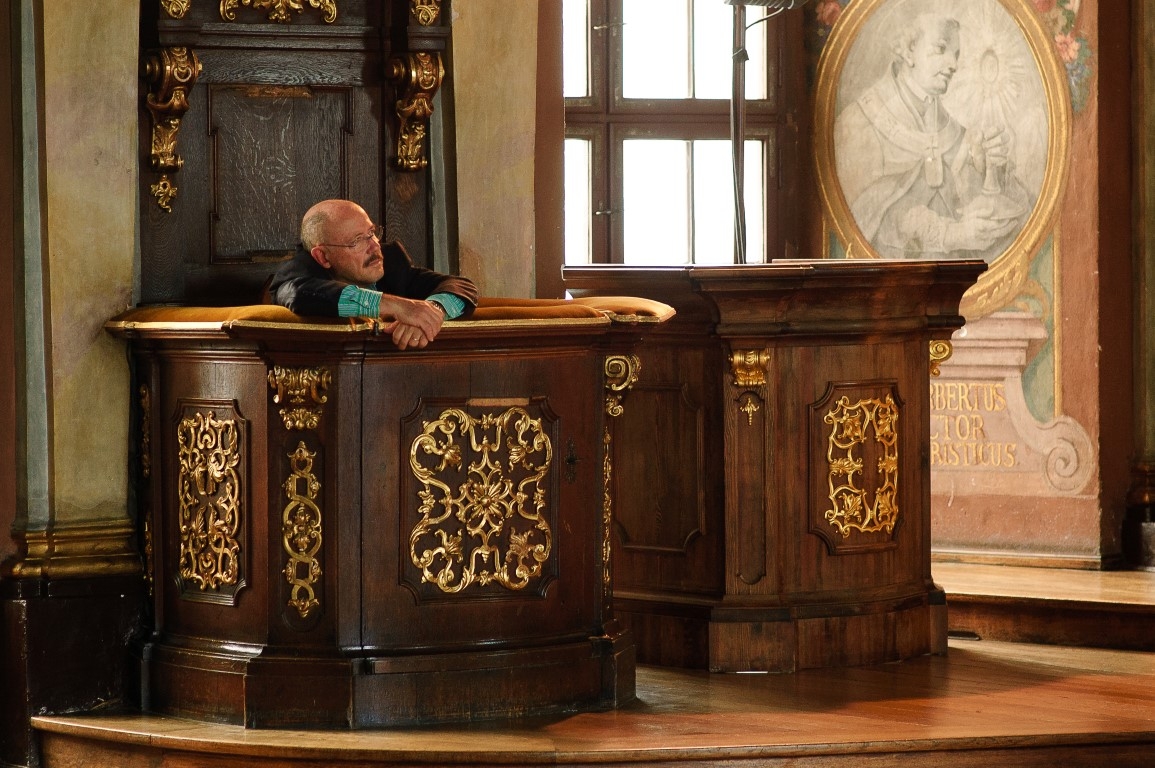

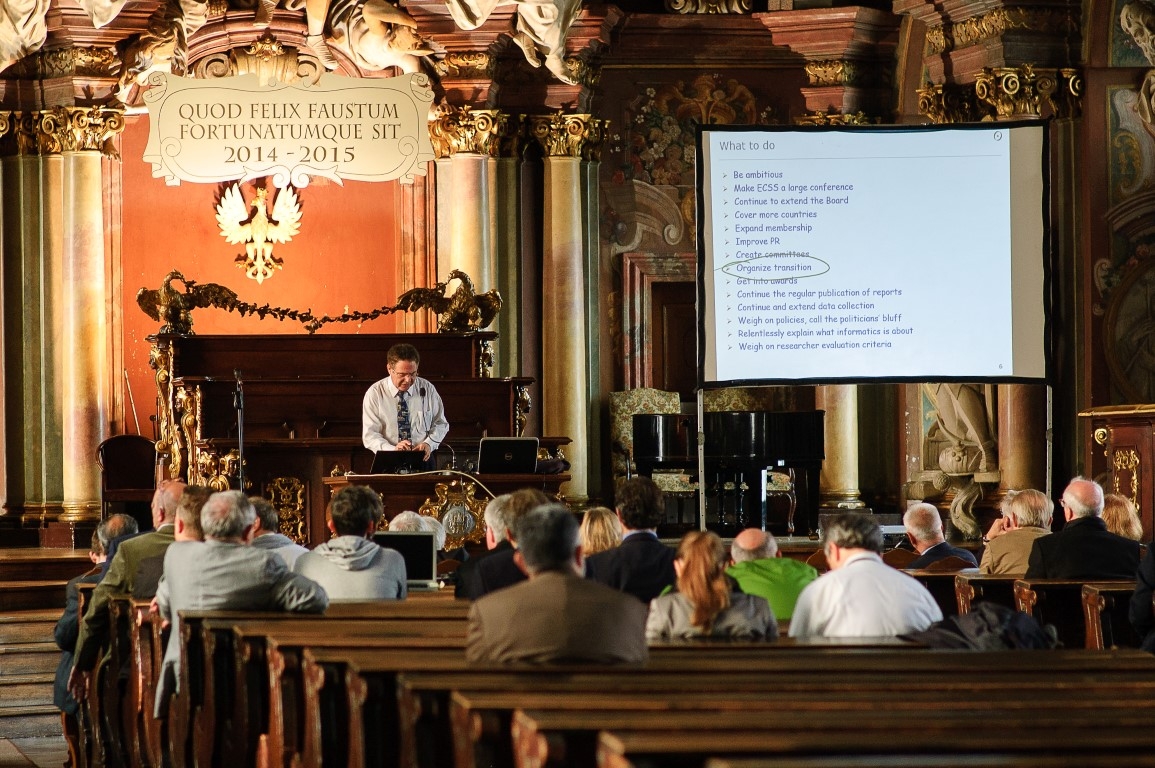
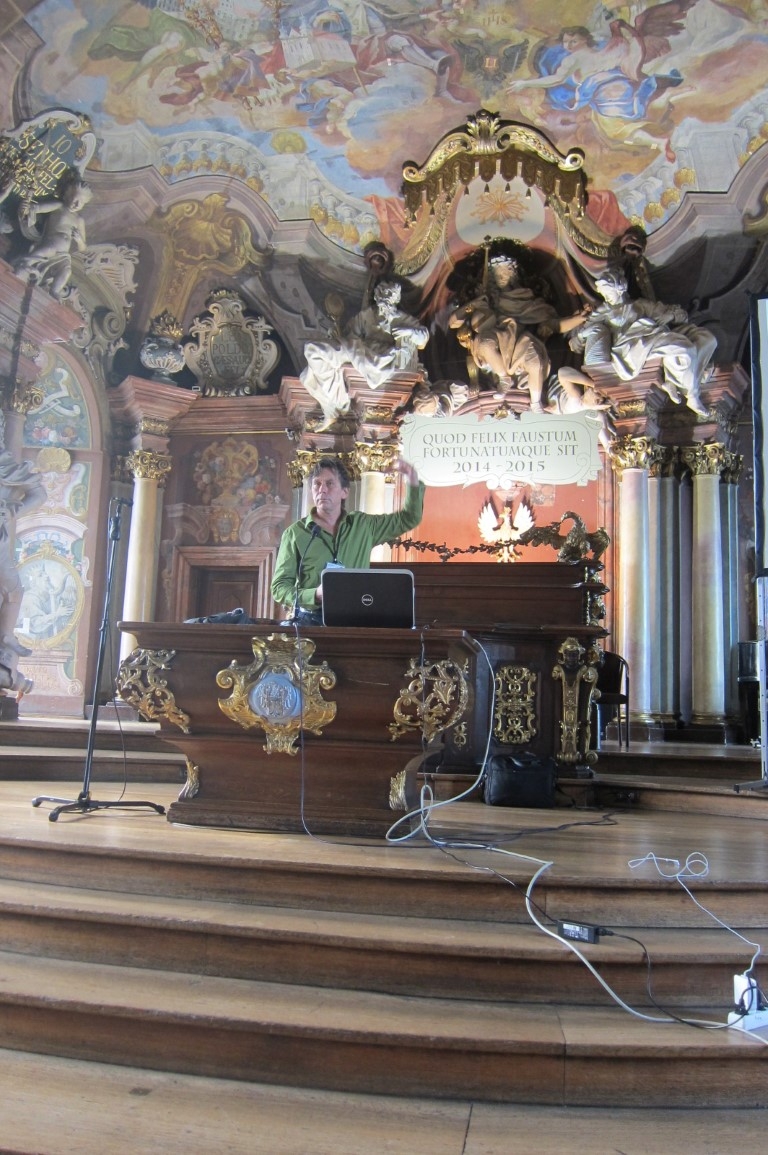

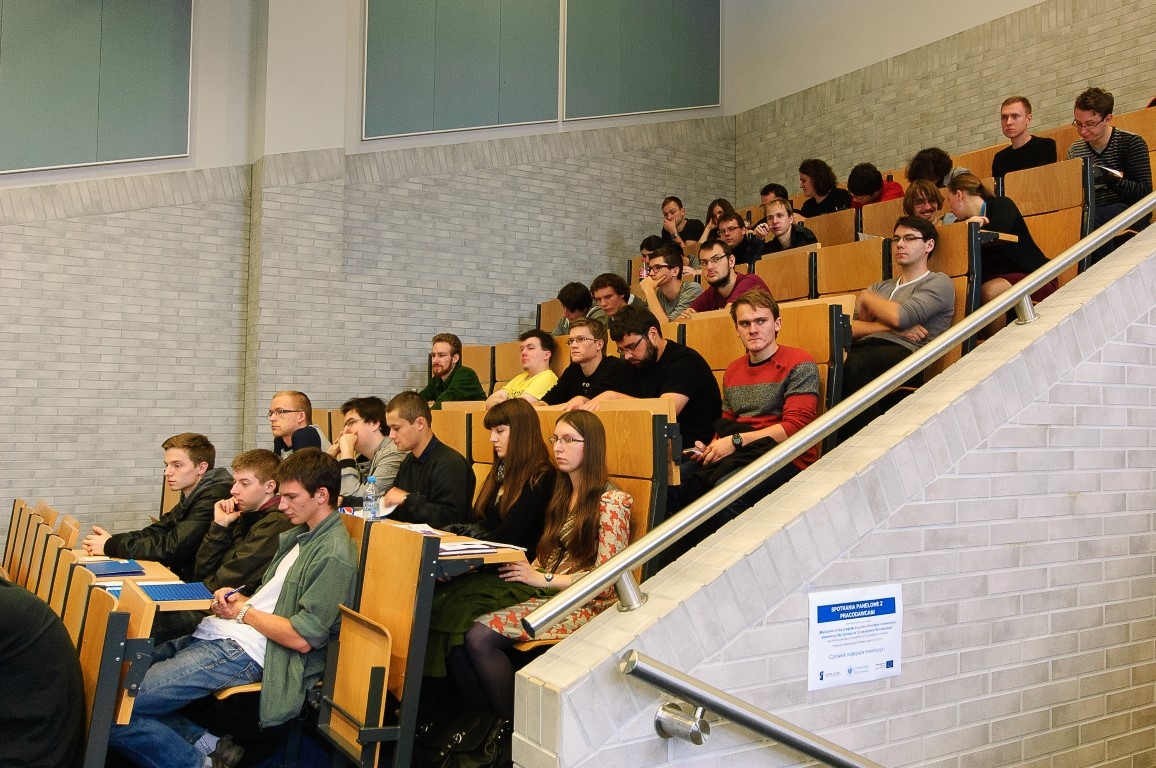
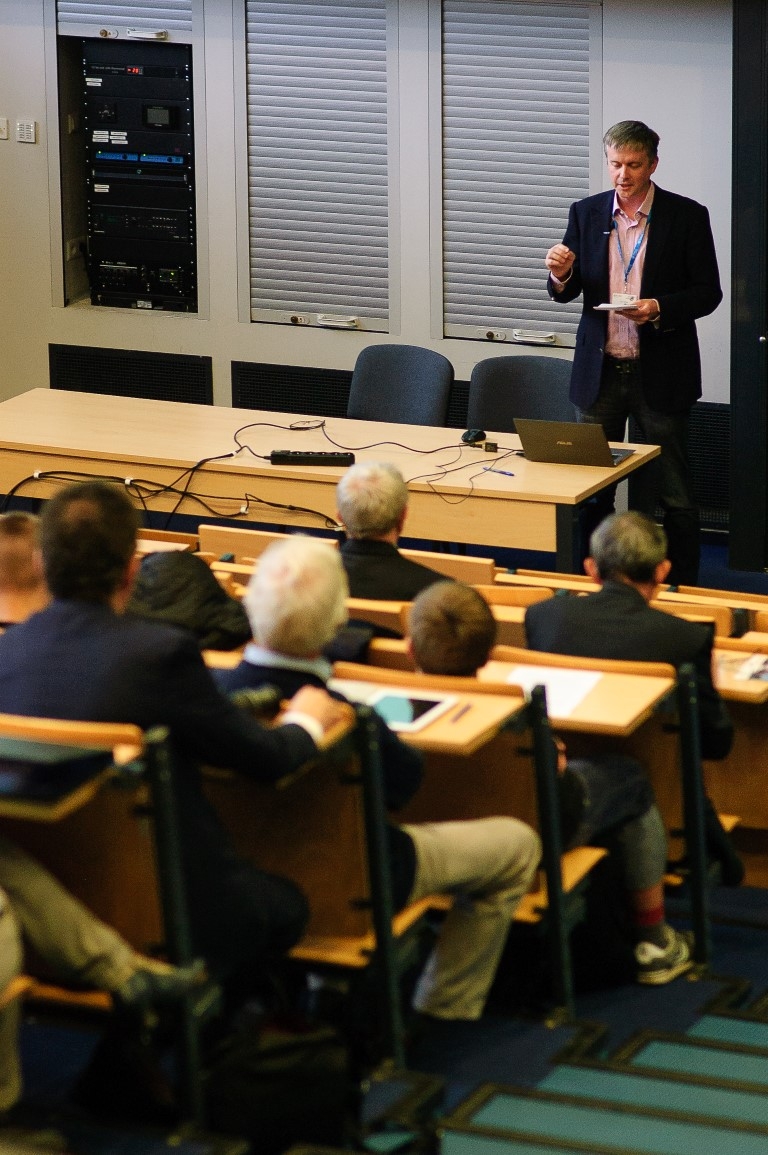
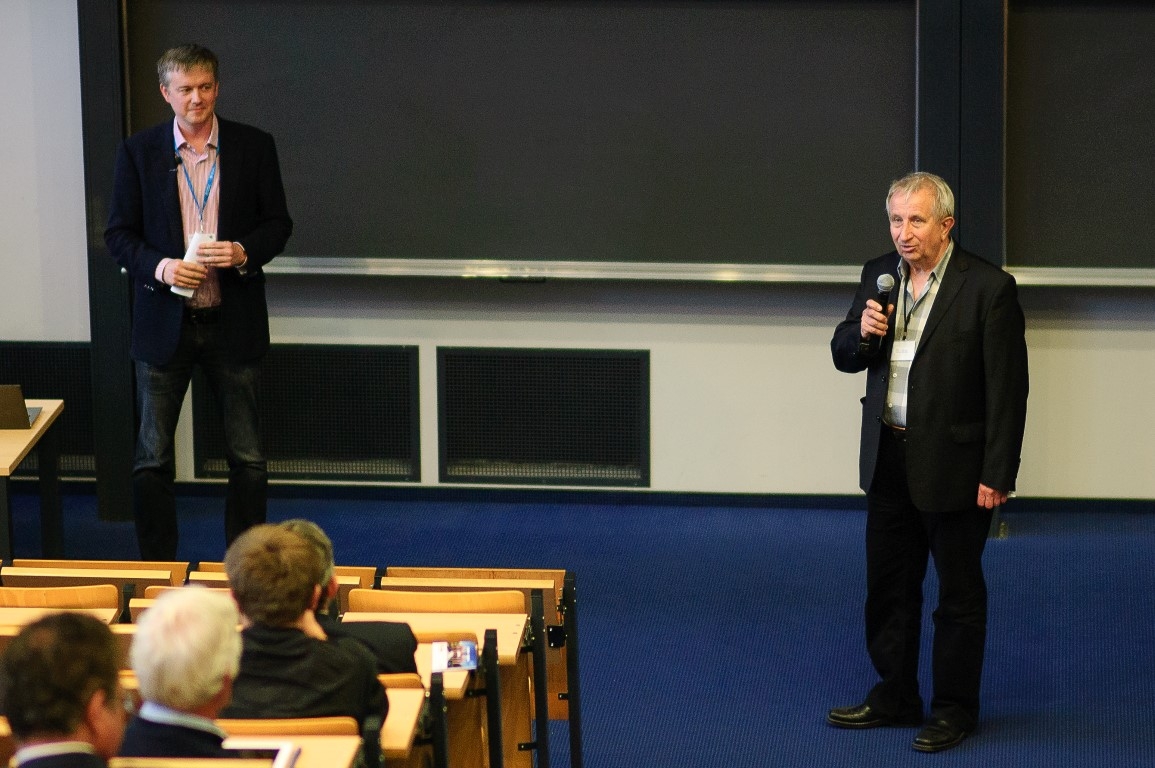
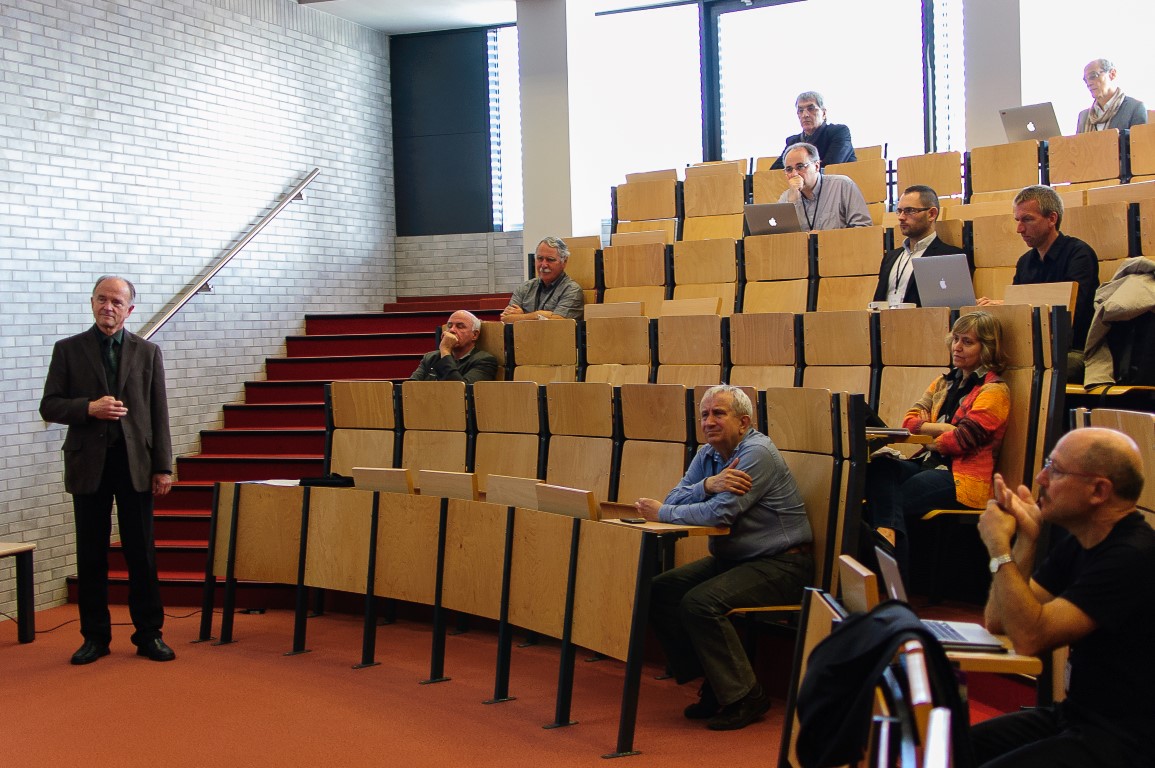



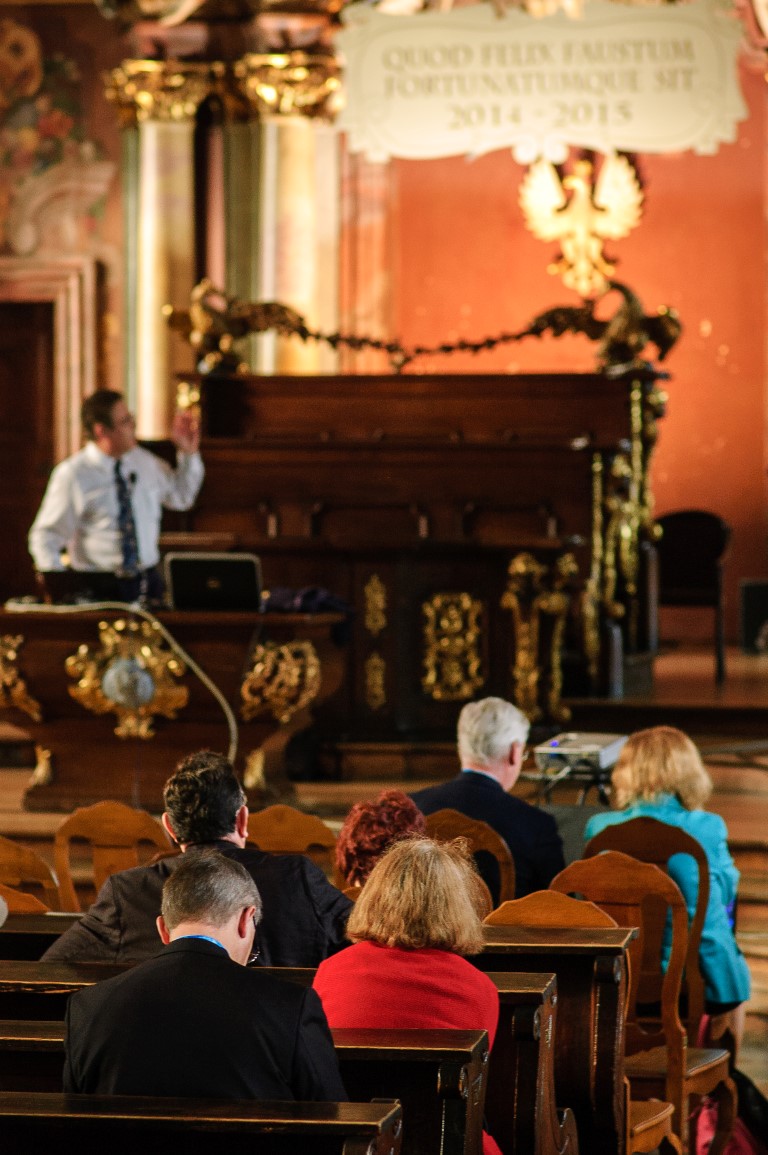
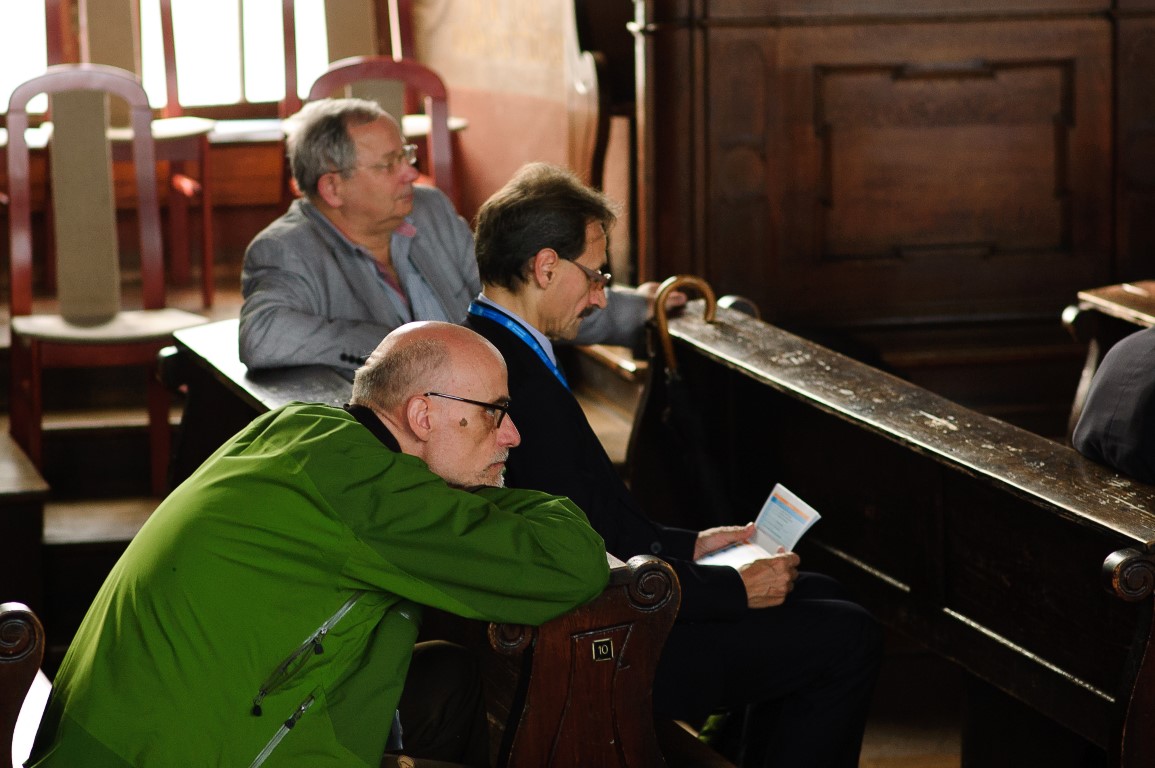
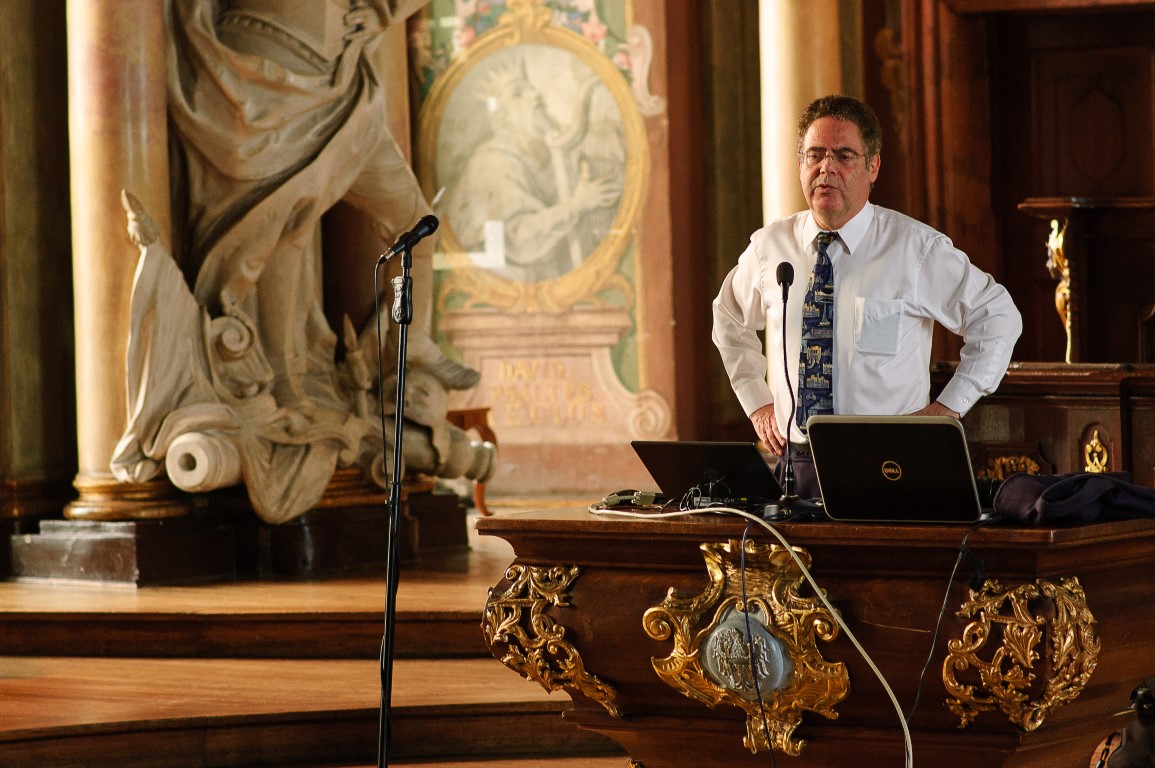
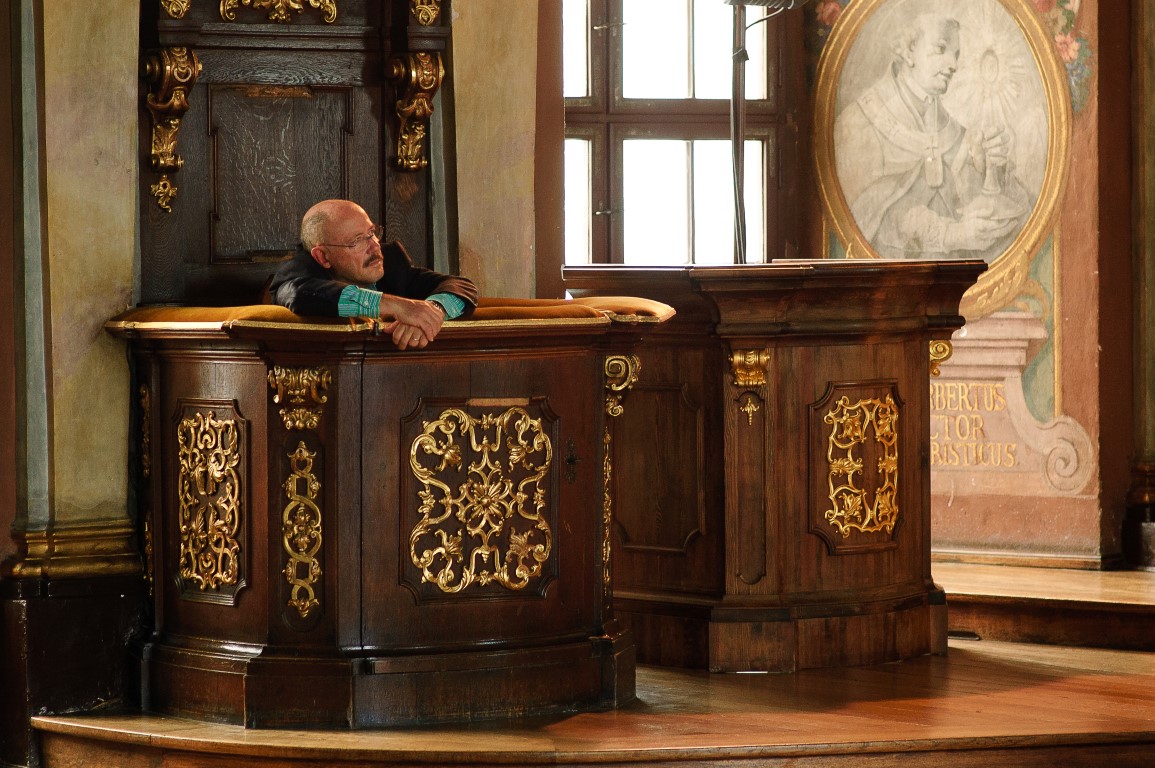
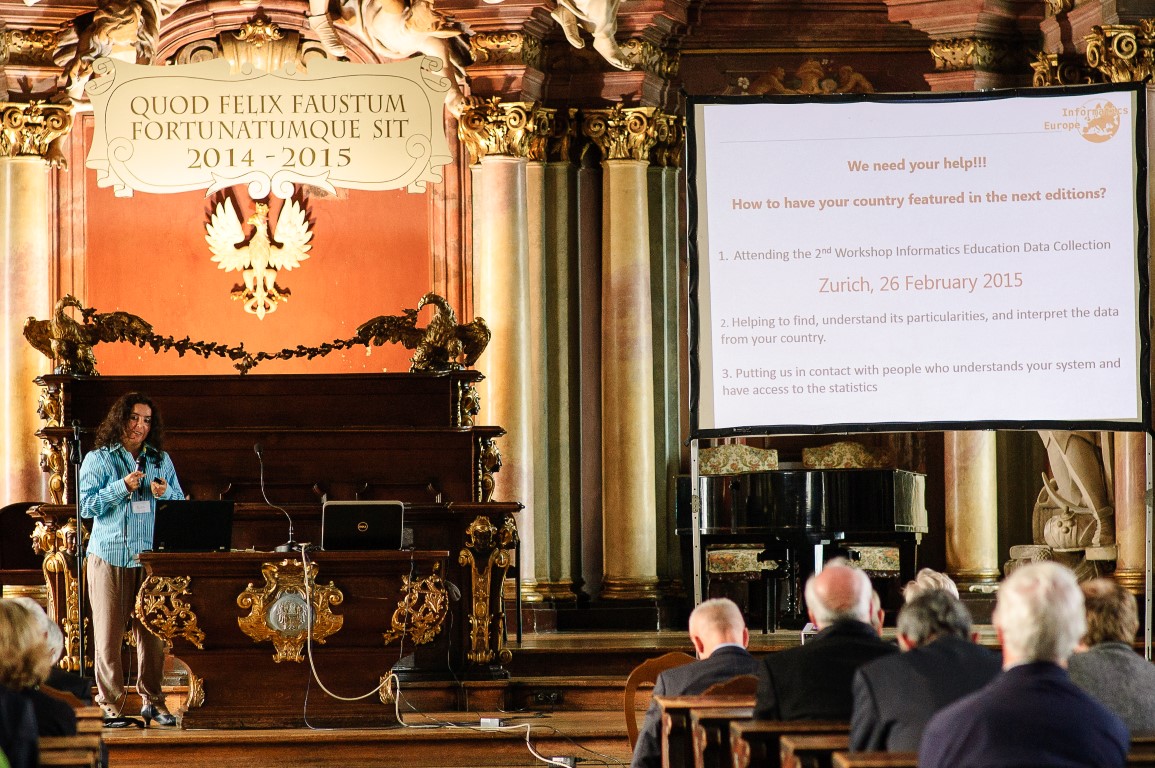
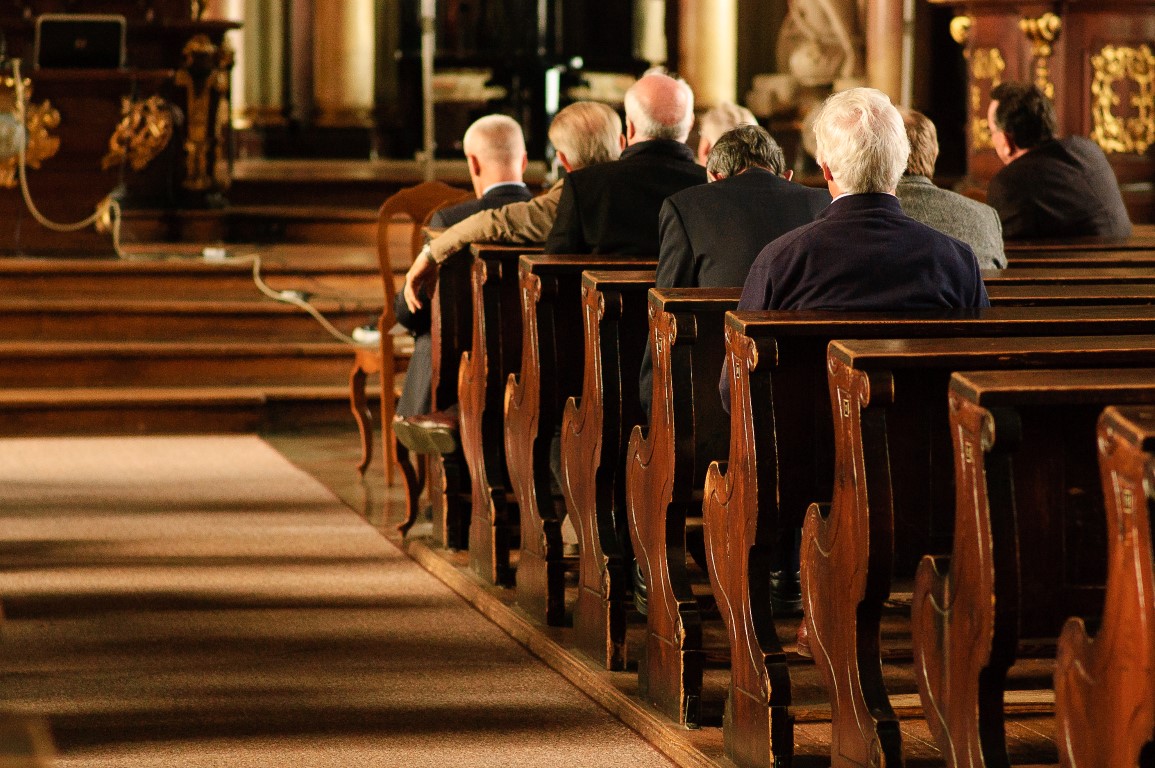
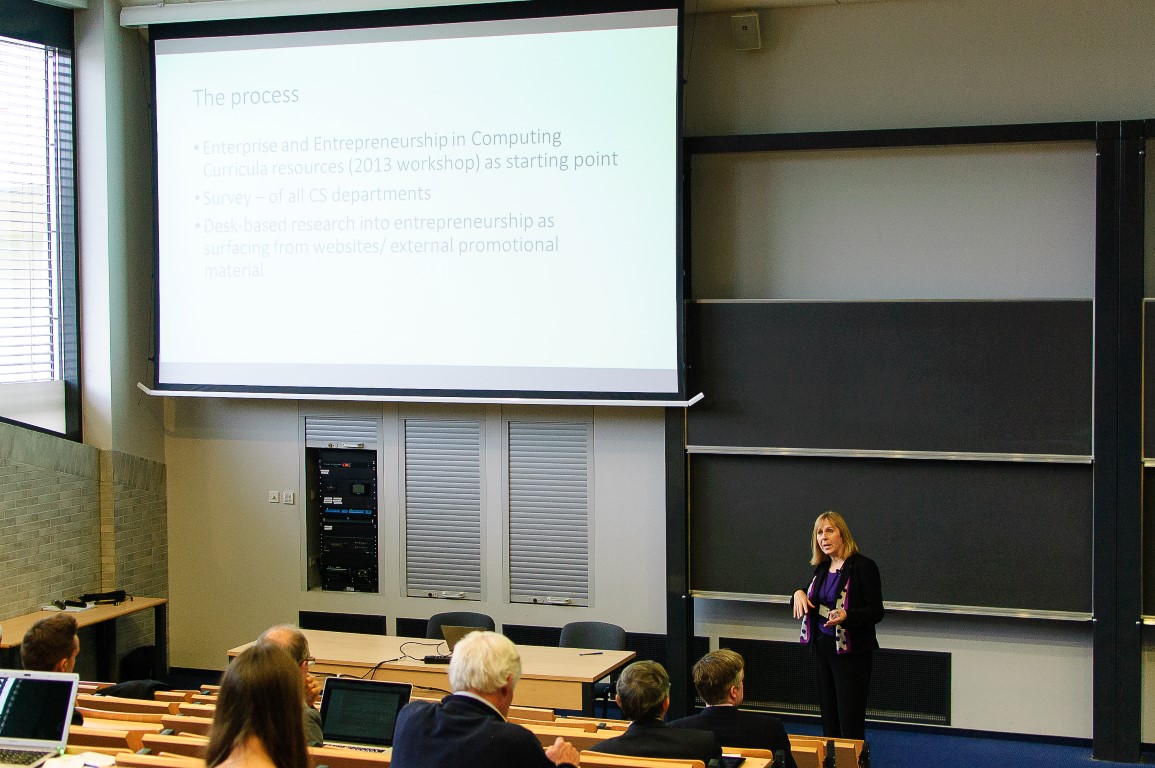
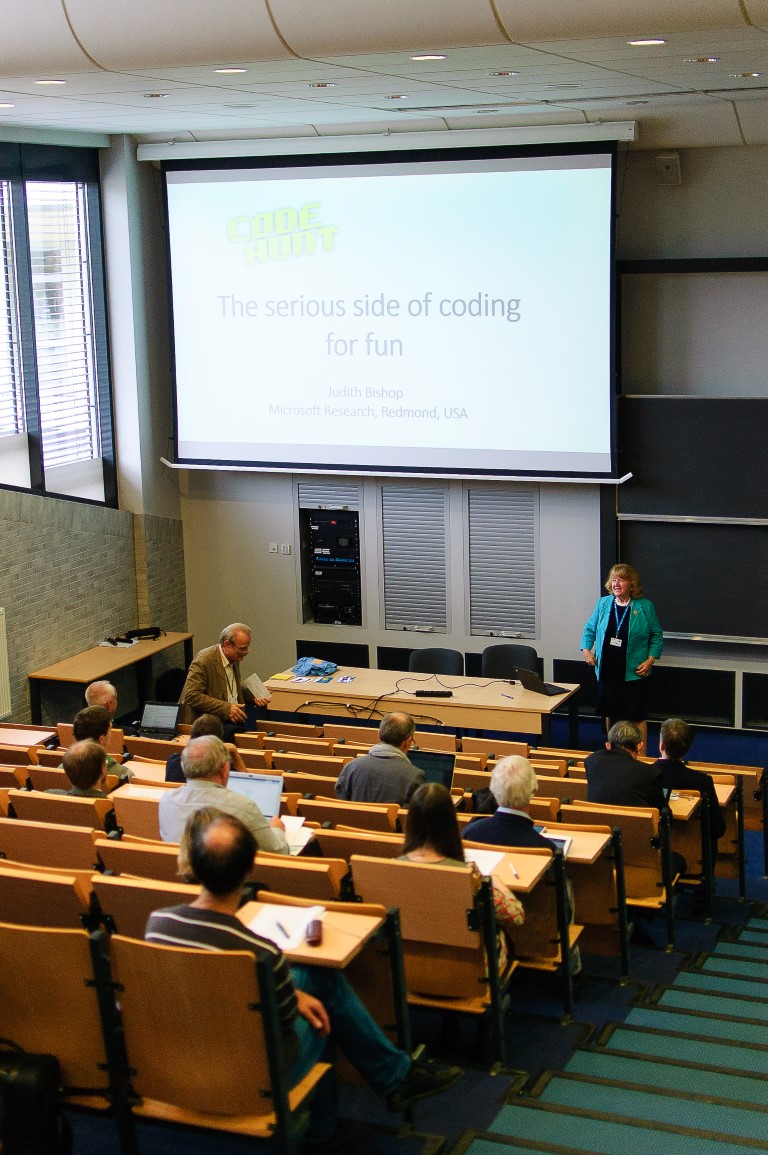
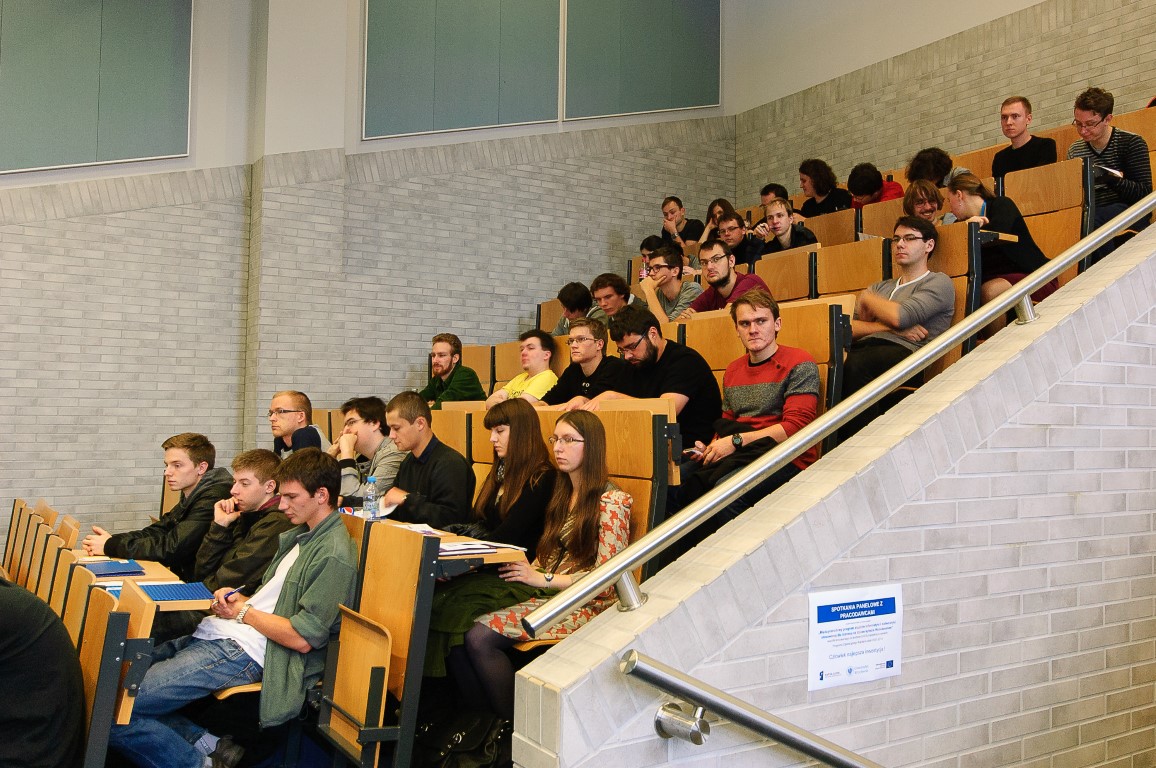
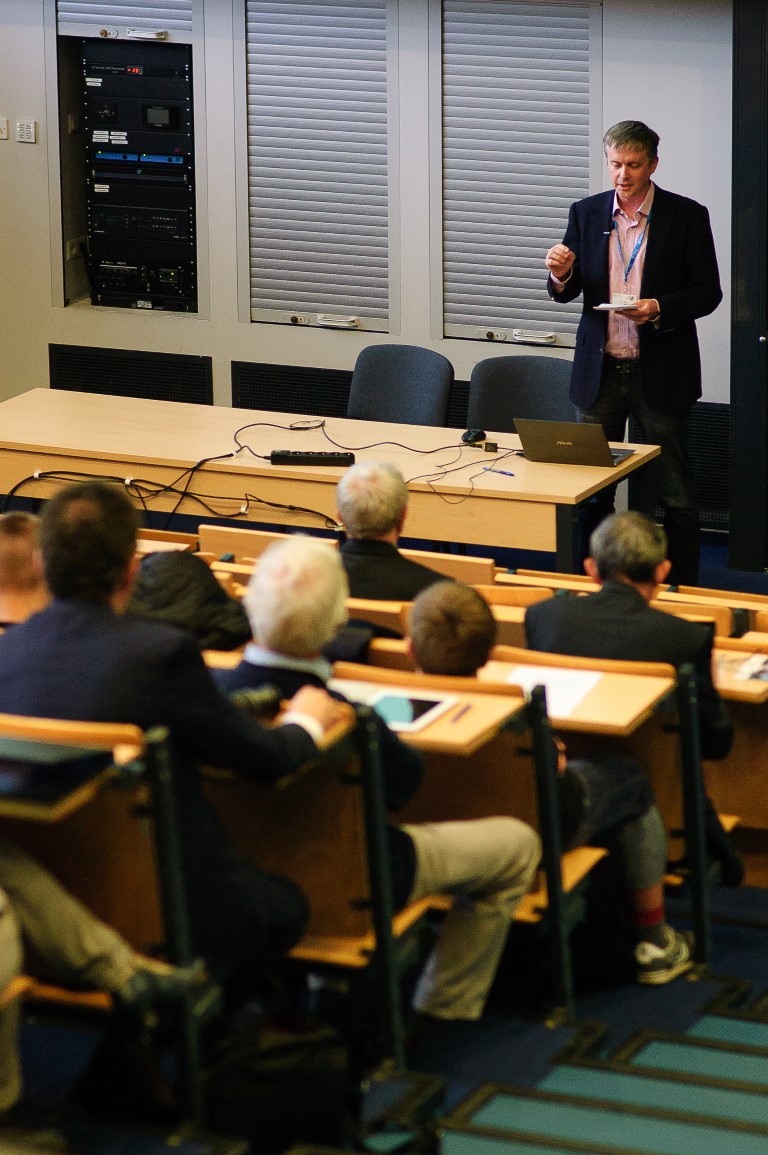
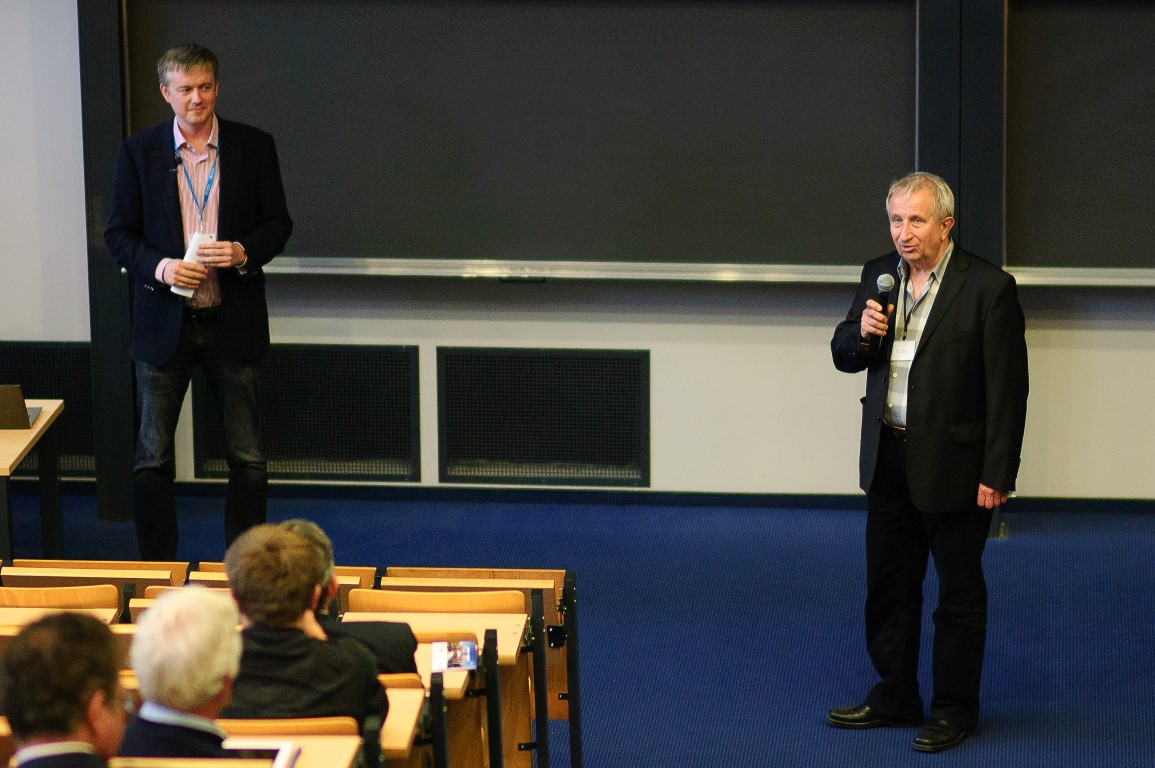
-
Workshop for Deans, Department Chairs and Research Directors
-
Workshop for Deans, Department Chairs and Research Directors
-
Workshop for Deans, Department Chairs and Research Directors
-
Workshop for Deans, Department Chairs and Research Directors
-
Workshop for Deans, Department Chairs and Research Directors
-
Workshop for Deans, Department Chairs and Research Directors
-
Workshop for Deans, Department Chairs and Research Directors
-
Workshop for Deans, Department Chairs and Research Directors
-
Workshop for Deans, Department Chairs and Research Directors
-
Workshop for Deans, Department Chairs and Research Directors
-
Workshop for Deans, Department Chairs and Research Directors
-
DSC 0849
-
DSC 0858
-
DSC 0862
-
DSC 0865
-
DSC 0866
-
DSC 0868
-
DSC 0871
-
DSC 0872
-
DSC 0874
-
DSC 0876
-
DSC 0878
-
DSC 0880
-
DSC 0881
-
DSC 0882
-
DSC 0885
-
DSC 0887
-
DSC 0888
-
DSC 0896
-
DSC 0900
-
DSC 0901
-
DSC 0903
-
DSC 0904
-
DSC 0905
-
DSC 0909
-
DSC 0911
-
DSC 0916
-
DSC 0919
-
DSC 0923
-
DSC 0926
-
DSC 0928
-
DSC 0931
-
DSC 0932
-
DSC 0937
-
DSC 0939
-
DSC 0940
-
DSC 0943
-
DSC 0950
-
DSC 0955
-
DSC 0959
-
DSC 0961
-
DSC 0966
-
DSC 0967
-
DSC 0968
-
DSC 09681
-
DSC 0969
-
DSC 0970
-
DSC 0975
-
DSC 0980
-
DSC 0990
-
DSC 0995
-
DSC 0996
-
DSC 0997
-
DSC 1001
-
DSC 1003
-
DSC 1009
-
DSC 1010
-
DSC 1014
-
DSC 1019
-
DSC 1024
-
DSC 1029
-
DSC 1038
-
DSC 1047
-
DSC 1048
-
DSC 1053
-
DSC 1055
-
DSC 1056
-
DSC 1058
-
DSC 1061
-
DSC 1070
-
DSC 1075
-
DSC 1083


ECSS 2014 - Call for Submissions
*********************************************************************
10th European Computer Science Summit - ECSS 2014
"Closing the gap between old and new Europe"
14–15 October 2014, Wrocław, Poland
Pre-Summit Workshop on 13 October 2014
*Deadline for Submissions: August 7, 2014*
*Notifications of Acceptance: August 15, 2014*
*Deadline for Early Registration: August 29, 2014*
*********************************************************************
The 10th European Computer Science Summit, ECSS 2014, is a unique opportunity to meet some of the leading decision makers in informatics research, education and innovation, and discuss the critical issues of the discipline. The ECSS 2014 will be a special event marking the 10th anniversary of Informatics Europe. The conference will be held in Wrocław, Poland, a beautiful city filled with history, culture and art, as well as a big center of software industry – IT and ICT companies in Wrocław employ almost 20,000 engineers.
The Summit is devoted to important and timely strategic issues and trends regarding all aspects of informatics: education, research, funding, entrepreneurship, management, career development, and policies. The 10th anniversary of Informatics Europe will be an excellent occasion to look back at what has been achieved as well as to look ahead to the new challenges facing us in the future.
The Summit will take place in one of the ten new countries which entered the European Union 10 years ago. It is a good occasion to evaluate the consequences of this decision for IT research and informatics education in the "New Europe". Therefore, as the theme of the Summit we have chosen "Closing the gap between old and new Europe". We expect that non-technical speakers and panelist will comment on changes underwent in the New Europe and the challenges it is still facing. ECSS will feature also other key topics of interest to our community and society: informatics research funding; privacy/NSA; new developments in informatics education; fostering IT-entrepreneurship.
In the view of the recent disclosures of global electronic surveillance, ECSS 2014 will feature experts who will talk about issues of computer and network security, cryptography, and cybercrime. Experts on funding and research evaluation, researchers and founders of successful companies were also invited. The reason why some countries are so much more successful in getting ERC grants than others, and what makes some universities particularly strong in creating IT start-ups will also be topics under debate. On education, we are recently facing substantial changes in the way that young people prepare themselves for the IT job market, the conference will feature experts talking on open online courses and how they are being regarded as a means to close the IT skills gap that allegedly jeopardizes the success of the European economy.
We are proud to announce that the following thought leaders in research, education and innovation in informatics have agreed to deliver a keynote presentation:
- Danny Dolev, The Hebrew University of Jerusalem and The European Research Council, Israel
- Pierre Dillenbourg, EPFL, Switzerland
- Marta Kwiatkowska, University of Oxford, UK
- Bertrand Meyer, ETH Zurich, Switzerland
- Bart Preneel, KU Leuven, Belgium
- Andre Richier, European Commission, Belgium
- Eugene H. Spafford, Purdue University, USA
- Jaan Tallinn, Software Entrepreneur, Estonia
- Andreas Zeller, Saarland University, Germany
****************************************************************************
Program
As for the previous Summits, the program consists of special invited talks, workshops, panels and other interactive sessions devoted to common issues, problems and proposals in the area of Informatics (Computer Science/Computing/ICT). Special features of the 2014 Summit are as follow:
- Invited talks from key players in the field
- Submitted talks by colleagues from all over Europe and beyond
- Pre-summit Workshop for Deans, Department Chairs and Research Directors on October 13, 2014
- Celebration of the 10th anniversary of Informatics Europe
- Award Ceremony of the 2014 Informatics Europe Best Practices in Education Award
****************************************************************************
Contributions
ECSS 2014 is soliciting contributions on topics of interest to the ECSS audience throughout Europe: heads (or deans, chairs, etc.) of informatics/computer science/IT departments (schools, faculties); research directors and managers of research centers and laboratories in industry or in public institutions; as well as senior faculty and senior researchers from both academia and industry. Topics for contributions include, but are not limited to:
- Strategic changes in organisation of computer science departments, research and education.
- Organizational leadership and policies in research and education in informatics.
- Outreach, school education, programming and informatics competitions, school education, students enrollment.
- Informatics and education: MOOCs, open learning, online learning, peer evaluation, engineering skills.
- Research funding in informatics: availability, coordination, experience reports, policies, personal grants, role of the government, role of industry.
Contributions are encouraged also on the key topics of the ECSS 2014: "Closing the gap between old and new Europe", "Informatics research funding", "Privacy/NSA", "New developments in informatics education (e-skills, MOOCs)", "Fostering IT-entrepreneurship".
How to submit your contribution
To contribute to the Informatics Europe 2014 Summit program, please submit an extended abstract of your position paper by August 7, 2014. Submissions will be evaluated and selected by the ECSS 2014 program committee on the basis of relevance to (and capacity of) the program. Proposals may aim at a 15 minute presentation or demonstration, and should consist of an extended abstract containing:
- A header with the title of your contribution, your name, position, and affiliation.
- A clear description of your contribution.
Extended abstracts should be formatted in the IEEE Formatting Guidelines. You can use this MS Word template or this LaTeX class. Abstracts should be at most 2 pages in length, and submitted in pdf to the Easy Chair ECSS 2014 conference submission site:
https://www.easychair.org/conferences/?conf=ecss2014
- Deadline for submissions: August 7, 2014.
- Author's Notification: August 21, 2014.
The selected extended abstracts will be made available to the conference attendees and on the Informatics Europe site.
****************************************************************************
Conference Venue
ECSS 2014 will be held at the Institute of Computer Science, University of Wrocław. The University of Wrocław was founded in 1712 by Leopold I Habsburg. Today it is one of the largest universities in Poland, with over 30 000 students, 1500 permanent faculty and 10 departments in science, humanities, and social science. The Institute of Computer Science is one of the oldest in Poland with over 30 faculty members, 10 postdocs, over 20 PhD students and almost 500 undergraduate students.
Wrocław, Poland's fourth-largest city and the capital of the Viovodship of Lower Silesia, is a magnificent city filled with history culture and art. Originally (in medieval times) built across several islands, the city still has many lovely bridges and beautiful architecture. Wrocław has been chosen the 2016 European Capital of Culture which symbolizes mutual learning and bringing closer the cultures and intercultural dialogue among the Europeans. The European Capital of Culture constitutes an important element of search of new identity of the unified Europe.
****************************************************************************
For more details and up-to-date information please follow the conference website: https://www.informatics-europe.org/ecss/ecss-2014.html
Please note that the registration is not yet open.
*********************************************************************
Come join this exciting and important event in the field of Informatics and participate by submitting your contribution!
*********************************************************************
P.S. Our apologies to those that received multiple messages regarding this call.
Pre-Summit Workshop
October 13, 2014 - Institute of Computer Science (Room 119), University of Wroclaw (Joliot-Curie 15, 50-383 Wrocław, Poland)
Click here for a detailed program
"Workshop for Deans, Department Chairs and Research Directors"
Workshop chair: Prof. Branislav Rovan, Department of Computer Science, Comenius University, Slovakia
In the last decade there have been many substantial changes in universities across Europe. Several countries in Central and in Eastern Europe have changed their political systems and widely opened for international cooperation. In other countries universities became less dependent on respective ministers, and in some governing boards, consisting of stakeholders from outside, universities have been created. This all have given a lot of opportunities for development, but also created challenges and sometimes problems.
The goal of the workshop is to exchange experience of departments that have already undertaken the changes, and to discuss opportunities and challenges that are yet facing others.
Participants of this workshop in addition can exchange experience and learn best practices from heads of departments and research labs. The workshop will also provide a networking platform for department heads.
Confirmed Speakers:
- Krzysztof Diks, University of Warsaw, Poland
- Pekka Orponen, Aalto University, Finland
- Gerald Steinhardt, Technische Universität Wien, Austria
- Tanya Stanko, Innopolis University, Russia
- Horváth Zoltán, Eötvös Loránd University, Hungary
--------Detailed Program - Monday, October 13, 2014----------
Workshop will be at the Institute of Computer Science, University of Wroclaw
- ROOM 119-
10:00-10:30 Registration
10:45-11:15 Branislav Rovan, Comenius University
"Opening and introduction to the workshop"
11:15-11:45 Tanya Stanko, Innopolis University
"Innopolis University - a dedicated IT resource in Russia" [Slides]
11:45-12:30 Pekka Orponen, Aalto University
"Informatics at Aalto, a university reinvented" [Slides]
12:45-13:30 Lunch Break (at the hall just outside the room)
13:30-14:00 Krzysztof Diks, University of Warsaw
"Training excellent programmers" [Talk Cancelled]
14:00-14:30 Horváth Zoltán in collaboration with Zotán Istenes and Zsuzsa Várhalmi, Eötvös Loránd University
"Industry –University partnership in ICT at Eötvös Loránd University" [Slides]
14:30-15:00 Gerald Steinhardt, Technische Universität Wien
"Strategic changes at the Faculty of Informatics of Technical University of Vienna"
15:00-16:00 Discussion
17:30-19:30 Welcome Drink at Hotel im. Jana Pawła II (ul. Św. Idziego 2, 50-328 Wrocław)
Important Dates
Deadline Paper Submissions: August 7, 2014
Notifications of Acceptance: August 15, 2014
Deadline Early Registrations: August 29, 2014
Workshop for Deans, Department Chairs and Research Directors: October 13, 2014
ECSS 2014 Main Conference: October 14 -15, 2014
Registration
To enroll in the ECSS 2014 and in the Pre-Summit Workshop you need to register.
Before registering check our special offers below.
Your registration will be completed after two quick steps:
1) To fill in your data in the "Registration Form"
2) To proceed with the payment for the events you want to attend (bank transfer or pay pal)
Please follow this link to start your registration!
The registration fee of the ECSS 2014 (main conference, 13-15 October) covers:
- Participation in all activities of the Summit
- Coffee breaks, lunches
- Conference Gala Dinner on Tuesday, October 13 *
- Conference materials
The registration fee of the Pre-Summit Workshop for Deans and Department Chairs (13 October) covers:
- Participation in all activities of the Workshop
- Coffee breaks, lunches
- Workshop materials
*Companion invitations for the Gala Dinner are available for purchase, they are not included in the registration fee.
Prices Registration Fees
EARLY REGISTRATION (Before August 29)
- Informatics Europe Members
- Pre-Summit Workshop for Deans and Department Chairs (13 October): EUR 70
- ECSS (14-15 October): EUR 200
- ECSS + Pre-Summit Workshop: EUR 250
- Non-Members
- Pre-Summit Workshop for Deans and Department Chairs (13 October): EUR 100
- ECSS (14-15 October): EUR 260
- ECSS + Pre-Summit Workshop: EUR 340
NORMAL REGISTRATION (After August 29)
- Informatics Europe Members
- Pre-Summit Workshop for Deans and Department Chairs (13 October): EUR 100
- ECSS (14-15 October): EUR 250
- ECSS + Pre-Summit Workshop: EUR 330
- Non-Members
- Pre-Summit Workshop for Deans and Department Chairs (13 October): EUR 130
- ECSS (14-15 October): EUR 310
- ECSS + Pre-Summit Workshop: EUR 420
Discounted fees for early registration are valid only until August 29th.
Register early to benefit from the discounts!
Special Offer for Participants from Eastern Europe
Informatics Europe is happy to announce the availability of a limited number of sponsorships for attendance at the ECSS 2014. This unique offer in the year of the 10th anniversary of Informatics Europe is connected with the main topic of the ECSS 2014 (Closing the gap between old and new Europe) and is expected to encourage the participation of universities from Eastern European countries.
The sponsorships will cover the registration fees of 35 participants and are available first-come, first-served, although participants from departments members of Informatics Europe will have priority (one participant per members institution).
They include the full registration fee of the ECSS main conference and of the Pre-Summit workshop for Deans and Department Heads (including conference materials, lunches, conference dinner and all other activities).
Eligible participants are faculty members from universities in Eastern European countries (Zone 2 of Informatics Europe membership definition).
How to benefit from the special Eastern European Sponsorship:
- Register before August 29
- Check the box "Requesting Special Eastern European Sponsorship" on the registration form.
You will be notified of acceptance by September 15.
For any questions, please contact:
Special Offer for Prospective Members of Informatics Europe
Is your institution a member of Informatics Europe?
If your institution would like to join Informatics Europe as a regular member (Regular or Federated Academic Membership only) we have this year a special offer:
The value of your conference registration fee (ECSS 2014 and/or one of the Pre-Summit Workshops) will be discounted from the annual membership fee of your institution when joining Informatics Europe.
The offer grants the discount of up to TWO individual registration fees per institution. The membership with Informatics Europe extends to all members of your institution (department or research laboratory); members are institutions, rather than individuals, who participate through their institutions. For all details about the membership with Informatics Europe, please visit the How to Join page.
For further information on how to benefit from the offer please contact our Secretary-General (
Orientation/Travel Advice
The conference will be held at the Institute of Computer Science, University of Wrocław. Its Polish name is "Instytut Informatyki UWr" or "Instytut Informatyki Uniwersytetu Wrocławskiego", Joliot-Curie 15, 50-383 Wrocław, Poland.
How to get the venue
By plane
Wrocław (WRO) has an international airport (http://airport.wroclaw.pl/en/) receiving daily direct flights from/to Copenhagen, Düsseldorf, Frankfurt, Munich, and Warsaw, as well as a lot of low-cost connections to many European cities (including London, Paris, Barcelona, Rome, Oslo, etc.). Consult a route map (http://airport.wroclaw.pl/en/passager/route-map/).
The easiest way to get from the airport to the city center is to take a taxi (see details below). There is also a city bus line 406 from the airport to the railway station (Wroclaw main station, Dworzec Głowny); the bus stop is located just outside the terminal. The journey takes around half an hour and departure happens every 20 minutes during the day; the last bus departs around 23:15. The airport is the first and the railway station is the last stop of this line. From the railway station, take the tram 0L to Institute of Computer Science or appropriate means of transport to the hotel.
There are also some car rental agencies at the airport (http://airport.wroclaw.pl/en/passager/getting-here/car-rental/). Please keep in mind that it is usually quite hard to park a car in Wrocław city center.
By car
If you live in central Europe you may consider driving to Wrocław. Wrocław is well connected by motorways with Germany, e.g., it is 3 hours drive from Dresden (260 km) and a bit more from Berlin (310 km). It is however quite poorly connected (no motorways or freeways) to Warsaw or Prague.
By train
Wrocław's main railway station is located in city center (the Polish name of the main railway station is "Wrocław Główny", where "główny" stands for "main"). Information about connections can be obtained from the site of PKP (http://rozklad-pkp.pl/bin/query.exe/en?) or Deutsche Bahn. The premium level trains (EIC, EC) are generally trustworthy and onboard service is good (they usually speak English, tickets can be bought on board using credit card, etc.). Train standard and service quality varies greatly on other types of trains. From the railway station you may take a taxi, use public transport (tram OL to the Institute of Computer Science, where the conference is held, more details see below), or simply take a walk (20-30 minutes to the city center (hotels), 30 minutes to the Institute.
Taxis
Most of the cabs in Wrocław belong to corporations, each characterized by its 5-digit phone number. For example, there is MPT Taxi (19191) a large and trustworthy company, and Radio Taxi Serc (19629) that accepts credit card payments in all cabs. Those "legal" taxis, clearly marked as taxis (they usually have a neon on the cab roof and a yellow tag on the door) are safe. Their prices are more or less the same: expect to pay 40-50 PLN for a travel from the airport to the Institute of Computer Science or to the hotel and 20-30 PLN for a travel from the railway station. Add 50% on top of that if you travel on Sunday or in the night (11pm-6am).
Do not take unmarked taxis, don't accept any offers from drivers in the arrival hall, just go out of the terminal or railway station and select a legal taxi.
Public transport
We recommend using the webapp jakdojade.pl (http://wroclaw.jakdojade.pl/?locale=en) for finding your route with public transport. There are also mobile versions, but they need data connection (https://play.google.com/store/apps/details?id=com.citynav.jakdojade.pl.android&hl=pl). The interface is in English, however the names are in Polish (the app understands a few equivalents like "airport" or "railway", though). A few Polish names of point of interests are: "Wrocław-Strachowice Airport (Wrocław)" (Wrocław airport), "Dworzec PKP Wrocław Główny" (main railway station), "Instytut Informatyki UWr" (conference venue).
The single-fare ticket costs 3 PLN. There are also time-restricted tickets (30-minute, 60-minute, and 90-minute) valid for all means of transport (all buses and trams) for a given period. If you intend to travel a lot, consider 24-hour (11 PLN) or 168-hour (46 PLN) tickets. Bus/tram tickets can be bought in the ticket machines at bus stops (with credit/debit cards or cash). In many buses (especially in 406 line) there are also ticket machines inside buses (credit/debit cards capable of PIN-less (offline) authorization only). Remember to validate a ticket (also if you buy it in the bus).
A few tips
Money/currency
Polish currency is officially called PLN, although usually you will find the name "zł" (złoty). For cash, you will find ATM on almost every street corner (24 hours a day). For money exchange it is better to use places located in the city rather than those at the airport. There are a few ATMs and an money exchange office near the Institute.
Credit cards are accepted in most shops, hotels and restaurants (there is usually a minimum amount of 10 or 20 PLN). In some places (taxis, restaurants) it is customary to leave a tip (5-15%) — a service charge is never included in the price. Unless you are eating in a good restaurant, do not try to give a tip with a credit card: the waiter/waitress would almost never know how to handle it.
Opening hours
Most stores are open from 9 am utill late, even utill 10 pm. Brand petrol stations are open 24h a day; you may buy some basic food there (beverages, sandwiches, coffee, hygienic products, alcohol). For more details see, e.g., here http://www.thevisitor.pl/index.php?id=191.
Trivia
Wrocław is a very safe place: violent crimes are extremely rare. That said, pickpocketing happens and you should not leave your belongings unattended, especially in pubs or public transport.
Wrocław is placed on 12 islands and it has more bridges than any other European town except Venice, Amsterdam and Hamburg.
More information about Wrocław
Conference Topics
The European Computer Science Summit 2014 has the theme “Closing the gap between old and new Europe”.
Possible topics for submitted papers include (non-exhaustive list):
- Strategic changes in organisation of computer science departments, research and education
- Organizational leadership and policies in research and education in informatics.
- Outreach, school education, programming and informatics competitions, school education, students enrollment.
- Informatics and education: MOOCs, open learning, online learning, peer evaluation, engineering skills.
- Research funding in informatics: availability, coordination, experience reports, policies, personal grants, role of the government, role of industry.
Contributions are encouraged also on the key topics of the ECSS 2014: "Closing the gap between old and new Europe", "Informatics research funding", "Privacy/NSA", "New developments in informatics education (e-skills, MOOCs)", "Fostering IT-entrepreneurship".
Committees
Conference Chairs
- Carlo Ghezzi, Politecnico di Milano, Informatics Europe
- Leszek Pacholski, University of Wroclaw
Program Chairs
- Hans-Ulrich Heiss, TU Berlin
- Stefan Jaehnichen, TU Berlin
Program Committee
- Núria Castell Ariño, UPC
- Lynda Hardman, CWI
- Manuel Hermenegildo, IMDEA Software Institute, UPM
- Jane Hillston, University of Edinburgh
- Mehdi Jazayeri, University of Lugano
- Manfred Nagl, RWTH Aachen University
- Jaak Vilo, University of Tartu, Estonia
Organizational Committee
- Cristina Pereira, Informatics Europe
- Paulina Bilska-Marek, University of Wroclaw
Call for Sumbissions
10th European Computer Science Summit - ECSS 2014 -
"Closing the gap between old and new Europe"
14–15 October 2014, Wrocław, Poland
*Deadline for Submissions: August 7, 2014*
*Notifications of Acceptance: August 15, 2014*
*Deadline for Early Registration: August 29, 2014*
The 10th European Computer Science Summit, ECSS 2014, is a unique opportunity to meet some of the leading decision makers in informatics research, education and innovation, and discuss the critical issues of the discipline. The ECSS 2014 will be a special event marking the 10th anniversary of Informatics Europe. The conference will be held in Wrocław, Poland, a beautiful city filled with history, culture and art, as well as a big center of software industry – IT and ICT companies in Wrocław employ almost 20,000 engineers.
The Summit is devoted to important and timely strategic issues and trends regarding all aspects of informatics: education, research, funding, entrepreneurship, management, career development, and policies. The 10th anniversary of Informatics Europe will be an excellent occasion to look back at what has been achieved as well as to look ahead to the new challenges facing us in the future.
The Summit will take place in one of the ten new countries which entered the European Union 10 years ago. It is a good occasion to evaluate the consequences of this decision for IT research and informatics education in the "New Europe". Therefore, as the theme of the Summit we have chosen "Closing the gap between old and new Europe". We expect that non-technical speakers and panelists will comment on changes undergone in the New Europe and the challenges it is still facing. ECSS will feature also other key topics of interest to our community and society: informatics research funding; privacy/NSA; new developments in informatics education; fostering IT-entrepreneurship.
In the view of the recent disclosures of global electronic surveillance, ECSS 2014 will feature experts who will talk about issues of computer and network security, cryptography, and cybercrime. Experts on funding and research evaluation, researchers and founders of successful companies have also been invited. The reason why some countries are so much more successful in getting ERC grants than others, and what makes some universities particularly strong in creating IT start-ups will also be topics under debate. On education, we are recently facing substantial changes in the way that young people prepare themselves for the IT job market. The conference will feature experts talking on open online courses and how they are being regarded as a means to close the IT skills gap that allegedly jeopardizes the success of the European economy.
We are proud to announce that the following thought leaders in research, education and innovation in informatics have agreed to deliver a keynote presentation:
- Danny Dolev, The Hebrew University of Jerusalem and The European Research Council, Israel
- Pierre Dillenbourg, EPFL, Switzerland
- Marta Kwiatkowska, University of Oxford, UK
- Bertrand Meyer, ETH Zurich, Switzerland
- Bart Preneel, KU Leuven, Belgium
- Andre Richier, European Commission, Belgium
- Eugene H. Spafford, Purdue University, USA
- Jaan Tallinn, Software Entrepreneur, Estonia
- Andreas Zeller, Saarland University, Germany
****************************************************************************
Program
As for the previous Summits, the program consists of special invited talks, workshops, panels and other interactive sessions devoted to common issues, problems and proposals in the area of Informatics (Computer Science/Computing/ICT). Special features of the 2014 Summit are as follow:
- Invited talks from key players in the field
- Submitted talks by colleagues from all over Europe and beyond
- Pre-summit Workshop for Deans, Department Chairs and Research Directors on October 13th, 2014
- Celebration of the 10th anniversary of Informatics Europe
- Award Ceremony of the 2014 Informatics Europe Best Practices in Education Award
****************************************************************************
Contributions
ECSS 2014 is soliciting contributions on topics of interest to the ECSS audience throughout Europe: heads (or deans, chairs, etc.) of informatics/computer science/IT departments (schools, faculties); research directors and managers of research centers and laboratories in industry or in public institutions; as well as senior faculty and senior researchers from both academia and industry. Topics for contributions include, but are not limited to:
- Strategic changes in organisation of computer science departments, research and education.
- Organizational leadership and policies in research and education in informatics.
- Outreach, school education, programming and informatics competitions, school education, students enrollment.
- Informatics and education: MOOCs, open learning, online learning, peer evaluation, engineering skills.
- Research funding in informatics: availability, coordination, experience reports, policies, personal grants, role of the government, role of industry.
Contributions are encouraged also on the key topics of the ECSS 2014: "Closing the gap between old and new Europe", "Informatics research funding", "Privacy/NSA", "New developments in informatics education (e-skills, MOOCs)", "Fostering IT-entrepreneurship".
How to submit your contribution
To contribute to the Informatics Europe 2014 Summit program, please submit an extended abstract of your position paper by August 7, 2014. Submissions will be evaluated and selected by the ECSS 2014 program committee on the basis of relevance to (and capacity of) the program. Proposals may aim at a 15 minute presentation or demonstration, and should consist of an extended abstract containing:
- A header with the title of your contribution, your name, position, and affiliation.
- A clear description of your contribution.
Extended abstracts should be formatted in the IEEE Formatting Guidelines. You can use this MS Word template or this LaTeX class. Abstracts should be at most 2 pages in length, and submitted in pdf to the Easy Chair ECSS 2014 conference submission site:
https://www.easychair.org/conferences/?conf=ecss2014
- Deadline for submissions: August 7, 2014.
- Author's Notification: August 21, 2014.
The selected extended abstracts will be made available to the conference attendees and on the Informatics Europe site.
*********************************************************************
Come join this exciting and important event in the field of Informatics and participate by submitting your contribution!
*********************************************************************
Venue
The ECSS 2014 will be held at the Institute of Computer Science, University of Wrocław, Joliot-Curie 15, 50-383 Wrocław, Poland.
The University of Wrocław was founded in 1712 by Leopold I Habsburg. Today it is one of the largest universities in Poland, with over 30 000 students, 1500 permanent faculty and 10 departments in science, humanities, and social science.
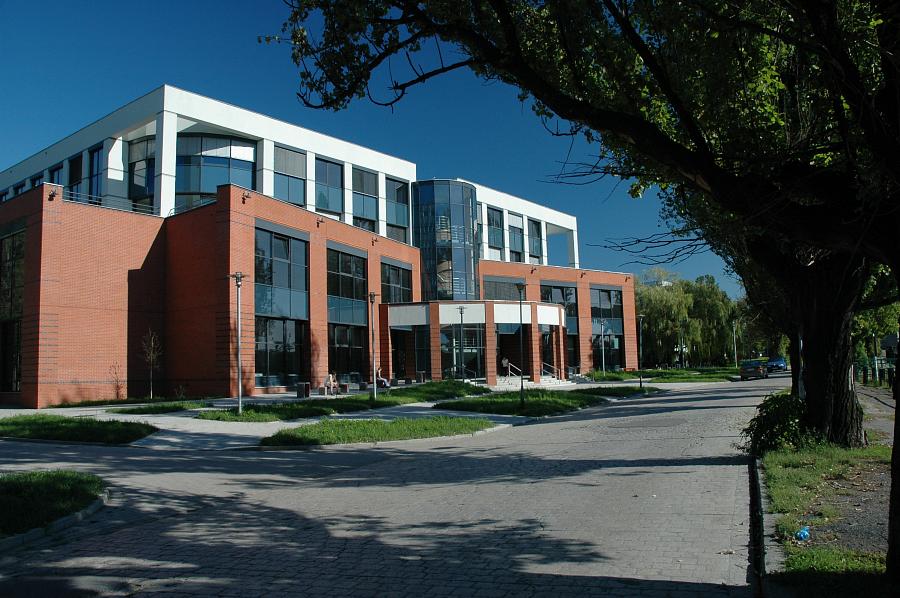
The Institute of Computer Science is one of the oldest in Poland with over 30 faculty members, 10 post docs, over 20 Ph.D. students and almost 500 undergraduate students. Most of the faculty members work in theory (algorithms, logic in computer science, foundation of programming languages, automated deduction). In recent years the institute hosted several conferences including LICS, ICALP, PPDP (in 2007), CADE (2011), and ALGO (2014).
Wrocław, Poland's fourth-largest city and the capital of the Viovodship of Lower Silesia, is a magnificent city filled with history culture and art. Originally (in medieval times) built across several islands, the city still has many lovely bridges and beautiful architecture. Wrocław has been chosen the 2016 European Capital of Culture which symbolizes mutual learning and bringing closer the cultures and intercultural dialogue among the Europeans. The European Capital of Culture constitutes an important element of search of new identity of the unified Europe.
ECSS 2025 is organised by
 |
 |
Sponsored by
 |
 |
 |
 |
|
 |
  |
 |
Support ECSS
What's New
ECSS 2025, 27-29 Oct, Rennes. France
Save the dates for ECSS 2026:
26-28 Oct in Porto, Portugal



 Netlogica