
Each year, ECSS extends invitations to distinguished speakers to share expertise and insights on cutting-edge topics and trending issues in informatics research and education. ECSS 2024 continues to uphold this tradition of uniting leaders in informatics and related disciplines to drive ongoing progress in Europe.
The following keynote and workshop speakers are confirmed for ECSS 2024. Click on the speaker photos to learn more.
Keynote Session Speakers & Panellists
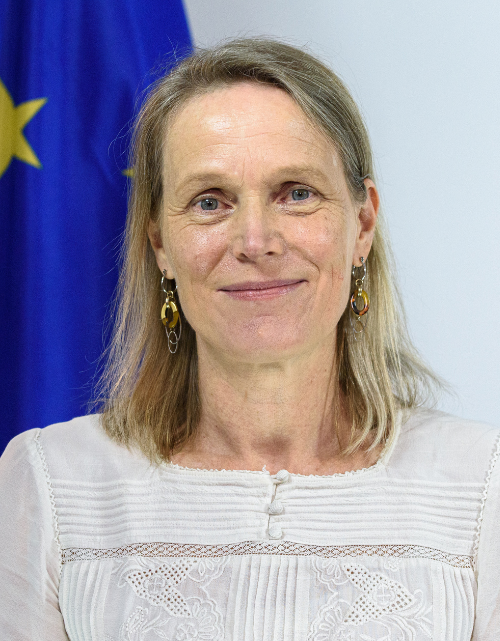
Anne-Marie Sassen
European Innovation Council and SME Executive Agency
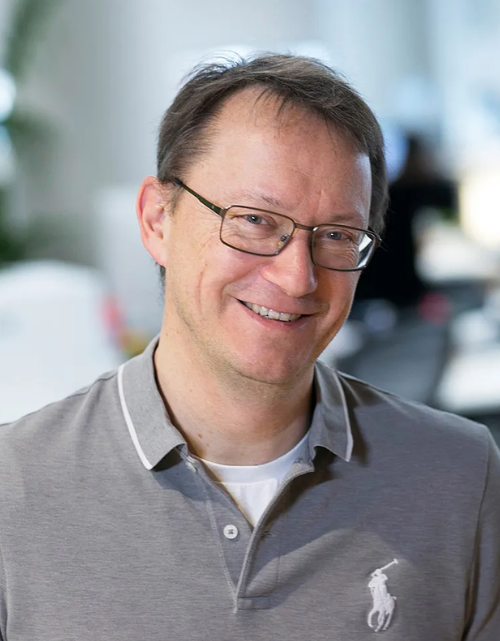
Mark Harman
Meta Platforms Inc. & UCL (UK)
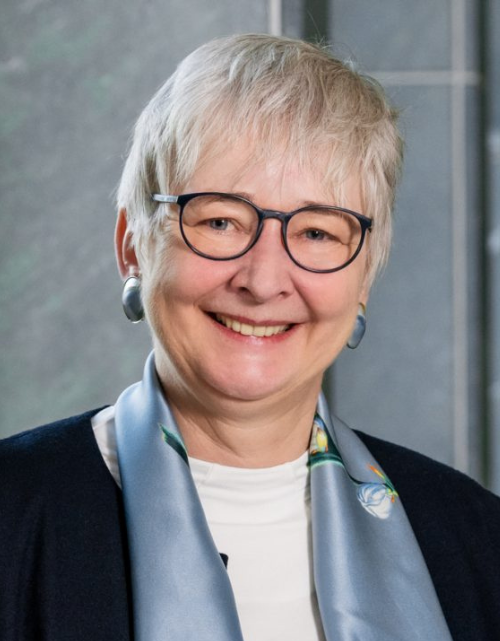
Dorothea Wagner
Karlsruhe Institute of Technology (Germany)
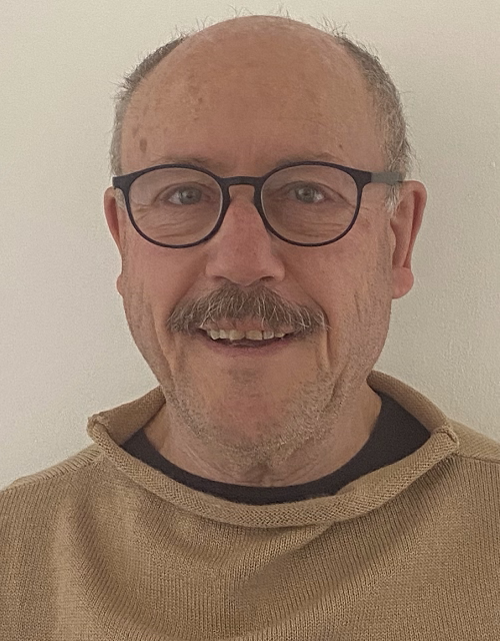
Carlo Ghezzi
Politecnico di Milano (Italy)
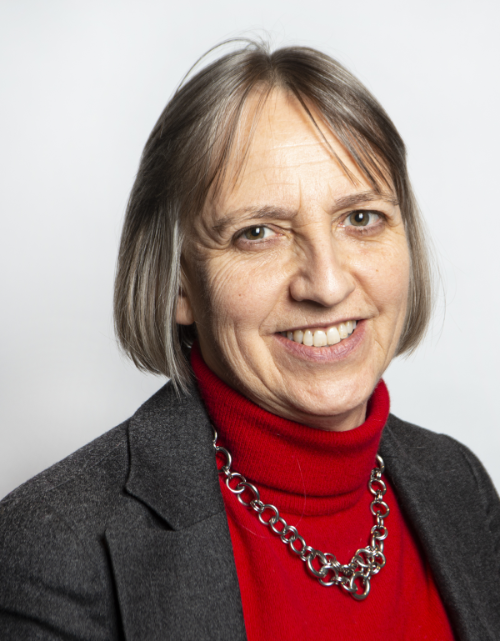
Lynda Hardman
CWI & Utrecht University (the Netherlands)
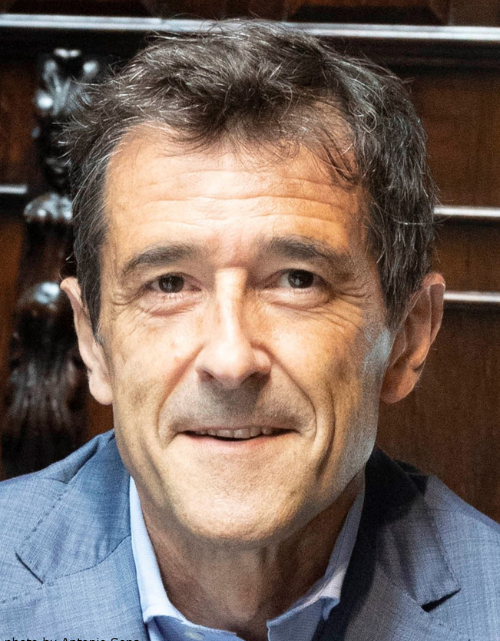
Enrico Nardelli
University of Rome "Tor Vergata" (Italy)


Leaders Workshop Speakers
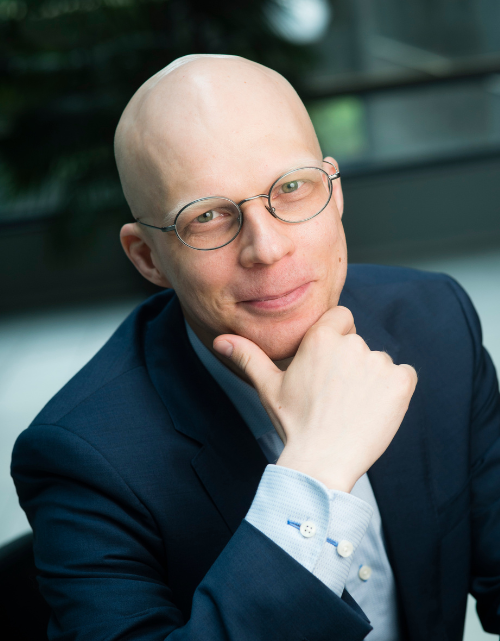
Sasu Tarkoma
University of Helsinki (Finland)
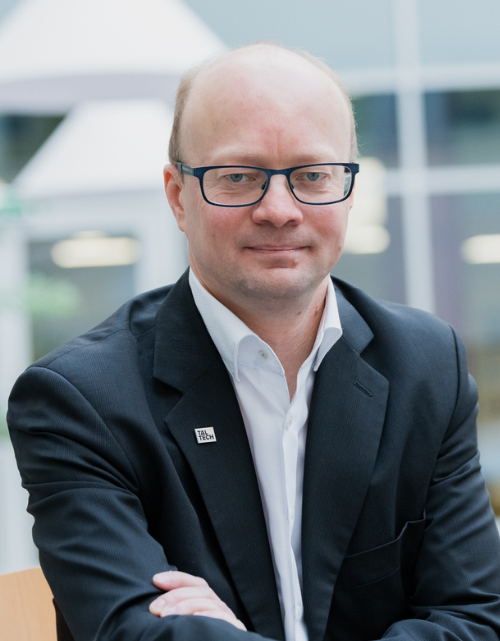
Gert Jervan
Tallinn University of Technology (Estonia)
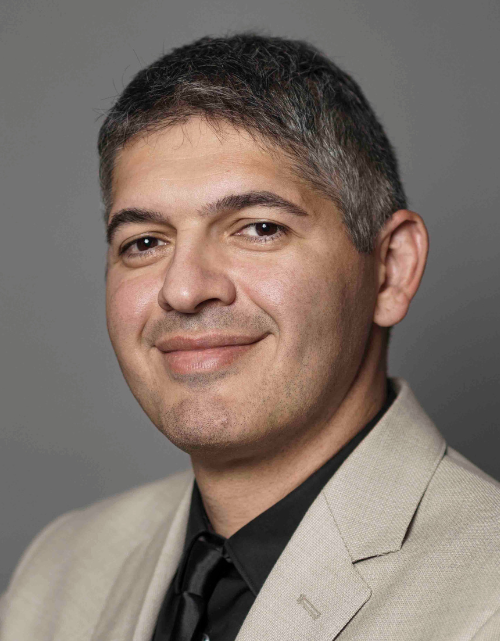
Alessandro Bozzon
TU Delft (the Netherlands)
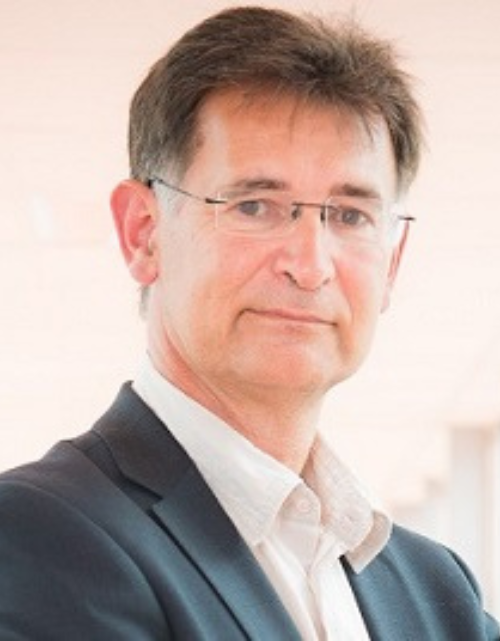
Jean-Marc Jezequel
Informatics Europe / IRISA / University of Rennes (France)


Early Career Researchers Workshop Speakers
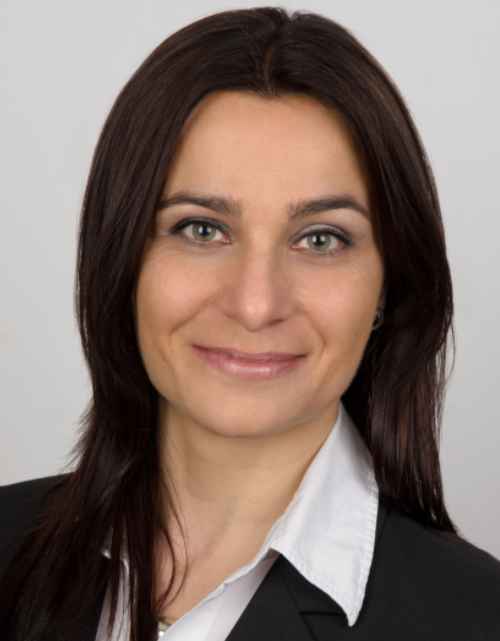
Dimka Karastoyanova
University of Groningen
(the Netherlands)
(the Netherlands)
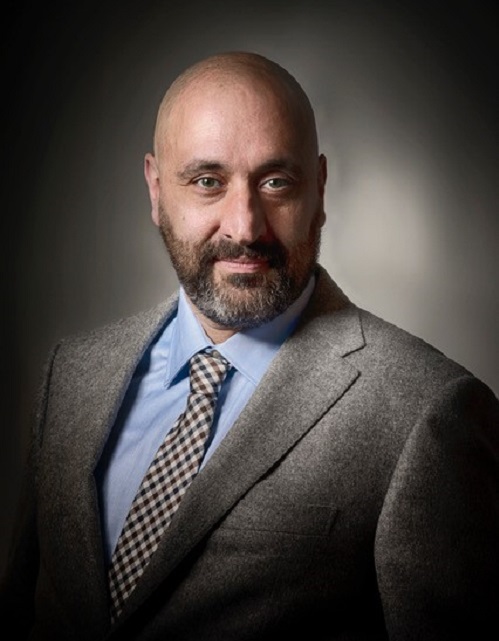
Marco Aiello
University of Stuttgart (Germany)
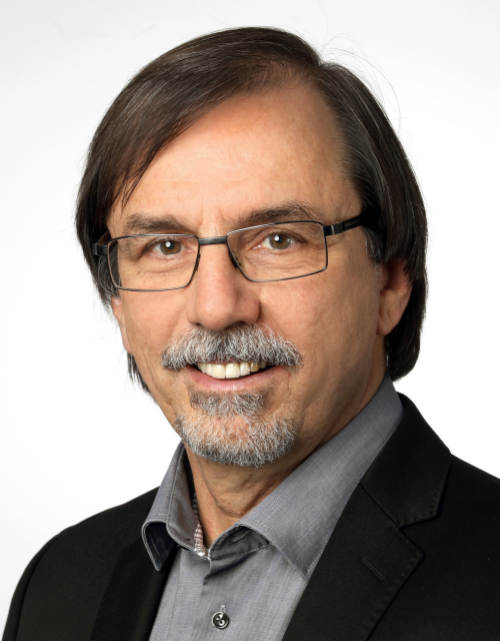
Gregor Engels
Paderborn University (Germany)
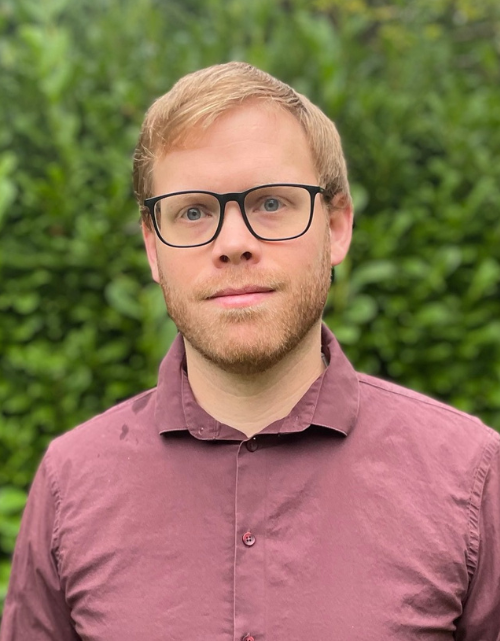
Tim Quatmann
RWTH Aachen University (Germany)
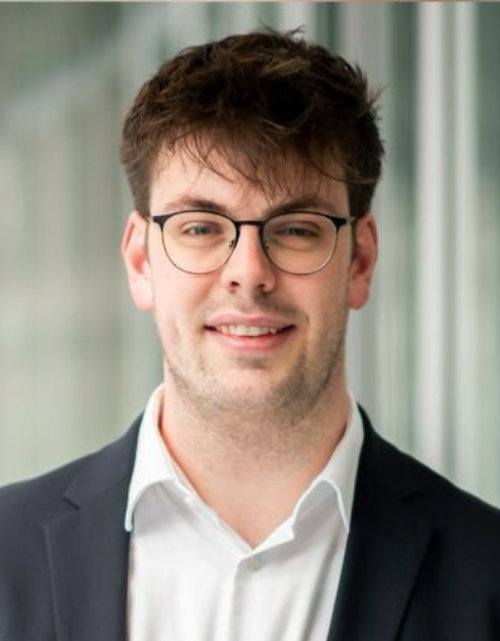
Tobias Röddiger
Karlsruhe Institute of Technology (Germany)
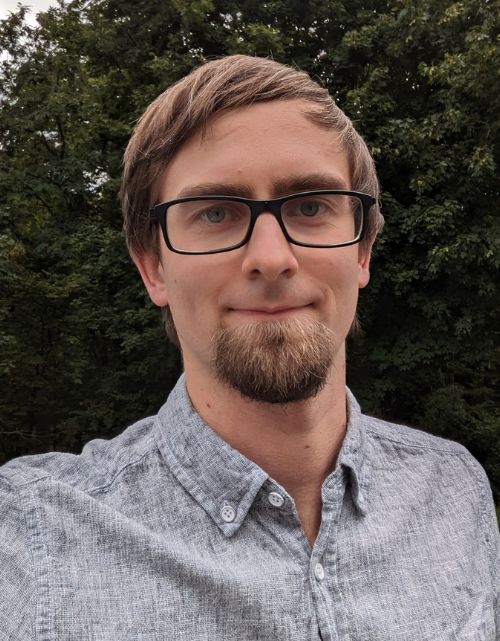
Michael Sammler
ETH Zurich (Switzerland)


Diversity & Inclusion in Education Workshop Speakers
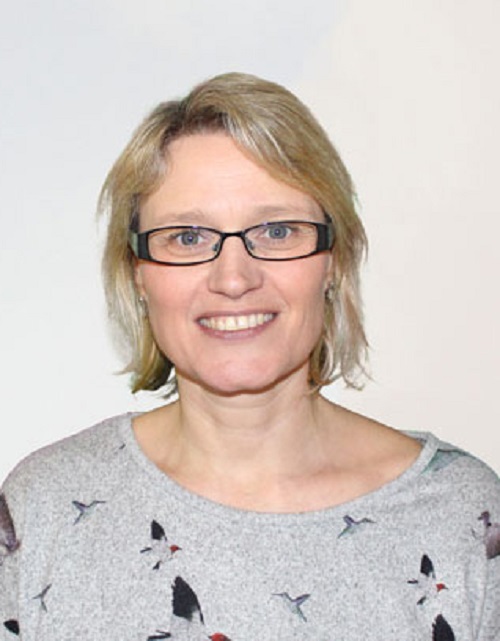
Dympna O’Sullivan
TU Dublin (Ireland)
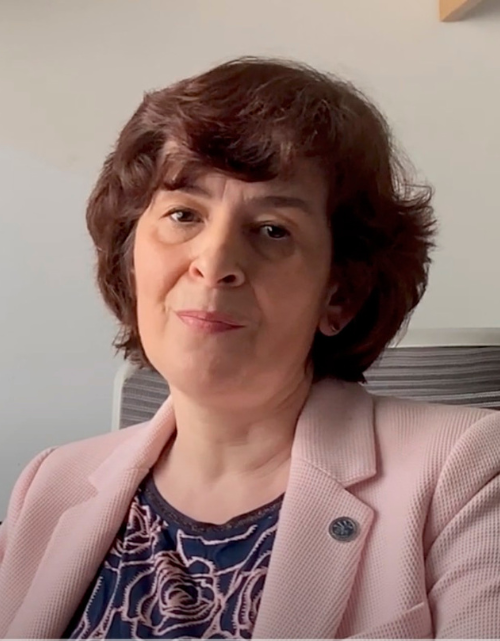
Simona Motogna
Babeş-Bolyai University (Romania)
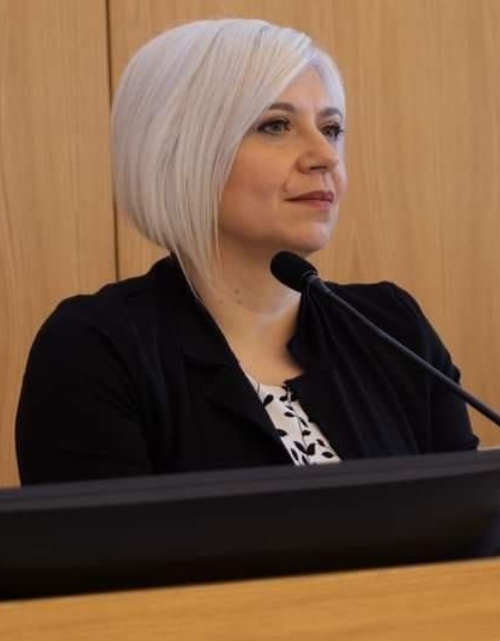
Antinisca di Marco
University of L'Aquila (Italy)


Green ICT and ICT for Green Workshop Panellists

Rafael Capilla
Rey Juan Carlos University (Spain)
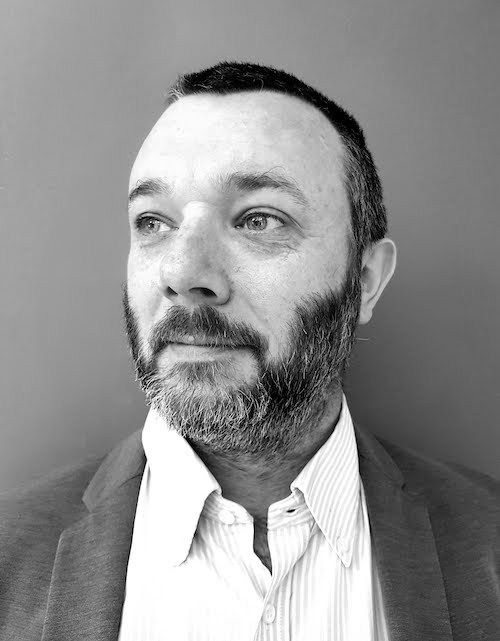
Brian Keegan
TU Dublin (Ireland)
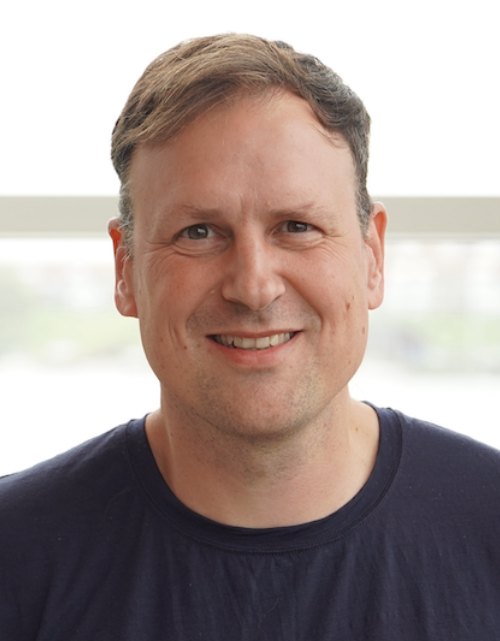
Mikkel Baun Kjærgaard
University of Southern Denmark (Denmark)
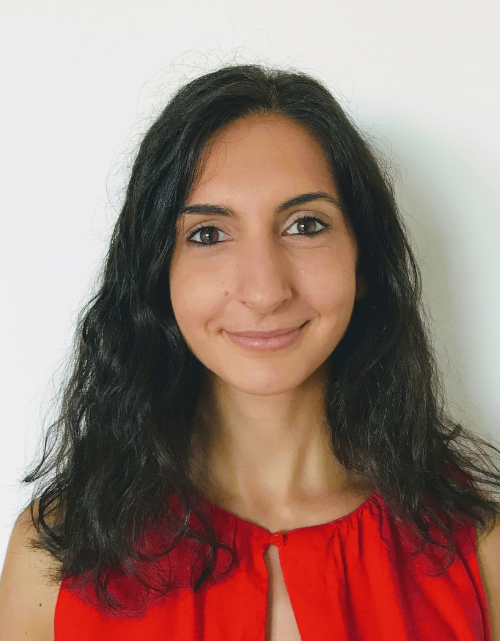
Monica Vitali
Politecnico di Milano (Italy)

Sebastian Werner
TU Berlin (Germany)


AI in Informatics Education and Professional Practice Workshop Speakers
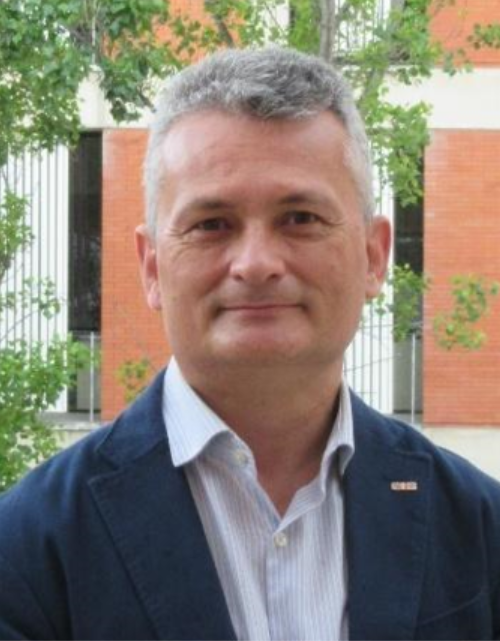
Josep Fernandez
CODDII / Universitat Politècnica de Catalunya (Spain)
Rosa Meo
GRIN - GRuppo di INformatica / University of Torino (Italy)
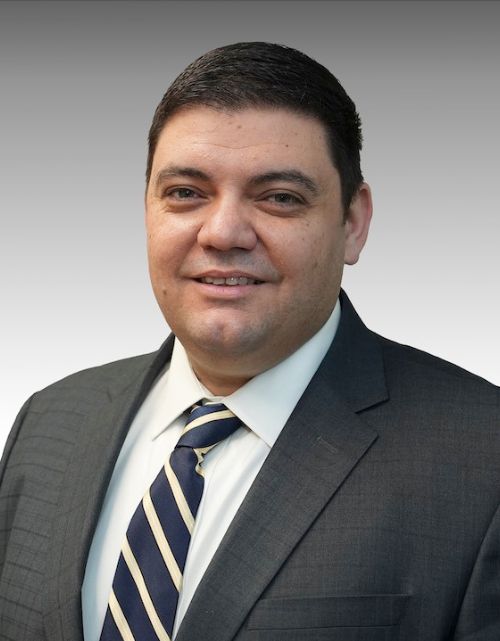
Alexiei Dingli
University of Malta (Malta)
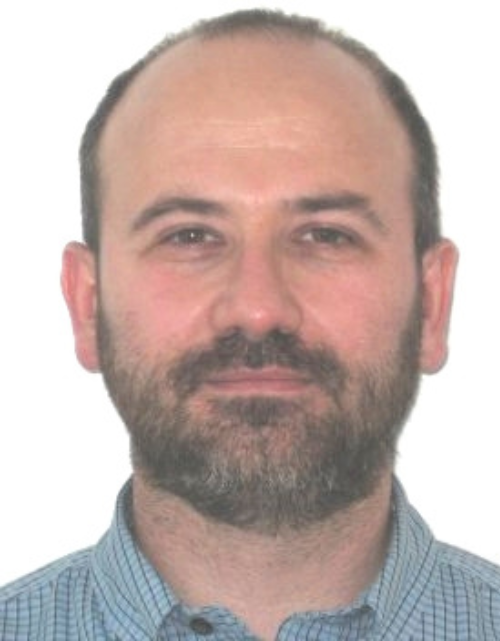
Stefano Paraboschi
GII - Gruppo di Ingegneria Informatica / Università degli Studi di Bergamo (Italy)
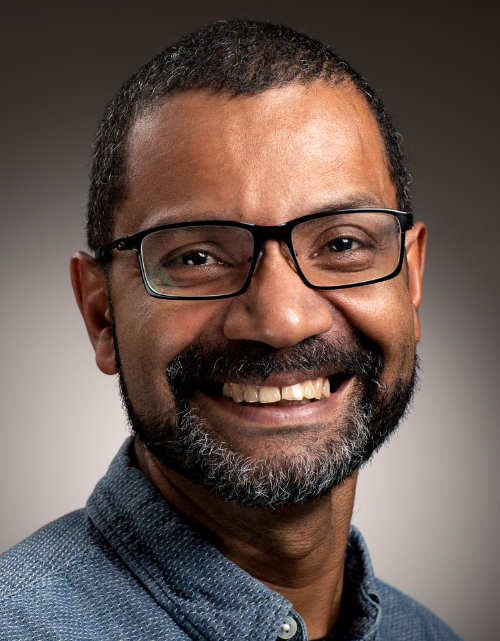
Heri Ramampiaro
NTNU (Norway)


Informatics Education Workshop Speakers
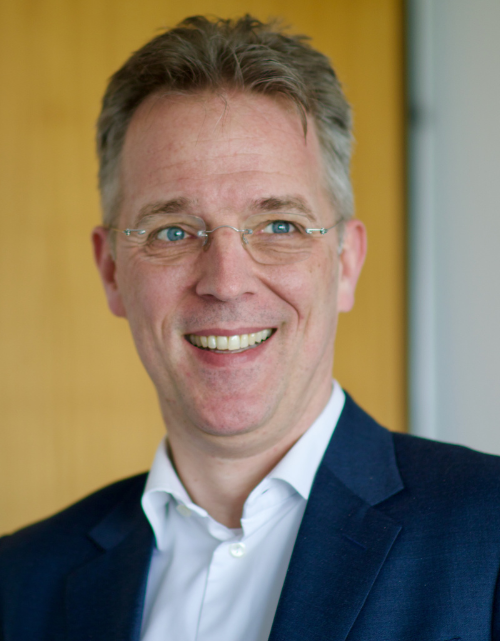
Jan Vahrenhold
University of Münster (Germany)
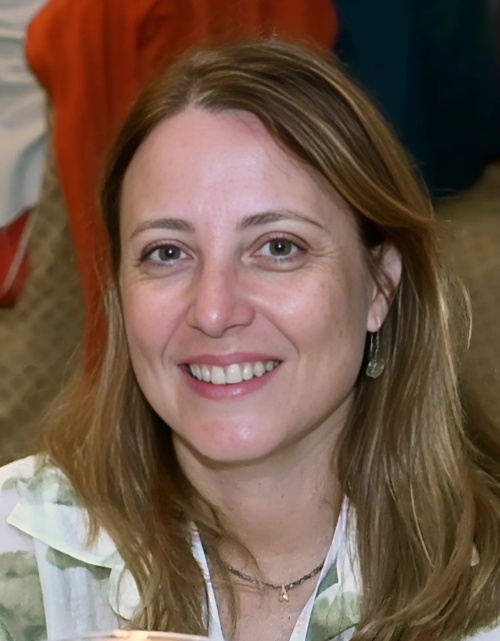
Ana Belen Gil
University of Salamanca (Spain)
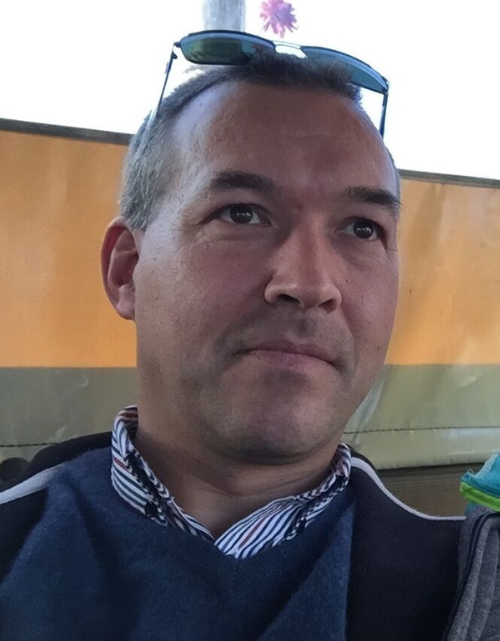
Kim Mens
Université catholique de Louvain (Belgium)
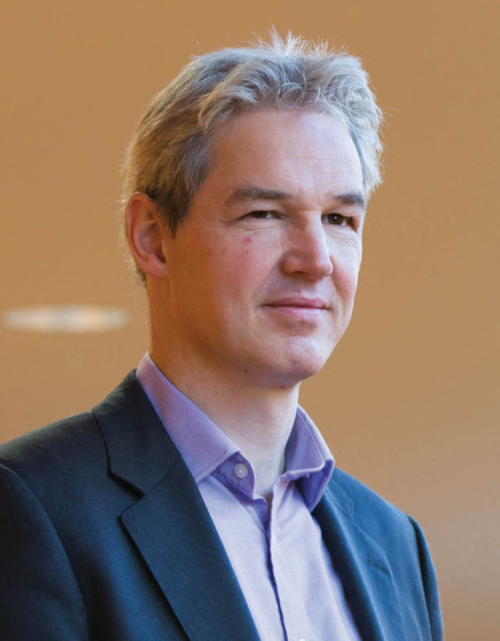
Michael Kölling
King's College London (UK)
Gregor Engels
Paderborn University (Germany)


(Last updated: 11 Nov 2024)



 Netlogica