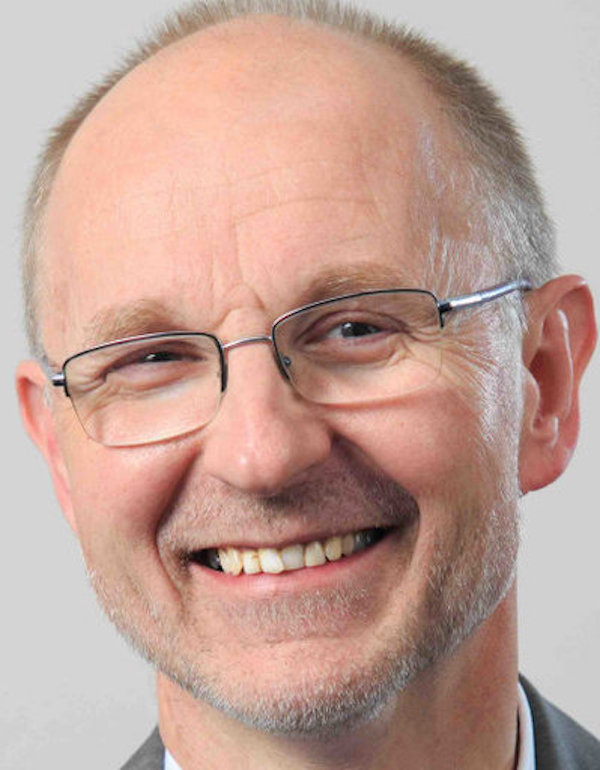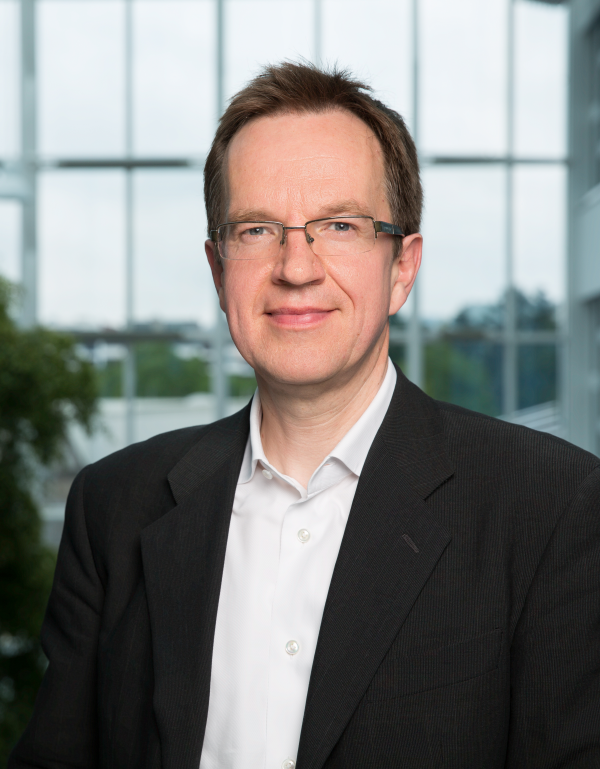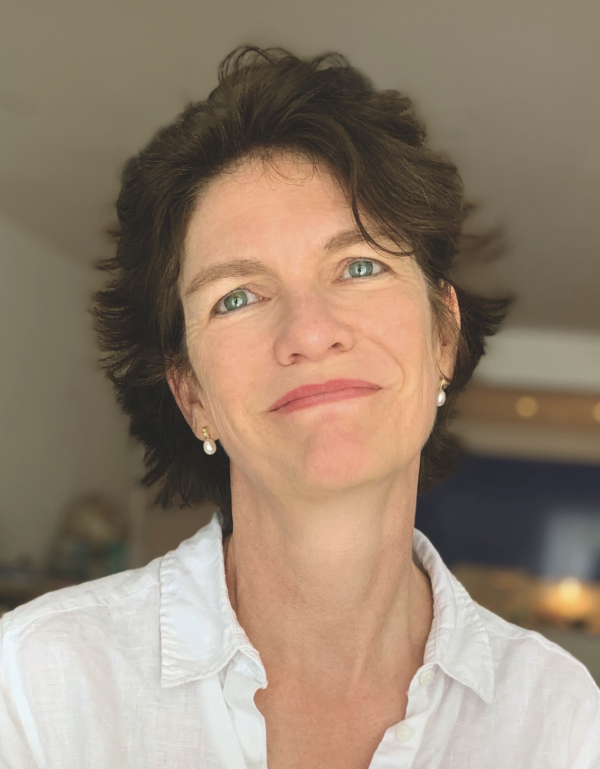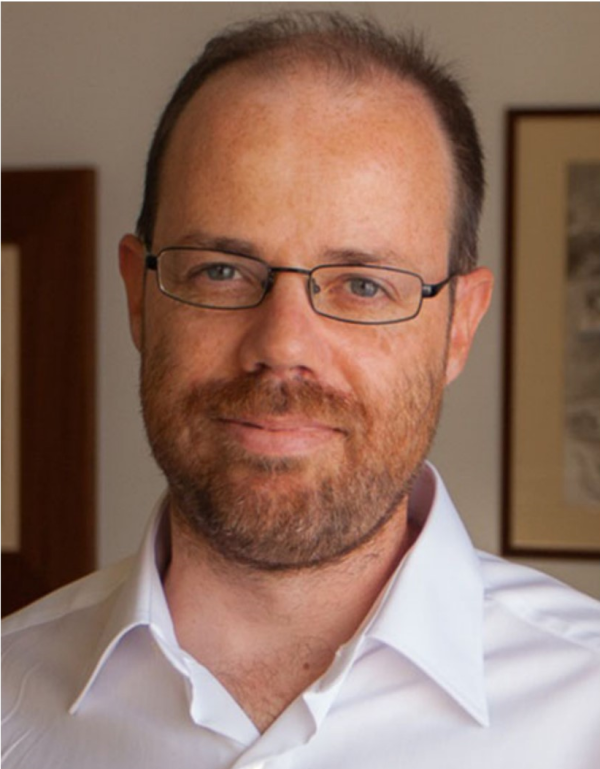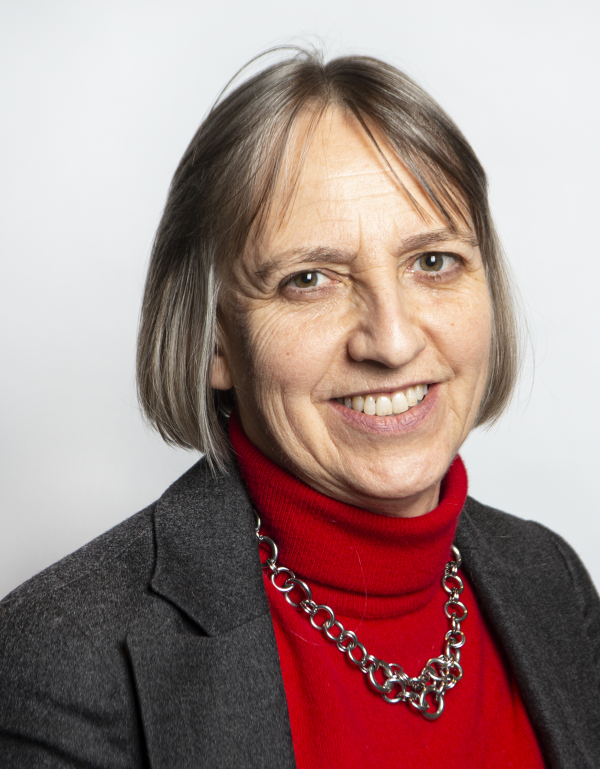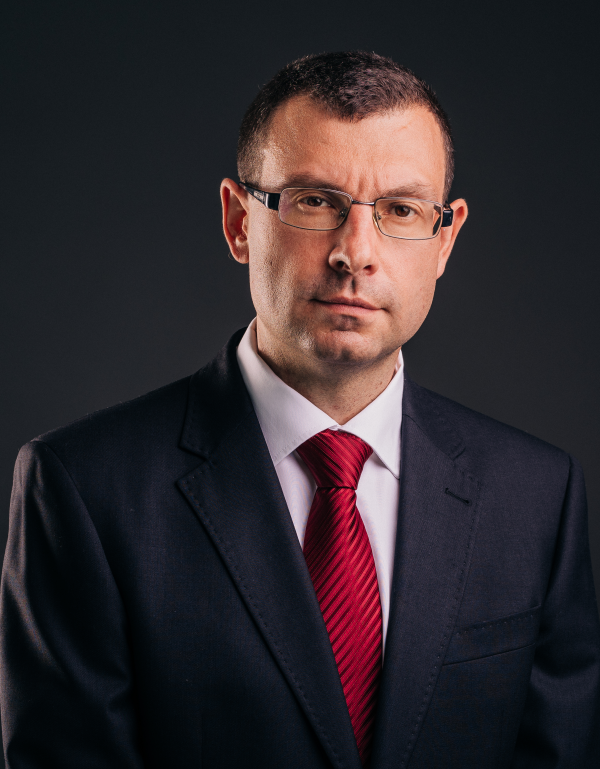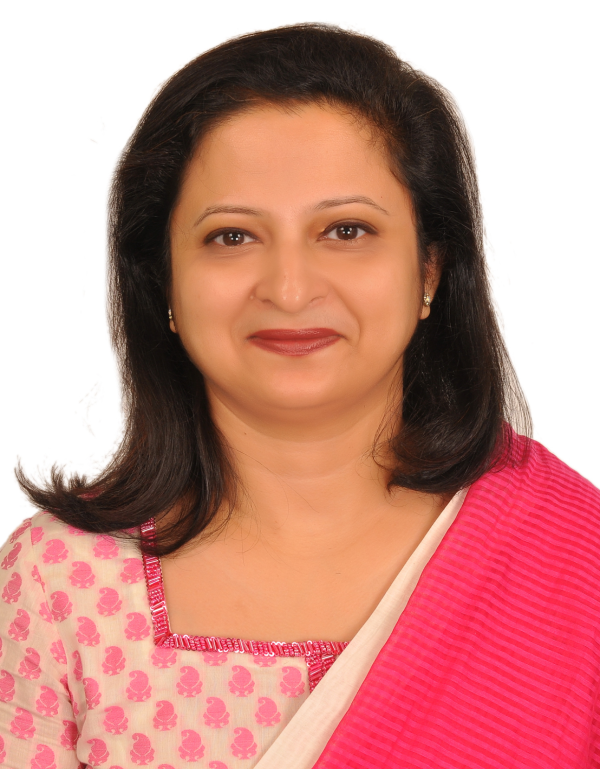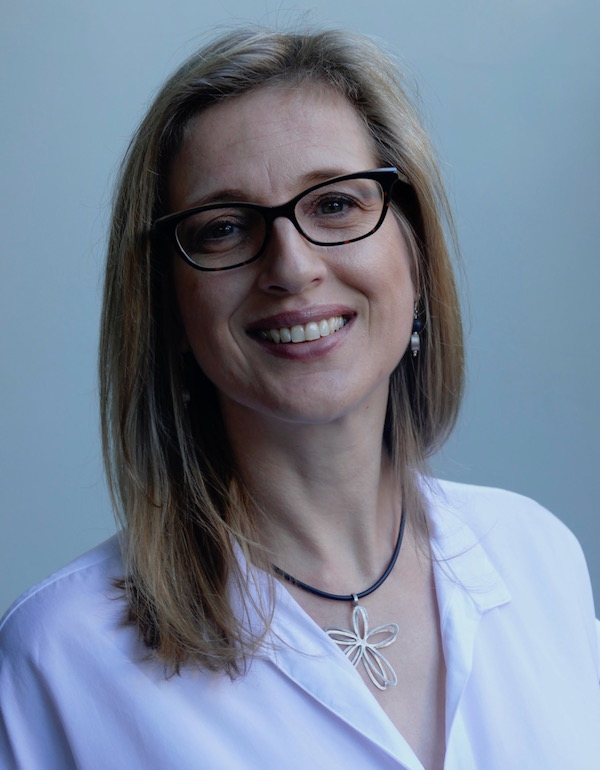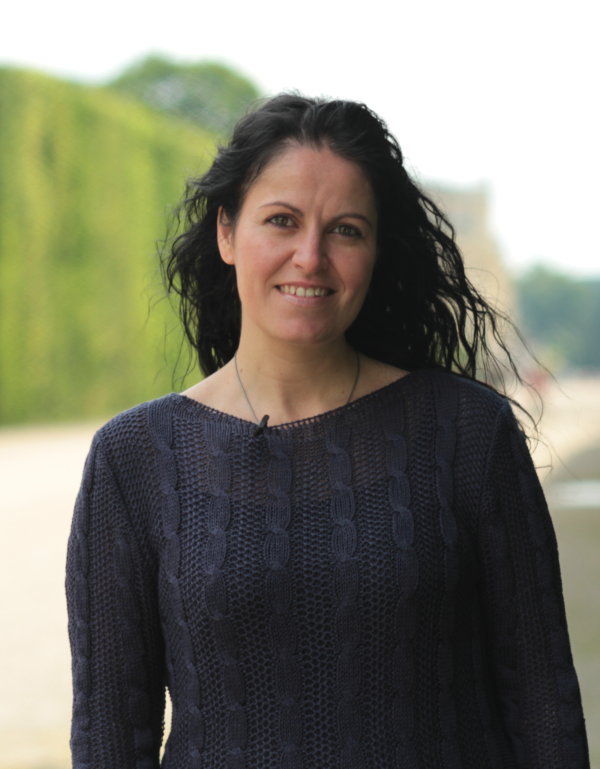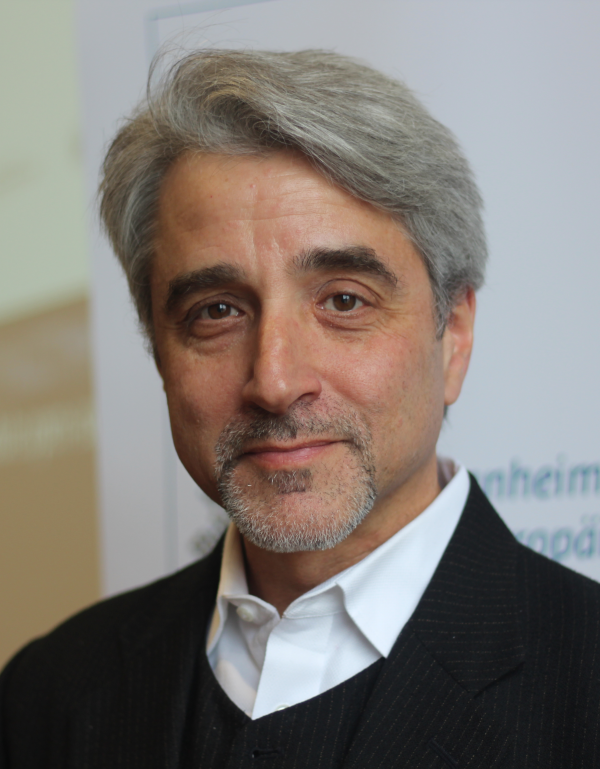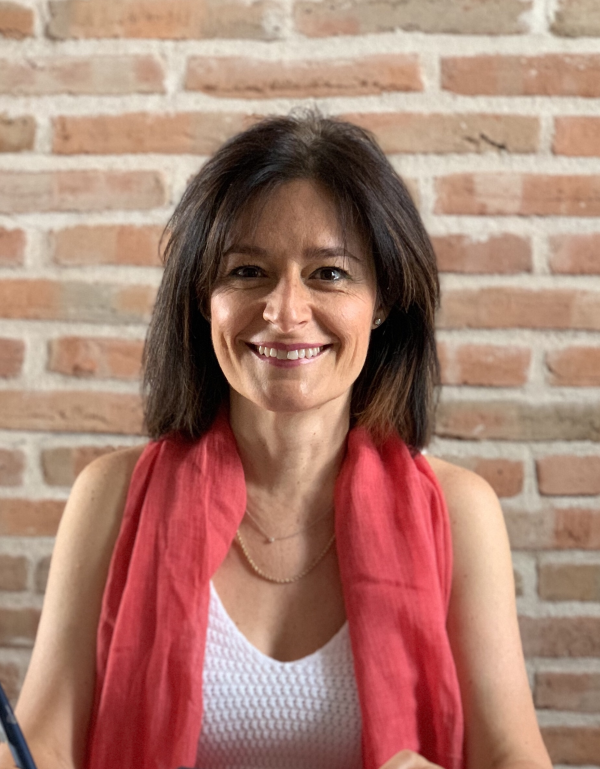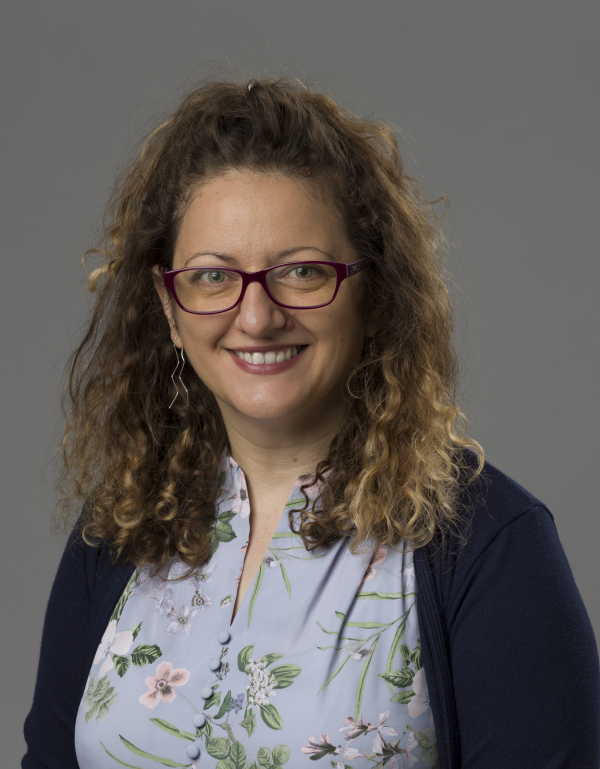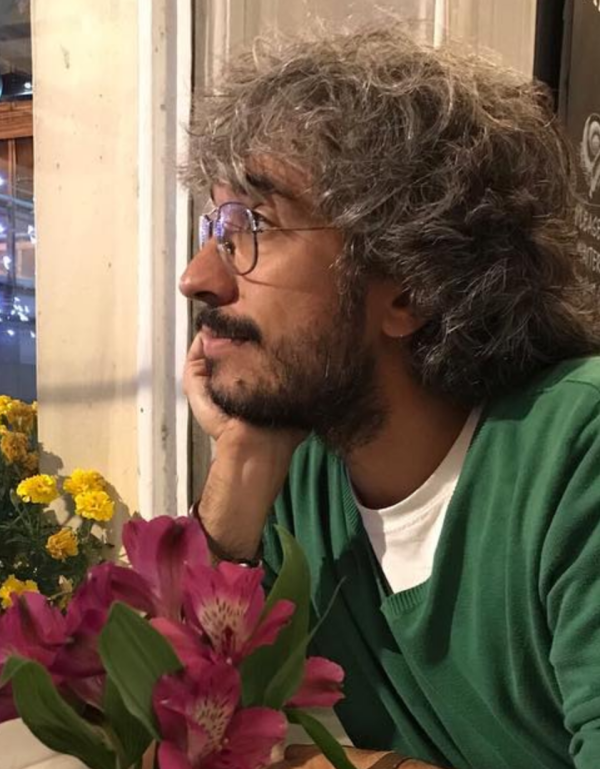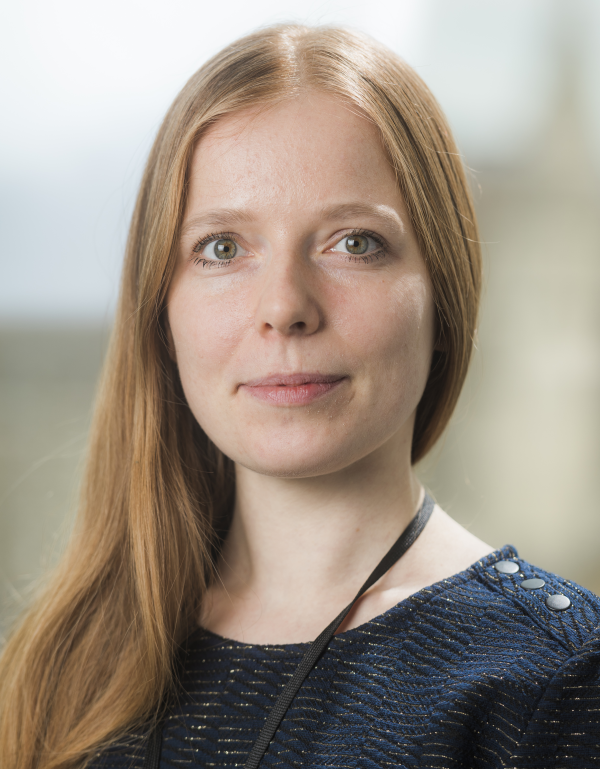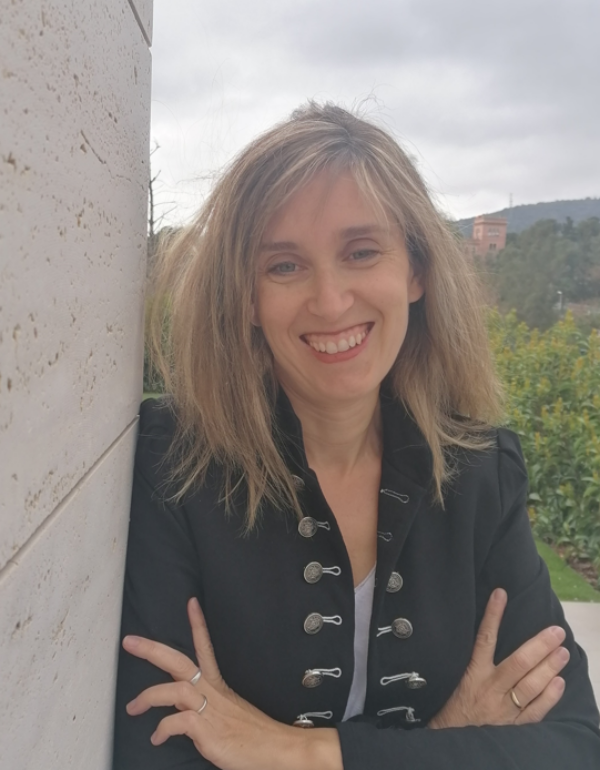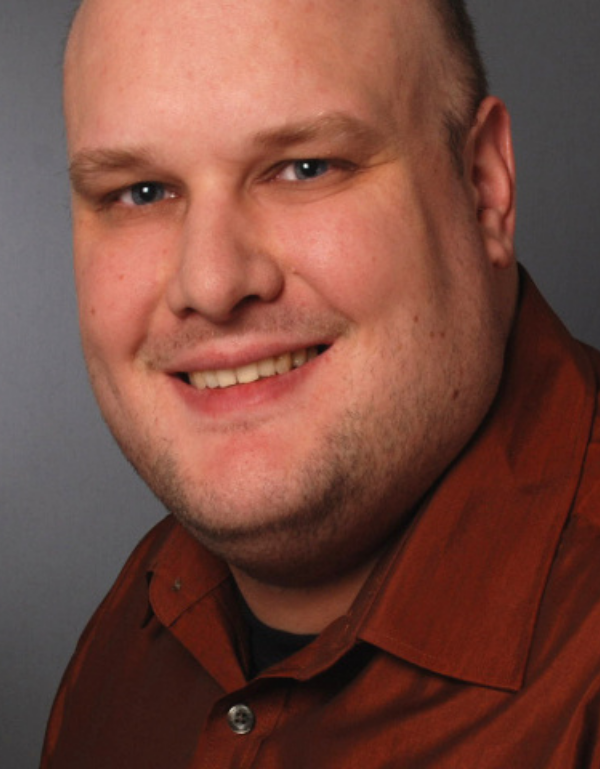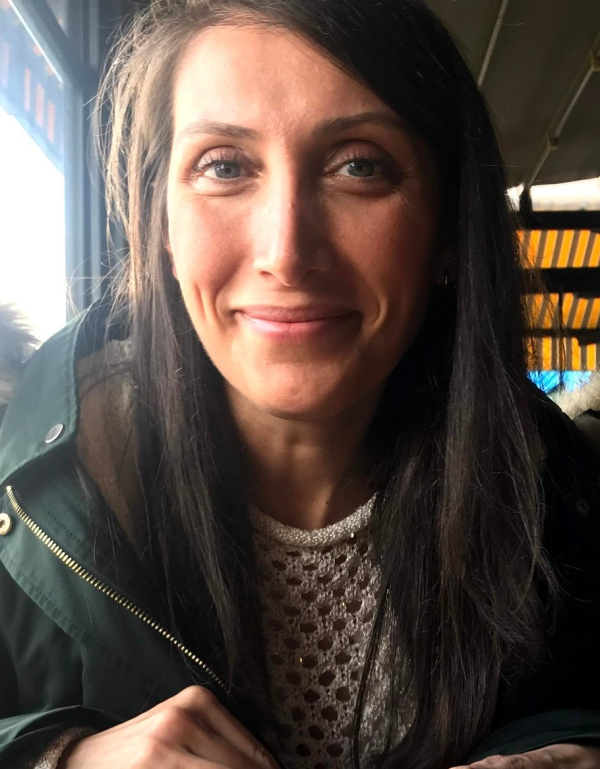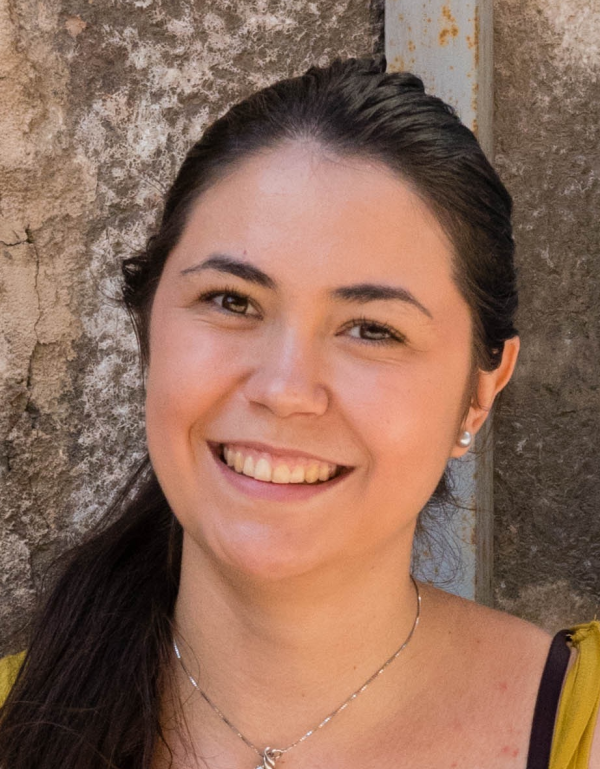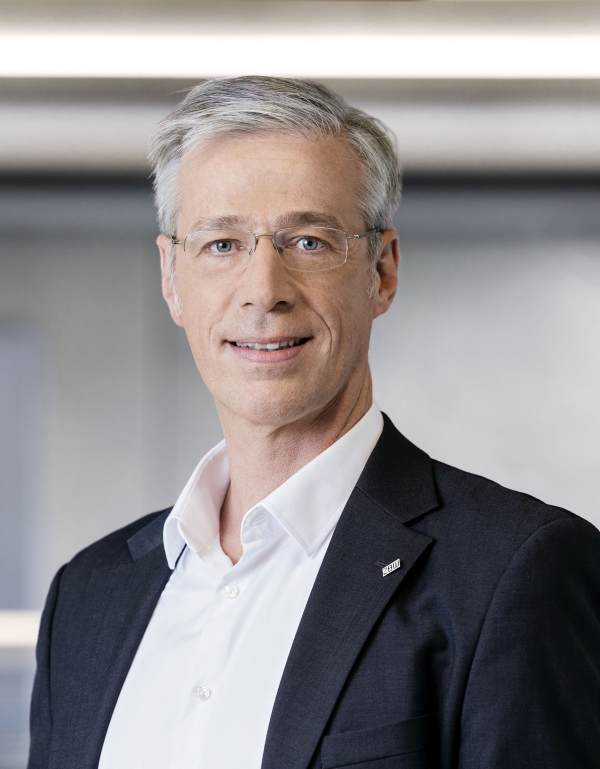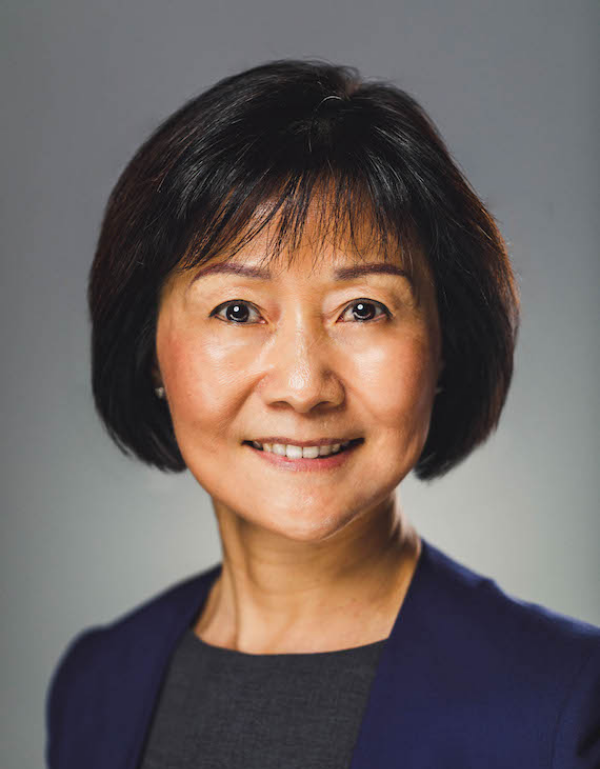
ECSS is known to bring prominent and high calibre speakers on stage. ECSS 2021 was no exception.
Click on the speaker photos to learn more about ECSS 2021 Workshop speakers:

I was very lucky to work together with a small group of wonderful volunteers who were also sharing my dreams for women in computing. We learned a lot on the way when we were setting the goals, discovering better ways of healthy communication, doing things together, and organizing activities. Among many other smaller projects the annual Europe-wide ACM Celebration of Women in Computing named womENcourage became a trade mark and the 8th with the slogan “Bridging Communities to Foster Innovation” was another success to connect women from diverse technical disciplines and encouraging them to pursue their education and profession in computing.
In my talk I will share my story emphasizing what worked well and the challenges that could be of value to the next generation women in computing.
Short Bio
Reyyan Ayfer is working at Bilkent University in Ankara, Turkey with a multitude of responsibilities including teaching, leading a volunteer group of faculty to support use of technology, preparing an online history archive of the university. Ayfer has held several leadership positions within ACM to improve computer science education and increase the representation of women in the field.
She received the Anita Borg Change Agent Award in 2008 after serving as the ACM-W Ambassador of Turkey for 8 years. For the ACM Special Interest Group on Computer Science Education (SIGCSE), she organized 15th annual European conference Innovation and Technology in Computer Science Education (ITiCSE).
For ACM’s Council on Women (ACM-W), Ayfer served as the Regional Activities Chair, and she is the founding Chair of ACM-W Europe.
Aliaksandr (Alex) Birukou is Vice President Journals, Russia in Springer Nature. His team overseas the program of ~26,000 articles/year in 216 translated journals published by Pleiades Publishing and Springer Nature and covering a variety of disciplines: from mathematics, physics, chemistry to medical and life sciences. Previously he was responsible for the conference proceedings in Computer Science (~900 volumes, 30,000 papers/year, including the Lecture Notes in Computer Science, LNCS, series). Apart from editorial work Alex represents editorial in several internal and external R&D projects dealing with optimization or innovation of scientific publishing.
Most recent projects include: persistent IDentifiers for conferences (Alex chairs the Crossref/DataCite group; AI and semantic tools for editorial (help in the assessment and topical classification of conferences). Previously, Alex co-founded lod.springer.com, which later was integrated into Springer Nature SciGraph.While we can and must learn from the mistakes made in the path to Open Access and Open Data, it is important to acknowledge that software, and source code in particular, is different from other research results.
In this talk, we will explore the landscape of what has already been
done, and the challenges and opportunities that we face in building the
software pillar of Open Science.
Short Bio
An alumnus of the Scuola Normale Superiore di Pisa, with a PhD in Computer Science from the University of Pisa, Roberto Di Cosmo was associate professor for almost a decade at Ecole Normale Supérieure in Paris. In 1999, he became a Computer Science full professor at University Paris Diderot, where he was head of doctoral studies for Computer Science from 2004 to 2009. President of the board of trustees and scientific advisory board of the IMDEA Software institute, and member of the national committee for Open Science in France, he is currently on leave at Inria.
His research activity spans theoretical computing, functional programming, parallel and distributed programming, the semantics of programming languages, type systems, rewriting and linear logic, and, more recently, the new scientific problems posed by the general adoption of Free Software, with a particular focus on static analysis of large software collections. He has published over 20 international journals articles and 50 international conference articles.
In 2008, he has created and coordinated the european research project Mancoosi, that had a budget of 4.4Me and brought together 10 partners to improve the quality of package-based open source software systems.
Following the evolution of our society under the impact of IT with great interest, he is a long term Free Software advocate, contributing to its adoption since 1998 with the best-seller Hijacking the world, seminars, articles and software. He created in October 2007 the Free Software thematic group of Systematic, that helped fund over 50 Open Source research and development collaborative projects for a consolidated budget of over 200Me. From 2010 to 2018, he was director of IRILL, a research structure dedicated to Free and Open Source Software quality.
He created in 2015, and now directs Software Heritage, an initiative to build the universal archive of all the source code publicly available, in partnership with UNESCO.
Yves Deville is Professor at the Engineering School at the Université catholique de Louvain in Belgium. He received an undergraduate degree in computer science from Namur University (Belgium) in 1983, an MS degree in computer science at Syracuse University (USA) in 1986, and a doctoral degree from Namur University in 1987.
His research interest covers Artificial Intelligence, Constraint Satisfaction and Optimization. Since 2014, Yves Deville is Senior Advisor to the President for the Digital University and Open Science at UCLouvain. He is also heading the steering committee of the information system at UCLouvain.
He developed the university's digital strategy. The proposed vision is a university in which digital technology promotes the creation, dissemination, and acquisition of knowledge. This vision is based on Open models and covers Open Education and Open Science.
The talk will conclude by discussing the impact that the app has had on controlling the pandemic in England and Wales.
Short Bio
Following graduation with a PhD in Software Engineering on databases for software engineering environments, Wolfgang Emmerich held a post doc position at the University of Queensland. He then took academic positions in London at City University and University College London, where he currently is Professor of Distributed Computing. Wolfgang has an interest in engineering federated distributed and mobile systems.
Wolfgang co-founded the Zuhlke Group in 2000 in Zurich and serves on the Group’s Executive Board. In 2009 he became CEO of Zuhlke’s operation in the United Kingdom. Under his leadership Zuhlke has grown to a medium-sized software business in the UK. Wolfgang is a member of the ACM, the IEEE Computer Society, the Institute of Engineering and Technology and the Institute of Directors.
I (and my affected colleagues) can particularly attest to the pain of my unskillful leadership attempts, driven by my imposter and perfectionist self. It doesn’t have to be that way. Leadership in research is a skill set that can be learned, shifting the focus from ‘me’ to ‘we’, and creating environments that empower and enable clever people to do great research.
I will reflect on my own ongoing learning experience of leading in research and draw out some key lessons towards more skill-ful and care-ful leadership.
From PhD to Professor: choices, supports, and structures
Abstract
Reflecting on my own story and literature, a good academic
career is possible and it needs a whole systems approach.
First, there is no ideal 'good academic'. We can each decide who we are, and what matters to us, and shape our work life choices accordingly, where choices are in our control and recognising trade-offs.
Second, we need supportive environments (from peers, to groups, to faculty), and new leadership models, that empower people to do their great work.
Third, we need enabling systemic processes and structures that resource, evaluate and reward academics; while these are slowest to change, there are encouraging signs of increasing recognition of diversity and research culture alongside usual academic measures.
Working across all these levels, my hope is that academia becomes an increasingly sustainable and rewarding career option for all of us who want to pursue
this path.
Short Bio
Geraldine Fitzpatrick is Professor of Technology Design and Assessment and leads the Human Computer Interaction Group in the Informatics Faculty at TU Wien, where her research is focussed on socio-technical and people-centred perspectives of computing. She is an ACM Distinguished Scientist, an ACM Distinguished Speaker, an IFIP Fellow, and an IFIP TC-13 Pioneer Award recipient. She has a diverse background, with a PhD in CS&EE (Uni of Queensland), an MSc in Applied Positive/Coaching Psychology (UEL), and international experience in academia and industry in Austria, the UK and Australia. She also has a prior career as a nurse/midwife with leadership roles in hospital and private practice contexts. She is passionate about how we can craft better academic cultures. Towards this, she hosts the Changing Academic Life podcast series and delivers academic career development and leadership development consultancy, training and coaching internationally.
For more information see http://www.changingacademiclife.com and https://www.informatics-europe.org/services/academic-leadership.html.
Her overarching research aim is to develop cutting edge technologies, designed with end users from the outset, which can have an empowering effect on the people who use them. Within this broad area, she has focussed on better understanding how people learn, and on how innovative technologies can best support their learning. She is particularly interested in working with people with disabilities, particularly autism, to design technologies which improve their lived experiences.
Prof. Good is also actively involved in initiatives to support women and girls in STEM subjects. Whilst at the University of Sussex, she led the team which wrote the first successful application for an Athena SWAN award in Engineering and Informatics.
In this talk, we report on an ongoing study exploring the relationship between gender-biased problem-solving styles and academic enrollment and success in Computer Science courses. Are women who enrol in computer science courses different from the larger population with respect to their preferred problem-solving styles? To what extent are these problem-solving styles correlated with academic success? What about faculty members? Do we favour similar problem-solving styles to those of our students, or is there a mismatch? If there is such a mismatch, are we shaping our students to become more like us, with respect to those problem-solving styles?
Short Bio
Miguel Goulão is an Associate Professor of the Informatics Department of FCT/UNL and an Integrated Researcher at the Software Systems group at NOVA LINCS. He has a Ph.D. (2008) in Informatics from Universidade Nova de Lisboa.
The broad aim of his research is to improve the software developer’s productivity and developer experience, in order to better deal with software development complexity. Miguel uses Evidence-Based, Empirical Software Engineering, and User Experience evaluation techniques to identify the strengths and shortcomings in languages, tools, and approaches. He uses these quantitative and qualitative assessments not only in the evaluation of Software Engineering claims but also as an objective input to help to devise improvements to fix the identified shortcomings. Miguel is particularly interested in human factors in software development, improving the understandability of Requirements Engineering and Domain-Specific Languages (and of specifications built with those languages), to empower developers and other stakeholders to more effectively read and write software specifications. Miguel was also a member of the COST Action on Multi-Paradigm Modeling for Cyber-Physical Systems.
Miguel has published over 70 papers in peer-reviewed international journals, conferences, and workshops, and served as guest editor of special issues in international journals, as PC member, and as PC and Organizing Chair in several events. He received the best paper award at the 26th International Conference on Advanced Information Systems Engineering (CAiSE 2014), and was a co-author of the paper receiving the János Szentes Award for the best paper on Software Metrics presented at the 6th European Conference on Software Quality (ECSQ 1999).
In this talk, we report on an ongoing study exploring the relationship between gender-biased problem-solving styles and academic enrollment and success in Computer Science courses. Are women who enrol in computer science courses different from the larger population with respect to their preferred problem-solving styles? To what extent are these problem-solving styles correlated with academic success? What about faculty members? Do we favour similar problem-solving styles to those of our students, or is there a mismatch? If there is such a mismatch, are we shaping our students to become more like us, with respect to those problem-solving styles?
Short Bio
Catarina Gralha has a Ph.D. in Computer Science from Universidade NOVA de Lisboa (Portugal), advised by Miguel Goulão and João Araújo. She was a Visiting Research Student at SEGAL Research Group, University of Victoria (Canada), working with Daniela Damian. She was also a Visiting Research Student at the Bristol Cyber Security group, University of Bristol (United Kingdom), working with Awais Rashid and Ben Shreeve.
Her main research interests are in the area of software engineering, especially software requirements, software design, empirical software engineering and software quality. In particular, Catarina uses Empirical Software Engineering techniques to identify the strengths and shortcomings in the quality of software requirements models.
Catarina has published in peer-reviewed international journals, conferences, and workshops. She received the best paper award at the 26th International Conference on Advanced Information Systems Engineering (CAiSE 2014), and had a candidate for the best paper award at the 27th IEEE International Requirements Engineering Conference (RE 2019).
I will discuss the lessons I learned along the way in my career in the hope that others will understand now what I didn't understand then. The world has changed in the last 40 years and we are now much more aware of cultural stereotyping. The least I can do is help you make your own "mistakes" rather than repeating mine.
Computer Science is a wonderful field in which to do research. Let's make it a better field together!
Short Bio
Lynda Hardman is Manager Research & Strategy at Centrum Wiskunde & Informatica (CWI, https://www.cwi.nl), the Dutch national research centre for Mathematics and Computer Science. She is full professor, part-time, of Multimedia Discourse Interaction at Utrecht University. Her research interests are in how visualisations can be used to improve the way domain experts interpret and interact with (linked) data.
Prof. Hardman is the director of Amsterdam Data Science (http://amsterdamdatascience.nl), a partner organization whose mission is to strengthen the Data Science and AI ecosystem that spans academia, industry and society in the Amsterdam region. She is the European director of LIAMA (http://liama.ia.ac.cn), a research collaboration since 1997 between INRIA (France), CWI and the Chinese Academy of Sciences.
She was the president of Informatics Europe 2016-2017. During her time as board member, she founded, together with Cristina Pereira, the IE working group Women in Informatics Research and Education around 2012.
She was named ACM Distinguished Scientist in 2014 and is a Fellow of the British Computer Society.
Sociologists have researched European (e.g. European Social Survey) and specific country social values (e.g. World Values Survey) but meta-constructs such as self-expression values or secular values, and their partial sub-constructs, have not been investigated in terms of how they relate to intention or decision to study ICT.
The present paper provides a theoretical review of the possible cross cultural social and psychological determinants of girls’ decisions to study ICT at university.
Short Bio
Dr. Robert Hanák is associate professor at the Department of Informatics, Faculty of Business Management, University of Economics in Bratislava, Slovakia, and researcher at the Institute of Experimental Psychology, Slovak Academy of Sciences, where his research is focused on decision making: complex and complicated decision tasks, factors influencing decision outcomes such as experience, expertise, intuition, rationality, cognitive profile, and social factors.
He is currently researching girls’ intentions and decisions to study information and communication technologies (ICT) at university and the national/regional culture, social and psychological determinants of these.
In this talk, I’ll explore the current status of female enrolments in
ICT education in Bangladesh and the challenges and opportunities to pull out females of these barriers.
Short Bio
Dr. Lafifa Jamal is a Professor of the Department of Robotics and Mechatronics Engineering, University of Dhaka. She is the former chairperson of the same department. Previously, she was a faculty member of the Department of Computer Science and Engineering, University of Dhaka. She is a Senior Member of IEEE and a Fellow of Bangladesh Computer Society. She received her Ph.D. Degree in Computer Science and Engineering from the University of Dhaka. Her research interests include Robotics and Intelligent Systems, Gender and Diversity, STEM Education, VLSI Design and Reversible Logic Synthesis.
Dr. Jamal is currently serving as the President of Bangladesh Women in Technology (BWIT) and the Vice-President of Bangladesh Open Source Network (BdOSN). She is the Founding Director of Bangladesh Flying Labs which is a hub to connect robotics and tech researchers and enthusiasts from home and abroad for social justice, equality and development. Dr. Jamal is the Founding Advisor of IEEE University of Dhaka Women in Engineering Student Branch Affinity Group and IEEE Robotics & Automation Society University of Dhaka Student Branch Chapter; and Founding Moderator of Dhaka University Science Society.
She sits on various international advisory boards and review panels, and serves in many program committee roles for various international conferences. Some of her recent involvements include Women in Engineering Chair of iSES 2021 (India), Special Session Organizer of ICIPRoB 2020 (Sri Lanka), TPC Chair of ICIET 2019 (Bangladesh), Regional Program Chair of RIIT 2018 (Thailand), General Co-Chair of ICIET 2018 (Bangladesh), International Advisory Board Member of ICOM 2017 (Malaysia). Under her leadership, Bangladesh got the very first Gold Medal in the 20th International Robot Olympiad 2018 which was held in Manila, Philippines. She is the Founder President of the Bangladesh Robot Olympiad Committee and a Member of the International Robot Olympiad Central Committee.
Together with Professor Marieke Huisman, she chairs the Equity, Diversity and Inclusion working group of the ICT Research Platform Nederland, and is a member of the EDI committee of the Science Faculty at Utrecht University and SIGPLAN CARES committee.
She has played a leadership role and has represented Atos in a number of strategic and road mapping initiatives, such as the European Technology Platform on Software and Services (NESSI), the CELTIC Plus Eureka program, the Open Innovation Strategy and Policy Group (OISPG) or the Future Internet Partnership leading to the creation of the FIWARE Foundation. She is also one of the founders of the Big Data Value Association where she was first Deputy Secretary General; since 2018 she is member of the Board of Directors. She has devoted the last years to topics related to the Data Economy, including Data Platforms, coordinating a portfolio of data-.related projects and supporting the implementation of the Big Data Value Partnership. She is member of the Organizing Committee of the European Big Data Value Forum and has assessed proposals in the areas of data entrepreneurship in projects like DataPitch or events like the DatsCi Awards.
She acts proudly as advisor to a number of projects (BigPolicyCanvas, DataPitch, Cervero, I-BiDaaS, NGIoT, EU-IoT, StandICT, Everest, Decido).
Dr. Lupia’s research and related public work examines processes, principles, and factors that guide decision-making and learning. His efforts clarify how people make decisions, and choose what to believe, when they face adverse circumstances. Lupia draws from many scientific disciplines to advance these topics.
Dr. Lupia has been a John Simon Guggenheim Fellow, a Andrew Carnegie Fellow, and is a recipient of the National Academy of Sciences Award for Initiatives in Research. He earned a bachelor’s degree in economics from the University of Rochester and a social science PhD at the California Institute of Technology.
Her research integrates different aspects of data analytics, with the involvement in different real-world problems with special emphasis on health. She has participated actively in may EU projects (FP7, H2020, EIT). She has published more than 120 journal and conference papers in venues including Data and Knowledge Engineering Journal, Physics Reports, Information Sciences, Expert Systems with applications, and Journal of Medical Systems, and actively participated in International Conference Committees.
In this talk, I introduce open citations, focusing mainly on the Informatics field, showing the current status and limits, and analysing possible uses of open citations in research assessment exercises.
Short Bio
Silvio Peroni holds a PhD degree in Computer Science and is an Associate Professor at the Department of Classical Philology and Italian Studies, University of Bologna, where he teaches 'Basic Informatics', 'Computational Thinking and Programming' and 'Open Science'.
He is an expert in document markup and semantic descriptions of bibliographic entities using OWL ontologies. He is Director of the Research Centre for Open Scholarly Metadata (https://openscholarlymetadata.org), one of the main developers of the SPAR Ontologies (http://www.sparontologies.net), Co-Director of OpenCitations (http://opencitations.net), and founding member of the Initiative for Open Citations (I4OC, https://i4oc.org) and the Initiative for Open Abstract (I4OA, https://i4oa.org). He is Project Coordinator of the H2020 project "SPICE" and Local Unit Coordinator of the H2020 project "OpenAIRE-Nexus".
Among his research interests are Semantic Web technologies, markup languages for complex documents, design patterns for digital documents and ontology modelling, and automatic processes of analysis and segmentation of documents. His works concern theoretical studies and technical implementation of tools to foster semantic interoperability of Open Science services and infrastructures, the empirical analysis of the nature of scholarly citations, bibliometrics and scientometrics studies, visualisation and browsing interfaces for semantic data, and the development of ontologies to manage, integrate and query bibliographic information.
It requires a diverse set of skills, ranging from deep knowledge of a particular field, technical ability, through to communication. Researchers are constantly under pressure to produce publications, come up with something novel, impactful, significant.
However, one can never know upfront whether a particular idea will produce such results, with software engineering experiments taking sometimes months to complete. Nevertheless, there are steps one can take to ensure high quality output, ones research colleagues playing an important role.
In this talk I will talk about my personal experience of trying to produce high quality research, including key lessons learned.
Short Bio
Justyna Petke is a Principal Research Fellow and a Proleptic Associate Professor at the Centre for Research on Evolution, Search and Testing (CREST) and a member of the Software Optimisation, Learning and Analytics Research (SOLAR) group at University College London. Her main expertise lies in Genetic Improvement (GI), which uses automated search to find improved versions of existing software. She currently holds an EPSRC Early Career Fellowship on the topic of Automated Software Specialisation Using Genetic Improvement. She also has expertise in Combinatorial Interaction Testing, Search-Based Software Engineering, and Constraint Satisfiability.
Justyna Petke established the International Workshop on Genetic Improvement, which has had its 10th edition this year. She won multiple awards for her work on Genetic Improvement, including two 'Humies', awarded for human-competitive results produced by Genetic and Evolutionary Computation. She is active in numerous conference program committees, and is currently on the editorial boards for the Empirical Software Engineering, and Genetic Programming and Evolvable Machines journals.
She started her career working part time in Sony Spain at the same time she carried out her studies. She decided to taste a different culture and continue her studies in Germany doing her final thesis in the Fraunhoffer Institute, Stuttgart. After her thesis, she continued her adventure in Germany moving to Aachen. She worked for Ericsson EuroLab , one of Ericsson’s largest European research and development centers, working as a software developer on the latest mobile network technologies.
After several years, she decided to come back home to be closer to her family and continue enjoying of the beautiful sun and culture from Barcelona. In 2003, she joined HP Large Format Printing in Sant Cugat, the largest HP R&D Lab outside US with more than 700 R&D engineers and 2300 employees.
She started as a software quality engineer and since then, she has been holding different positions, managing different development teams especially on the Software development arena. Currently she is the R&D Director for the Large Format Business.
Africa has a strong background in Quality, Program management, and FW and SW development. She has a unique combination of drive, customer-centricity, and passion for the business, being an active champion of agile methodologies.
For more than 25 years, the dblp computer science bibliography (https://dblp.org) has been providing open bibliographic metadata and curated author bibliographies in computer science. Today, listing more than 5.75 million publications written by about 2.8 million authors, dblp has grown to become the most comprehensive, open metadata collection in the field. Each working day, about 1.800 new computer science publications are indexed by the dblp editorial team. All of dblp’s curated metadata is available for unrestricted reuse under the CC0 license.
In this talk, we will give a brief overview of dblp's semi-automated
approach that aims to keep the human curator in the loop in order to
ensure high-quality metadata and high-precision author disambiguation.
We will also discuss dblp's recent effort to semantically interlink its
data with external open data providers in order to improve dblp's
utility for the research community.
Short Bio
Marcel R. Ackermann is a member of the scientific staff of Schloss Dagstuhl - Leibniz Center for Informatics in Wadern, Germany. Since 2017, he is the team lead responsible for the dblp computer science bibliography, the world's most comprehensive open bibliography of scientific literature in computer science. Before joining Schloss Dagstuhl, he earned his PhD in Computer Science (Dr. rer. nat.) from the University of Paderborn, Germany, in 2009.
His research focuses on clustering algorithms, information-theoretic similarity measures, data analytics and metadata quality management.
EUGAIN is a COST action that aims to explore ways towards gender balance in Informatics. The Existing Initiatives subgroup, inside working group 1: from School to University, aims to investigate whether and how existing initiatives are successful in encouraging girls to choose Informatics in their higher education. Members from this subgroup have been and still are actively getting in touch with initiatives from all over Europe in order to get a better understanding of what makes girls hesitant or even reluctant in choosing to study informatics and how we could encourage them instead.
In this talk, I will speak of our first meet-up with existing initiatives and share the insights we gained on effective strategies for overcoming barriers such as lack of role models and difficult learning environments.
Short Bio
Zeynep Şahin Timar holds a PhD degree in Computer Instructional Technologies Education and is a lecturer at the Department of Software Engineering, Karadeniz Technical University where she teaches ‘Engineering and IT Ethics’, ‘Probability and Statistics', ‘Software Development Standards and Project Management’, and ‘Design Project’.
She studies multimedia learning, computer-based learning, computer-based assessment, learning technologies, emotional design, computer ethics, assistive technologies, and gender balance.
She was a researcher at the “Analysis of Multimedia Based Designed Assessment in Terms of Various Variables” project (Scientific research project supported by Anadolu University) and project implementation manager at “The Development of an Adaptive, Web-Based Assessment Tool for Evaluating the Literacy, Numeracy and Digital Skills Levels of Low Skilled/Low Qualified Adults in Turkey” (EU Funded Project). She is on the Cost Action EUGAIN (European Network for Gender Balance in Informatics) management committee and the co-leader of WG1, “From School to University” in the action. She is also on the Cost Action a-STEP management committee (advancing Social inclusion through Technology and EmPowerment). And she is the Science Communication manager of the a-STEP.
In this talk, I will present a study we conducted with 200 women from
technical universities in Germany in 2021. We studied challenges they
face in different areas, such as cultural issues and problems at the
workplace, and how they handle them. We also investigated how their
challenges differ between the computer science community and other STEM
fields. As an outcome of our study, we conclude that women in research
still have many problems. These problems include finding an appropriate
solution to a problem.
Short Bio
Larissa Schmid is a PhD student at Karlsruhe Institute of Technology in the "Modelling for Continuous Software Engineering" group, which is concerned with modelling software regarding different quality attributes. Before starting her PhD, she earned her Masters degree in computer science from Karlsruhe Institute of Technology with a focus on theoretical foundations and software engineering.
In her research, she focuses on performance modeling and analysis of scientific software, where she works in an interdisciplinary environment with multiple other research groups.
Additionally to her research in computer science, she is concerned with gender equality in academia, especially in science, technology, engineering, and mathematics (STEM).
Prior to joining the European values & democracy unit in DG Research and Innovation, she has been working on developing the European Research Area policy and international cooperation.
From 2001 until 2010 he was the scientific director of the research institute Know-Center, a competence centre for information technology-based knowledge management located in Austria. Since 2010, Klaus Tochtermann has been the director of the ZBW – Leibniz Information Centre for Economics in Kiel and Hamburg (Germany) and has held a chair for Digital Information Infrastructures at Kiel University.
He was a member of the two High-Level Expert Groups of the EOSCs. In addition, he is a member of the German Council for Scientific Information Infrastructures.
Prior to her current role, Ruoyi was the Director of IBM Accessibility Research where she oversaw development of advanced technology to enable accessibility for IBM offerings and creation of AI-powered assistive technology for people with disabilities. She served on the Industry Advisory Council at the Colorado University College of Engineering & Applied Science and on the Board of Advisors for G3ict. She initiated and launched the Accessibility track at the Grace Hopper Conference and served as a committee member. Additionally, Ruoyi was the Co-Director of AI for Healthy Living, a joint research center between IBM and the University of California, San Diego. Ruoyi played different technical and management leadership roles during her over two decades at IBM.
Ruoyi received her Ph.D. in Materials Science from Rutgers University and conducted postdoctoral research at Los Alamos National Lab. She has over 30 publications. Ruoyi was a YWCA TWIN Award honoree in 2010, one of the most prestigious awards in the United States to recognize successful women executives for their outstanding achievements.
ECSS is known to bring prominent and high calibre speakers on stage. ECSS 2021 was no exception.
Click on the speaker photos to learn more about ECSS 2021 Main Session speakers:
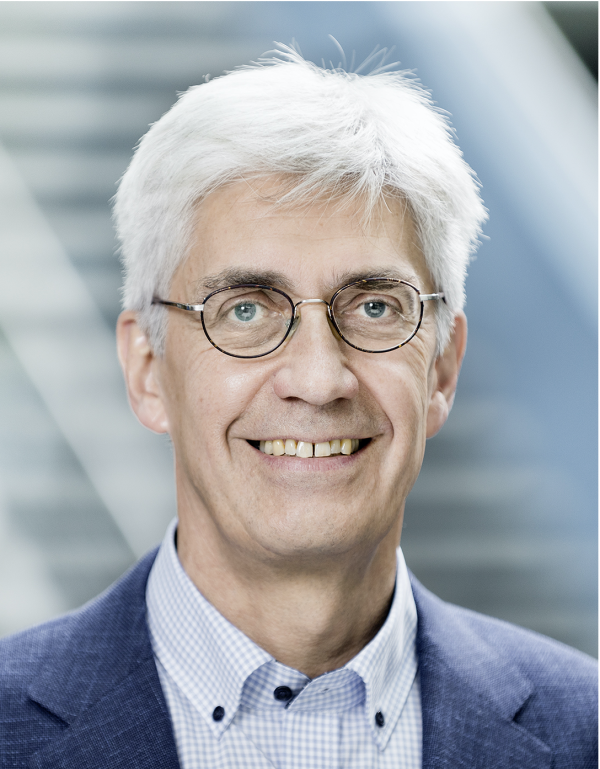
From a broader perspective, we can see that digital technologies are transforming societies in various ways. The digital transformation enables individuals and organizations almost everywhere in the world to act differently. These enabling effects of ICTs bear potentials for long-term structural change, which in turn create opportunities and risks for virtually all SDGs. It is hard to imagine how the SDGs can be reached without deep changes enabled by digitalization. Besides its enabling effects, the digital transformation comes with its own footprint in terms of mineral resource depletion and carbon emissions.
From this view, it seems urgent to ask the question what would have to be done to systematically align the digital transformation with the SDGs, and what we – as active participants in the digital transformation – can contribute to a "sustainable digital
transformation" in this sense. The talk will give an overview of arguments and postulate some principles of a sustainable digital transformation.
Short Bio
Lorenz Hilty is a Professor at the Department of Informatics at the University of Zurich with a research focus on the interaction between the digital transformation and sustainable development. He received his PhD in Computer Science from the University of Hamburg in 1991. Before being appointed Professor at UZH in 2010, he was Head of the Technology and Society Lab at Empa, the Swiss Federal Laboratories for Materials Testing and Research, and Affiliated Professor at KTH Royal Institute of Technology KTH, Stockholm.
He initiated the international conference series "ICT for Sustainability" (ICT4S) in 2013 in Zurich. Among other functions, he is a member of the Steering Committee of the Foundation for Technology Assessment (TA-SWISS) of the Swiss Academies of Arts and Sciences, the Steering Committee of the Competence Center for Sustainable Finance at UZH, the University Council of the University of Constance, and the High-Level Advisory Group on Digitalisation and Sustainability of the German Federal Ministry for the Environment, Nature Conservation and Nuclear Safety.
He currently heads the Hybrid Intelligence Center, a 10-years, 20m€ national research consortium investigating AI systems that collaborate with people instead of replacing them. He is a fellow of the European AI Society, a member of the Dutch Royal Academy of Sciences and Arts, and a member of the Academia Europea.
Our work in Responsible Research and Innovation (RRI) demonstrates at first hand some of the challenges involved in creating a dialogue between innovators and societies. It also identifies opportunities for further research and the ongoing embedding of RRI concerns to develop more responsible technologies that reflect the needs of society. We will make recommendations for future work in policy, industry and research to ensure that societal considerations are brought into the dialogue alongside commercial motivations to create more sustainable societies.
Short Bio
Marina Jirotka is Professor of Human Centred Computing in the Department of Computer Science at the University of Oxford, and Governing Body Fellow of St Cross College. Her expertise involves co-producing user and community requirements and human computer interaction, particularly for collaborative systems. She has been at the forefront of recent work in Responsible Innovation (RI) in the UK and the European Union.
She leads an interdisciplinary research group investigating the responsible development of technologies that are more responsive to societal acceptability and desirability. She is an EPSRC Established Career Fellow - a five year investigation into Developing Responsible Robotics for the Digital Economy. She is Director of the newly established Responsible Technology Institute at Oxford and she is co-director of the Observatory for Responsible Research and Innovation in ICT (ORBIT) which provides RI services and training to ICT researchers and practitioners. She is also currently PI on the EPSRC Digital Economy TIPS project Rebuilding and Enhancing Trust in Algorithms (ReEnTrust).
Prof. Mühlhäuser founded and managed industrial research centers, and worked as either professor or visiting professor at universities in Germany, the US, Canada, Australia, France, and Austria. He is a member of acatech, the German Academy of the Technical Sciences. He was and is active in numerous conference program committees, as organizer of several annual conferences, and as a member of editorial boards or a Guest Editor for journals such as ACM IMWUT, ACM ToIT, Pervasive Computing, ACM Multimedia, and Pervasive and Mobile Computing.
Deans, academic leaders, all levels of researchers, public policymakers, and industry representatives across and beyond Europe gathered in person in Madrid and virtually via Zoom, 25-27 October 2021, for the 17th edition of the European Computer Science Summit, ECSS 2021.
See the conference highlights and photos.
Download the slides of the various talks on the ECSS 2021 program page.
Watch the recordings on Informatics Europe's YouTube channel.
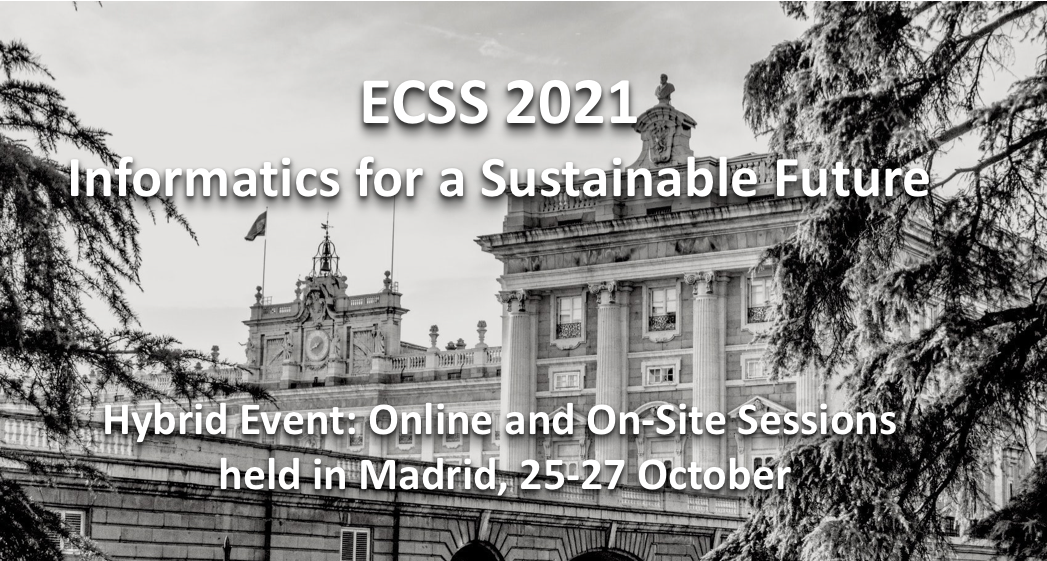
ECSS 2021 is the 17th Summit of Informatics Europe. It is the only place, once a year, where leaders and decision-makers in Informatics research and education in Europe gather to debate strategic themes and trends related to research, education, and policies in Informatics. It is a unique opportunity to meet leaders in the field and discuss critical issues of the discipline related to education, research, funding, entrepreneurship, management, career development, and policies.
For the first time in its history, this year’s ECSS was held as a hybrid event, allowing deans, academic leaders, all levels of researchers, public policymakers, and industry representatives across and beyond Europe to gather in person in Madrid and virtually via Zoom to discuss the main theme of this year’s summit: “Informatics for a Sustainable Future”. Prominent speakers from all over Europe provided their perspectives and fuelled discussions on lively debated topics like "Aligning the digital transformation with the UN sustainable development goals", "Interaction and representation challenges of sustainability related information", "The challenges and opportunities of responsible research and innovation in helping develop sustainable societies", "Responsible AI through regulation or innovation". Following keynote speakers shared their expert views and insights at ECSS 2021.
Conference Chairs:
Chairs of the Informatics for a Sustainable Future Sessions:
Leaders Workshop
The 2021 Workshop for Leaders of Informatics Research and Education was held on 25 October, co-chaired by Harald Gall, University of Zurich and Manuel Carro, ETSIINF (UPM) and IMDEA Software Institute. The central theme was 'Open Science and its Impact on Research and Career Development'.
Speakers & Panellists:
Professional Development Workshop for Early Career Researchers
The Early Career Researchers Workshop was held on 25 October, co-chaired by Elisabetta Di Nitto, Politecnico di Milano, and Standa Živný, University of Oxford. The goal was to support early career researchers (PhD students and Postdocs) in the development of their soft skills related to presentation abilities, networking, developing a research plan, and connections to industry.
Speakers:
WIRE-EUGAIN Workshop
The WIRE-EUGAIN Workshop, organised by the EUGAIN Cost Action and chaired by Karima Boudaoud, Université Côte d’Azur and Christopher Staff, Institute of Technology, Carlow., was held on 27 October 2021. The workshop was a follow-up of the previous WIRE Workshops and was focused on sustainability in Computer Science and particularly on "How to retain girls and women in Computer Science" at all the career stages.
Speakers & Panellists:
National Informatics Associations Workshop
The Workshop co-organized with National Informatics Associations was held on 27 October, chaired by Pekka Orponen, Aalto University, and addressed the following two themes: "Research Evaluation in Informatics and Informatics in Interdisciplinary Curricula".
Speakers:
Audience
The ECSS audience includes anyone with a stake in the future of Information and Communication Science and Technology in Europe. Traditionally, many department heads, directors of both industrial and academic labs, and other decision-makers make up a substantial share of ECSS participants. However, the scope of the conference is much broader and professionals from all levels and all sectors (academia, industry, government) would benefit from the discussions and critical debate on the future of the discipline.
Purpose of the European Computer Science Summit:
ECSS 2021 was organised by
|
|
![]() |
|
ECSS 2025, 27-29 Oct, Rennes. France
Save the dates for ECSS 2026:
26-28 Oct in Porto, Portugal

Uniting academia, industry, and policymakers, spanning over 30 countries, to advance Informatics education and research for positive societal change in Europe.
Netlogica design+programming