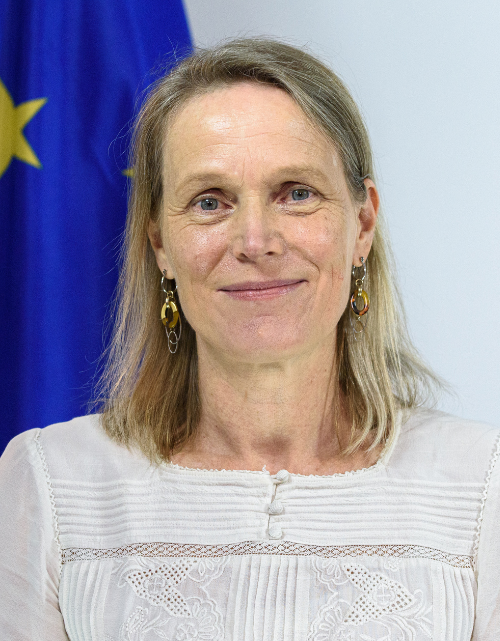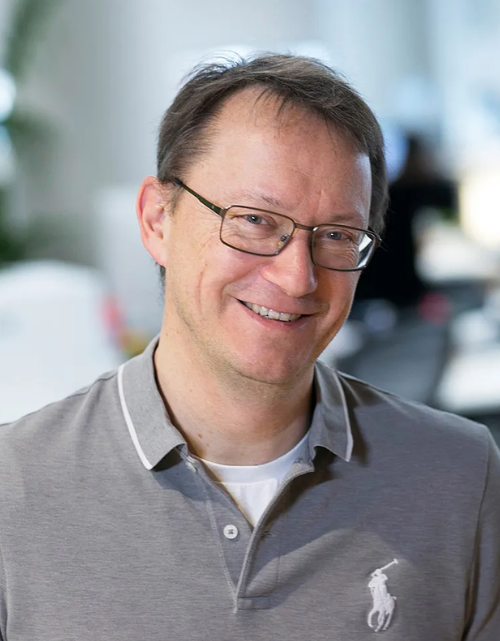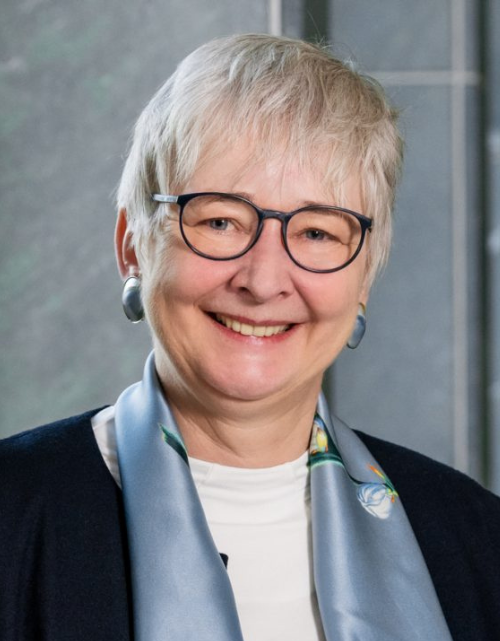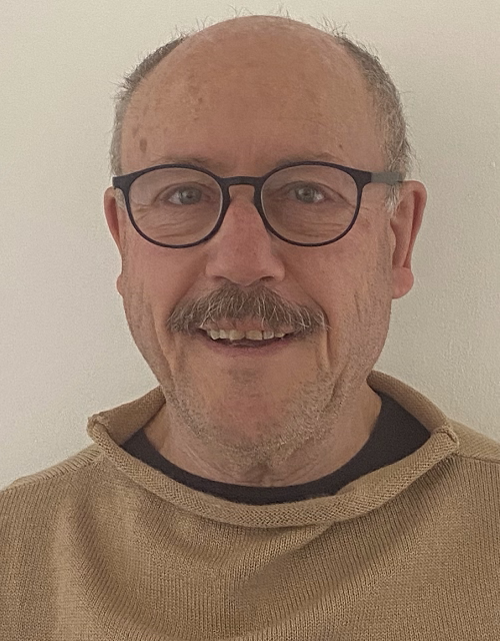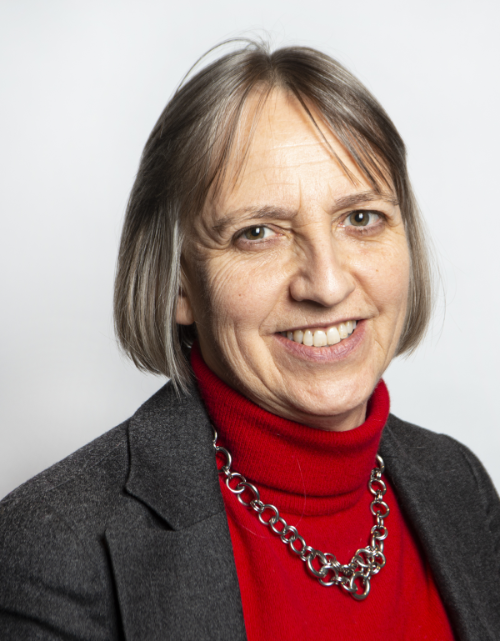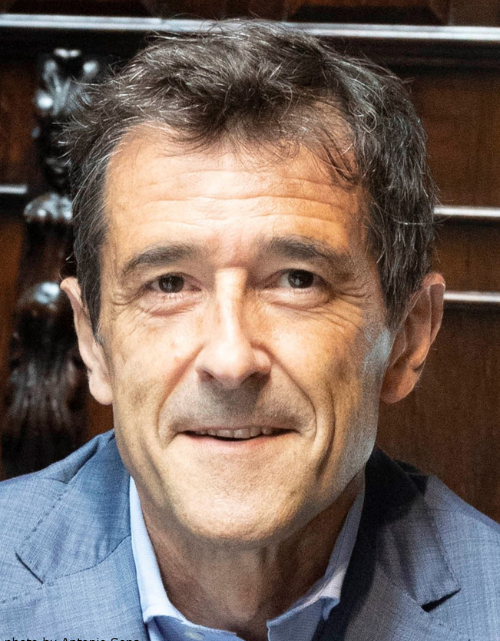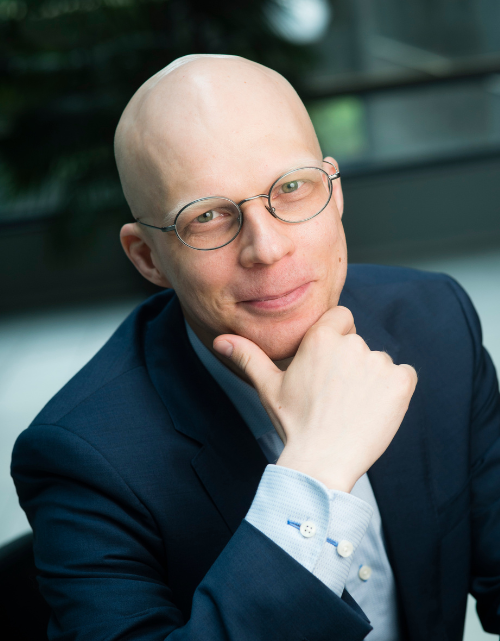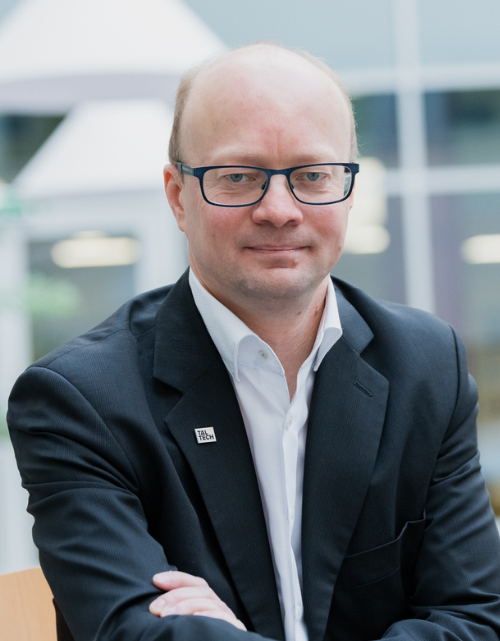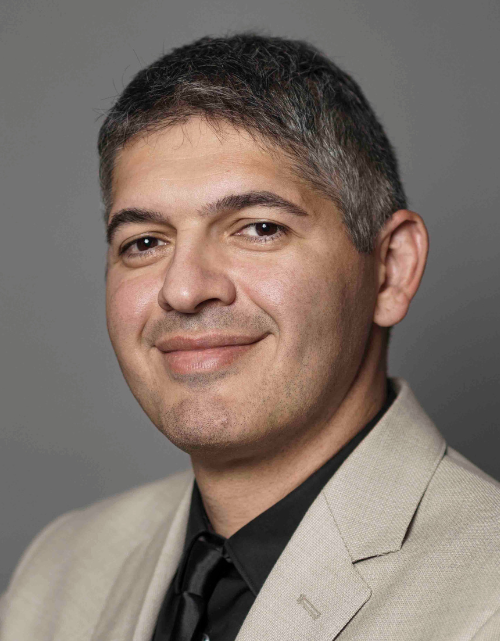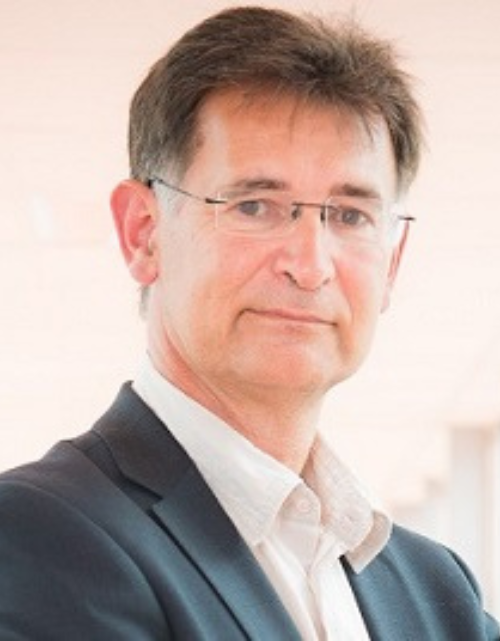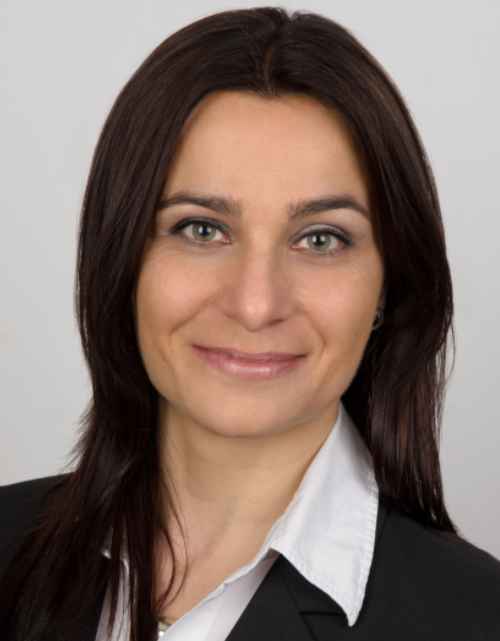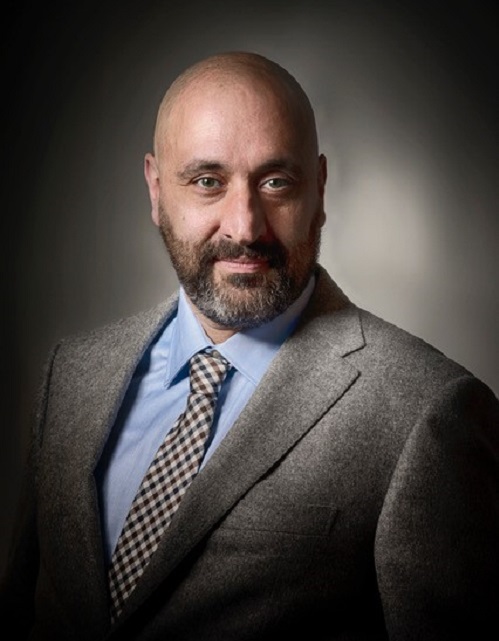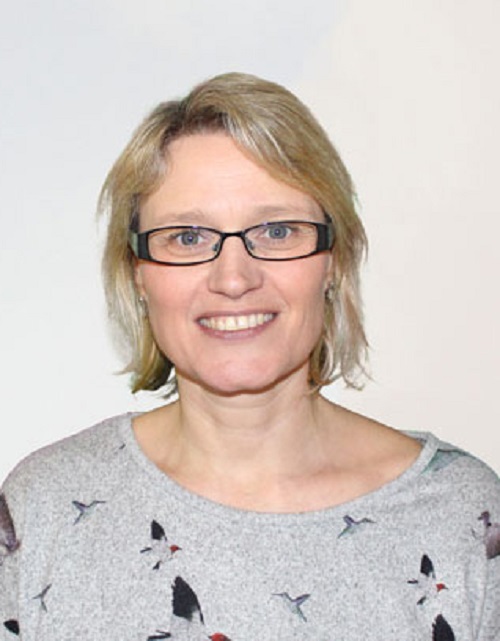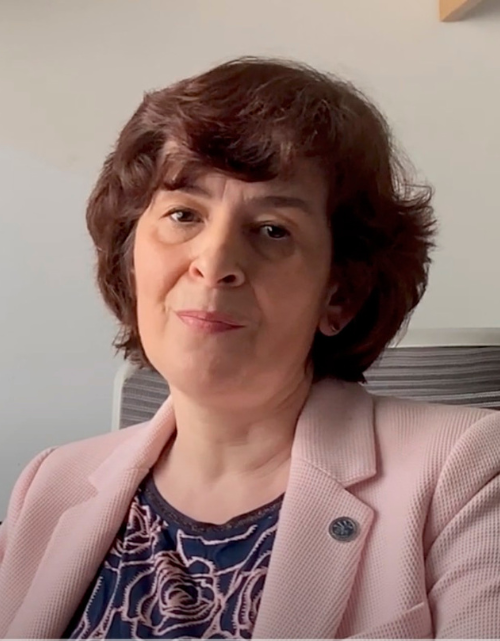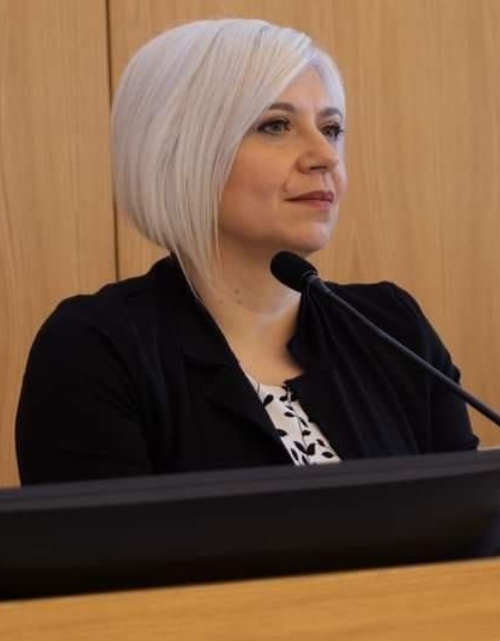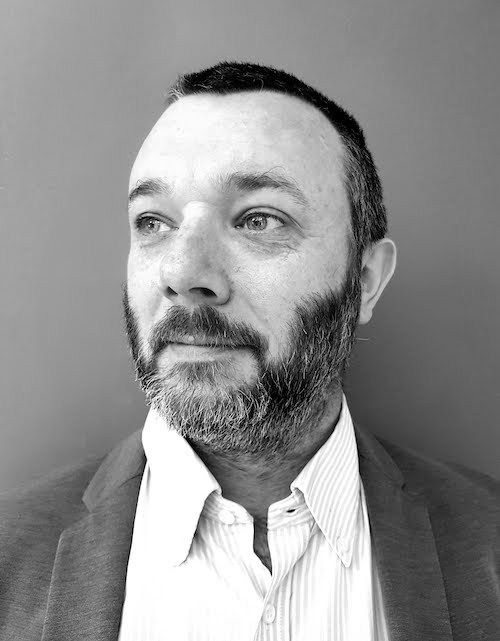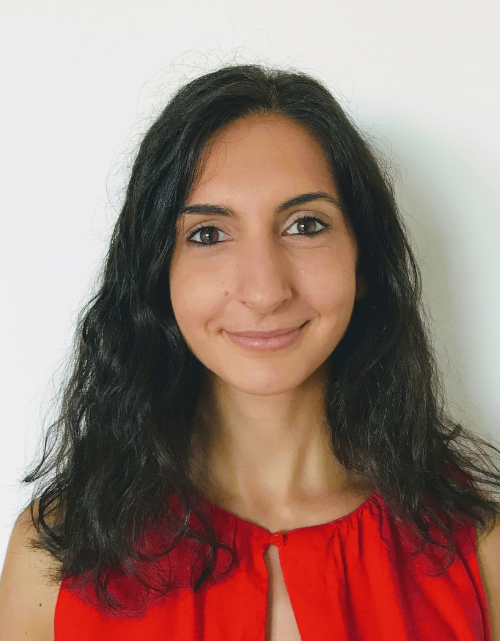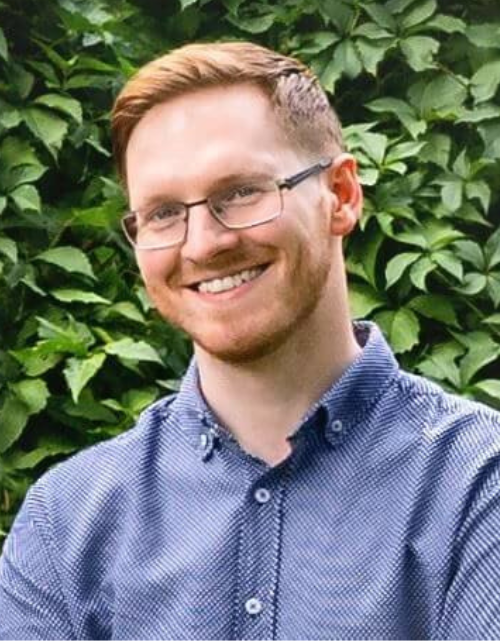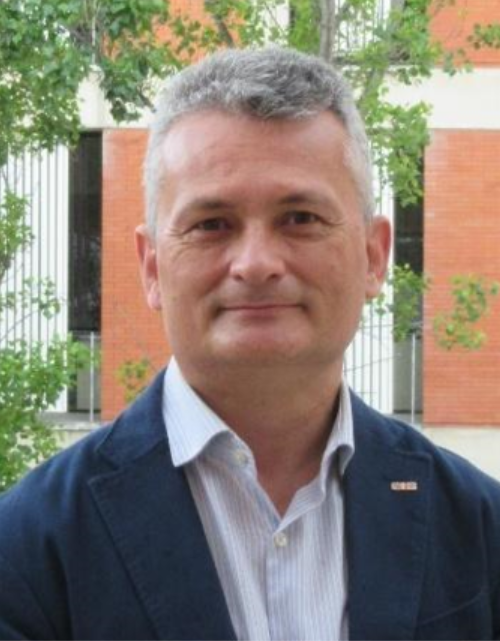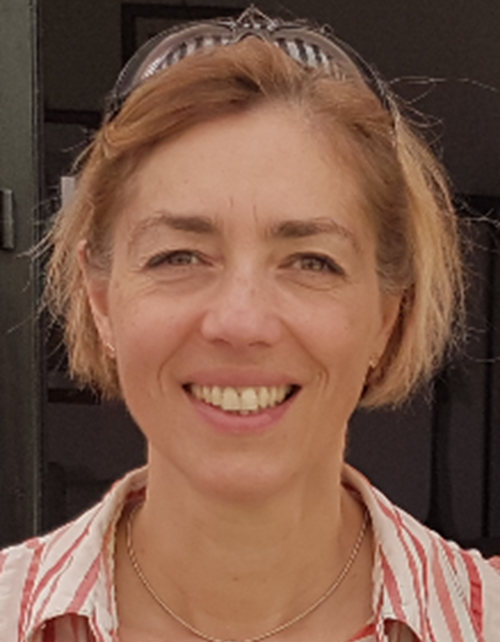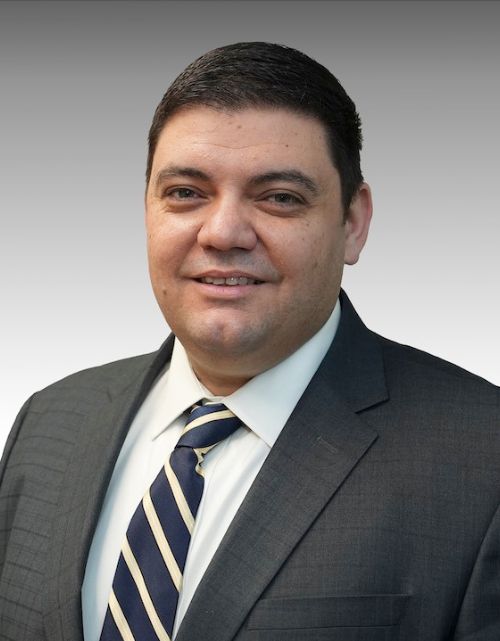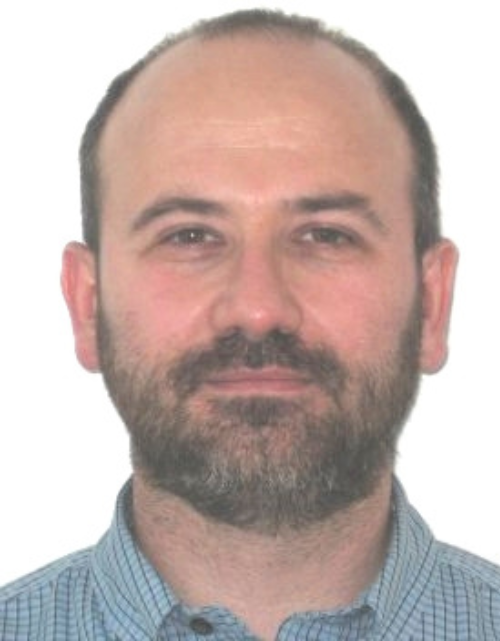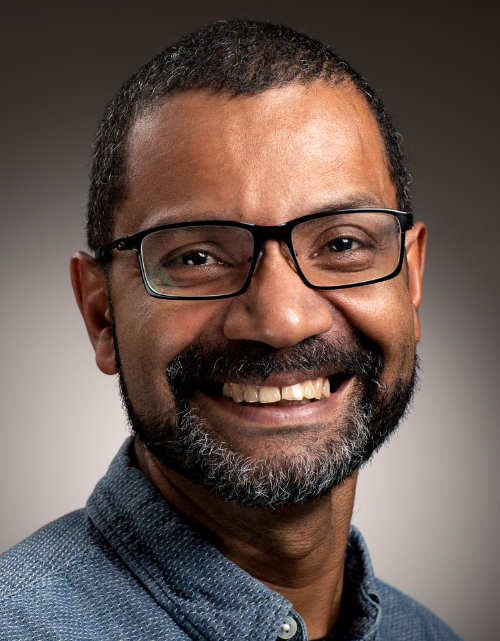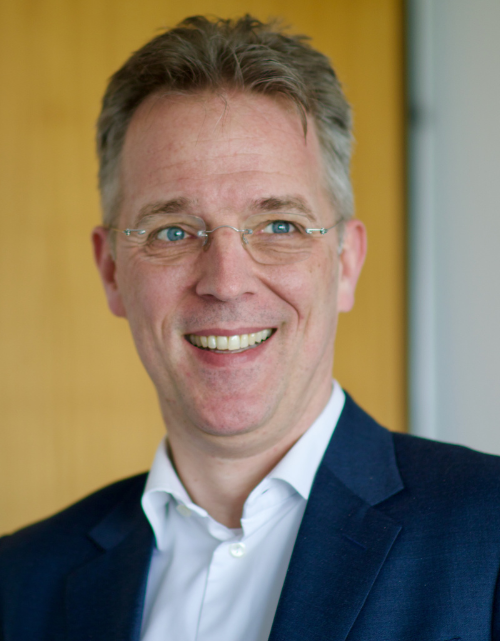
Each year, ECSS extends invitations to distinguished speakers to share expertise and insights on cutting-edge topics and trending issues in informatics research and education. ECSS 2024 continues to uphold this tradition of uniting leaders in informatics and related disciplines to drive ongoing progress in Europe.
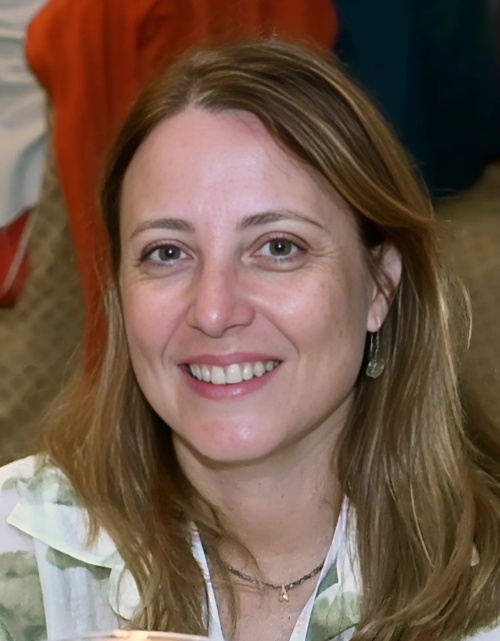
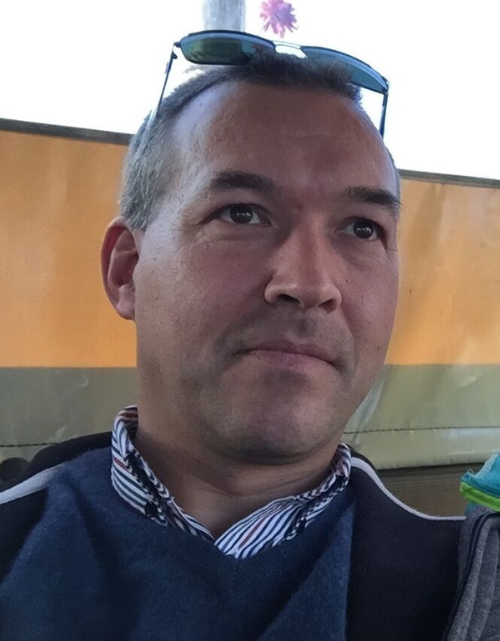
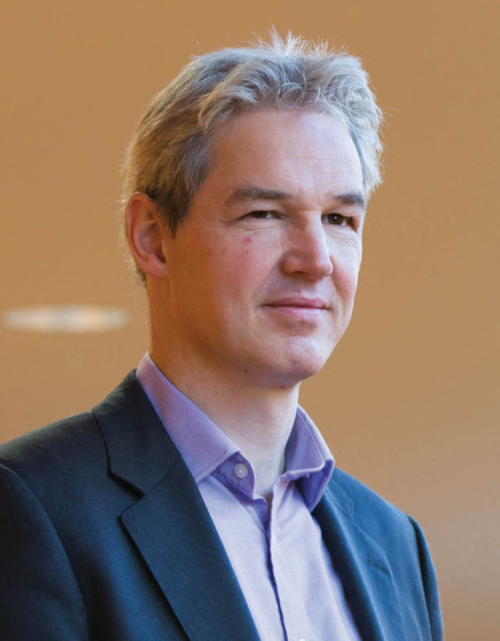
The following keynote and workshop speakers are confirmed for ECSS 2024. Click on the speaker photos to learn more.
Anne-Marie Sassen is Head of Unit of the “Programme Managers Office” of the European Innovation Council and SME Executive Agency established by the European Commission. She leads the EIC Programme Managers in their task to identify areas where Europe has a strong position to create disruptive innovations and to support companies in those areas to bring their deep tech innovations to the market.
Before that she was Acting Head of Unit of the "Digital Transformation of industrial ecosystems" unit in DG CONNECT, European Commission, which was setting up a network of European Digital Innovation Hubs to enable all companies and public sector organisations to benefit from digital technologies.
Anne-Marie also worked as project manager for Atos in Spain and researcher for TNO in the Netherlands. She studied Computer Science at the University of Leiden, the Netherlands and received her PhD from the Technical University in Delft in the field of Artificial Intelligence and Human-Machine interaction.
This talk addresses the question: "How can we use Large Language Models for reliable Software Engineering when the models are inherently non-deterministic and worse, may hallucinate, thereby leading to more, not fewer bugs?
We outline the approach known as "Assured Large Language Model Software Engineering" (Assured LLMSE), which addresses the twin challenges of: 1. Ensuring LLM-generated code does not regress the properties of the original code. 2. Quantifying the improvements achieved in a verifiable and measurable way. In so doing, the Assured LLMSE approach tackles the problem of LLMs' tendency to hallucinate, as well as providing confidence that generated code improves on the existing code base. Using Assured LLMSE, not only avoids problems of non-determinism and hallucination, but can even generate code that is superior-by-design to human-authored code, in well-defined ways. The keynote will outline the overall approach to Assured LLMSE, and will present results from its application at Meta platforms in the development of large systems of tens to hundreds of millions of lines of code. This is joint work with Nadia Alshahwan, Andrea Aquino, Jubin Chheda, Anastasia Finegenova, Inna Harper, Mitya Lyubarskiy, Neil Maiden, Alexander Mols, Shubho Sengupta, Alexandru Marginean, and Eddy Wang. Short BioMark Harman is a full-time Research Scientist at Meta Platforms in the Instagram Product Performance team, working on software engineering automation. He was previously in the Simulation-Based Testing (SBT) team at Meta, which he co-founded. The SBT team developed and deployed both the Sapienz and WW platforms for client- and server- side testing. Sapienz grew out of Majicke (a start up Mark co-founded) that was acquired by Facebook (now Meta Platforms) in 2017. Prior to working at Meta Platforms, Mark was head of Software Engineering at UCL and director of its CREST centre, where he remains a part time professor. In his more purely scientific work, he co-founded the field Search Based Software Engineering (SBSE) in 2001. He received the IEEE Harlan Mills Award and the ACM Outstanding Research Award in 2019 for his work on Software Engineering automation, and was awarded a fellowship of the Royal Academy of Engineering in 2020.
Policy advice from science is not just about giving advice - it is, in fact, more about "teaching" politics scientific aims, principles, and necessities. This is, because science and politics follow rather different goals, logics, and motives: While science ideally strives for deep insights and "eternal" truth, politics is usually driven more by short-term aspects, reacts to fashionable topics brought up by the media, and looks for measures that please majorities and voters.
In this talk, Dorothea Wagner will report on her experiences as a long-standing member and chair of the German Science Council, which advises politics on all aspects of the German science system. Recent recommendations and position papers from the Council on important topics and challenges facing science do concern, for example, teacher training in mathematics, the importance of data-intensive research, or the sovereignty and security of science in the digital space. These examples not only show the increasing importance of informatics for the scientific system as a whole, but also the constantly changing view of politics and society on innovations brought about by informatics.
Short BioDorothea Wagner is a German computer scientist, known for her research in graph drawing, route planning, and social network analysis. She heads the Institute of Theoretical Informatics at the Karlsruhe Institute of Technology.
Wagner did her undergraduate studies at RWTH Aachen University, graduating in 1983, and then continued at RWTH Aachen for her graduate studies, earning a Ph.D. in 1986 under the supervision of Rolf Möhring and Walter Oberschelp. She then earned her habilitation at the Berlin Institute of Technology in 1992. She stayed at the Berlin Institute of Technology as an assistant professor, also taking a temporary position at the University of Halle-Wittenberg in 1993, before becoming a full professor at the University of Konstanz in 1994. In 2003, she moved to Karlsruhe.
From 2007 to 2014 she was vice president of the German Research Foundation (DFG), 2015 to 2023 member of the German Council for Science and Humanities and 2020 to 2023 chair of the council. She is editor-in-chief of the OpenAccess Series in Informatics book series published by Schloss Dagstuhl and has been on the editorial boards and program committees of many more computer science journals and conferences. She coordinated several national and international research programs. In 2019 she received the Konrad Zuse medal for her achievements in computer science. She is a member of Academia Europaea, acatech - National Academy of Science and Engineering Germany and Heidelberg Academy of Science, and holds a honorary doctorate degree from TU Dortmund.
Carlo Ghezzi is an ACM Fellow (1999), an IEEE Fellow (2005), a member of the European Academy of Sciences and of the Italian Academy of Sciences. He received the ACM SIGSOFT Outstanding Research Award (2015) and the Distinguished Service Award (2006). He has been President of Informatics Europe. He has been a member of the program committee of flagship conferences in the software engineering field, such as the ICSE and ESEC/FSE, for which he also served as Program and General Chair. He has been the Editor in Chief of the ACM Trans. on Software Engineering and Methodology and an associate editor of and IEEE Trans. on Software Engineering, Communications of the ACM and Science of Computer Programming, and Computing. Ghezzi’s research has been mostly focusing on different aspects of software engineering. He co-authored over 200 papers and 8 books. He coordinated several national and international research projects. He has been the recipient of an ERC Advanced Grant.
Lynda Hardman is Manager Research & Strategy at Centrum Wiskunde & Informatica (CWI, https://www.cwi.nl), the Dutch national research centre for Mathematics and Computer Science. She is full professor, part-time, of Multimedia Discourse Interaction at Utrecht University. Her research interests are in how visualisations can be used to improve the way domain experts interpret and interact with (linked) data.
Prof. Hardman is the director of Amsterdam Data Science (http://amsterdamdatascience.nl), a partner organization whose mission is to strengthen the Data Science and AI ecosystem that spans academia, industry and society in the Amsterdam region. She is the European director of LIAMA (http://liama.ia.ac.cn), a research collaboration since 1997 between INRIA (France), CWI and the Chinese Academy of Sciences.
She was the president of Informatics Europe 2016-2017. During her time as board member, she co-founded the IE working group Women in Informatics Research and Education around 2012.
She was named ACM Distinguished Scientist in 2014 and is a Fellow of the British Computer Society.
Enrico Nardelli is a full professor of Informatics in the University of Roma "Tor Vergata", affiliated with the Department of Mathematics. Since April 2014 he is coordinating the project “Programma il Futuro“ for the introduction of basic concepts of informatics as a scientific subject in Italian schools, with emphasis on primary schools and on computational thinking. Programma il Futuro is a joint project bewteen the Italian Ministry of Education and CINI, the Italian national inter-university Consortium for Informatics. Since its inception, the project has led about three million Italian students (half of them in primary schools) to start learning the principle of informatics. He was the President of Informatics Europe from 2018-2023, the association of informatics departments and research laboratories in Europe and neighbouring areas and initiator of the Informatics for All Coalition.
The Faculty of Science at the University of Helsinki stands as a leading hub of natural sciences and technology in the Nordic Countries. This talk will explore how structured departmental collaborations and cross-faculty initiatives have driven significant advancements in research and education. By highlighting key interdisciplinary and multidisciplinary endeavors, such as data science, quantum technologies, sustainability, and atmospheric and environmental sciences, the presentation will showcase exemplary case studies. The talk will provide insights into the lessons learned from these initiatives and offer strategies for managing large-scale interdisciplinary collaborations within the university environment.
Short BioSasu Tarkoma is Dean of the Faculty of Science at the University of Helsinki and Professor of Computer Science. He has published over 350 scientific articles. He has authored or co-authored four international scientific books published by Wiley, CRC Press, and Cambridge University Press. He has 12 granted US patents and over 20 international patent applications. His research has received a number of Best Paper awards and mentions, for example at ACM SenSys (Test of Time Award), IEEE PerCom, ACM CCR, and ACM OSR.
It is a challenge to determine whether ICT graduates meet the expectations of employers. Estonia found an innovative solution by asking employers to contribute to shaping education. The IT Academy is a cooperation programme of the Estonian state, universities, vocational schools and information and communication technology (ICT) companies designed to raise the quality of ICT-related education, develop research in the field and ensure the necessary labour resources. Results are excellent, as every ninth student in Estonia chooses to study ICT at the bachelor and applied higher education level. Moreover, the share of those who choose ICT at the master level has grown even faster in the last 10 years: every seventh student who enters master studies chooses to study ICT.
Short BioGert Jervan is a Dean at the School of Information Technologies at TalTech and a professor of dependable computer systems. He has been a coordinator of several national and international research projects. During recent years he has been heavily involved with the EC Smart Anything Everywhere initiative projects that are providing cascade funding for various tech transfer projects.
In this presentation, Alessandro Bozzon will share his experience and lesson learned as the head of the Sustainable Desing Engineering department at the Delft University of Technology. SDE aims at contributing to societal transitions through technology-driven interventions grounded in engineering and design research techniques. The research mission of SDE department is to develop theories and methods for the design of **sustainable** products, services, and systems that have a positive impact on people, society, and the planet. The research approach builds on strong prototyping competence, supported by analytical and computational modelling techniques, and validated through rich quantitative and qualitative evaluation approaches. The department operates in the faculty of Industrial Design Engineering, and hosts scientists and educators with a very mixed background: from design to computer science, from history to material science, from biology to mechanical engineering. Such diversity in methodologies and competences provides great opportunity for impactful work, but also raises several challenges for research and education coordination and strategic planning. The presentation will describe examples of such challenges and opportunities, and will provide a platform for further discussions on the opportunities and challenges of sustainability and multidisciplinarity in research and in education.
Short BioAlessandro Bozzon is Professor of Human-Centered Artificial Intelligence, co-leading the Knowledge and Intelligence Design (KInD) group, Department of Sustainable Design Engineering, Faculty of Industrial Design Engineering (IDE); and part-time professor with the Department of Software Technology of the Faculty of Electrical Engineering, Mathematics, and Computer Science (EEMCS) of Delft University of Technology. As of November 2020, he serves as head of the Department of Sustainable Design Engineering. He is co-director of the Future Libraries Lab, a collaboration with the Royal Library of The Netherlands.
Alessandro Bozzon is also Principal Investigator in Urban Data and Intelligence at the Amsterdam Institute for Advanced Metropolitan Solutions. He is an active member of the Delft Data Science initiative, where he is actively involved in activities pertaining to the Social Data Science work line; and of the Leiden-Delft-Erasmus BOLD (Big, Open and Linked Data) Cities initiative.
Short Bio
Jean-Marc Jezequel received an engineering degree in Telecommunications from Telecom Bretagne in 1986, and a Ph.D. degree in Computer Science from the University of Rennes, France, in 1989. He then worked for the TRANSPAC company on an Intelligent Network project, and became a researcher in the Irisa Lab for the Centre National de la Recherche Scientifique (CNRS). During the most of 1996, he has been visiting Pr. Yonezawa's lab., in the University of Tokyo, Japan.
Since October 2000, Jean-Marc a Professor at the University of Rennes. From 2001 to 2011, he was head of Inria's Triskell team.
From January 2012 to December 2020, he has been Director of IRISA.
In 2016, Jean-Marc was awarded the CNRS Silver Medal. In 2020, he was awarded the ACM/IEEE MODELS 2020 Career Award. In 2022, he has been a Visiting Professor at University McGill, Montreal, Canada. Since Sept. 2023, he has been appointed as a fellow of the Institut Universitaire de France (IUF).
Since January 2024, Jean-Marc is the President of Informatics Europe (he was Vice President from 2021 to 2023).
This presentation targets PhD students, post docs and assistant professors and will focus on how to prepare for a career in academia. We will talk about the importance of a post doctoral research position in one's academic career, about how to best select the place and network to work with during this career phase and what essential skills one needs to obtain as a post doc. We will also talk about how to prepare for a next stage, e.g. assistant professor position, including selecting open positions to apply for, drafting your application portfolio, going through the interview process up to when it is time to sign a contract. We will highlight the importance of involving excellent mentors and your network in your career path and the benefits of being an active member of your research community.
Short BioDimka Karastoyanova joined the Computer Science Department of the RUG in January 2018 as a full professor of Information Systems and a head of the Information Systems Group. Dimka is a Rosalind Franklin Fellow. Since June 1st 2020 she is the Head of the Computer Science Department and a member of the Bernulli Institute Board.
Since January 1st 2023, Dimka is a member of the Board of Informatics Europe.
Before joining the Bernoulli Institute she had a joint appointment as an associate professor of Data Science at The KLU (Kühne Logistics University) in Hamburg and as a Senior Researcher at HPI (Hasso Plattner Institut), University of Potsdam, Germany.
Dimka was a junior professor at the Excellence Cluster SimTech and at the Institute of Architecture of Application Systems (IAAS) at the Computer Science Department of the University of Stuttgart from 2008 to 2016.
She received her doctoral degree in Computer Science in 2006 from the Technische Universität Darmstadt, Germany, where she was a member of the Databases and Distributed Systems Group and of the Graduate School “Enabling Technologies for the E-Commerce”.
She holds an MSc degree in Computational Engineering from the University of Erlangen-Nuremberg and an MSc and BSc in Industrial Engineering for the Technical University of Sofia, Bulgaria.
Dimka’s current research is in the field of data-driven, service-based, runtime process automation and performance improvement, trusted and flexible cross-organizational collaboration and abstractions, techniques and middleware systems for flexible choreographies finding application in fields like logistics, supply chain management, eScience, Data Science, healthcare and others.
Marco will discuss eight books and papers that have profoundly shaped his approach to understanding and doing science, including some of his own work. Covering topics from the philosophy of science and the science of science to labor markets and sustainability, these readings offer valuable insights for young researchers not only in computer science but more generally in science. These works were eye-opening for him and a source of inspiration, and he wishes they can have a similar impact on the audience.
Short BioMarco Aiello is Professor of Computer Science and Head of the Service Computing Department at the University of Stuttgart, Germany. He is active in the fields of Service Computing, Smart Energy Systems, Smart Grids, AI Planning, and Spatial Reasoning. Currently, he is particularly interested in how to use IoT technology to make buildings more sustainable. He has published over 180 papers in peer-reviewed venues and two books. He sits on the editorial board of Springer’s Energy Informatics and of the Journal on Service Oriented Computing and Applications; Marco is also the specialty Chief Editor in Frontiers in Internet of Things - IoT Architectures. In addition to his position in Stuttgart, he also holds a Global Affiliated Research Faculty position at Chang Gung University, Taipei, Taiwan and a honorary professorship of Distributed Systems at the University of Groningen, The Netherlands, where he was a faculty member from 2006 till 2018. He holds a PhD in Logic from the University of Amsterdam, the Habilitation in Applied Informatics from TU Wien, and a master degree in Engineering from La Sapienza University of Rome. His education and career have developed across four European countries: Italy, The Netherlands, Austria, and Germany.
Today's systems can often be characterized as cyber-physical social ecosystems, where people work together with distributed software-defined and physical system components. Examples include ecosystems such as smart cities, smart factories, or smart vehicles. How can these software systems be developed and maintained? Pure computer science expertise will not be enough. We will need to collaborate with experts from different disciplines, such as engineering, sociology or economics.
What does this mean for a PhD project in the face of these multi- and even interdisciplinary challenges? How do we deal with the trade-off between research in a multidisciplinary context and monodisciplinary publication means and PhD regulations?
The talk will present some best practices as a basis for a deeper discussion on how to do successful PhD research in a multi- and interdisciplinary context.
Gregor Engels held the Chair of Software Engineering and Information Systems at the University of Leiden, The Netherlands, from 1991 to 1997. Since then, he has been Professor of Computer Science at Paderborn University, Germany, until 2023.
He was also chairman of the Software Innovation Lab, the university part of the technology transfer institute SICP - Software Innovation Campus Paderborn at Paderborn University. He was a member of the board of Informatics Europe, a network organization of computer science departments from all over Europe.
Today he works as a strategic advisor in industrial and academic organizations, as a scientific reviewer, personal mentor and coach.
His research interests are in the area of socio-technical systems, model-driven software development, enterprise architecture, and software quality assurance. He is involved in many initiatives related to the impact of computing on the future of work, education, business, and society.
He has published more than 330 peer-reviewed scientific papers and supervised 50 Ph.D. dissertations. He has taught for more than 40 years at the undergraduate, graduate, and professional levels.
Tim Quatmann received his PhD from RWTH Aachen University, where he is now employed as a tenured lecturer in the Software Modeling and Verification Group. His research evolves around the verification of probabilistic systems, where he actively pushes the state-of-the-art with novel algorithms and associated tools. His dissertation "Verification of Multi-Objective Markov Models" presents new techniques to verify tradeoffs between conflicting objectives of such systems.
Tobias Röddiger is a group leader for Wearable Systems at the Karlsruhe Institute of Technology. Previously, he studied and conducted research at KIT, MIT, University of Cambridge and Lancaster University. Tobias has published 29 papers and filed 3 patents. He also has strong ties with industry including Zeiss Meditec, Bosch Sensortec, and Trumpf. Additionally, he founded two companies to transfer his research, worked at Microsoft and shipped systems used by millions worldwide. In past research, Tobias developed different AI-enhanced medical sensing devices, including the world's first open-source platform for ear-based human health sensing “OpenEarable'' which can sense over 30 phenomena of the human body – arguably more than any other wearable. Based on custom hardware, his research introduced various AI processing pipelines, e.g., 24/7 respiration and eye tracking, cough detection, cardiopulmonary resuscitation, and middle ear myoclonus detection. In his ongoing research, Tobias now develops and validates AI-enhanced medical hardware for various novel use cases.
Michael Sammler is currently a postdoctoral research in the group of Prof. Peter Müller at ETH Zurich. Previously he completed his PhD at the Max-Planck-Institute for Software Systems under the supervision of Prof. Derek Dreyer and Prof. Deepak Garg. His work on automated and foundational verification of low-level programs has won multiple awards at top-tier international conferences.
Digital technologies have become an increasingly important part of people's lives. Despite the pervasive presence of mobile phones, applications, and online services, many people struggle with the digital world. These include older people, people with disabilities, and others who find themselves unable to access these technologies for reasons such as language barriers or situational impairments. Designing and developing better, more inclusive online content and services would seem an obvious response. However, many software developers are unaware of inclusive design practices such as co-design, and standards and guidelines like the Web Content Accessibility Guidelines (WCAG) that address these issues.
The aim of the Inclusion4EU project is to co-create a framework, guidelines, and checklists for inclusive software design and development with co-design teams formed of academics with expertise in inclusive design, software designers and developers, and persons from excluded categories, including older adults and persons with physical and cognitive disabilities. The framework will be translated into new curricula, best practices, and learning resources that can be used by Informatics educators to enhance their teaching methods and materials.
Short BioDympna O'Sullivan is a Senior Lecturer and Assistant Head of School at the School of Computer Science at Technical University Dublin City Campus. Her research is in Applied Social Computing with a focus on Health Informatics and Digital Ethics.
In the area of Health Informatics, she is interested in the design, development and evaluation of Decision Support Systems to support clinician and patient decision making. This work involves research across many aspects of the domain including electronic and personal health records, machine learning and intelligent algorithms, explainable AI, sensors and smart home technologies, accessible user interfaces and theories of health behaviour change.
In terms of Digital Ethics, her work is focused on studying the societal impacts of various technologies and includes topics such as data ethics , data management, artificial intelligence, pervasive computing, social media platforms as well as relevant governance and legislation.
She is currently am PI of two large research projects. The first is an SFI Frontiers for the Future project titled Enabling Self-Care and Shared Decision Making for People Living with Dementia. The project is being undertaken in collaboration with Netwell Casala at DkIT and the Alzheimer Society of Ireland and is focused on the development of a new intelligent computer-based toolkit that will help and support people affected by dementia and in their daily living. Using a co-design approach, the toolkit will support self-management, empower participation in shared decision-making with relatives and carers and help people with dementia remain healthy and independent in their homes for longer.
Secondly, she leads a transnational Erasmus+ project titled Ethics4EU. Project partners include Telecom SudParis, Mälardalen University Sweden, the European Digital Learning Network and Informatics Europe. The Ethics4EU project is developing new curricula, best practices and learning resources for teaching Digital Ethics to computer science students. It follows a ‘train the trainer’ model for up-skilling computer science lecturers across Europe.
The underrepresentation of women in Informatics presents a critical challenge to academia and industry. Women are underrepresented at all academic levels (17.1% at BSc, 22.1% at MSc, and 20.5% at PhD level – according to Informatics Europe Higher Education Data Portal). This gender gap limits the diversity of perspectives in software creation and in educating the next generation in Informatics.
EUGAIN project main objective is to improve gender balance in Informatics through the creation and strengthening of a truly multi-cultural European network of academics working on the forefront of the efforts in their countries, institutions and research communities. As we reach the end of the project, we want to share the main outcomes of the project and present the concrete instruments that can be smoothly adopted by all interested stakeholders.
Short BioSimona Motogna is a professor of Computer Science at Babes Bolyai University, Cluj Napoca, Romania, and currently serves as the chair of the Diversity and Inclusion working group of Informatics Europe. Her research focuses on empirical methods in Software Engineering and Software Quality. Simona was also an active member in EUGAIN COST Action and dedicated to supporting women in academic careers in Computer Science.
SoBigData RI has the ambition to support the rising demand for cross-disciplinary research and innovation on the multiple aspects of social complexity from combined data and model-driven perspectives and the increasing importance of ethics and data scientists’ responsibility as a pillar of trustworthy use of Big Data and analytical technology. To promote and incentivize the diffusion of data science, in its SoBigData.it PNRR Italian project, the RI will devise campaigns to foster awareness in high school students to attract bright, young minds, with particular attention to female students by promoting specific initiatives. This aspect includes the development of teaching methods, education formats, and associated initiatives with the two-fold and multi-nature objective of supporting young students. For these reasons, the project will deliver a range of open training modules arising from training events and the expertise of each co-applicant and will devote a particular effort in supporting high-level training initiatives also promoting diversity and inclusion in data science.
Short BioAntinisca Di Marco is Associate Professor in Computer Science at University of L’Aquila. Her main research topics are Software Quality Engineering, Data Science, Quality in Learning Systems, and Bioinformatics. She is involved in several national and international projects on such topics. She is responsible for the research infrastructure of the Territori Aperti project, co-PI of the SoBigData.it project, and the director of the INFOLIFE CINI Laboratory node in L’Aquila. Since 2018, she has been involved in several actions and projects to improve equal opportunities in STEM (Science, Technology, Engineering, and Mathematics). In particular, she is a member of the cost action EUGAIN, co-creator, and co-coordinator of PinKamP.
In this brief talk we provide and overview of some metrics and indicators to estimate sustainability and green aspects of technical of environment sustainability dimensions. We raise the challenge to combine metrics properly and discuss the role of sustainability reports provided by companies and to what extent these reports are reliable. We will also point out the role for having too many metrics and which tools are available.
Short BioRafael holds a PhD in computer science from Rey Juan Carlos University of Madrid (Spain). He has more than 25 years of experience teaching in two Spanish universities, 3 years in industry and 9 in a computing center. Rafael has been co-editor of 11 special issues and his main research interests include software architecture knowledge management, product line engineering, runtime variability, software sustainability, industry 4.0 and technical debt. Rafael is co-authors of more than 140 articles in peer-reviewed publications and was co-editor and co-author of the Springer book “Systems and Software Variability Management, Concepts, Tools and Experiences". He was general chair of three international conferences (CSMR 2010, VAMOS 2018, ICSR 2018) and co-organizer of international workshops (e.g. R2PL, SHARK, ECSA, SASI4 Workshops). Currently he chairs the technical activities and standards track of the IEEE Spain branch and is a member of the IEEE Software editorial board in the role of associate editor. Rafael has performed research stays in different universities (The Netherlands, Germany, Brazil, Colombia, Finland, Ireland, and Sweden) and was a visiting professor in Chalmers University of Technology (Gothenburg, Sweden) from Jan-April 2019. He is also adjunct professor at Lappeenranta University (LUT) in Finland since November 2022.
High-performance computing (HPC) and the emerging field of quantum computing are driving extraordinary advancements in science, technology, and research. However, these powerful technologies come with a significant environmental cost. There are growing energy demands and unique sustainability challenges associated with both traditional HPC and quantum computing.
We examine the carbon footprint of classic supercomputers, highlighting their massive energy consumption for processing and cooling, as well as the issue of e-waste generation. We then delve into the specific environmental concerns posed by quantum computing, including the extreme cooling requirements for qubits and the energy-intensive fabrication processes involved.
Finally, we discuss current EU policies and guidelines aimed at promoting green ICT within HPC and quantum computing, such as the European Green Deal, the Energy Efficiency Directive, and the Ecodesign Directive. The presentation concludes with a call to action, emphasizing the importance of collaborative efforts between academia, industry, and policymakers to ensure a greener and more sustainable future for these critical technologies.
Short BioDr Brian Keegan is Head of Computer Science at TU Dublin School of Computer Science and a Founding member of ASCNet. Brian supervises PhD students whose research includes networking, cybersecurity, algorithm design, and Machine Learning. Further research includes IoT, Smart Spaces, Optimal Energy Systems and Communications Engineering. Brian is a Senior Member of IEEE and works with the EU Commision on HORIZON evaluation. Brian has a background in Electrical and Electronic Engineering with a PhD specialisation in Wireless Networks completed in 2010 at DIT. Brian also holds an M.Phil. and B.Eng. in Electrical and Electronic Engineering as well as a Pg.Dip in Third Level Teaching and Learning. Brian has worked for Oracle (Sun Microsystems) as software engineer and release lead as well as working for Cisco Systems, San Jose as software developer and test engineer. Brian has been involved with academic teaching since 1998 and is currently a Senior Lecturer with TU Dublin Computer Science.
To lower ICT energy consumption the discipline of software engineering have in all aspects to consider sustainability. This talk will present examples of ongoing work at the SDU CoSELab arguing that energy challenge of ICT is not solve in individual parts of the software engineering process but requires a holistic approach.
Short BioMikkel Baun Kjærgaard is a Professor in Software Engineering at the Mærsk Mc-Kinney Møller Institute at University of Southern Denmark, Vice-Head of Research for the two units SDU Software Engineering and Centre for Industrial Software and Head of the software education at SDU. Beyond SDU he is active in Digital Research Centre Denmark (DIREC) and the Danish Data Science Academy.
Data centers energy demand is increasing. While a great deal of effort has been made to reduce the amount of CO2 generated by large cloud providers, too little has been done from the application perspective. We claim that application developers can impact the environmental footprint by enhancing the application design with additional features. Following the proposed Sustainable Application Design Process (SADP), the application design is enriched with information that can be leveraged by cloud providers to manage application execution in an energy-aware manner.
SADP aims to emphasize the awareness on the sustainability of applications by proposing a methodology for its evaluation.
To this end, we first suggest possible actions to enrich the application design towards sustainability, and finally describe how this additional information can be leveraged in the application workflow.
Short BioMonica Vitali is an Associate Professor of Computer Engineering at Politecnico di Milano. She earned her PhD in Information Technology from the same institution in 2014, focusing on reducing energy consumption in data centers and cloud environments. Her research interests include adaptive information systems management, with an emphasis on sustainability and environmental considerations. Recently, she has been developing methods for designing applications that automatically adjust their behavior to minimize environmental impact. Additionally, she is exploring strategies to reduce the environmental footprint of machine learning from a data-centric perspective. Dr. Vitali has participated in several European research projects and currently leads a unit in the Italian government-funded FREEDA project, which focuses on energy-aware cloud-native deployment in heterogeneous cloud-edge infrastructures.
The operation and development of software systems significantly contribute to global greenhouse gas emissions. Therefore, it is crucial to measure and understand the impact of engineering decisions on software systems' energy efficiency. While it is feasible to measure energy consumption for individual machines and in controlled lab environments, this becomes challenging in larger distributed settings that utilize modern cloud infrastructure and services.
In response to this challenge, we propose an experimental methodology tailored for cloud-native environments. We employ this methodology to study the effects of common microservice design patterns on energy efficiency. Our study reveals existing gaps in current research, highlighting areas that need further investigation by the broader ICT community.
Short BioSebastian Werner is an accomplished researcher working at ISE, TU Berlin, Germany. He is currently a workpackage leader in a Horizon Europe project and active in teaching. His primary expertise lies in serverless technology and the design of distributed cloud-based applications and platforms, which he also earned his PhD for in 2023. His current research focuses the software engeneering of quality-driven distributed systems, specificly on sustainability and trustworthiness. Sebastian is passionate about addressing these challenges of the next generation of cloud-computing both in his research and his teaching.
Shaping the Revolution: The Evolution of Artificial Intelligence Education in Spanish Universities
AbstractThe presentation reviews the evolution of Artificial Intelligence education in Spanish universities over the past 40 years. The talk traces how Spanish universities have adapted to technological advancements and the growing demand for AI expertise, and closes by discussing future challenges.
Short BioDr. Josep Fernandez is an Associate Professor in the Department of Automatic Control and Industrial Informatics at the Universitat Politècnica de Catalunya - BarcelonaTech (Spain). Since 2017, he has served as the Dean of the Barcelona School of Informatics (FIB) at UPC – BarcelonaTech.
Dr. Fernandez completed his master’s degree and Ph.D. in Computer Science at FIB-UPC. He has been actively involved in teaching in the fields of digital systems, computer interfaces, embedded systems, robotics, and computer vision. He also shares his expertise in the Master's program in Secondary and Upper Secondary Education and Vocational Training Teaching, with a particular focus on innovation in education.
Dr. Fernandez is a member of the Biomedical Engineering Research Center (CREB) at UPC, where his work involves research in assistive robotics, medical robotics, perception systems, and online (remote) laboratories.
Currently, he is serving as the vice-president of the Spanish Council of Directors and Deans of Informatics Schools.
Some experiences of the use of Generative Artificial Intelligence in Education
THE SILENT TAKEOVER - AI’s Dramatic Role in Redefining Academic Norms
AbstractThis presentation explores the seismic impact of artificial intelligence (AI) on education, emphasizing that the global AI market is projected to reach €2 trillion by 2030. It highlights AI’s transformative role in classrooms, where it functions as a tutor, automates tasks, and enables personalized learning. As AI is expected to reshape up to 50% of jobs, the presentation underscores the potential for significant workforce disruptions, with millions of roles likely to become obsolete by 2030. However, it also notes the creation of new opportunities in various fields. Addressing critical ethical concerns, including privacy and algorithmic bias, the presentation advocates for developing proactive policies to ensure fairness and transparency. It underscores the importance of adapting academic assessments to AI advancements and highlights the need for educational institutions to evolve in line with AI’s capabilities and challenges.
Short BioProf Alexiei Dingli is an AI expert and Professor at the University of Malta. With over 20 years of experience in the field, he has helped numerous companies successfully implement AI solutions. His work has been recognized as world-class by international experts, and he has received numerous awards from organizations such as the European Space Agency, the World Intellectual Property Organization, and the United Nations. In addition to his considerable peer-reviewed publications, he is also a member of the Malta.AI task force, working to position Malta as a global leader in AI.
AI in Informatics Education and Professional Practice - Status in Italy
AbstractThe short presentation will report on recent initiatives in Italy that illustrate the impact of AI in the professional and academic domain.
Short BioStefano Paraboschi is a professor at the University of Bergamo. He currently serves as President of the Gruppo di Ingegneria Informatica (GII), the association of Italian university professors in engineering and computer science. His research interests include computer security and data management.
AI in research and education in the LLM era: The Norwegian perspectives
Short BioRamampiaro is currently member of the Board of directors for Informatics Europe and member of the Norwegian National Geodata Council, appointed by the Norwegian goverment (2024-2027). He has chaired the Expert Group on Sharing of Industrial data (2021-2022), also appointed by the Norwegian government, and been member of the UN Science, Policy and Business Forum for the environment. He has also contributed to the Report by the Policy Network on Environment and Digitalisation, “Recommendations on Using Digitalisation for Our Common Future” (2021), published by UN Internet Governance Forum (IGF). Ramampiaro’s current main research interests include data and text mining and machine learning.
Jan Vahrenhold is Professor for Efficient Algorithms and Algorithm Engineering at the Westfälische Wilhelms-Universität Münster since 2012. His research focuses on algorithms and data structures for geometric problems, algorithm engineering with a focus on resource efficiency and computer science education.
Jan Vahrenhold is co-editor-in-chief of "Computer Science Education" and associate editor of "ACM Inroads" and "Journal of Computational Geometry". He has (co-)chaired several conferences in the field of computer science and computer science education, most recently the ACM International Computing Education Research Conference (ICER 2021/2022). He is member of the national consortium for the current "International Computer and Information Literacy Study" (ICILS 2023), member of the board of Informatics Europe, and speaker of the "Computer Science and Education" section of the German Informatics Society.
Ana Belén Gil currently works at the Department of Computer Science and Automation , Universidad de Salamanca. Ana does research in Artificial Intelligence, Human-computer Interaction, Recommender systems and Databases.
Kim Mens is full Professor in Computer Science and head of the computer science department at UCLouvain university in Belgium, where he teaches since 2 decades a variety of courses related to programming and programming languages, software architecture, software design and development, software engineering, software maintenance and evolution, and software analysis. He holds degrees of Licentiate in Mathematics, Licentiate in Computer Science, and a PhD in Computer Science. At UCLouvain, he leads the RELEASeD research laboratory on software evolution and software development technology. His main research interests include software development, software maintenance, software evolution, programming languages, context-oriented programming, source code analysis, computer science education, and tool support for software developers, teachers and students.
Michael Kölling is a Professor of Computer Science in the Department of Informatics at King’s College London, UK, where he was also the Vice Dean (Education) of the Faculty of Natural, Mathematical and Engineering Sciences from 2017-2023.
Michael’s research interests are in the areas of programming languages, software tools, computing education and HCI. He has published numerous papers on object-orientation and computing education topics and is the author and co-author of two Java programming textbooks.
Michael is the lead developer of BlueJ and Greenfoot, two educational programming environments. He is a Fellow of the British Computer Society, a Distinguished Member of the ACM, a UK National Teaching Fellow, and a Fellow of the UK Higher Education Academy. In 2013, he received the ACM SIGCSE Award for Outstanding Contribution to Computer Science Education.
Gregor Engels held the Chair of Software Engineering and Information Systems at the University of Leiden, The Netherlands, from 1991 to 1997. Since then, he has been Professor of Computer Science at Paderborn University, Germany, until 2023.
He was also chairman of the Software Innovation Lab, the university part of the technology transfer institute SICP - Software Innovation Campus Paderborn at Paderborn University. He was a member of the board of Informatics Europe, a network organization of computer science departments from all over Europe.
Today he works as a strategic advisor in industrial and academic organizations, as a scientific reviewer, personal mentor and coach.
His research interests are in the area of socio-technical systems, model-driven software development, enterprise architecture, and software quality assurance. He is involved in many initiatives related to the impact of computing on the future of work, education, business, and society.
He has published more than 330 peer-reviewed scientific papers and supervised 50 Ph.D. dissertations. He has taught for more than 40 years at the undergraduate, graduate, and professional levels.
(Last updated: 11 Nov 2024)
Deans, academic leaders, all levels of researchers, public policymakers, and industry representatives across and beyond Europe gathered in person in Sliema (Malta), 28-30 October 2024, to celebrate the 20th anniversary of the European Informatics Leaders Summit, ECSS 2024.
See the conference highlights and photos.
Download the slides of the various talks on the ECSS 2024 program page or through the individual session links below.

ECSS 2024 is the 20th Summit of Informatics Europe. It is the only place, once a year, where leaders and decision-makers in Informatics research and education in Europe gather to debate strategic themes and trends related to research, education, and policies in Informatics. It is a unique opportunity to meet leaders in the field and discuss critical issues of the discipline related to education, research, funding, entrepreneurship, management, career development, and policies.
In honor of ECSS's 20th anniversary, distinguished speakers delivered keynote speeches at ECSS 2024 during a special session dedicated to 'Reflecting on the Past and the Future of Informatics in Europe'.
Conference Chairs:
Keynotes Session Chairs:
Leaders Workshop
The 2024 Workshop for Leaders of Informatics Research and Education was held on 28 October, co-chaired by Elisabetta Di Nitto from Politecnico di Milano and Kim Mens from Université catholique de Louvain. The central theme was "Dealing with Interdisciplinarity and Sustainability in Research Groups and Departments".
Speakers:
Professional Development Workshop for Early Career Researchers
The 2024 Early Career Researchers Workshop was held on 28 October, co-chaired by Dimka Karastoyanova, University of Groningen (the Netherlands), and Irene Vanderfeesten, KU Leuven (Belgium). The goal was to support early career researchers (PhD students and Postdocs) in the development of their soft skills related to presentation abilities, networking and developing a research plan.
Speakers:
Cultivating Diversity: Integrating Inclusiveness into Informatics Education Workshop
Supported by IE's Ethics and Diversity & Inclusion Working Groups, the workshop was held on Tuesday afternoon, 29 October and chaired by Dympna O'Sullivan, TU Dublin (Ireland) and Simona Motogna, Babeş-Bolyai University (Romania).
Speakers:
Green ICT and ICT for Green Workshop
Chaired by Marco Aiello, University of Stuttgart (Germany), the workshop was held on 29 October, Tuesday afternoon and was dedicated to topics of ICT energy accountability, management, and optimization, on the one hand, and topics of using ICT for reducing energy usage, on the other hand.
Panellists:
AI in Informatics Education and Professional Practice
Chaired by Pekka Orponen, Aalto University (Finland), Manuel Carro, Technical University of Madrid/IMDEA Software Institute (Spain) and Heri Ramampiaro, NTNU (Norway), the workshop was held on Wednesday, 30 October and organised in collaboration with the National Informatics Associations (NIAs) in Europe. The workshop addressed the impact the dramatic GenAI developments are having on Informatics education and the changing competence needs in the industry. During the the third session, a newly revised report on Recommendations for Informatics Research Evaluation was presented for community discussion.
Speakers:
Informatics Education Workshop
Supported by IE's Education Research Working Group, the workshop was held on Wednesday, October 30, with the theme "Academia/Industry Collaboration in Higher Education" and co-chired by Michael Kölling, King's College London (UK) and Jan Vahrenhold, University of Münster (Germany).
Speakers:
Audience
The ECSS audience includes anyone with a stake in the future of Information and Communication Science and Technology in Europe. Traditionally, many department heads, directors of both industrial and academic labs, and other decision-makers make up a substantial share of ECSS participants. However, the scope of the conference is much broader and professionals from all levels and all sectors (academia, industry, government) would benefit from the discussions and critical debate on the future of the discipline.
Purpose of the European Computer Science Summit:
| ECSS 2024 was organised by | |
![]() |
| Sponsored by | Supported by VisitMalta Incentives & Meetings |
![]() |
![]() |
ECSS 2024 - European Informatics Leaders Summit was held from 28 to 30 October 2024 in Malta. It was a very special occasion, as the summit celebrated its 20th anniversary!
The organizing team crafted an exciting program to mark this special anniversary. Revisit the session details and newly added presentation slides on our conference schedule and session webpages. Stay tuned for summit highlights coming soon!
We look forward to welcoming you again at ECSS 2025 in Rennes (France), co-hosted with our member institute IRISA, from 27-29 October 2025.
Workshop co-organised with National Informatics Associations
Professional Development Workshop for Early Career Researchers
Diversity & Inclusion in Education Workshop
Green ICT & ICT for Green Workshop
ECSS is the flagship summit for the leadership of the Informatics research community in Europe.
The only summit devoted to crucial and timely strategic issues and trends regarding education and research of informatics in Europe. It covers subjects such as education, research, funding, entrepreneurship, management, and career development. The high calibre of the speakers, since the very first Summit in 2005, has established ECSS as one of the most prominent meetings of the European informatics community. A must-go event for research and education leaders and change-makers at all levels, in informatics and related disciplines.
ECSS speakers are always among the world`s most distinguished academics, industry leaders, and decision-makers in the field. The event never fails to inspire and stimulate the audience.
Learn directly from your peers. Share best practices, common challenges, and proven strategies for improving the quality of research and education in Informatics at the ECSS workshops.
Meet some of the leading decision-makers in Informatics research and education and discuss the critical issues of the discipline. Build valuable relationships with department heads, deans, policy makers, industry leaders, and top researchers in the field.
The European Informatics Leaders Summit - ECSS (named European Computer Science Summit until 2023) has been organised annually by Informatics Europe since 2005. In fact, the origins of Informatics Europe date back to the first ECSS held at ETH Zurich in 2005, when for the first time, heads of Informatics departments throughout Europe met to discuss critical issues and common concerns related to their discipline. Informatics Europe continues to organize the summit since then.
Today, ECSS still gathers deans, department chairs, and heads of research groups of leading European Computer Science and Informatics faculties, departments as well as public and private research institutes. Additional workshops and sessions in recent years have broadened the scope of the discussions to include all leaders and decision-makers in Informatics in Europe, both from academia and industrial research labs.
The Summit is devoted to all aspects of Informatics education and research: funding, entrepreneurship, management, career development, and policies.
The high calibre of the speakers, since the very first Summit in 2005, has established the ECSS as one of the most prominent meetings of the European Informatics community.
ECSS 2025, 27-29 Oct, Rennes. France
Save the dates for ECSS 2026:
26-28 Oct in Porto, Portugal

Uniting academia, industry, and policymakers, spanning over 30 countries, to advance Informatics education and research for positive societal change in Europe.
Netlogica design+programming