
Social Responsibility of Informatics
The last years have clearly shown that Informatics is not anymore only a solid and pervasive scientific discipline with a huge potential for technological innovation, but it is also deeply affecting the fabric of our society. More and more, informatics systems automatically control our lives, regulate our personal and social relations, and take decisions directly affecting ourselves, other people and the whole society. This situation is often perceived completely only when something wrong happens. The literature includes a significant number of situations where technical problems, software bugs in many cases, have caused significant incidents with loss of money and human lives. Moreover, the experience is showing that the more we increase the power and autonomy of our informatics systems, the more the criticality of incidents increase.
Scientists and technologists cannot forget being first of all human beings, and - as such - cannot forget about the social impact of their science and technology. This has been true at least since Hippocrates introduced the Oath which became the reference code of ethics for physicians. Now Computer Scientists find themselves in a similar situation. In fact, while the increasing automation offered by informatics could allow humankind to achieve huge possibilities of progress, it could also dramatically affect not only everybody's quality of life, but also fundamental rights of individuals and society.
It is therefore becoming mandatory that our scientific community reflects on the "Social Responsibility of Informatics" and makes sure that this "social responsibility" perspective is more and more integrated into our teaching and research.
During the ECSS, prominent academics, industry leaders and decision makers discussed the importance of responsibility assigned to us by an unbelievably powerful technology, offering food for thought in state-of-the-art lectures, an engaging panel discussion and examples of successful stories.
Invited Keynote Speakers:
- Tony Belpaeme, Ghent University
- Virginia Dignum, Umeå University
- Mireille Hildebrandt, Vrije Universiteit Brussel
- Luciano Floridi, University of Oxford (remote participation)
- Paola Inverardi, University of L'Aquila
- Bernd Stahl, De Montfort University
Panellists:
- Guglielmo Tamburrini, University of Naples (Panel Chair)
- Philip Larrey, Pontifical Lateran University
- Peggy Valcke, KU Leuven
- Hannes Werthner, TU Vienna
Directions
Arriving by air:
Guest arriving by flights to the Rome-Fiumicino International Airport "Leonardo da Vinci" can reach the conference venue by Taxi or by public transport.
- A taxi ride from the Airport to the conference venue costs around 45-55 Euro and it will take you around 35-45 minutes depending on traffic. Licensed Taxi stop in front of the airport. To call a taxi when in Rome: +39 06 55 51
- To reach the conference venue by public transport we suggest you to first take the train from the airport to Roma Termini, the main railway station of Rome. Direct trains to Termini station run every 15 minutes, cost 14 Euro, and the journey will take you 30 minutes. From Termini train station you can either walk to the conference venue, around 25 minutes, or take the subway. Follow the directions to Line A of the Rome Metro and take the metro destination Anagnina till the stop Manzoni (3 minutes ride). From there the conference venue is around 10 minutes away by walking.
Arriving by train:
From Roma Termini train station you can either walk to the conference venue, around 25 minutes, or take the subway. Follow the directions to Line A of the Rome Metro and take the metro destination Anagnina till the stop Manzoni (3 minutes ride). From there the conference venue is around 10 minutes away by walking.
Other useful transport information:
The closest metro station to the conference venue are Manzoni and San Giovanni. The buses 16, 81, 85, 87, 714, also stops next to the conference venue.
For more information about public transportation in Rome and ways to reach the Conference Venue, you can visit www.atac.roma.it
WIRE Workshop 2019
"The Computer Science Career Journey - Opportunities and Challenges for Women"
The Informatics Europe working group on Women in Informatics Research and Education (WIRE) organised a full-day workshop on 28 October (Monday), as part of the ECSS 2019 program. The purpose of WIRE is to promote actions that help improve gender balance at all stages of the career path in Informatics (Computer Science, Computing) in Europe.
The main goal of the workshop was to foster a European network of colleagues working at the university and country level on the issue of gender unbalance in Informatics.
More specific aims of the workshop were:
- To increase the visibility of European WIRE-related activities
- To offer a place for exchange, especially experience reports for existing measures
- Bring forward the creation of a European network of actors; discuss contents, how we can support activities
- Strengthened networking; increased participation in our mailing list
- Advance the process for the creation of a list of female professors in Informatics (as candidate speakers, PC chairs/members, etc.)
The workshop was organised by Erika Abraham (RWTH Aachen University), Lejla Batina (Radboud University), Alexandra Silva (University College London) and Cristina Pereira (Informatics Europe) and attendance was by invitation.
Agenda
08:30-09:00 Registration
09:00-09:15 ECSS 2019 Conference Opening
09:15-11:00 Session 1: The Computer Science Career Journey
- 09:15-09:30 Introduction
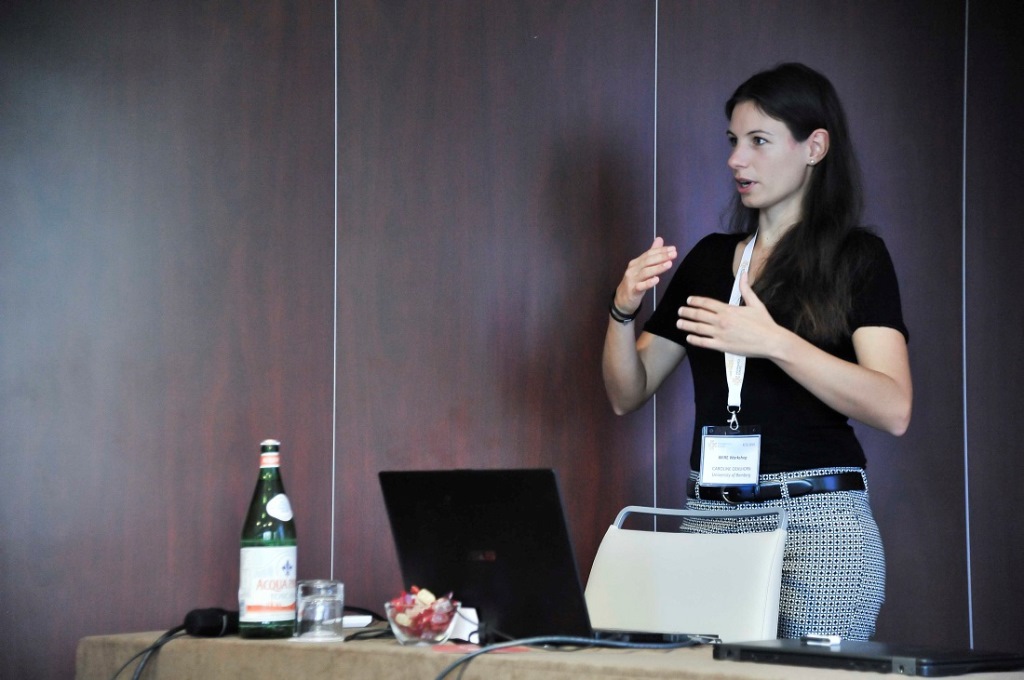
- 09:30-09:40 Impulse talk by Minerva Award Winner 2018: University of Bamberg, Germany represented by Caroline Oehlhorn
- 9:40-10:00 Discussion on Encouraging female students to enroll in Computer Science/Informatics programmes and retaining them
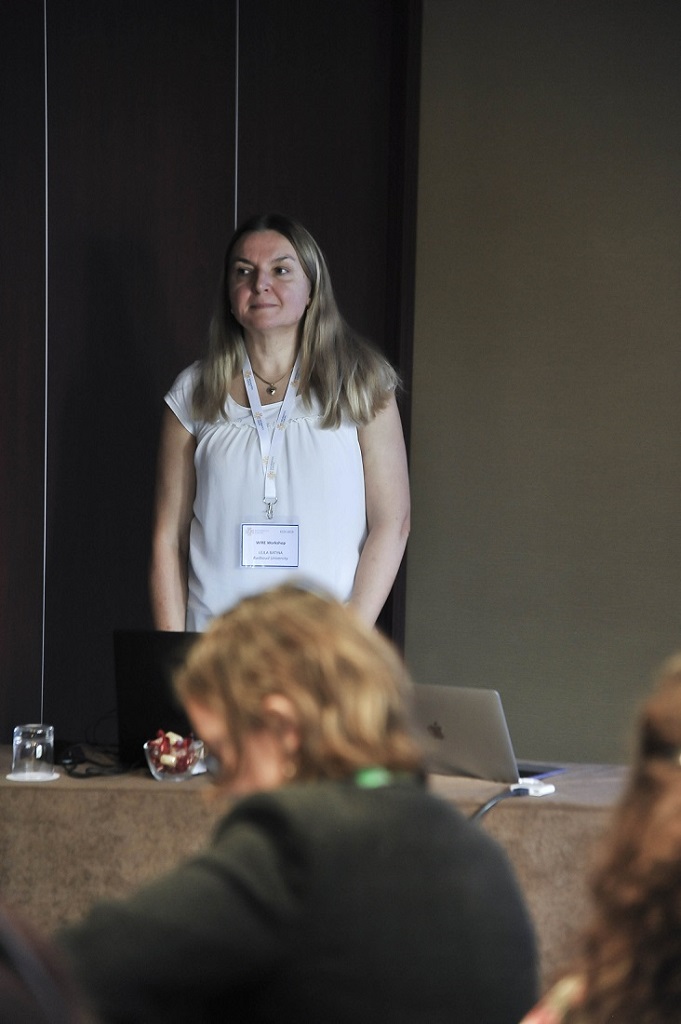
- 10:00-10:10 Impulse talk by Minerva Award Winner 2017: Radboud University, The Netherlands represented by Lejla Batina
- 10:10-10:30 Discussion on Supporting the transition for PhD and postdoctoral researchers into faculty positions
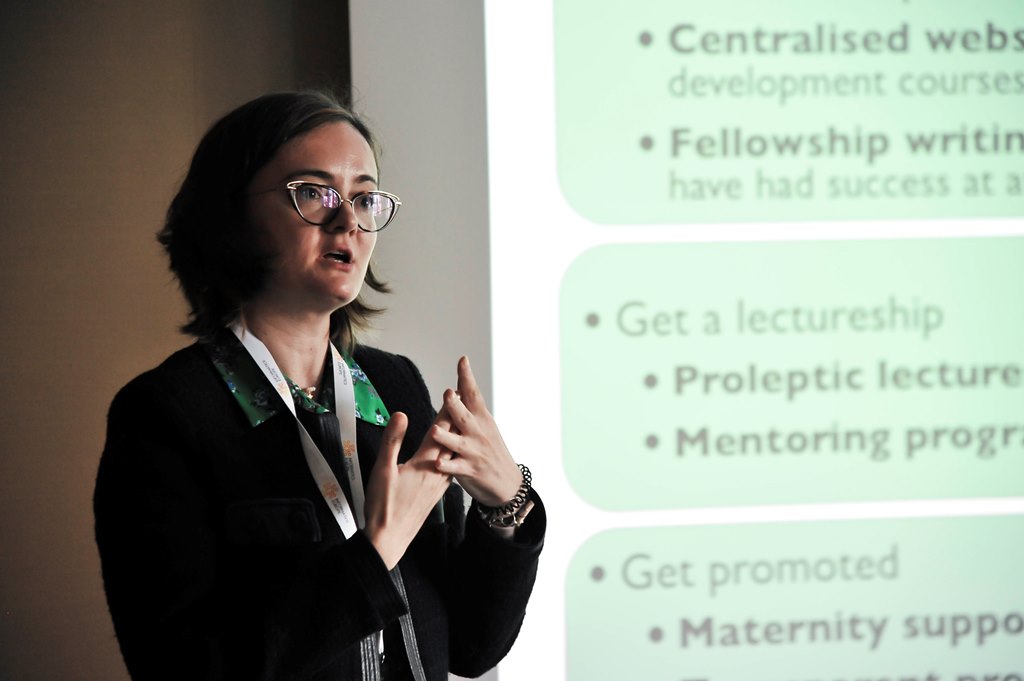
- 10:30-10:40 Impulse talk by Minerva Award Winner 2016: University College London, UK represented by Alexandra Silva
- 10:40-11:00 Discussion on Developing the careers of female faculty
11:00-11:30 Coffee Break
11:30-13:00 Session 2: Unconscious Bias - Promoting Diversity
- An interactive session with Geraldine Fitzpatrick, TU Wien, Austria (jointly with the Leaders Workshop)
13:00-14:00 Lunch
14:00-15:45 Session 3: Best Practices, Industry, EU Policy
- 14:00-14:30 Exchanging best practices in thematic groups
- 14:30-15:00 Plenary reports on the group discussions (presentation and documentation of best practices)
- 15:00-15:30 Presentations from further perspectives: Industry and EU Policy
- Karin Hilton, Elsevier
- Fabrizia Benini, DG CONNECT, European Commission
- 15:30-15:45 Conclusion
15:45-16:15 Coffee Break
- 16:15-16:30 Luciano Floridi - University of Oxford
- 16:30-17:15 Virginia Dignum - Umeå University
- "Responsible Artificial Intelligence" [Slides]
The 2019 WIRE Workshop is Sponsored by
Informatics Europe Sessions
To strength the network of members and allow them to participate actively in the main decisions regarding the strategy for future development of Informatics Europe, as well as keeping them informed of the main activities and outcomes of the organisations’ work, Informatics Europe was organising in Rome the special session: “Dialogue with Members”.
The session was divided in three tracks including:
- Presentations on the progress and important outcomes of Informatics Europe Working Groups and High-Level activities;
- a Creative Coffee Break;
- a Member's Voice track.
During the Creative Coffee break we set up standing tables where people could join to brainstorm on a number of strategic topics that Informatics Europe is already working or planning to work and new topic ideas that members think we should start working.
The topic/tables were:
- China (Asia) relations with the EU - Table Leader: Lynda Hardman
- Support to PhD students and their research careers - Table Leader: Kim Mens
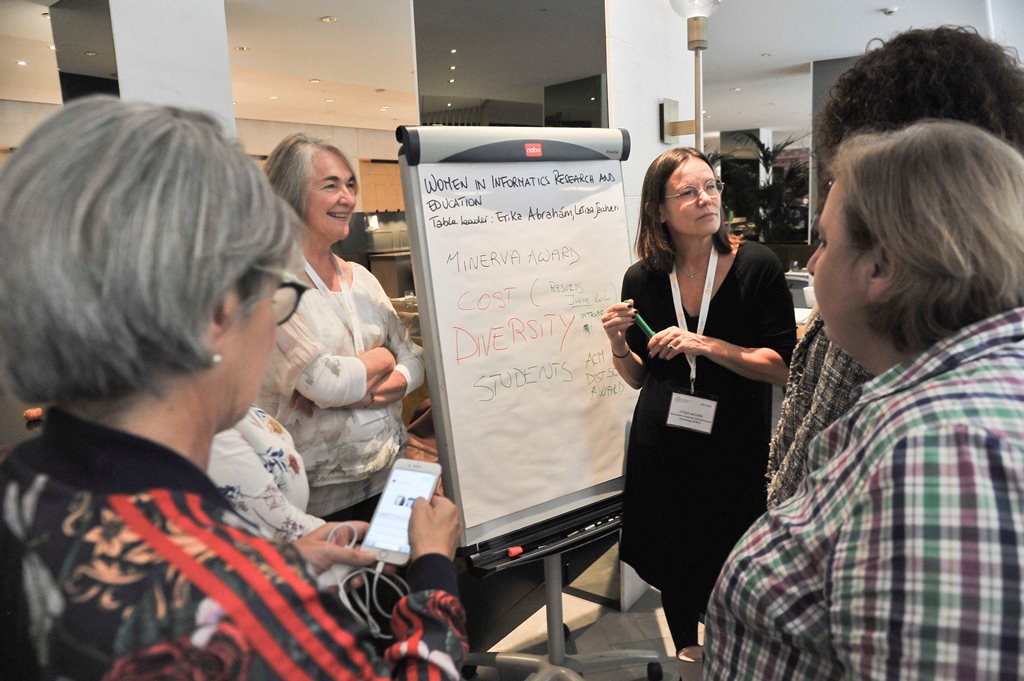
- Women in Informatics Research and Education - Table Leaders: Erika Ábrahám, Letizia Jaccheri
- Leadership - Table Leaders: Mehdi Jazayeri, Susan Eisenbach
- New Ideas - Table Leader: Gregor Engels
- New Ideas - Table Leader: Enrico Nardelli
Table leaders reported back on the outcome of brainstorming, after the coffee break, in the Members' Voice Track where a general discussion created the opportunity for members to be heard and have the opportunity to contribute and shape the future of the organisation.
To close the afternoon, we had the Informatics Europe Annual General Assembly, where members voted for Board elections and approval of financial reports and budget. The main items on the agenda were 2018 external financial audit and financial report; 2019 intermediate financial report; 2020 budget, Board elections, discussion of the organization’s activities.
Talent Gap Workshop
Informatics Europe in partnership with the European Commission’s Directorate-General for Communications Networks, Content and Technology (DG CONNECT) organised on October 30, 2019 the workshop:
“Bridging the Digital Talent Gap - Towards Successful Industry-University Partnerships”.
The event brought together higher education organisations, industry and public policy makers to reflect and act on the problem of the Digital Talent Gap in Europe.
A report presenting the results of the discussions held during the workshop can be downloaded here:
A blog post and news article on the workshop can be found on the European Commission website.
 |
|
Context
At present, around 53% of European employers say they face difficulties in finding the right people with the right qualifications. There are hundreds of thousands of open vacancies for ICT professionals in Europe. Yet, at the same time, education providers are twice as likely as youth or employers, to consider recent graduates adequately prepared for the labour market. The demand for digital and high-end skills already exceeds supply, which in the future is expected to grow further. This talent gap is particularly striking for certain areas such as artificial intelligence solutions and data analytics, or cyber security.
Objective
The workshop brought together higher education organisations, businesses, intermediaries, public policy makers and students to identify current challenges, opportunities and solutions to bridge the supply/demand gap in Europe for graduates with the skills needed by European businesses to grow and innovate. The workshop leveraged the networks of Informatics Europe, the Digital Skills and Jobs Coalition and experience gained through the Digital Opportunity Traineeships. For example, the AI communication published in April 2018 stated that the Commission will “encourage, through the Digital Skills and Jobs Coalition, business-education partnerships to take steps to attract and retain more AI talent and to foster continued collaboration”. Cyber Security and Software Engineering were also among the areas under discussion.
Planned Results
As an outcome of the workshop, a report is going to be published, containing for example, proposals for new and amended courses; suggestions for new models of industry-academy cooperation in higher education; input to existing and future funding programmes at the European (Digital Europe Programme, Horizon Europe), national and regional level; ideas for possible increase of private-sector investments. It will be considered, whether a large consensus emerges on some key points that could be the base for a possible joint manifesto signed by the workshop participants.
Format
The workshop included:
- parallel breakout work sessions run by professional facilitators with a high degree of interactivity and participation (topics: Artificial Intelligence, Cyber Security and Software Engineering);
- harvesting and discussions; proposal for concrete actions and outcomes;
- discussion panel and keynote address;
- plan for next steps, as emerged during the discussions.
Participants
The workshop gathered up to 150 participants representing universities, industry and public institutions. Attendance for those not attending ECSS 2019 was by invitation only.
Agenda
Plenary Sessions Room: Trinita' Dei Monti
08:30-09:00 Registration and Coffee
09:00-09:15 Welcome and Opening
- Enrico Nardelli, Informatics Europe
- Fabrizia Benini, European Commission
09:15-10:10 Plenary Session "Setting the Scene"
- 09:15-09:50 Discussion Panel "The Digital Talent Gap in Europe"
Moderator: Fabrizia Benini, European Commission
Panellists:
-
- Paola Inverardi, University of L'Aquila
- Anna Wypior, SAP University Alliances, SAP SE
- Andrea Dal Piaz, Roma Tre University
- 09:50-10:10 Short Guidance for the Breakout Sessions
-
- Artificial Intelligence
- Cyber Security
- Software Engineering
10:10-10:40 Networking Coffee
10:40-12:45 Parallel Breakout Sessions (rooms: Trinita' Dei Monti / Aracoeli / Campidoglio)
Introduction and situation analysis | Brainstorming and identification of solutions in subgroups
- Artificial Intelligence (including Data Science) - Daniele Nardi, "Sapienza" University of Rome (Rapporteur)/Tanya Suarez, BluSpecs (Facilitator)
- Cyber Security (including Cyber Physical Systems and Privacy) - Javier Lopez, University of Malaga (Rapporteur)/Alexander Riedl, European Commission (Facilitator)
- Software Engineering (including Human Centred Engineering) - Gregor Engels, University of Paderborn (Rapporteur)/Alessandro Bogliolo, University of Urbino (Facilitator)
12:45-14:15 Networking Lunch
14:15-15:40 Parallel Breakout Sessions (rooms: Trinita' Dei Monti / Aracoeli / Campidoglio)
Presentation of solutions from subgroups | Merging solutions from subgroups | Synthesis and identification of actions to be presented in the Plenary Session
- Artificial Intelligence (including Data Science) - Daniele Nardi, "Sapienza" University of Rome (Rapporteur)/Tanya Suarez, BluSpecs (Facilitator)
- Cyber Security (including Cyber Physical Systems and Privacy) - Javier Lopez, University of Malaga (Rapporteur)/Alexander Riedl, European Commission (Facilitator)
- Software Engineering (including Human Centred Engineering) - Gregor Engels, University of Paderborn (Rapporteur)/Alessandro Bogliolo, University of Urbino (Facilitator)
15:50-16:20 Plenary Session "Keynote"
- Paola Inverardi - University of L'Aquila
"Ethics and Privacy in the Digital Societies: An Exoskeleton to Empower the User"
16:20-16:55 Plenary Session "The Way Forward"
- Rapporteurs and Facilitators - Presentation Key Actions from the Parallel Breakout Sessions -
- Enrico Nardelli, Informatics Europe - Closing remarks for Workshop and ECSS
16:55-17:30 Networking Drink
Venue
The workshop was held at the Hotel NH Collection Roma Centro (Via dei Gracchi, 324, 00192 Rome, Italy). The hotel is located in the heart of Rome, in the Prati/Vatican City area. The closest Metro station is Lepanto.
How to Reach the Venue
- Taxi: 33 minutes ride for around 60 EUR.
- Aerobus shuttle: Departs every 30-45 minutes and costs 6 EUR. Drop off at Stazione Termini and from there take Metro A direction Battistini for 5 stops, get off in Lepanto walk few meters. Alternatively, you can drop off at Rome Vatican (via Crescenzio, 28) and walk around 800 meters (10 minutes) to the venue.
From Train Station Termini:
- Metro A direction Battistini for 5 stops, get off in Lepanto, walk few meters.
Click here for a Rome Metro map.
By Car:
- The hotel's GPS Coordinates: 41.90977640000001°N 12.468713999999977°E
- Parking: Offsite. The parking is owned by a 3rd party and is 25 EUR/day.
For more information about public transportation in Rome and ways to reach the Conference Venue, you can visit www.atac.roma.it.
ECSS 2019 - Highlights
Around 180 deans, department heads, research directors, senior academics, industry and public policymakers from over 30 countries met in Rome, Italy, October 28-30, for the 15th edition of the European Computer Science Summit, ECSS 2019. With the main theme ‘Social Responsibility of Informatics’, the summit was a platform of inspiring presentations and lively discussions dedicated to an array of interdisciplinary topics regarding the interplay between Informatics and Ethics, Law, Privacy as well as Responsible Research and Innovation and Artificial Intelligence.
The conference in 2019 had a renewed and enriched format consisting of the main summit of three days composed of several complementary events and sessions. The program started on Monday with two workshops, the Workshop of the WIRE Working Group and the Leaders Workshop. Both workshops offered a unique networking forum for leaders of Informatics institutions and research groups, and academics acting on gender diversity initiatives and focused on concrete issues and practical solutions.
Workshop for Leaders of Informatics Research and Education
Workshop of the WIRE Working Group
During the first session, Caroline Oehlhorn, Lejla Batina and Alexandra Silva, representing winners of the past three years Minerva Award, delivered inspiring impulse talks and leaded discussion on how to encourage female students to enrol in Informatics programmes, how to support the transition for PhD and postdoctoral researchers into faculty positions and how to develop the careers of female faculty. The second session was a joint venture between both workshops – Leaders and WIRE and the result was a highly interactive and captivating discussion around the topic of "Unconscious Bias – Promoting Diversity". For the last session further perspectives from Industry and EU policy side were presented in exciting talks by Karin Hilton from Elsevier and Fabrizia Benini from DG CONNECT, European Commission.
Social Responsibility of Informatics
Award Ceremony
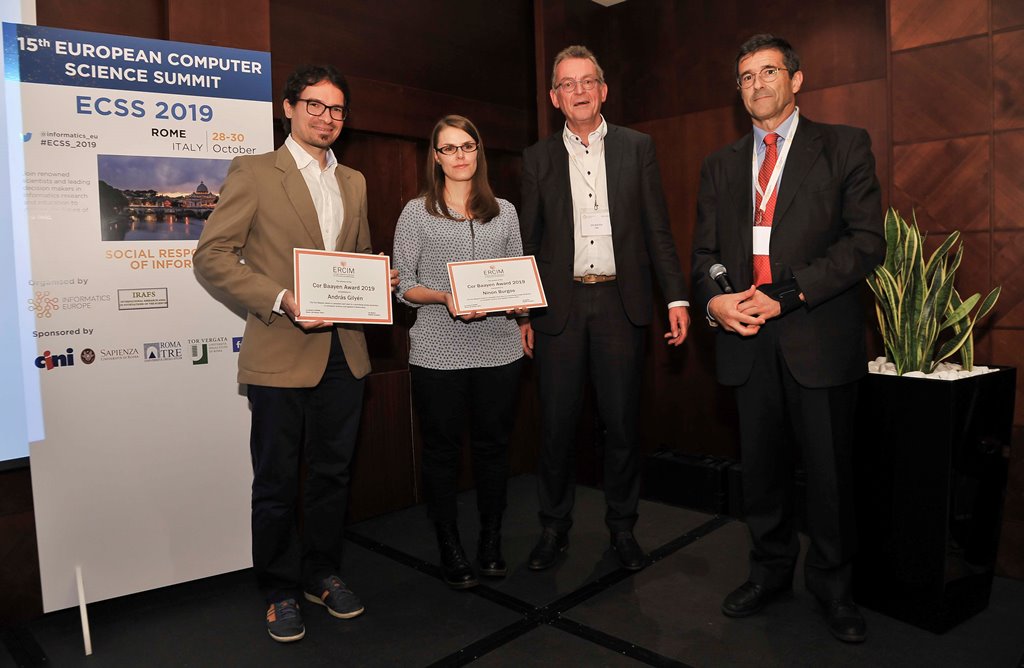
Beyond lively discussion, presentations, and networking, there was also time for celebration. At a special Award Ceremony, Informatics Europe announced the project ‘Welcome.TU.code’ submitted by Doctor Nysret Musliu and Professor Reinhard Pichler on behalf of the Faculty of Informatics, TU Wien, Austria as one of the two winners of the 2019 Best Practices in Education Award. The second project honoured is the ‘Erasmus+ InventEUrs project - Inventors4Change (I4C)’, as a joint venture of Eduard Muntaner-Perich, Mireia Frigola-Fortià and Jordi Freixenet from University of Girona as well as Safia Barikzai from London South Bank University and Valentina Poggioni and Alfredo Milani from University of Perugia. The winner of the 4th Minerva Informatics Equality Award was TU Dublin Computer Science, Ireland, for their gender equality initiatives and policies to develop the careers of female Faculty. ERCIM, the European Research Consortium for Informatics and Mathematics, presented the Cor Baayen Young Researcher Award for Ninon Burgos and András Gilyén.
Dialogue with Members - Members' Voice
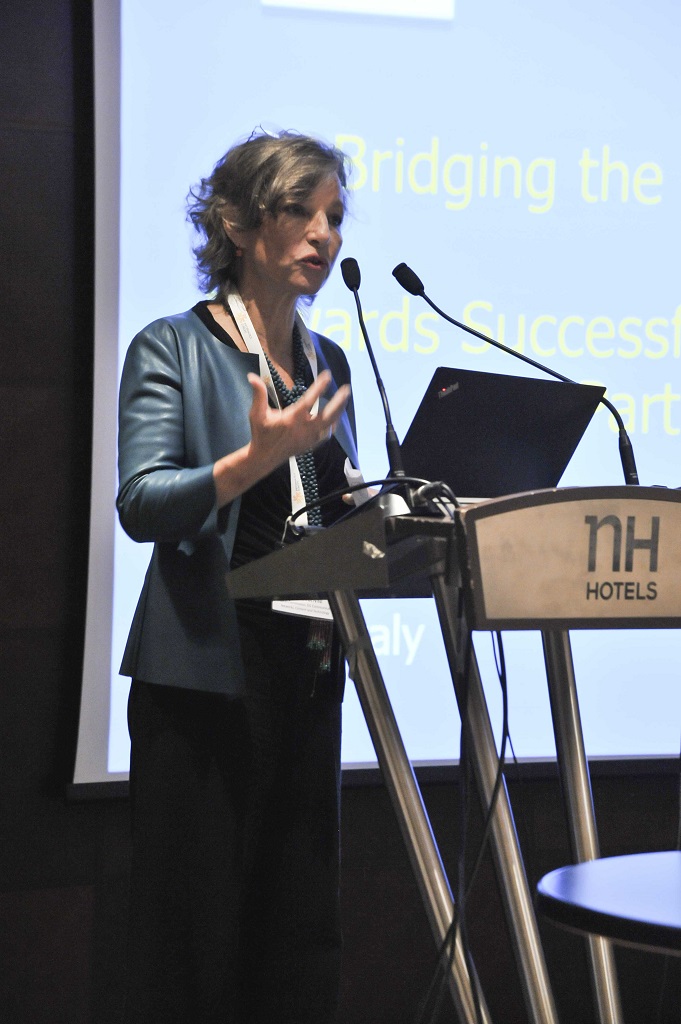
Workshop Bridging the Digital Talent Gap
Overall, the conference was a great success. We would like to thank our co-organisers, the International Research Area on Foundations of the Sciences of the Pontifical Lateran University, as well as the ECSS 2019 sponsors, CINI - Consorzio Interuniversitario Nazionale per l'Informatica, Roma Tre University, "Sapienza" University of Rome, University of Rome "Tor Vergata", and Elsevier, whose support contributed to setting up such a high-quality event.
The next Summit, ECSS 2020, will be held in Sofia, Bulgaria, October 26-28, co-organised by the Faculty of Mathematics and Informatics, Sofia University. It will be again a unique opportunity to join your European peers to debate the future of our field and contribute to a stronger European Informatics community.
Save the dates on your calendar! ECSS 2020, 26-28 October.




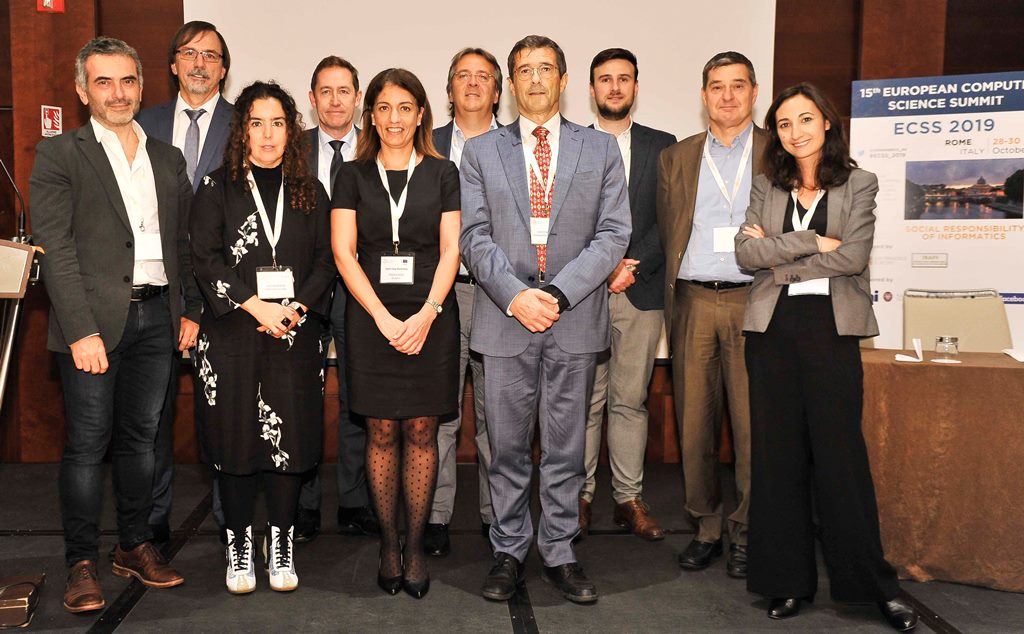
-
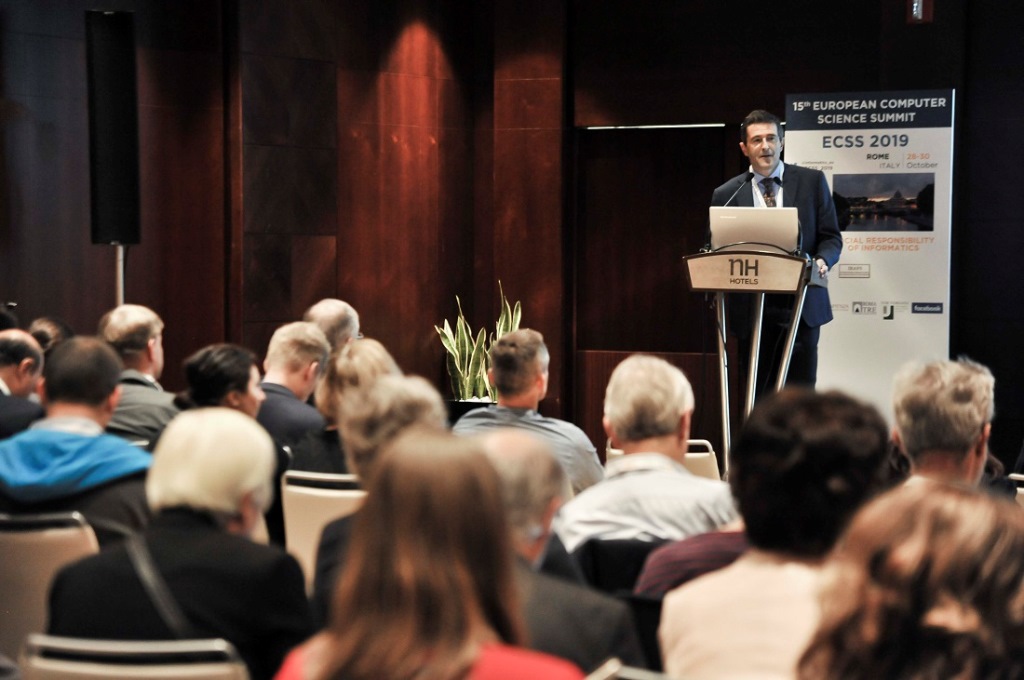
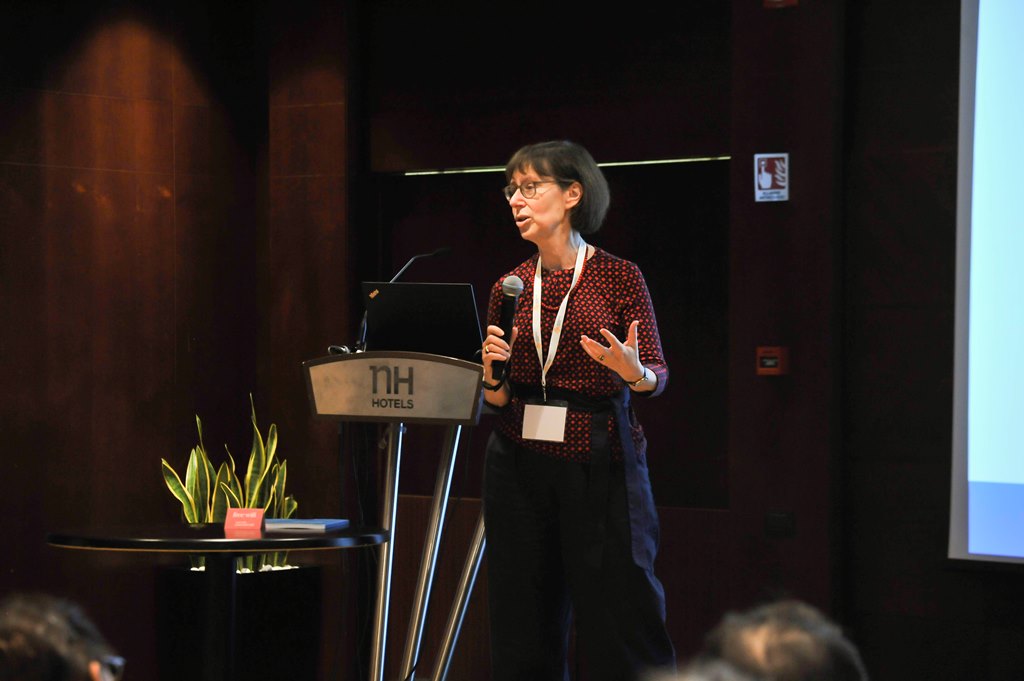
Enrico Nardelli, Informatics Europe President, is opening the ECSS 2019
-
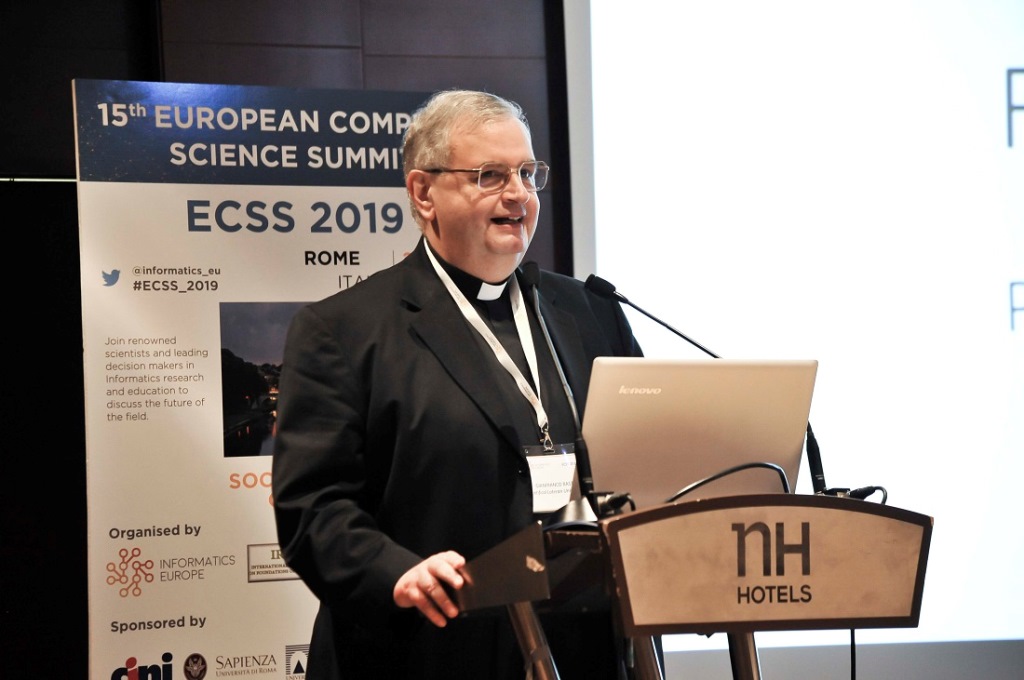
Gianfranco Basti, Pontifical Lateran University, at ECSS 2019 opening
-
Geraldine Fitzpatrick, TU Wien, is leading the Leaders Workshop on Monday
-
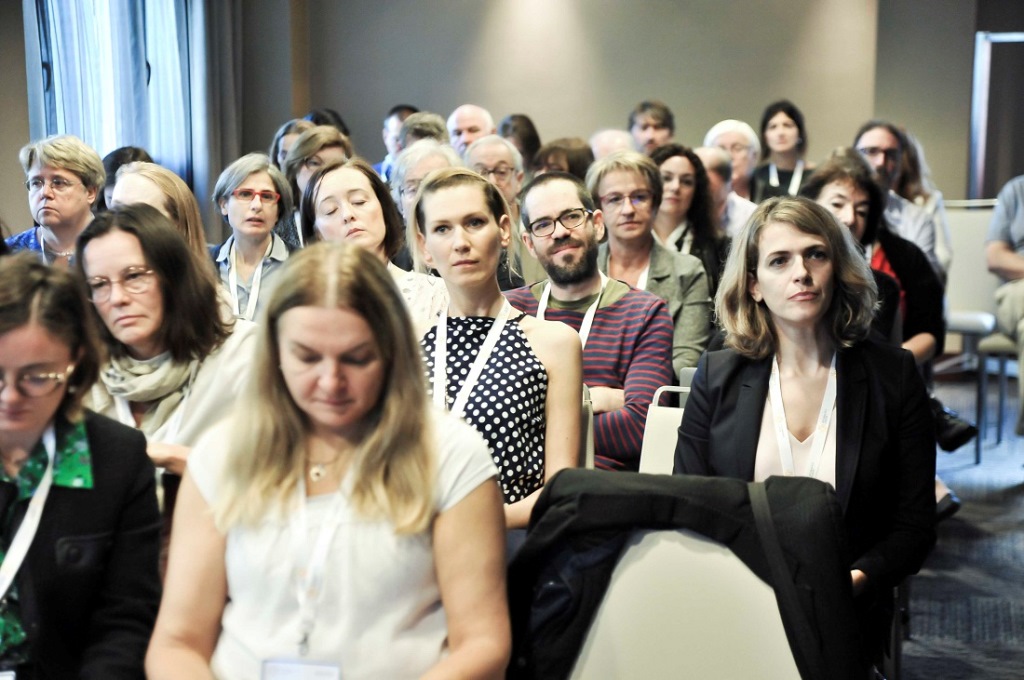
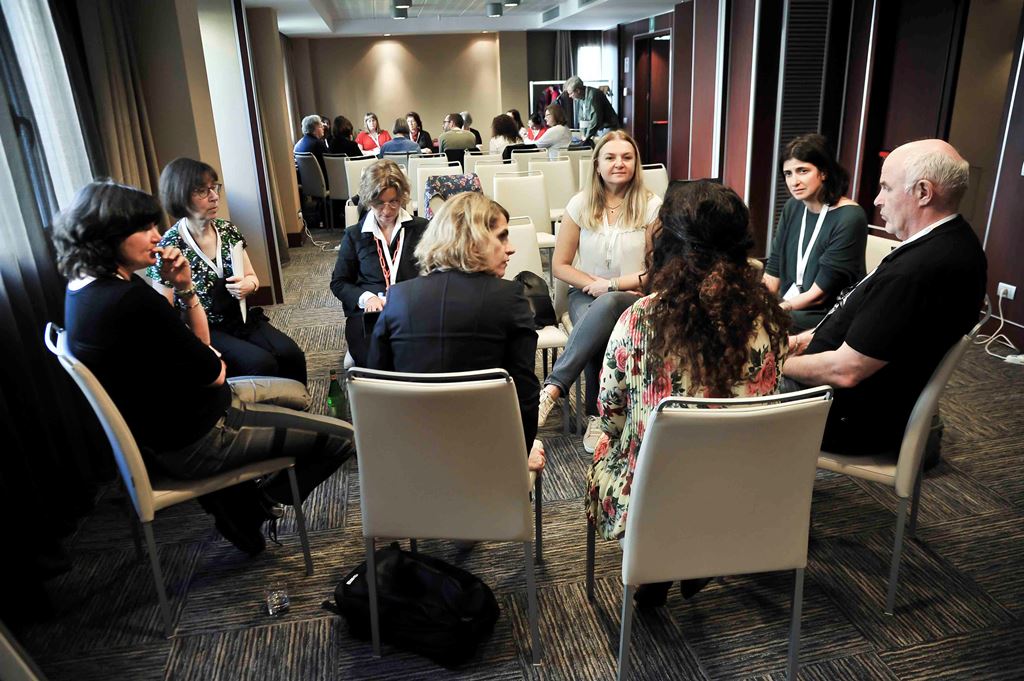
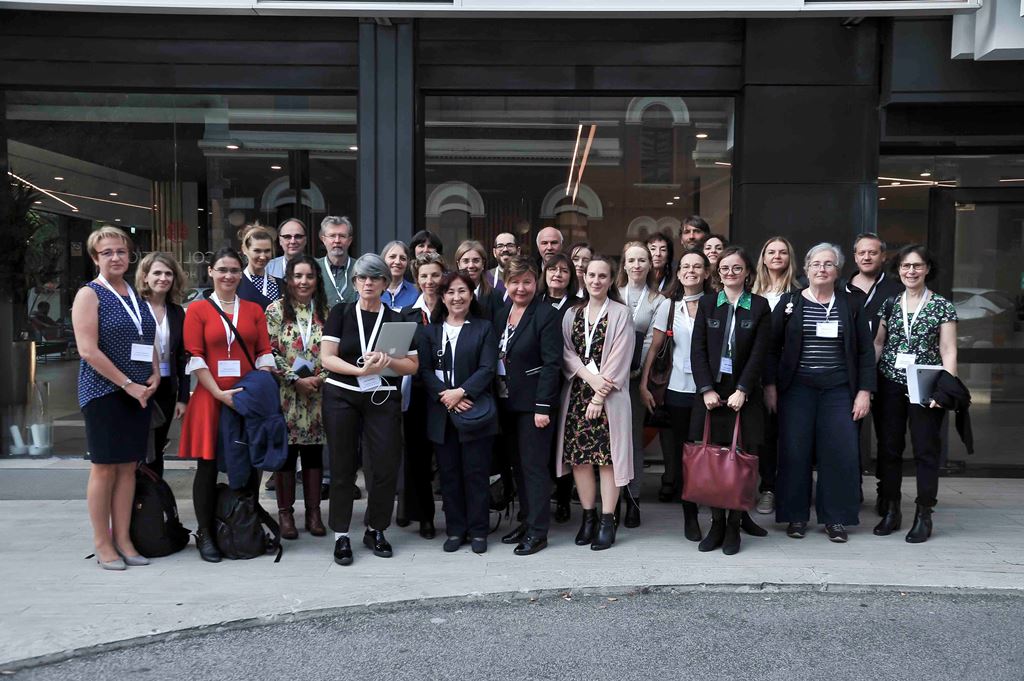
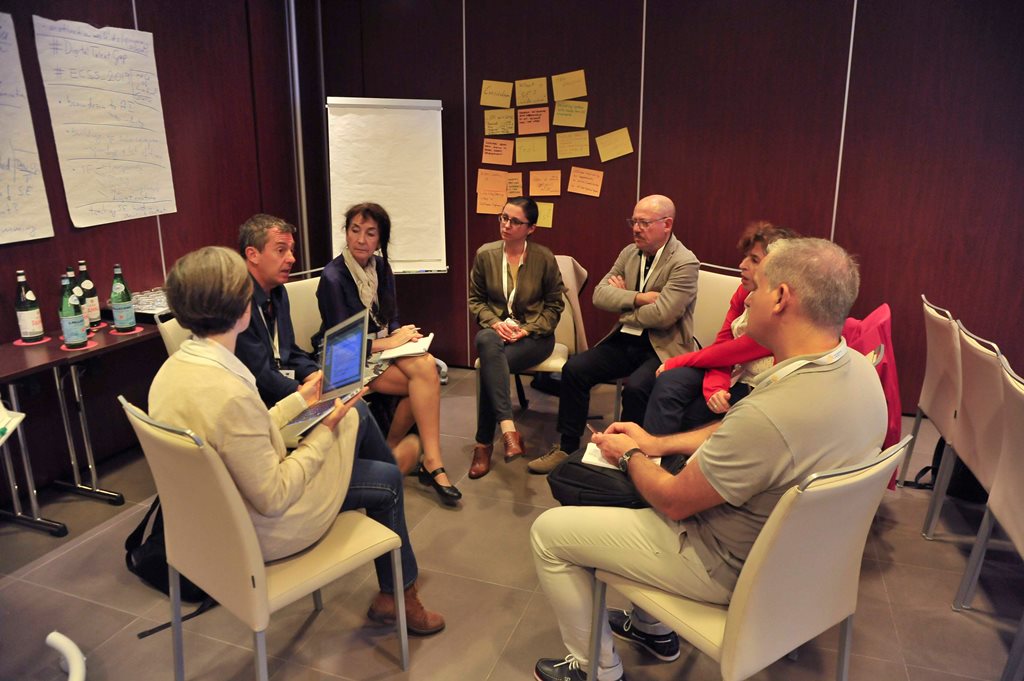
Participants of the WIRE Workshop on Monday
-
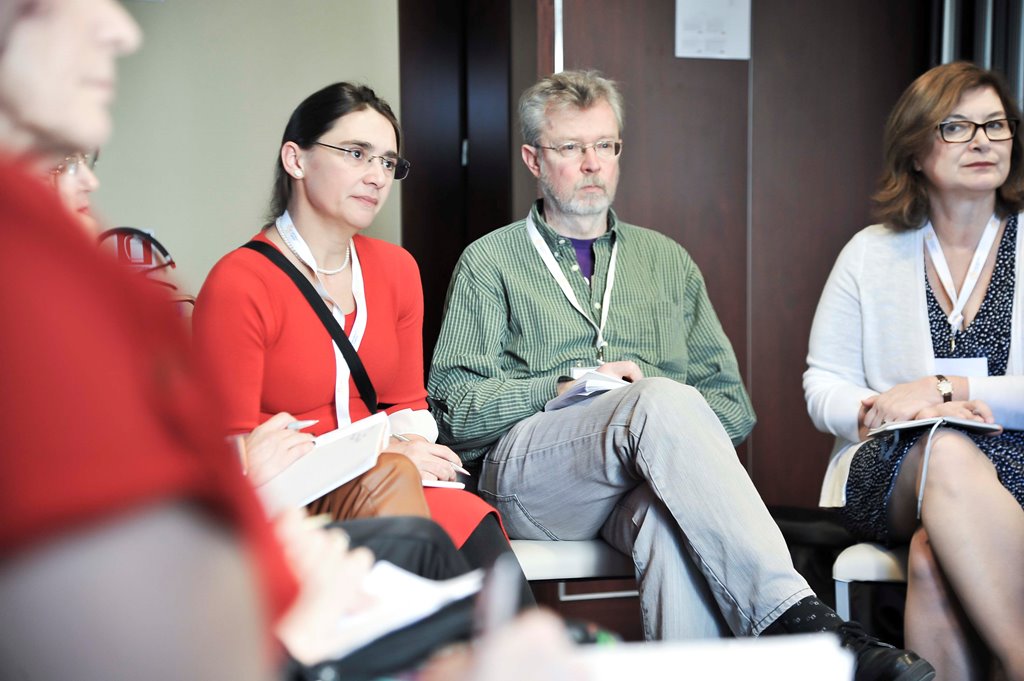
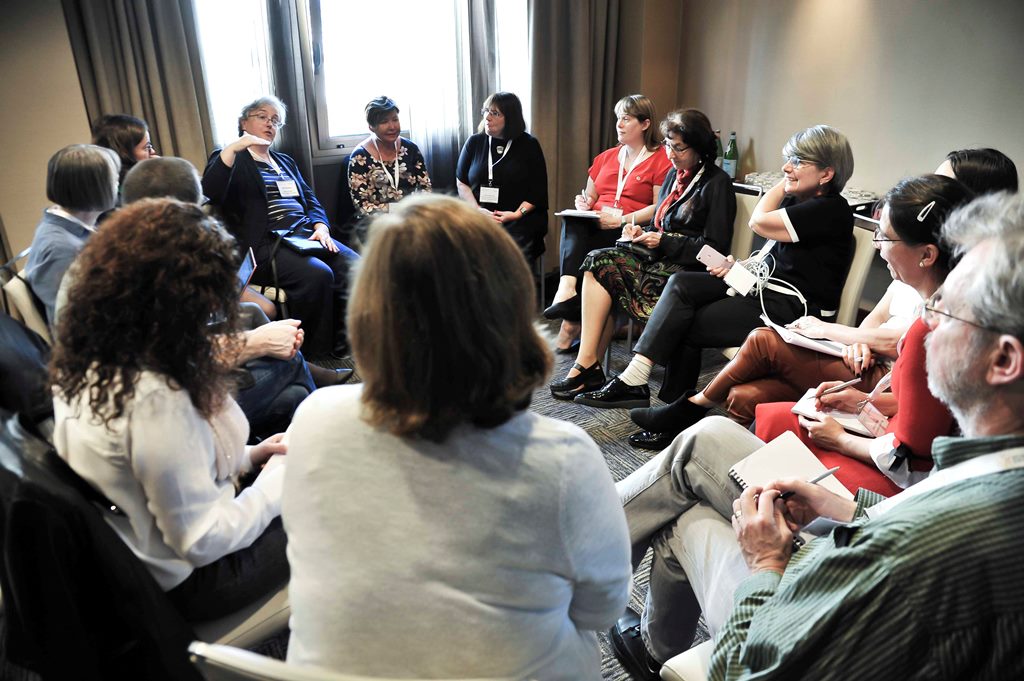
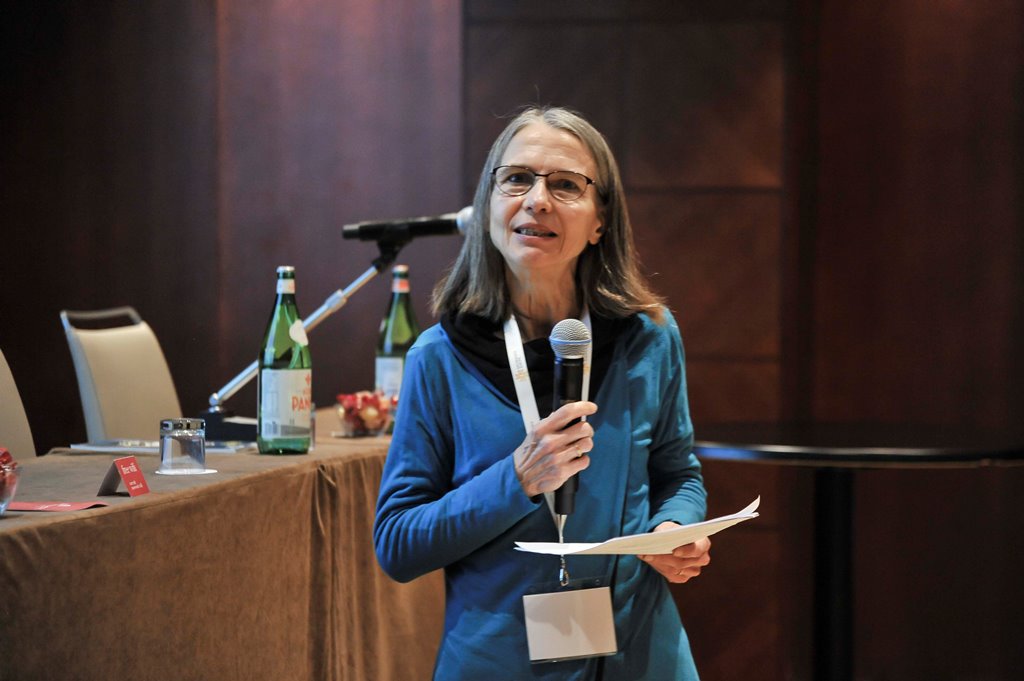
At the WIRE Workshop
-
Talk by Minerva Award Winner 2018: University of Bamberg represented by Caroline Oehlhorn
-
Talk by Minerva Award Winner 2017: Radboud University represented by Lejla Batina
-
Talk by Minerva Award Winner 2016: University College London represented by Alexandra Silva
-
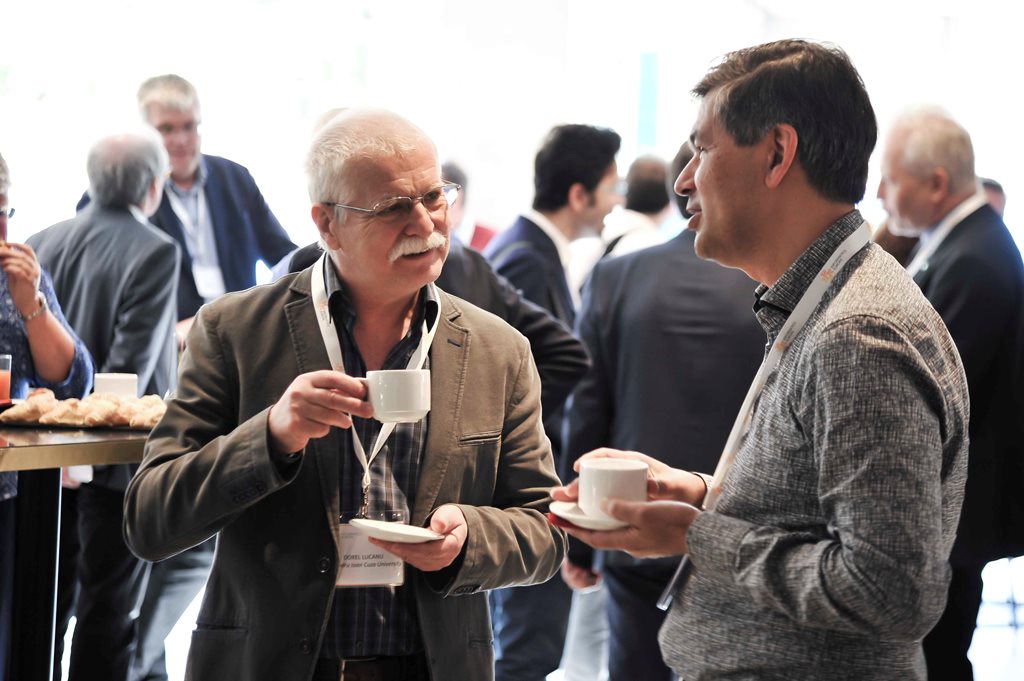
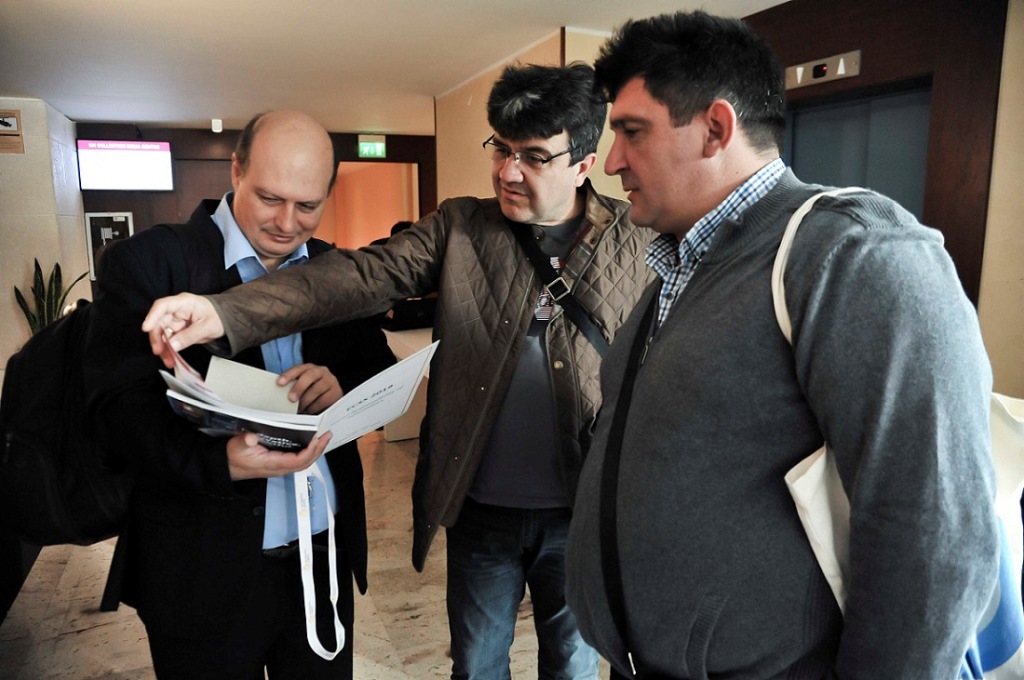
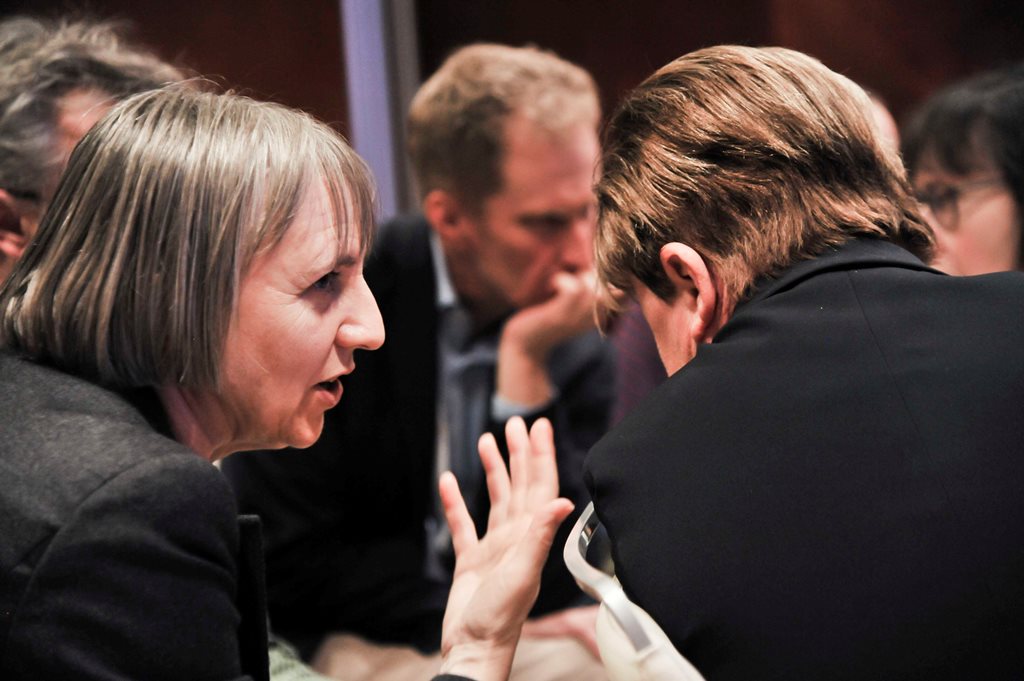
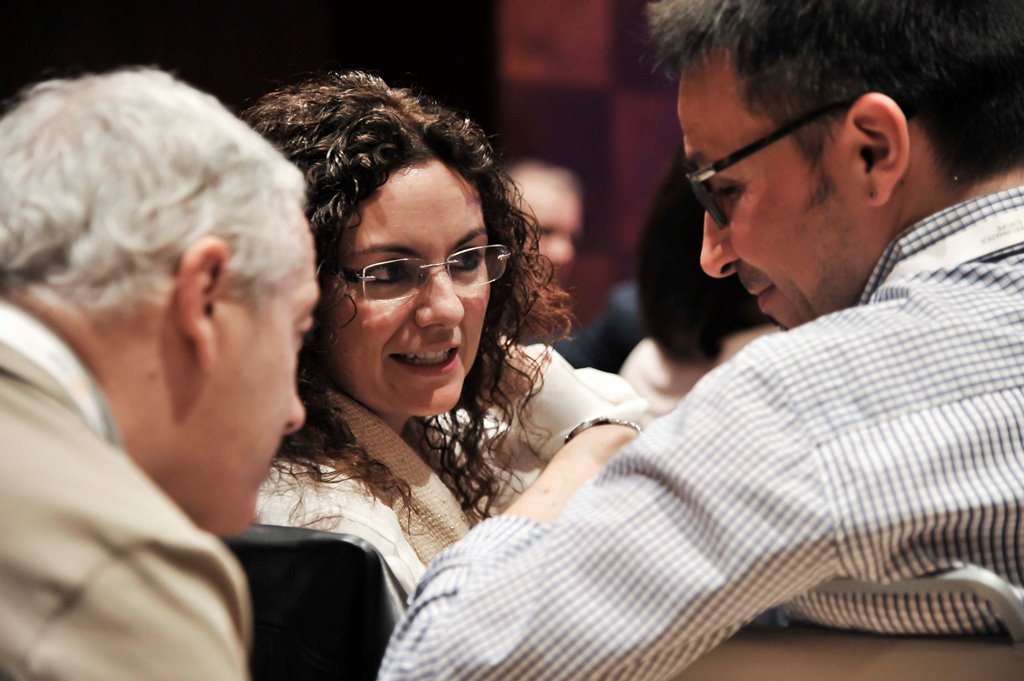
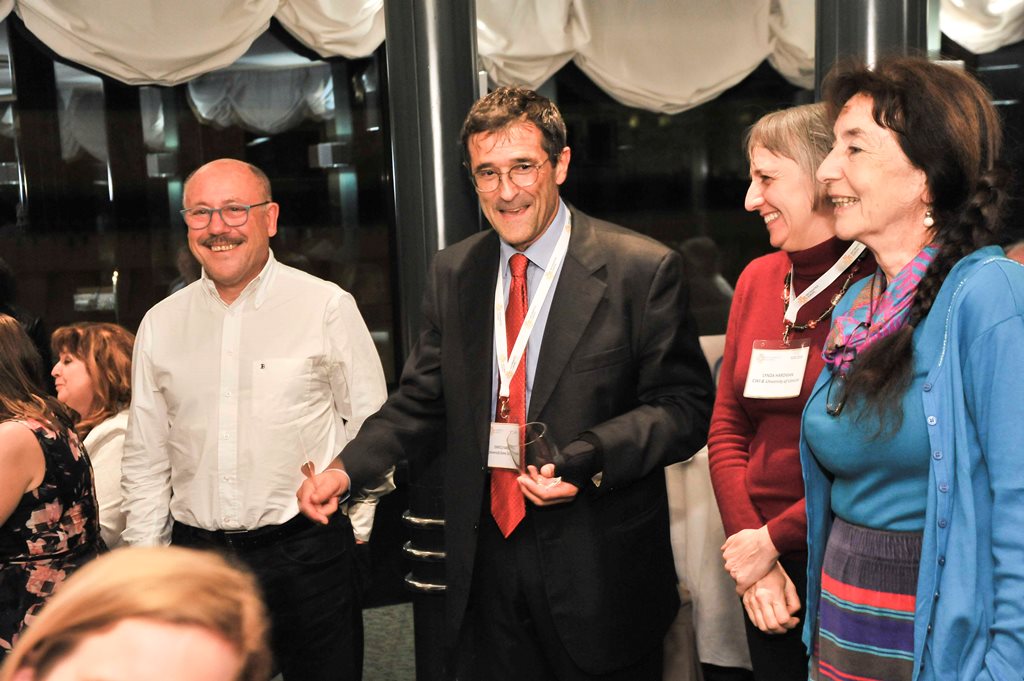
Small talks and networking at coffee breaks
-
Representatives of Sofia University, co-organisers of the ECSS 2020 in Sofia, Bulgaria
-
Leaders and WIRE Workshops Joint Session 'Unconscious Bias - Promoting Diversity'
-
Gregor Engels, Paderborn University, co-organiser of the Leaders Workshop
-
Small group discussions at the Leaders and WIRE Workshops Joint Session
-
Sharing best practices with colleagues at the Leaders and WIRE Workshops Joint Session
-
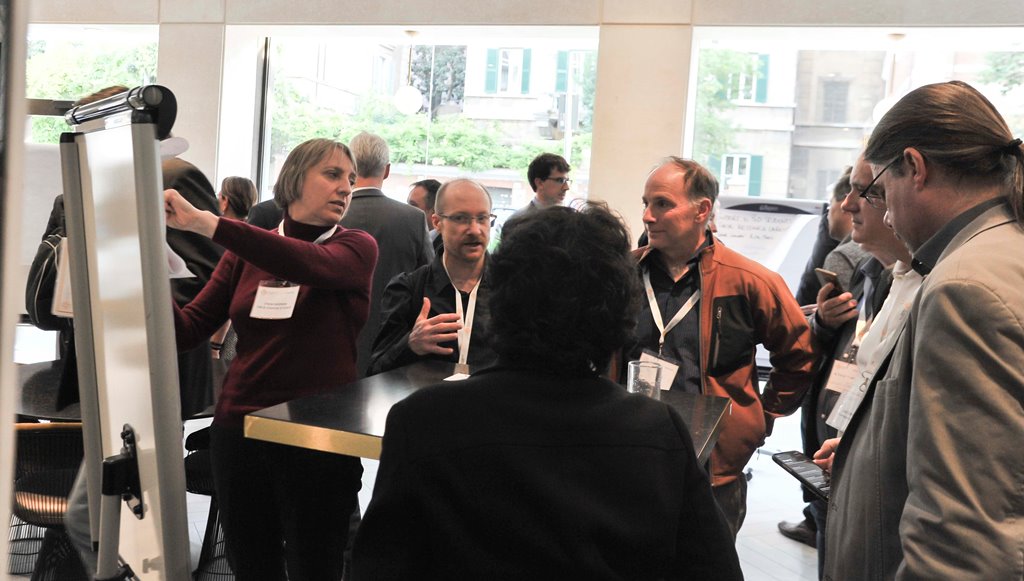
Round-table dialogues at the WIRE Workshop
-
Lively discussions at the WIRE Workshop
-
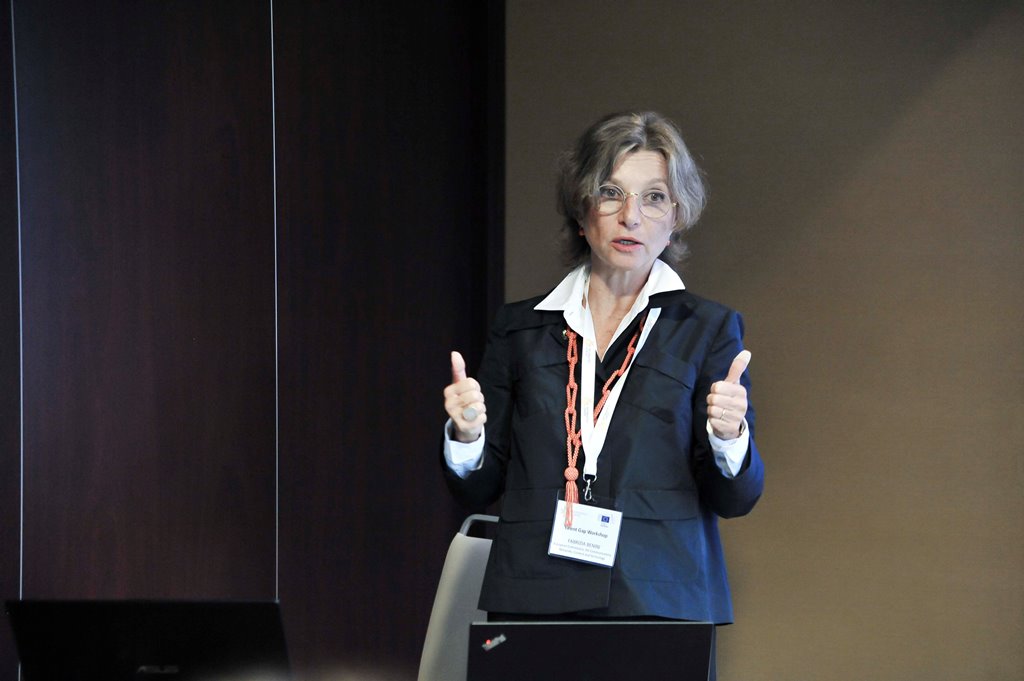
Fabrizia Benini, DG CONNECT, European Commission, shares the EU policy perspective on gender diversity at the WIRE Workshop
-
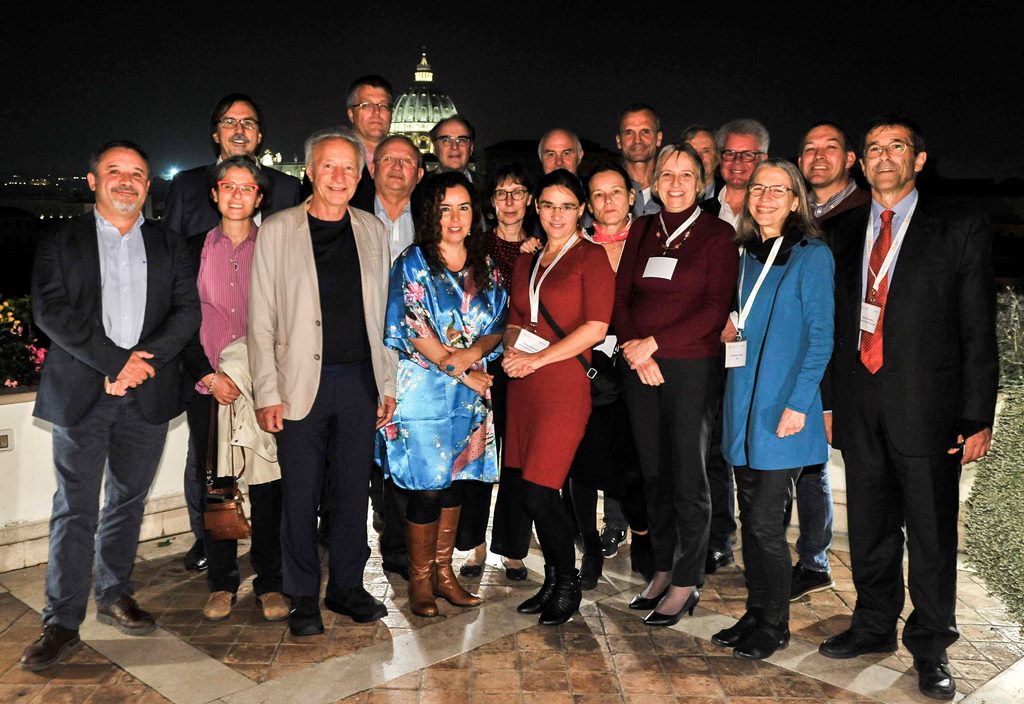
Participants and organisers of the WIRE Workshop
-
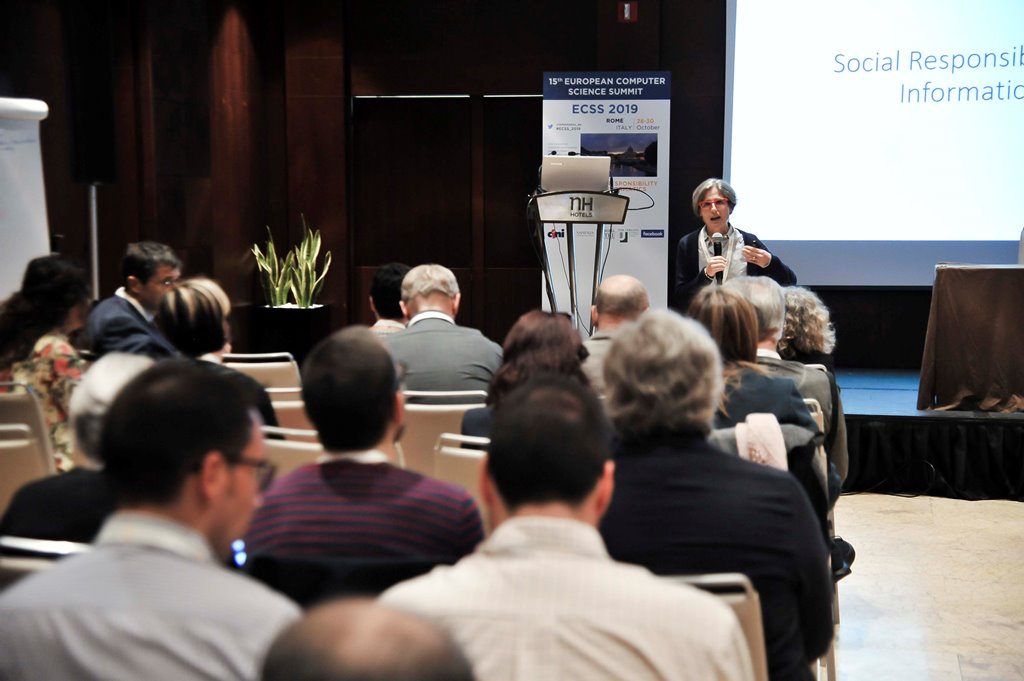
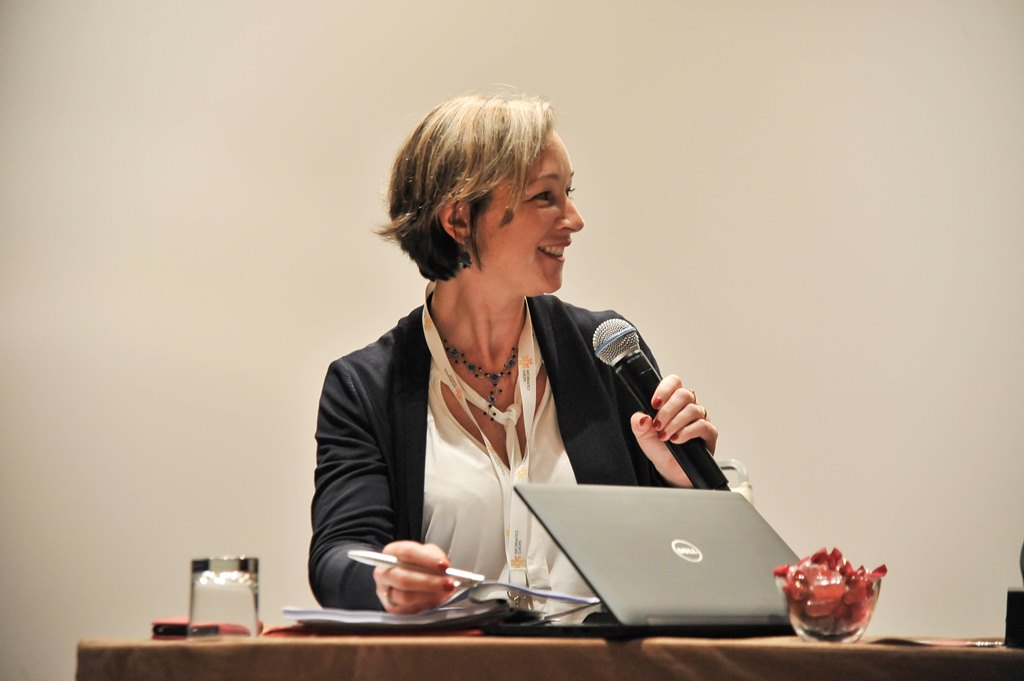
Elisabetta Di Nitto, Politecnico di Milano, co-chair of the Social Responsibility of Informatics Sessions
-
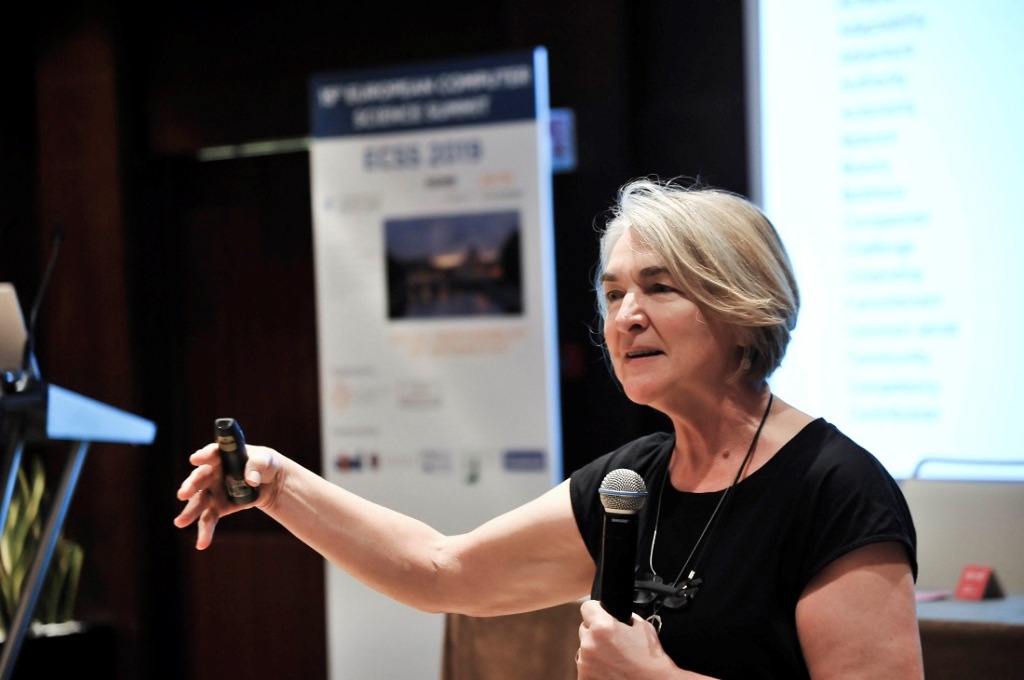
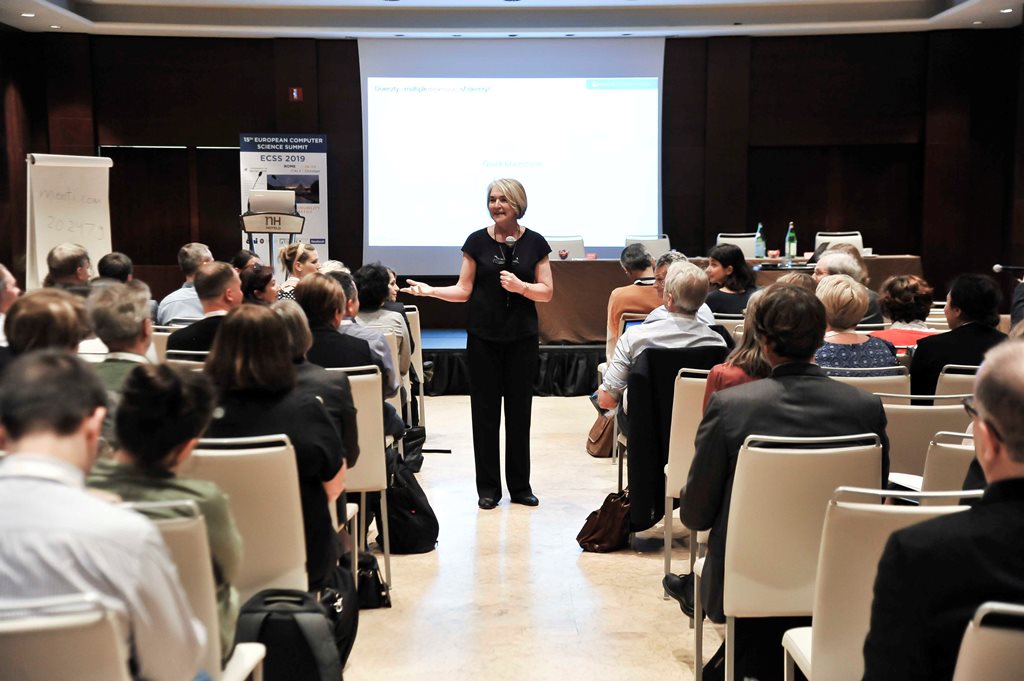
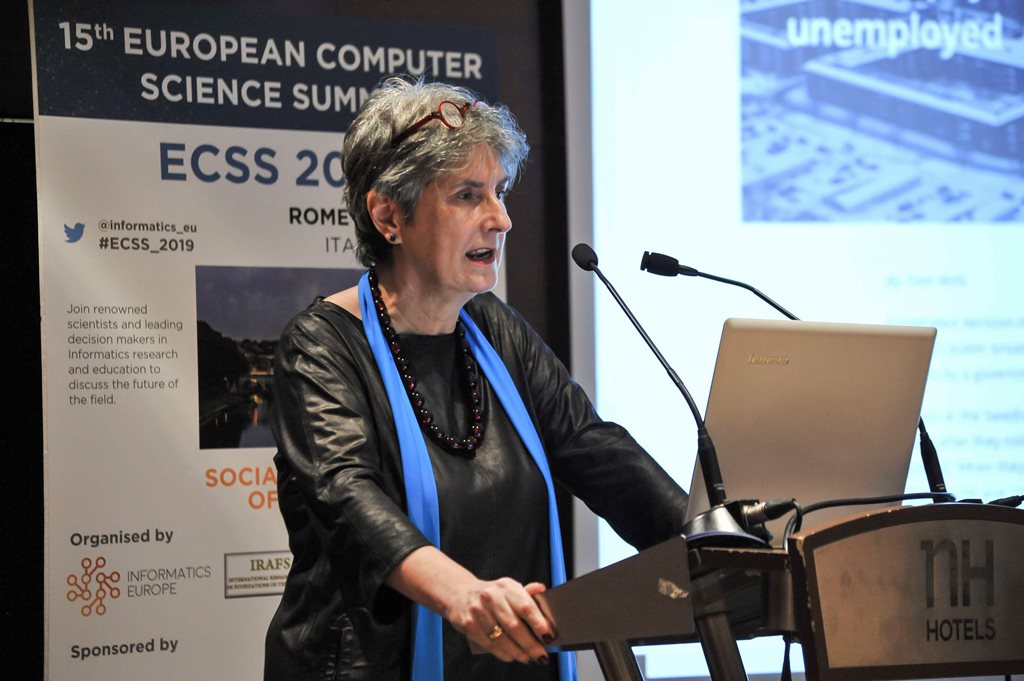
Virginia Dignum, Umeå University, is talking about Responsible Artificial Intelligence
-
Markus Püschel, ETH Zurich
-
Mireille Hildebrandt, Vrije Universiteit Brussel, is Speaking Law to Computer Scientists and Other Folks
-
Hélène Kirchner, Inria
-
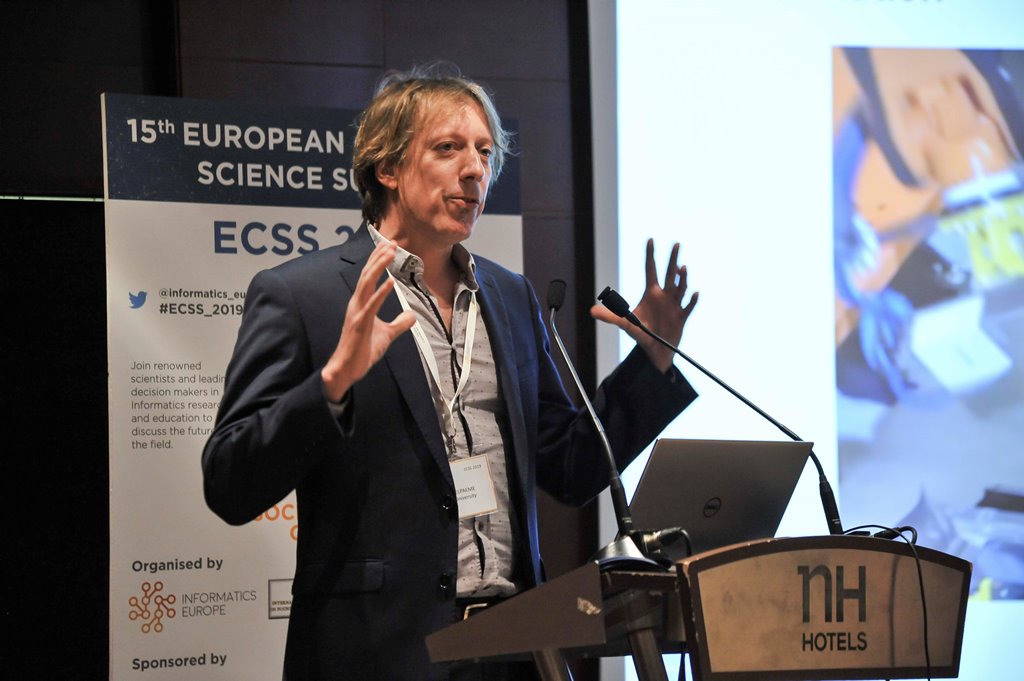
Tony Belpaeme, Ghent University, is discussing Ethical/Social Responsibility Issues in Social Robots
-
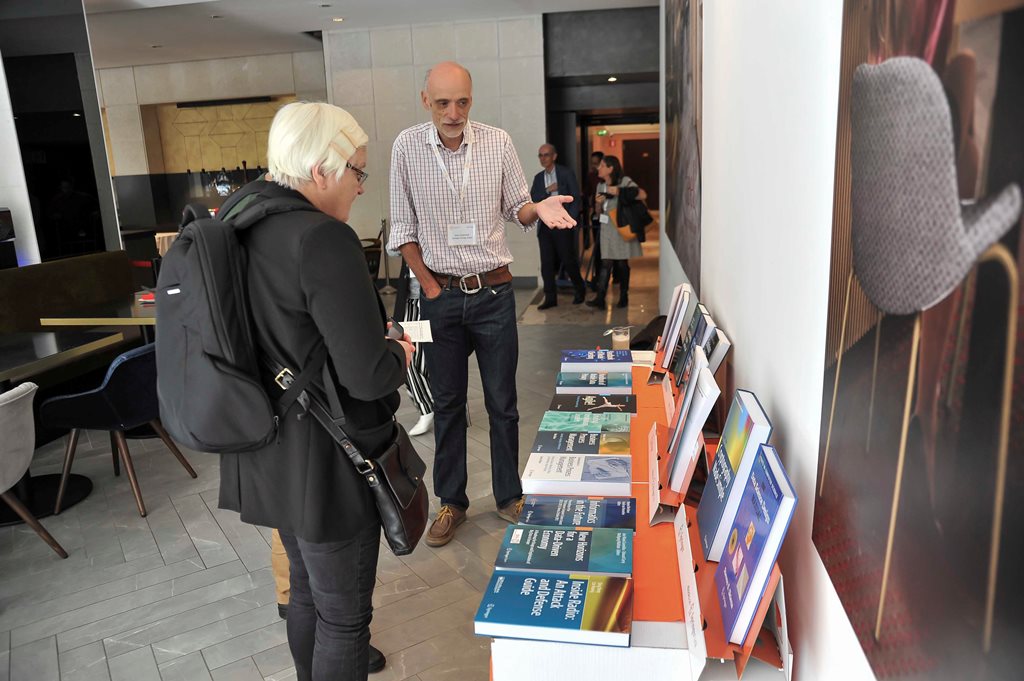
Springer books exhibition
-
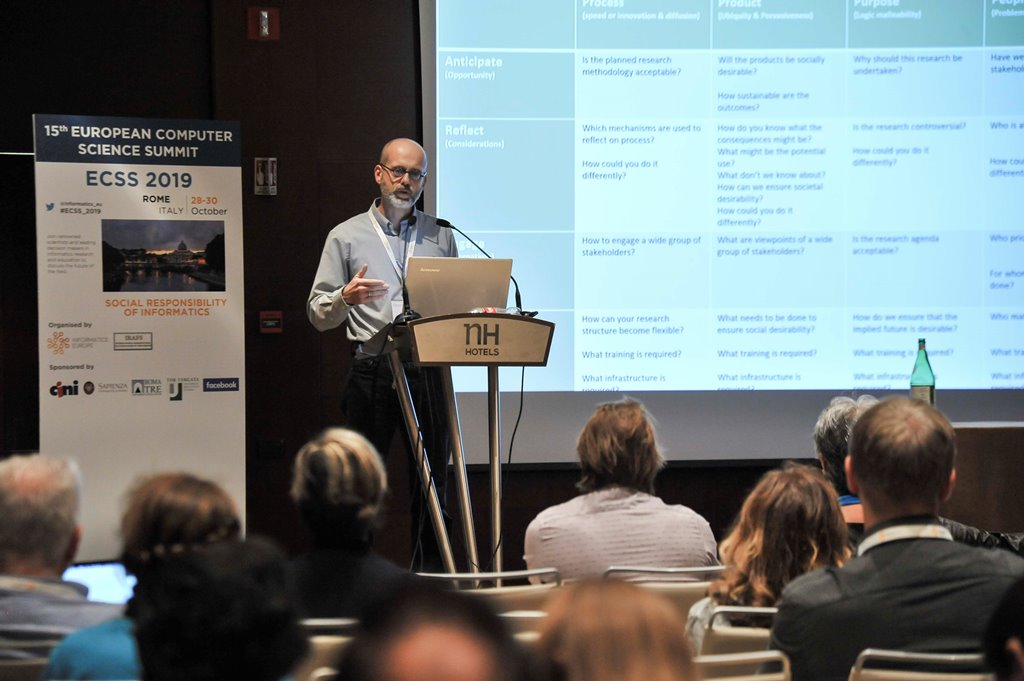
Bernd Stahl, De Montfort University, is talking about Responsible Research and Innovation in ICT
-
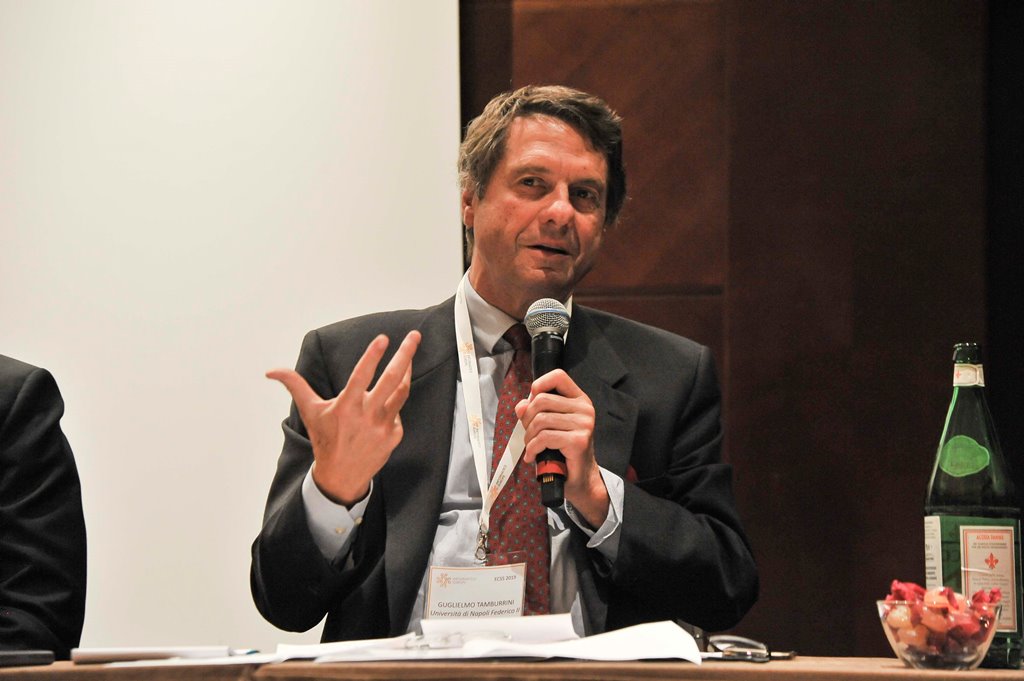
Guglielmo Tamburrini, University of Naples, is chairing the Panel on Social Responsibility of Informatics
-
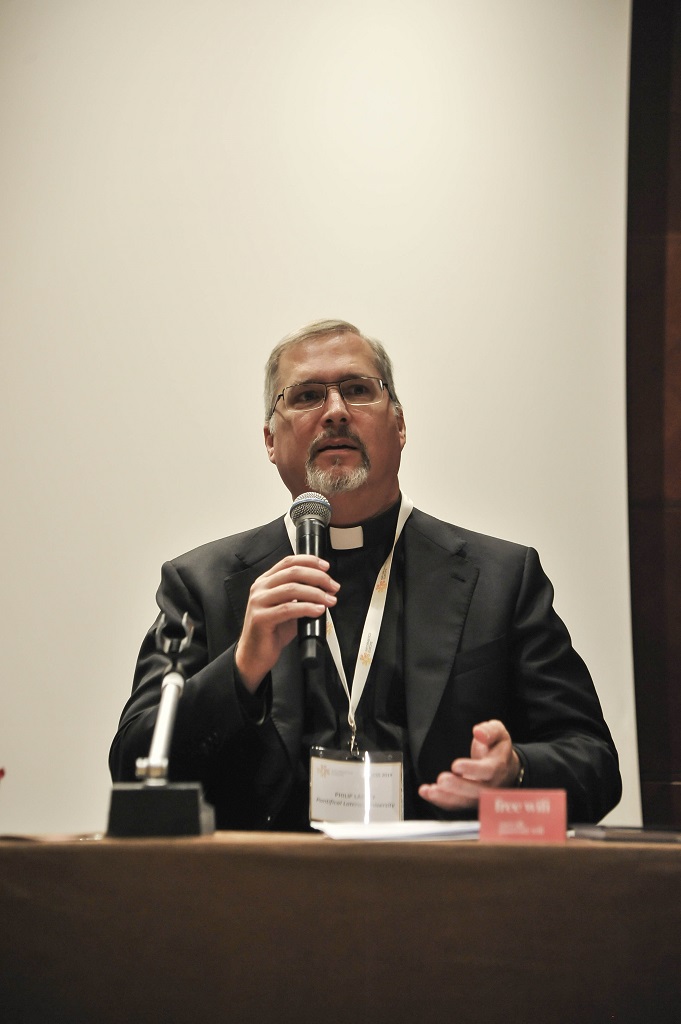
Philip Larrey, Pontifical Lateran University, at the Panel on Social Responsibility of Informatics
-
Peggy Valcke, KU Leuven, at the Panel on Social Responsibility of Informatics
-
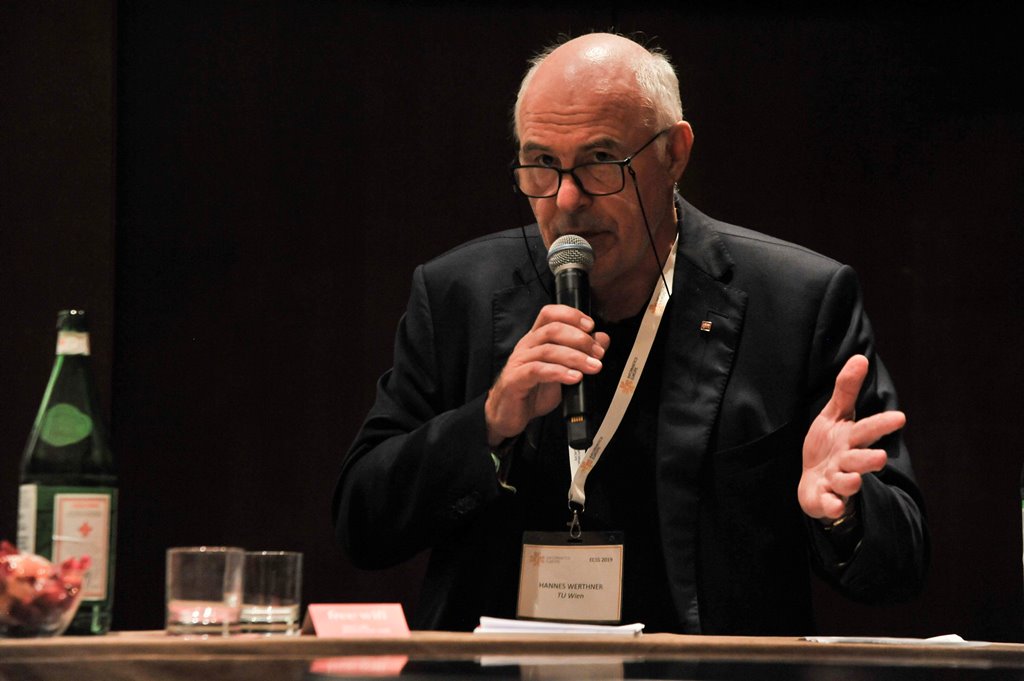
Hannes Werthner, TU Wien, at the Panel on Social Responsibility of Informatics
-
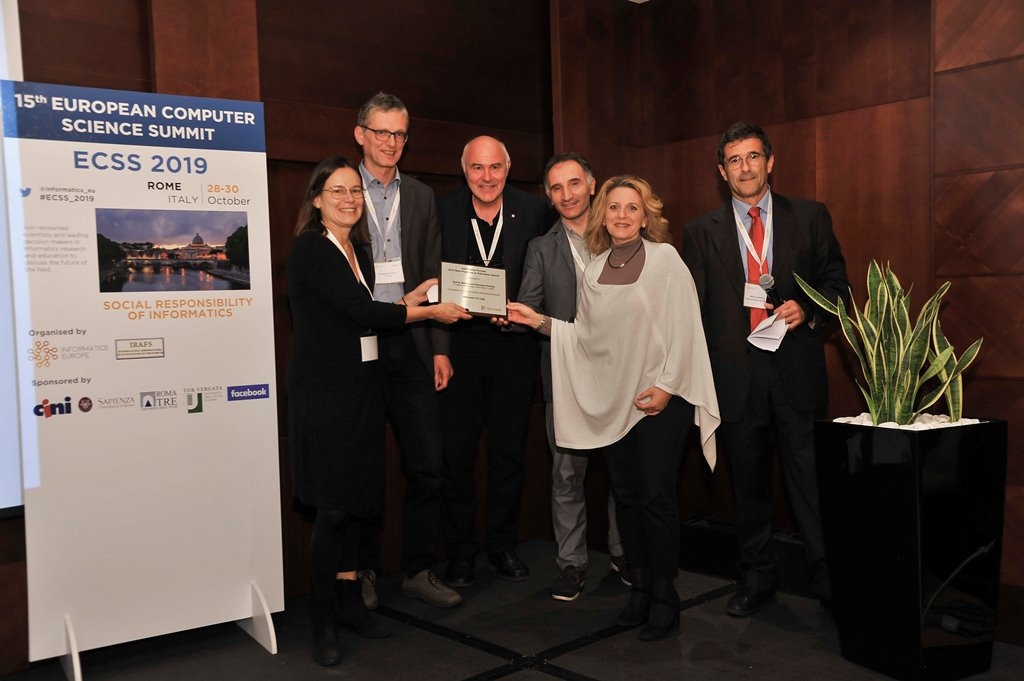
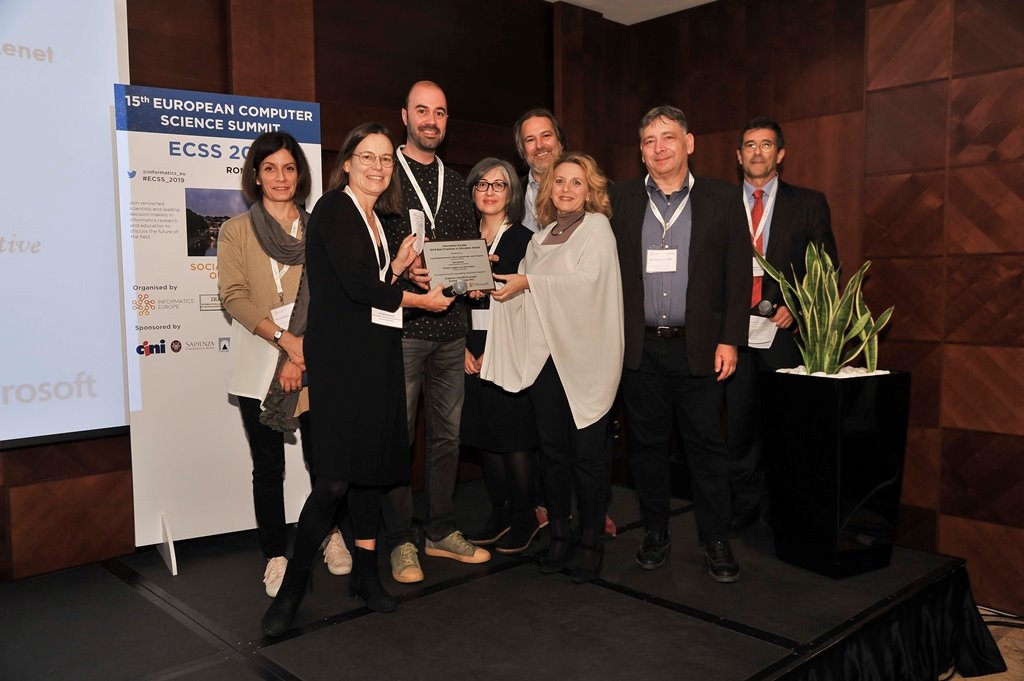
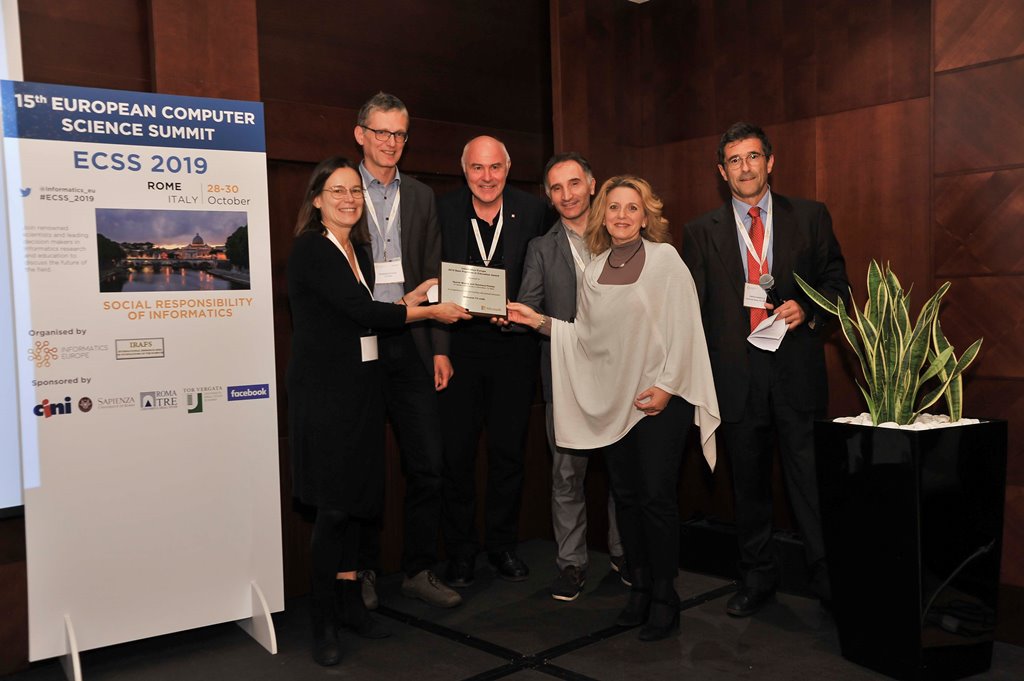
Winners of the 2019 Best Practices in Education Award from TU Wien with Letizia Jaccheri (Award Chair), Alessandra Migliore (Microsoft) and Enrico Nardelli (Informatics Europe President)
-
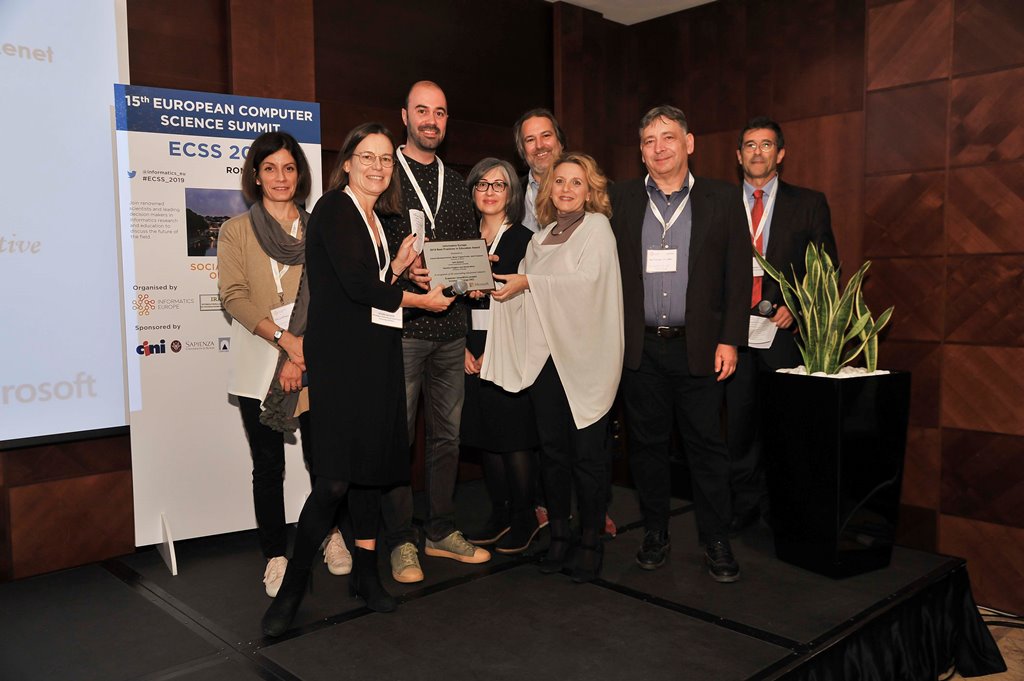
Winners of the 2019 Best Practices in Education Award from Erasmus+ InventEUrs project - Inventors4Change (I4C) with Letizia Jaccheri (Award Chair), Alessandra Migliore (Microsoft) and Enrico Nardelli (Informatics Europe President)
-
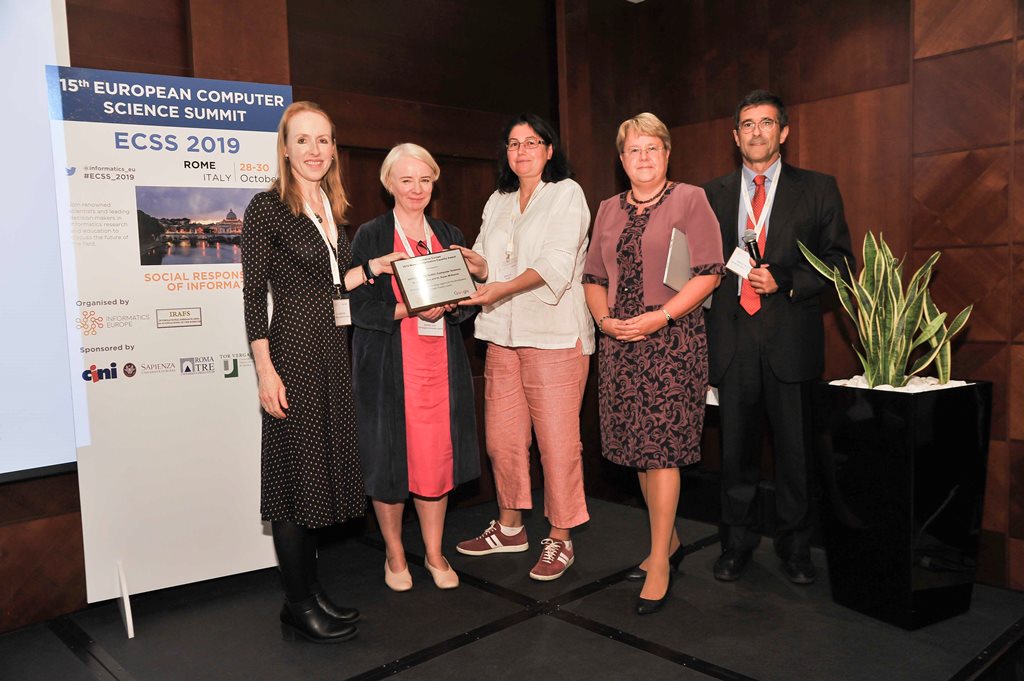
Minerva Award Winners from TU Dublin with Dana Petcu (Award Chair), Beate List (Google) and Enrico Nardelli (Informatics Europe President)
-
Winners of the ERCIM Cor Baayen Award with Jos Baeten (ERCIM President) and Enrico Nardelli (Informatics Europe President)
-
Cristina Pereira, Informatics Europe Executive Director, is opening the Dialogue with Members Session
-
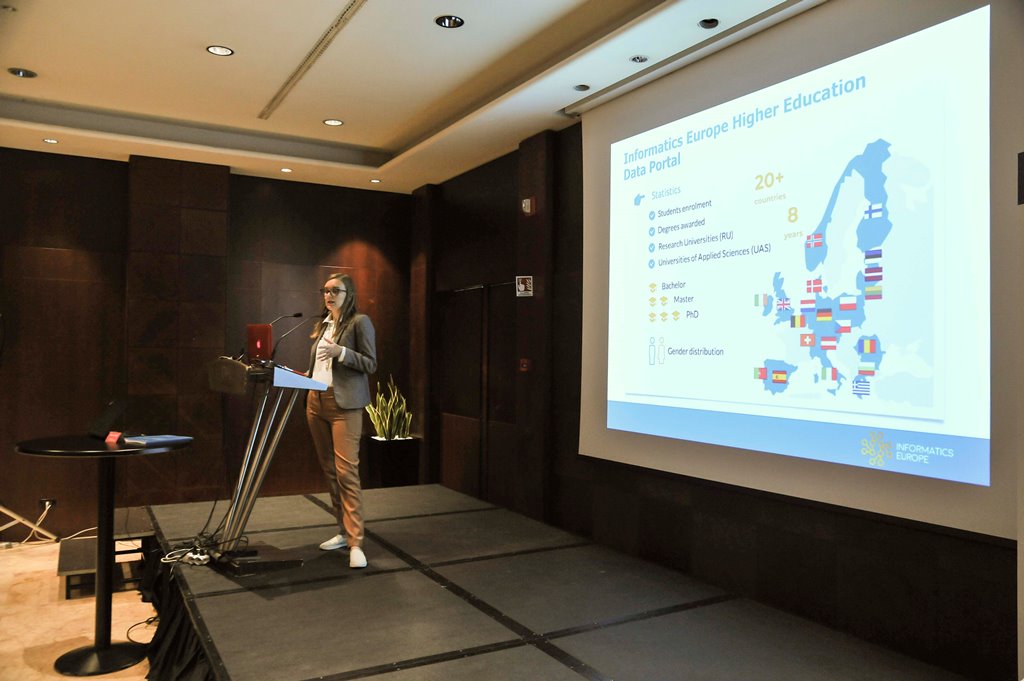
Public launching of the Informatics Europe Higher Education Data Portal
-
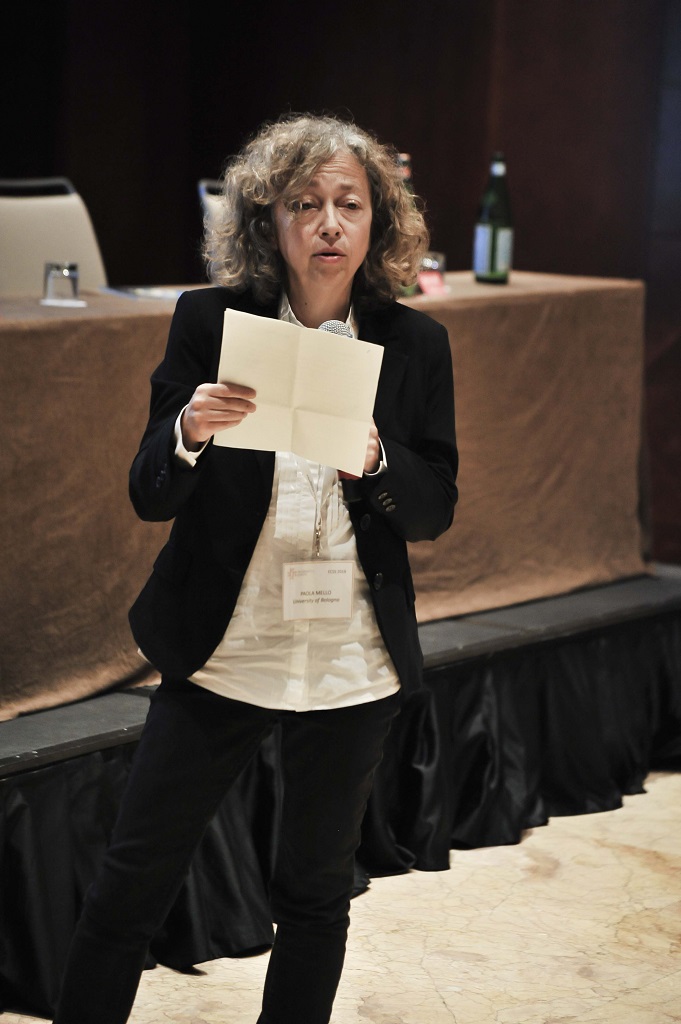
Paola Mello, University of Bologna, is reporting on Ethical/Social Impact of Informatics as a Study Subject
-
Susan Eisenbach, Imperial College London, is presenting the report on the Wide Role of Informatics at Universities
-
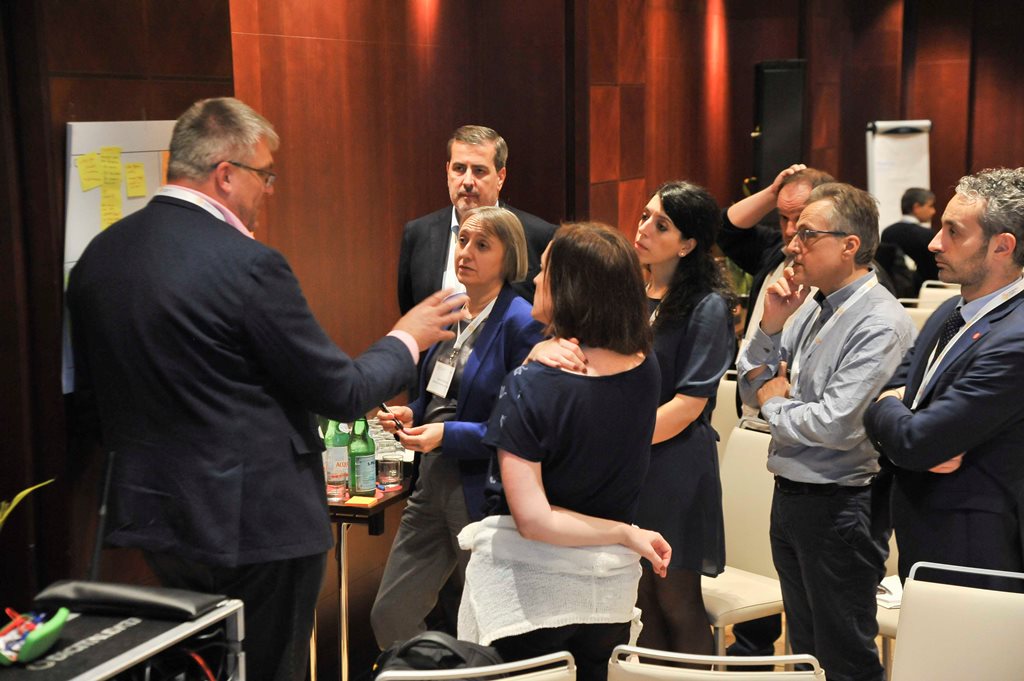
Brainstorming at the Informatics Europe Creative Coffee Break
-
Lively discussions at the Informatics Europe Creative Coffee Break
-
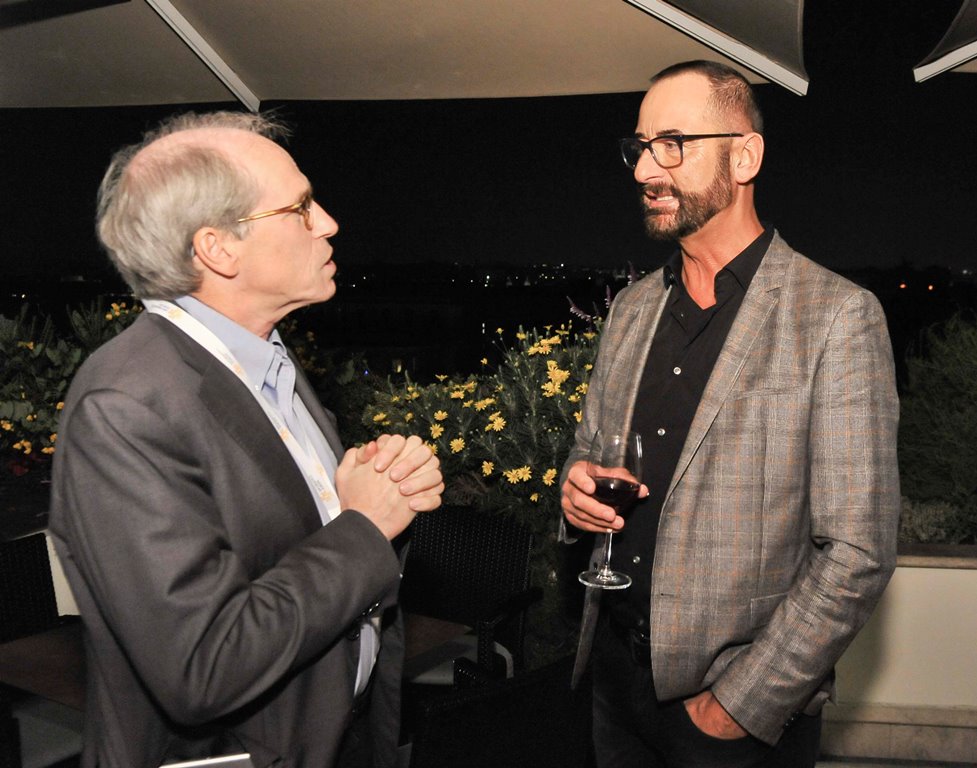
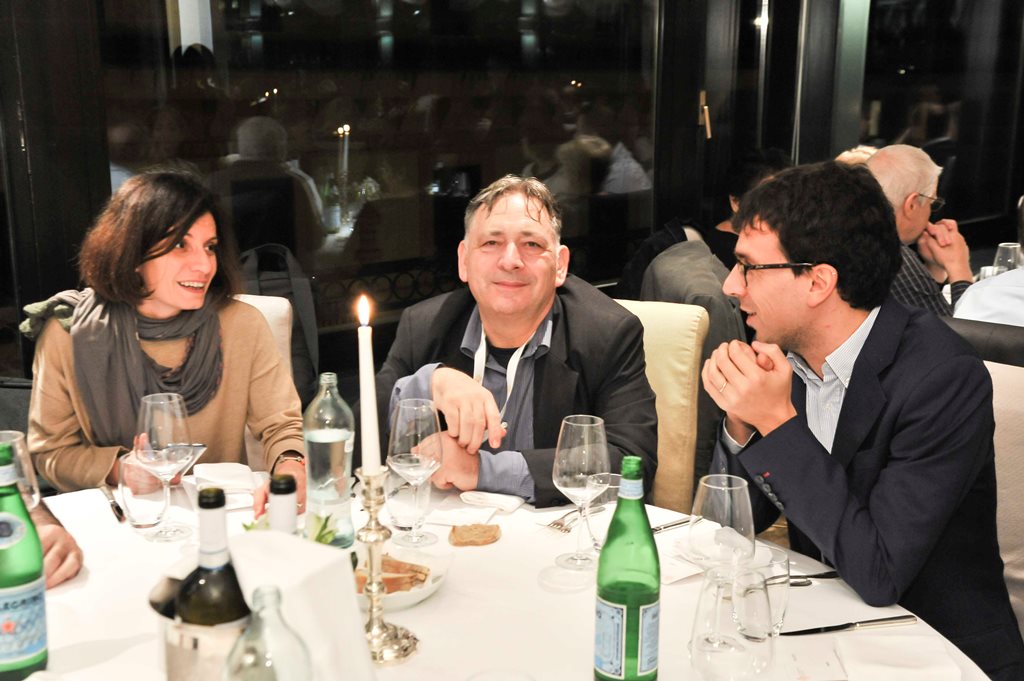
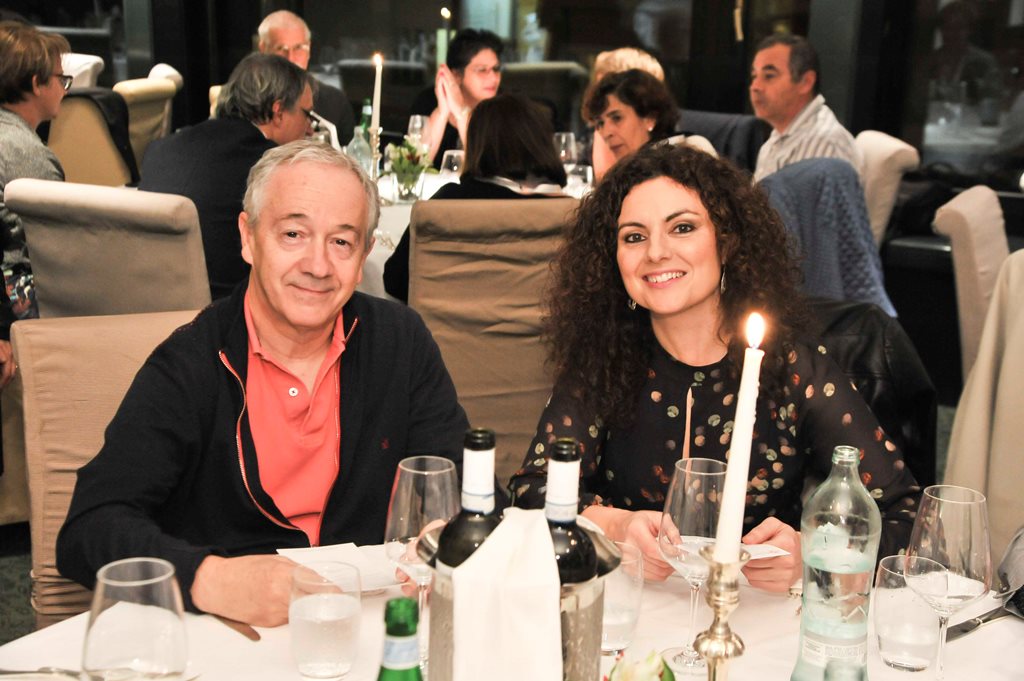
Small talks at the conference dinner
-
Networking at the conference dinner
-
At the conference dinner
-
Past and current heads of Informatics Europe - Carlo Ghezzi, Enrico Nardelli, Lynda Hardman and Christine Choppy
-
Current and future Board Members of Informatics Europe
-
Fabrizia Benini, European Commission, is opening the Talent Gap Workshop on Wednesday
-
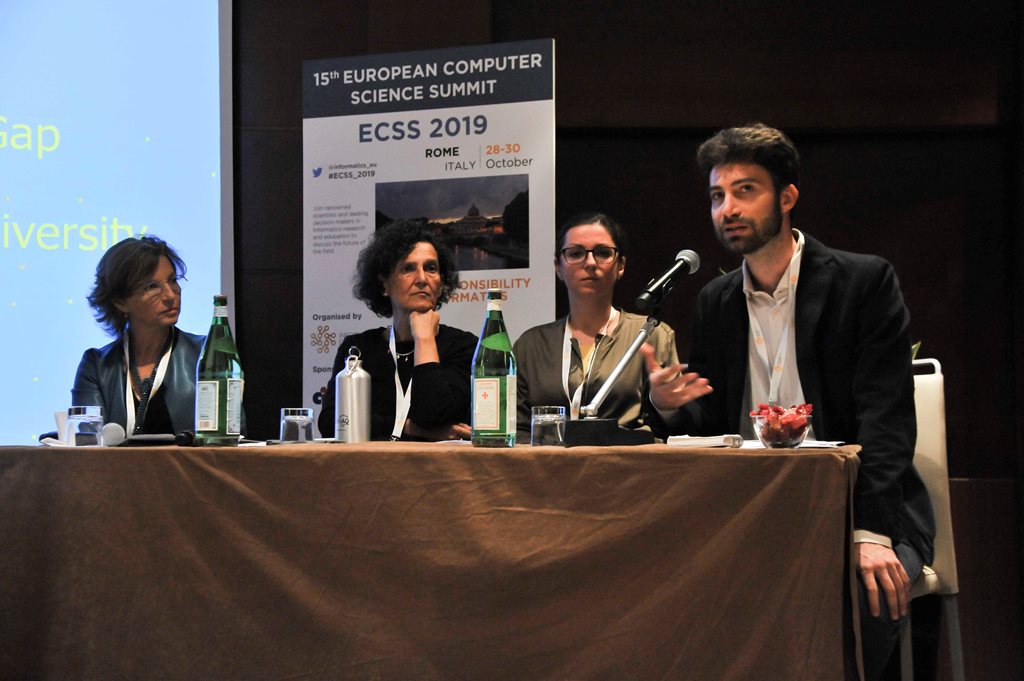
Fabrizia Benini, European Commission, Paola Inverardi, University of L'Aquila, Anna Wypior, SAP SE, and Andrea Dal Piaz, Roma Tre University at the Discussion Panel 'The Digital Talent Gap in Europe'
-
Daniele Nardi, 'Sapienza' University of Rome, is introducing the Artificial Intelligence breakout session
-
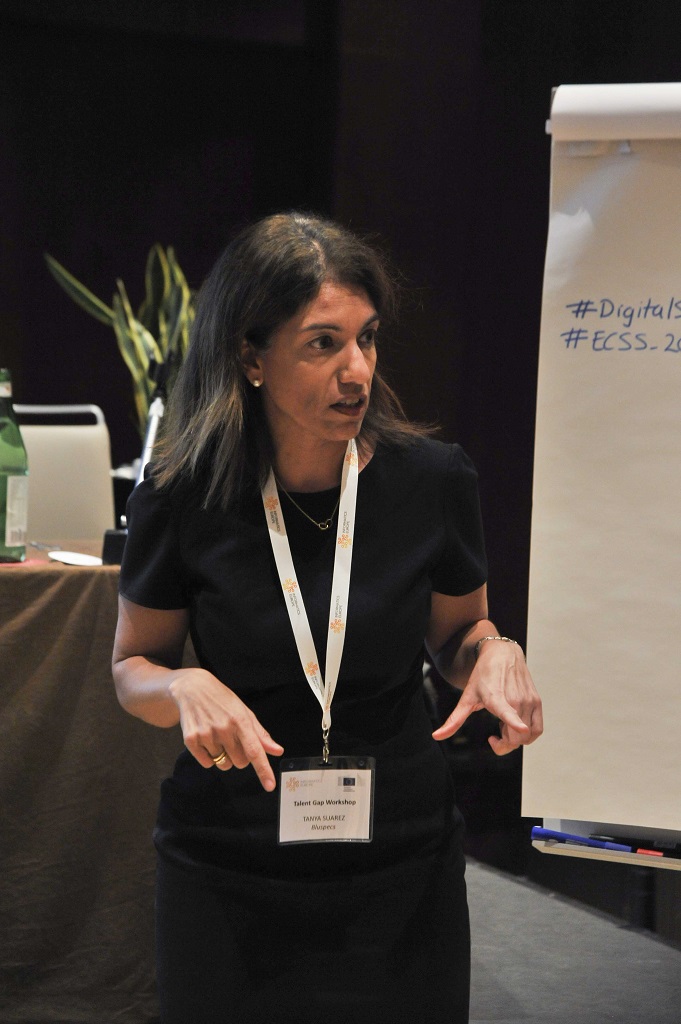
Tanya Suarez, BluSpecs, at the Artificial Intelligence breakout session
-
Javier Lopez, University of Malaga, is introducing the Cyber Security breakout session
-
Alexander Riedl, European Commission, at the Cyber Security breakout session
-
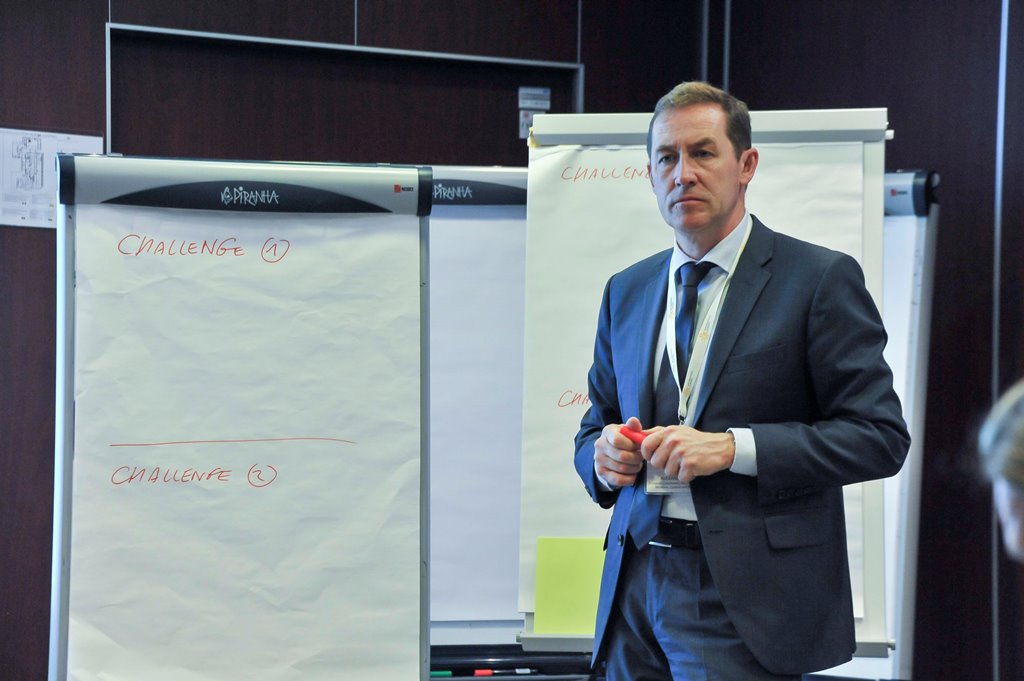
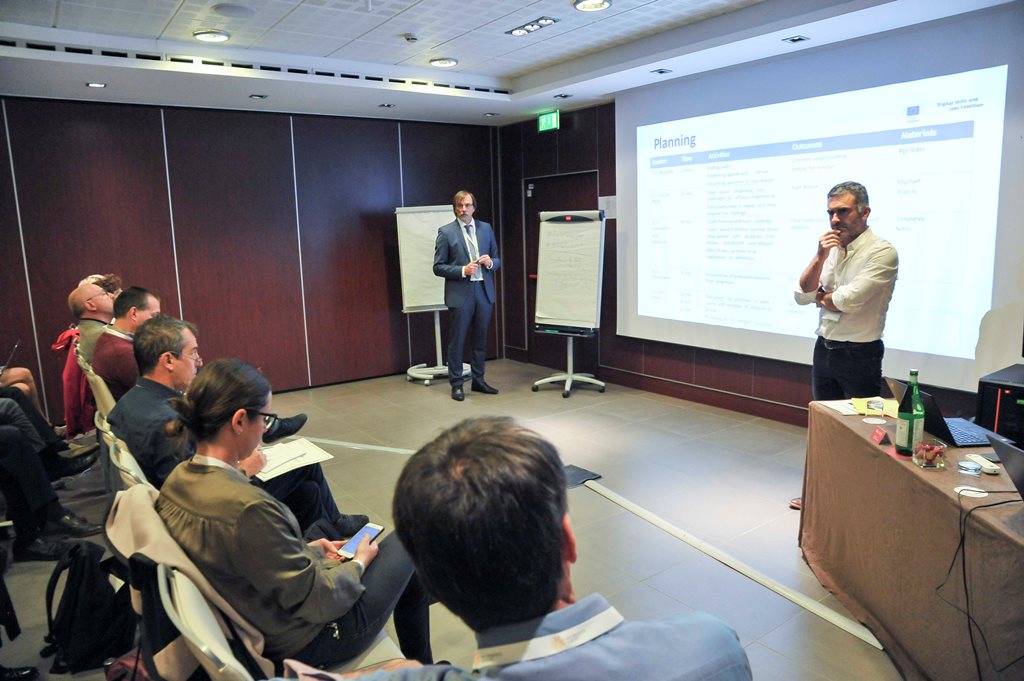
Gregor Engels, University of Paderborn, and Alessandro Bogliolo, University of Urbino, are introducing the Software Engineering breakout session
-
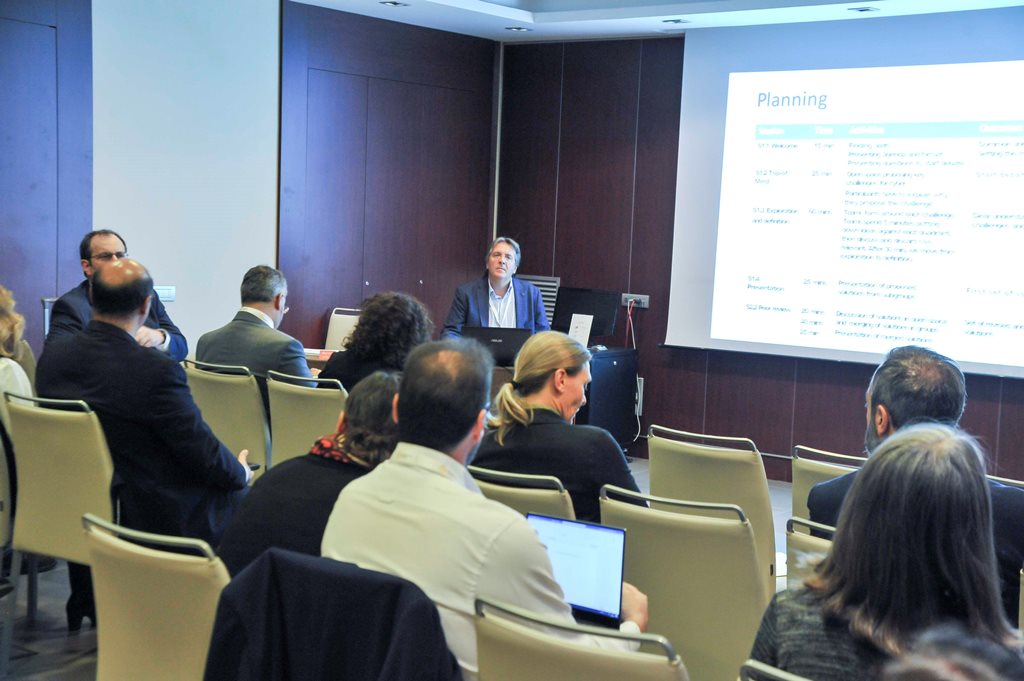
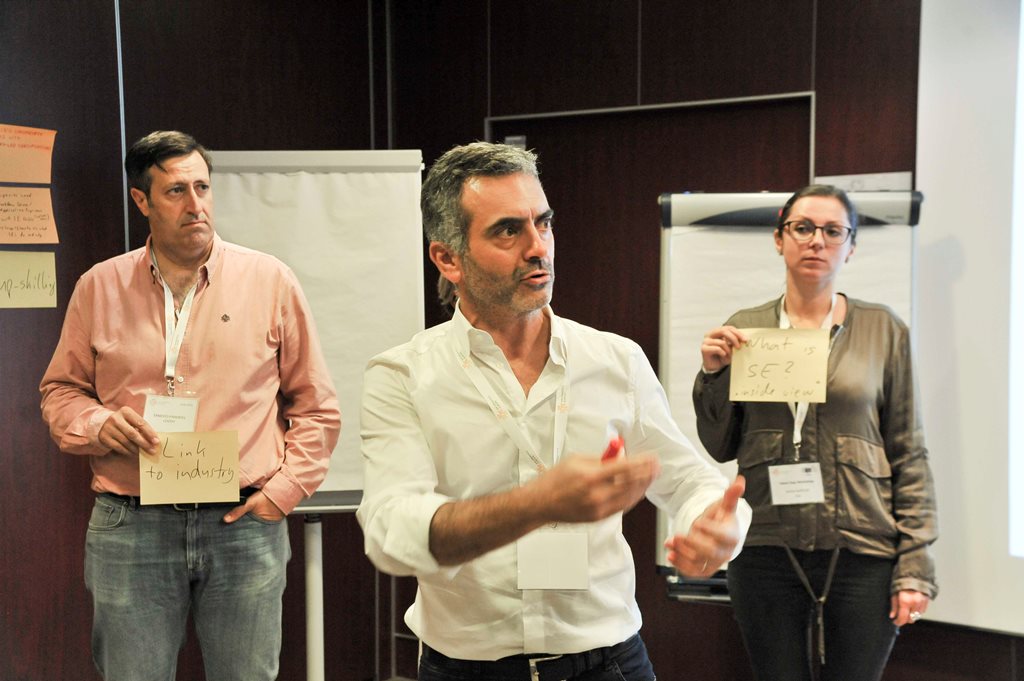
Ernesto Pimentel, CODDII, Alessandro Bogliolo, University of Urbino, and Anna Wypior, SAP SE, at the Talent Gap Workshop Software Engeneering breakout session
-
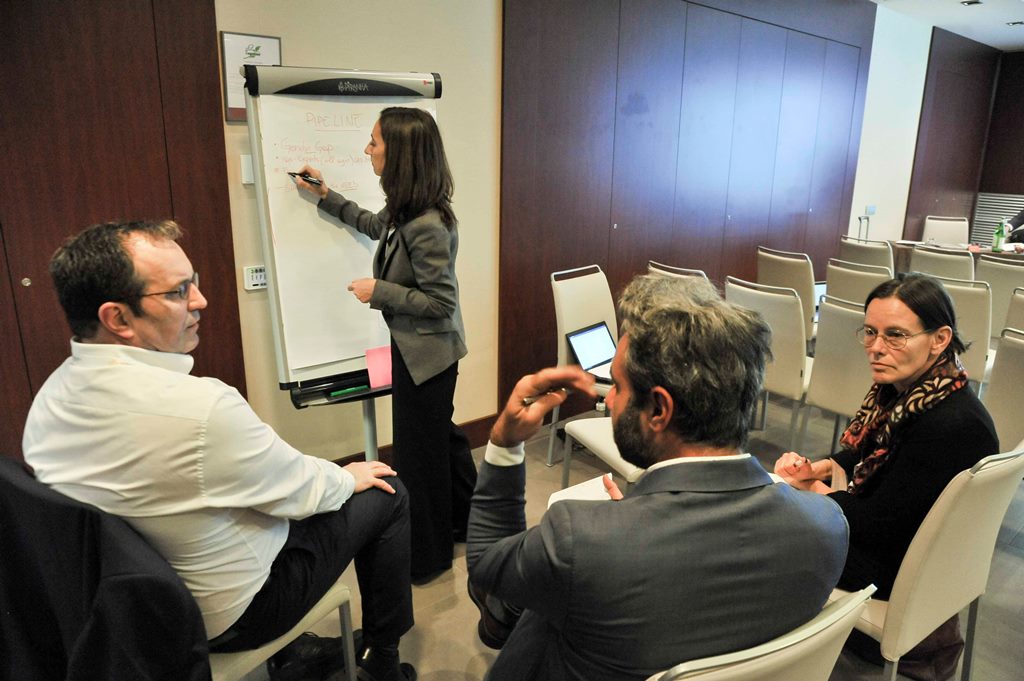
Small group discussions at the Talent Gap Workshop Software Engeneering breakout session
-
Brainstorming at the Talent Gap Workshop Artificial Intelligence breakout session
-
Brainstorming at the Talent Gap Workshop Cyber Security breakout session
-
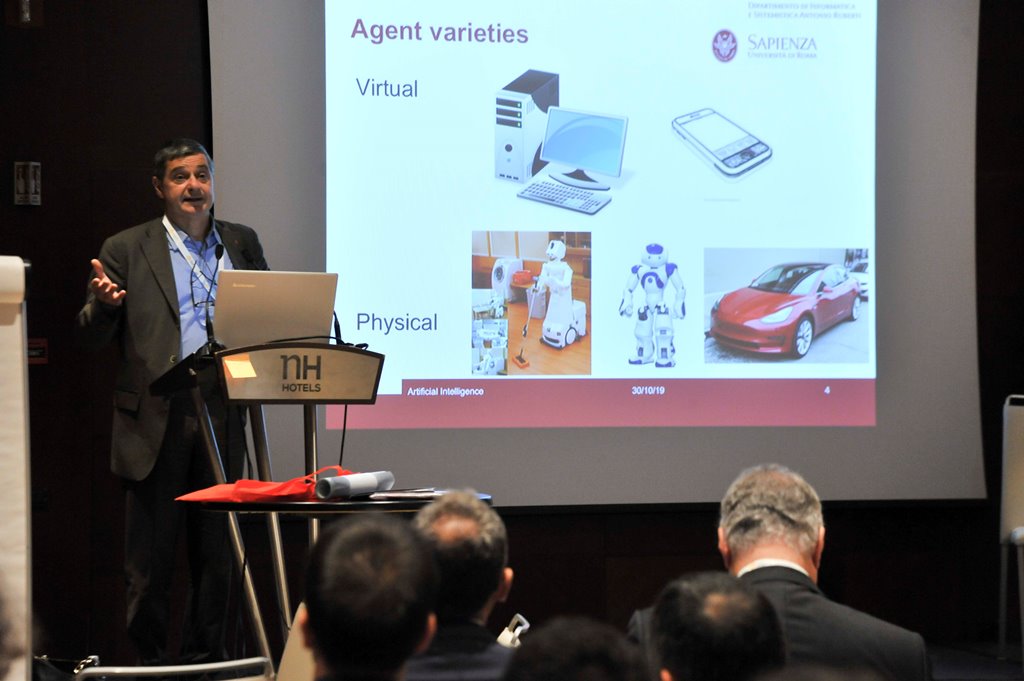
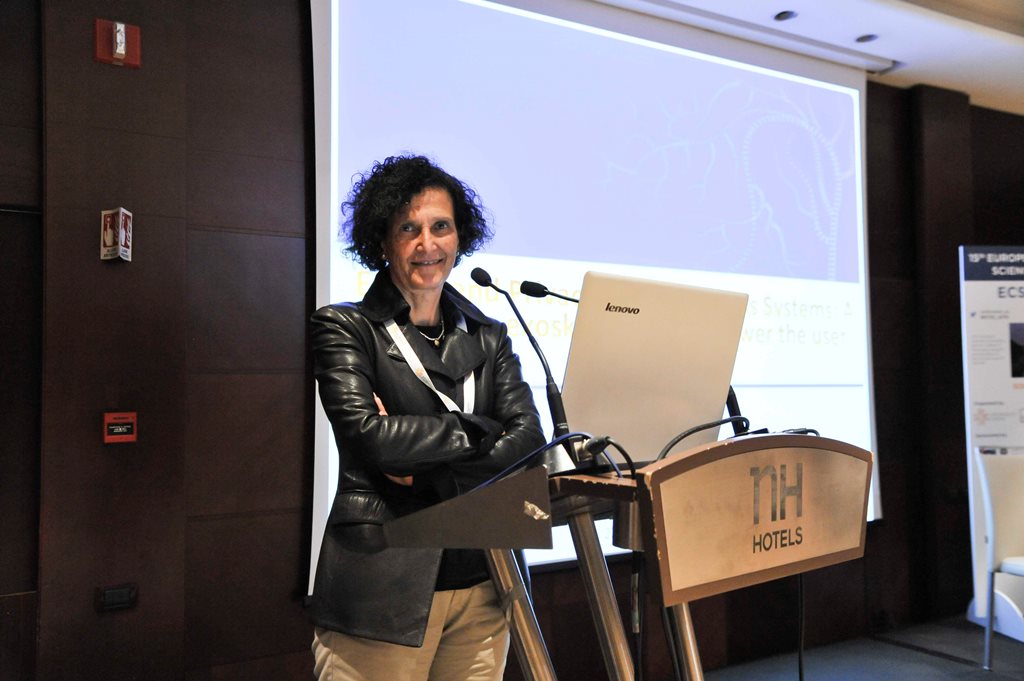
Paola Inverardi, University of L'Aquila, is talking about Ethics and Privacy in the Digital Societies
-
Rapporteurs, Facilitators and Organisers of the Talent Gap Workshop


Welcome address
The welcome address will be available soon
Special Offer
Is your organisation considering becoming a member of Informatics Europe? Then this special offer in combination with ECSS 2019 may interest you:
When joining Informatics Europe, your ECSS registration fee will be discounted from the annual membership fee.
The offer includes the discount of one individual registration fee per institution up to the value of maximum one annual membership.
For details about membership, please visit our Membership page.
For further information about this offer, please contact
About Rome
 Rome, Italy’s capital, the “eternal city”, is so called because it is a place of great beauty, contrast and life. With nearly 3,000 years of globally influential art, architecture and culture, Rome attracts millions of tourists every year. Rome is an eclectic city: the religious world centre of Catholic Church, the fabulous ruins of the centre of the Roman Empire, and modern, bustling Rome. All three seem incongruous, yet they live inside and beside each other with great ease.
Read more:
City’s tourist portal - Turismoroma
Accommodation
If you prefer not to stay at the conference venue - Hotel NH Collection Roma Centro - the following hotels are located within a short walking distance:
- Twenty One Hotel
- Hotel Casa Valdese Roma
- Hotel Farnese
- Hotel NH Collection Roma Giustiniano
- Hotel Relais Dei Papi
- Hotel Sant'Angelo
- Hotel Arcangelo
- Infinity Hotel St. Peter
- Hotel Diplomatic
- Hotel Dei Quiriti Suite
- Hotel Nautilus Roma
- Atlantis Inn Roma
Note that Rome is a very popular tourist destination, so we highly recommend that you book your accommodation well ahead of ECSS!
ECSS 2025 is organised by
 |
 |
Sponsored by
 |
 |
 |
 |
|
 |
  |
 |
Support ECSS
What's New
ECSS 2025, 27-29 Oct, Rennes. France
Save the dates for ECSS 2026:
26-28 Oct in Porto, Portugal



 Netlogica