
Strategy Workshop II
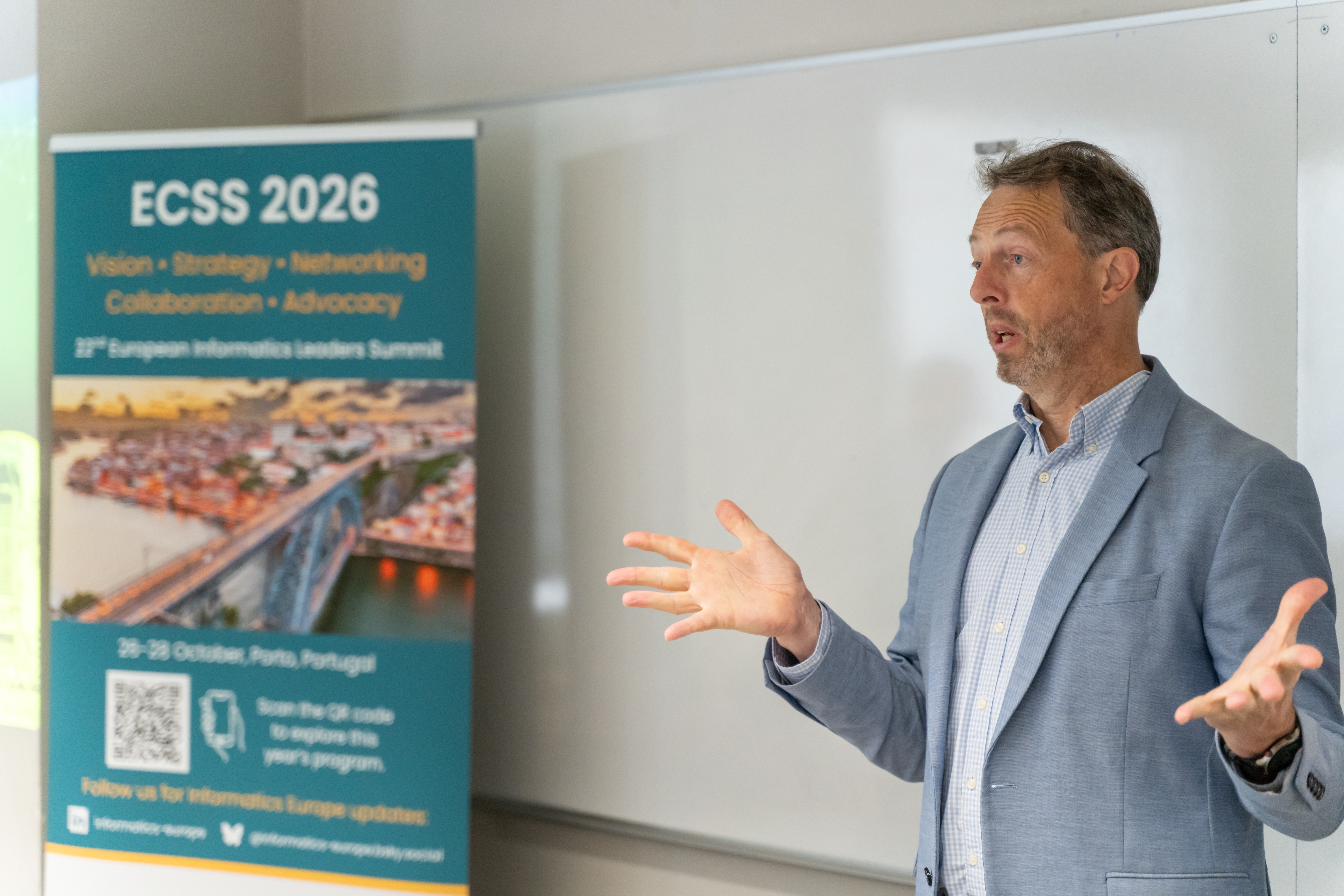
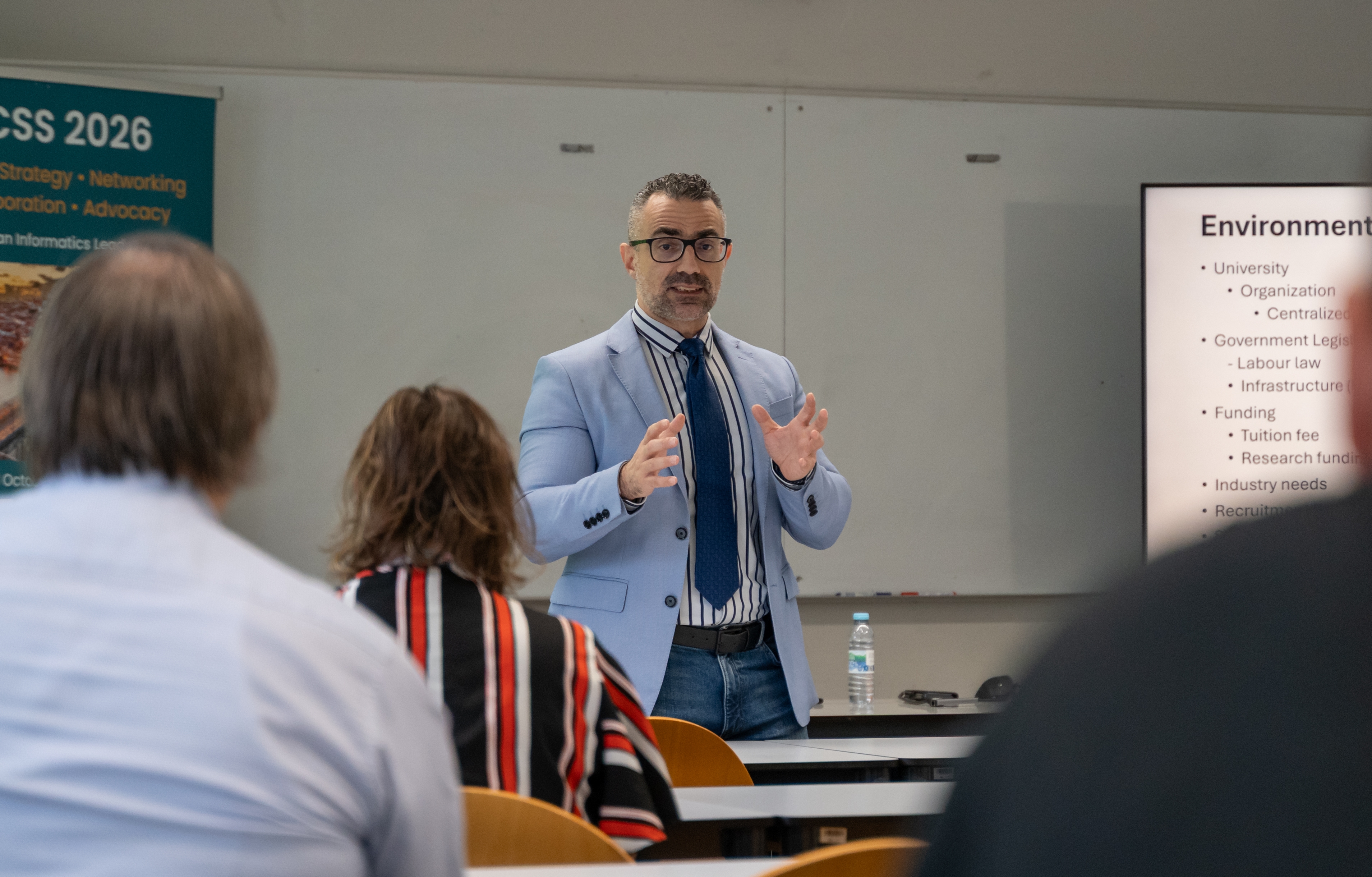
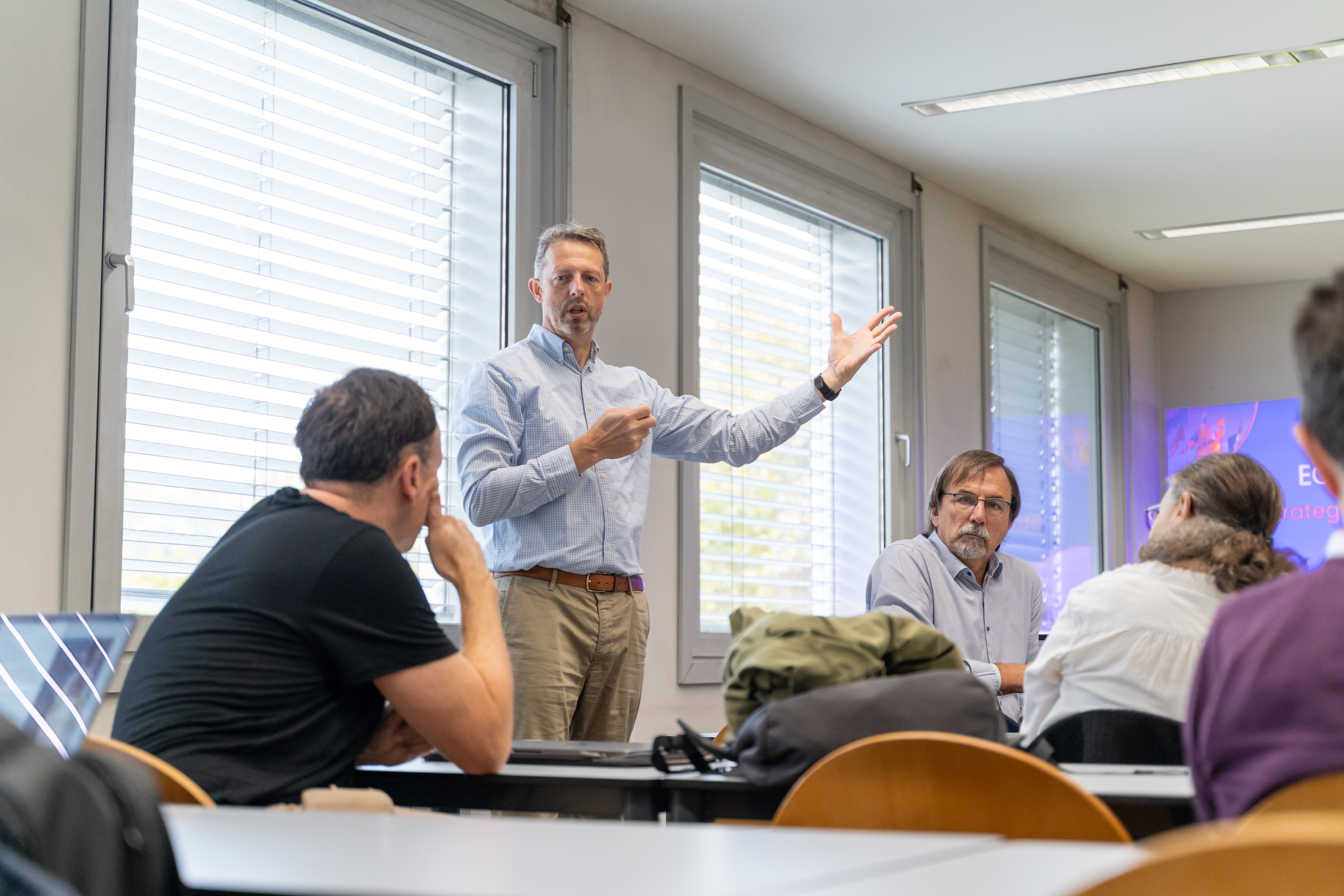
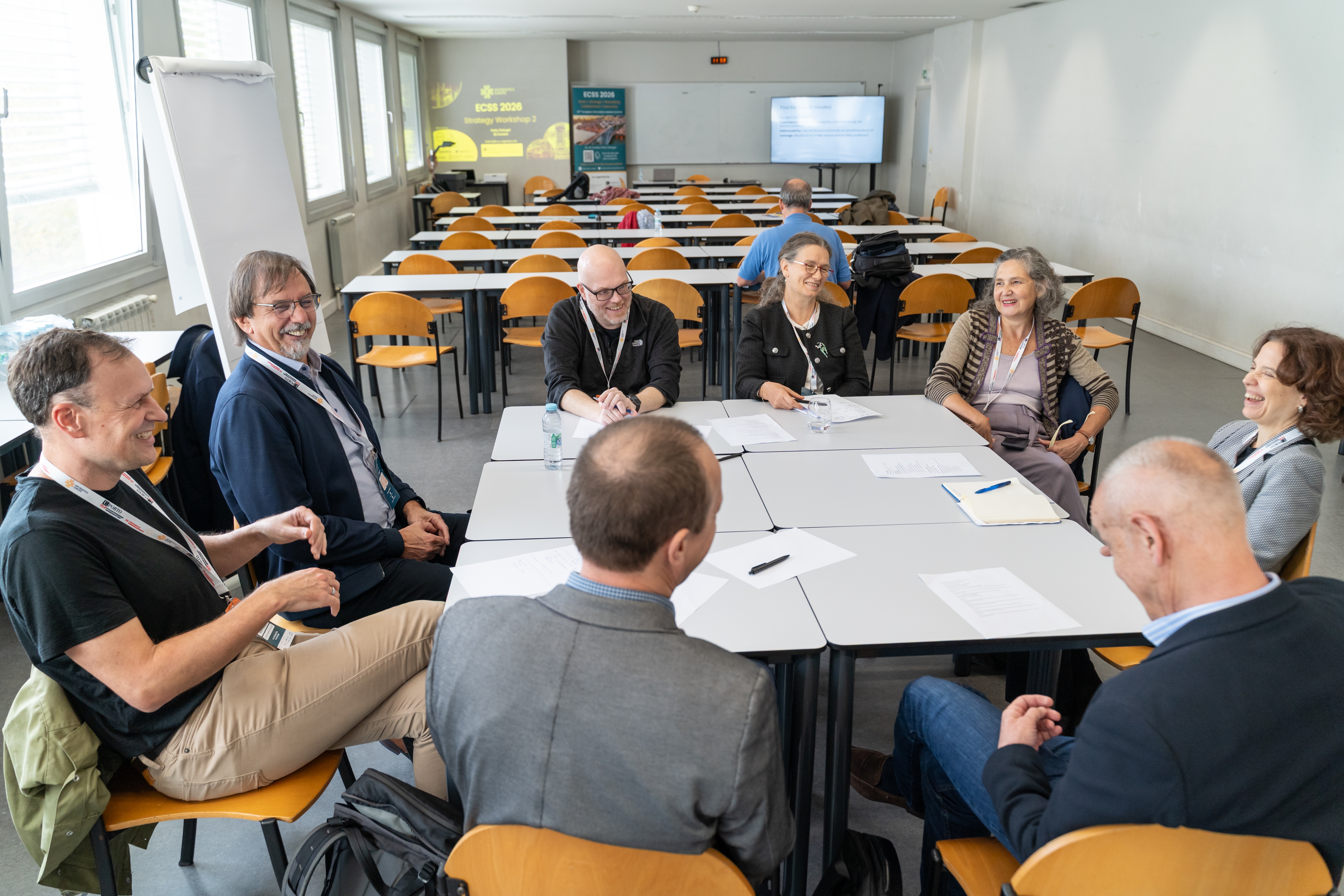
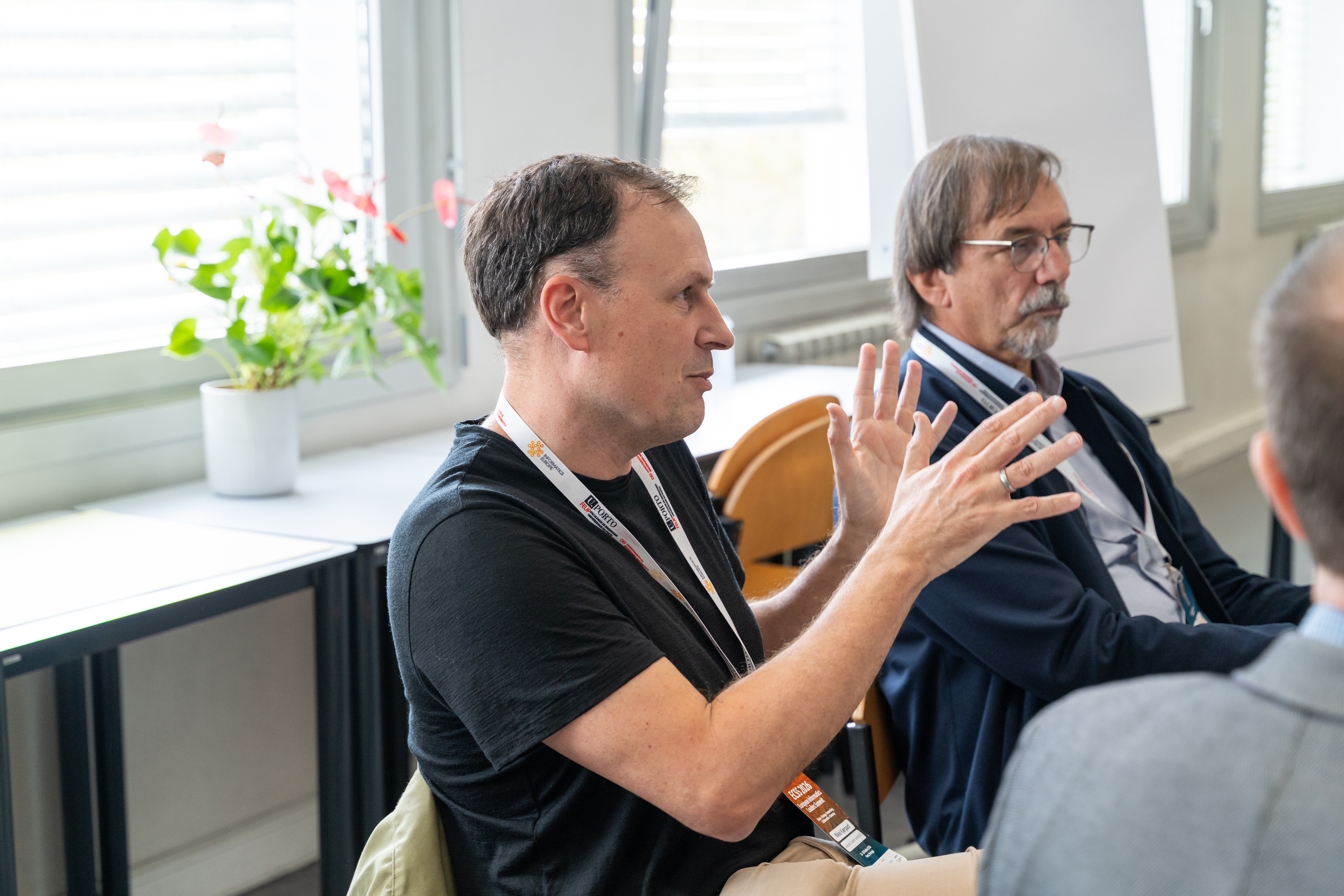
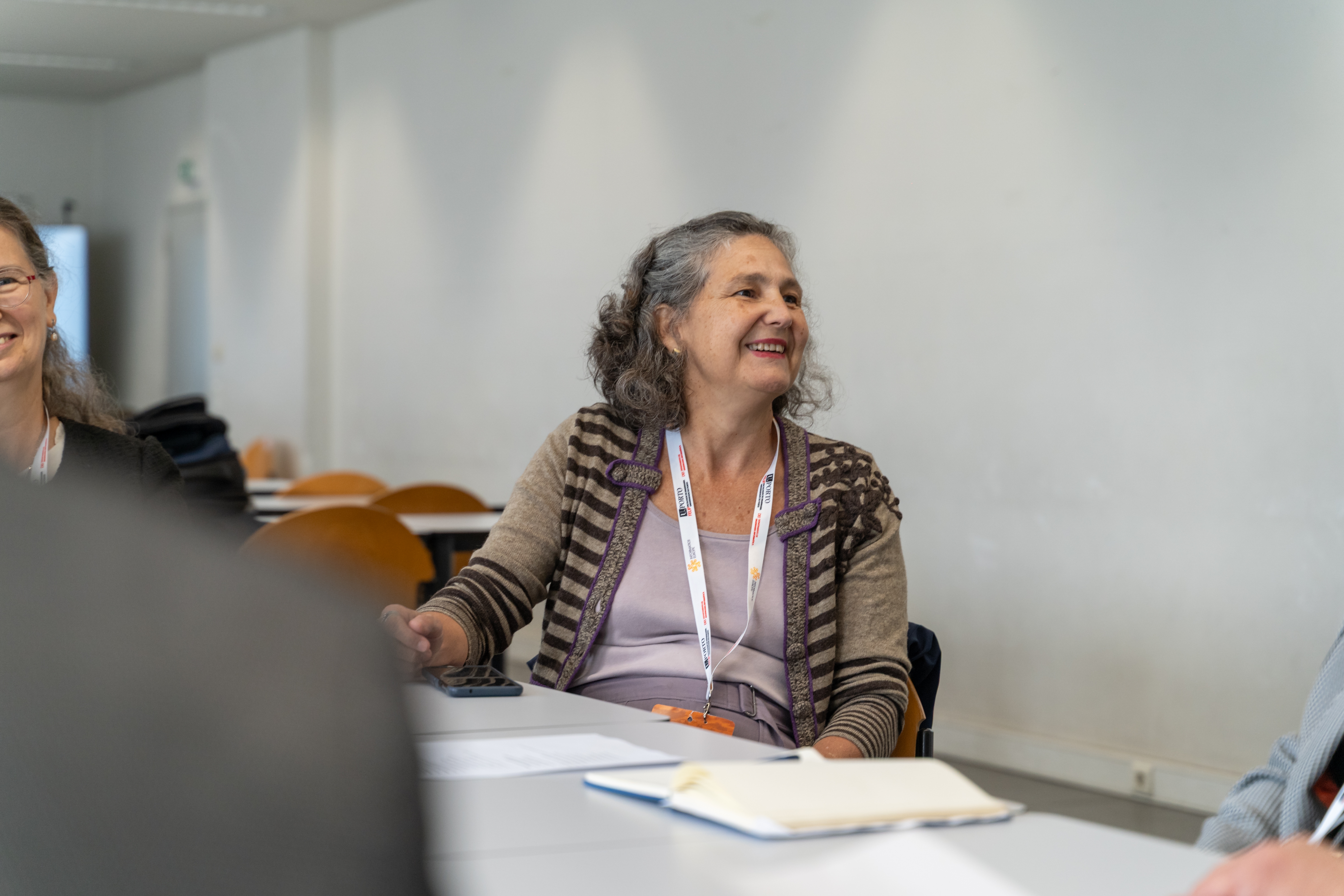
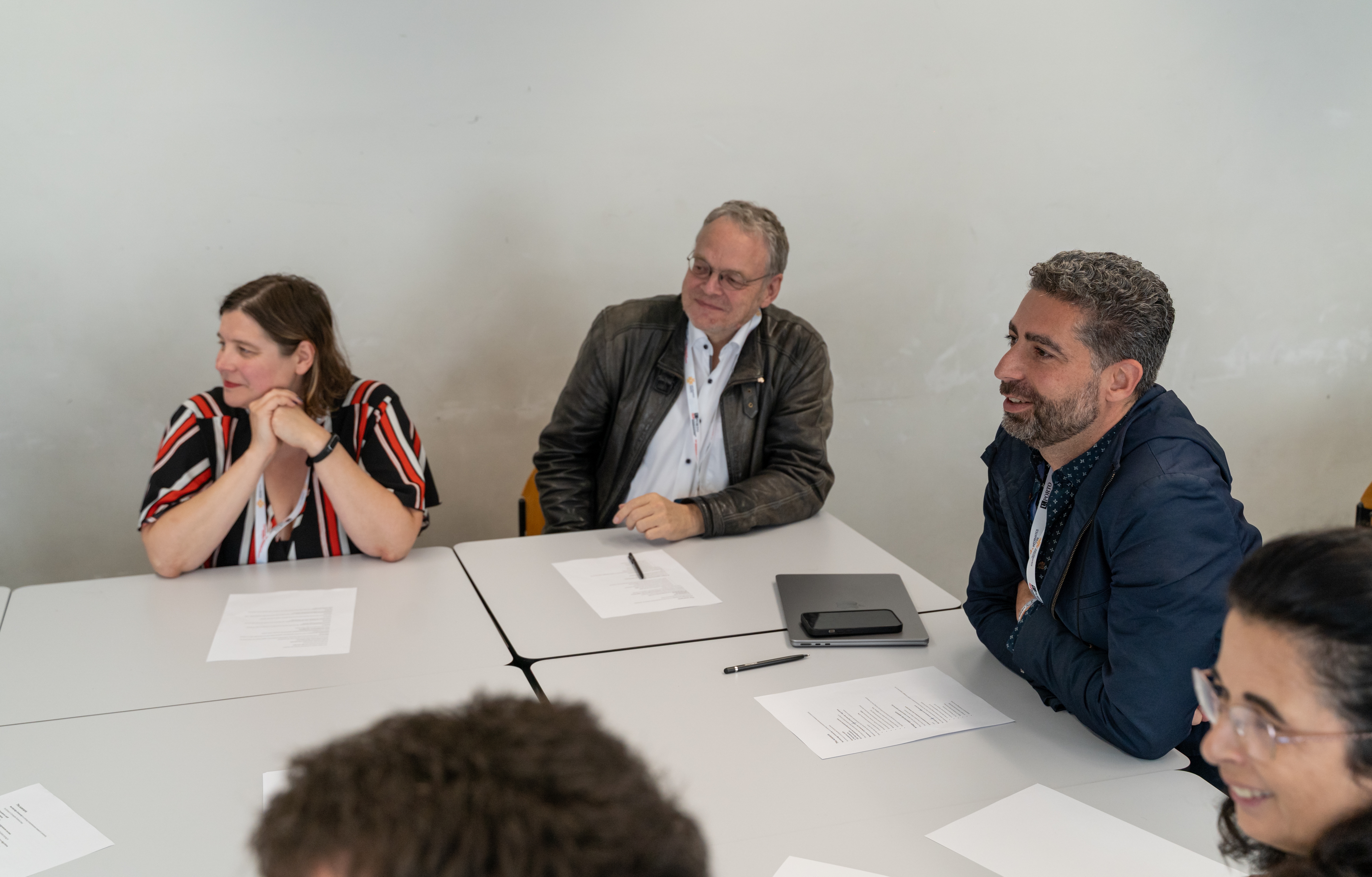
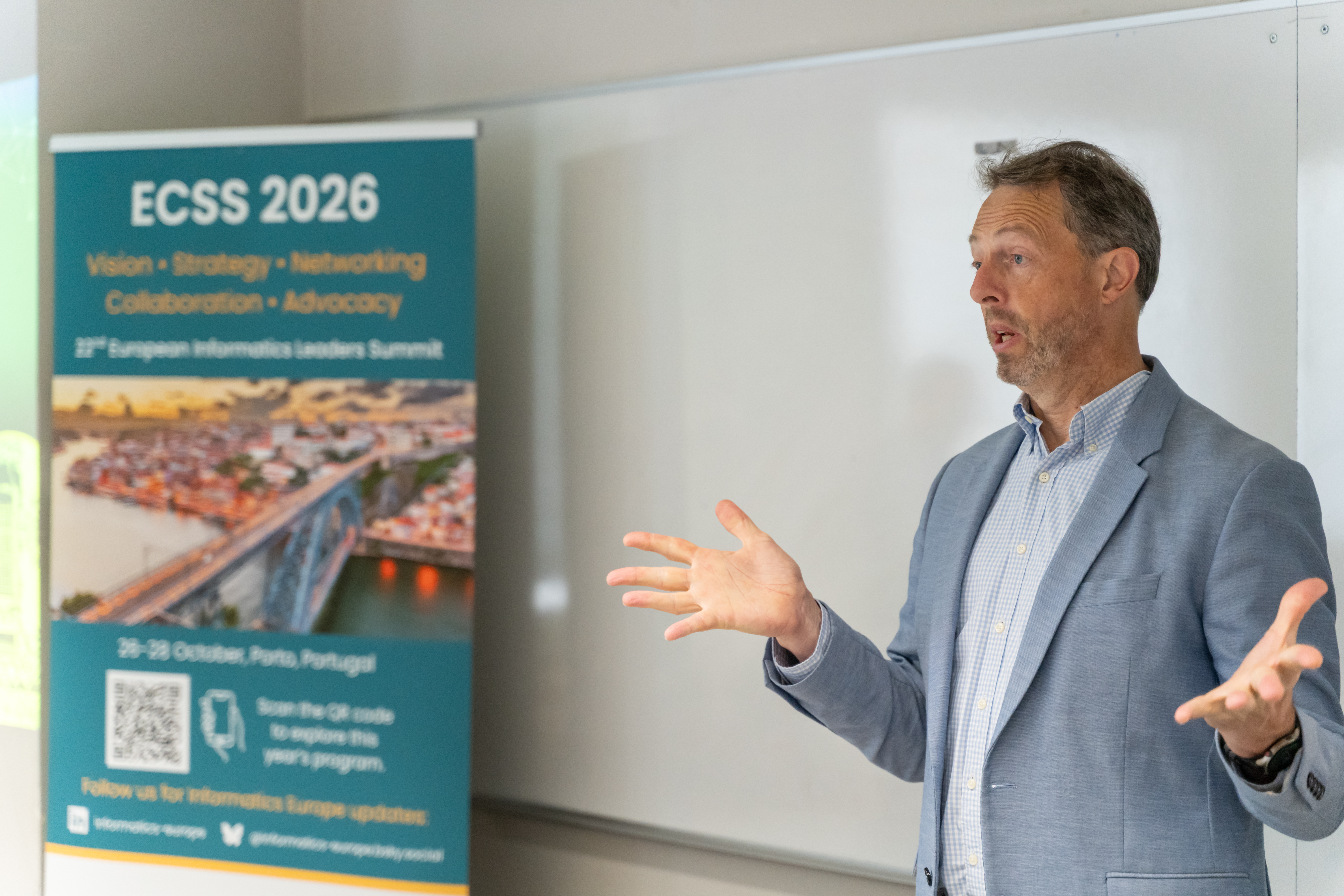
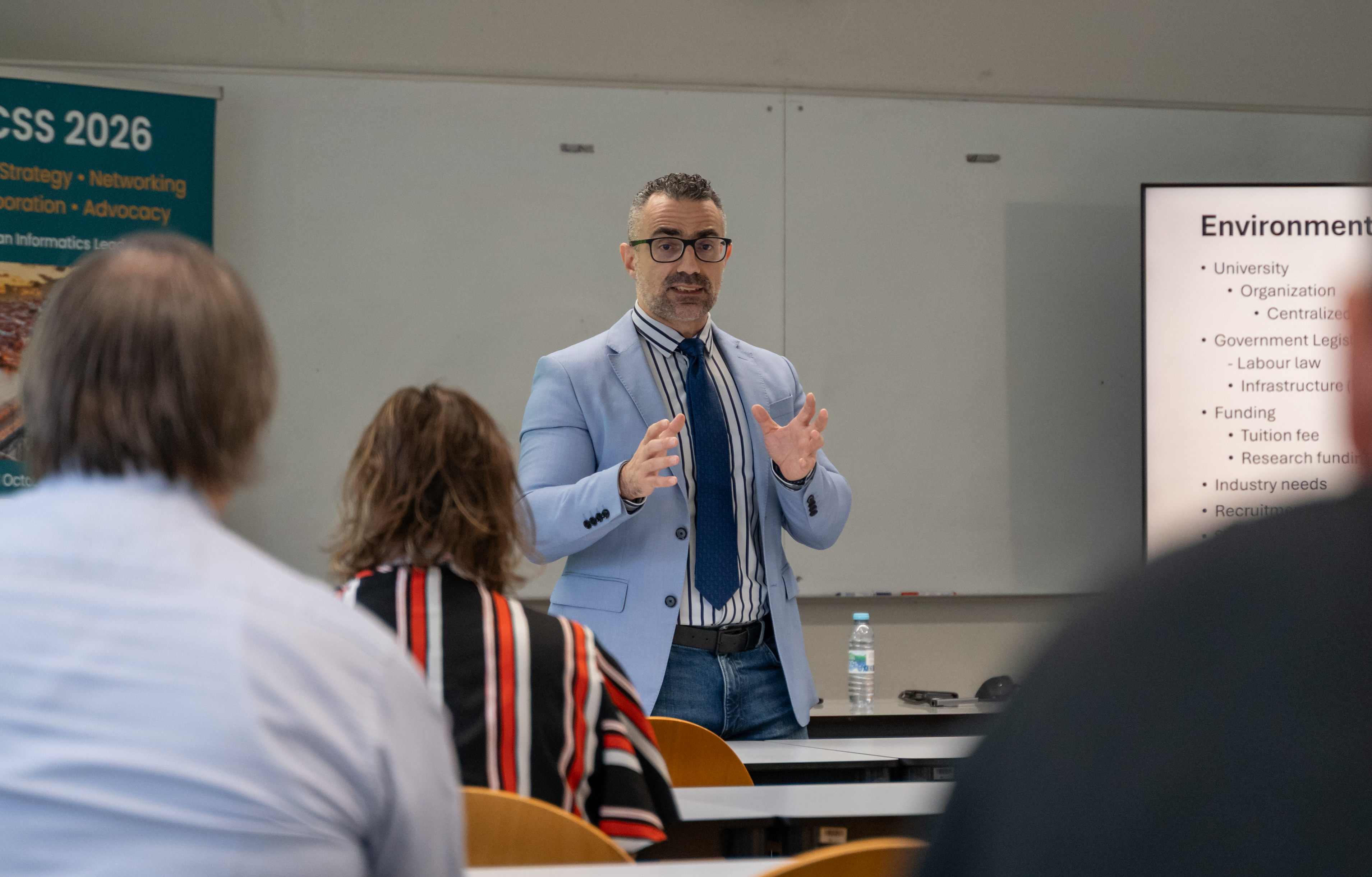
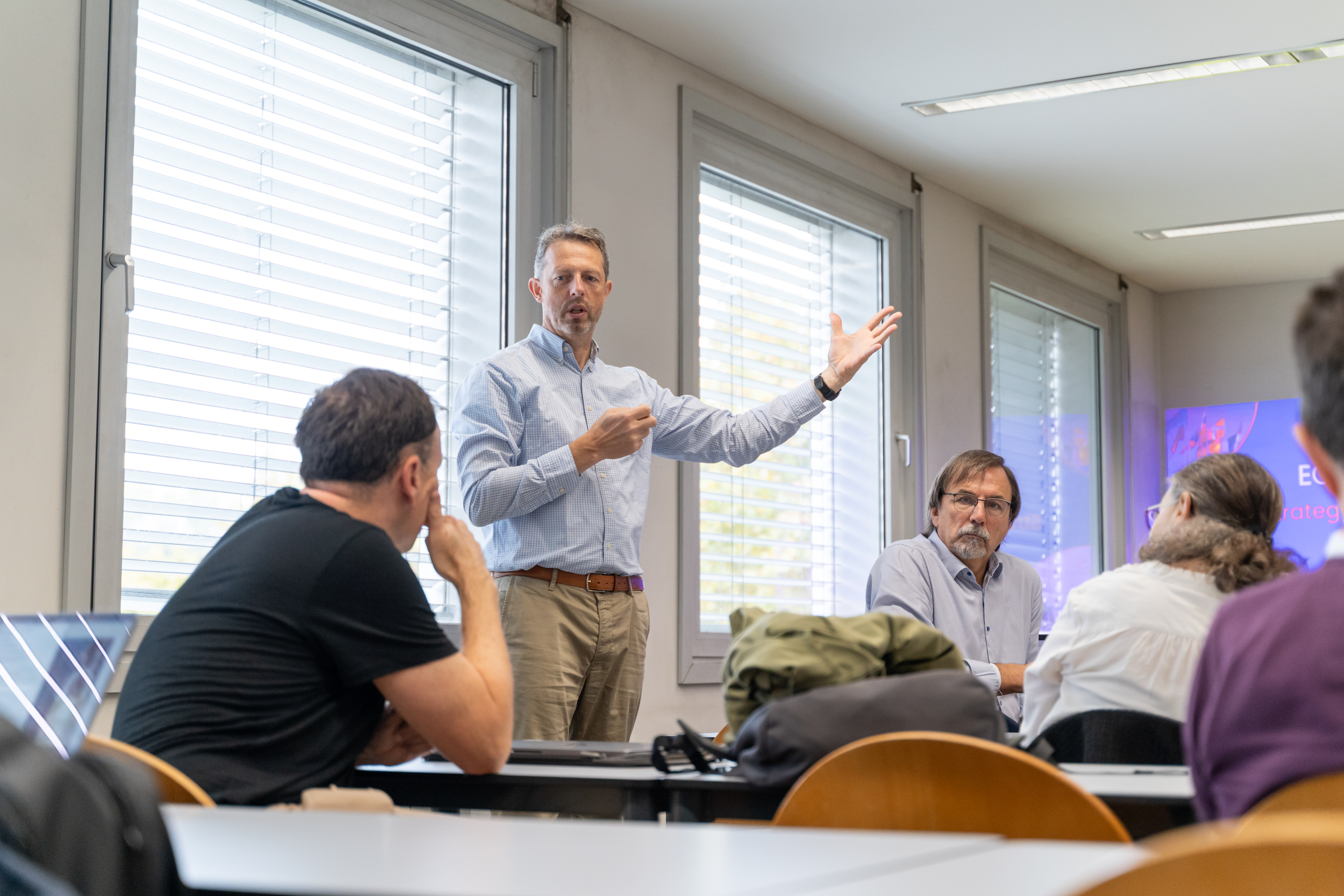
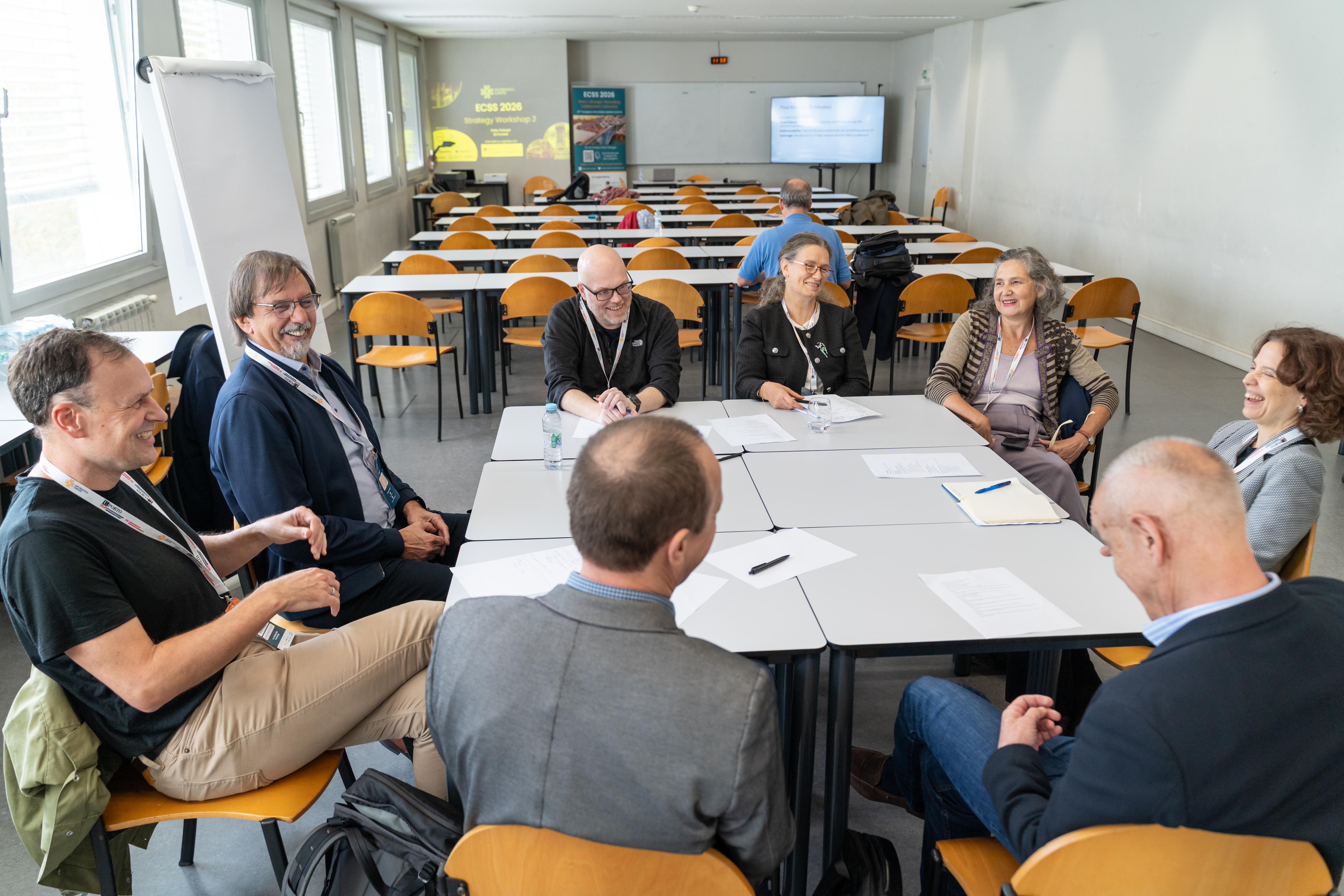
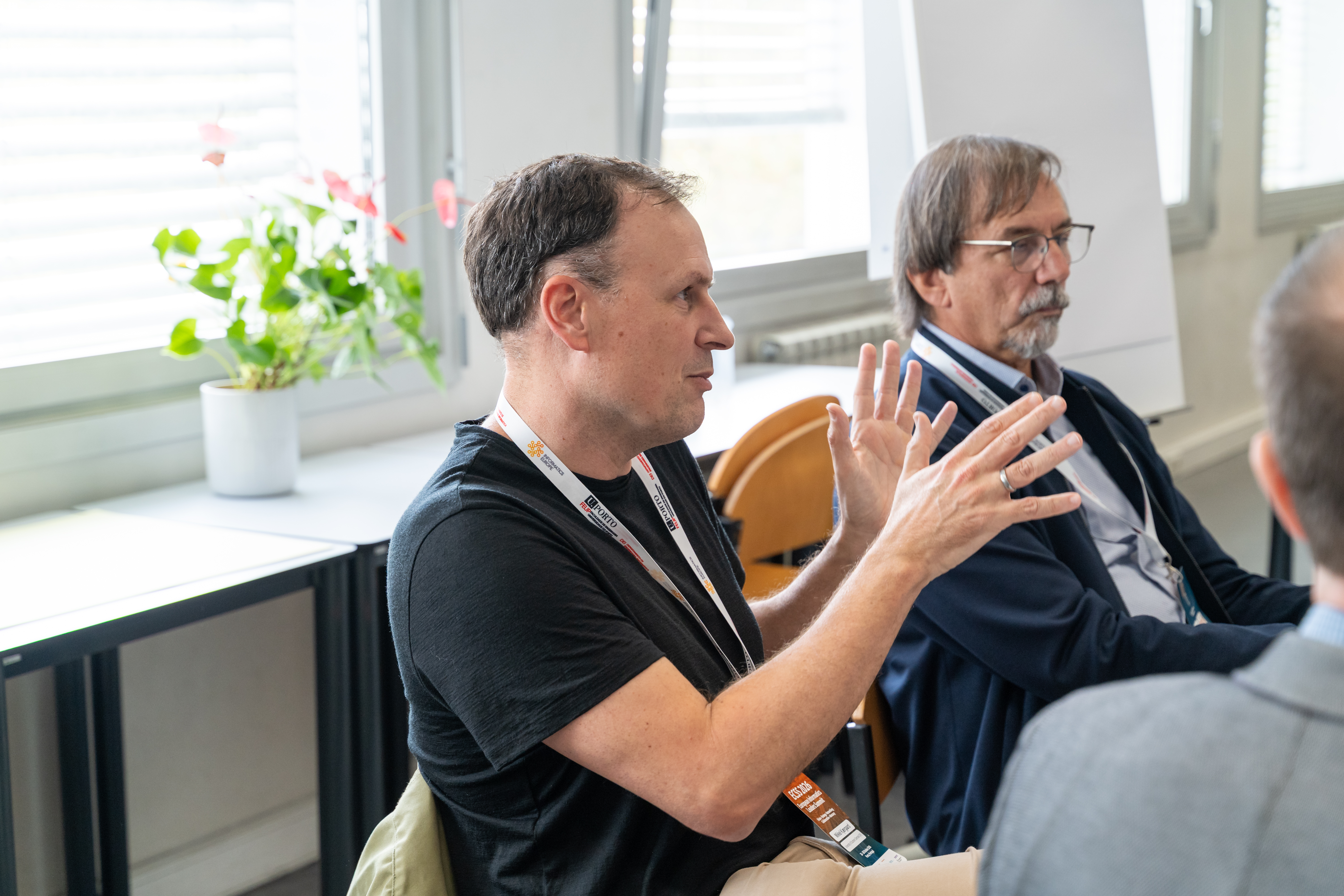
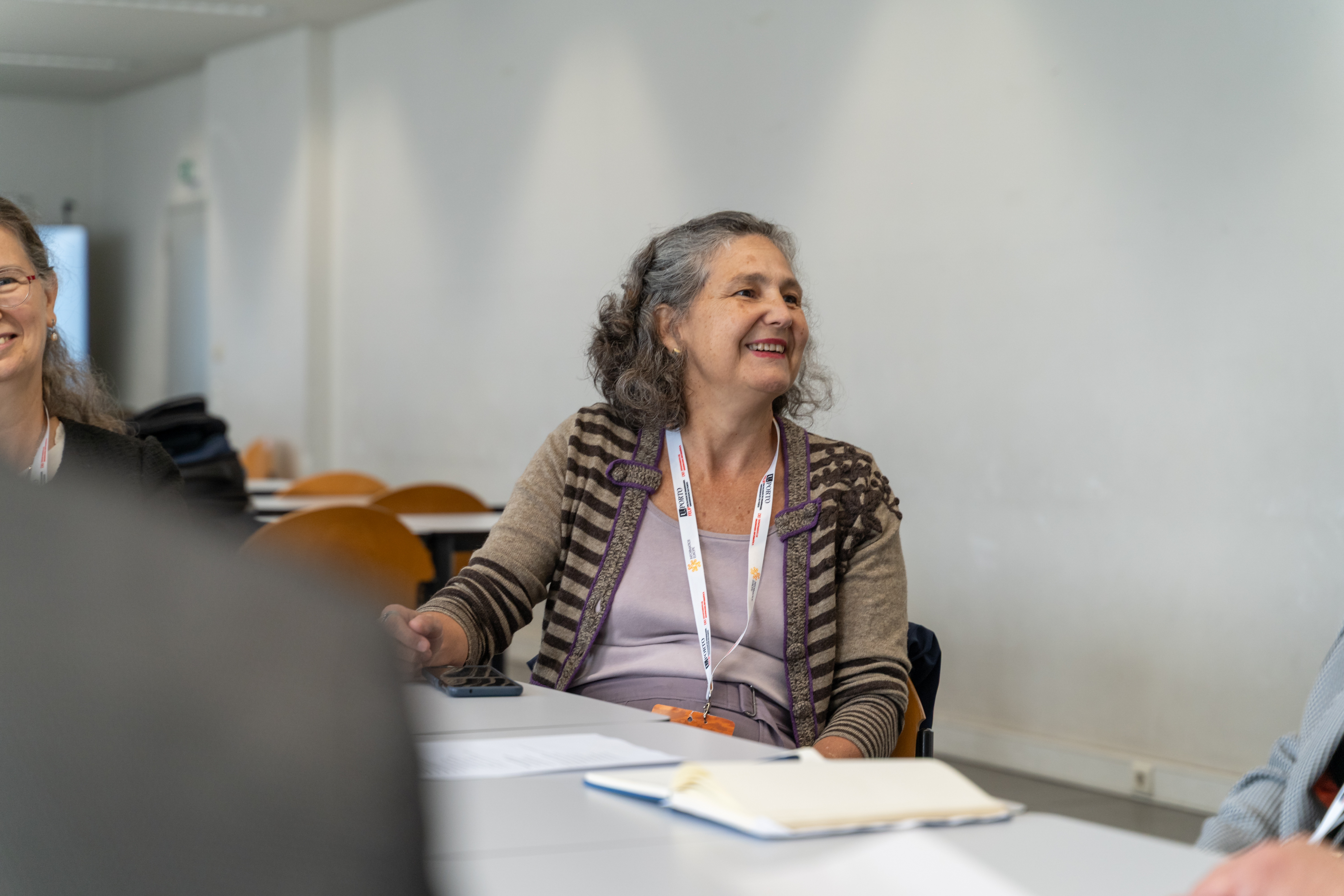
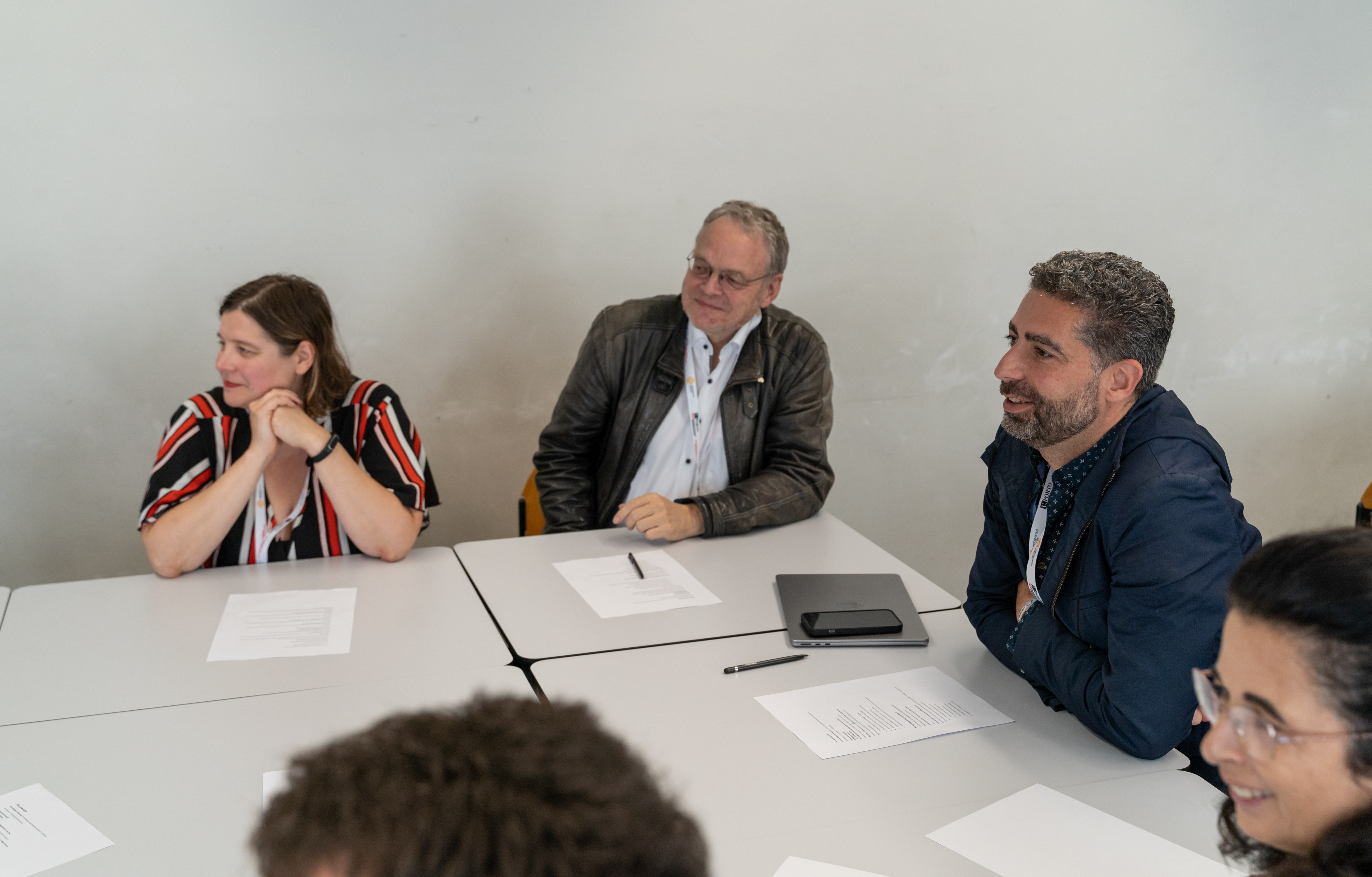
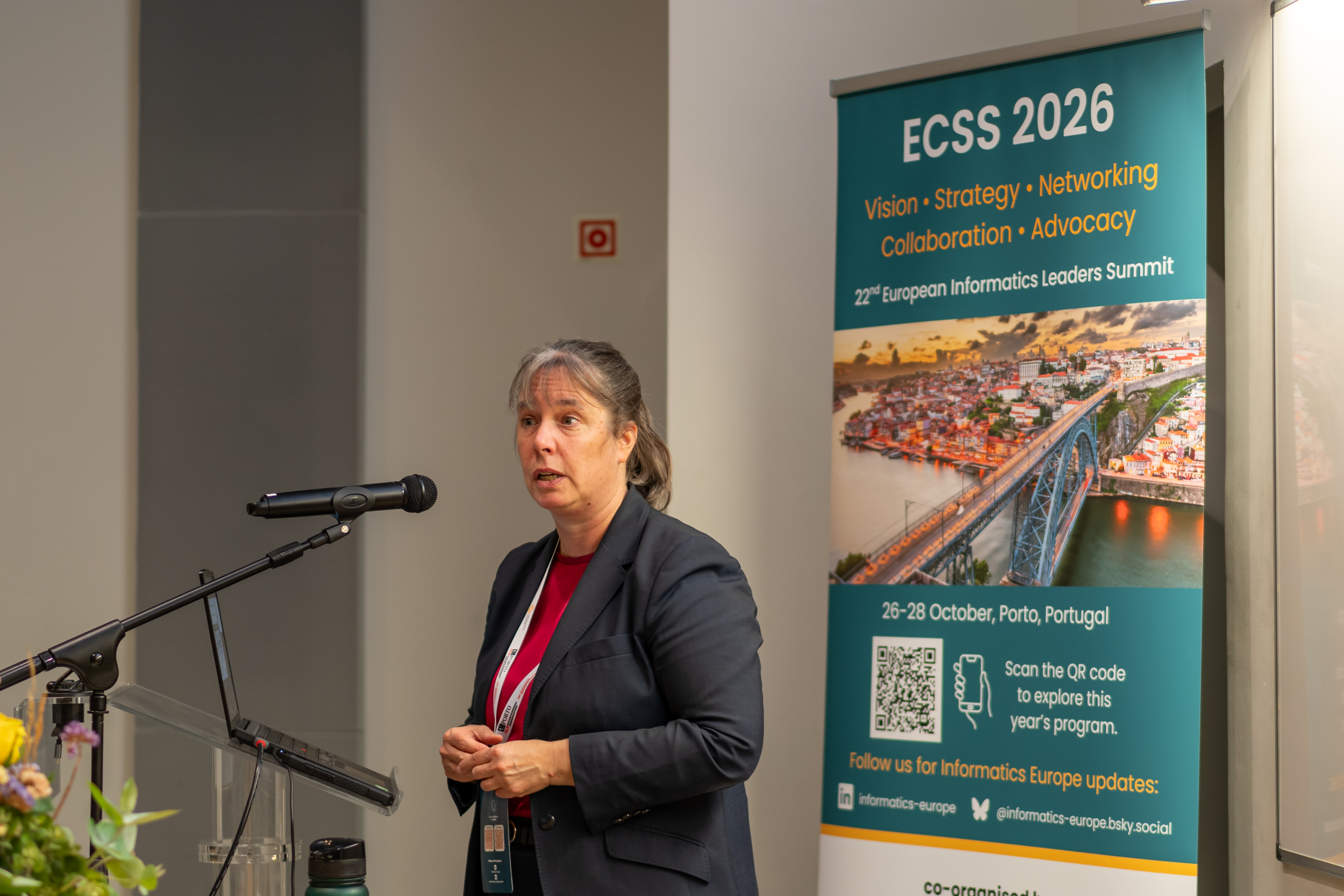
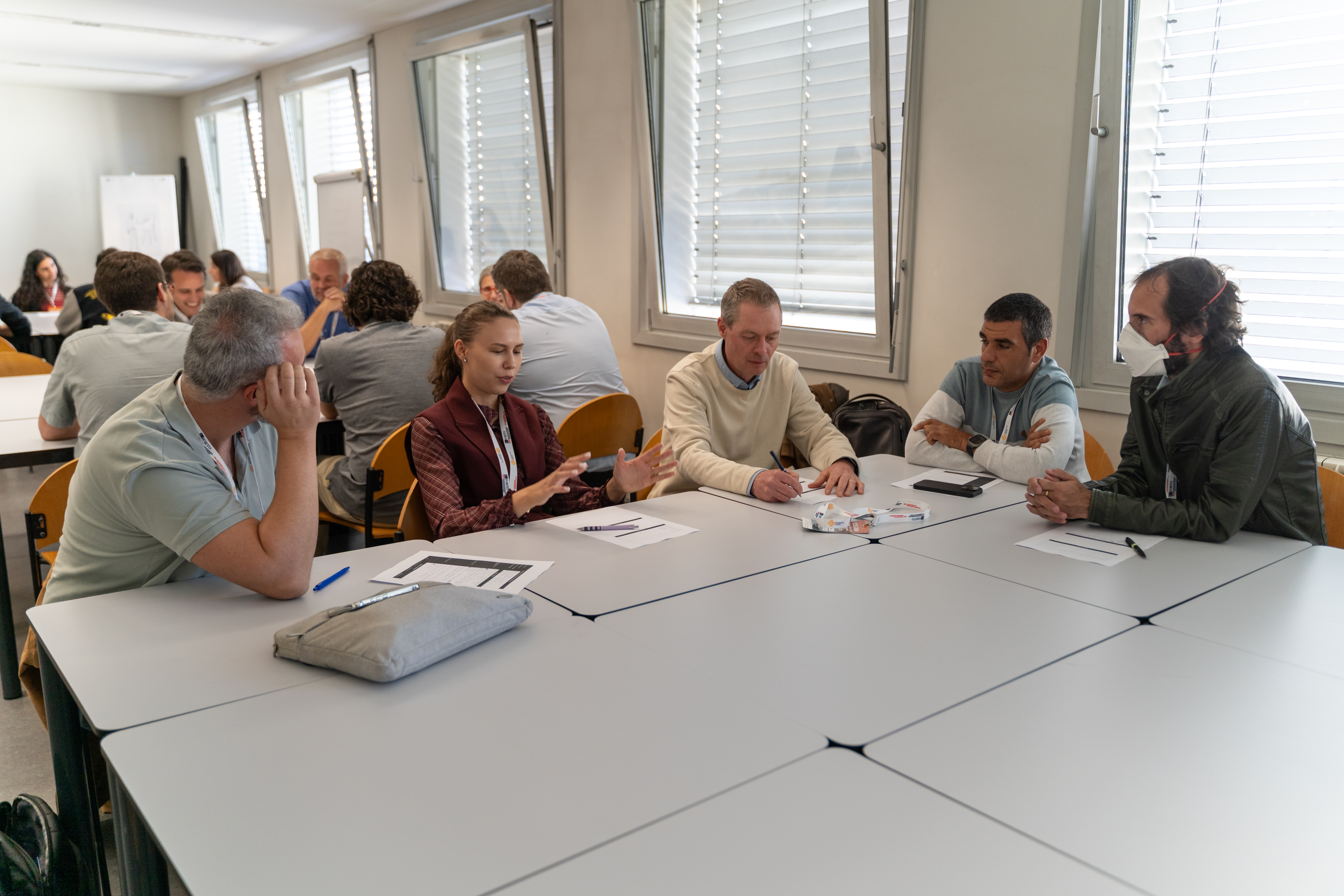
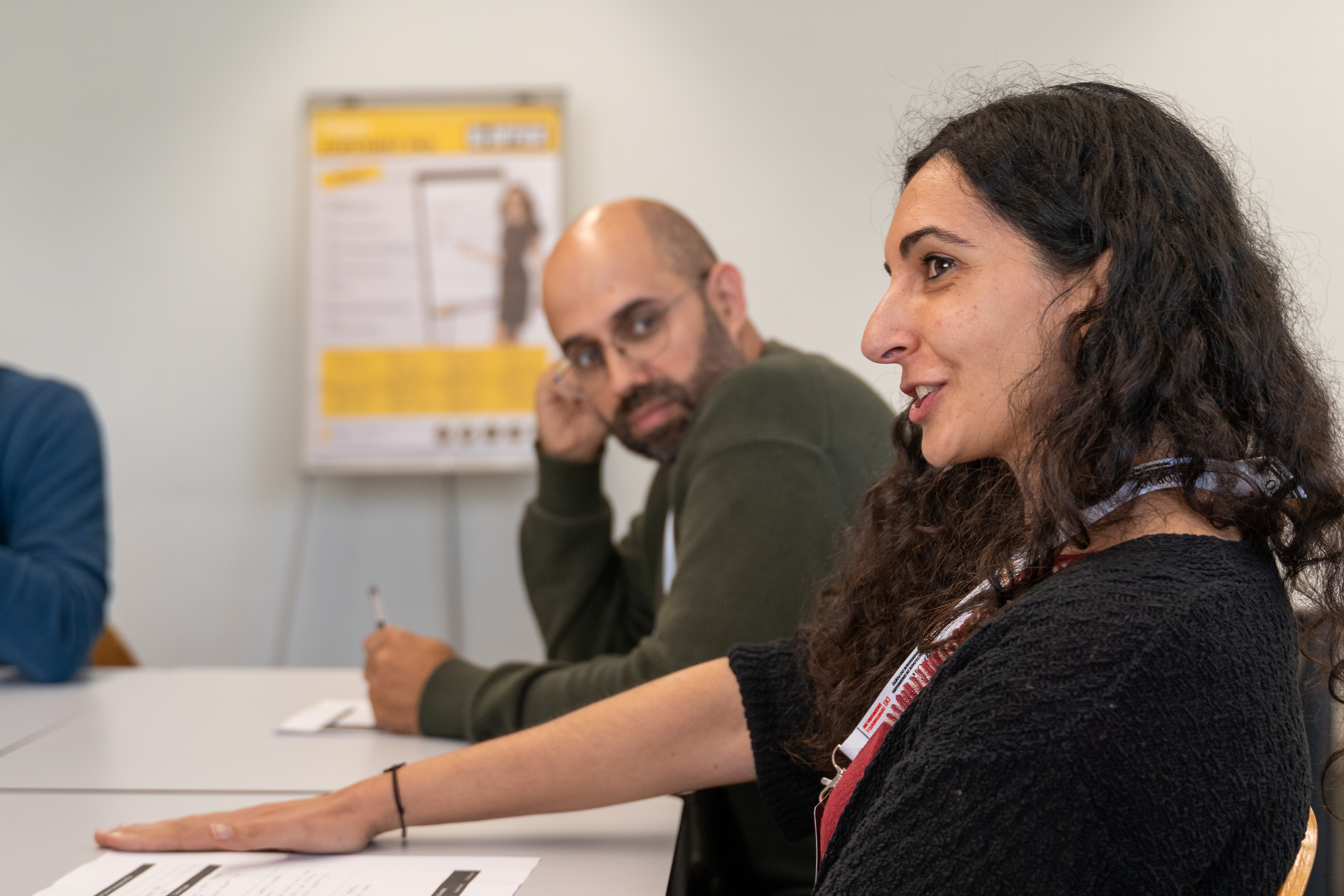
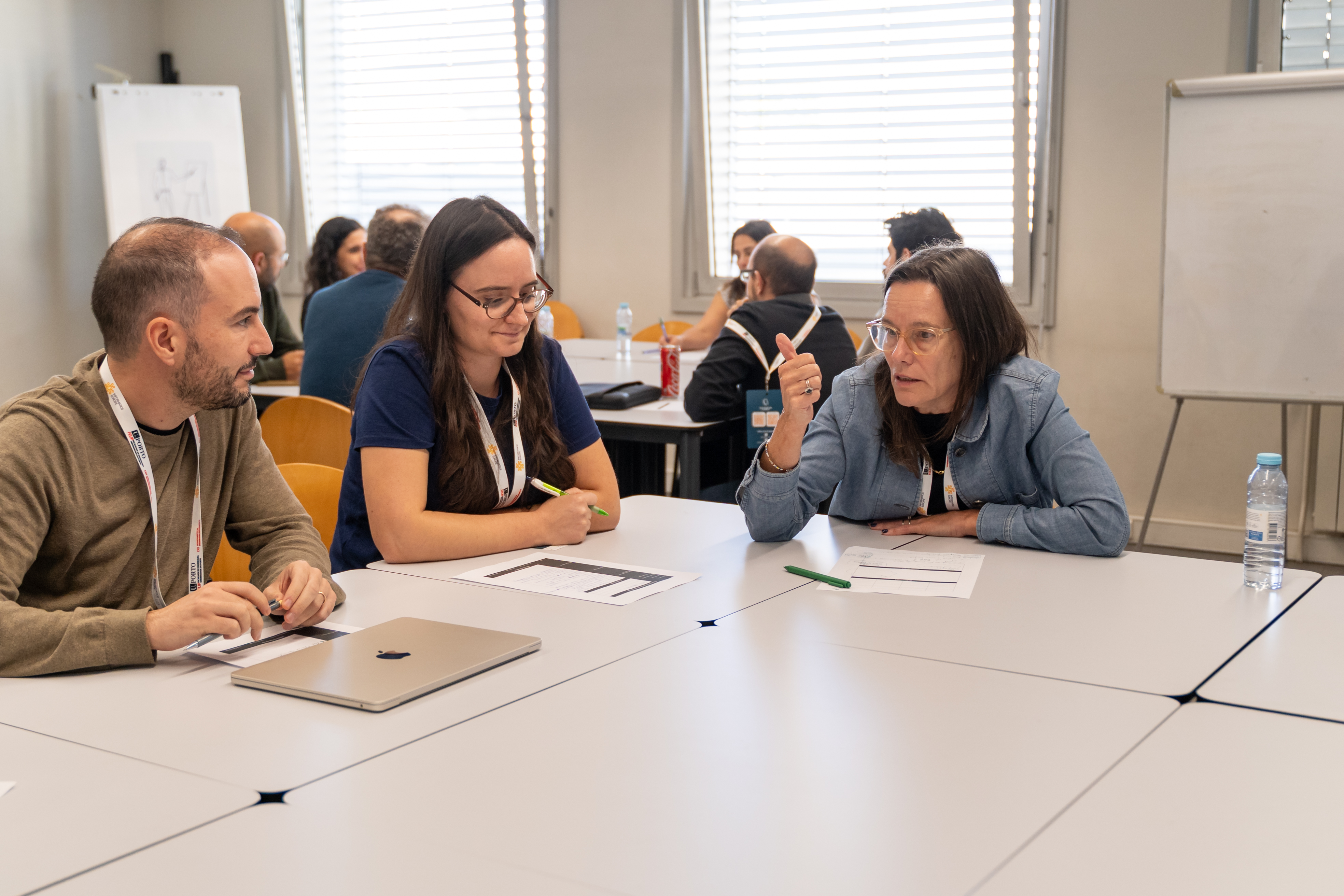
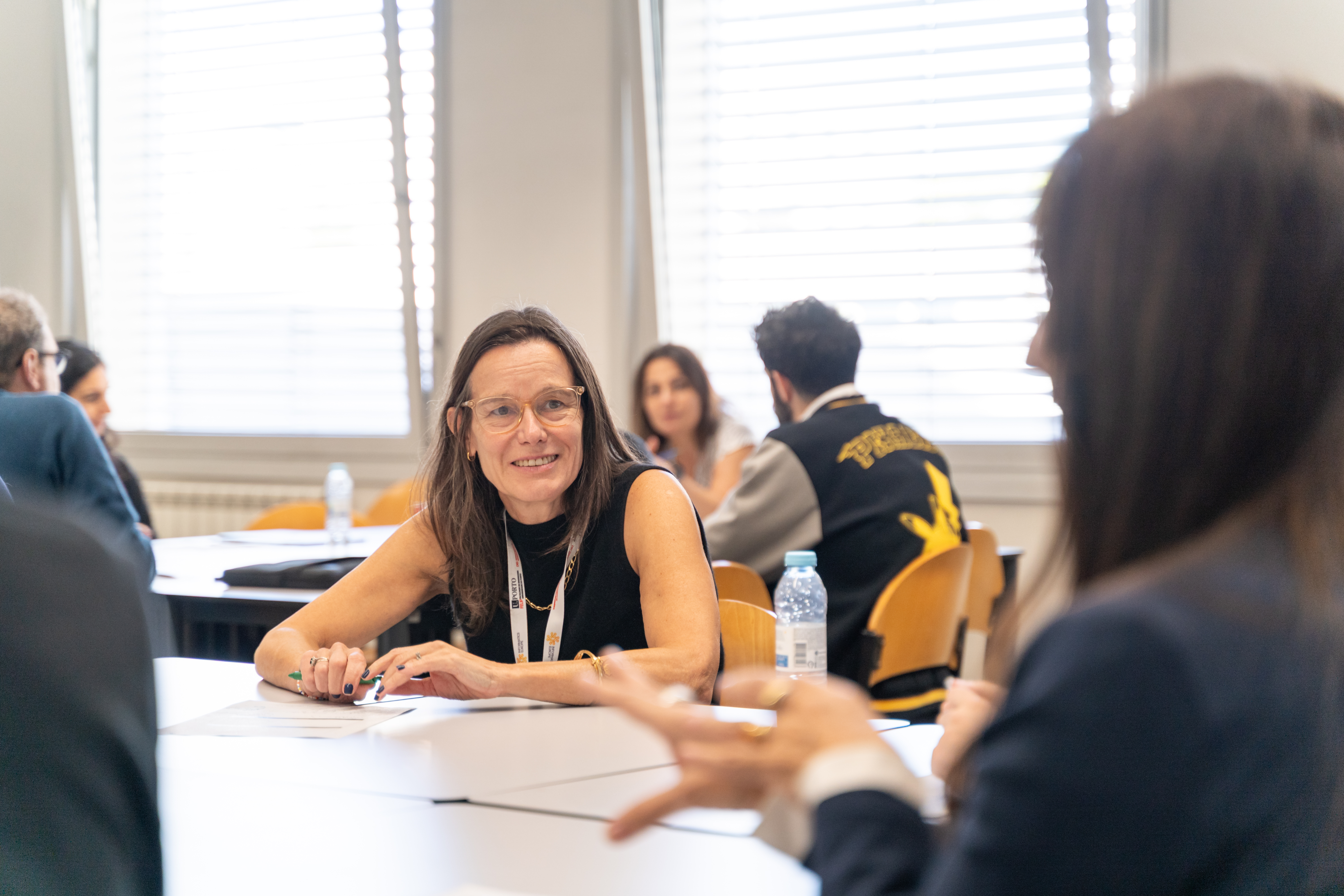
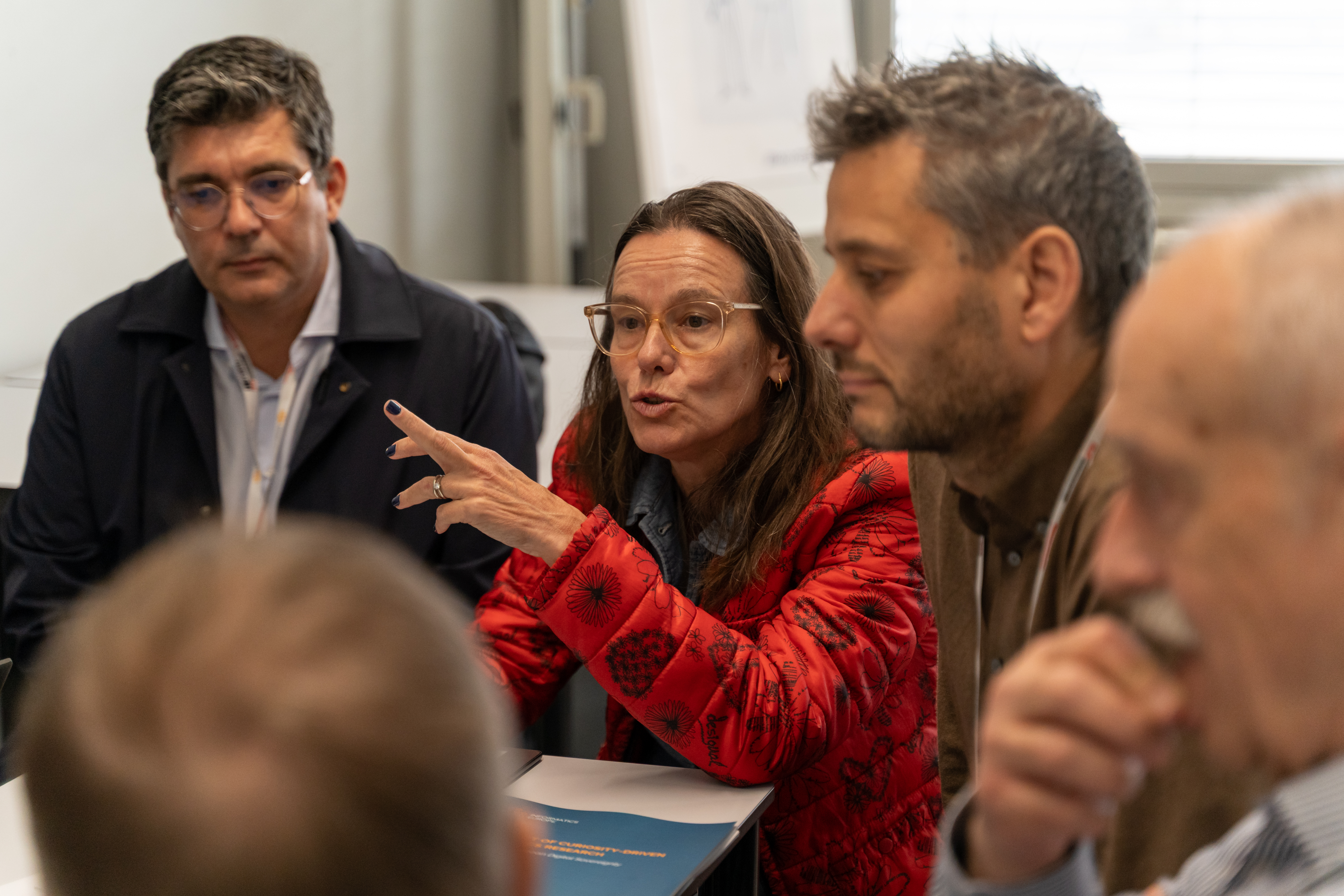
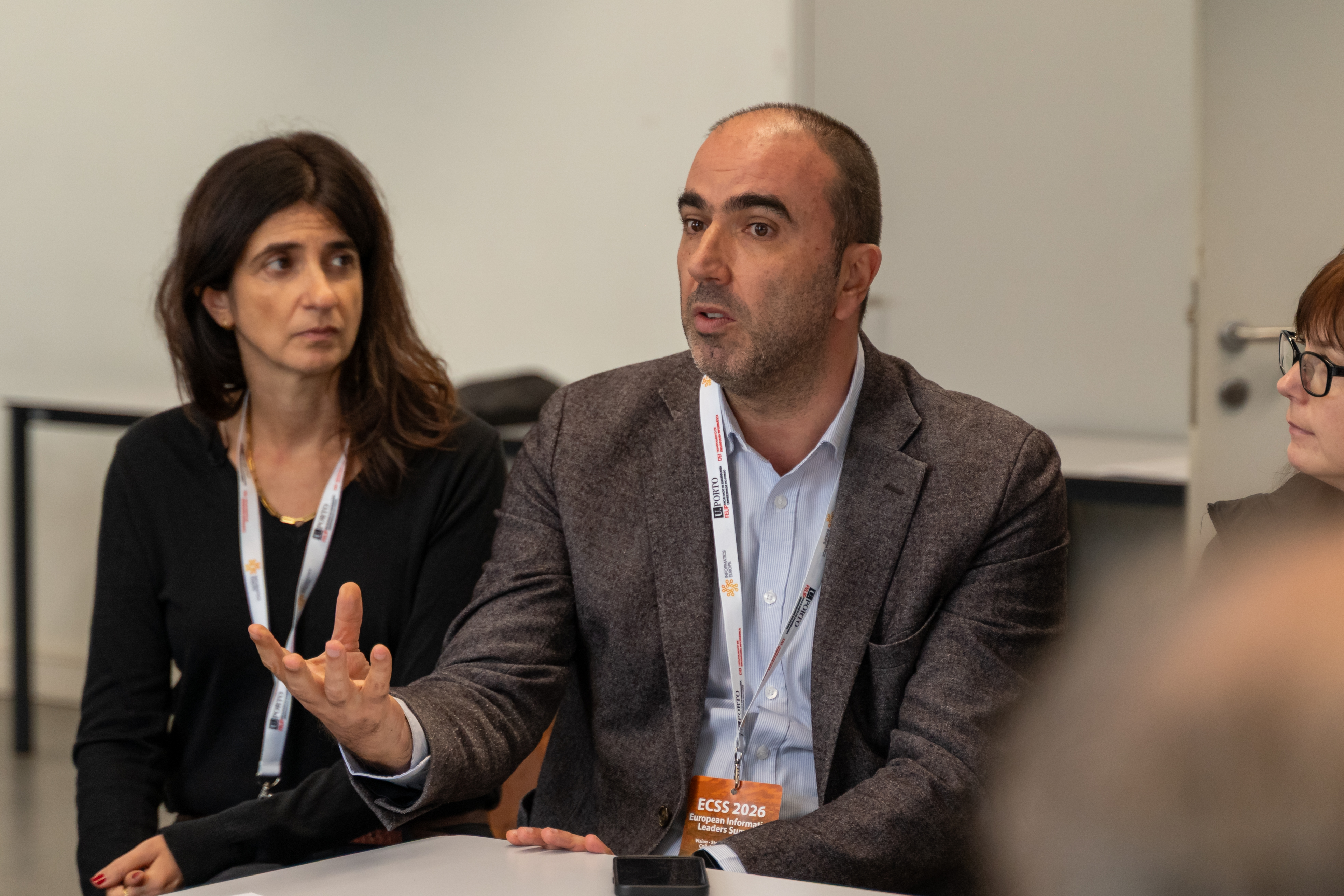
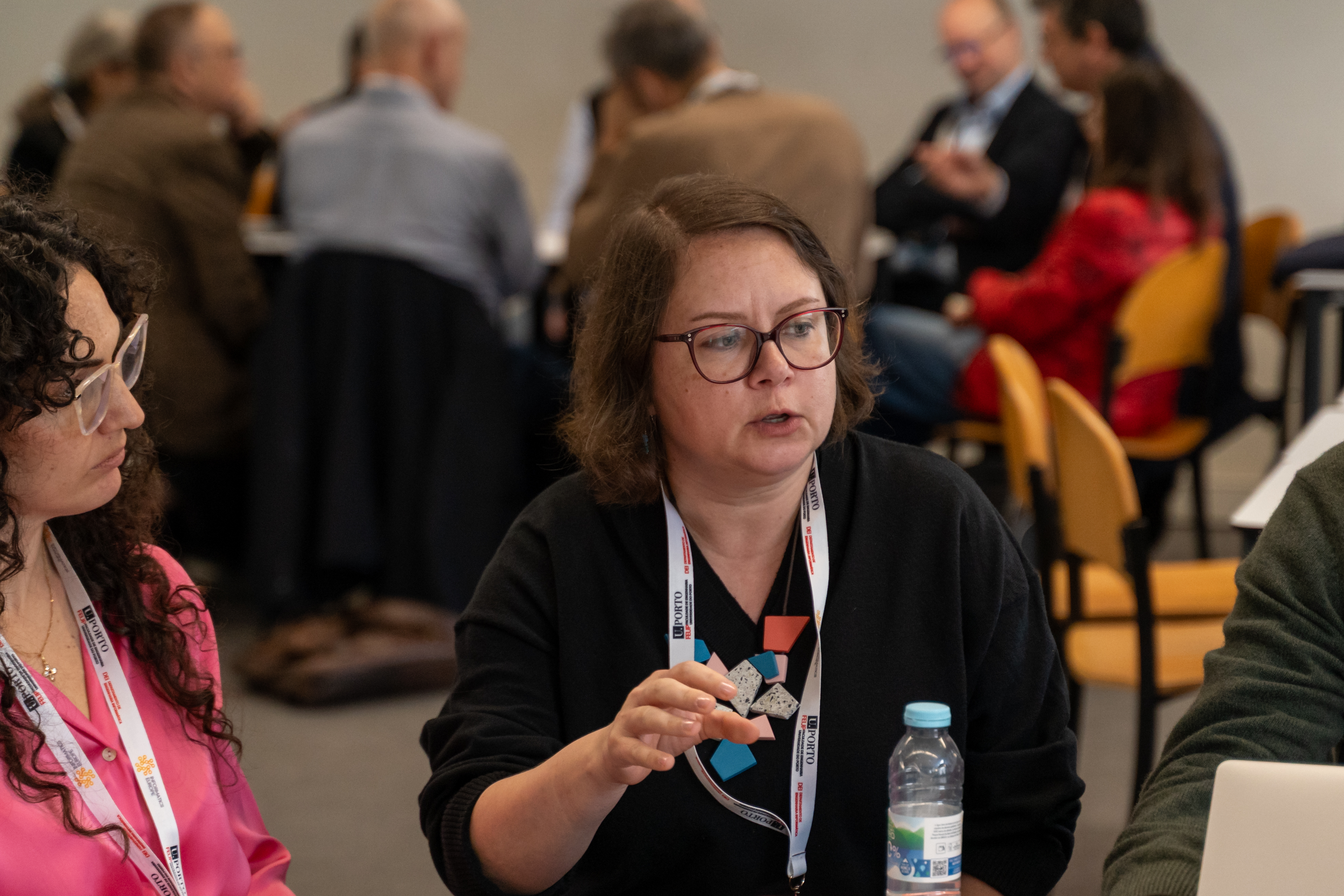
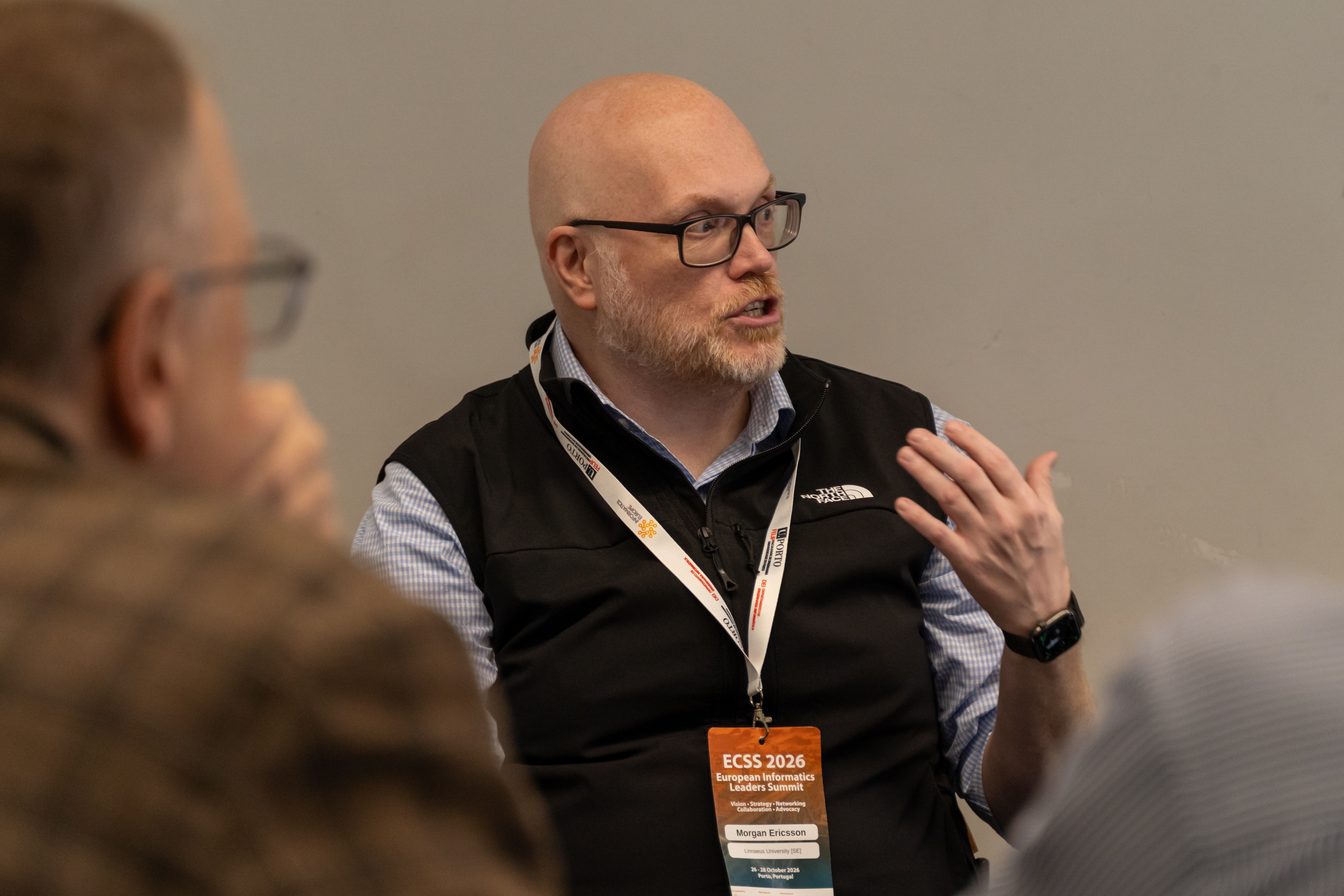
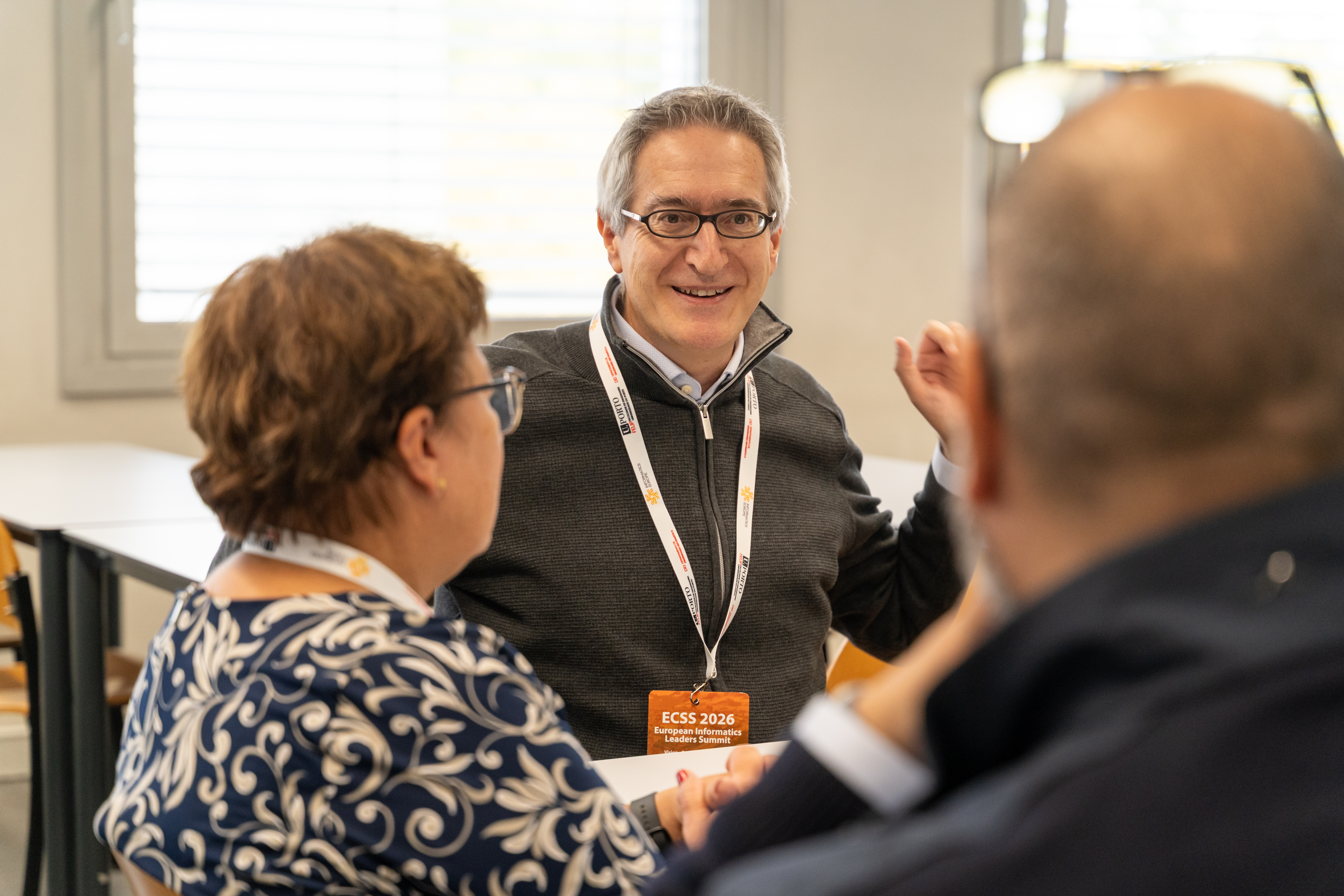
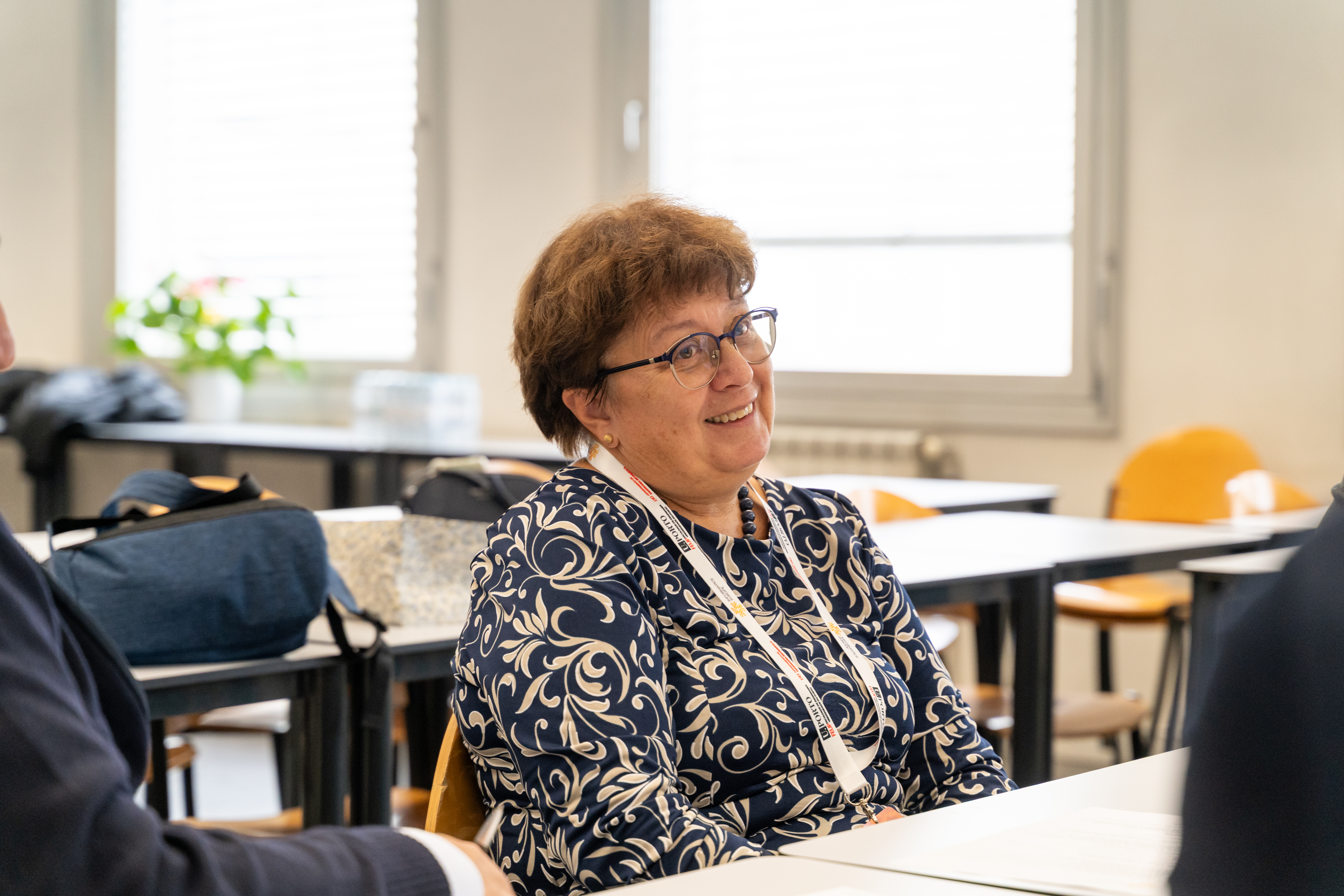
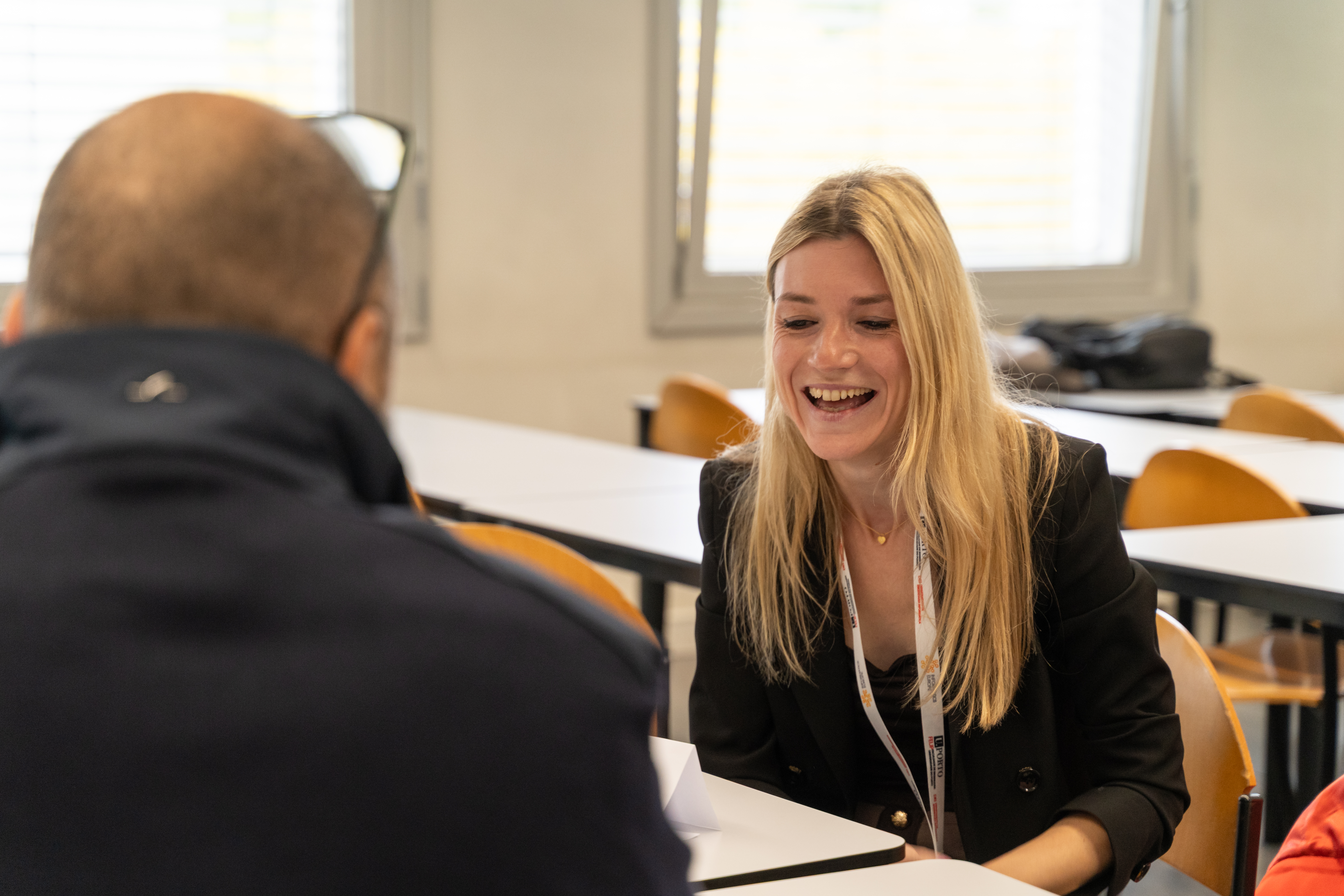
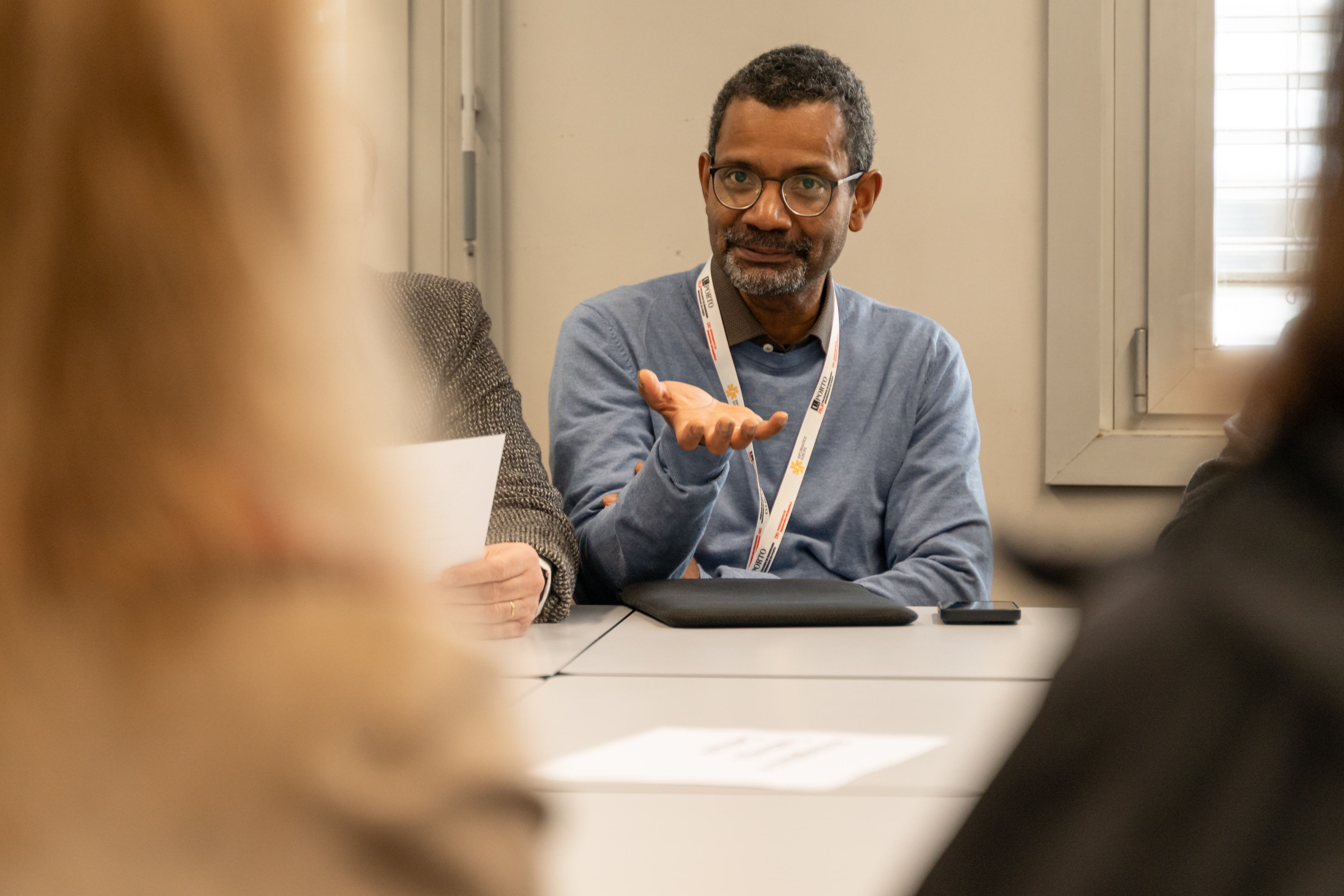
The workshop "Doing Strategy in Academia: From Plans to Impact", chaired by Michel Chaudron, Eindhoven University of Technology (the Netherlands) and Giovanni Russello, University of Auckland (New Zealand), is structured in two complementary parts.
An introductory session integrated into the Strategy Workshop I on Monday afternoon, 26 October, presented key concepts and set the scene for all participants, while a more interactive and practice-oriented follow-up workshop on Wednesday morning, 28 October, brought together a smaller group of up to 50 participants for in-depth discussions and activities.
Workshop Rundown
Speaker bios and abstracts are available on the ECSS speakers page by clicking their photos.
Read the Workshop I & II highlights here.
Monday, 26 October (during the Strategy Workshop I)
14:00 - 16:00 Lecture with short activities
- Welcome, Introduction & Framing
Establish why strategy matters in an academic Informatics context
Lower resistance by demystifying "strategy" - Strategy 101 for Academics
Core concepts presentation by facilitators
Paired discussion and report - Ingredients of the Strategy Discussion
Create a shared, evidence-based view of a department's current position
Asset Mapping
Wednesday, 28 October
09:00 - 10:30 Interactive Workshop
- What Do We Want to Be Known for?
- Strategic Choices & Trade-offs
10:30 - 11:00 Coffee break
11:00 - 12:10 Interactive Workshop (cont'd)
- From Priorities to Action – How to implement and monitor the strategy?
- Metrics, Review, and Governance
12:10 - 12:30 Close & Next Steps
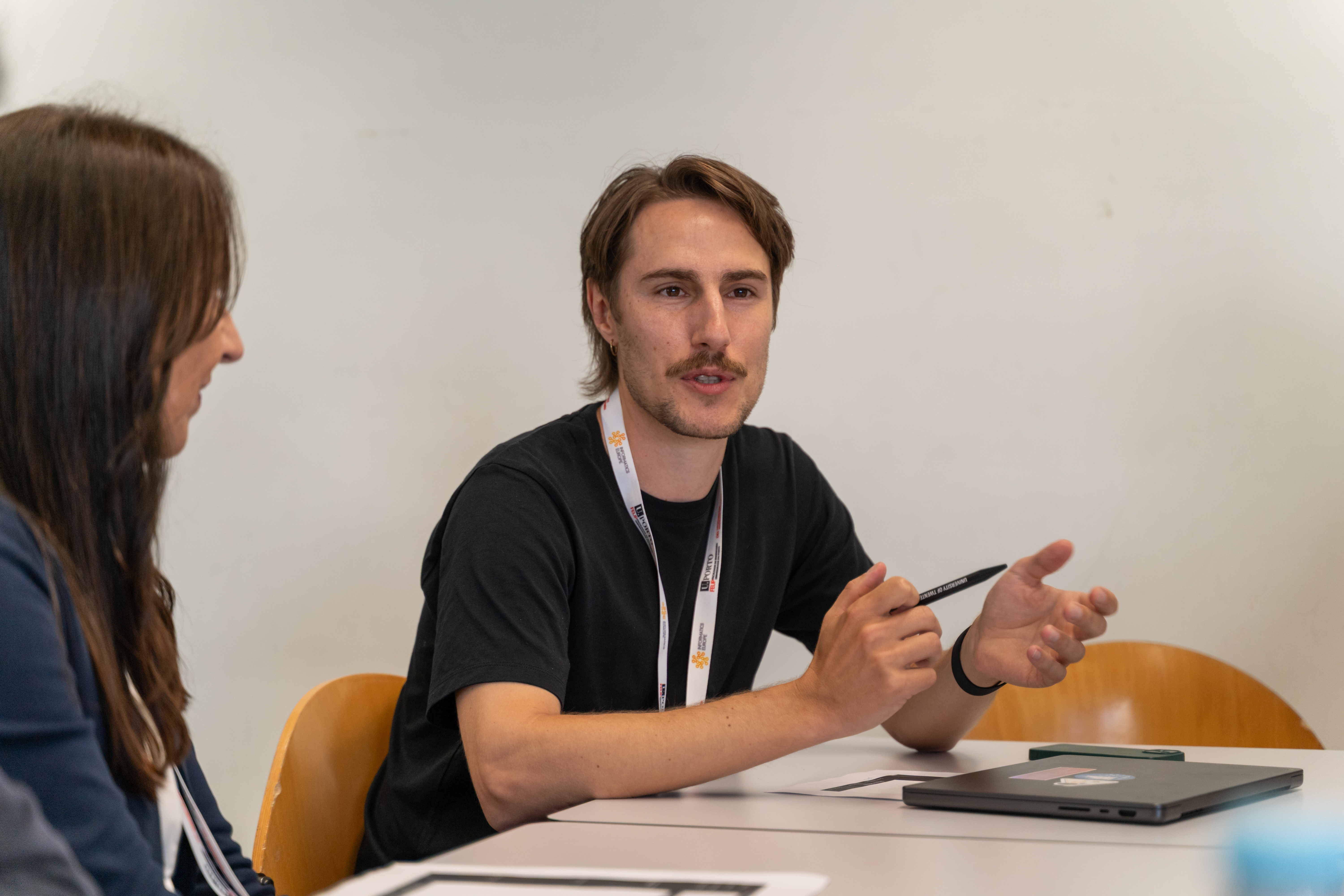
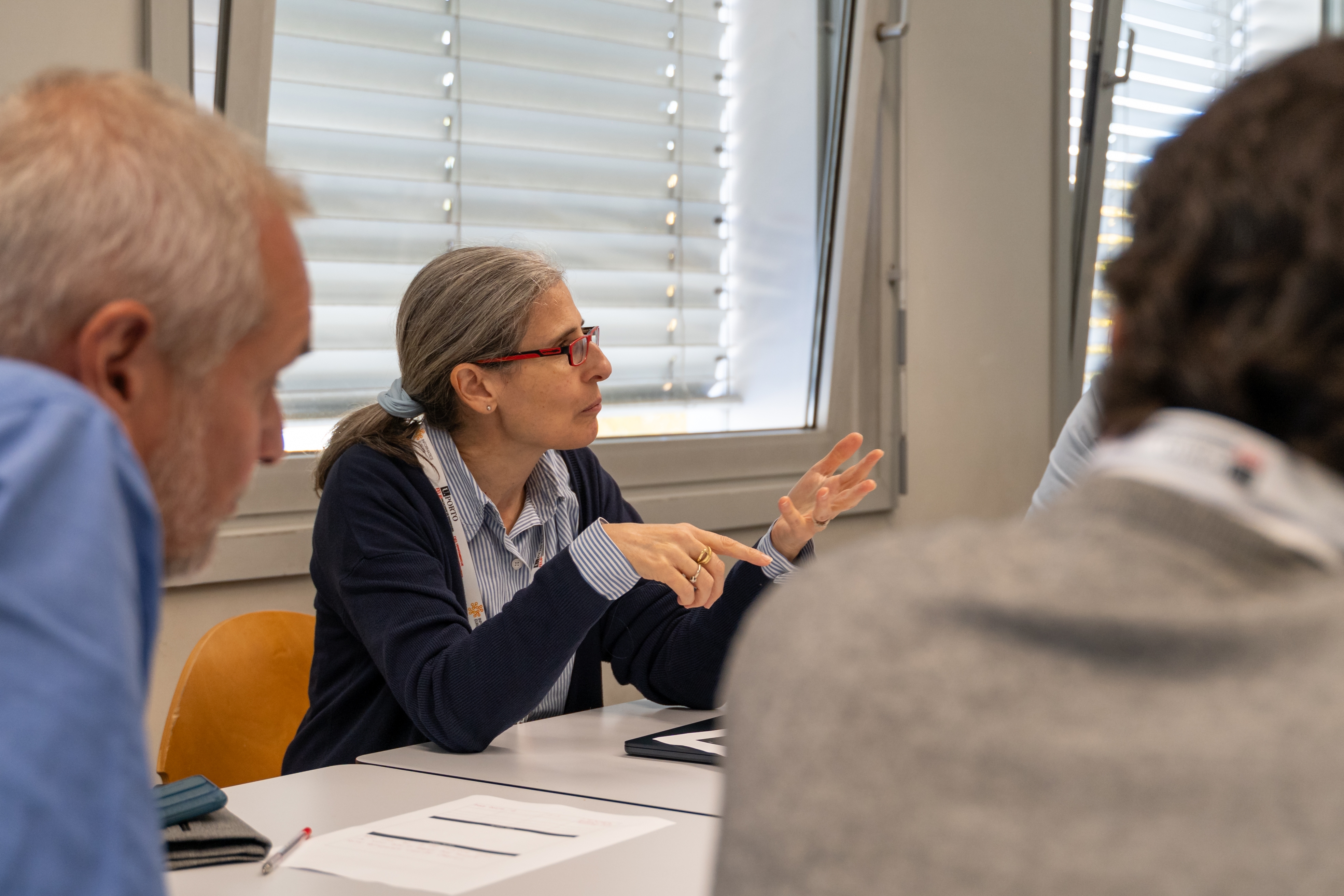
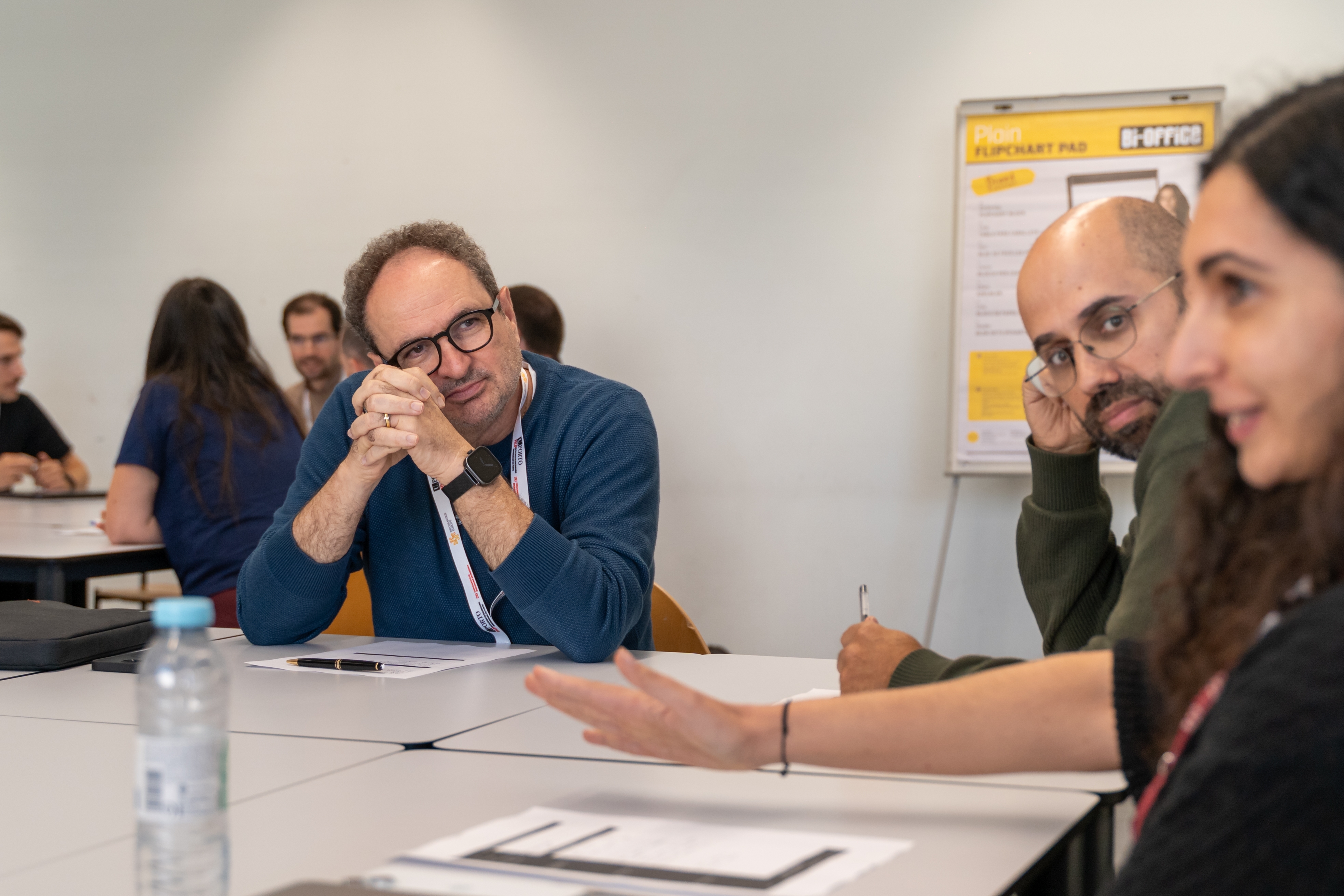
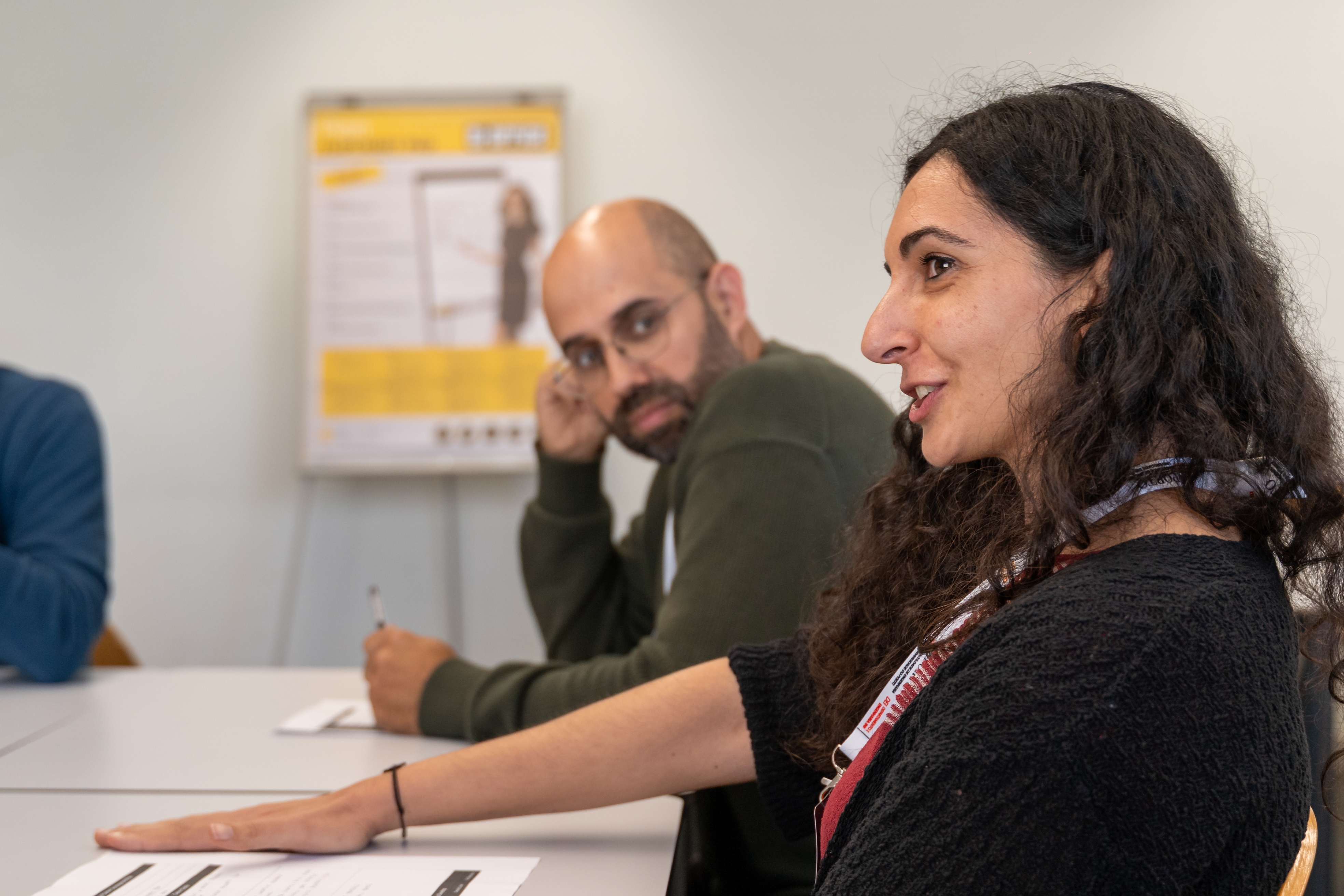
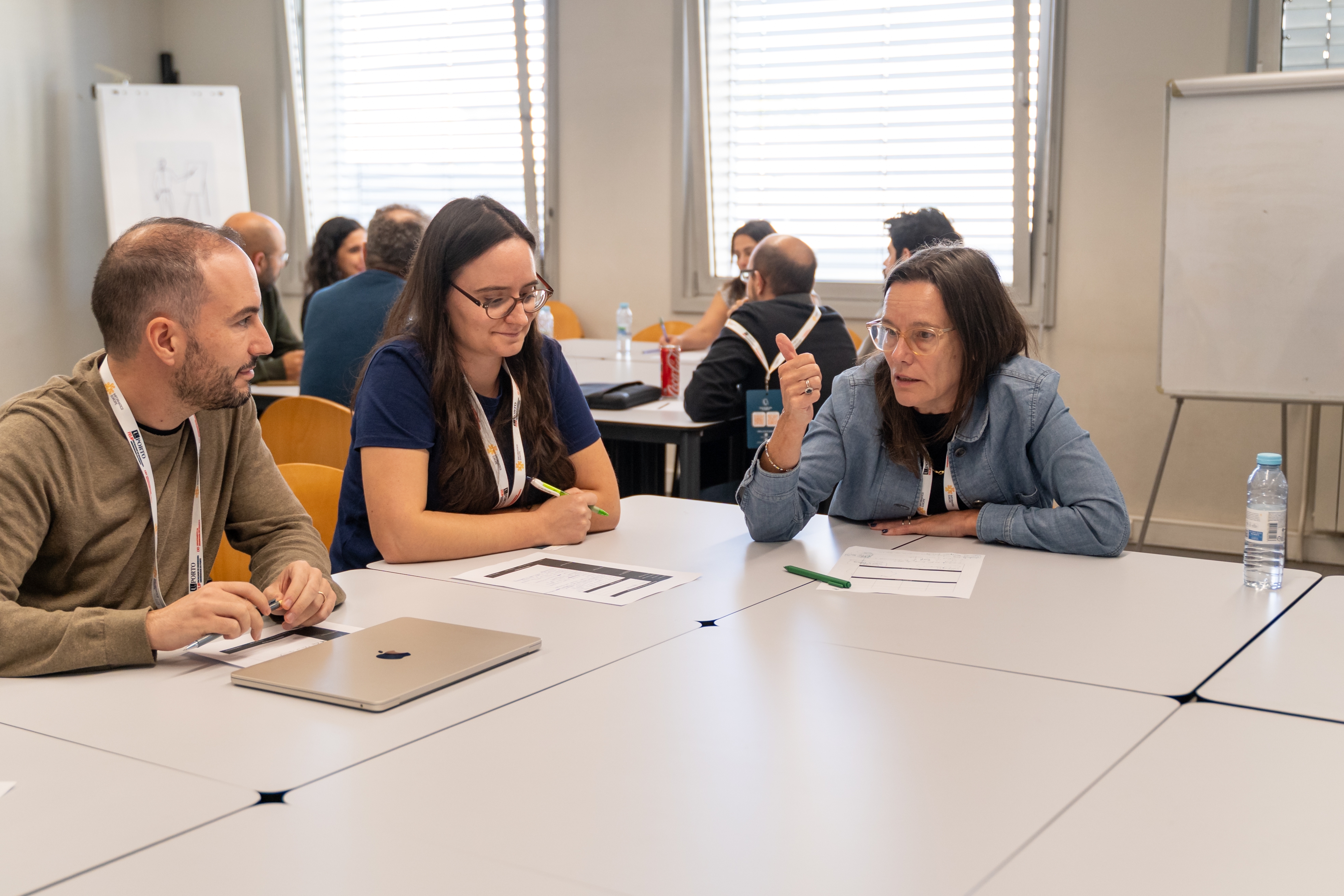
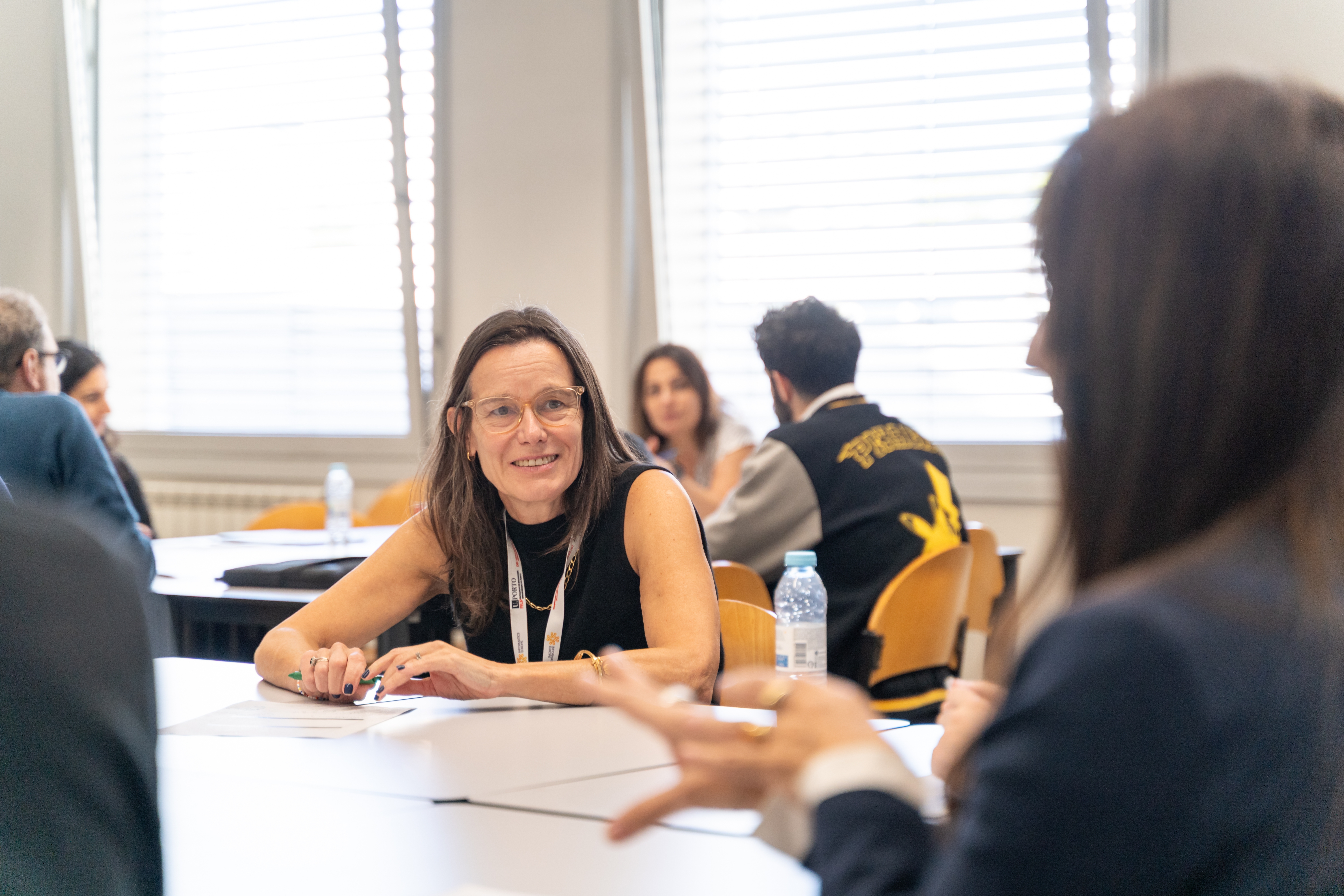
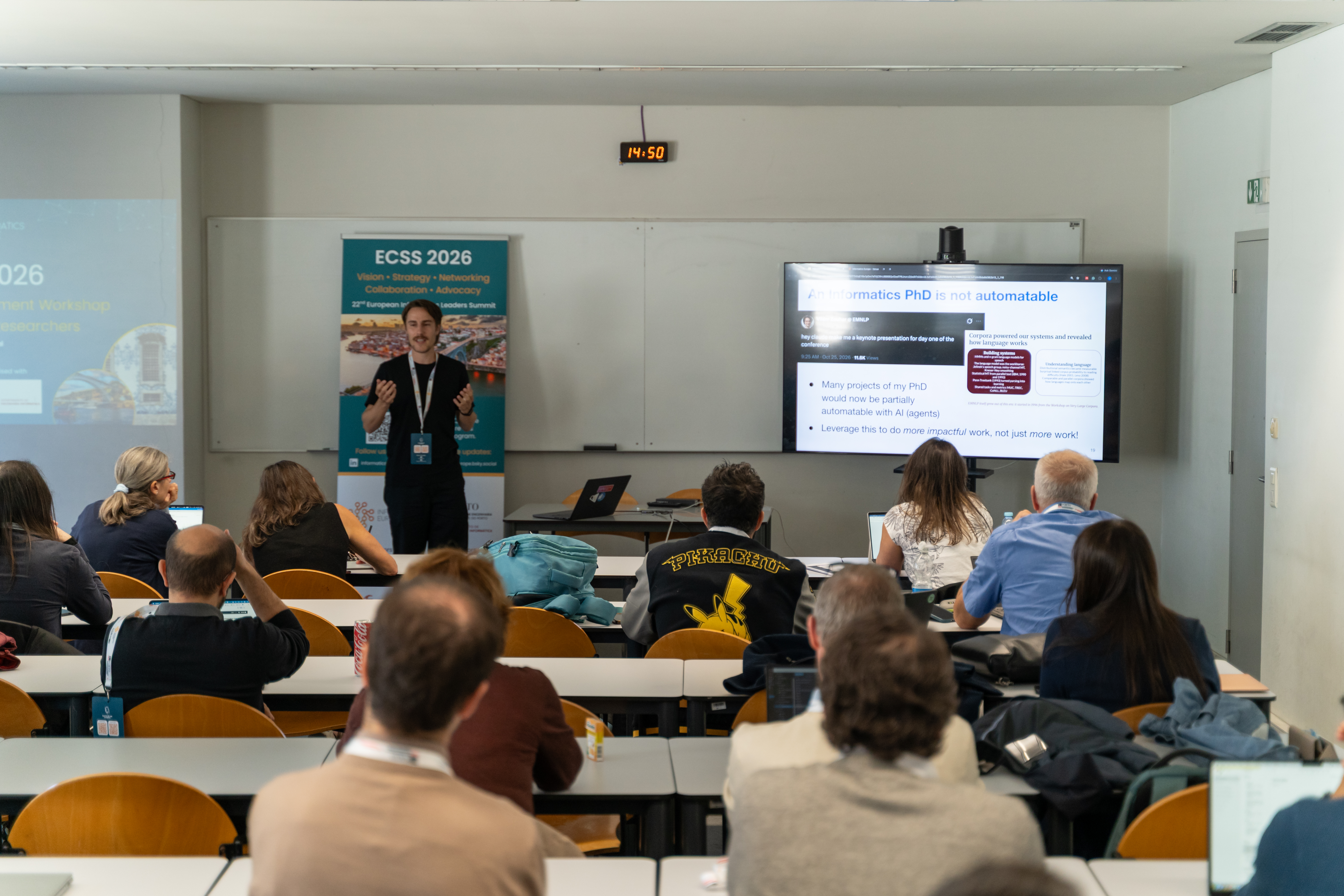
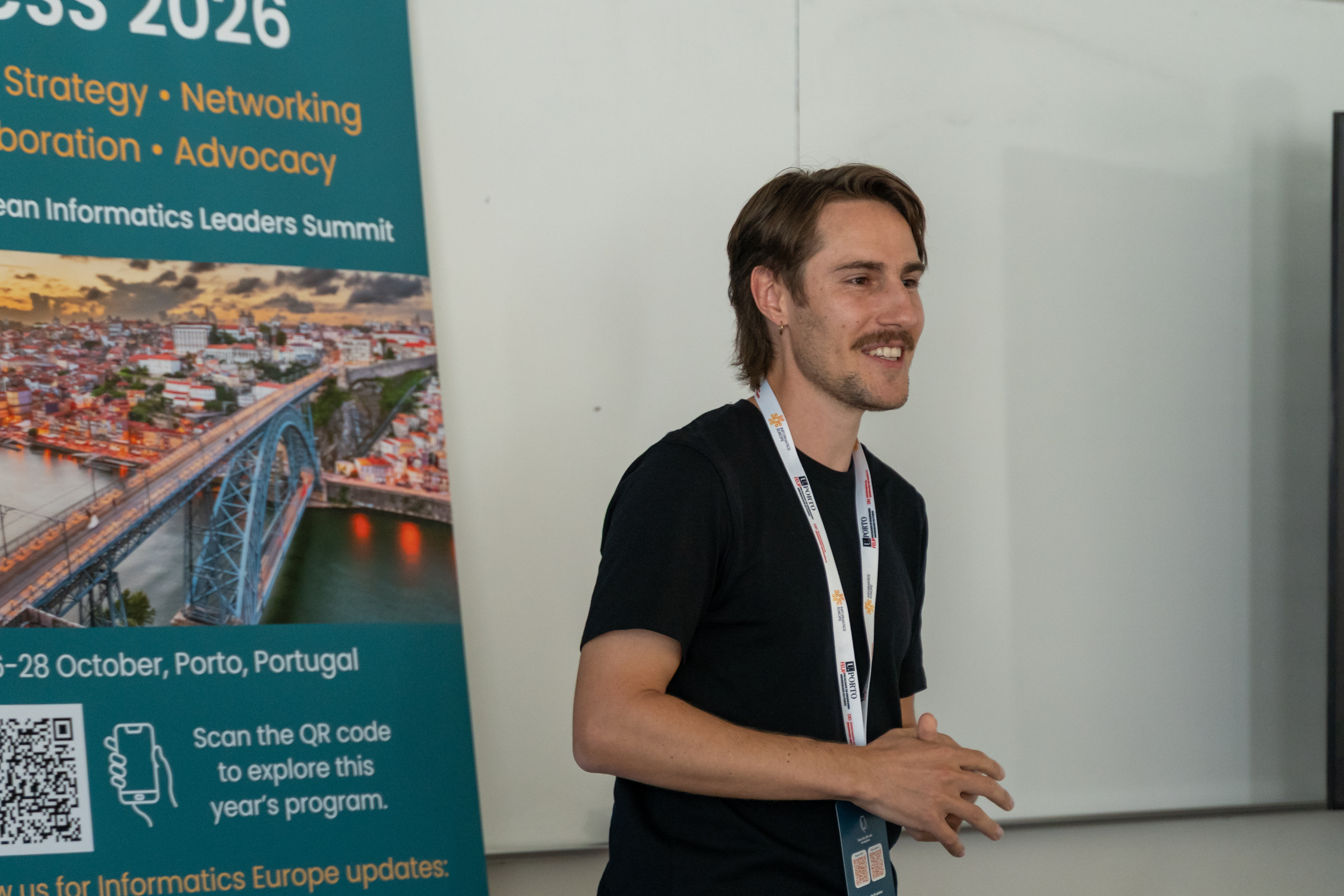
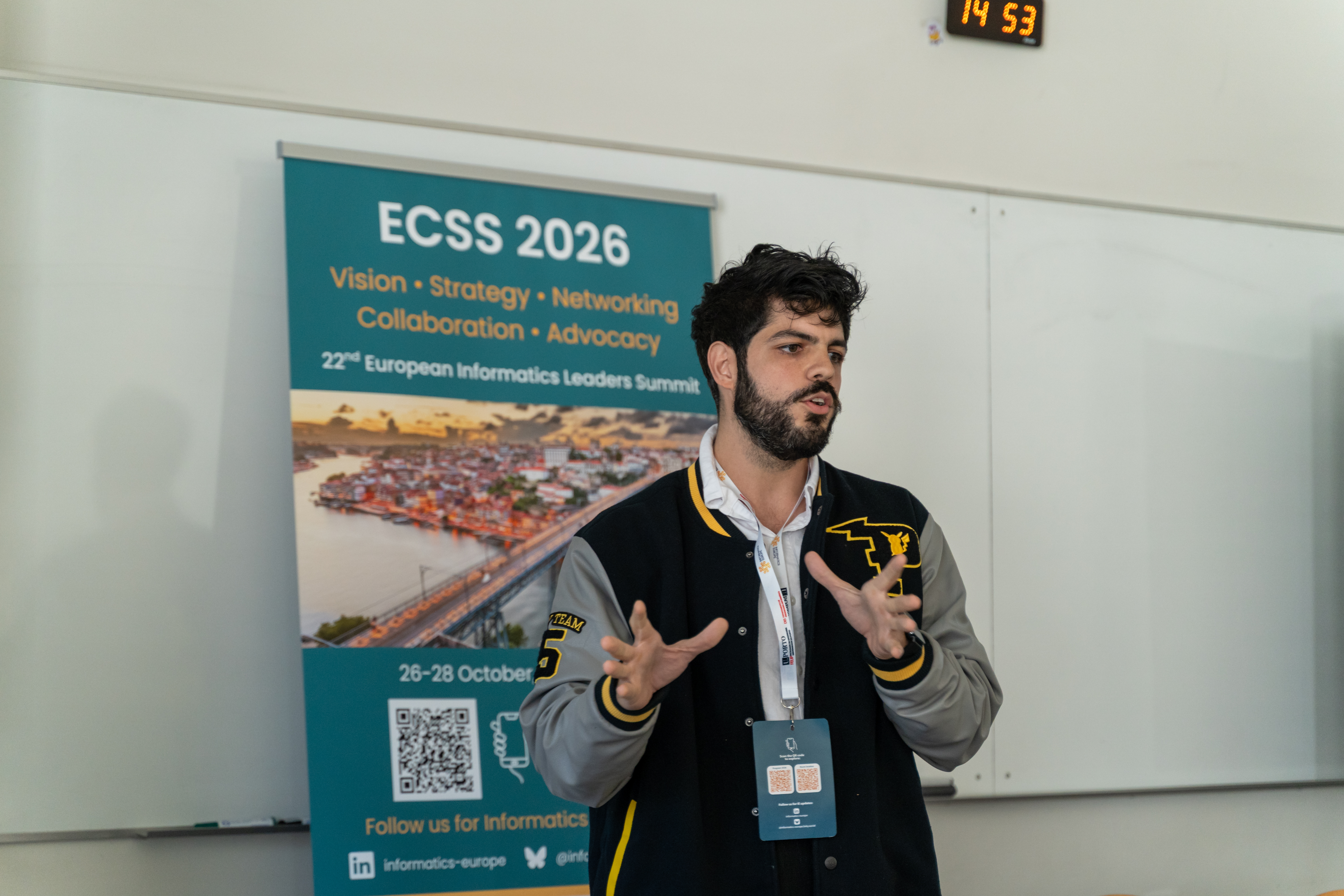
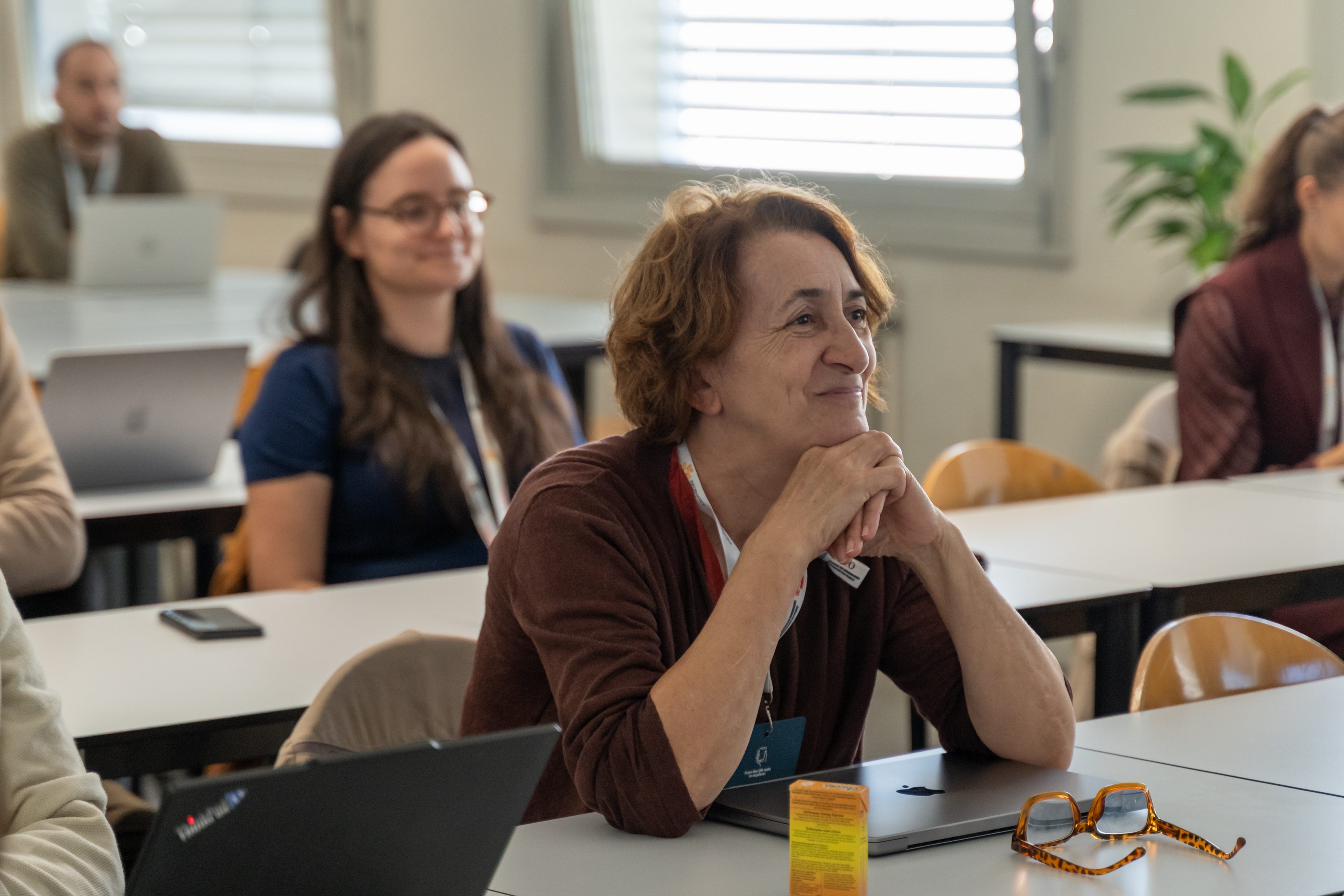
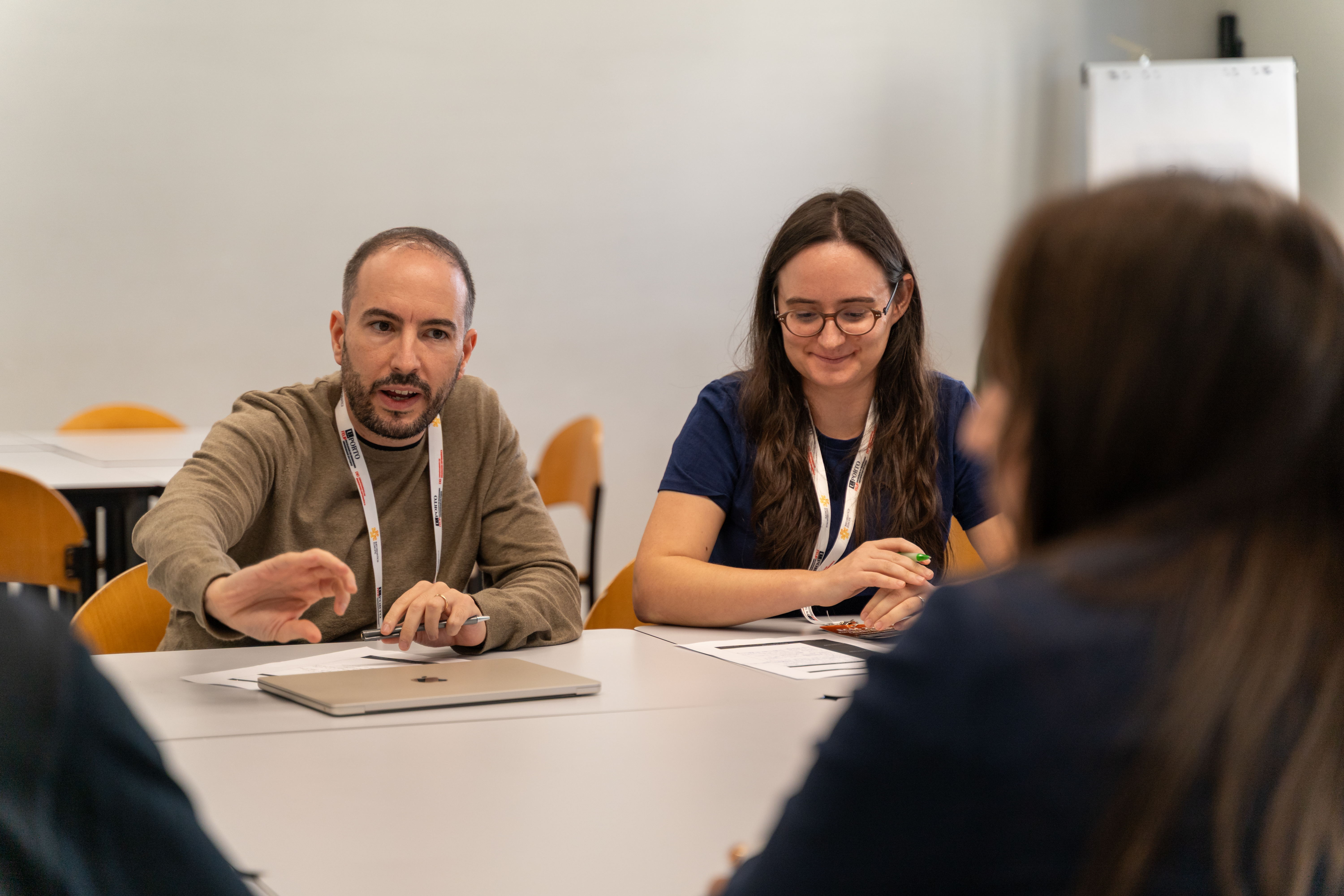
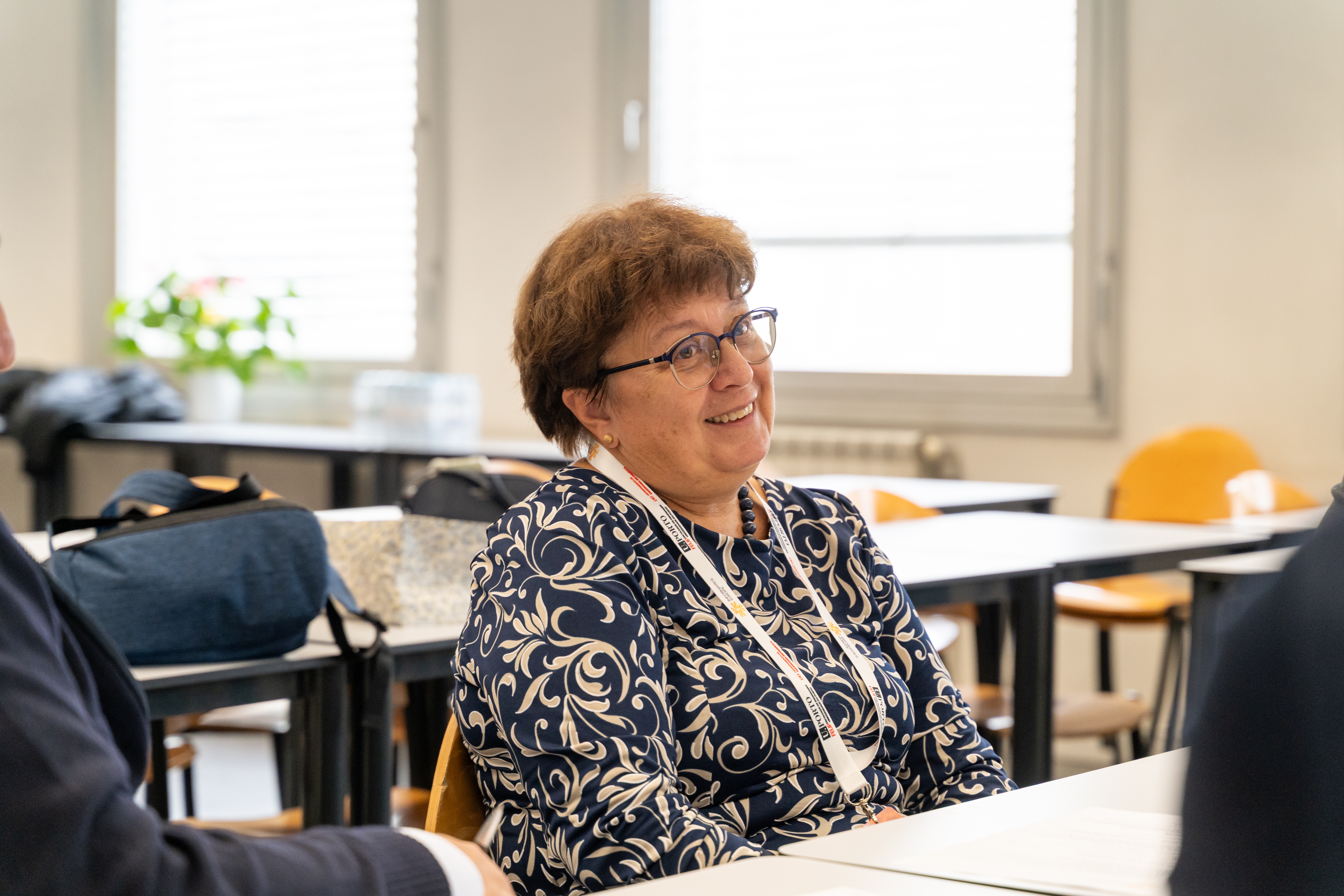
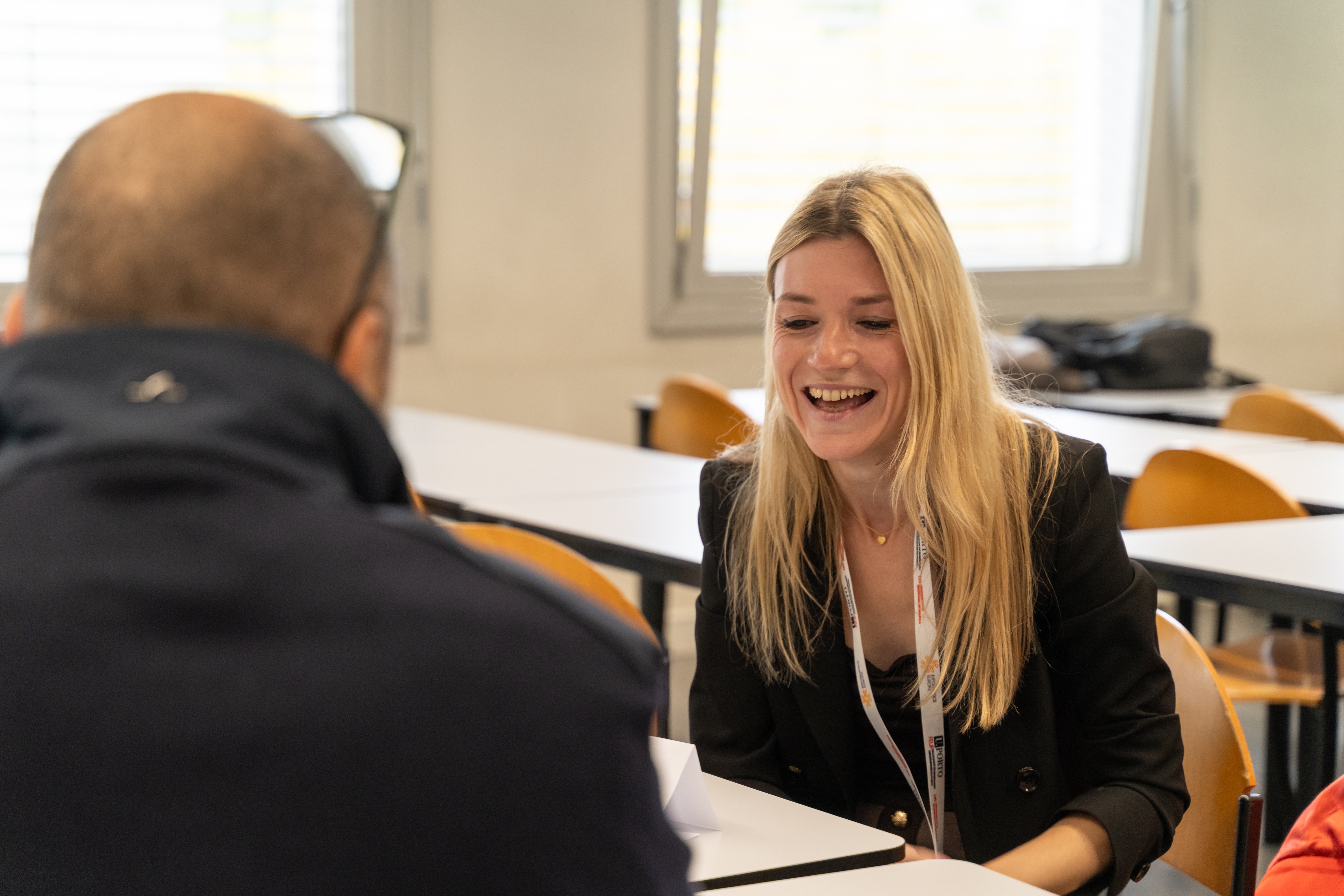
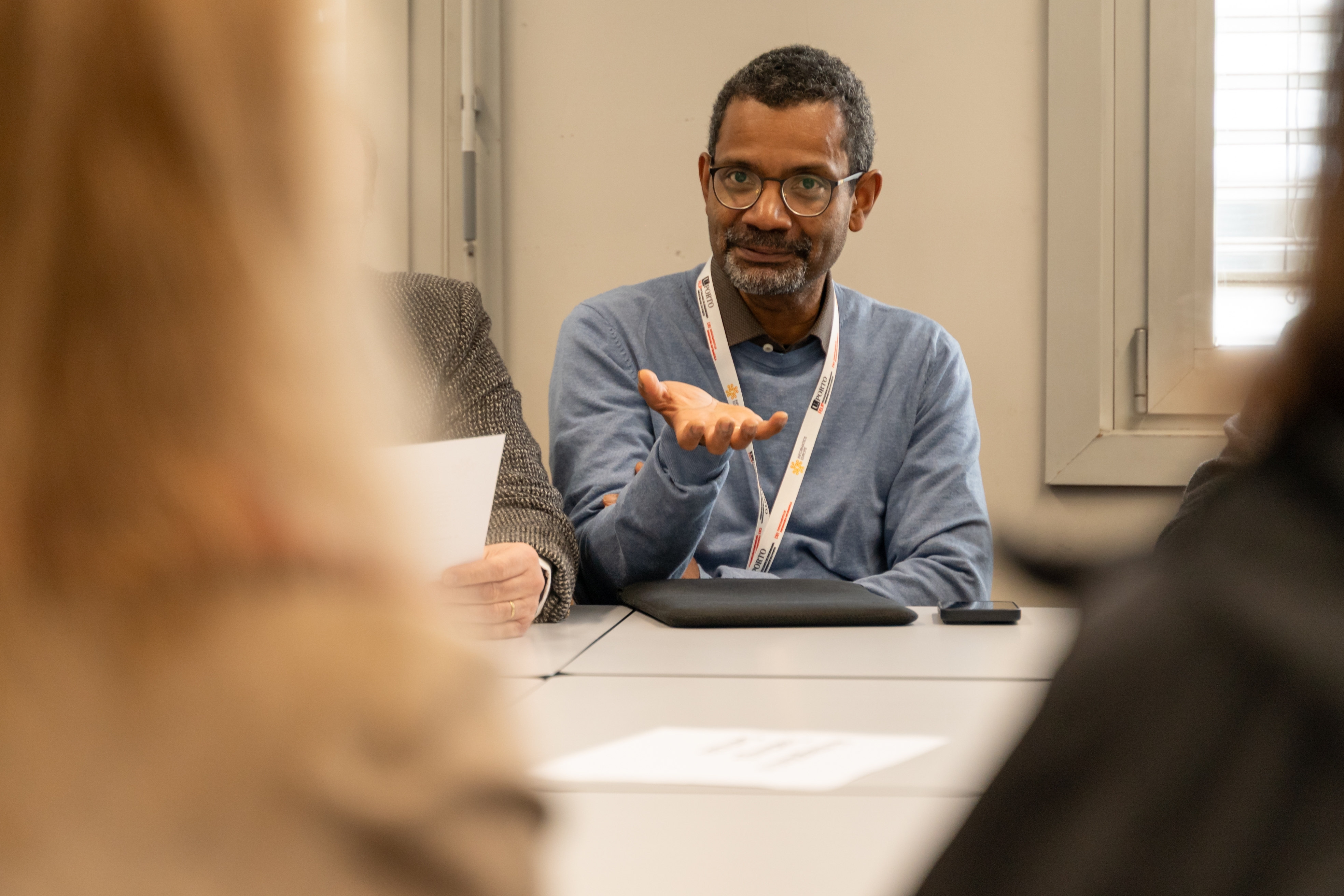
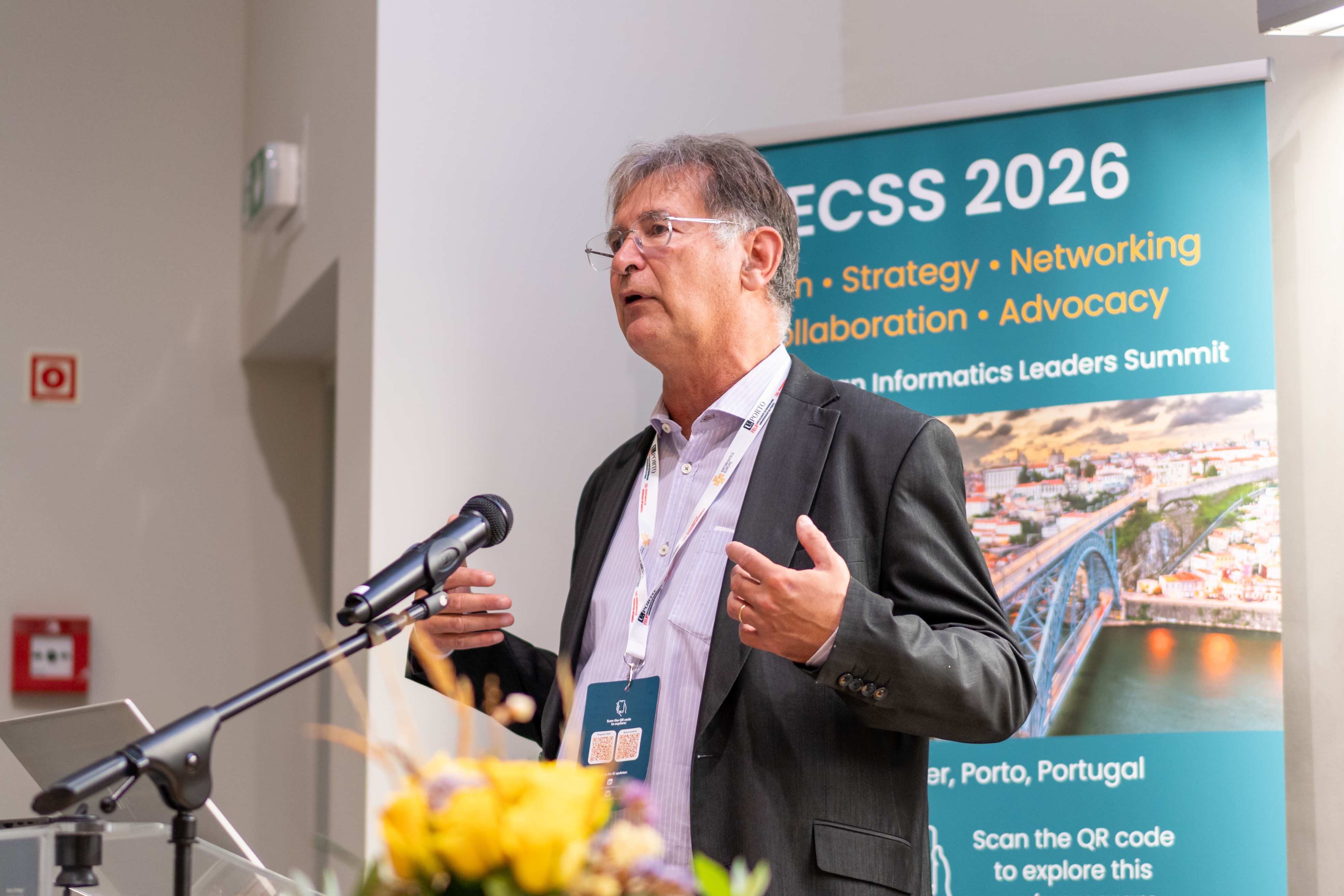
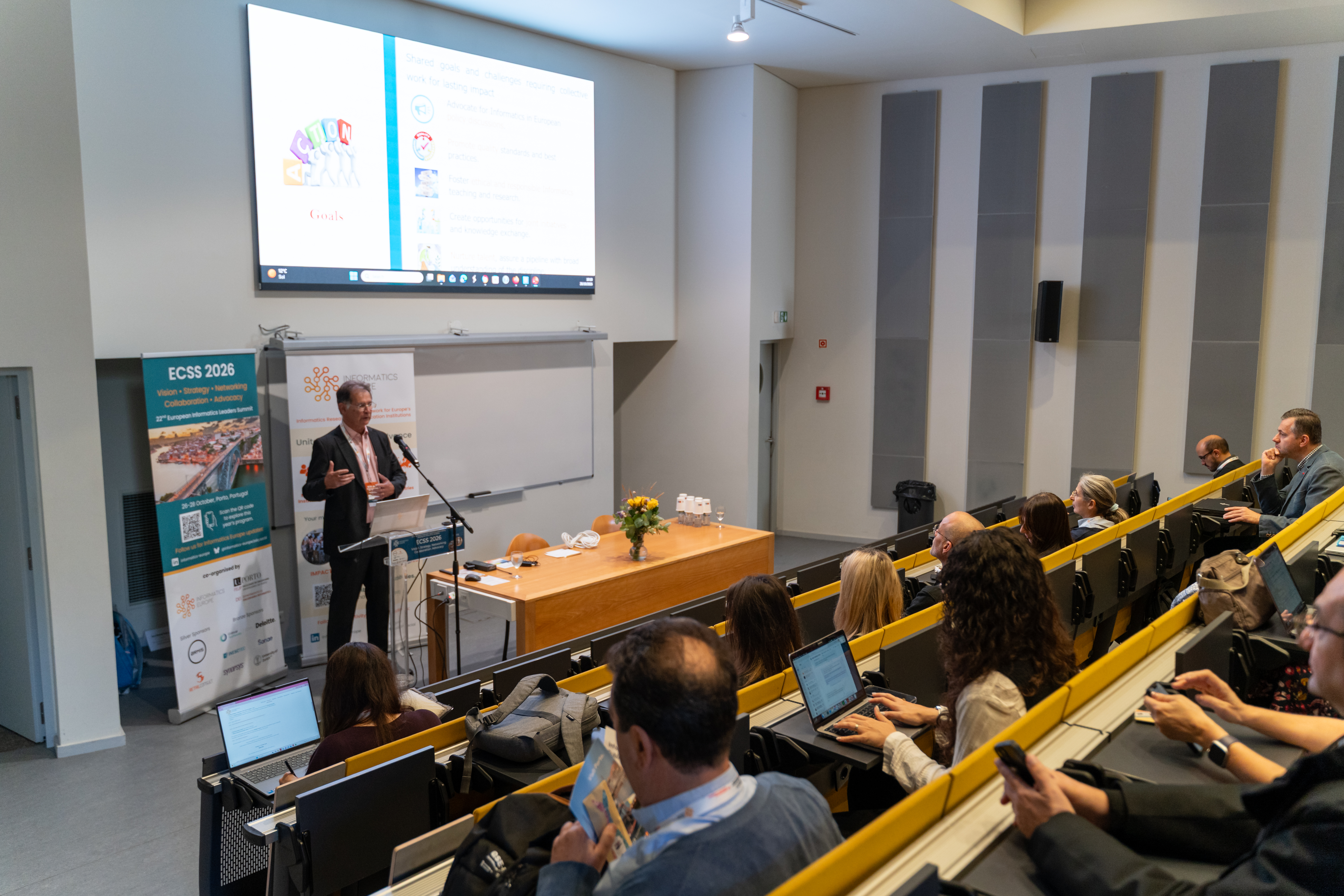
Workshop Gallery


Keynote Session
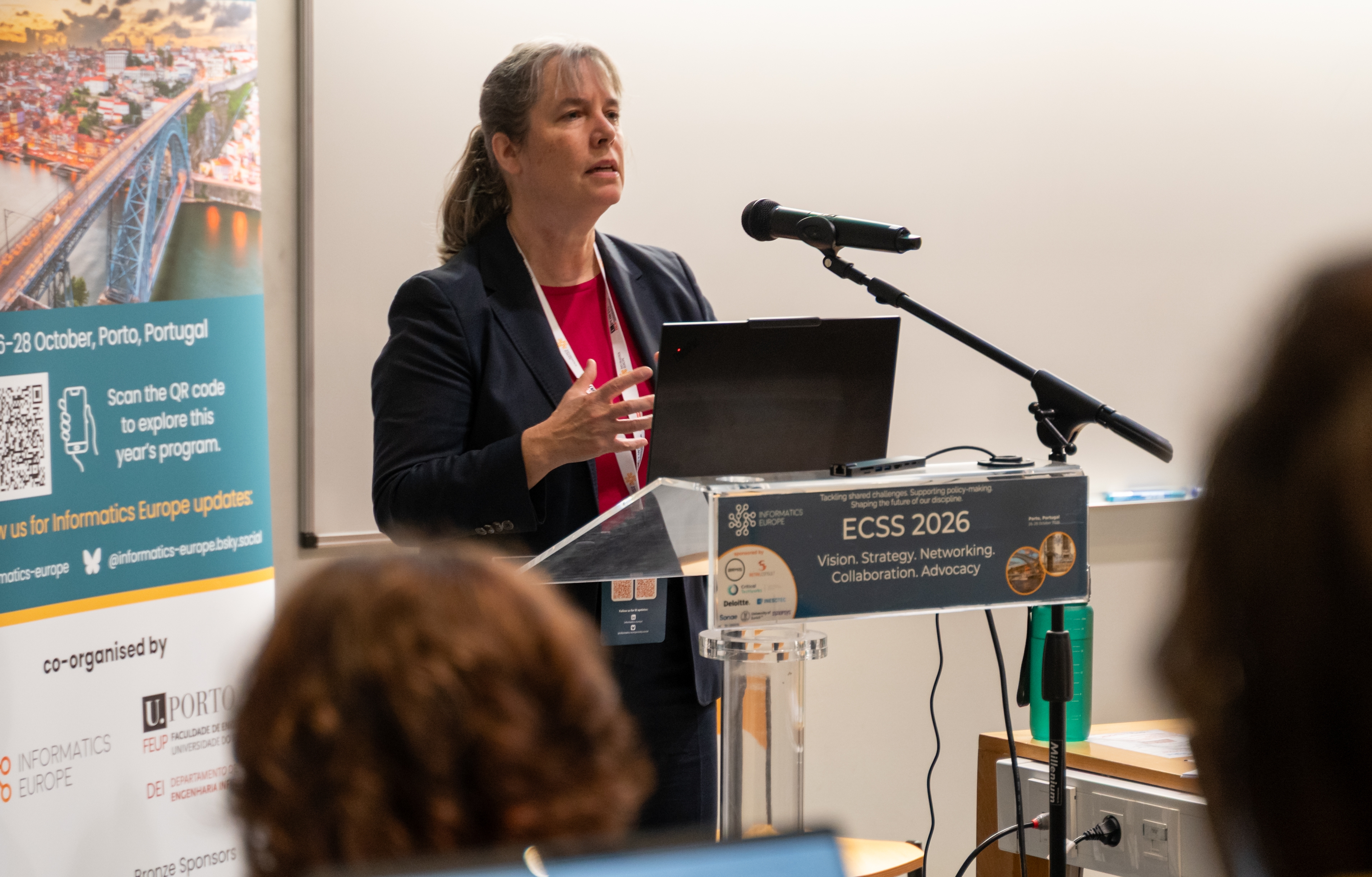
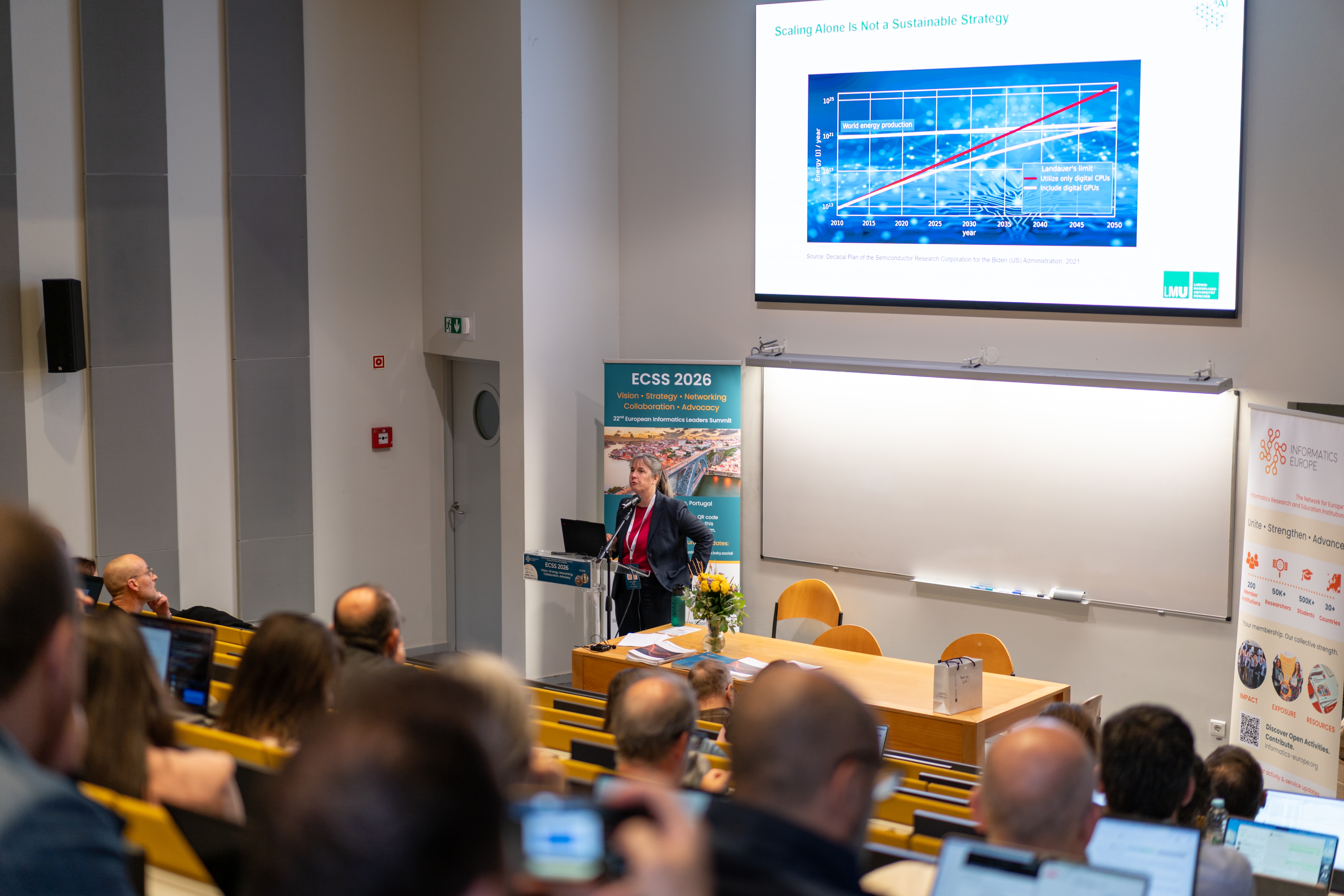
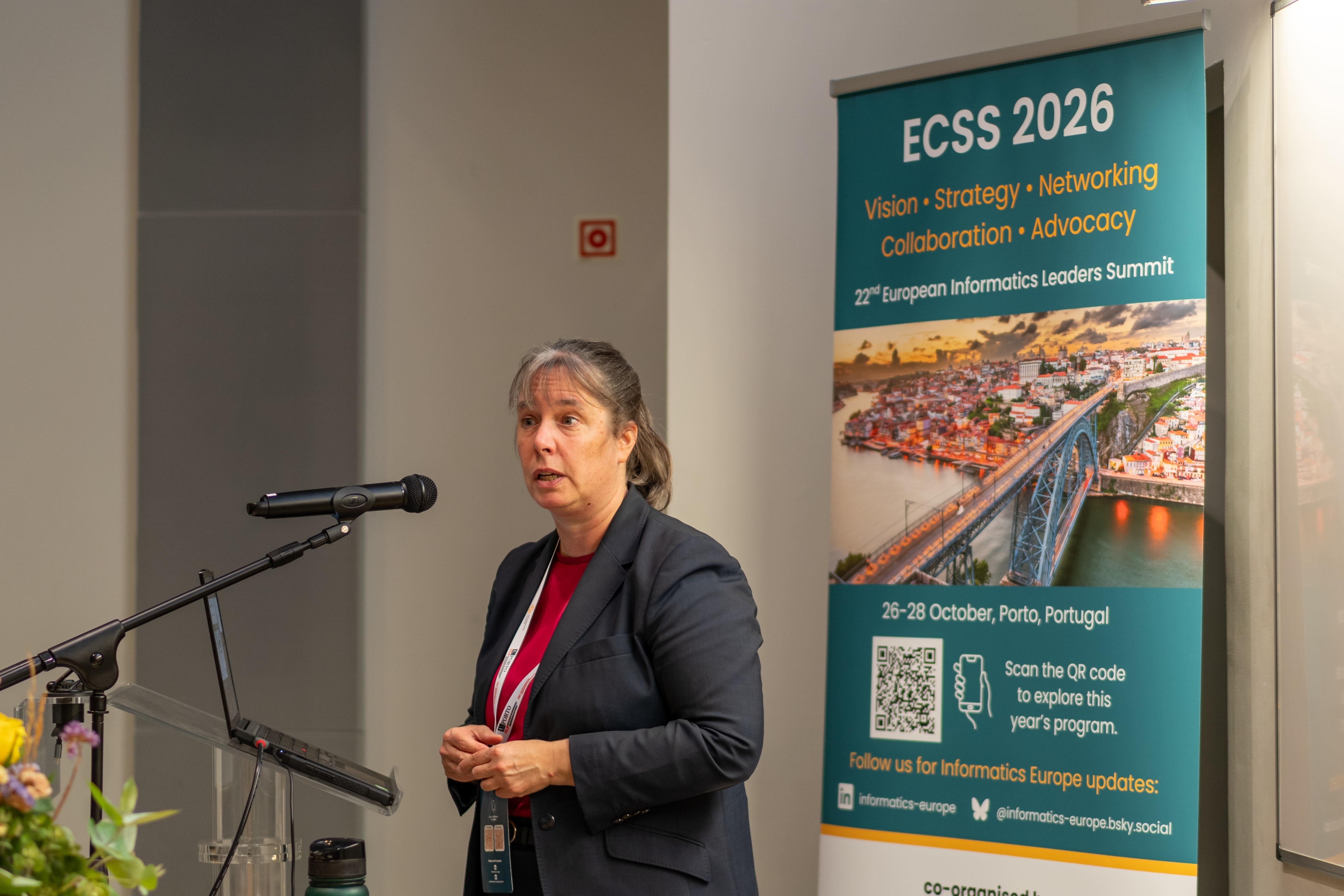
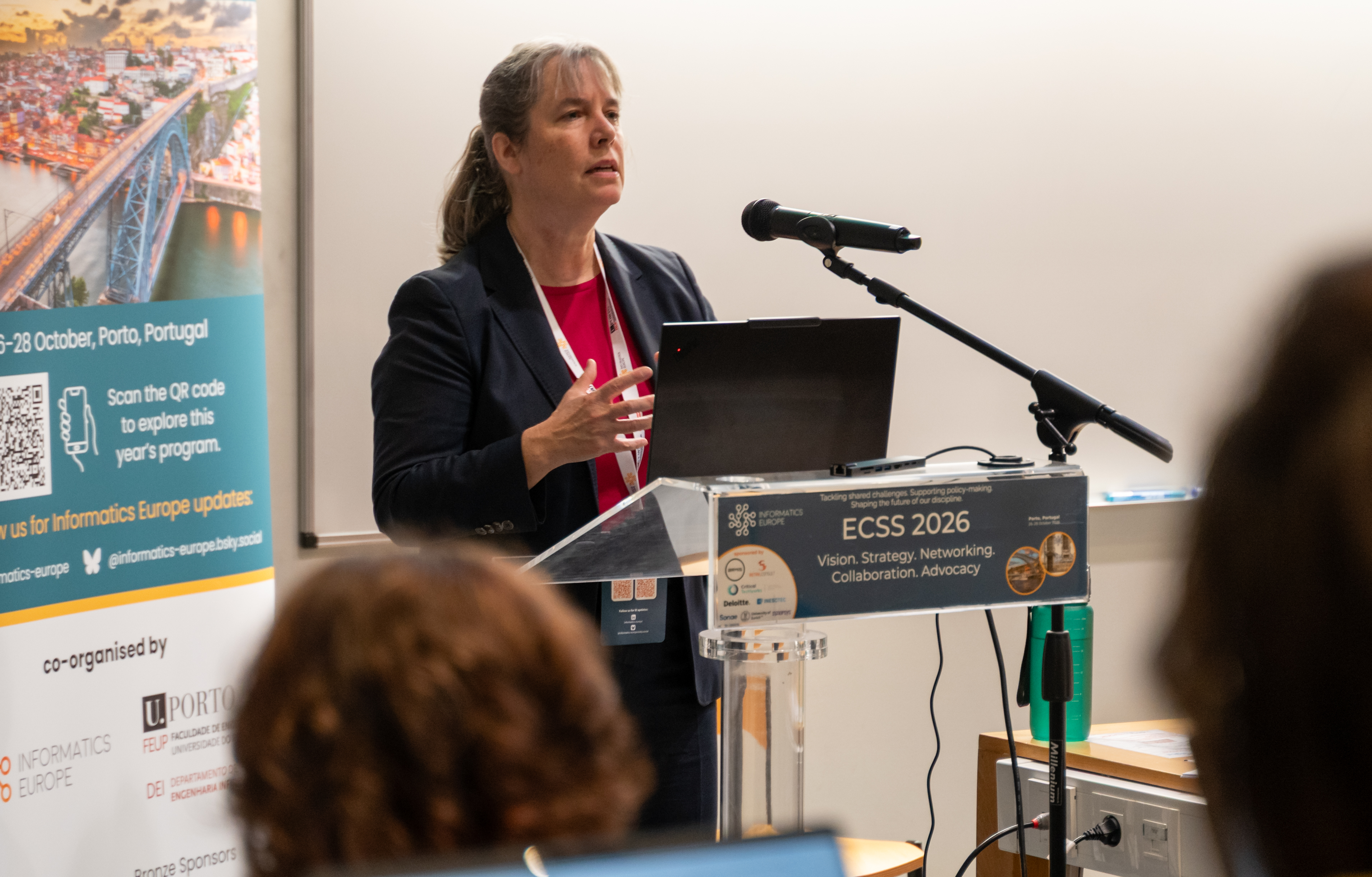
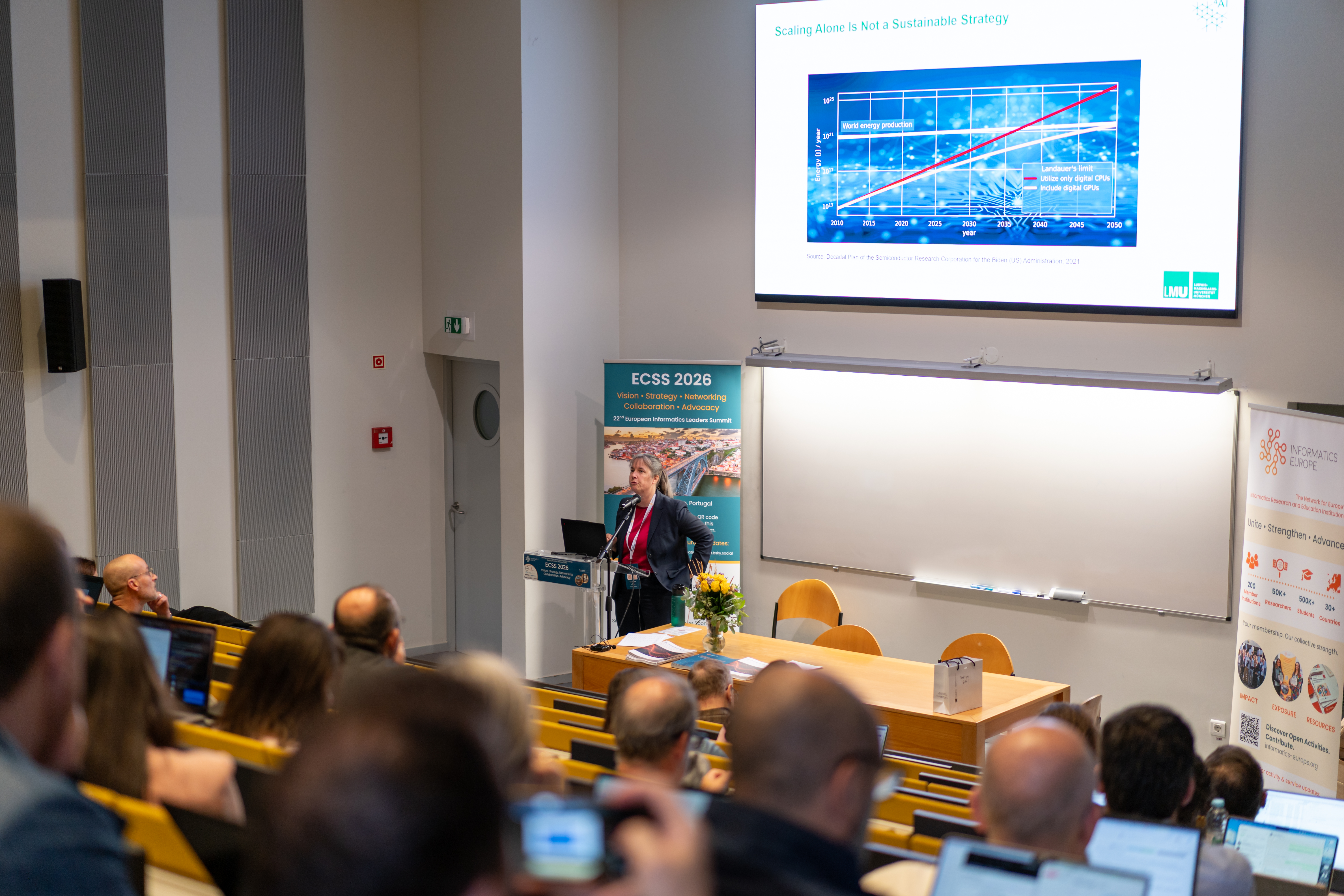
ECSS keynote session traditionally addresses pressing and innovative issues in Informatics. This year it was held on Tuesday afternoon, 27 October, chaired by Ana C.R. Paiva, University of Porto (PT).
Prof. Dr. Gitta Kutyniok (Bavarian AI Chair for Mathematical Foundations of Artificial Intelligence, LMU Munich | Consultant, Institute for Robotics and Mechatronics, DLR-German Aerospace Center | Adjunct Professor for Machine Learning, University of Tromsø) headlined this year’s keynote with a presentation on "Towards Reliable and Sustainable AI: Foundations and the Future of Informatics", where the slides are available here.
This session offered an opportunity to discuss responsible AI, contributing to the dialogue on the future direction of Informatics.
Speaker bio and abstract are available on the ECSS speakers page.
Workshop Gallery


Social Events
A chance to network, connect, and explore together beyond the conference sessions. From cultural experiences to relaxed gatherings, ECSS 2026 offered memorable ways to build connections and enjoy Porto’s unique heritage.
Monday Welcome Reception
An informal reception to round off the first day of ECSS 2026: an opportunity to reconnect with colleagues, meet new participants, and continue the day's conversations in a relaxed and welcoming atmosphere.
Port Wine Experience in Vila Nova de Gaia
An immersive cultural experience centred on the heritage of Port wine in Vila Nova de Gaia. The programme began with a guided visit to one of the renowned Port wine cellars: Porto Cálem, where participants learnt about the history, production process, and ageing of Port wine. The visit included a curated tasting session, offering a selection of distinguished wines that reflect the richness and diversity of this iconic Portuguese tradition. Participants who did not drink alcohol were also very welcome — orange juice was served as an alternative during the tasting.
Bus Transfer Meeting Point: FEUP's Main Entrance.
Official Dinner with Elegant View of the Douro River
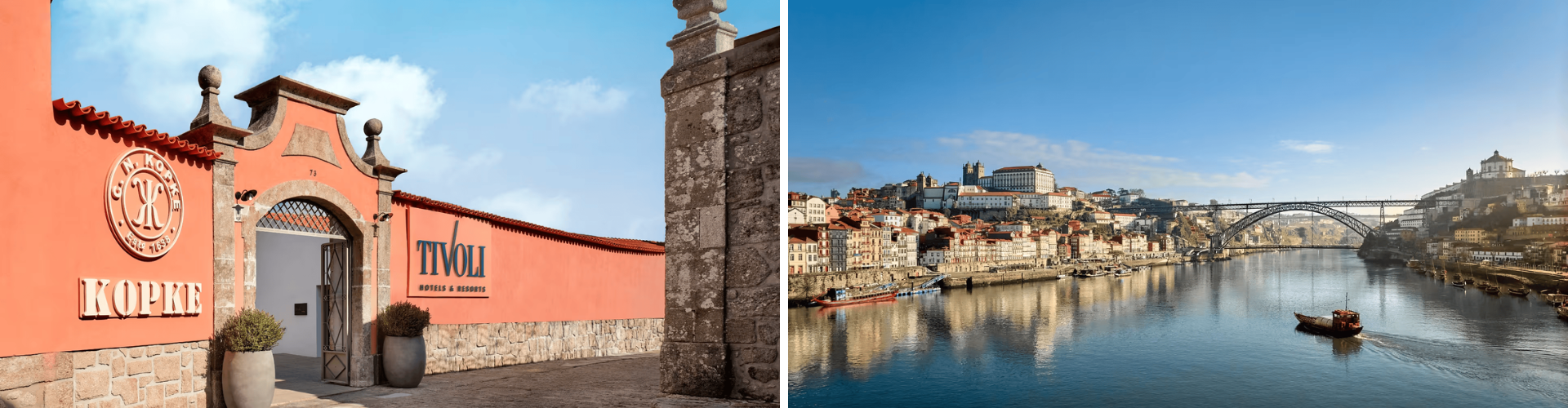
Following the cellar visit, participants were invited to dine at the Kopke Tivoli Hotel, an elegant venue overlooking the Douro River and the historic centre of Porto. The dinner offered a refined gastronomic experience, combining local flavours with contemporary cuisine, and provided an excellent opportunity for networking in a relaxed and memorable setting.
Delegate Lounge
A space to relax, work, or connect informally between sessions.
Available throughout the conference in Room I-105.
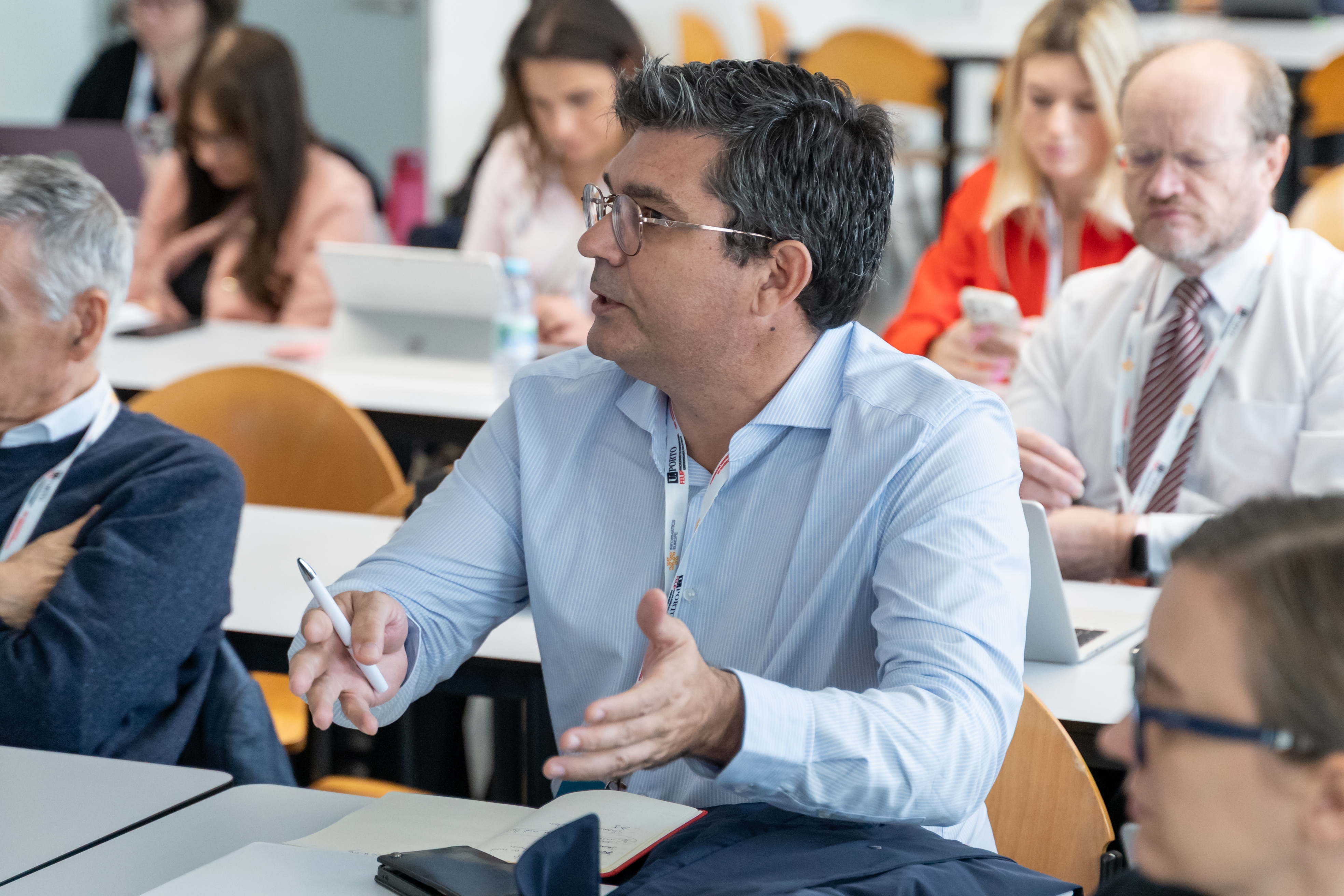
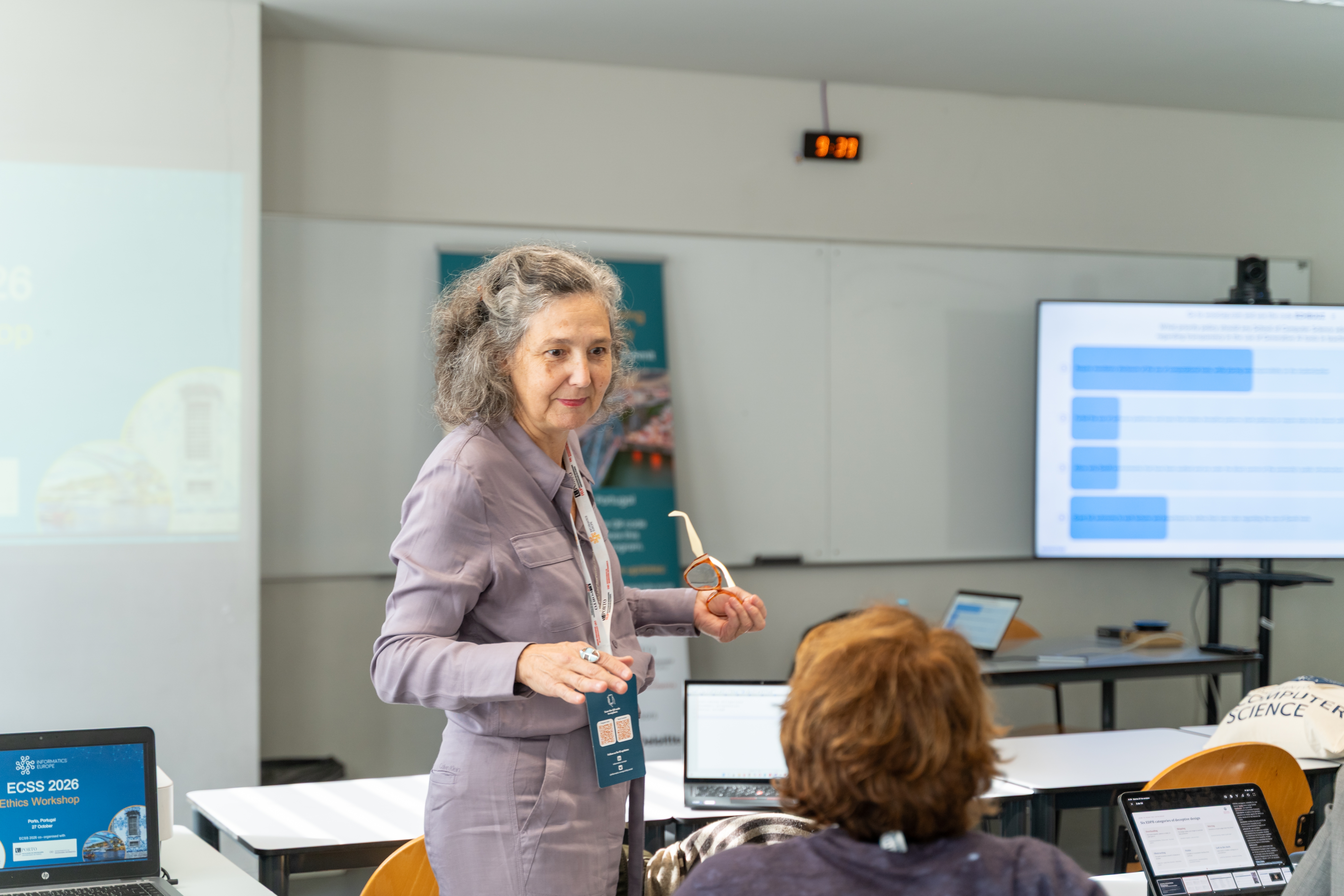
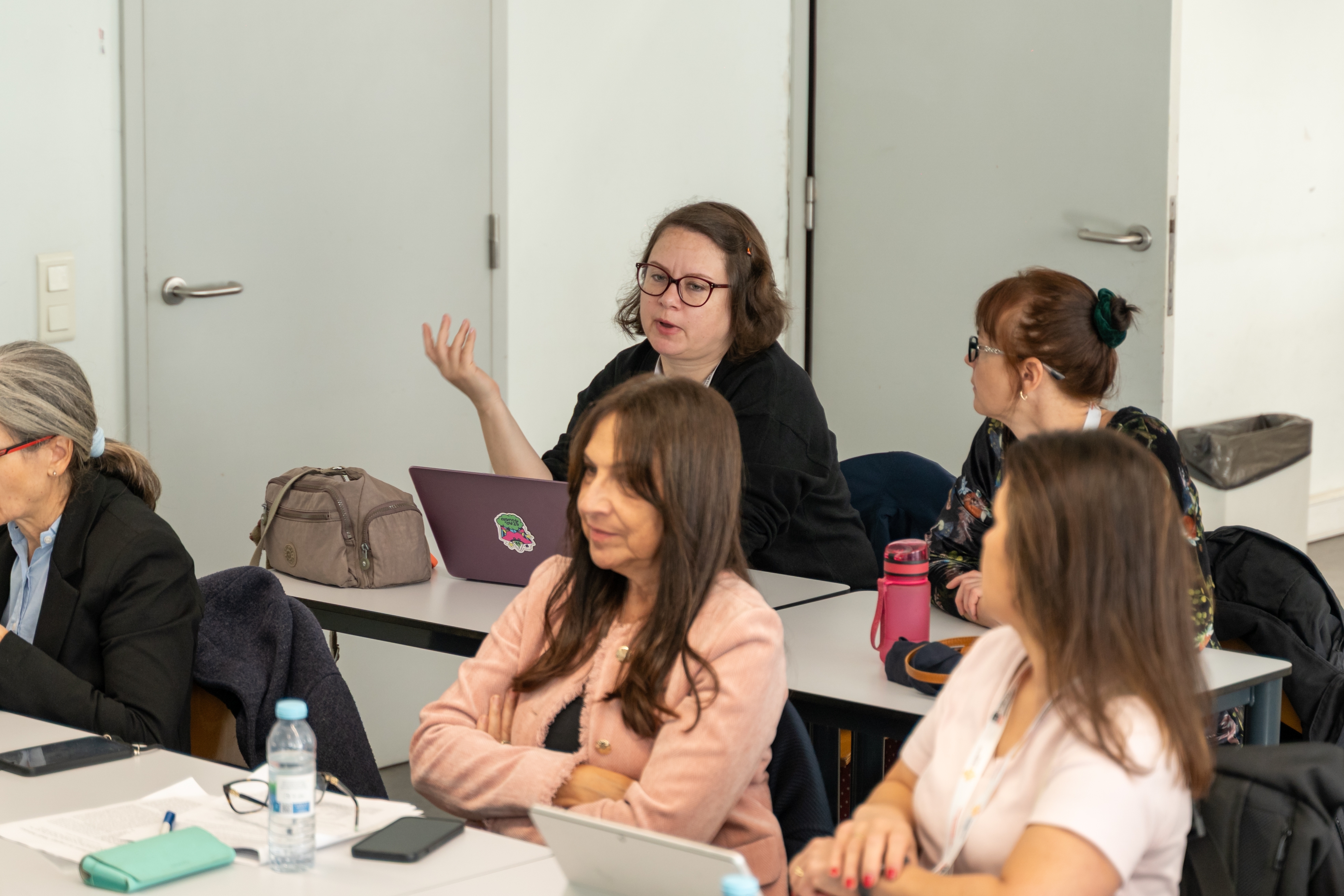
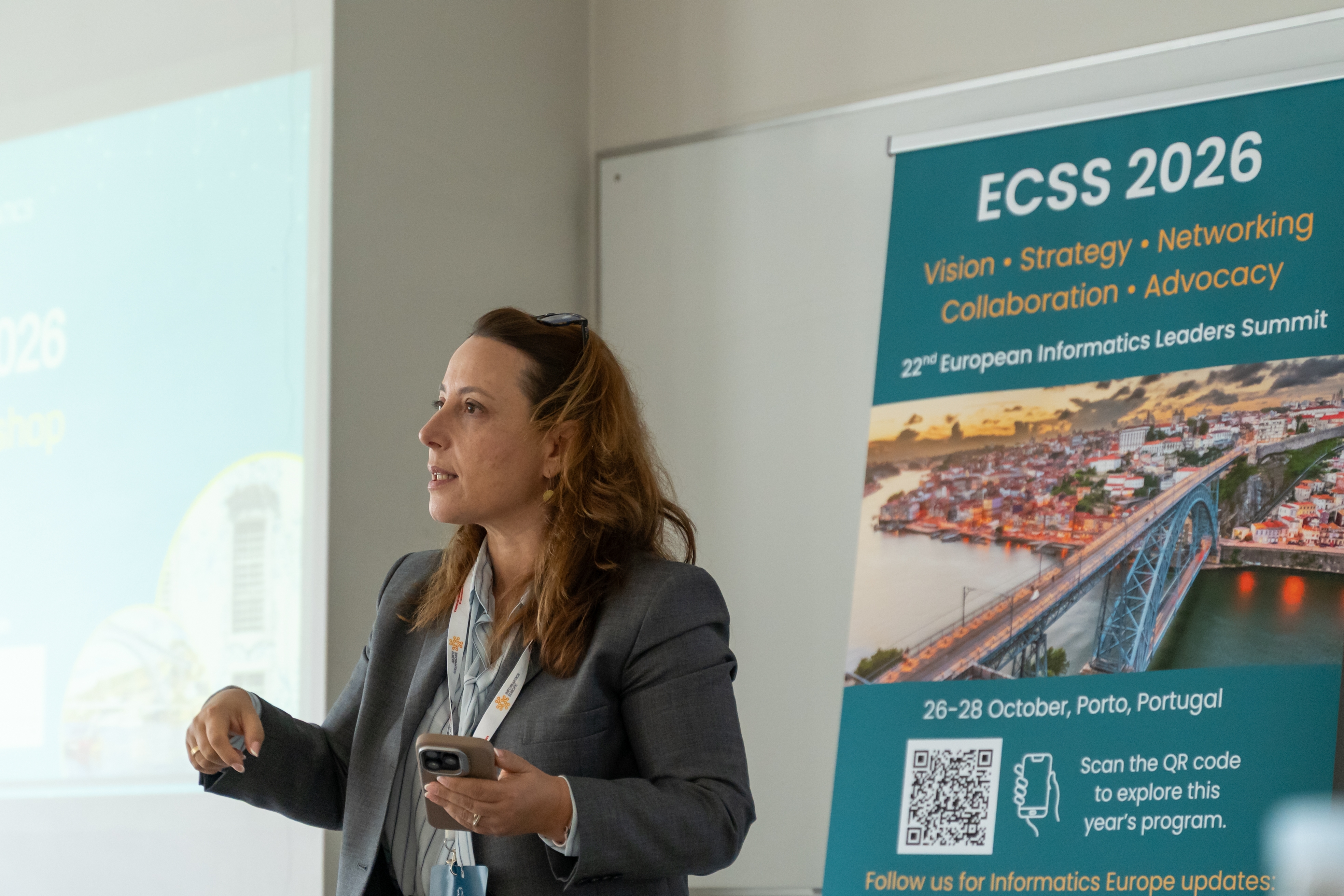
Ethics Workshop
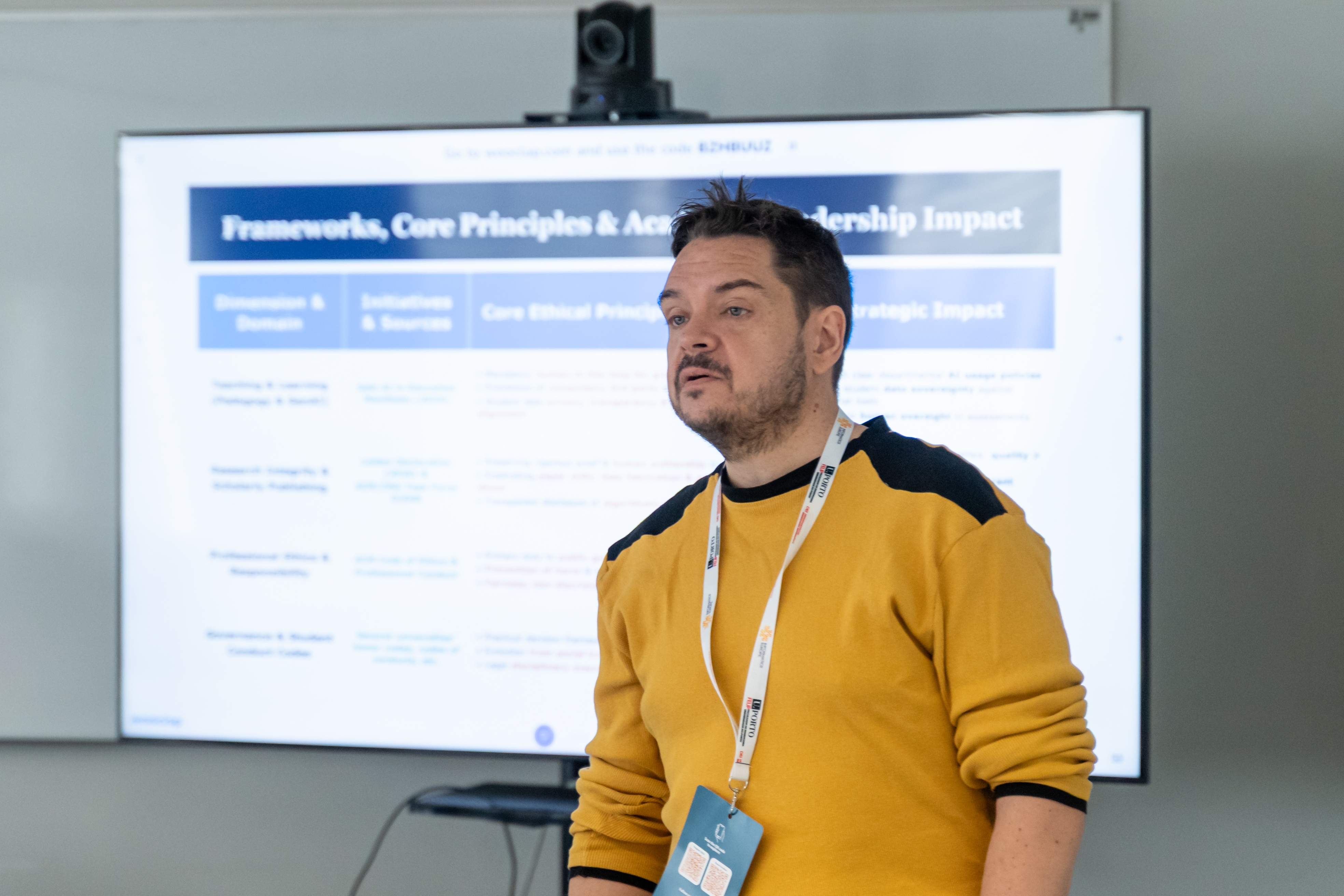
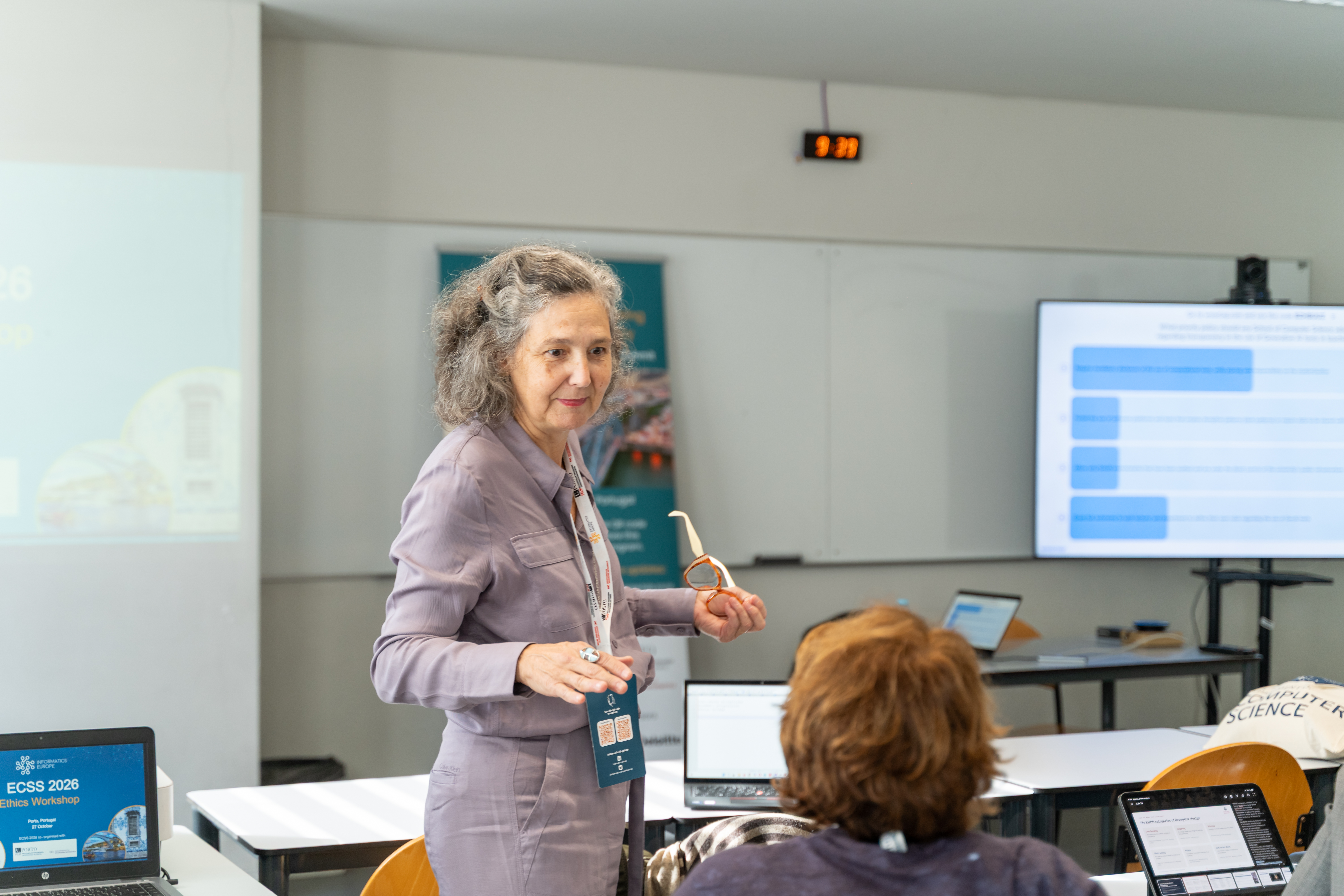
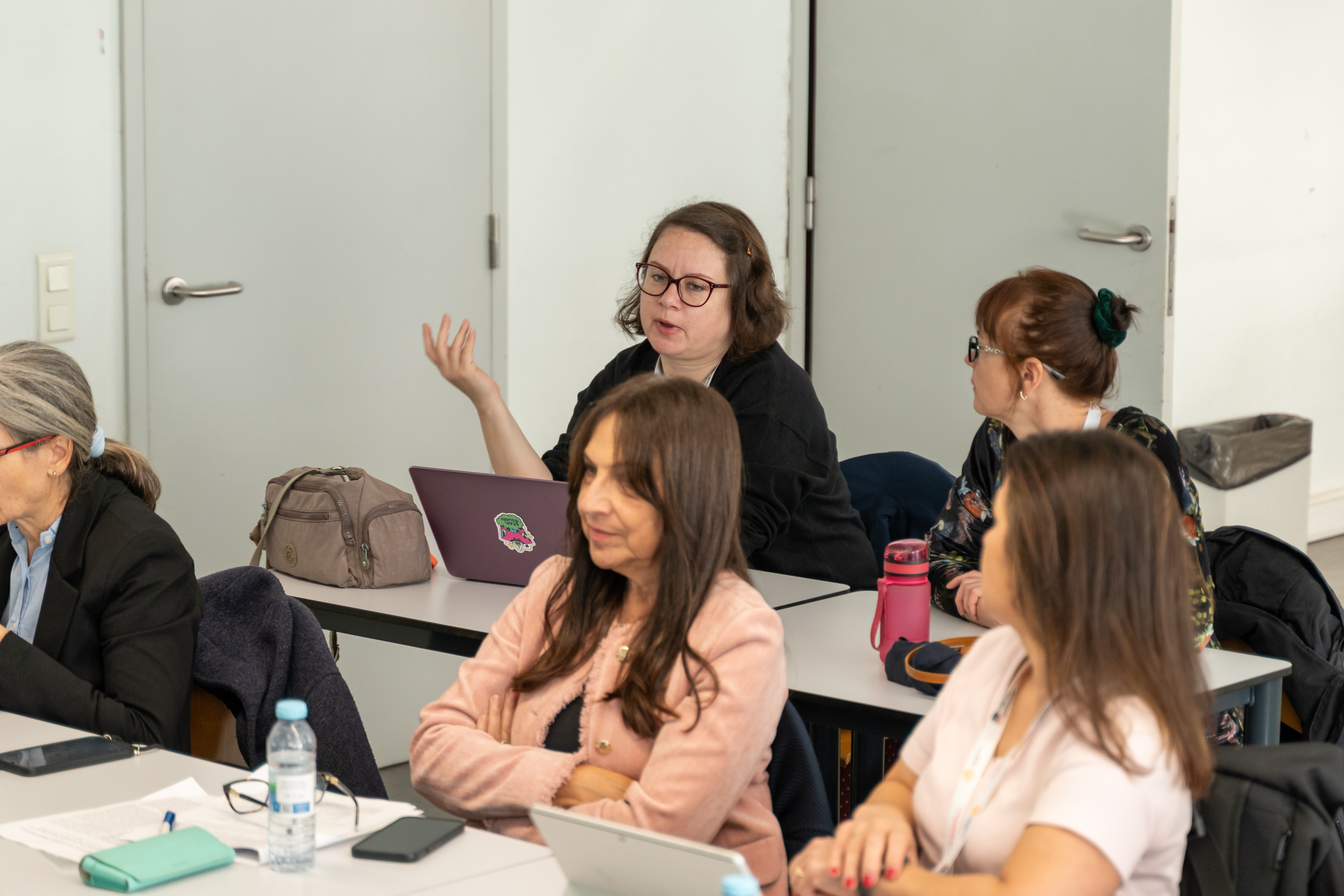
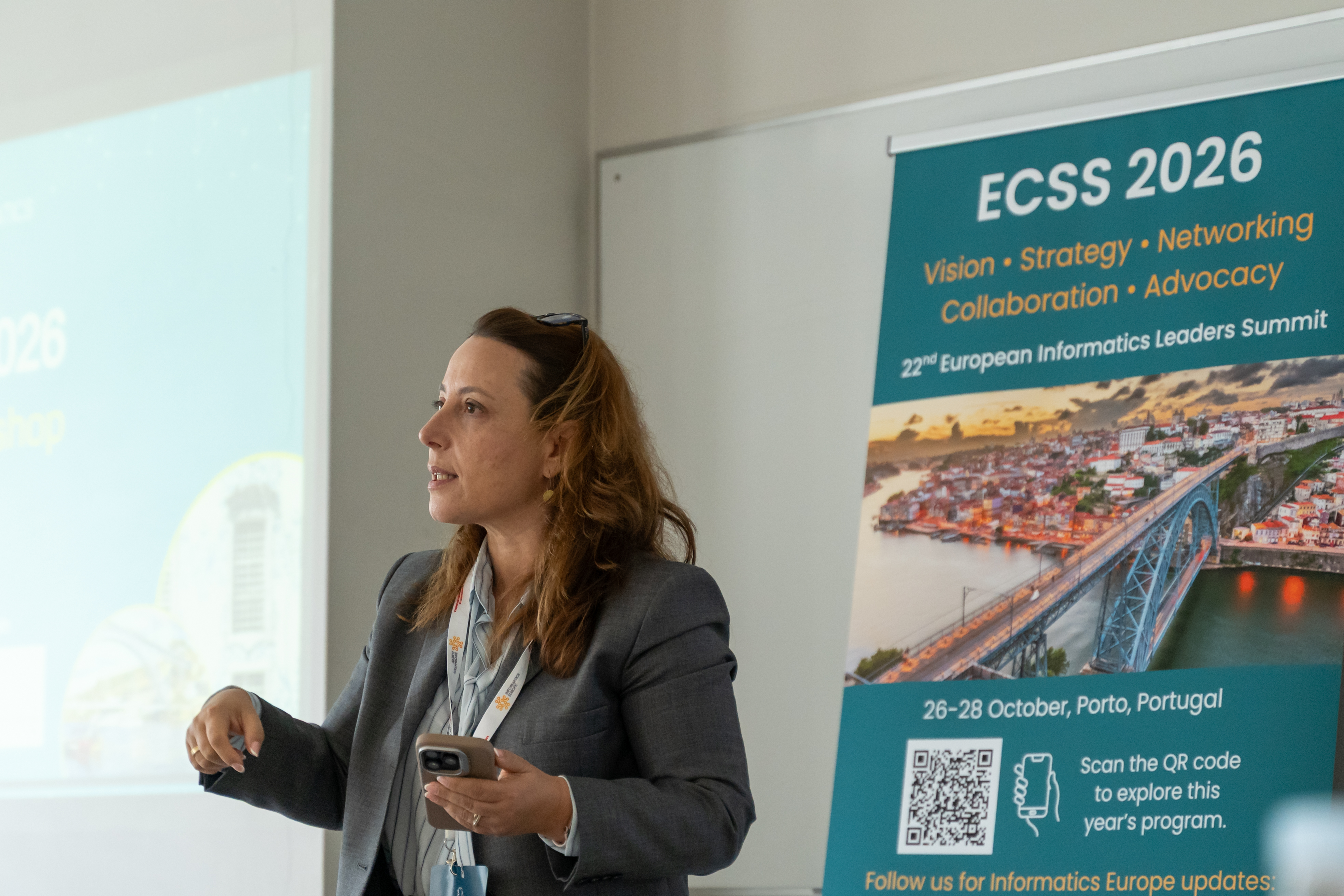
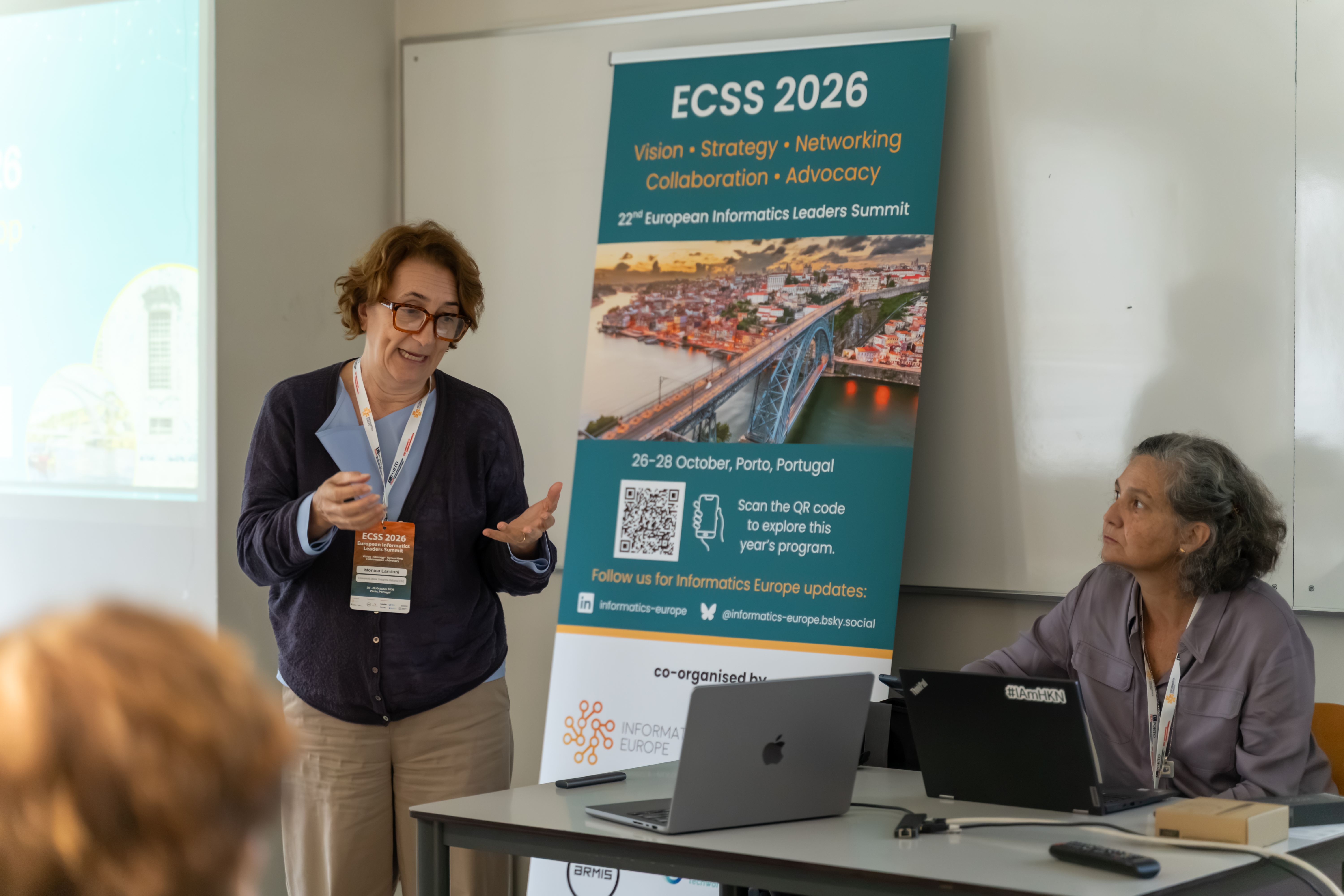
The workshop, co-ordinated by IE's Ethics Working Group, was held on Tuesday morning, 27 October.
This year's workshop was chaired by José Antonio Cruz from Universidad de Castilla - La Mancha (Spain) with the theme "Pushing Forward Inclusive and Ethical Interfaces".
Roundtable Speakers
featuring case studies from their universities
- Anatomy of Social Media Manipulation [Slides]
Ana Belen Gil, University of Salamanca (Spain) - Analysis of Dark Patterns in Cookie Consent Banners [Slides]
Monica Landoni, Università della Svizzera italiana (Switzerland) - Personal Data Exploitation, Psychological Targeting and Its Impact on Democratic Integrity [Slides]
Manuela Petrescu, Babeș-Bolyai University / Montran Europe (Romania) - Discovering Deceptive Designs in Travel Agency Websites
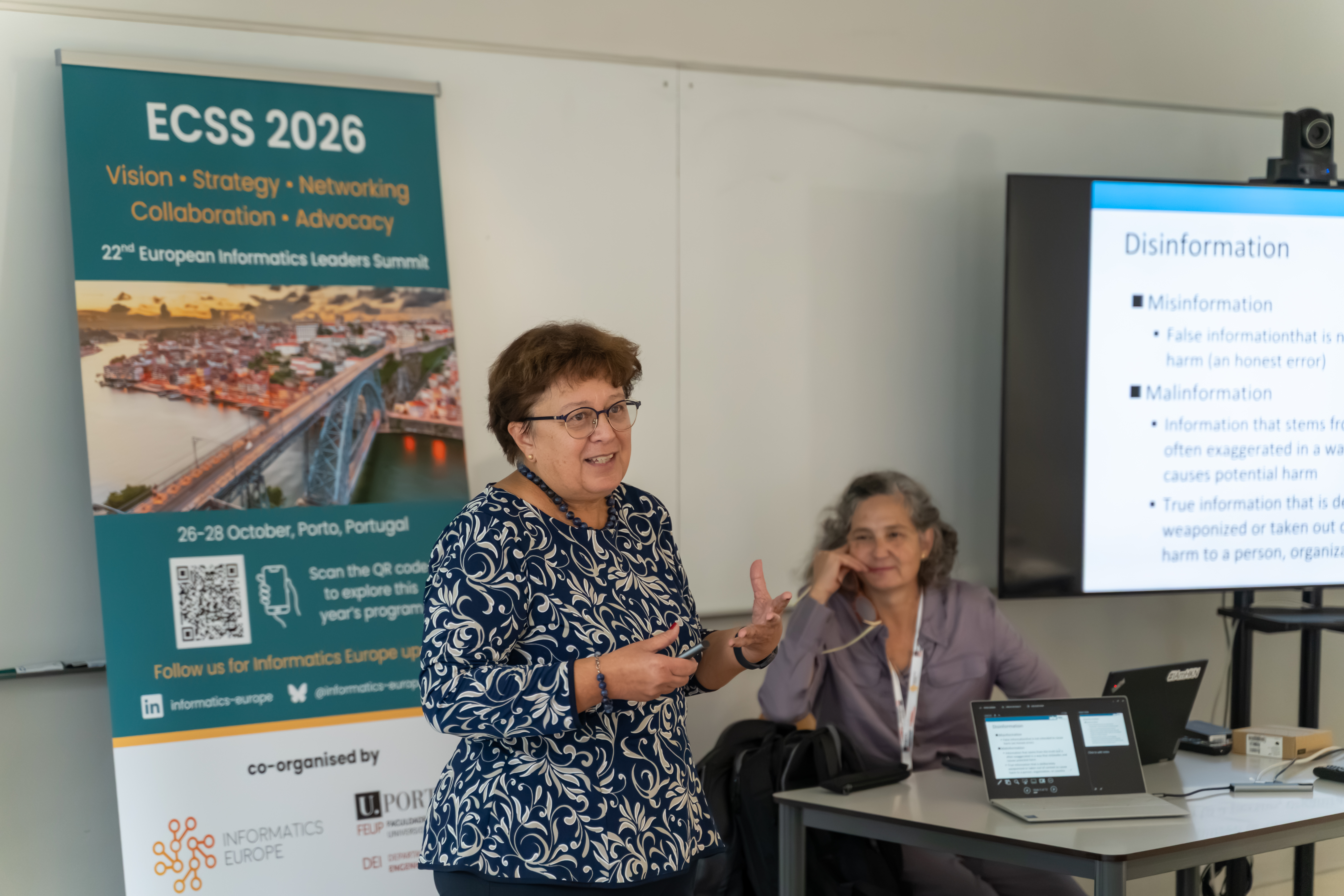
Covadonga Rodrigo, UNED (Spain) - Disinformation, Dark Paterns and Ethics
Tatjana Welzer, University of Maribor (Slovenia)
Speaker bios and abstracts are available on the ECSS speakers page by clicking their photos.
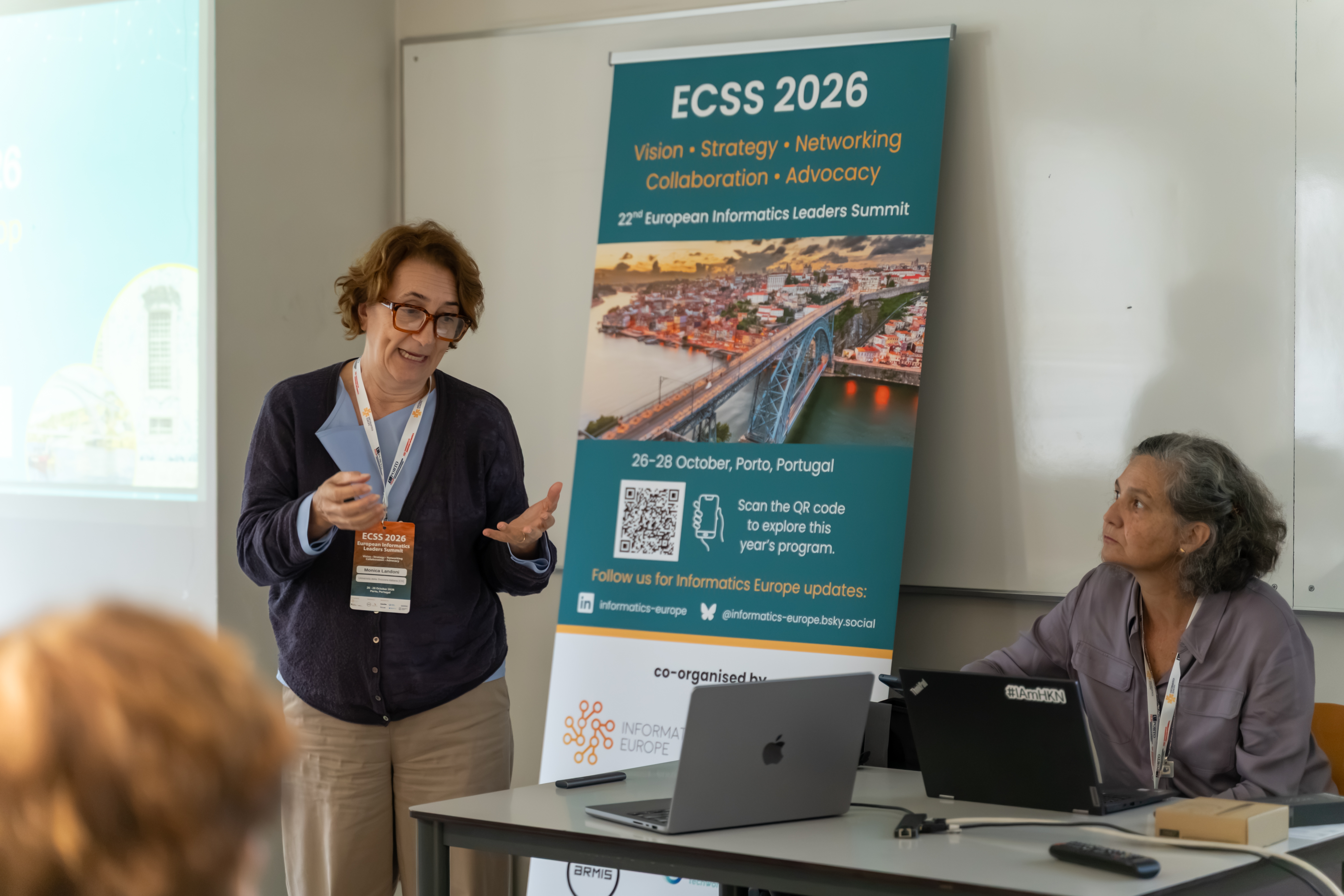
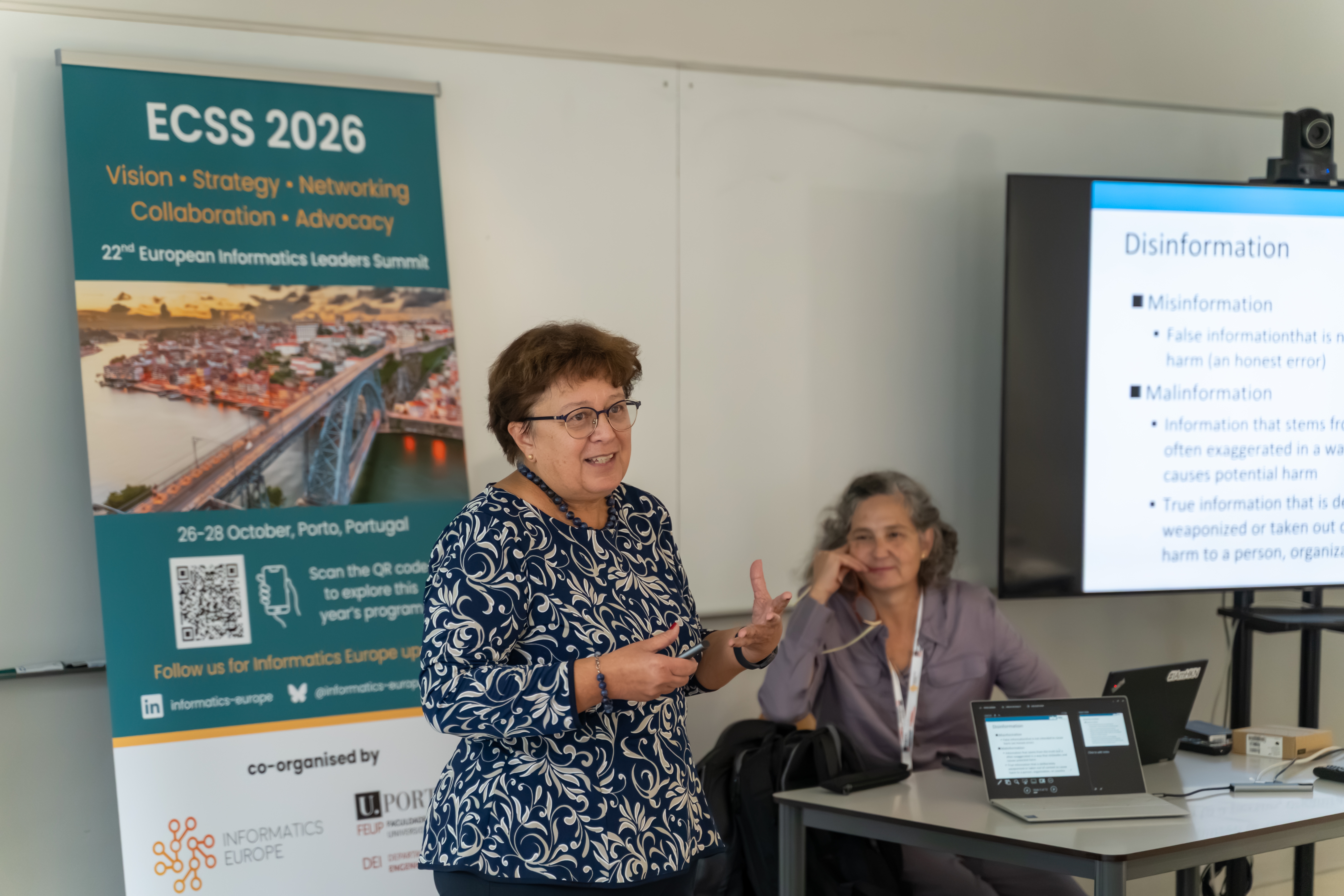
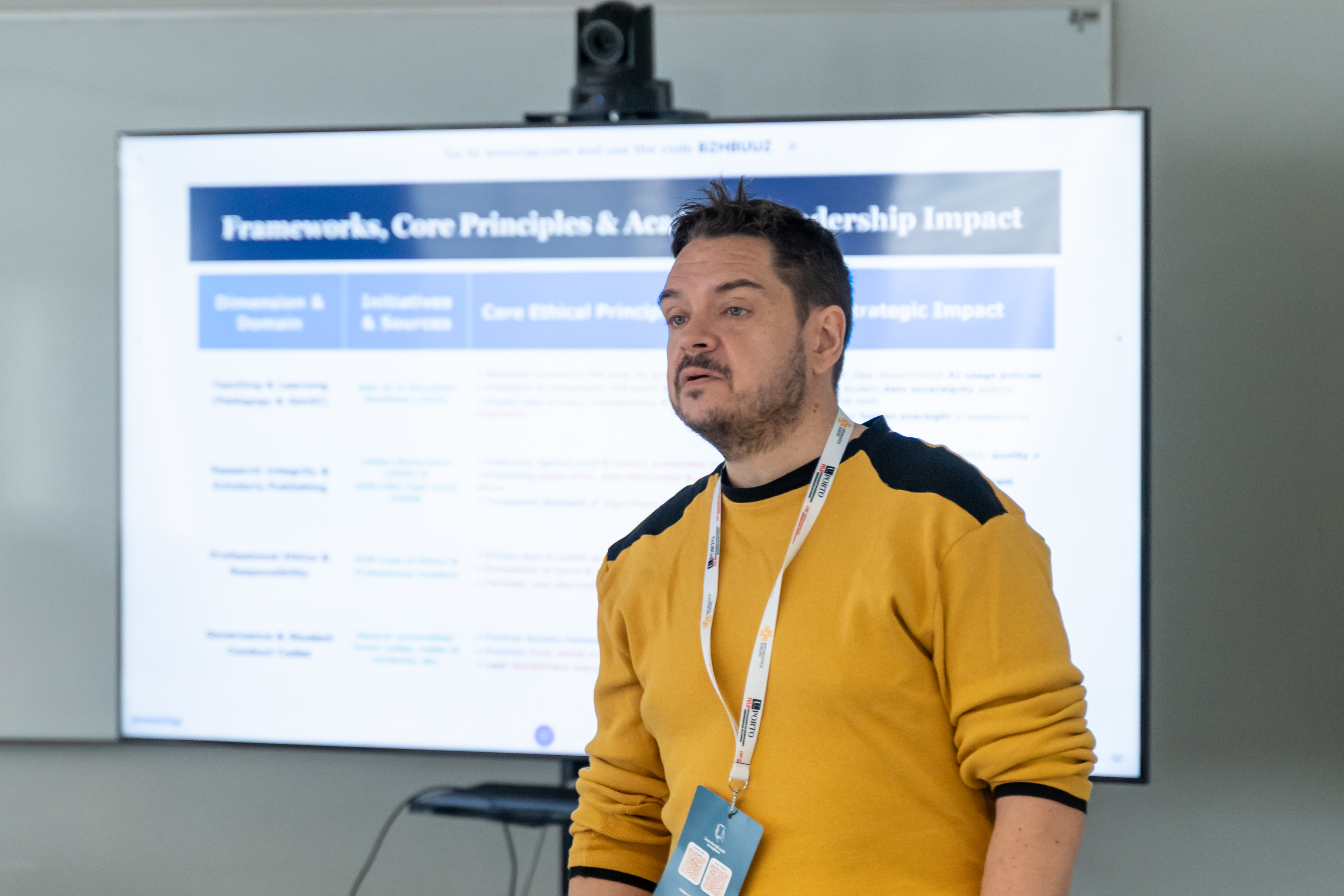
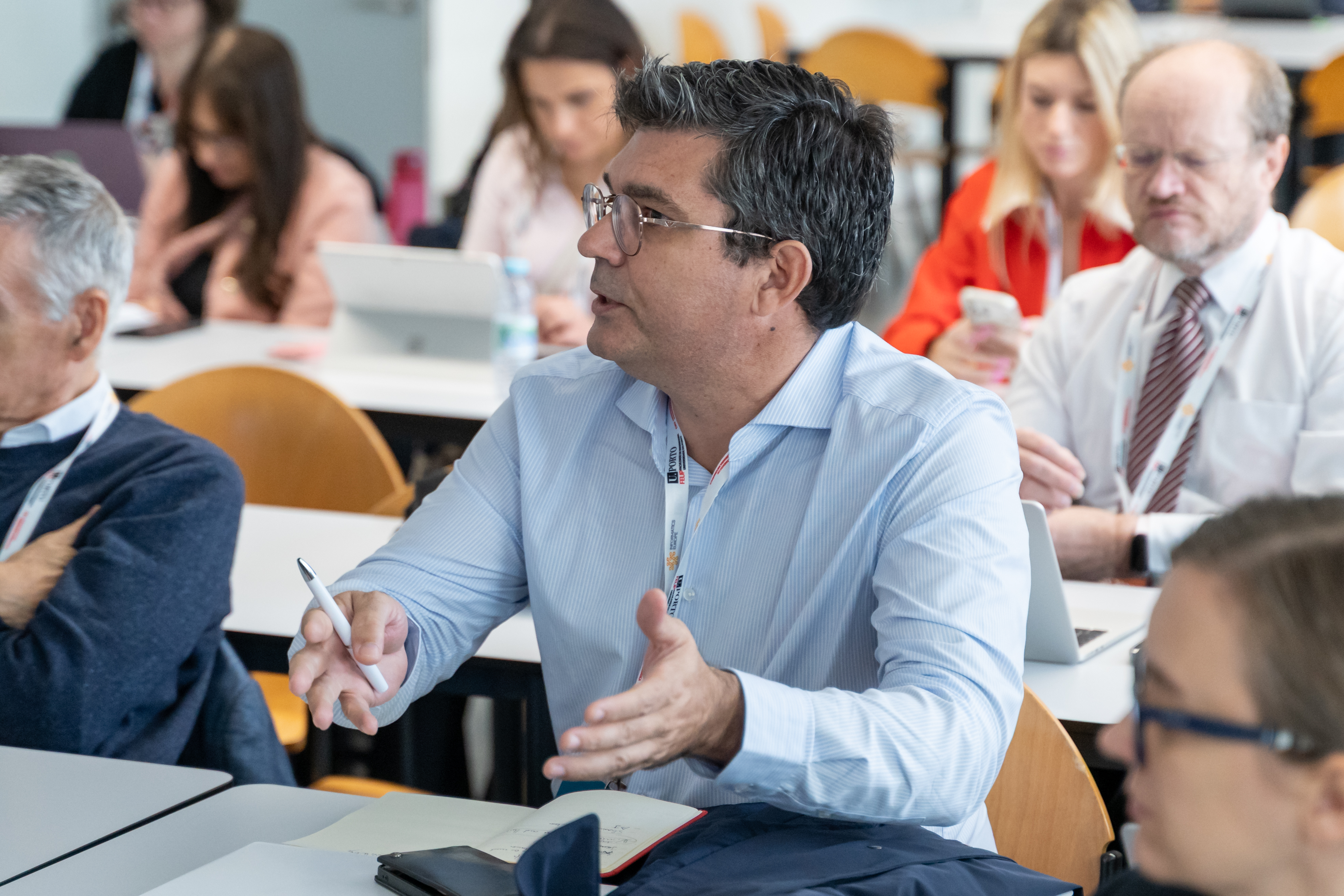
Workshop Gallery


Open Science Workshop
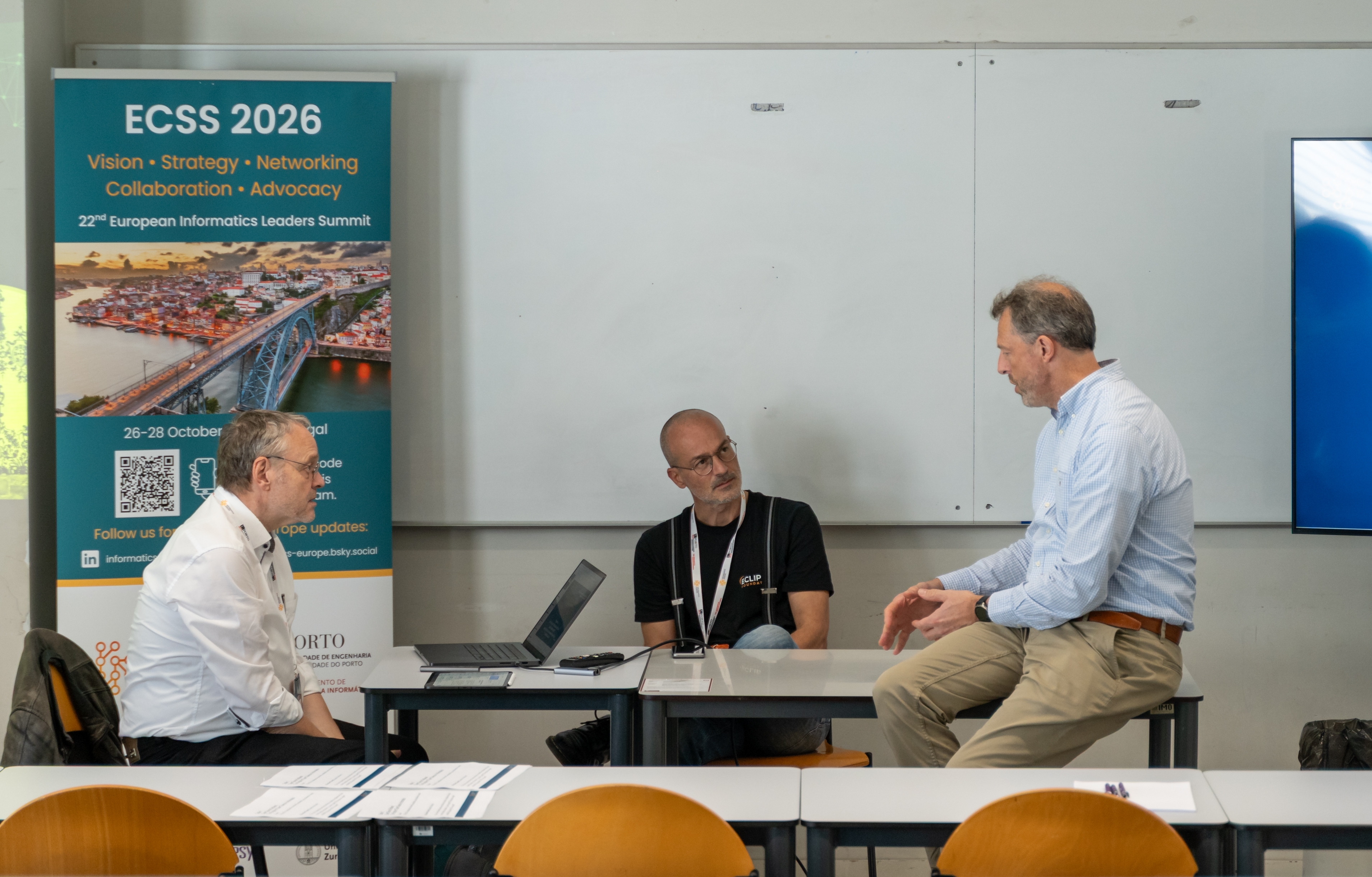
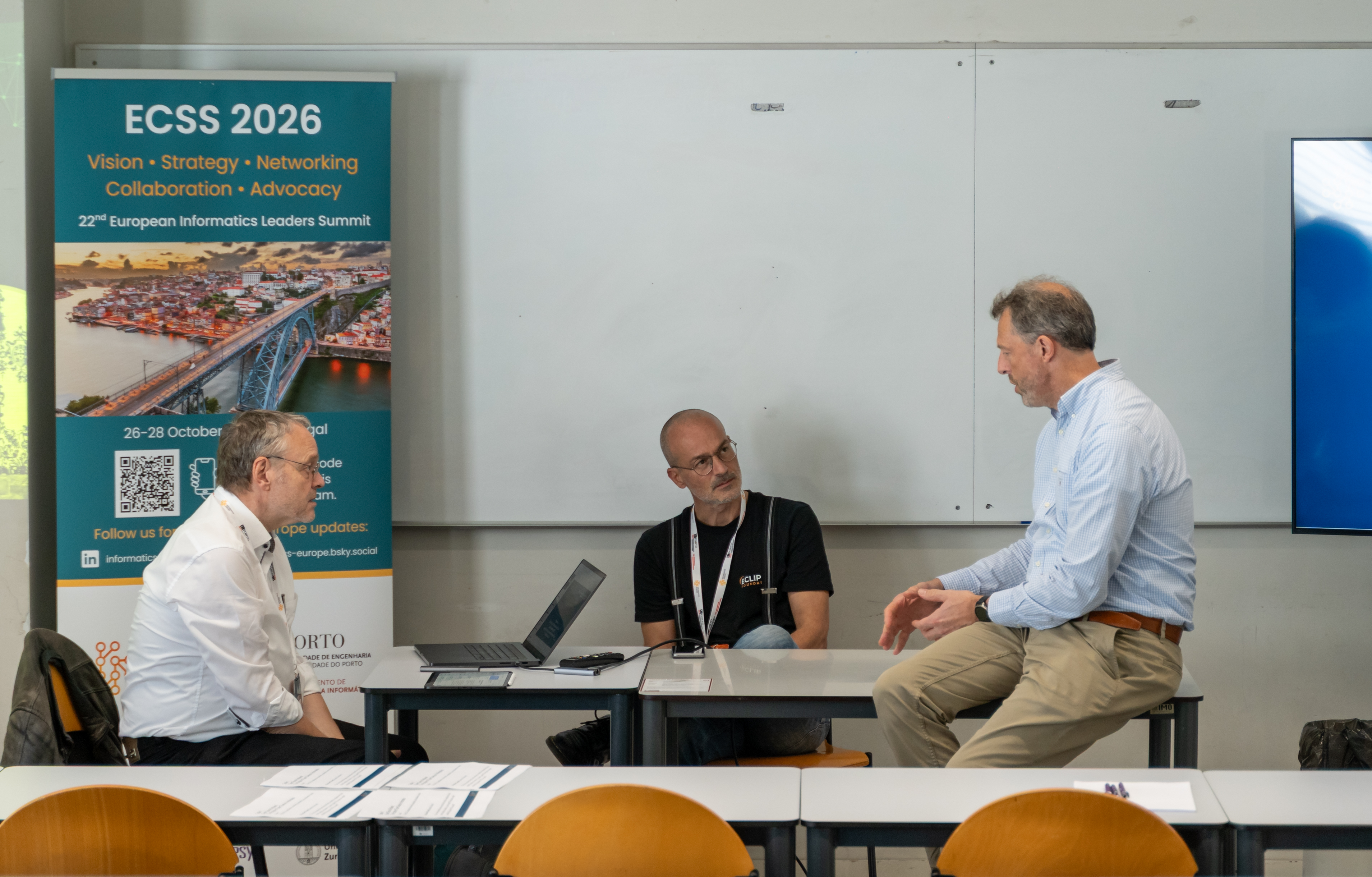
This Workshop on Wednesday afternoon, 28 October was chaired by Michael Goedicke, University of Duisburg-Essen (Germany) and co-organised by Ina Schieferdecker, TU Berlin (Germany), with the main theme on Open Source Software as a Foundation for Open Science in Informatics: Strategies for Research, Teaching & Infrastructure.
We invited researchers, educators, research software engineers, IT/library professionals, and administrators to a 90-minute interactive workshop on the role of open source software in advancing Open Science in Informatics.
In computational research, software is not just a tool — it is a core research asset. This session combines short lightning talks with a World Café discussion on four key areas:
- recognising open source software in research evaluation
- integrating open source into teaching
- building sustainable infrastructure
- developing institutional policies and leadership strategies
Participants left with ideas, peer insights to support building better open science in their institution or community. Join us to help shape a stronger, more sustainable Open Science ecosystem in Informatics!
Workshop Rundown
Speaker bios are available on the ECSS speakers page by clicking their photos.
Read the detailed workshop summary here.
14:00-14:05 Welcome & Session Overview [Slides]
14:05-14:35 Lightning Talks
- Open Source Software – The Engine of Open Science in Informatics
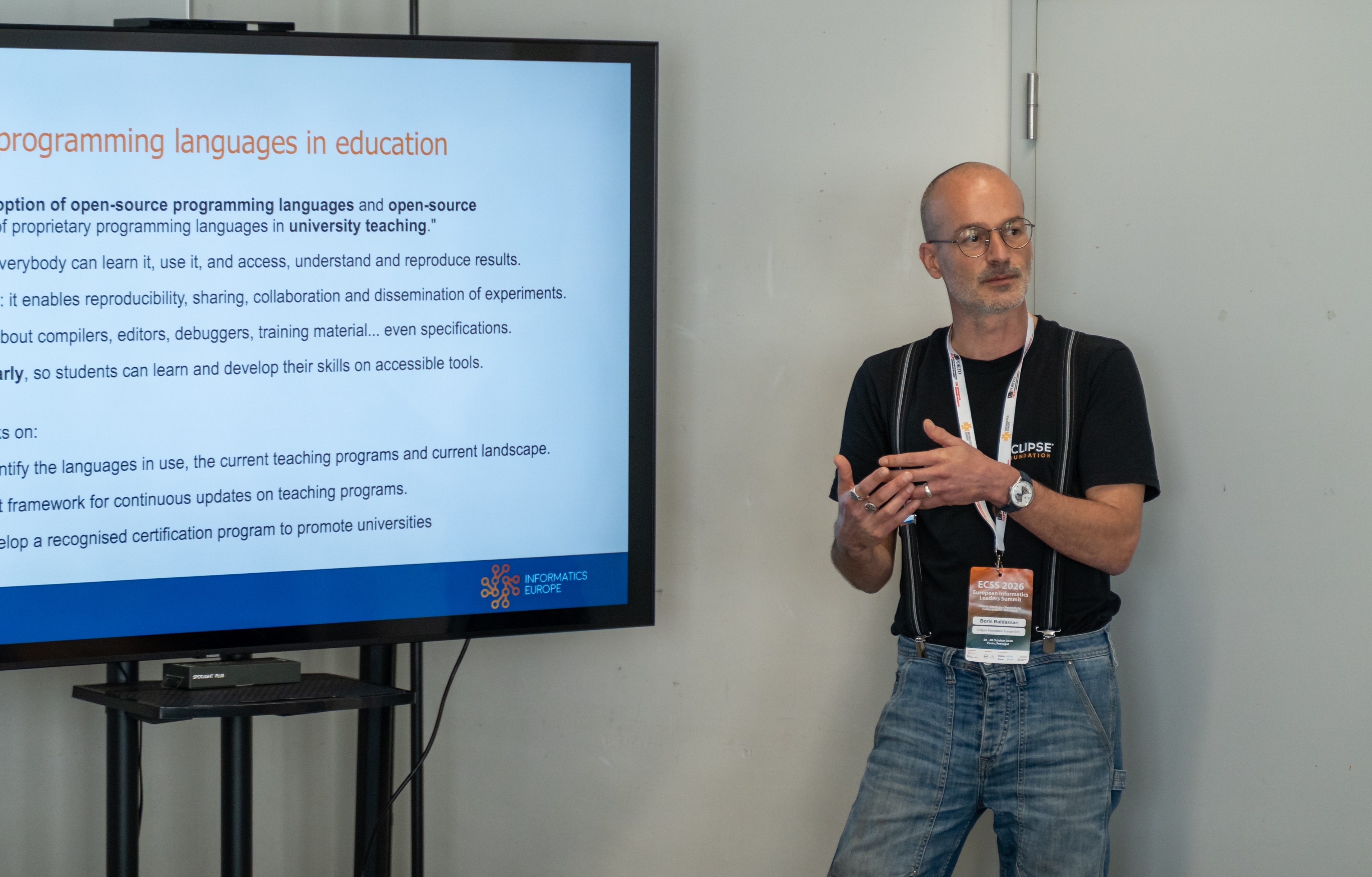
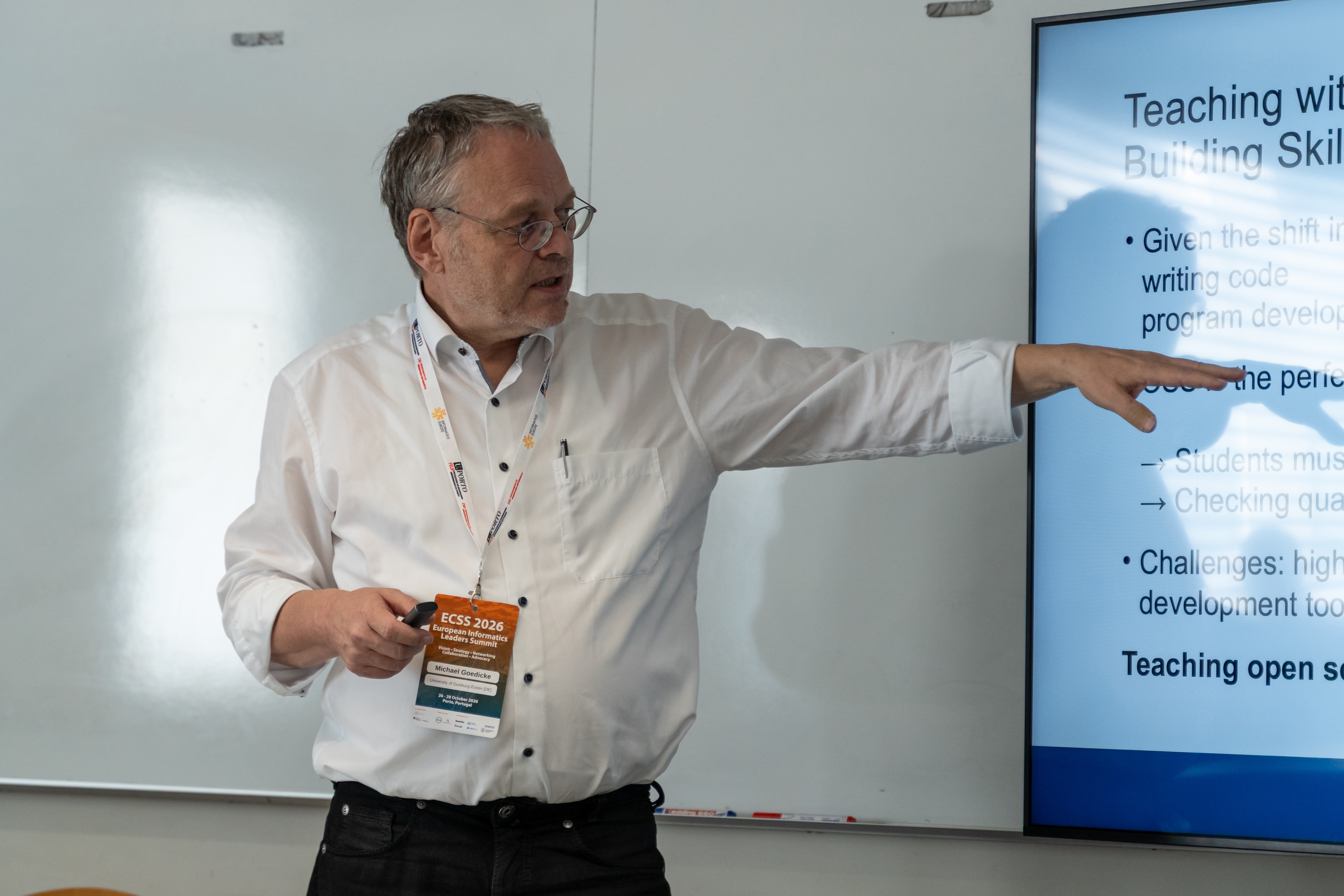
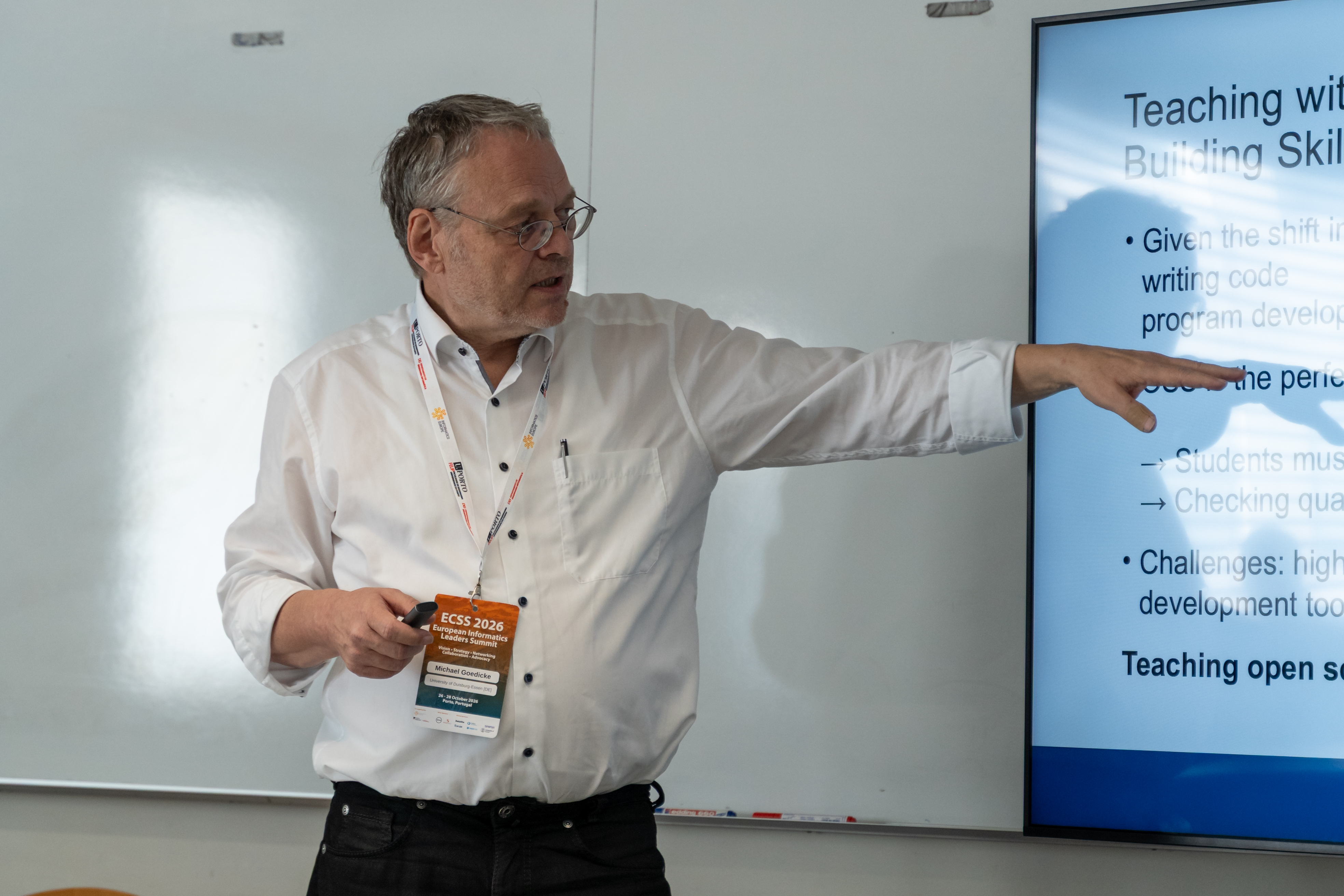
- Teaching with Open Source – Building Skills for the Future [Slides]
- Infrastructure & Sustainability – Building Ecosystems for OSS
- Strategic Leadership – Institutional & Association Roles in Advancing OSS
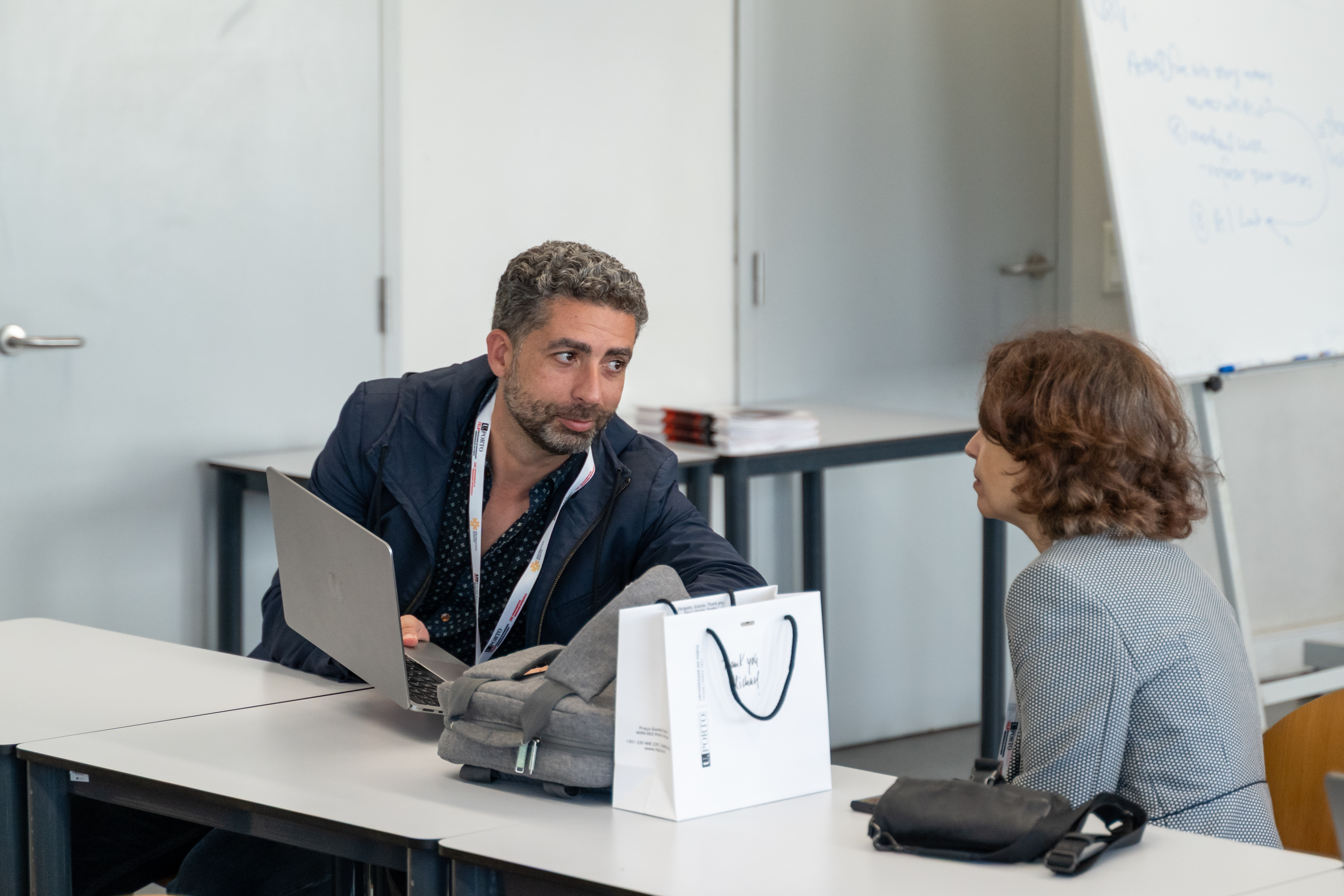
14:35-15:20 World Café Rotation
15:20-15:30 Synthesis & Closing
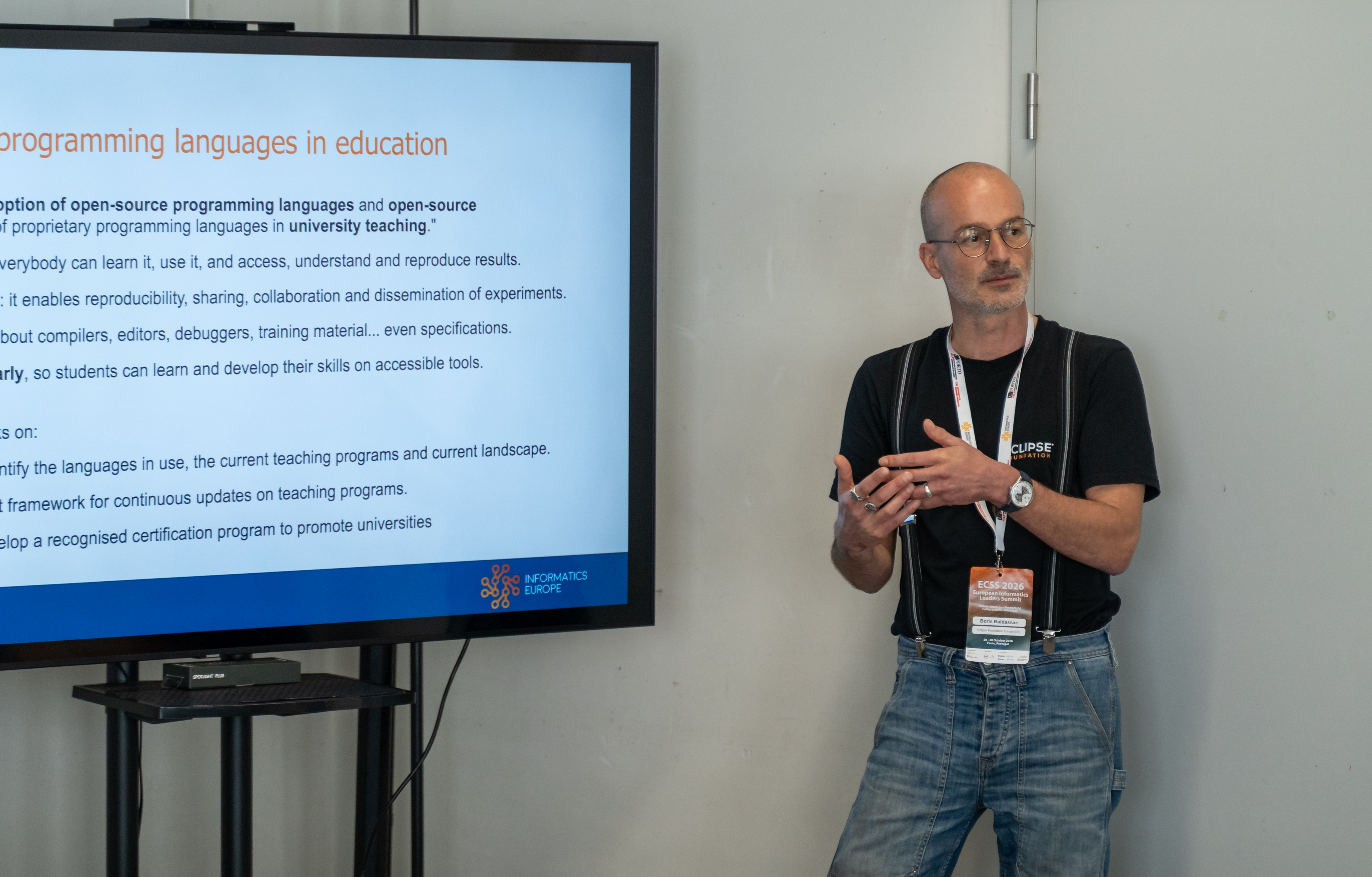
- Boris Baldassari, Eclipse Foundation Europe, OSPO Alliance [Slides]
Workshop Gallery


Early Career Researchers Workshop
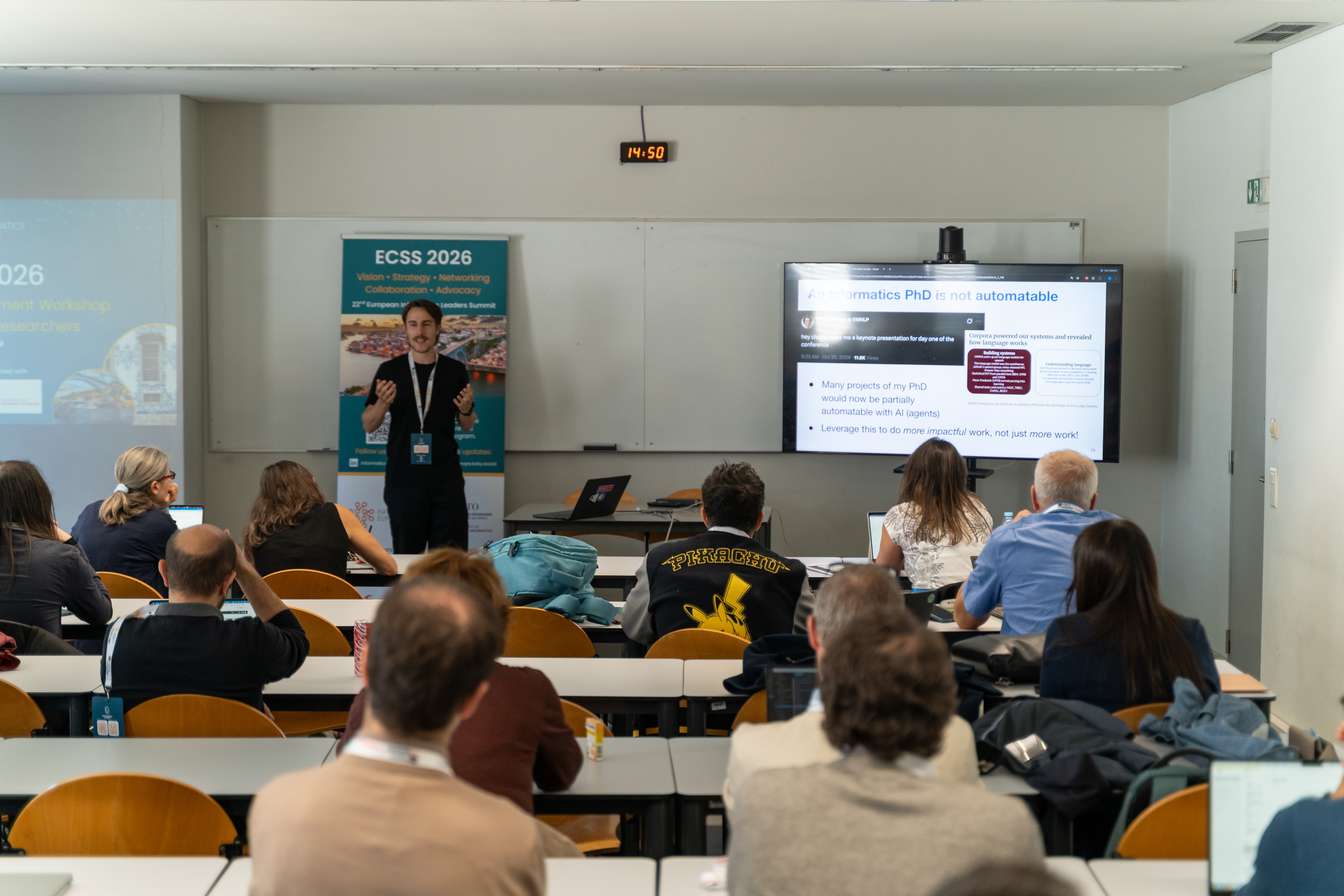
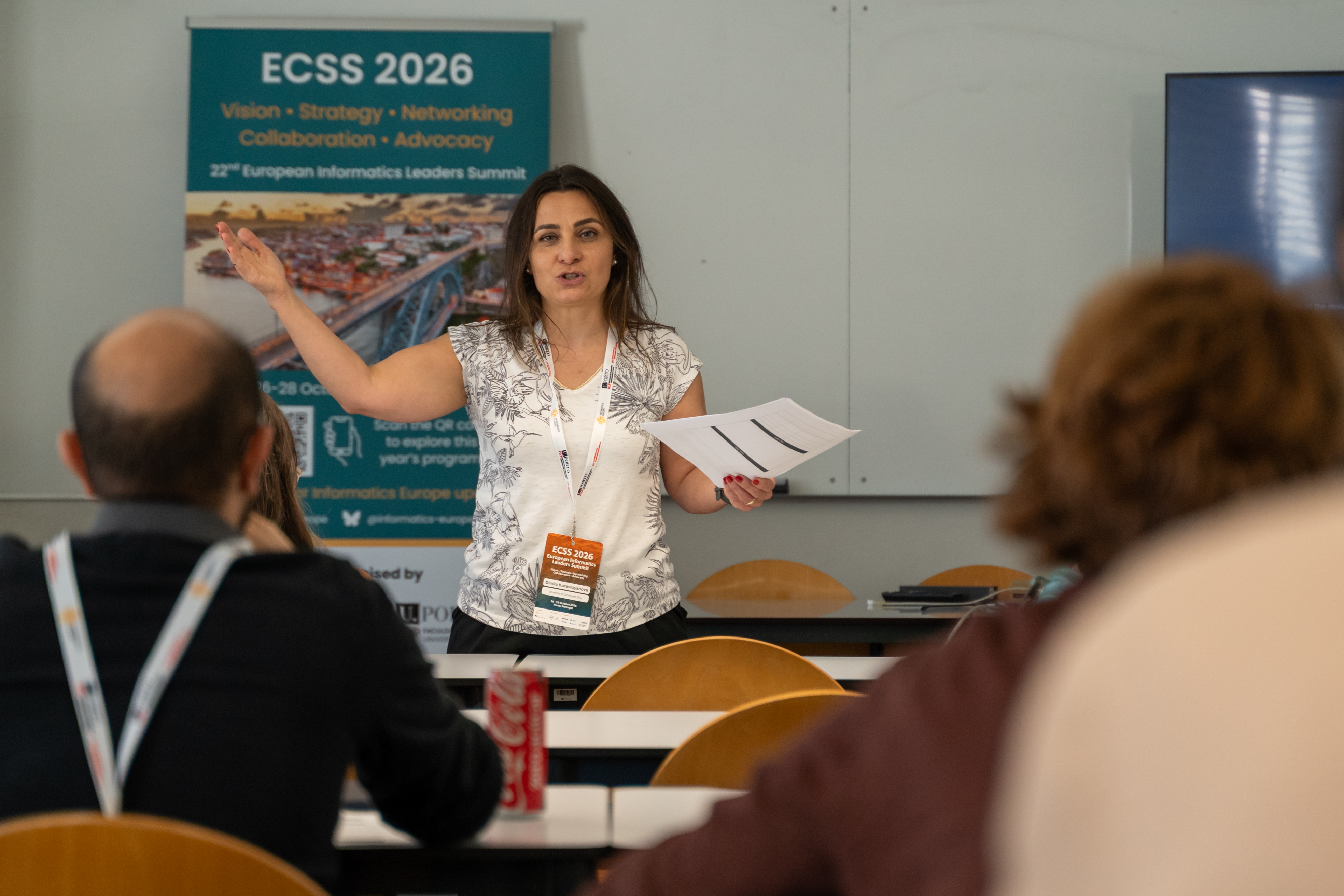
Informatics Europe invited early career researchers (ECRs) to participate in the "Professional Development Workshop for Early Career Researchers" (ECRWS) on Monday, 26 October, as part of ECSS 2026. The workshop was chaired by Dimka Karastoyanova, University of Groningen (the Netherlands).
This workshop for ECRs focused on navigating the academic career path and building a sustainable and successful research career. Participants explored practical guidelines for improving and maintaining academic progression, understanding evaluation criteria, and preparing for the next career step.
The workshop addressed key success factors in academia, including setting clear objectives, demonstrating consistent progress, and understanding institutional monitoring and evaluation processes. Special attention was given to mentorship, professional support structures, and tools such as SWOT analysis for career planning and self-assessment. A dedicated session covered the publications process, with main focus on research ethics challenges, and including responsible authorship, peer review and publication strategies.
The program also featured contributions from distinguished researchers, the IE 2026 Best Dissertation Award finalists, who shared personal experiences, lessons learned, and practical advice for PhD students and ECRs on building a successful academic career.
Workshop Rundown
Speaker bios are available on the ECSS speakers page by clicking their photos.
Read the detailed workshop highlights here.
14:00-15:00
- Success Factors of a Research Career - Personal Experiences
Joachim Baumann, PhD graduate, University of Zurich (Switzerland), current Postdoc at Stanford University (USA)
Letizia Jaccheri, NTNU (Norway) [Slides]
Gabriella Pasi, University of Milano-Bicocca (Italy) [Slides]
Giuseppe Spallitta, PhD graduate, University of Trento (Italy), current Postdoctoral Associate at Rice University (USA) [Slides]
15:00-15:30
-
Moving to the Next Career Stage in Academia [Slides]
Discussion chaired by Dimka Karastoyanova, University of Groningen (Netherlands)
15:30-16:00
-
Publications’ Process and Ethics Challenges and Guidelines
Elisabetta Di Nitto, Politecnico di Milano (Italy) [Slides]
Workshop Gallery
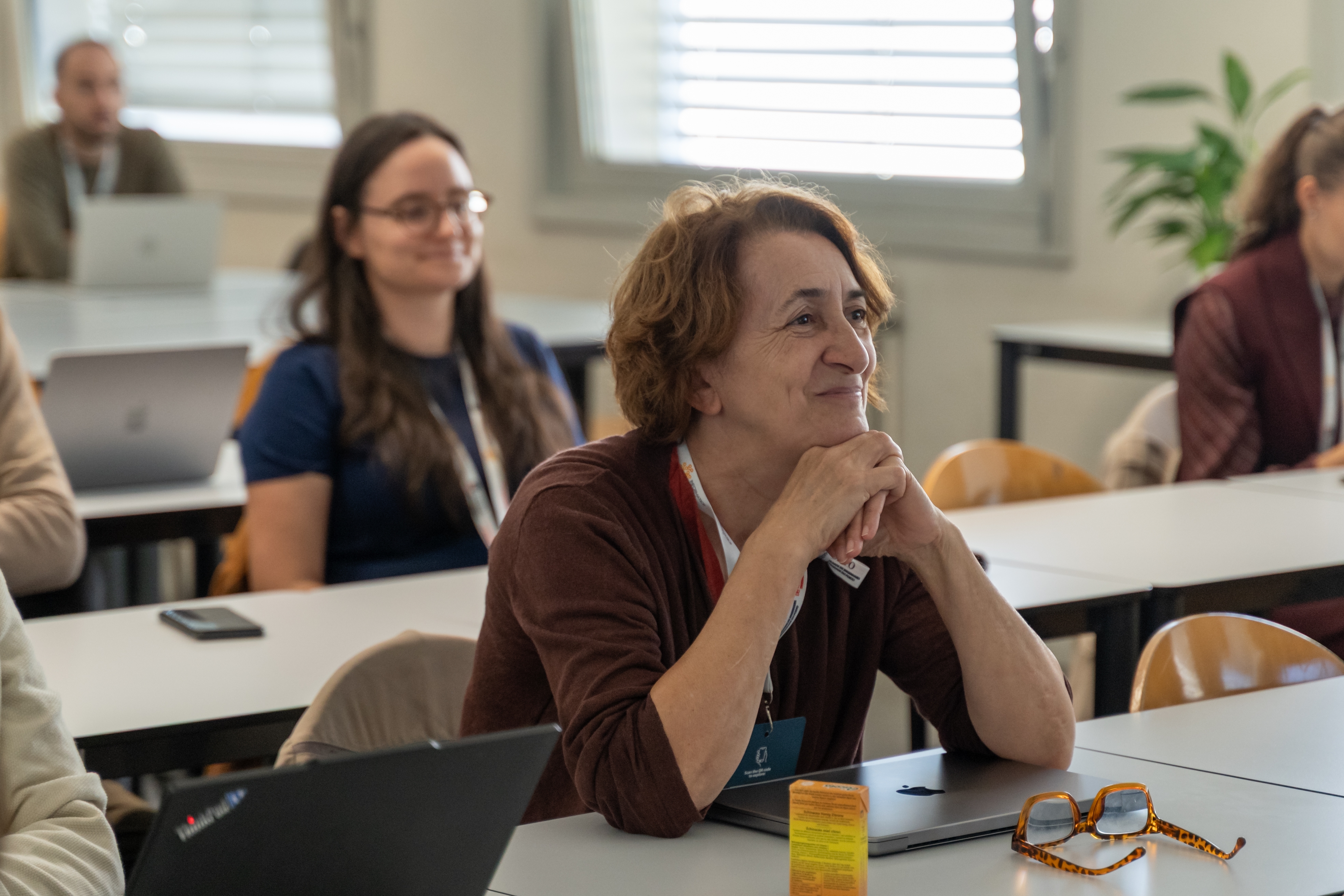
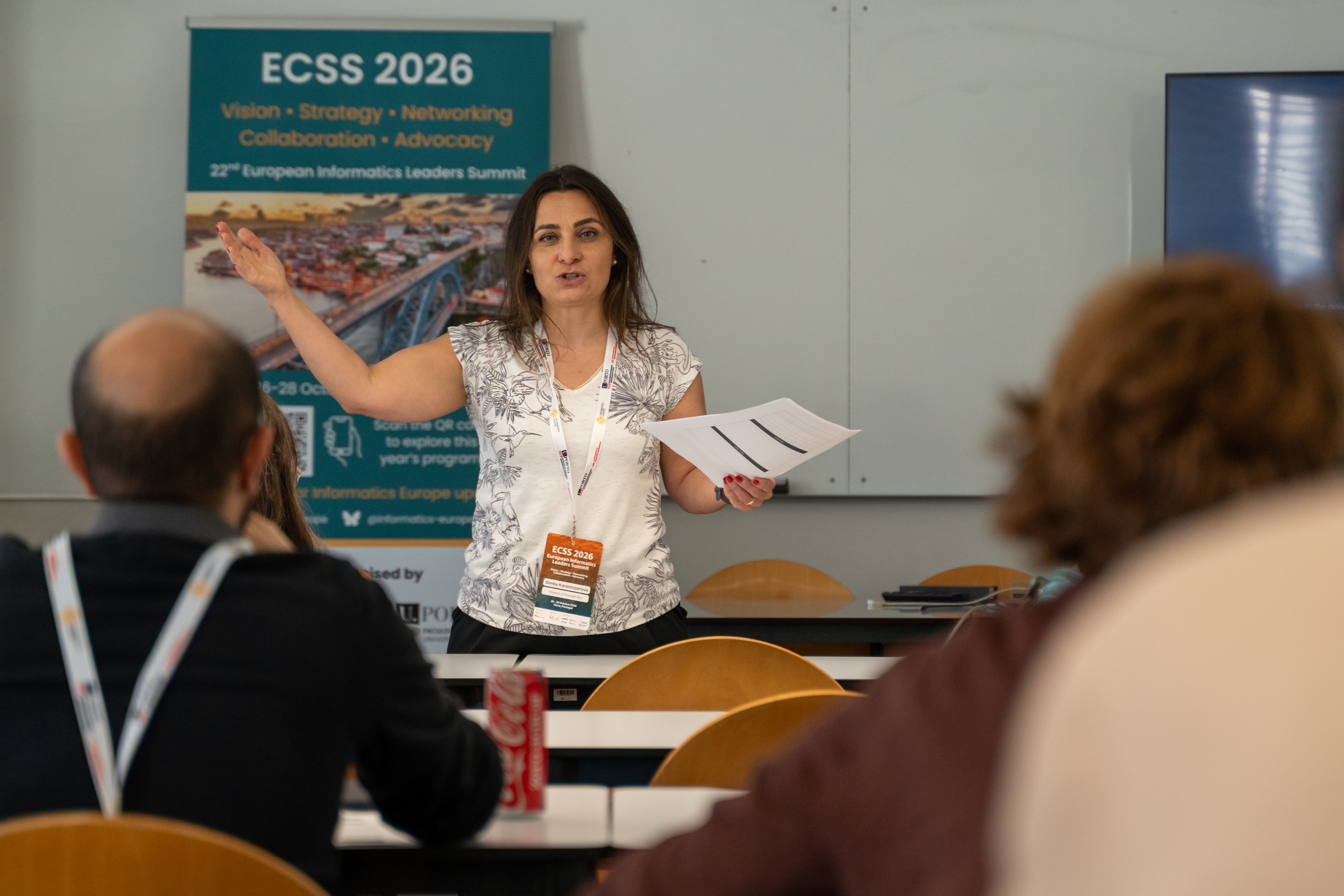
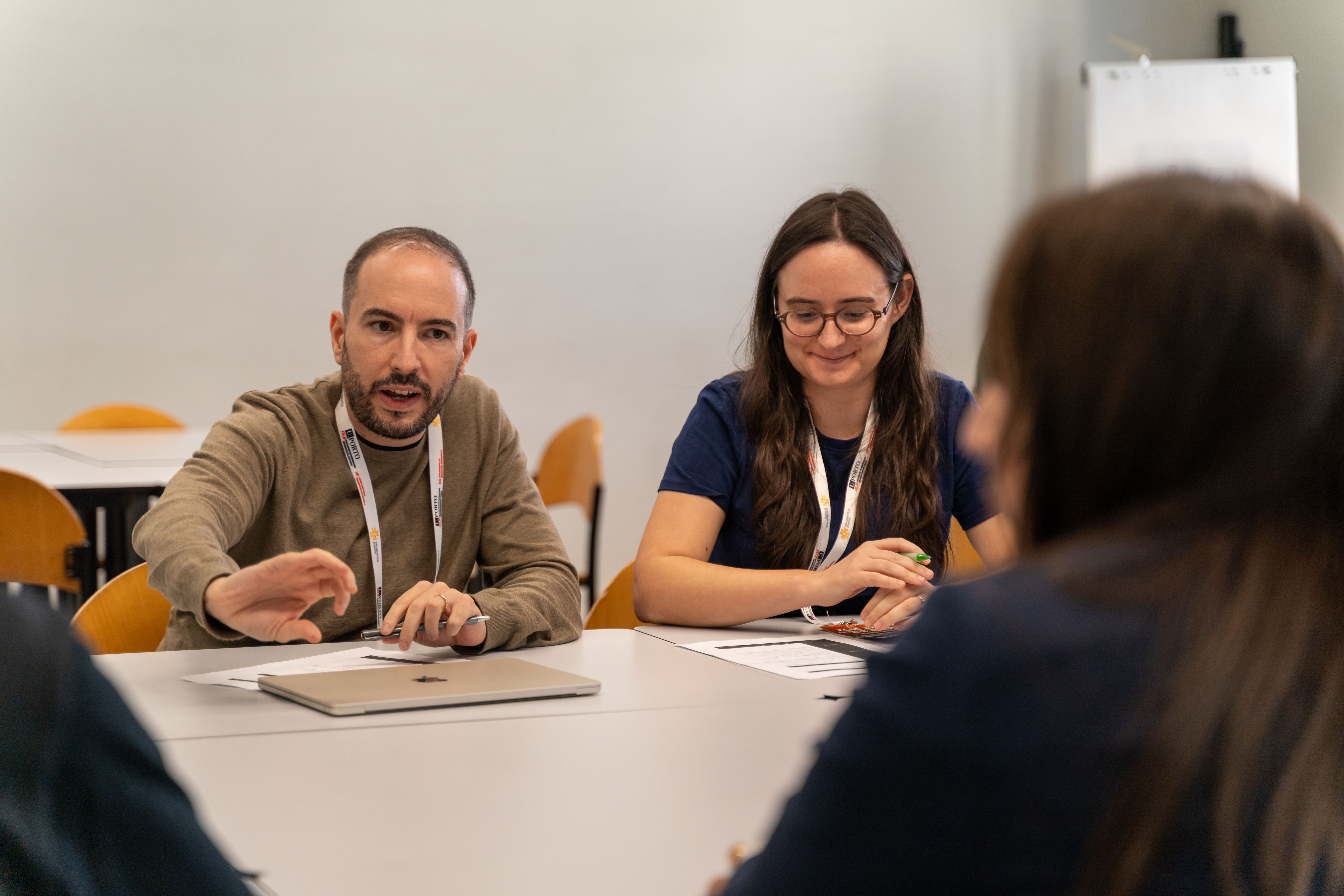
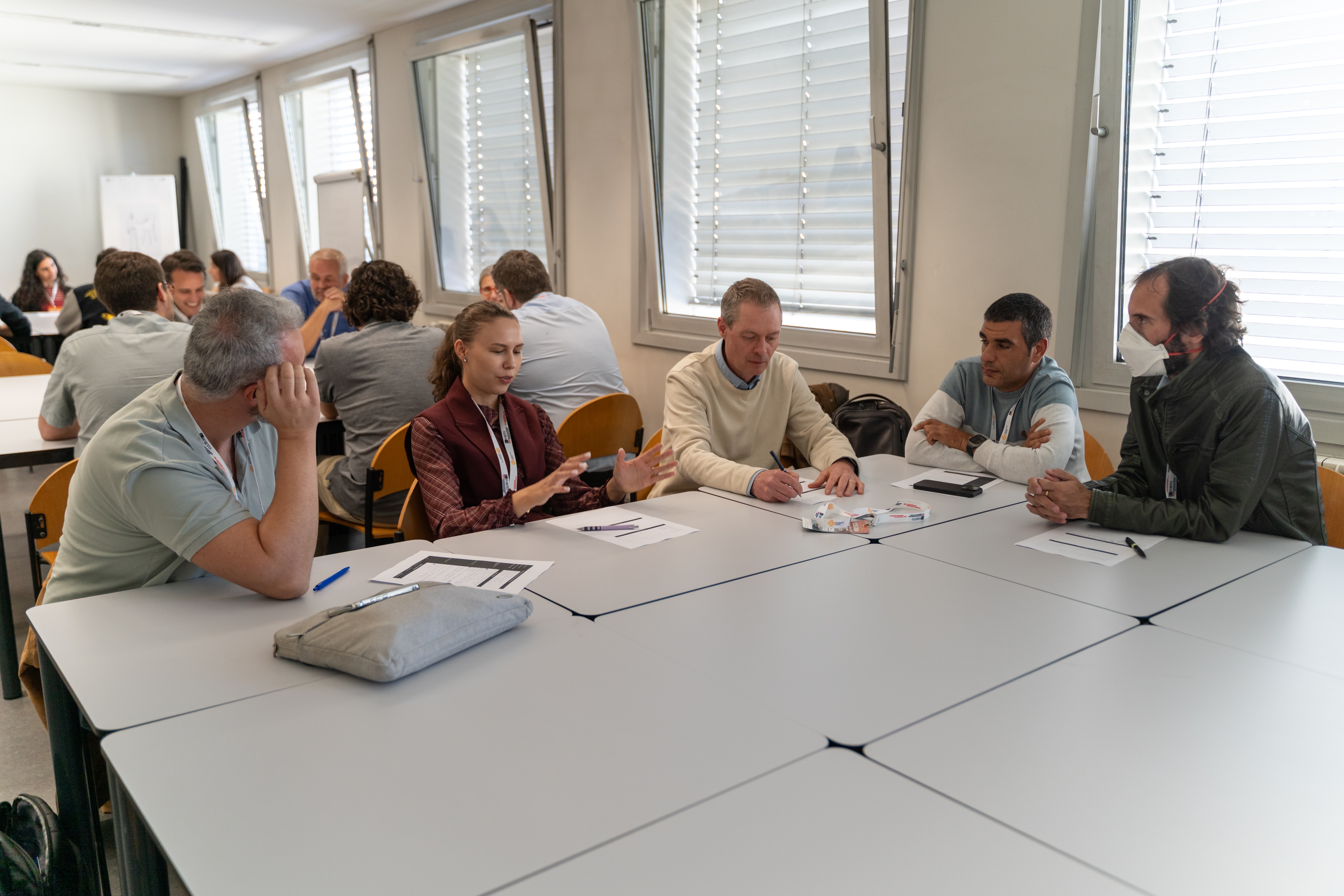


Informatics Europe Sessions
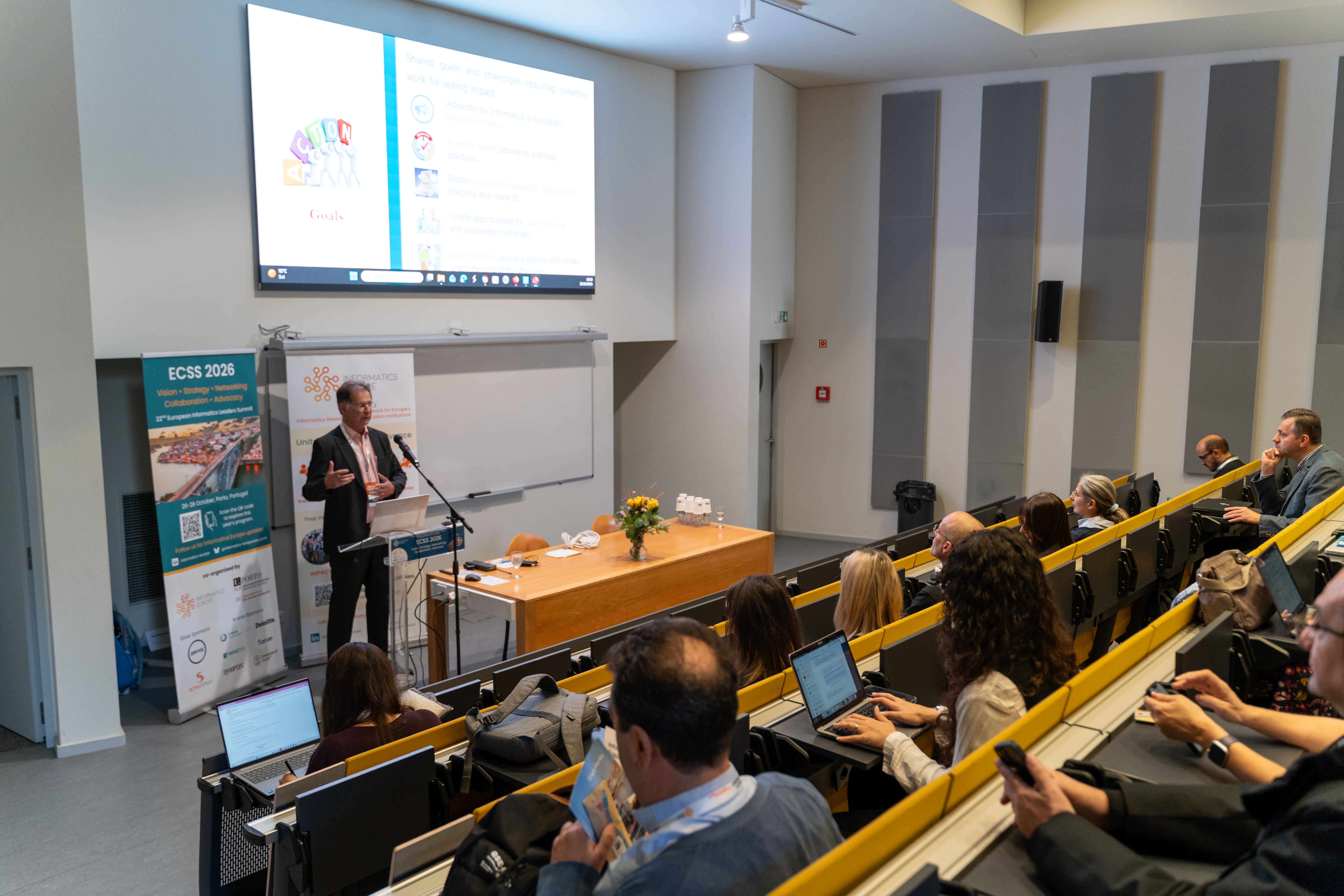
This year, the IE sessions continued to offer members and non-members opportunities to engage with Informatics Europe (IE), contribute their perspectives, and learn more about our mission, resources and activities.
Ahead of the official opening on Monday morning, 26 October, a special Informatics Europe introductory session was led by President Jean-Marc Jézéquel and Executive Director Nuria Anguera, with a particular welcome to new members. Existing members and others interested in revisiting IE services and activities were also warmly invited to join. The session showcased IE’s initiatives, services and opportunities to engage with and benefit from the network. These range from fostering pan-European collaboration, supporting individuals' and institutions' continuous improvement, and actively shaping the future and policies of our discipline across Europe. Explore the slides here.
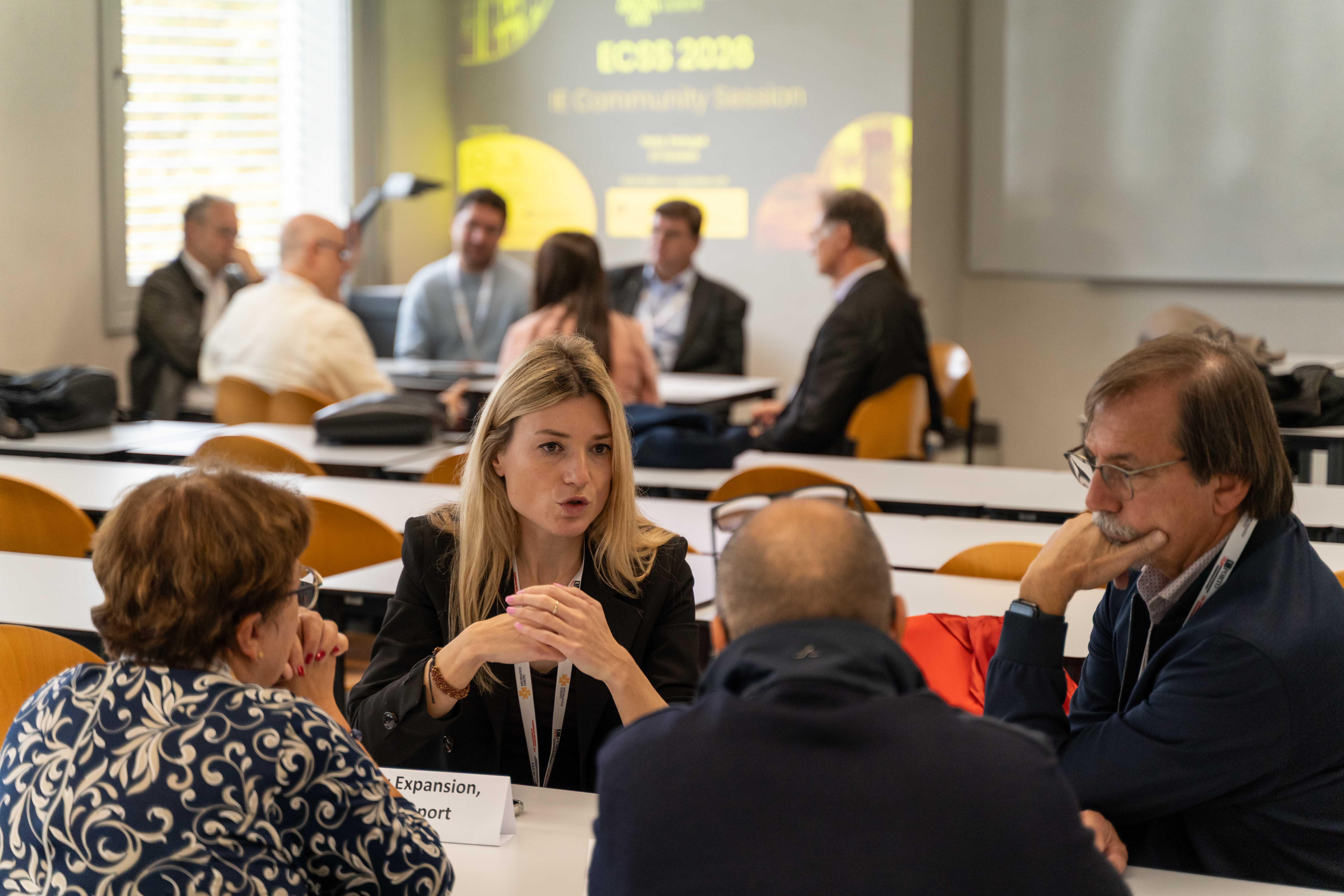
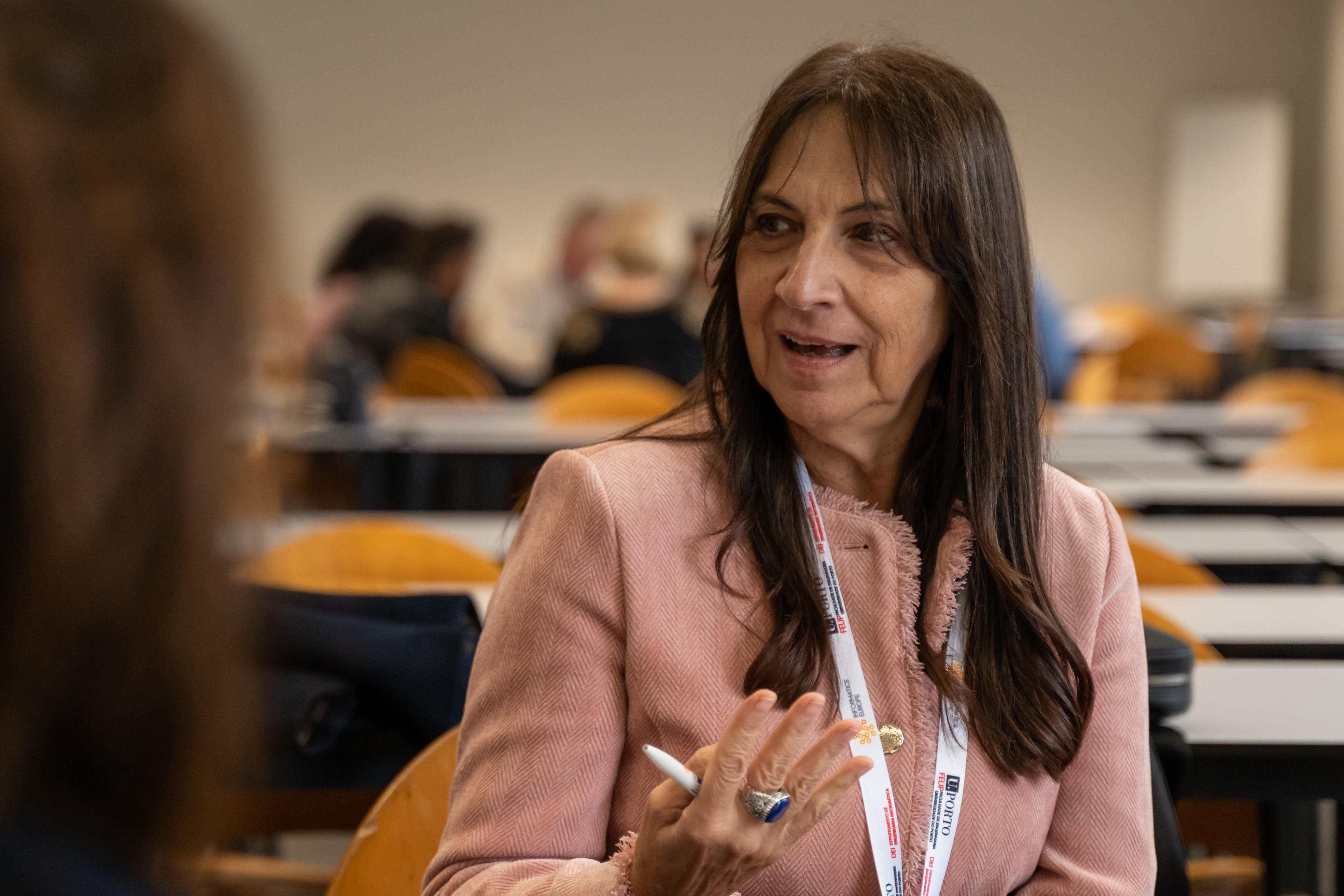
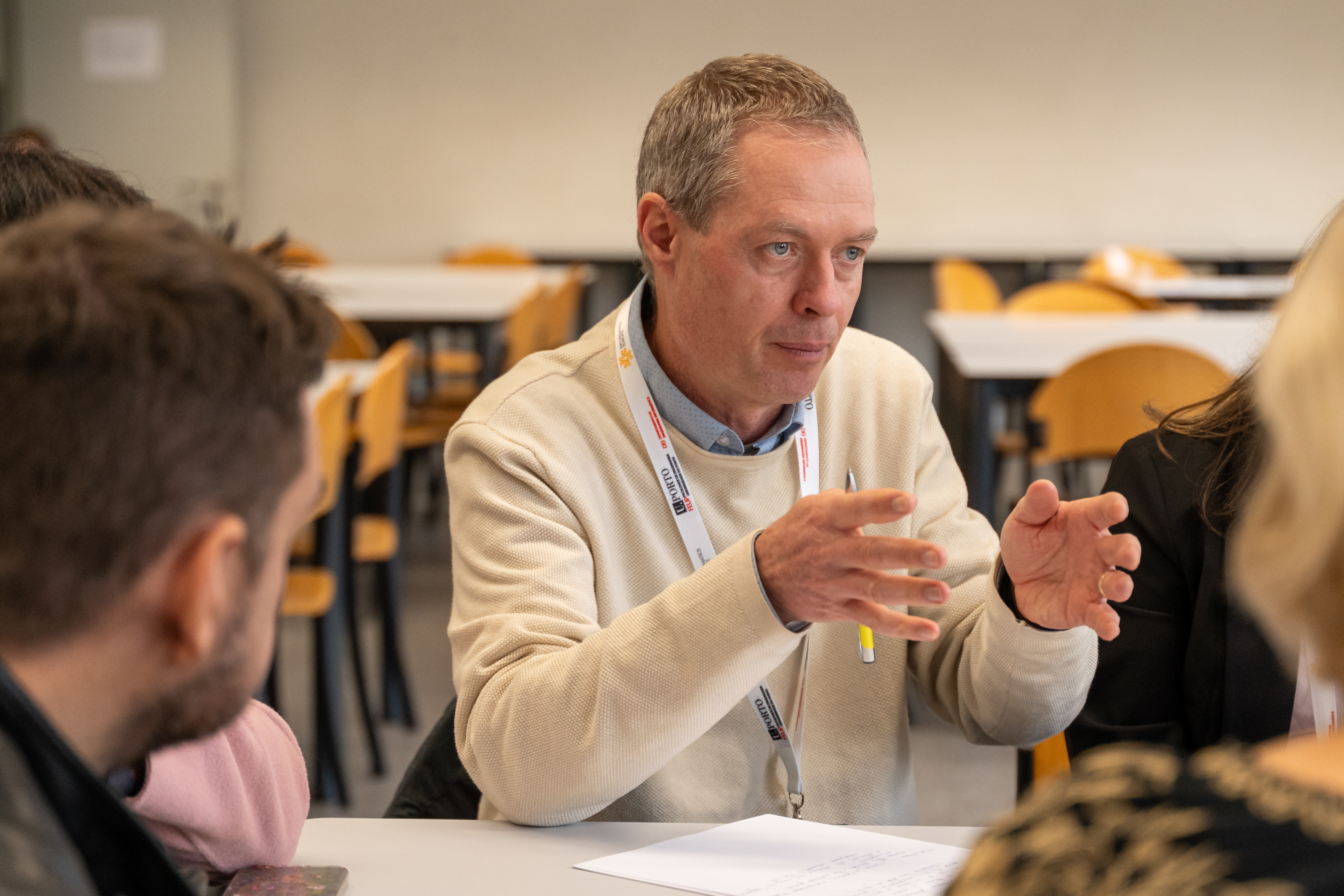
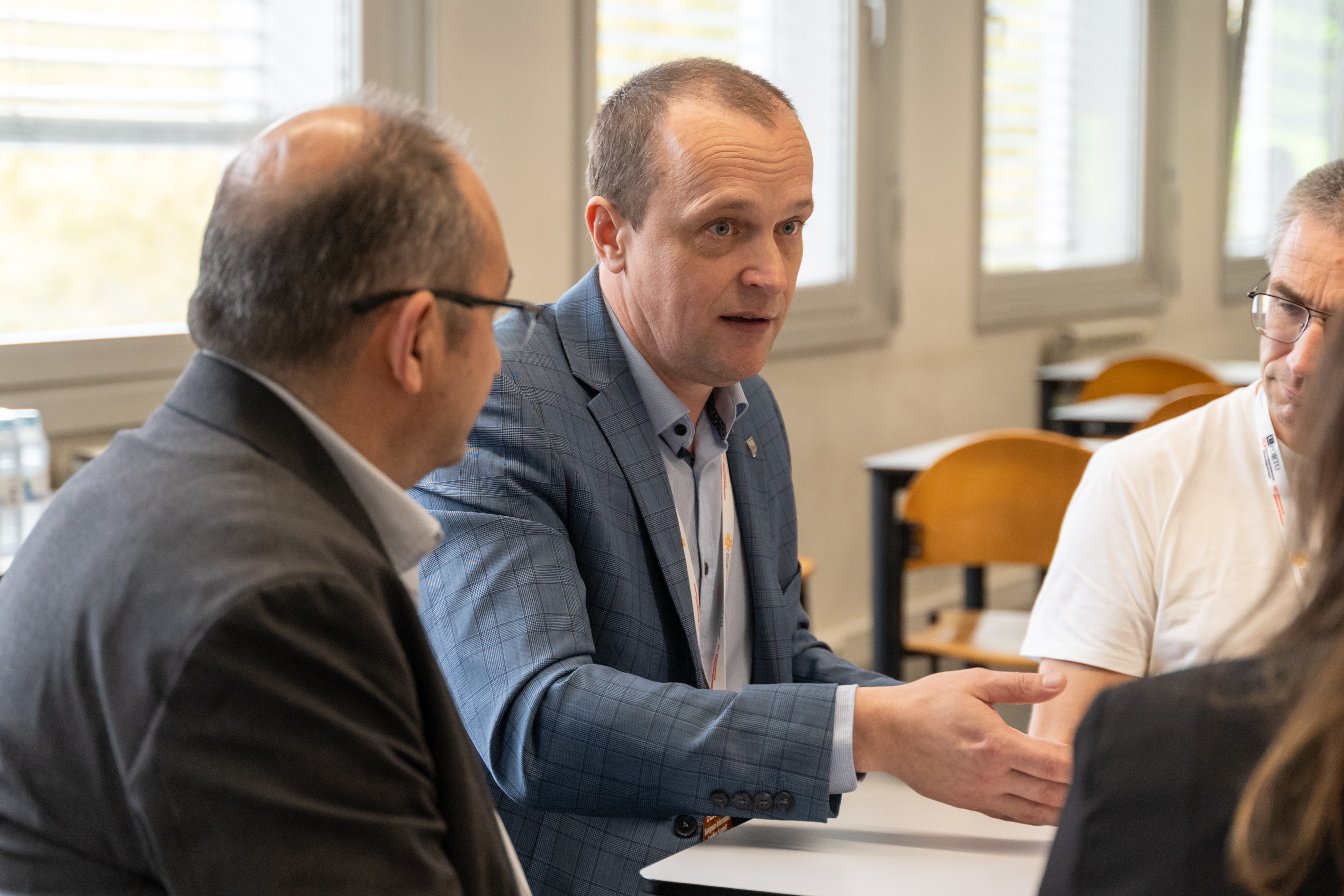
On Tuesday morning, 27 October, the IE Community Session focused on the future of IE and how the association can best serve and engage its community. Participants were invited to propose topics of interest and discuss them in small groups. Possible themes include how the association can further support its members, timely issues we should jointly address through IE, and strategies to strengthen engagement, visibility and collective impact. The ideas and perspectives gathered during the discussions fed into IE’s ongoing work and future priorities. We encouraged participants to come with ideas, questions or challenges they would like to explore with the IE community. Here are the topics discussed.
The IE Annual General Assembly (AGA) Session followed on Tuesday afternoon. Beyond the formal review of financial and governance matters, the agenda included a brief overview of IE’s activities and achievements over the past year, as well as a look ahead at upcoming activities. While voting during the AGA is reserved for representatives of member institutions, the session was open to all ECSS participants.
Together, these sessions provided opportunities to discover how IE can support you and your institution, contribute to shaping the association’s agenda, and help advance Informatics research and education across Europe.
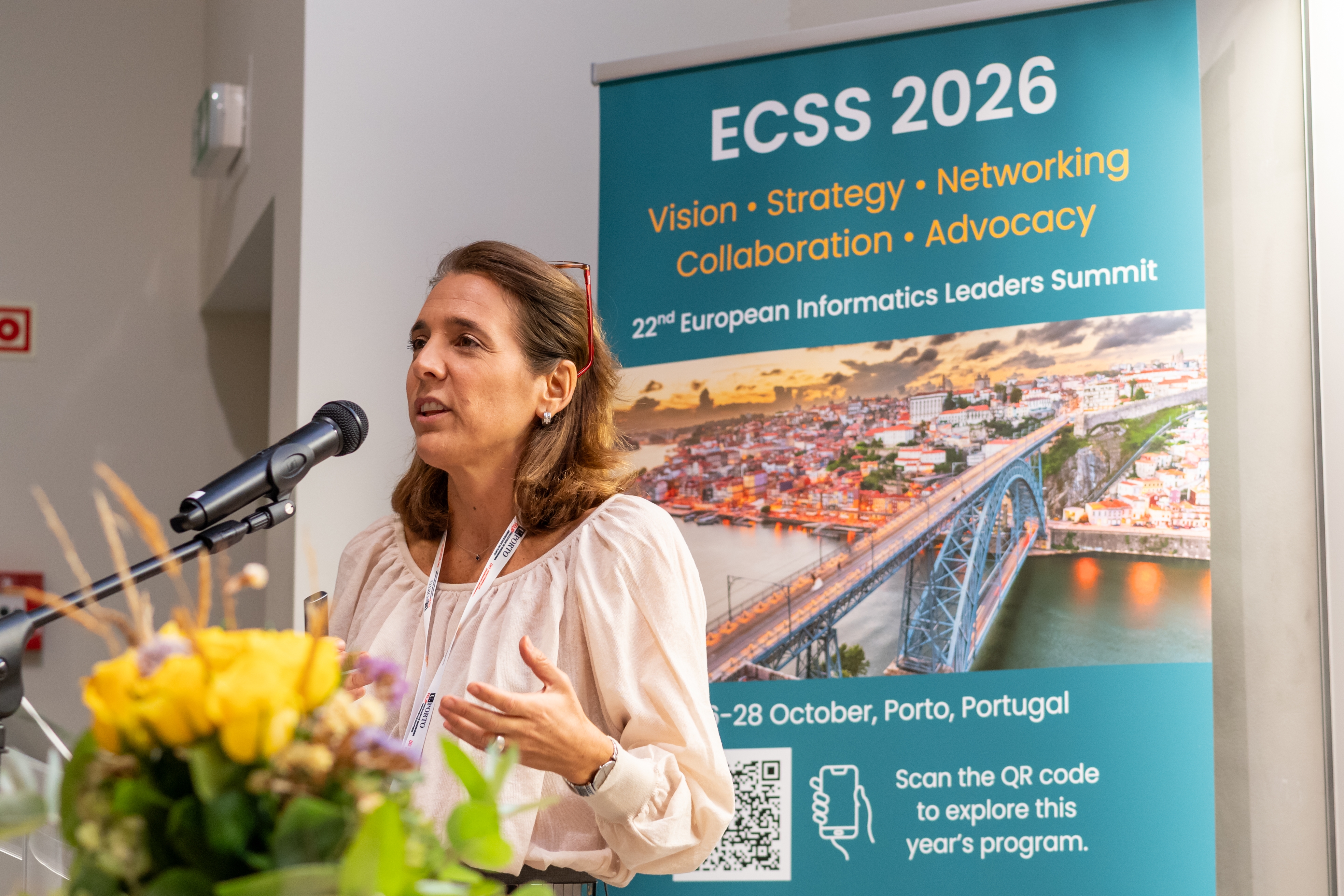
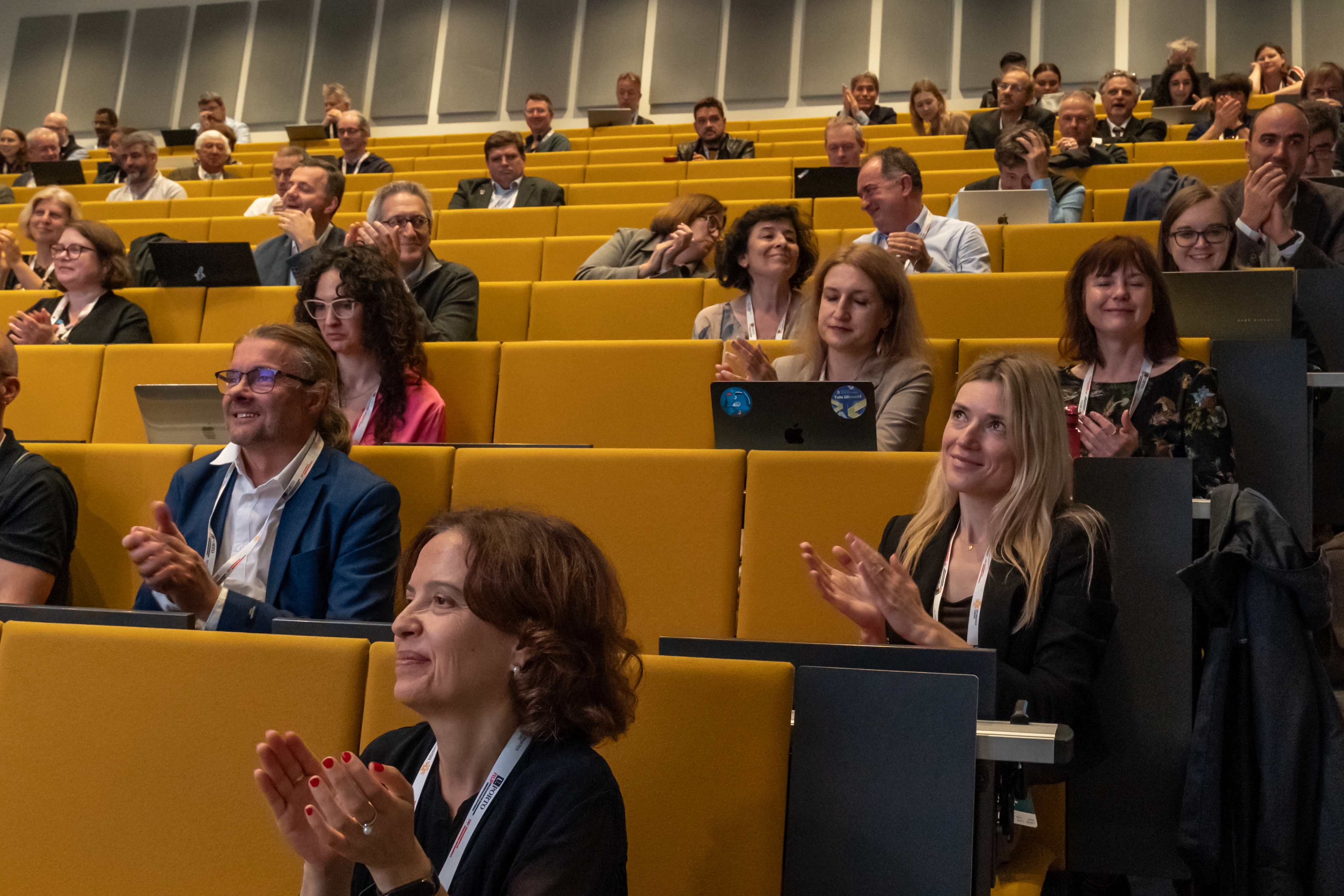
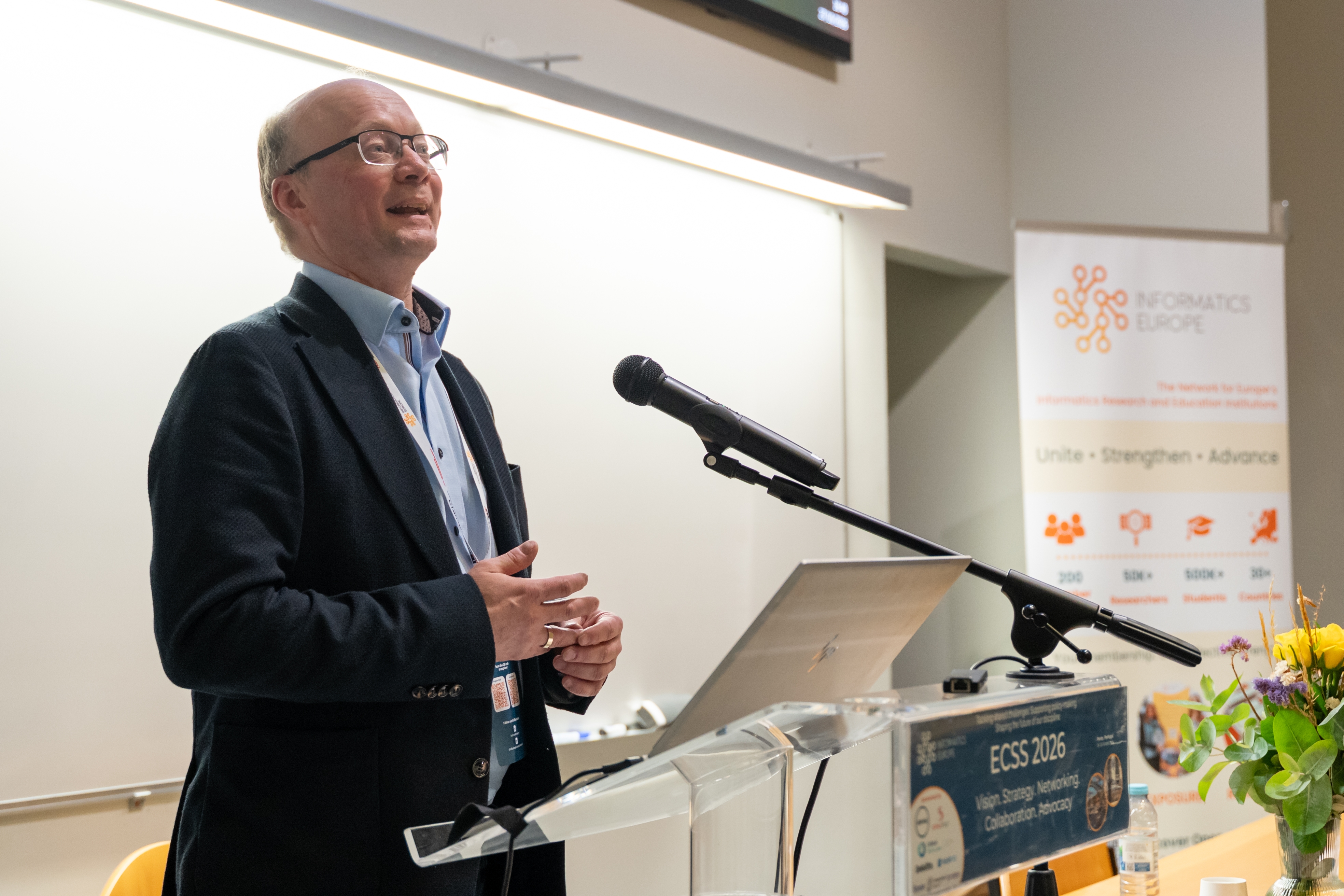
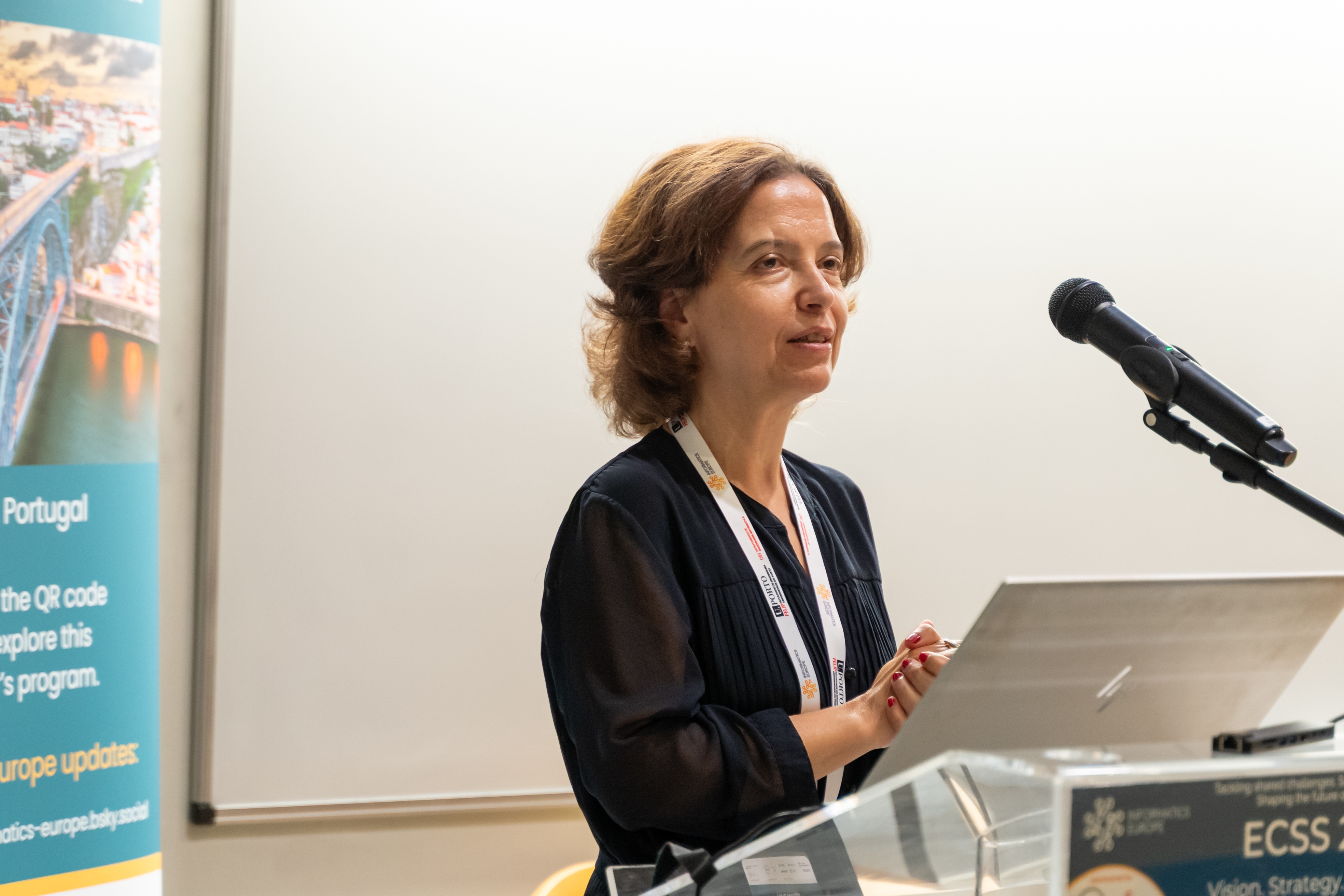
Workshop Gallery
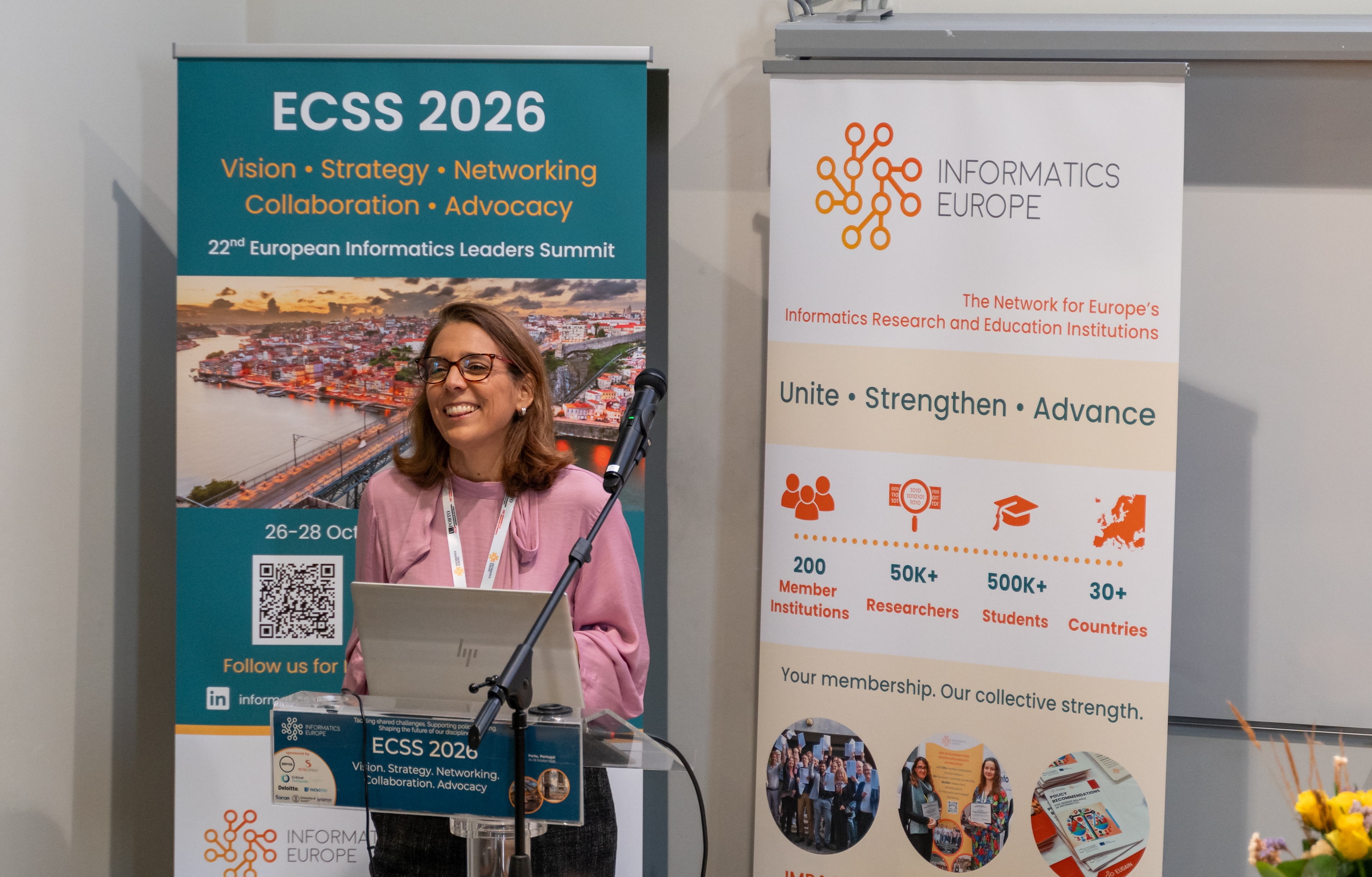
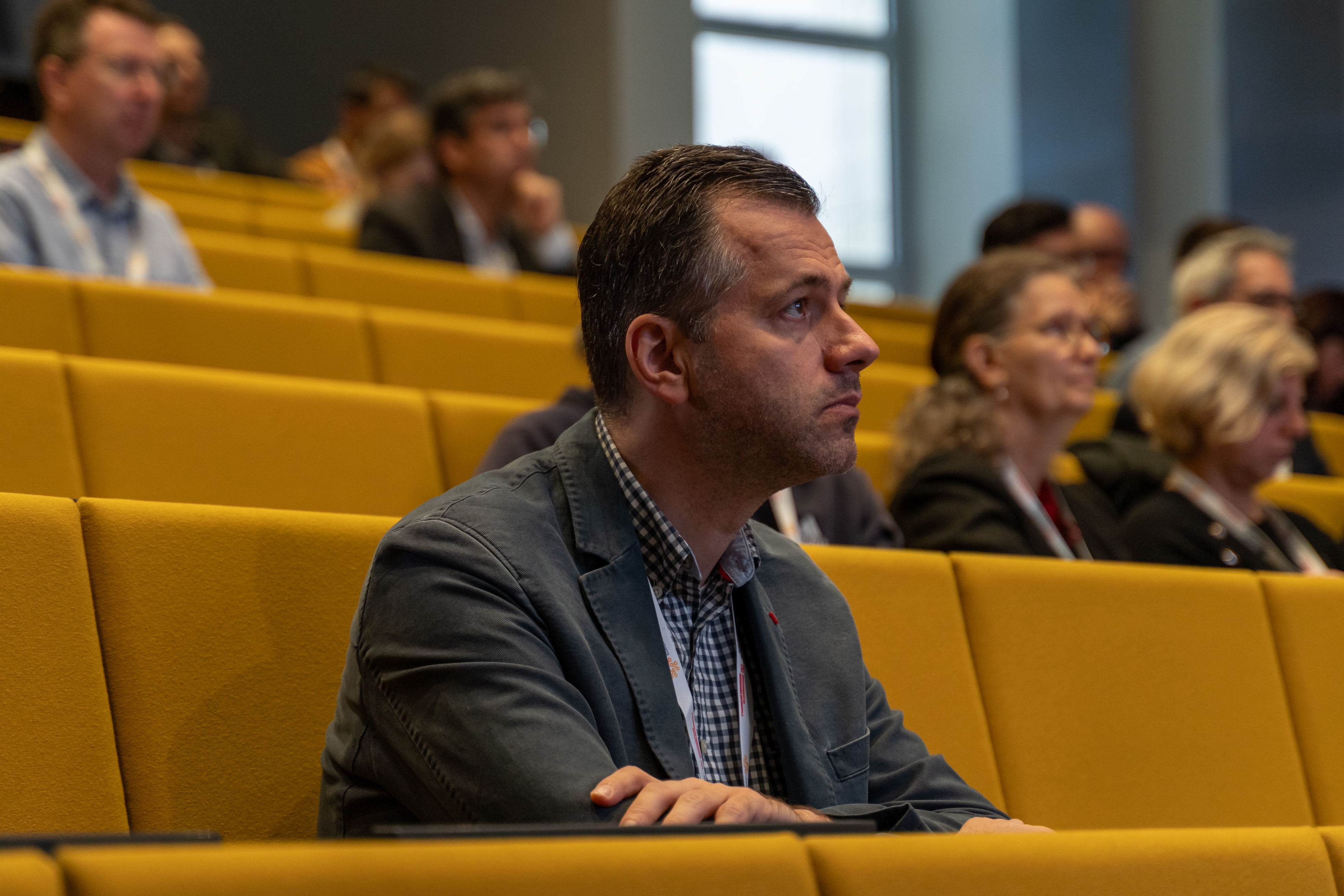
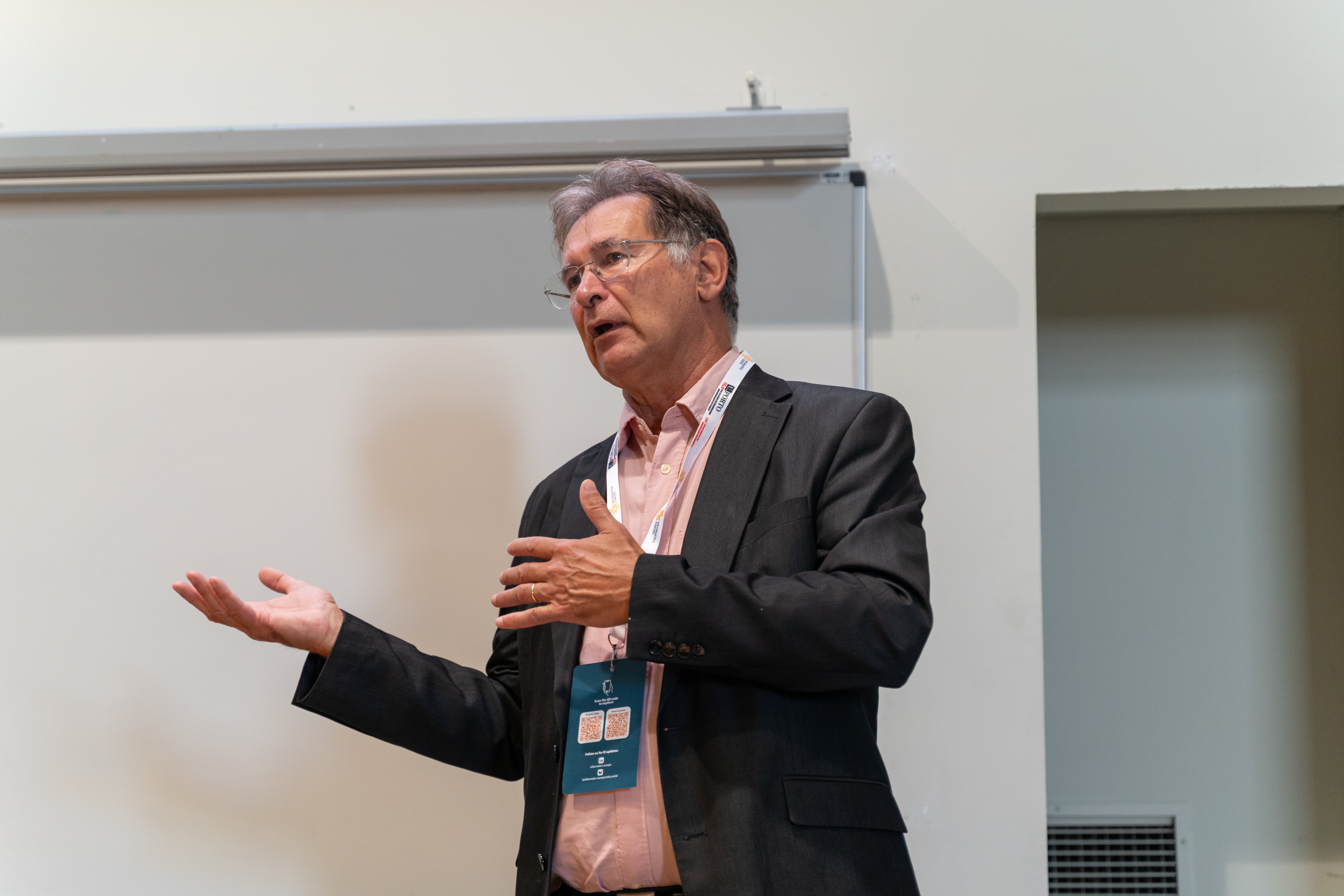
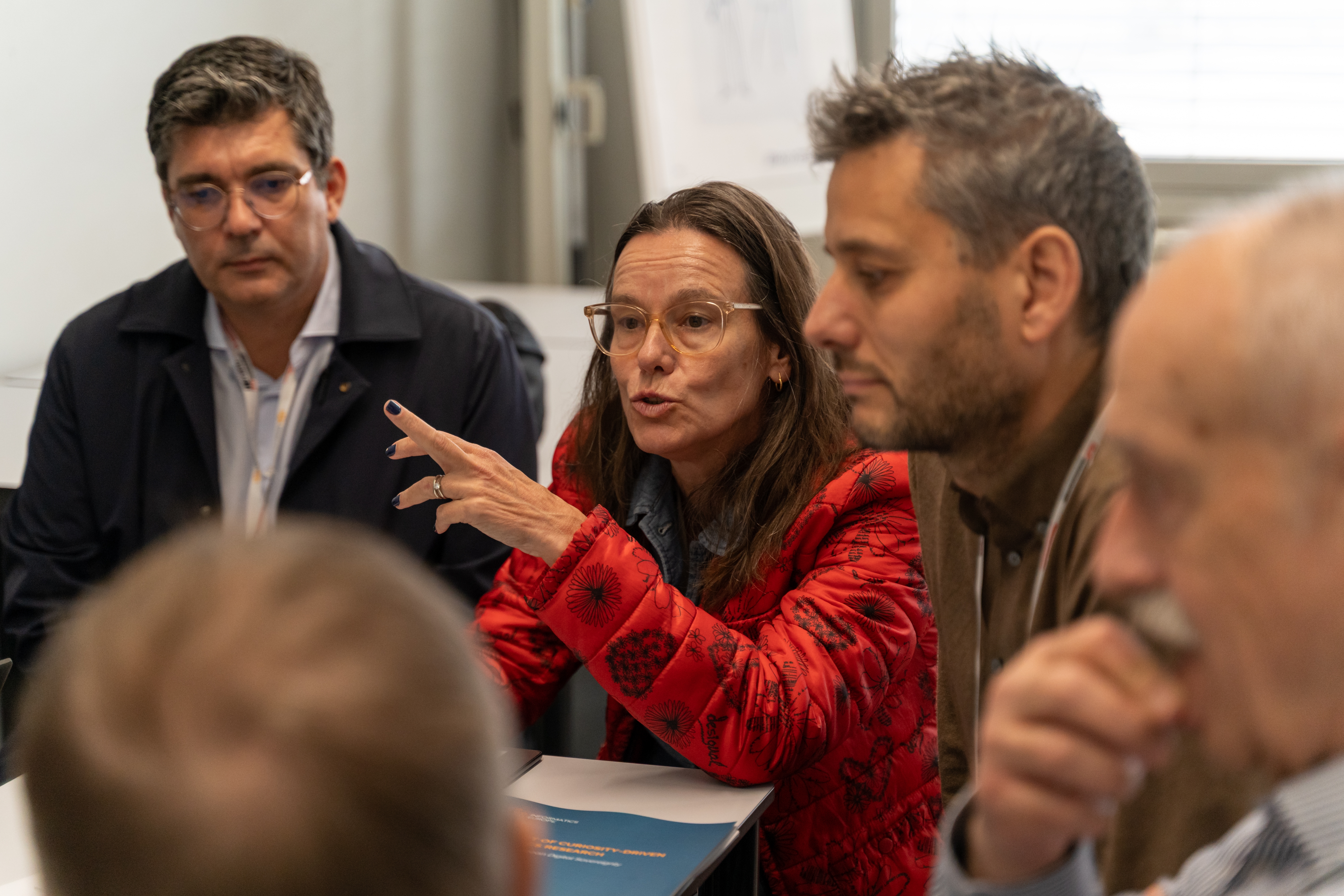
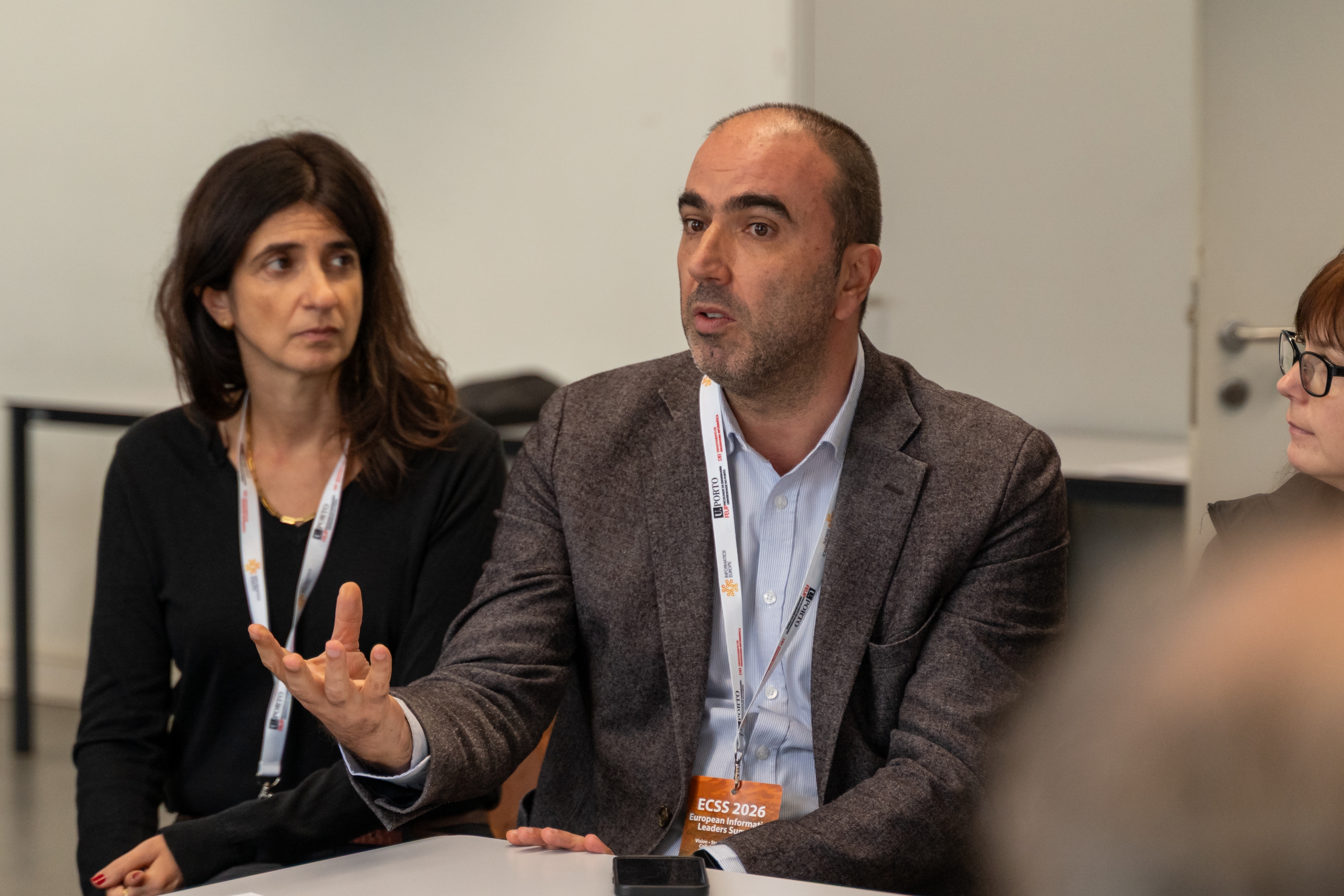
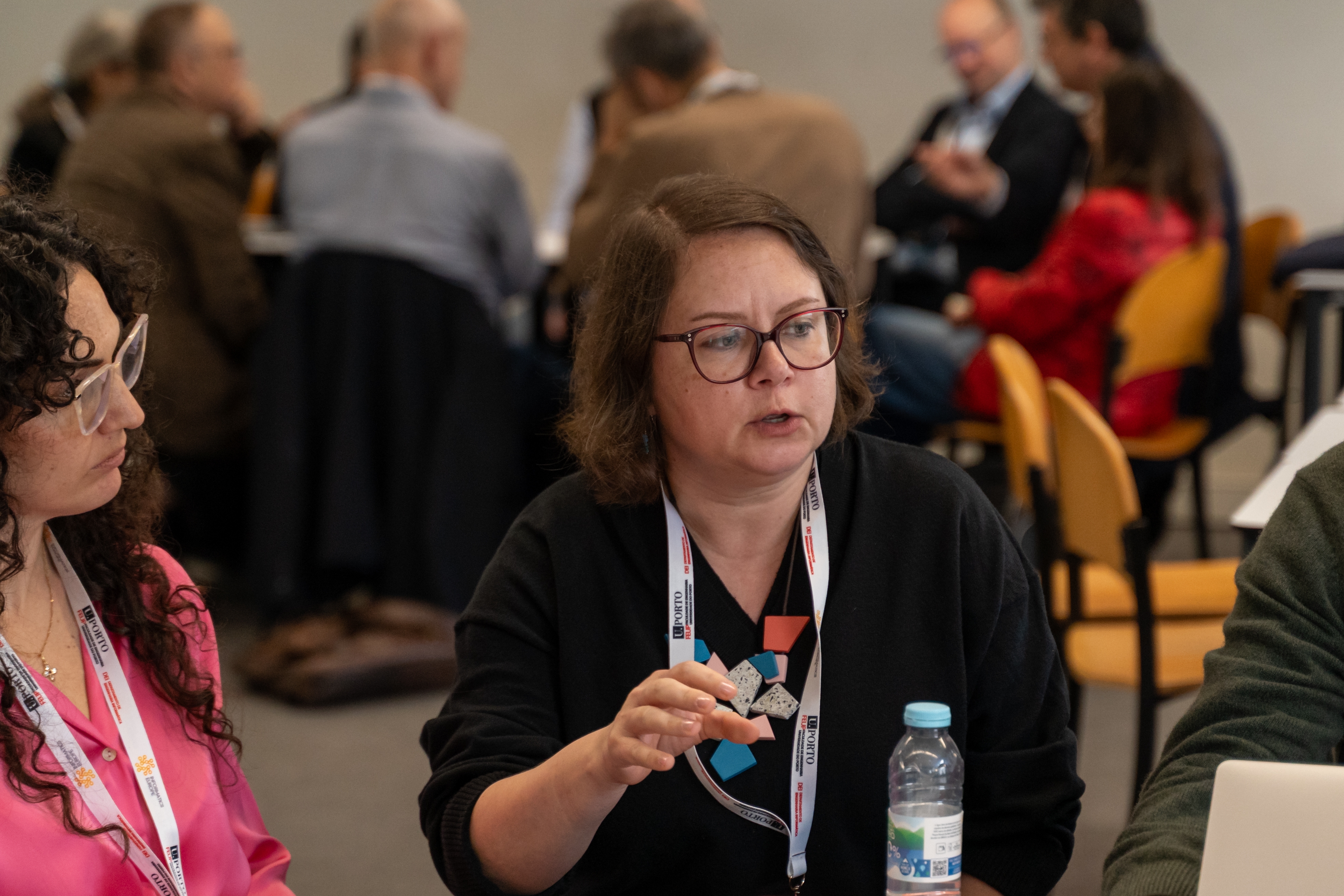
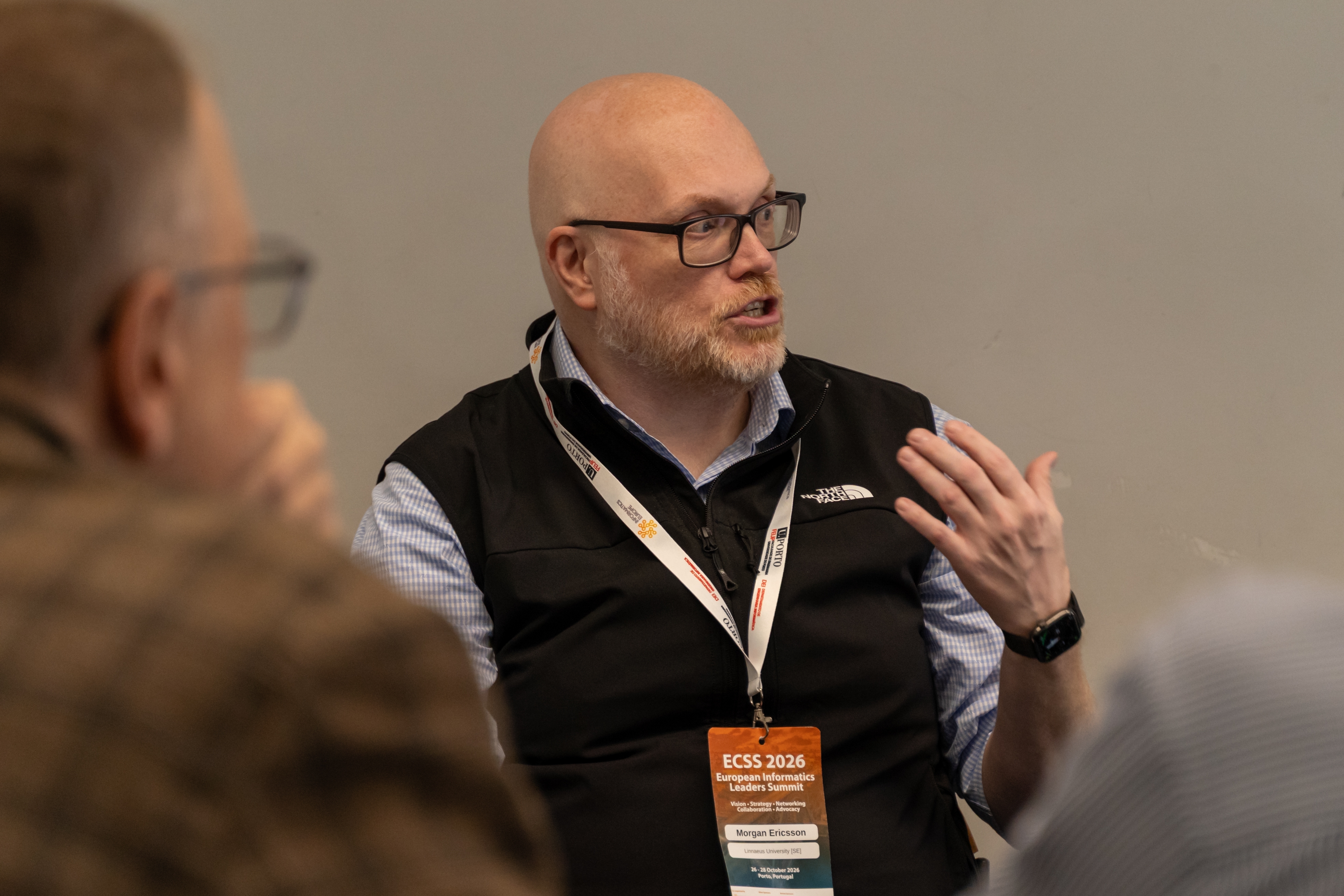
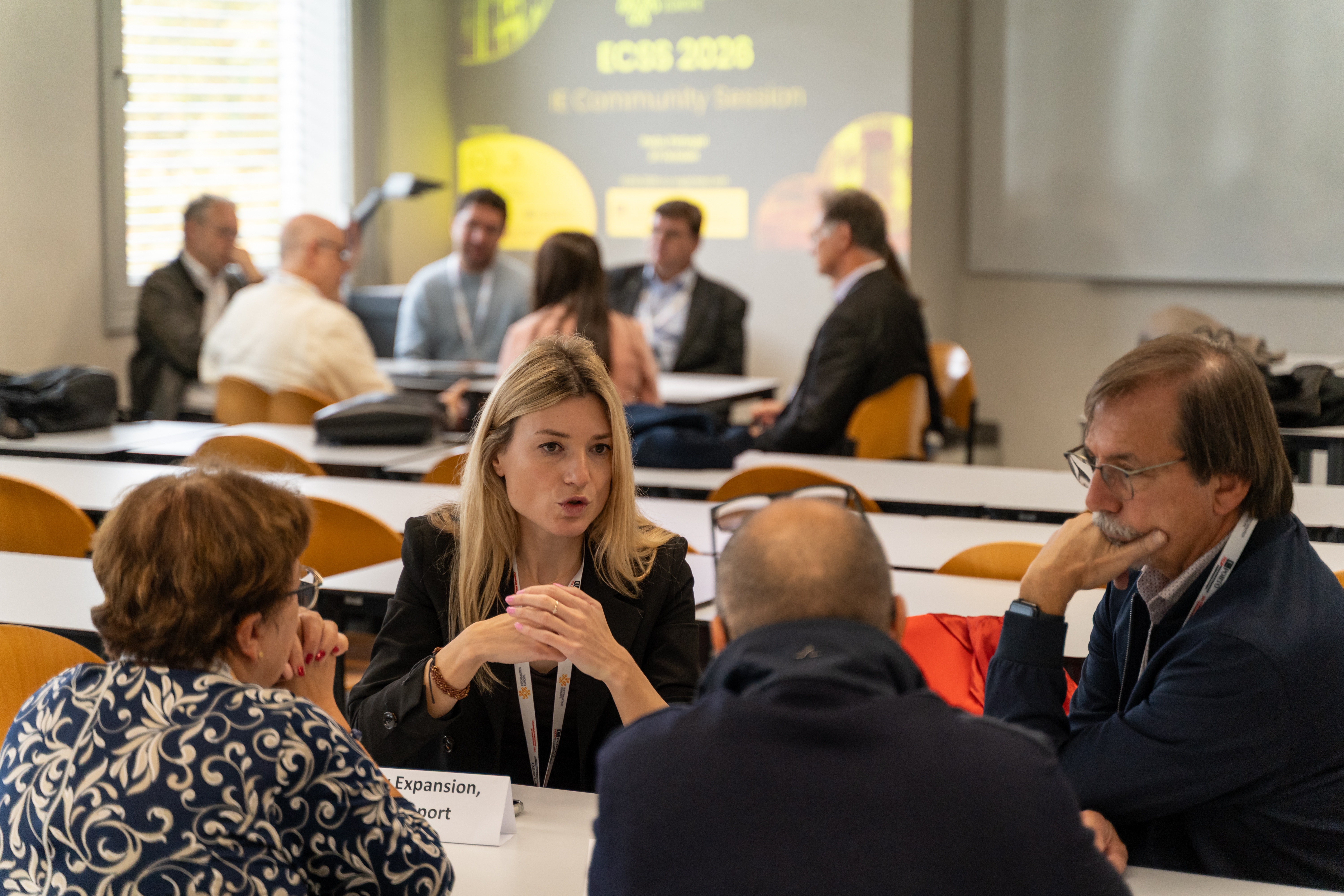
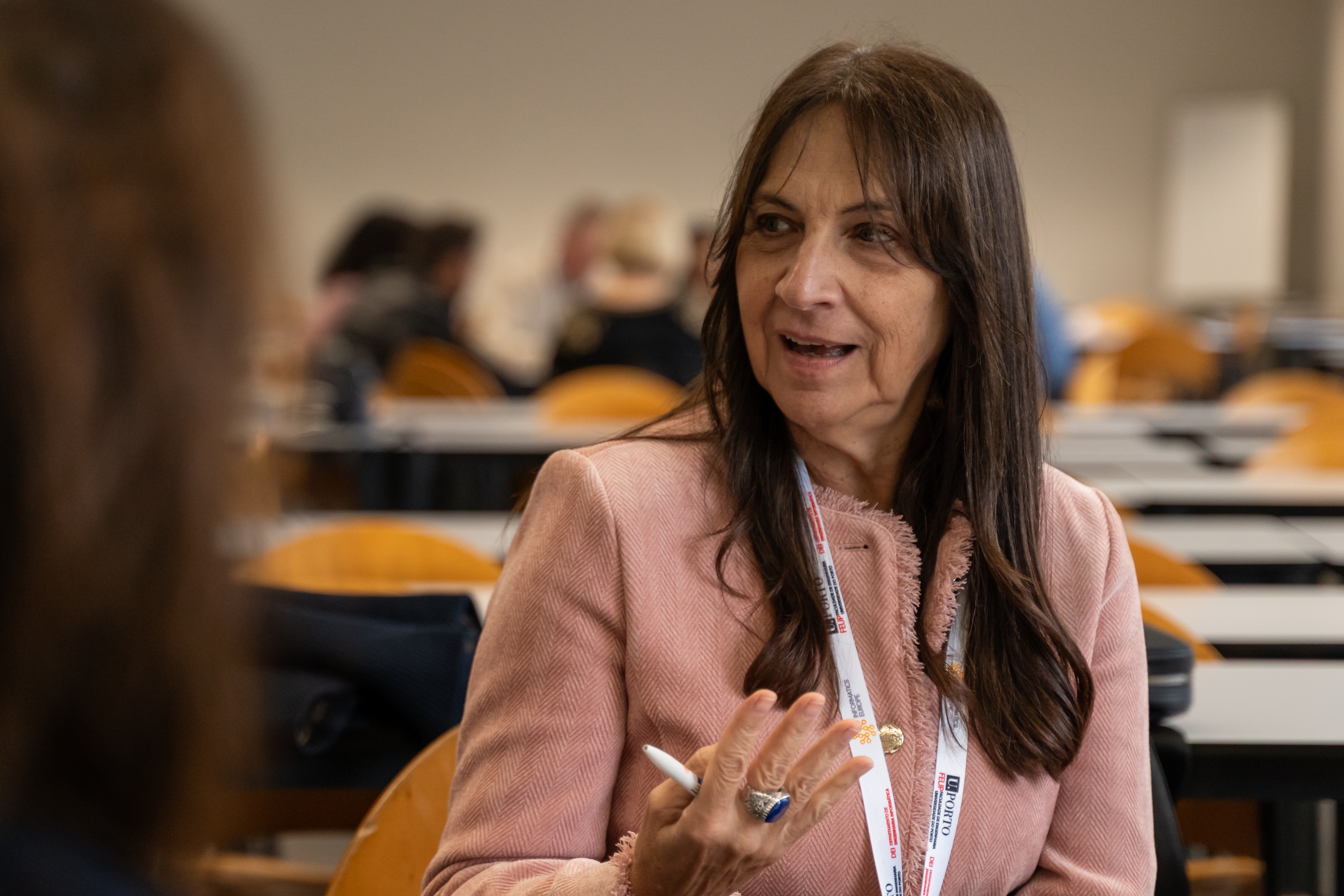
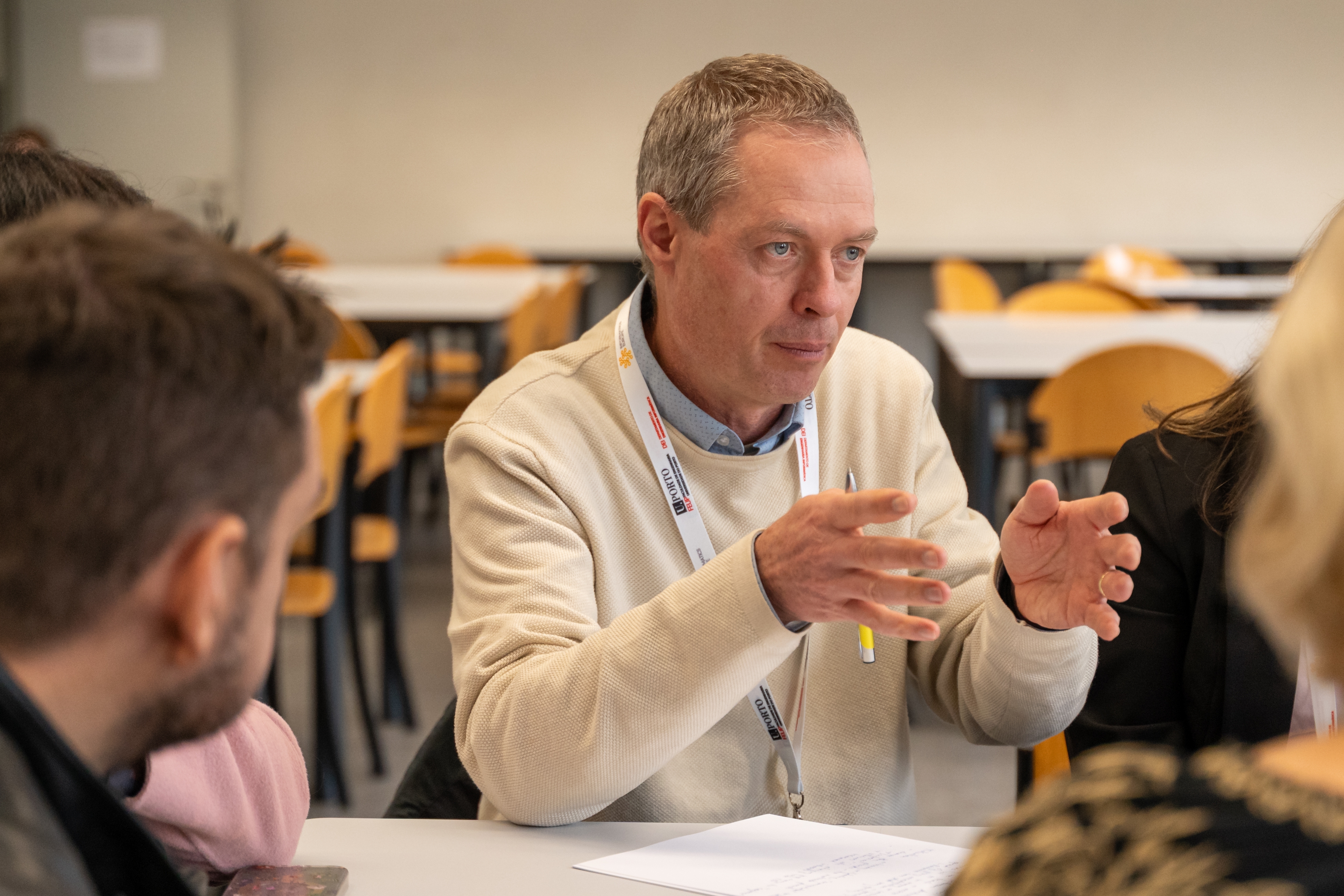
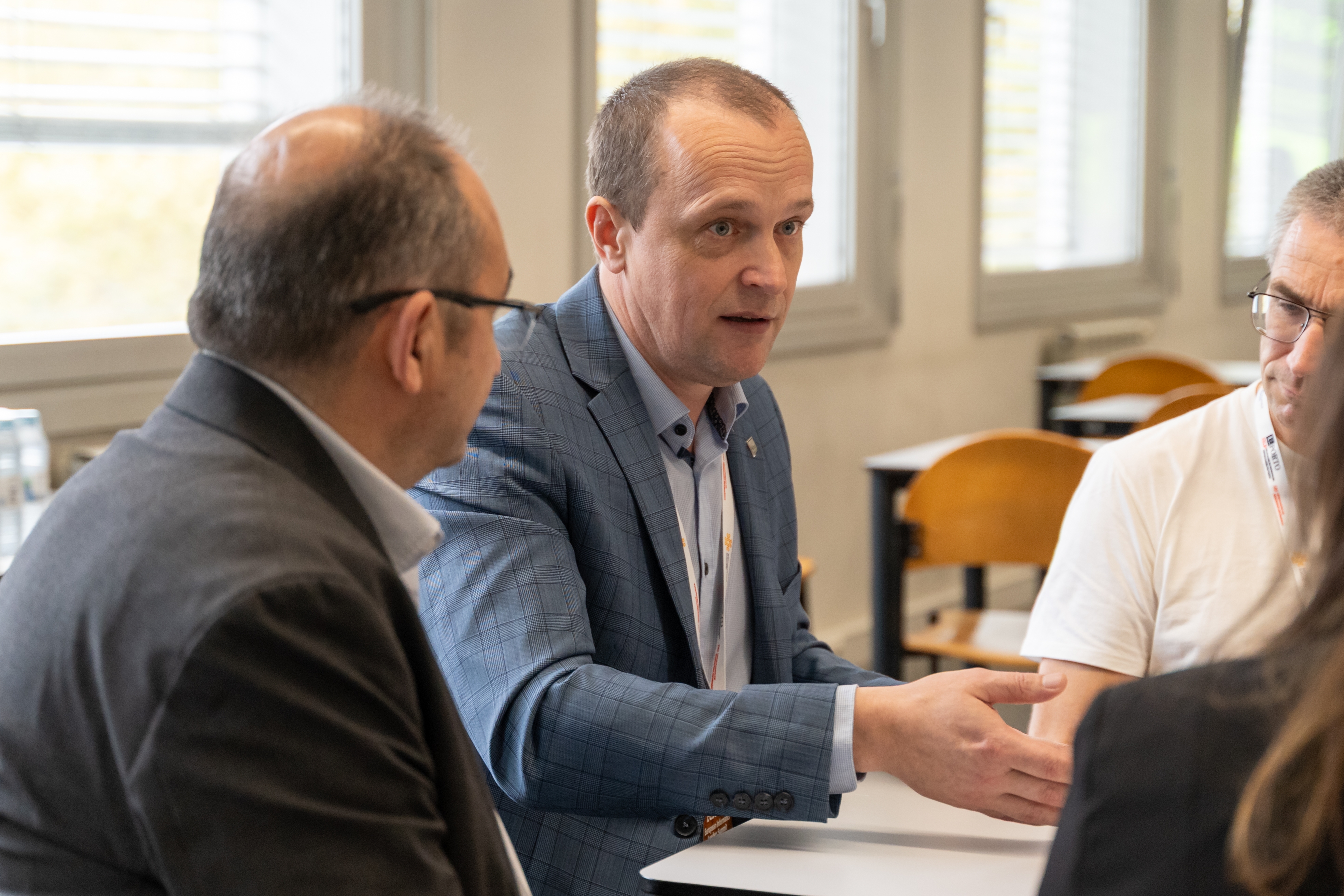
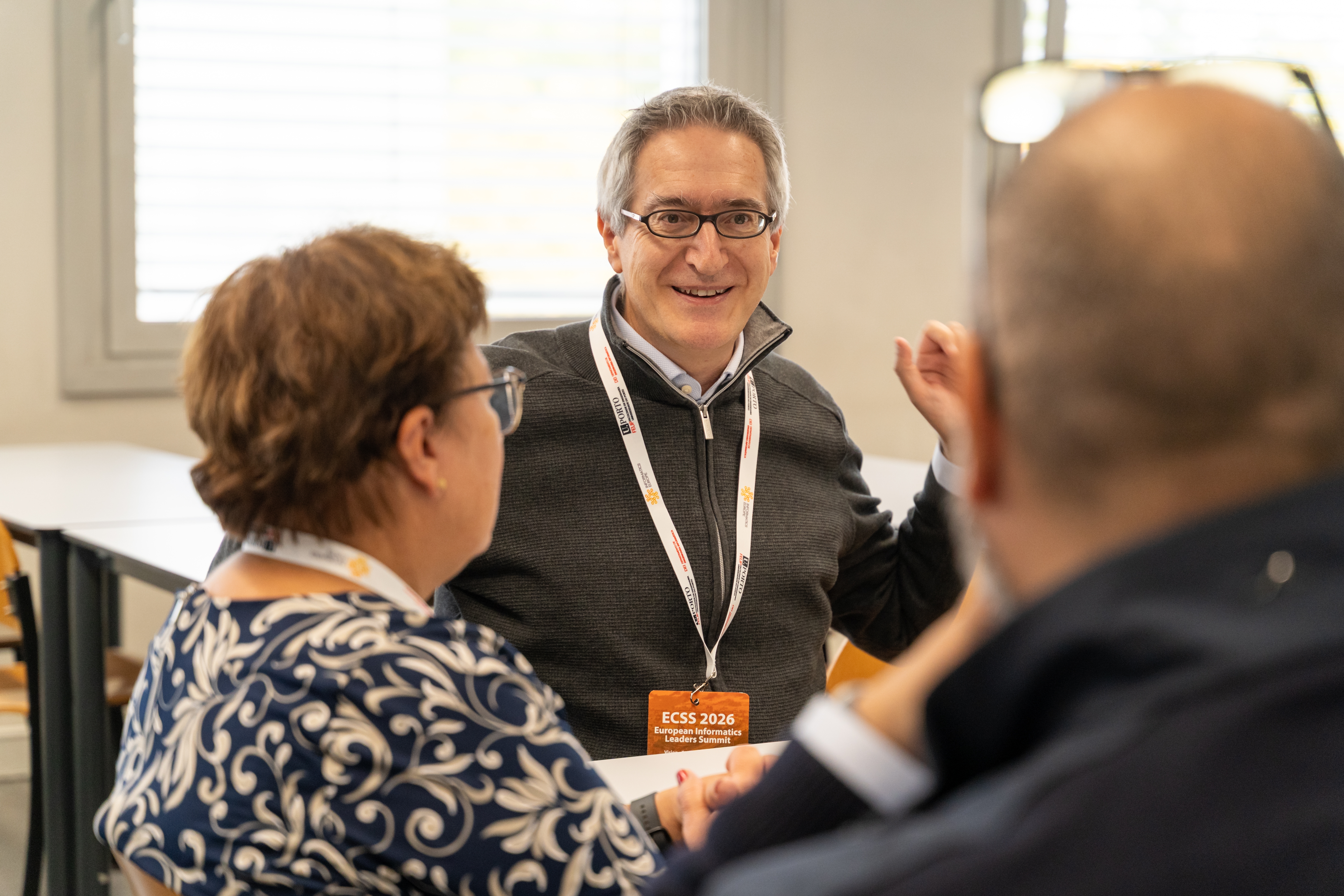


Accommodation
We recommend that all participants book accommodation as early as possible. Below is a curated selection of hotels near the Faculty of Engineering, University of Porto (FEUP), ECSS 2026 Venue, covering various budgets and all with strong ratings. Directions to FEUP are provided for each.
Porto offers diverse options, from budget-friendly to premium, both in the city centre and well-connected areas. You may also explore Airbnb or other platforms to find suitable stays.
Closest to the ECSS 2026 Venue:
- IBIS Porto São João 2*
Rua Dr. Plácido Costa, 7579, 4200-450 Porto
Directions to FEUP
- Axis Porto Business & SPA Hotel 4*
R. Maria Feliciana 100, 4465-283 São Mamede de Infesta
Directions to FEUP
In the City Centre:
- Moov Hotel Porto Centro 2*
Praça da Batalha 32, 4000-101 Porto
Directions to FEUP
- Stay Hotel Porto Centro Trindade 3*
R. de Gonçalo Cristóvão 111, 4000-408 Porto
Directions to FEUP
- IBIS Porto Centro Mercado Do Bolhao 3*
Rua Sá da Bandeira 567, 4000-437 Porto
Directions to FEUP
- Hotel NH Collection Porto Batalha 4*
Praça da Batalha 60, 4000-171 Porto
Directions to FEUP
- TURIM Oporto Hotel 4*
Praça Trindade 115, 4000-589 Porto
Directions to FEUP
Promo Code
Enjoy a 15% discount on the rates shown on the Turim Oporto Hotel website for your stay between 24-30 Oct 2026.
To claim the discount, simply visit https://www.turim-hotels.com/, select the hotel and your desired dates of stay, and enter the code ECSS2026 in the “promotional code” field.
This discount cannot be combined with other promotional codes or any special offers that may be running on the website.
- PortoBay Teatro 4*
R. de Sá da Bandeira 84, 4000-427 Porto
Directions to FEUP
- Fontinha Porto, Trademark Collection by Wyndham 4*
Rua da Fontinha 87 91, 4000-243 Porto
Directions to FEUP
In Vila Nova de Gaia:
These options are a few steps from a metro station, Line D, no station changes involved to get to FEUP.
- B&B HOTEL Porto Gaia 3*
Av. da República 1363, 4430-192 Vila Nova de Gaia
Directions to FEUP
- Hotel Black Tulip - Porto Gaia 4*
Av. da República, nº 2038, 4430-195 Vila Nova de Gaia
Directions to FEUP
- Vincci Ponte de Ferro 4*
R. do Casino da Ponte 1, 4430-999 Vila Nova de Gaia
Directions to FEUP
Premium options:
- InterContinental Porto – Palácio das Cardosas 5*
Praça da Liberdade, 25, 4000-322 Porto
Directions to FEUP
- Torel Palace Porto 5*
Rua de Entreparedes 42, 4000-198 Porto
Directions to FEUP
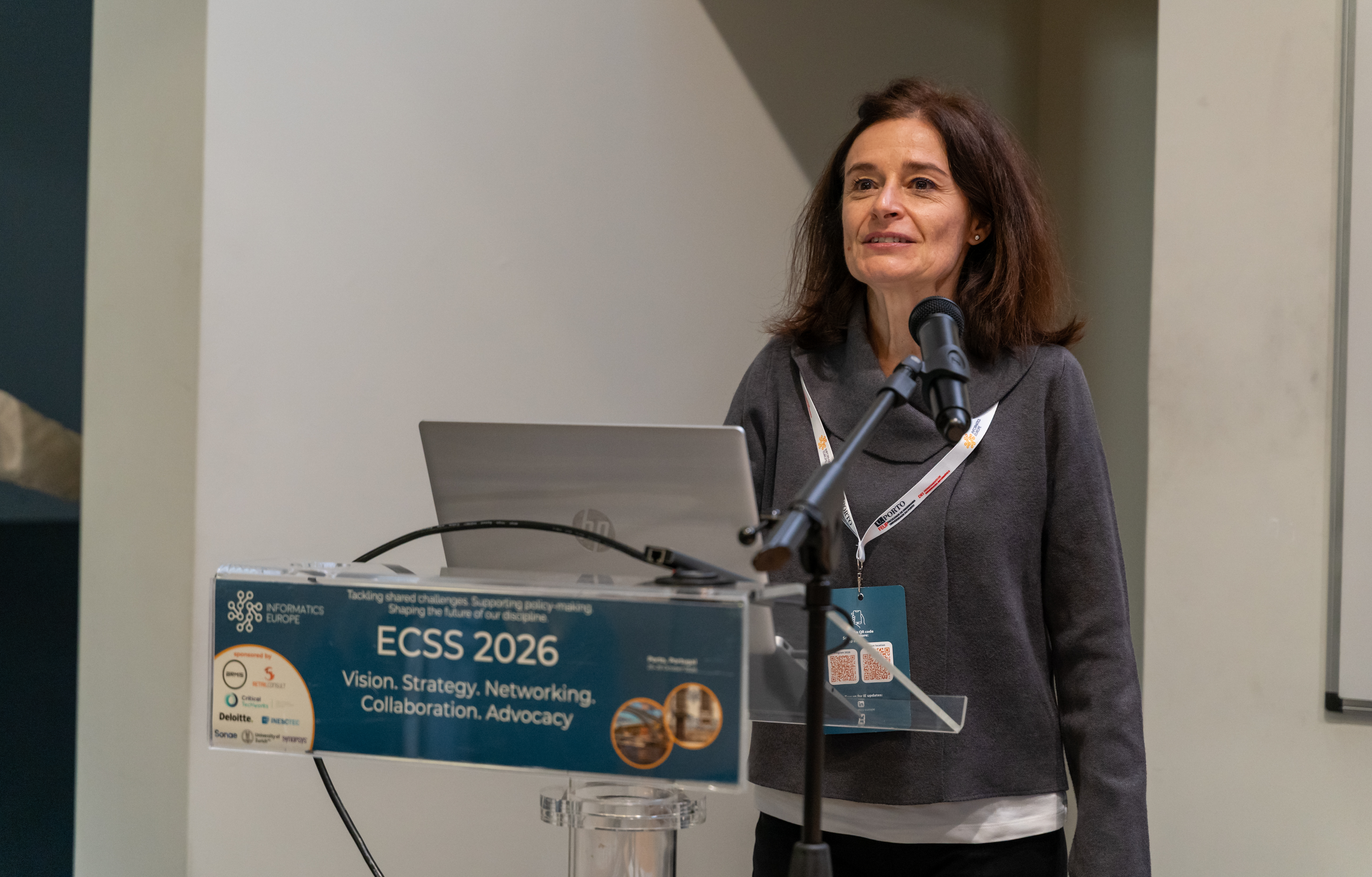
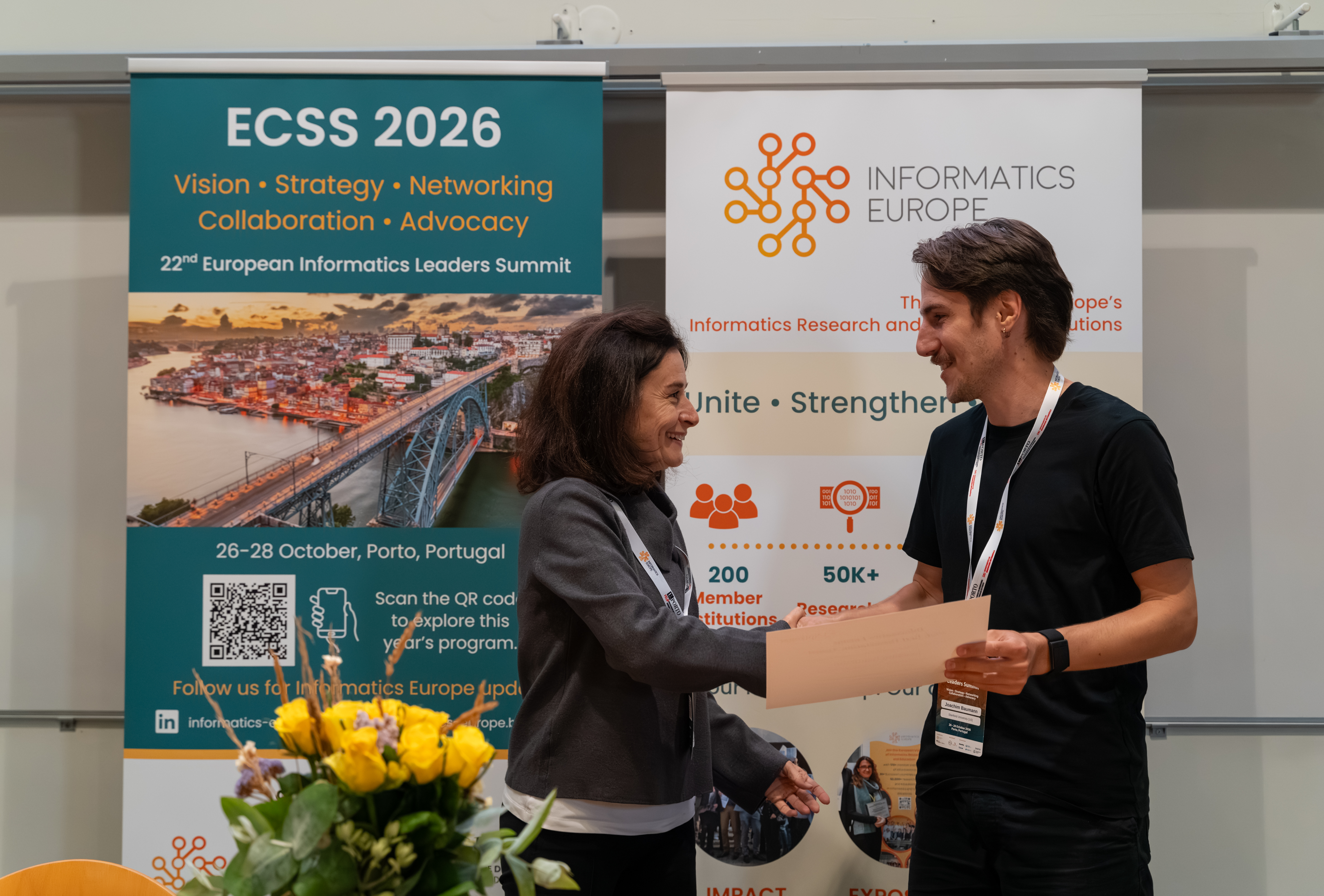
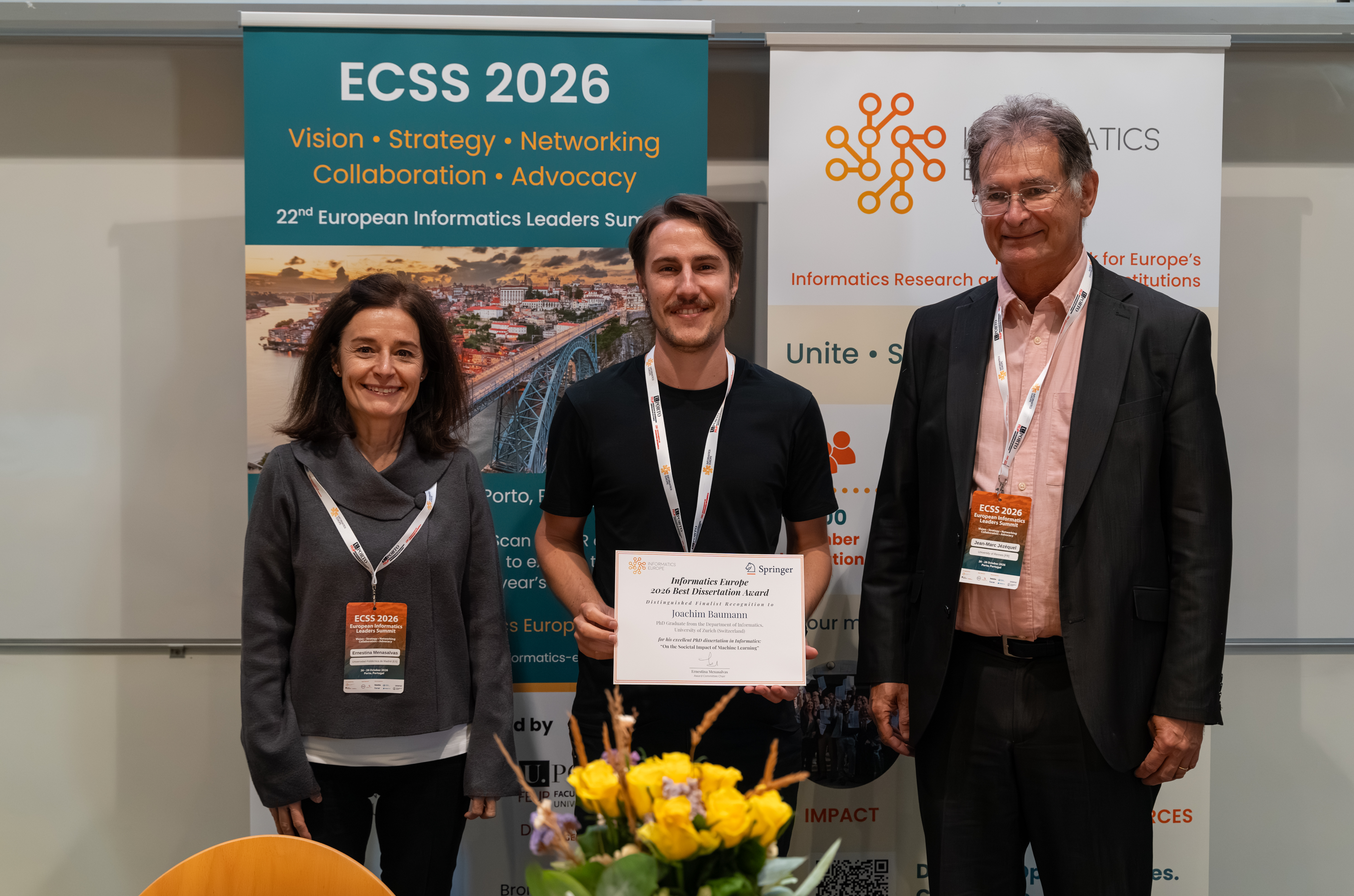
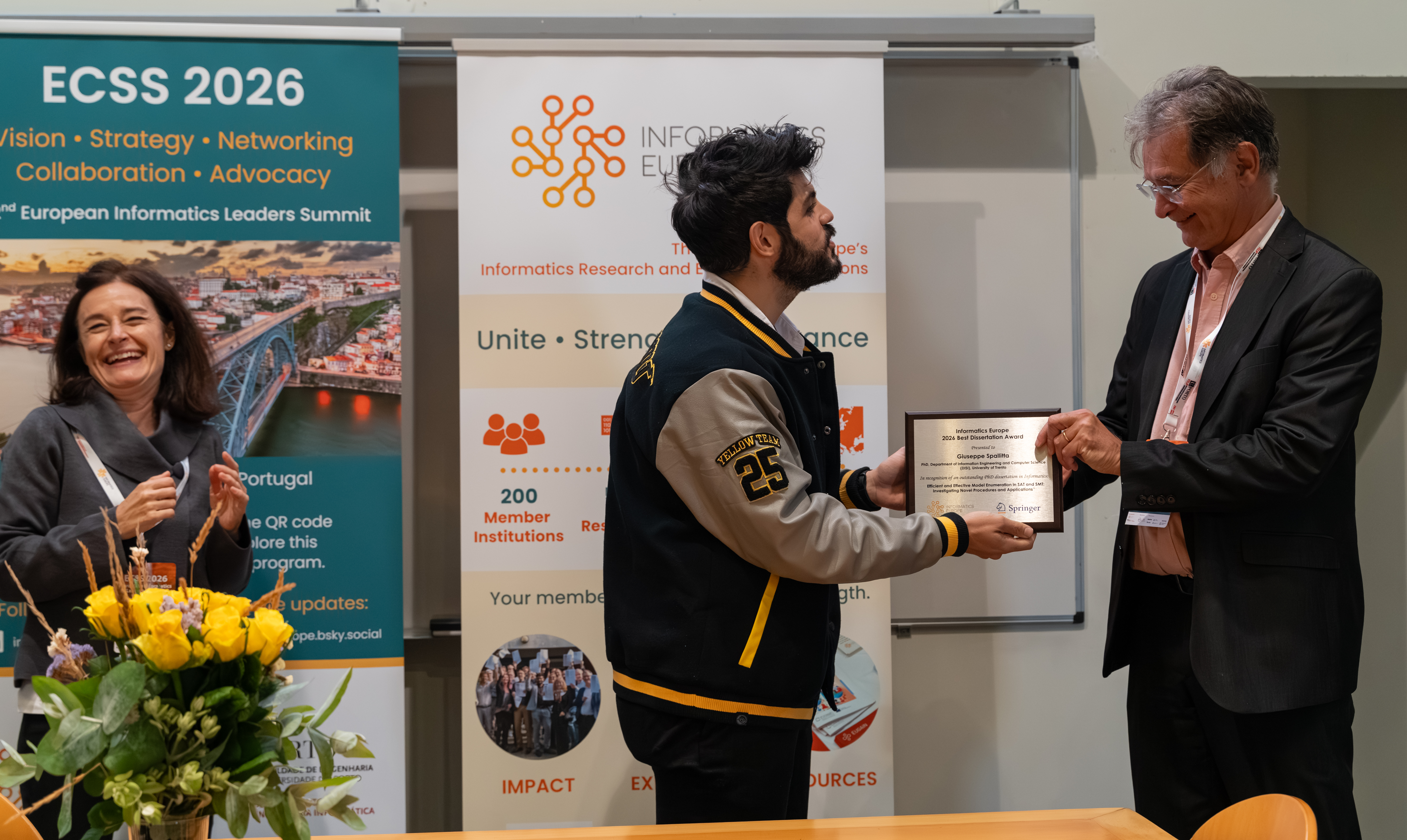
Award Ceremony
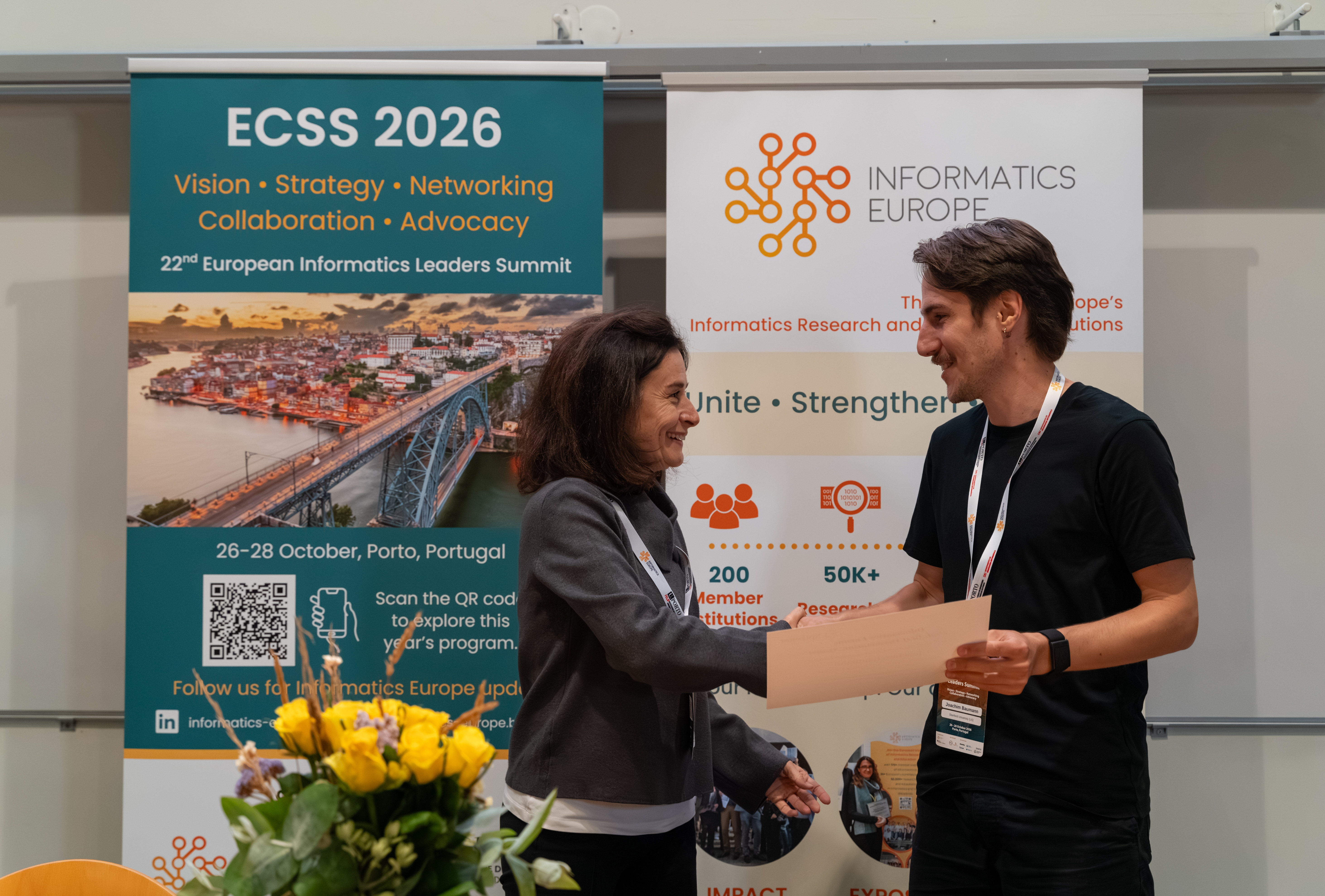
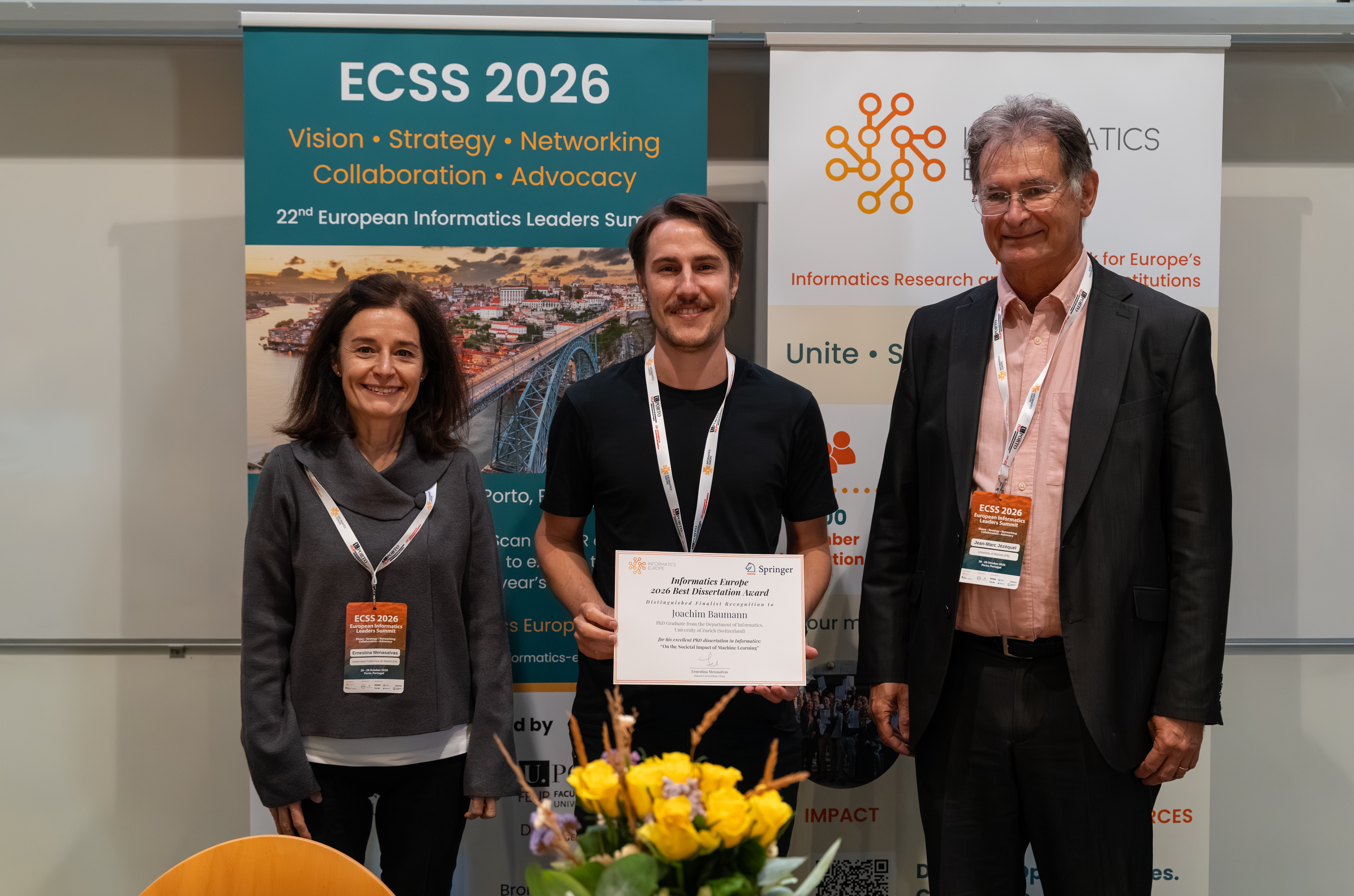
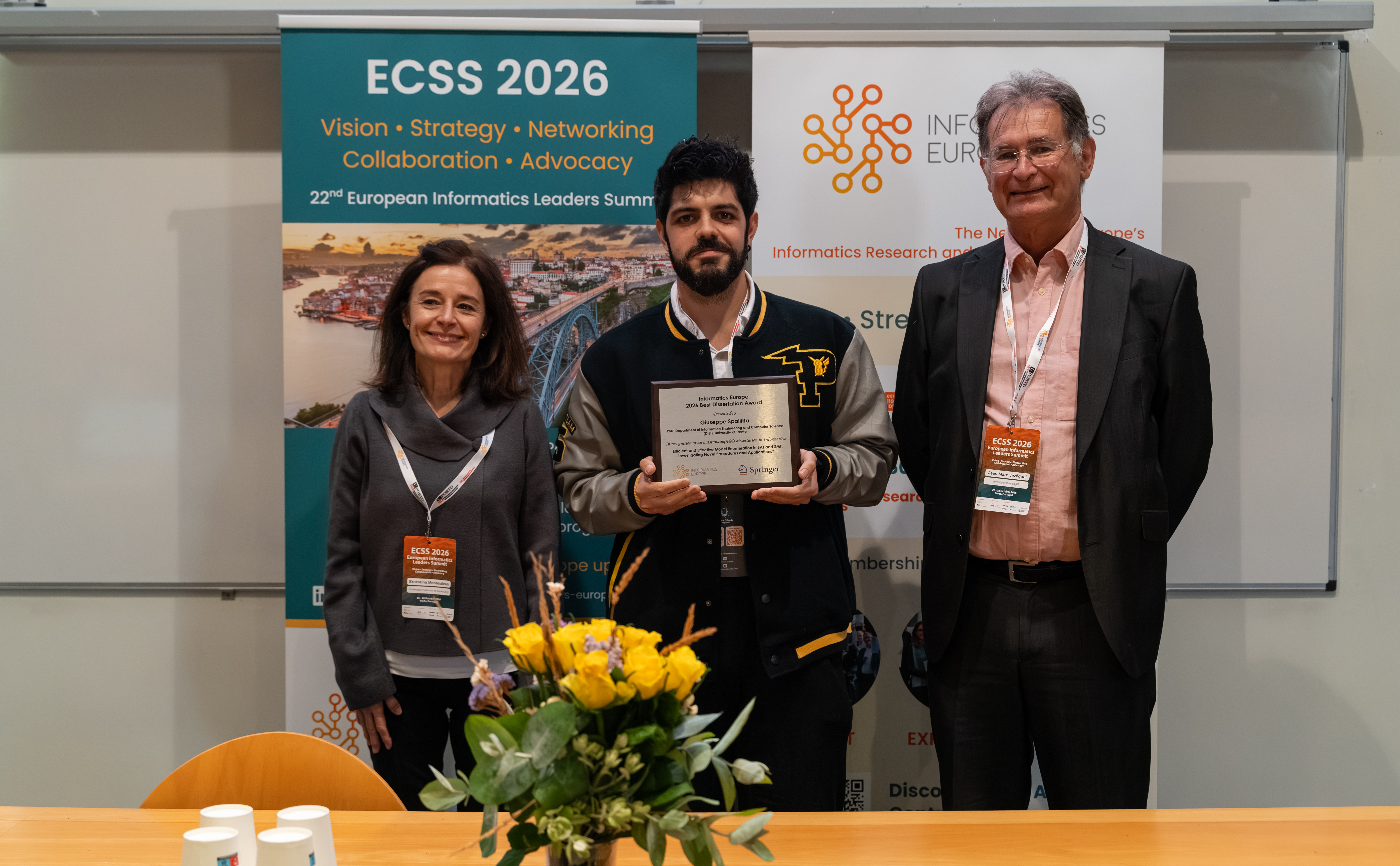
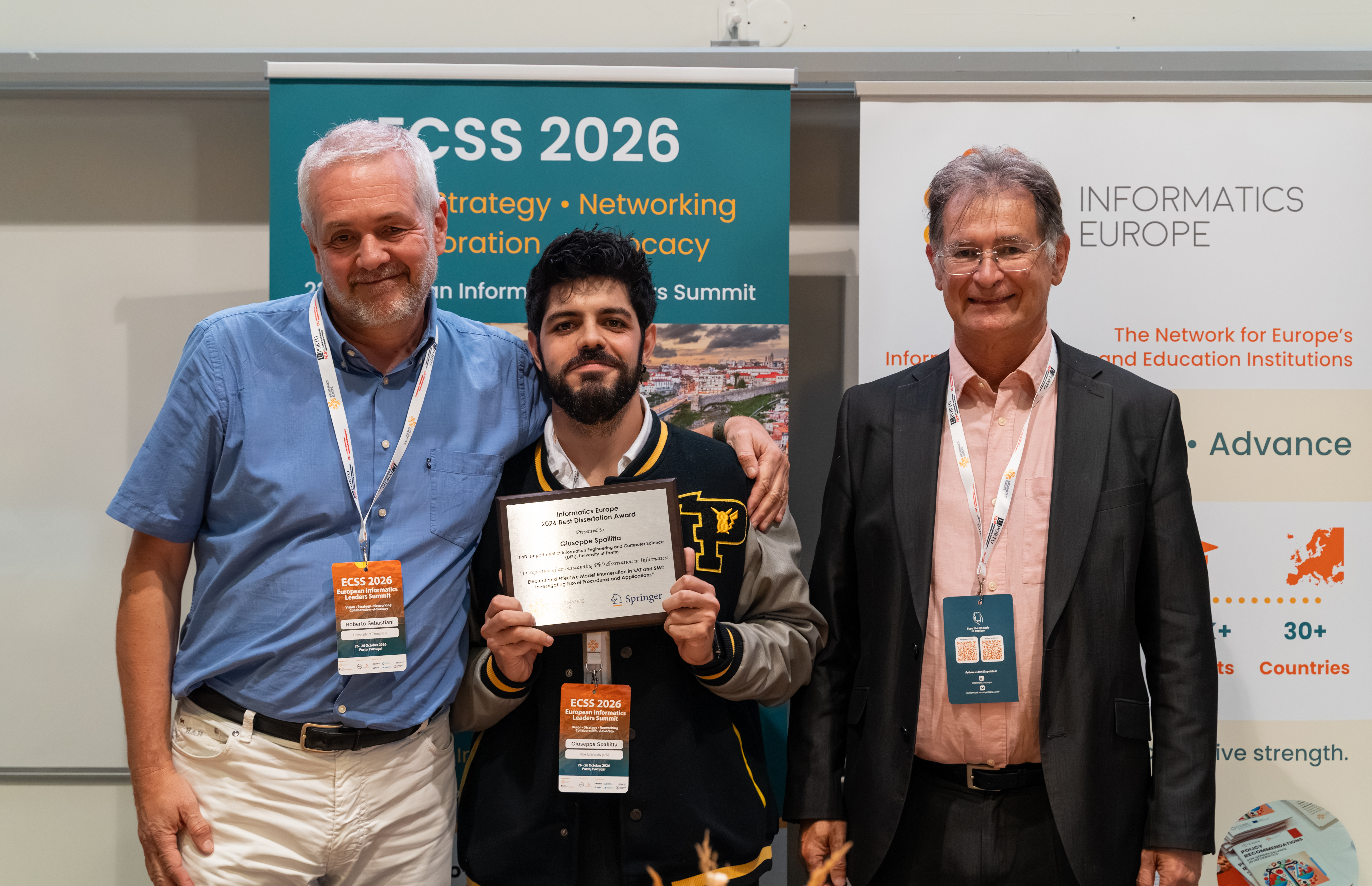
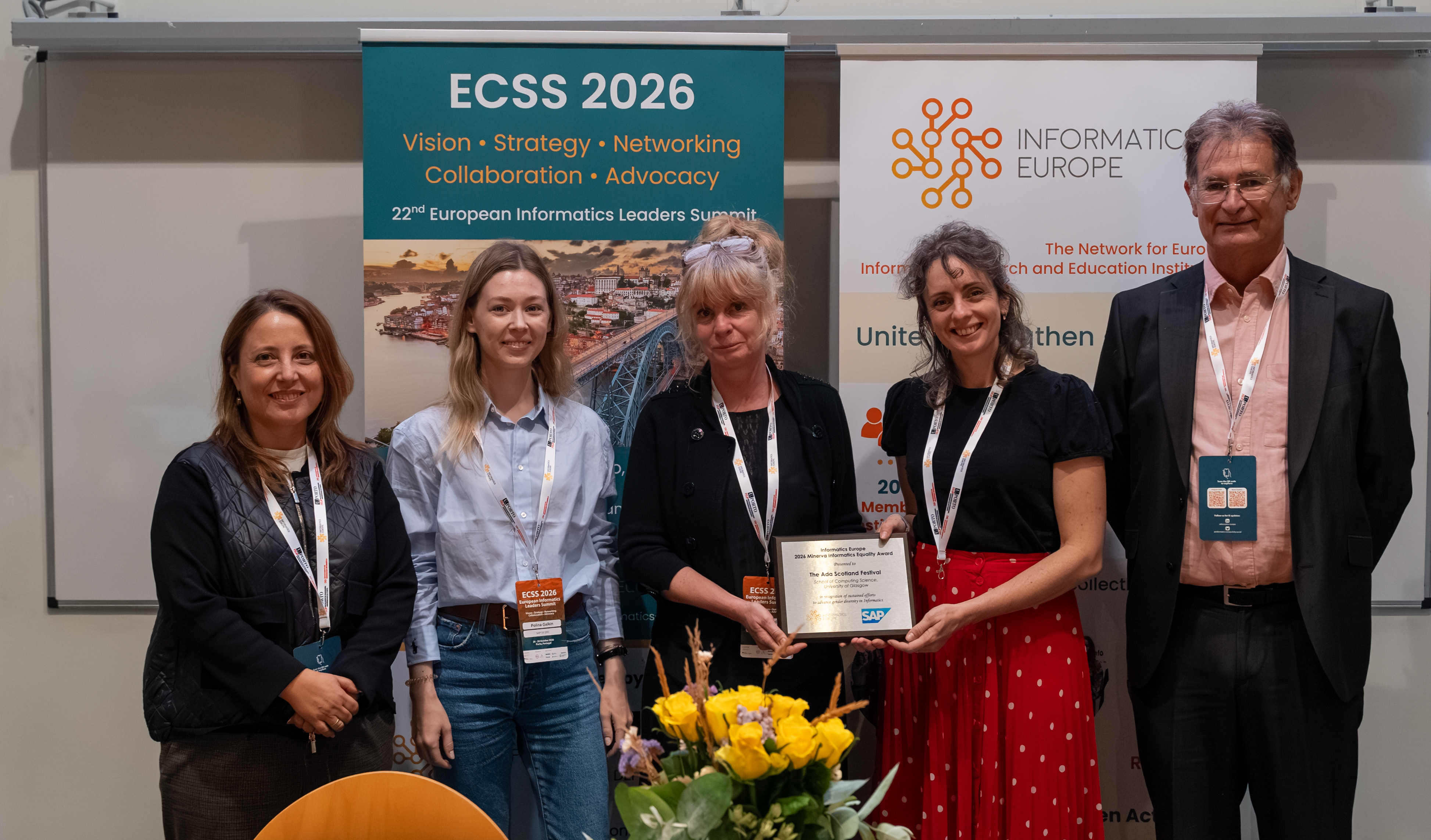
Every year, as part of the ECSS program, Informatics Europe hosts the Award ceremony to honour achievements in Informatics:
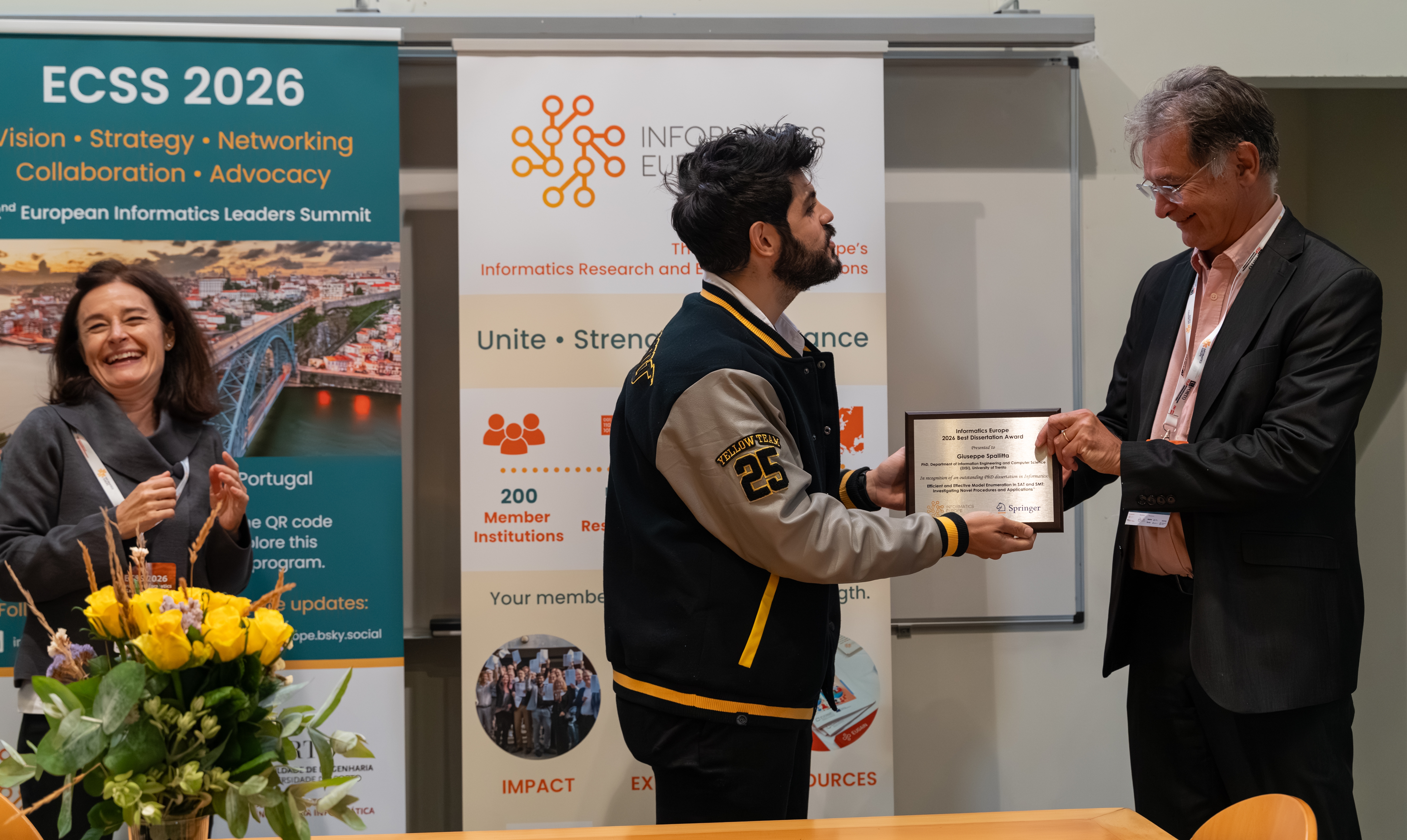
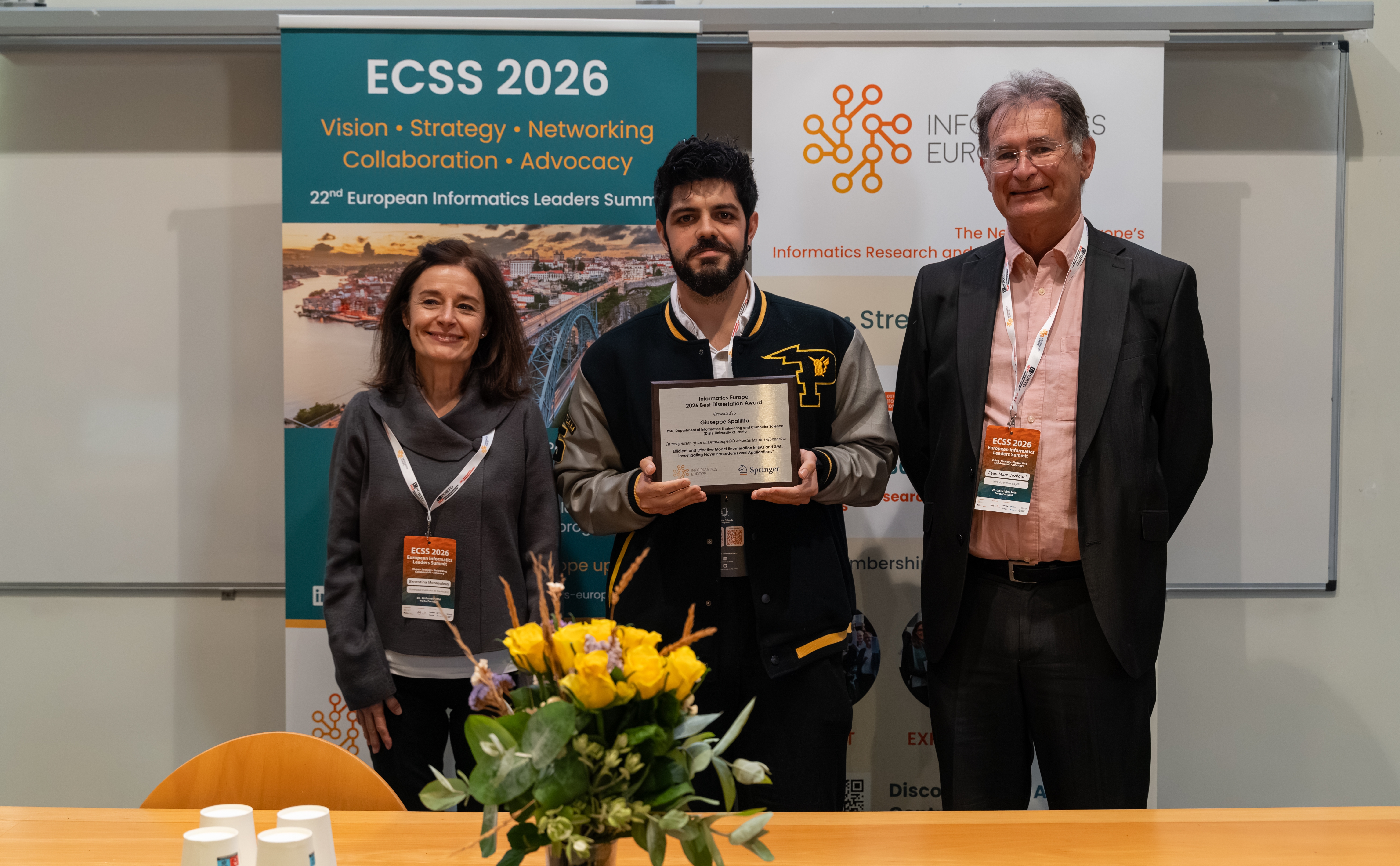
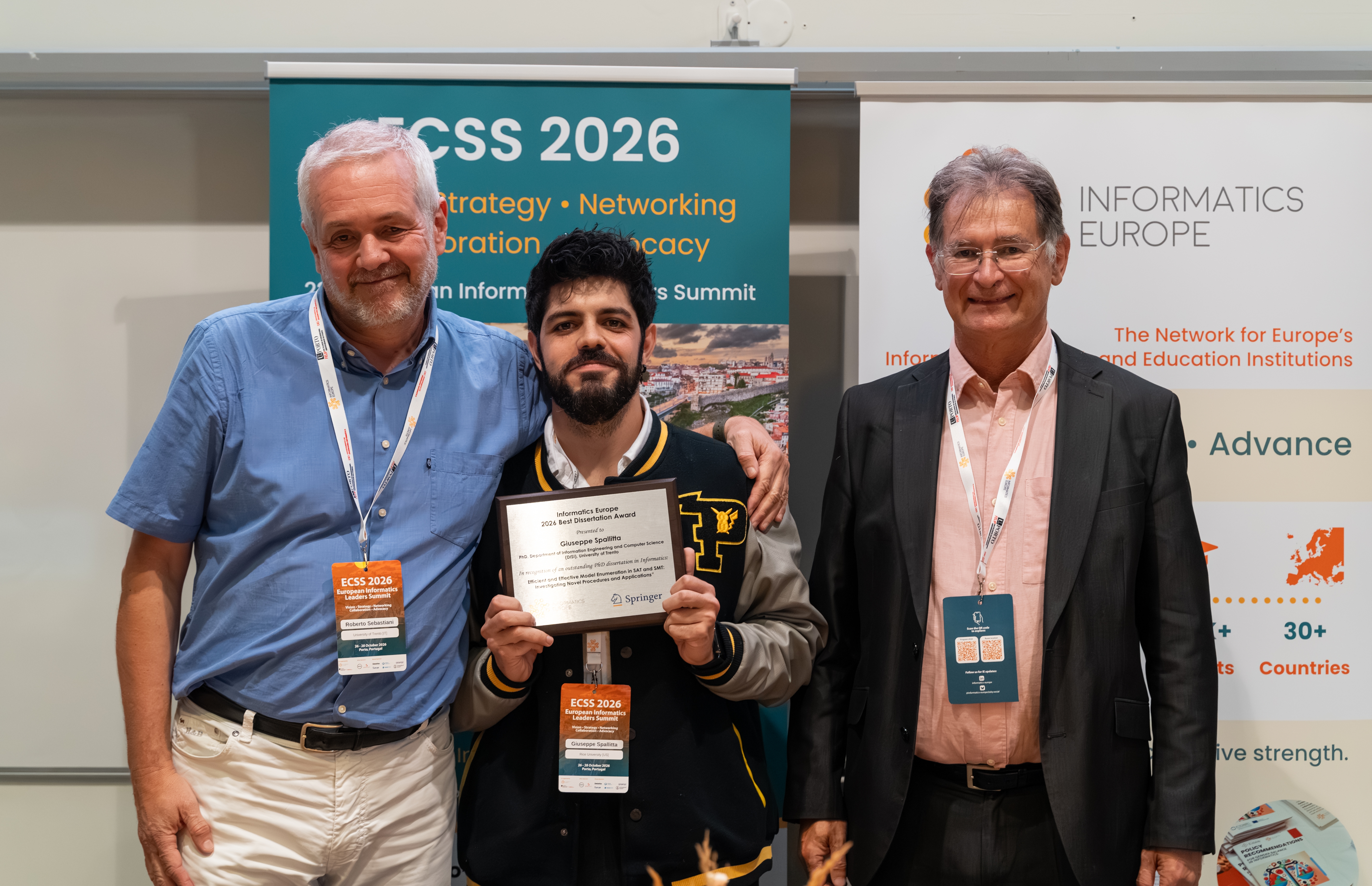
- Best Dissertation Award (BDA) – launched in 2023, this Award celebrates outstanding doctoral research and aims to encourage early-career researchers while promoting excellent research within the Informatics Europe community and beyond. [Slides]
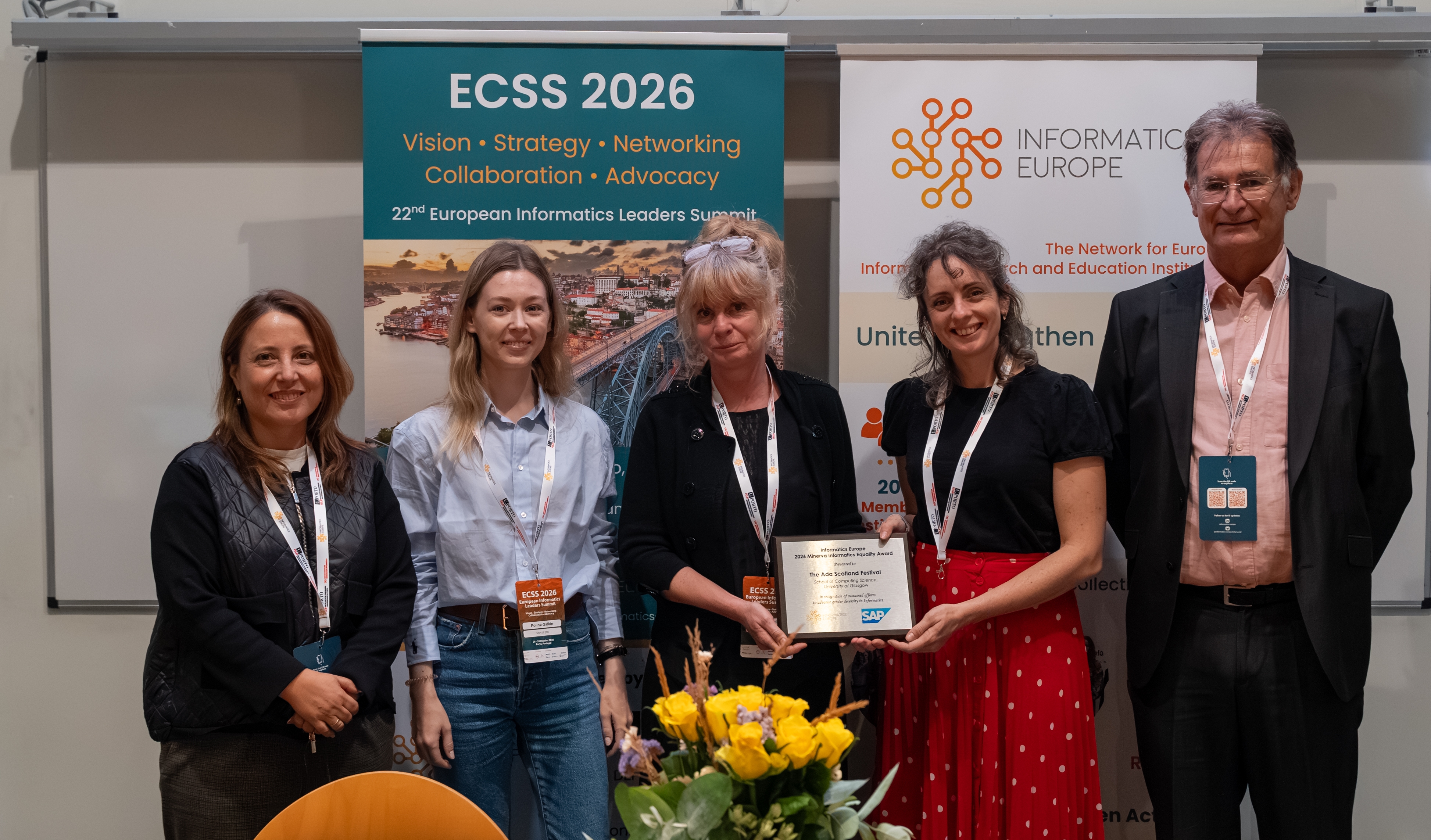
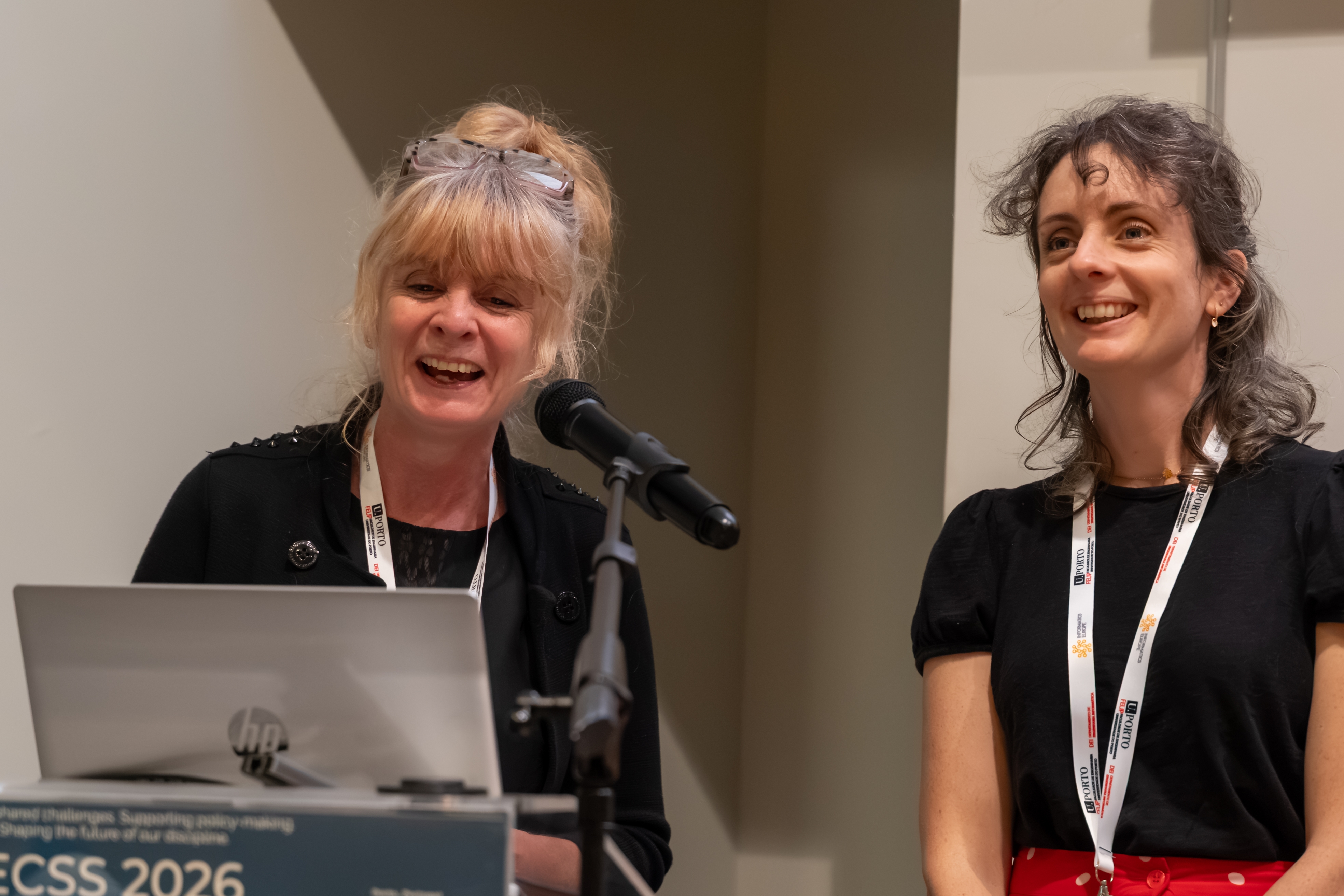
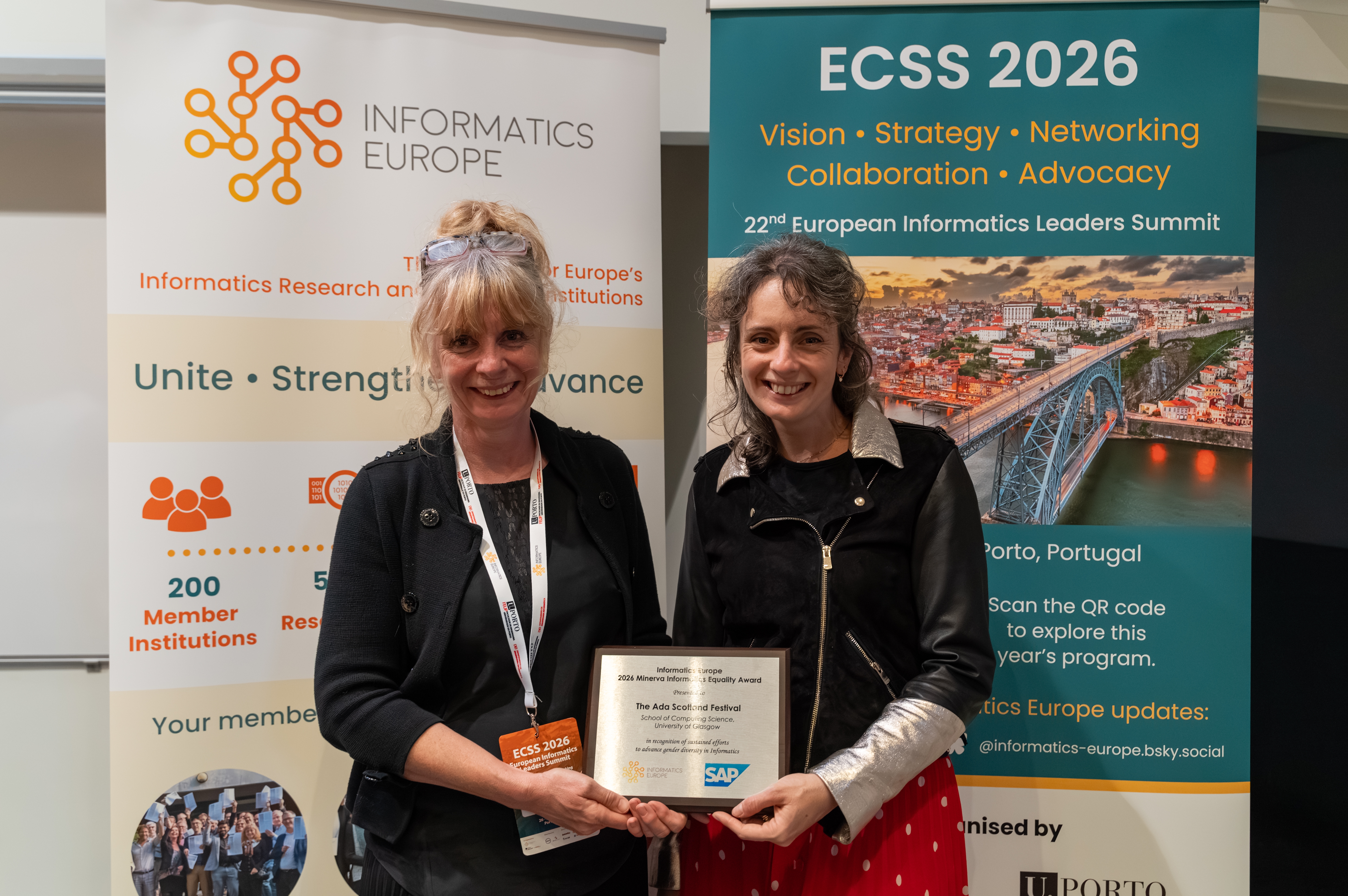
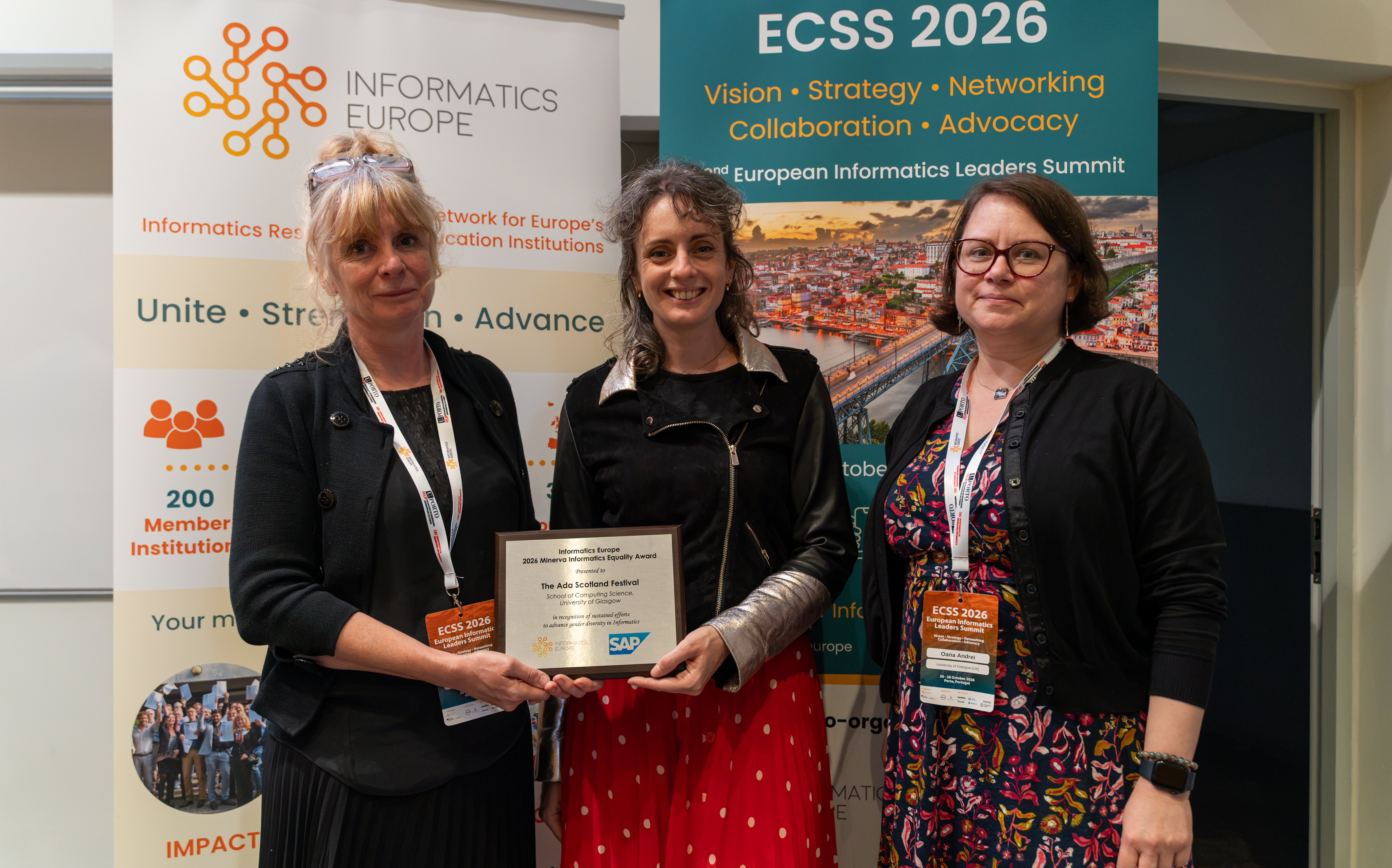
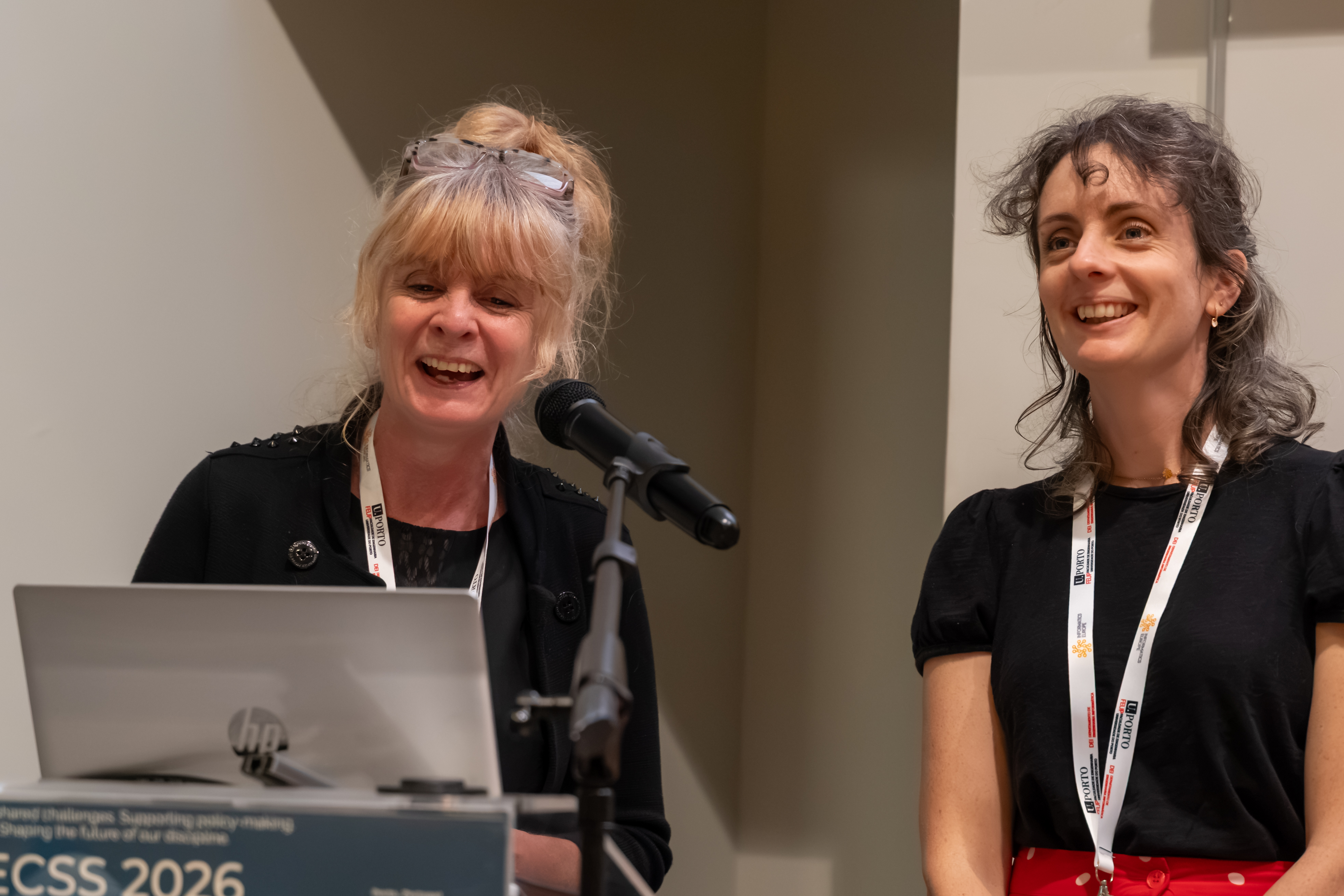
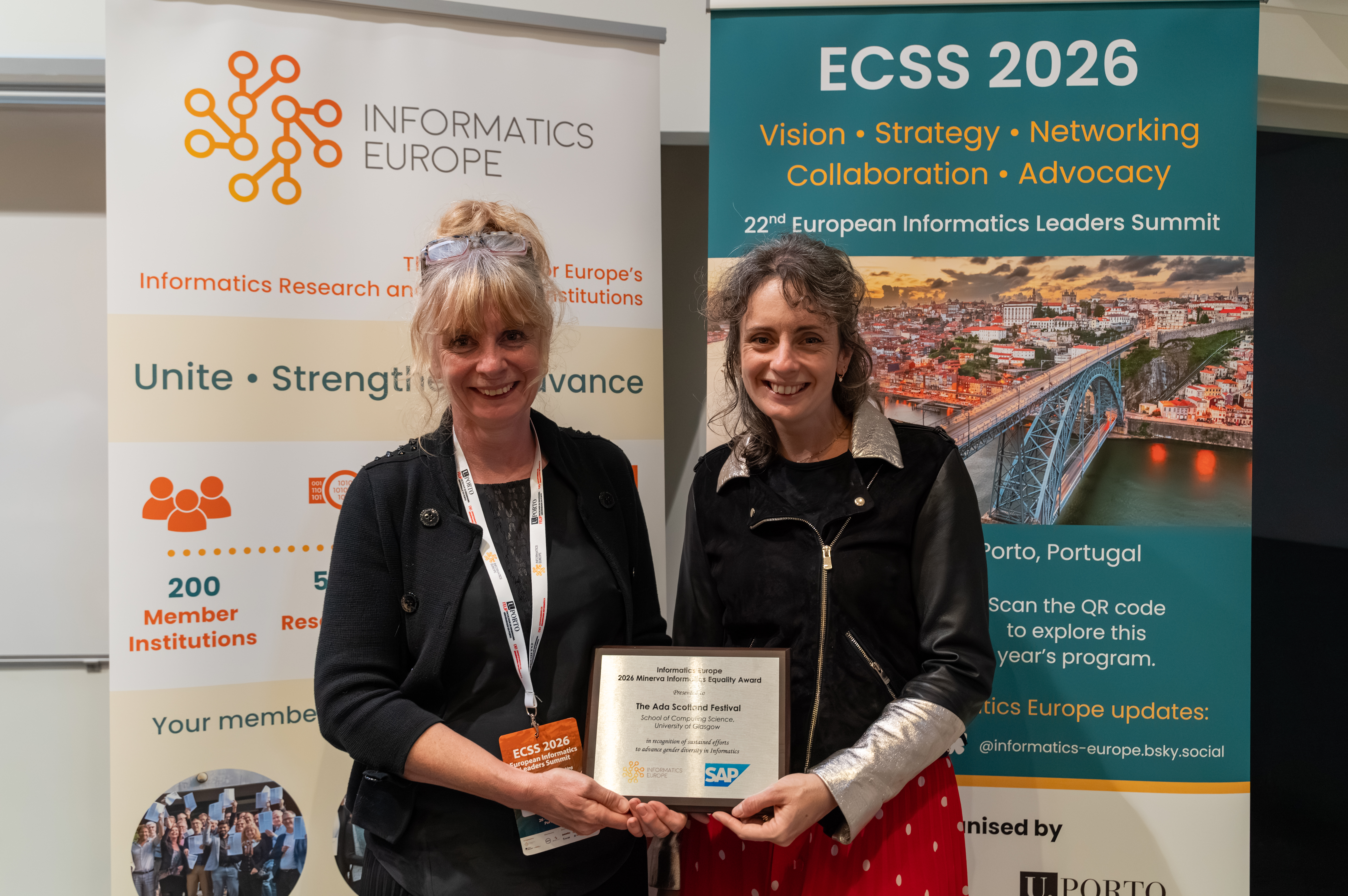
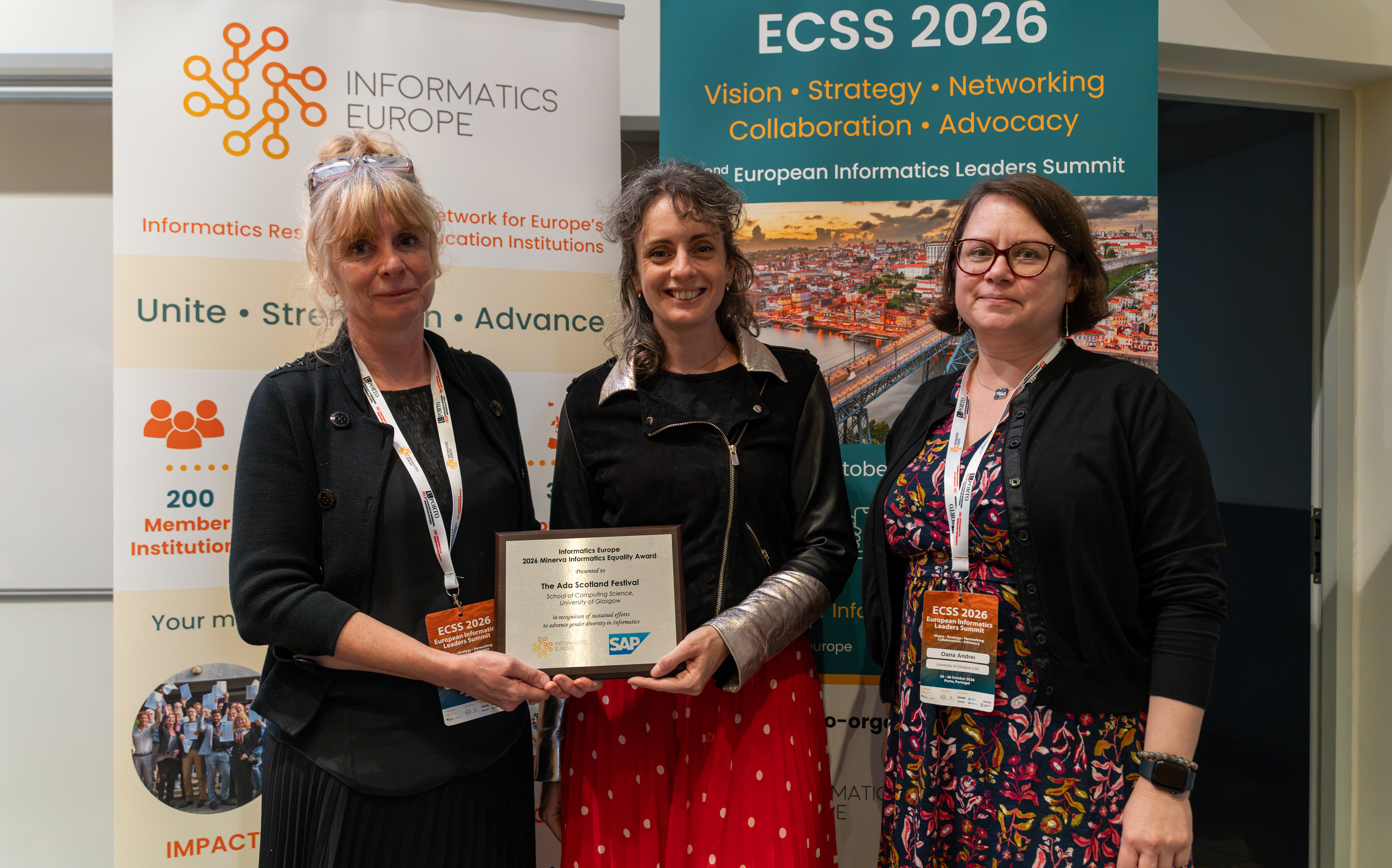
- Minerva Informatics Equality Award (MIEA) – launched in 2016, newly sponsored by SAP, this Award recognises best practices by departments or faculties of European universities and research labs that actively encourage and support the careers of women in Informatics research and education. [Slides]
This year, the ceremony featured a short address by Rodrigo Passos, Councillor responsible for Sports, Youth and Associations, and Digital Transformation and Citizen Services at Porto City Council, who extended a welcome to the European Informatics community on behalf of the city.
The 2026 ceremony took place on Monday afternoon, 26 October.
Workshop Gallery


Call for Participation
Mark your calendar for the 22nd European Informatics Leaders Summit (ECSS 2026), taking place 26-28 October 2026 in Porto, Portugal. Co-hosted by the Department of Informatics Engineering, Faculty of Engineering, University of Porto, this year’s summit promises to be as dynamic and impactful as ever.
ECSS remains Europe’s unique forum dedicated to addressing strategic challenges in Informatics research and education. Expect high-level dialogue, inspiring keynotes and interactive workshops where leaders like you can gain insights that drive innovation and advancement within your own institution and contribute to the broader national and European progress in Informatics research and education.
Program Highlights
- Keynote Session: “Towards Reliable and Sustainable AI: Foundations and the Future of Informatics”
Prof. Gitta Kutyniok, LMU Munich, Germany | DLR-German Aerospace Center, Germany - Strategy Workshop: “Beyond Plans: Strategy and Impact in Academia”, featuring
Prof. Carlos Baquero, University of Porto, Portugal
Prof. Gregor Engels, Bielefeld University, Germany
Prof. Michel Chaudron, Eindhoven University of Technology, Netherlands
Prof. Giovanni Russello, University of Auckland, New Zealand - Early Career Researchers Workshop: practical guidance and discussions on key success factors in academia to advance the next career step.
- Cybersecurity Workshop: “Hackers vs Universities: Who Trains Better Cyber Talent?”, exploring how formal and informal learning can complement each other to train cybersecurity professionals.
- Community Sessions on Ethics, Education Research and Open Science, led by IE Working Groups with invited speakers and panellists.
- Annual General Assembly: Shape the direction of Informatics Europe and ensure your institution’s voice is heard.
- Awards Ceremony: presenting the Best Dissertation Award and the Minerva Informatics Equality Award.
- Social Events: guided winery visit followed by dinner at Kopke Tivoli Hotel, with an elegant view of Douro River and the historic centre of Porto.
Explore the full programme, help extend this invitation to your network, and stay tuned on LinkedIn and Bluesky for activtiy updates. Don’t miss your chance to connect and turn shared challenges into collective progress!
Interested in bringing ECSS to your country? IE member institutes are invited to apply for hosting future editions. Explore here.
Minerva Informatics Equality Award

Past Winners & Award Committees
Best Practices in Supporting Women
MIEA has been recognized as a Best Practice by Connecting Women in Digital, an initiative funded by the European Union. Discover the diverse contributions from past MIEA participants.
Latest News
- Ada Scotland Festival Wins IE’s 2026 Minerva Informatics Equality Award
- University of Trento Graduate Wins Informatics Europe Best Dissertation Award 2026
- New Strategic Agenda for Europe’s Software Future Presented in Brussels
- SCHIER 2026: Strengthening the Community of Informatics Education Researchers




 Netlogica