
Venue
The ECSS 2020 was held as a 3-day online event with different sessions and webinars using the Zoom platform. Participants were able to join from their own homes or offices.
Although we were not physically in the same room, we hoped to create a virtual space that maximized interactitvity and fostered active discussion.
Conference Schedule
Session 1. Informatics Education [Video Recording]
Session Chairs: Enrico Nardelli, University of Rome "Tor Vergata" and Michael Caspersen, It-vest – networking universities
- 10:00 – 10:05 Welcome - Enrico Nardelli, Informatics Europe President
- 10:05 – 10:15 Opening Speech - Mariya Gabriel's Cabinet (Isidro Laso Ballesteros), European Commissioner for Innovation, Research, Culture, Education and Youth
- 10:15 – 10:35 "Informatics Education in School as the Cornerstone of Digital Society" (Presentation of Informatics for All Coalition) - Wendy Hall, University of Southampton, Chair of the Informatics for All Committee
- 10:35 – 11:15 "The Renewed Digital Education Action Plan" - Georgi Dimitrov, European Commission, Directorate General for Education and Culture
- 11:15 – 11:40 "Informatics Education Research: A First Class Citizen in Informatics Departments" - Martin Zachariasen, Rector of the IT University of Copenhagen
- 11:40 – 12:00 Questions & Answers
Session 2. Post-Corona Teaching: How to succeed with virtual learning? [Video Recording]
Session Chair: Mehdi Jazayeri, Università della Svizzera italiana
- 14:00 - 14:40 Plenum
- Introduction by Mehdi Jazayeri, Università della Svizzera italiana
-
- Keynote "On the Disappearing Boundary Between Digital and Physical Spaces in Academia" - Arosha K. Bandara, The Open University and Bashar Nuseibeh, The Open University and Lero, University of Limerick
-
- Address by Discussant - Elisabetta Di Nitto, Politecnico di Milano
- Questions & Answers
- 14:40 - 15:00 Parallel breakout sessions
- Breakout 1: led by Arosha K. Bandara, The Open University
- Breakout 2: led by Bashar Nuseibeh, The Open University and Lero, University of Limerick
- Breakout 3: led by Elisabetta Di Nitto, Politecnico di Milano
- 15:00 - 15:30 Return to Plenum
- 15:30 - 16:00 Coffee/Tea Break
Session 3. Post-Corona Research: Globalization of research and virtual environments? [Video Recording]
Session Chair: Harald Gall, University of Zurich
- 16:00 - 16:40 Plenum
- Introduction by Harald Gall, University of Zurich
-
- Keynote on "Building a Resilient Academic Environment" - Paola Inverardi, University of L’Aquila
-
- Questions & Answers
- Address by Discussant - Patricia Lago, Vrije Universiteit Amsterdam
- Address by Discussant - Ivica Crnkovic, Chalmers University of Technology
- 16:40 - 17:00 Parallel breakout sessions
- Breakout 1: led by Paola Inverardi, University of L’Aquila
- Breakout 2: led by Patricia Lago, Vrije Universiteit Amsterdam
- Breakout 3: led by Ivica Crnkovic, Chalmers University of Technology
- 17:00 - 17:30 Return to Plenum
Keynotes on Diversity in Informatics Research and Education [Video Recording]
Session Chairs: Letizia Jaccheri, Norwegian University of Science and Technology and Jaak Vilo, University of Tartu
- 10:00 – 10:50 "Computational Biology in Europe - The EMBL Perspective" - Ewan Birney, European Molecular Biology Laboratory (EMBL) - European Bioinformatics Institute
- 10:50 – 11:10 Coffee/Tea Break
- 11:10 – 12:00 "How to Design for Gender Diversity?" - Vivian Anette Lagesen, Norwegian University of Science and Technology
Informatics Europe Awards Ceremony [Video Recording]
Session Chair: Enrico Nardelli, Informatics Europe
Best Practices in Education Award (sponsored by Microsoft)
- 14:00 – 14:20 Winners Announcement by Elisabetta Di Nitto, Politecnico di Milano (Award Panel Chair) and Short talk by Winner.
Minerva Informatics Equality Award (sponsored by Google)
- 14:20 – 14:40 Winner Announcement by Gordana Dodig-Crnkovic, Chalmers University of Technology and Mälardalen University (Award Panel Chair) and short talk by Winner.
- 14:40 – 15:00 Coffee/Tea Break
Informatics Europe Special Session
Session Chairs: Cristina Pereira and Enrico Nardelli, Informatics Europe
- 15:00 – 15:45 Dialogue with Members - Informatics Europe Activities and Outcomes [Video Recording]
-
- Higher Education Data Portal: New Data - Svetlana Tikhonenko, Informatics Europe
- Academic Leadership Offers - Gregor Engels, Informatics Europe
- Statements and Feedbacks in 2020 - Enrico Nardelli, Informatics Europe
- Digital Humanism - DIGHUM - Seminar Series - Enrico Nardelli, Informatics Europe
- Report on ECSS 2019 Creative Coffee Break - Gregor Engels, Informatics Europe
- Announcement ECSS 2021
- 15:45 –16:30 Informatics Europe Annual General Assembly
National Associations Workshop
Workshop Chairs: Pekka Orponen, Aalto University and Kim Mens, Université catholique de Louvain
- 09:00 – 09:10 Welcome and Introduction
- 09:10 – 09:50 Session 1 - Research (Chair: Gerald Steinhardt)
- 09:50 – 10:30 Session 2 - Education (Chair: Bart Demoen)
- 10:30 – 10:40 Coffee/Tea break
- 10:40 – 11:20 Session 3 - Large-scale Trends (Chair: Paolo Atzeni)
- 11:20 – 12:00 Session 4 - Societal Aspects (Chair: Martin Glinz)
- 12:00 – 12:30 Conclusions and the Way Ahead
--------------------------------------------------------------
Workshop Chairs: Erika Ábrahám, RWTH Aachen University and Letizia Jaccheri, Norwegian University of Science and Technology
- 13:30-13:40 Welcome/Setting Objectives for the Day
-
-
- Erika Ábrahám, RWTH Aachen University
-
-
-
-
-
- Letizia Jaccheri, Norwegian University of Science and Technology
-
-
- 13:40 – 14:20 Session 1 - Strategy, Communication and Policy (Chairs: Dana Petcu, Letizia Jaccheri)
-
-
- "EU support to Gender Equality in Research and Innovation” - Mina Stareva, European Commission, DG Research and Innovation
-
-
- 14:20 – 15:00 Session 2 - From School to University (Chairs: Line Berg, Bara Buhnova, Monica Landoni)
-
-
- "Getting to know what ICT is and can do: design for raising awareness of stereotypes" - Monica Landoni, Università della Svizzera italiana
-
-
-
-
-
- "Girl-friendly ICT education design: Czechitas summer school" - Bara Buhnova, Masaryk University
-
-
-
-
-
- "Recruiting girls to ICT studies: the Ada project" - Line Berg, Norwegian University of Science and Technology
-
-
15:00 – 15:15 Coffee/Tea Break
- 15:15 – 15:55 Session 3 - From Bachelor and Master to Ph.D. (Chairs: Erika Ábrahám, Ivica Crnkovic)
-
-
- "Volunteering to improve your prospects" - Ruth Lennon, Chair of ACM-W Europe
-
-
-
-
-
- "Practical and project work in Computer Science education" - Regina Hebig, University of Gothenburg
-
-
- 15:55 – 16:35 Session 4 - From Ph.D. to Professor (Chairs: Swetlana Fast, Steve Kremer)
-
-
- "The mentoring programme at Irisa (Rennes, France)" - Nicolas Markey, IRISA – CNRS
-
-
-
-
-
- "IDUN Scientific Mentoring Program" - Swetlana Fast, Norwegian University of Science and Technology
-
-
- 16:35 – 17:15 Session 5 - Cooperation with Industry and Society (Chairs: Bara Buhnova, Lynda Hardman, Patricia Lago)
-
-
- "Lessons from Industry and Industry bodies" - Sharon Moore, IBM/BCSWomen
- "How to build a lasting relationship"- Jannie Minnema, MN
-
-
- 17:15 – 17:30 Conclusion and closing
Leaders Workshop
The slides and video recordings of talks given during the workshop are available for download on the agenda below
Every year Informatics Europe organises a special Workshop for Leaders of Informatics Research and Education, as part of the ECSS global program, to address specific challenges they encounter in their role. The workshop is a unique networking forum for leaders of Informatics institutions and research groups, and focuses on concrete issues and practical solutions.
The 2020 Workshop with the central theme "Post-Pandemic Ways for Learning and Researching in Informatics" was held online on Monday, 26 October, as part of the online ECSS 2020 program, and chaired by Mehdi Jazayeri, Università della Svizzera italiana, and Harald Gall, University of Zurich.
The coronavirus has caused a seismic shift in societal life. Everything we do has been changed. Many societies have actually been shut down by choice. Few activities have been left intact. During the pandemic, however, Informatics Technology (IT) has proven robust and chugging along. Indeed, the IT infrastructure has supported many people to continue to work, stay in touch with friends and families, “go to” school, learn and teach, and do research. But many things have changed and we have had to adapt to a new world.
In the Leaders Workshop, we explored the impact of the pandemic on the main activities of teaching and research. How do we teach and do research in the post-pandemic world? How can we make the best of the situation?
2020 Leaders Workshop at ECSS featured a series of webinars addressing education, learning, and research in the post-pandemic world. Every webinar presented a keynote and some discussants that shed light on key questions outlined for every session. The audience got actively involved in a Q&A part with questions in the online chat and breakout sessions. This way we integrated key messages of our experts with live discussions.
Webinar Sessions
The Leaders Workshop featured separate sessions in which speakers shared their expertise with the audience in a webinar style. The audience split up in virtual breakout rooms for a deeper Q&A. The speakers moderated these breakout groups. The final part was a plenum to round out the topics.
Workshop Schedule
Session 1. Informatics Education [Video Recording]
Session Chairs: Enrico Nardeli, University of Rome "Tor Vergata" and Michael Caspersen, It-vest – networking universities
- 10:00-10:05 Welcome - Enrico Nardelli, Informatics Europe President
- 10:05-10:15 Opening Speech - Mariya Gabriel's Cabinet (Isidro Laso Ballesteros), European Commissioner for Innovation, Research, Culture, Education and Youth
- 10:15-10:35 "Informatics Education in School as the cornerstone of digital society" (Presentation of Informatics for All Coalition) - Wendy Hall, University of Southampton, Chair of the Informatics for All Committee
- 10:35-11:15 "The Renewed EU Digital Education Action Plan" - Georgi Dimitrov, European Commission
Directorate General for Education and Culture
- 11:15-11:40 "Informatics Education Research: a First Class Citizen in Informatics Departments"- Martin Zachariasen, Rector of the IT University of Copenhagen
- 11:40-12:00 Questions & Answers
Session 2. Post-Corona Teaching: How to succeed with virtual learning? [Video Recording]
Session Chair: Mehdi Jazayeri, Università della Svizzera italiana
Teaching when there is no classroom: impact on teacher, student, administrator, university, office hours, labs.
- 14:00 - 14:40 Plenum
- Introduction by Mehdi Jazayeri, Università della Svizzera italiana
-
- Keynote "On the Disappearing Boundary Between Digital and Physical Spaces in Academia" - Arosha K. Bandara, The Open University and Bashar Nuseibeh, The Open University and Lero
-
- Address by Discussant - Elisabetta Di Nitto, Politecnico di Milano
- Questions & Answers
- 14:40 - 15:00 Parallel breakout sessions
- Breakout 1: led by Arosha K. Bandara, The Open University
- Breakout 2: led by Bashar Nuseibeh, The Open University and Lero, University of Limerick
- Breakout 3: led by Elisabetta Di Nitto, Politecnico di Milano
- 15:00 - 15:30 Return to Plenum
- 15:30 - 16:00 Coffee/Tea Break
Session 3. Post-Corona Research: Globalization of research and virtual environments? [Video Recording]
Session Chair: Harald Gall, University of Zurich
Research when there is no research lab: impact on interviewing, hiring, mentoring, collaboration, publishing, one on one meetings with advisor.
- 16:00 - 16:40 Plenum
- Introduction by Harald Gall, University of Zurich
-
- Keynote on "Building a Resilient Academic Environment"- Paola Inverardi, University of L’Aquila
-
- Questions & Answers
- Address by Discussant - Patricia Lago, Vrije Universiteit Amsterdam
- Address by Discussant - Ivica Crnkovic, Chalmers University of Technology
- 16:40 - 17:00 Parallel breakout sessions
- Breakout 1: led by Paola Inverardi, University of L’Aquila
- Breakout 2: led by Patricia Lago, Vrije Universiteit Amsterdam
- Breakout 3: led by Ivica Crnkovic, Chalmers University of Technology
- 17:00 - 17:30 Return to Plenum
Keynote Speakers
ECSS is known to bring prominent and high calibre keynote speakers on stage. ECSS 2020 is no exception.
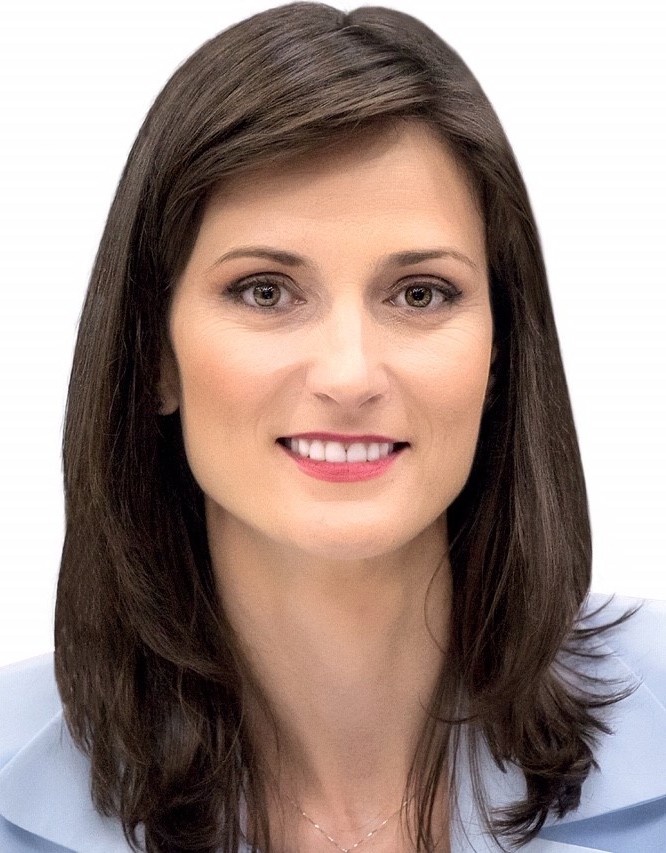

The following keynote speakers are confirmed for ECSS 2020:

Ewan Birney
European Bioinformatics Institute
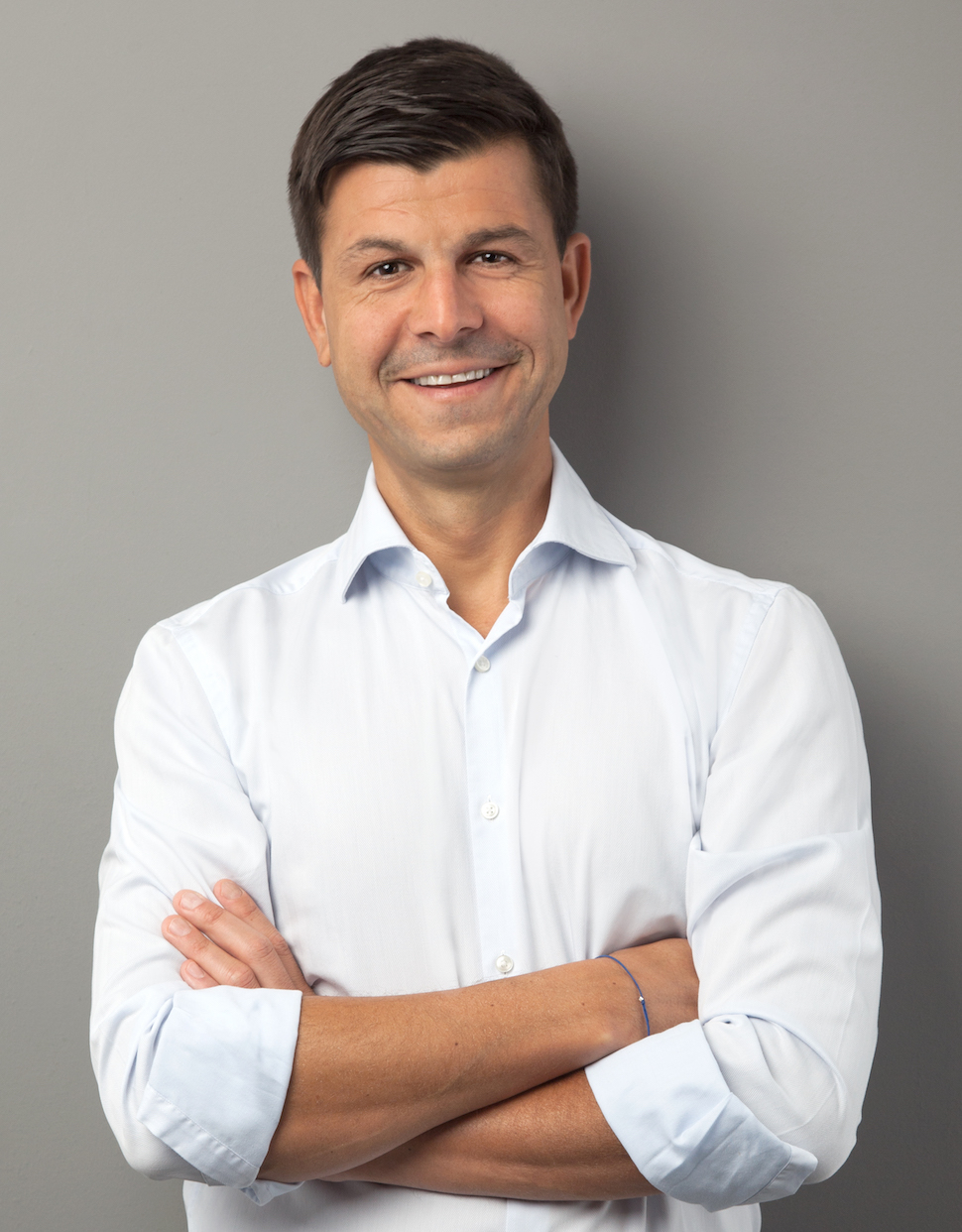
Georgi Dimitrov
Paola Inverardi
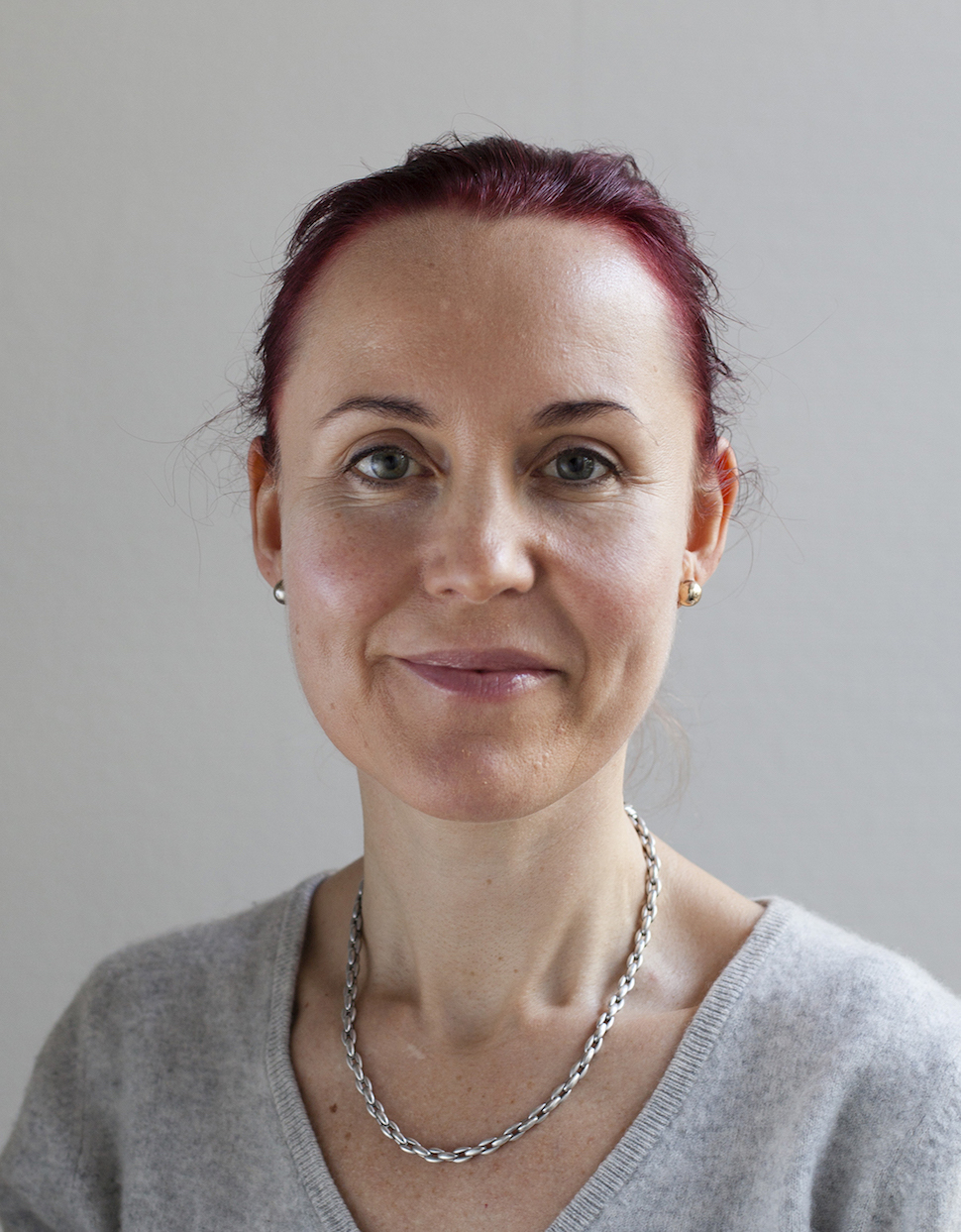
Vivian Anette Lagesen
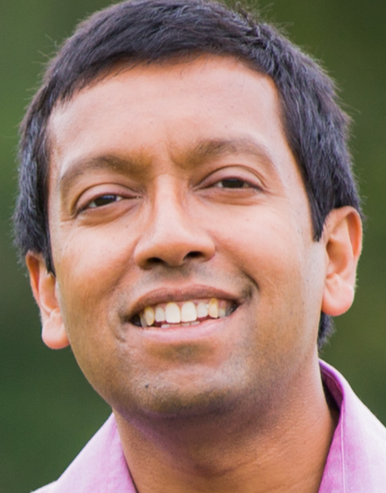
Arosha K. Bandara
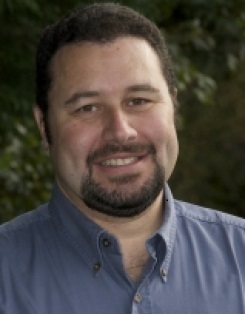
Bashar Nuseibeh
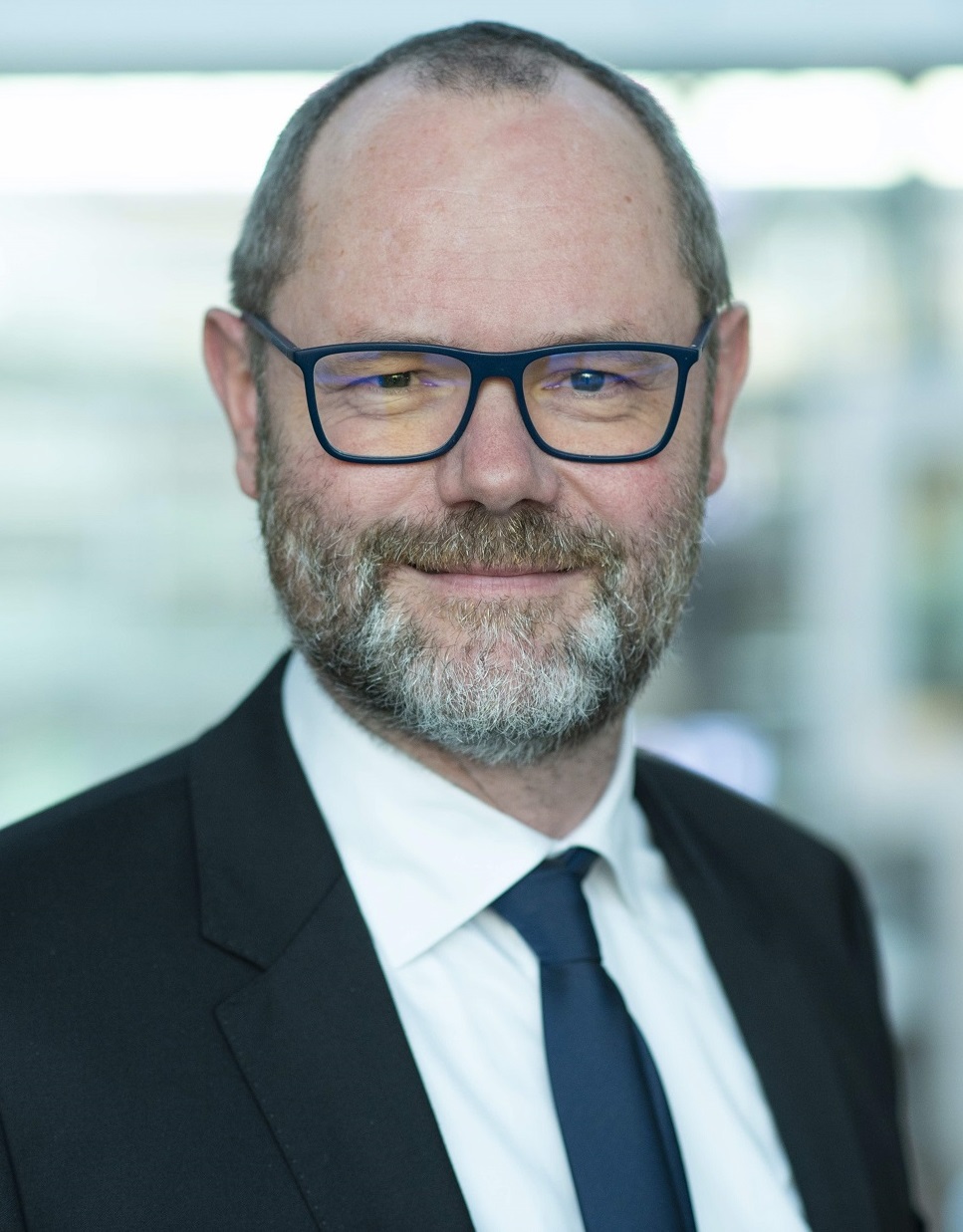
Martin Zachariasen


16th European Computer Science Summit
Deans, department heads, research directors, senior and junior academics, industry and public policymakers from all over Europe met online via Zoom, 26-28 October, for the 16th edition of the European Computer Science Summit, ECSS 2020.
See the conference highlights and photos.
Download the slides and see video recordings of the various talks on the ECSS 2020 program page.
Quick Links:
- Conference Program
- Leaders Workshop
- WIRE Working Group Workshop
- National Associations Workshop
- Keynote speakers and talks summaries
ECSS 2020 is the 16th Summit of Informatics Europe. It is the only place, once a year, where leaders and decision-makers in Informatics research and education in Europe gather to debate strategic themes and trends related to research, education, and policies in Informatics. It is a unique opportunity to meet leaders in the field and discuss critical issues of the discipline related to education, research, funding, entrepreneurship, management, career development, and policies.
For the first time in its sixteen years of history, ECSS was held as an online event, 26-28 October 2020, the result of the Covid-19 health crisis that affected the whole continent and changed our way of living, working, networking, and socializing. The main theme was "Diversity in Informatics Research and Education". Prominent speakers from all over Europe provided their perspectives and fuelled discussions on questions such as 'Does Informatics as a field benefit from interdisciplinary collaboration?', 'In which interdisciplinary areas does Informatics have the biggest (potential for) impact?', 'How should interdisciplinary research and teaching (including doctoral education) be organised?', and 'How diversity (gender and other dimensions) can help to strengthen Informatics departments?' Following keynote speakers shared their expert views and insights at ECSS 2020.
- Isidro Laso Ballesteros, Cabinet of the European Commissioner for Innovation, Research, Culture, Education and Youth, Mariya Gabriel
- Ewan Birney, European Molecular Biology Laboratory (EMBL), European Bioinformatics Institute
- Georgi Dimitrov, European Commission, Directorate General for Education and Culture
- Paola Inverardi, University of L'Aquila
- Vivian Anette Lagesen, Norwegian University of Science and Technology (NTNU)
- Arosha K. Bandara, The Open University
- Bashar Nuseibeh, The Open University & Lero, University of Limerick
- Martin Zachariasen, IT University of Copenhagen
Conference Chair:
- Enrico Nardelli, Informatics Europe, University of Rome "Tor Vergata"
Chairs of the Diversity in Informatics Research and Education Sessions:
- Jaak Vilo, University of Tartu
- Letizia Jaccheri, Norwegian University of Science and Technology (NTNU)
Informatics Education Session
The conference opened on 26 October with a special session on Informatics Education. The session was opened with an insightful speech by the Cabinet of the European Commissioner for Innovation, Research, Culture, Education and Youth, Mariya Gabriel, who was represented by Isidro Laso Ballesteros. The opening session was rounded up with three excellent talks on Informatics Education by Wendy Hall, Chair of the Informatics for All Steering Committee, Georgi Dimitrov, project leader for the update of the European Commission Digital Education Action Plan, and Martin Zachariasen, Rector of the IT University of Copenhagen.
Leaders Workshop
The 2020 Workshop for Leaders of Informatics Research and Education was held on 26 October, co-chaired by Mehdi Jazayeri, Università della Svizzera italiana, and Harald Gall, University of Zurich. The central theme was 'Post-Pandemic Ways for Learning and Researching in Informatics', with focus on exploring the impact of the coronavirus pandemic on Informatics academic departments across Europe.
WIRE Working Group Workshop
Why and how to improve gender balance at all stages of the career path in Informatics (Computer Science, Computing, IT, ITC) was the theme of the 2020 WIRE Workshop held on 28 October and co-chaired by Erika Ábrahám, RWTH Aachen University, and Letizia Jaccheri, Norwegian University of Science and Technology (NTNU) with contribution of the members of the Women in Informatics Research and Education Working Group. The event joined together Academia, Industry and Policy (European Commission) for a fruitful debate on how these sectors can work together to inspire and promote change that can impact the access of women to higher education and their ability and prospects of leading successful and fulfilling careers in Informatics in Academia, Industry or other sectors.
National Associations Workshop
The Workshop of National Informatics Associations was held on 28 October, chaired by Pekka Orponen, Aalto University, and Kim Mens, Université catholique de Louvain, and dedicated to the theme ‘Interdisciplinarity and Informatics’. The workshop covered questions in four dimensions: research, education, large-scale trends, and societal aspects and aimed at sharing experiences as well as best practices and discussing common concerns and opportunities in the area.
Audience
The ECSS audience includes anyone with a stake in the future of Information and Communication Science and Technology in Europe. Traditionally, many department heads, directors of both industrial and academic labs, and other decision-makers make up a substantial share of ECSS participants. However, the scope of the conference is much broader and professionals from all levels and all sectors (academia, industry, government) would benefit from the discussions and critical debate on the future of the discipline.
Purpose of the European Computer Science Summit:
- Debate the future of the discipline, its role, and influence in both academy and society.
- Expand the international network of deans, heads of departments, and research directors in Informatics.
- Provide a forum for discussion and the exchange of solutions and best practices on common issues.
- Examine ways in which deans, department heads, and research directors in Informatics can work together to improve teaching and research, implement the Bologna process, can influence the policies of their universities, governments and the EU, and take joint initiatives on many other issues.
- Provide opportunities for liaisons with other groups pursuing relevant interests.
ECSS 2020 is organised by
 |
ECSS 2025 is organised by
 |
 |
Sponsored by
 |
 |
 |
 |
|
 |
  |
 |
Support ECSS
What's New
ECSS 2025, 27-29 Oct, Rennes. France
Save the dates for ECSS 2026:
26-28 Oct in Porto, Portugal



 Netlogica