
Committees
ECSS 2026 Conference Chair
- Ana C.R. Paiva, University of Porto (Portugal)
Chairs of the Strategy Workshop I
- Ana C.R. Paiva, University of Porto (Portugal)
- Jean-Marc Jézéquel, Informatics Europe | IRISA | University of Rennes (France)
Chairs of the Strategy Workshop II
- Michel Chaudron, Eindhoven University of Technology (the Netherlands)
- Giovanni Russello, University of Auckland (New Zealand)
Chair of the Professional Development Workshop for Early Career Researchers
- Dimka Karastoyanova, University of Groningen (the Netherlands)
Chairs of the Informatics Europe Session
- Jean-Marc Jézéquel, Informatics Europe | IRISA | University of Rennes (France)
- Nuria Anguera, Informatics Europe
Chair of the Cybersecurity Workshop
- Gert Jervan, Tallinn University of Technology (Estonia)
Chair of the Ethics Workshop
- José Antonio Cruz, Universidad de Castilla - La Mancha (Spain)
Chairs of the Education Research Workshop
- Oana Andrei, University of Glasgow (United Kingdom)
- Jan Vahrenhold, University of Münster (Germany)
- Andreas Bollin, University of Klagenfurt (Austria)
- Agustín Yagüe, Universidad Politécnica de Madrid (Spain)
Chair of the Open Science Workshop
- Michael Goedicke, University of Duisburg-Essen (Germany)
Conference Steering Committee
- Jean-Marc Jézéquel (Chair) IE President | IRISA | University of Rennes (France)
- Marco Aiello, IE Vice-President | University of Stuttgart (Germany)
- Kim Mens, IE Vice-President | UCLouvain (Belgium)
- Elisabetta di Nitto, IE Treasurer | Politecnico di Milano (Italy)
- Nuria Anguera, IE Executive Director
General Organising Committee
Local Organising & Logistics
- Sara Rosado, CPL Events & Consultancy
- Marisa Silva, University of Porto (Portugal)
General Communications
- Kit Wan Chui, Informatics Europe
- Svetlana Tikhonenko, Informatics Europe
How to Register
The ECSS 2026 Committees welcome you to Europe's flagship summit to address timely strategic and policy issues in Informatics research and education! Register early to ensure the best benefits and peace of mind.
It is important that you and your institution are present in ECSS. We will transfer your registration to another name where necessary. Please refer to the FAQs for requirements and procedures.
For enquiries and technical support, please contact the ECSS General Organising Committee's local team:
Refer and be rewarded! Serve as ambassador of Informatics Europe’s mission and receive complimentary registration for ECSS. Learn how here .
Attention: Scam Alert
Please beware of email scams falsely claiming be from ECSS 2026 organisers/committees. Informatics Europe has not authorised any agency to handle travel or accommodation arrangements for attendees. All official communications regarding ECSS 2026 come only from "@informatics-europe.org", "@fe.up.pt", "@cplevents.pt" or "@inscreva-se.net" domains. If in doubt, please
Registration Fees
The general registration fee for the ECSS 2026 (26-28 October) covers:
- Participation in all activities of the Summit
- Coffee breaks, lunches
- Conference Welcome Reception on Monday, 26 October
- Social Event & Official Dinner on Tuesday, 27 October
- Conference materials
The registration for the Early Career Researchers Workshop ONLY covers the coffee break, lunch and Welcome Reception on Monday, 26 October.
Registration will close on 16 October.
Prices*
Standard Registration:
EUR 625 (Members of Informatics Europe)
EUR 730 (Non-Members)
EUR 350 (PhD Students)
Early Career Researchers Workshop ONLY:
EUR 70 (PhD Students)
Spouse invitations for the Tuesday social event & official dinner are not included in the registration fee, but are available for purchase through the registration system (select YES for "spouse/companion ticket for Social Event (Cellars & Gala dinner)", with an additional cost of EUR 95).
* The registration fees include VAT. Please note that the amount of the bank transfer will have to include any bank fee related to the transfer and/or processing. General terms and conditions of the ECSS 2026 can be found here.
FAQs
Is it possible to register for individual days?
Only PhD candidates can register for either the Monday program or the entire ECSS 2026.
ECSS is Informatics Europe's annual three-day event devoted to crucial and timely strategic issues and trends in Informatics education and research in Europe. The summit program aims to broaden participants' understanding of the discipline by addressing topics that may not initially appear directly relevant or of interest to them. ECSS participants value this variety of topics and activities over the three days, which enables them to forge new connections and gain fresh insights and ideas for their current and future work.
We strongly encourage every current and emerging leader for full participation to gain the most from this unique opportunity.
Can I attend all sessions?
Full registration provides access to all sessions and social events. One-day registration covers all sessions and events on Monday only. While most sessions run in parallel, you are free to move between sessions.
How do I get a letter of invitation for visa purposes?
Depending on your nationality, you may need a visa to travel to Portugal. It is the sole responsibility of the ECSS 2026 attendee to take care of their visa requirements. Attendees who require an entry visa must allow sufficient time for the application procedure. Attendees should contact the nearest embassy or consulate to determine the appropriate timing of their visa applications.
The ECSS General Organising Committee (local logistics) can provide a letter of invitation to registered attendees for visa application purposes. If this option was not indicated during registration, you may email
- Date of birth
- Address of residence
- Telephone number (with country code)
- Nationality
Please allow up to 10 working days for letter processing, with requests handled in the order received. The letter of invitation does not financially obligate Informatics Europe or the University of Porto in any way. All expenses incurred in relation to the ECSS 2026 attendance are the sole responsibility of the attendee. The ECSS General Organising Committee will not directly contact embassies and consulates on behalf of visa applicants.
Can I cancel or transfer my registration?
The paid ECSS registration fee minus an administration fee of EUR 30 will be refunded if cancellations are notified to the local logistics team of the ECSS General Organising Committee (
No refund request will be considered after the end of the early bird registration period. However, a request can be made to transfer a registration to another participant, who will take over the booked arrangements in full. Please send your request to the local logistics team of the ECSS General Organising Committee (
Refunds will not be given for unattended events or early termination of attendance. In cases of cancellations due to personal matters after the cancellation deadline, please consult your personal insurance.
Will I receive a certificate for participation?
A Certificate of Participation will be issued by Informatics Europe to all attendees who participated in ECSS 2026.
Each attendee will receive a soft copy of the Certificate via email around 10 working days after ECSS 2026. Only soft copies will be issued.
How can I benefit from the IE referral program?
We believe in the strength of unity, which is why we have introduced an Informatics Europe Referral Program. Contribute to IE's growth and earn a complimentary registration for the next ECSS. Check here for more information.
Venue
The ECSS 2026 will be held in:
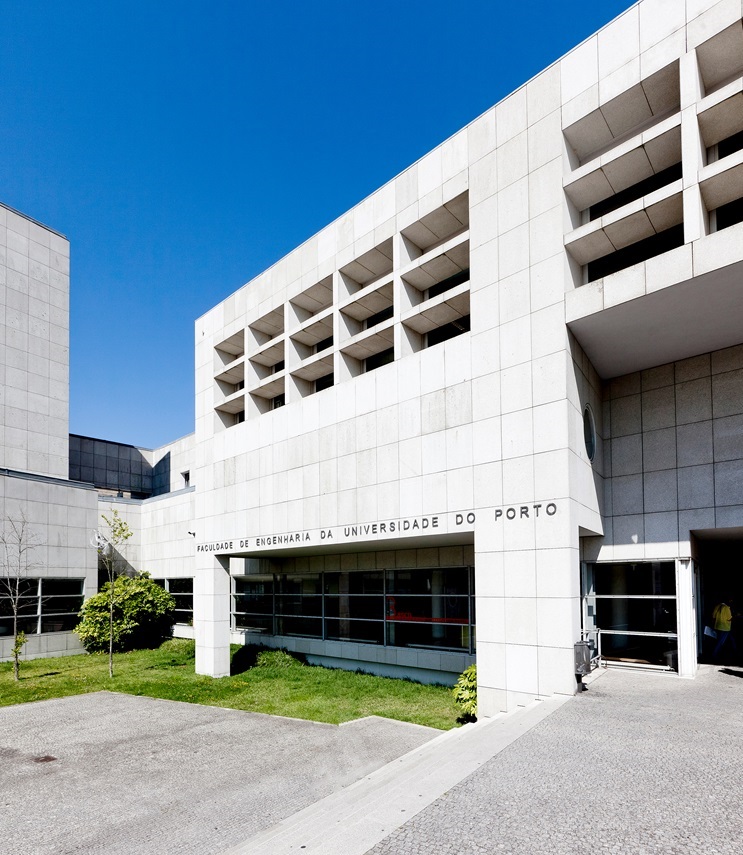
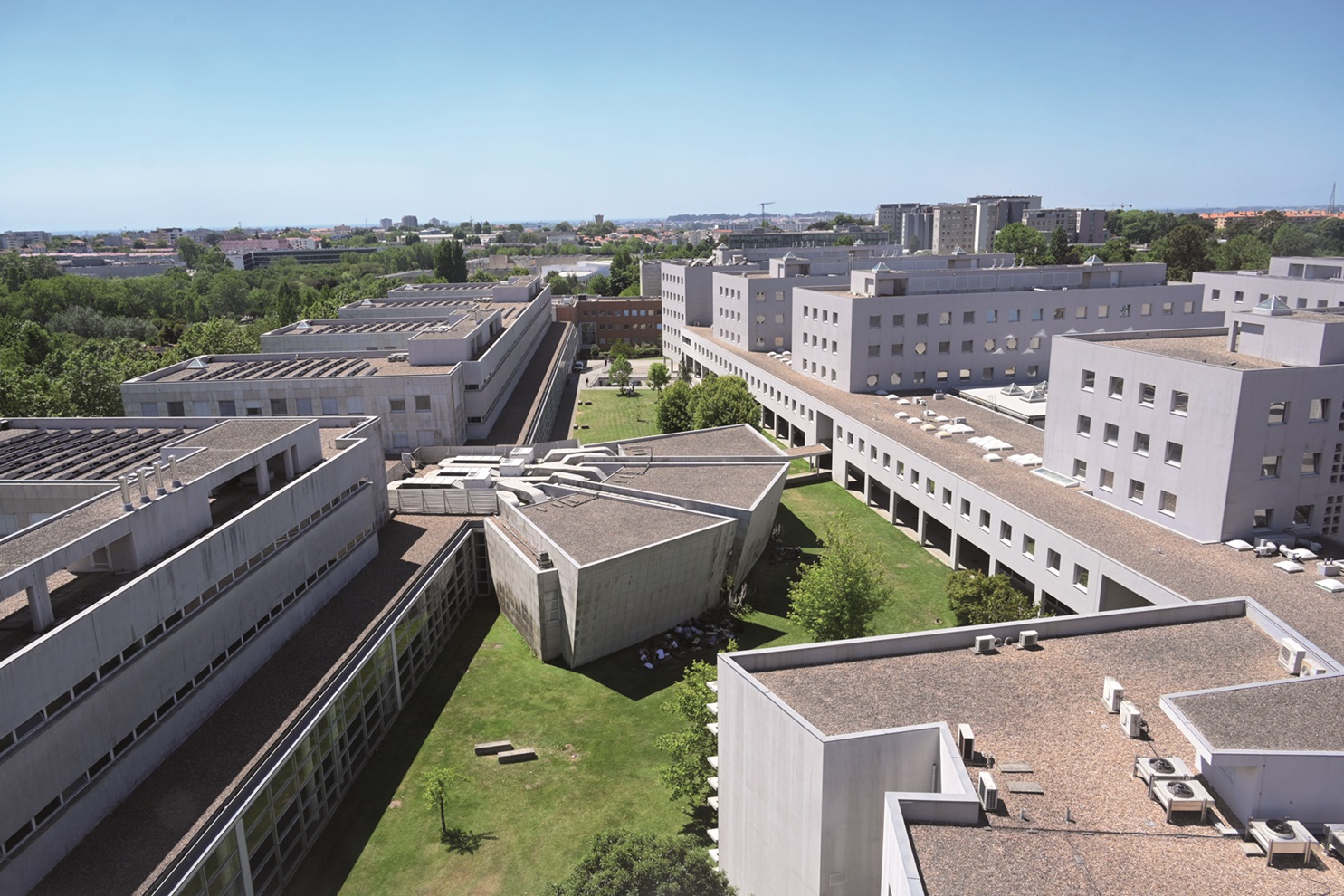
Faculty of Engineering, University of Porto (FEUP)
Main Building (Building B)
B Rua Dr. Roberto Frias, s/n
4200-465 Porto, Portugal
Located on the Asprela Campus in Porto, the Faculty of Engineering of University of Porto (FEUP) benefits from a strategic position within one of Portugal’s leading academic and research hubs, with excellent accessibility and close proximity to key services and transport links.
 |
 |
FEUP Directions
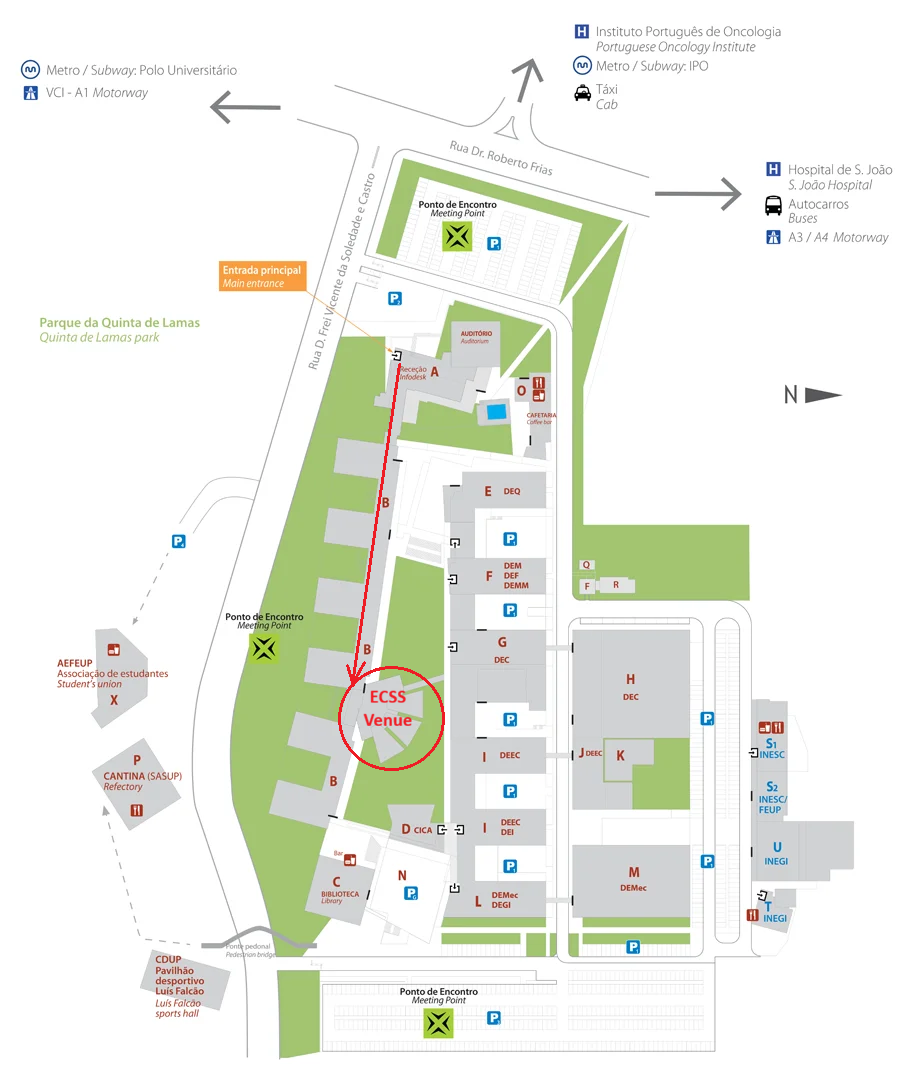
Participants should enter through the main Faculty entrance and proceed to the ECSS venue, located inside Building B. The entrance and the ECSS venue are connected through the main corridor of the building, as indicated on the map below. Campus Map can be found here.
How to Reach FEUP
By Metro:
The nearest Metro stations are:
- Polo Universitário → FEUP: approximately 12 minutes walking distance (900 m)
- IPO → FEUP: approximately 15 minutes walking distance (1.2 km)
By Bus:
FEUP is served by several STCP bus lines. All buses stop at "FEUP", located 1-3 minutes walking distance from the faculty buildings.
- 204 - Connects Foz and Boavista to the University Campus
- 300 - Direct connection from Porto city centre (Aliados / Trindade)
- 301 - Alternative route from Porto city centre
- 803 - Connects Boavista, Paranhos, and Rio Tinto to FEUP
Recommended routes:
- From Porto city centre: 300 or 301
- From Boavista / Foz: 204
- From Paranhos / Rio Tinto: 803
Conference Schedule
Mon, 26 Oct Tue, 27 Oct Wed, 28 Oct
09:00 - 10:00 Special Informatics Europe Introductory Session
10:00 - 10:30 Coffee break
10:30 - 11:00 ECSS 2026 Official Opening
11:00 - 16:00 Strategy Workshop I
Chairs: Ana C.R. Paiva, University of Porto (Portugal) and Jean-Marc Jézéquel, IRISA/University of Rennes (France)
11:00 - 12:30
- Beyond Traditional Peer Review: Disruptions and Opportunities in Scientific Publishing
Carlos Baquero, University of Porto (Portugal) - Digital Twin of Universities: a Human- and Data-centric Digital Transformation Approach for Future-oriented Universities
Gregor Engels, Bielefeld University (Germany)
12:30 - 14:00 Lunch
14:00 - 16:00
- Doing Strategy in Academia: From Plans to Impact - Part I
chaired by Michel Chaudron, Eindhoven University of Technology (the Netherlands) & Giovanni Russello, University of Auckland (New Zealand). Interactive workshop, with an extended session on Wednesday, 28 October.
16:00 - 16:30 Coffee break
14:00 - 16:00 Professional Development Workshop for Early Career Researchers
Chair: Dimka Karastoyanova, University of Groningen (the Netherlands)
14:00-15:00
- Success Factors of a Research Career - Personal Experiences
Letizia Jaccheri, NTNU (Norway)
Gabriella Pasi, University of Milano-Bicocca (Italy)
15:00-15:30
-
Moving to the Next Career Stage in Academia
Discussion chaired by Dimka Karastoyanova, University of Groningen (Netherlands)
15:30-16:00
-
Publications’ Process and Ethics Challenges and Guidelines
Elisabetta Di Nitto, Politecnico di Milano (Italy)
16:00 - 16:15 Coffee break
16:30 - 17:30 Informatics Europe Awards Ceremony
- Best Dissertation Award, sponsored by Springer
- Minerva Informatics Equality Award, sponsored by SAP
18:00 - 20:00 Welcome Reception
Further details will follow.
Two workshops will run in parallel between 14:00 and 16:00.
Coffee breaks on Monday are scheduled at 10:00 and 16:00, with lunch from 12:30 to 14:00.
Two workshops will run in parallel between 09:00 and 11:00.
09:00 - 11:00 Cybersecurity Workshop
Chair: Gert Jervan, Tallinn University of Technology (Estonia)
Featured Panellists
- Jonas Čeponis, Kaunas University of Technology (Lithuania)
- Birgy Lorenz, senior research fellow, Tallinn University of Technology (Estonia)
- Muhammad Mudassar Yamin, NTNU (Norway)
- Jens Myrup Pedersen, Aarhus University (Denmark)
09:00 - 11:00 Ethics Workshop
Chair: José Antonio Cruz, Universidad de Castilla - La Mancha (Spain)
Supported by IE's Ethics Working Group
Roundtable Speakers (featuring case studies from their universities)
- Anatomy of Social Media Manipulation
Ana Belen Gil, University of Salamanca (Spain) - Analysis of Dark Patterns in Cookie Consent Banners
Monica Landoni, Università della Svizzera italiana (Switzerland) - Discovering Deceptive Designs in Travel Agency Websites
Covadonga Rodrigo, UNED (Spain) - Disinformation, Dark Paterns and Ethics
Tatjana Welzer, University of Maribor (Slovenia)
11:00 - 11:30 Coffee Break
11:30 - 12:30 Informatics Europe Community Session
Chairs: Jean-Marc Jézéquel and Nuria Anguera, Informatics Europe
12:30 - 13:45 Lunch
13:45 - 15:00 Keynote Session
Chair: Ana C.R. Paiva, University of Porto (Portugal)
- Towards Reliable and Sustainable AI: Foundations and the Future of Informatics
Gitta Kutyniok, LMU Munich | DLR-German Aerospace Center (Germany)
15:00 - 16:00 Informatics Europe Annual General Assembly
Chairs: Jean-Marc Jézéquel and Nuria Anguera, Informatics Europe
16:00 - 16:30 Coffee break
16:30 - 23:00 Social Event & Official Dinner
Guided winery visit in Vila Nova de Gaia followed by dinner at Kopke Tivoli Hotel, with an elegant view of the Douro River and the historic centre of Porto.
Coffee break on Tuesday is scheduled at 11:00 and 16:00, with lunch from 12:30 to 13:45.
Two workshops will run in parallel throughout the day.
09:00 - 16:00 Education Research Workshop
Supported by IE's Education Research Working Group
09:00 - 10:30 AI in Informatics Higher Education
Chair: Oana Andrei, University of Glasgow (United Kingdom)
10:30 - 11:00 Coffee break
11:00 - 12:30 Academia/Industry Collaboration in Informatics Higher Education
Chair: Jan Vahrenhold, University of Münster (Germany).
12:30 - 14:00 Lunch
14:00 - 16:00 Higher Education Informatics in Europe: Readiness and Core Skills
Chairs: Andreas Bollin, University of Klagenfurt (Austria) and Agustín Yagüe, Universidad Politécnica de Madrid (Spain)
co-organised with the IE member National Informatics Associations (NIAs)
- Part A – Pathways into HE: Readiness vs early HE reality
- Part B – Informatics Skills as a Foundation for Multiple Disciplines
09:00 - 12:30 Strategy Workshop II
Chairs: Michel Chaudron, Eindhoven University of Technology (the Netherlands) & Giovanni Russello, University of Auckland (New Zealand)
09:00 - 10:30 Doing Strategy in Academia: From Plans to Impact - Part II
- What Do We Want to Be Known for?
- Strategic Choices & Trade-offs
10:30 - 11:00 Coffee break
11:00 - 12:10 Doing Strategy in Academia: From Plans to Impact - Part II (cont'd)
- From Priorities to Action – How to implement and monitor the strategy?
- Metrics, Review, and Governance
12:10 - 12:30 Close & Next Steps
12:30 - 14:00 Lunch
14:00 - 15:30 Open Science Workshop
Chair: Michael Goedicke, University of Duisburg-Essen (Germany)
14:00-14:05 Welcome & Session Overview
14:05-14:35 Lightning Talks
- Open Source Software – The Engine of Open Science in Informatics
- Teaching with Open Source – Building Skills for the Future
- Infrastructure & Sustainability – Building Ecosystems for OSS
- Strategic Leadership – Institutional & Association Roles in Advancing OSS
14:35-15:20 World Café Rotation
15:20-15:30 Synthesis & Closing
Featured Speakers
- Boris Baldassari, Eclipse Foundation Europe, OSPO Alliance
- Ulrike Lucke, University of Potsdam (Germany)
Wednesday's coffee break is scheduled at 10:30, and lunch at 12:30-14:00.
Delegate Lounge (Room I-105): a space to relax, work, or connect informally between sessions.
Available throughout the conference.
Strategy Workshop I
Each year, Informatics Europe organizes the Strategy Workshop, a forum for those shaping the future of Informatics departments, faculties, research organisations and research teams across Europe. It brings together members of leadership teams, those preparing for such roles, and experienced academics involved in guiding their institutions through change.
Through inspiring talks, interactive discussions, and diverse perspectives – across roles, countries, and institutional contexts - participants explore topics ranging from day-to-day operational decisions to medium- and long-term strategic priorities.
In 2026, the workshop themed “Beyond Plans: Strategy and Impact in Academia” is co-chaired by Ana C.R. Paiva from the University of Porto (Portugal) and Jean-Marc Jézéquel from IRISA / University of Rennes (France). Open to all ECSS participants, it will take place on Monday, 26 October.
The workshop will explore how universities, departments, and research labs can translate strategic ambitions into meaningful and lasting impact in a rapidly evolving academic landscape. Through talks on the disruption and renewal of scientific publishing, human- and data-centric digital transformation through university digital twins, and practical approaches to strategy-making in academia, participants will examine how academic leaders can respond to emerging challenges, make better-informed decisions, engage their communities, and move beyond formal plans towards concrete actions that strengthen research, education, innovation, and societal contribution.
Workshop Rundown
Speaker bios and abstracts are available on the ECSS speakers page by clicking their photos.
11:00 - 12:30
- Beyond Traditional Peer Review: Disruptions and Opportunities in Scientific Publishing
Carlos Baquero, University of Porto (Portugal) - Digital Twin of Universities: a Human- and Data-centric Digital Transformation Approach for Future-oriented Universities
Gregor Engels, Bielefeld University (Germany)
12:30 - 14:00 Lunch
- Doing Strategy in Academia: From Plans to Impact
chaired by Michel Chaudron, Eindhoven University of Technology (the Netherlands) and Giovanni Russello, University of Auckland (New Zealand)
This session will examine why strategy matters in an academic Informatics context and introduce key strategic concepts through presentations and discussions. Participants will also reflect on the ingredients of strategic discussions, including creating a shared evidence-based view of a department’s current position and mapping its assets.
It is the first part of a two-session workshop, which will continue with in-depth discussions and practical activities on Wednesday, 28 October, in a group of up to 50 participants. Read full details here.
Education Research Workshop
Supported by IE's Education Research Working Group and open to all ECSS participants, the Workshop will be held on Wednesday morning, October 28 as part of the ECSS 2026 program.
Workshop Rundown
Speaker bios and abstracts are available on the ECSS speakers page by clicking their photos.
09:00 - 10:30 AI in Informatics Higher Education
chaired by Oana Andrei, University of Glasgow (UK)
- Landscape report from IE Task Force
The Informatics Europe AI in Informatics Higher Education Task Force was established in the fall of 2025. In the meantime, its members have conducted a survey across European Higher Education institutions (including, but not limited to, Informatics Europe members) and produced a landscape report synthesising current developments, challenges, and emerging directions. During this session, members of the task force will present the report and facilitate discussion about timely and actionable insights.
- AIM-PRO - AI Literacy for Multidisciplinary Professional Readiness and Outreach
Speaker: Antonio Bucchiarone, University of L’Aquila | Fondazione Bruno Kessler (Italy)
An opportunity to exchange with the chair of AIM-PRO on the scope and work status of this Erasmus + project, where Informatics Europe is a member.
10:30 - 11:00 Coffee break
11:00 - 12:30 Academia/Industry Collaboration in Informatics Higher Education
chaired by Jan Vahrenhold, University of Münster (Germany)
This session is a follow-up to the ECSS 2024 workshop, in which members of the Informatics Education Research Working Group initiated a structured conversation about best practices for collaboration between Academia and Industry in Informatics Higher Education. The Working Group has focused on three main areas: (1) Bachelor/Master Theses, (2) Doctorates, and (3) Capstone Projects. Through surveys and interviews with stakeholders in a variety of institutions across Europe, the Working Group has identified best practices as well as challenges associated with different aspects of such collaboration. The workshop will be used to present these findings and, in the spirit of the ECSS 2024 workshop, to present opportunities to compare and contrast them with the experiences of the workshop participants.
Featured speakers:
Ana-Belén Gil-González, University of Salamanca (Spain)
Kim Mens, UC Louvain (Belgium)
Simona Motogna, Babeş-Bolyai University (Romania)
Enrico Nardelli, University of Rome "Tor Vergata" (Italy)
Jan Vahrenhold, University of Münster (Germany)
12:30 - 14:00 Lunch
14:00 - 16:00 Informatics Higher Education in Europe: Readiness and Core Skills
chaired by Andreas Bollin, University of Klagenfurt (Austria) & Agustín Yagüe, Universidad Politécnica de Madrid (Spain)
co-organised with the IE member National Informatics Associations (NIAs)
Structured around two complementary themes, “Pathways into HE: Readiness vs Early HE Reality” and “Informatics Skills as a Foundation for Multiple Disciplines”, this interactive session combines presentations and participatory activities to explore the alignment between school preparation, national initiatives, and Higher Education expectations in the first years of Informatics studies. It will also examine the transversal informatics competencies needed across engineering disciplines while identifying discipline-specific nuances that can inform communication and early HE practice.
Cybersecurity Workshop
The workshop, chaired by Gert Jervan, Tallinn University of Technology (Estonia) will be held on Tuesday morning, 27 October, with the theme "Hackers vs Universities: Who Trains Better Cyber Talent?"
This panel will explore how cybersecurity skills are developed and the role universities play compared with informal learning environments such as CTF competitions, online communities, and self-directed experimentation. At the core is the question of whether traditional education can keep pace with the rapidly evolving cyber domain, where practical skills, problem-solving, and creativity are often developed outside the classroom. The discussion will be supported by cross-country CTF data, highlighting which competencies truly distinguish top performers and how these differ from what is emphasised in formal curricula and from what are found in the Cyberhubs project (analysis and comparisons of the job market and skills development). The panel will also address the role of AI in cybersecurity learning: does it accelerate skill development or reduce deep understanding?
The goal is to identify how universities and informal learning can better complement each other to develop the next generation of cybersecurity professionals.
Featured Panellists
Panellist bios are available on the ECSS speakers page by clicking their photos.
- Jonas Čeponis, Kaunas University of Technology (Lithuania)
- Birgy Lorenz, senior research fellow, Tallinn University of Technology (Estonia)
- Muhammad Mudassar Yamin, NTNU (Norway)
- Jens Myrup Pedersen, Aarhus University (Denmark)
Speakers, Bios & Abstracts
ECSS brings together leading voices in Informatics to share insights on emerging trends, challenges, and strategic priorities in research and education. The 2026 edition continued this tradition, showcasing thought leaders driving change across Europe.
Click a speaker’s photo to learn more.
Keynote Session


Strategy Workshop

Carlos Baquero
Gregor Engels

Michel Chaudron
(the Netherlands)

Giovanni Russello


Early Career Researchers Workshop
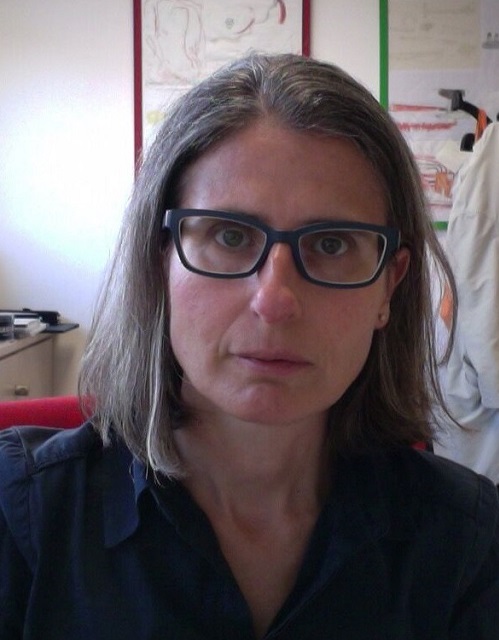
Elisabetta Di Nitto
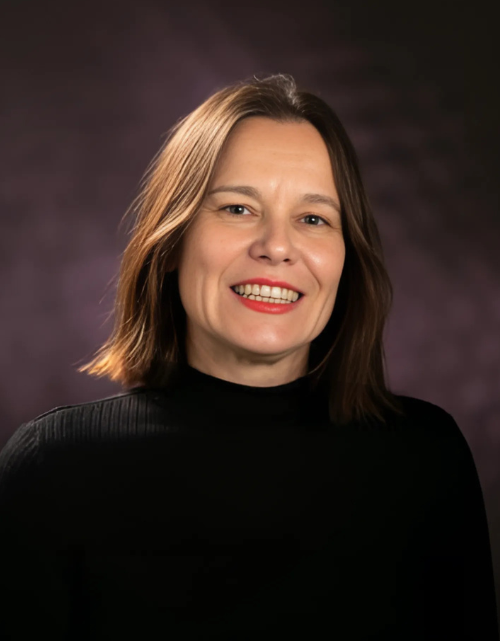
Letizia Jaccheri

Dimka Karastoyanova
(the Netherlands)
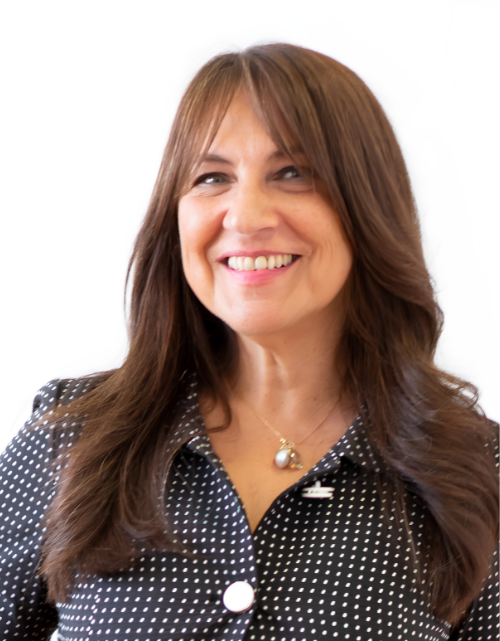
Gabriella Pasi


Cybersecurity Workshop

Jonas Čeponis

Birgy Lorenz

Muhammad Mudassar Yamin

Jens Myrup Pedersen


Ethics Workshop
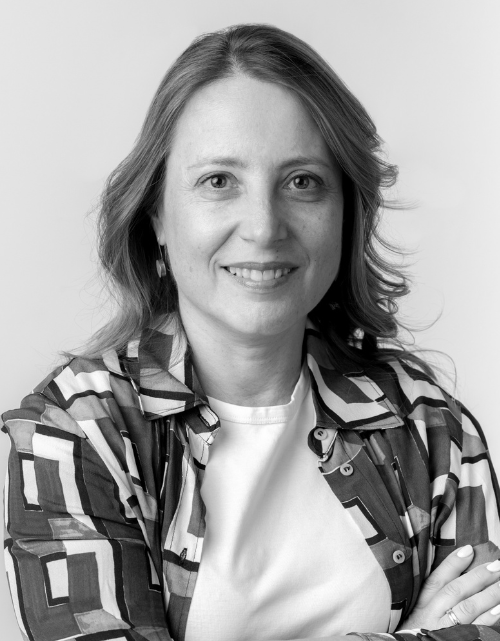
Ana Belen Gil
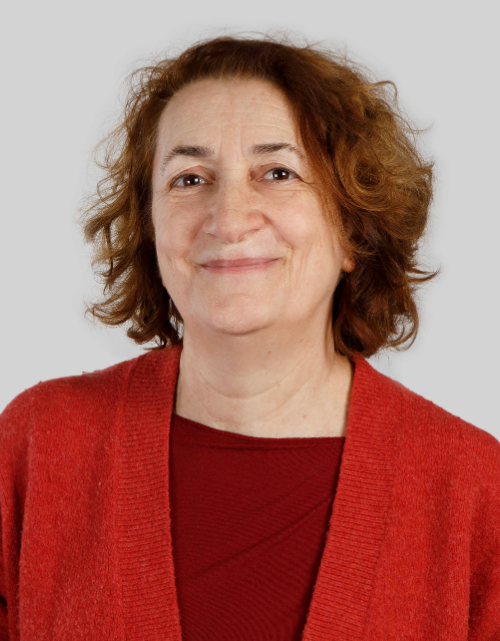
Monica Landoni

Covadonga Rodrigo
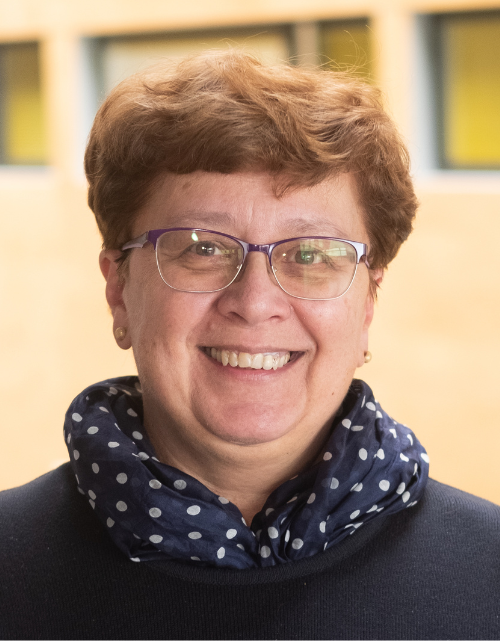
Tatjana Welzer


Education Research Workshop

Oana Andrei
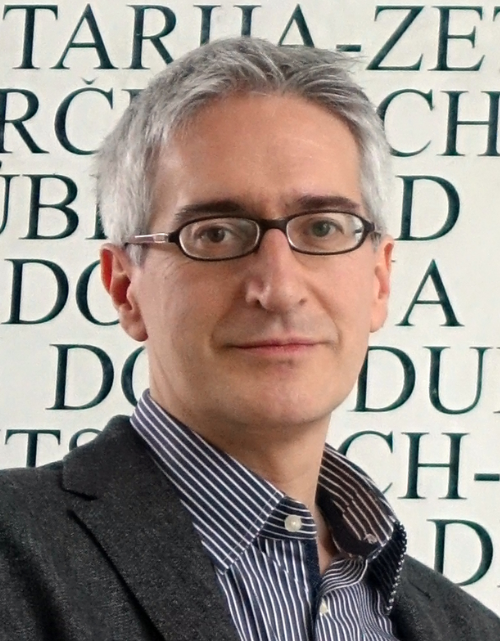
Andreas Bollin

Antonio Bucchiarone
Ana Belen Gil

Kim Mens

Simona Motogna
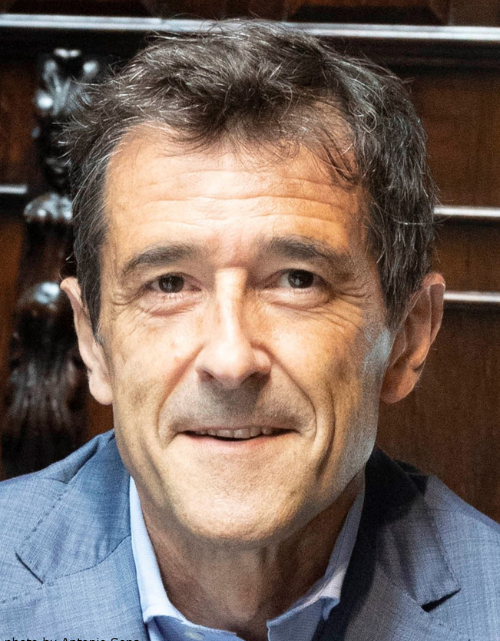
Enrico Nardelli

Jan Vahrenhold
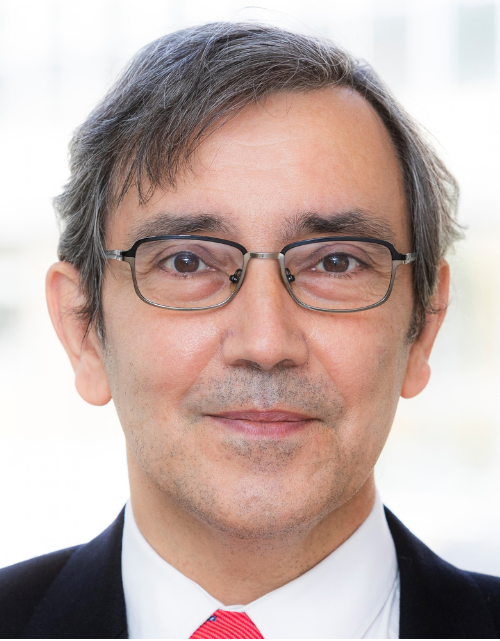
Agustín Yagüe


Open Scienece Workshop
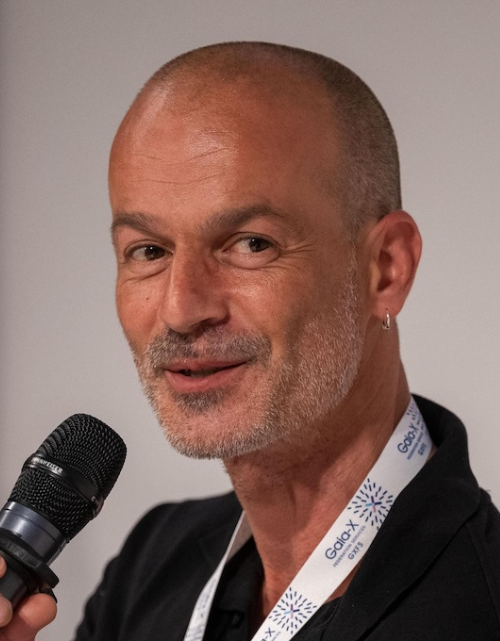
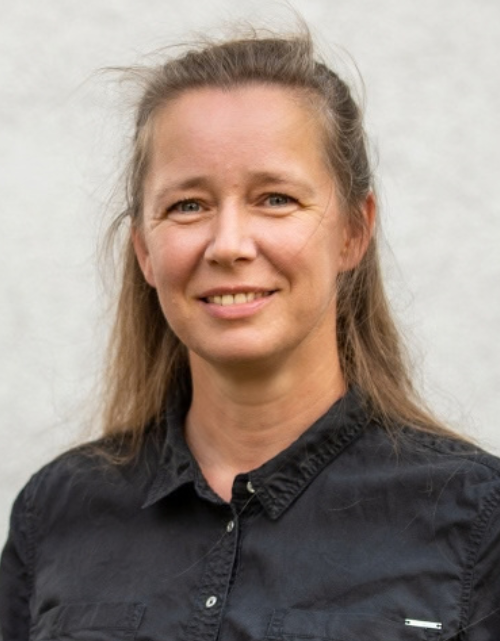


European Informatics Leaders Summit 2026
The 2026 edition of the European Informatics Leaders Summit will be held from 26 to 28 October in Porto, Portugal, and will be co-hosted by Informatics Europe and our member institution, the Department of Informatics Engineering, Faculty of Engineering, University of Porto.
ECSS is Europe's only forum for the Informatics community to address timely strategic and policy issues in research and education. Open to all, the Summit annually brings together some 150 academics, researchers, and industry representatives to exchange ideas, address shared challenges, and drive collective action at the institutional and policy levels.
Unlike a traditional scientific conference, ECSS focuses on the strategic challenges and opportunities facing Informatics as a discipline and as a community. Through high-level dialogue, thought-provoking keynotes, workshops, and networking, participants gain practical insights, build connections, and contribute to collective action across academia, industry, and public life.
Why attend
Join the European Informatics community in turning shared challenges into collective progress.
Vision
Discuss the future of Informatics and its role in addressing scientific, technological, economic, and societal challenges.
Strategy
Exchange experiences, perspectives, and leading practices on institutional development, leadership, and governance.
Networking
Build meaningful connections with academics, institutional decision-makers, policymakers, and industry representatives shaping Informatics across Europe.
Collaboration
Explore opportunities for collective action to advance Informatics research, education, and societal impact.
Advocacy
Contribute to informed policy discussions and strengthen the voice of the European Informatics community.
Be ready to explore the future of Informatics, discuss how institutions can respond, expand your professional network, identify opportunities for joint action, and help shape the future of the discipline.
The ECSS Story - From 2005 to Today
ECSS has been organised annually by Informatics Europe since 2005. Originally known as the European Computer Science Summit, its origins trace back to the first gathering of European deans and heads of Informatics departments at ETH Zurich. Participants recognised the need for a European forum to discuss shared challenges and opportunities facing the discipline, and the meeting ultimately led to the creation of Informatics Europe and established ECSS as its flagship annual event.
ECSS traces its origins to the first gathering of European deans and heads of Informatics departments at ETH Zurich, where participants recognised the need for a European forum to exchange experiences, strengthen connections across countries, discuss shared challenges and opportunities, and develop a stronger collective voice for Informatics at institutional, national, and European levels. That 2005 meeting ultimately led to the creation of Informatics Europe and established ECSS as its flagship annual event.
Through keynote talks and panels, community workshops, and peer exchange, participants explore topics ranging from funding, entrepreneurship, and institutional management to talent development, public policy, and the future of the discipline.
Minerva Informatics Equality Award 2026

Past Winners & Award Committees
Best Practices in Supporting Women
MIEA has been recognized as a Best Practice by Connecting Women in Digital, an initiative funded by the European Union. Discover the diverse contributions from past MIEA participants.




 Netlogica