
At Informatics Europe, we are celebrating 2 decades of joint achievements while continuing to shape the discipline's future.
With 200 member institutions in over 30 countries, Informatics Europe connects more than 50,000 researchers, promotes concerted positions, acts on shared priorities and supports policy-making in Informatics Education, Research and its Social Impact across Europe.
Visit the full list of member university departments, research labs and industrial members here.
 |
Our activities address strategic matters and emerging trends in informatics and related fields, fostering unity in the variety of our member institutions and promoting pan-European collaboration. As a non-profit membership association, our work is mainly performed by scientist volunteers who collaborate in working groups and ad-hoc task forces. Outcomes are endorsed by our community through its Board of Directors.
As a community of European leaders in Informatics Research, we empower each other to:
- Create opportunities for joint initiatives and knowledge exchange between academia & industry & society.
- Engage with society on the nature and impact of Informatics.
- Advocate for Informatics in European policy discussions.
- Promote quality standards and best practices in research, education, and knowledge transfer.
- Foster ethical and responsible Informatics teaching and research.
- Nurture talent and assure a pipeline of diverse leaders with a broad understanding of the discipline.
The potential of Informatics Europe can go as far as our collective ambitions take it!
You & your organization are key for IE
We have a common cause and a common interest. This is the reason for university departments, research labs and industrial organizations to join us, for their affiliated researchers to contribute our activities since 2005 and for National Informatics Associations (NIAs) to choose us for engaging in European discussions. This is a call to:
Current & Potential Members
Demonstrate your institute’s support by becoming a member and empower your researchers to engage in our activities for collaborative success in Informatics in Europe. As an Informatics Europe member, gain the opportunity to amplify your presence and influence decisions at the pan-European level, engage in learning and knowledge exchange with peer leaders, and enjoy exclusive IE members-only services. We welcome university departments, research labs and industrial organizations engaged in R&D activities leveraging advances in the field of Informatics.
The greatest membership benefits those who collaborate the most!
Students, PosDocs and recent graduates
Informatics Europe aims to nurture talent and assure a pipeline of diverse Informatics leaders with a broad understanding of the discipline.
Boost your career development with the Early Career Researchers WG and Academic Leadership Courses. Submit your nomination for the Best Dissertation Award. Increase your mobility opportunities with our Job Platform. Join a training school and bring your research to the next level.
More will follow soon!
Companies at large
Looking for a targeted and impactful approach to engage with the leaders in the European informatics research community other than the IE membership? Eager to recruit informatics talent across Europe? Explore our sponsoring opportunities.
Share our flyer with your colleagues to join forces and amplify our impact together as Informatics Europe!
Discover the impact of our initiatives and services first-hand
While some are exclusive to Informatics Europe members, many are open for the benefit of the wider Informatics community. Explore them in a snapshot:
- Utilize our Department Evaluation and Academic Leadership services;
- Access our extensive array of Publications and Policy Recommendations;
- Nominate deserving individuals for Awards celebrating achievements in gender inclusion, informatics education, and ground-breaking research;
- Boost your international visibility by collaborating with us on EU projects, presenting your latest research results in an Informatics-Europe hosted webinar, updating your information in our Research & Education Directory or featuring relevant activities on the ECSS members spotlight section;
- Engage in strategic and trend-setting discussions during our European Informatics Leaders Summit (ECSS).
- Take an active role in Working Group activities, including organizing related training schools and sessions during ECSS.
- Access the only in its kind Higher Education Data Portal, for pan-European benchmarking;
- Enhance your talent pool and career prospects through our Job Platform.
Keep up with IE's latest updates
Follow us on 


 and subscribe to our mailing list and bulletin here.
Latest News

New Strategic Agenda for Europe’s Software Future Presented in Brussels
The SRIA was launched on 23 September and formally presented to Thibaut Kleiner, Director for Future Networks at the European Commission’s DG CONNECT.
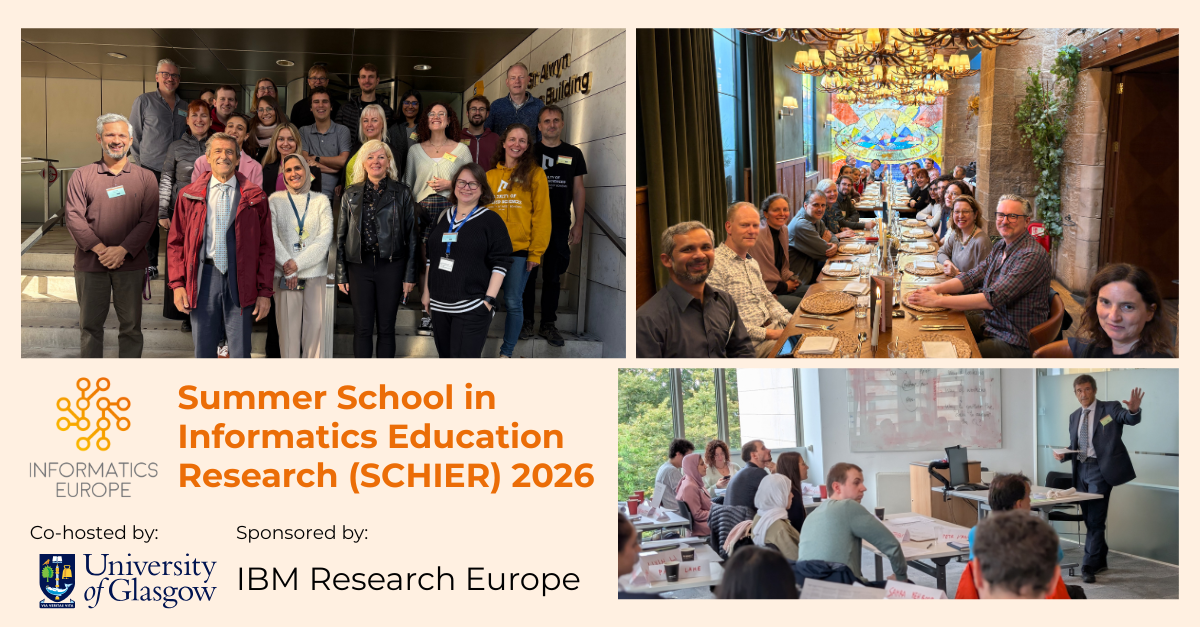
SCHIER 2026: Strengthening the Community of Informatics Education Researchers
Growing the next generation of Informatics Education researchers starts with creating opportunities to learn, exchange and connect.
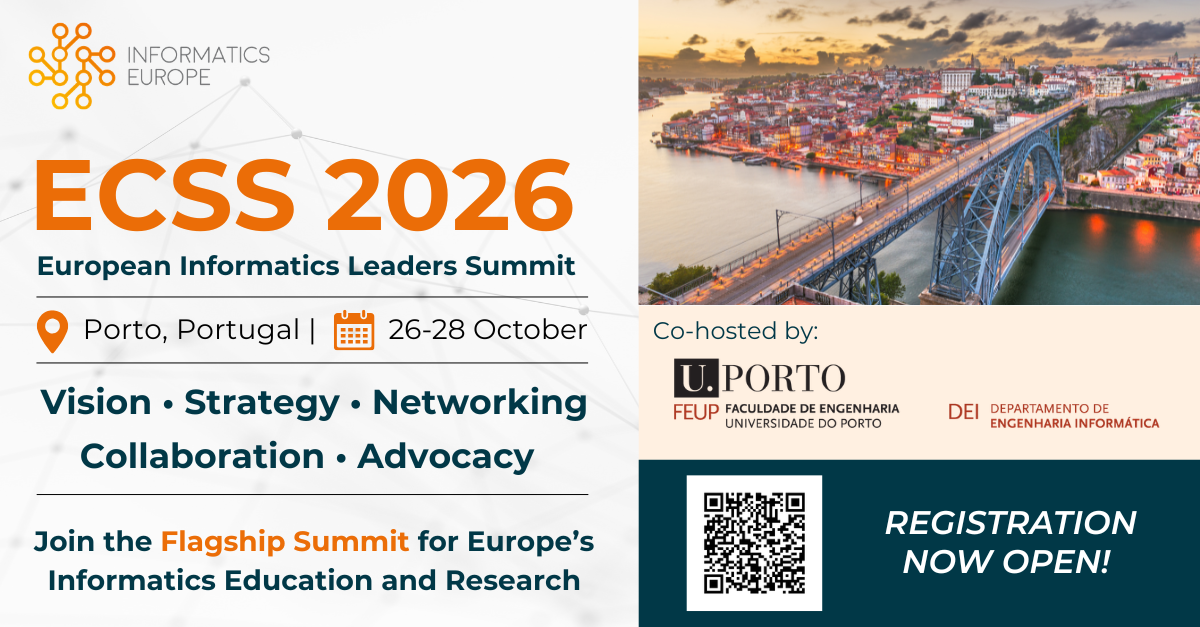
ECSS 2026: Registration Now Open
Registration is now open for ECSS 2026, a unique summit for Europe’s Informatics community to address timely strategic and policy issues in Informatics research and education.
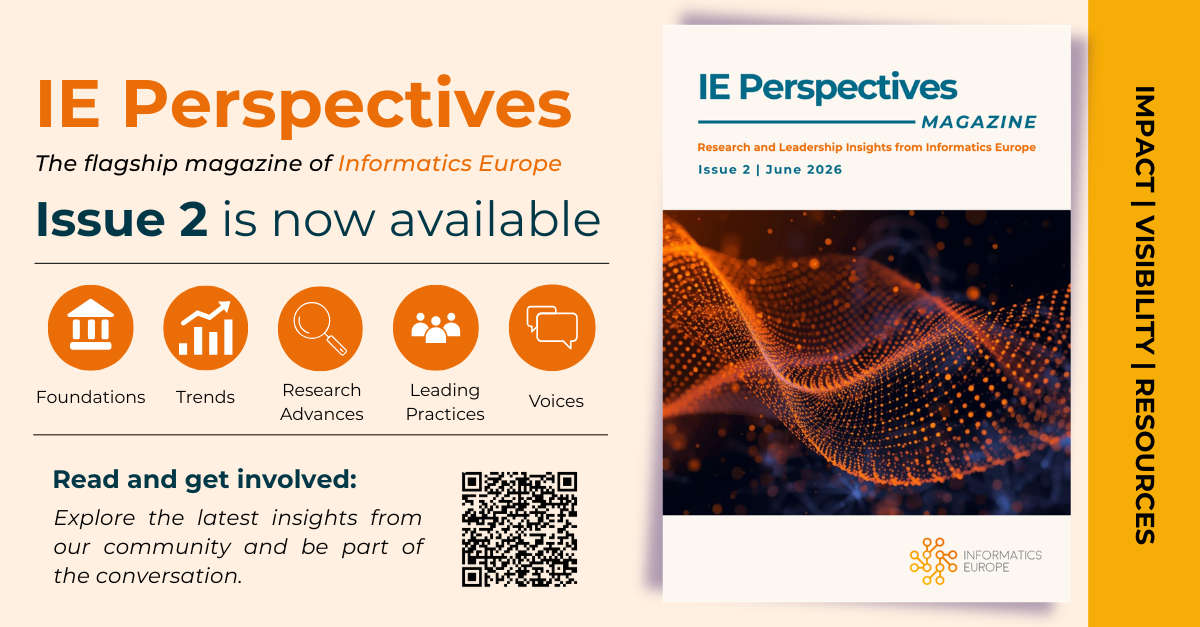
The Second IE Perspectives: Introducing New Section & Co-Editor-in-Chief
Discover the latest IE Perspectives, featuring a new "Foundations" section dedicated to stories of European curiosity-driven Informatics research that has shaped disciplines, technologies and society.
ECSS 2016 - Highlights
Informatics Europe celebrates 100 member milestone at ECSS 2016 in Budapest
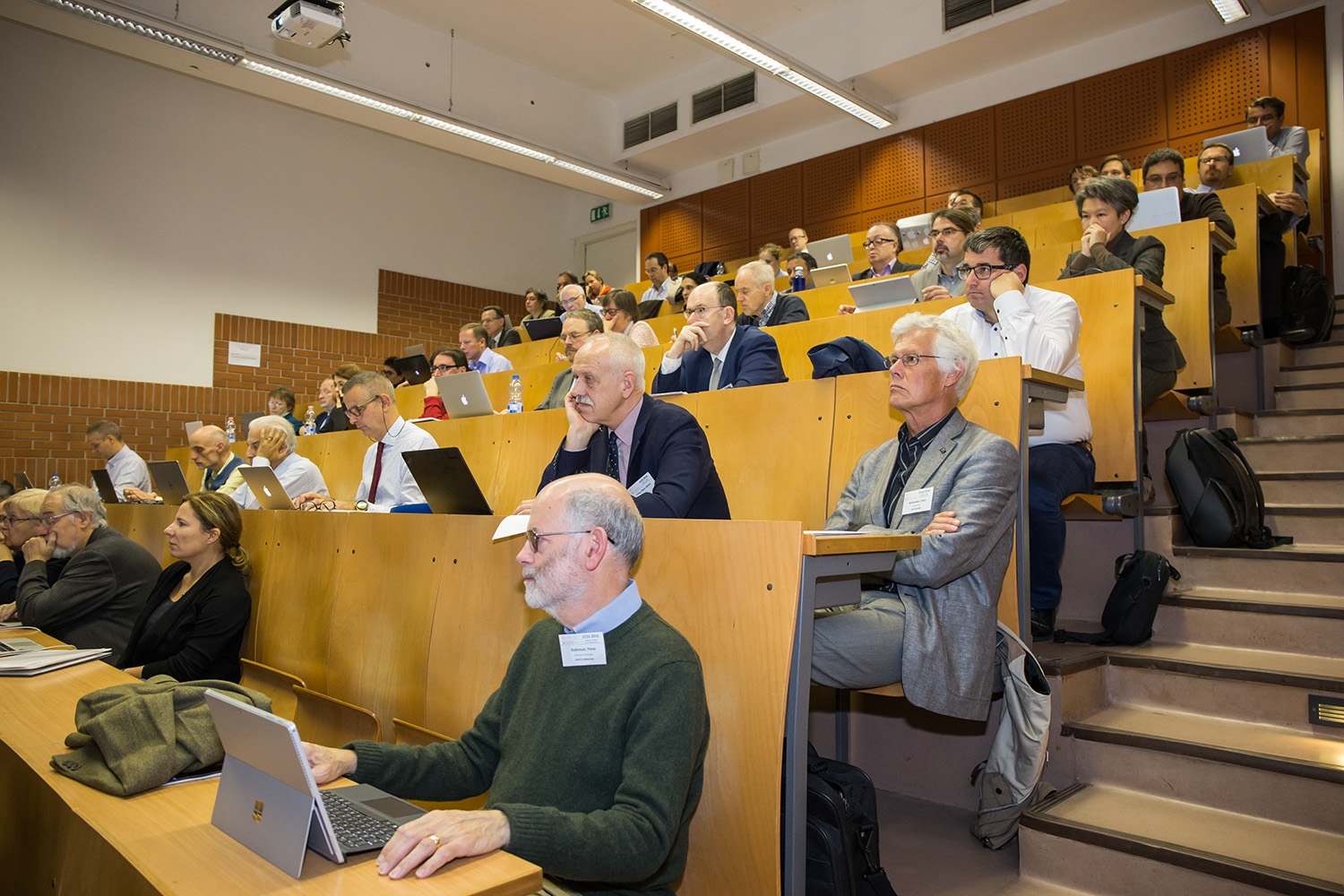
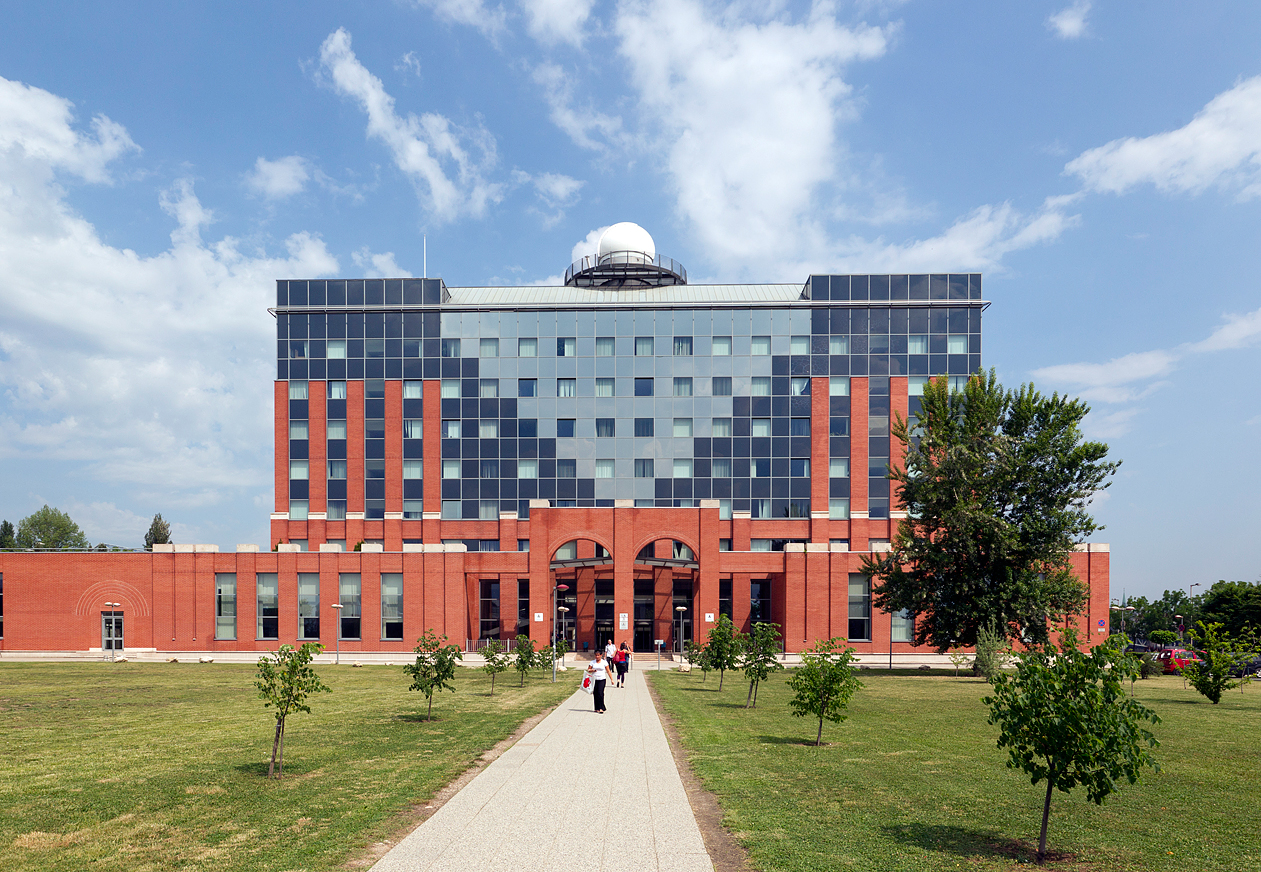
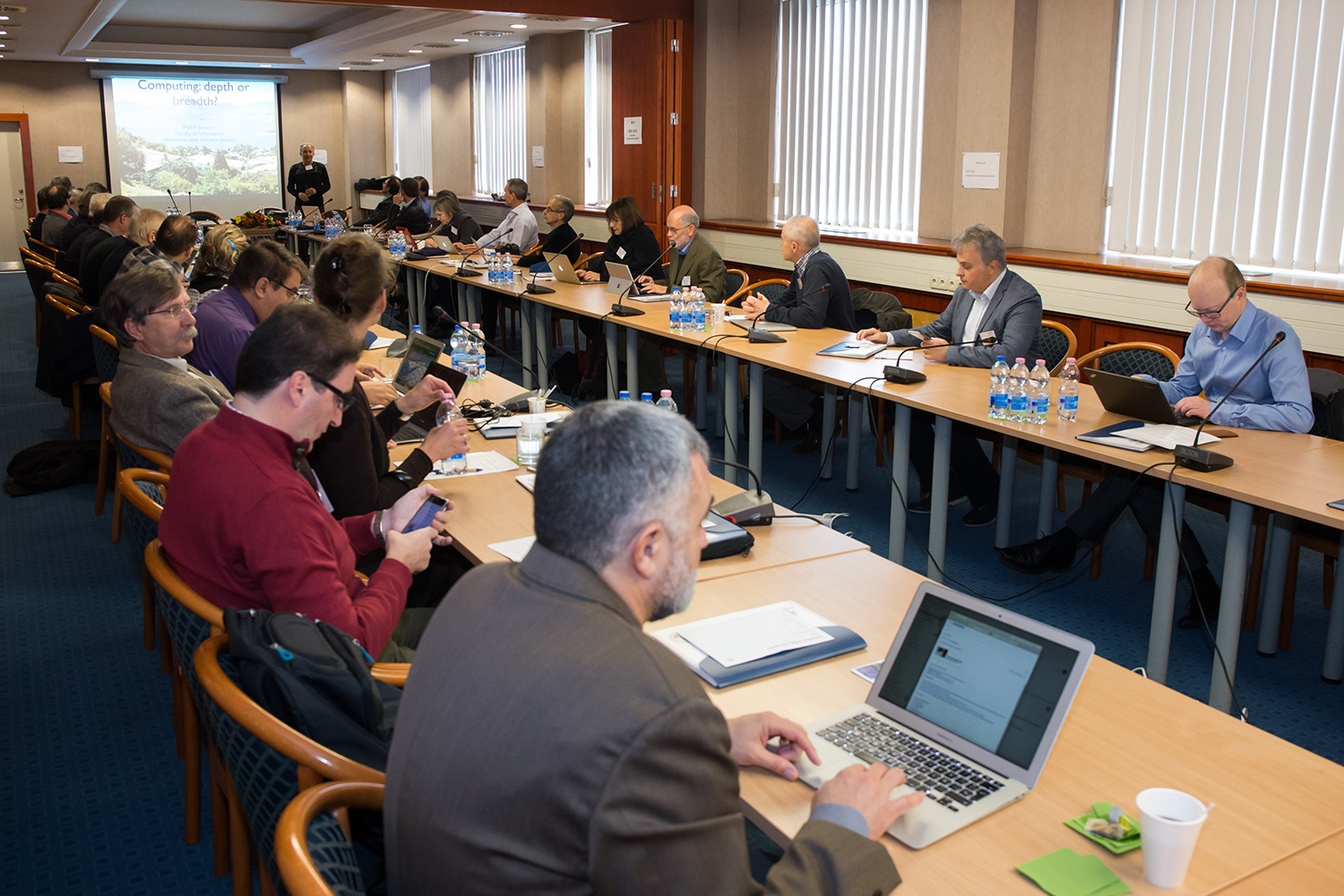
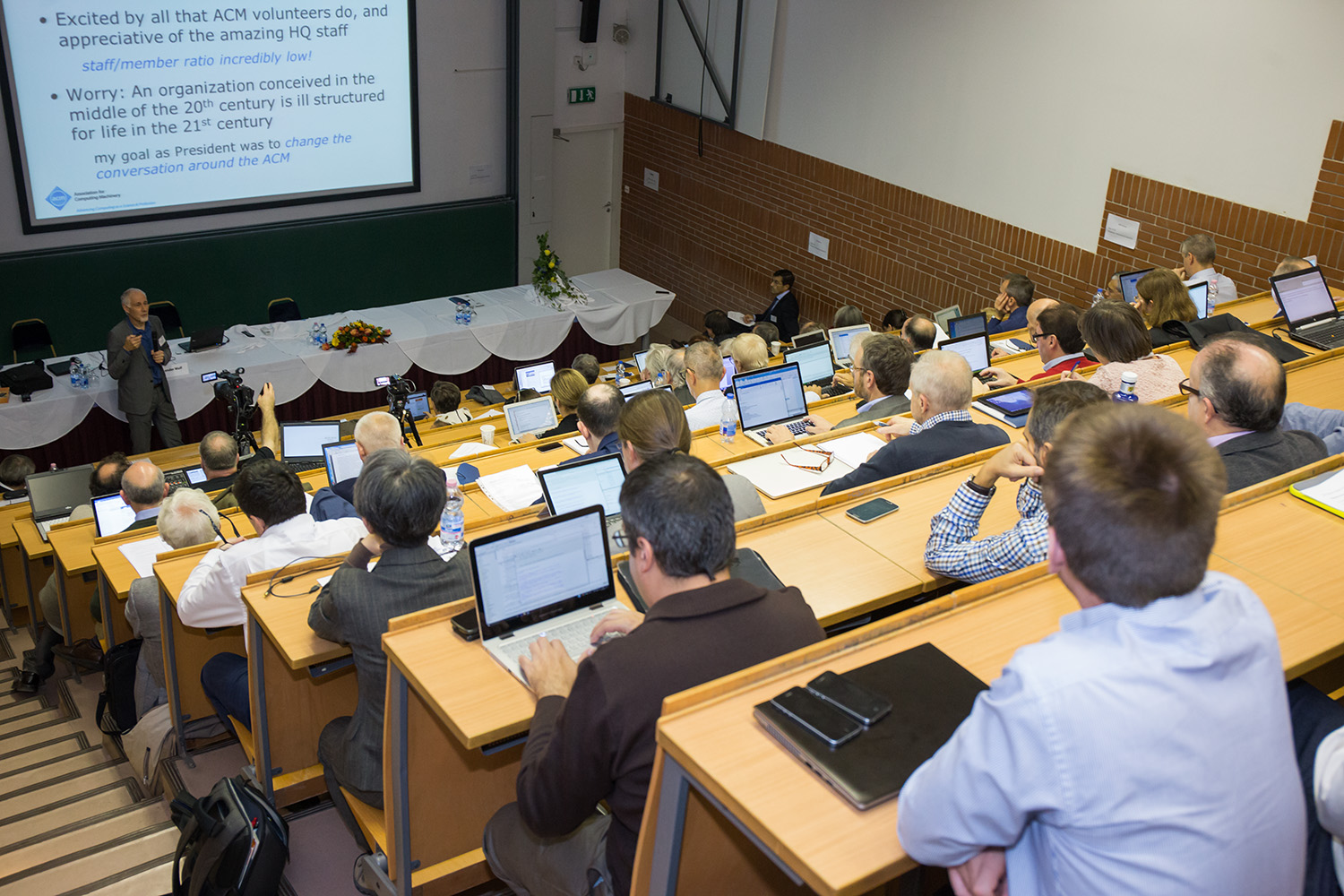
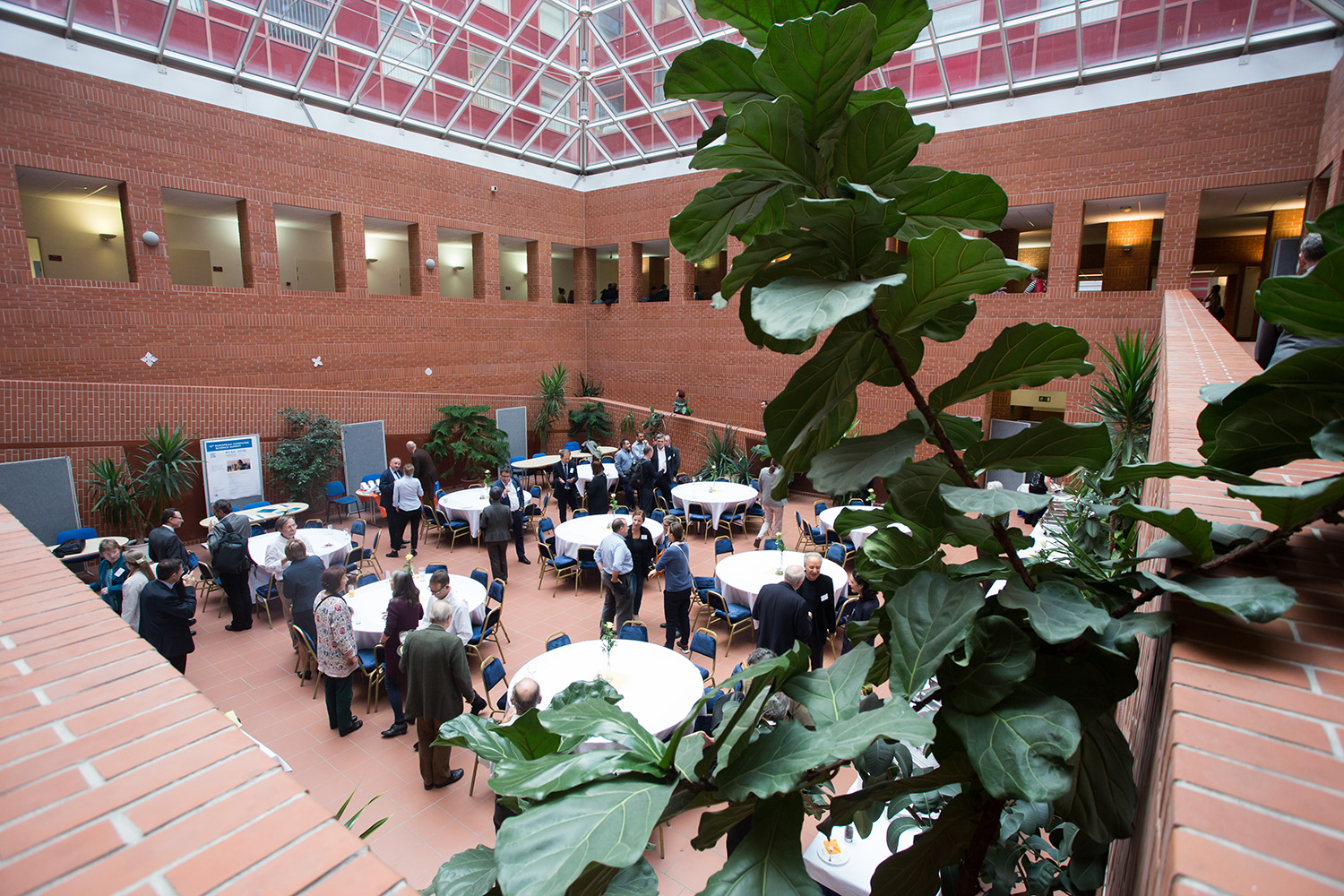
Around ninety deans, department heads, research directors and senior academics from over twenty countries met in Budapest, October 24-26 for the 12th edition of the European Computer Science Summit. This year’s Summit was dedicated to the theme: Informatics Driving the Digital World. Indeed, our discipline is at the centre of the digital revolution. Yet, what challenges, requirements and promises does that hold for Informatics and for Informatics departments?
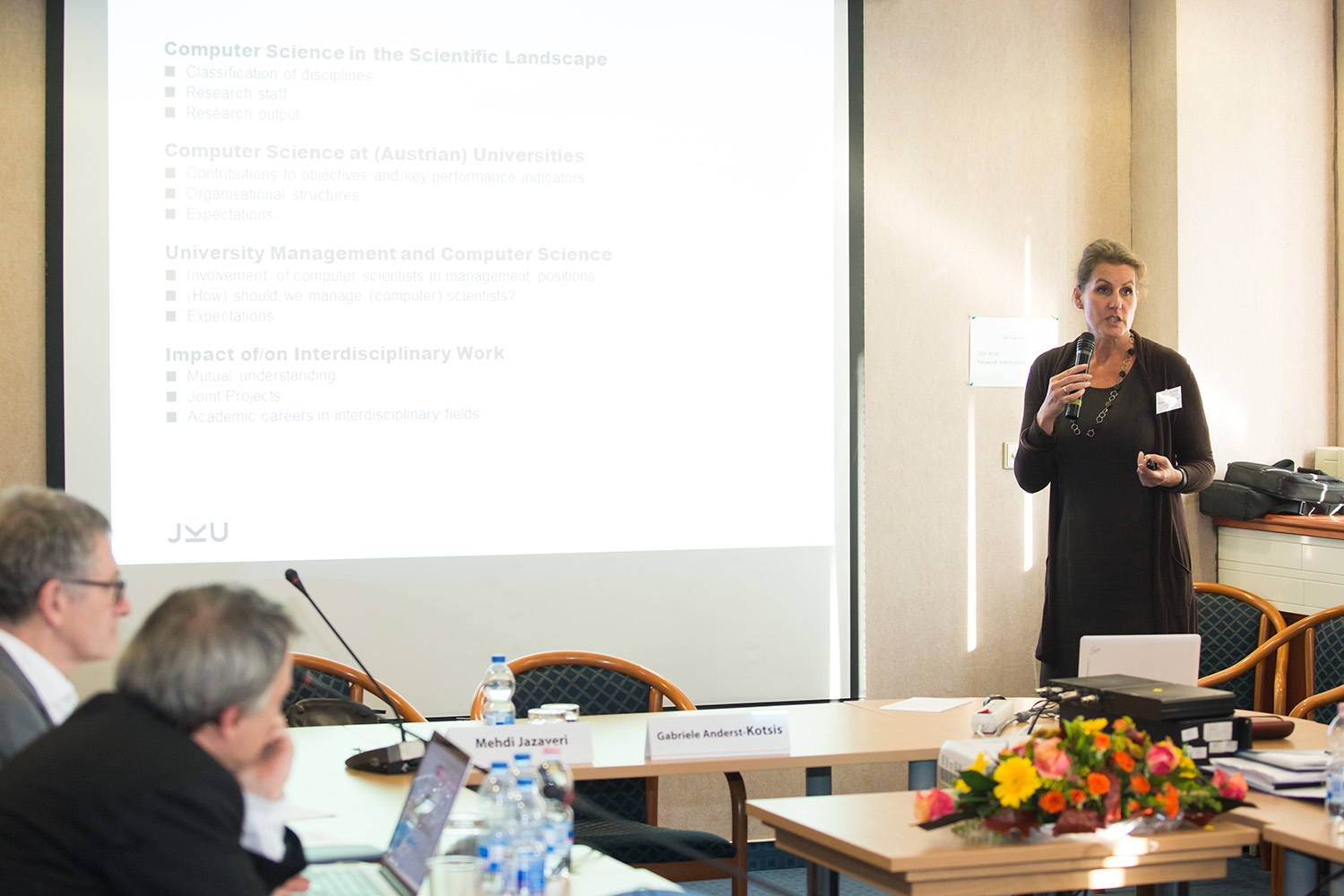
As always, the Summit was preceded by the popular one-day workshop for deans and department heads to exchange practical strategies on common challenges they face in managing their department and institutes. With 56 participants from institutions both large and small, the workshop provided an excellent networking and sharing platform. This year`s edition zoomed in on the opportunities and pitfalls of working in a multidisciplinary environment. The attendees raised several topics that led to interesting discussions. One was about academia-industry collaboration and how they develop in different countries. Another was about how to introduce and maintain multi-disciplinary teaching in the curriculum. Finally, there was some discussion about how to improve the evaluation processes for teaching quality.
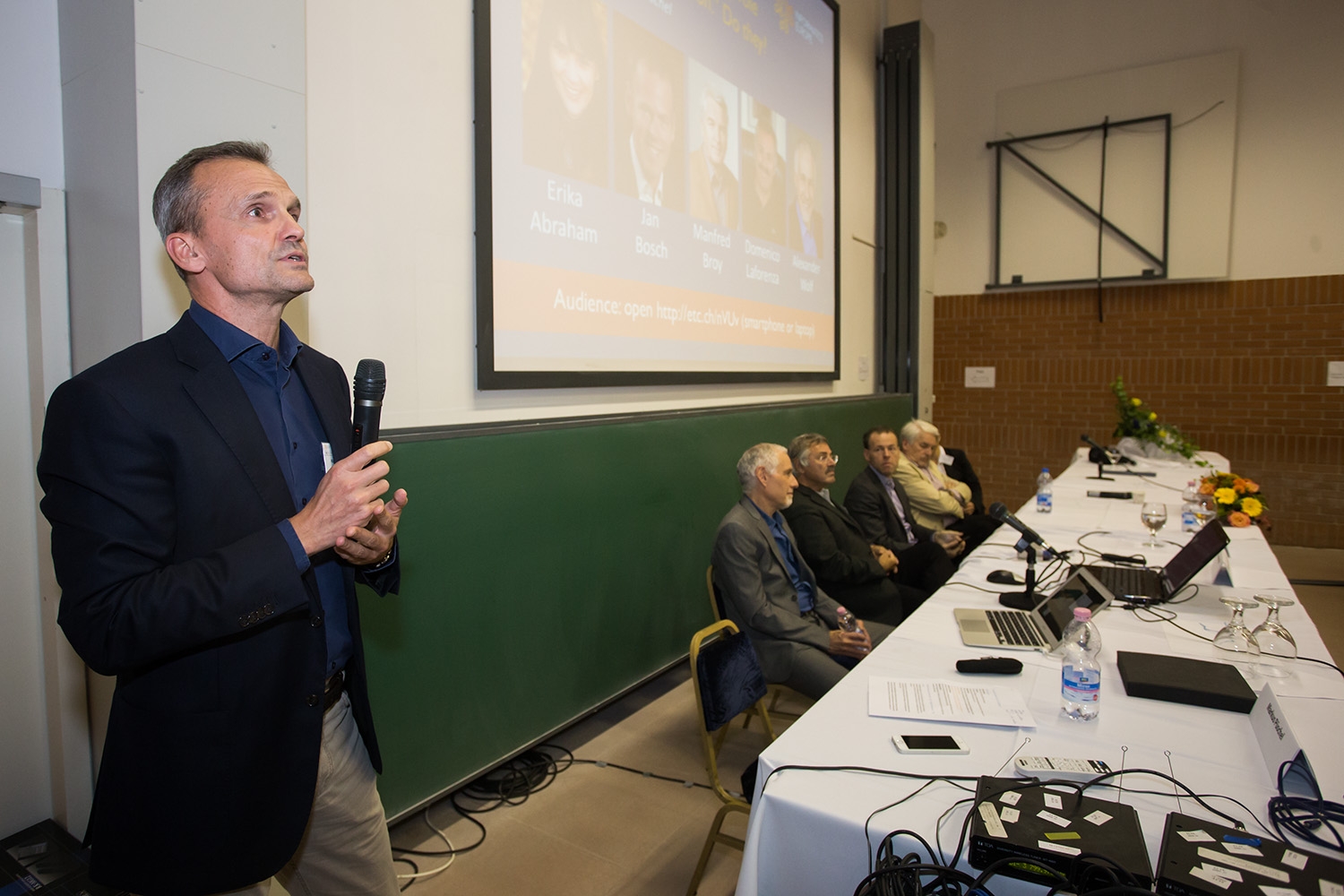
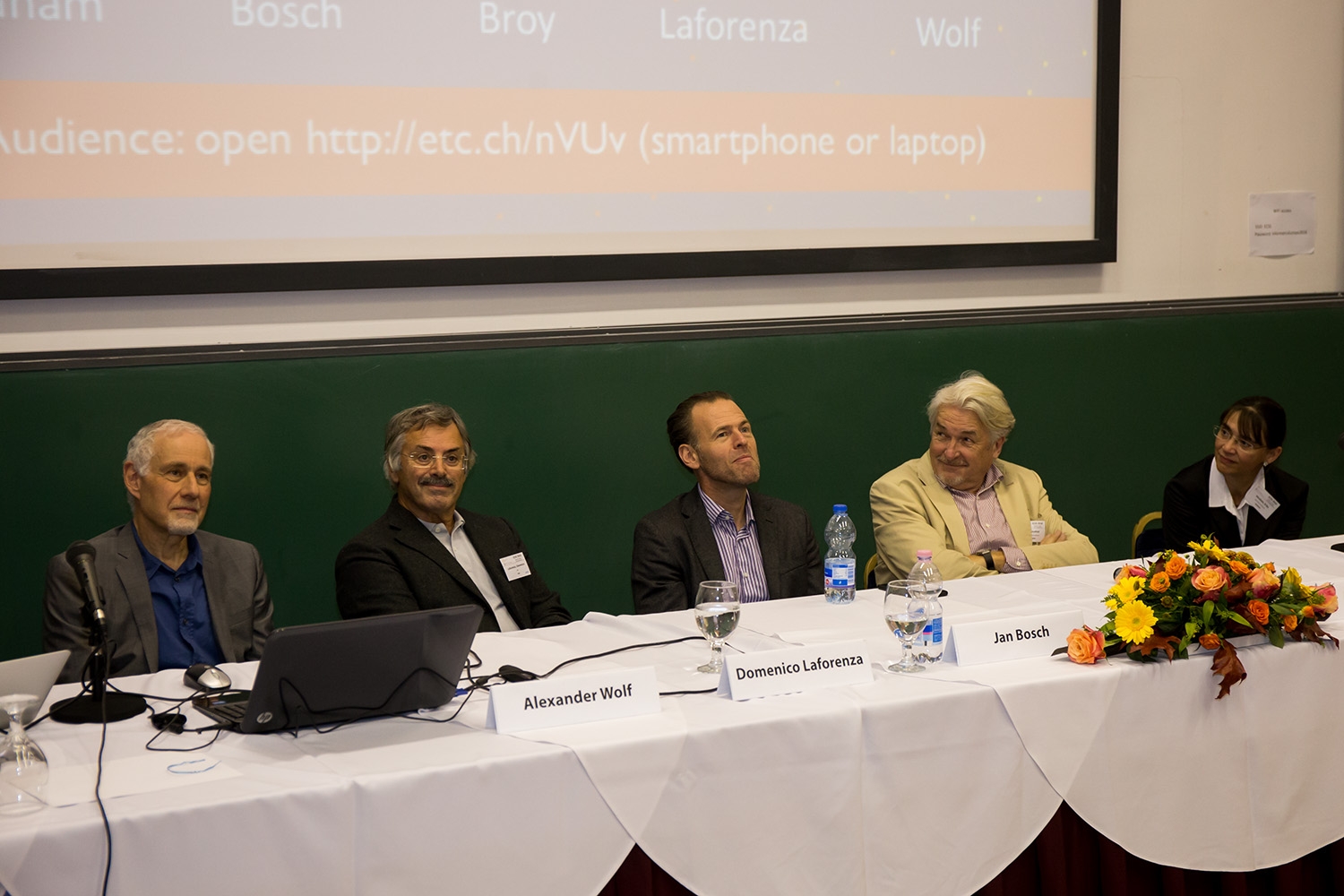
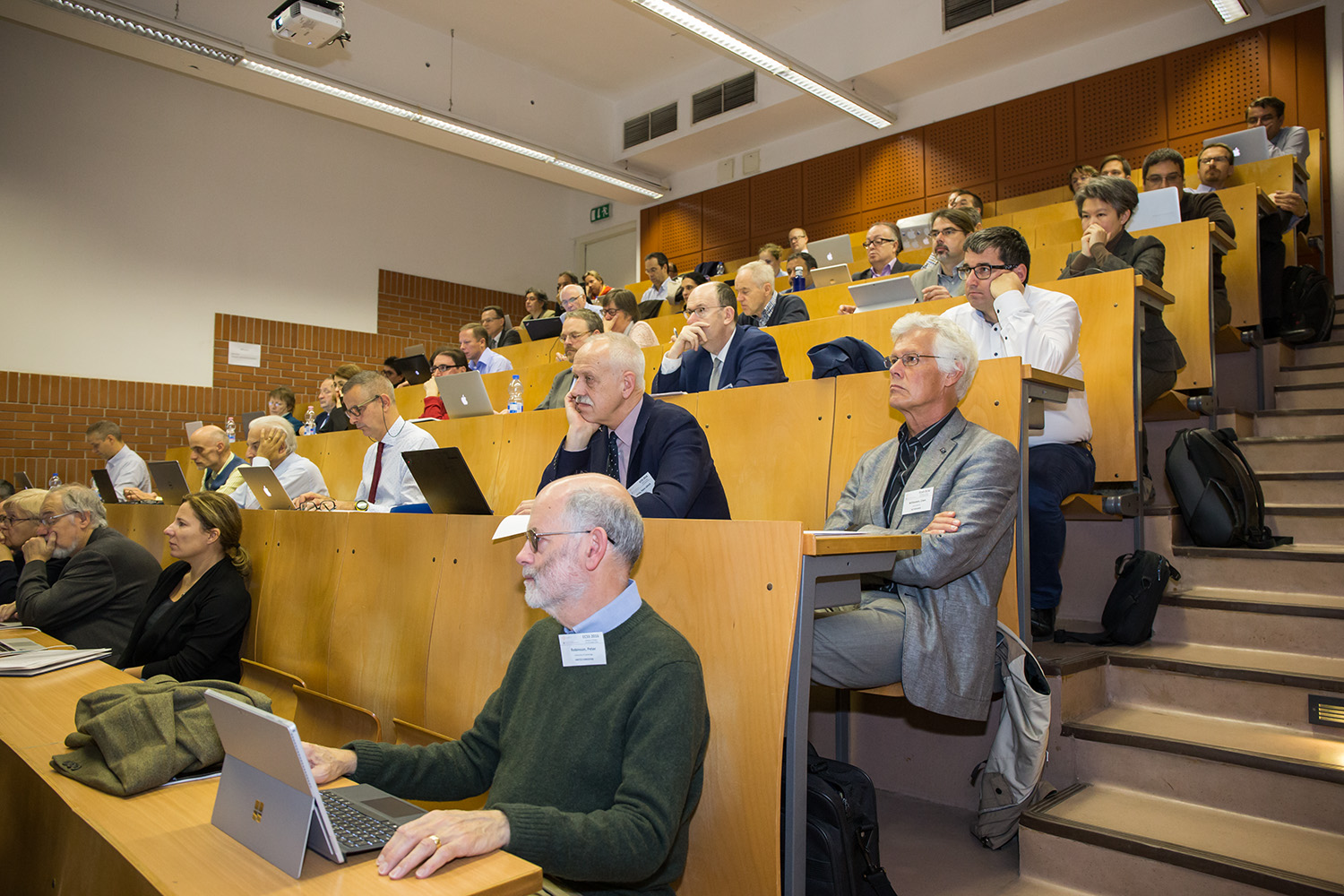
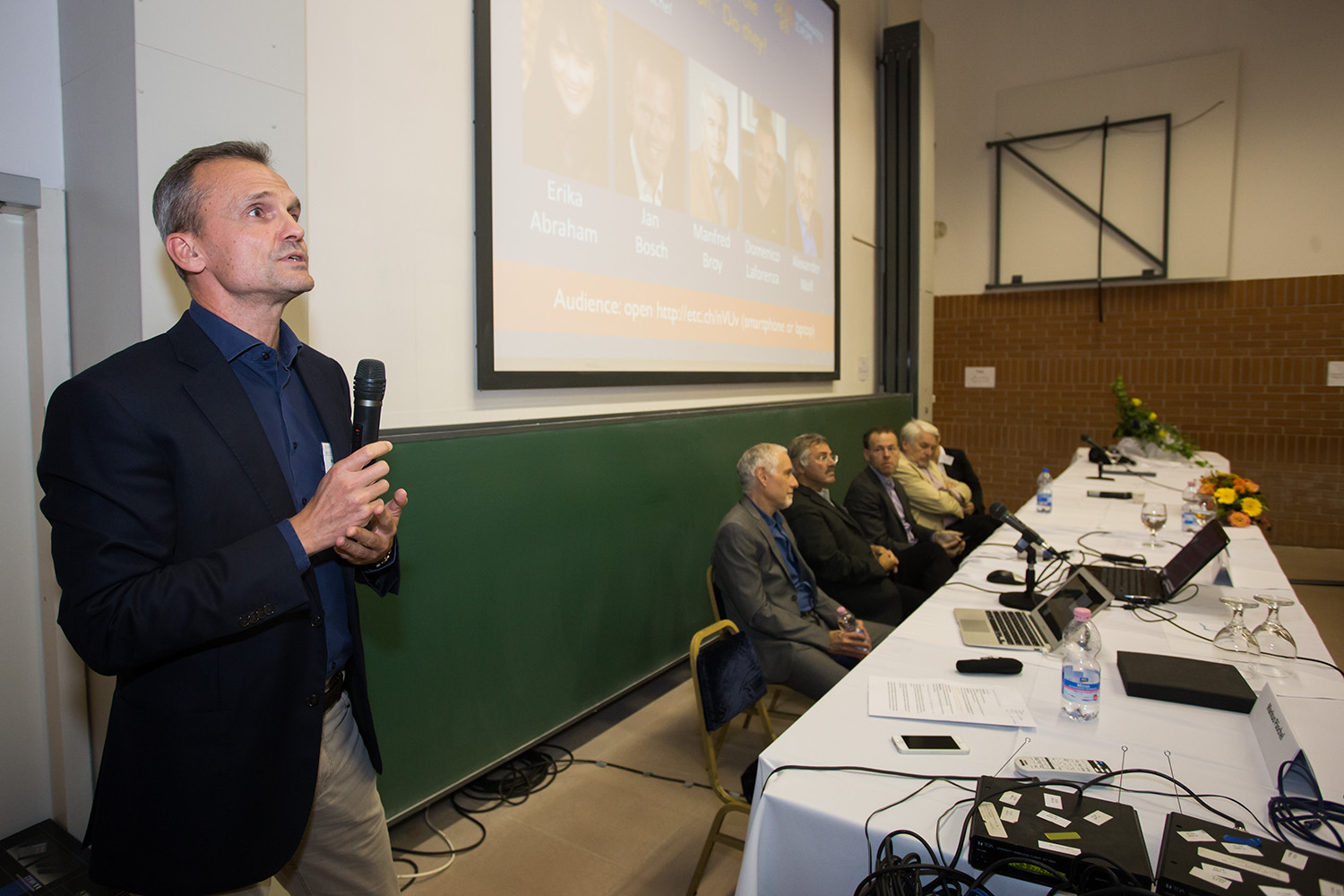
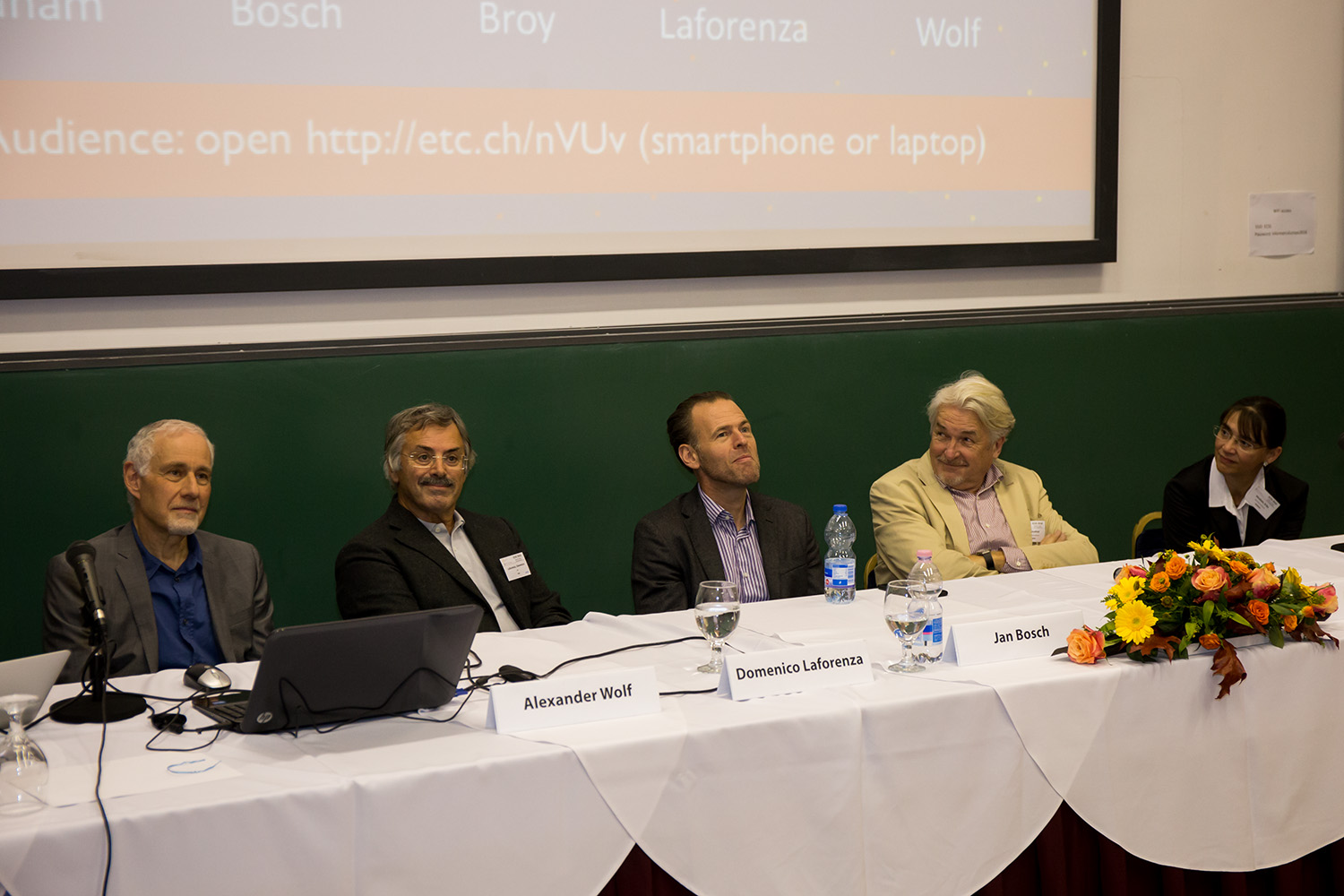
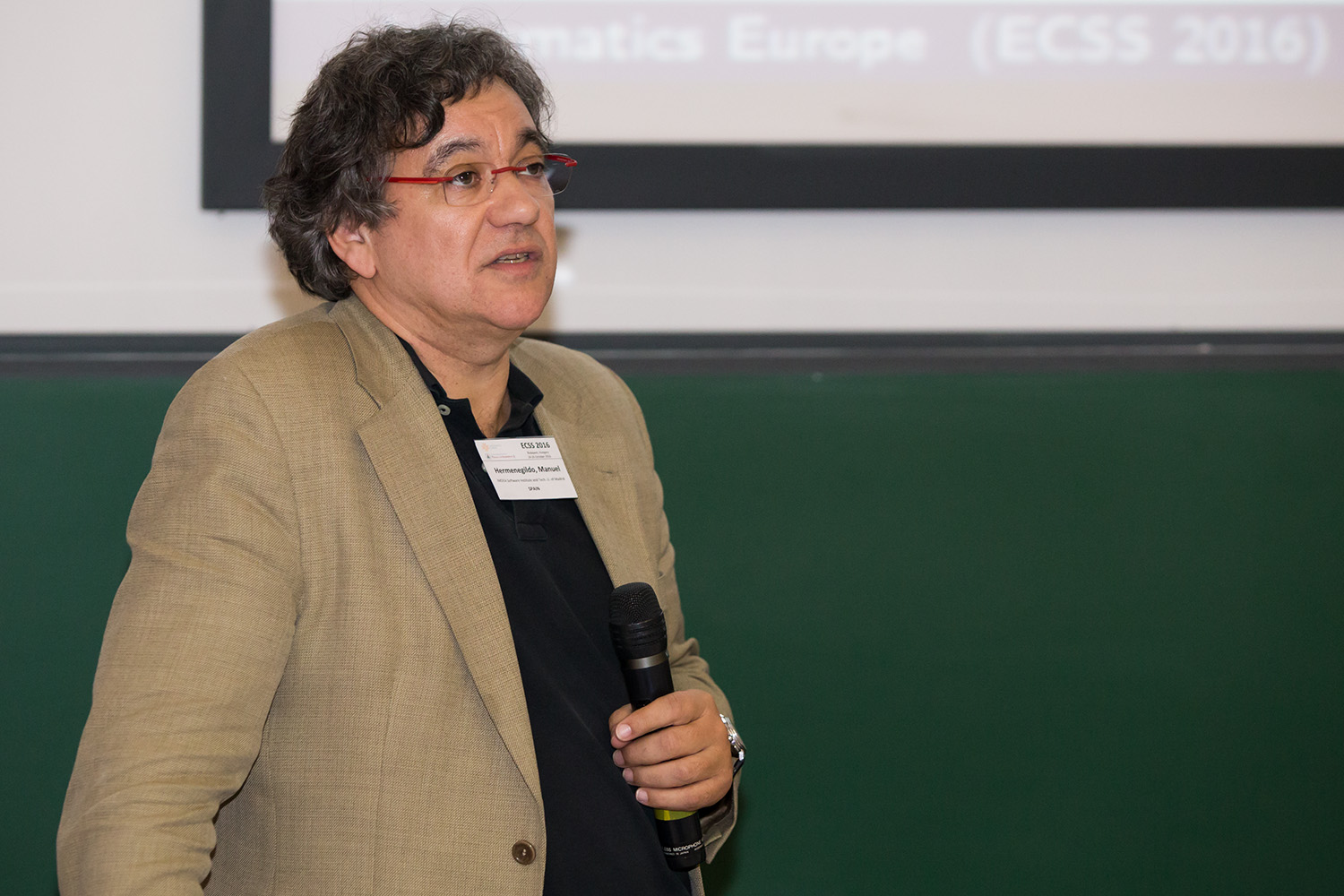
The main Summit on October 25 and 26 explored the challenges and promises for the Informatics discipline, both as a science and as an application field, in driving the digital world. Prominent academics and industry leaders provided their perspectives and fuelled panel discussions on lively debated topics. One such topic was the role of universities and Informatics departments in the “digital revolution”. Should they adapt or fundamentally change the way research, teaching and the interaction with industry is done? A second panel tackled the dilemma of research evaluation and publication culture in Informatics, offering perspectives from the Informatics Europe Working Group on Research Evaluation as a discussion starter.
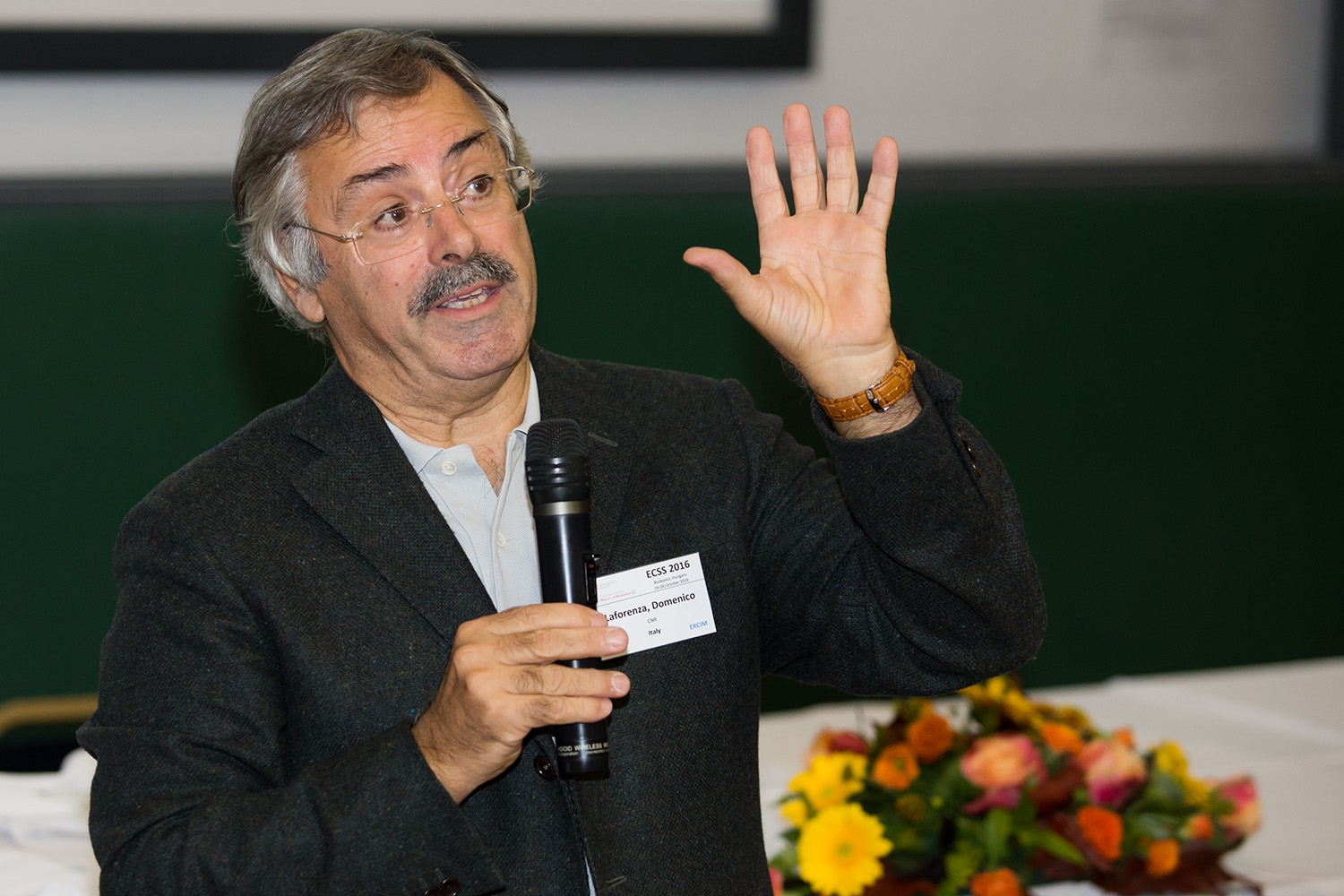
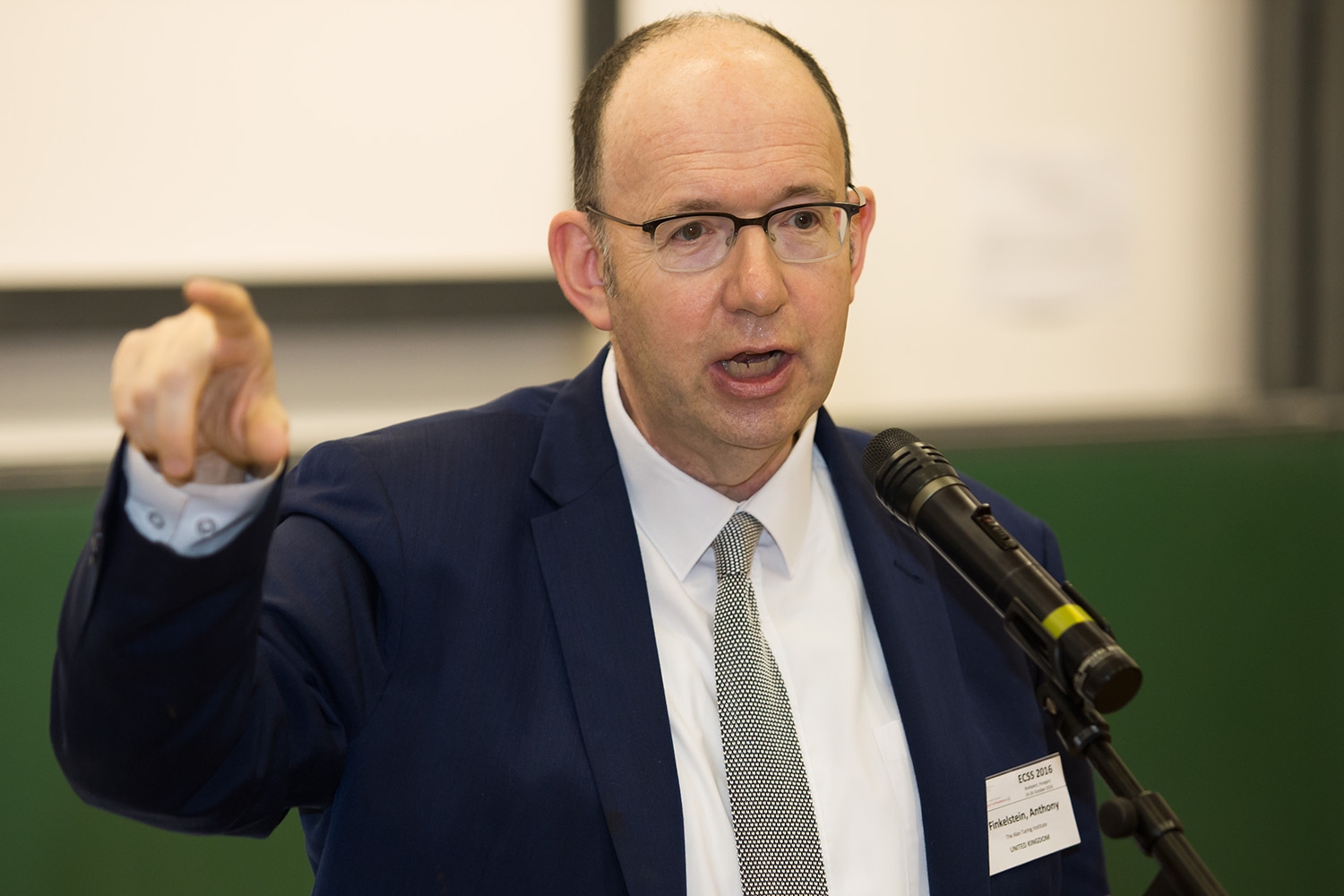
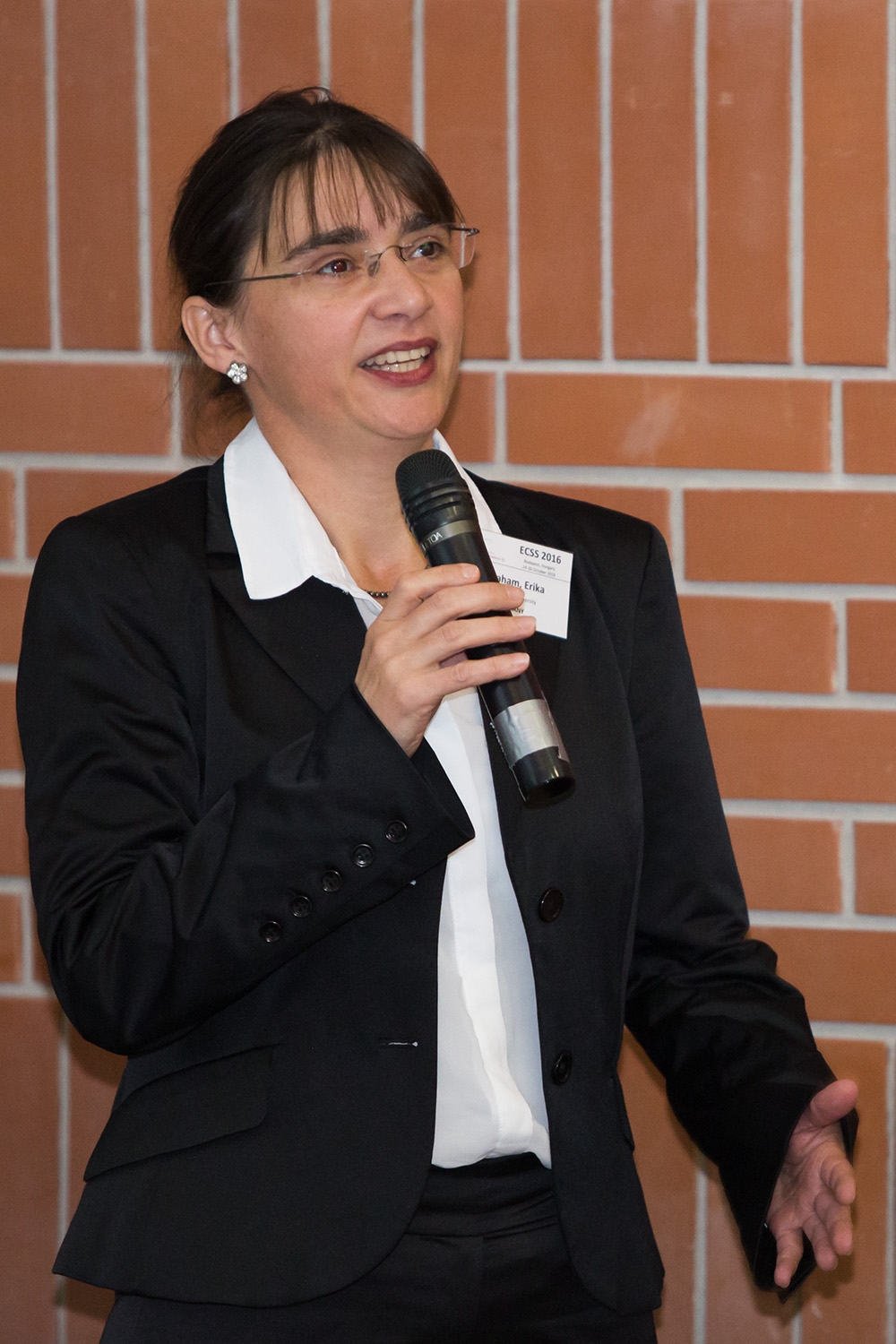
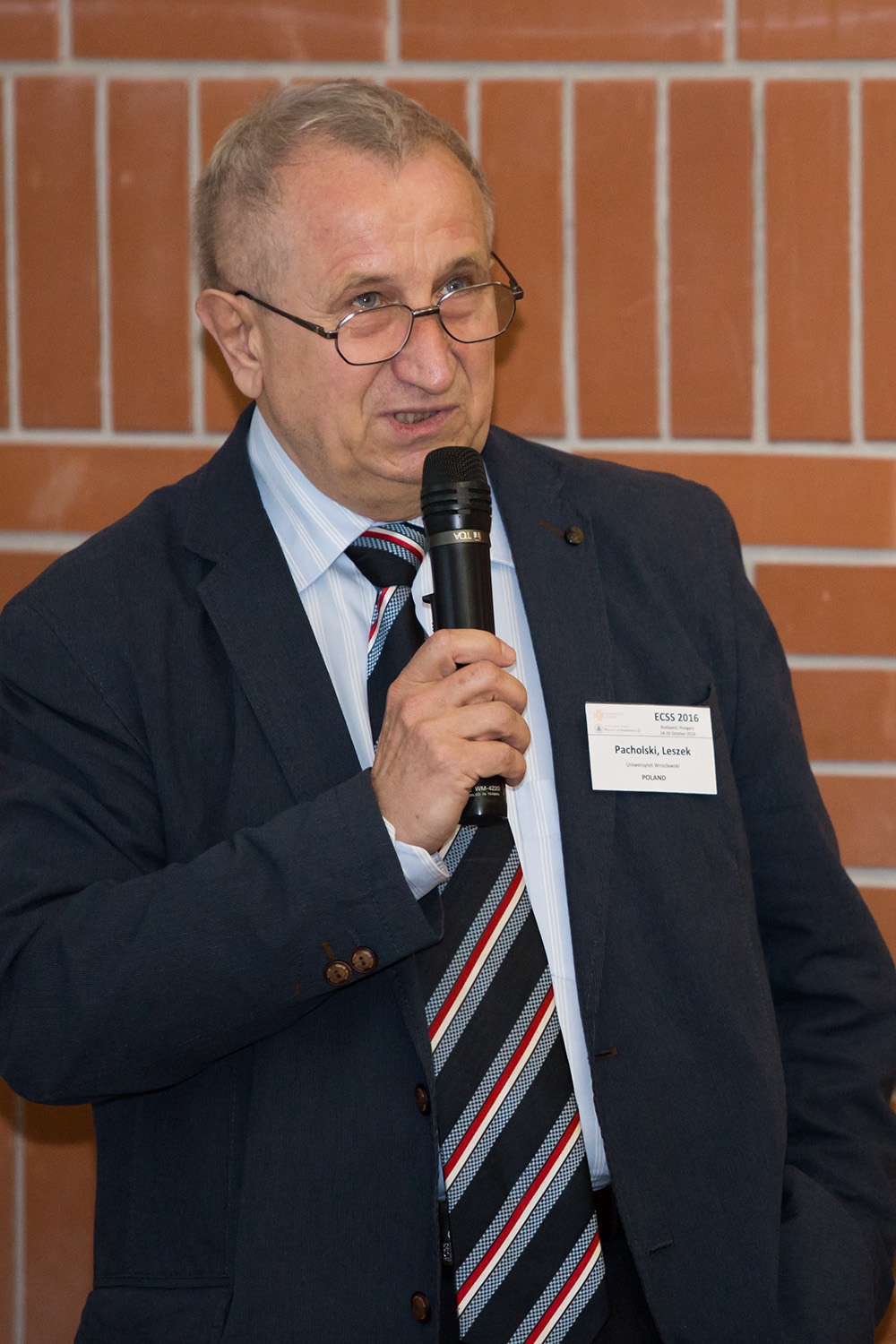
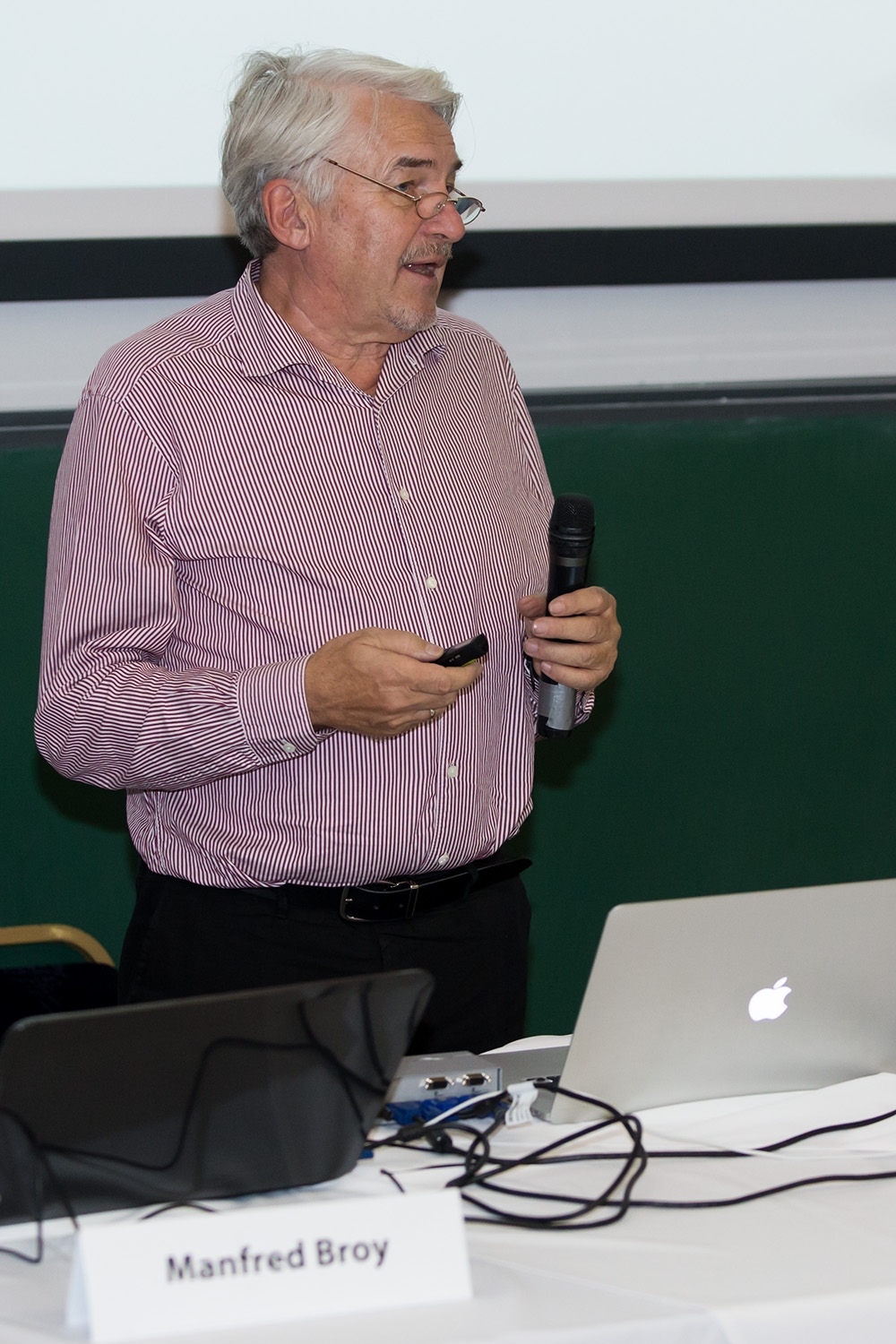
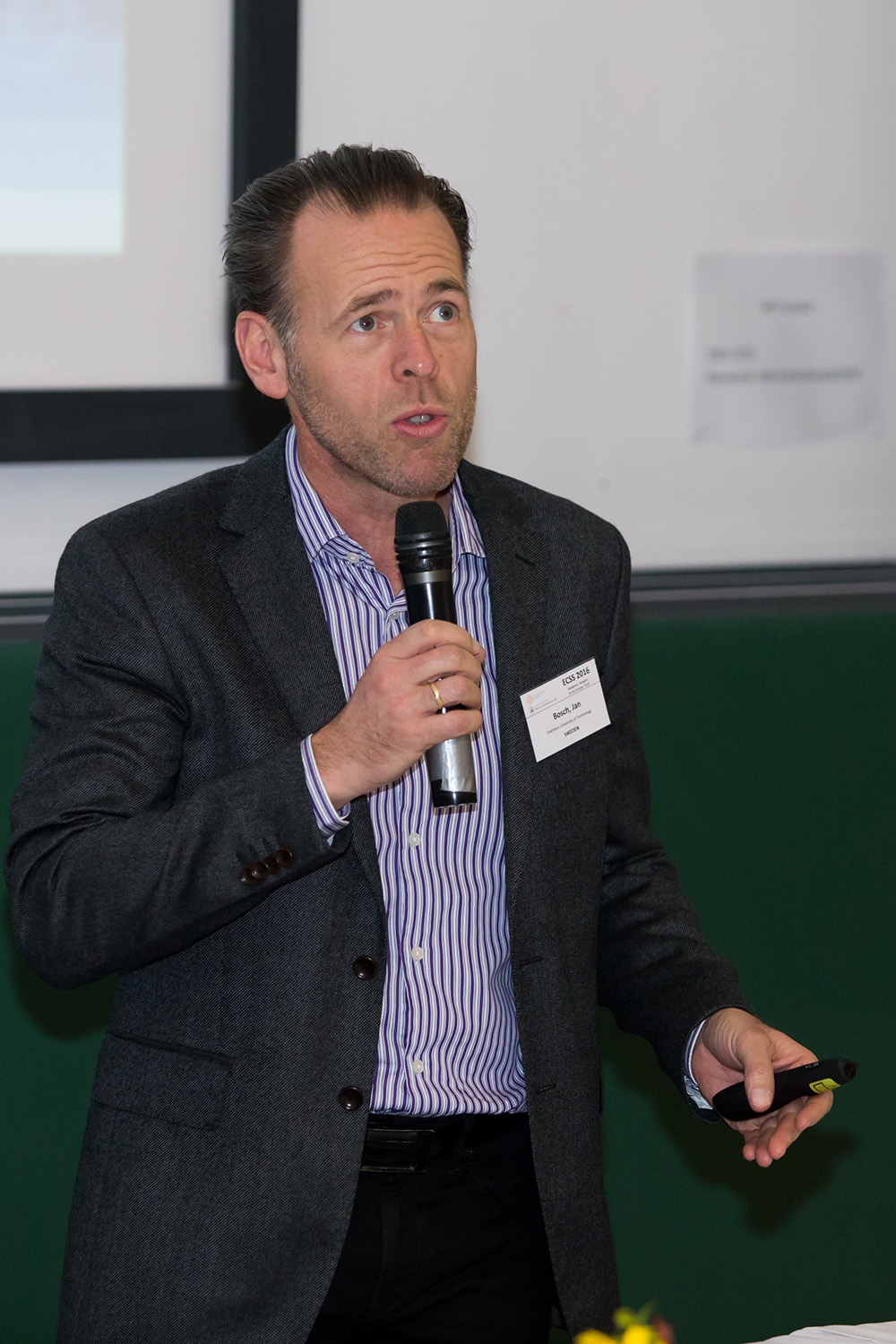
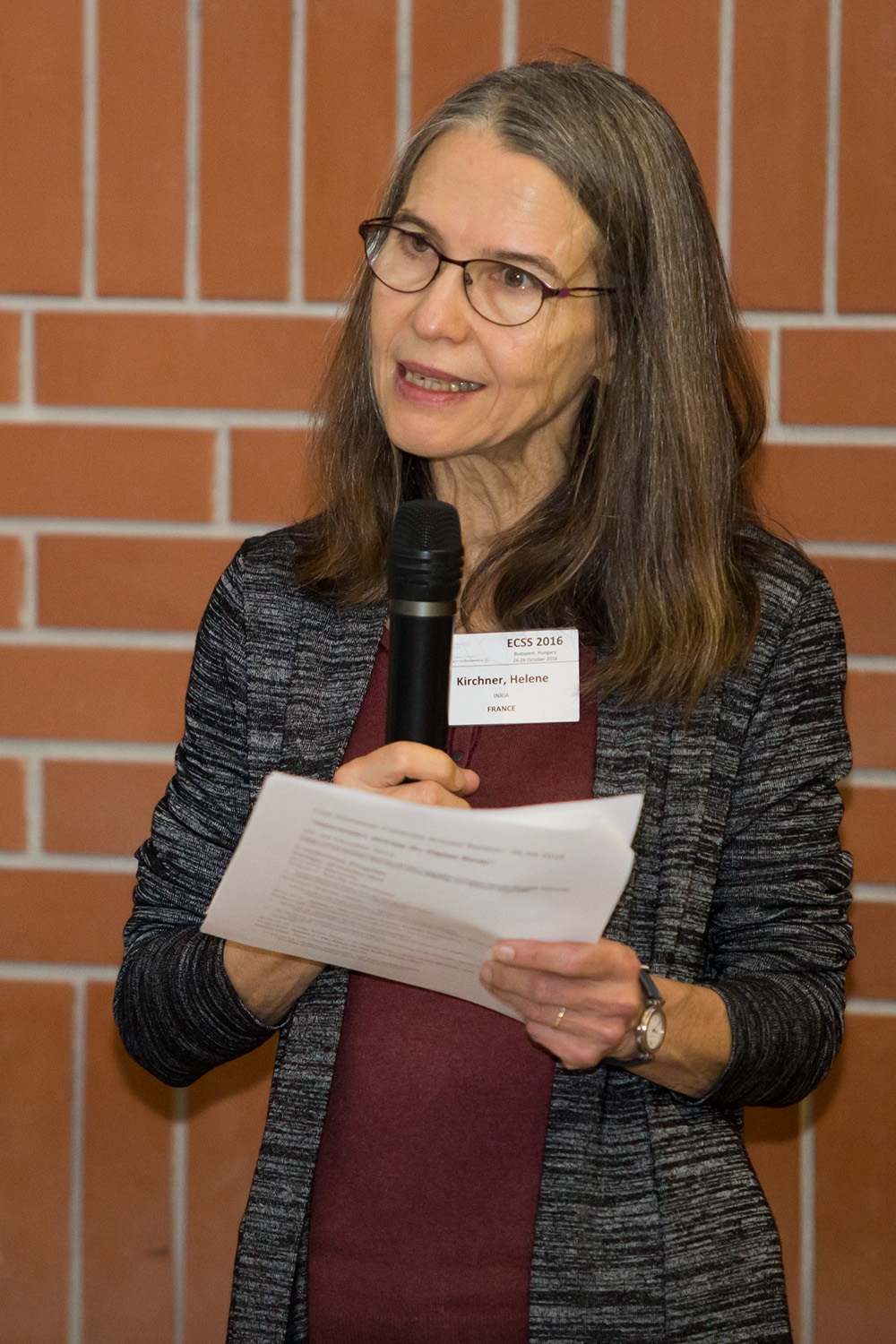
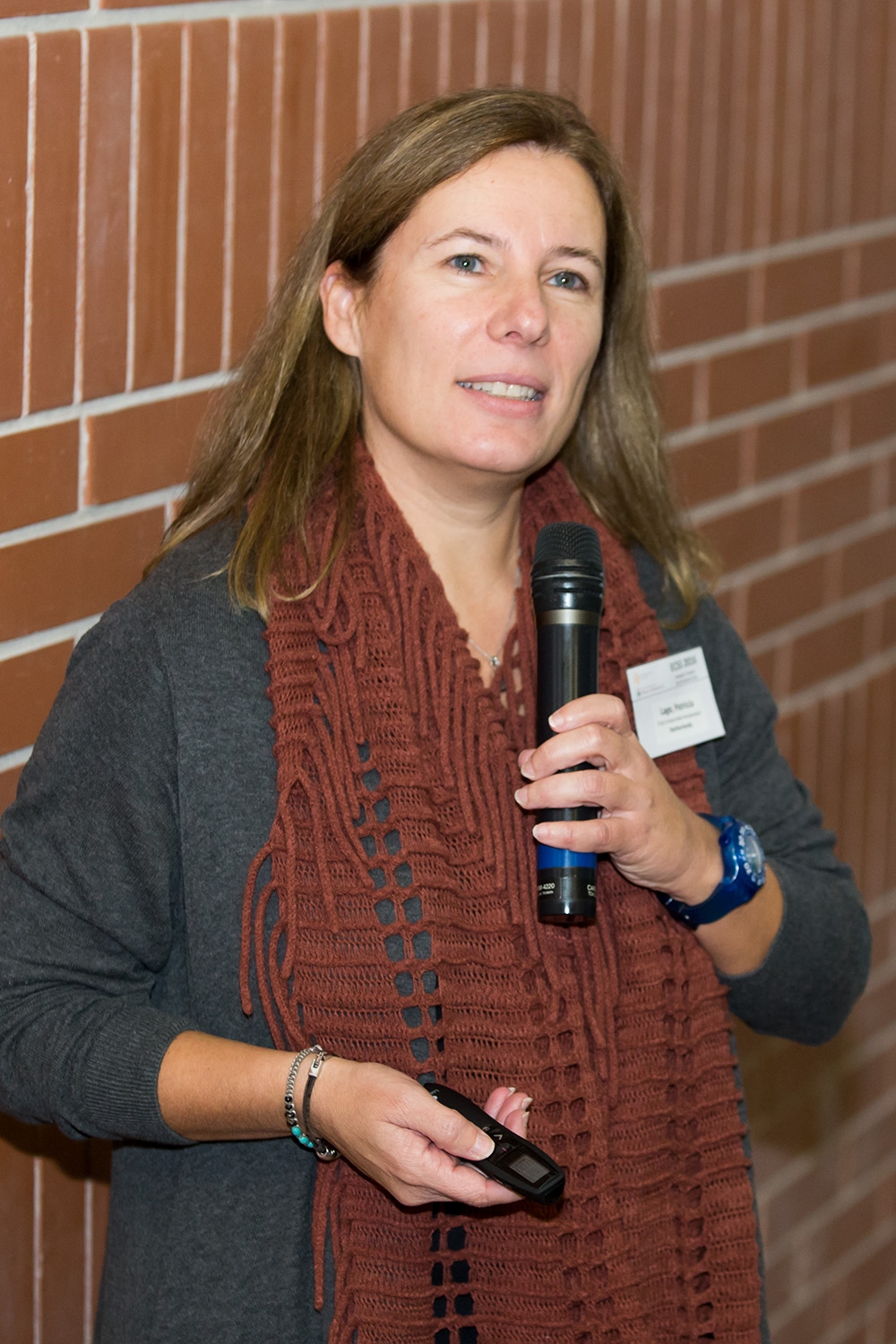
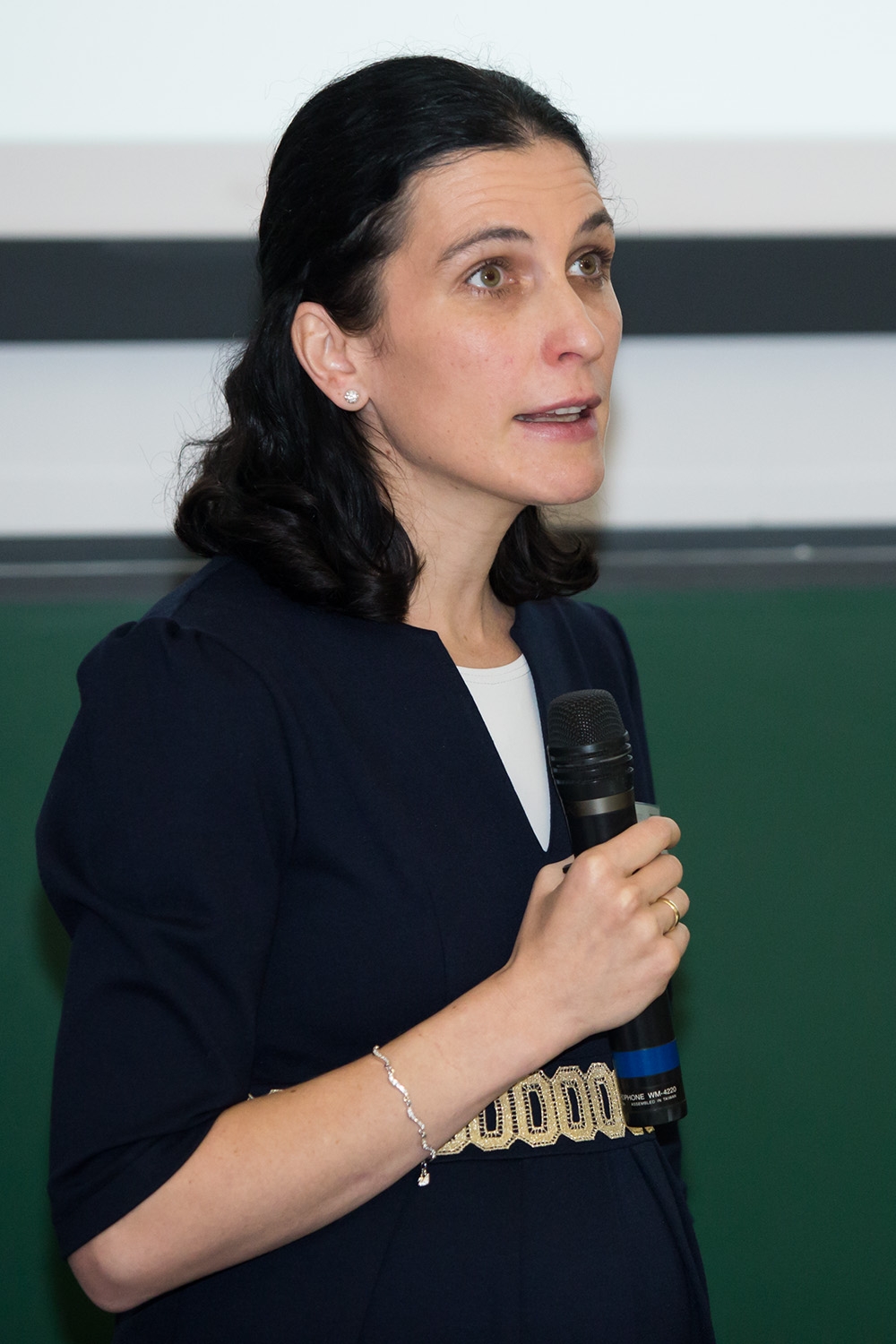
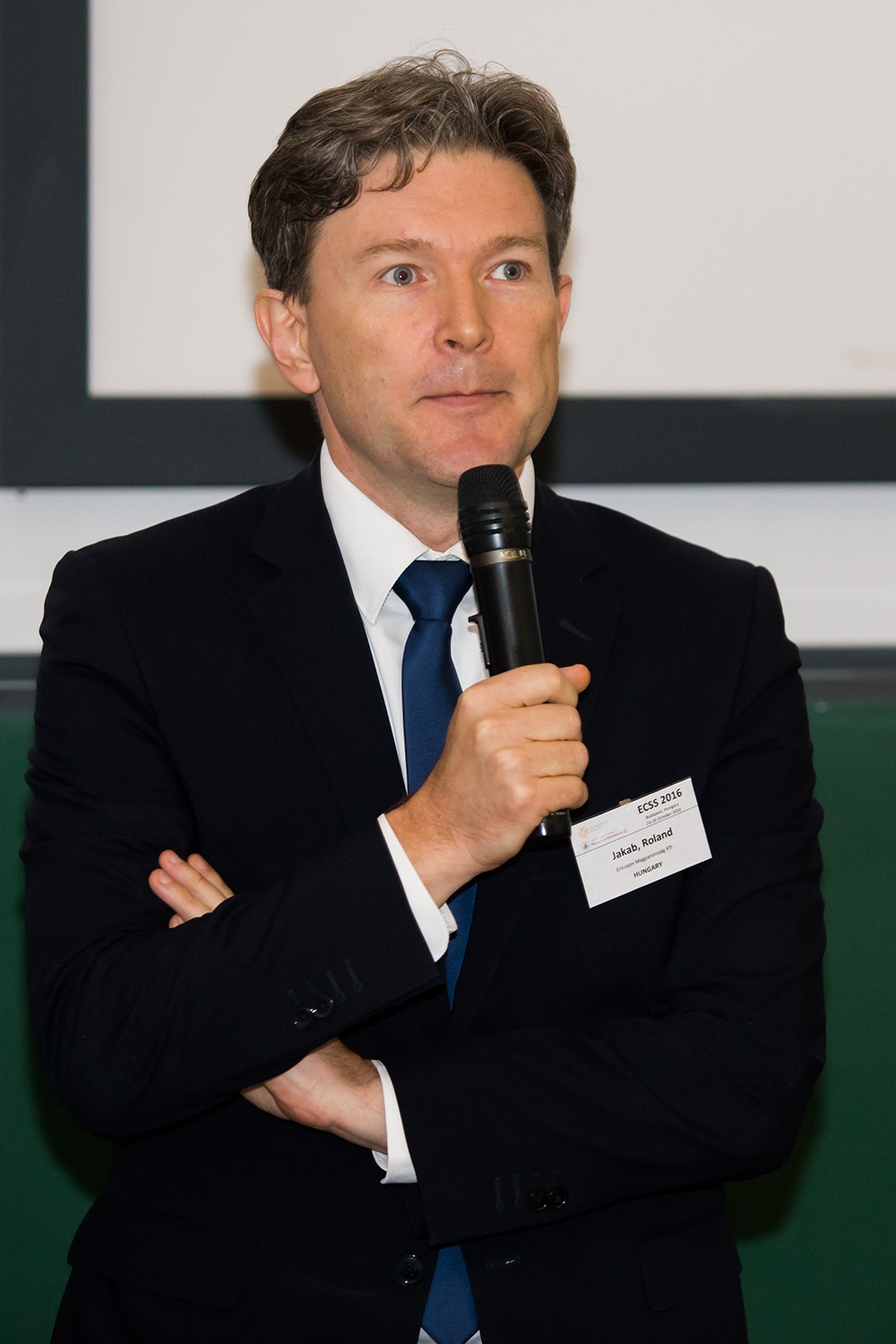
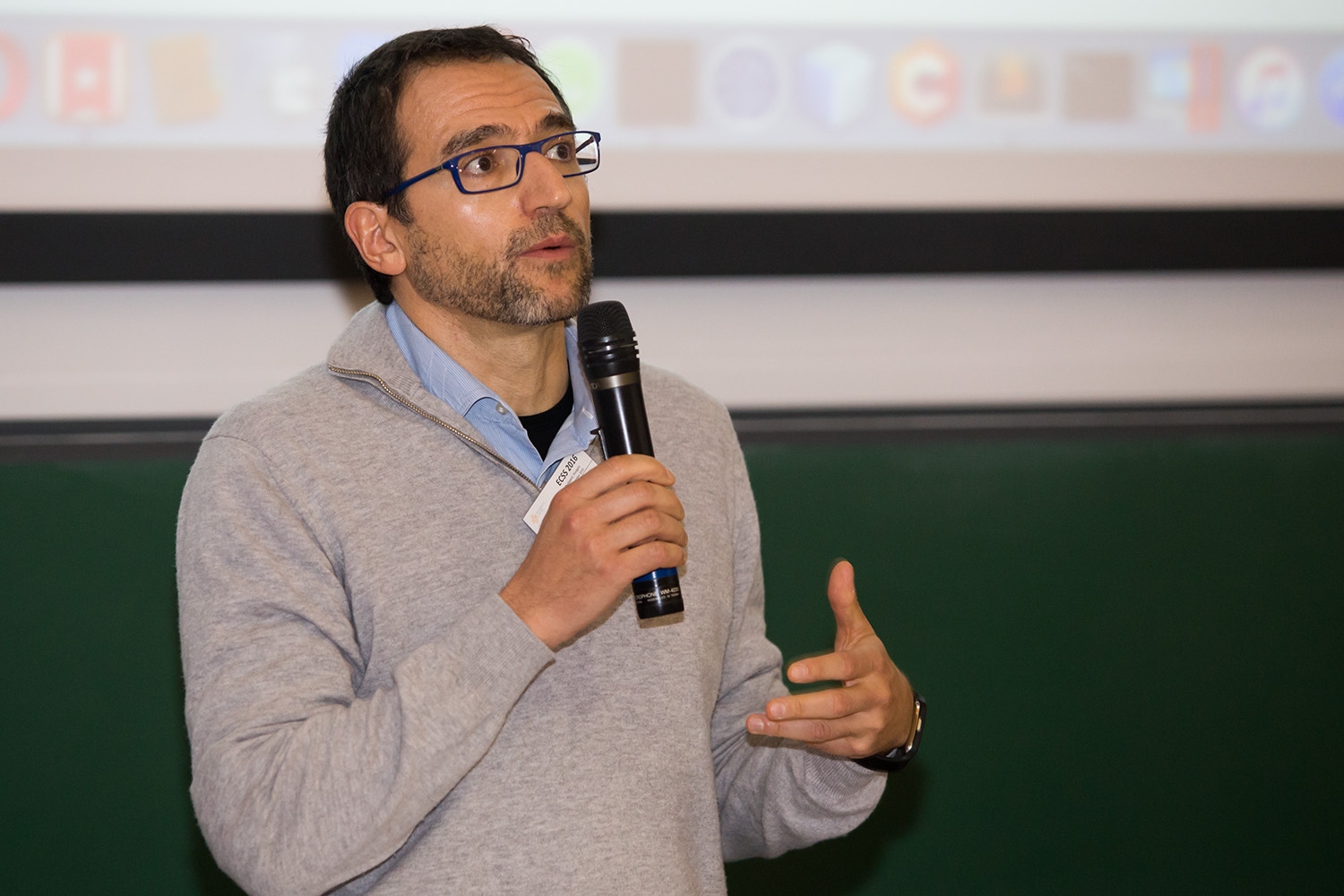
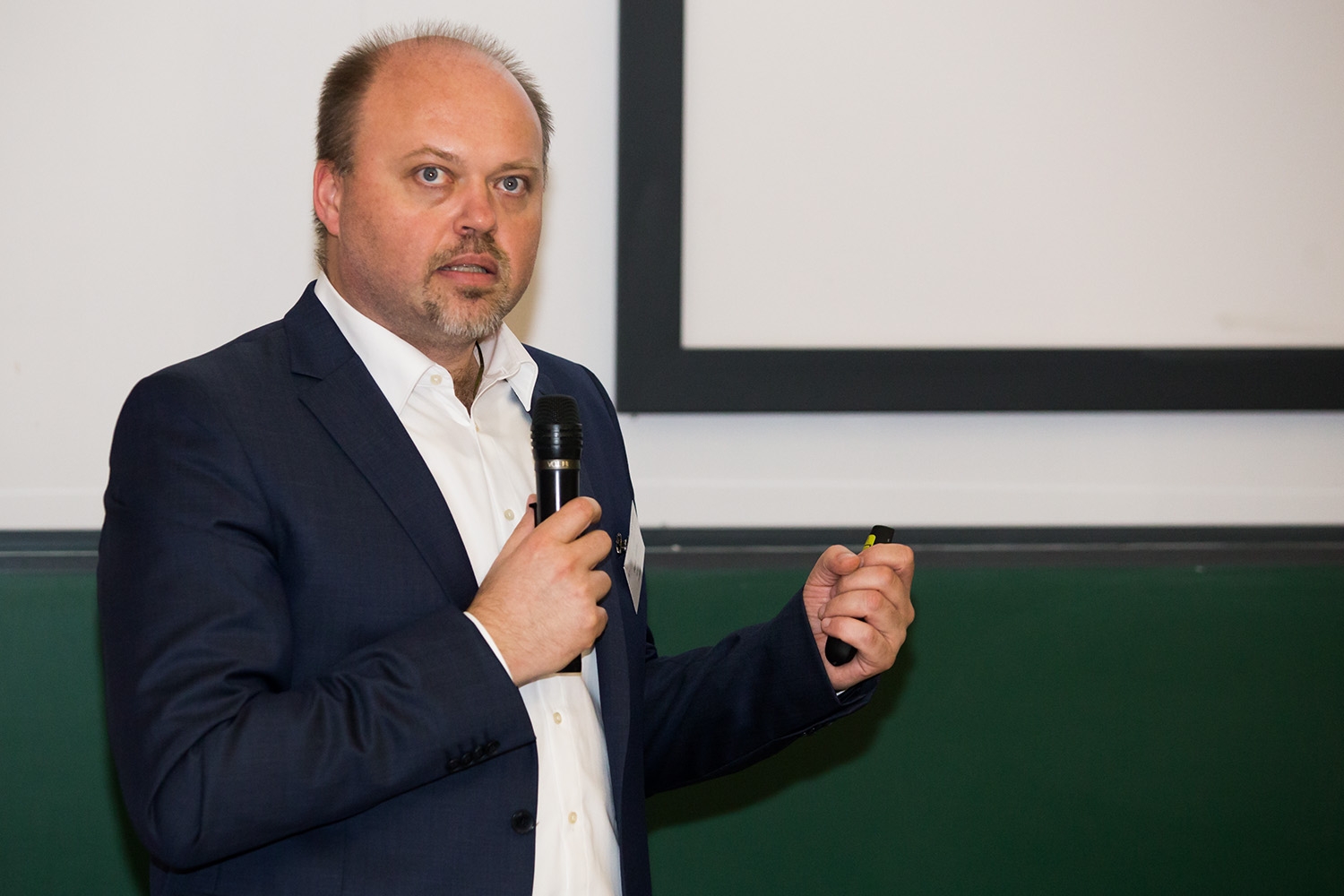
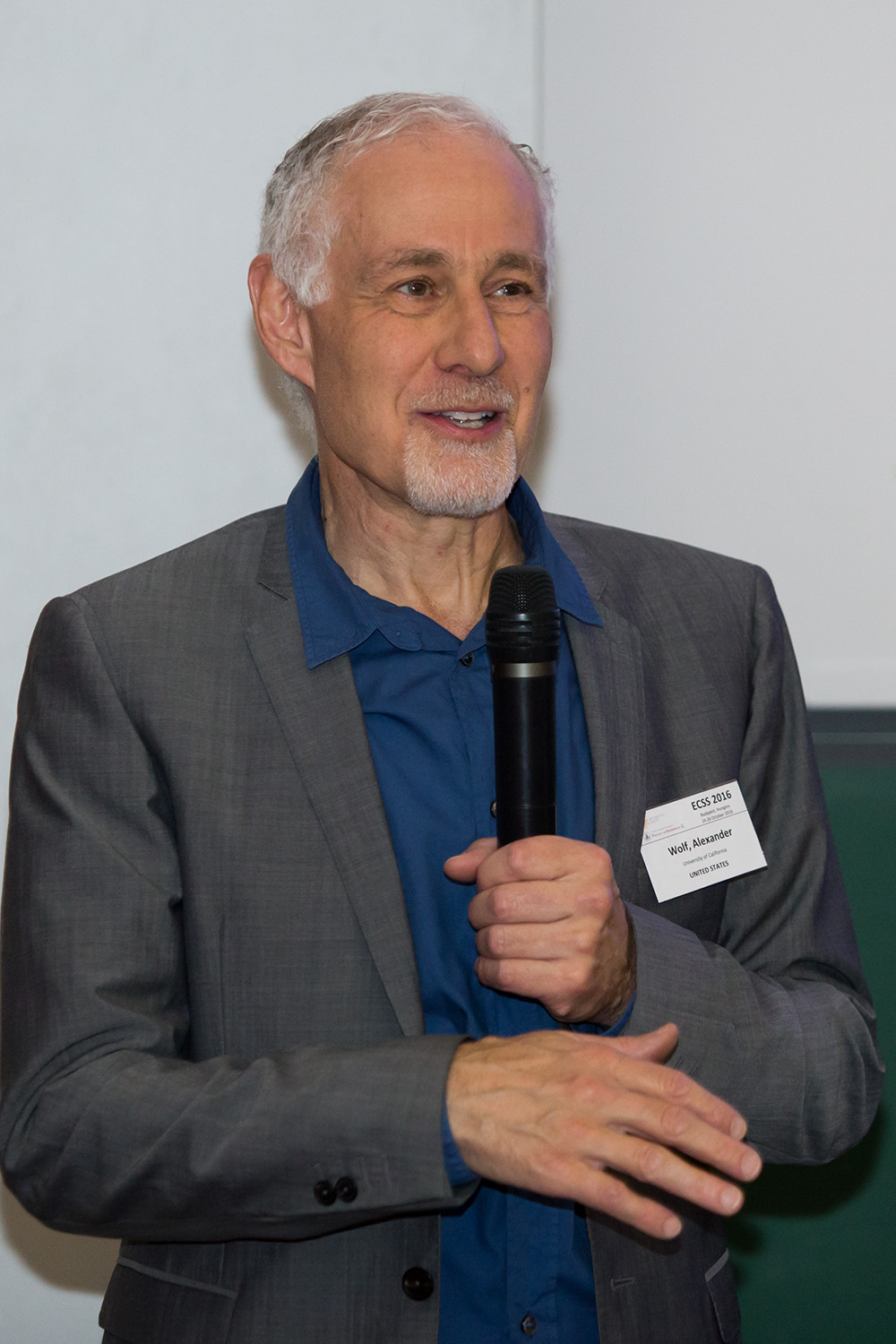
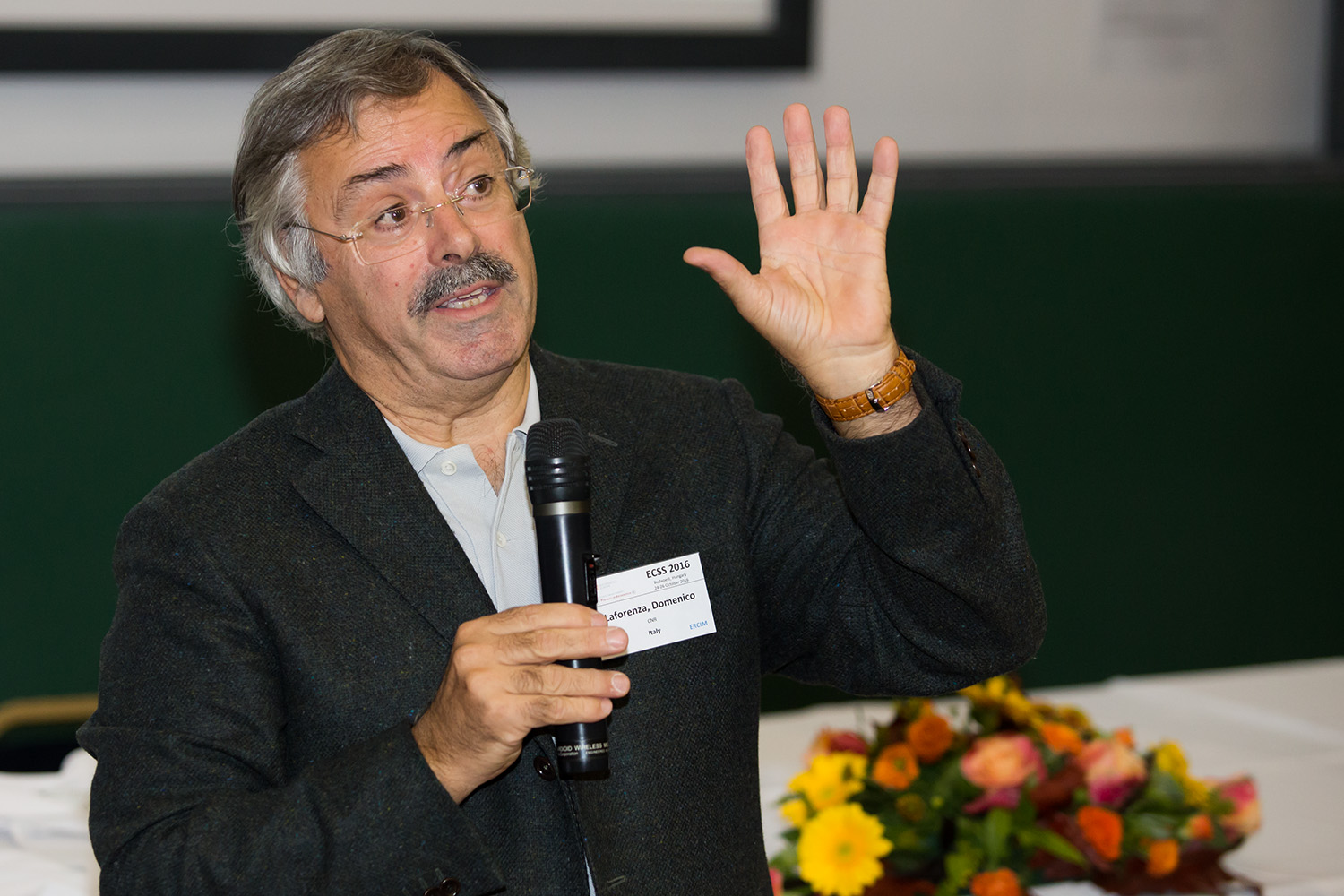
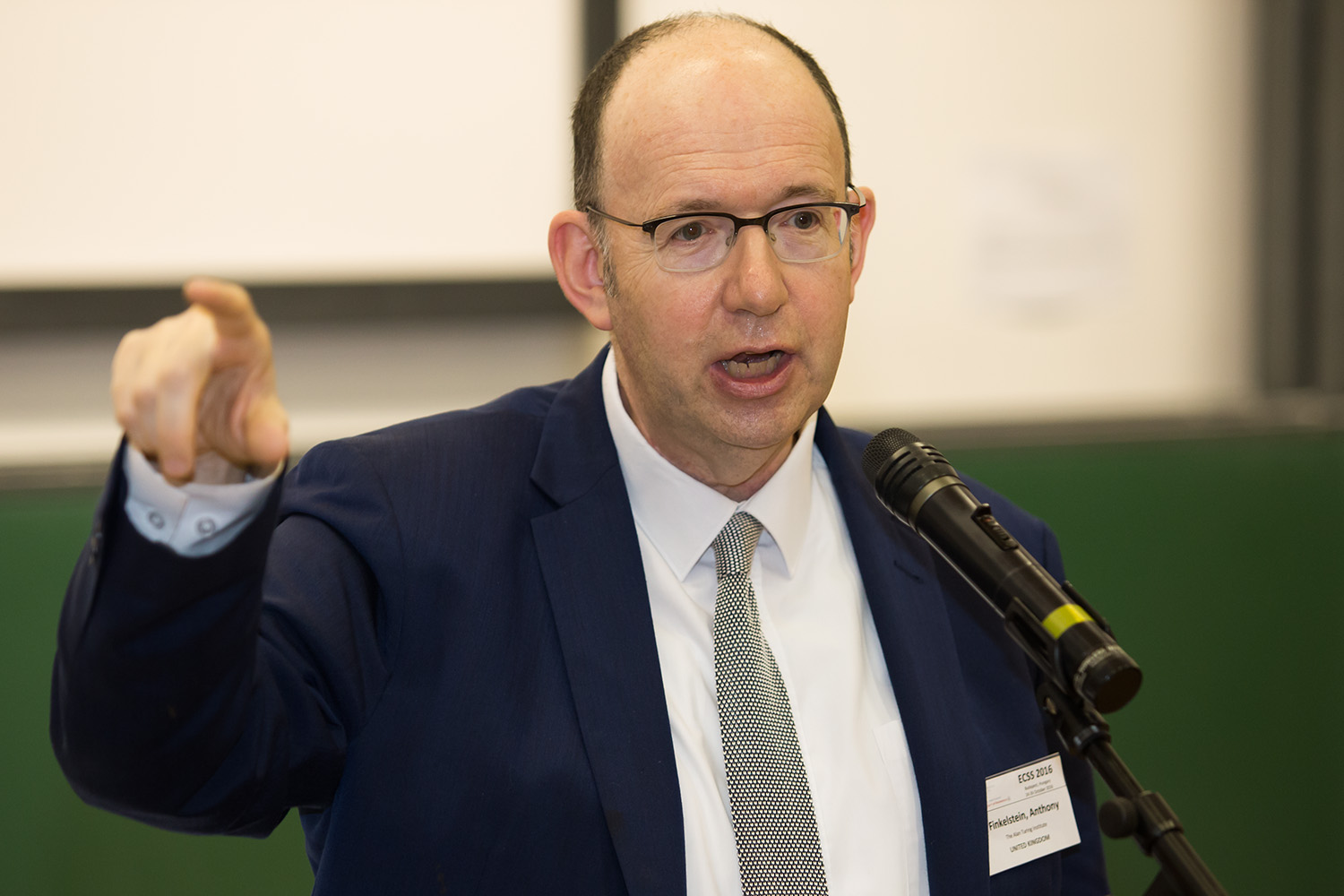
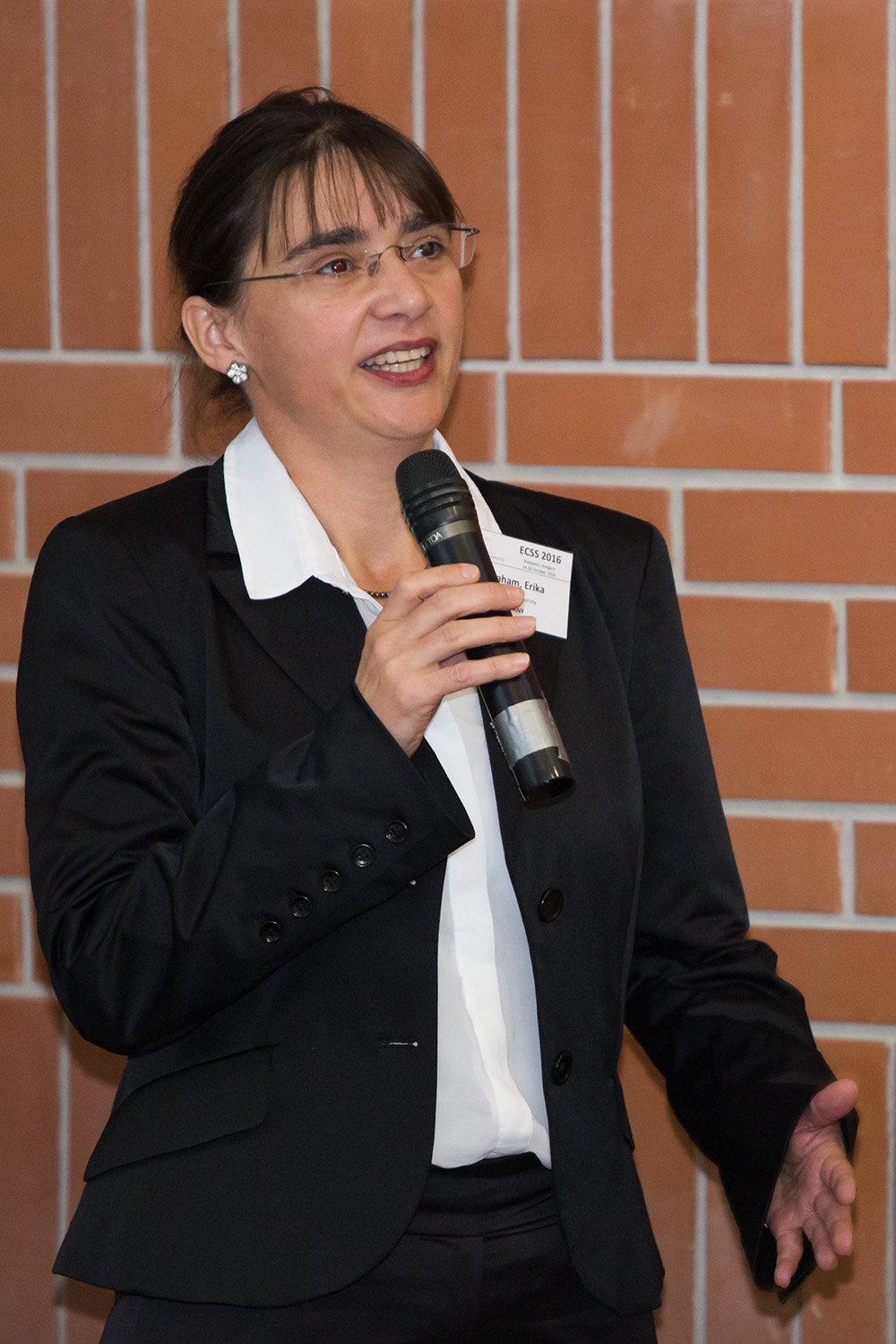
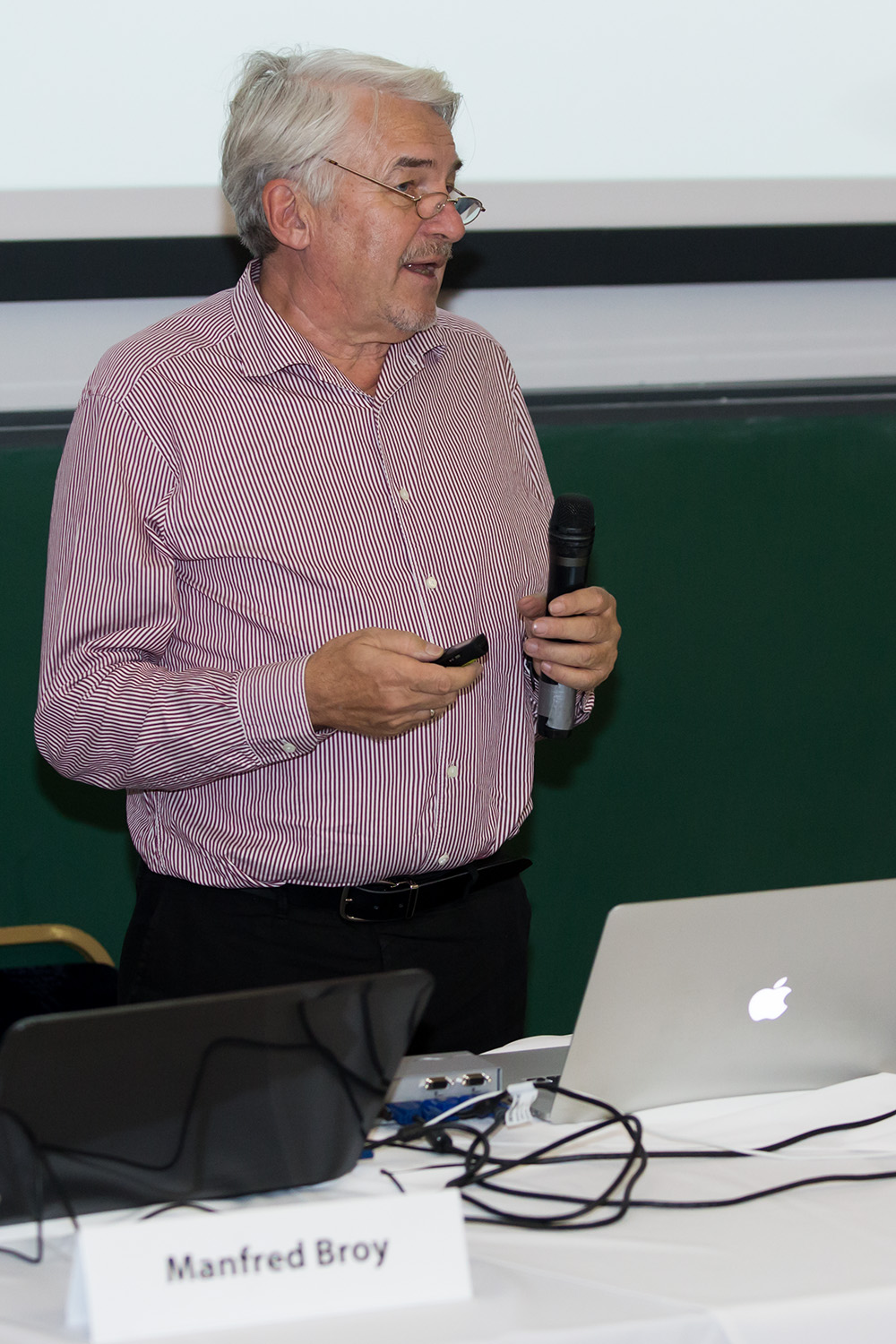
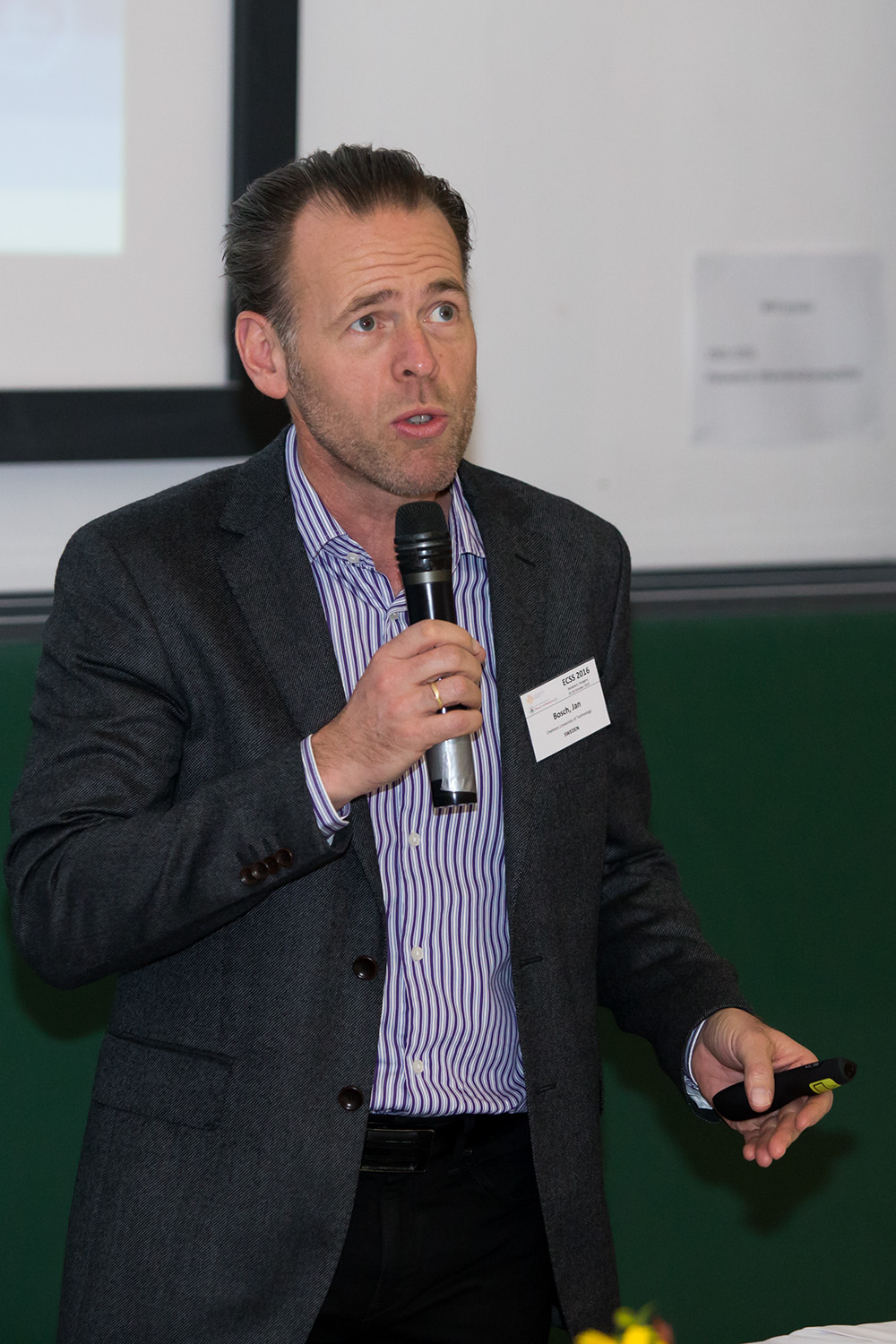
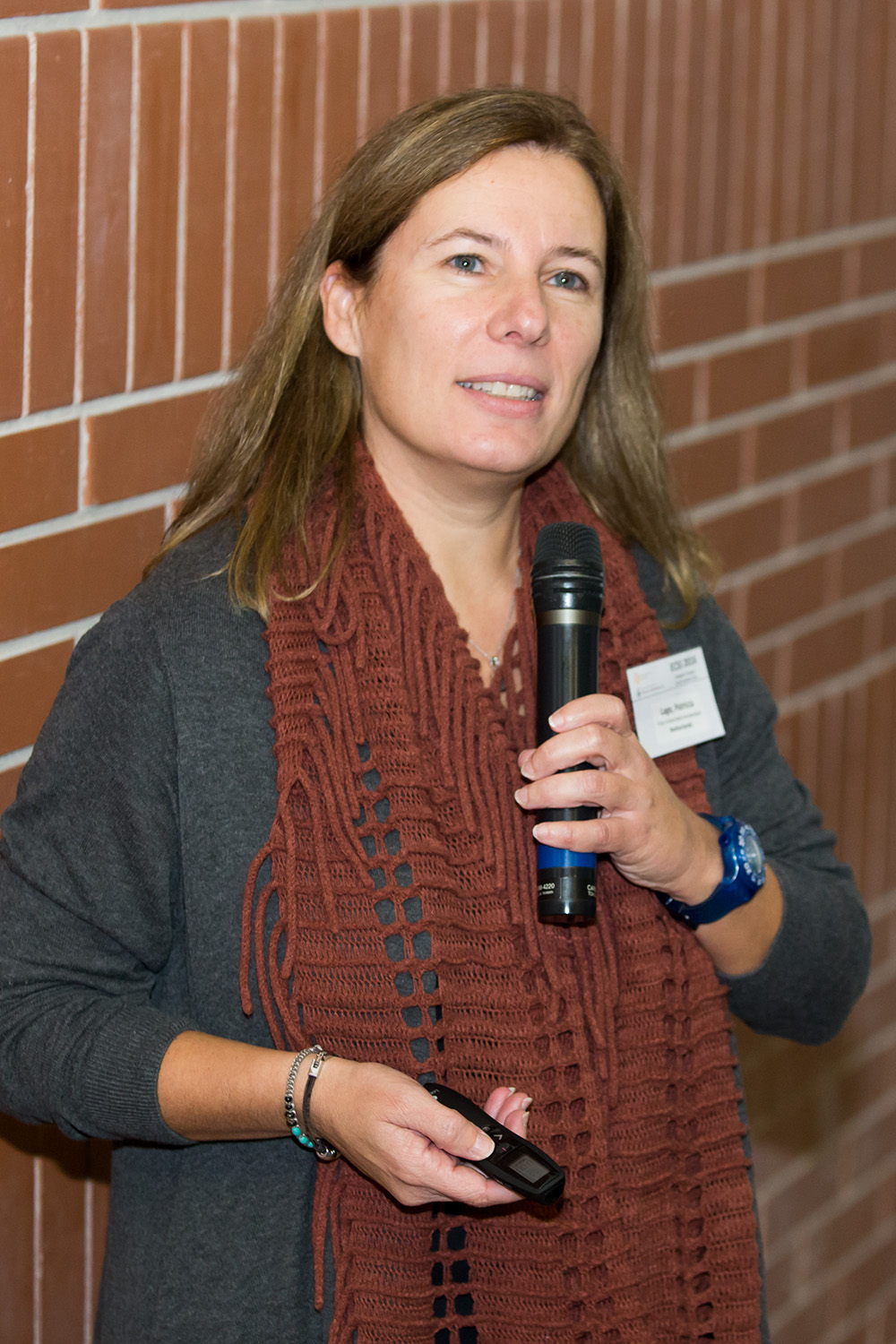
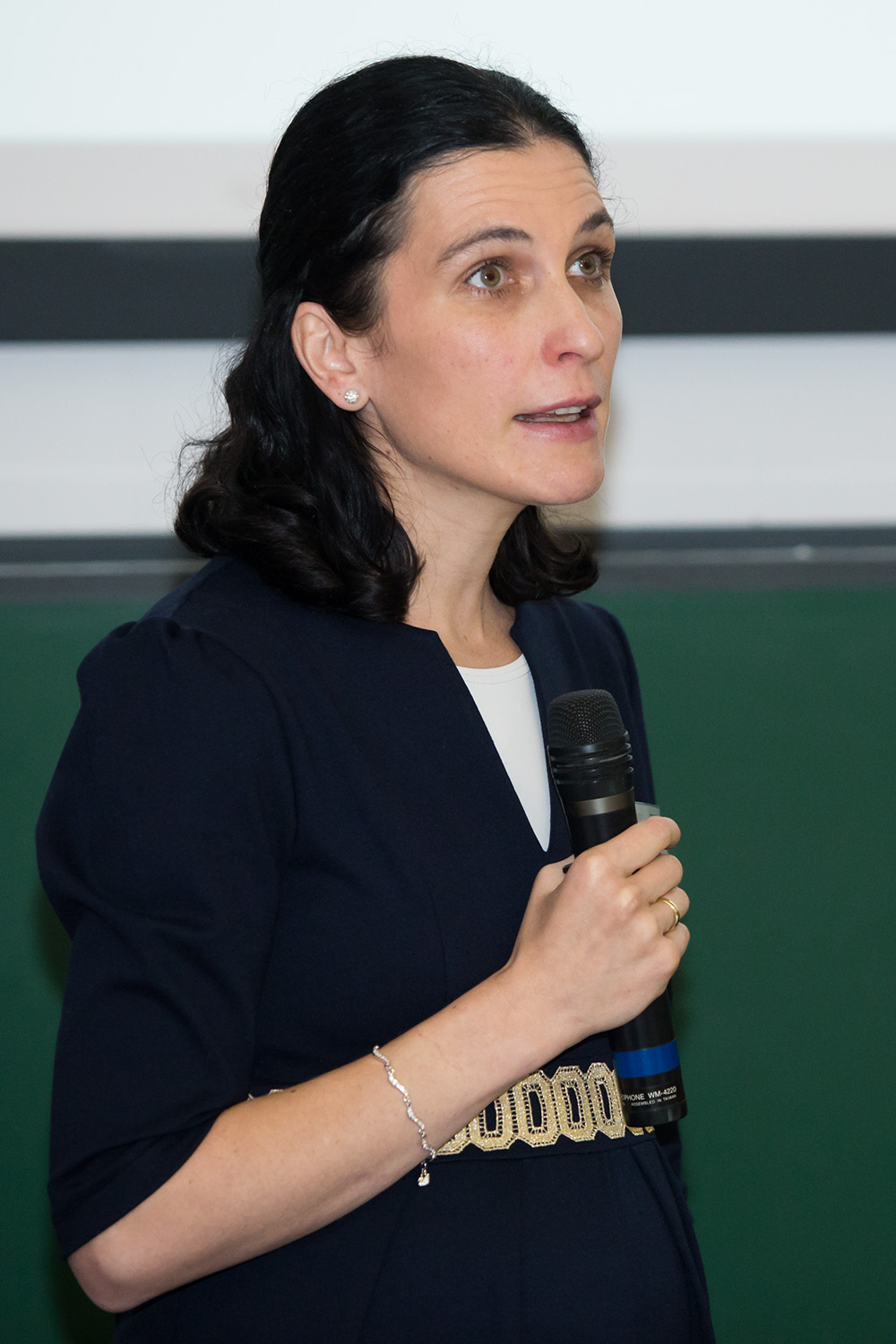
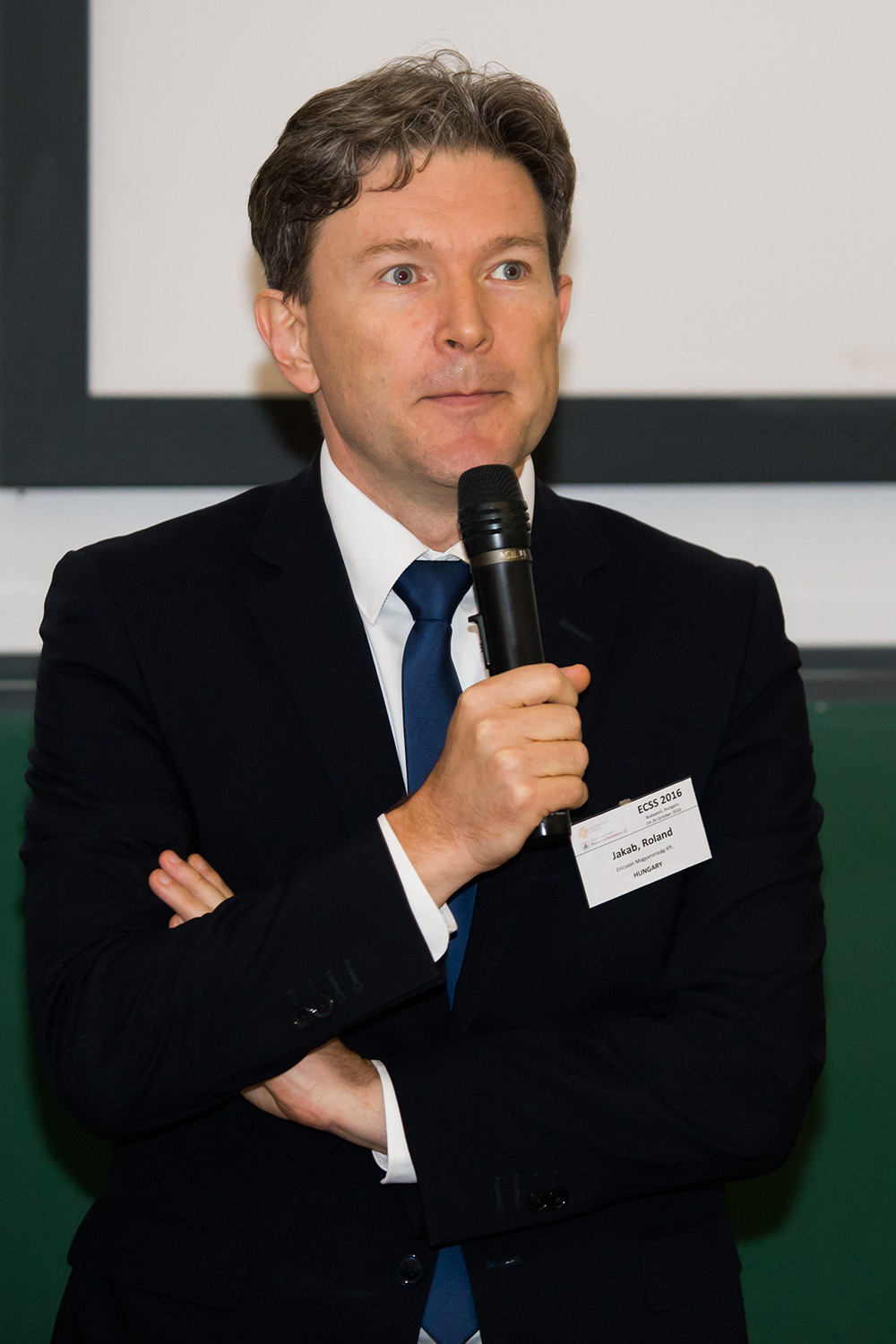
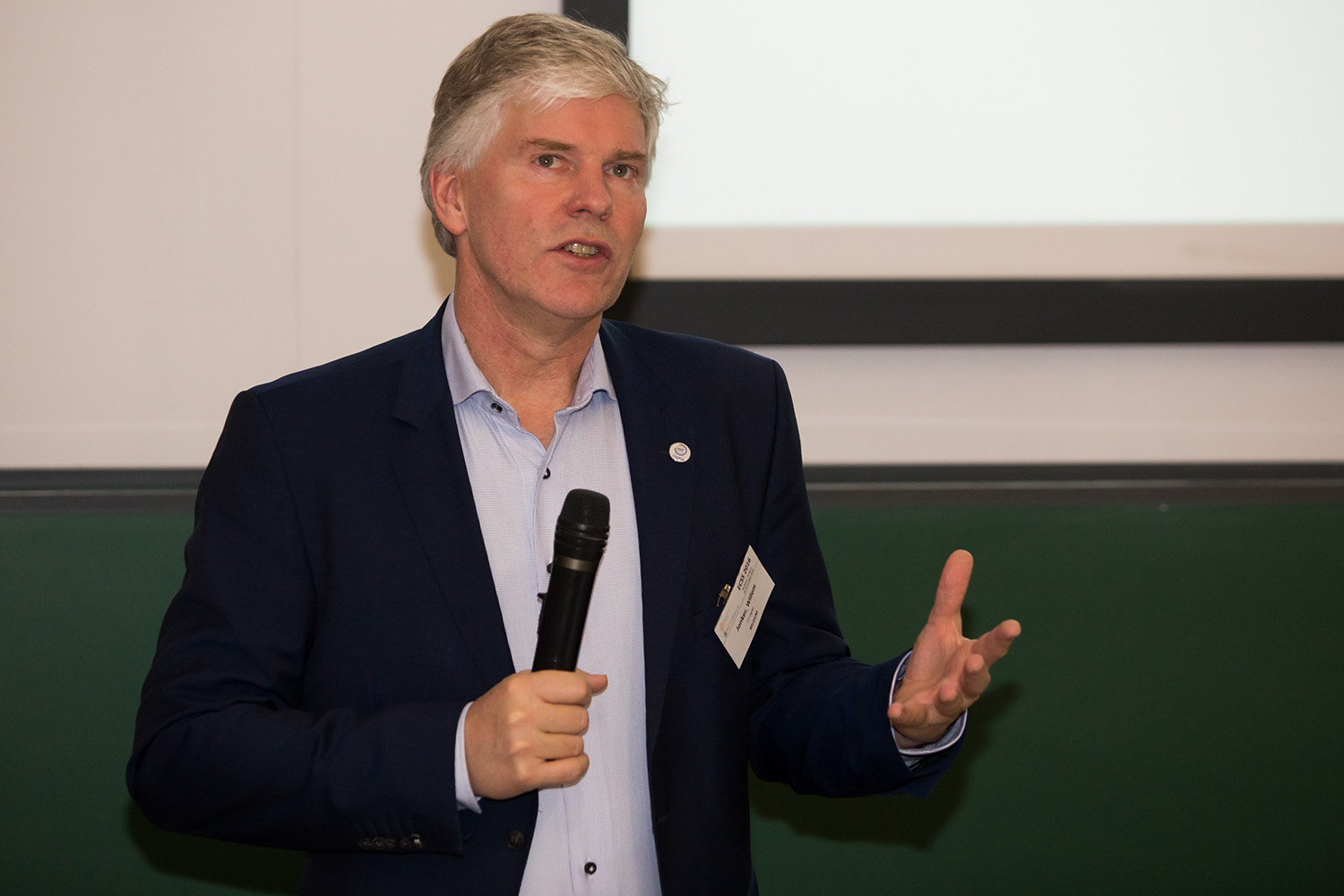
Sharing their expert views and insights at ECSS 2016 were Erika Ábrahám, Jan Bosch, Manfred Broy, Anthony Finkelstein, Roland Jakab, Willem Jonker, Laura Kovács, Domenico Laforenza, Patricia Lago, Alexander Wolf. Slides of most talks are available on the ECSS 2016 program page.
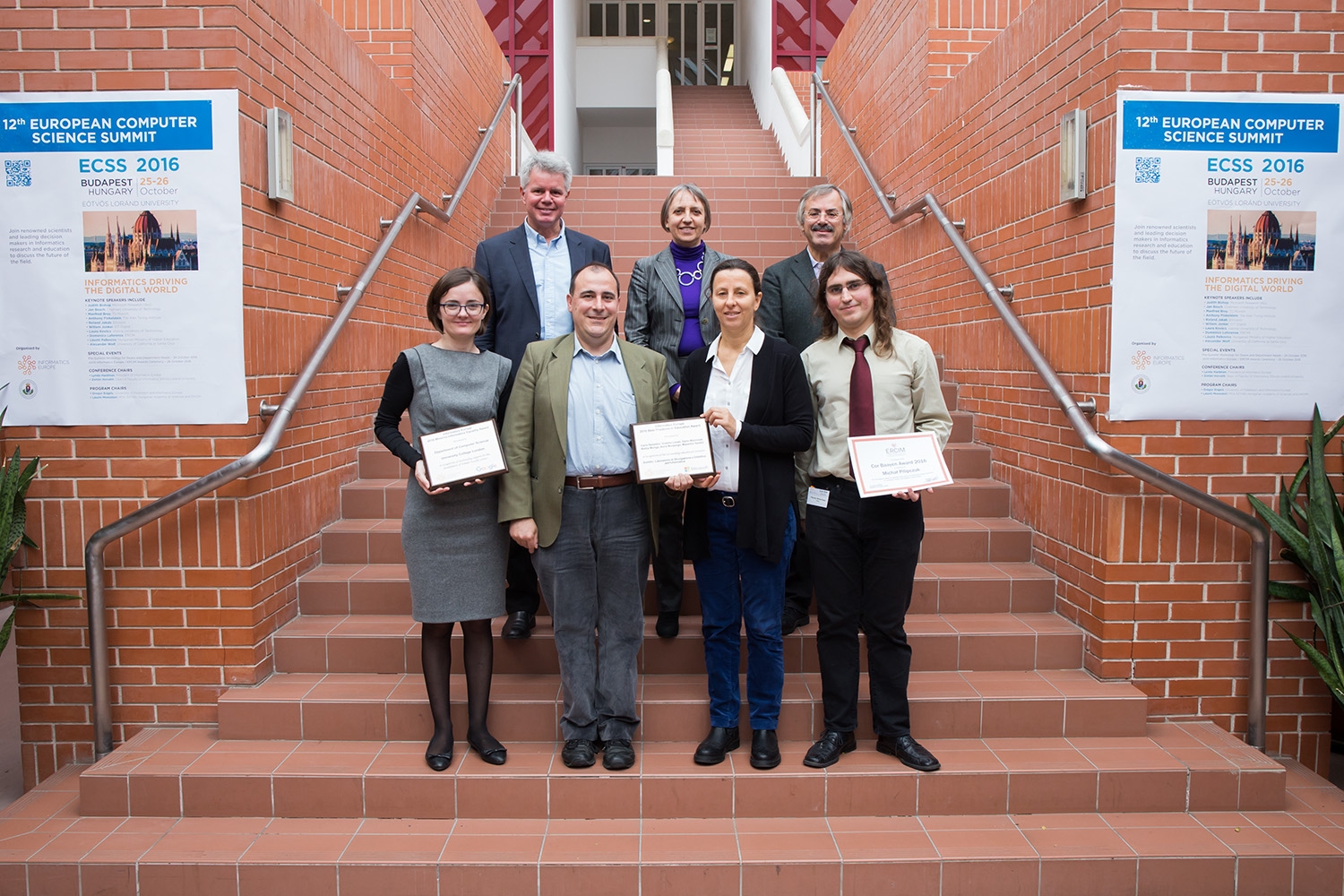
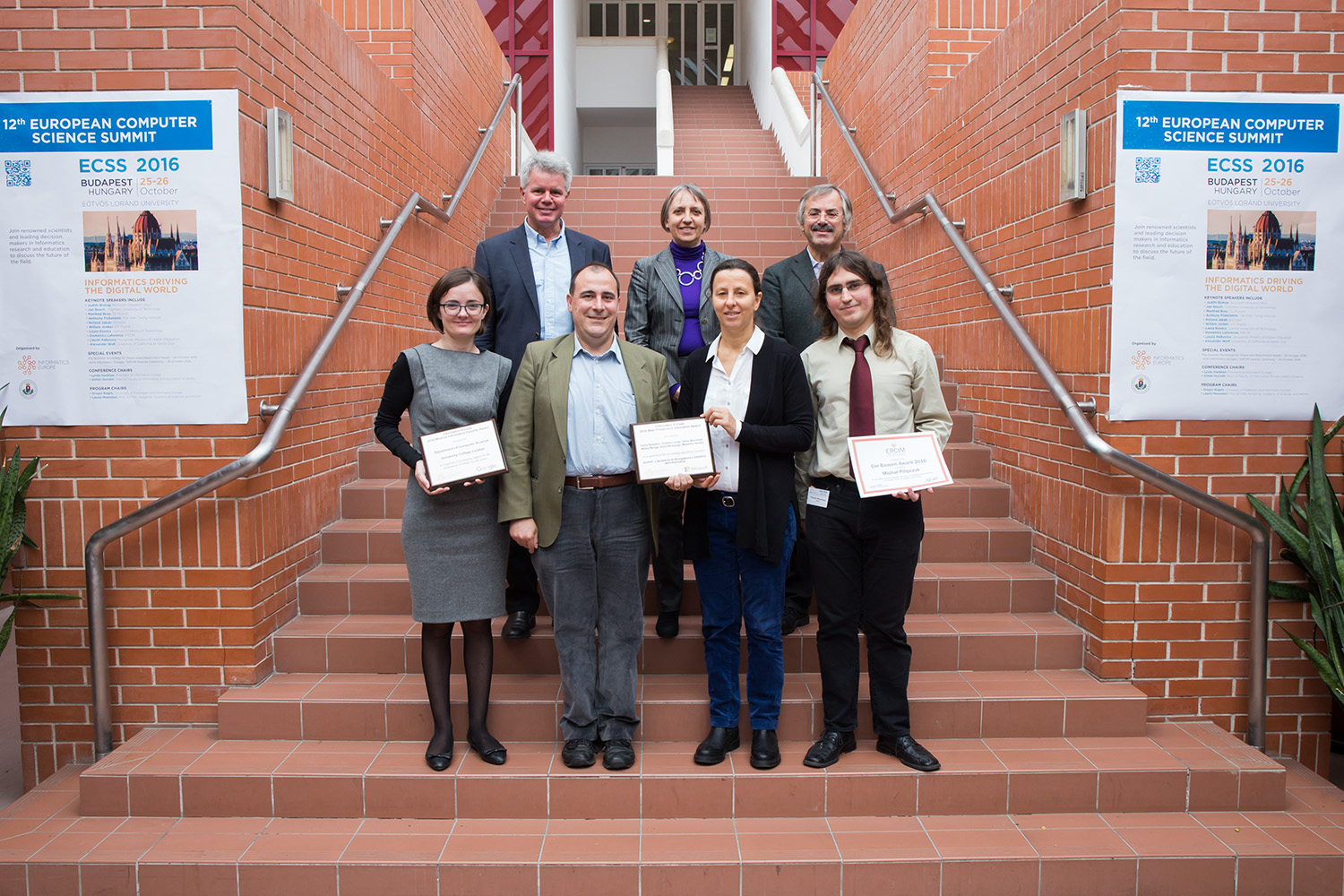
Beyond discussion, presentations, and networking, there was also time for celebration! At a special Award Ceremony, Informatics Europe announced the Italian ALaDDIn project as the winner of the 2016 Best Practices in Education Award. The Computer Science Department of University College London won the 1st Minerva Informatics Equality Award for their comprehensive efforts in supporting the careers of female faculty. ERCIM, the European Research Consortium for Informatics and Mathematics, presented the Cor Baayen young researcher award to Michał Pilipczuk from the University of Warsaw.
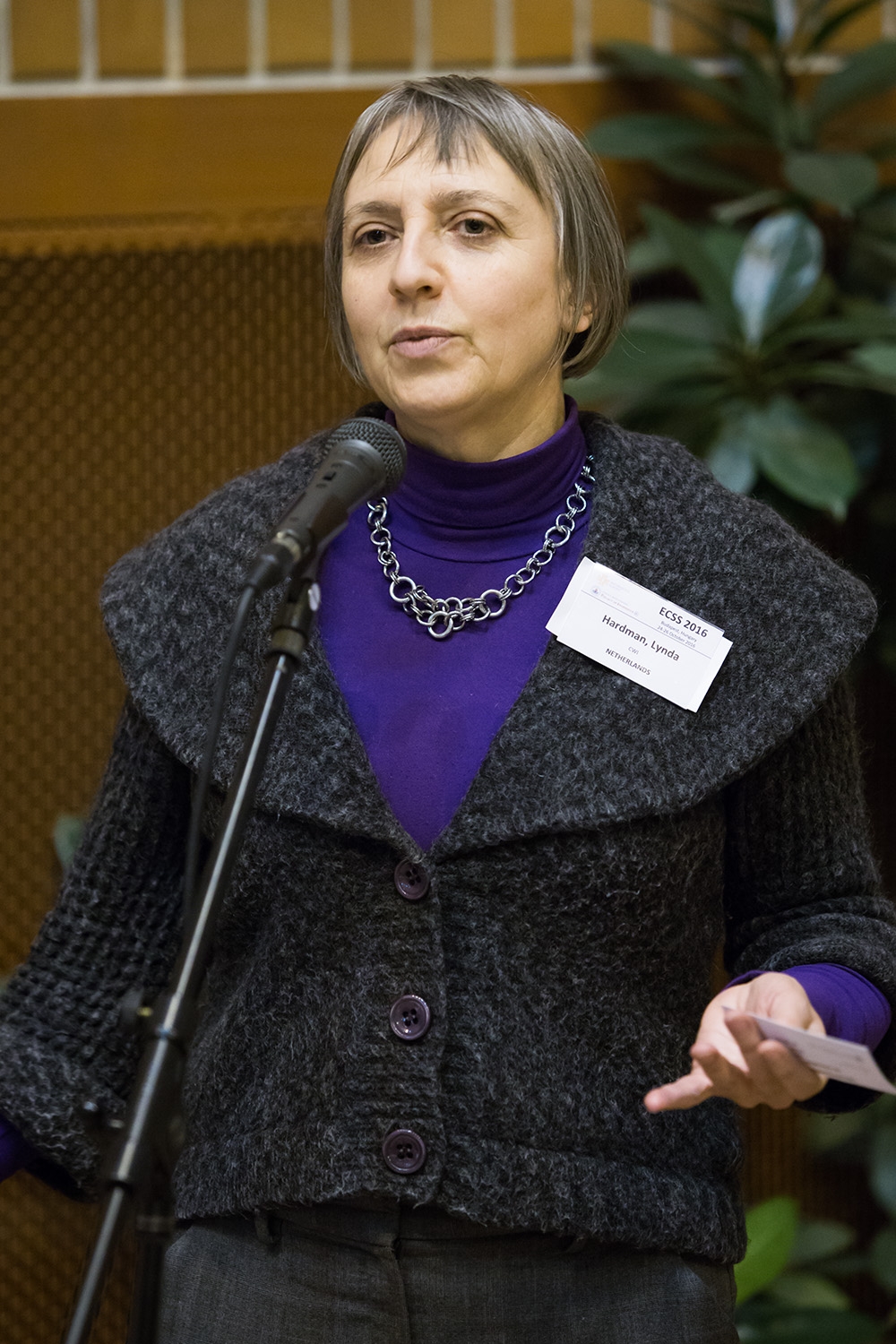
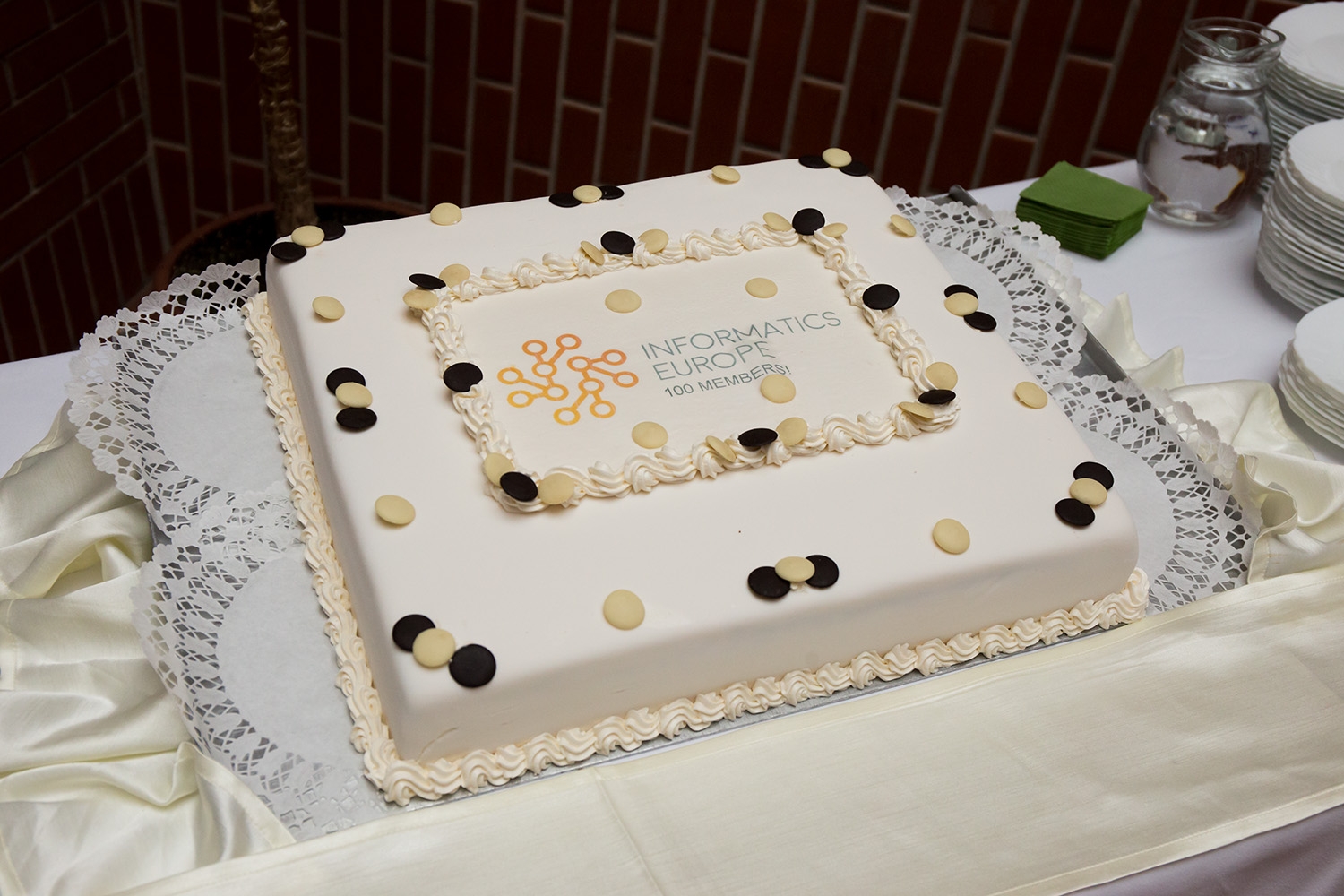
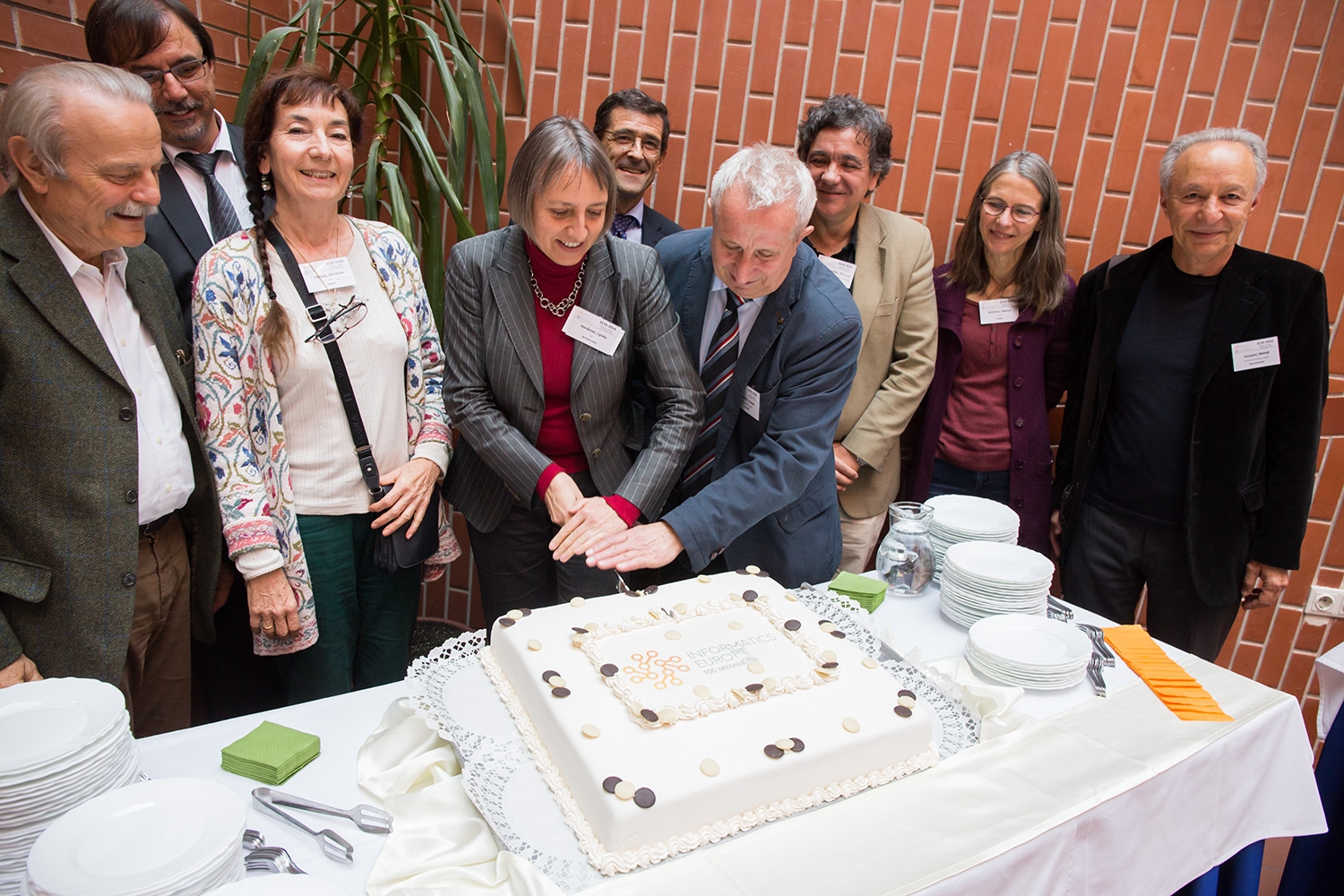
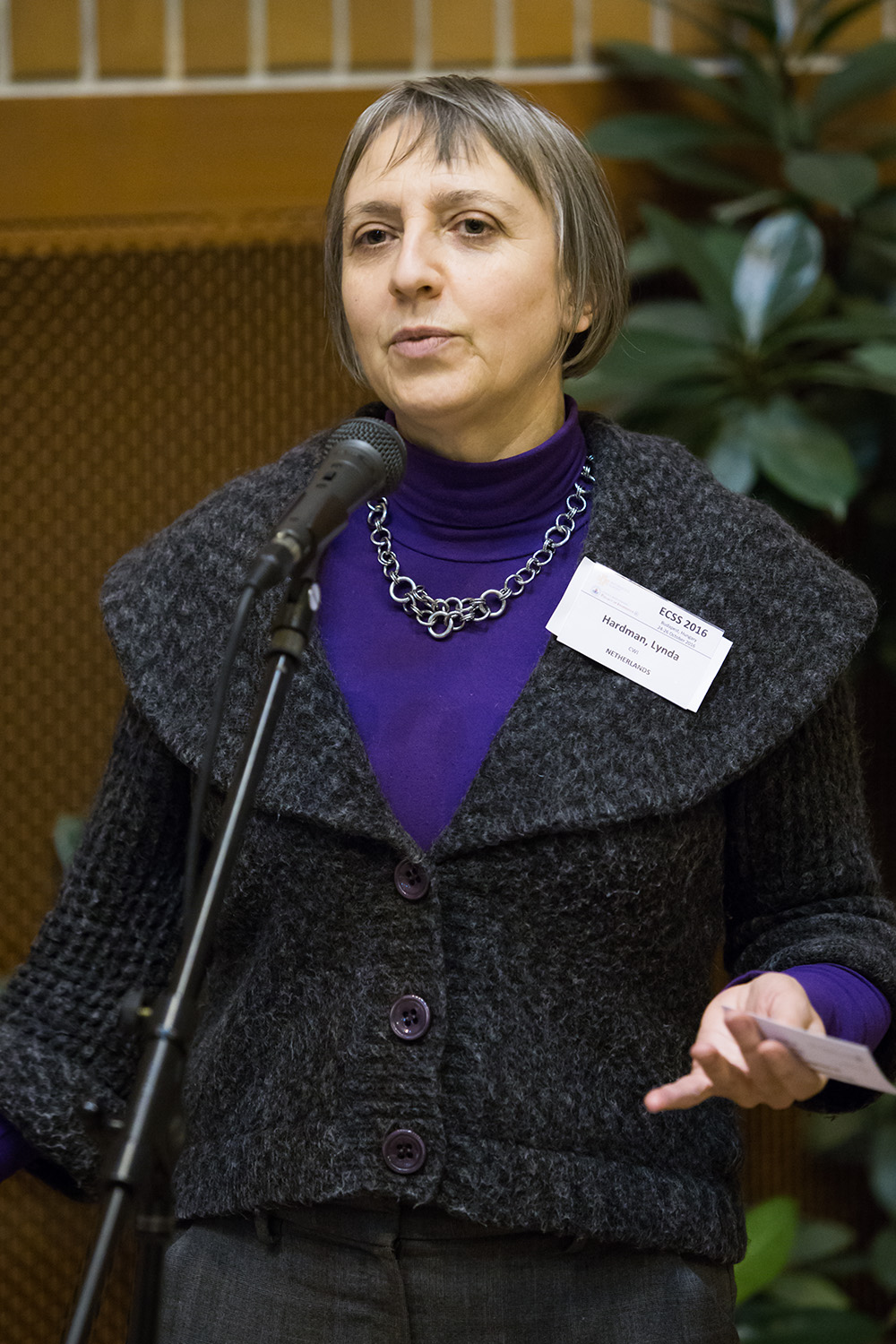
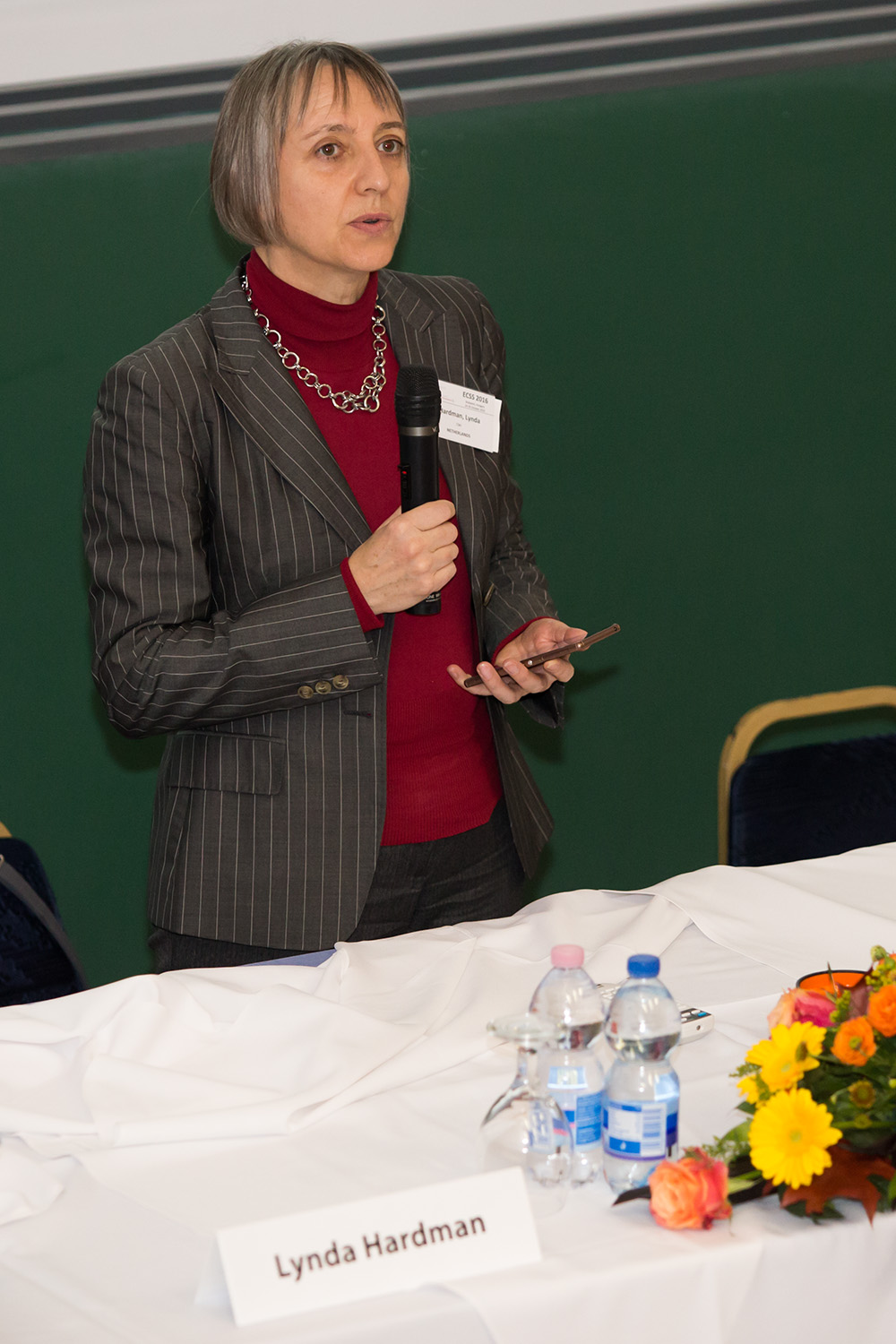
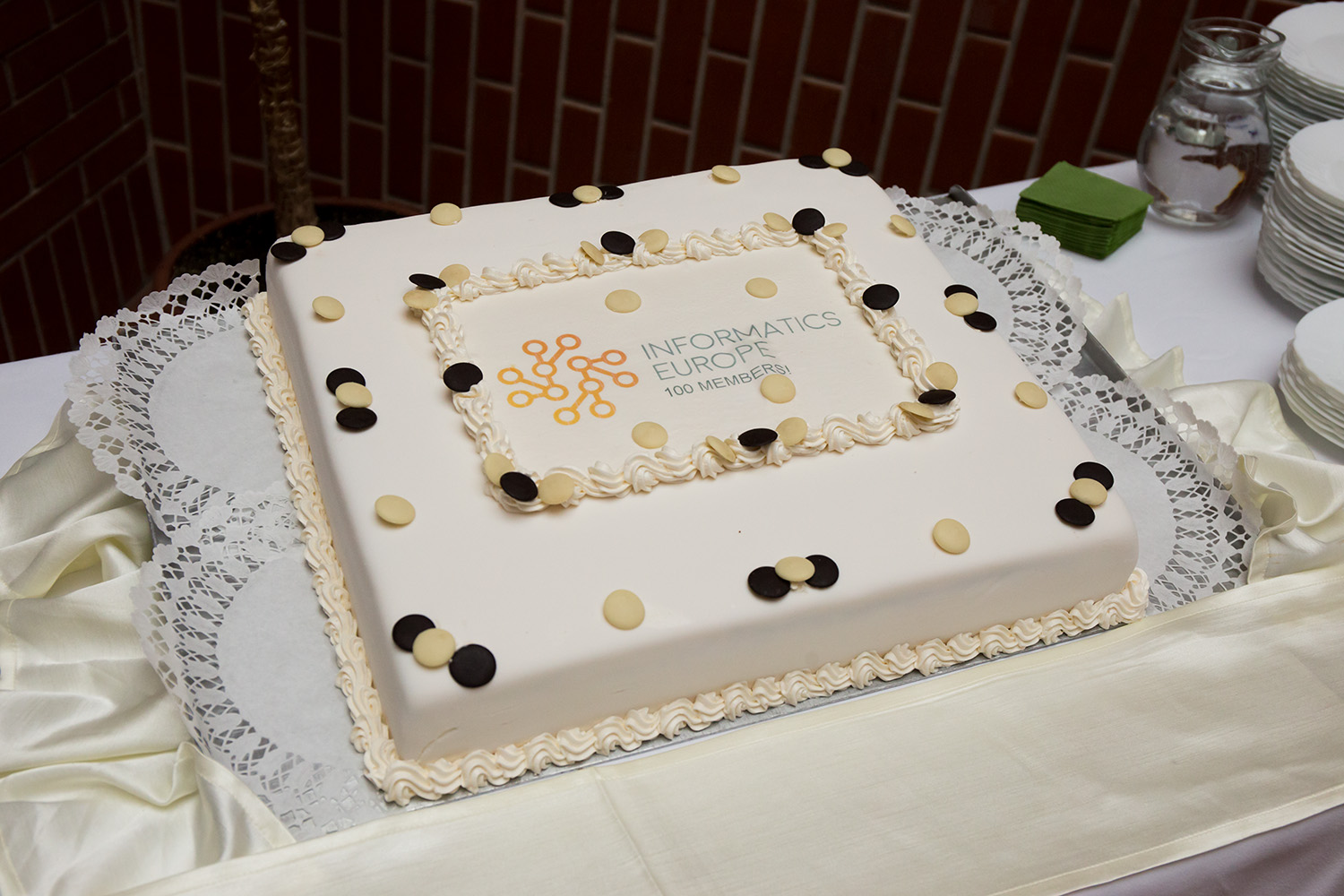
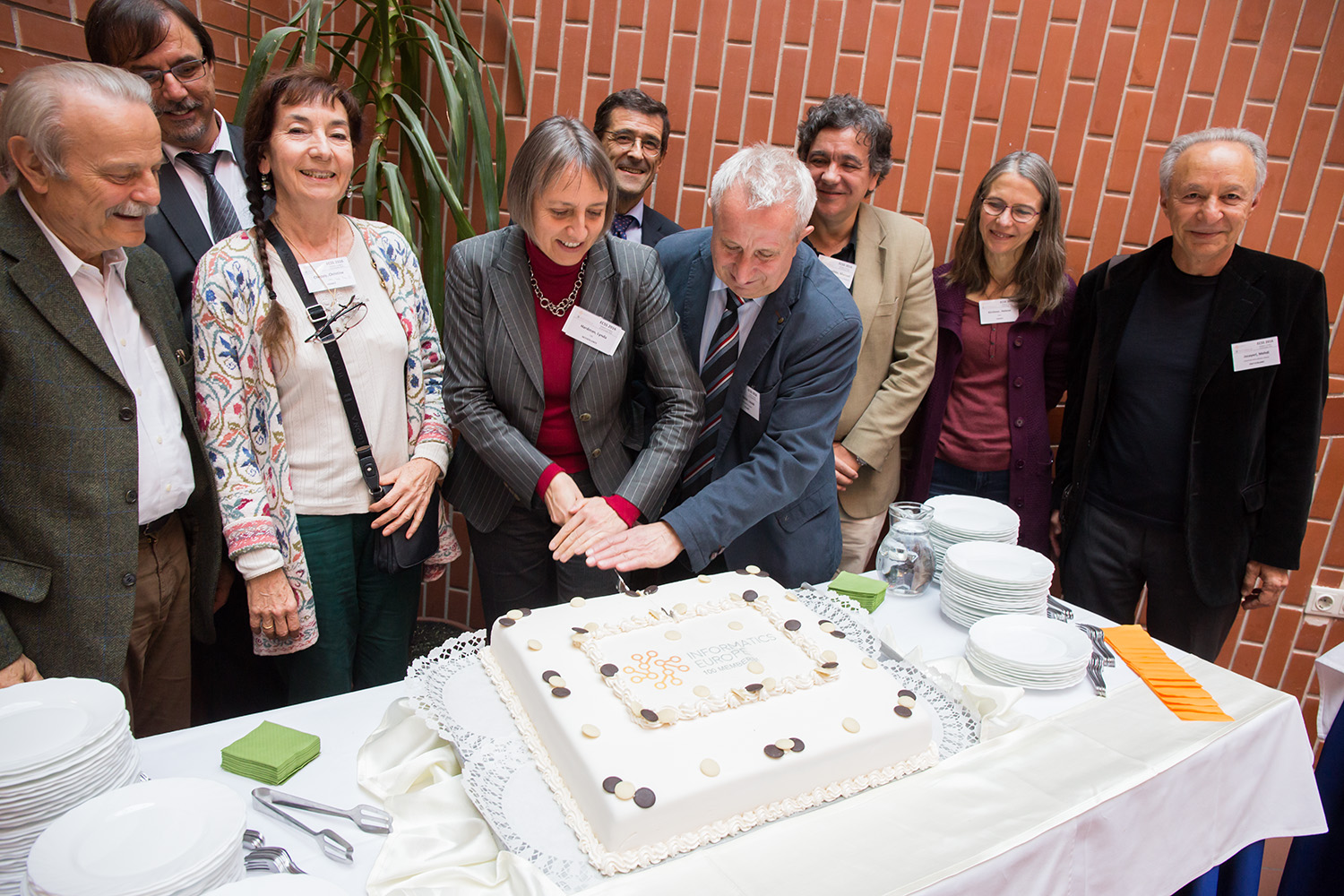
Informatics Europe itself had a reason to celebrate too, surpassing the 100 member mark in the weeks leading up to the Summit. “We are very pleased about this milestone”, commented Lynda Hardman, President Informatics Europe. “Growing our community is important to make the Informatics research and academic community in Europe stronger and more influential. It is critical that we connect, collaborate and speak up on topics that shape the future of our discipline in Europe.”
The next Summit, ECSS 2017, will be held in Lisbon, Portugal, October 23-25, hosted by the NOVA University of Lisbon. We look forward to another inspiring event and stimulating debates. Save the dates!
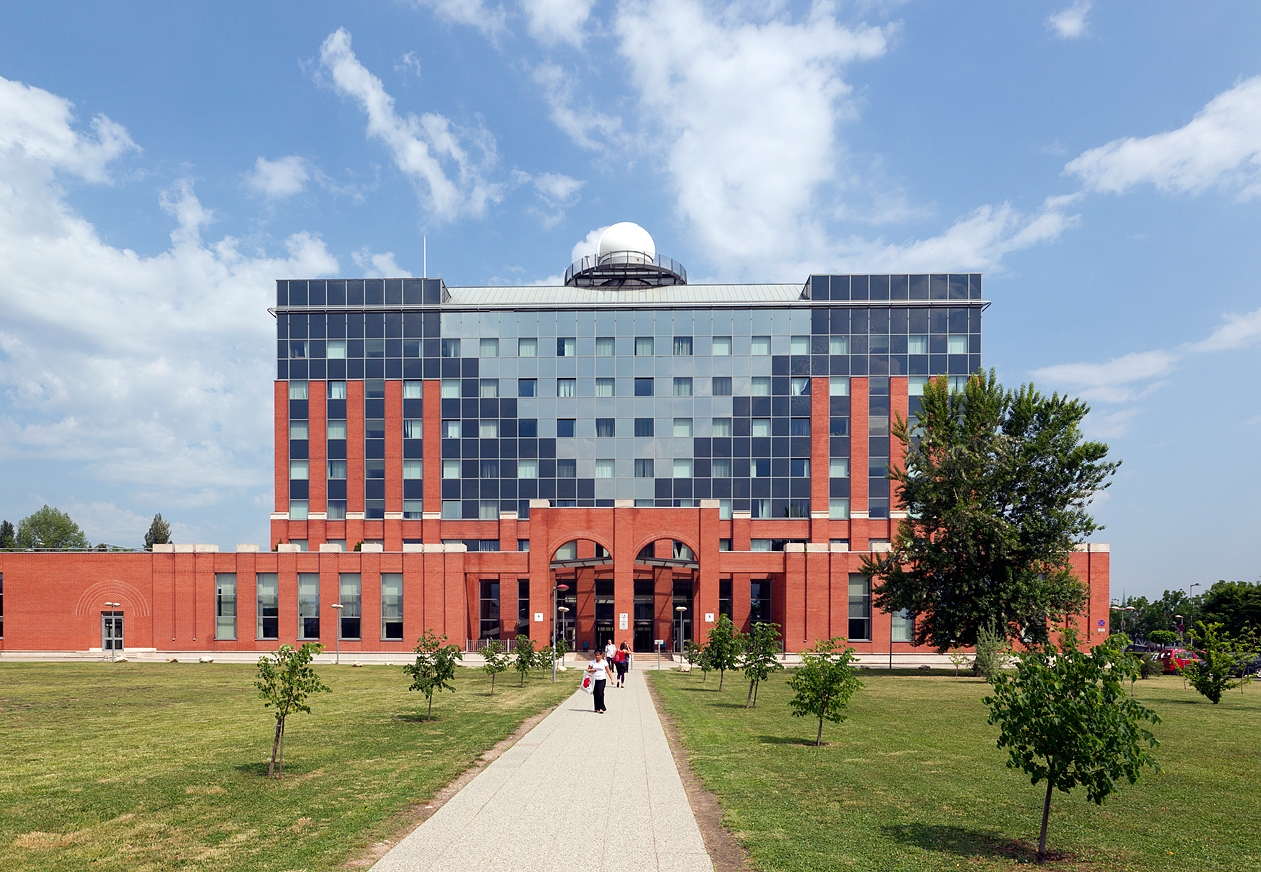
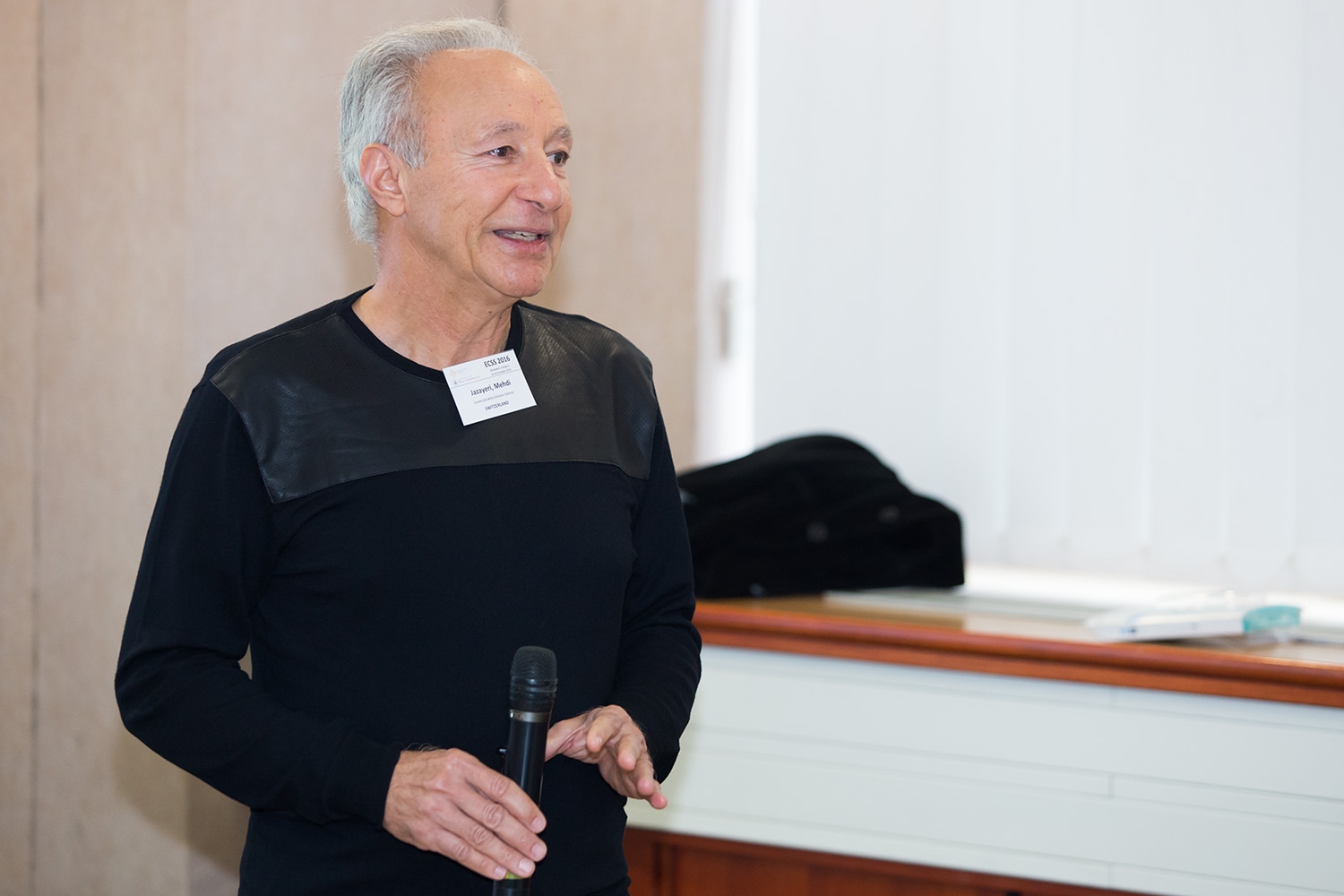
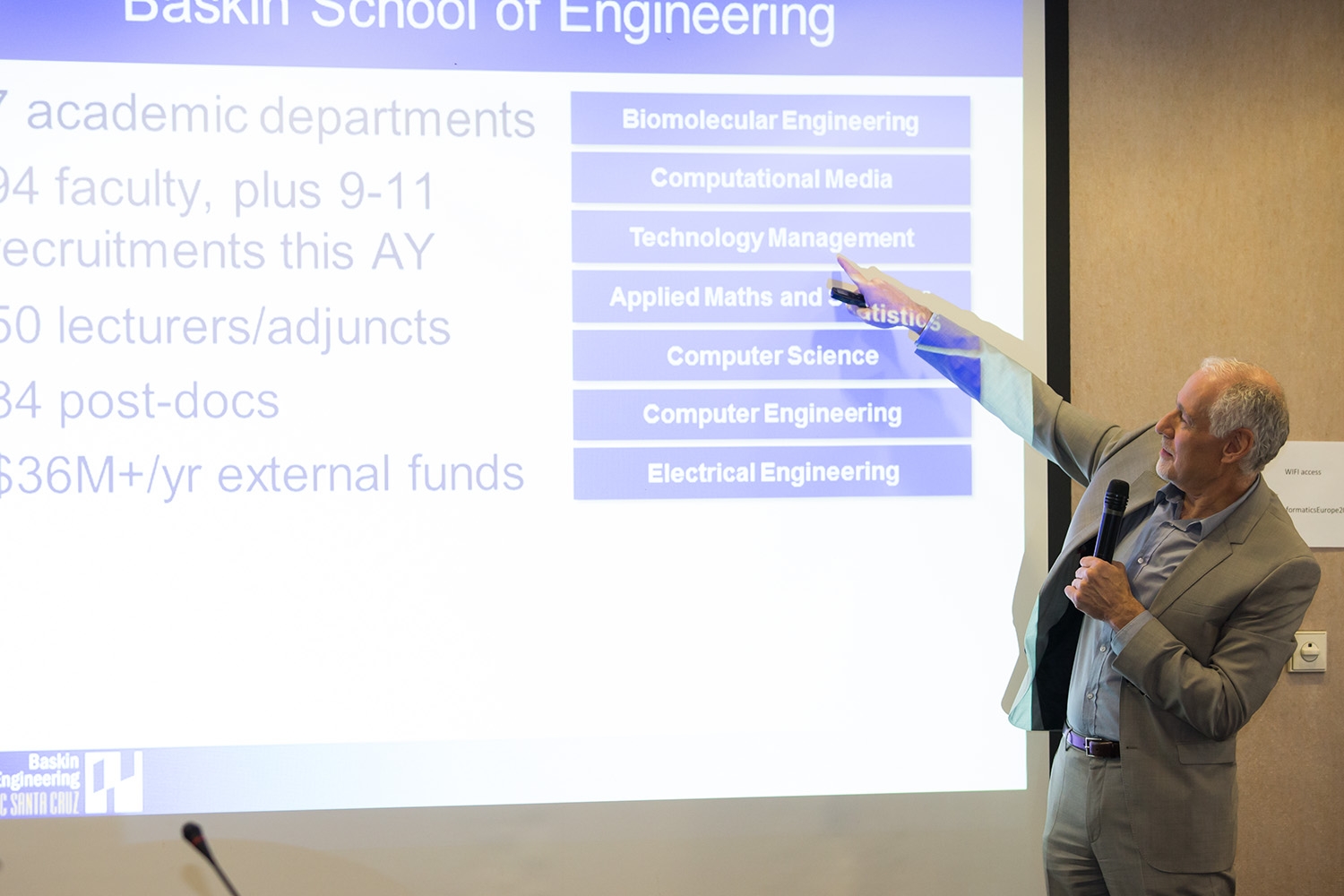
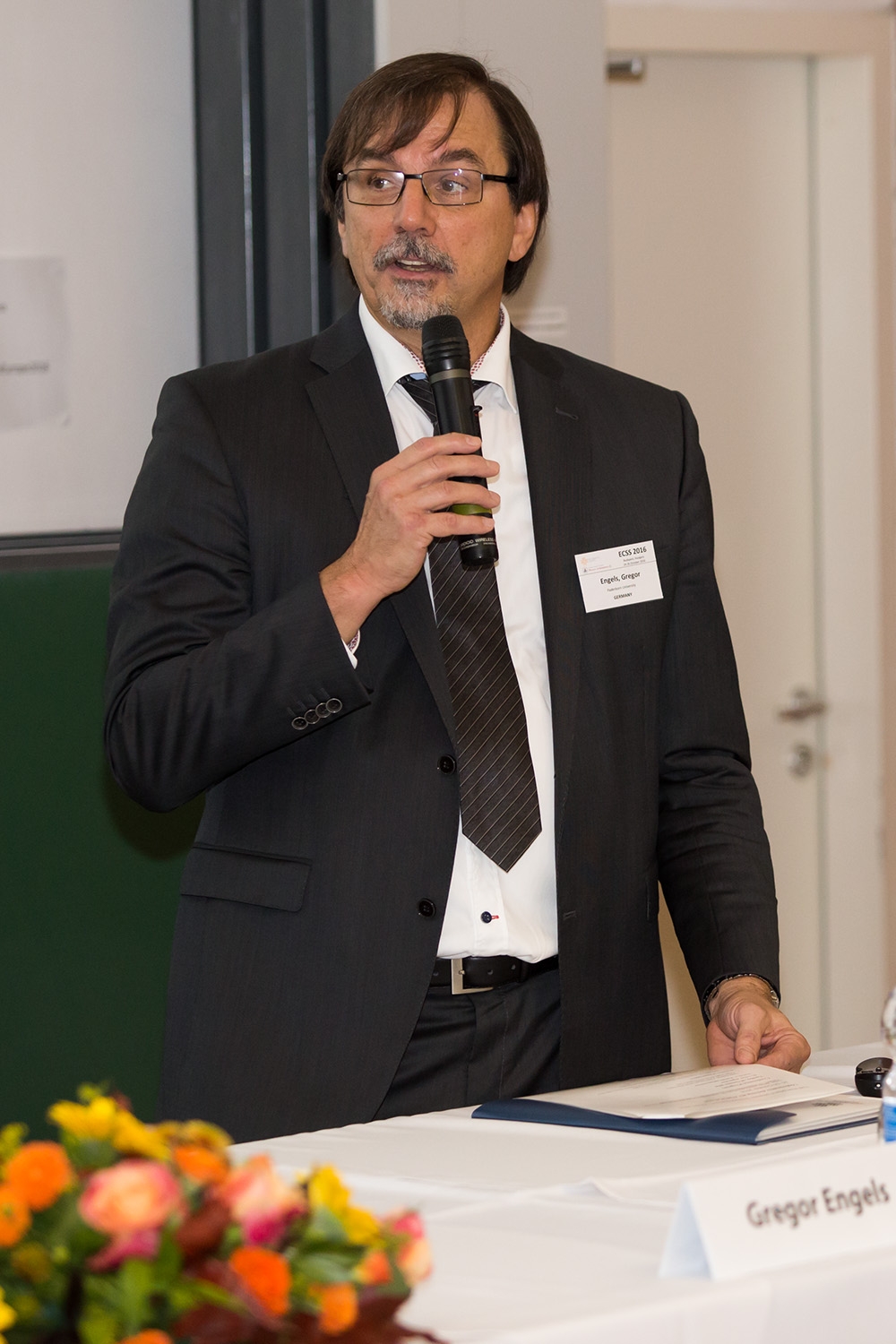
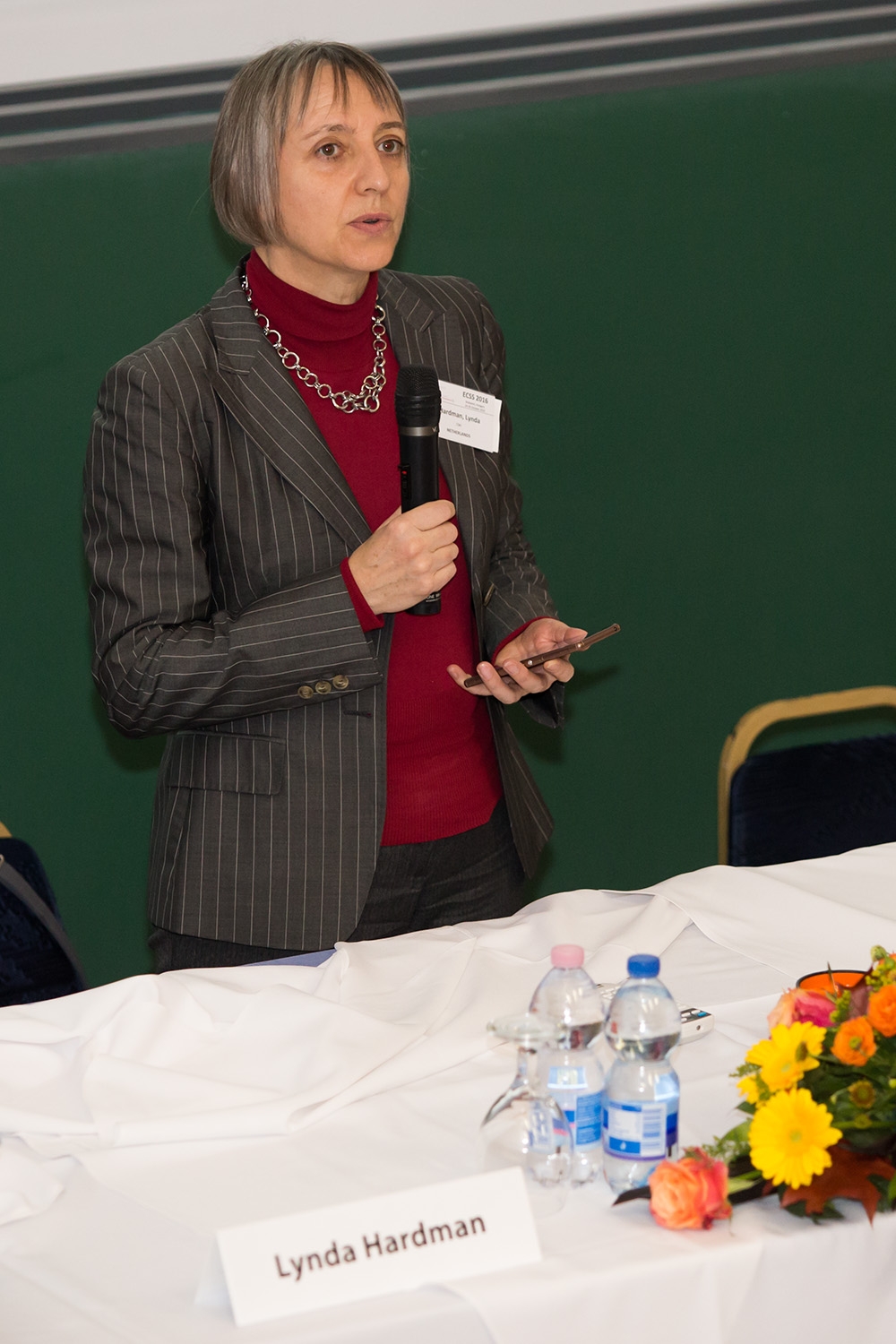
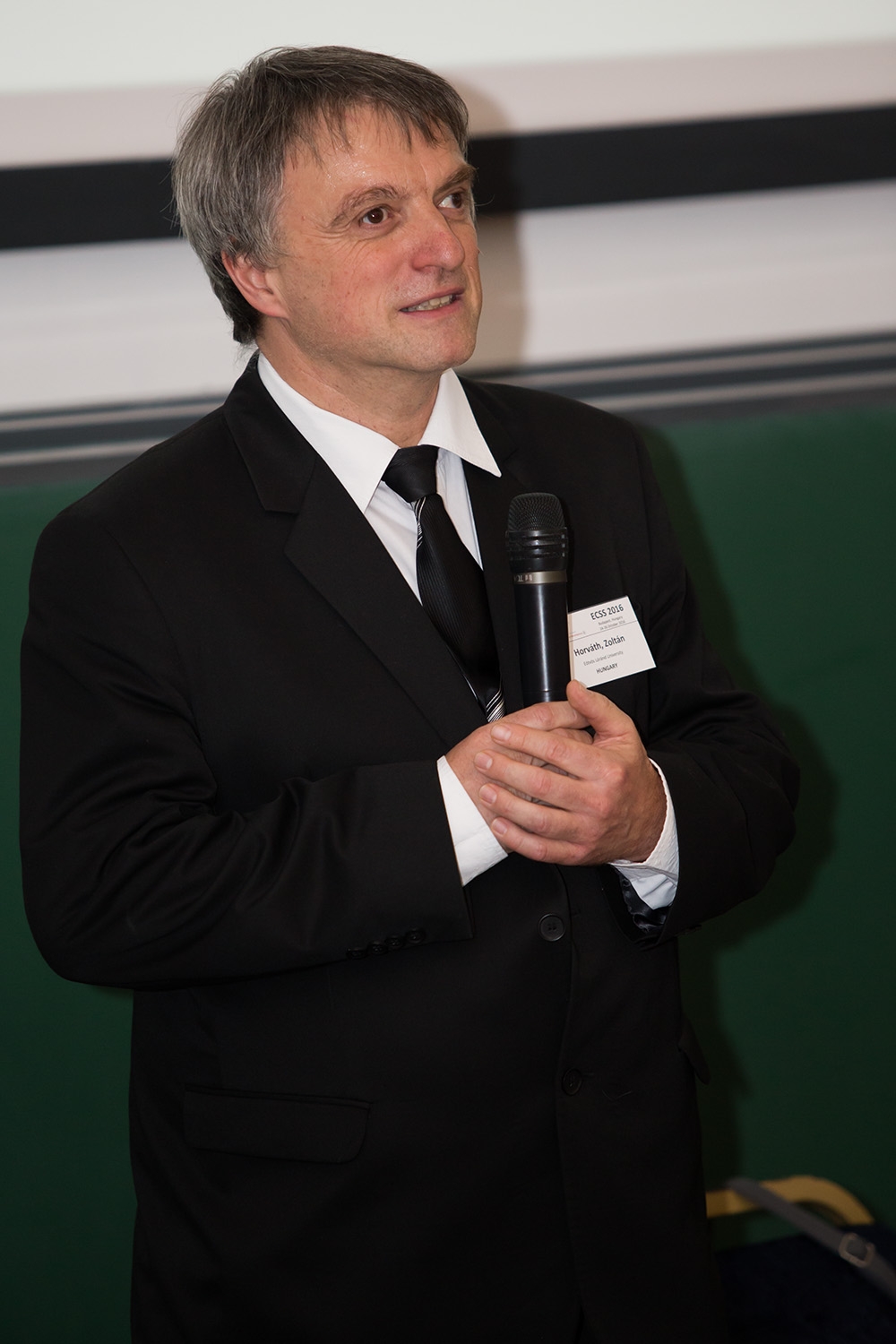
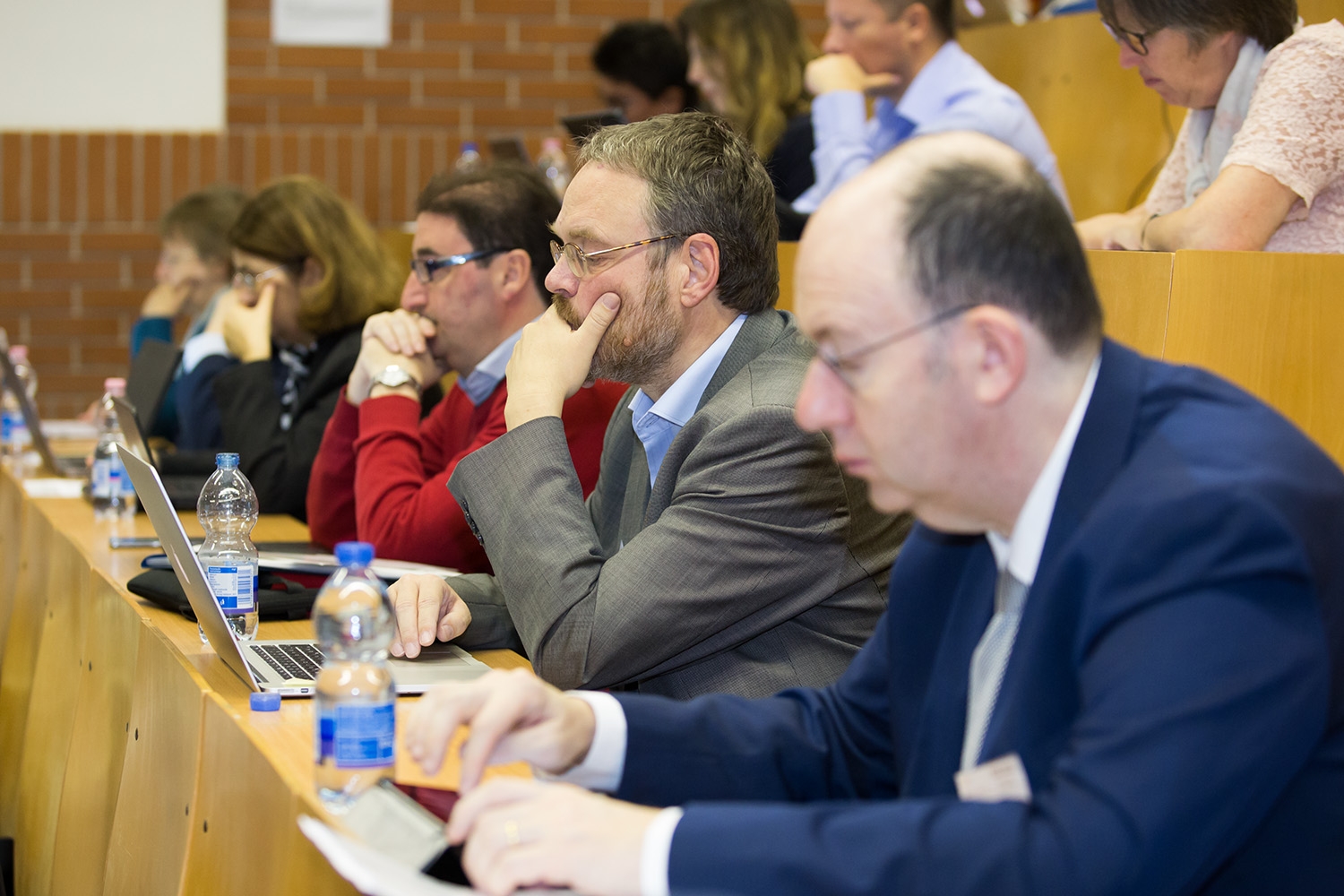
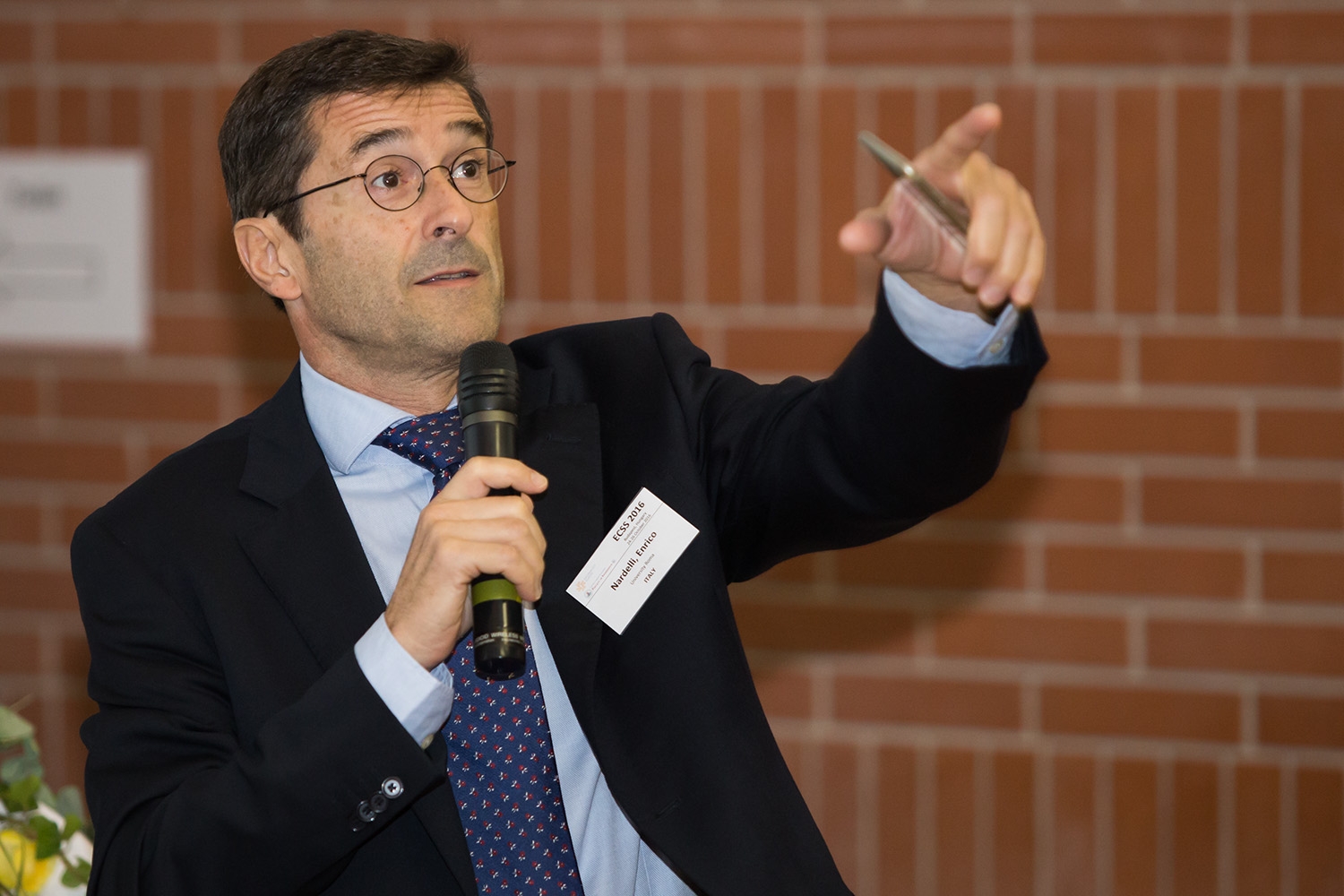
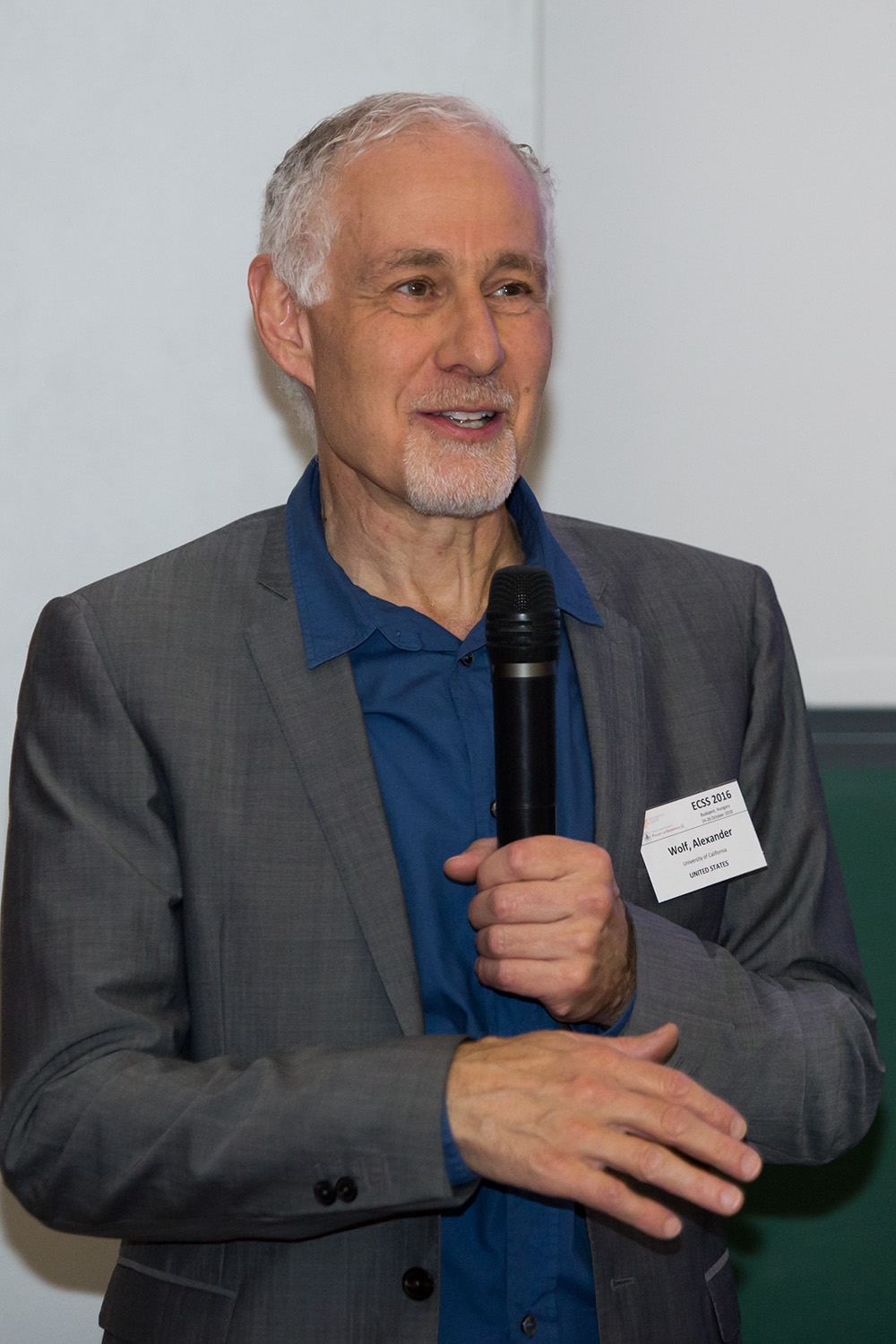
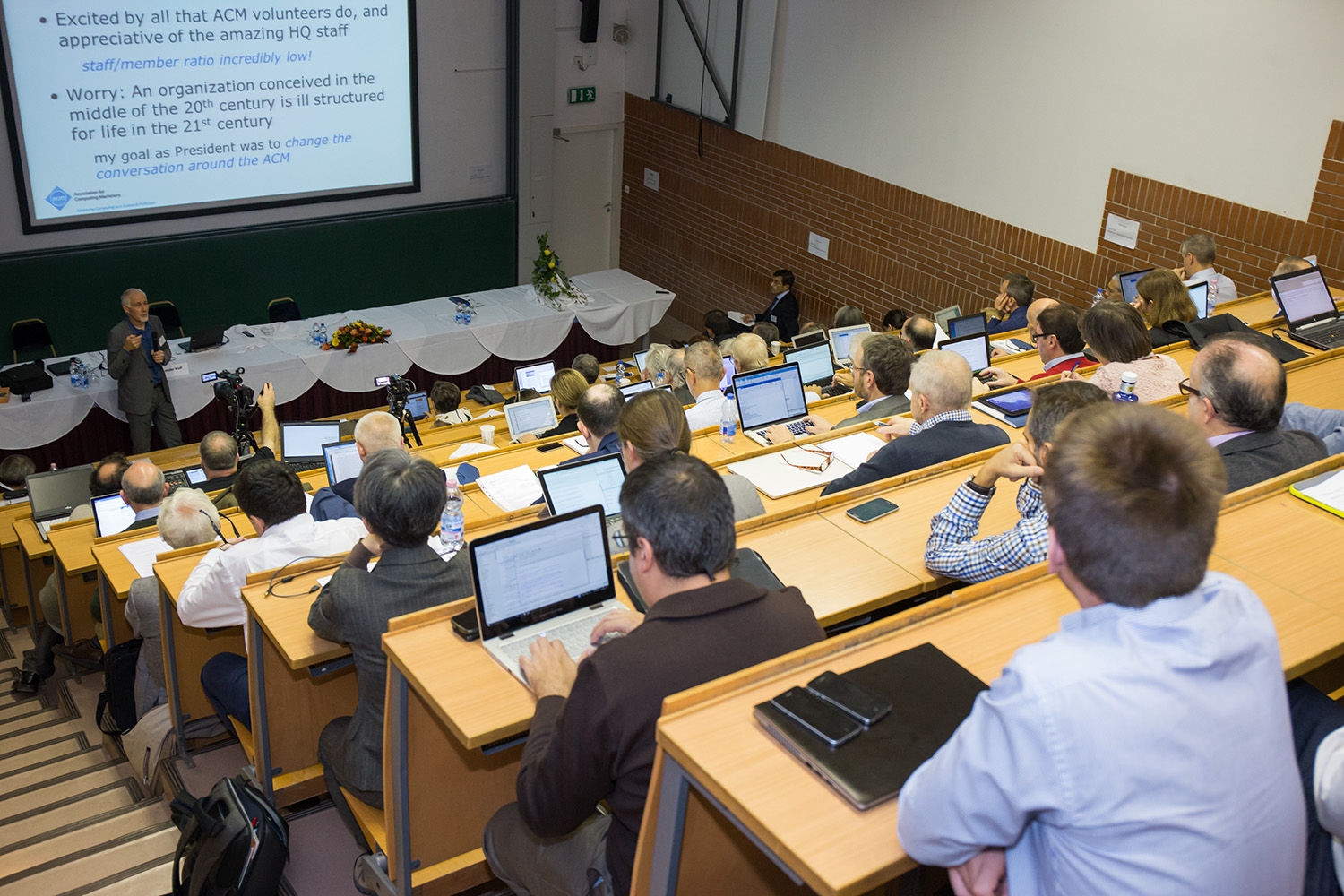
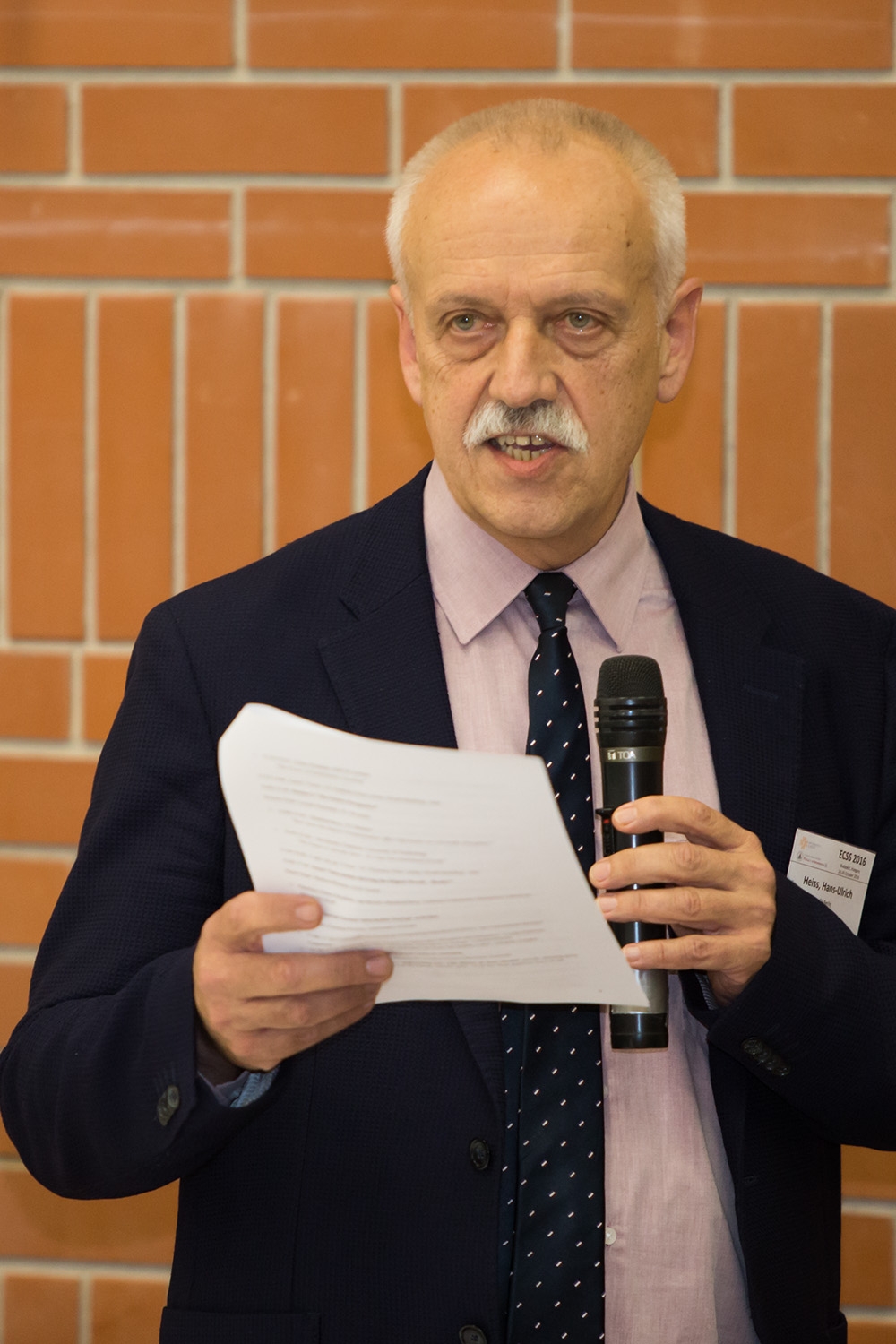
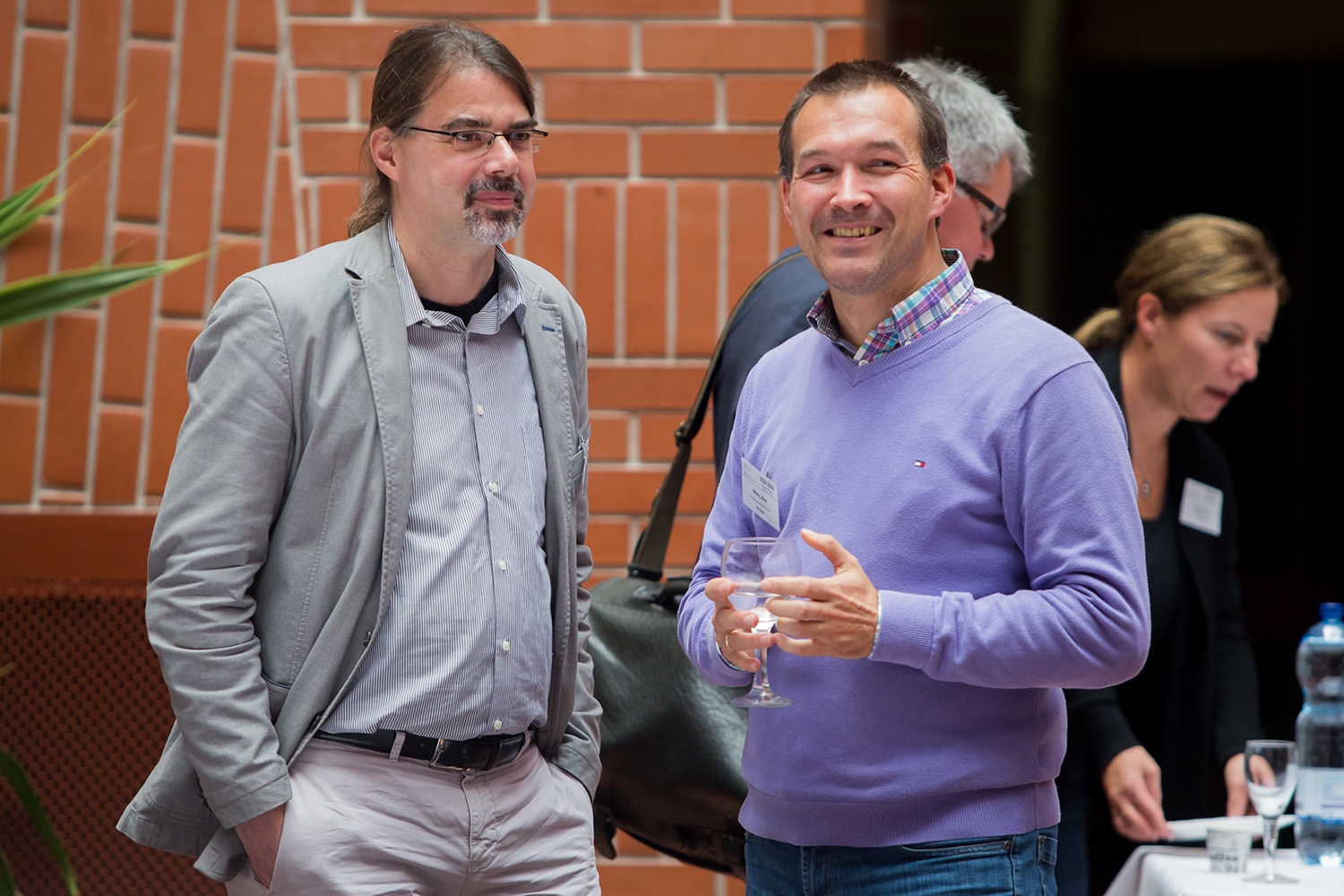
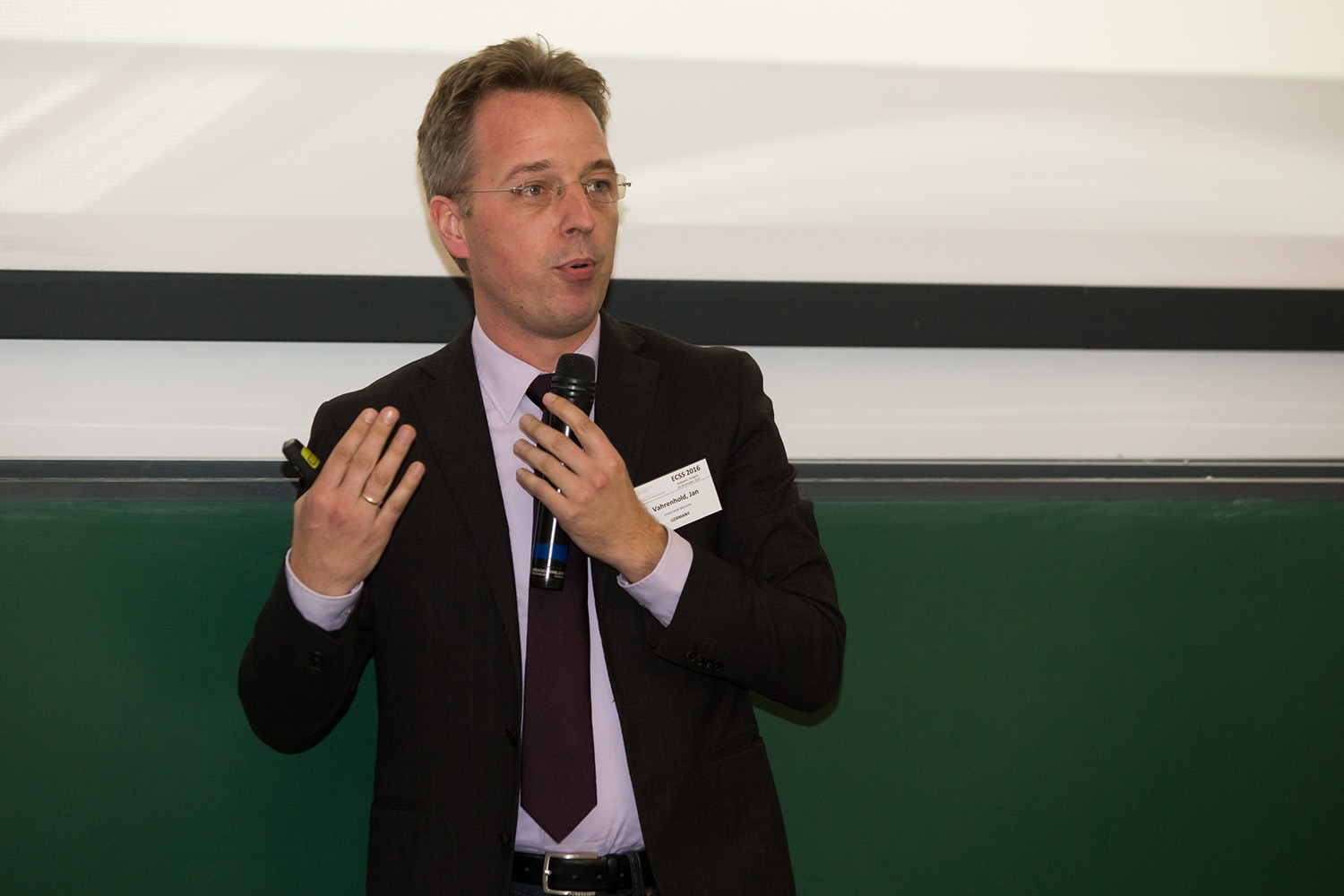
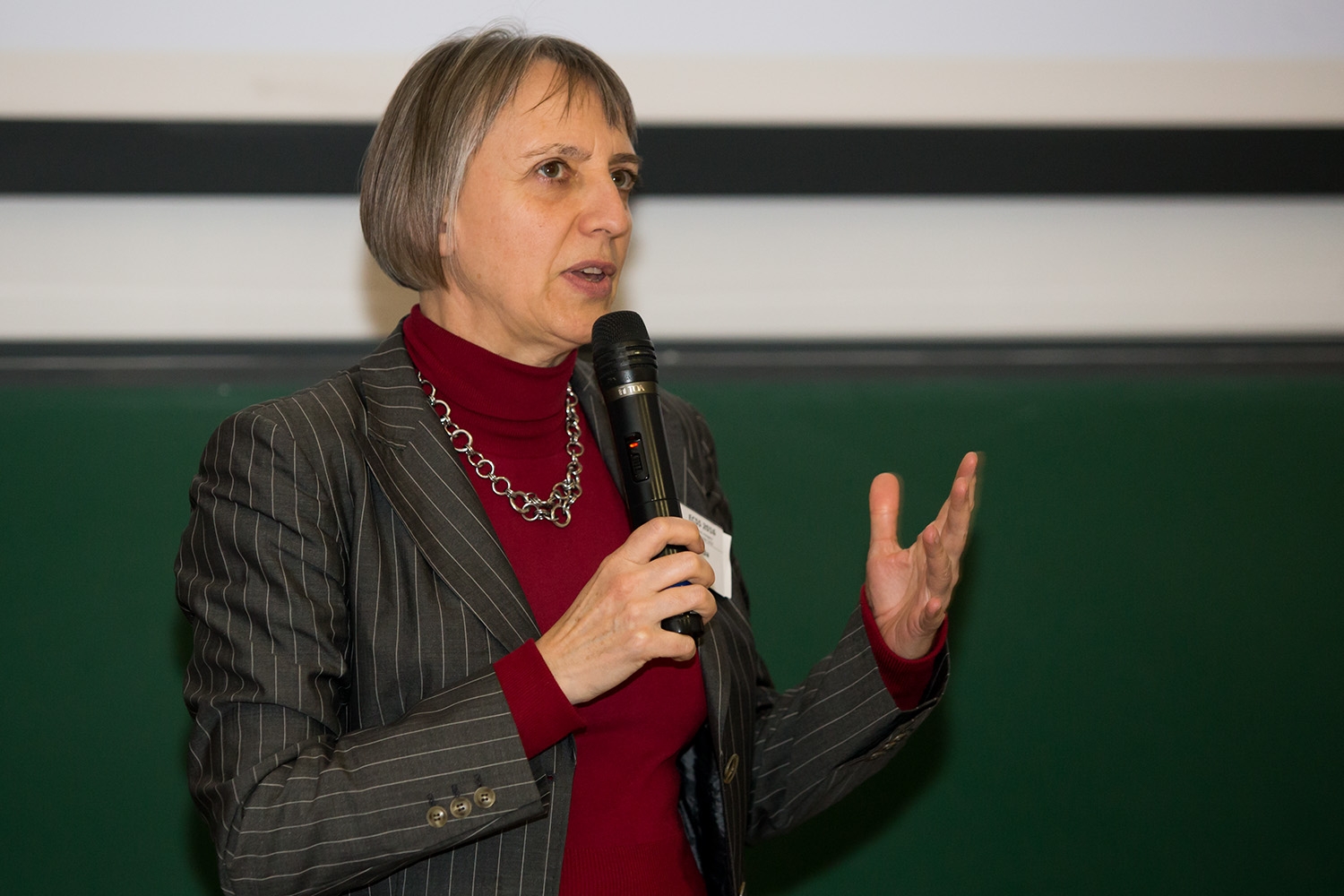
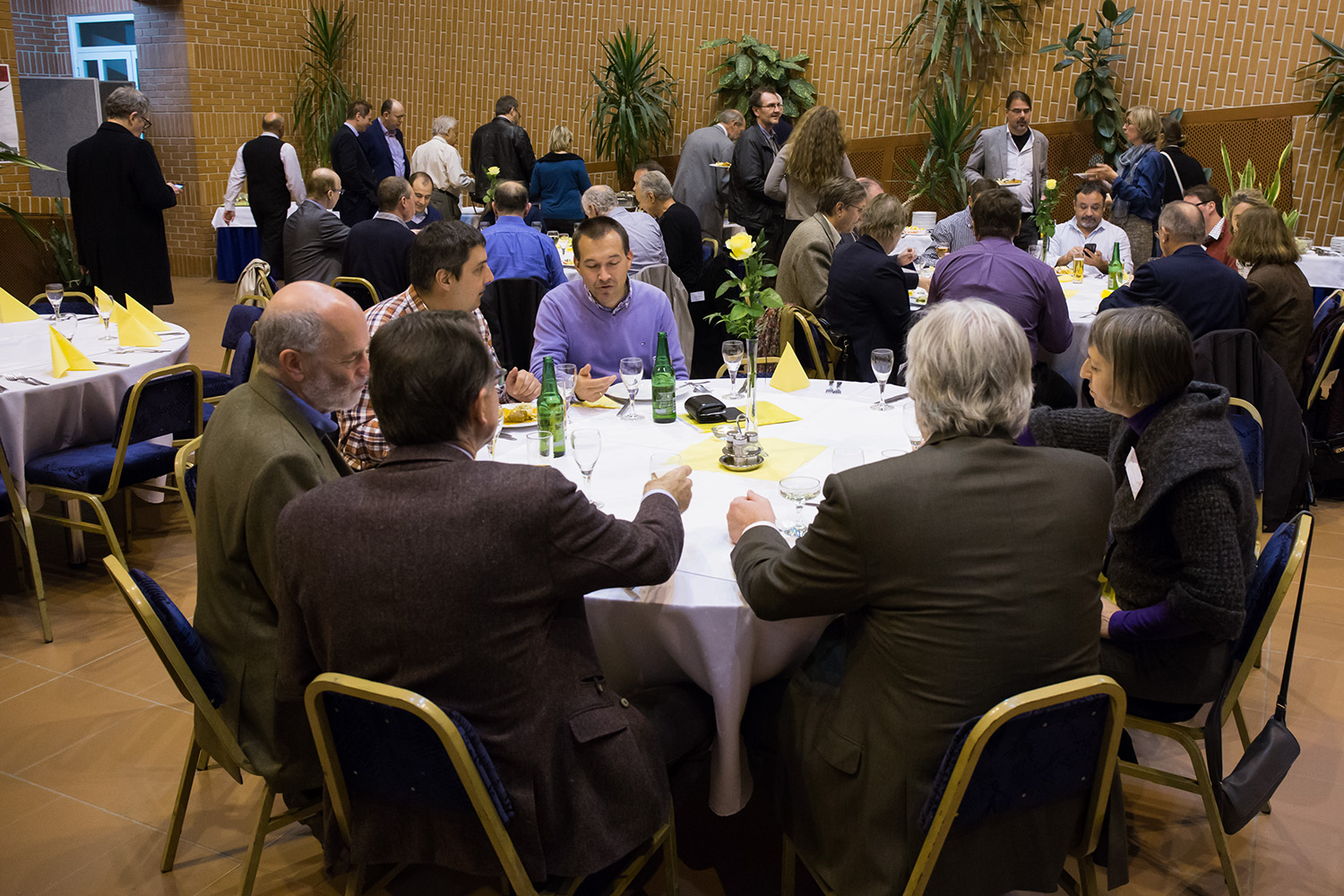
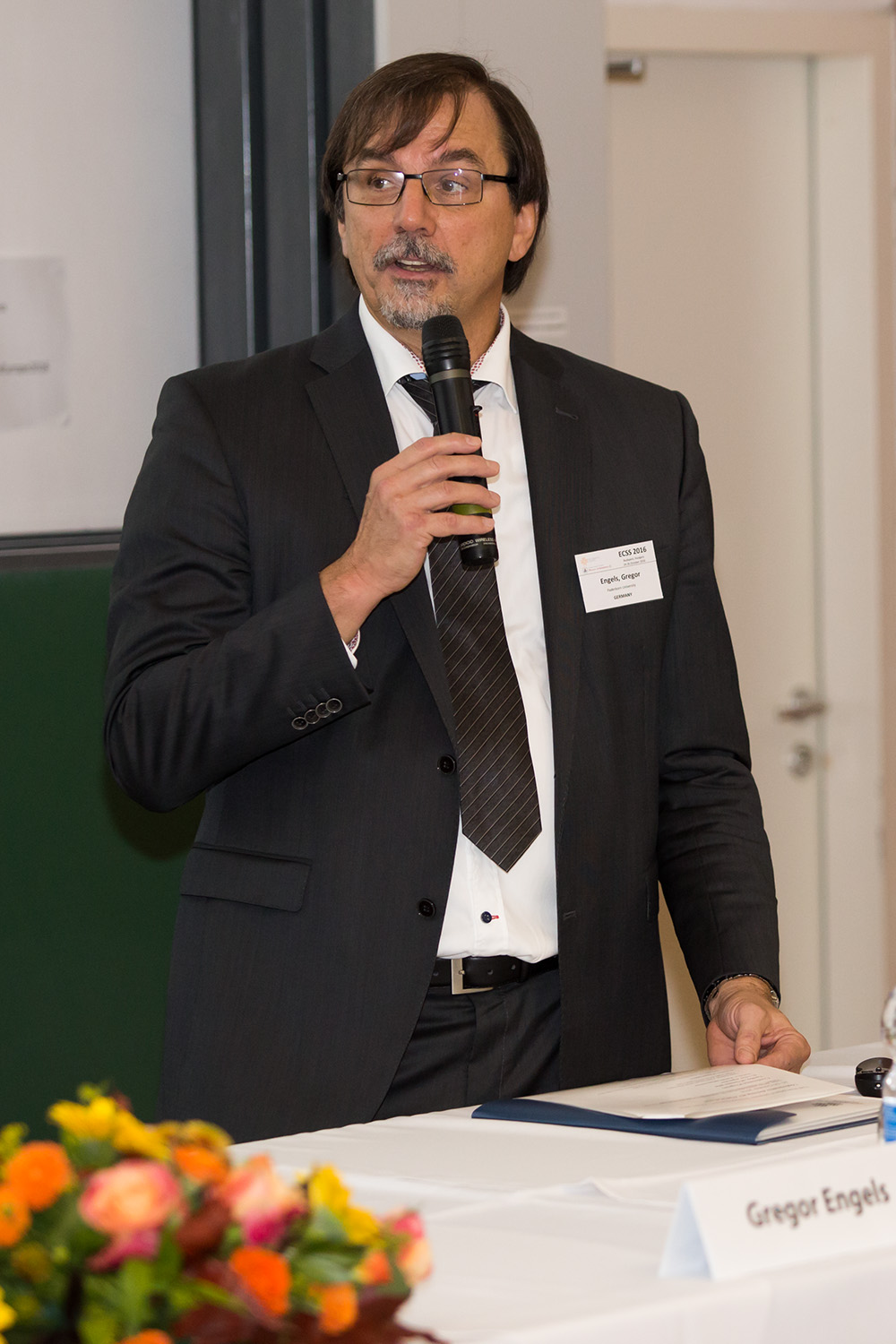
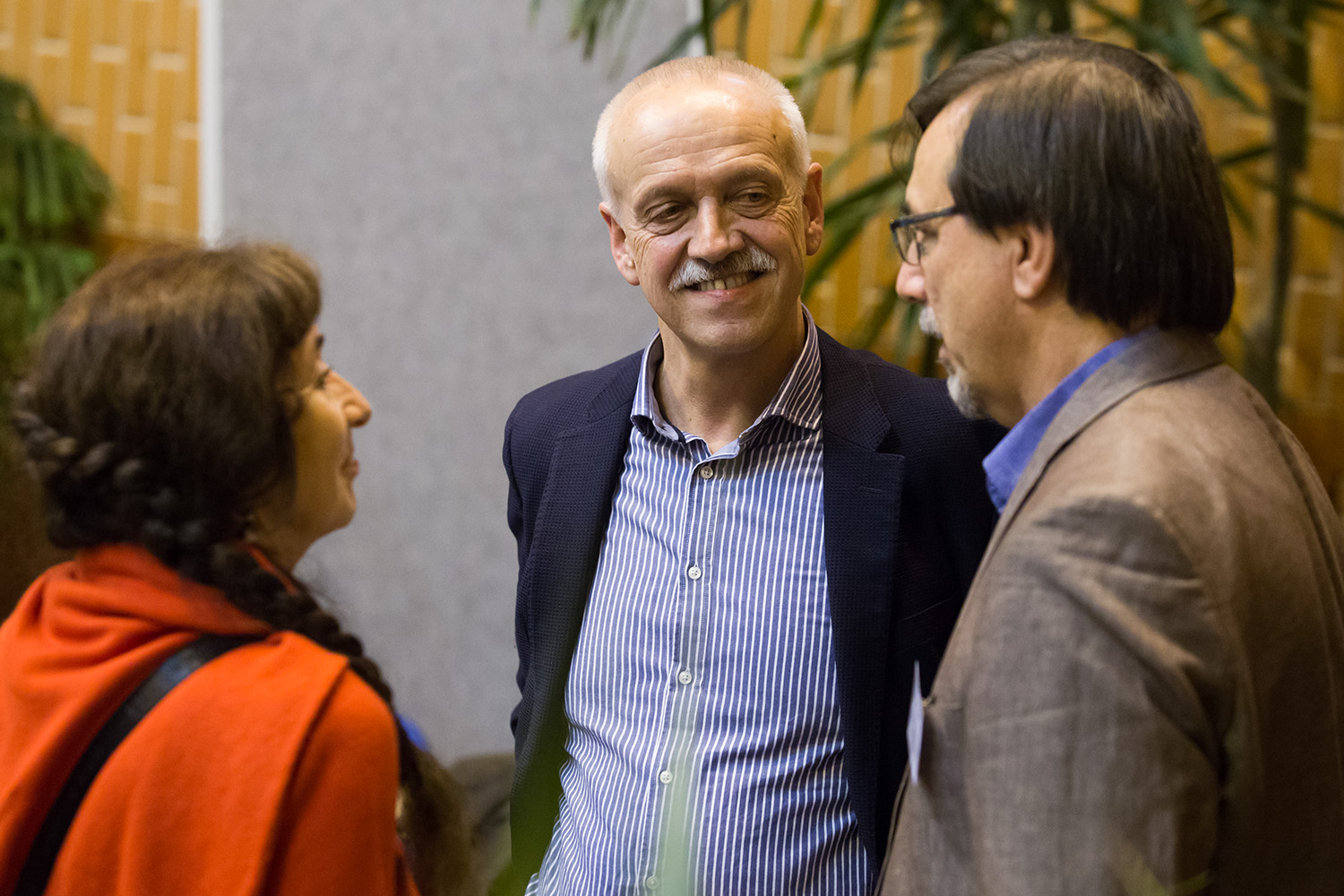
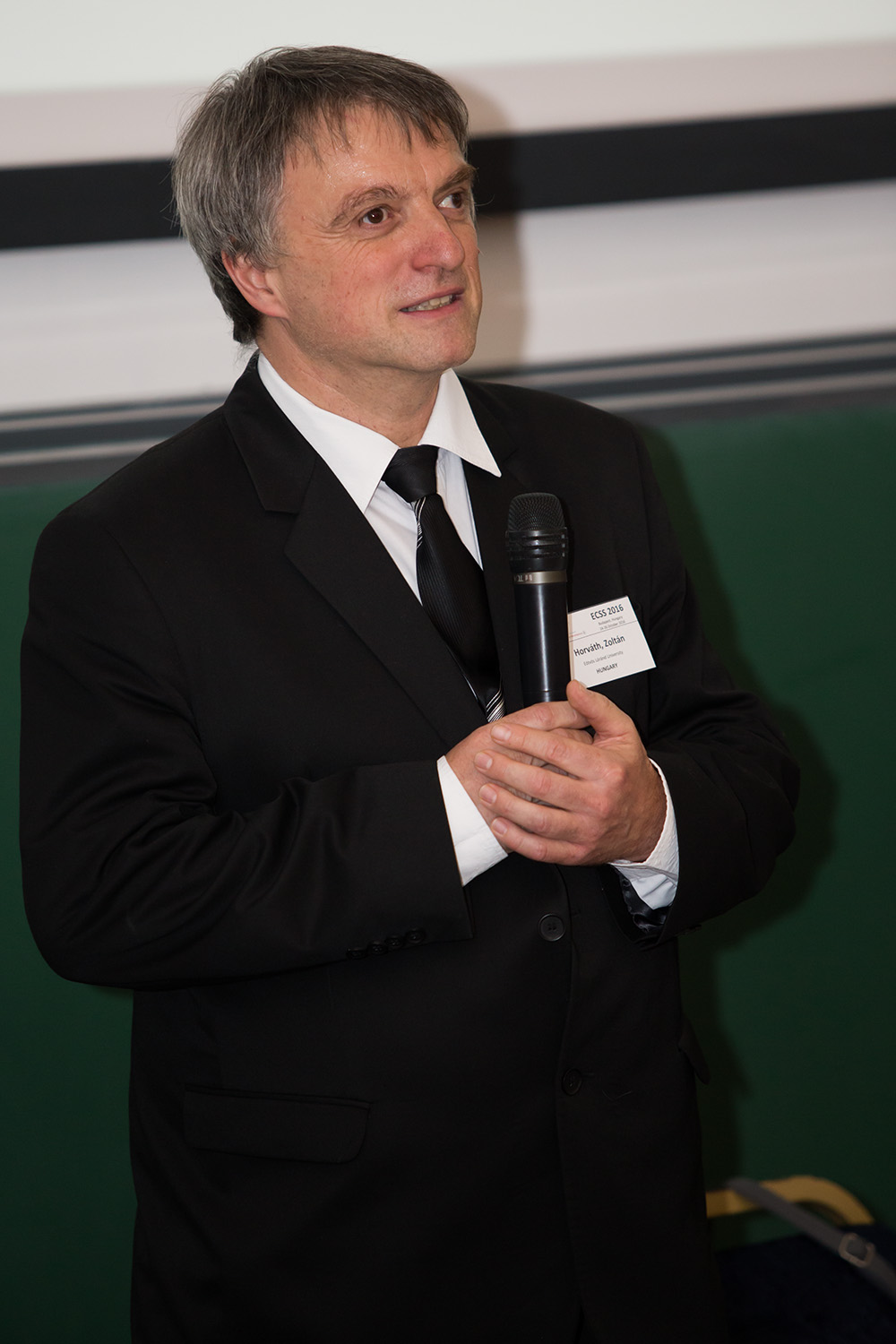
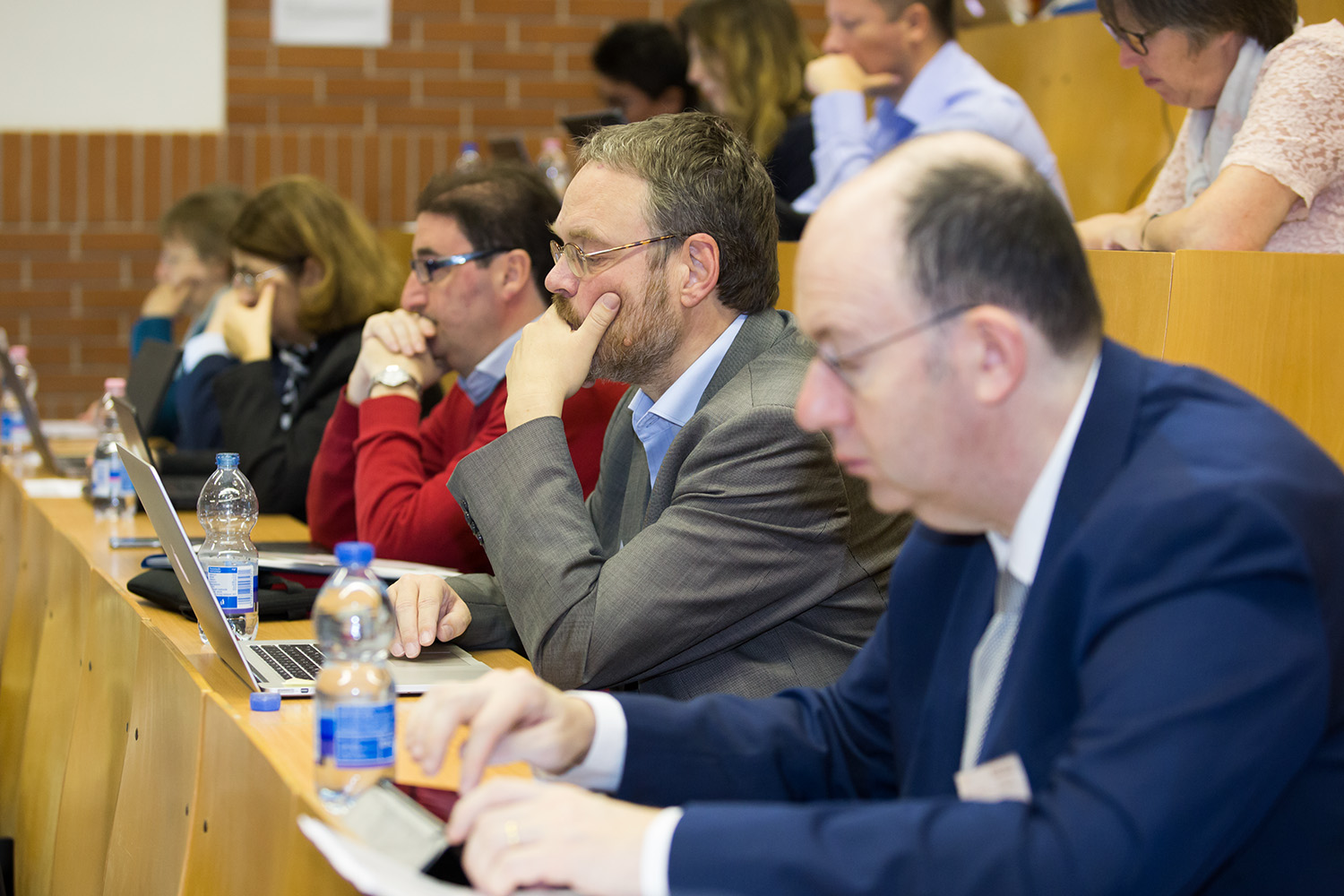
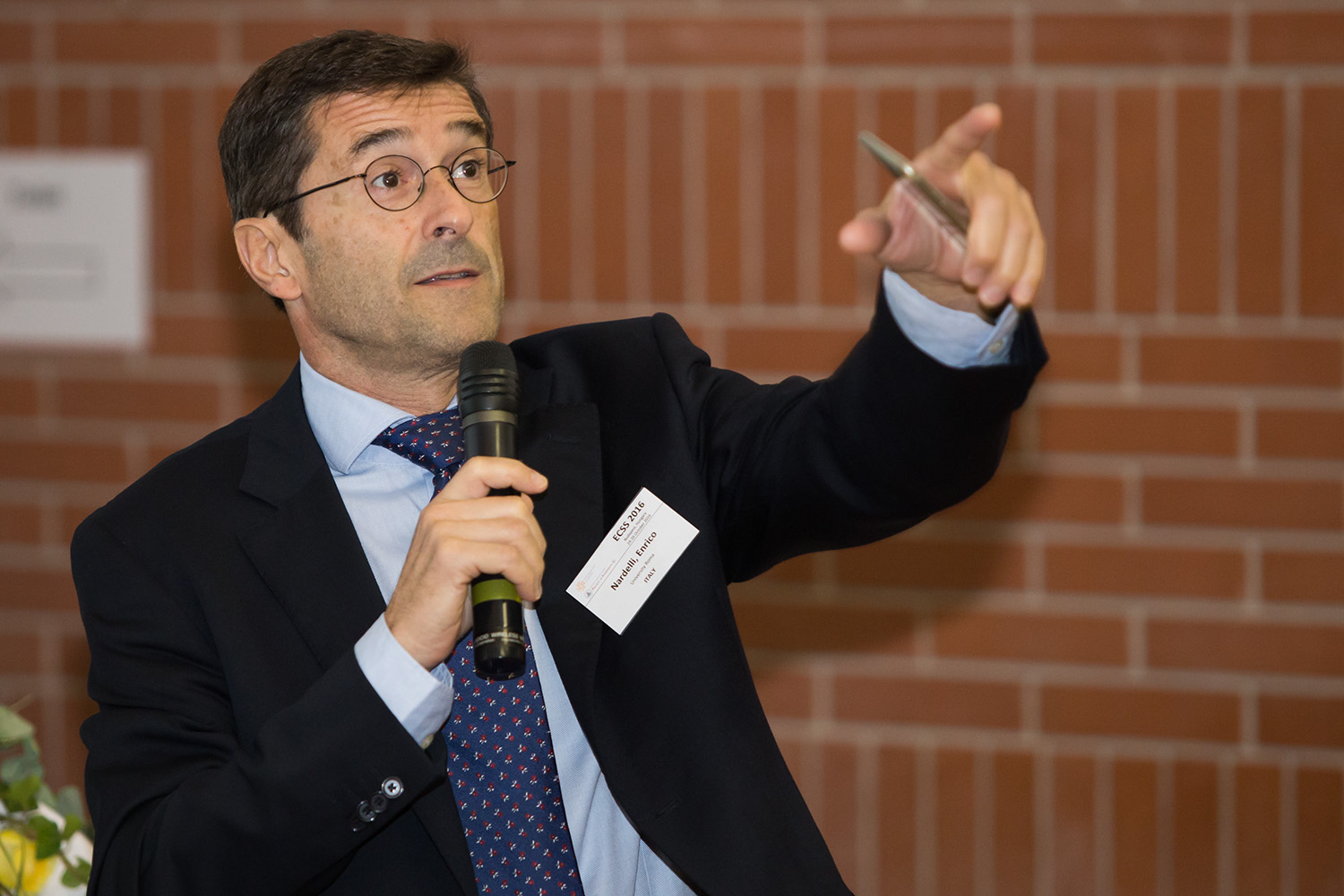
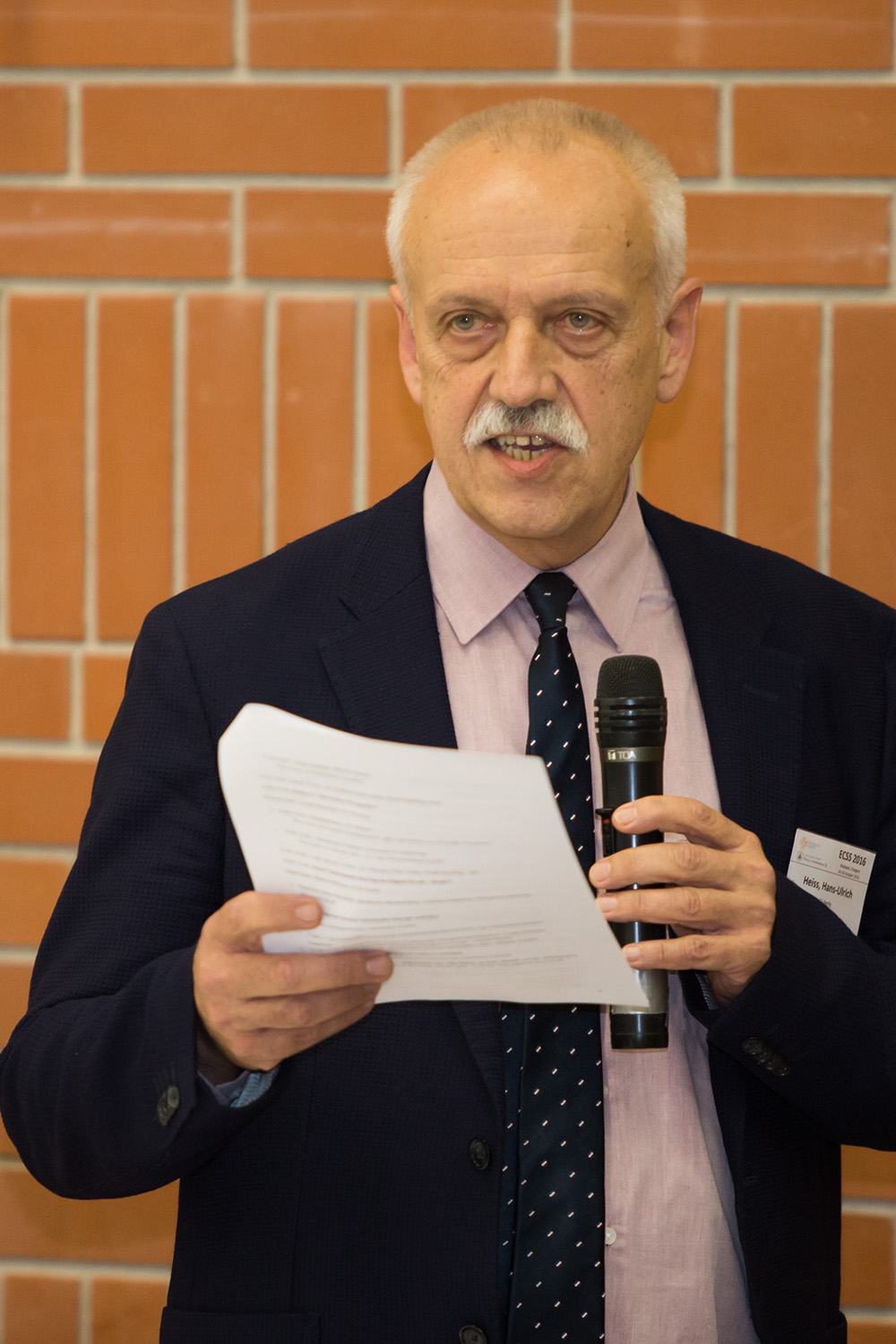
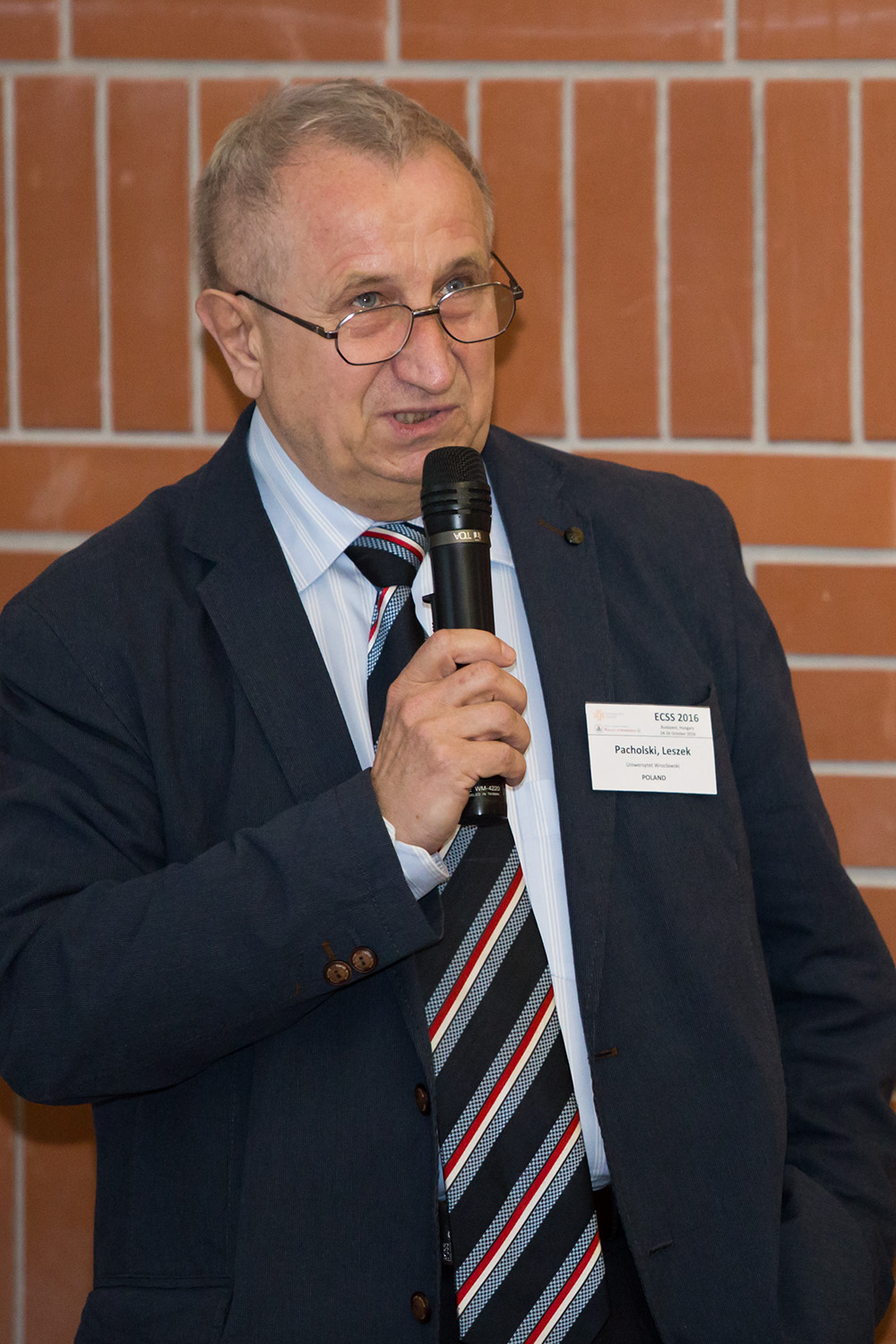
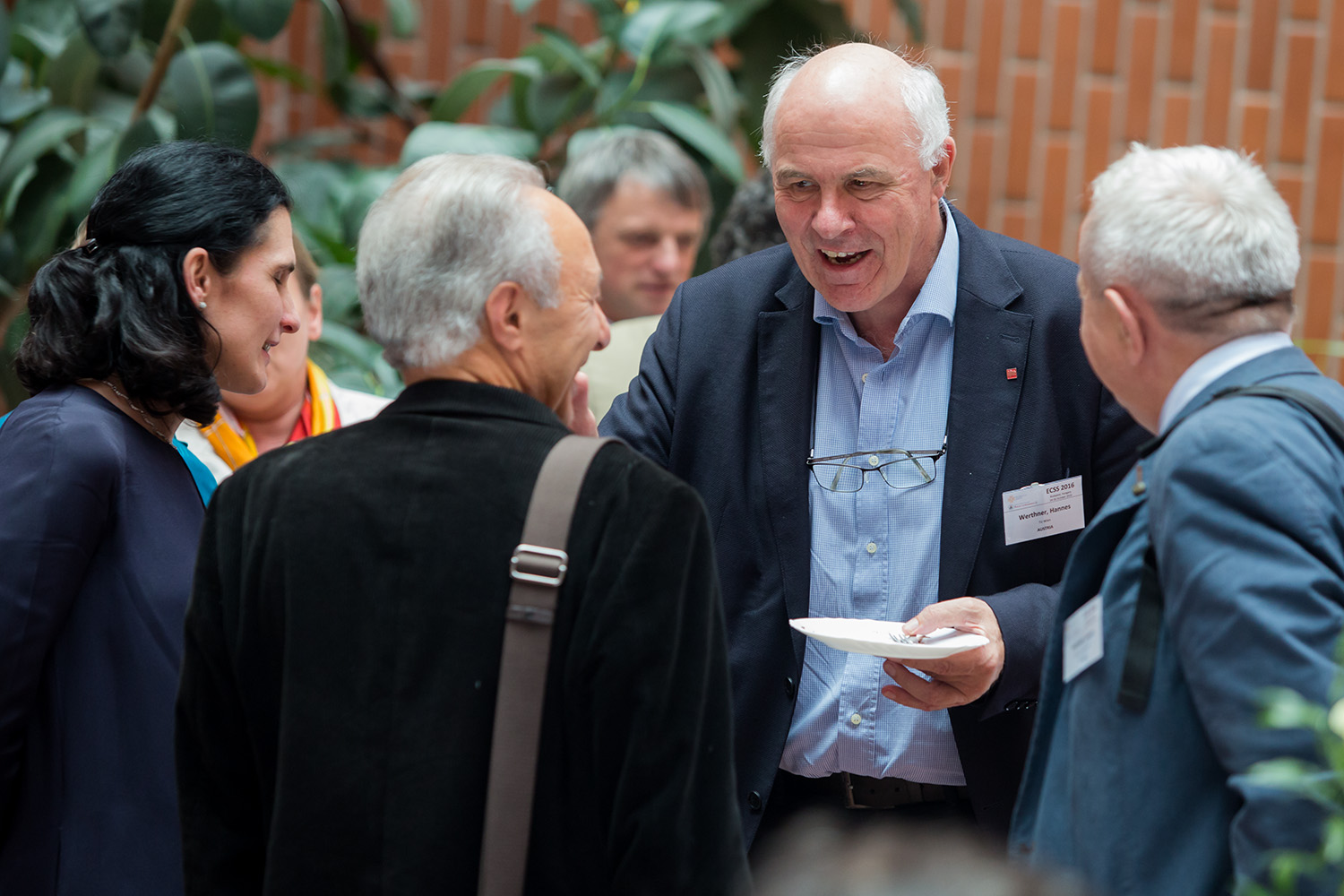
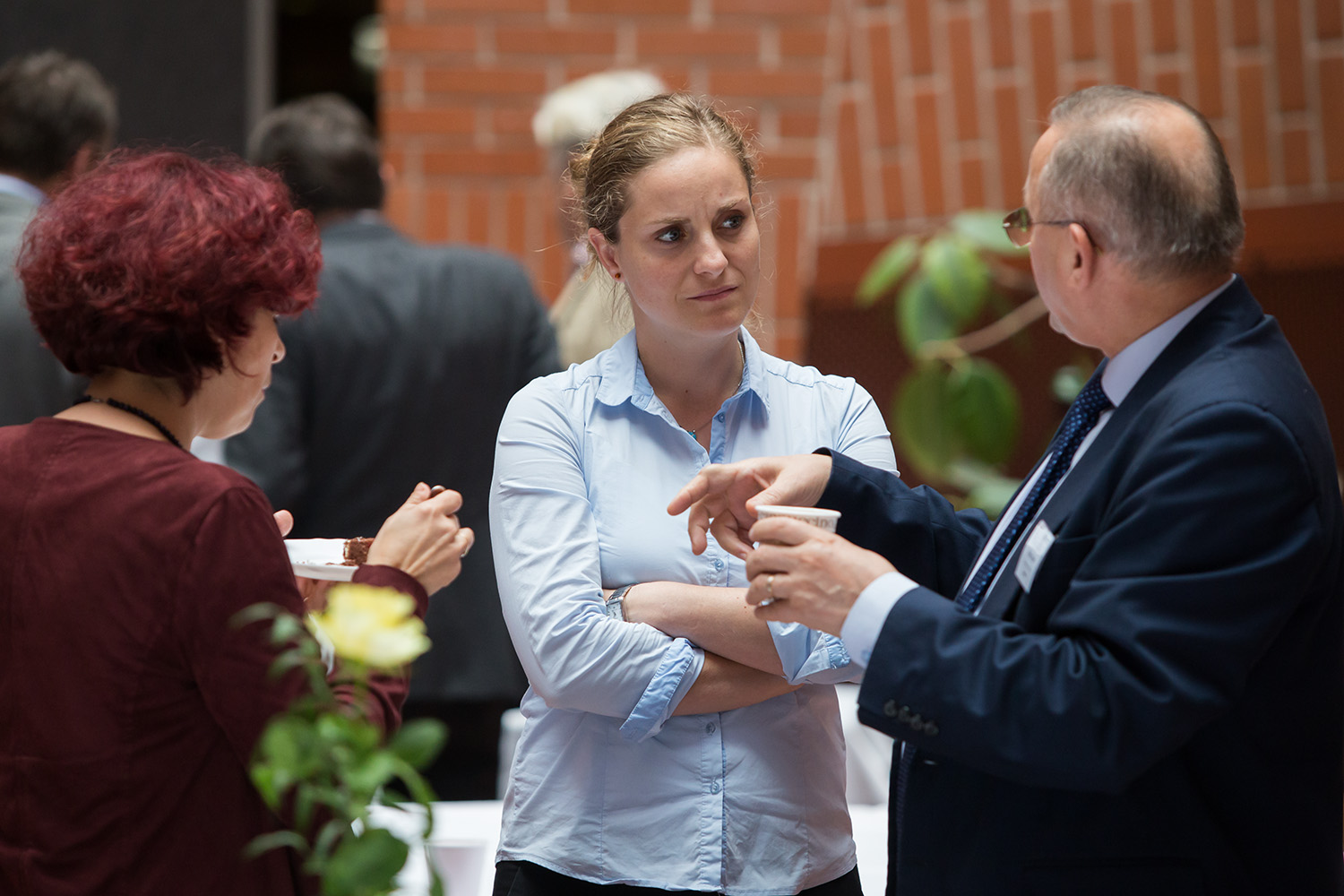
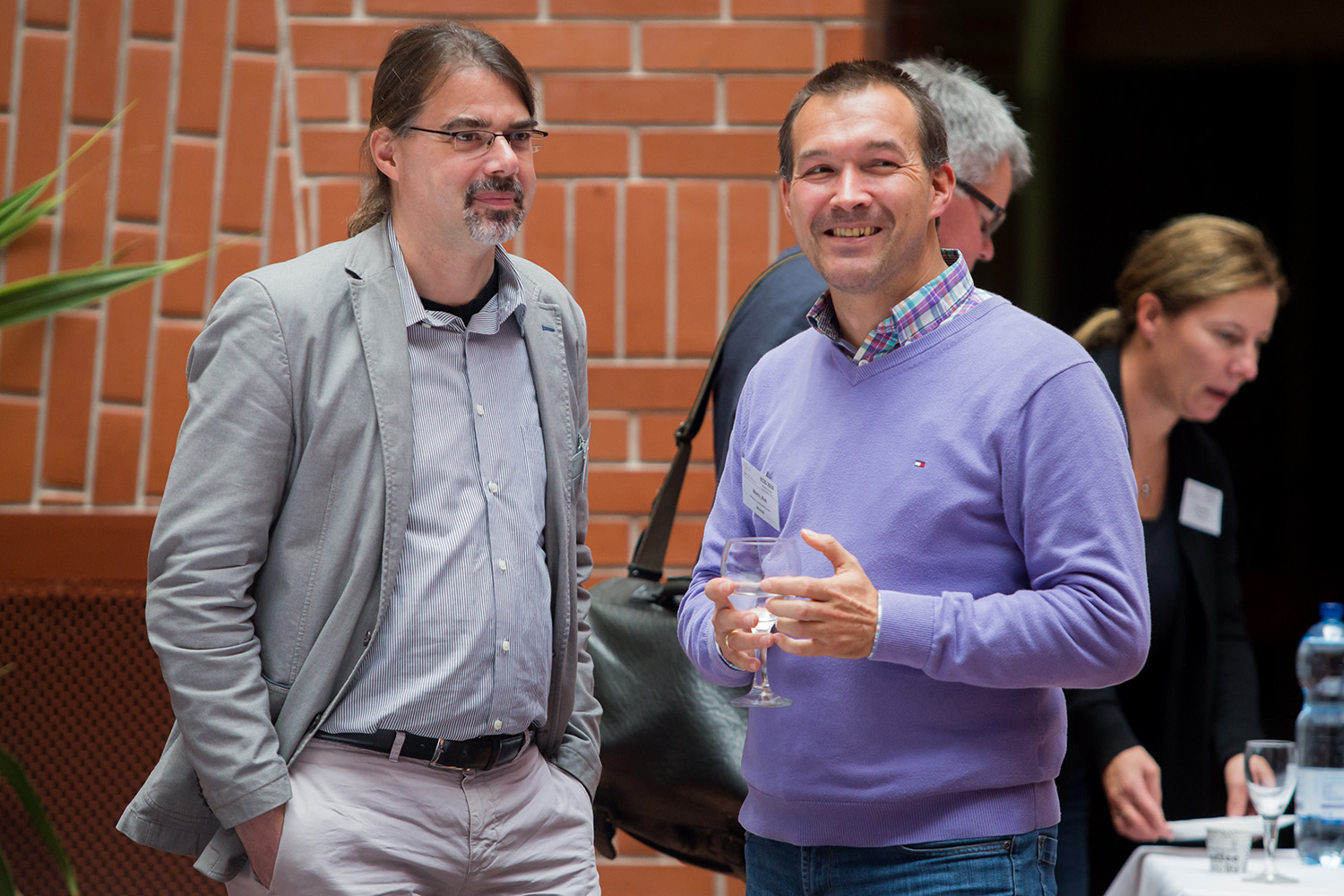
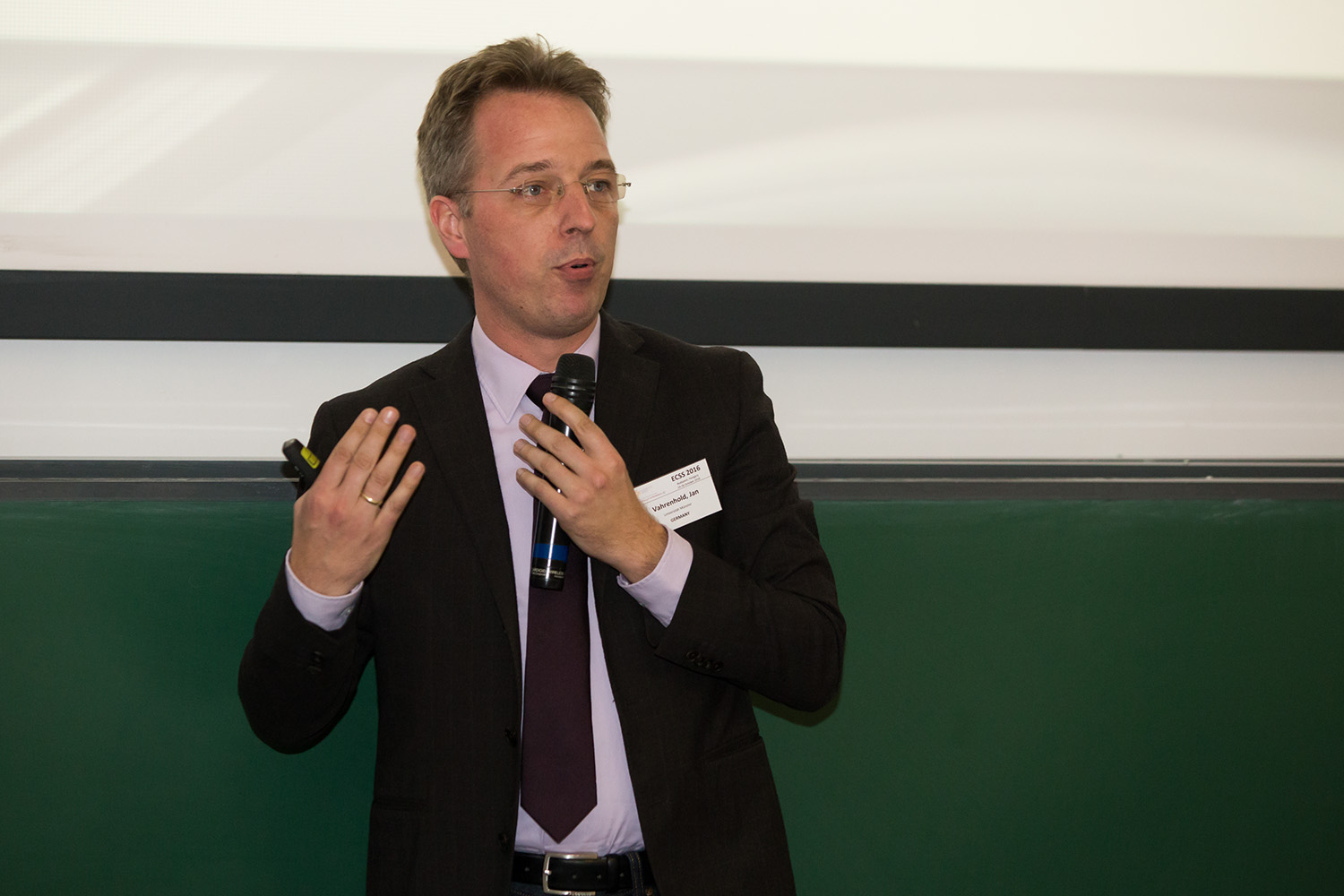
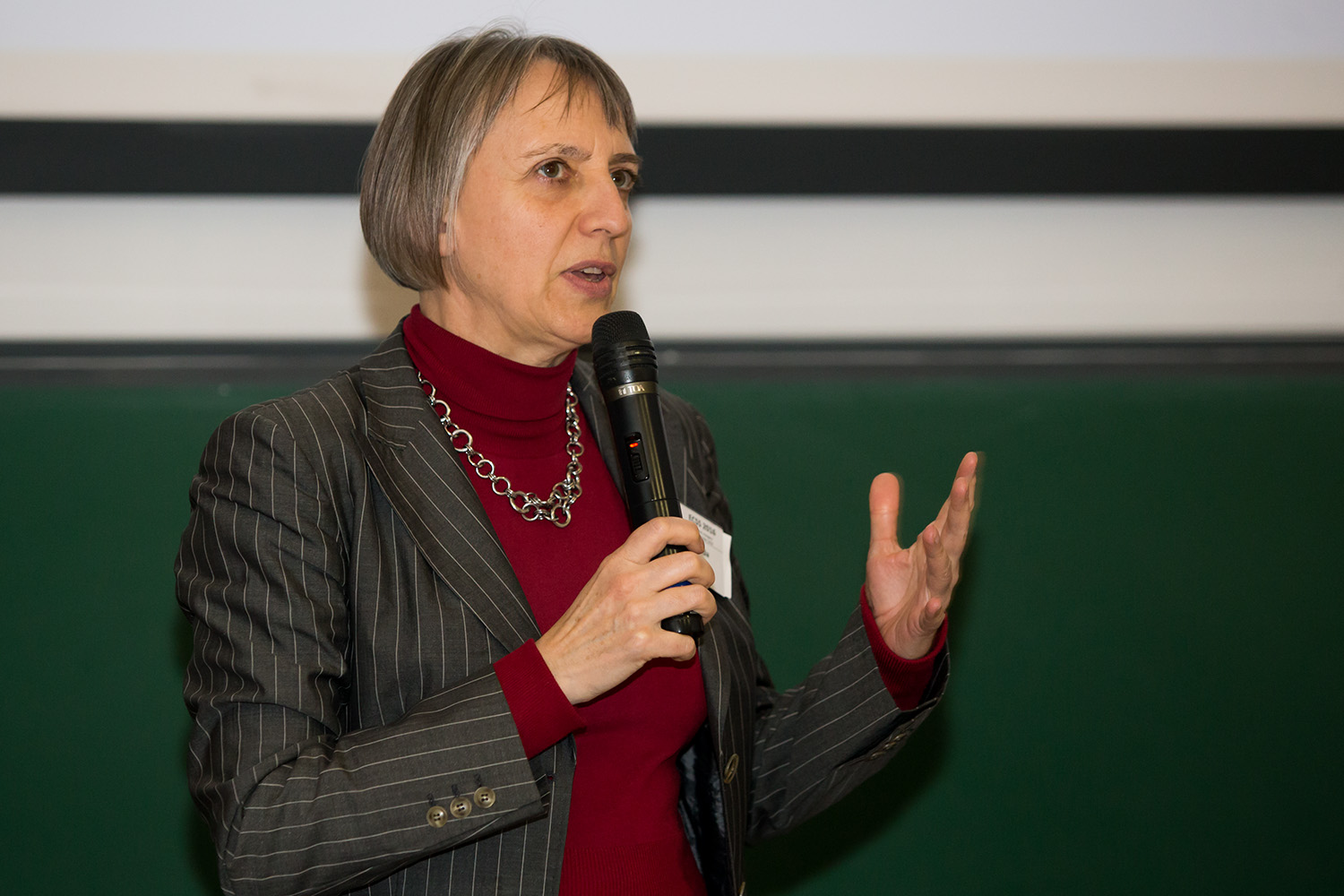
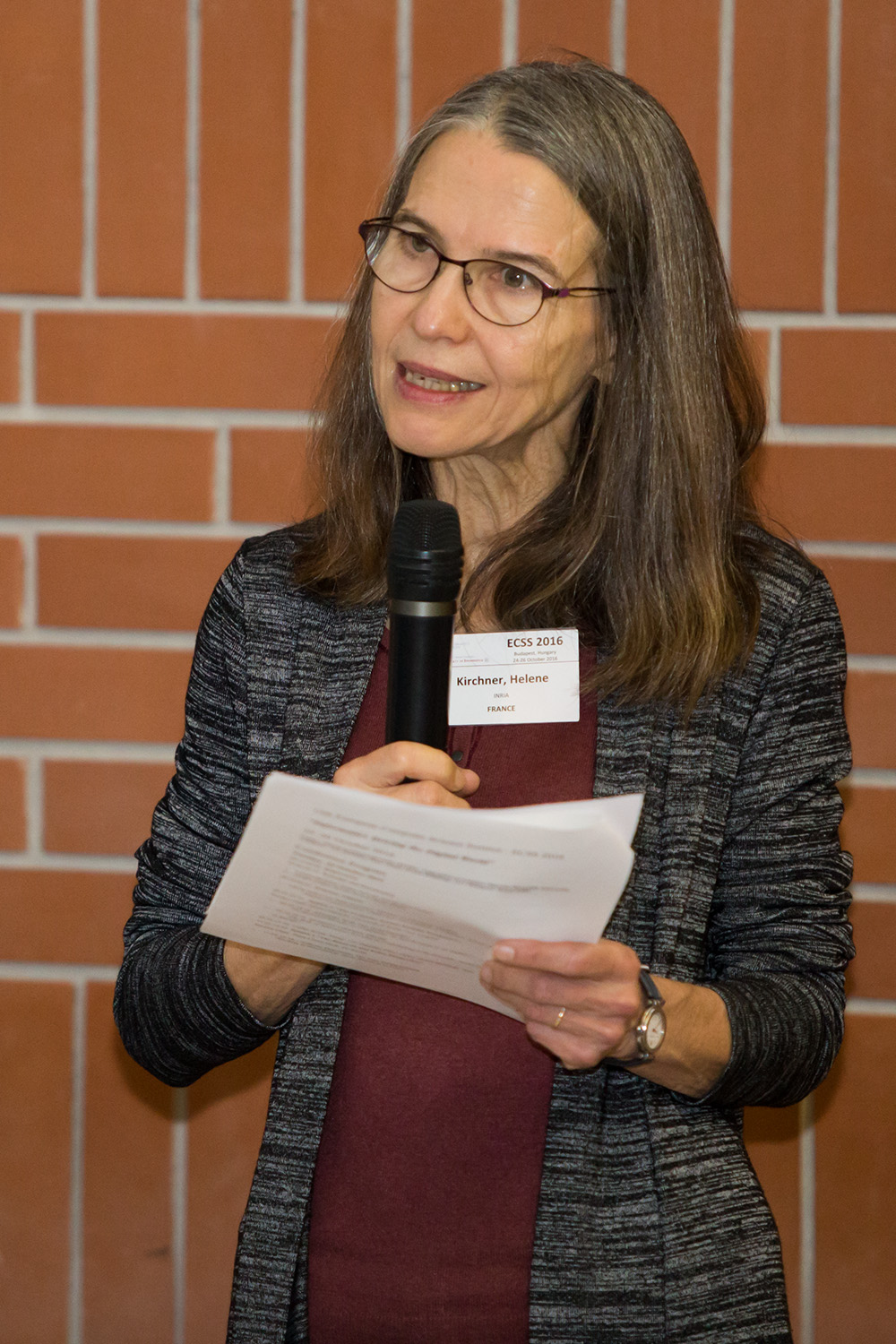
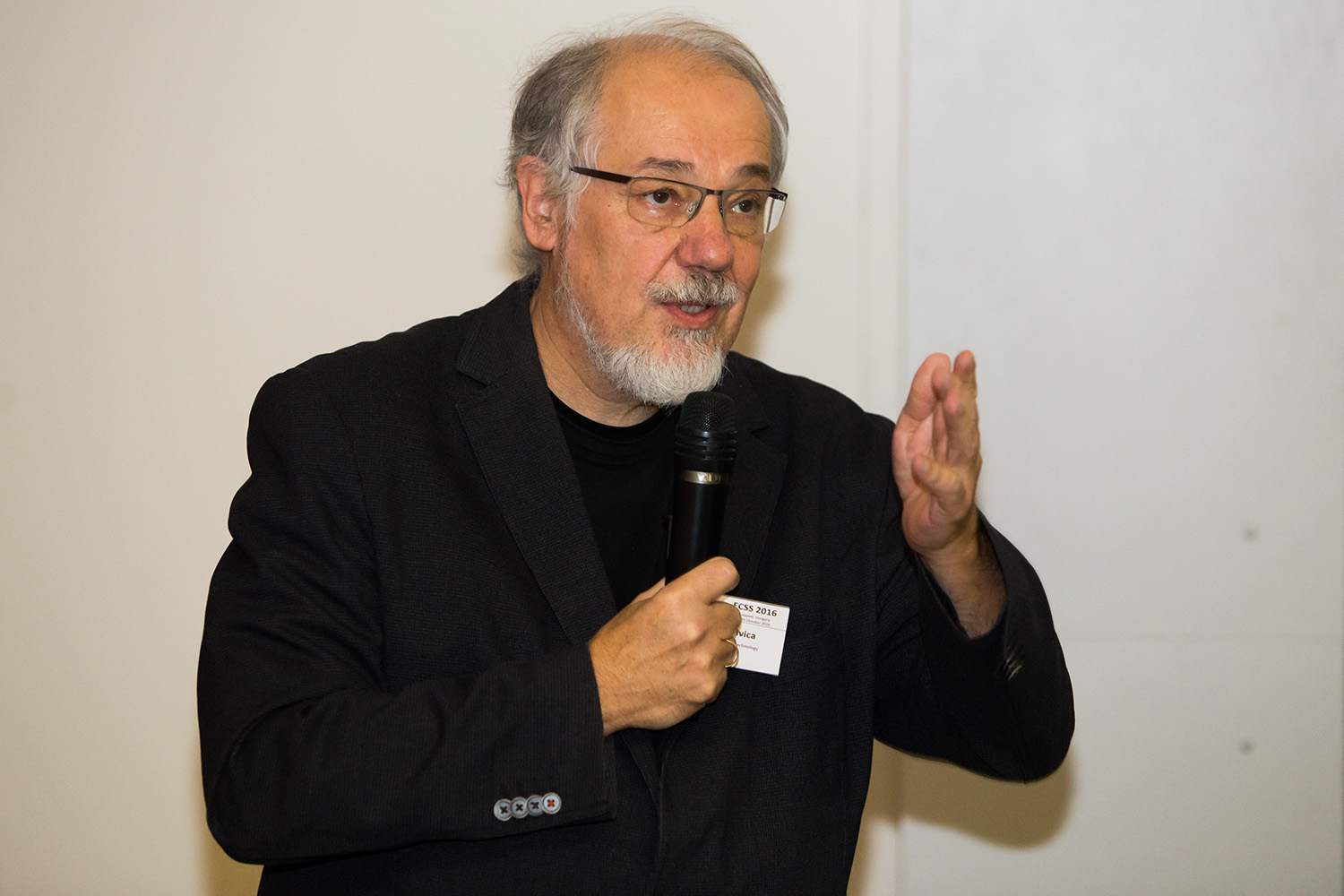
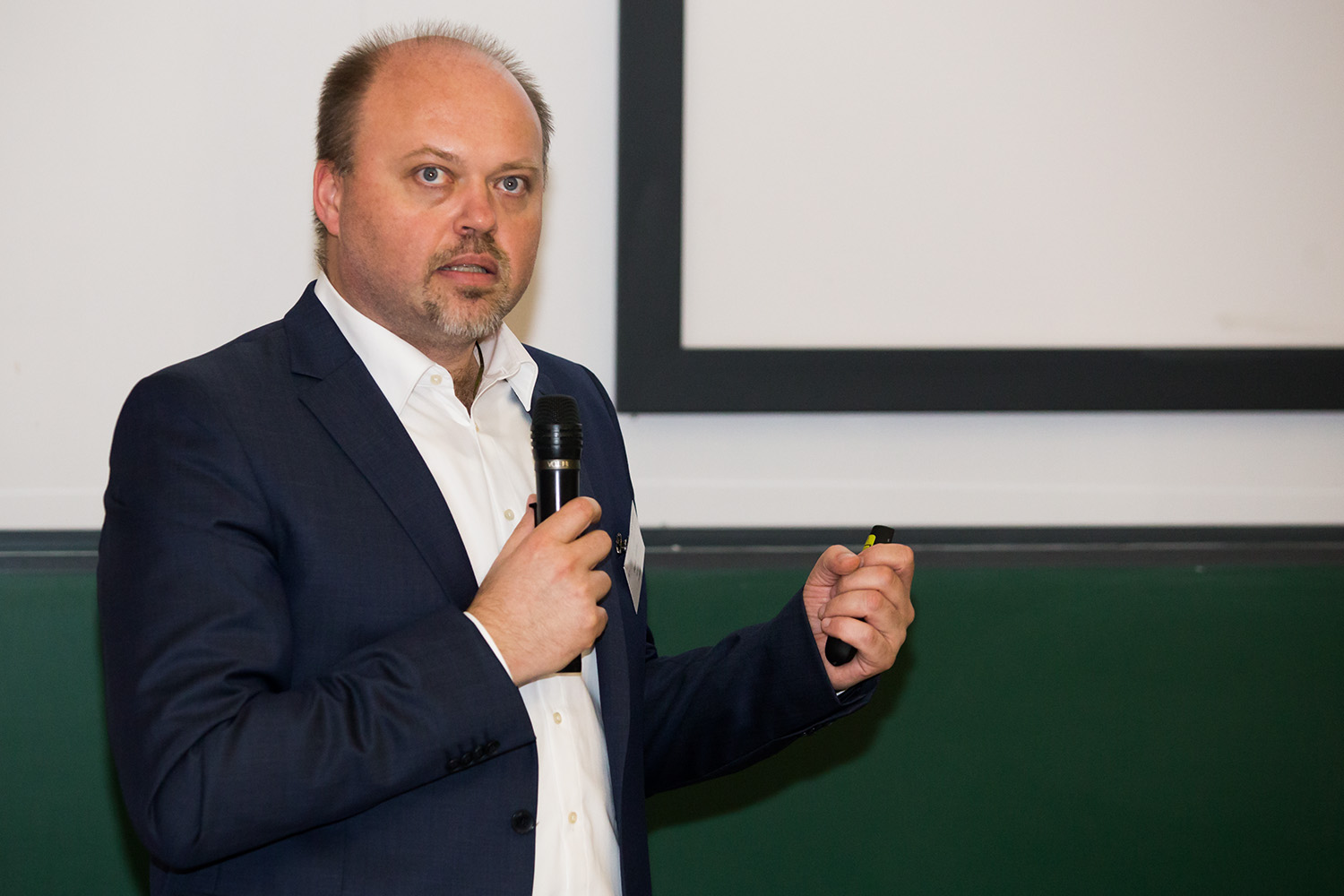
Below a few photos of the event (Click to enlarge):









-
Budapest
-
ELTE Building
-
Workshop for Deans and Department Heads
-
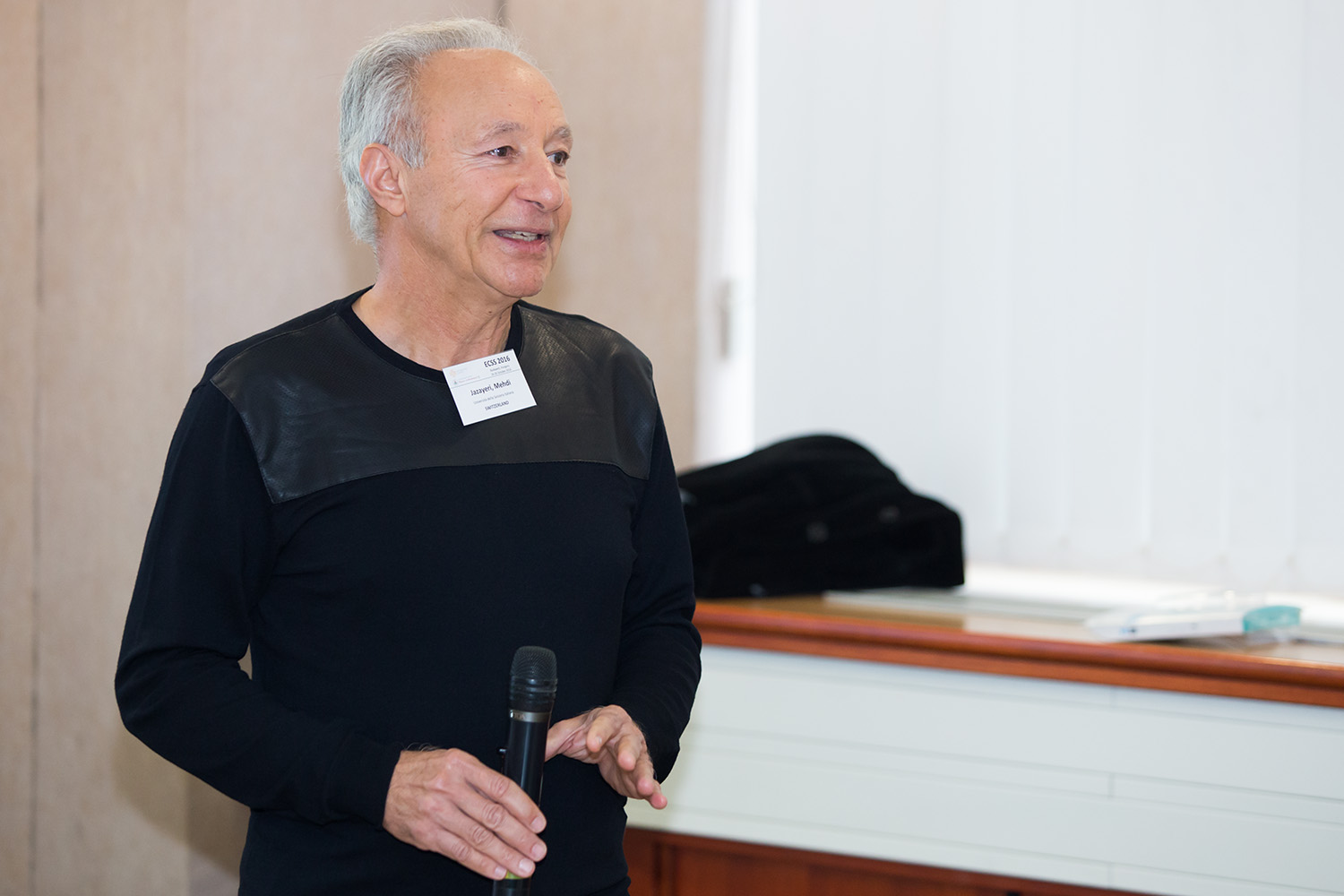
Mehdi Jazayeri, University of Lugano
-
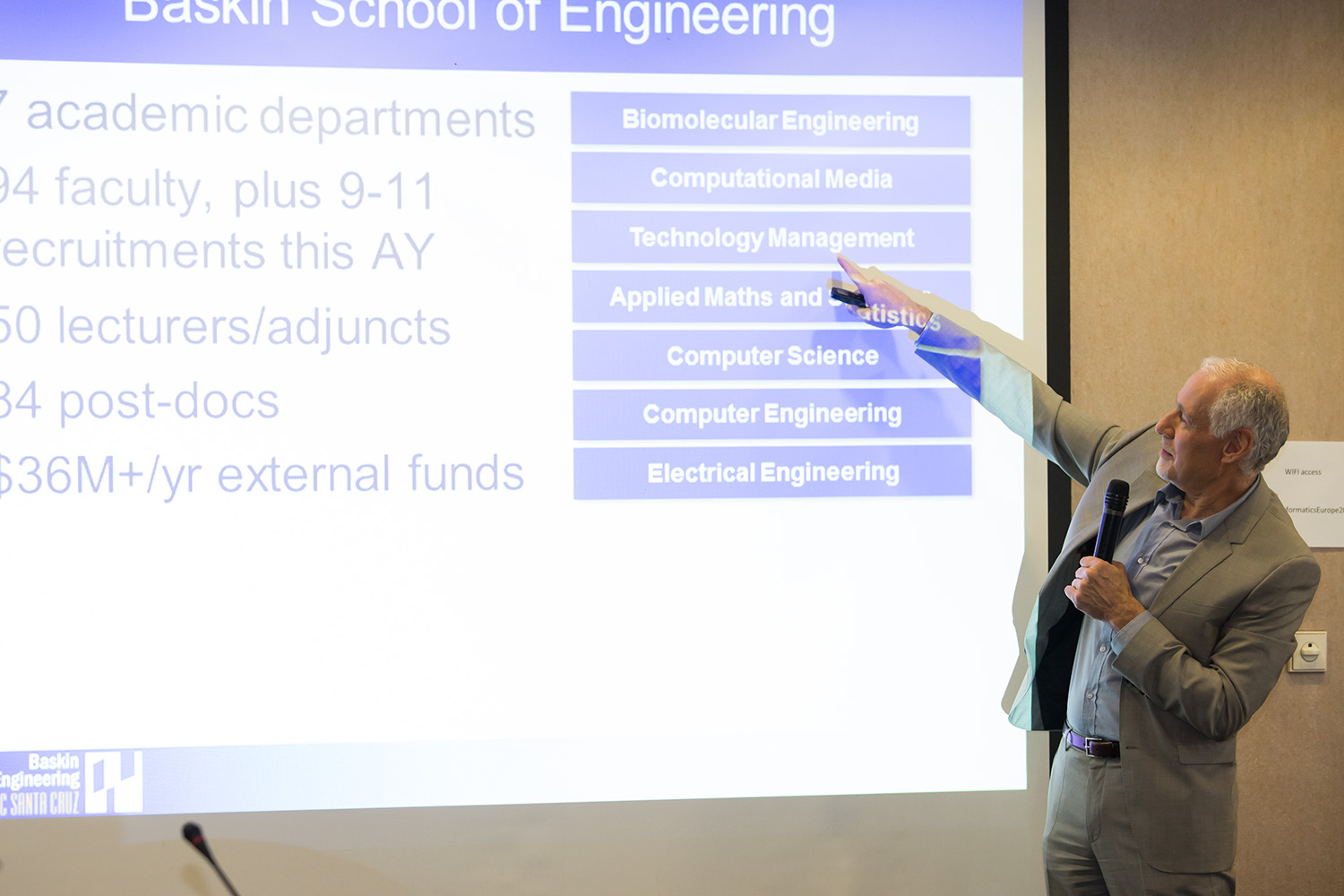
Alexander Wolf, University of California at Santa Cruz
-
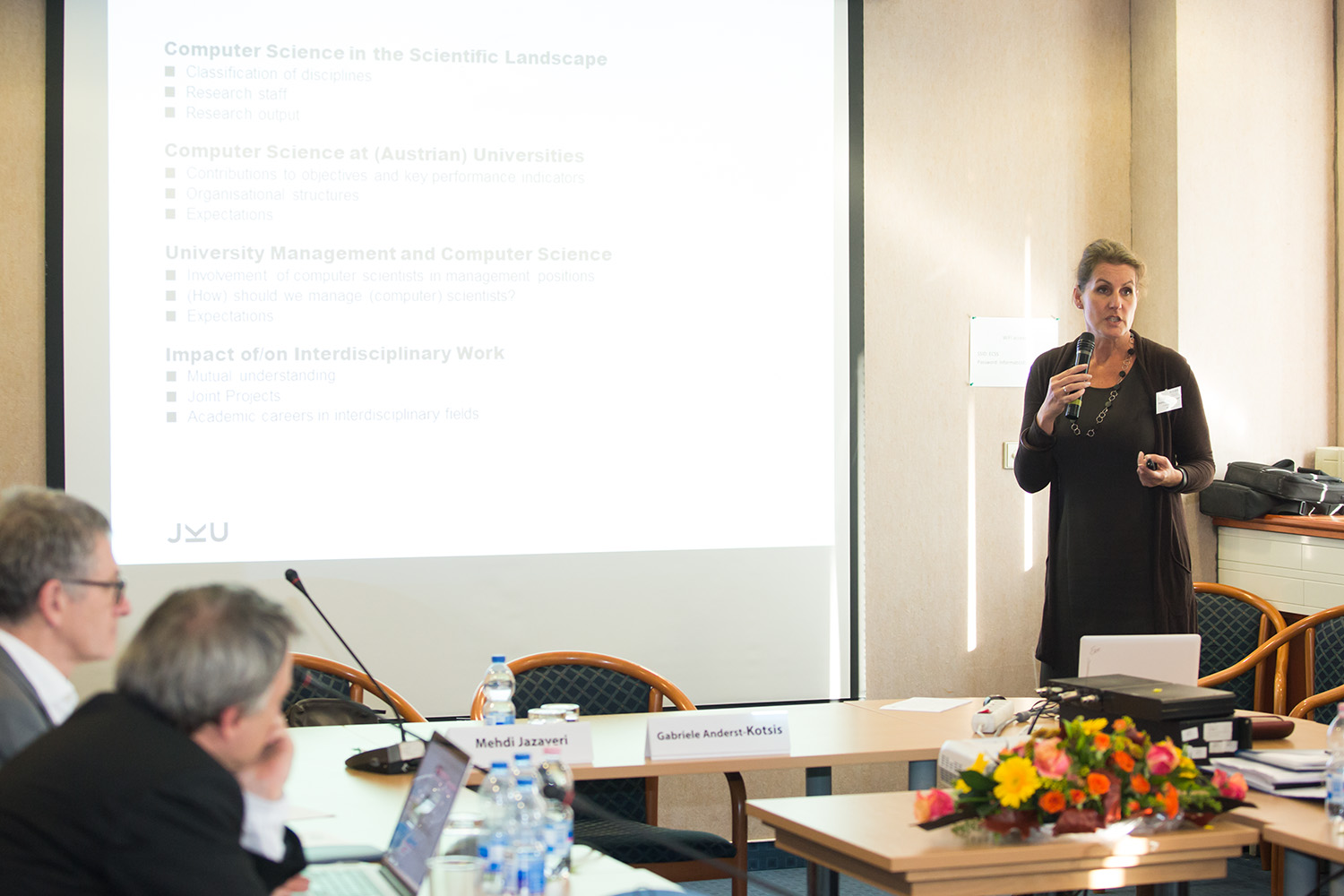
Gabriele Anderst-Kotsis, Johannes Kepler University Linz
-
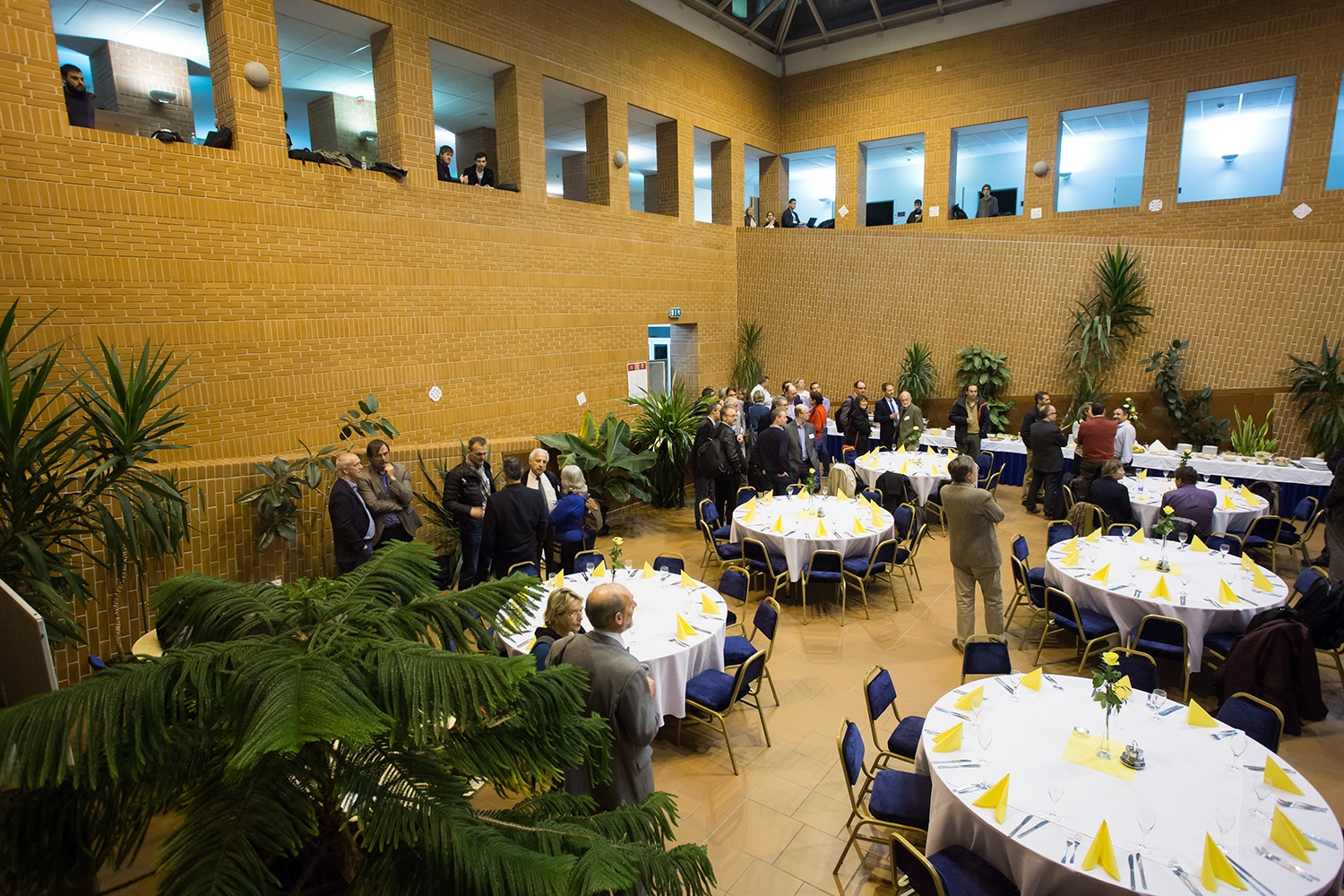
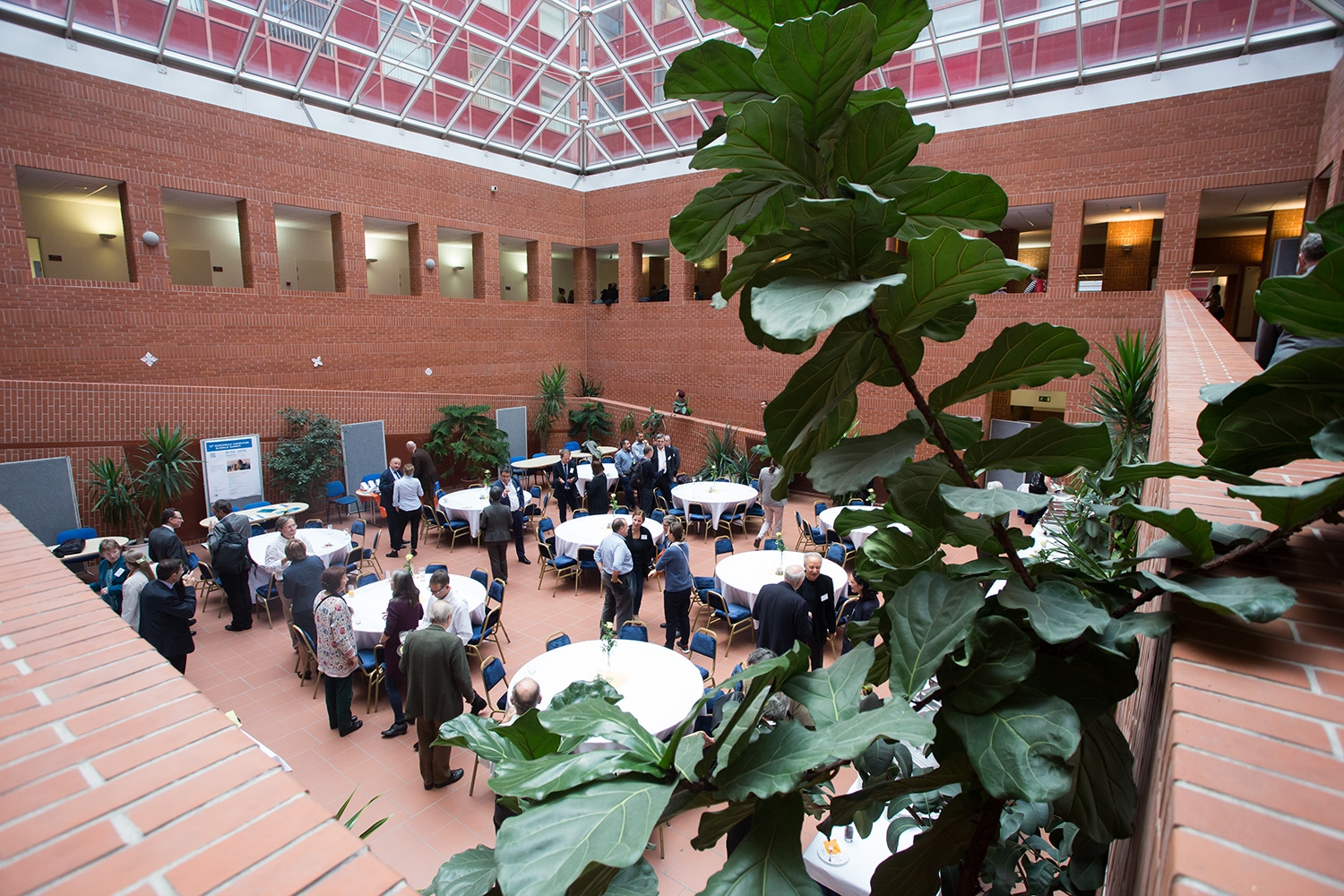
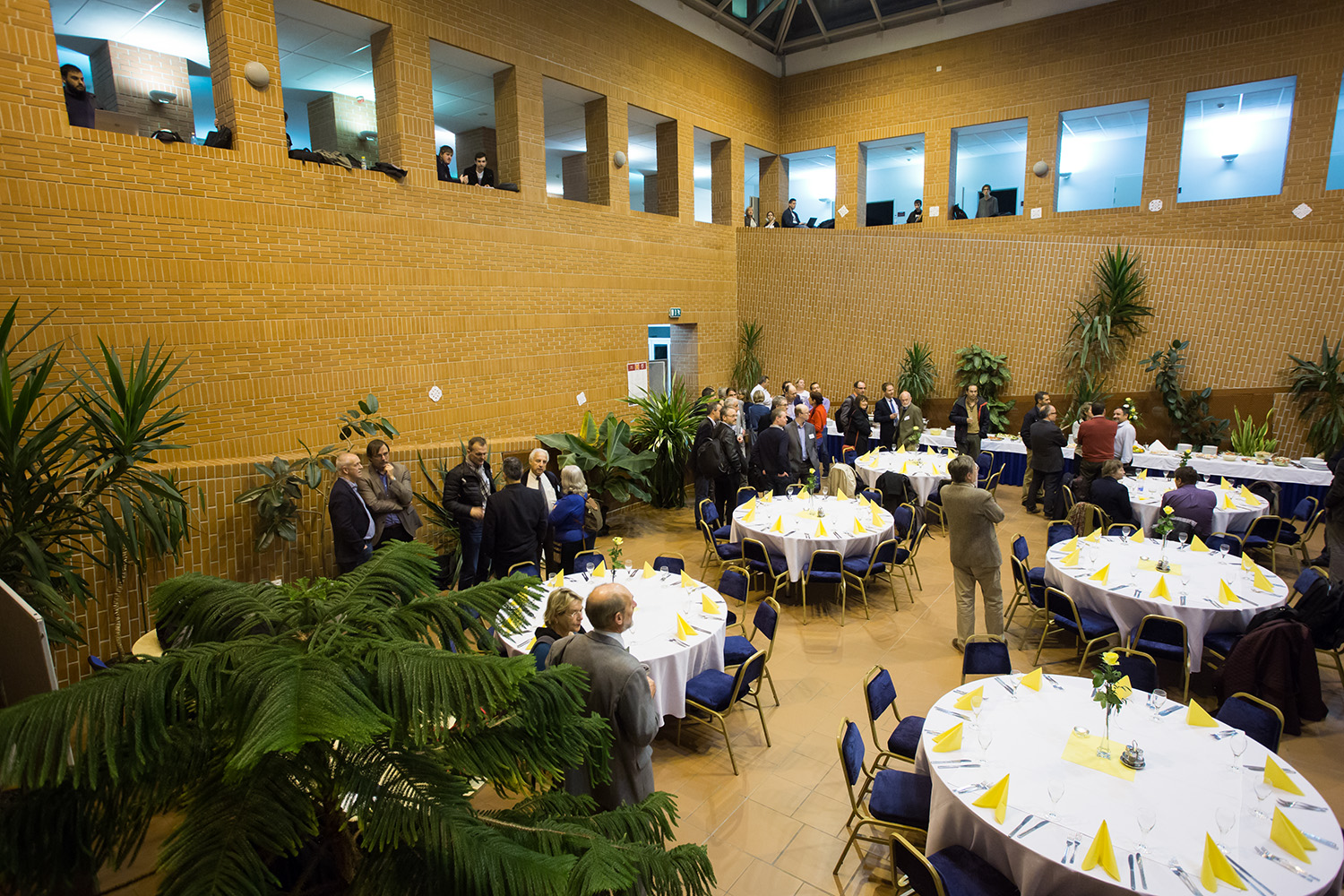
Welcome Reception
-
Lynda Hardman, Informatics Europe President
-
Welcome Reception
-
Gregor Engels, ECSS 2016 Program Chair, University of Paderborn
-
Welcome Reception
-
Lynda Hardman, ECSS 2016 Chair
-
Zoltán Horváth, ECSS 2016 Chair, ELTE
-
ECSS 2016
-
Enrico Nardelli, Università di Roma "Tor Vergata"
-
Alexander Wolf, Past ACM President
-
ECSS 2016
-
Domenico Laforenza, ERCIM
-
Hans-Ulrich Heiß, TU Berlin
-
Anthony Finkelstein, The Alan Turing Institute
-
Erika Ábrahám, RWTH Aachen
-
ECSS 2016
-
Leszek Pacholski, TU Wroclaw
-
Manfred Broy, TU Munich
-
Jan Bosch, Chalmers University of Technology
-
100 Member Milestone cake
-
100 Member Milestone cake
-
ECSS 2016
-
ECSS 2016
-
ECSS 2016
-
Jan Vahrenhold, Informatics Europe CECE
-
Lynda Hardman
-
Panel discussion led by Markus Püschel, ETH Zurich
-
Panel discussion “Informatics Driving the Digital World – Really?”
-
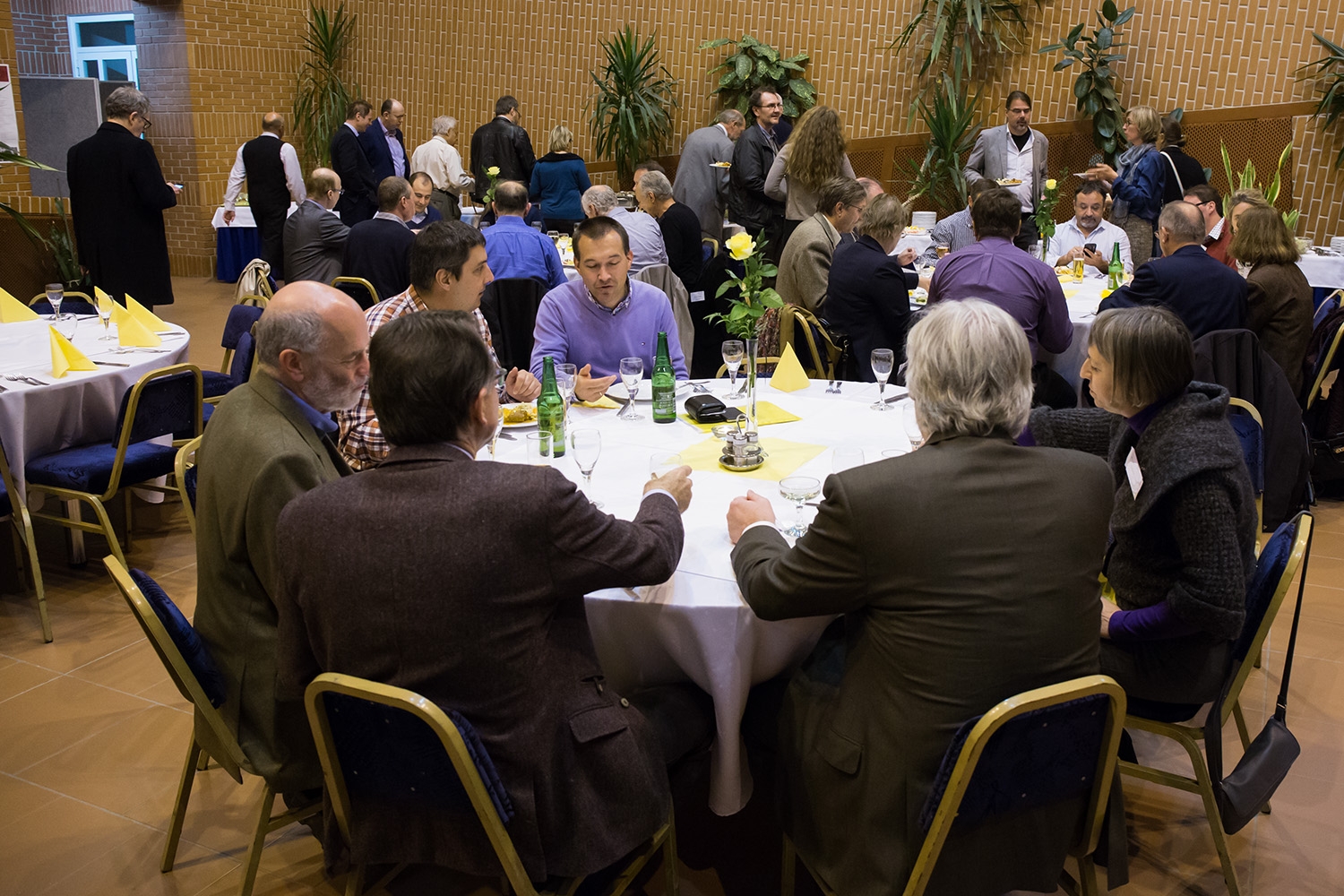
Conference Dinner
-
ECSS 2016 conference dinner
-
Hélène Kirchner, Inria
-
Patricia Lago, Vrije Universiteit Amsterdam
-
Laura Kovács, Vienna University of Technology
-
Roland Jakab, Ericsson
-
Willem Jonker, EIT Digital
-
Informatics Europe and ERCIM Award winners 2016
-
ECSS 2016
-
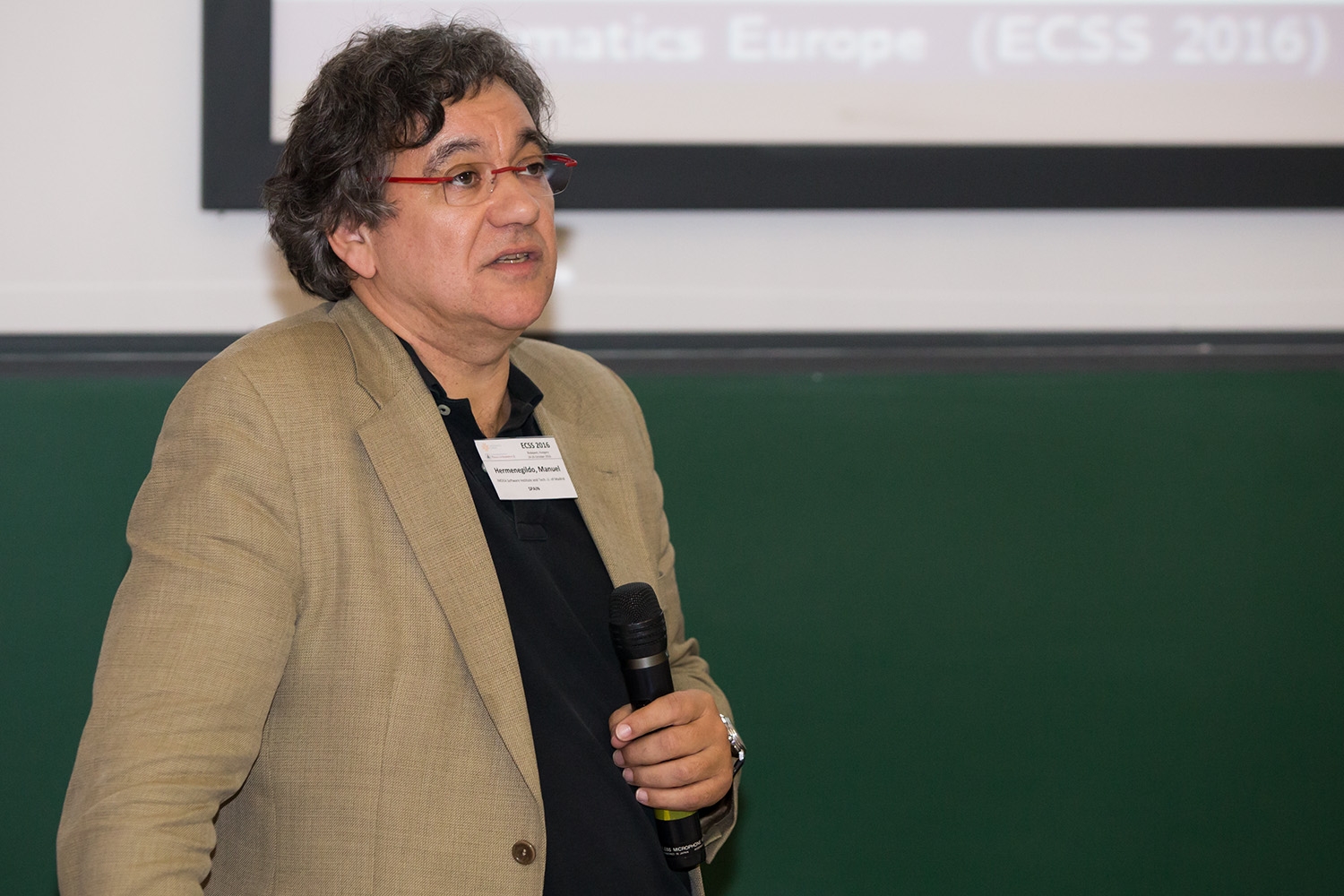
Manuel Hermenegildo, IMDEA Software Institute and Universidad Politécnica de Madrid, leading panel on research evaluation
-
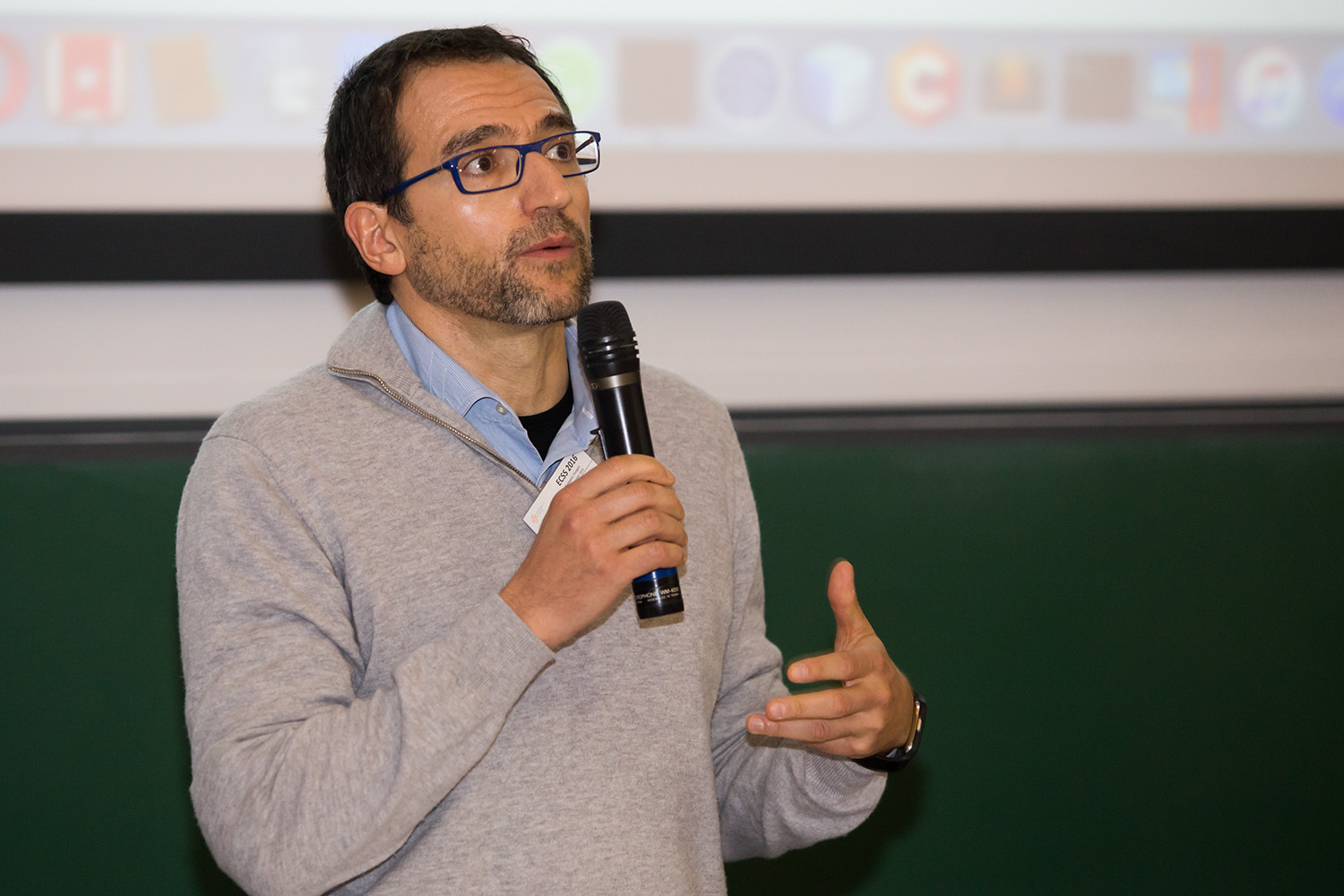
Gianni Mecca, Università della Basilicata, Potenza, research evaluation panel member
-
Ivica Crnkovic, Chalmers University
-
Attila Ferik, GE Health






 Netlogica