

At Informatics Europe, we are celebrating 2 decades of joint achievements while continuing to shape the discipline's future.
With 200 member institutions in over 30 countries, Informatics Europe connects more than 50,000 researchers, promotes concerted positions, acts on shared priorities and supports policy-making in Informatics Education, Research and its Social Impact across Europe.
Visit the full list of member university departments, research labs and industrial members here.
 |
Our activities address strategic matters and emerging trends in informatics and related fields, fostering unity in the variety of our member institutions and promoting pan-European collaboration. As a non-profit membership association, our work is mainly performed by scientist volunteers who collaborate in working groups and ad-hoc task forces. Outcomes are endorsed by our community through its Board of Directors.
As a community of European leaders in Informatics Research, we empower each other to:
- Create opportunities for joint initiatives and knowledge exchange between academia & industry & society.
- Engage with society on the nature and impact of Informatics.
- Advocate for Informatics in European policy discussions.
- Promote quality standards and best practices in research, education, and knowledge transfer.
- Foster ethical and responsible Informatics teaching and research.
- Nurture talent and assure a pipeline of diverse leaders with a broad understanding of the discipline.
The potential of Informatics Europe can go as far as our collective ambitions take it!
You & your organization are key for IE
We have a common cause and a common interest. This is the reason for university departments, research labs and industrial organizations to join us, for their affiliated researchers to contribute our activities since 2005 and for National Informatics Associations (NIAs) to choose us for engaging in European discussions. This is a call to:
Current & Potential Members
Demonstrate your institute’s support by becoming a member and empower your researchers to engage in our activities for collaborative success in Informatics in Europe. As an Informatics Europe member, gain the opportunity to amplify your presence and influence decisions at the pan-European level, engage in learning and knowledge exchange with peer leaders, and enjoy exclusive IE members-only services. We welcome university departments, research labs and industrial organizations engaged in R&D activities leveraging advances in the field of Informatics.
The greatest membership benefits those who collaborate the most!
Students, PosDocs and recent graduates
Informatics Europe aims to nurture talent and assure a pipeline of diverse Informatics leaders with a broad understanding of the discipline.
Boost your career development with the Early Career Researchers WG and Academic Leadership Courses. Submit your nomination for the Best Dissertation Award. Increase your mobility opportunities with our Job Platform. Join a training school and bring your research to the next level.
More will follow soon!
Companies at large
Looking for a targeted and impactful approach to engage with the leaders in the European informatics research community other than the IE membership? Eager to recruit informatics talent across Europe? Explore our sponsoring opportunities.
Share our flyer with your colleagues to join forces and amplify our impact together as Informatics Europe!
Discover the impact of our initiatives and services first-hand
While some are exclusive to Informatics Europe members, many are open for the benefit of the wider Informatics community. Explore them in a snapshot:
- Utilize our Department Evaluation and Academic Leadership services;
- Access our extensive array of Publications and Policy Recommendations;
- Nominate deserving individuals for Awards celebrating achievements in gender inclusion, informatics education, and ground-breaking research;
- Boost your international visibility by collaborating with us on EU projects, presenting your latest research results in an Informatics-Europe hosted webinar, updating your information in our Research & Education Directory or featuring relevant activities on the ECSS members spotlight section;
- Engage in strategic and trend-setting discussions during our European Informatics Leaders Summit (ECSS).
- Take an active role in Working Group activities, including organizing related training schools and sessions during ECSS.
- Access the only in its kind Higher Education Data Portal, for pan-European benchmarking;
- Enhance your talent pool and career prospects through our Job Platform.
Keep up with IE's latest updates
Follow us on 


 and subscribe to our mailing list and bulletin here.
Latest News

New Strategic Agenda for Europe’s Software Future Presented in Brussels
The SRIA was launched on 23 September and formally presented to Thibaut Kleiner, Director for Future Networks at the European Commission’s DG CONNECT.
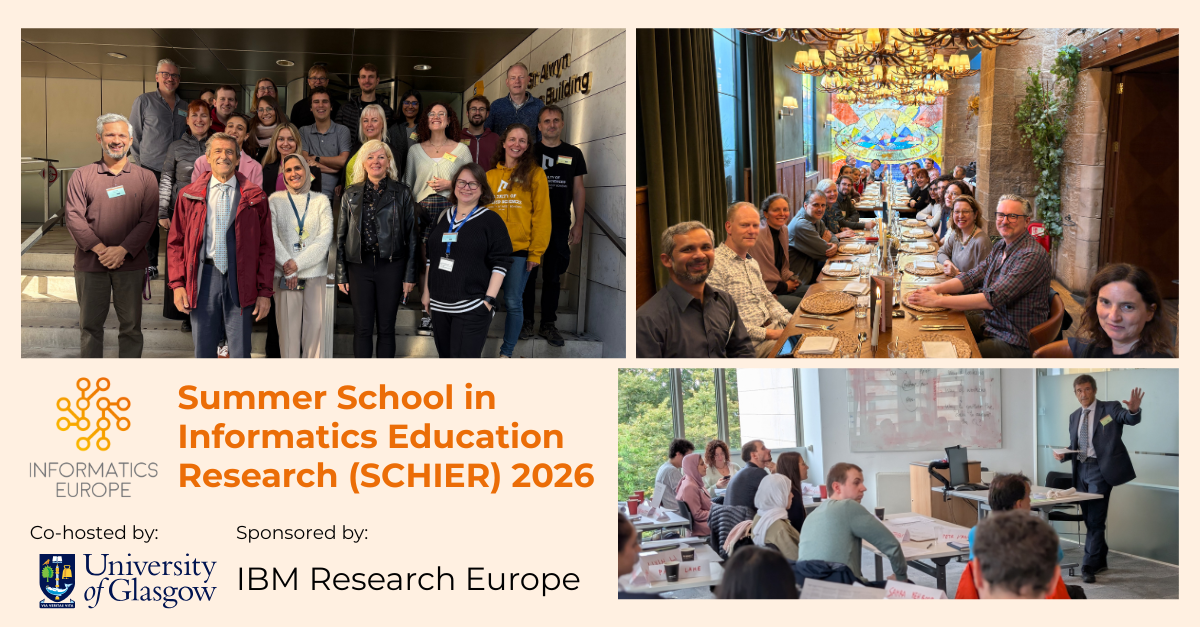
SCHIER 2026: Strengthening the Community of Informatics Education Researchers
Growing the next generation of Informatics Education researchers starts with creating opportunities to learn, exchange and connect.
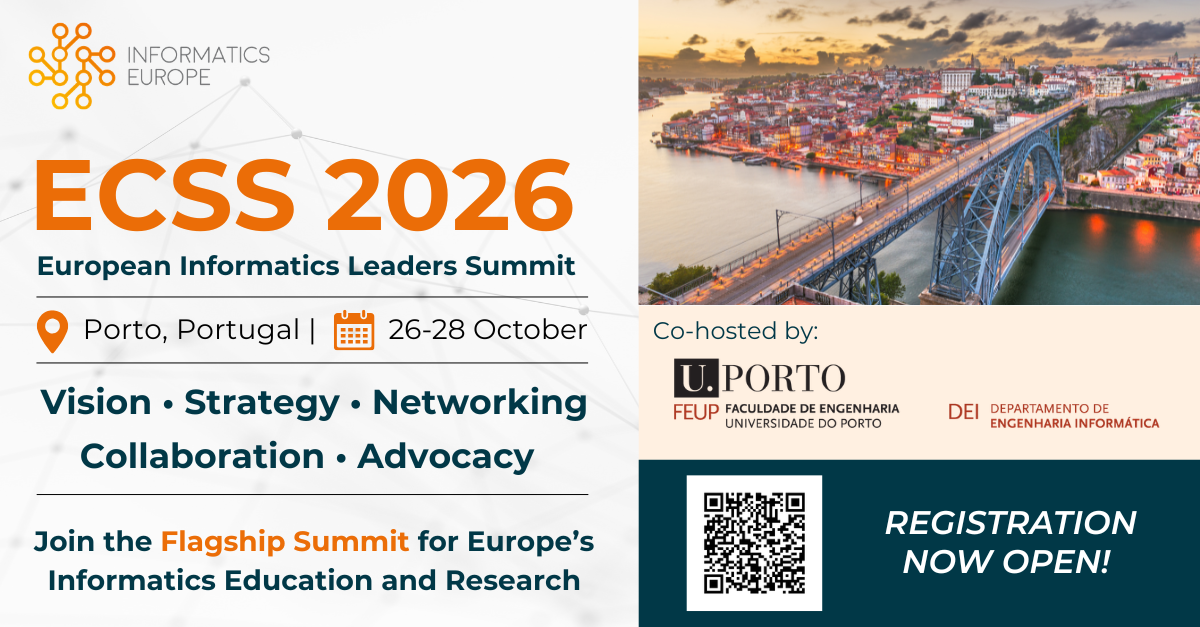
ECSS 2026: Registration Now Open
Registration is now open for ECSS 2026, a unique summit for Europe’s Informatics community to address timely strategic and policy issues in Informatics research and education.
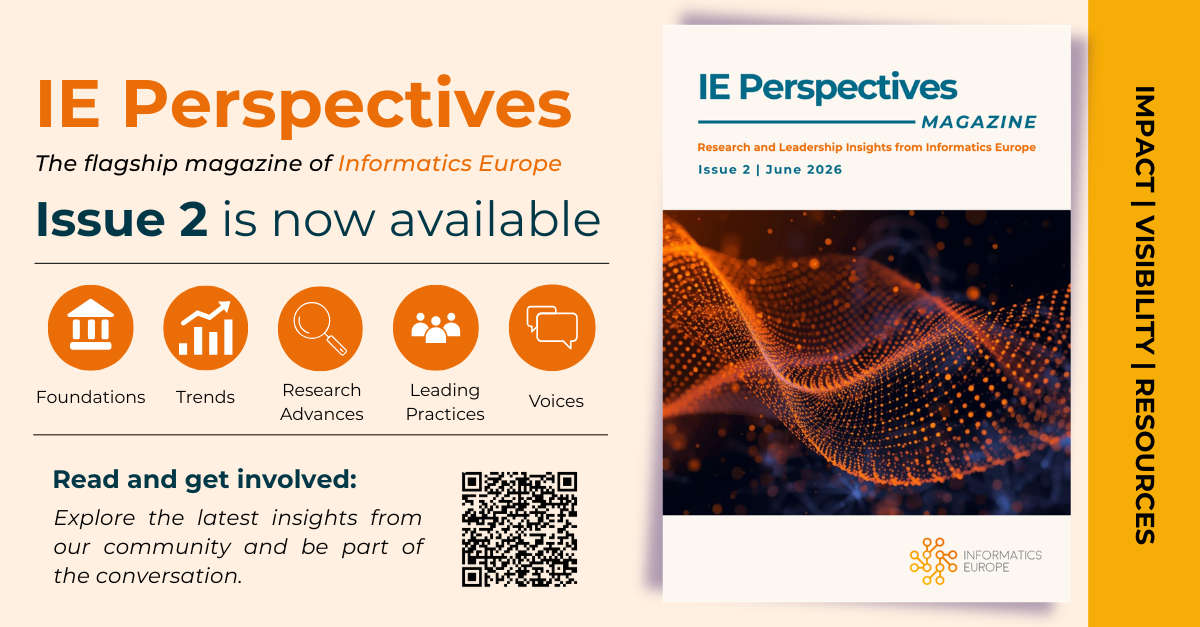
The Second IE Perspectives: Introducing New Section & Co-Editor-in-Chief
Discover the latest IE Perspectives, featuring a new "Foundations" section dedicated to stories of European curiosity-driven Informatics research that has shaped disciplines, technologies and society.
ECSS 2010 - Highlights
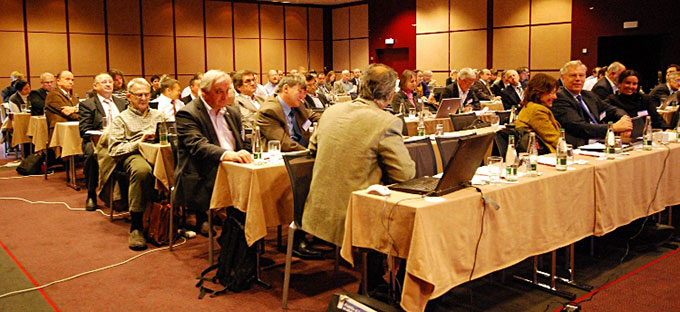
During three beautiful days the historical city of Prague hosted deans, department chairs, research directors, senior faculty and researches from academic and industrial institutions from all over Europe and beyond, united to participate in the 6th edition of the European Computer Science Summit. ECSS is annually organized by Informatics Europe and a member institution; this year the co-organizing partner was the Faculty of Information Technology at the CTU in Prague. More than 115 participants joined the Informatics Europe community contributing to a memorable event.
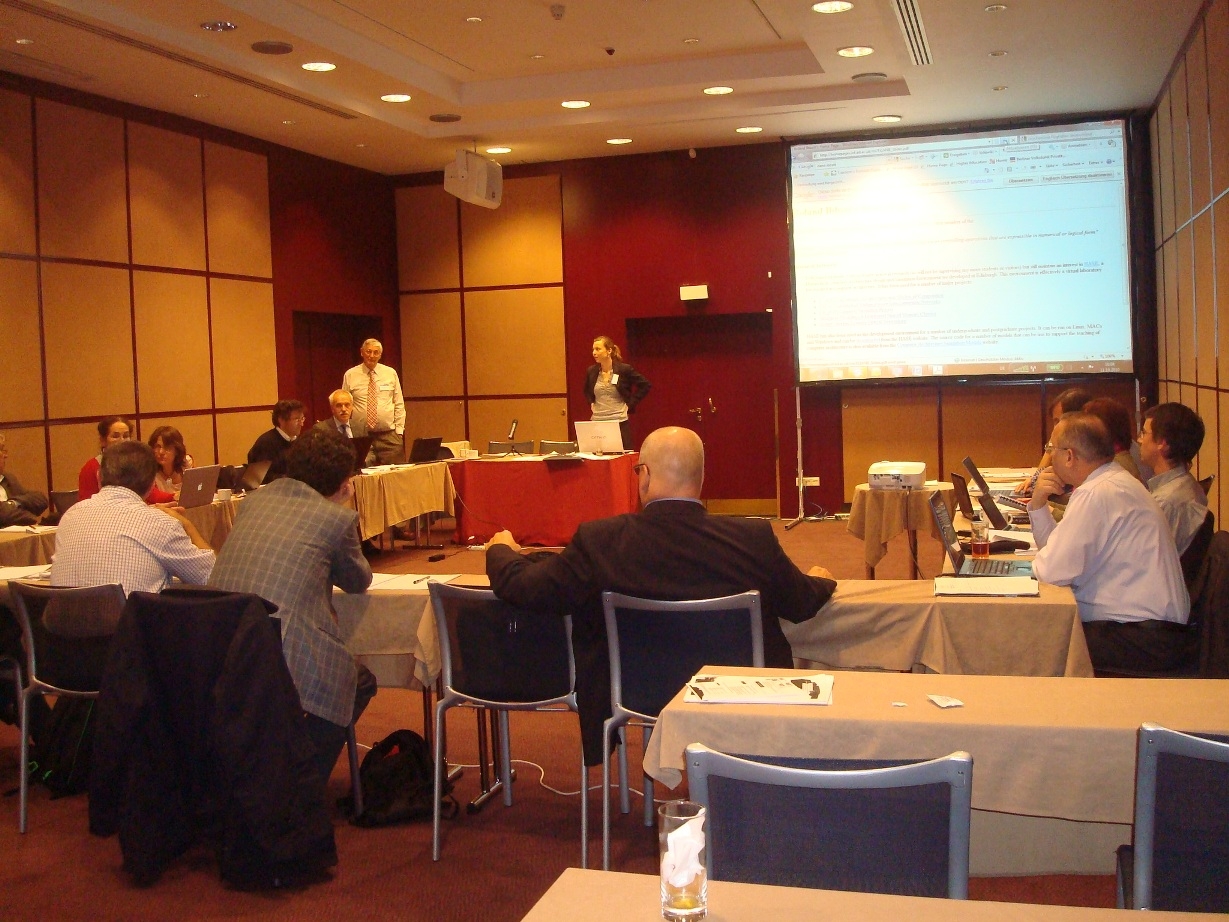
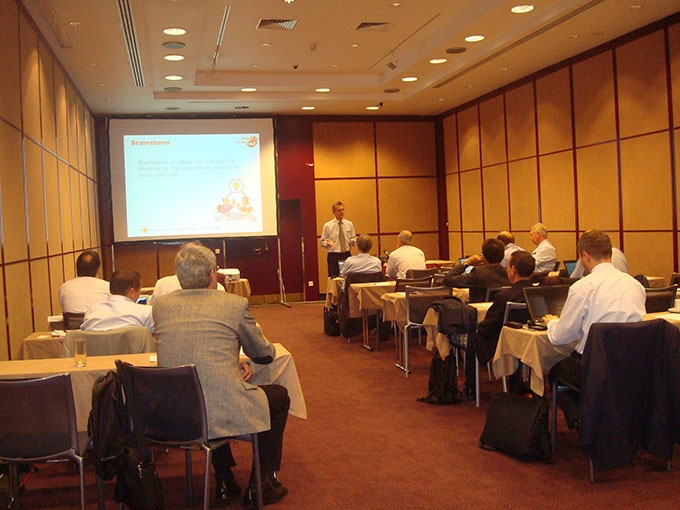
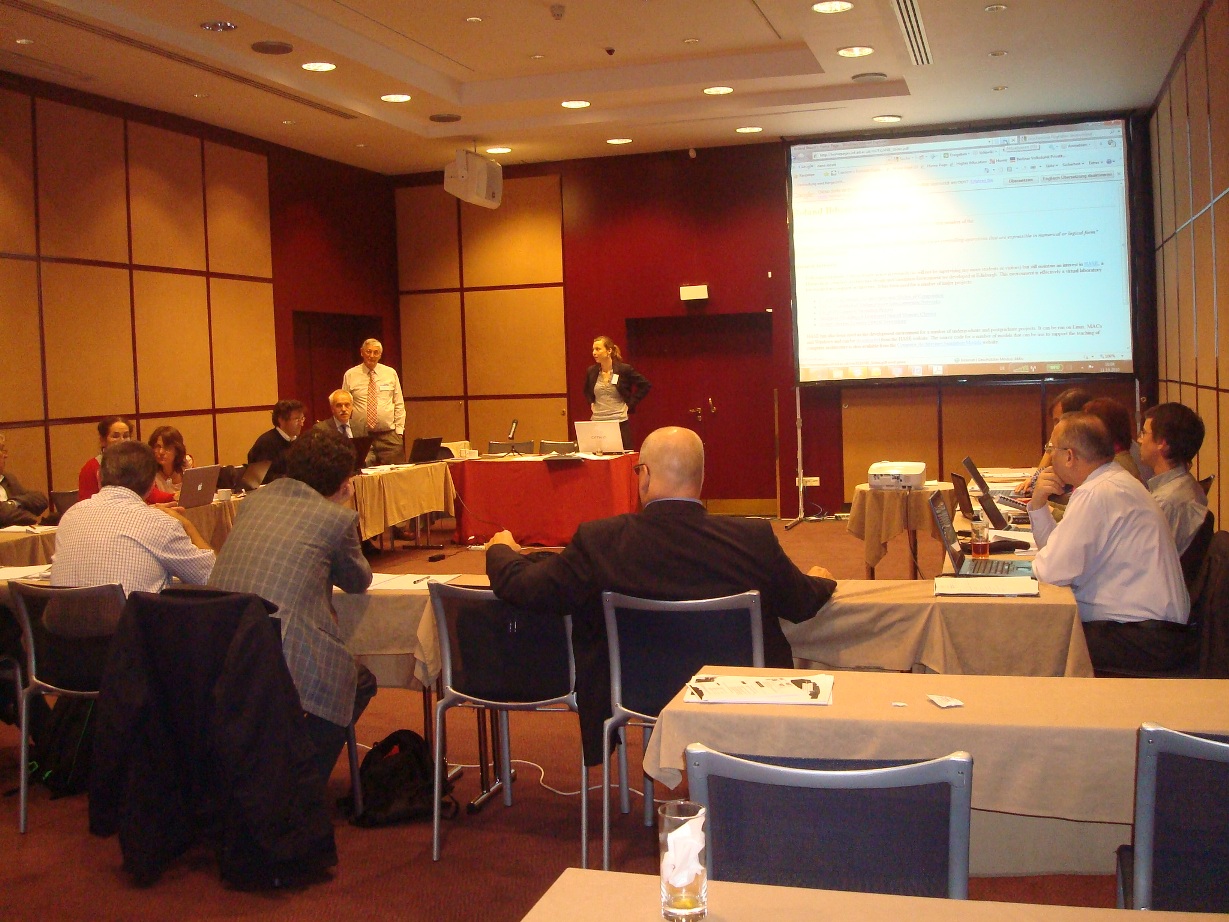
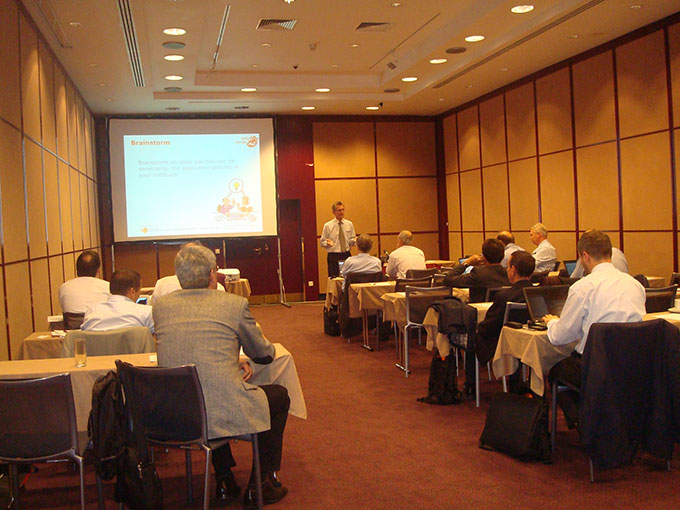
On October 11 around 50 participants gathered for two pre-summit workshops that addressed topics of central importance to the community: Research Leadership and Quality Assurance in Informatics Education. On a hands-on fashion the participants had the opportunity to share their experiences, exchange best practices and build relationships among different European Informatics research and education institutions.

-
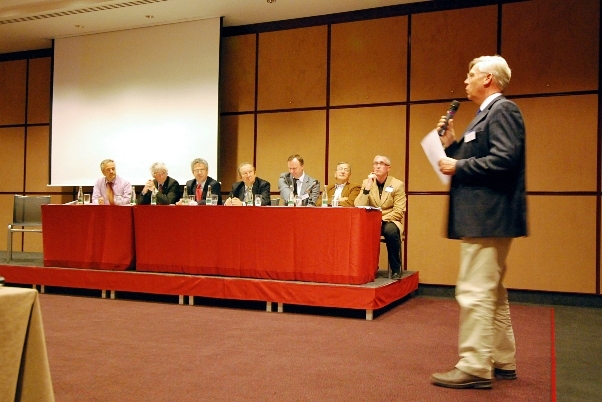
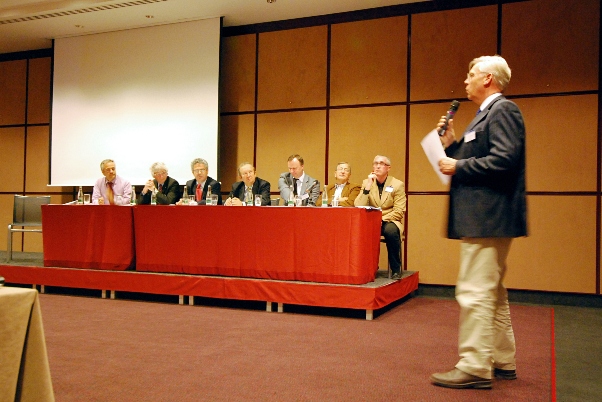
Panel Future of European Scientific Societies in Informatics
-
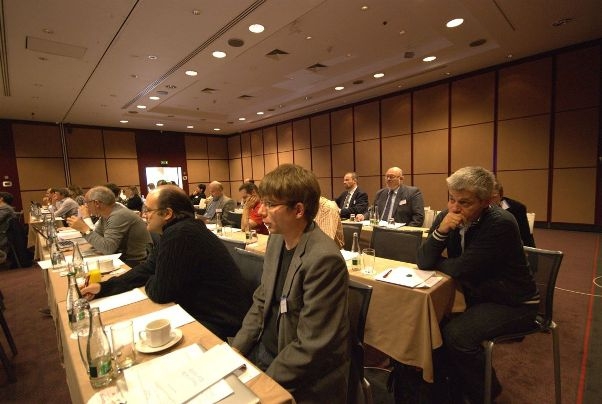
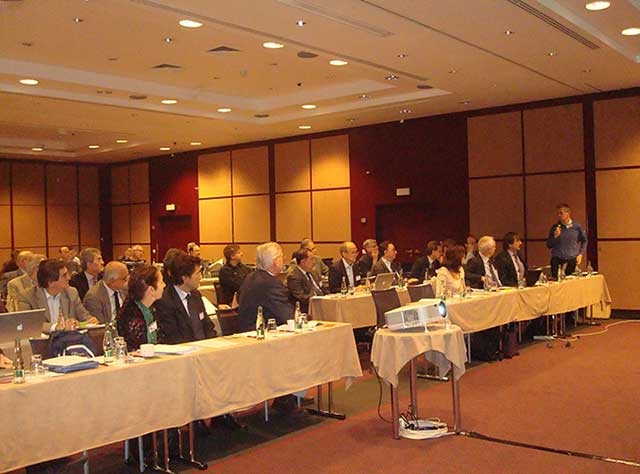
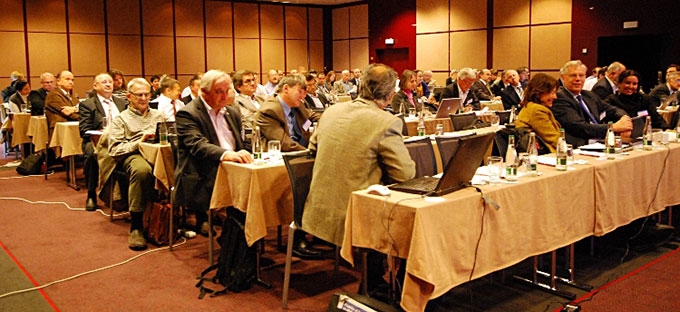
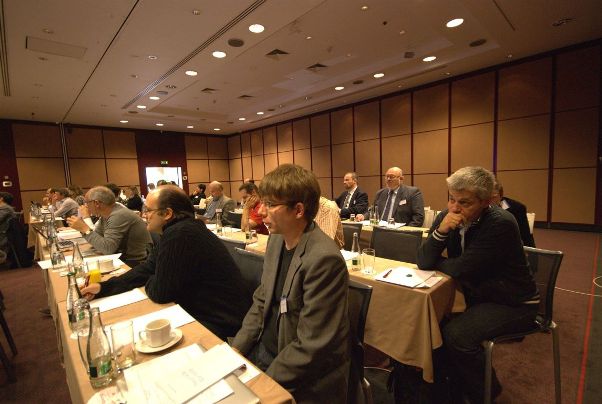
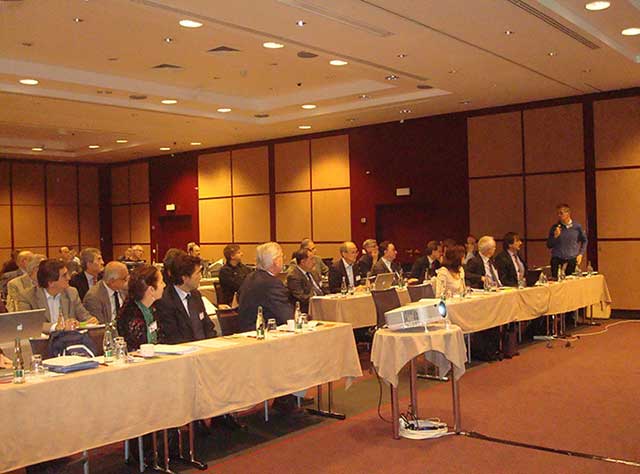
ECSS 2010 - Audience
-
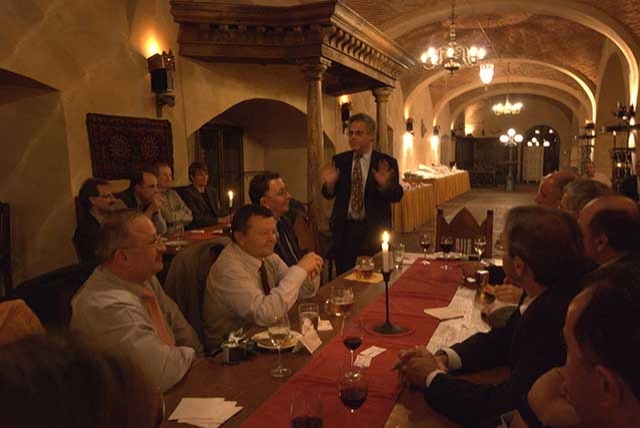
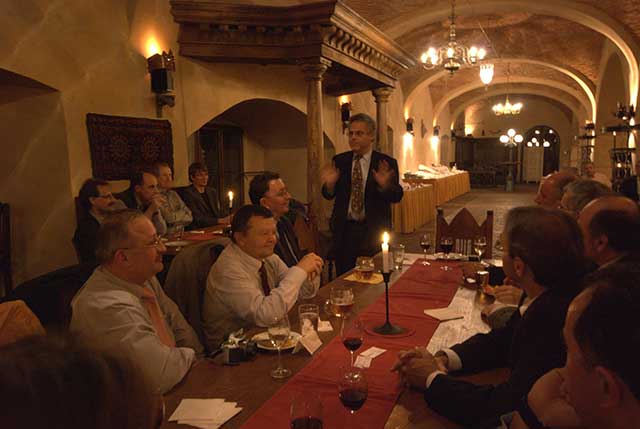
Conference Dinner - Vikarka Restaurant at the Prague Castle
-
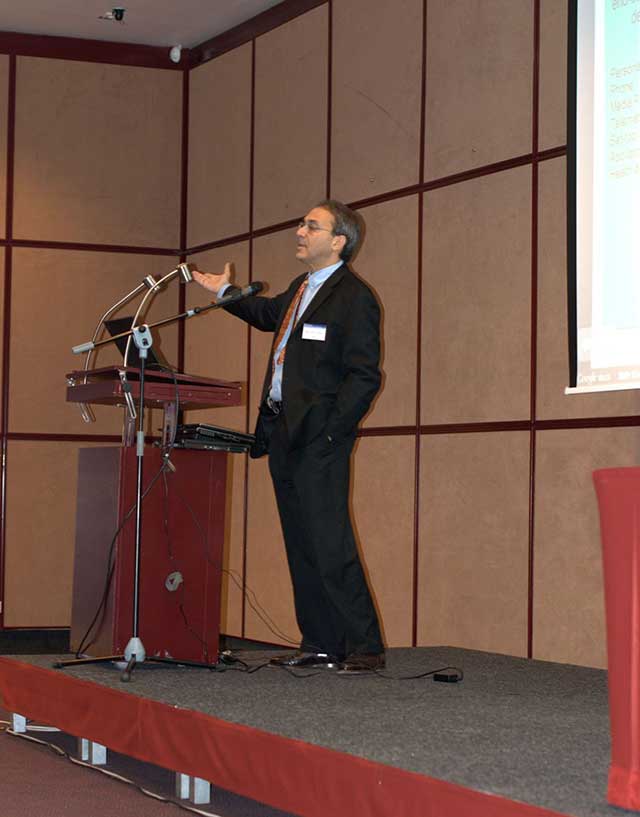
Keynote from Alfred Spector
-
EQANIE Pre-Summit Workshop
-
Department Chairs and Research Directors Pre-Summit Workshop
-
Conference co-chairs: Pavel Tvrdík and Bertrand Meyer
-
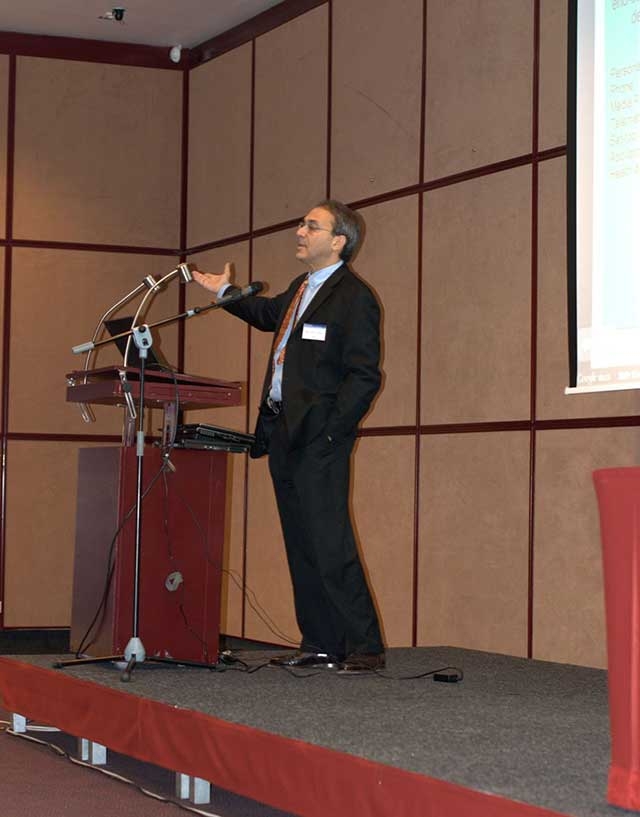
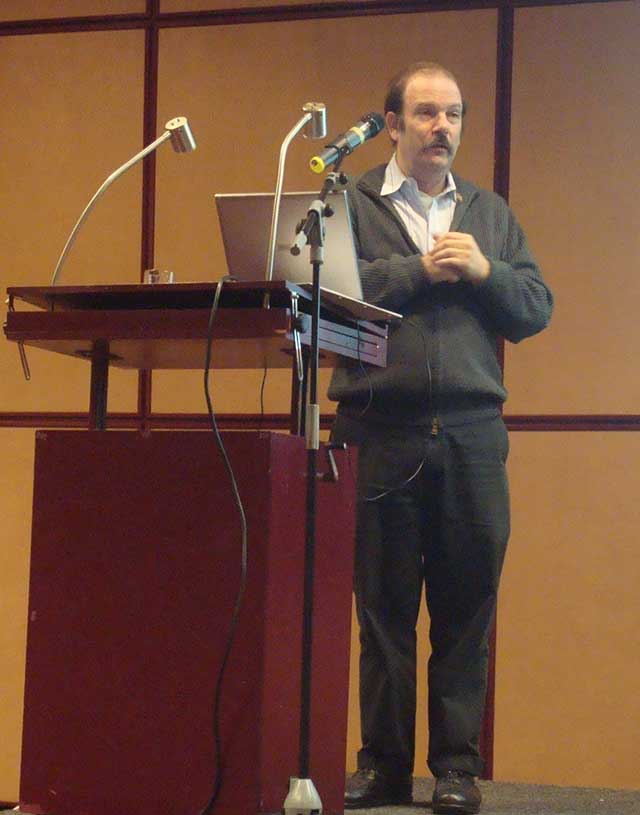
Keynote from Moshe Vardi
-
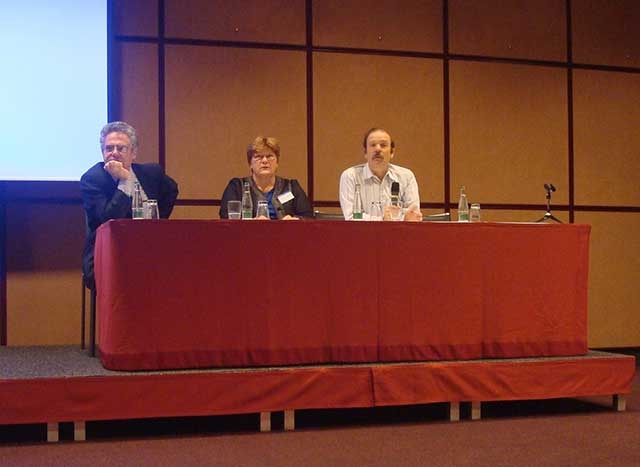
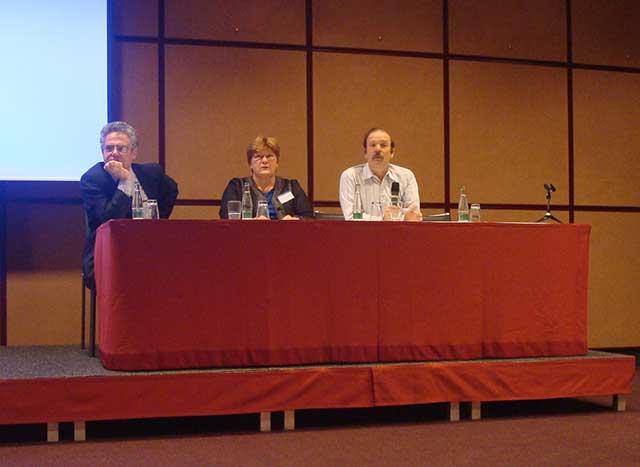
Discussion Panel: Bertrand Meyer, Sabine Kruspig, Moshe Vardi
-
Informatics Europe Annual General Assembly
-
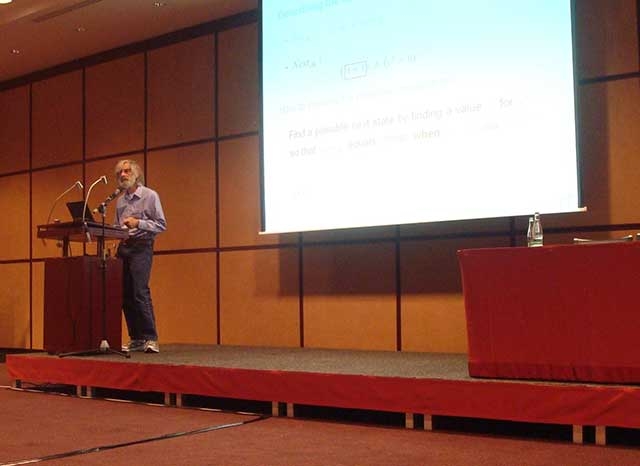
Keynote from Leslie Lamport
-
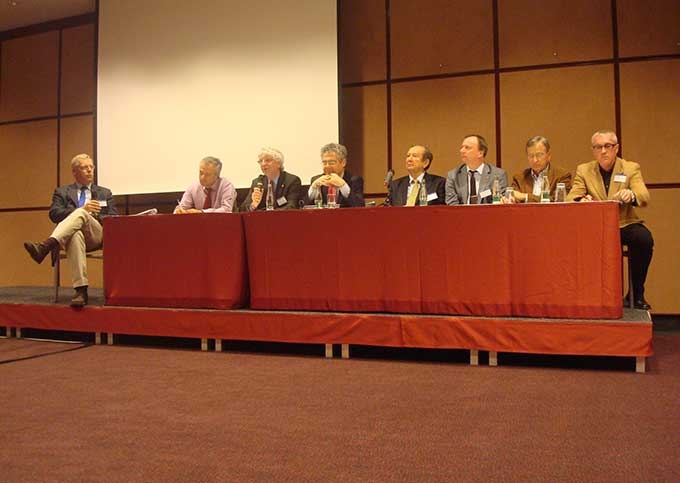
Discussion Panel: Jan van Leeuwen, Franco Accordino, Keith Jeffery, Bertrand Meyer, Vasile Baltac, Jens Knoop, Burkhard Monien, Brian Bigalke
-
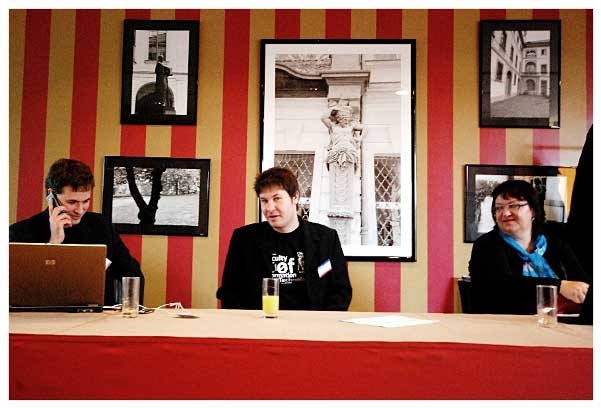
Local Organizing Committee
-
ECSS 2010 - Audience
-
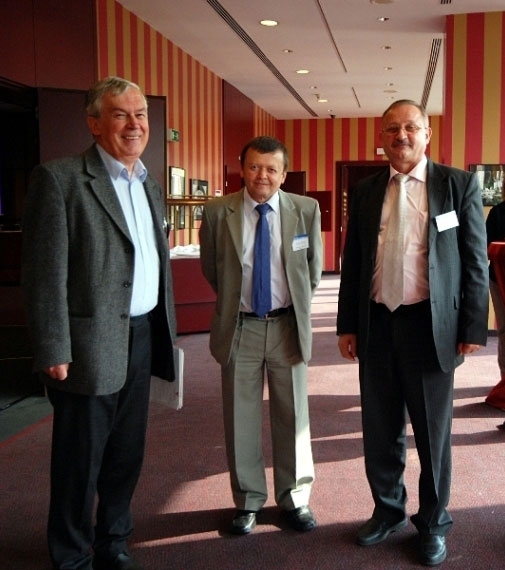
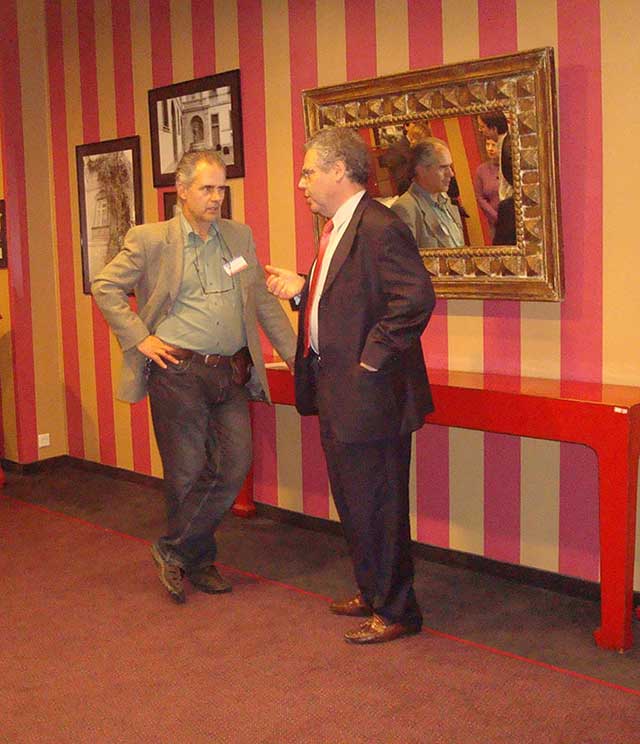
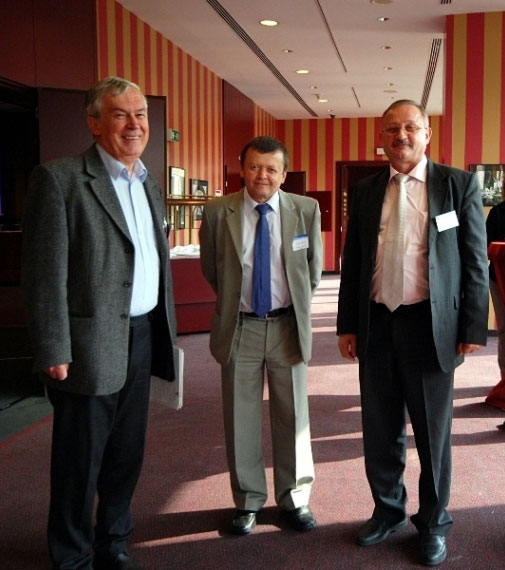
Profs. Janos Csirik, Bazil Parv and Viorel Negru on a coffee break


Pictures by Frauke Muth and Cristina Pereira
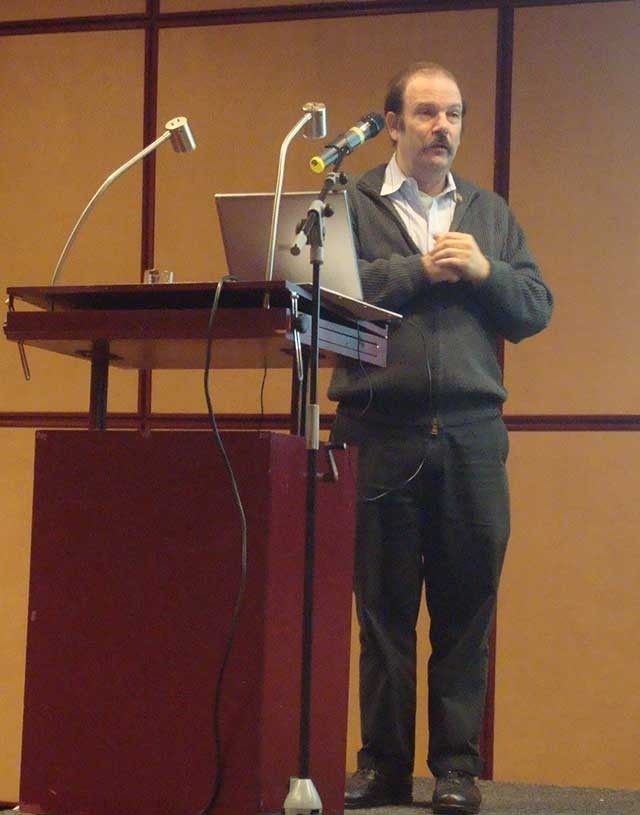
The main Summit opened on October 12 with the brilliant and provocative, keynote talk of Moshe Vardi, Editor in Chief of the Communications of the ACM, who brought to the audience a critical description of the evolution, actual status and peculiarities of the scientific communications and publishing culture in the field of Computer Sciences. Supporting his line of thought with intriguing metaphoric-philosophical parallels, Moshe Vardi not only entertained the audience, but also started a warm and fruitful debate on a topic of central importance to the scientific community.
The second keynote of the day, by Jan Sedivy, presented an insider's perspective on the rapidly evolving area of speech recognition, with historical aspects, its latest developments and applications in the area of mobile devices. The presentation also included practical demonstrations where the audience could observe a recently developed application for speech recognition in smart phones and benefit from the speaker's broad experience.
The following keynote speaker, Sabine Kruspig, director of the computer section of the European Patent Office, included in her presentation a brief historical perspective of computer-implemented inventions and an overview on the organization of the European patent system and patent grant procedure. The presentation also highlighted the most important aspects involved in patent granting and intellectual protection rights of computer-implemented inventions.
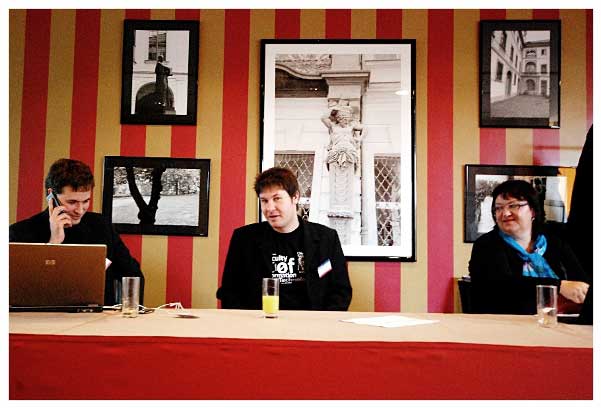
The morning session also included a discussion panel with Moshe Vardi and Sabine Kruspig, which provided an excellent opportunity to extend and deepen the stimulating debate raised by both previous presentations.
Closing the morning session, three short presentations featured new projects and initiatives currently under development by Informatics Europe. Overviews and recent developments in the Department Evaluation and Research & Education Portal projects were reported together with the first announcement of the newest initiative of your association: the Informatics Europe Best Curriculum Practice Award, which fosters the improvement of computer science education.
The afternoon session was dedicated to the special session "European research funding: understanding it, obtaining it, and applying it". The session opened with the inspiring and highly informative keynote talk of Carlo Ghezzi from the Politecnico de Milano, sharing his personal successful experience in obtaining an Advanced Researcher Grant in the first call for contributions of the European Research Council. The session included also three stimulating short presentations by Luciano Baresi (Politecnico di Milano, Italy), Patrick Furrer (Euresearch, Switzerland) and Jan Gruntorad (CESNET, Czech Republic) who brought their perspectives and experiences, providing the participants with a clear picture of European funding mechanisms, practical advices for submitting successful grant applications and examples of national diversities and realities when dealing with EU funding. Patrick Furrer brought the special experience of a National Contact Point for ICT.
Tuesday evening the participants gathered in the unique ancient Restaurant Vikárka (in the core of the Prague Castle region) for the conference banquet and enjoyed the very special meal and atmosphere.
The last day of the conference started with the Annual General Meeting of Informatics Europe which gathered the association's members present in the conference for the annual report on finances, the year's activities, organizational developments and future plans. Many non-members also attended the meeting. Members voted for the only formal decision subject to a vote: the launch of the Department Evaluation initiative, approved unanimously.
The first keynote speaker of the day, Alfred Spector, vice president of Research and Special Initiatives of Google, highlighted in his presentation the current developments, challenges, newest projects and societal impact of one the most influential companies of the world.
Following, Andrey Terekhov from St. Petersburg State University presented an excellent overview and historical developments of the software industry and research in Russia over the past decades. He emphasized the special nature of Russian software outsourcing, focused on quality, and described its origins in the difficult years of the early nineties when Russia was in a deep economic crisis and the creation of software companies literally allowed software experts to avoid going hungry.
Wendy Hall, from the University of Southampton, representing ACM, highlighted in her presentation the current and future roles of the scientific societies featuring the examples of the UK Royal Society, ACM and the British Computer Society. The central place taken by the web in driving the modern scientific societies as well as the constant need of sound and attractive services to its communities were important aspects mentioned by Wendy in her lively presentation.
The program followed with three parallel sessions that included presentations, selected from the submitted contributions, on topics of wide interest to the informatics community: Curriculum Design, Research Evaluation, and ICT Research Issues.
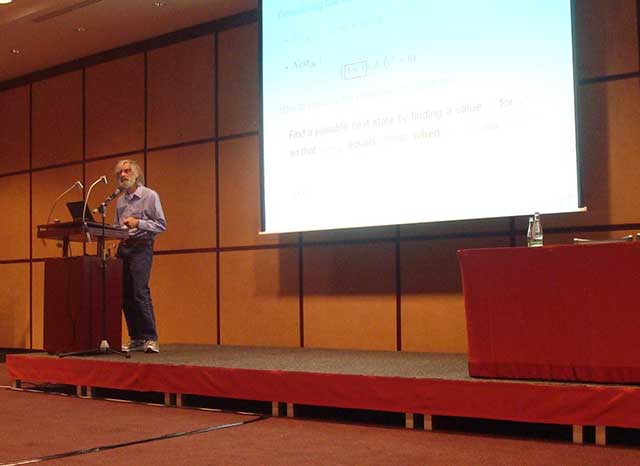
The afternoon session of the last day of the summit started with the keynote of Leslie Lamport, one of the world's most renowned computer scientists, from Microsoft Research. Leslie Lamport brought to the audience a rigorous lecture on the mathematical foundations and the very essence of computation.
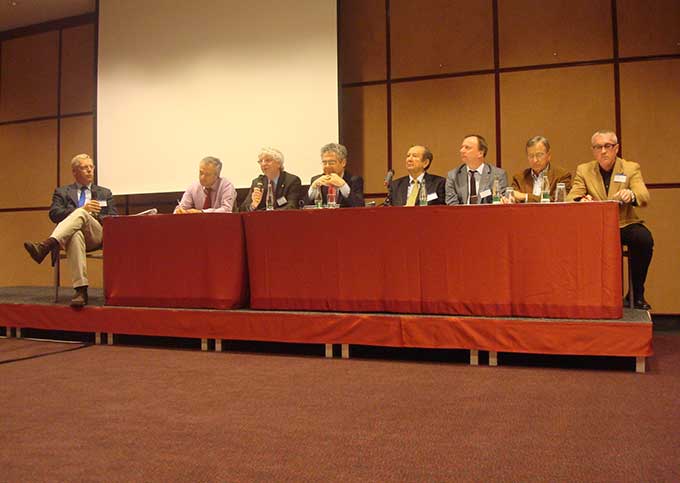
The 6th ECSS closed with the special session "The Future of European Scientific Societies in Informatics". The keynote talk of Franco Accordino, from the European Commission, addressing the topic "Digital Science and Its Impact on Scientific Societies" opened the session that included also an extensive discussion panel gathering the representatives of major European associations in Informatics: Vasile Baltac (CEPIS), Brian Bigalke (Create-Net), Keith Jeffery (ERCIM), Jens Knoop (EAPLS/EASST), Bertrand Meyer (Informatics Europe), Burkhard Monien (EATCS) and Franco Accordino, representing the European Commission. The panel was moderated by Jan van Leeuwen, who played a brilliant role in mediating a complex issue with profound implications for the future of all stakeholders in Informatics. The panel concluded with a concrete agreement to meet again in a few weeks in Brussels with a view to joining forces.
Informatics Europe thanks the organizing committee in Prague (Profs. Pavel Tvrdik and Josef Hlavac and Ing. Jindra Vojikova) for a flawless, professional event organization, Google for the very generous sponsorship, and the participants and speakers for making this a memorable ECSS.
The slides of all presentations are available on the conference program page.




 Netlogica