
At Informatics Europe, we are celebrating 2 decades of joint achievements while continuing to shape the discipline's future.
With 200 member institutions in over 30 countries, Informatics Europe connects more than 50,000 researchers, promotes concerted positions, acts on shared priorities and supports policy-making in Informatics Education, Research and its Social Impact across Europe.
Visit the full list of member university departments, research labs and industrial members here.
 |
Our activities address strategic matters and emerging trends in informatics and related fields, fostering unity in the variety of our member institutions and promoting pan-European collaboration. As a non-profit membership association, our work is mainly performed by scientist volunteers who collaborate in working groups and ad-hoc task forces. Outcomes are endorsed by our community through its Board of Directors.
As a community of European leaders in Informatics Research, we empower each other to:
- Create opportunities for joint initiatives and knowledge exchange between academia & industry & society.
- Engage with society on the nature and impact of Informatics.
- Advocate for Informatics in European policy discussions.
- Promote quality standards and best practices in research, education, and knowledge transfer.
- Foster ethical and responsible Informatics teaching and research.
- Nurture talent and assure a pipeline of diverse leaders with a broad understanding of the discipline.
The potential of Informatics Europe can go as far as our collective ambitions take it!
You & your organization are key for IE
We have a common cause and a common interest. This is the reason for university departments, research labs and industrial organizations to join us, for their affiliated researchers to contribute our activities since 2005 and for National Informatics Associations (NIAs) to choose us for engaging in European discussions. This is a call to:
Current & Potential Members
Demonstrate your institute’s support by becoming a member and empower your researchers to engage in our activities for collaborative success in Informatics in Europe. As an Informatics Europe member, gain the opportunity to amplify your presence and influence decisions at the pan-European level, engage in learning and knowledge exchange with peer leaders, and enjoy exclusive IE members-only services. We welcome university departments, research labs and industrial organizations engaged in R&D activities leveraging advances in the field of Informatics.
The greatest membership benefits those who collaborate the most!
Students, PosDocs and recent graduates
Informatics Europe aims to nurture talent and assure a pipeline of diverse Informatics leaders with a broad understanding of the discipline.
Boost your career development with the Early Career Researchers WG and Academic Leadership Courses. Submit your nomination for the Best Dissertation Award. Increase your mobility opportunities with our Job Platform. Join a training school and bring your research to the next level.
More will follow soon!
Companies at large
Looking for a targeted and impactful approach to engage with the leaders in the European informatics research community other than the IE membership? Eager to recruit informatics talent across Europe? Explore our sponsoring opportunities.
Share our flyer with your colleagues to join forces and amplify our impact together as Informatics Europe!
Discover the impact of our initiatives and services first-hand
While some are exclusive to Informatics Europe members, many are open for the benefit of the wider Informatics community. Explore them in a snapshot:
- Utilize our Department Evaluation and Academic Leadership services;
- Access our extensive array of Publications and Policy Recommendations;
- Nominate deserving individuals for Awards celebrating achievements in gender inclusion, informatics education, and ground-breaking research;
- Boost your international visibility by collaborating with us on EU projects, presenting your latest research results in an Informatics-Europe hosted webinar, updating your information in our Research & Education Directory or featuring relevant activities on the ECSS members spotlight section;
- Engage in strategic and trend-setting discussions during our European Informatics Leaders Summit (ECSS).
- Take an active role in Working Group activities, including organizing related training schools and sessions during ECSS.
- Access the only in its kind Higher Education Data Portal, for pan-European benchmarking;
- Enhance your talent pool and career prospects through our Job Platform.
Keep up with IE's latest updates
Follow us on 


 and subscribe to our mailing list and bulletin here.
Latest News

New Strategic Agenda for Europe’s Software Future Presented in Brussels
The SRIA was launched on 23 September and formally presented to Thibaut Kleiner, Director for Future Networks at the European Commission’s DG CONNECT.
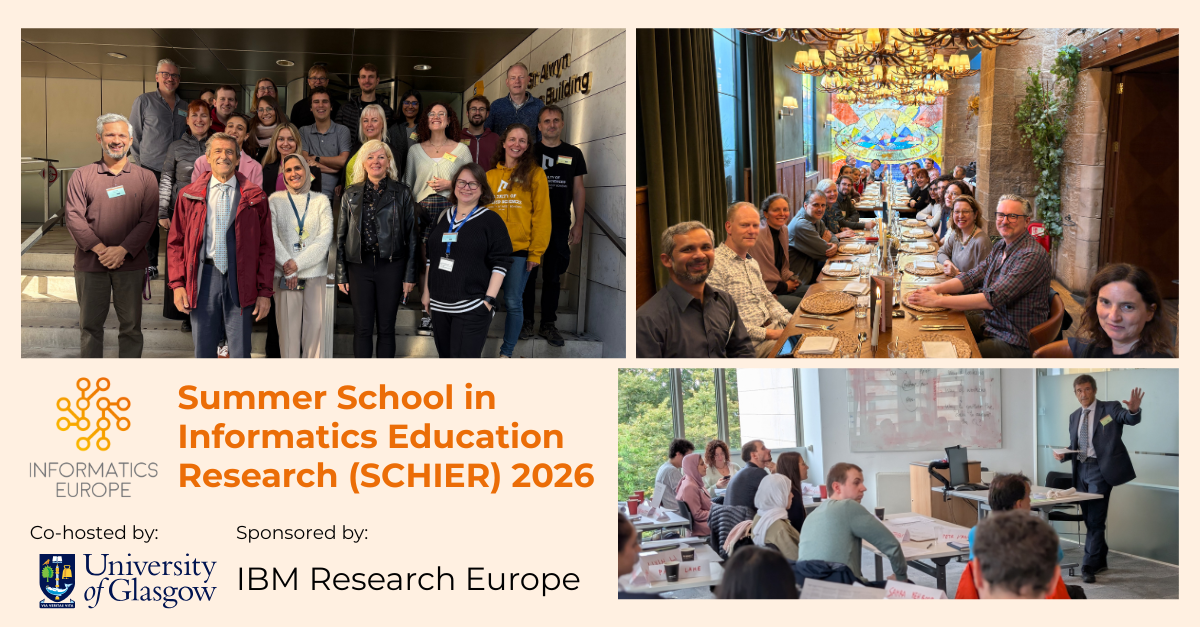
SCHIER 2026: Strengthening the Community of Informatics Education Researchers
Growing the next generation of Informatics Education researchers starts with creating opportunities to learn, exchange and connect.
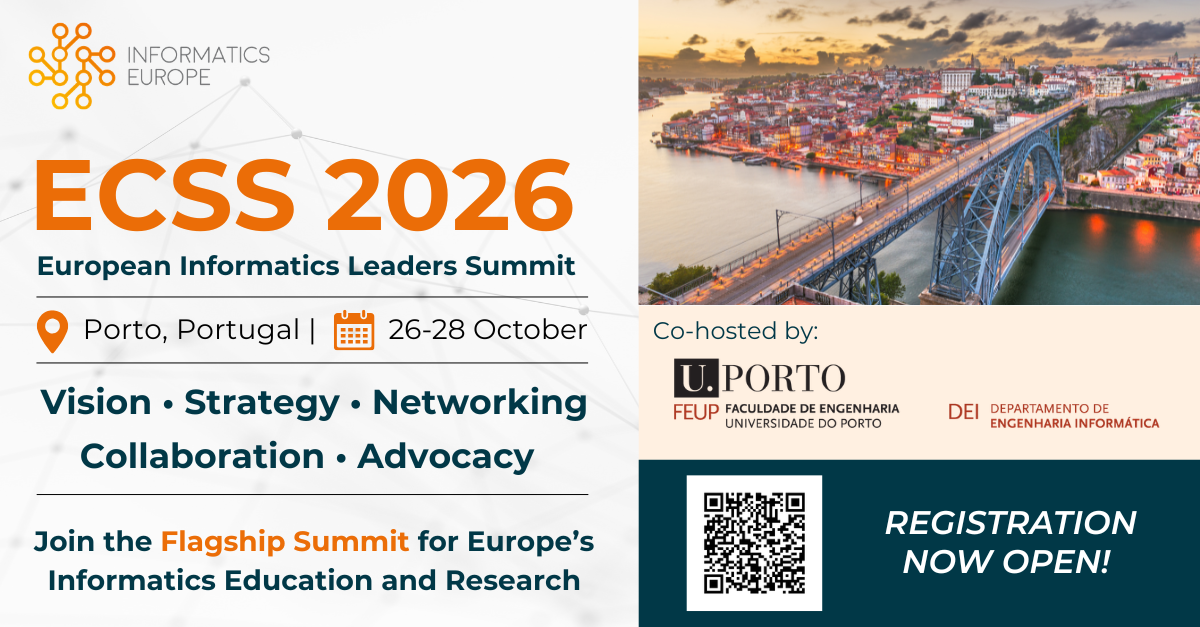
ECSS 2026: Registration Now Open
Registration is now open for ECSS 2026, a unique summit for Europe’s Informatics community to address timely strategic and policy issues in Informatics research and education.
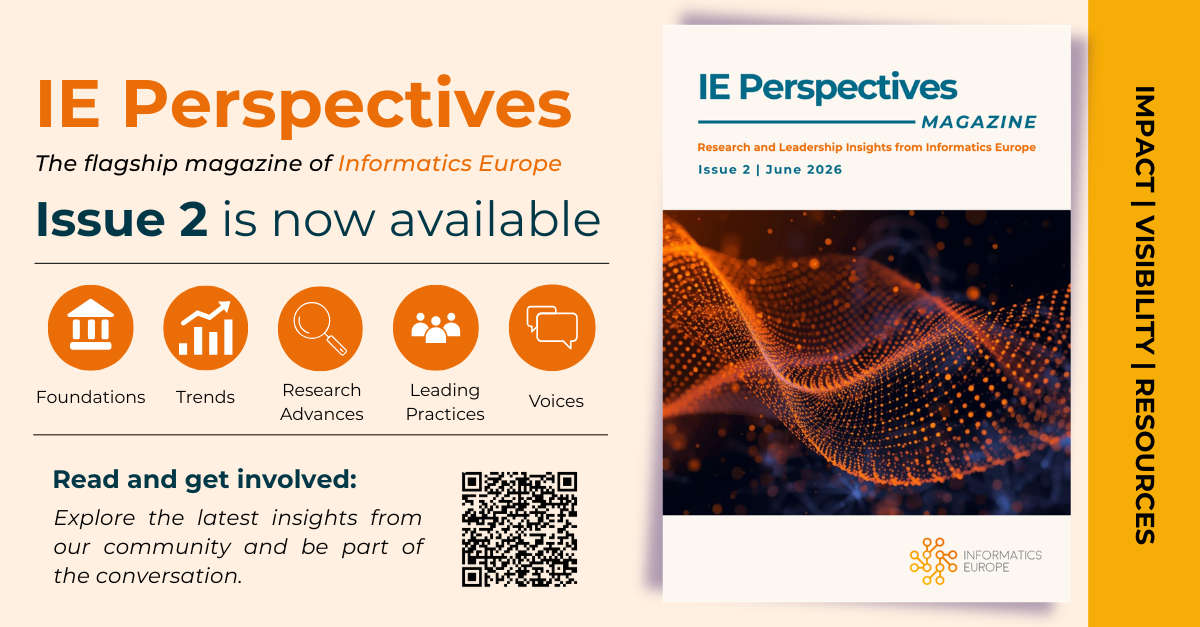
The Second IE Perspectives: Introducing New Section & Co-Editor-in-Chief
Discover the latest IE Perspectives, featuring a new "Foundations" section dedicated to stories of European curiosity-driven Informatics research that has shaped disciplines, technologies and society.
ECSS 2015 - Highlights
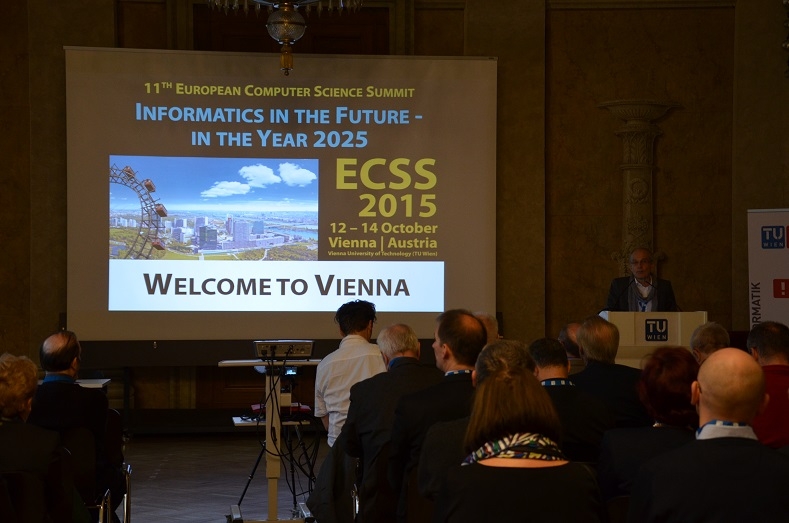
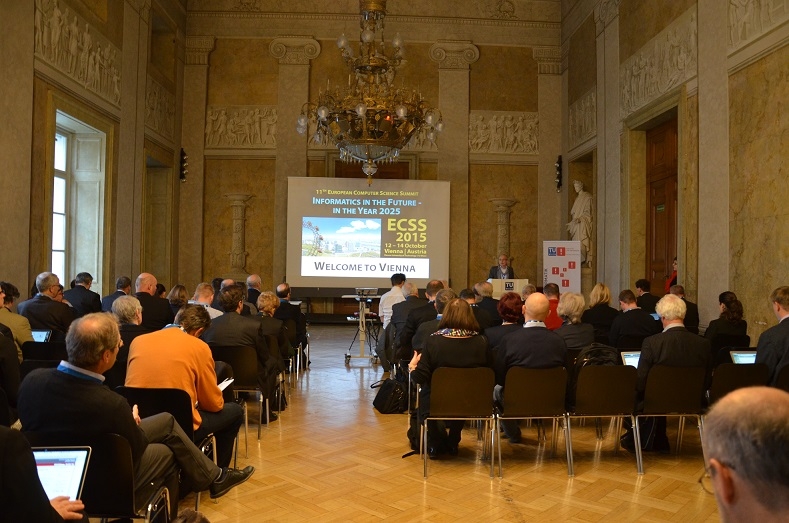
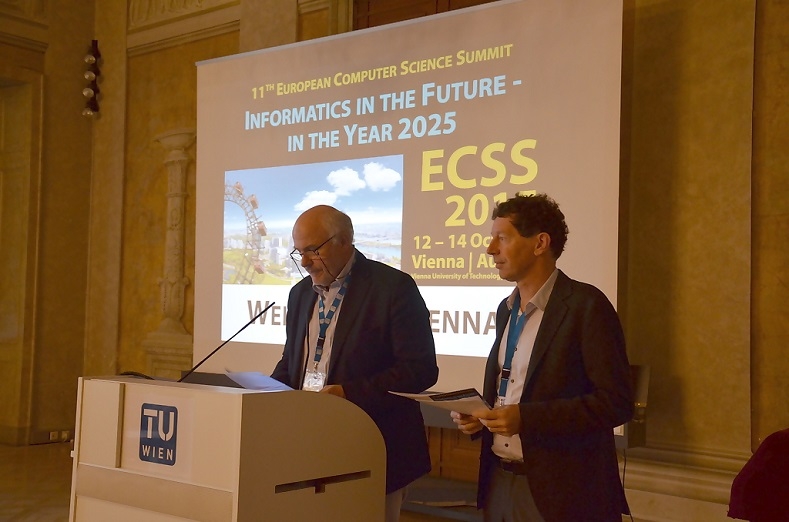
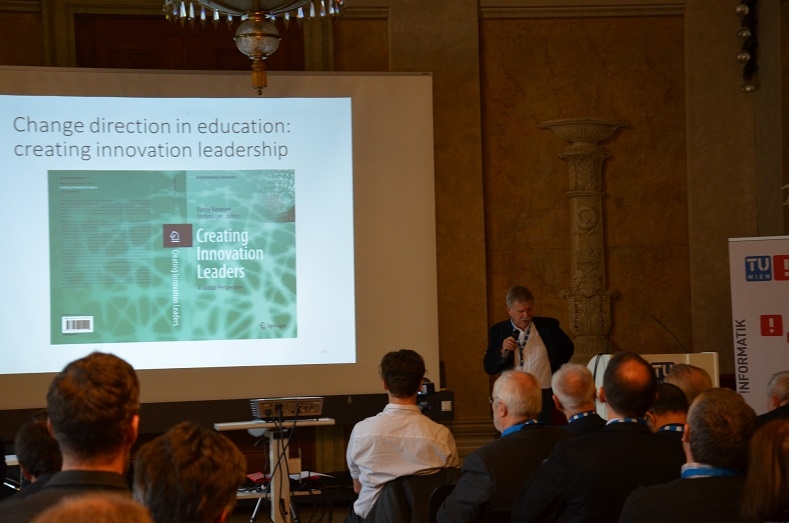
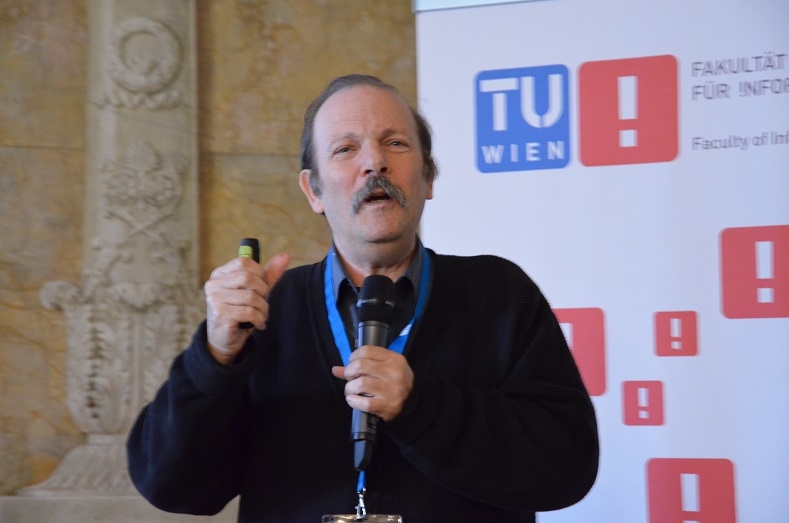
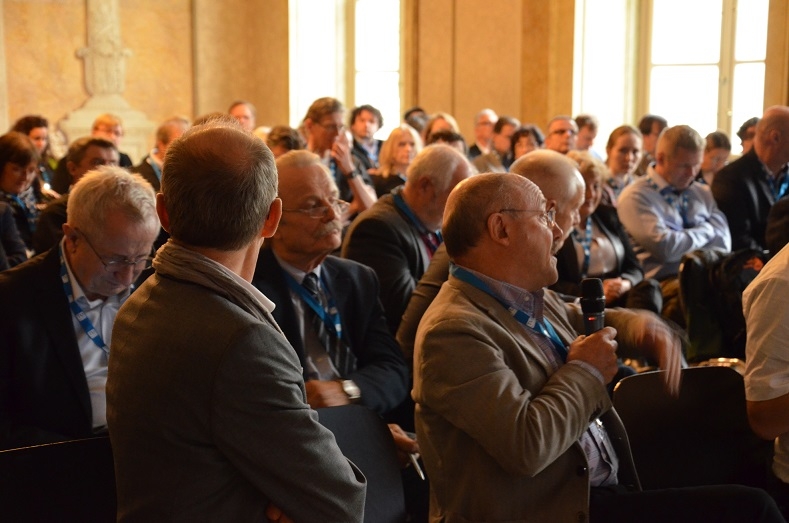
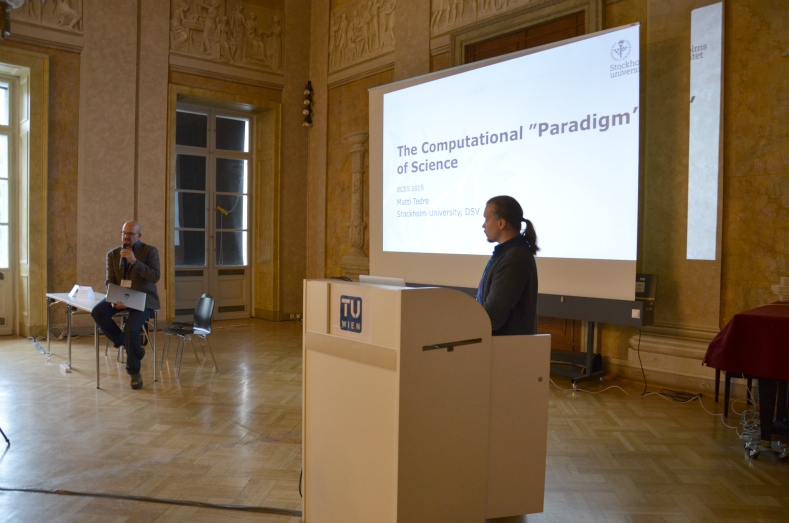
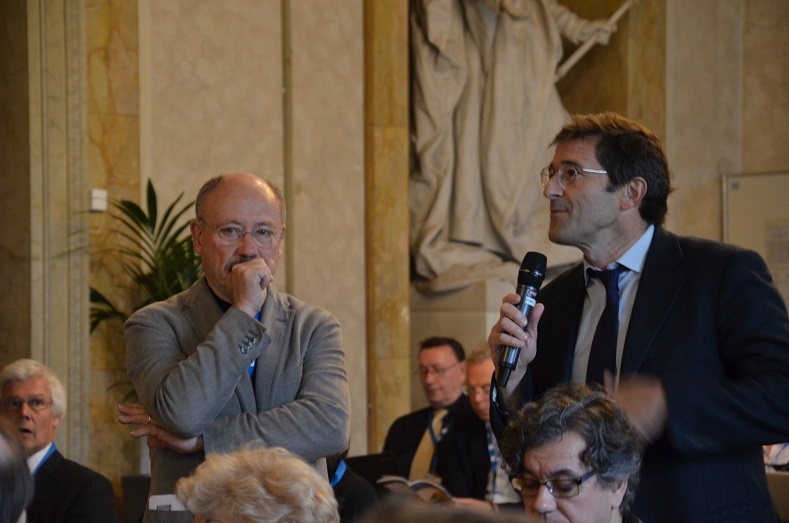
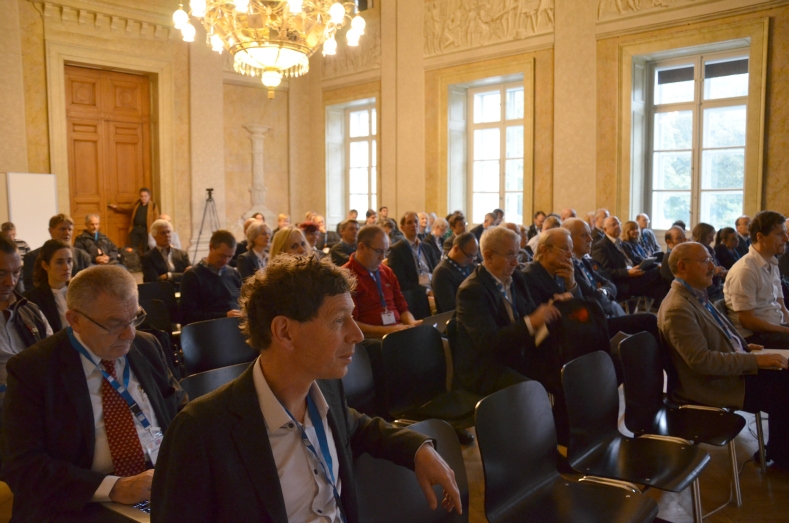
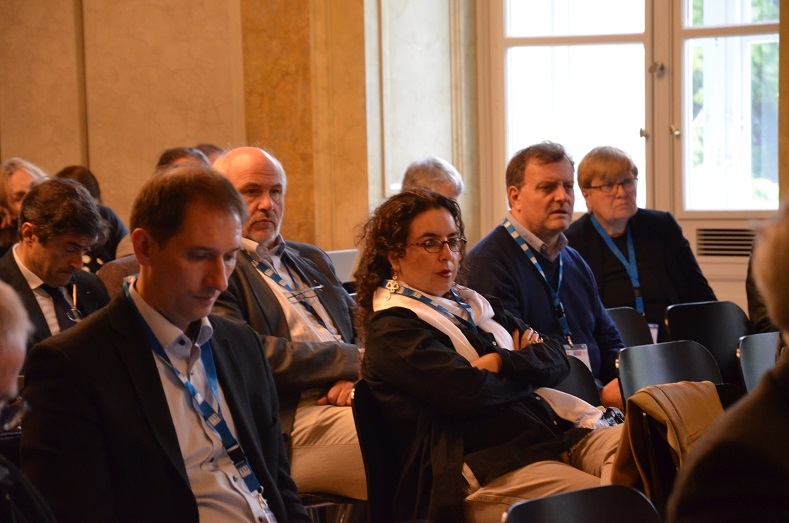
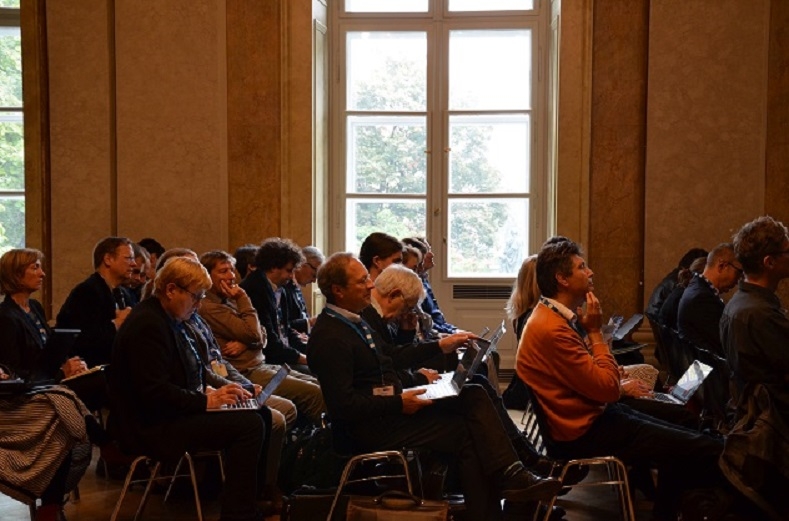
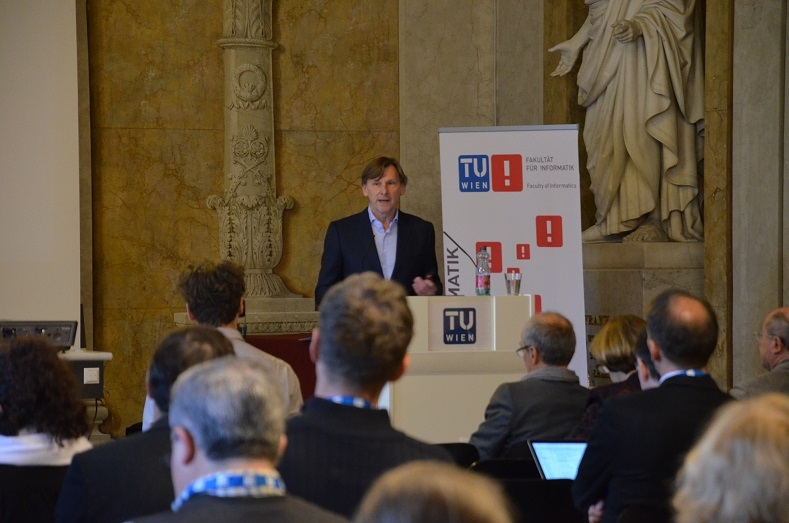
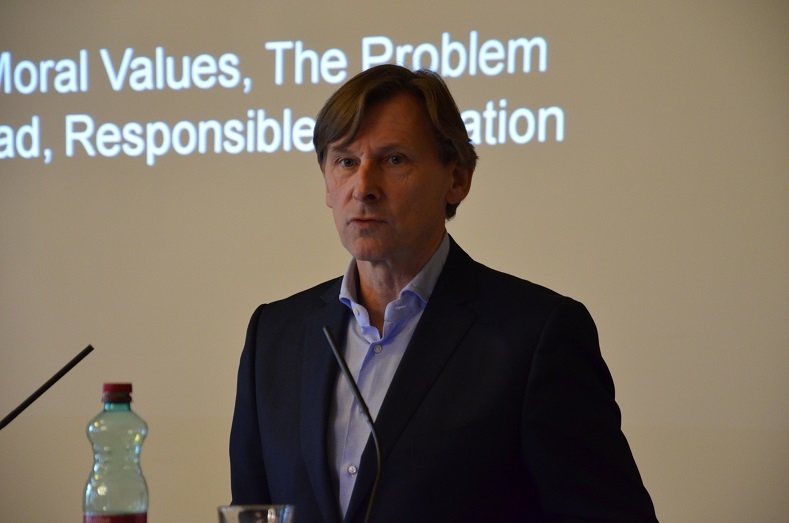
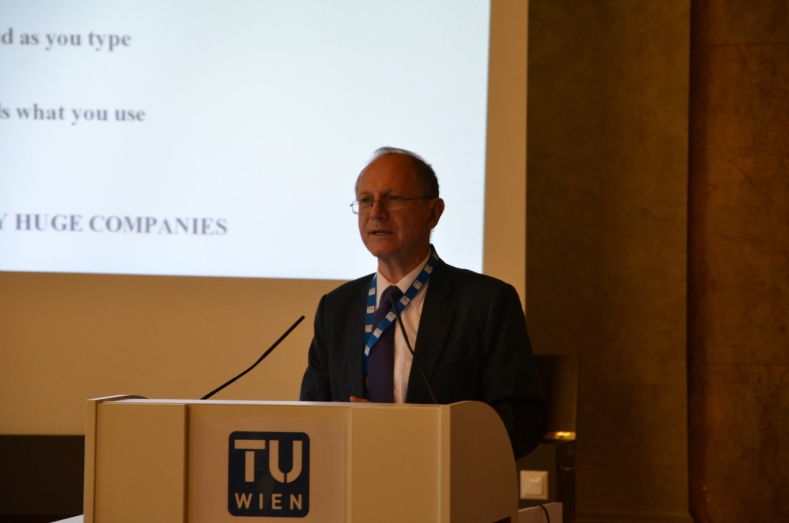
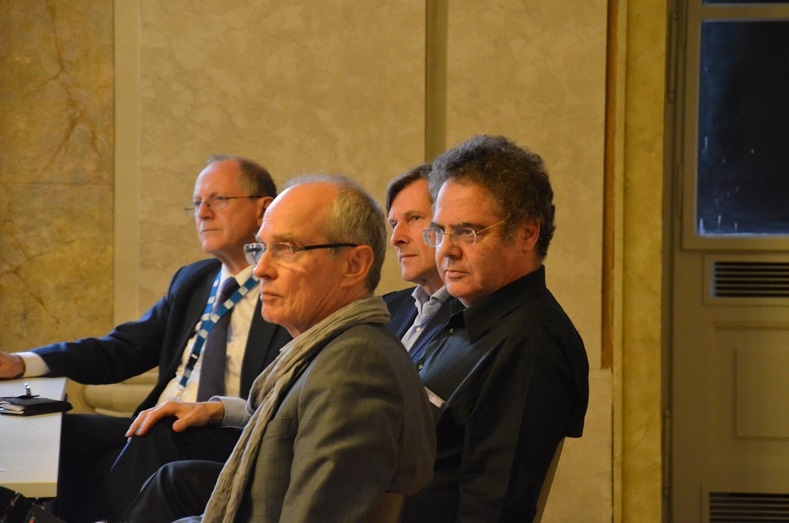
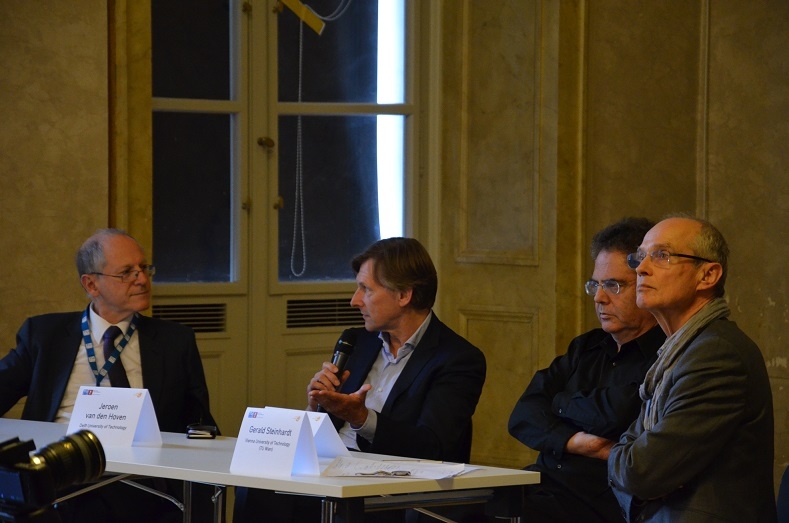
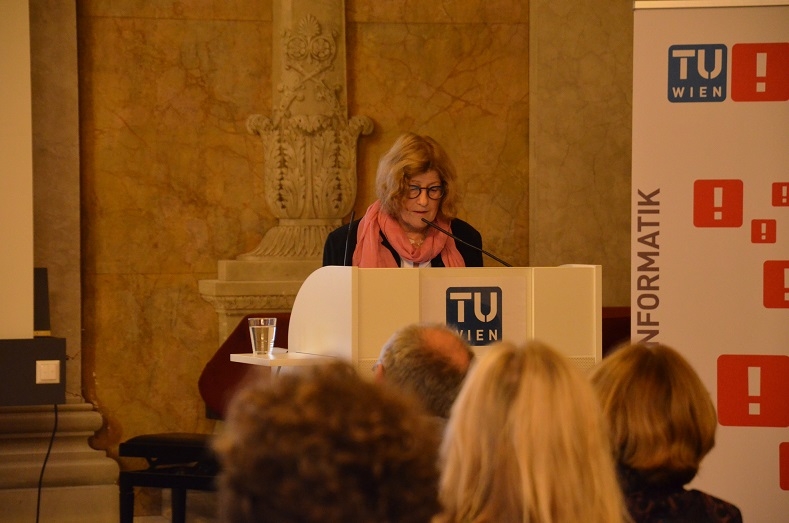
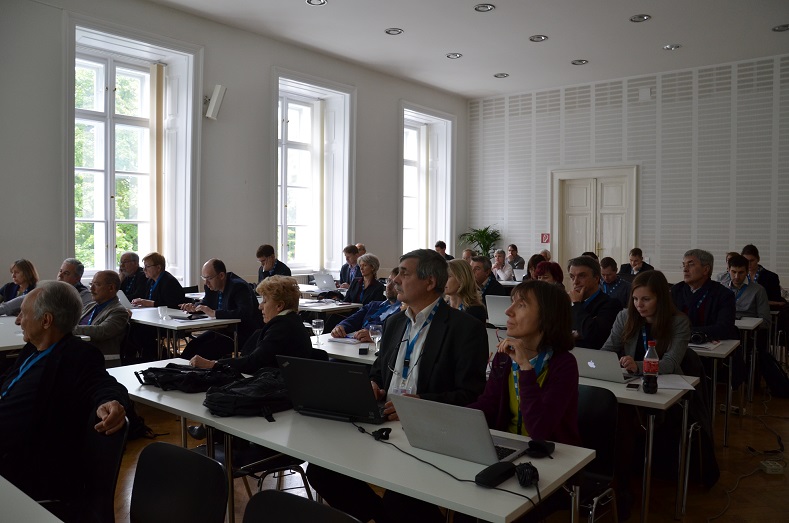
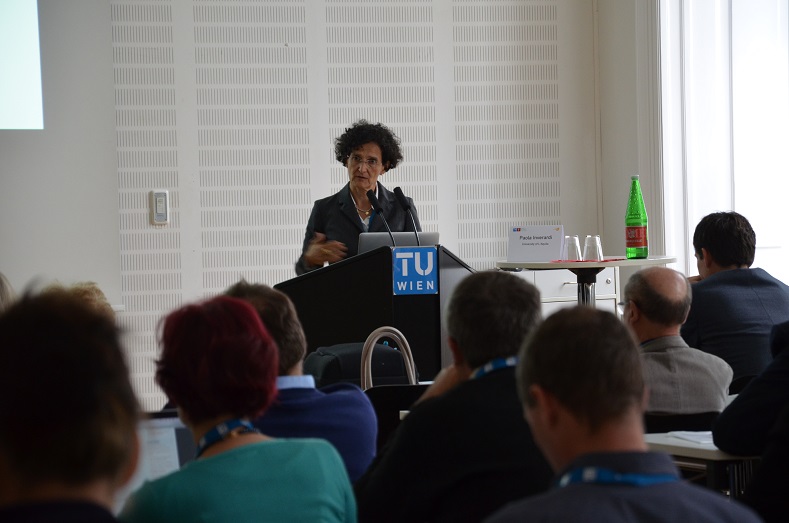
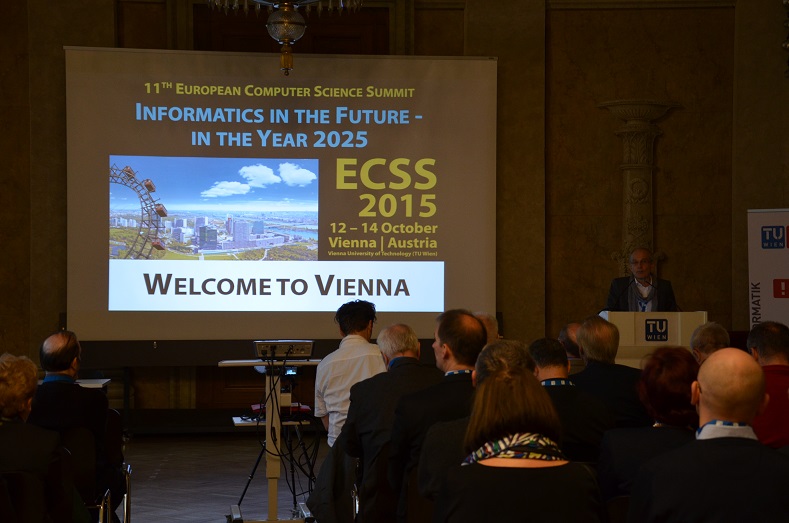
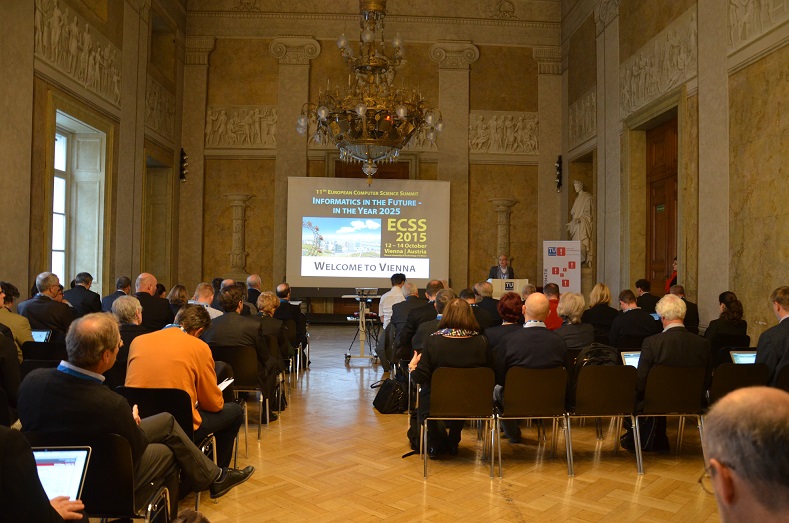
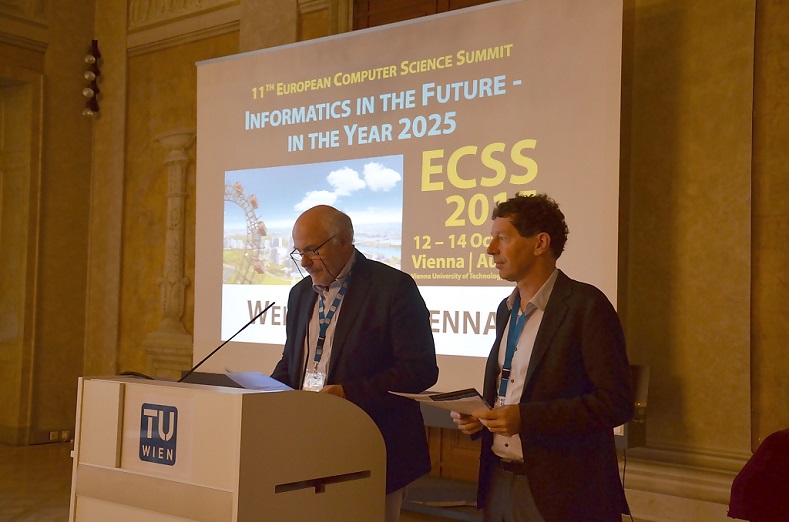
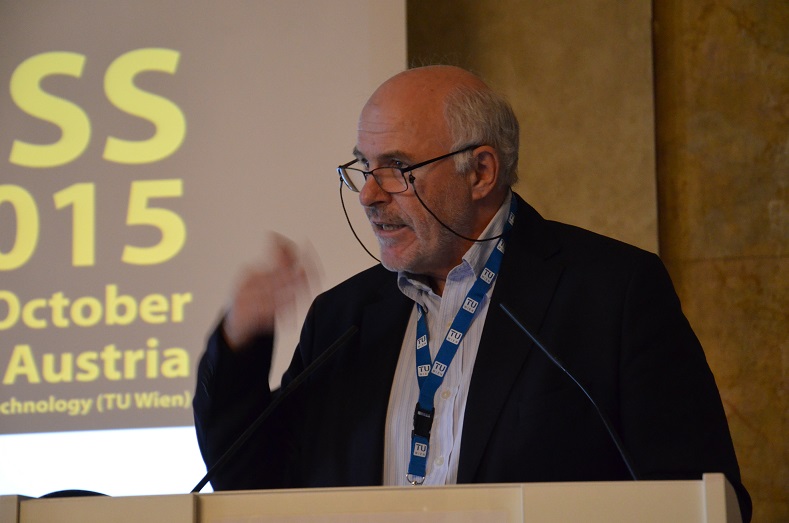
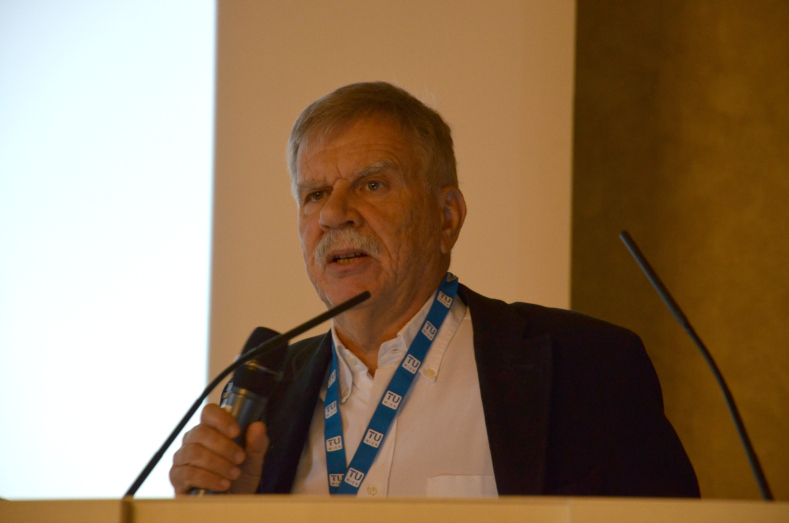
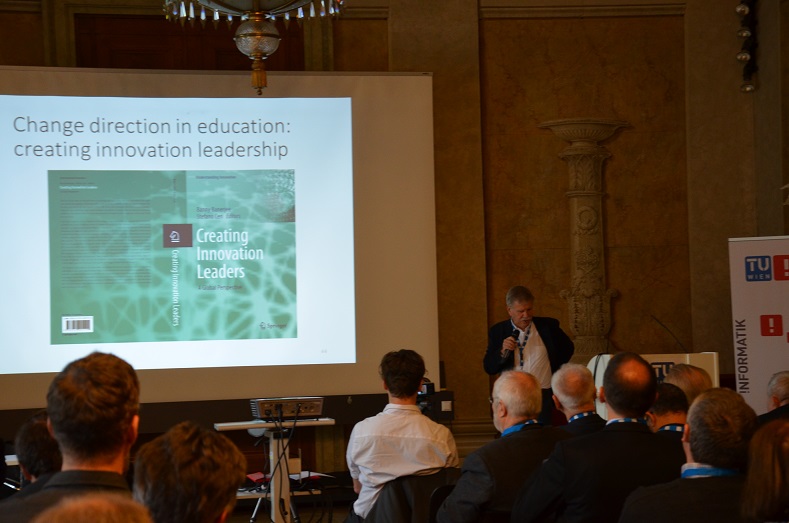
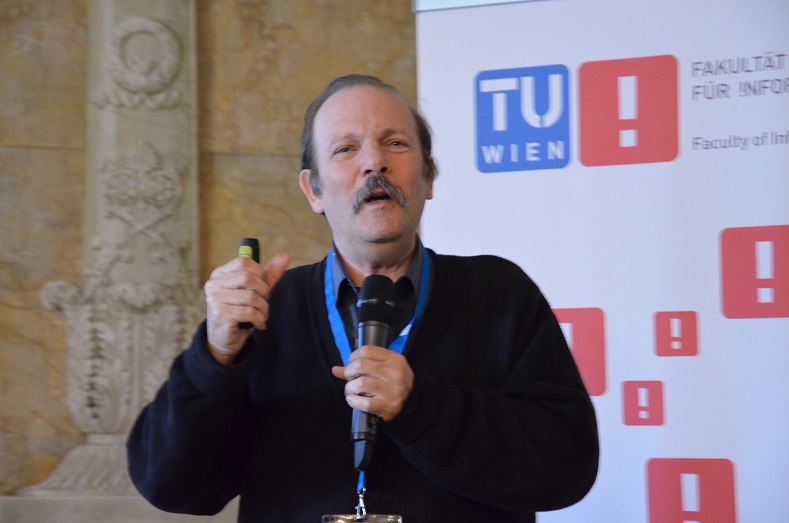
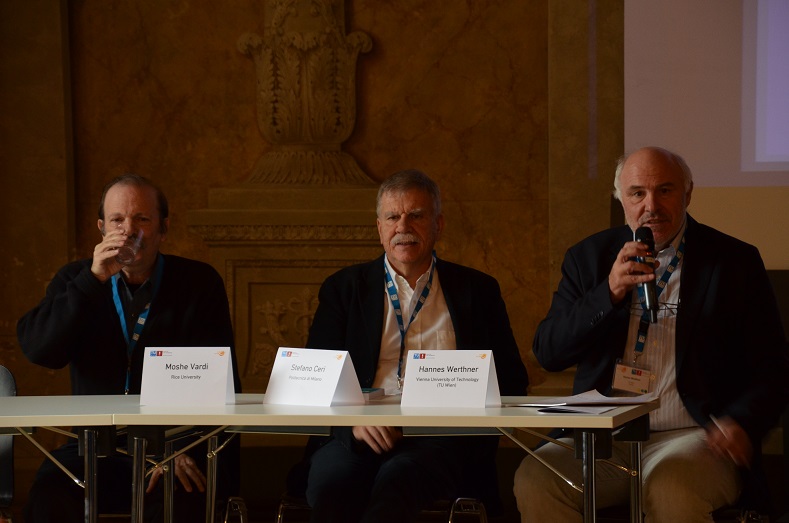
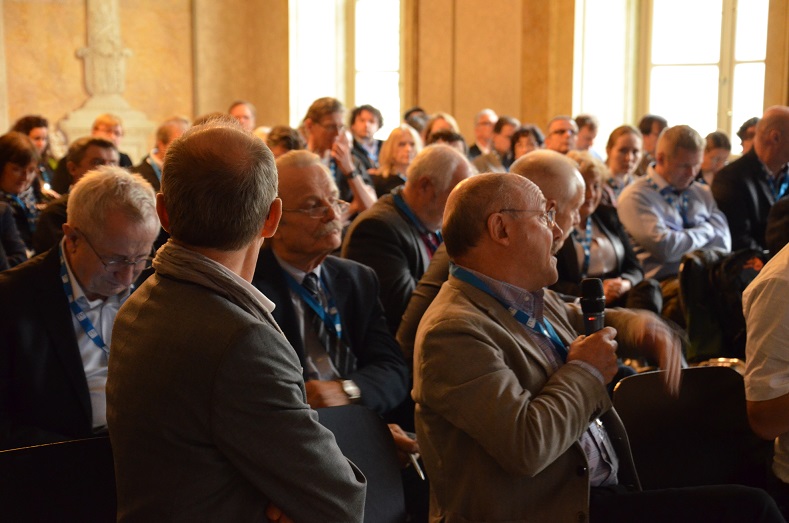
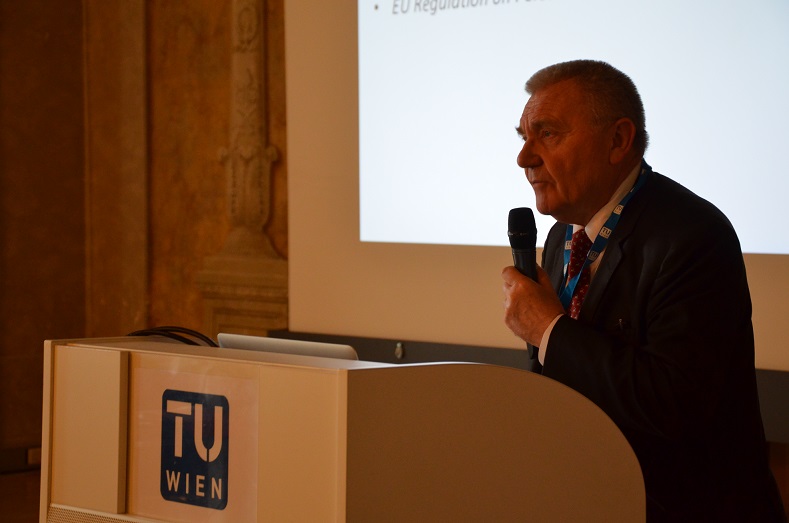
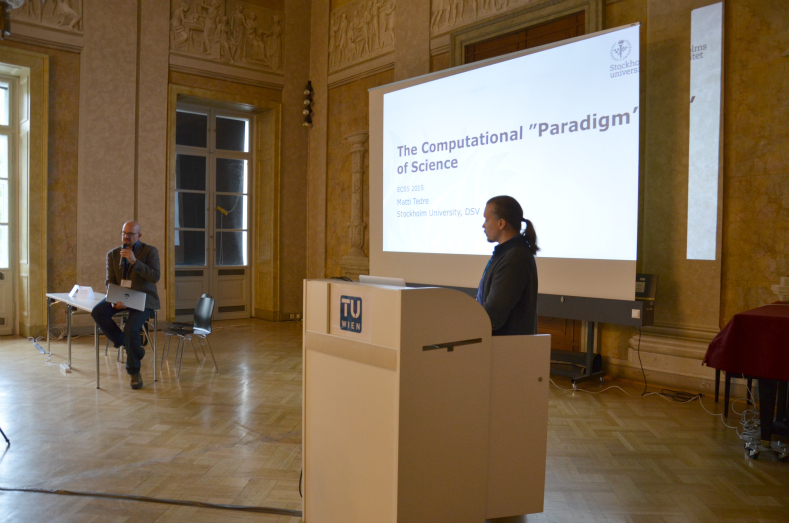
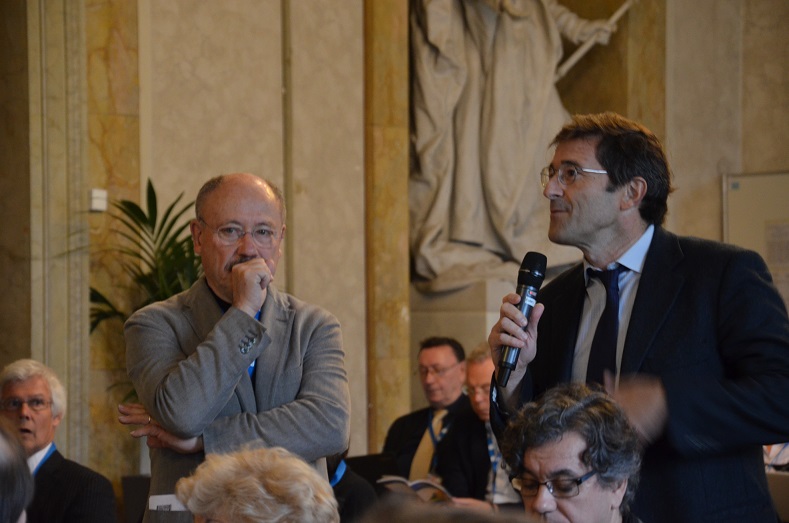
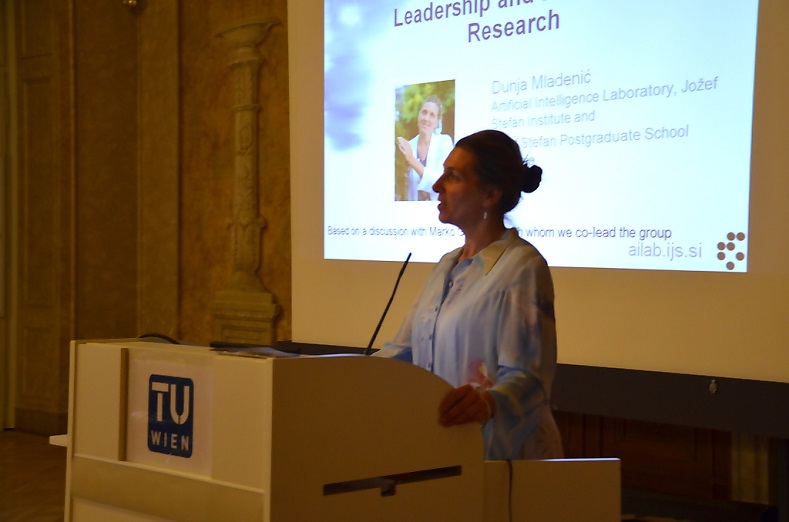
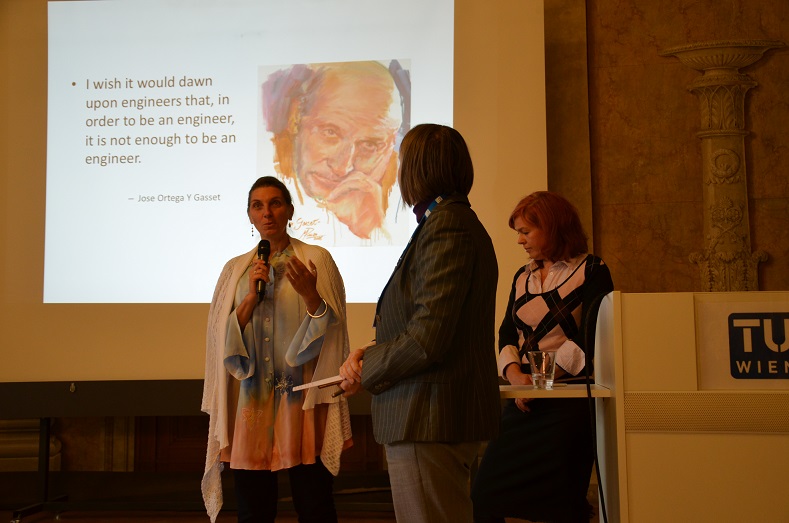
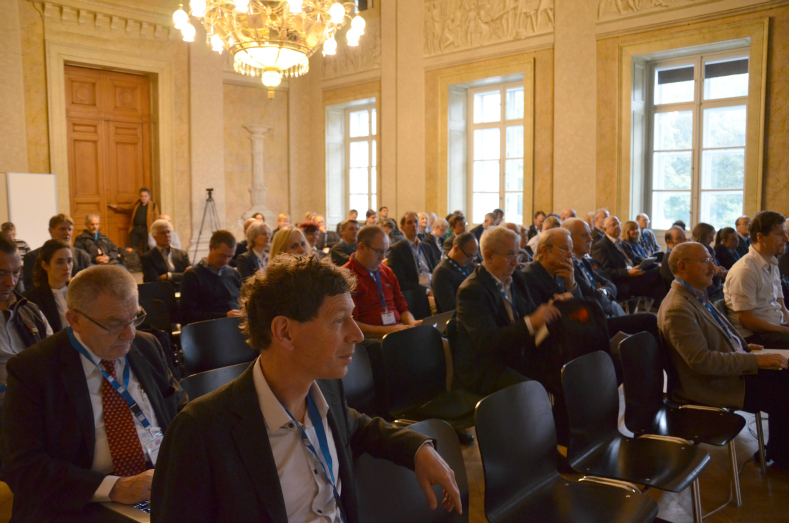
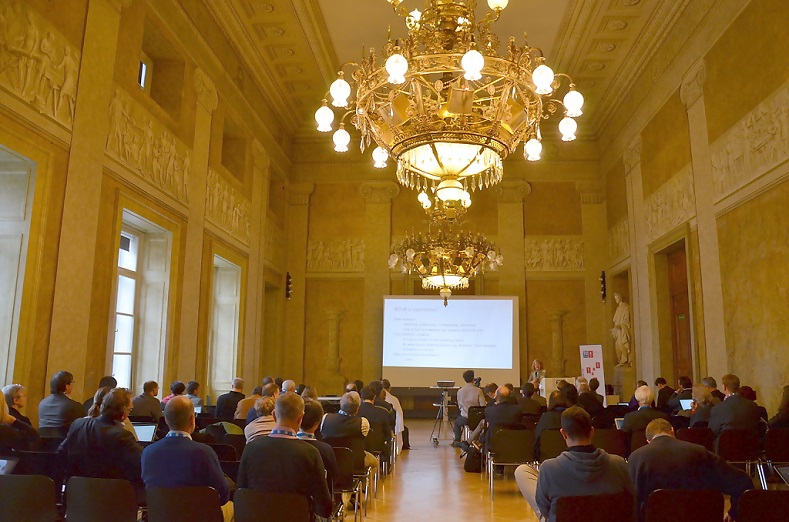
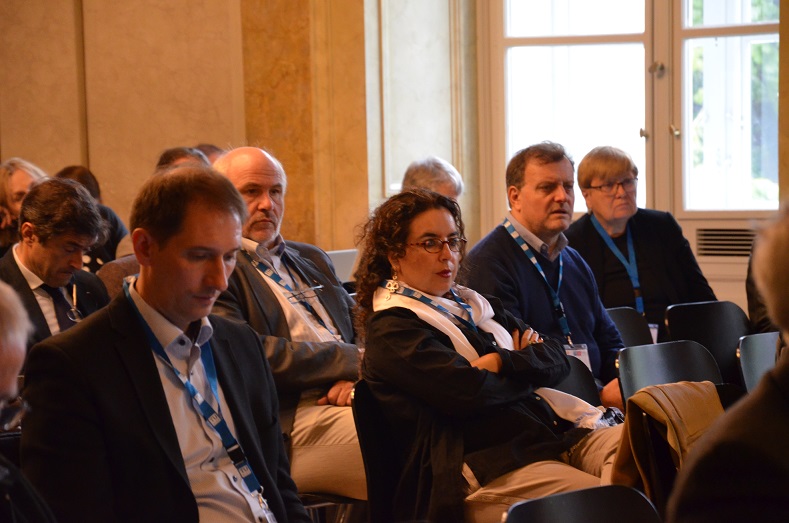
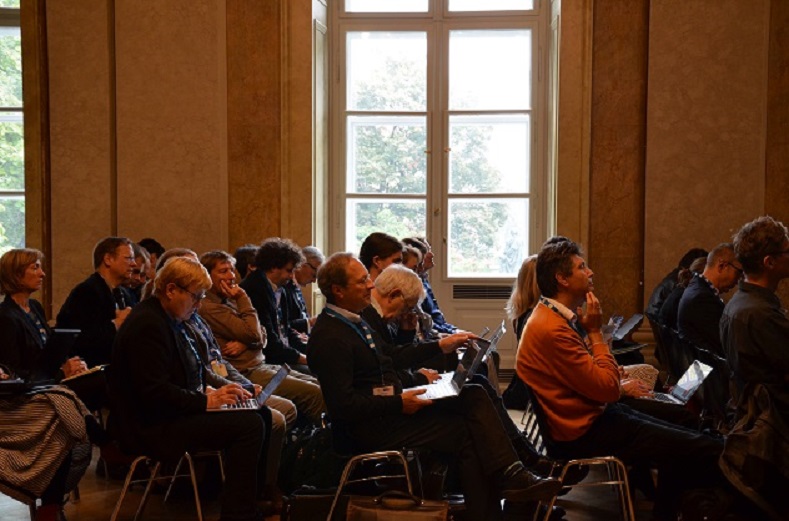
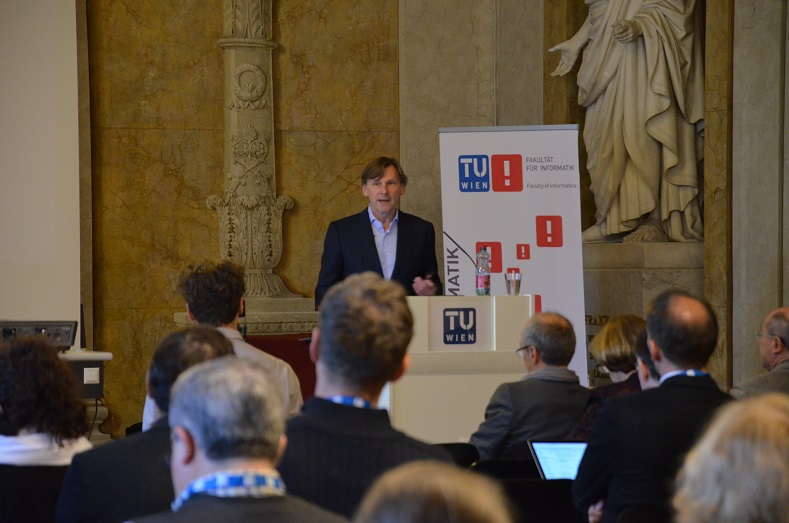
Vienna set the scene for the 11th edition of the European Computer Science Summit. Hosted at the heart of the city centre, by the Vienna University of Technology, TU Wien, this year`s edition gathered over 115 deans, department heads, research directors and senior academics from 29 countries for a full two days of presentations and lively discussions on ‘The Future of Informatics’.
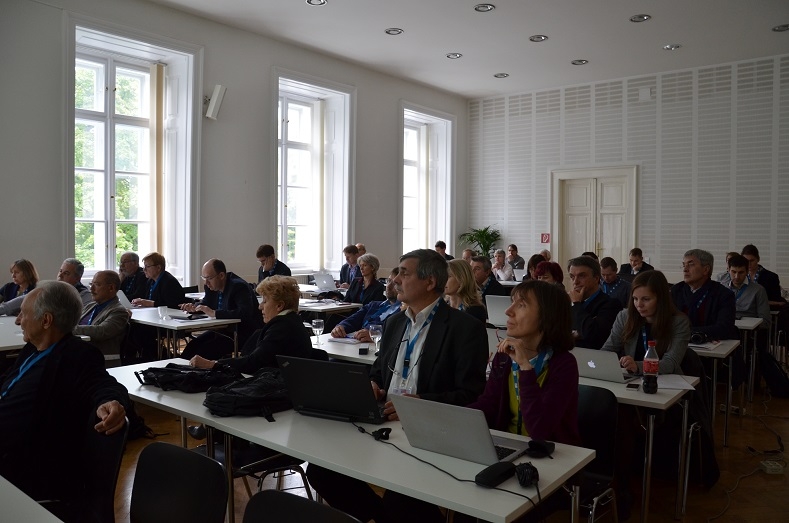
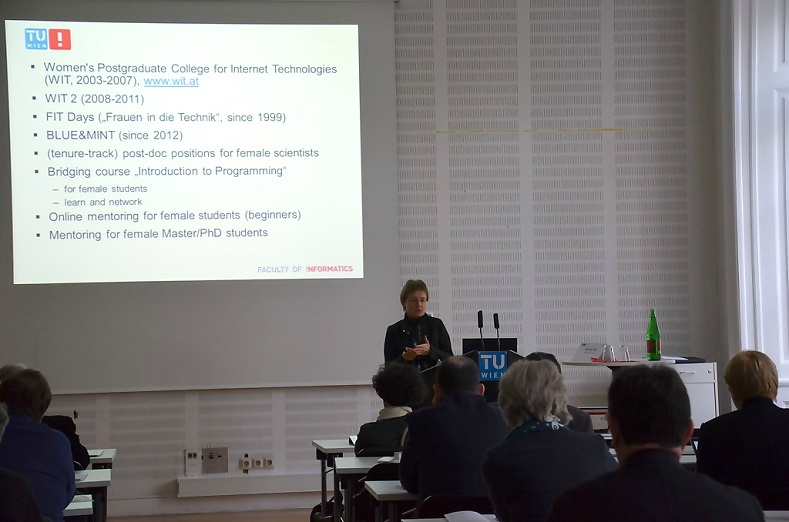
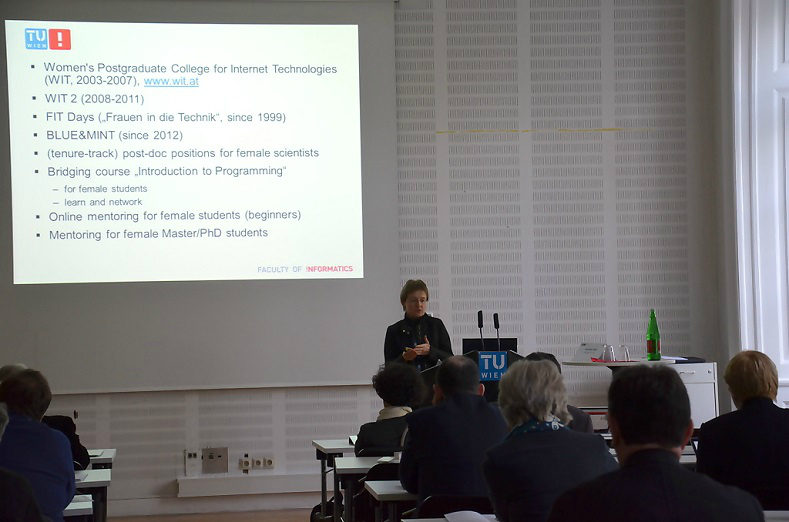
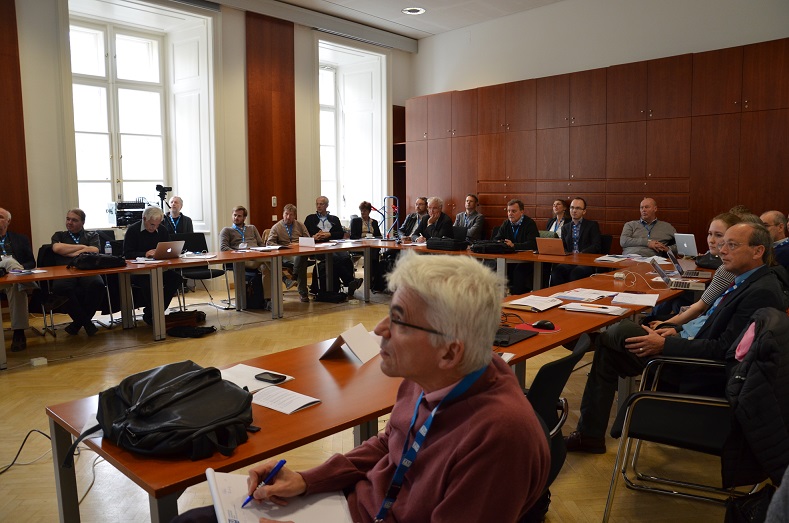
On October 12, two Pre-Summit workshops were organised in parallel. At the traditional Workshop for Deans, Department Chairs and Research Directors, participants actively shared experiences and practical strategies on common challenges they face in managing their department and institutes. One issue heavily debated was how to better support women’s interest and retention in Informatics. Despite efforts being made at all levels - ranging from elementary school approaches to postdoctoral initiatives -, the number of women in the field remains very small. Other themes brought to the fore included the issue of creating a unique profile/identity for the field as we try to expand into ever-more interdisciplinary areas, and the accreditation of Informatics programs and assessing their real value, giving the dean a mandate to follow an improvement strategy in the faculty.
A Pre-Workshop on Experiences and Practices in MOOCs gathered over 30 practitioners and researchers interested in one of the current hottest topics in higher education.
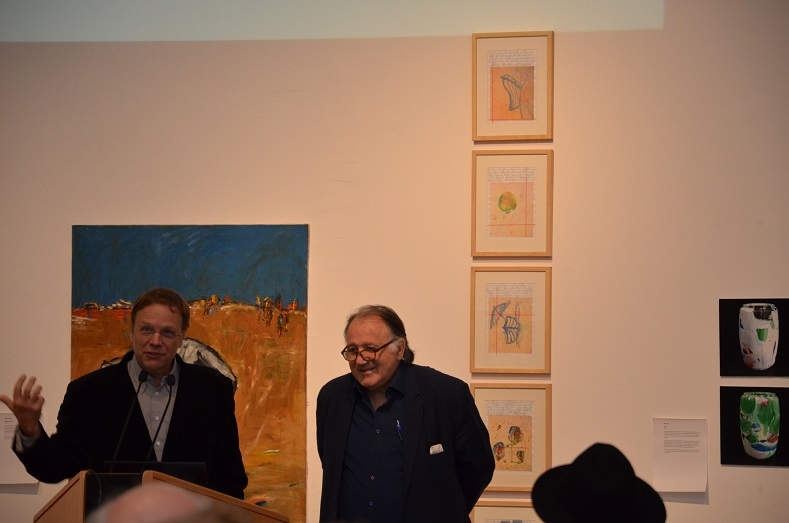
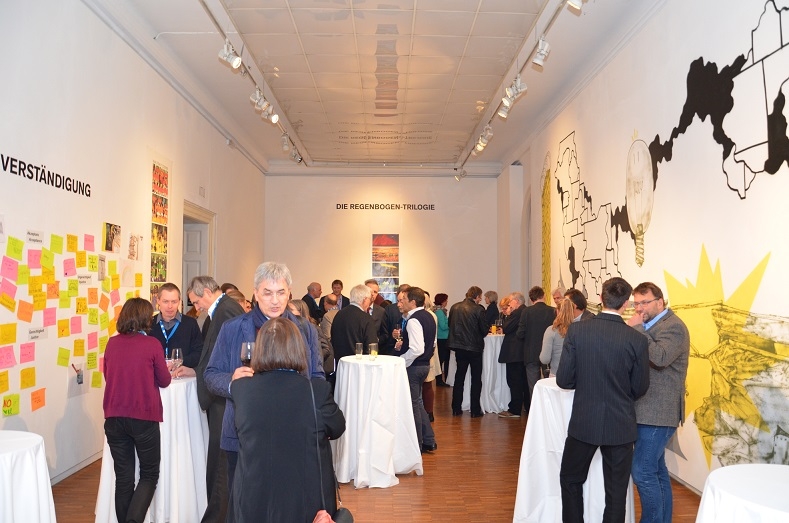
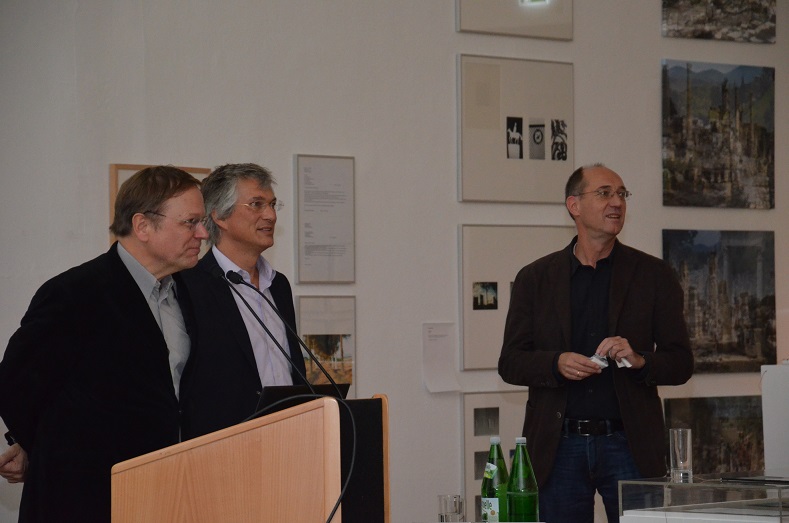
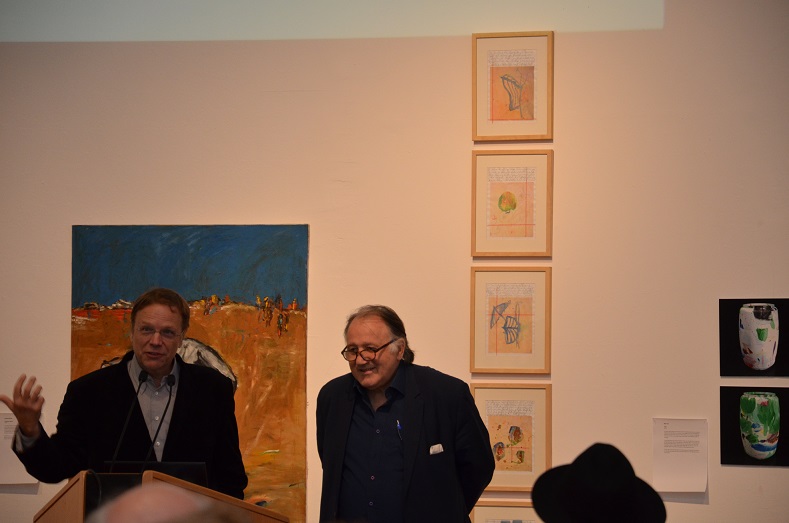
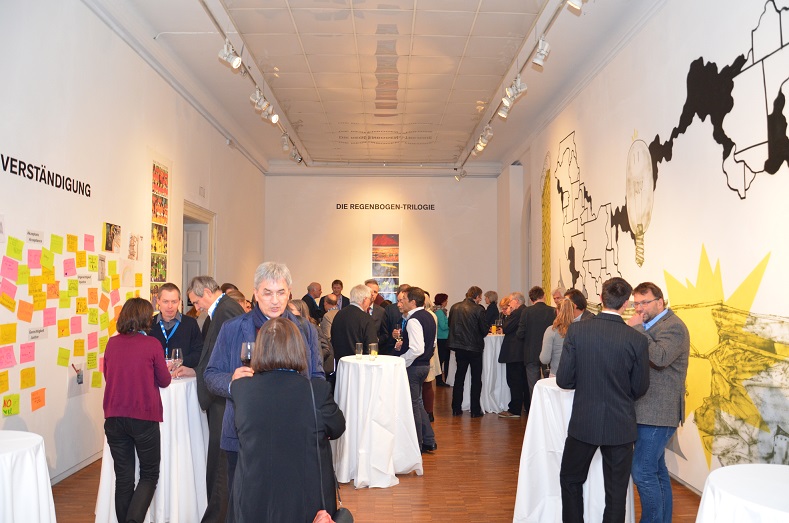
Immersing participants in the city`s rich artistic life, the Summit opening at the beautiful Vienna Künstlerhaus included two Wolfgang Pauli lectures at the ARTEMATICA 2015, an interdisciplinary event linking mathematics and computer science with visual arts and music. The welcome reception afterwards created the perfect opportunity to meet both new and known faces, taste some excellent Austrian wines and enjoy typical bits and bites of the host country.
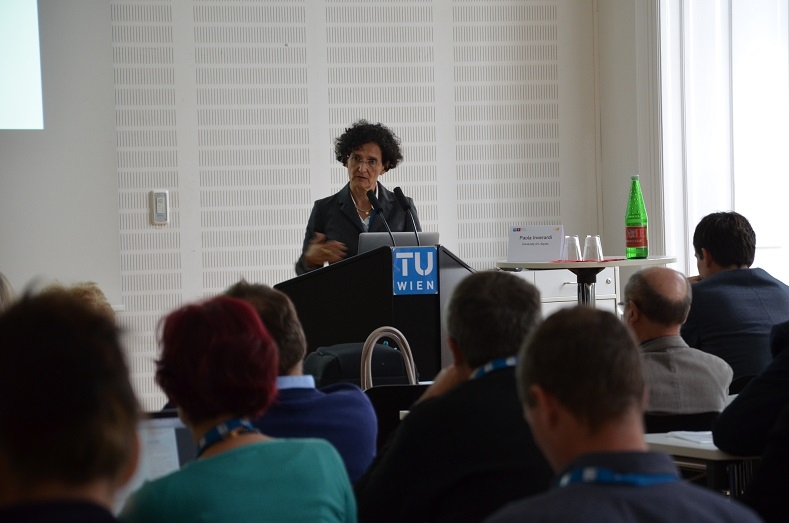
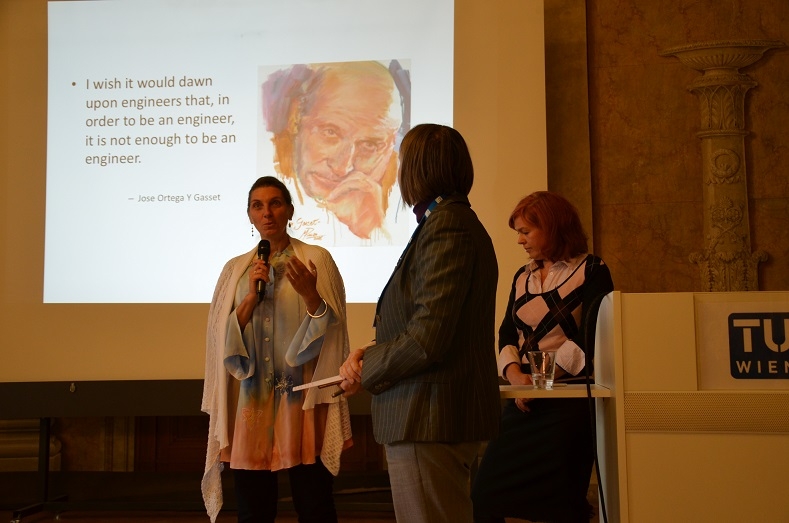
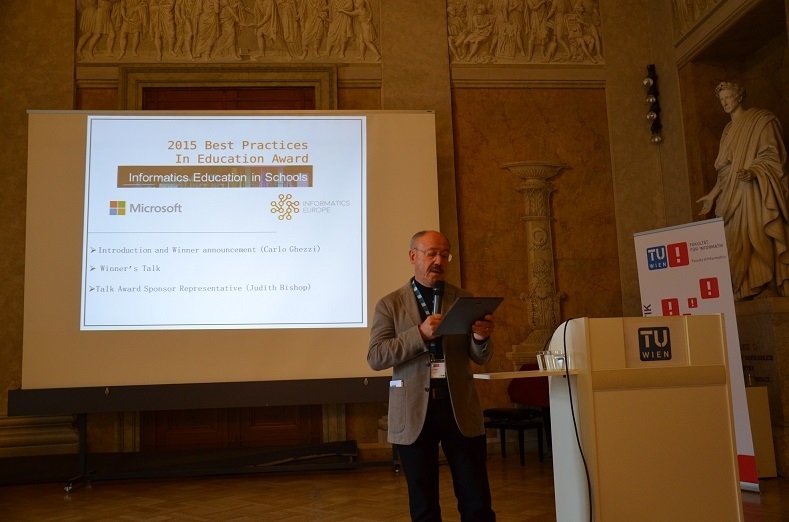
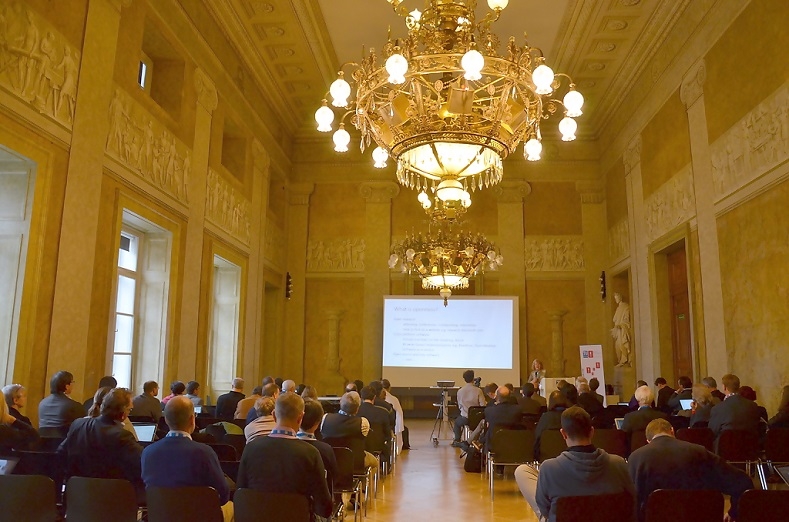
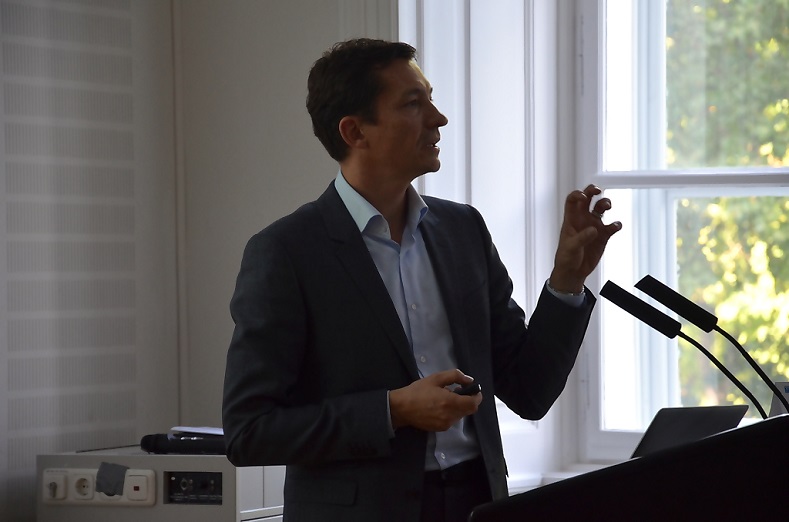
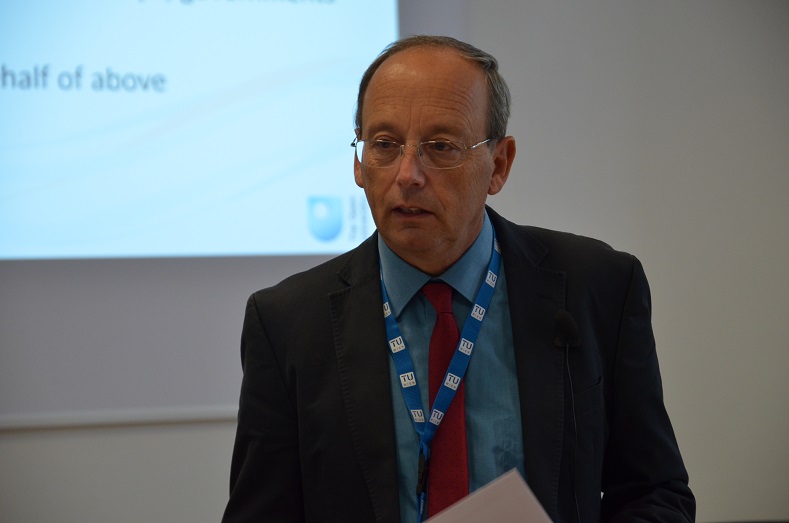
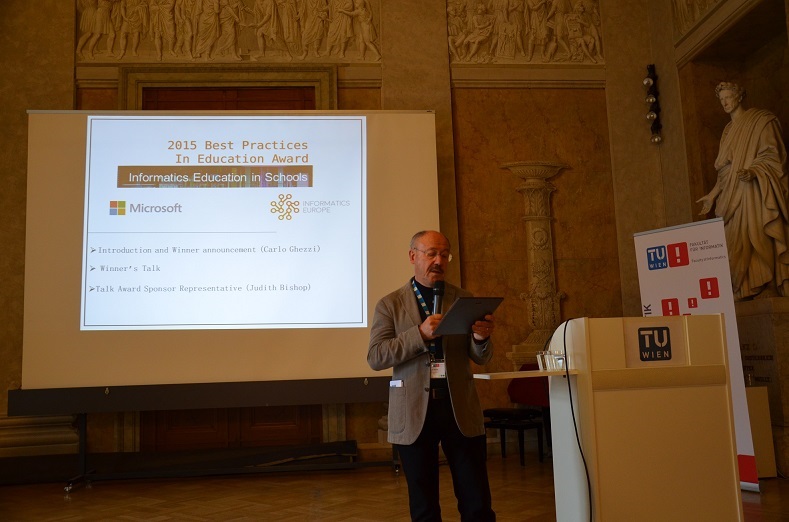
At the main Summit on October 13 and 14, the future of Informatics took centre stage, stimulating the discussion on the future role of Informatics both as a scientific discipline in itself and in its interdisciplinarity. Presentations and speaker panels provided food for thought and debate on the following themes: influence of Big Data on the nature of Informatics, European research funding, relationship with other sciences, research organisation of the future, ethics and Informatics role in society. The Informatics Europe Best Practices in Education Award Ceremony, Informatics Europe Activities session and General Assembly rounded the program.
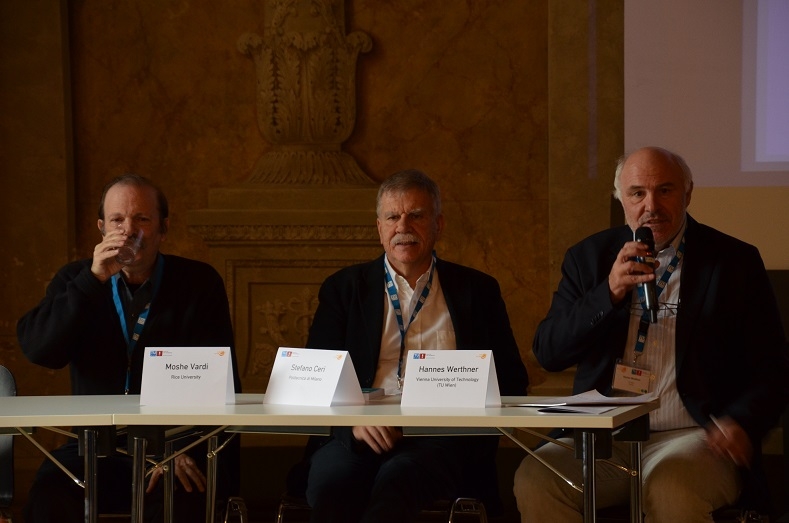
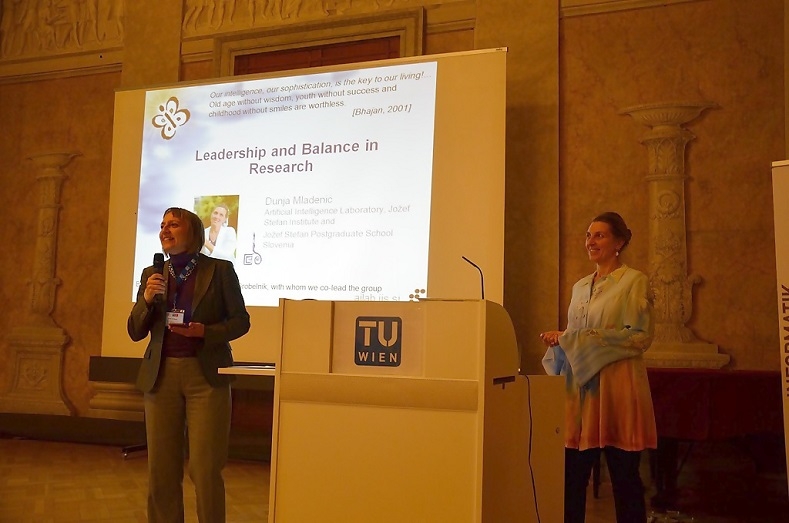
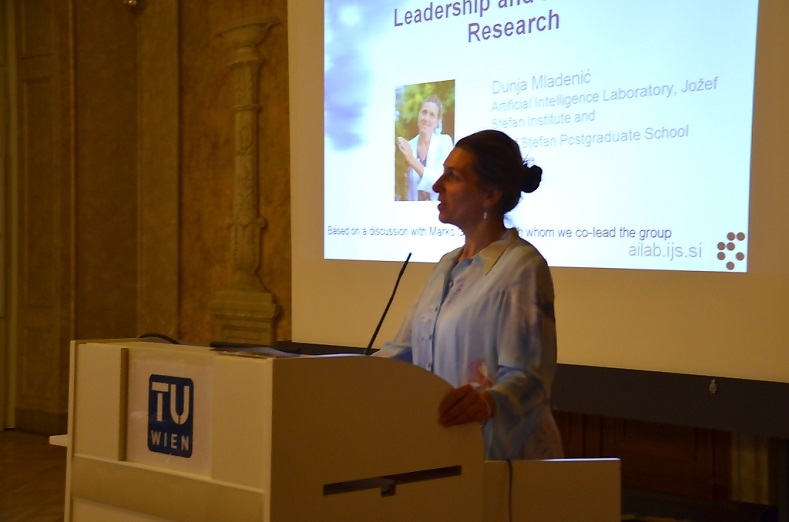
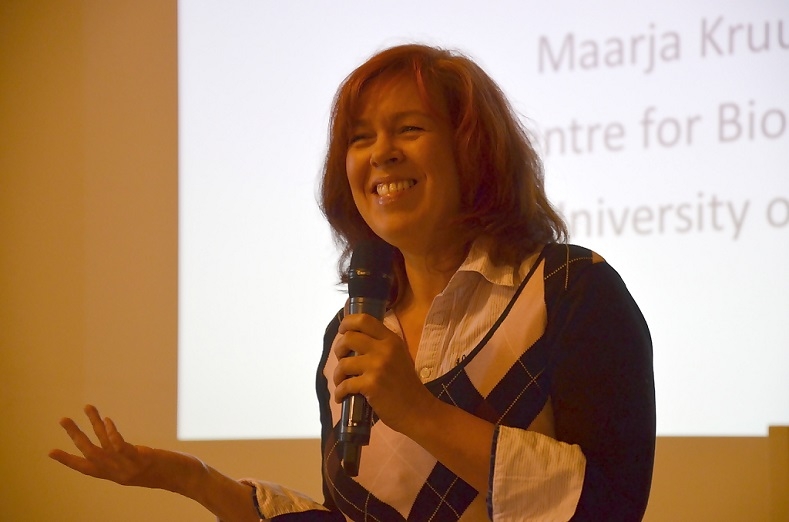
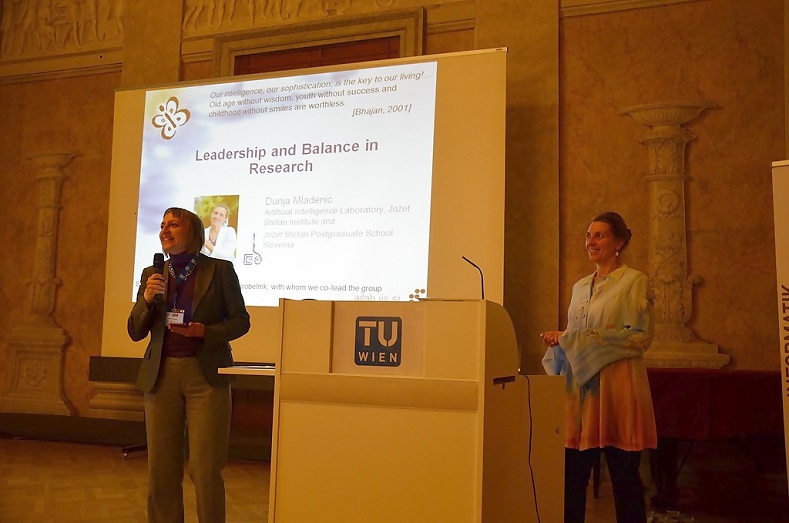
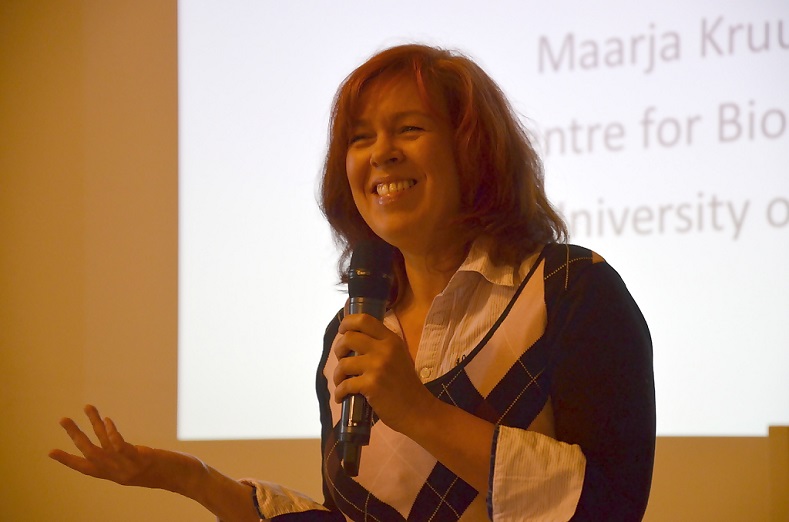
Sharing their expert views and insights at ECSS 2015 were Jean-Pierre Bourguignon, Dirk Brockmann, Stefano Ceri, Jeroen van den Hoven, Maarja Kruusmaa, Bertrand Meyer, Dunja Mladenić, Reinhard Posch, Britta Schinzel, Matti Tedre and Moshe Vardi. For the first time the speakers contributions will be published as a volume of proceedings by Springer Verlag. “We hope it to be a discussion piece in our community on the future of our discipline and its role in the future of our society”, commented Hannes Werthner and Frank van Harmelen, Program Chairs of the ECSS 2015.
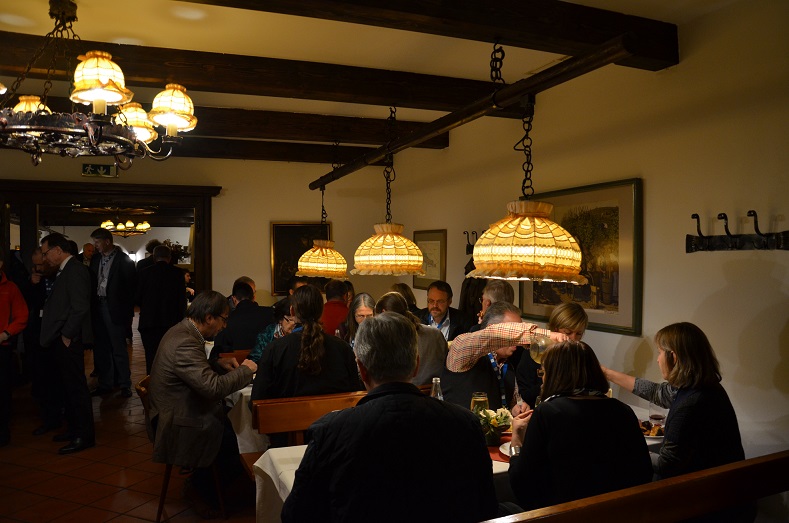
Besides the artistic experience at the Künstlerhaus, we could also enjoy the legendary Viennese conviviality at one of the ‘Heurige’ (wine taverns) for the conference dinner and learn that Vienna and wine are two concepts intrinsically linked.
The ECSS 2015 was a great success. With a high number of participants, impeccable organisation and one of the most exciting themes and programs, the conference will remain as one of the most memorable ECSSs.
ECSS 2016 will be held in Budapest, Hungary, October 24-26, hosted by the Eötvös Loránd University. Save the dates!
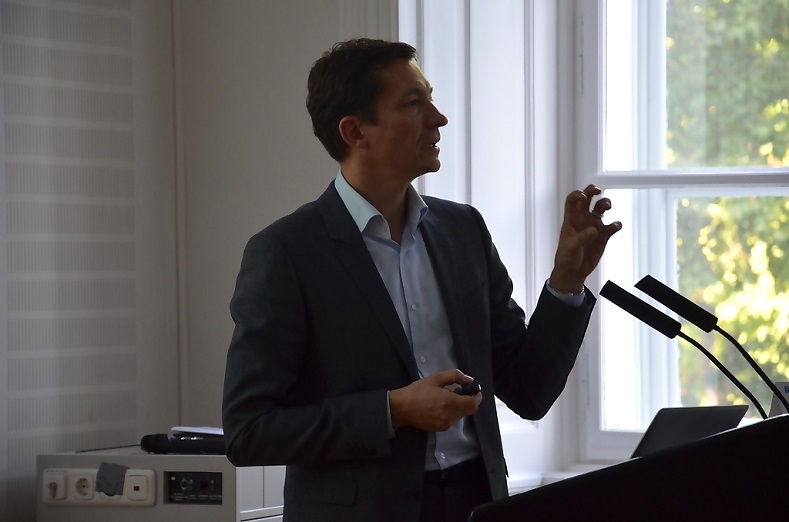
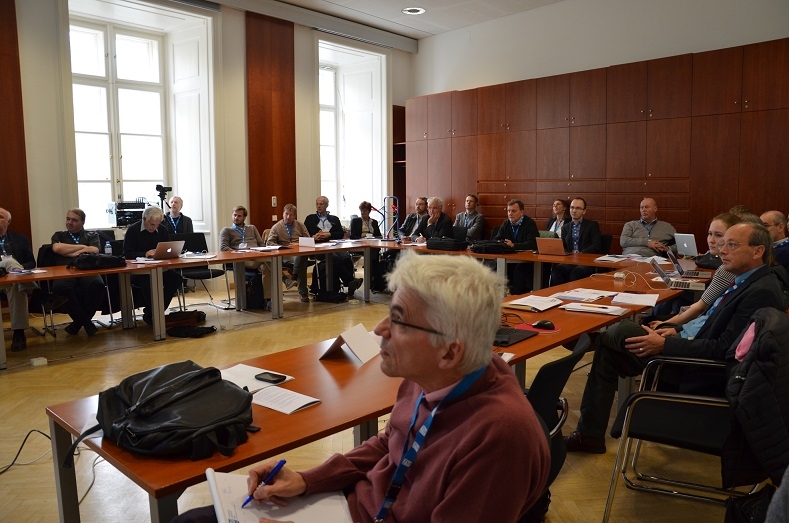
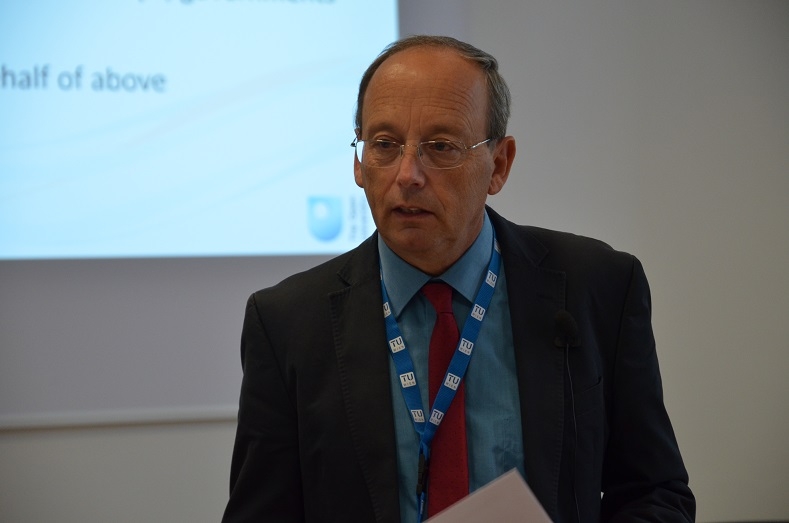
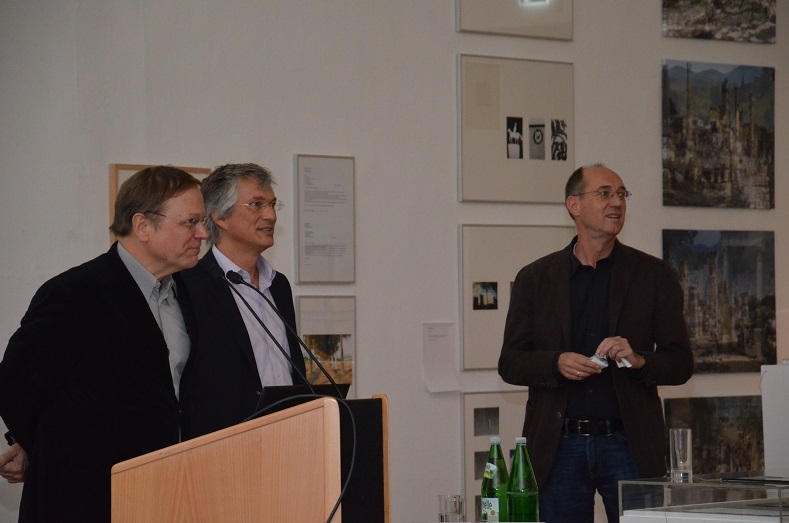
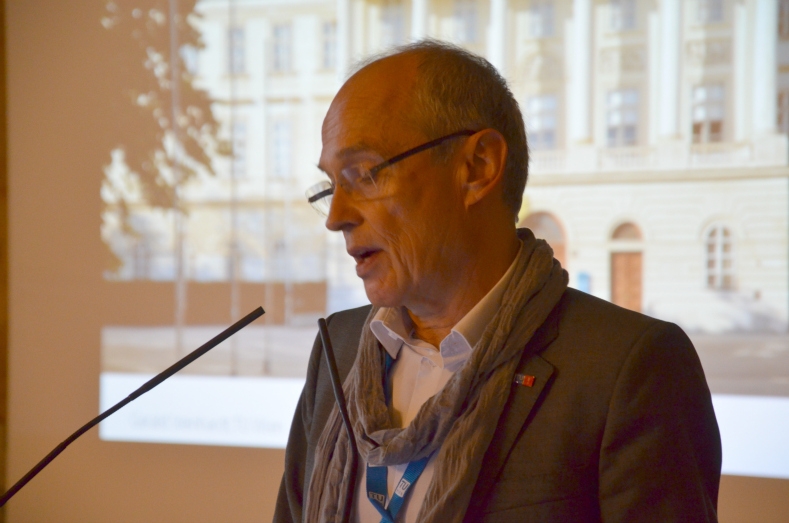
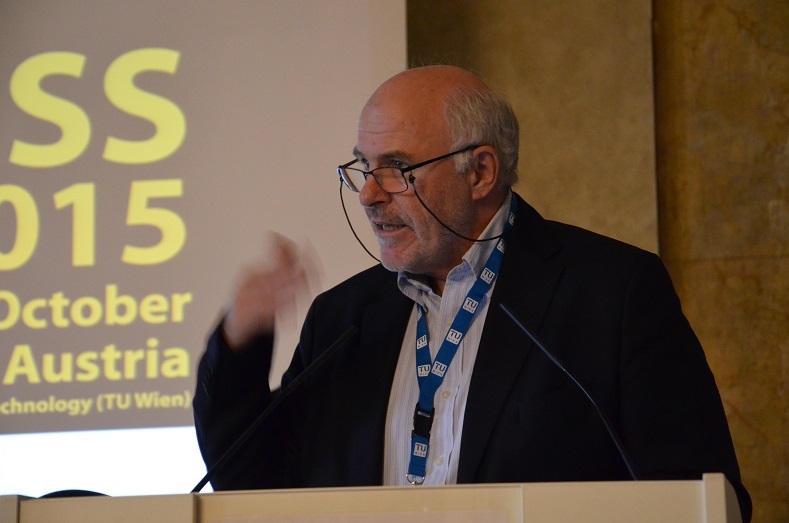
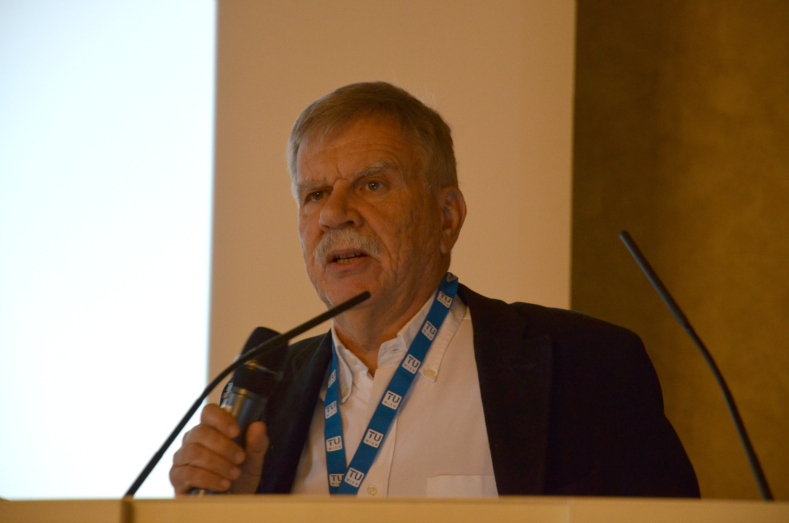
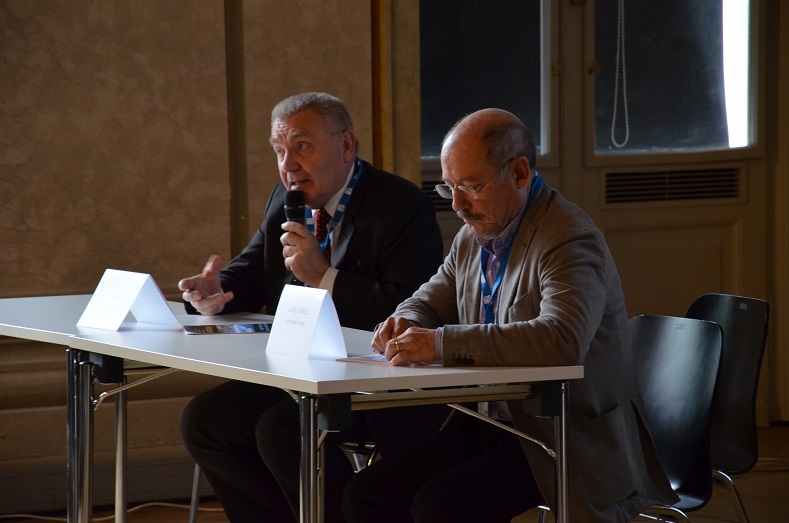
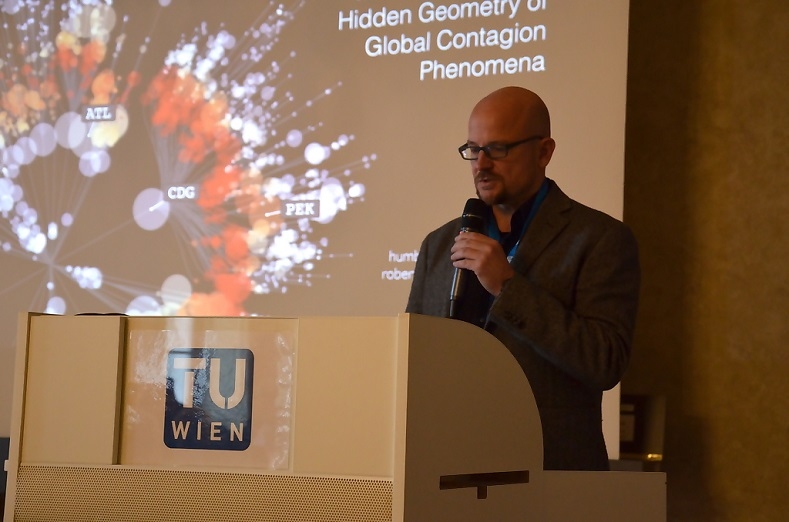
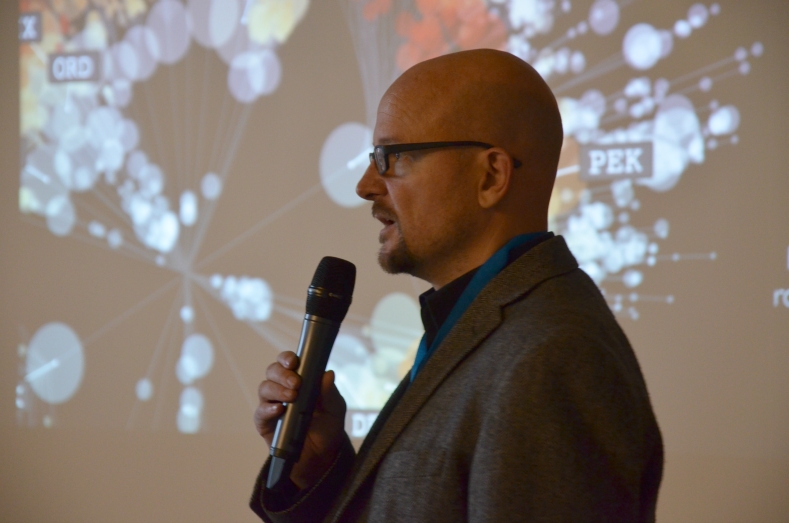
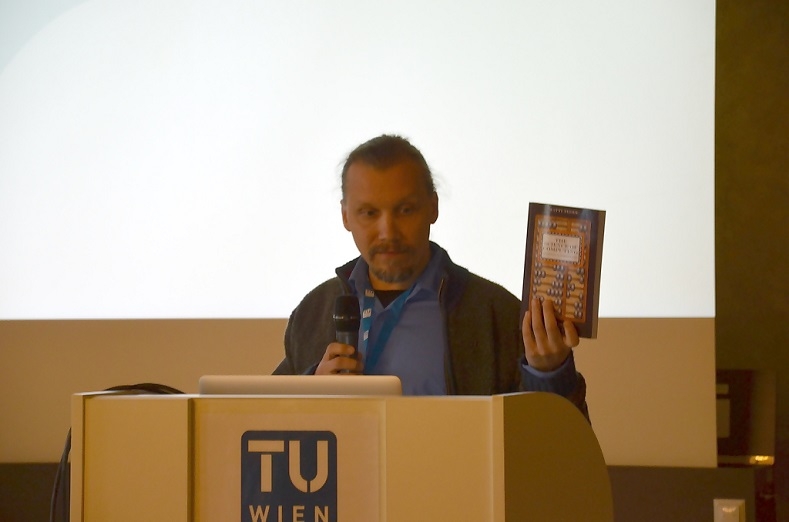
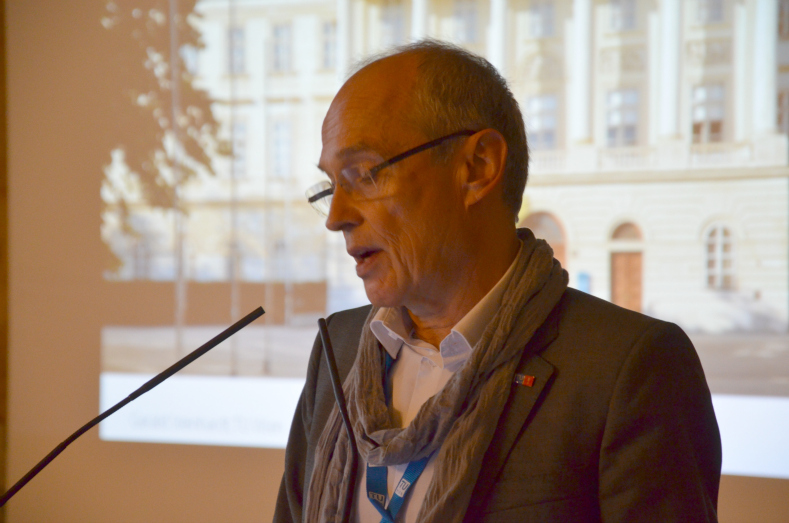
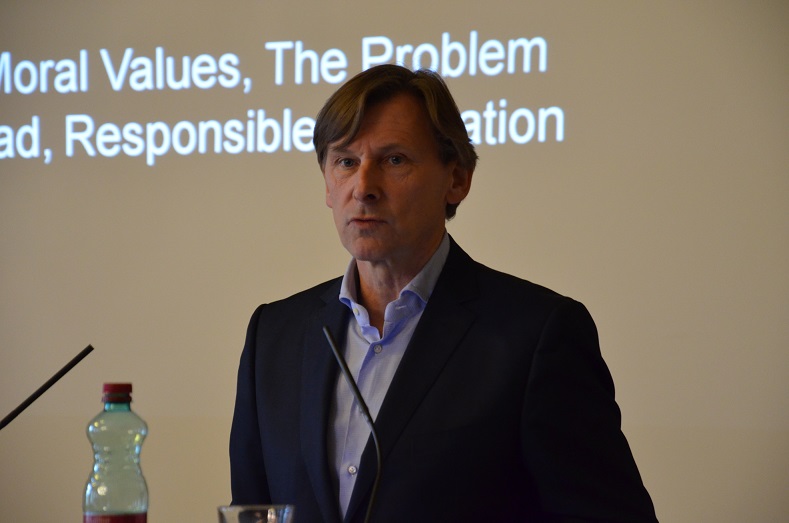
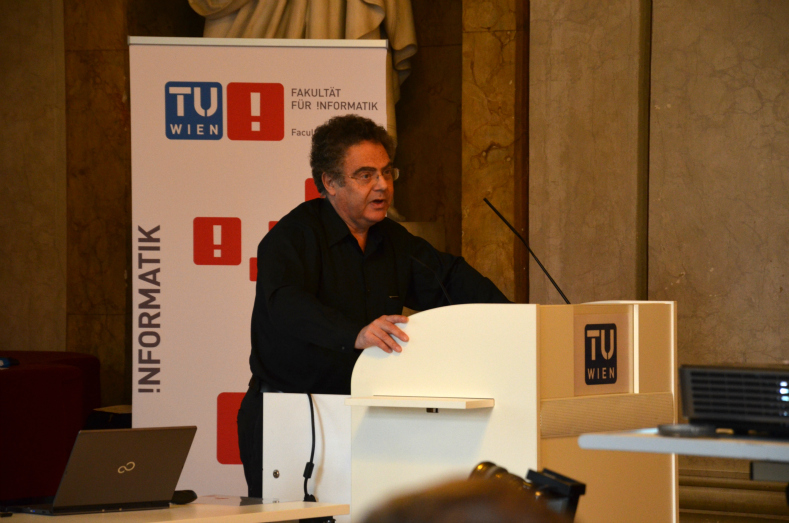
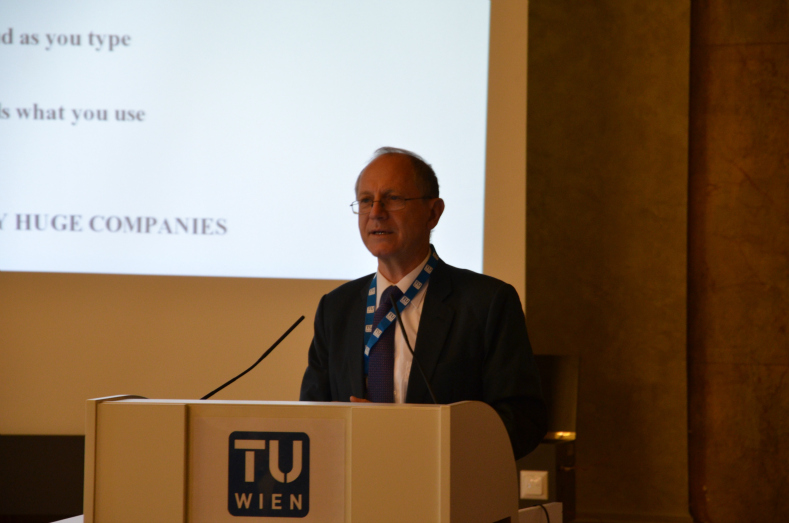
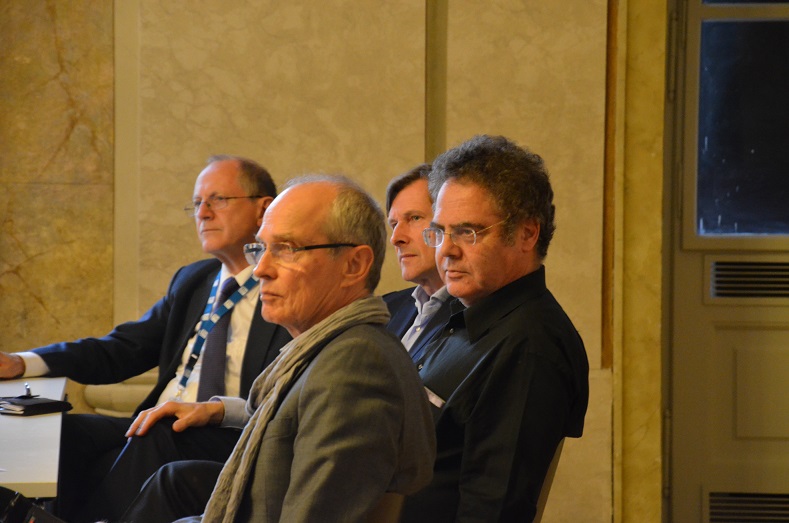
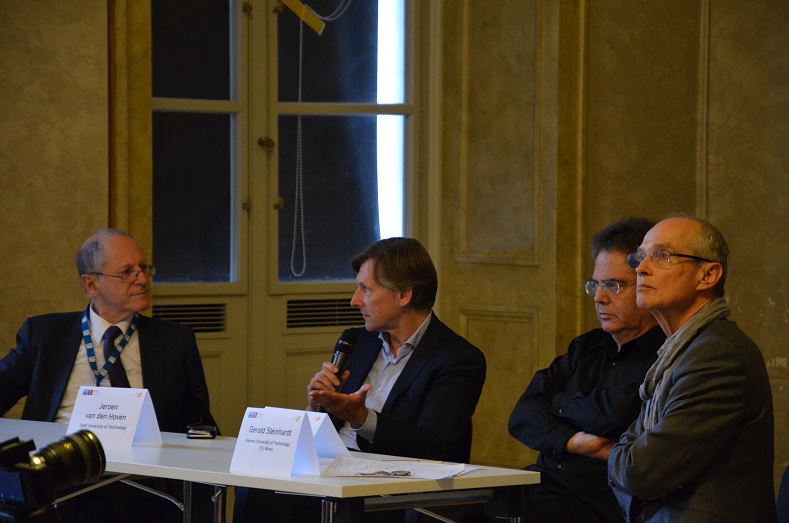
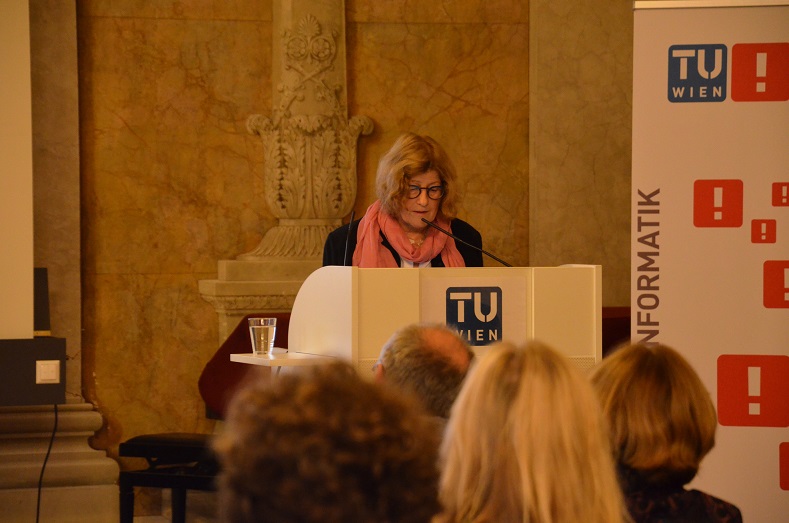
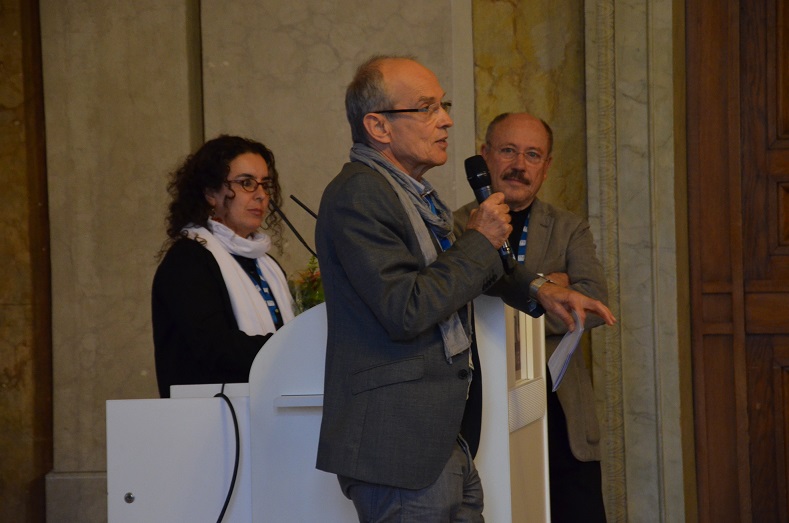
Below a few photos of the event:




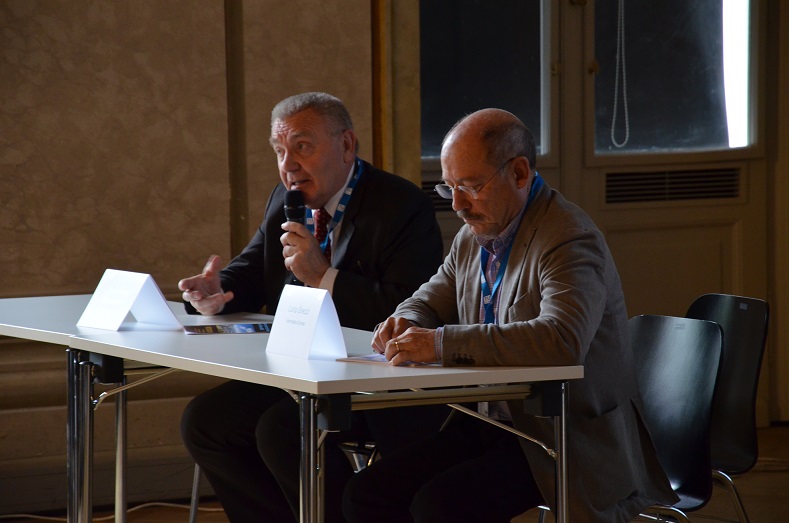
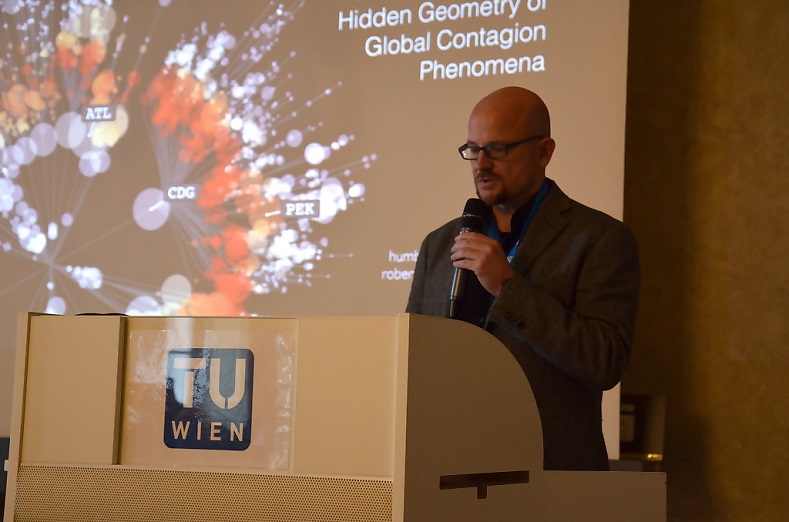
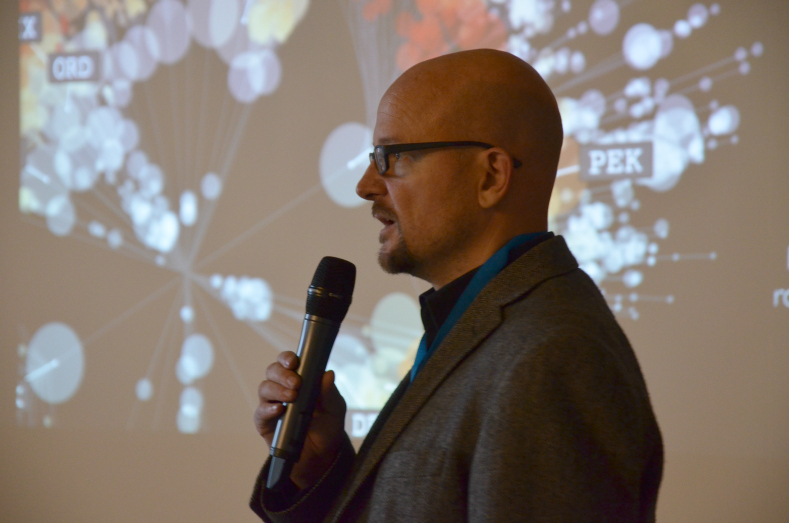
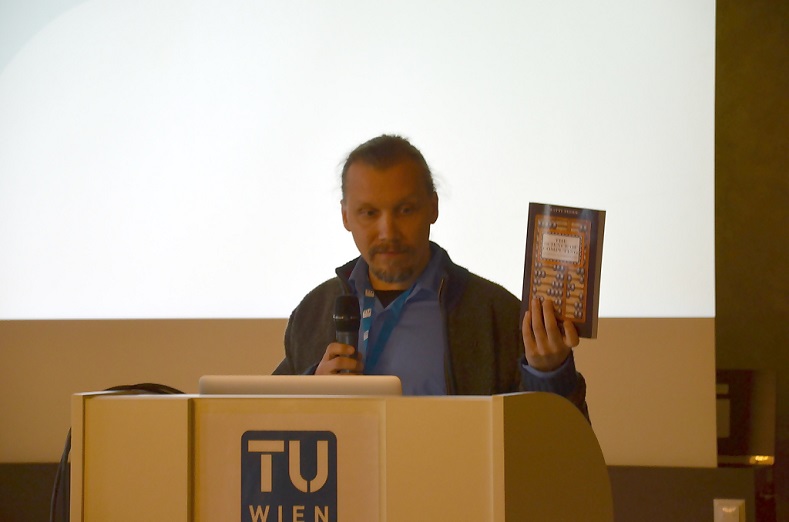
-
Pre-Summit Workshop for Deans and Department Chairs
-
Pre-Summit Workshop for Deans and Department Chairs
-
Pre-Summit Workshop for Deans and Department Chairs
-
Pre-Summit Workshop for Deans and Department Chairs
-
Pre-Summit Workshop on MOOCs
-
Pre-Summit Workshop on MOOCs
-
Wolfgang Pauli lecture
-
Wolfgang Pauli lecture
-
Welcome Reception ECSS 2015
-
ECSS 2015, Vienna
-
Gerald Steinhardt, Conference Co-Chair
-
ECCS 2015, Vienna
-
Hannes Werthner and Frank van Harmelen, Program Chairs
-
Hannes Werthner
-
Stefano Ceri, Politecnico di Milano
-
Stefano Ceri, Politecnico di Milano
-
Moshe Vardi, Rice University
-
Moshe Vardi, Stefano Ceri, Hannes Werthner
-
ECCS 2015, Vienna
-
Jean-Pierre Bourguignon, ERC
-
Jean-Pierre Bourguignon, Carlo Ghezzi
-
Dirk Brockmann, Humboldt University Berlin
-
Dirk Brockmann, Humboldt University Berlin
-
Matti Tedre, Stockholm University
-
Dirk Brockmann, Matti Tedre
-
ECCS 2015, Vienna
-
ECCS 2015, Vienna, Conference Dinner
-
Lynda Hartmann, Dunja Mladenic
-
Dunja Mladenic, Jozef Stefan Institute
-
Maarja Kruusma, Tallinn University of Technology
-
Dunja Mladenic, Lynda Hartmann, Maarja Kruusma
-
ECCS 2015, Vienna
-
Carlo Ghezzi, President Informatics Europe
-
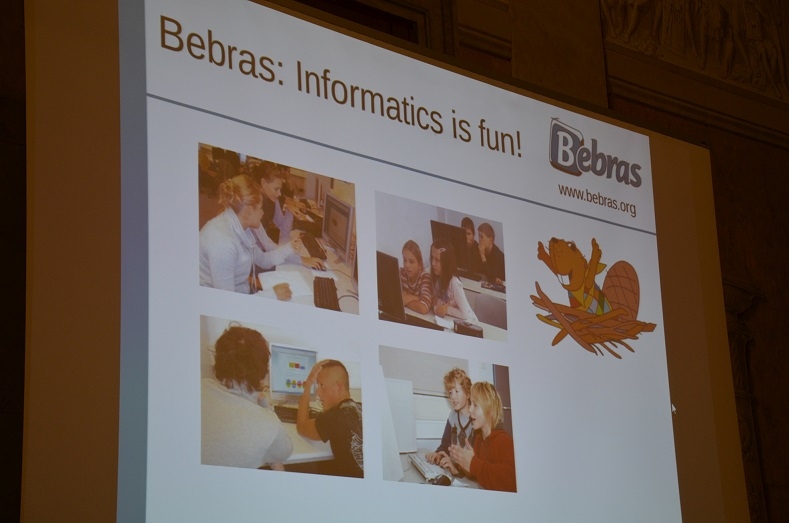
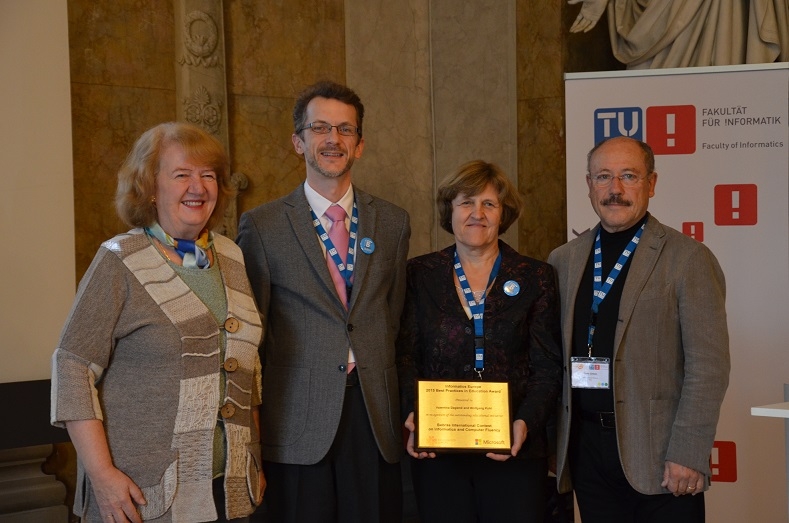
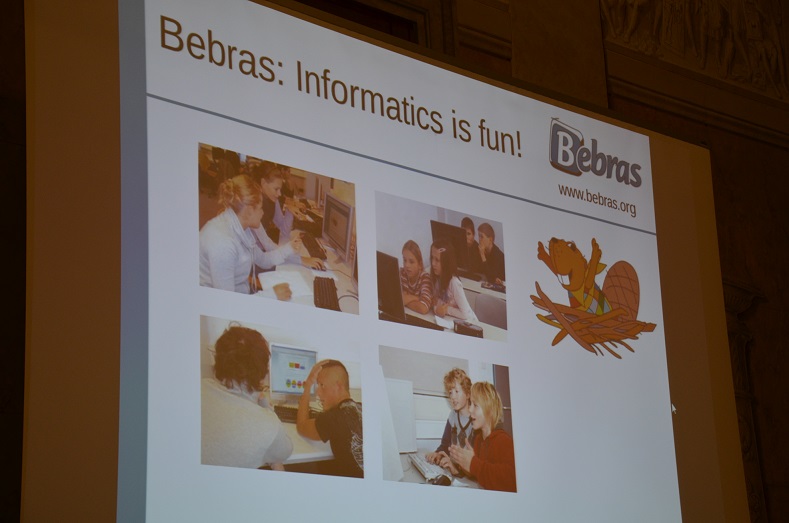
Bebras, Winner of the Best Practices in Education Award 2015
-
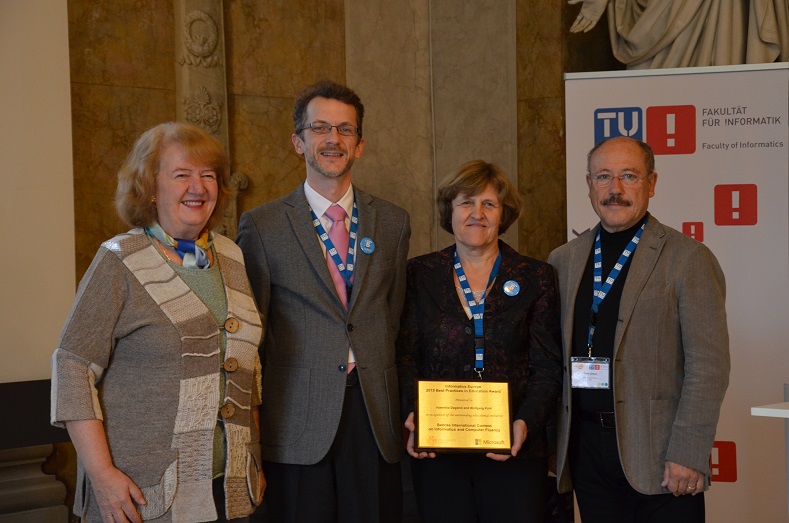
Judith Bishop, Wolfgang Pohl, Valentina Dagiene, Carlo Ghezzi
-
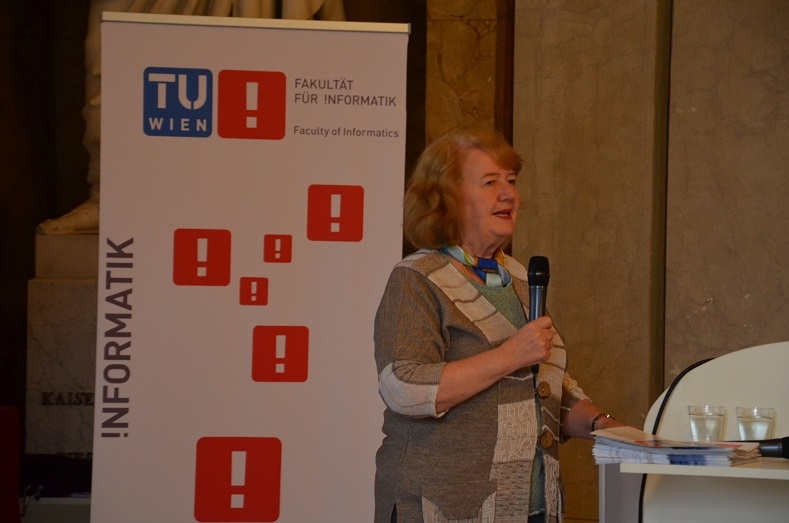
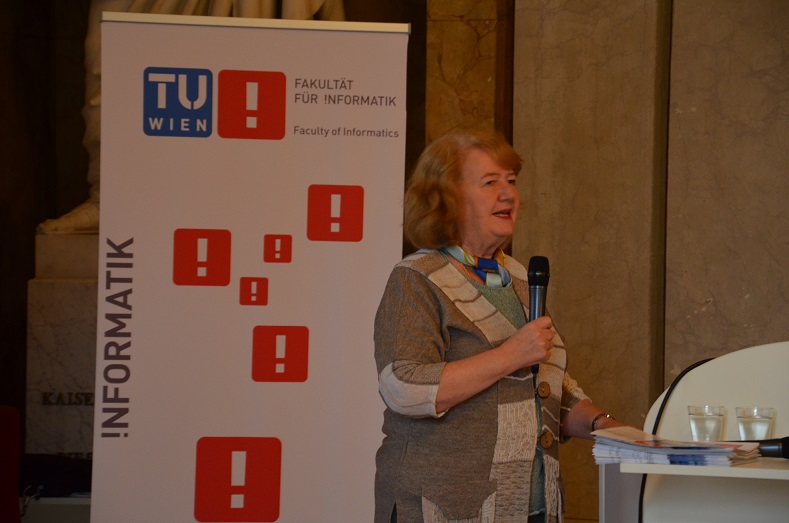
Judith Bishop, Microsoft Research
-
ECCS 2015, Vienna
-
ECCS 2015, Vienna
-
ECCS 2015, Vienna
-
Jeroen van den Hoven, TU Delft
-
Jeroen van den Hoven, TU Delft
-
Bertrand Meyer, ETH Zurich
-
Reinhard Posch, TU Graz
-
Reinhard Posch, Jeroen van den Hoven, Bertrand Meyer, Gerald Steinhardt
-
Reinhard Posch, Jeroen van den Hoven, Bertrand Meyer, Gerald Steinhardt
-
Britta Schinzel, University of Freiburg
-
Cristina Pereira, Gerald Steinhardt, Carlo Ghezzi






 Netlogica