
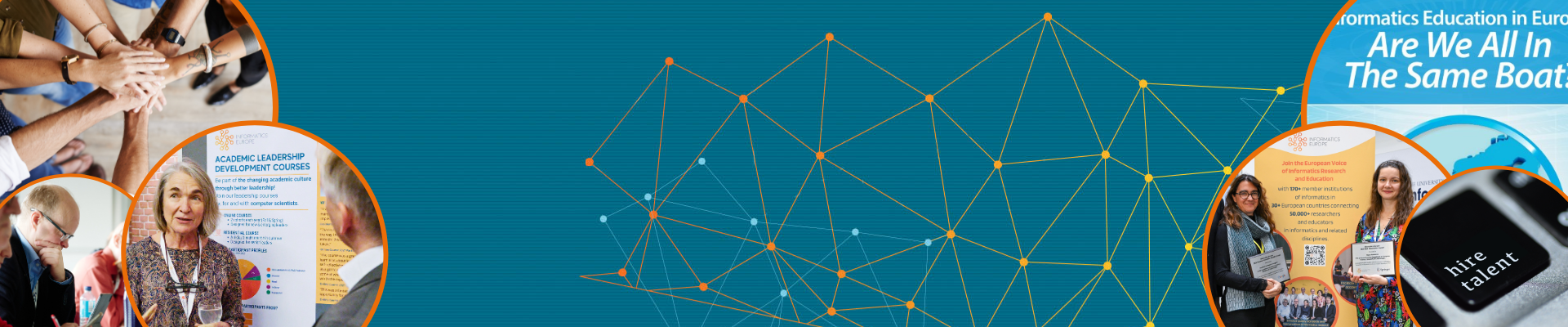
At Informatics Europe, we are celebrating 2 decades of joint achievements while continuing to shape the discipline's future.
With 200 member institutions in over 30 countries, Informatics Europe connects more than 50,000 researchers, promotes concerted positions, acts on shared priorities and supports policy-making in Informatics Education, Research and its Social Impact across Europe.
Visit the full list of member university departments, research labs and industrial members here.
 |
Our activities address strategic matters and emerging trends in informatics and related fields, fostering unity in the variety of our member institutions and promoting pan-European collaboration. As a non-profit membership association, our work is mainly performed by scientist volunteers who collaborate in working groups and ad-hoc task forces. Outcomes are endorsed by our community through its Board of Directors.
As a community of European leaders in Informatics Research, we empower each other to:
- Create opportunities for joint initiatives and knowledge exchange between academia & industry & society.
- Engage with society on the nature and impact of Informatics.
- Advocate for Informatics in European policy discussions.
- Promote quality standards and best practices in research, education, and knowledge transfer.
- Foster ethical and responsible Informatics teaching and research.
- Nurture talent and assure a pipeline of diverse leaders with a broad understanding of the discipline.
The potential of Informatics Europe can go as far as our collective ambitions take it!
You & your organization are key for IE
We have a common cause and a common interest. This is the reason for university departments, research labs and industrial organizations to join us, for their affiliated researchers to contribute our activities since 2005 and for National Informatics Associations (NIAs) to choose us for engaging in European discussions. This is a call to:
Current & Potential Members
Demonstrate your institute’s support by becoming a member and empower your researchers to engage in our activities for collaborative success in Informatics in Europe. As an Informatics Europe member, gain the opportunity to amplify your presence and influence decisions at the pan-European level, engage in learning and knowledge exchange with peer leaders, and enjoy exclusive IE members-only services. We welcome university departments, research labs and industrial organizations engaged in R&D activities leveraging advances in the field of Informatics.
The greatest membership benefits those who collaborate the most!
Students, PosDocs and recent graduates
Informatics Europe aims to nurture talent and assure a pipeline of diverse Informatics leaders with a broad understanding of the discipline.
Boost your career development with the Early Career Researchers WG and Academic Leadership Courses. Submit your nomination for the Best Dissertation Award. Increase your mobility opportunities with our Job Platform. Join a training school and bring your research to the next level.
More will follow soon!
Companies at large
Looking for a targeted and impactful approach to engage with the leaders in the European informatics research community other than the IE membership? Eager to recruit informatics talent across Europe? Explore our sponsoring opportunities.
Share our flyer with your colleagues to join forces and amplify our impact together as Informatics Europe!
Discover the impact of our initiatives and services first-hand
While some are exclusive to Informatics Europe members, many are open for the benefit of the wider Informatics community. Explore them in a snapshot:
- Utilize our Department Evaluation and Academic Leadership services;
- Access our extensive array of Publications and Policy Recommendations;
- Nominate deserving individuals for Awards celebrating achievements in gender inclusion, informatics education, and ground-breaking research;
- Boost your international visibility by collaborating with us on EU projects, presenting your latest research results in an Informatics-Europe hosted webinar, updating your information in our Research & Education Directory or featuring relevant activities on the ECSS members spotlight section;
- Engage in strategic and trend-setting discussions during our European Informatics Leaders Summit (ECSS).
- Take an active role in Working Group activities, including organizing related training schools and sessions during ECSS.
- Access the only in its kind Higher Education Data Portal, for pan-European benchmarking;
- Enhance your talent pool and career prospects through our Job Platform.
Keep up with IE's latest updates
Follow us on 


 and subscribe to our mailing list and bulletin here.
Latest News

New Strategic Agenda for Europe’s Software Future Presented in Brussels
The SRIA was launched on 23 September and formally presented to Thibaut Kleiner, Director for Future Networks at the European Commission’s DG CONNECT.
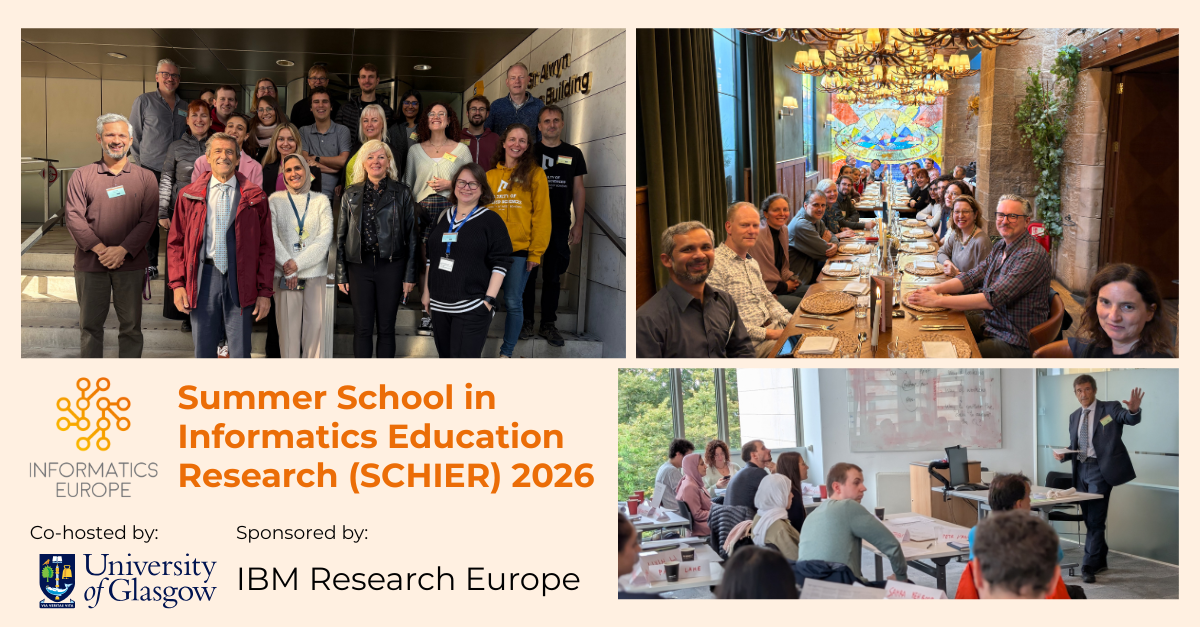
SCHIER 2026: Strengthening the Community of Informatics Education Researchers
Growing the next generation of Informatics Education researchers starts with creating opportunities to learn, exchange and connect.
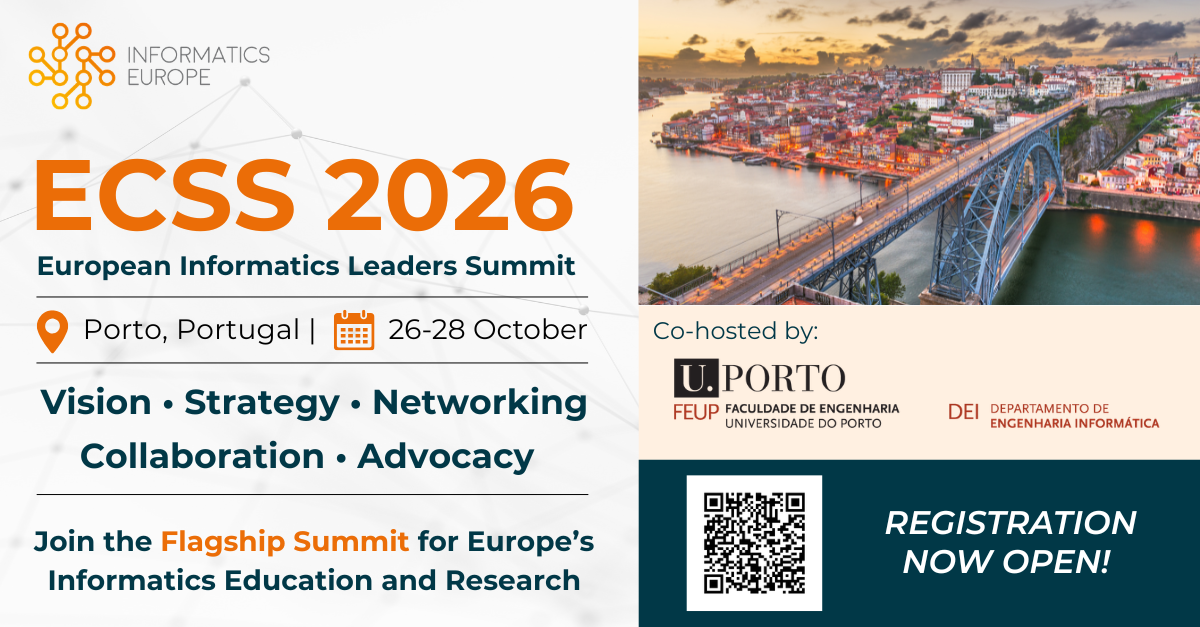
ECSS 2026: Registration Now Open
Registration is now open for ECSS 2026, a unique summit for Europe’s Informatics community to address timely strategic and policy issues in Informatics research and education.
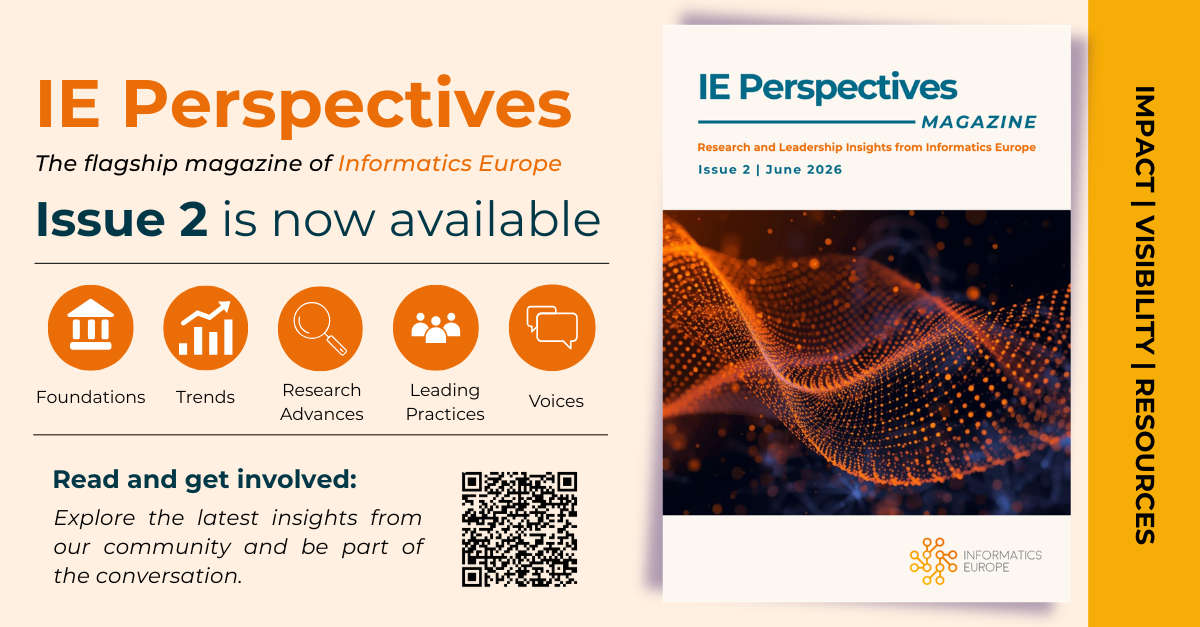
The Second IE Perspectives: Introducing New Section & Co-Editor-in-Chief
Discover the latest IE Perspectives, featuring a new "Foundations" section dedicated to stories of European curiosity-driven Informatics research that has shaped disciplines, technologies and society.
ECSS 2017- Highlights
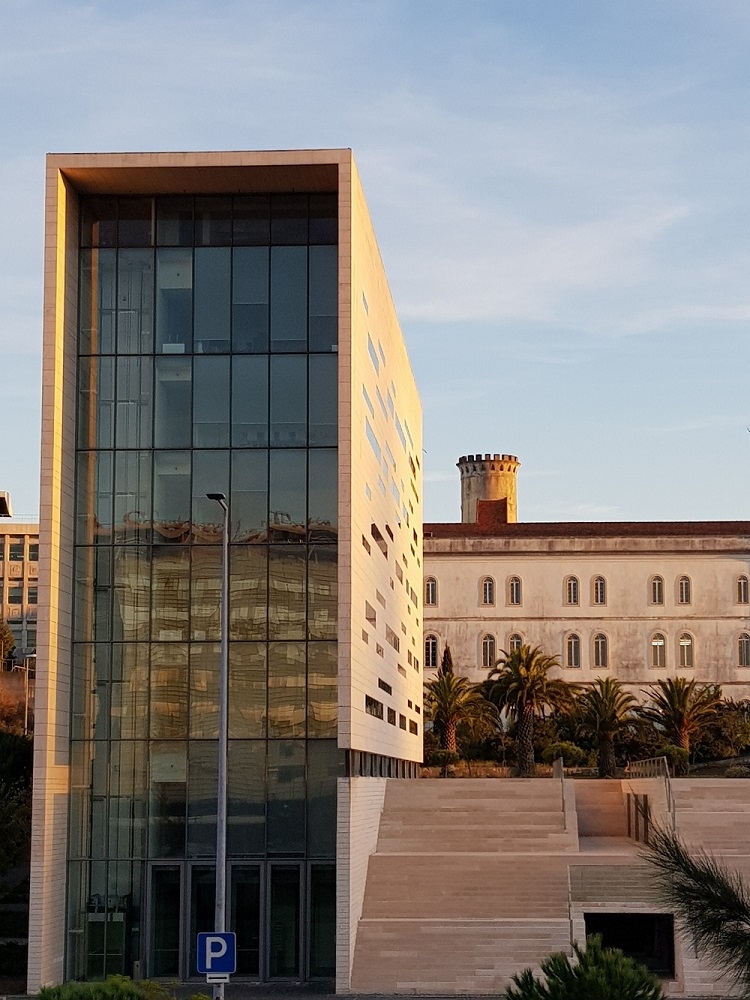
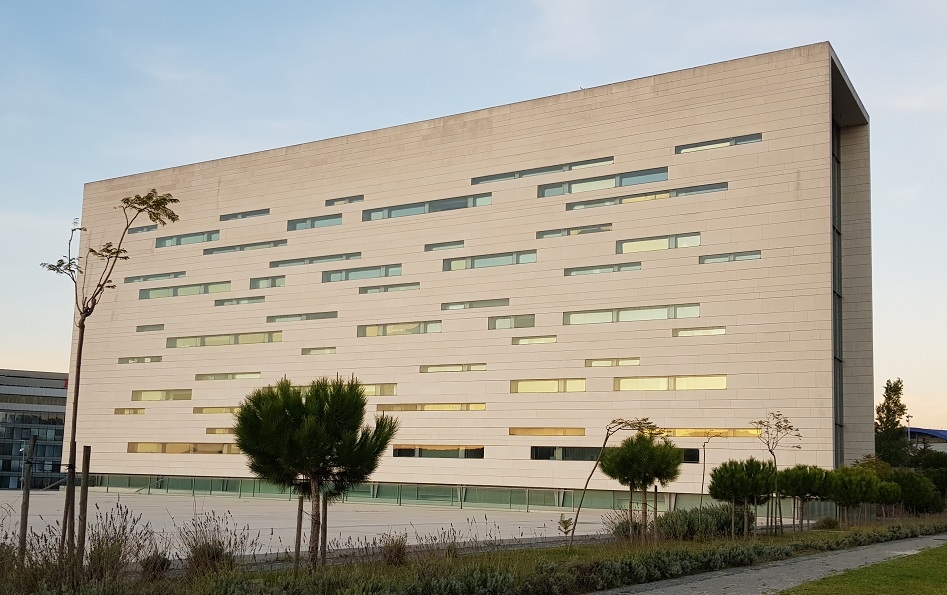
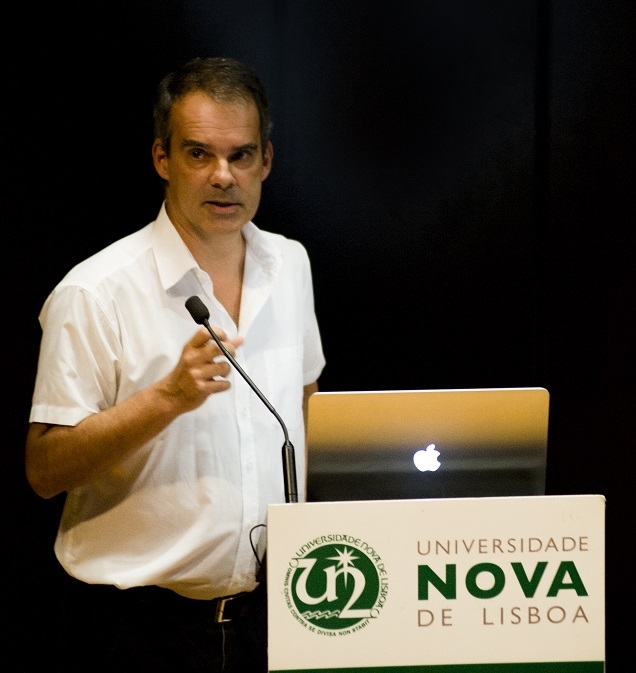
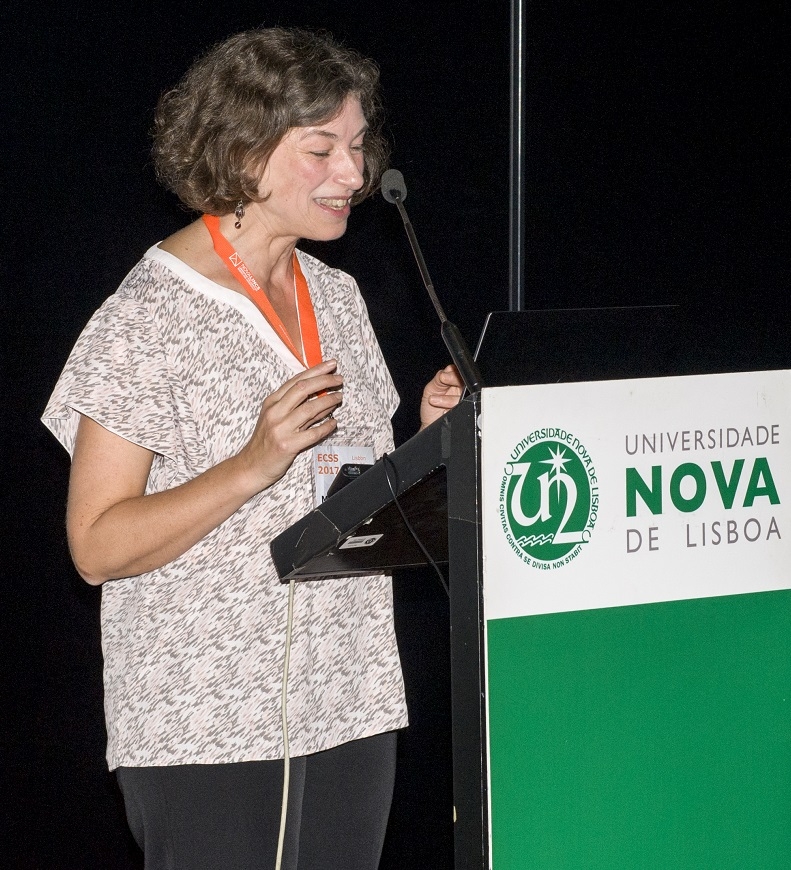
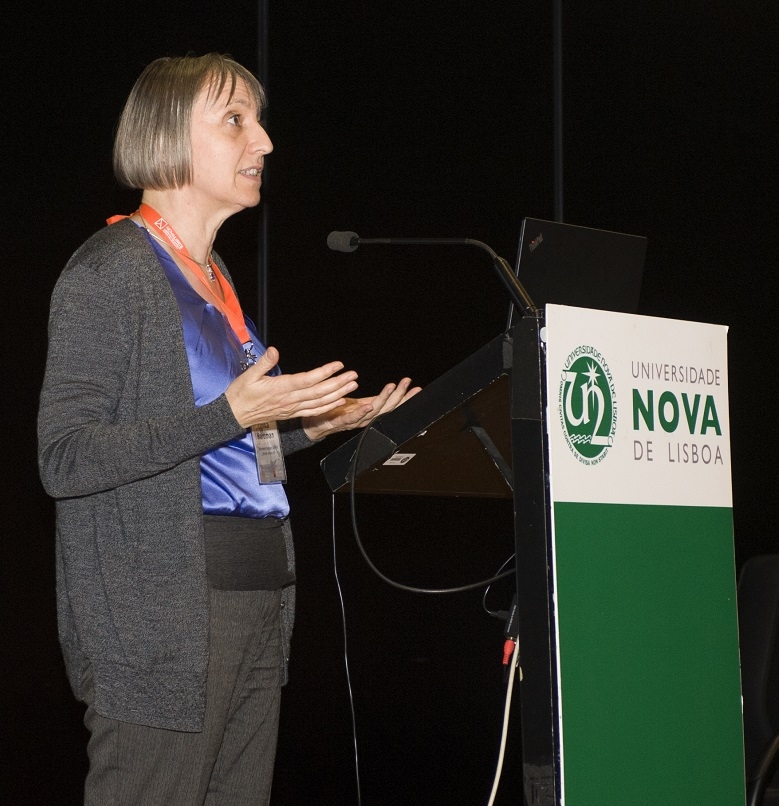
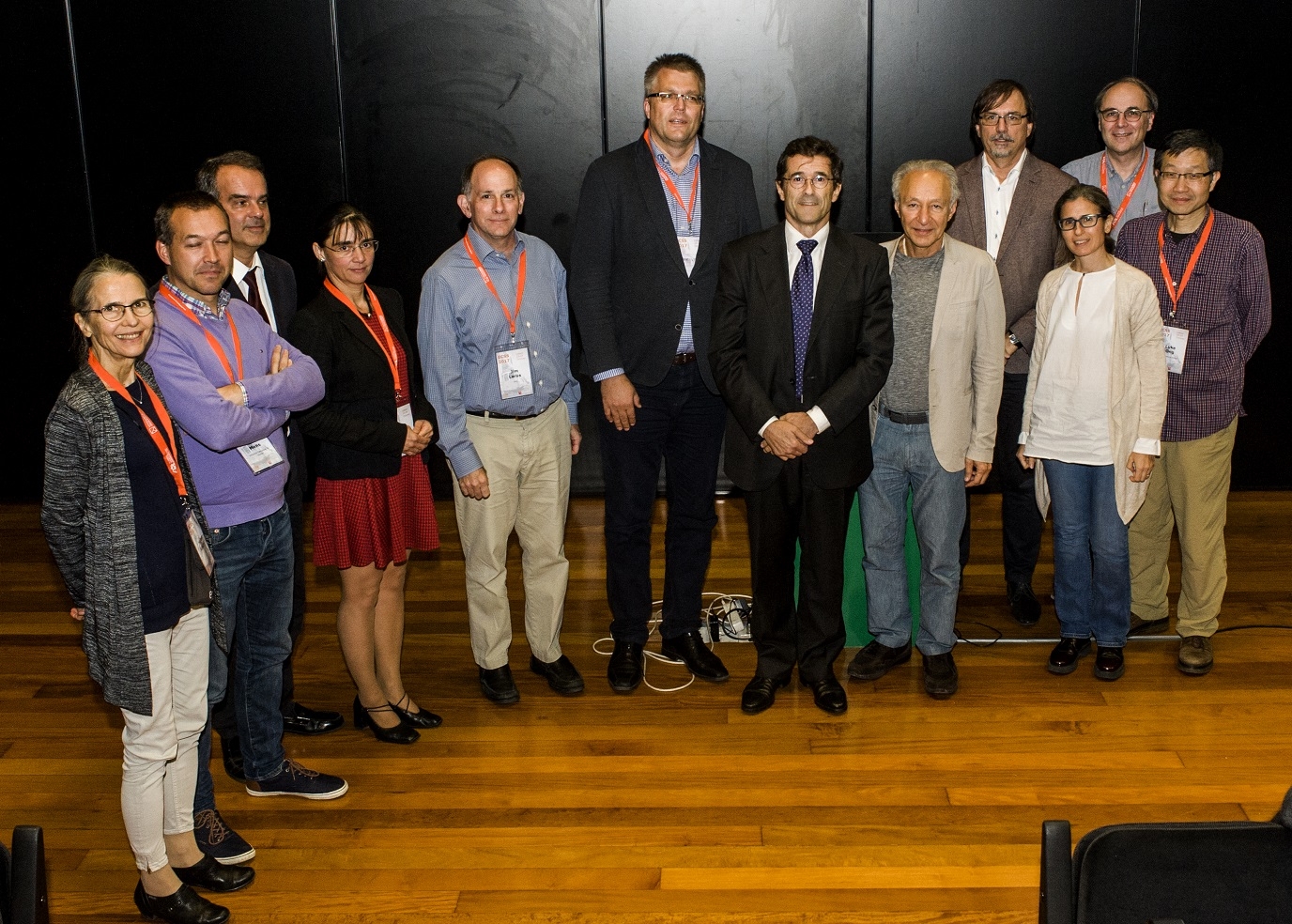
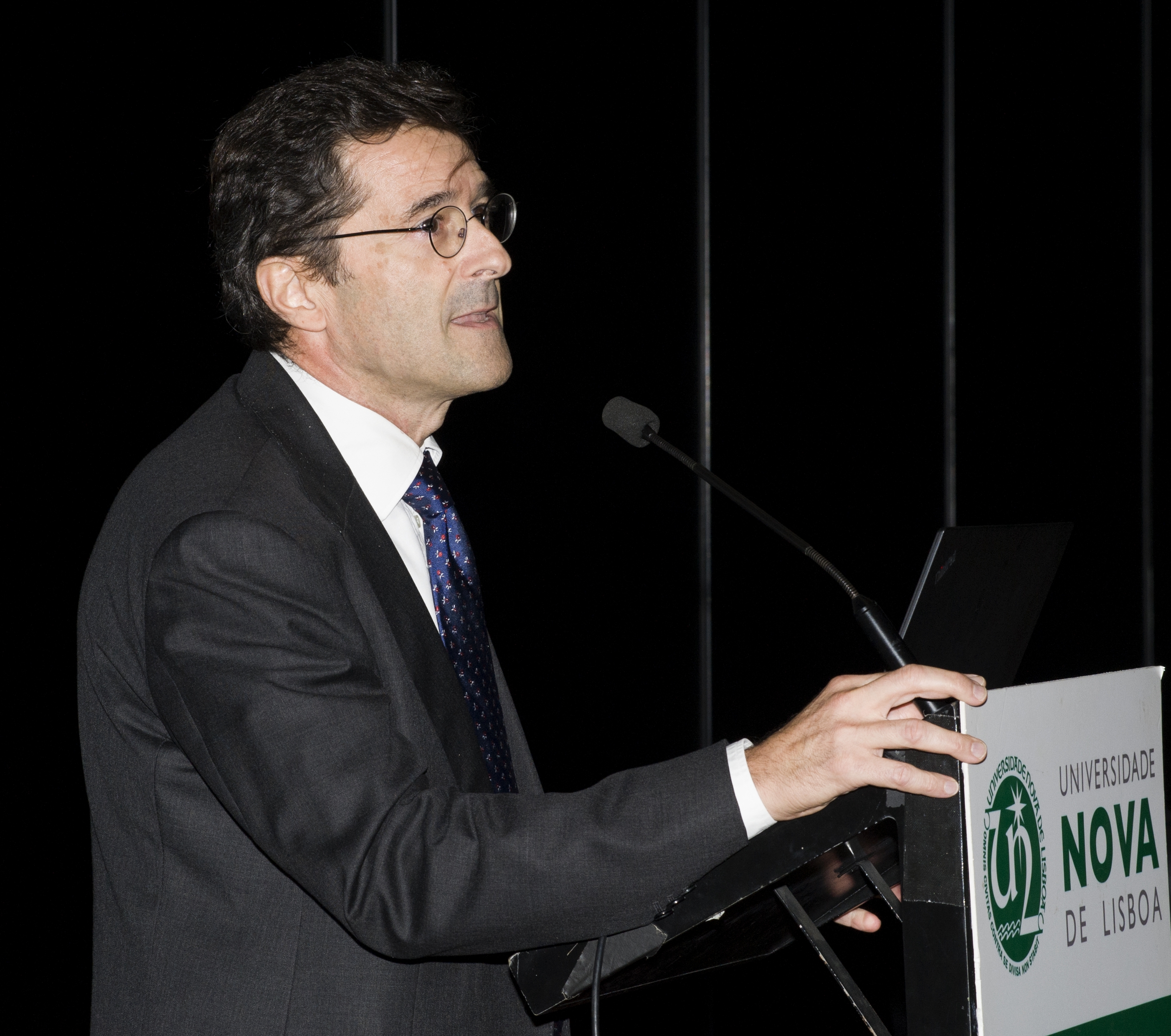
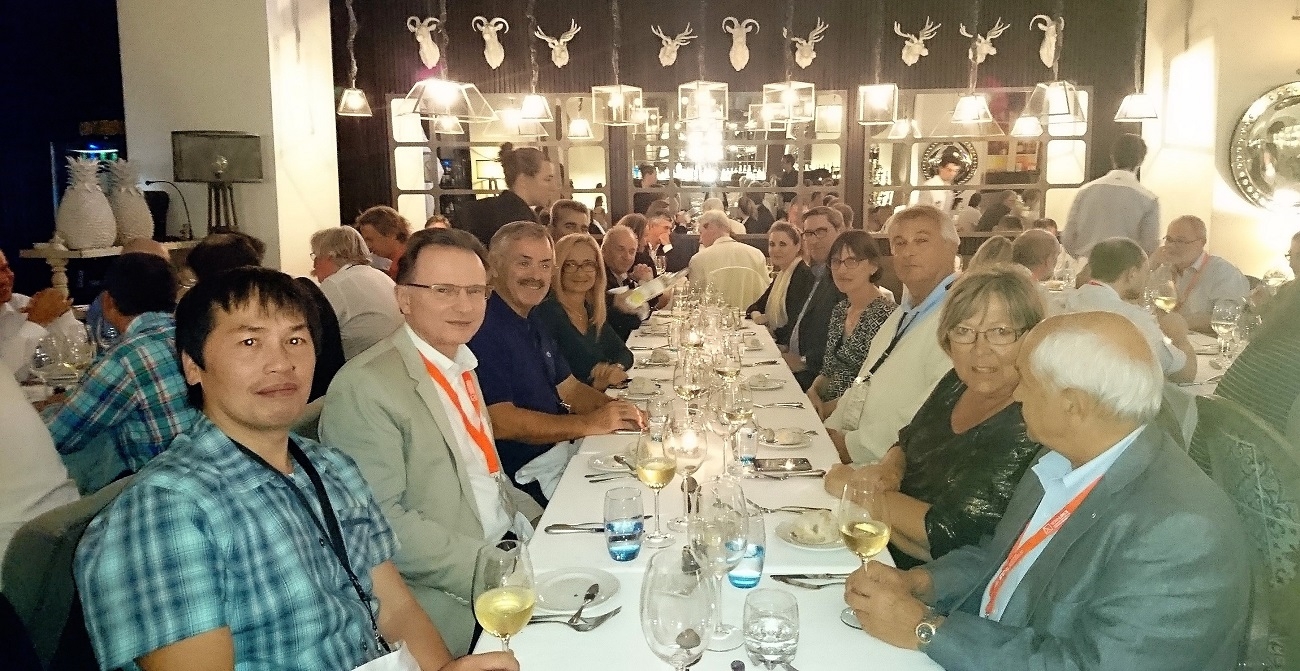
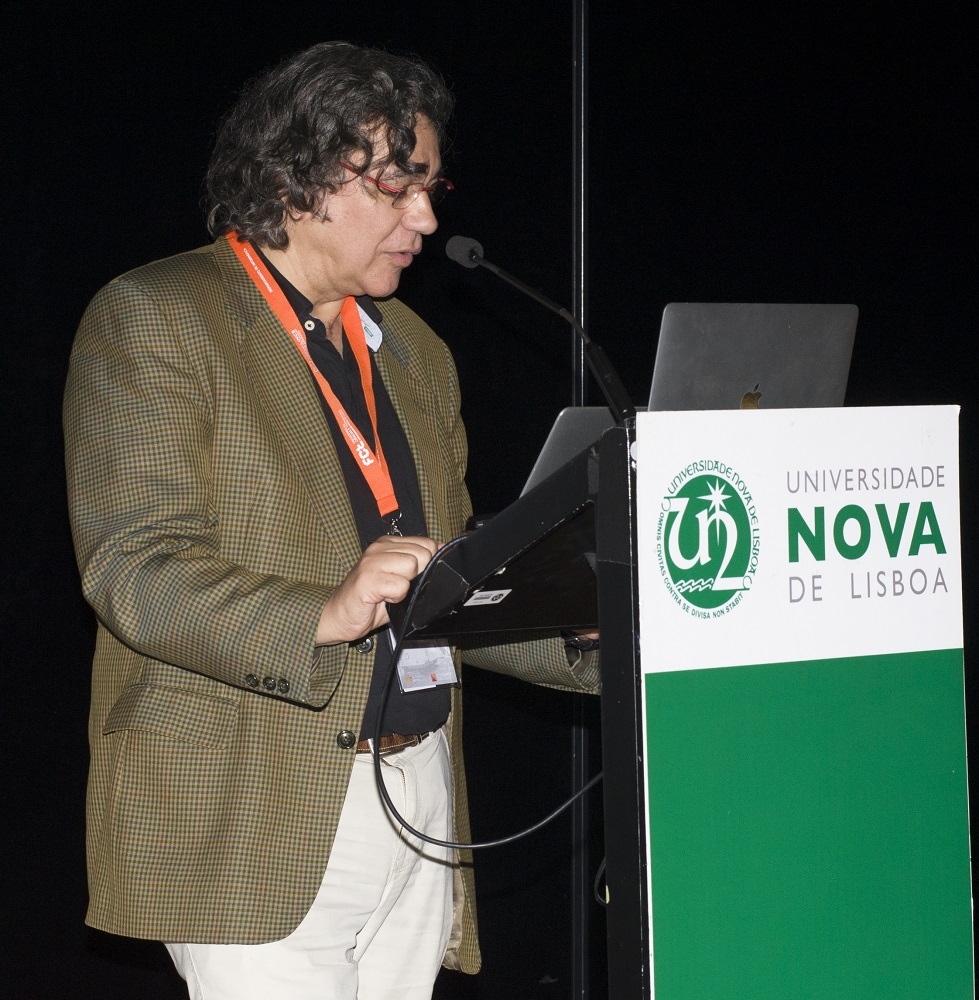
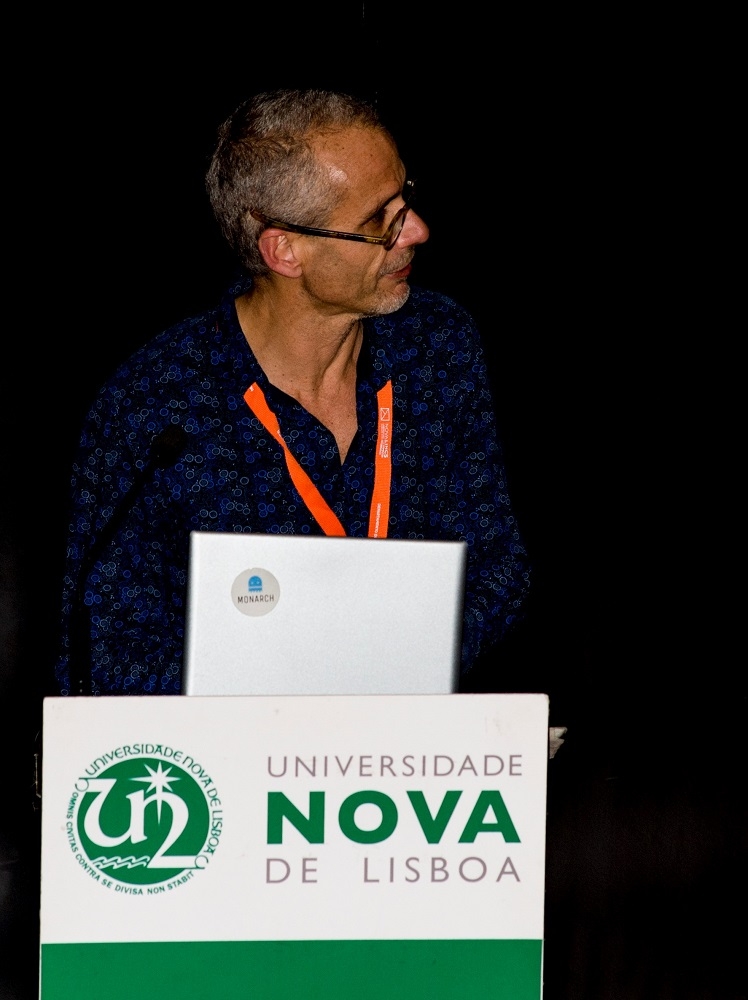
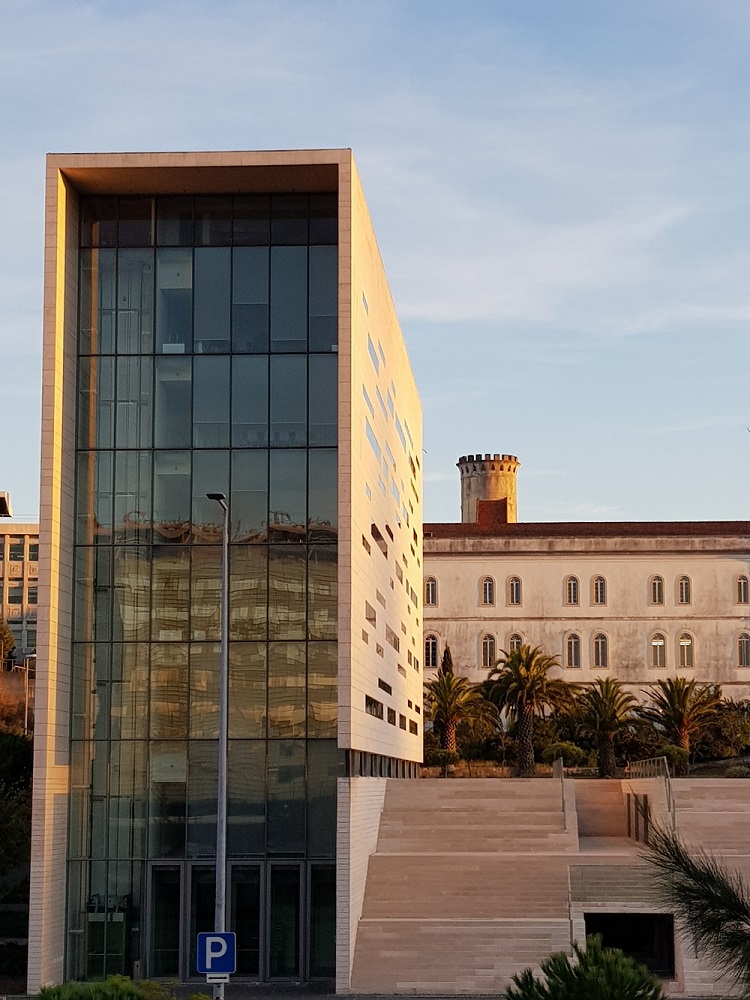
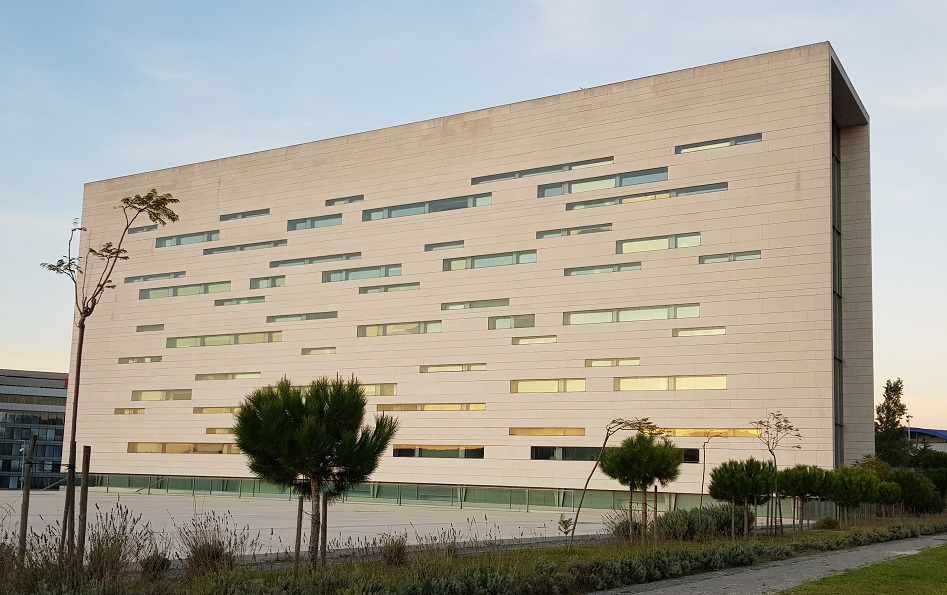
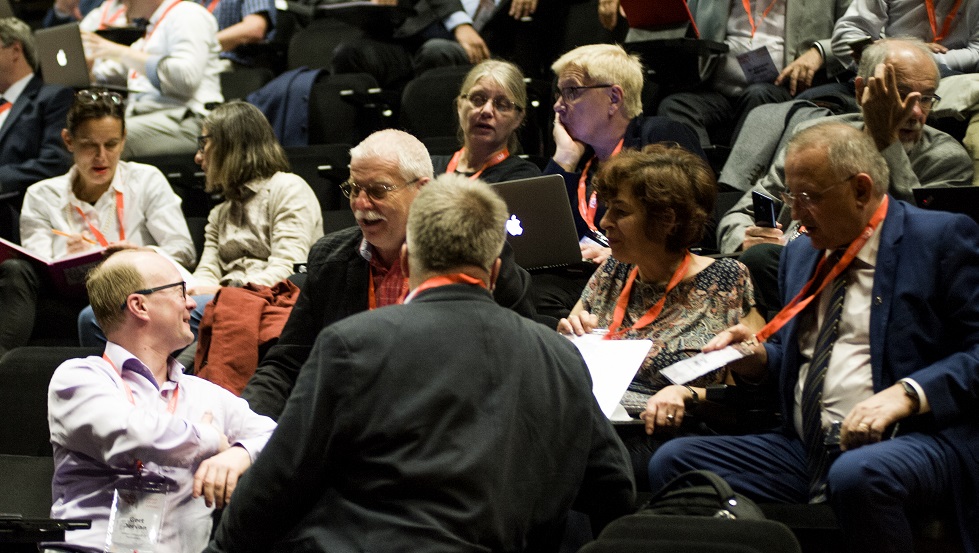
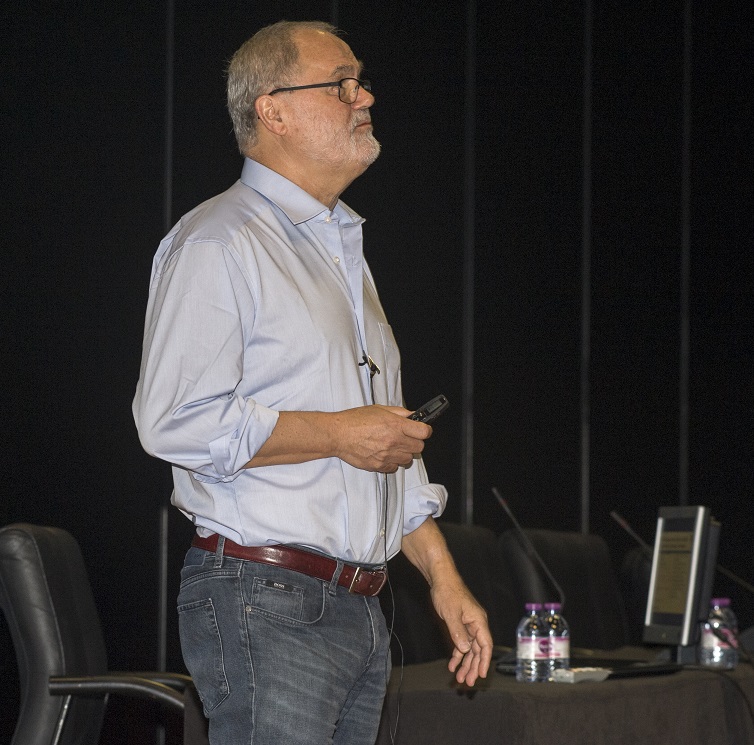
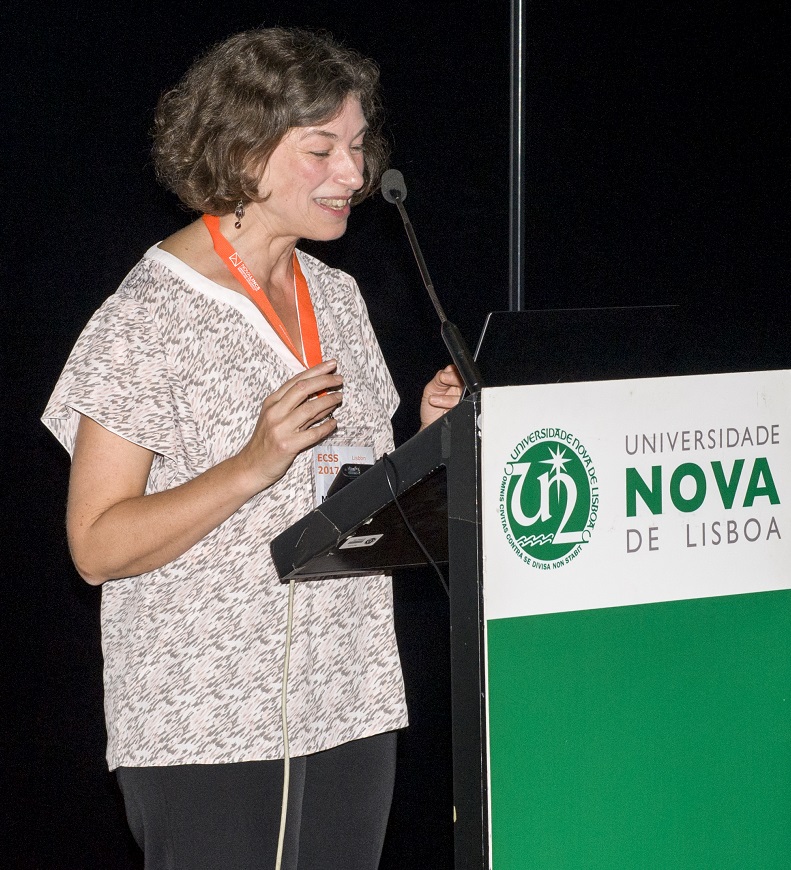
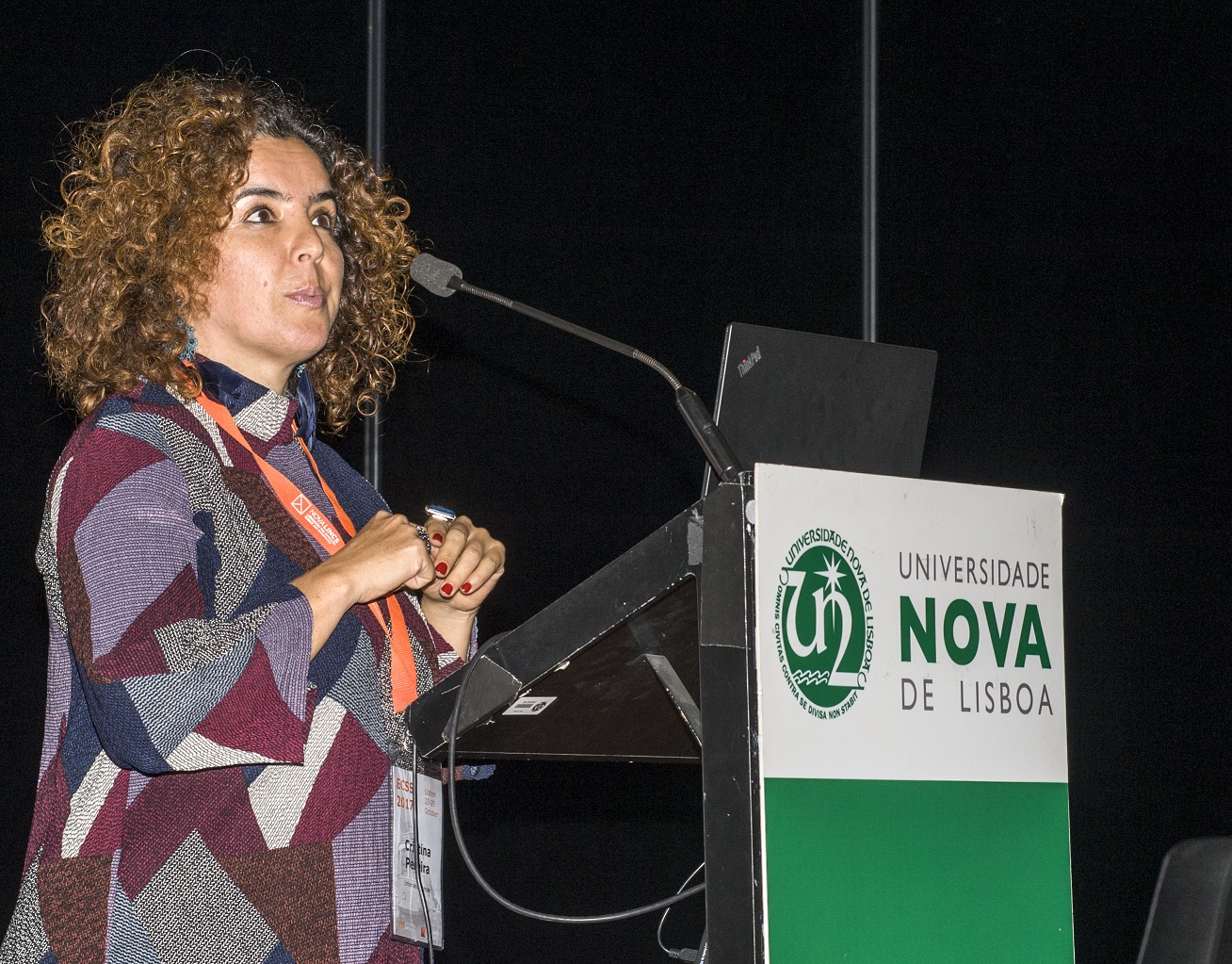
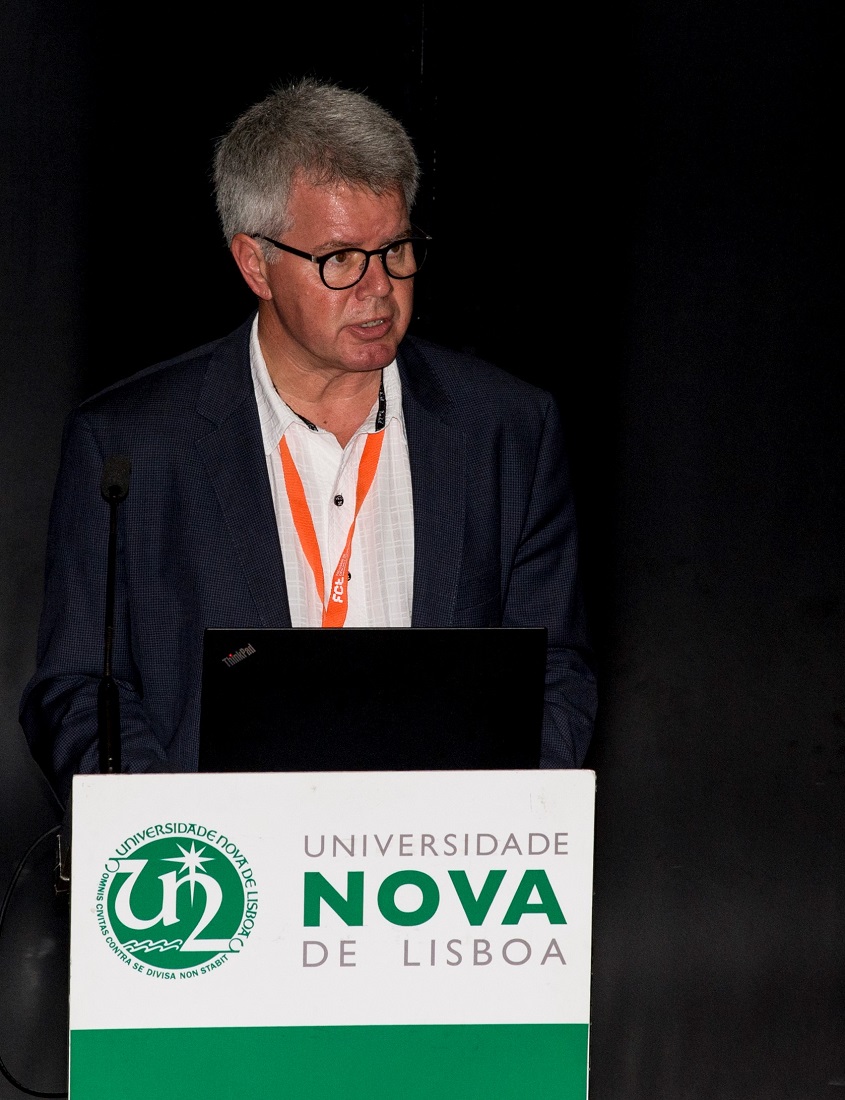
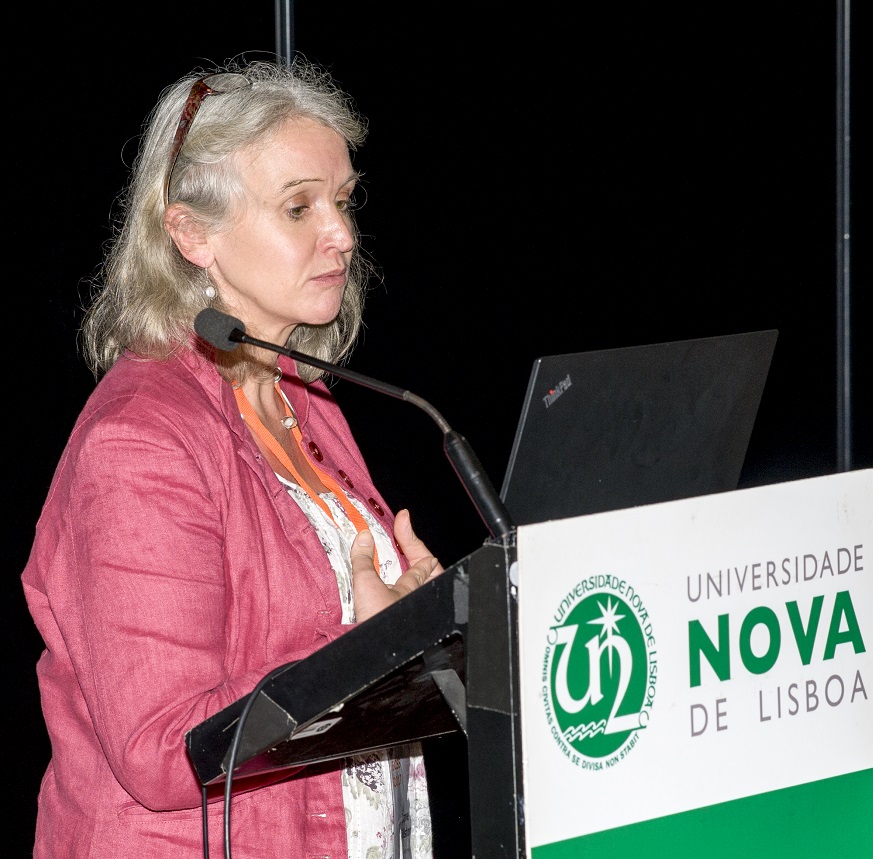
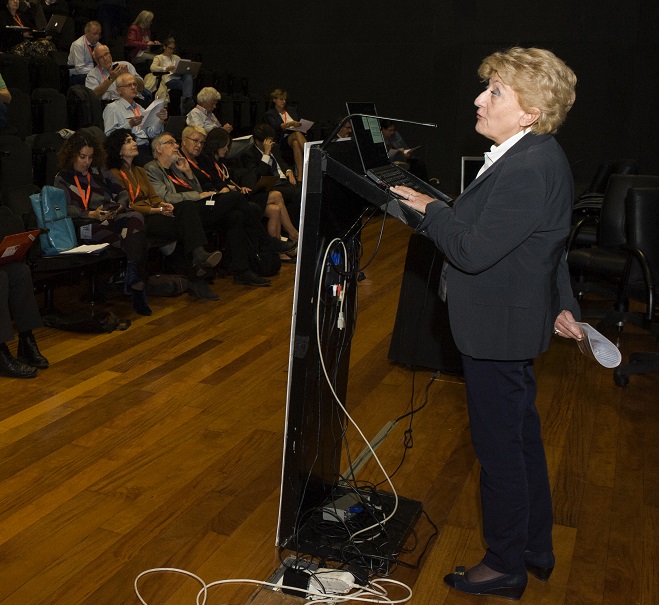
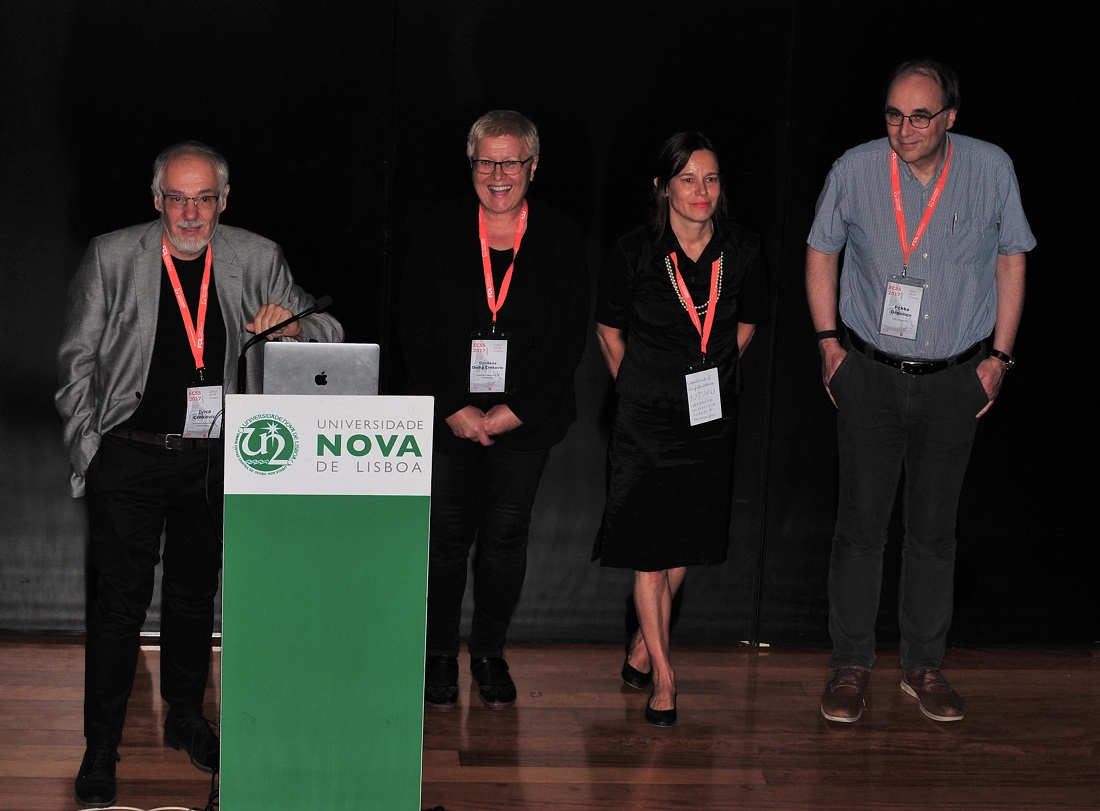
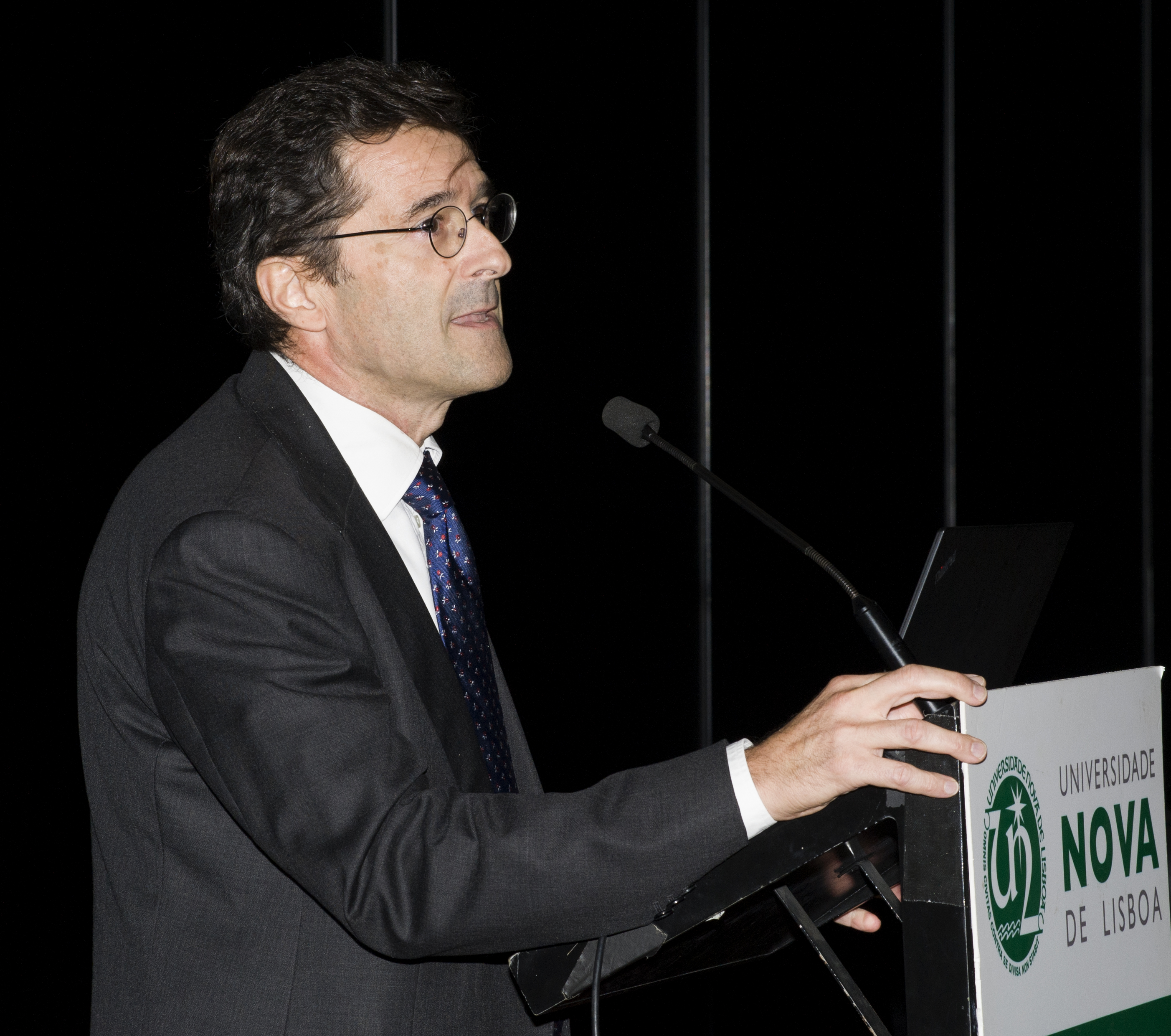
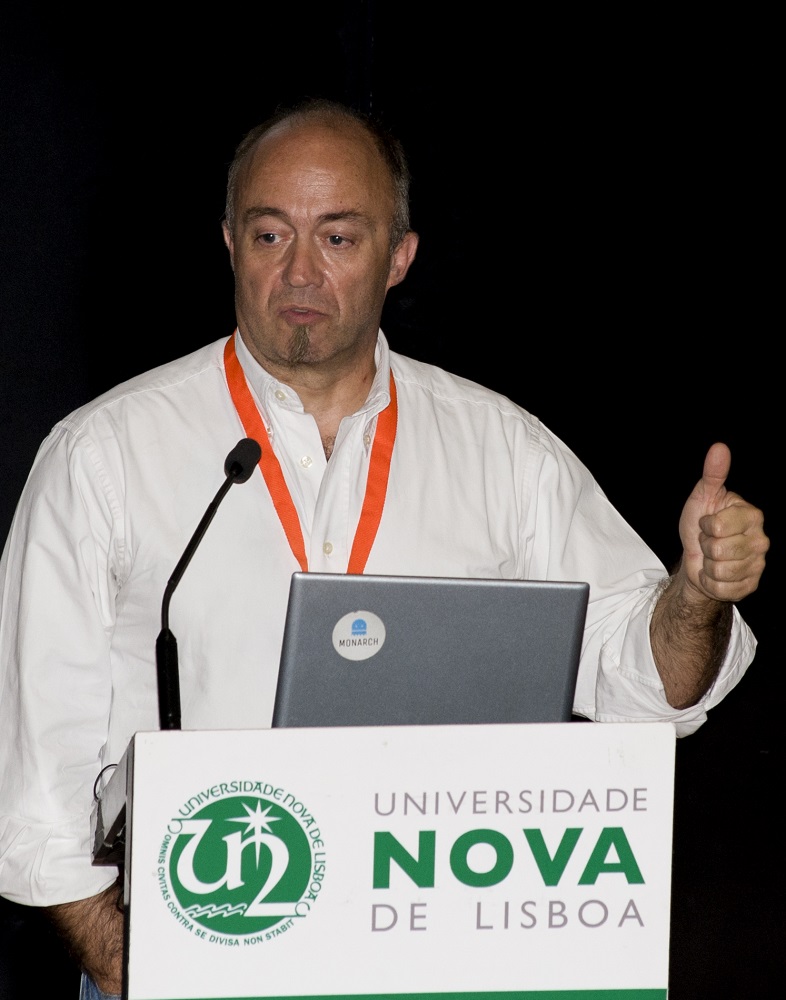
Lisboa, the city of light. We are in the middle of the autumn season, however the sun and the warm temperatures give us a flavour of late summer. The impressive award-winning building of the Rectorate of the Universidade NOVA de Lisboa welcomed over 110 participants united in Lisbon to attend the 13th edition of the European Computer Science Summit. The annual Informatics Europe Summit is consolidating its position as a major event in Informatics research, education and policy in Europe. The conference was a great success, three days of top class presentations by the invited keynote speaker, interesting debate and discussions and exchange among Deans, Department Heads, Research Directors, Professors and Researchers representating Informatics Departments, Faculties, Schools and Research Institutes from all over Europe and the US. Old members and newcomers enjoyed the three-day Summit and the enriching discussions as much as the delights from the colourful city of Lisbon and its tasteful gastronomy.
Informatics for all and the challenges of connectivity
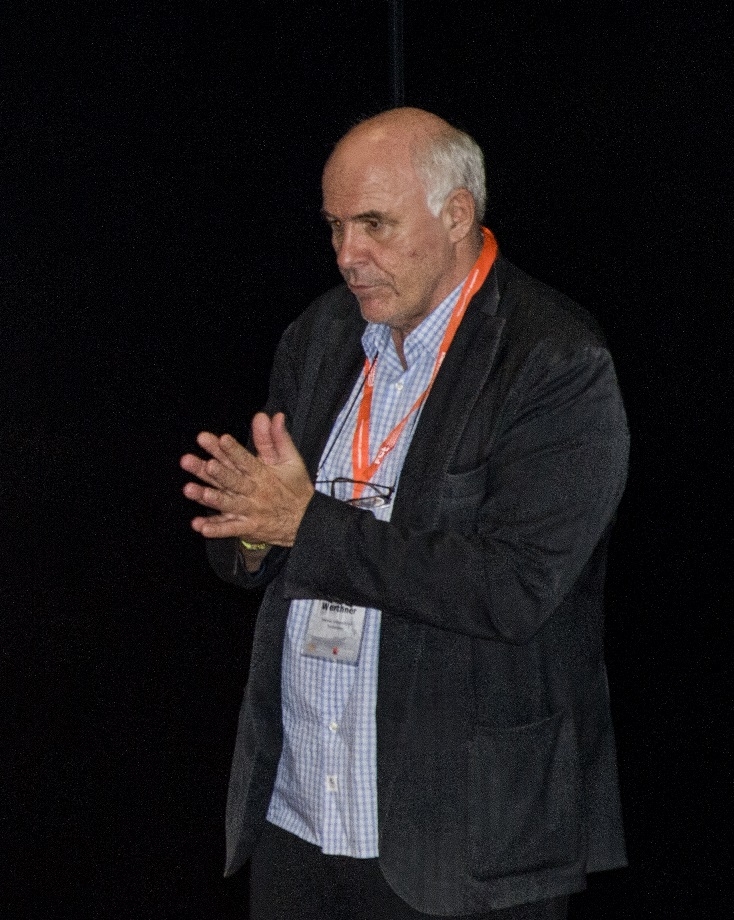
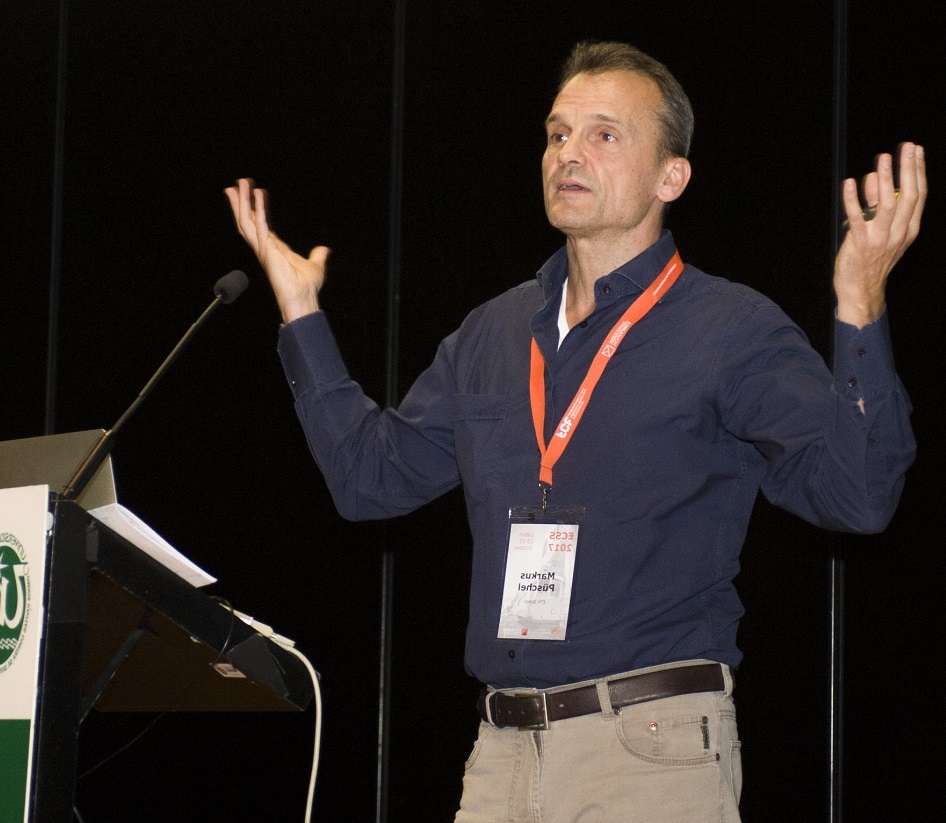
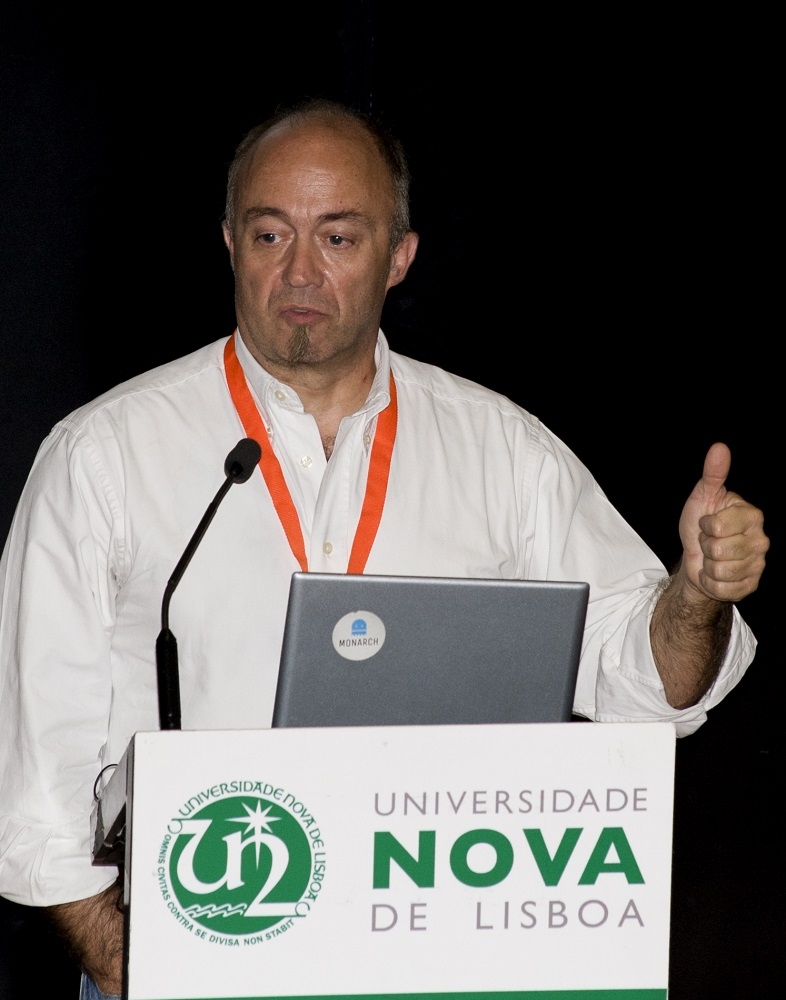
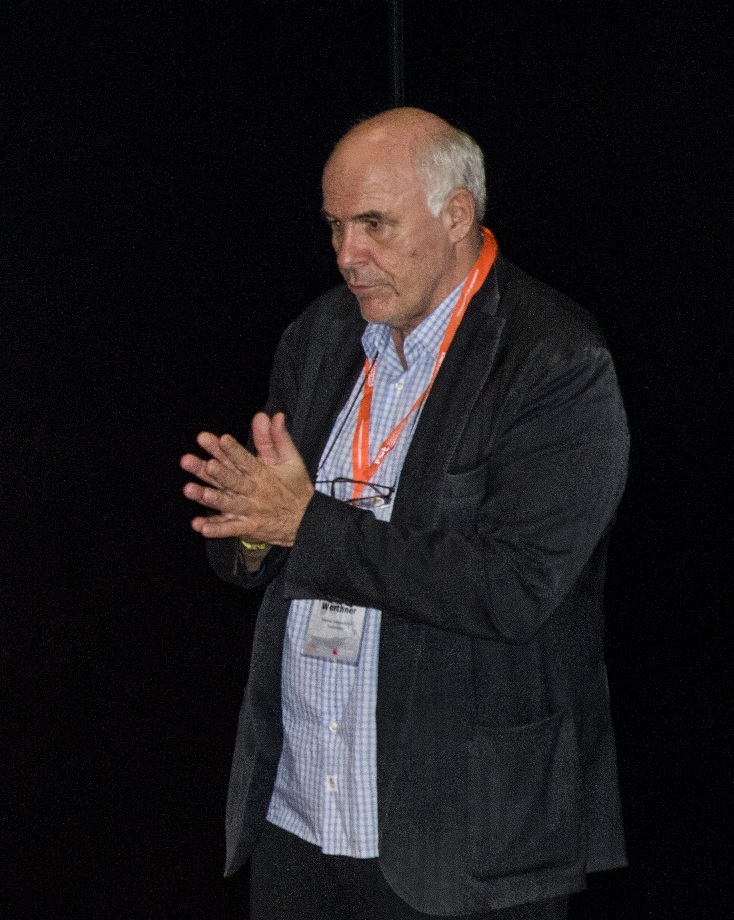
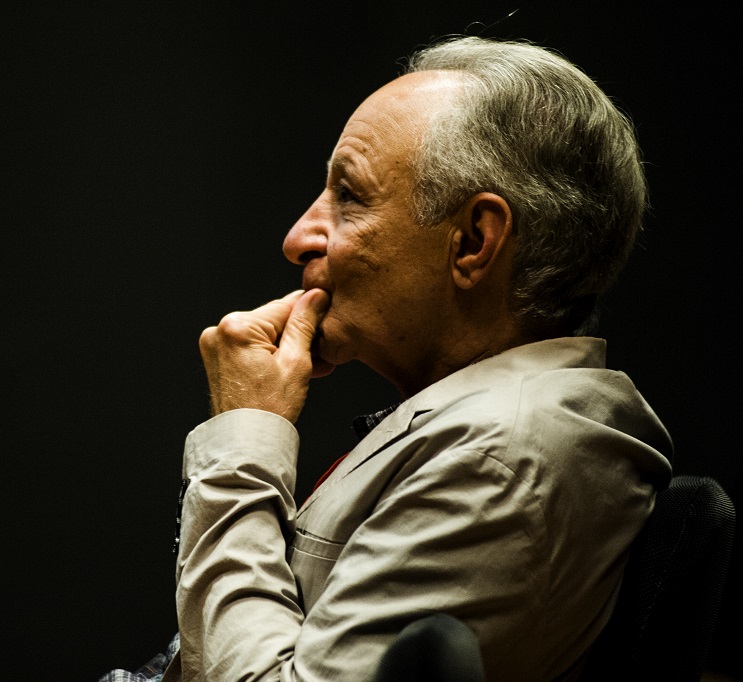
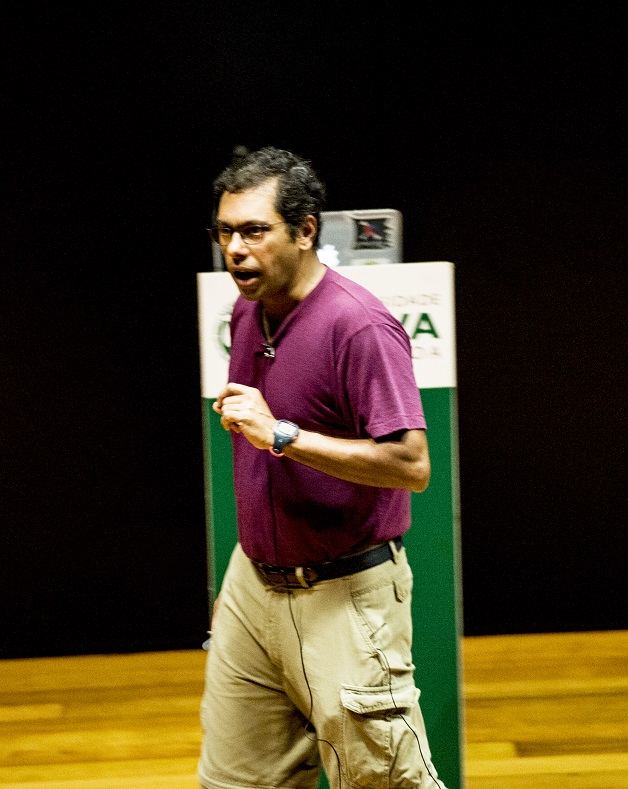
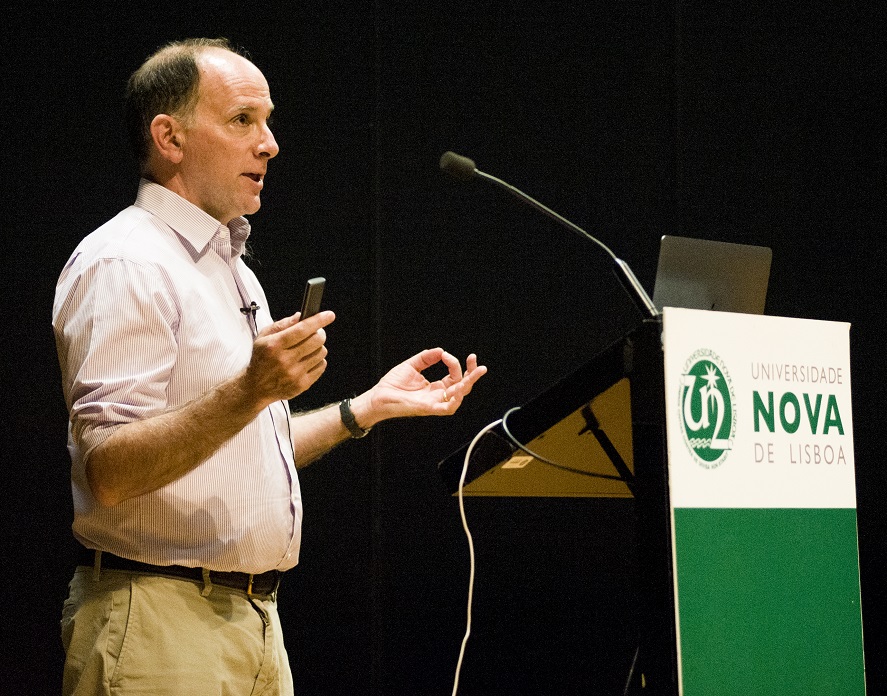
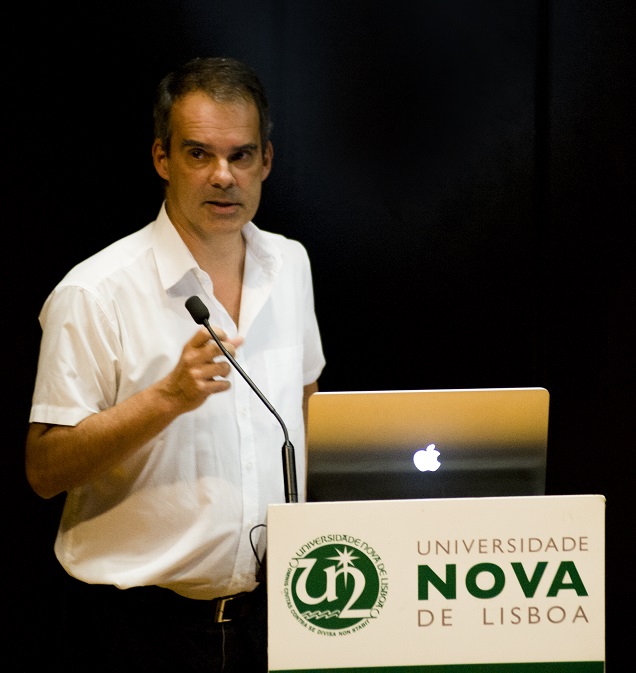
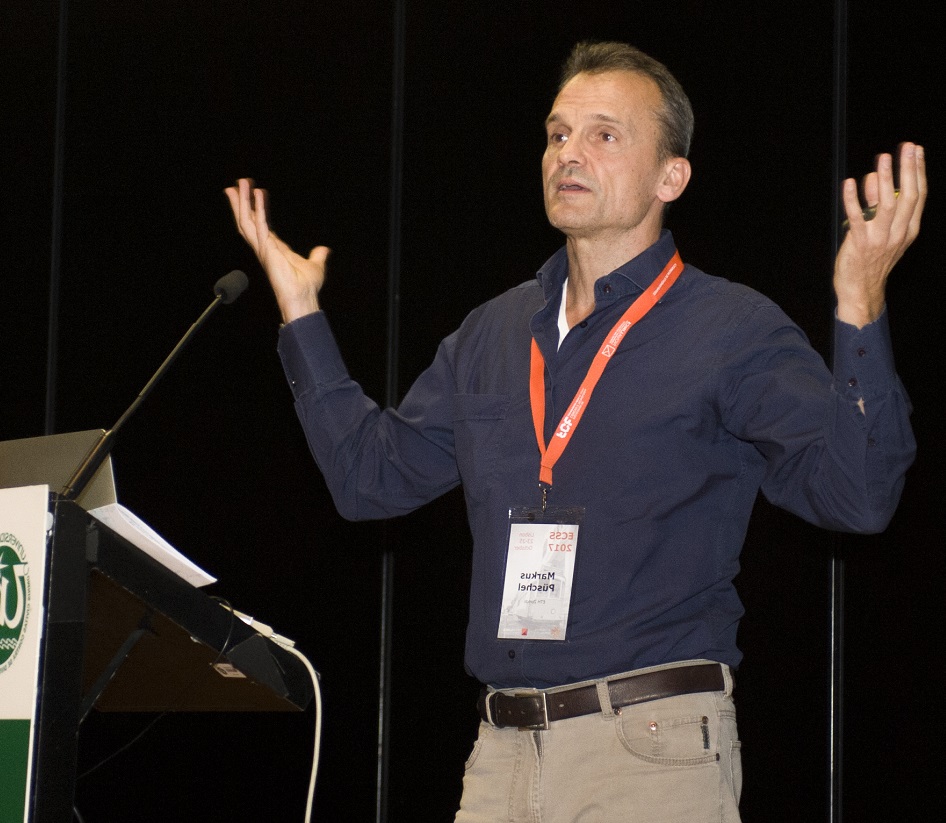
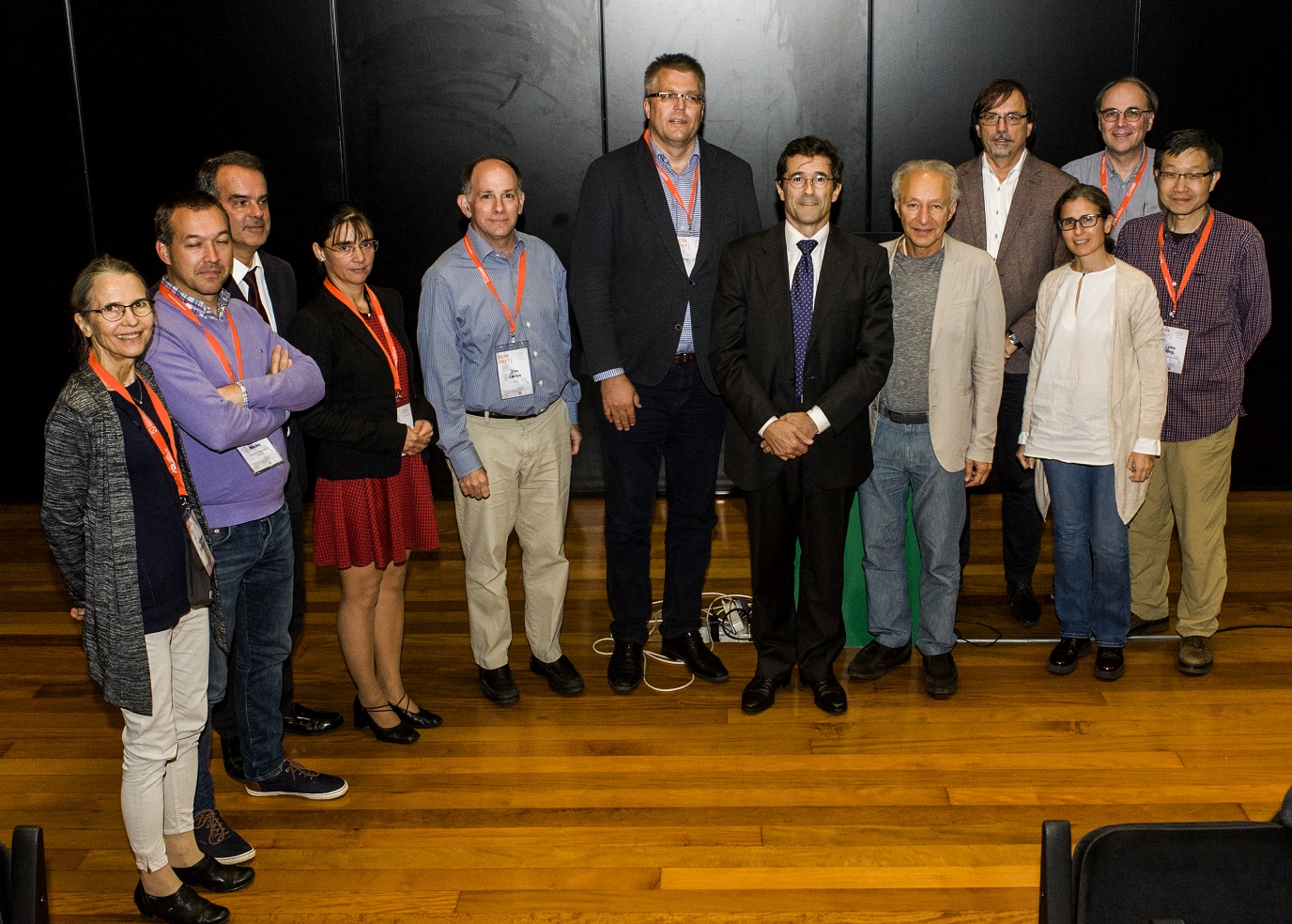
The Summit began on October 23 with the traditional Workshop for Deans and Department Heads organised by Mehdi Jazayeri and Hannes Werthner. The main theme was ‘Teaching Informatics for all!’. Questions like if and how to introduce computational thinking and other basic concepts to first year students from other disciplines, or how to retain students and promote diversity without losing quality were among the main topics of discussion. Participants had also the opportunity to learn from speakers about policies and practices that make strong departments. For those who could not attend the Workshop, the slides of the talks presented by Shriram Krishnamurthi, Jim Larus, Luis Caires and Markus Püschel, are available for download on the Workshop website.
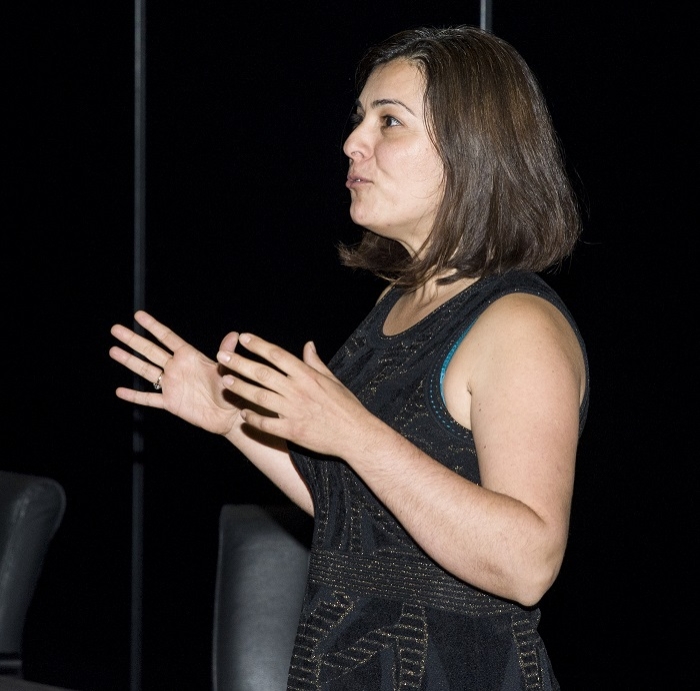
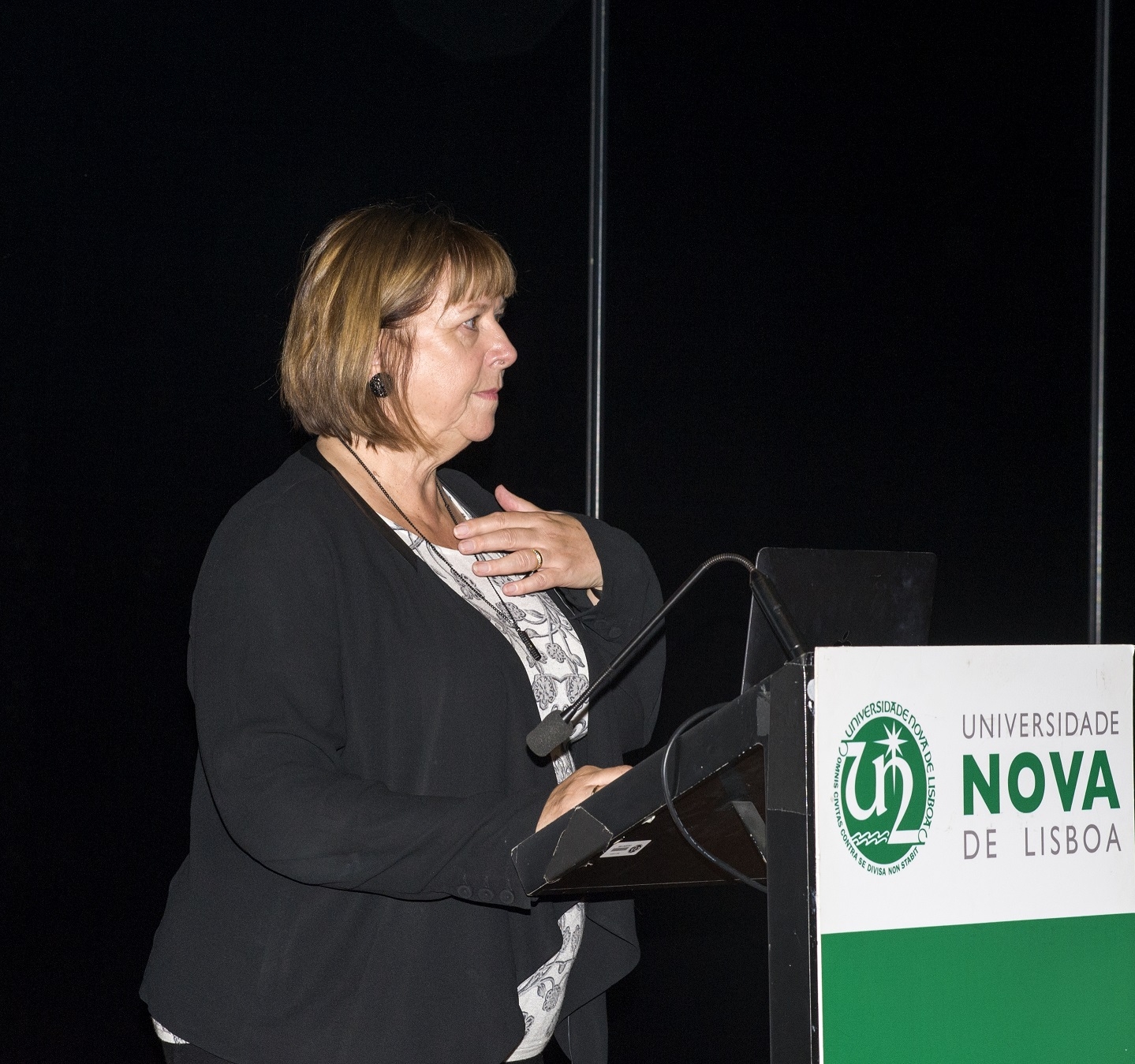
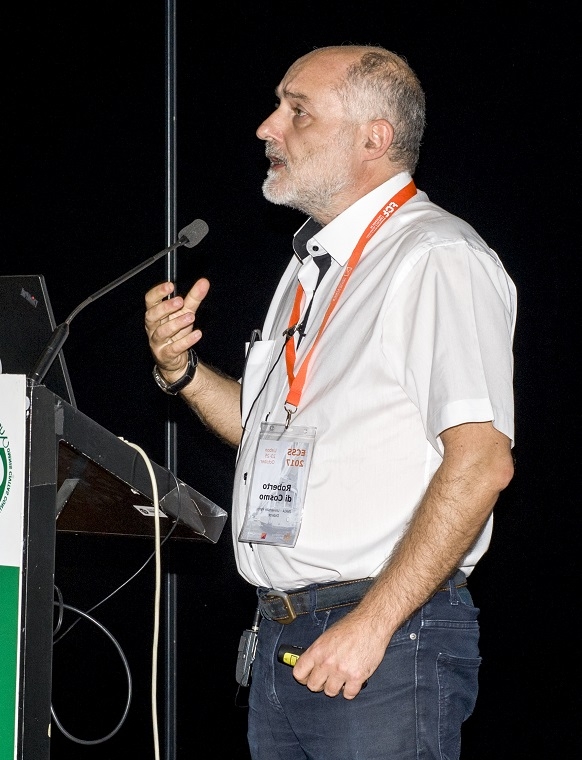
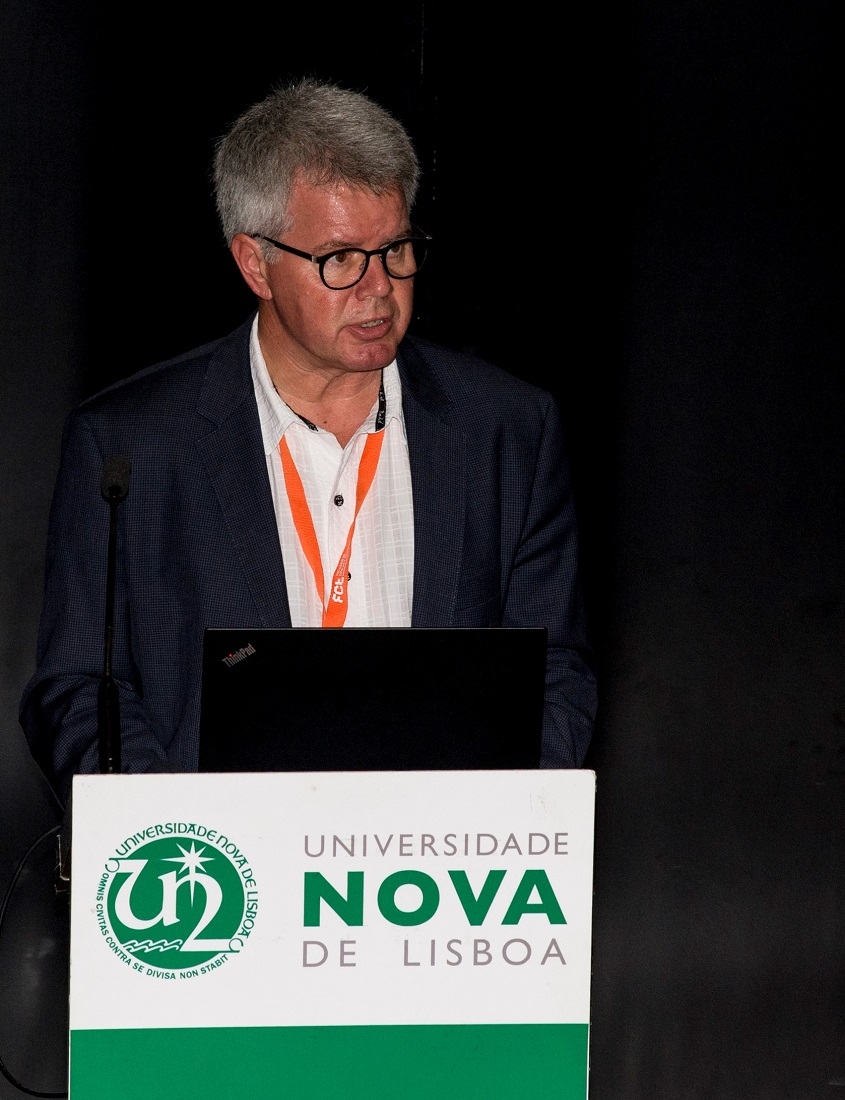
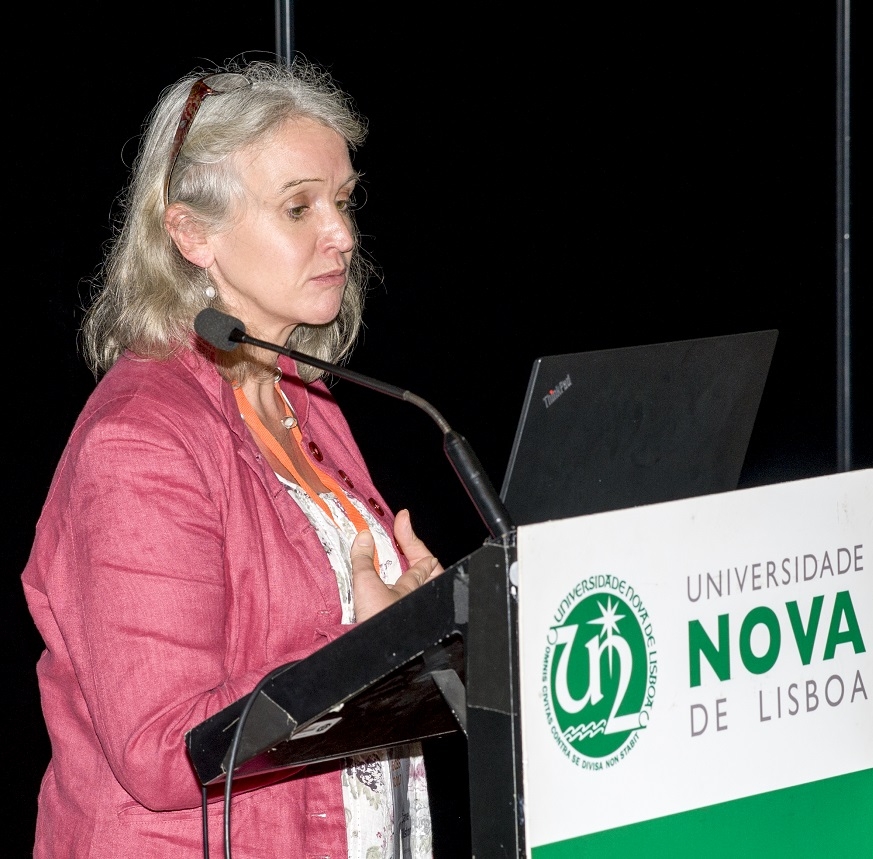
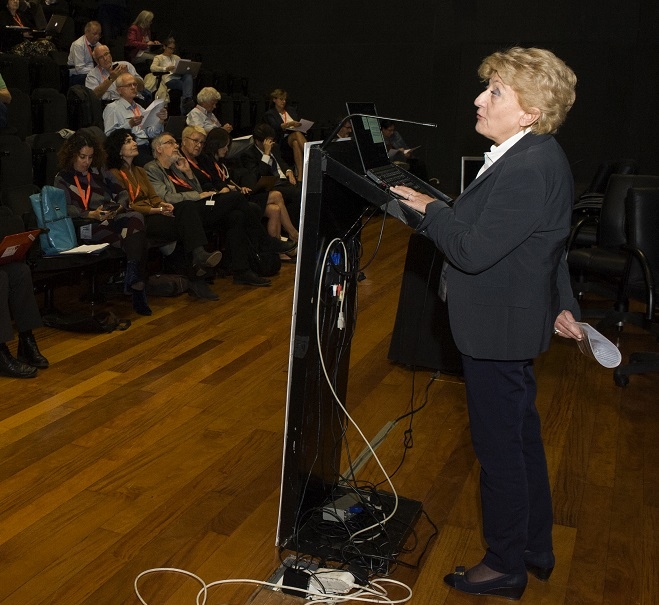
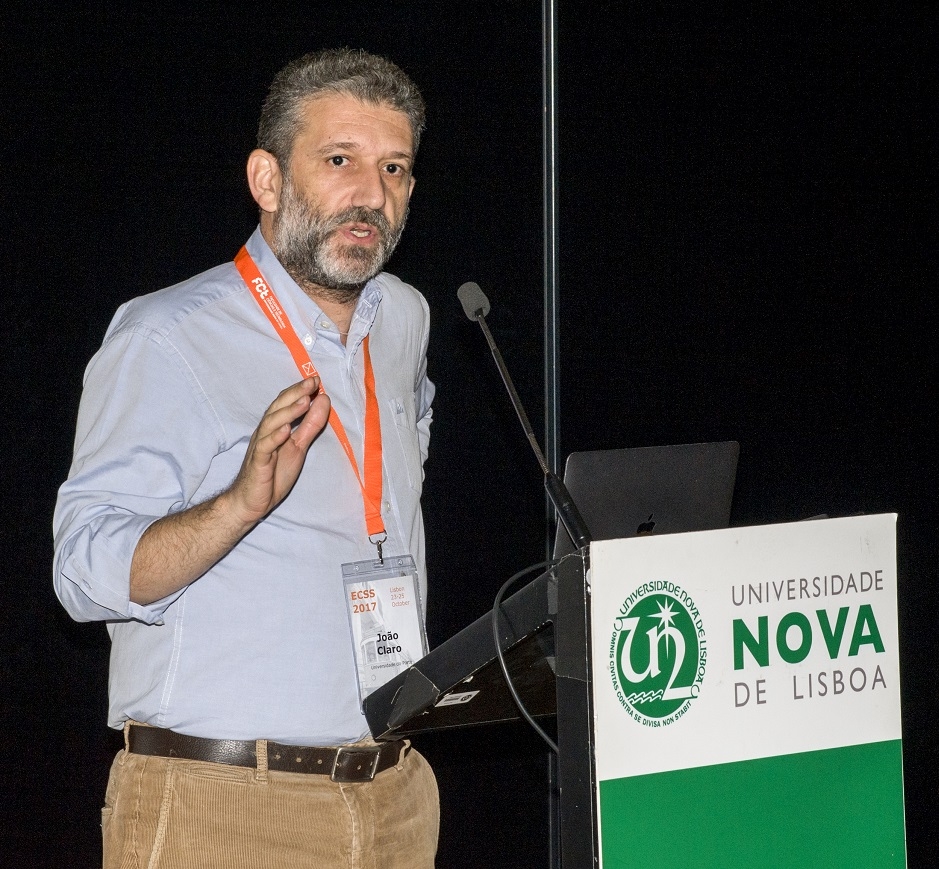
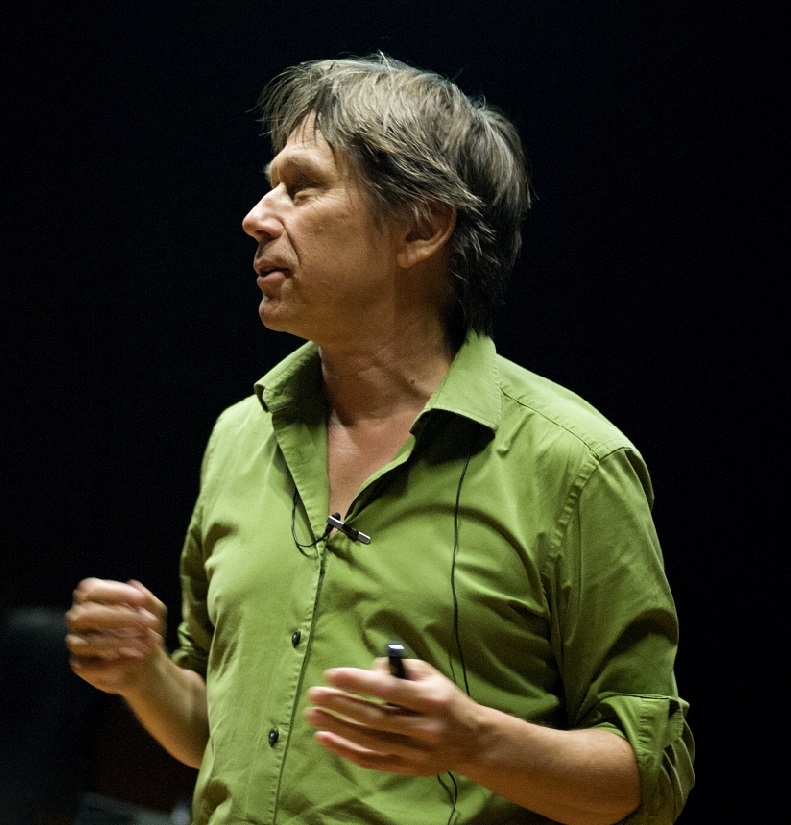
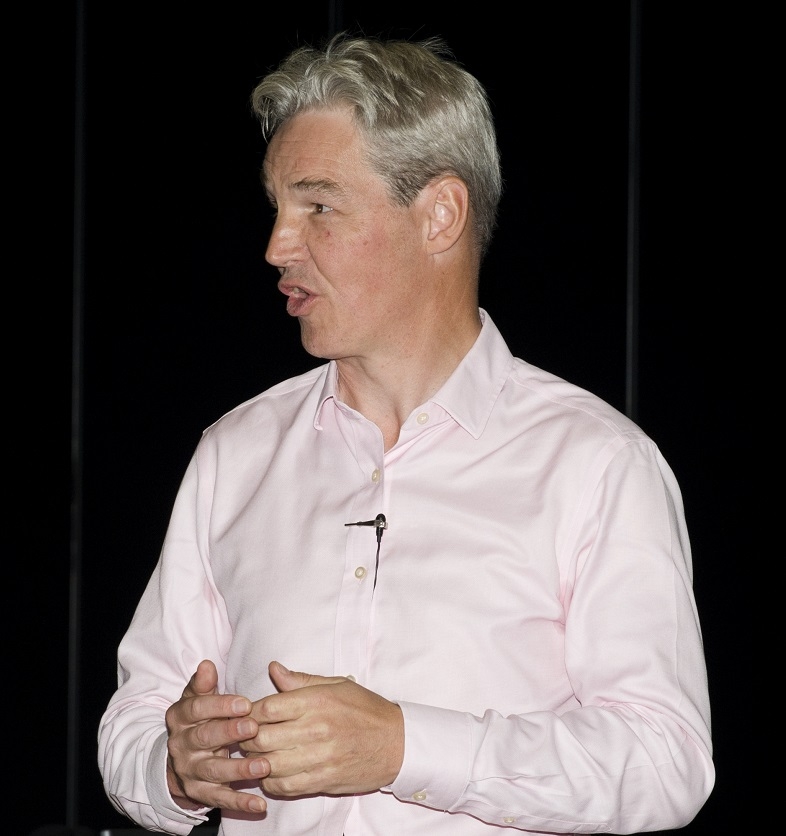
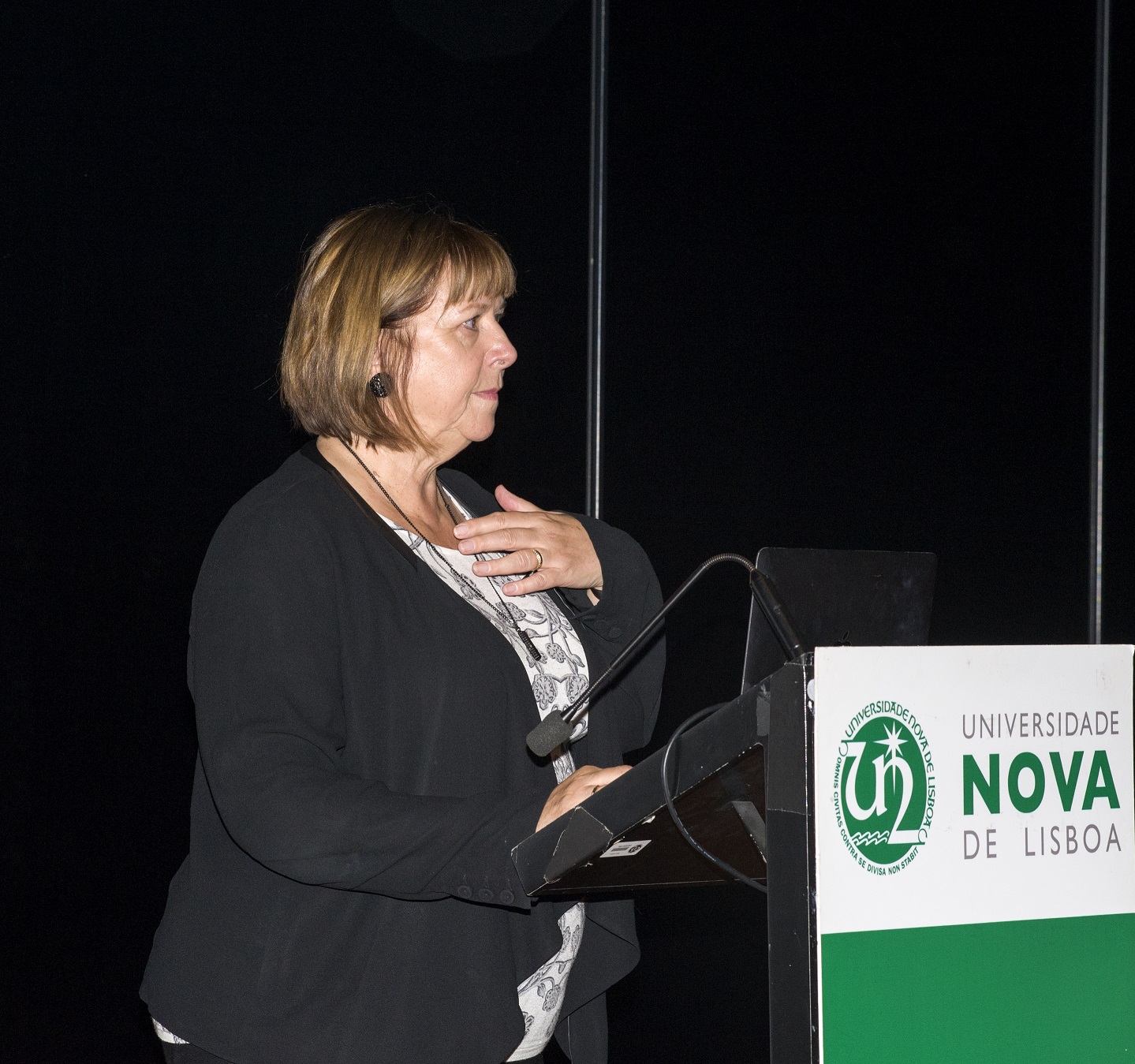
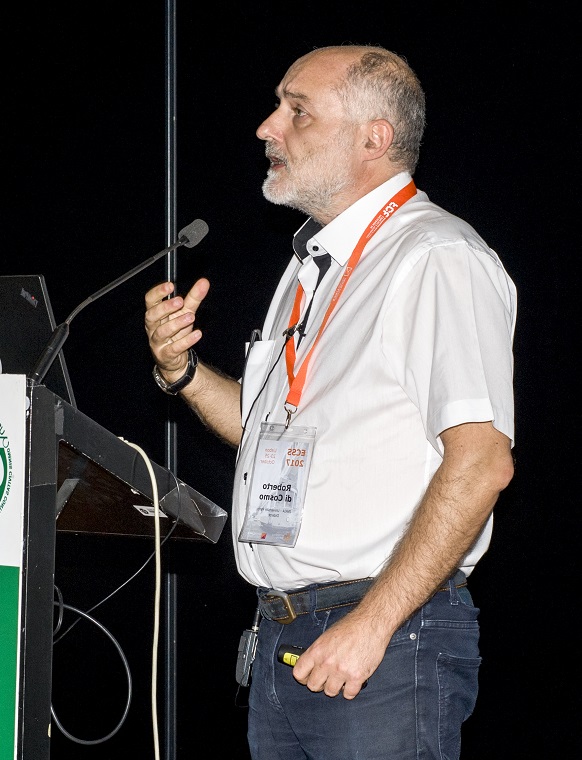
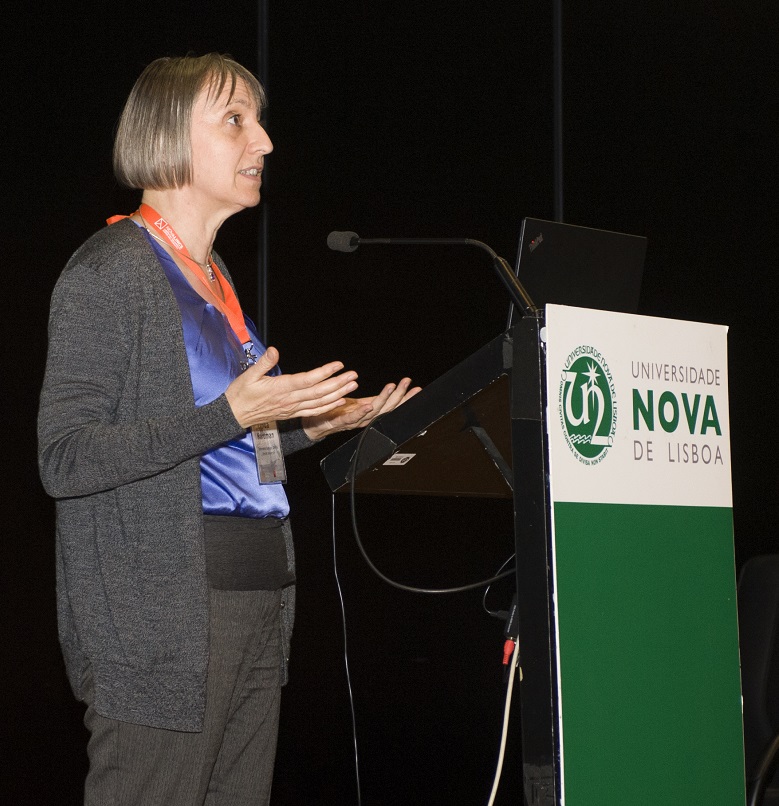
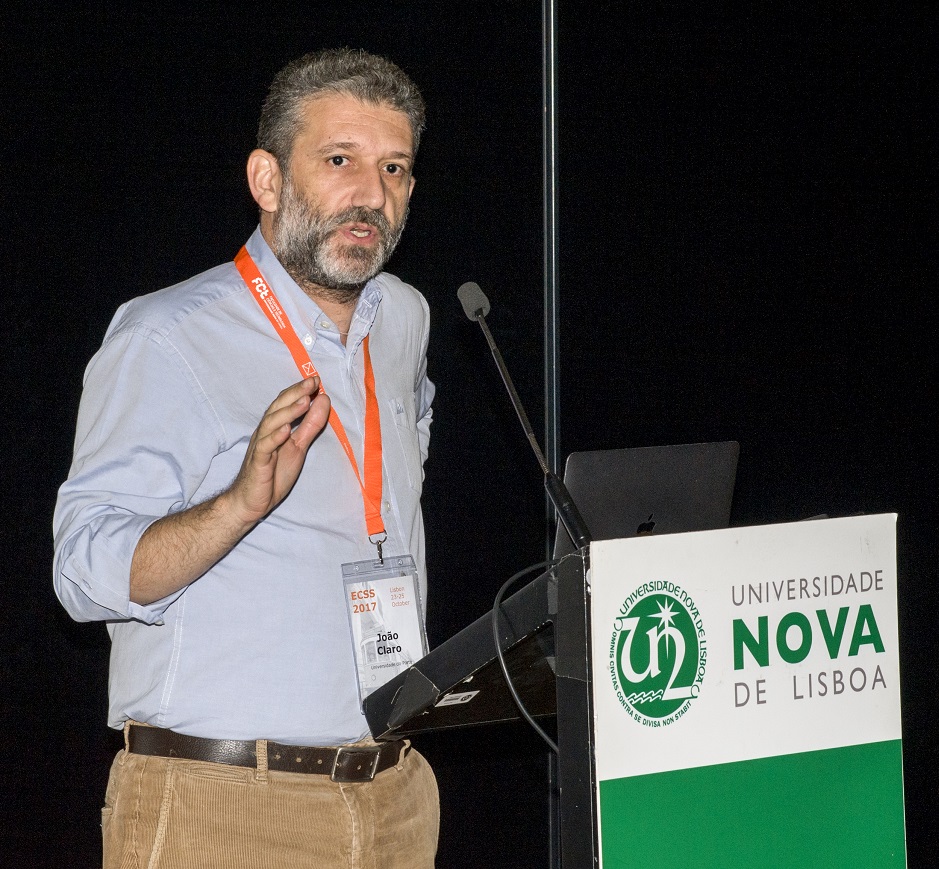
The main conference on October 24 and 25 explored the challenges of a growing connected society for the field Informatics. The Portuguese Secretary of State for Science, Technology and Higher Education, Fernanda Rollo, opened the conference reminding the importance of Informatics for our society and the global economy. In education, the demand for Informatics training across disciplines, the huge gap between the job market offer and the graduates output, as well as the needs of Industry and society in an increasingly connected world impose tremendous challenges for Universities. On the research side, not less challenging, Informatics is becoming increasingly multidisciplinary with higher demand for industrial and multi-collaborative projects as well as promotion of open access. Prominent academics provided their perspectives on a variety of topics on research, education and policy, leading to inspiring debate and questions. The presentations from Marie-Paule Cani, João Claro, Nuno Correia, Roberto Di Cosmo, Pierre Dillenbourg, Wendy Hall, Elham Kashefi, Michael Kölling, Kurt Mehlhorn, can be found on the ECSS 2017 website.
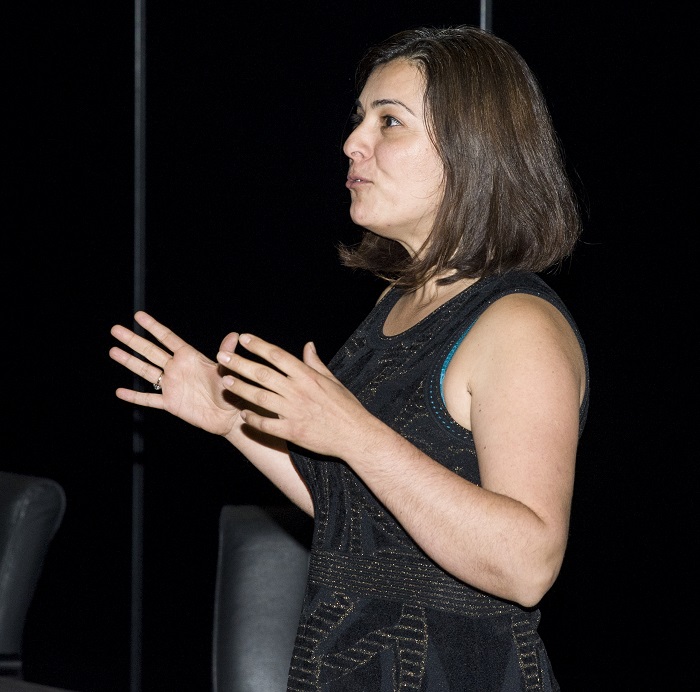
Complementing the program, a special session reported on the progress and important outcomes of Informatics Europe Working Groups on Education (Michael Caspersen), Women in Informatics Research & Education (Jane Hillston) and Research Evaluation (Floriana Esposito) all topics of central importance for the Informatics academic community.
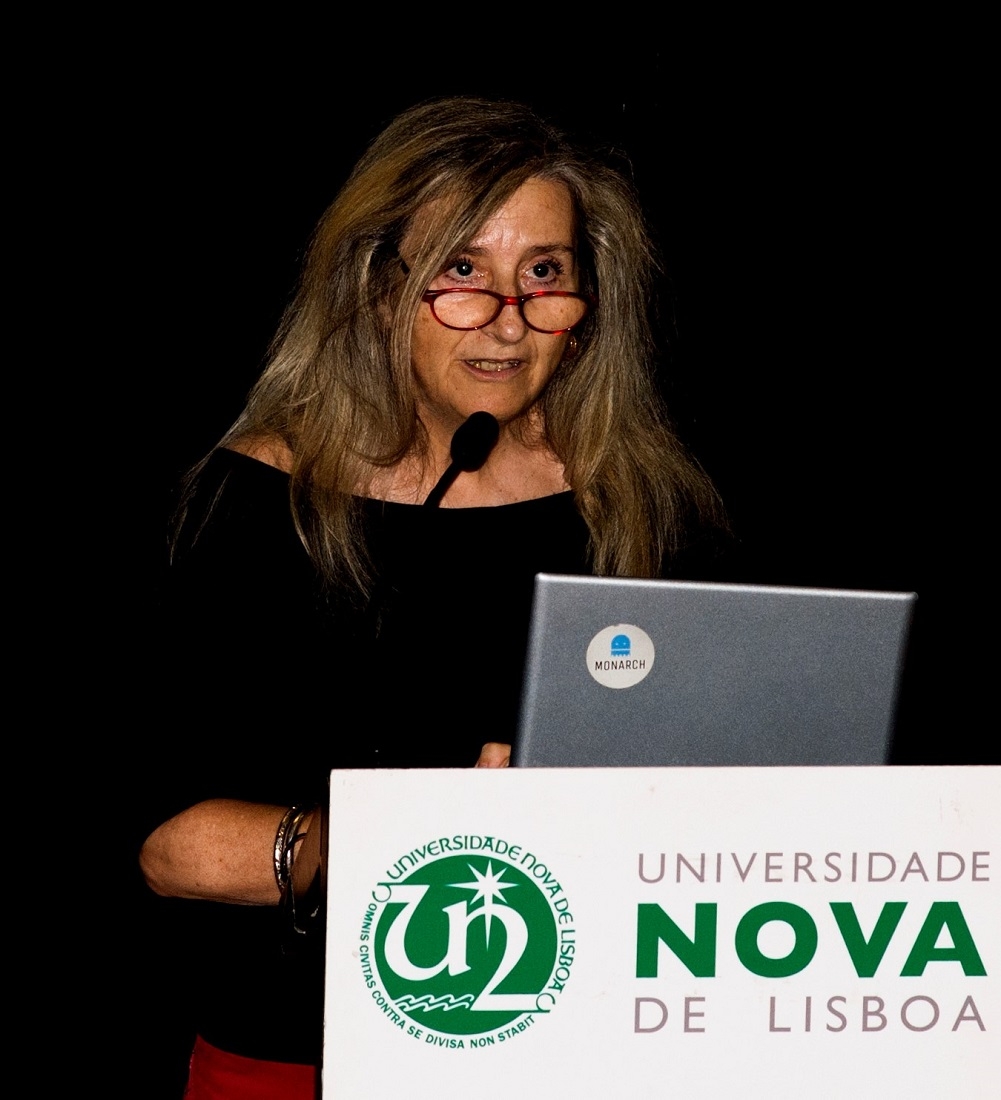
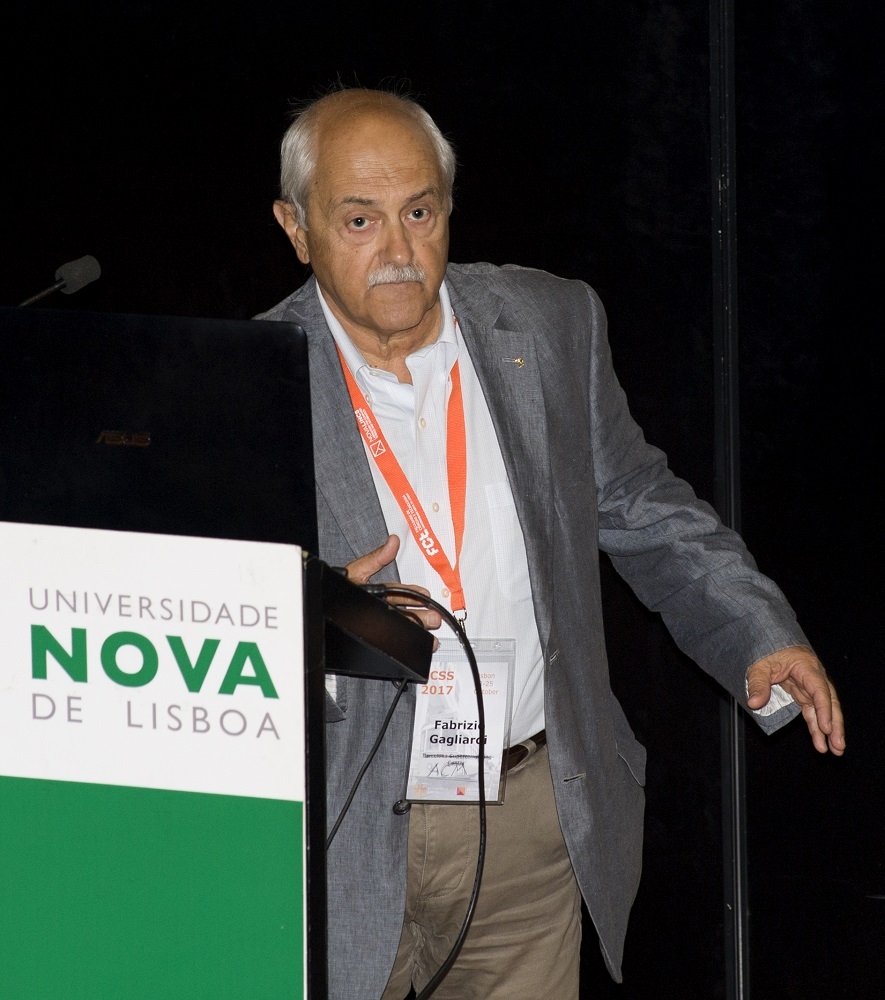
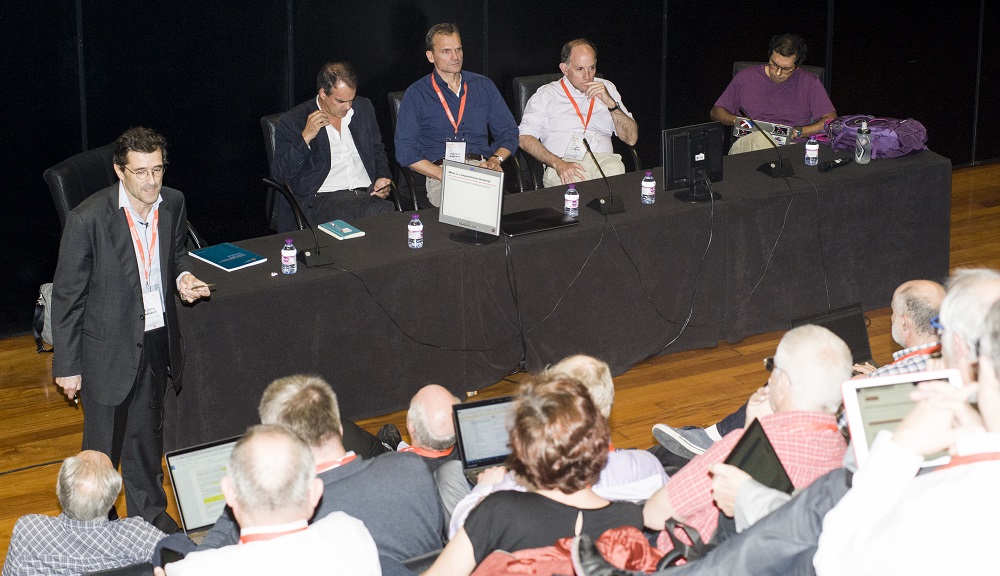
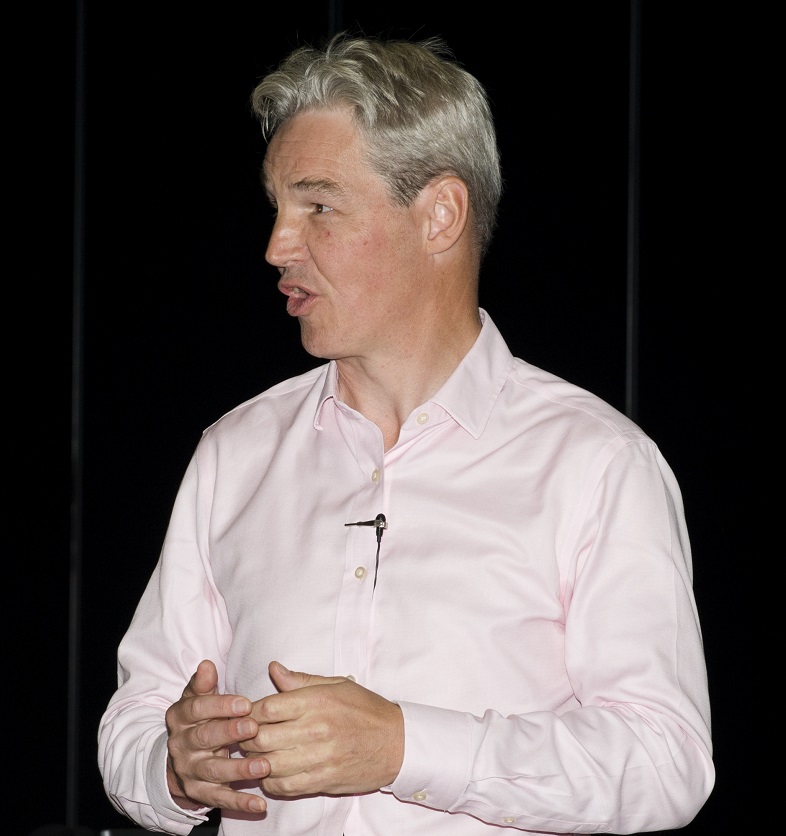
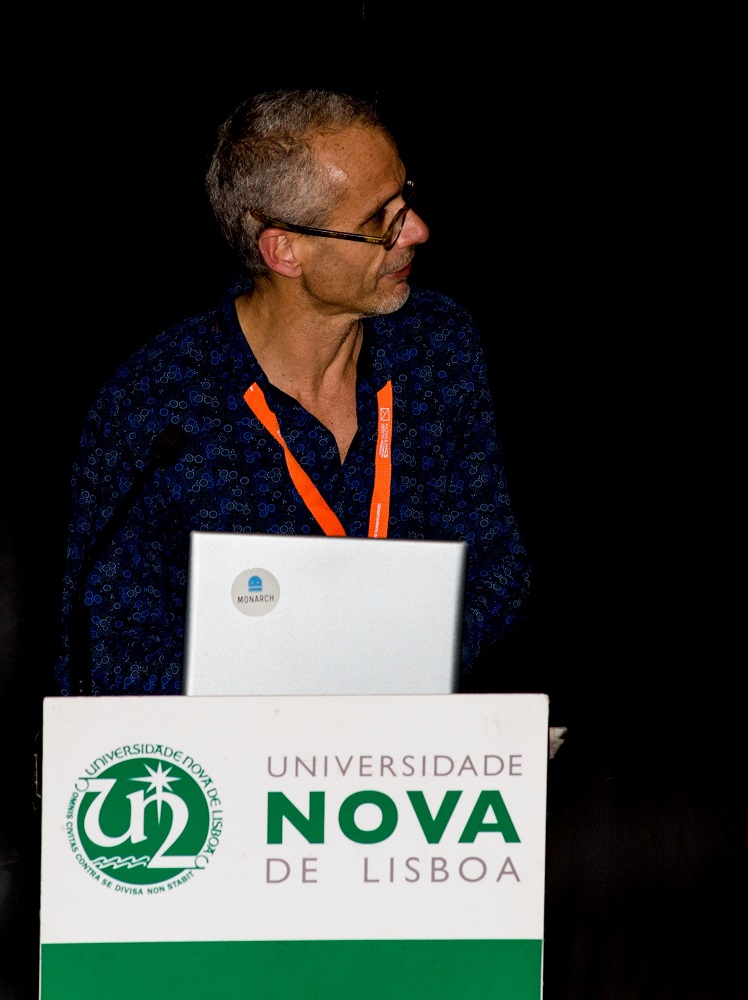
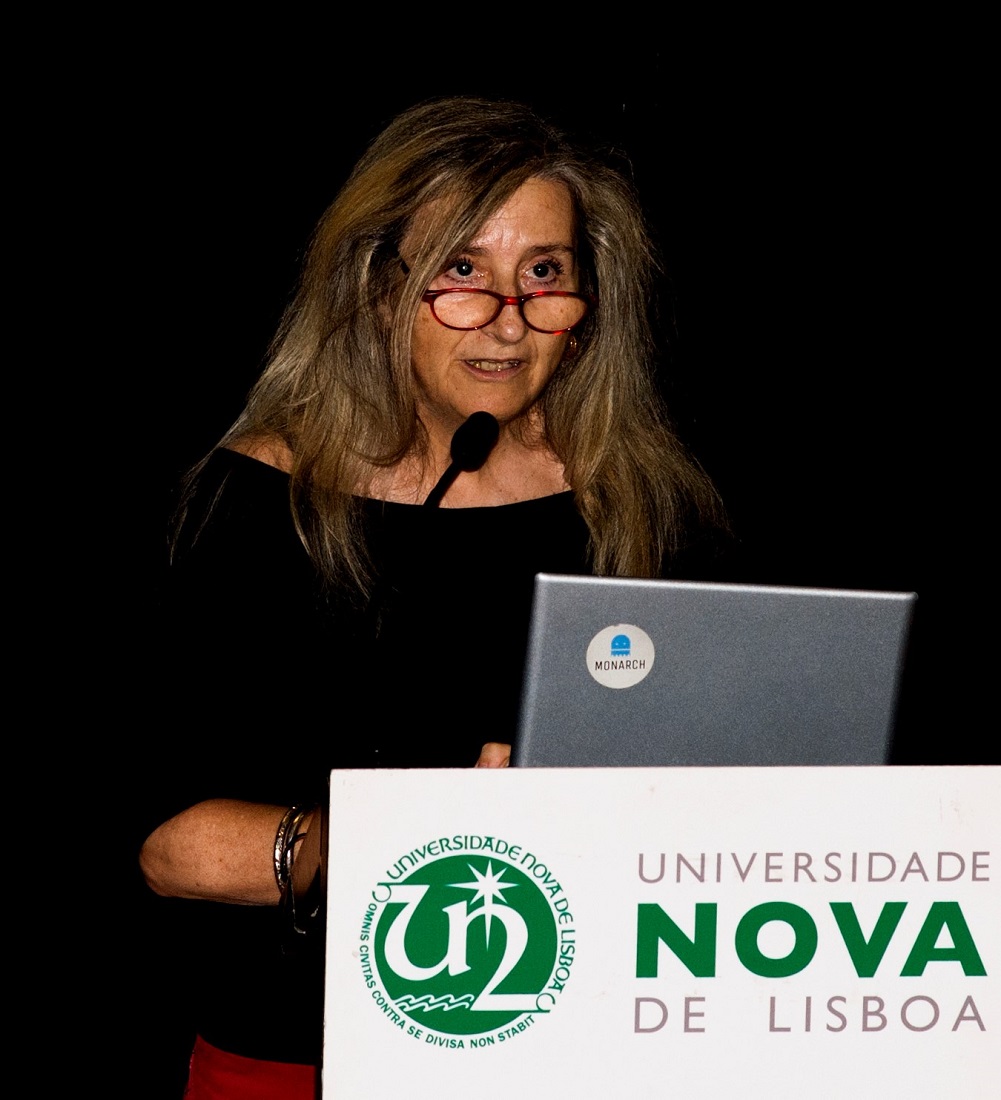
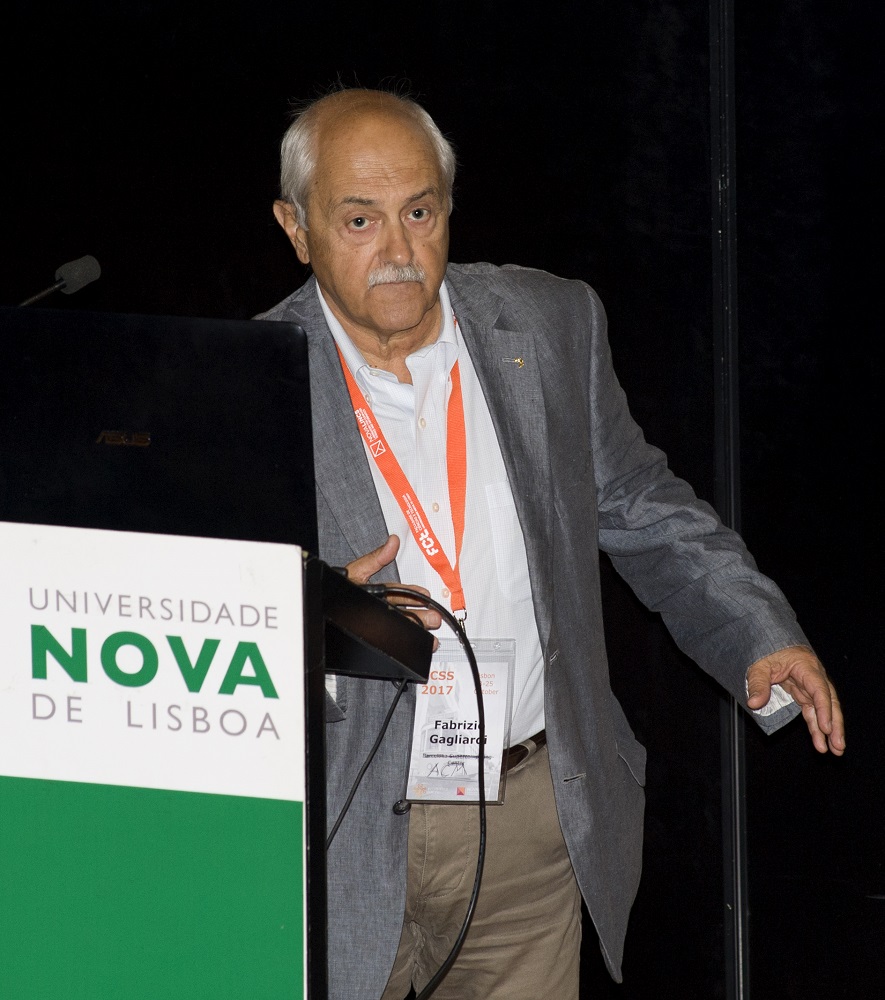
Sharing their experiences and bringing to discussion complex issues like the future with social robots, autonomous machines and machine learning for complex moral decisions, the panel of experts in Ethics (Isabel Aldinhas Ferreira, Fabrizio Gagliardi, Leszek Pacholski and João Sequeira) chaired by José Luis Fiadeiro, closed the conference on a high note.
Special awards ceremony
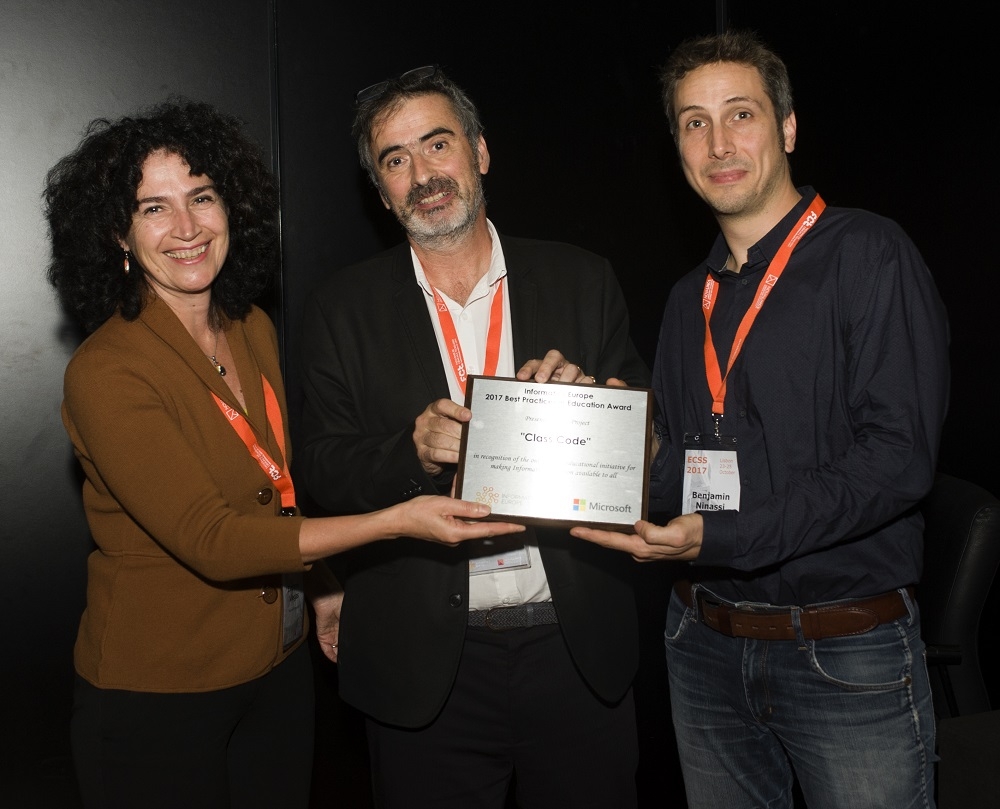
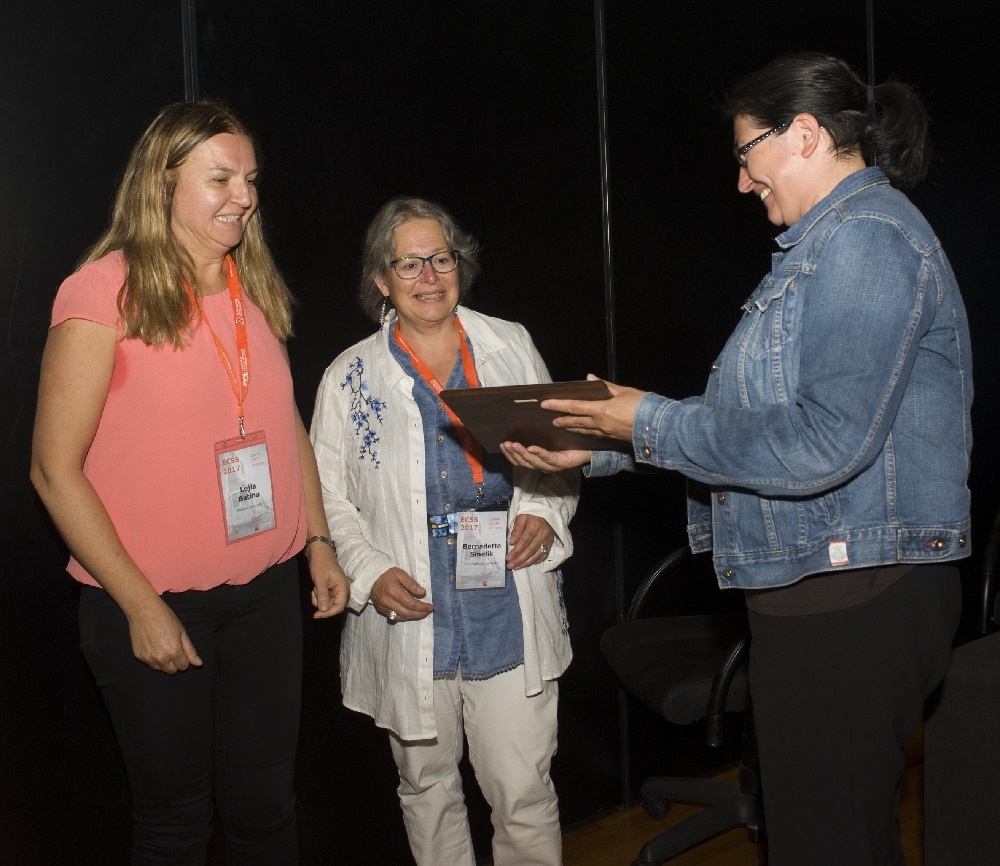
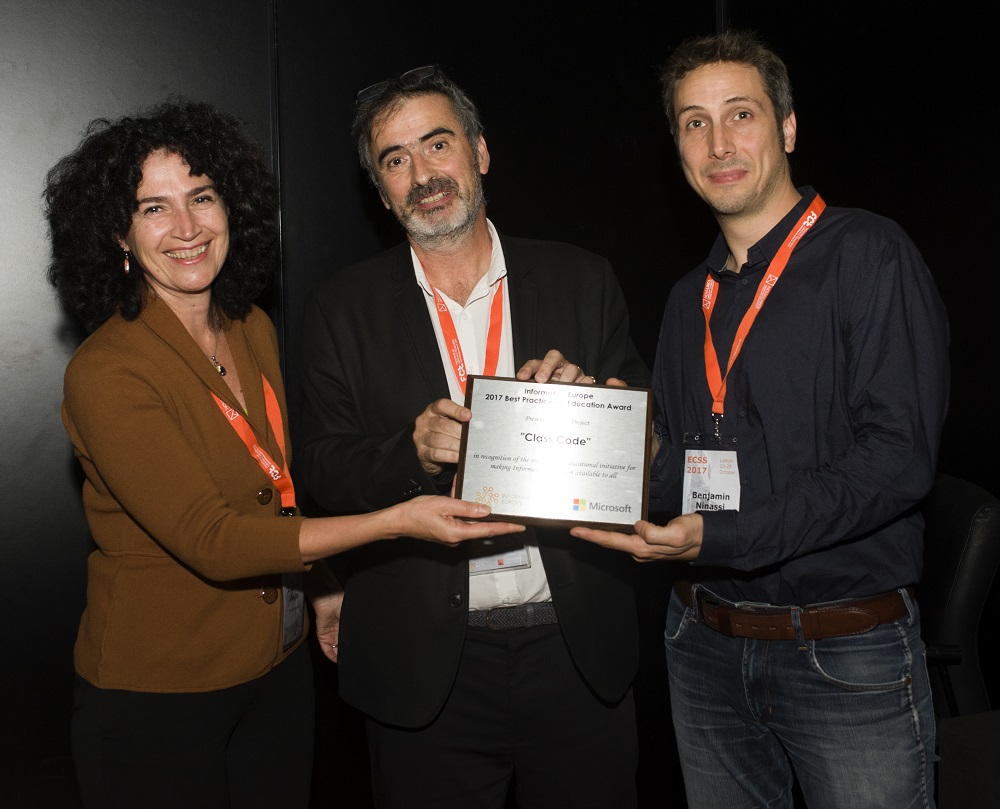
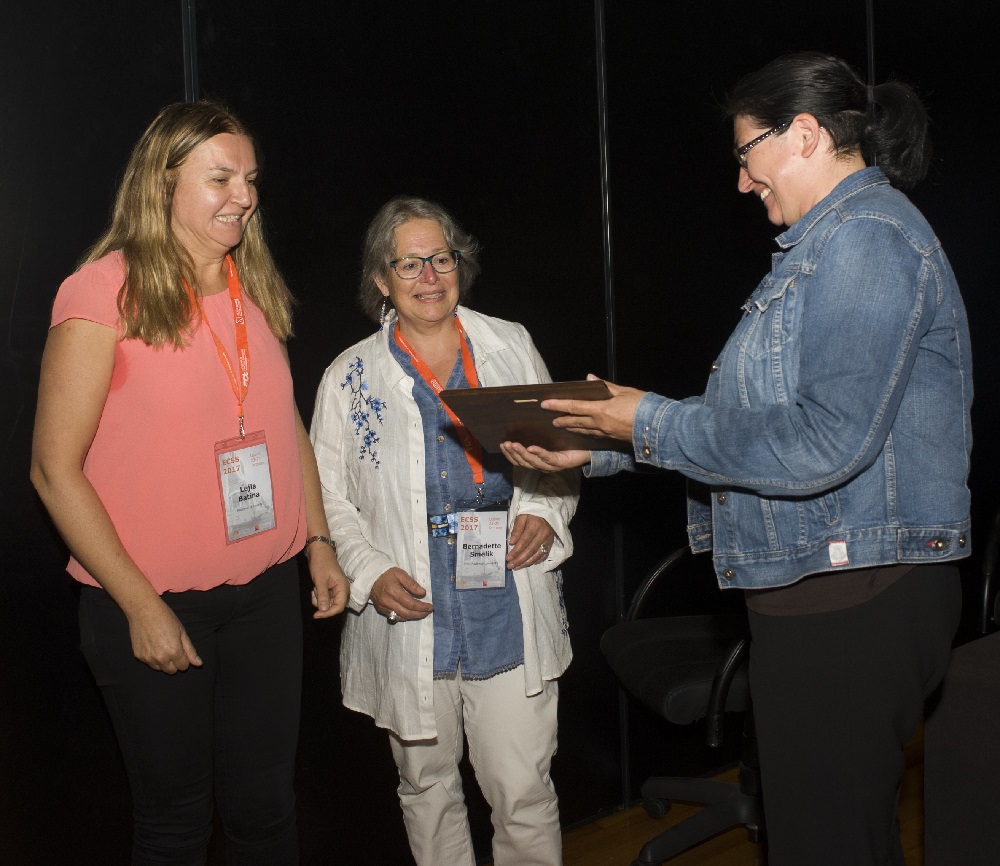
A special moment of the conference was the awards ceremony, where the laureates of Informatics Europe Best Practices in Education and Minerva Informatics Equality awards were announced, together with the winner of the ERCIM Coor Bayen Young Researcher Prize. Class’Code from France won the 2017 Best Practices in Education Award. As team ambassadors, Colin de la Higuera (Nantes University) and Benjamin Ninassi (INRIA) received the 5,000 EUR prize from Evelyne Vegas, Microsoft, sponsor of the 2017 Award. The winner of the second edition of the Minerva Informatics Equality Award was the Institute for Computing and Information Sciences at Radboud University, The Netherlands. Lejla Batina, Head of the Digital Security Group and Bernadette Smelik, Managing Director of the Institute, received the 5,000 EUR award from Beate List representing the sponsor Google.
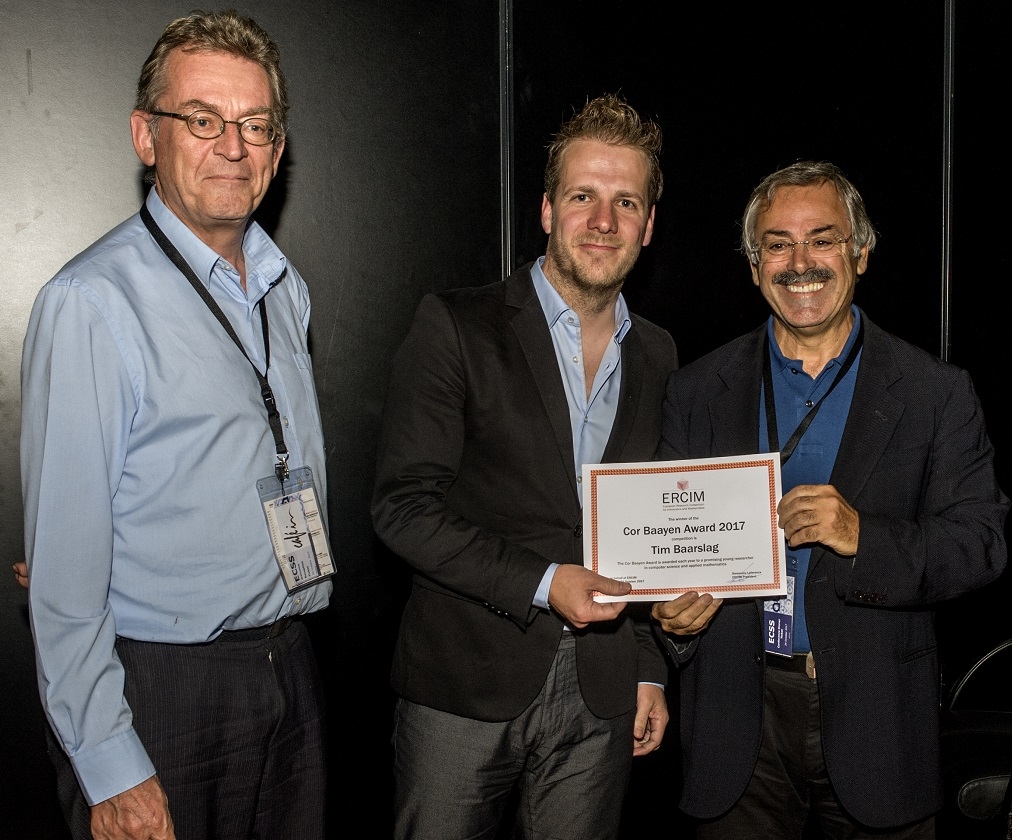
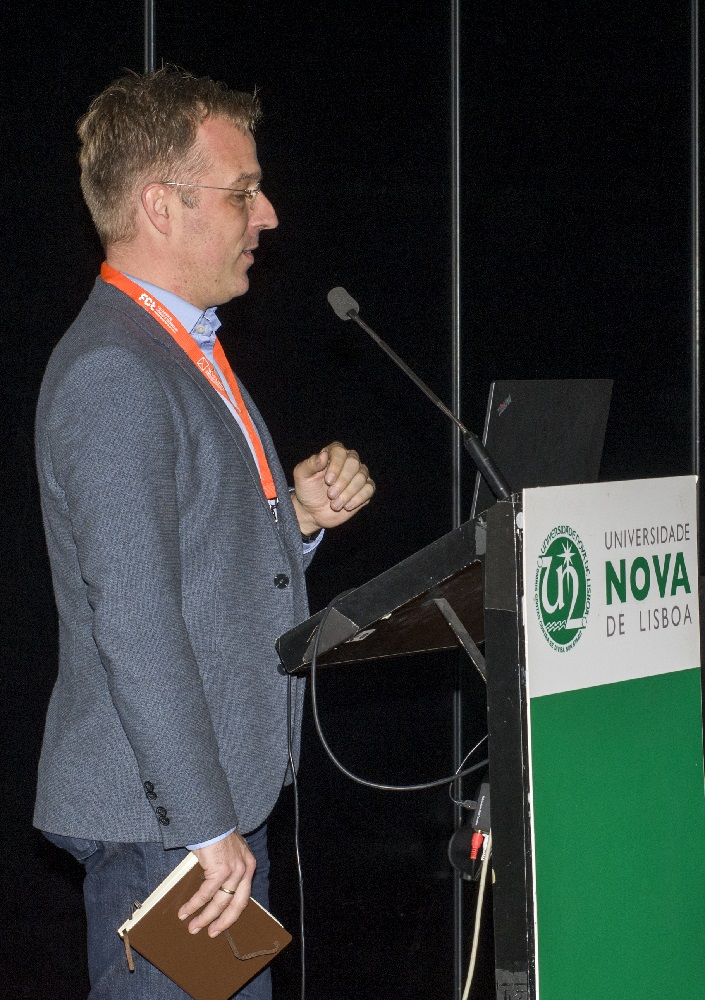
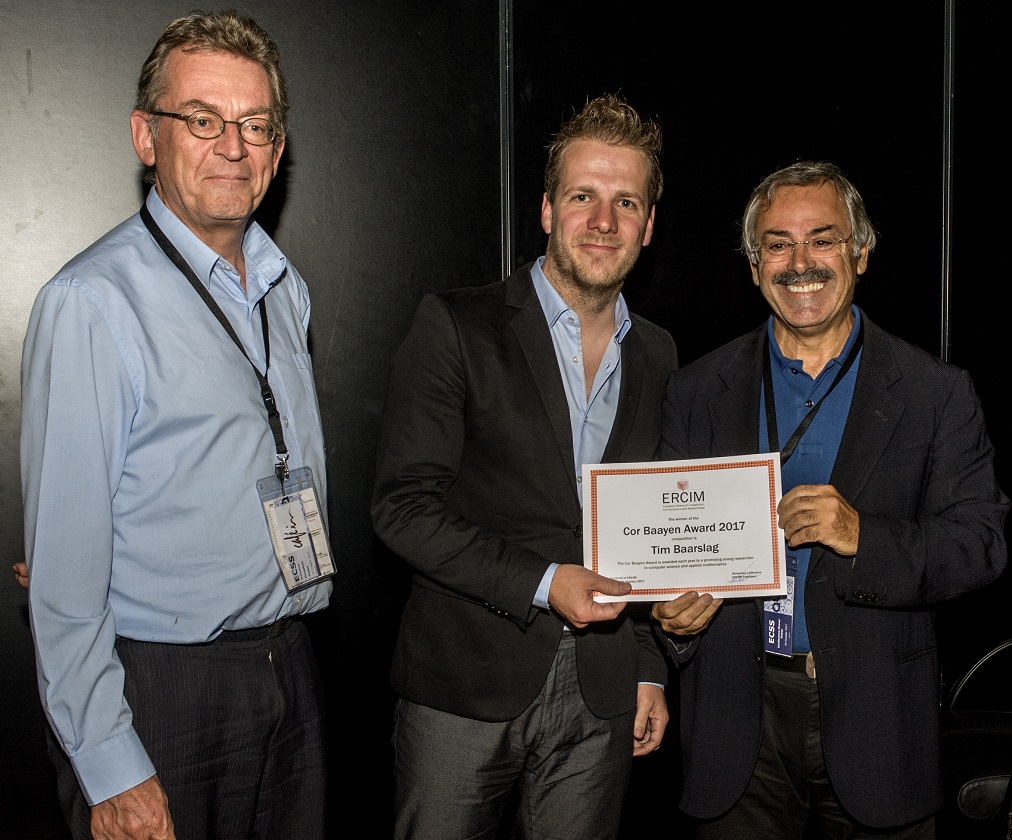
Tim Baarslag from CWI (The Netherlands) was selected as the winner of the 2017 ERCIM Cor Baayen Award for his work on the use of mathematical tools in decision-making processes.
Participation and engagement at the heart of Informatics Europe
As part of the ECSS program, Informatics Europe held its Annual General Assembly. Members had the opportunity to discuss the organization finances and strategy for future development as well as elect a new President, Vice Presidents and Treasurer and six new Board members. You can read more about the elections and get to know the biography of the elected Board members on our News page.
Enrico Nardelli was elected Informatics Europe’s President starting his term on January 2018. With great enthusiasm he addressed the members thanking them for their trust and support and encouraging their participation and feedback for building a stronger and more influent association. Enrico also thanked Lynda Hardman for her leadership and strong engagement in the past two years as President of Informatics Europe and for the excellent results and achievements.
The ECSS is travelling for the first time to Scandinavia in 2018. The Summit will be held in Gothenburg, Sweden from 8 to 10 of October 2018, hosted by Chalmers University. This is again a unique opportunity to join your European peers to debate the future of our field and contribute to a stronger European Informatics community.
Save the dates on your calendar! ECSS 2018, 08-10 October, 2018.
-
Rectorate building (Universidade NOVA de Lisboa)
-
Rectorate building (Universidade NOVA de Lisboa)
-
Hannes Werthner (Vienna University of Technology), Dean's Workshop Co-Chair
-
Mehdi Jazayeri (University of Lugano), Dean's Workshop Co-Chair
-
Shriram Krishnamurthi (Brown University)
-
Participants during the Deans Workshop
-
Jim Larus (EPFL)
-
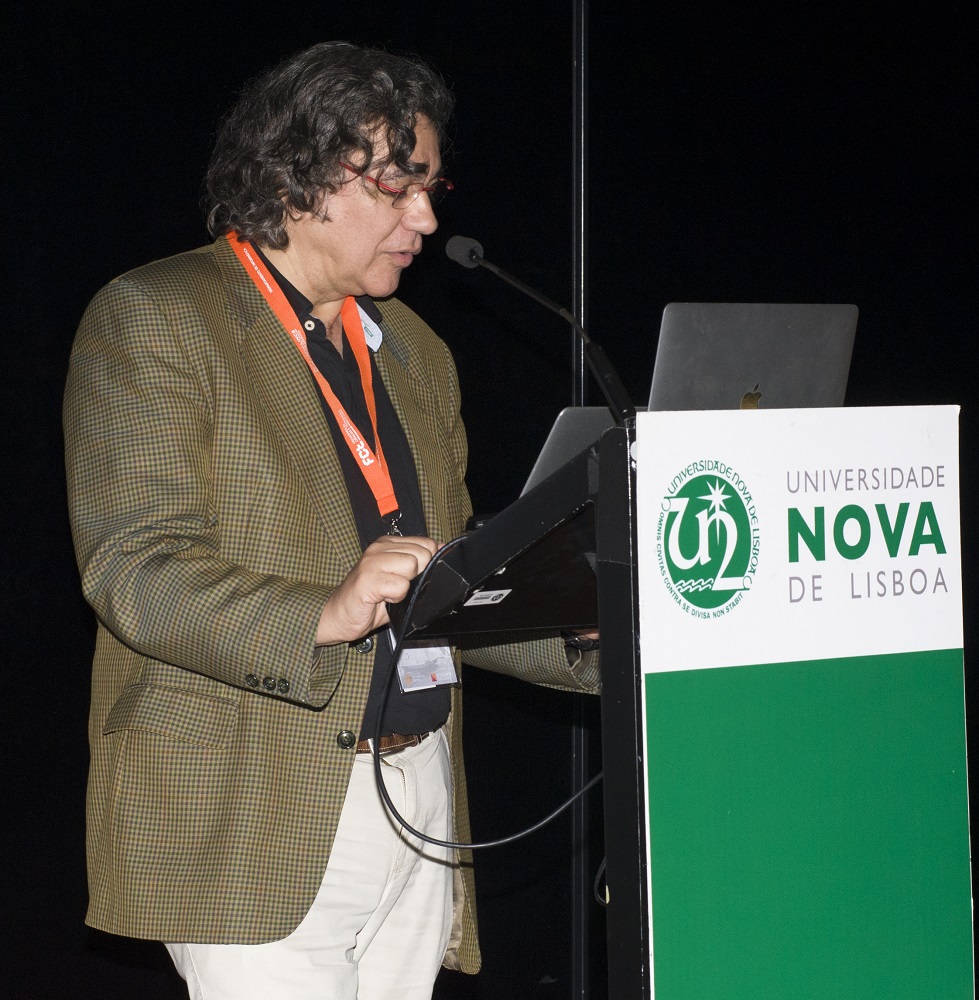
Luís Caires (Universidade NOVA de Lisboa), ECSS 2017 Co-Chair
-
Markus Püschel (ETH), ECSS 2017 Program Co-Chair
-
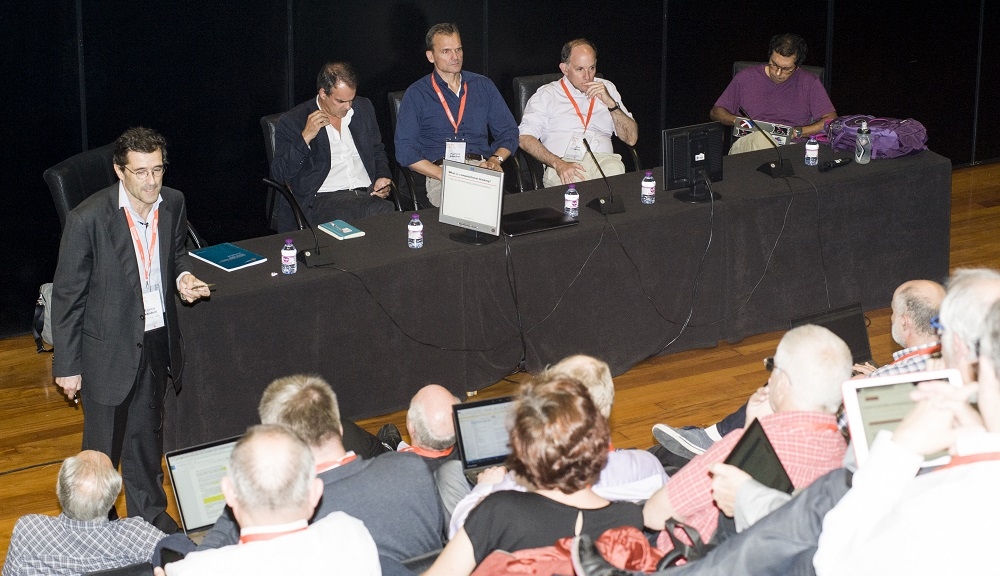
Deans Workshop Discussion Panel
-
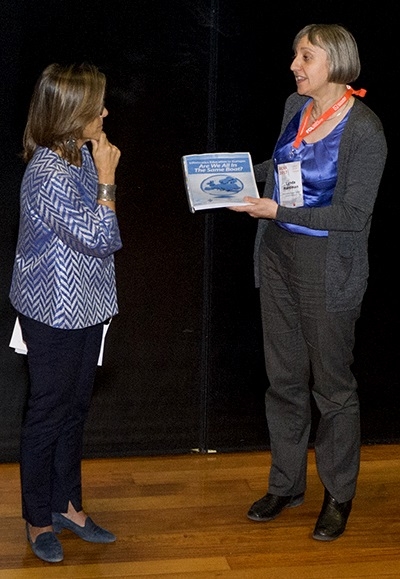
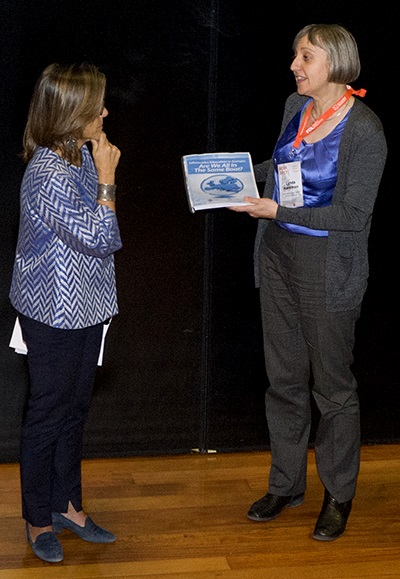
Fernanda Rollo (Secretary of State for Science and Higher Education) receiving the report 'Are We All In The Same Boat' from Lynda Hardman at the opening ceremony
-
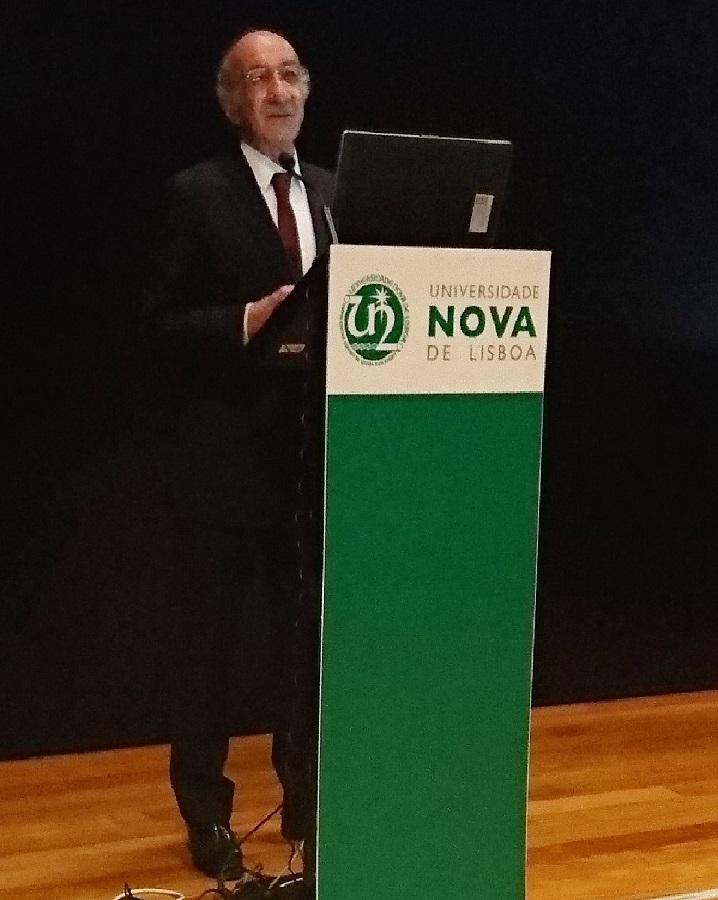
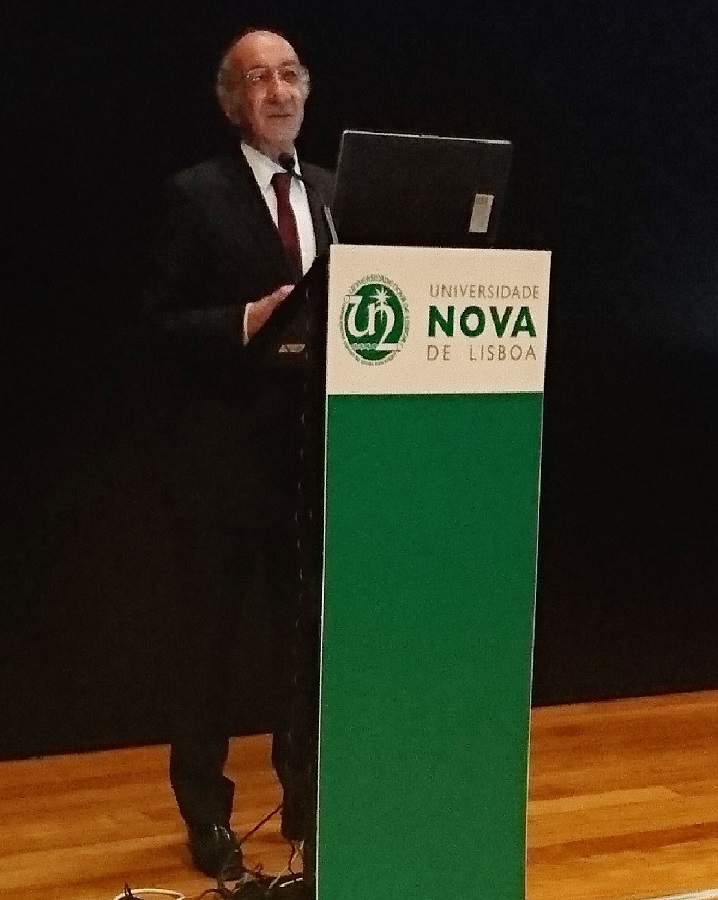
Fernando Santana (Dean of the Faculty of Sciences and Technology, Universidade NOVA de Lisboa)
-
Nuno Correia (Universidade NOVA de Lisboa)
-
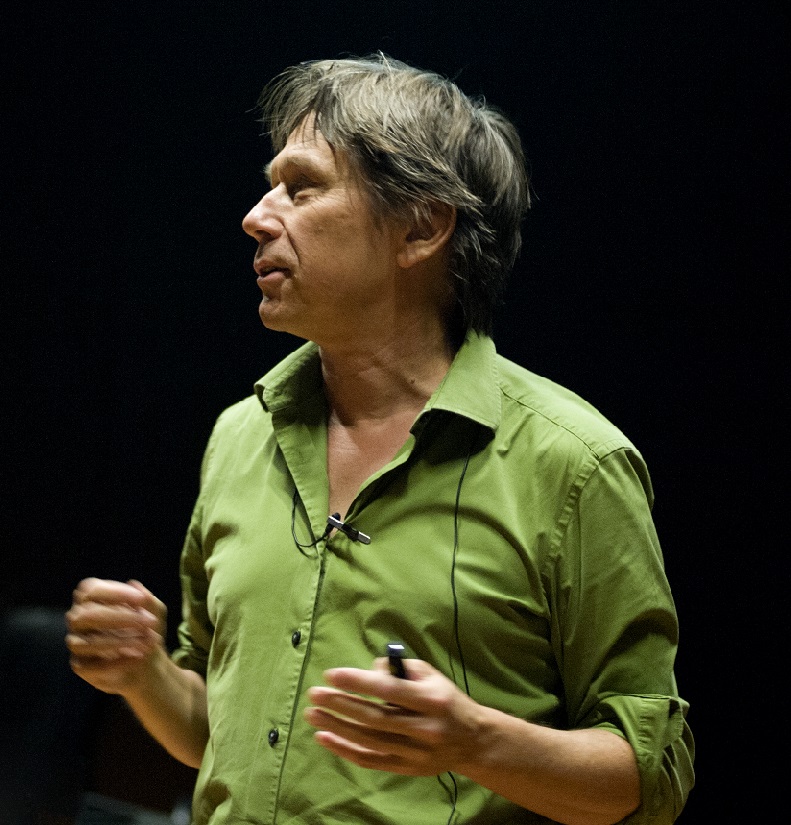
Kurt Mehlhorn (Max Planck Institute for Informatics, University of Saarland and ERC)
-
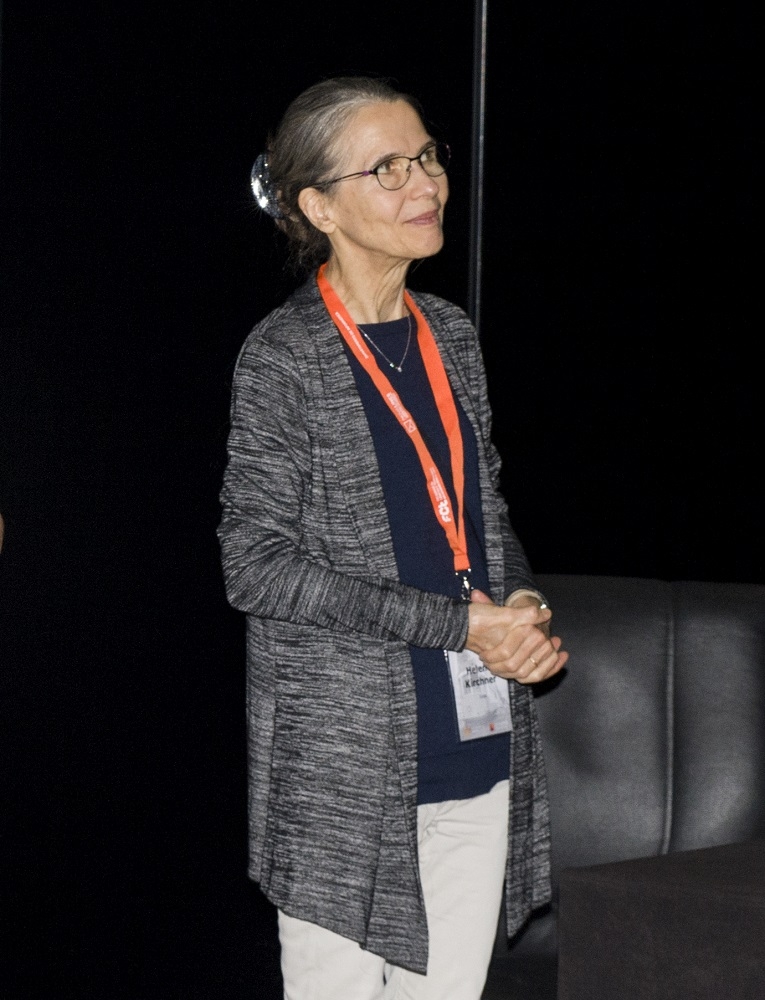
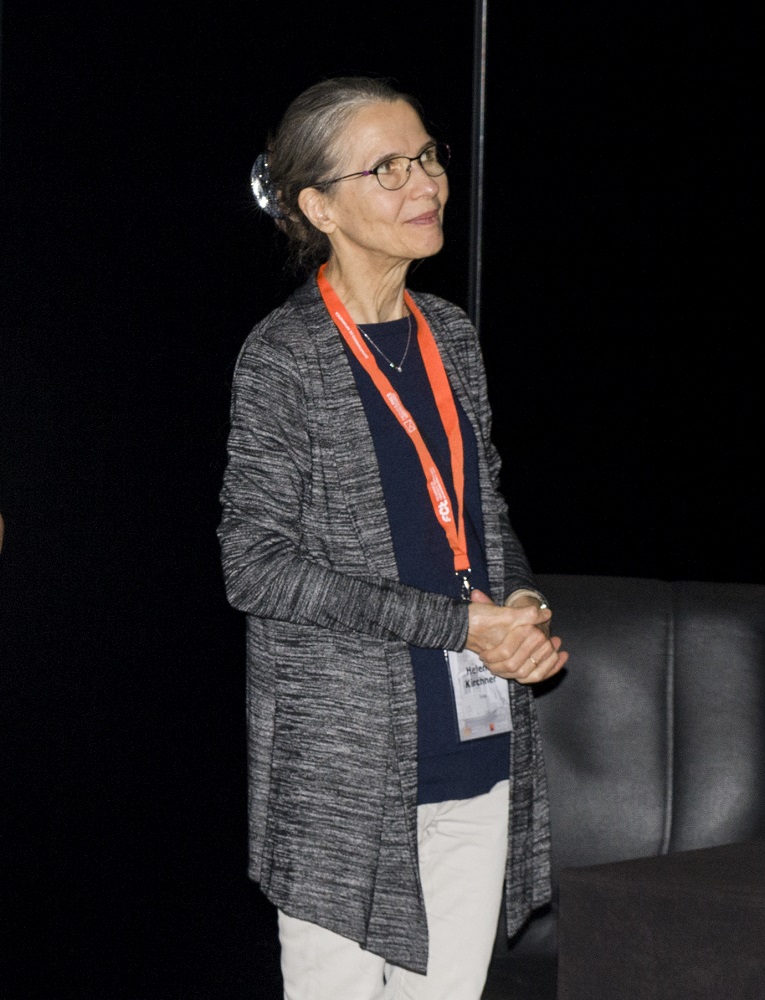
Hélène Kirchner (INRIA), Session Chair
-
Marie-Paule Cani (Ecole Polytechnique de Paris)
-
Elham Kashefi (University of Edinburgh)
-
Wendy Hall (University of Southampton)
-
Roberto Di Cosmo (INRIA - Université Paris Diderot)
-
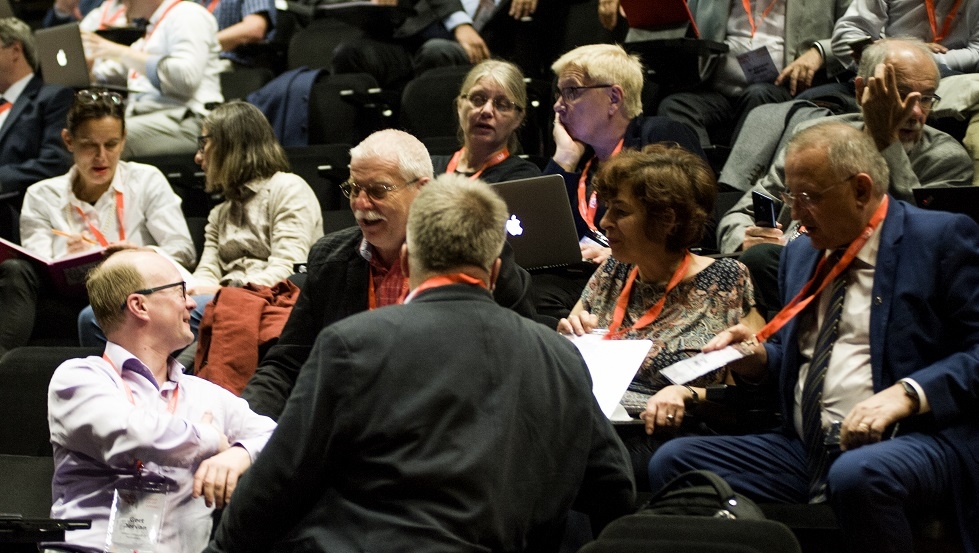
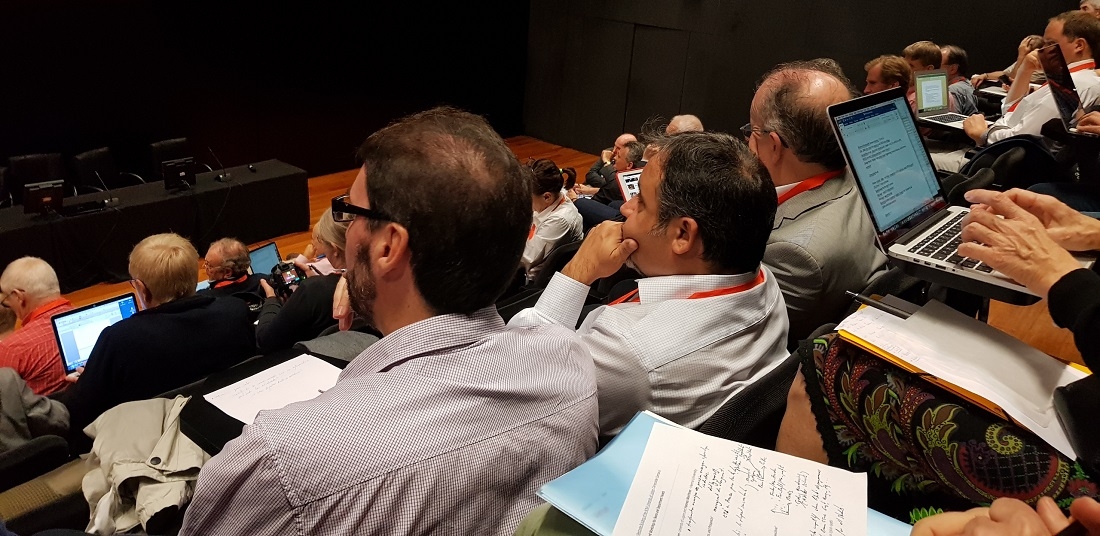
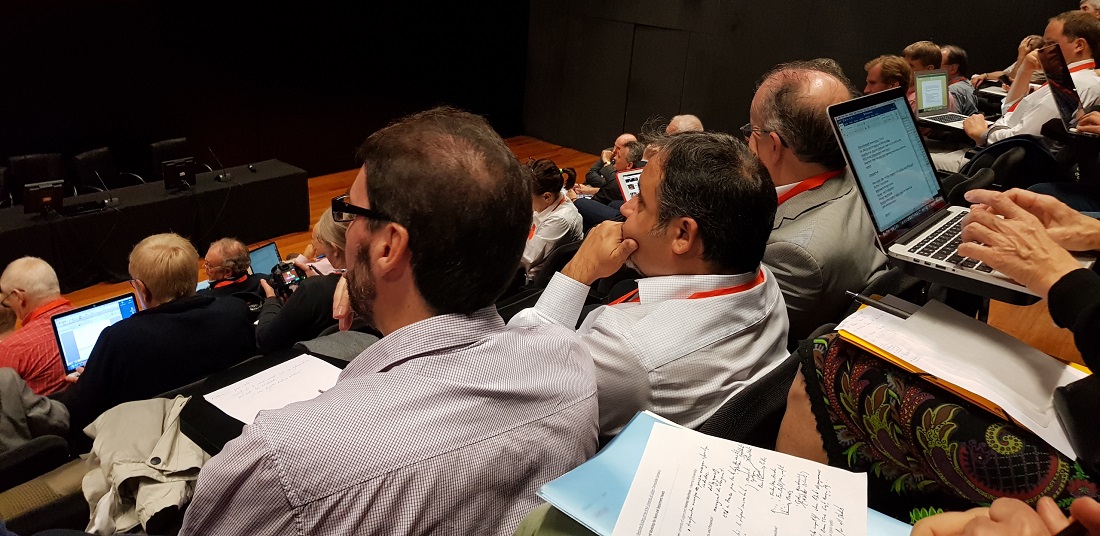
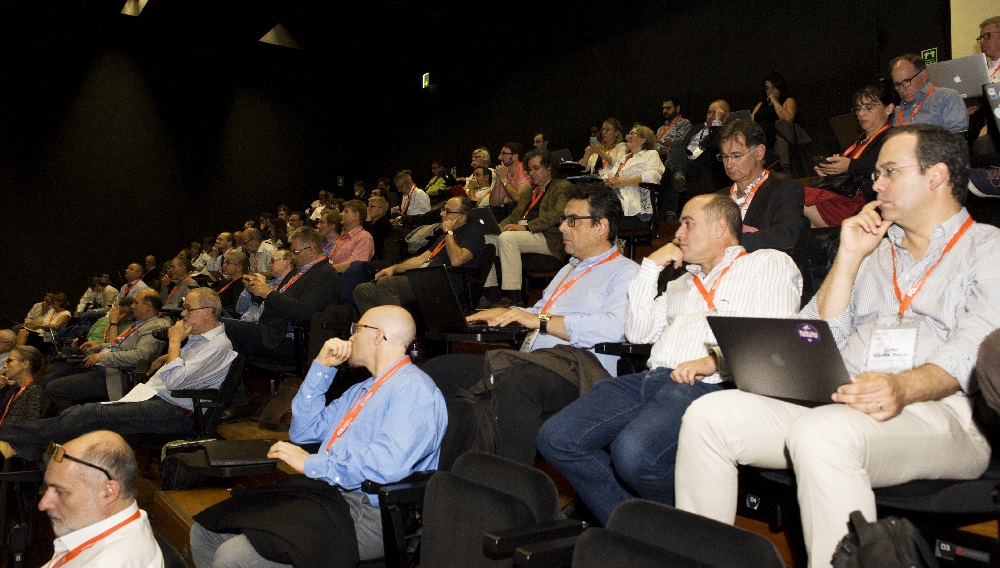
ECSS 2017 audience
-
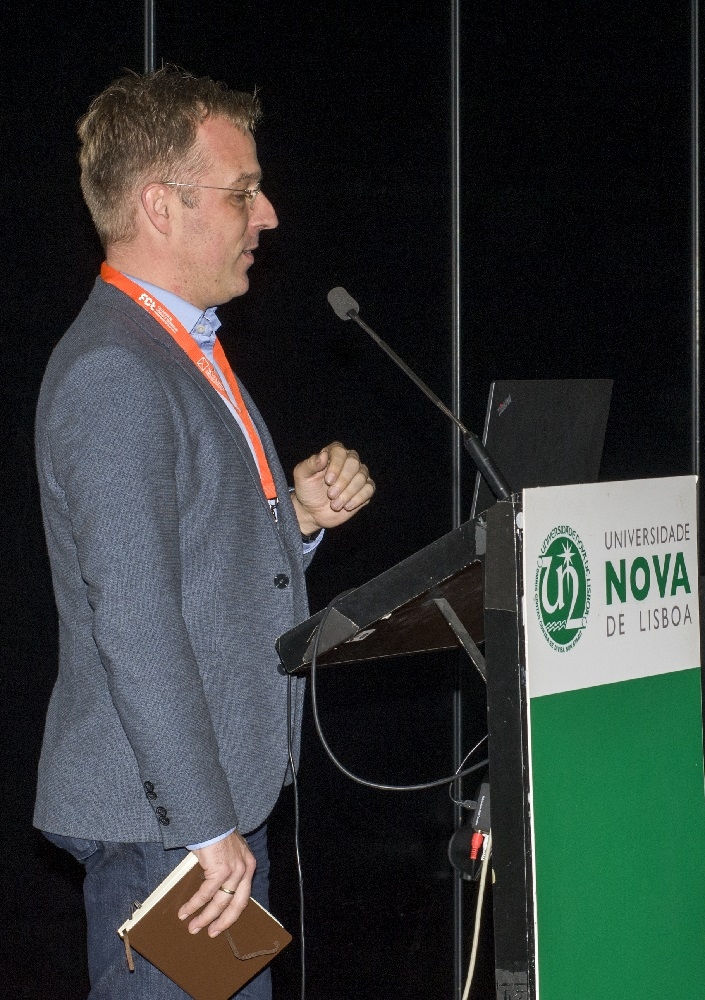
Jan Vahrenhold (University of Münster), Chair of the Best Practices in Education Award Committee
-
Best Practices in Education Award Winners with Evelyne Viegas (Microsoft)
-
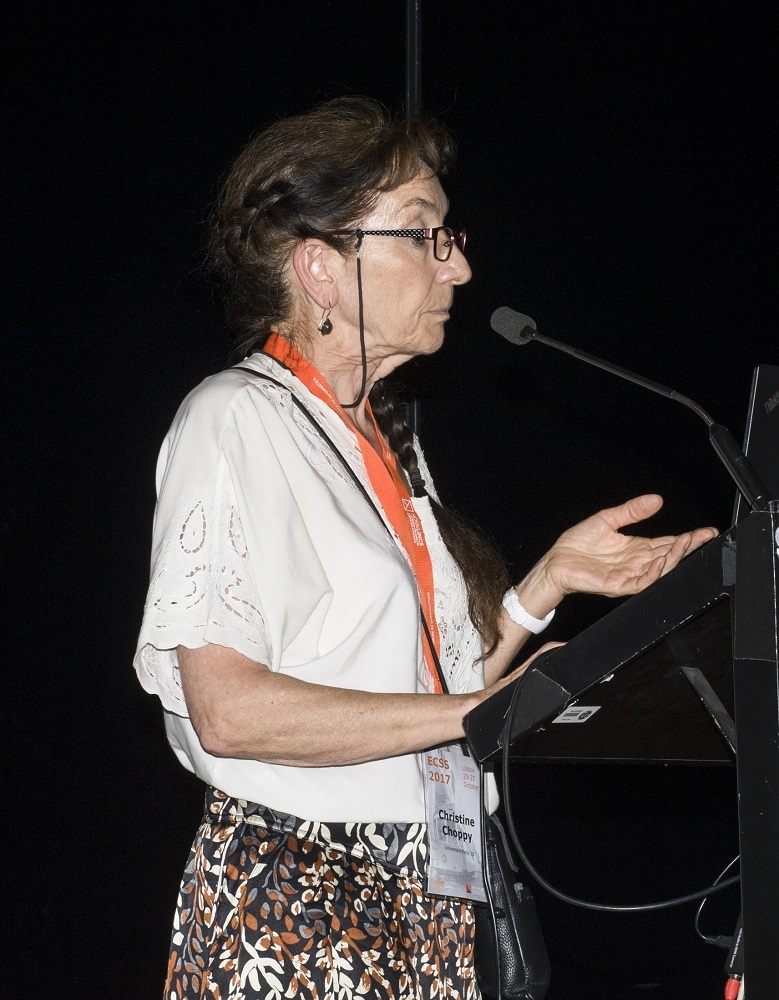
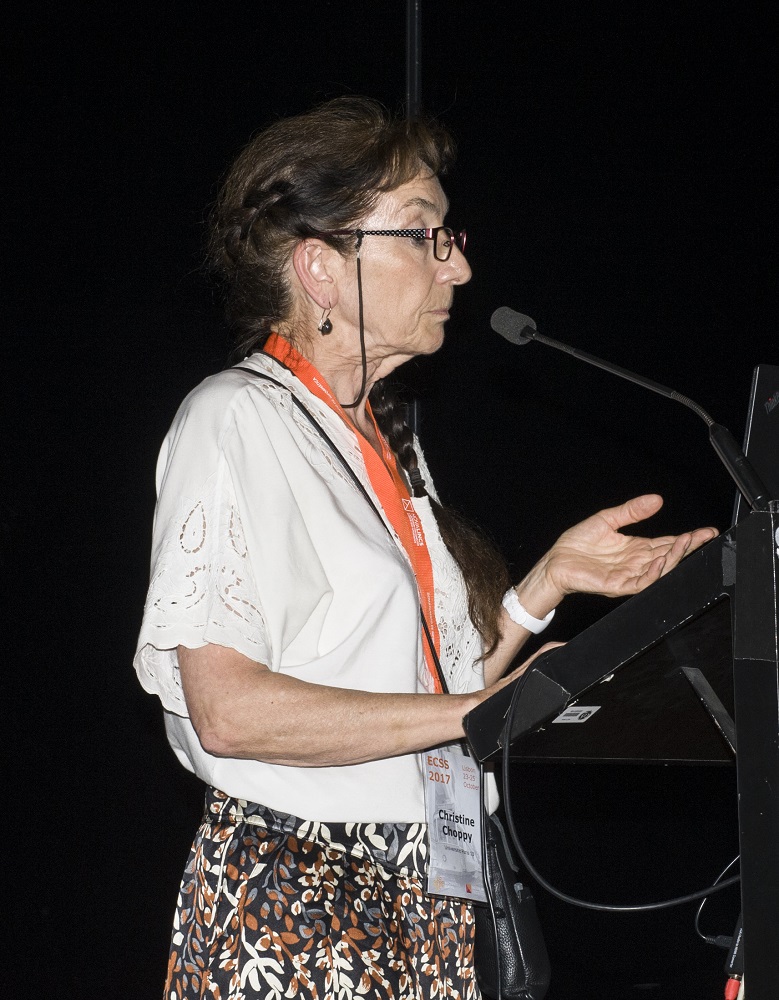
Christine Choppy (Université Paris 13), Chair of the 2nd Minerva Award Committee
-
Minerva Informatics Equality Award Winners with Beate List (Google)
-
Tim Baarslag (Cor Baayen Young Researcher Laureate) with Domenico Laforenza and Jos Baeten (ERCIM)
-
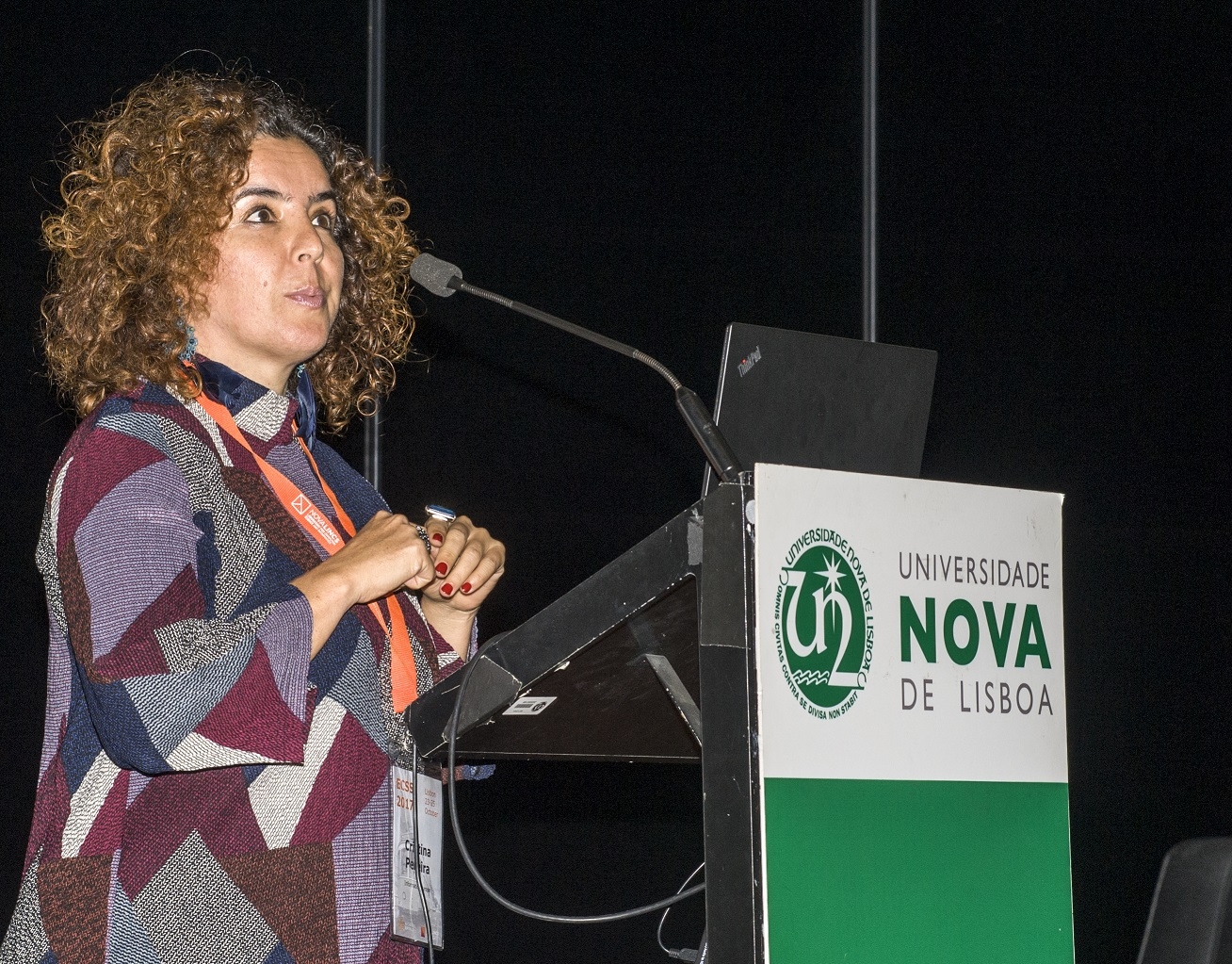
Cristina Pereira (Informatics Europe Secretary General)
-
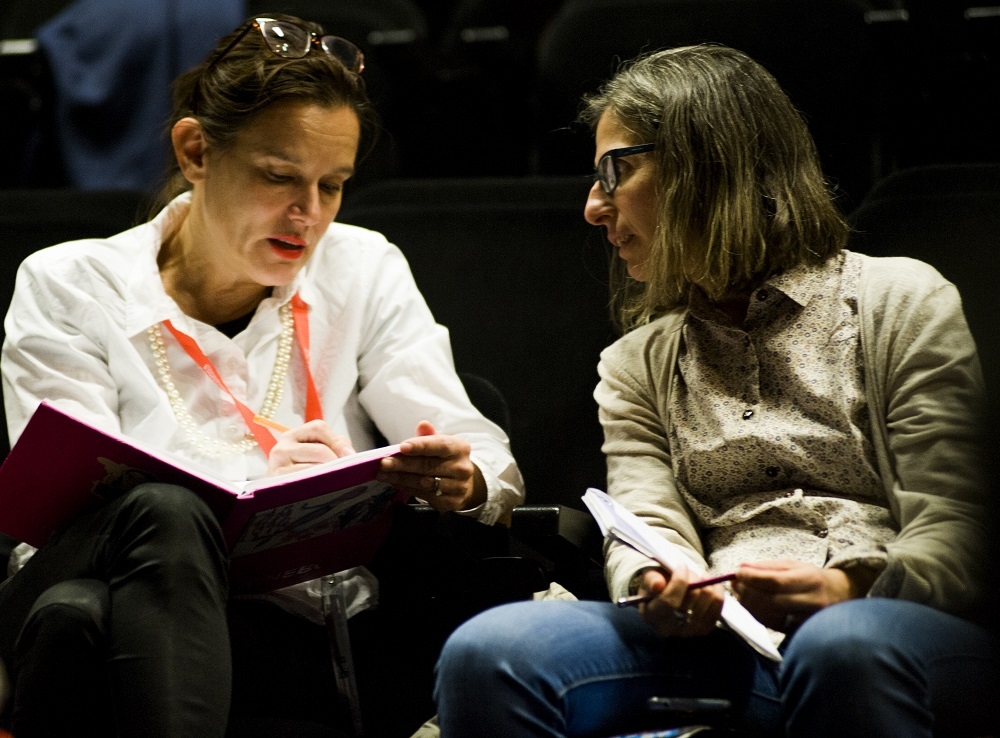
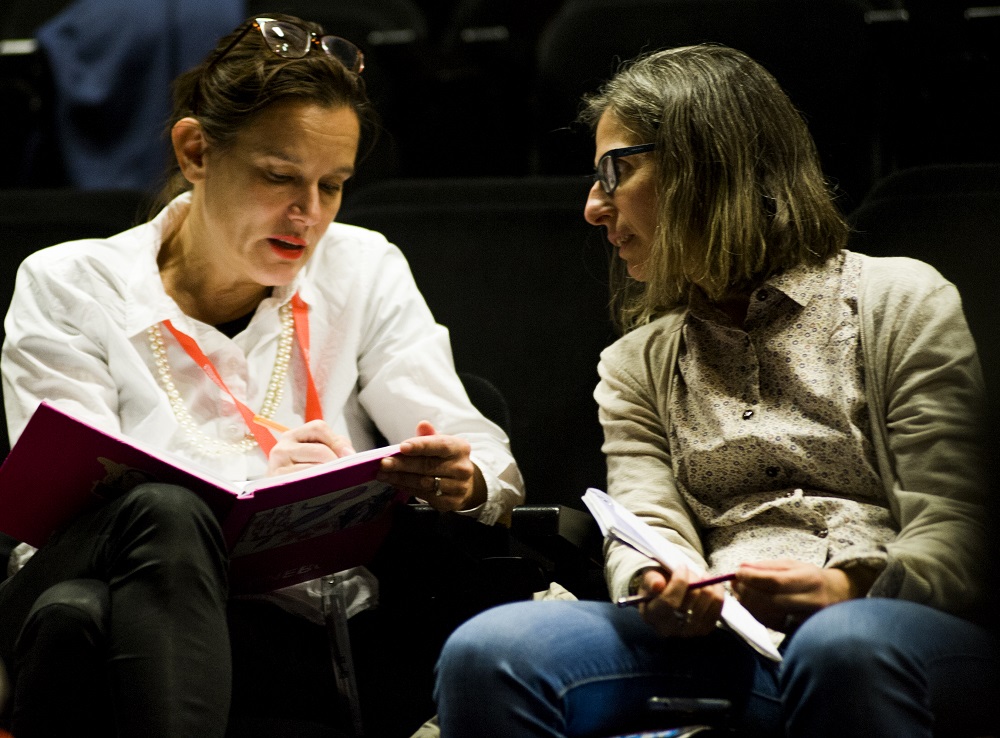
Participants during the conference
-
Michael Caspersen (IT-vest, Denmark), Informatics Education Working Group
-
Jane Hillston (University of Edinburgh), WIRE Working Group and Session Chair
-
Floriana Esposito (University of Bari), Research Evaluation Working Group
-
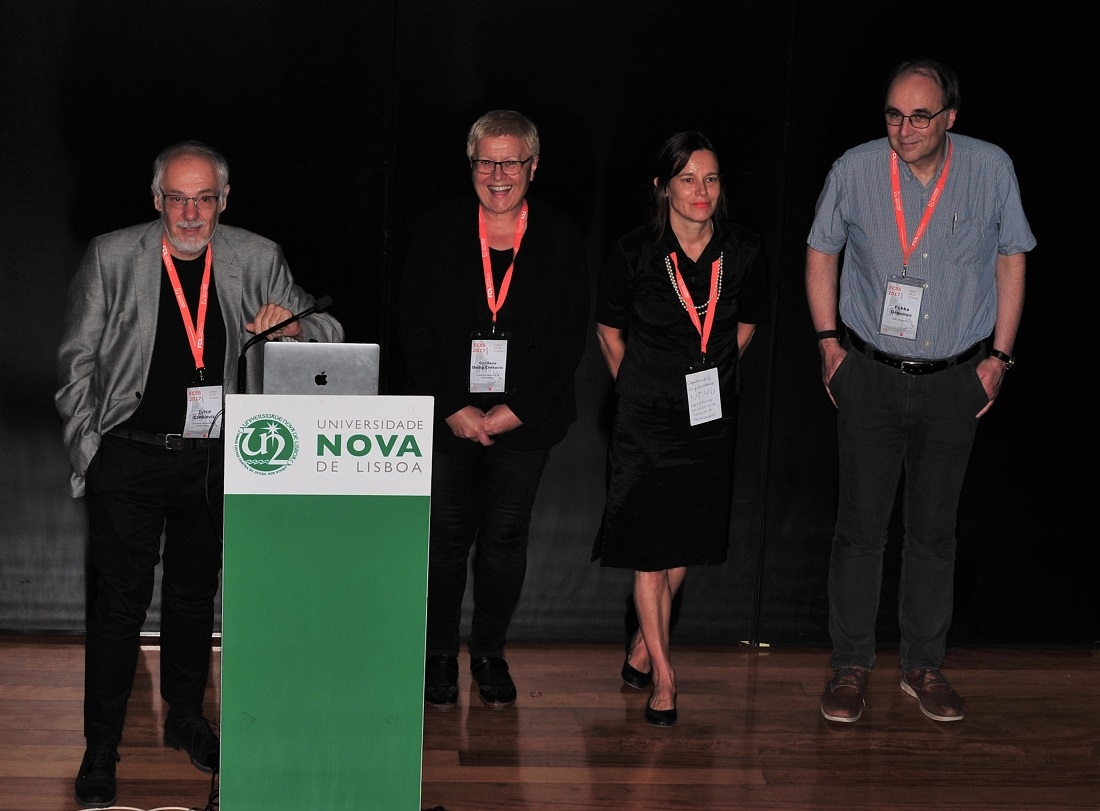
ECSS 2018 Conference and Program Chairs
-
Lynda Hardman (CWI), Informatics Europe President and ECSS 2017 Co-Chair
-
Elected Board Members and Executive Committee
-
Enrico Nardelli, Informatics Europe President-elect
-
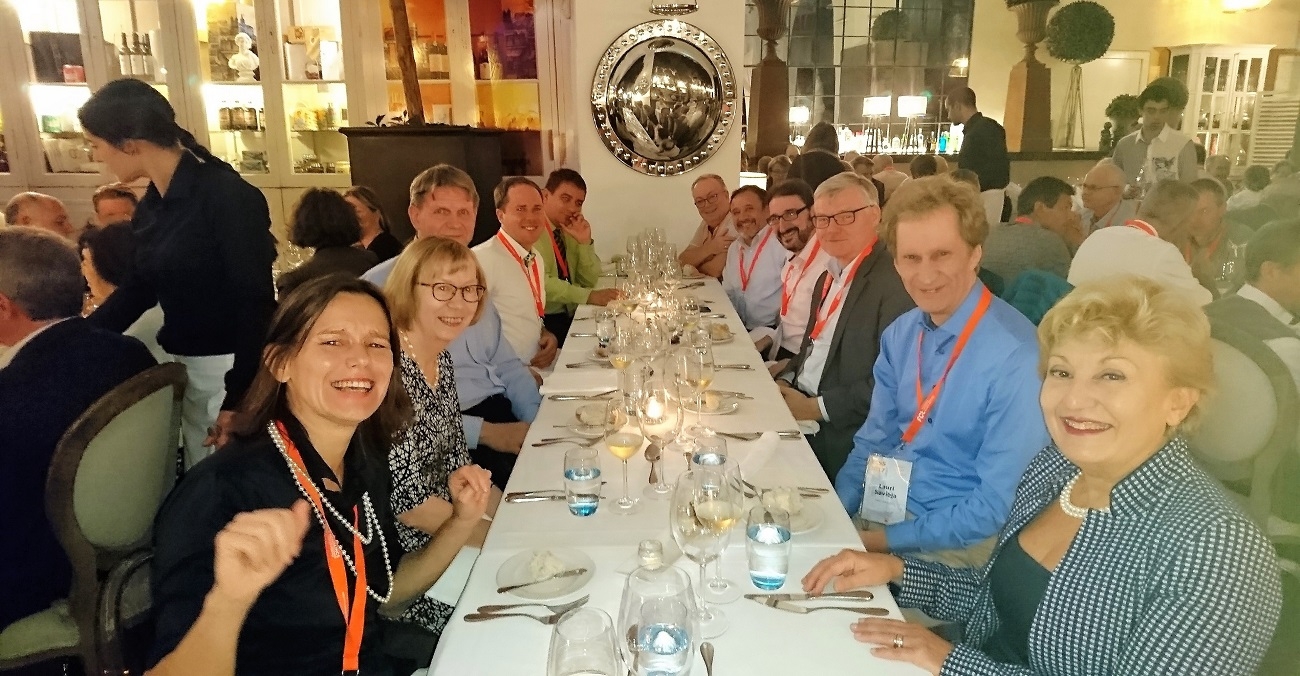
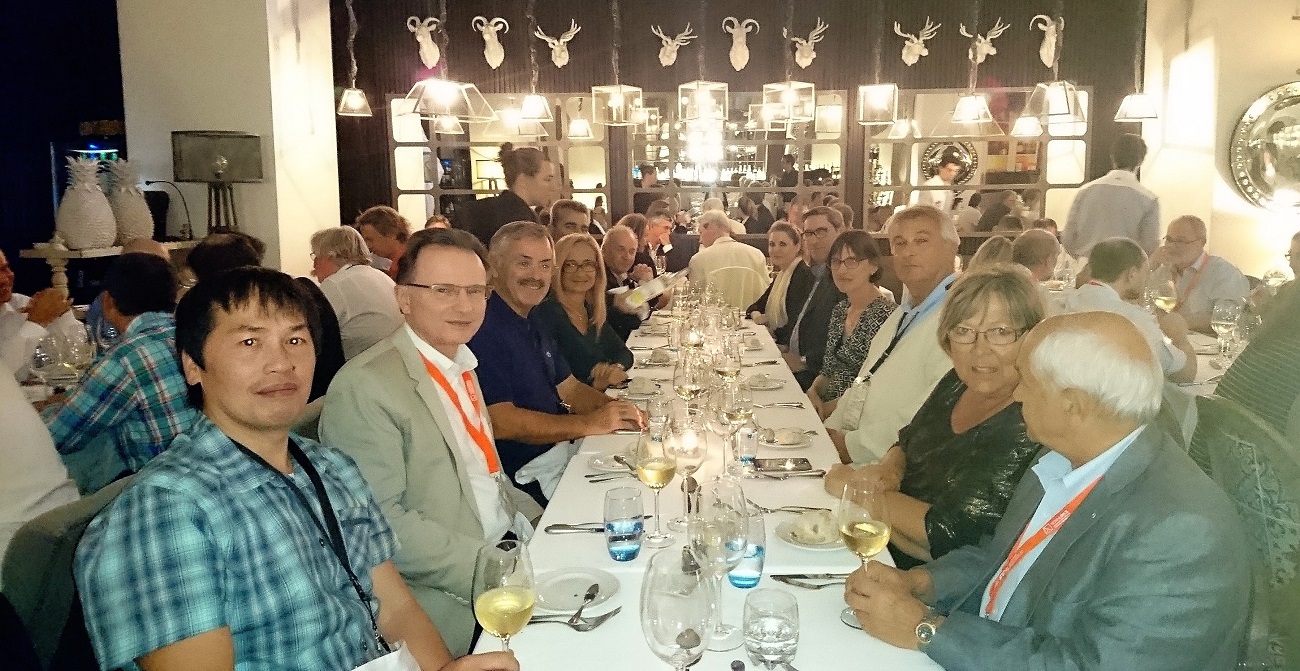
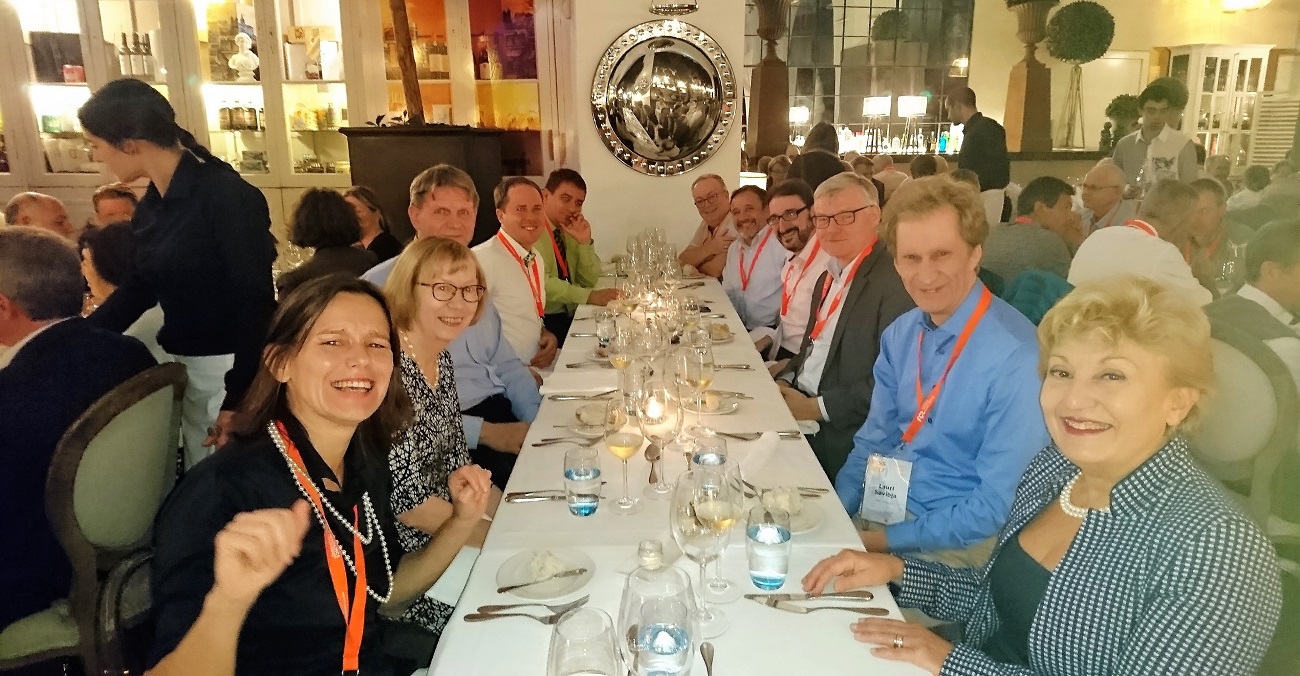
Conference gala dinner
-
Conference gala dinner
-
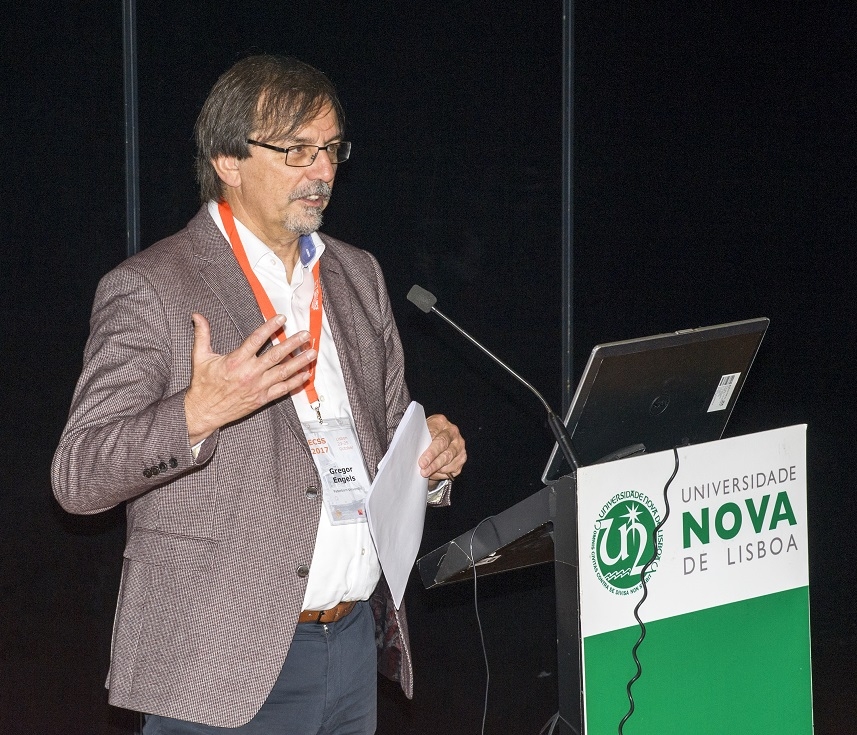
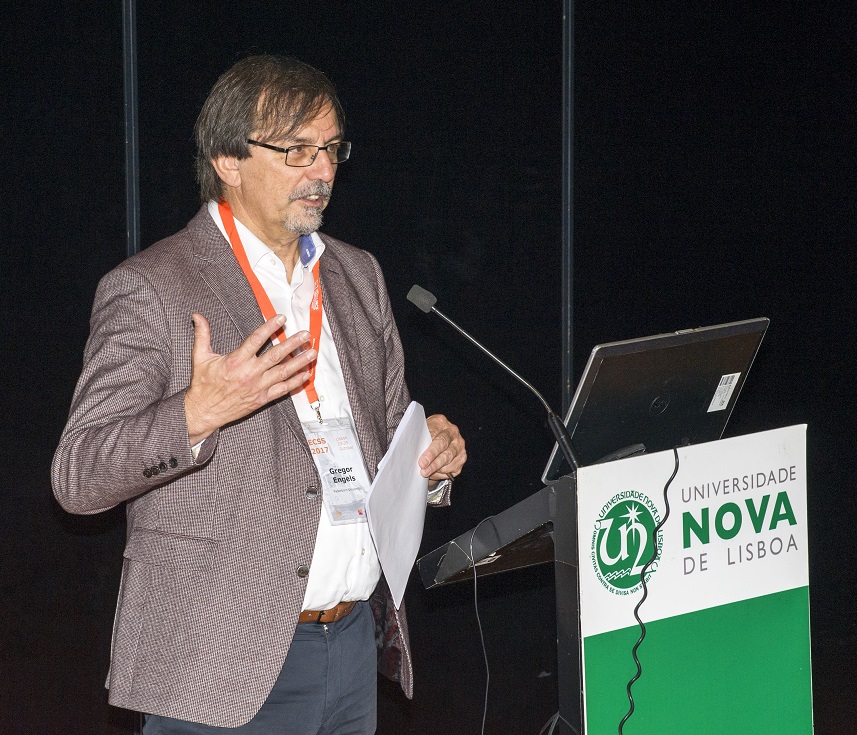
Gregor Engels (University of Paderborn), Session Chair
-
Joao Claro (University of Porto)
-
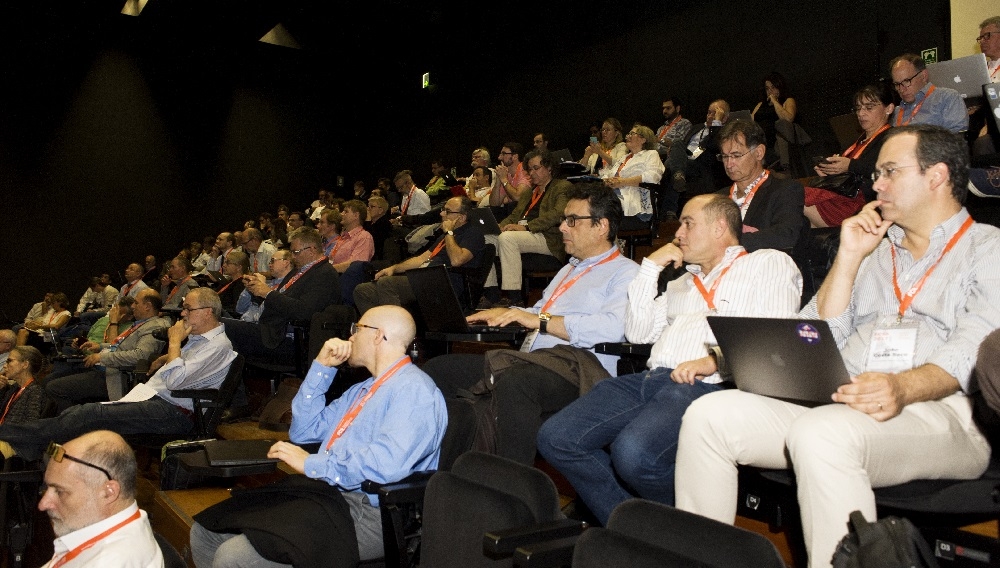
Crowded auditorium during one of the sessions
-
Manuel Hermenegildo (IMDEA/UPM), Session Chair
-
Pierre Dillenbourg (EPFL)
-
Michael Kölling (King's College London)
-
José Luiz Fiadeiro (Royal Holloway University of London), ECSS 2017 Program Co-Chair and Ethics Panel Chair
-
Isabel Aldhinas Ferreira (IST & Centro de Filosofia, Universidade NOVA de Lisboa)
-
Fabrizio Gagliardi (Barcelona Supercomputing Center)
-
Joao Sequeira (Institute for Systems and Robotics, IST Lisboa)






 Netlogica