

At Informatics Europe, we are celebrating 2 decades of joint achievements while continuing to shape the discipline's future.
With 200 member institutions in over 30 countries, Informatics Europe connects more than 50,000 researchers, promotes concerted positions, acts on shared priorities and supports policy-making in Informatics Education, Research and its Social Impact across Europe.
Visit the full list of member university departments, research labs and industrial members here.
 |
Our activities address strategic matters and emerging trends in informatics and related fields, fostering unity in the variety of our member institutions and promoting pan-European collaboration. As a non-profit membership association, our work is mainly performed by scientist volunteers who collaborate in working groups and ad-hoc task forces. Outcomes are endorsed by our community through its Board of Directors.
As a community of European leaders in Informatics Research, we empower each other to:
- Create opportunities for joint initiatives and knowledge exchange between academia & industry & society.
- Engage with society on the nature and impact of Informatics.
- Advocate for Informatics in European policy discussions.
- Promote quality standards and best practices in research, education, and knowledge transfer.
- Foster ethical and responsible Informatics teaching and research.
- Nurture talent and assure a pipeline of diverse leaders with a broad understanding of the discipline.
The potential of Informatics Europe can go as far as our collective ambitions take it!
You & your organization are key for IE
We have a common cause and a common interest. This is the reason for university departments, research labs and industrial organizations to join us, for their affiliated researchers to contribute our activities since 2005 and for National Informatics Associations (NIAs) to choose us for engaging in European discussions. This is a call to:
Current & Potential Members
Demonstrate your institute’s support by becoming a member and empower your researchers to engage in our activities for collaborative success in Informatics in Europe. As an Informatics Europe member, gain the opportunity to amplify your presence and influence decisions at the pan-European level, engage in learning and knowledge exchange with peer leaders, and enjoy exclusive IE members-only services. We welcome university departments, research labs and industrial organizations engaged in R&D activities leveraging advances in the field of Informatics.
The greatest membership benefits those who collaborate the most!
Students, PosDocs and recent graduates
Informatics Europe aims to nurture talent and assure a pipeline of diverse Informatics leaders with a broad understanding of the discipline.
Boost your career development with the Early Career Researchers WG and Academic Leadership Courses. Submit your nomination for the Best Dissertation Award. Increase your mobility opportunities with our Job Platform. Join a training school and bring your research to the next level.
More will follow soon!
Companies at large
Looking for a targeted and impactful approach to engage with the leaders in the European informatics research community other than the IE membership? Eager to recruit informatics talent across Europe? Explore our sponsoring opportunities.
Share our flyer with your colleagues to join forces and amplify our impact together as Informatics Europe!
Discover the impact of our initiatives and services first-hand
While some are exclusive to Informatics Europe members, many are open for the benefit of the wider Informatics community. Explore them in a snapshot:
- Utilize our Department Evaluation and Academic Leadership services;
- Access our extensive array of Publications and Policy Recommendations;
- Nominate deserving individuals for Awards celebrating achievements in gender inclusion, informatics education, and ground-breaking research;
- Boost your international visibility by collaborating with us on EU projects, presenting your latest research results in an Informatics-Europe hosted webinar, updating your information in our Research & Education Directory or featuring relevant activities on the ECSS members spotlight section;
- Engage in strategic and trend-setting discussions during our European Informatics Leaders Summit (ECSS).
- Take an active role in Working Group activities, including organizing related training schools and sessions during ECSS.
- Access the only in its kind Higher Education Data Portal, for pan-European benchmarking;
- Enhance your talent pool and career prospects through our Job Platform.
Keep up with IE's latest updates
Follow us on 


 and subscribe to our mailing list and bulletin here.
Latest News

New Strategic Agenda for Europe’s Software Future Presented in Brussels
The SRIA was launched on 23 September and formally presented to Thibaut Kleiner, Director for Future Networks at the European Commission’s DG CONNECT.
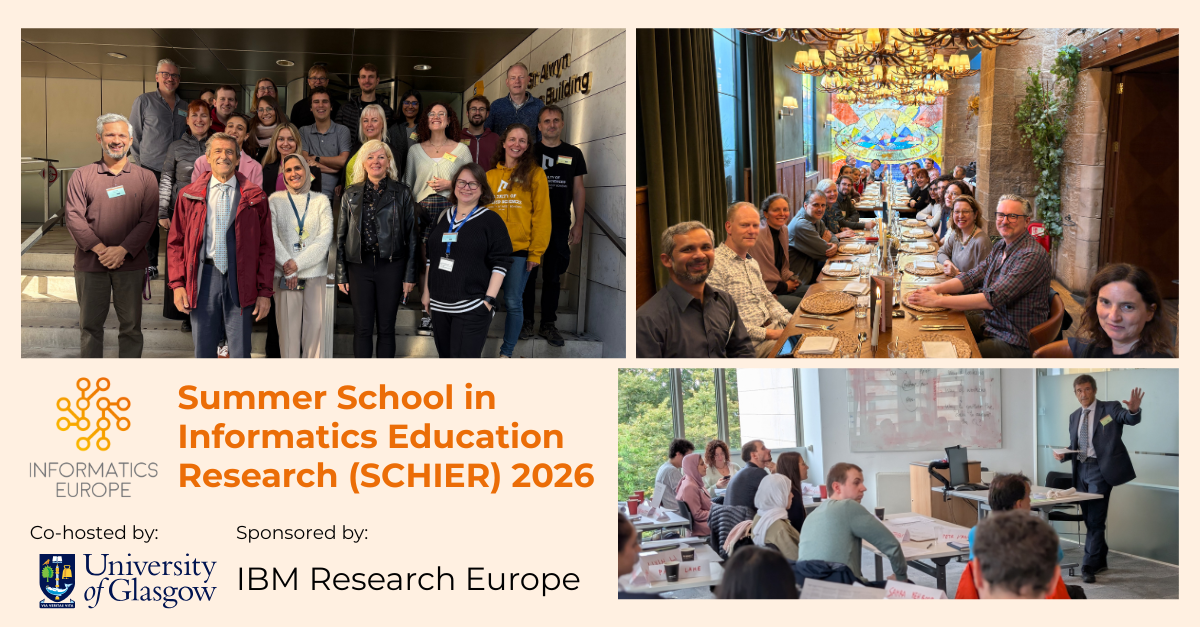
SCHIER 2026: Strengthening the Community of Informatics Education Researchers
Growing the next generation of Informatics Education researchers starts with creating opportunities to learn, exchange and connect.

ECSS 2026: Registration Now Open
Registration is now open for ECSS 2026, a unique summit for Europe’s Informatics community to address timely strategic and policy issues in Informatics research and education.
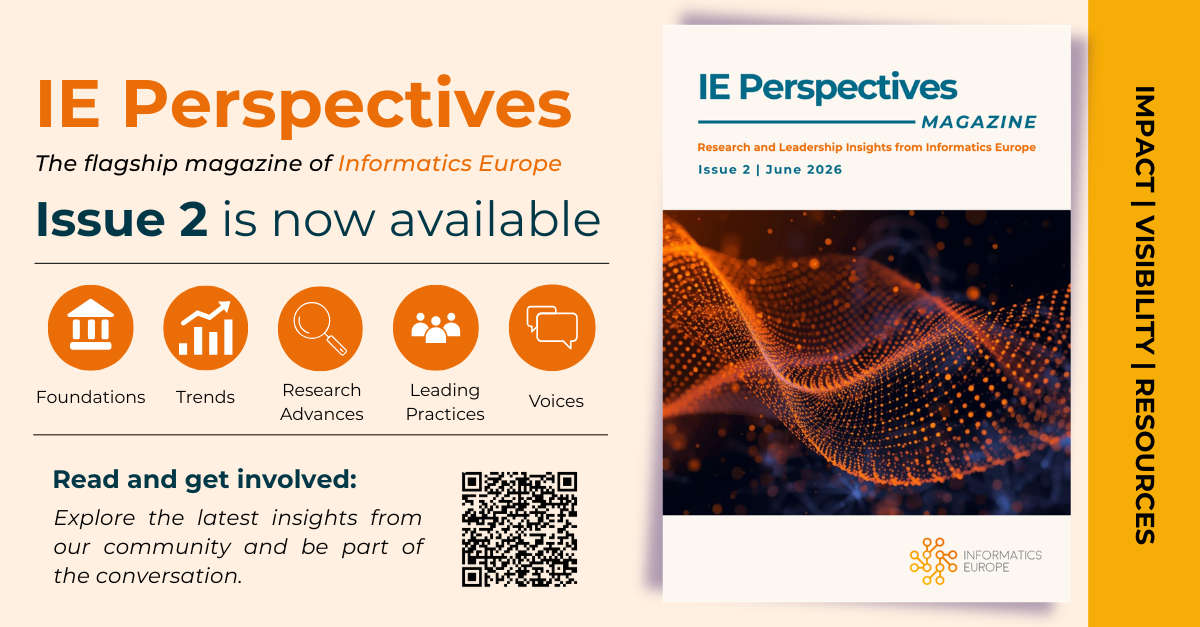
The Second IE Perspectives: Introducing New Section & Co-Editor-in-Chief
Discover the latest IE Perspectives, featuring a new "Foundations" section dedicated to stories of European curiosity-driven Informatics research that has shaped disciplines, technologies and society.
Reports
Europe's digital sovereignty is built on a legacy of curiosity-driven Informatics research, a tradition behind breakthroughs in distributed systems, programming languages, AI and beyond. In this publication, Informatics Europe explores how this research legacy has shaped global innovation and why it remains critical to tackling future challenges.
The 2025 Activities Report highlights Informatics Europe’s continued role as both a collective voice and a unifying force for Informatics research and education in Europe. Structured around key strategic areas (education, research, diversity & inclusion, ethics, green ICT, data analysis & reporting, and community engagement), it presents the main 2025 initiatives, policy contributions and community achievements. Pan-European collaboration, growing community engagement and expanded membership were once again key in advancing the association’s mission.
This catalogue brings together a decade of best practices submitted to the Minerva Informatics Equality Award, celebrating European initiatives that advance gender equality in Informatics research and education. It classifies and analyses actions that support women at all career stages—from students to senior academics—offering searchable examples, tags, and impact indicators. The catalogue aims to inspire and guide institutions and individuals committed to fostering diversity, inclusion, and sustainable change in academia.
This report presents key data on Bachelor’s level Informatics education across 24 European countries from 2018/19 to 2022/23. It analyses enrolment (first-year and total), degrees awarded, gender distribution, and the role of different higher education institutions. Based on official national statistics validated by experts, the data is available in the Informatics Europe Higher Education (IEHE) Data Portal. The report highlights positive trends in enrolment and graduation, while drawing attention to persistent gender gaps and institutional differences.
European higher education is as diverse as the continent’s cultures and traditions. This also means that making analyses and meaningful comparisons can be complex. The area of Informatics is no exception. This report presents the first pan-European analysis of student retention and graduation rates in bachelor-level Informatics programmes. Conducted jointly by Informatics Europe and ACM Europe, it draws on the Informatics Europe Higher Education (IEHE) Data Portal and examines trends across thirteen European countries over the period 2010 to 2023.
This report presents findings from a Europe-wide study led by the Informatics for All (I4All) coalition, aimed at identifying shared priorities for informatics education in schools. With input from 28 countries, the study highlights strong consensus on recognizing informatics as an autonomous subject, the need to integrate contemporary topics such as AI and data science, and the importance of specialised teacher training. The results reveal common ground in curriculum structure and teacher qualification standards, despite national differences. These insights support the development of coherent informatics education policies across Europe and are detailed in the full report.
This report marks our first initiative of its kind, presenting a comprehensive overview of our 2024 activities. Structured around our strategic focus areas — education, research, diversity & inclusion, green ICT, ethics, and community engagement — it offers direct access to all key reports, recommendations, and initiatives in 2024 from our working groups and wider community.
Evaluation enhances research quality and impact but must follow established principles, discipline-specific criteria, and responsible methodologies to be effective. This report expands on the 2008 and 2018 IE reports, aligning with the CoARA Agreement on Reforming Research Assessment (CoARA, 2022). It provides updated recommendations on key topics such as responsible bibliometrics, the evaluation of artefacts, Open Science, interdisciplinary research, and the role of AI in assessment. The report underscores the unique nature of Informatics, the importance of selective conferences, the growing relevance of open archives and overlay journals, and the necessity of transparent, criteria-driven evaluation. It also highlights that quantitative metrics should never replace expert judgment and that AI should enhance, not replace, human evaluators. This update guides researcher evaluations while ensuring fairness, accuracy, and alignment with the evolving Informatics research landscape.
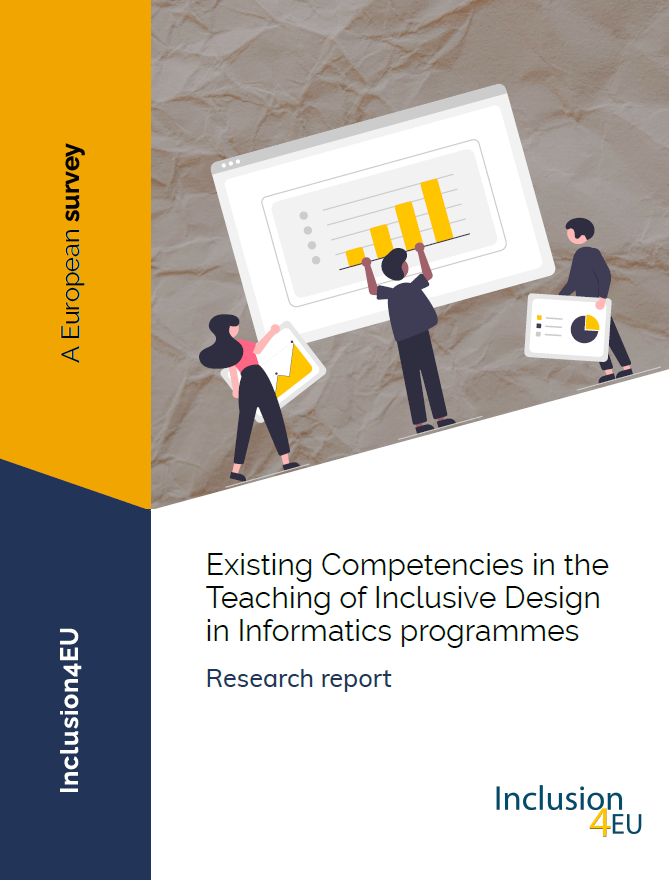
The report, an outcome of the Inclusion4EU project, with Informatics Europe as a partner, was co-funded by the Erasmus+ Programme of the European Union. The report presents the results obtained from a survey conducted in from late 2023 to early 2024 that polled educators from Informatics and related disciplines on teaching practices in Inclusive design across Europe. The survey was completed by respondents from 35 universities across 22 European countries. The results of the survey are a comprehensive insight into teaching practices for Inclusive design in Informatics and related disciplines and will inform the development of new curricula and learning resources for Inclusive design.
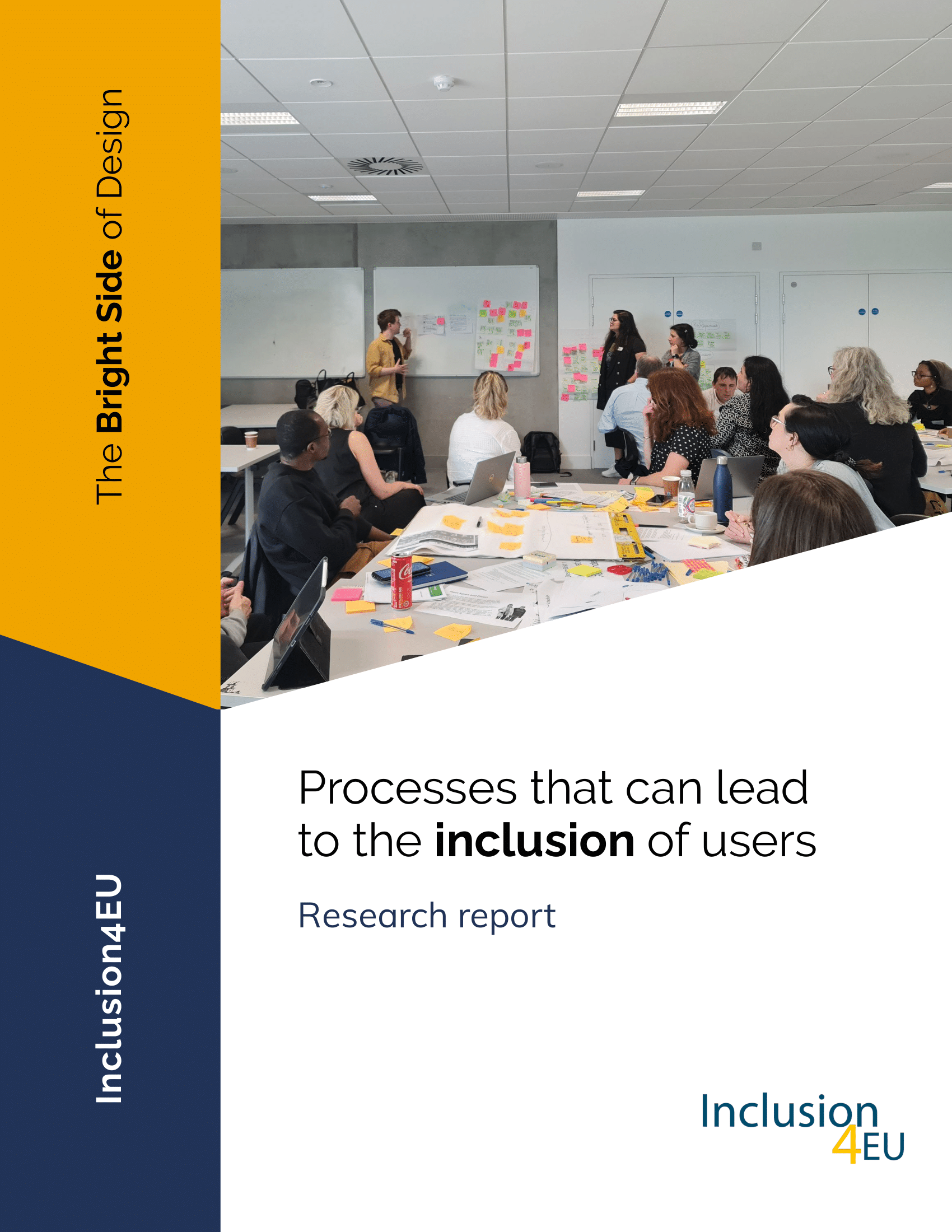
The report, an outcome of the Inclusion4EU project, with Informatics Europe as a partner, was co-funded by the Erasmus+ Programme of the European Union. The overall goal of the report is to introduce the notion of Inclusive Design, and particularly how it can apply in the field of software development, as well as to outline some of the potential benefits of this approach, and some suggestions as to how it might be incorporated into existing practices.
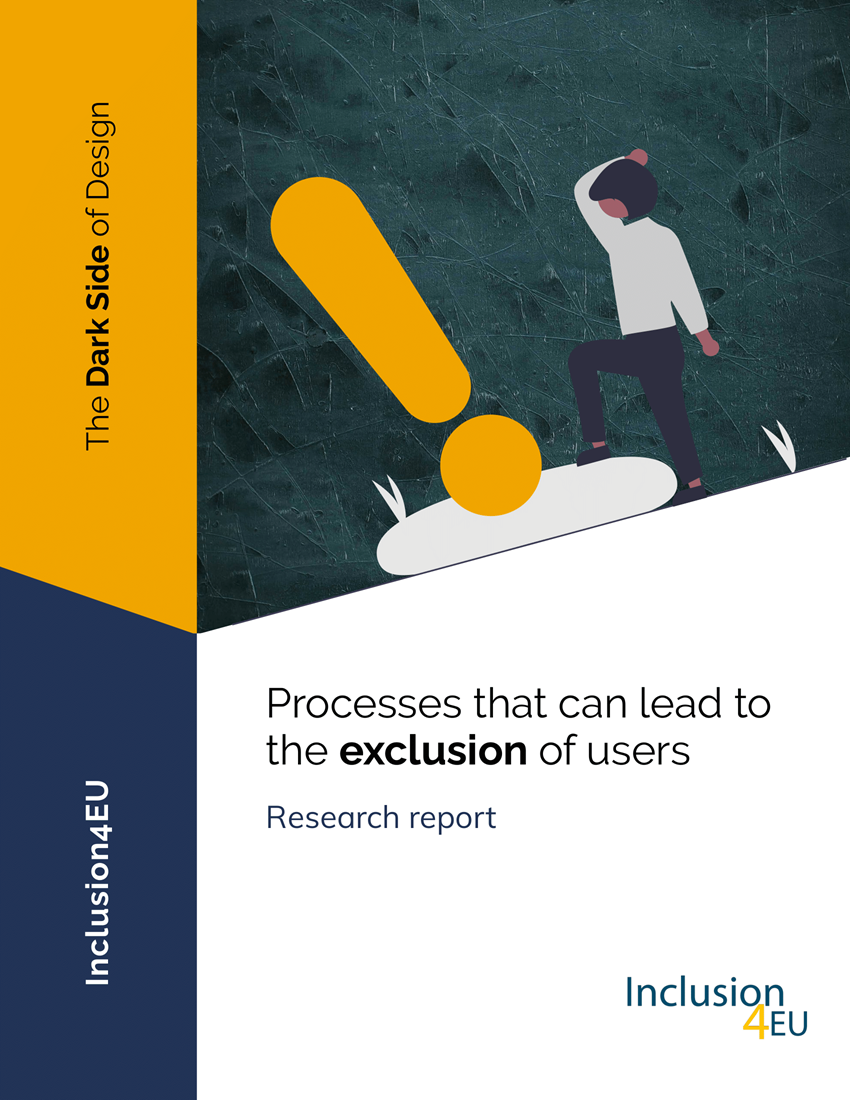
The report, an outcome of the Inclusion4EU project, with Informatics Europe as a partner, was co-funded by the Erasmus+ Programme of the European Union. The report illustrates the relationship between software development and inclusive design which is the design of systems to ensure that they are usable by as wide a range of people as possible.
The AI Index Report, annually published by the Stanford Institute for Human-Centered Artificial Intelligence (HAI), is a globally recognized source of credible and authoritative data and insights on AI. Informatics Europe contributed to the 7th edition of the AI Index Report as the Analytics and Research Partner by providing the statistics on Informatics higher education in Europe which is accessible through the IE Higher Education Data Portal.
Informatics Europe's Diversity and Inclusion Working Group (WG) is dedicated to promoting awareness and best practices in diversity through inclusion across Europe's informatics community. The WG conducted a mapping study from December 2022 to assess ongoing diversity initiatives and collect information from university departments developing such projects. This study aims to highlight key activities and guide the development of effective practices. The report summarizes findings from 33 initiatives captured during this period.
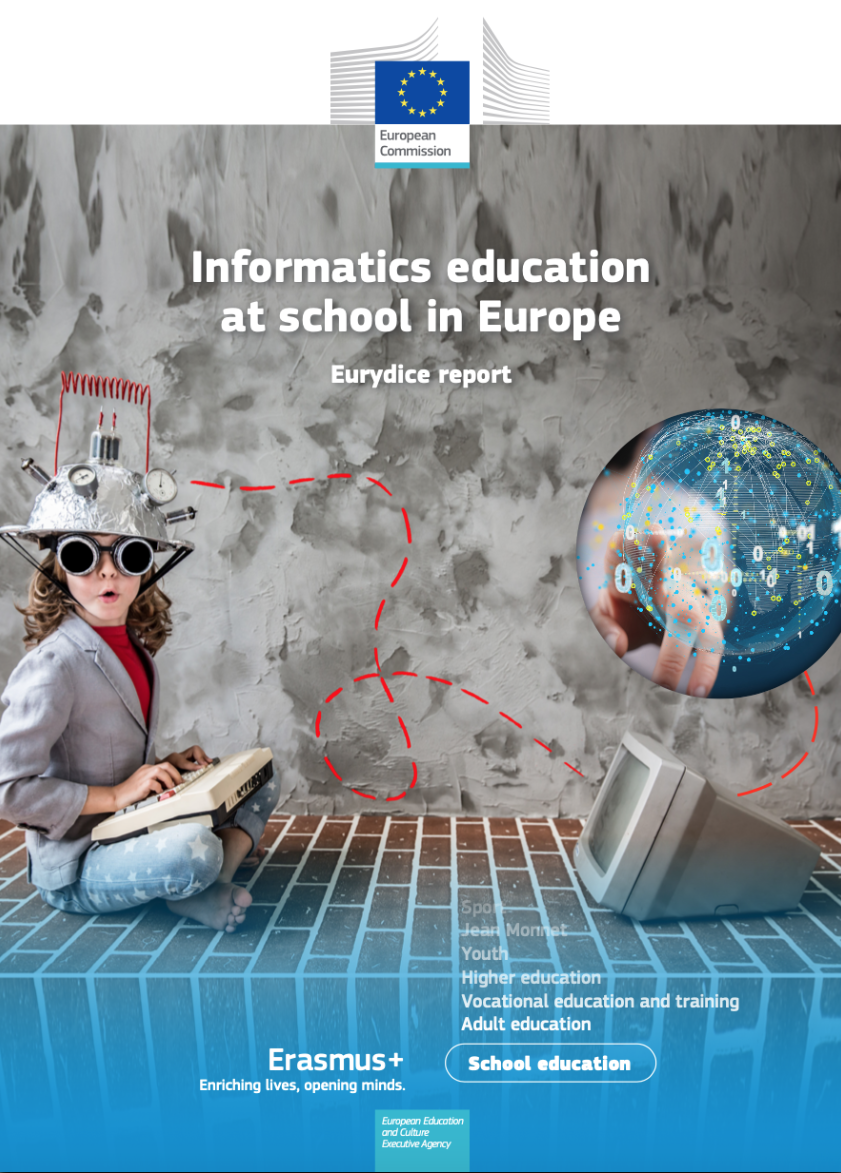
Informatics Europe President Prof. Enrico Nardelli has contributed as Scientific Expert to the report, which examines the subjects throughout primary and secondary education, including learning outcomes related to informatics in 37 European countries (39 education systems). The report also looks at the qualifications of the teachers of these subjects, training programmes and other support measures available to them.
The research statements in this proceedings were submitted by the participants at the first Early Career Researchers Workshop collocated with the European Computer Science Summit (ECSS) 2021. They contain a wide variety of work, either completed or in progress, being undertaken by the current generation of PhD students and early career researchers in informatics.
The report, the first Intellectual Output of the Ethics4EU project, with Informatics Europe as a partner, was co-funded by the Erasmus+ Programme of the European Union. The report deals with the impact of digital Information and Communication Technologies (ICT) on our societies and the environment at large. It covers a wide spectrum of societal impacts including issues such as data governance, privacy and personal data, Artificial Intelligence (AI), algorithmic decision-making and pervasive technologies.
The report, an outcome of the Ethics4EU project, with Informatics Europe as a partner, was co-funded by the Erasmus+ Programme of the European Union. The report presents the results of a survey conducted as part of the Ethics4EU project in 2020 on teaching practices for digital ethics across Europe. It builds upon the previous work by Informatics Europe published in 2019 on requirements for the instruction of digital ethics at European Universities. The report summarises existing practices and outlines possible approaches for developing the future curricula of digital ethics in Computer Science programs.
This report presents the results of the discussions held during the workshop Bridging the Digital Talent Gap: Towards Successful Industry-University Partnerships organized by Informatics Europe and the European Commission’s Directorate-General for Communications Networks, Content and Technology (DG CONNECT) in Rome on October 2019.
Seventh edition of the report series on Informatics higher education in Europe. Based on information from 22 represented countries, it offers a wealth of fundamental data covering the period 2013-2018: institutions awarding degrees in the field, student enrolments, degrees awarded, gender information, academic titles, up to precise and much-needed data about academic salaries across European countries. The series gives unique insights into the state of higher education in Informatics in Europe today.
The report is the first product of the activity of the working group on Ethical/Social Impact of Informatics as a Study Subject in Informatics University Degree Programs. It outlines the possible approaches, the state of the art, and suggestions and guidelines for inclusion of topics related to ethics, responsibility and social impacts in Informatics university degree programs.
The report presents the results of the online survey conducted by Informatics Europe Working Group on the Wide Role of Informatics at Universities. The main goals were to understand the value universities place on interdisciplinary research and teaching, what happens in practice with hiring and supporting interdisciplinary academics, and what structures are in place to support interdisciplinary work. The Data Science’s impact was also examined in detail, given its rapid rise and importance. Forty eight universities from nineteen European countries have participated in the survey providing answers on these strategic topics.
Report presents the results of a pilot study exploring the landscape of industry-funded Informatics research in academic institutions in Europe. The main goal is to understand the current level of industry funding going to different areas of Informatics research in Europe, similarities or differences in the way this money is invested in different countries. Nine academic institutions in nine different universities from four European countries – Germany, the Netherlands, Switzerland and UK – have participated in the study, providing data about research projects and areas receiving funding from industry in 2017.
Sixth edition of the report series on Informatics higher education in Europe. Based on information from 19 represented countries, it offers a wealth of fundamental data covering the period 2012-2017: institutions awarding degrees in the field, student enrolments, degrees awarded, gender information, academic titles, up to precise and much-needed data about academic salaries across European countries. The series gives unique insights into the state of higher education in Informatics in Europe today.
Report on Informatics Research Evaluation prepared by the Informatics Europe Research Evaluation Working Group. The report focuses mainly on the main principles and criteria that should be followed when individual researchers are evaluated for their research activity in the field of Informatics, addressing the specificities of this area. It confirms the findings of the 2008 report on Research Evaluation for Computer Science, while incorporating recent developments concerning the growing emphasis on collaborative, transparent, reproducible and accessible research.
Fifth edition of the report series on Informatics higher education in Europe. Based on information from 16 represented countries, it offers a wealth of fundamental data covering the period 2011-2016: institutions awarding degrees in the field, student enrolments, degrees awarded, gender information, academic titles, up to precise and much-needed data about academic salaries across European countries. The series gives unique insights into the state of higher education in Informatics in Europe today.

This volume is the result of the various presentations held during the 11th European Computer Science Summit, introduced by Hannes Werthner (TU Wien, Austria) and Frank van Harmelen (Vrije Universiteit Amsterdam, Netherlands). The prospects and evolution of informatics are the center of the book. Classical computer science is built on the notion of an “abstract” machine, which can be instantiated by software to any concrete problem-solving machine, changing its behavior in response to external and internal states, allowing for self-reflective and “intelligent” behavior. However, current phenomena such as the Web, cyber physical systems or the Internet of Things show us that we might already have gone beyond this idea. Thus computer scientists will need to reconsider the foundations of their discipline.
Based on a study of data collected in more than 35 European countries and their education autonomous regions, the report provides a rich source of information about the state of education in Informatics and Digital Literacy as well as the important matter of teacher training in these disciplines.The report describes the findings and recommendations of the Committee on European Computing Education (CECE), jointly established by ACM Europe and Informatics Europe and brings forward an unprecedented level of detail and information.
Fourth edition of the report series on Informatics higher education in Europe. Based on information from 15 represented countries, it offers a wealth of fundamental data covering the period 2010-2015: institutions awarding degrees in the field, student enrollments, degrees awarded, gender information, academic titles, up to precise and much-needed data about academic salaries across European countries. The series offers unique insights into the state of higher education in Informatics in Europe today.
Third edition of the report series on Informatics higher education in Europe. Based on information from 13 represented countries, it offers a wealth of fundamental data covering the period 2009-2014: institutions awarding degrees in the field, student enrollments, degrees awarded, gender information, academic titles, up to precise and much-needed data about academic salaries across European countries. The series offers unique insights into the state of higher education in Informatics in Europe today.
Second edition of the report series on Informatics higher education in Europe, covering 2008-2013. Presents data from nine countries on institutions awarding degrees in the field, student enrollments, degrees awarded, gender information, academic titles and precise and much-needed data about academic salaries across European countries. The series offers unique insights into the state of higher education in Informatics in Europe today.
This report is the first comprehensive attempt to document the state of higher education in Informatics (computer science) in Europe. Based on information from seven represented countries, it offers a wealth of fundamental data, from institutions awarding degrees in the field, to student enrollments, degrees awarded, gender information, academic titles, as well as precise and much-needed data about academic salaries across European countries. The report covers the period 2008-2012.
Report of the joint Informatics Europe and ACM Europe Working Group on Informatics education. This report identifies problems and suggest operational recommendations for policy and decision makers. It defines a blueprint for digital literacy and Informatics curricula adapted to the European context and explains why such curricula are critical to the economic health of European countries.
This report describes the findings and conclusions of an investigation, carried out for the ECSS 2012 in Barcelona, on the quality of Informatics doctorates in Europe.
At the ECSS 2010 in Prague a panel with representatives from ACM Europe, CEPIS, EAI, ERCIM, EAPLS, EATCS and Informatics Europe convened to discuss the current situation and future prospects of the European scientific societies in Informatics. In March 2011 an extended panel reconvened to discuss the options for an actual format for the cooperative activity among ICST societies and for possible concrete steps towards the creation of a platform for collaboration. A task group was formed to study and develop a blueprint for an "open" platform organization for closer contact and cooperation among these societies in Europe.
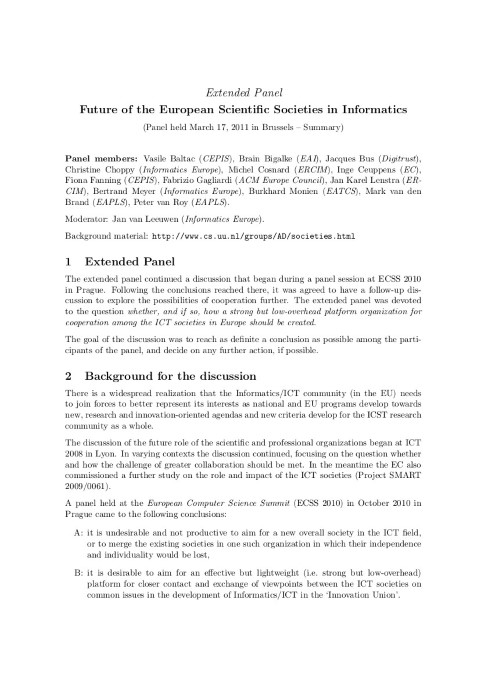
At the ECSS 2010 in Prague a panel with representatives from ACM Europe, CEPIS, EAI, ERCIM, EAPLS, EATCS and Informatics Europe convened to discuss the current situation and future prospects of the European scientific societies in Informatics. In March 2011 the panel reconvened in extended form to discuss the options for an actual format for the cooperative activity among ICST societies and for possible concrete steps towards the creation of a platform for collaboration. This report documents the panels conclusions.
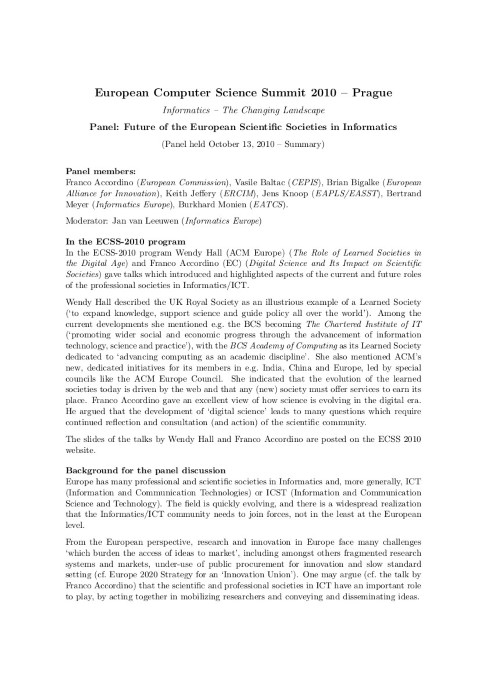
At the ECSS 2010 in Prague a panel with representatives from ACM Europe, CEPIS, EAI, ERCIM, EAPLS, EATCS and Informatics Europe convened to discuss the current situation and future prospects of the European scientific societies in Informatics. The panel decided to move from vision to action and extend the discussion on the actual form, mission and realization of a "strong but low overhead" platform for cooperative activity among the ICST societies.
Report describing the results of the working group on "Student Enrollment and Image of the Discipline" created to collect insights on these issues and to come up with a document that advises the Informatics community on the state of the problem and on possible measures that could be taken to resolve it.
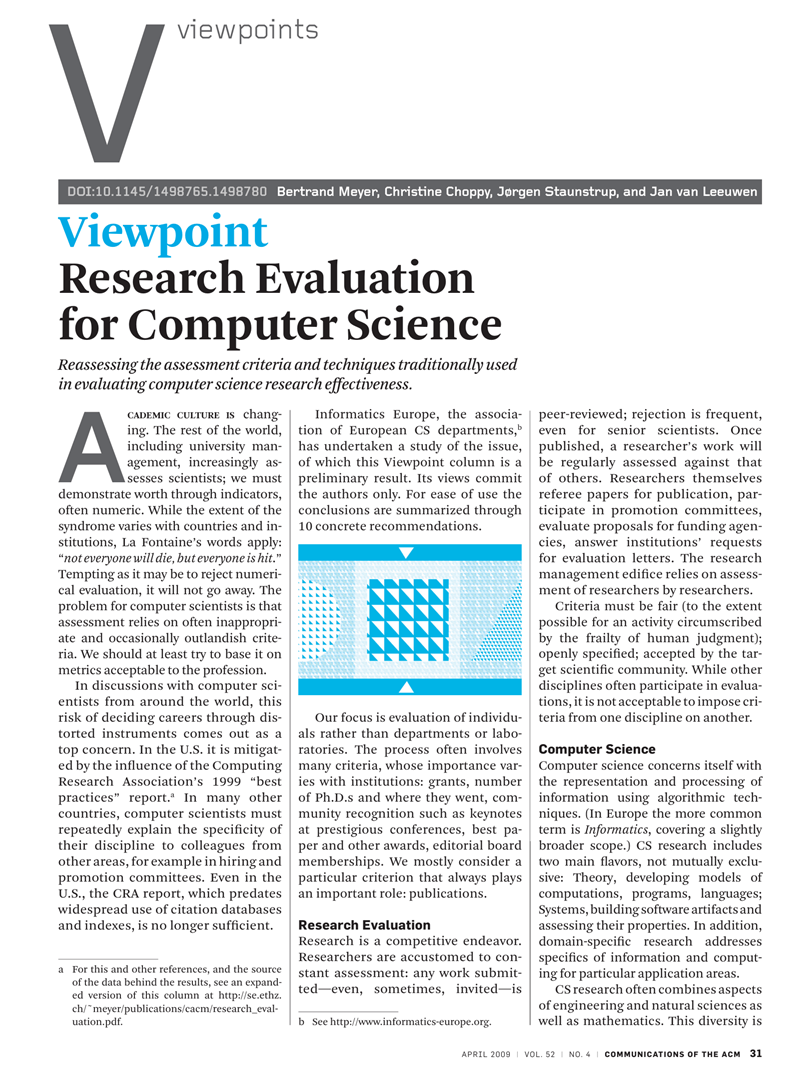
Report published in the Communications of the ACM in 2008 detailing the evaluation of research in computer science. The updated version of the report was published in 2018.
Report on the first ECSS and the background behind Informatics Europe published in the Communications of the ACM.




 Netlogica