
Diversity and Inclusion
Each society is constituted by individuals which are unique from each other. Diversity within any group or society is a winning factor as it implies the presence of different viewpoints and ideas that can significantly empower the group, which will be able to produce effective results thanks to such diversity.
Informatics Europe supports diversity. We believe diversity, in all its aspects, needs to be actively understood, respected, and preserved. Diversity in Informatics can lead to more innovations and creative solutions, creating a more positive impact at both the individual and the collective level.
We can operate at least at two levels: (1) as Informatics community, ensuring software systems respect diversity - this is particularly critical when considering machine learning algorithms that require training on data based on human characteristics or behaviors, but also when designing the UI of software systems; (2) as a community of educators in Europe, focusing on how to take into account diversity in the entire informatics education process such as admission, learning, and examination processes.
Gender Diversity: from WIRE to EUGAIN
Our first achievements in the scope of diversity in informatics relate to Gender Diversity. From 2012 to 2020, Informatics Europe contributed to activities, such as workshops and publications, in improving gender balance in informatics through its Women in Informatics Research & Education (WIRE) working group, with the first booklet gathering best practice on the subject, EUGAIN and the Minerva award as three of the major outcomes of this group:
- More Women in Informatics Research and Education: published by Informatics Europe and endorsed by the European Commission. It provides deans and department heads clear and simple best practices to increase the participation of women in their institutions, both as students and as employees (second edition published in 2016).
- Minerva Informatics Equality Award: an annual award, launched in 2016, recognising best practices in Departments or Faculties of European Universities and Research Labs which encourage and support the careers of women in informatics research and education.
- EUGAIN (2020-2024) Informatics Europe was the main proposer and the Grant Holder Manager in the COST Action “European Network for Gender Balance in Informatics (EUGAIN)”, which created a European network of colleagues working at the forefront of the efforts for gender balance in Informatics in their countries and research communities, eventually across Europe at all levels. EUGAIN featured more than 160 members from over 45 countries, including 5 non-European ones, and most of the WIRE group were part of the EUGAIN management team. Building on its members' knowledge, experiences, struggles, successes, and failures, EUGAIN developed and shared across Europe relevant best practices and a set of guidelines to support policymakers in adopting gender balance in Informatics.
Inclusion4EU, the Erasmus+ Project
This project is a natural extension of the Ethics4EU project and will develop repositories, tools and expertise to promote truly inclusive software design practices.
Diversity and Inclusion Working Group
More outcomes and resources as a result of Informatics Europe's activities on diversity in informatics can be found here.
Sustainability
Digitalization of society demands response across all sectors, industries, and communities – not only to advance work on how to avoid societal disruptions, but to examine our own practices and their potential impact on the fairness and justice of our future. Concerns around sustainability form part of responsible innovation (RI) approaches, which are an important element in shaping the future of R&D across Europe.
Representing over 150 members across Europe, Informatics Europe is gathering efforts for sustainability in informatics and through informatics. At our European Computer Science Summit in 2021, we brought together all levels of researchers, public policymakers and industry representatives across and beyond Europe to discuss sustainability with the main theme “Informatics for a Sustainable Future”. Recently, we have initiated an Informatics Europe Sustainability Working Group. If you are interested in contributing to this working group, please register here or contact us at
Informatics and Other Disciplines
The Wide Role of Informatics at Universities
As the digital age continues to evolve, how do universities respond to the massive changes? Informatics Europe established in 2018 a working group to investigate what universities are doing to ensure that non-informatics teaching and research is informed by best practice in Informatics.
To better understand the state of affairs on this topic and discover best practices at European Universities, the working group conducted an online survey in the same year. 48 universities from 19 European countries participated in the survey, where heads and members of academic informatics, computer science or IT departments (schools, faculties, institutes) expressed their opinion on the strategic topics. The outcomes are presented in the report published.
Interdisciplinarity in Informatics
The increasing emphasis on interdisciplinarity in science raises nontrivial questions for informatics in at least the four dimensions of research, teaching, large-scale trends and societal aspects. Some concrete examples are: 'How does Informatics as a field benefit from interdisciplinary collaboration?', 'In which interdisciplinary areas does Informatics have the biggest impact?', 'Are interdisciplinarity and core Informatics friends or competitors?', 'How should interdisciplinary research and teaching, including doctoral education, be organised?'.
Informatics Europe, with the support of National Informatics Associations, meet in various workshops and occasions to share experiences and best practices in addressing such issues, and to discuss common concerns and opportunities in the area.
At ECSS 2020, the theme "Interdisciplinarity and Informatics" was explored at the NIA Workshop. A data collection effort on the role of Informatics in interdisciplinary curricula across Europe was initiated, in order to lay the groundwork for possible further curricular guidelines. An overview and recommendations report is targeted to publish in summer 2022.
Interested in our future eventson, looking for a pan-European networking partner to strengthen and support your research or education projects these topics? Reach out to us at
2020 - 2022 - Interdisciplinarity in Informatics
- Pekka Orponen, Aalto Univesity, Finland
- Paolo Atzeni, Roma Tre University, Italy
- Bart Demoen, KU Leuven, Belgium
- Martin Glinz, University of Zurich, Switzerland
- Enrico Nardelli, University of Rome Tor Vergata, Italy
- Gerald Steinhardt, TU Wien, Austria
2018 - 2019 - The Wide Role of Informatics at Universities (the outcome report available through this link)
- Susan Eisenbach, Imperial College, UK (Chair)
- Stuart Anderson, The University of Edinburgh, UK
-
Luis Caires, Universidade Nova de Lisboa, Portugal
- Michael E. Caspersen, IT-vest, Denmark
- Elisabetta Di Nitto, Politecnico di Milano, Italy
- Inmaculada Garcia Fernandez, University of Malaga, Spain
-
Eduard Gröller, TU Wien, Austria
- Brian Keegan, Dublin University of Technology, Ireland
-
Ulf Lesser, Humboldt-Universität zu Berlin, Germany
- Pekka Orponen, Aalto Univesity, Finland
-
Marie Postma, Tilburg University, the Netherlands
- Hannes Werthner, TU Wien, Austria
*Note that the affiliation indicated was the one at the time of their participation in the Informatics Europe activities. Some people have changed affiliation since then.
The Wide Role of Informatics at Universities
- Report: “The Wide Role of Informatics at Universities”
Summary ¦¦ Full Report
Date: October 2019
Details: The report presents the results of the online survey conducted to understand the value universities place on interdisciplinary research and teaching, what happens in practice with hiring and supporting interdisciplinary academics, and what structures are in place to support interdisciplinary work. The Data Science’s impact was also examined in detail, given its rapid rise and importance.
- Report: “The Wide Role of Informatics at Universities”
Webinars: Career Development
The Career Development webinar series is a collection of webinars/online events targeting early career researchers in computer science and related disciplines.
Past Webinars
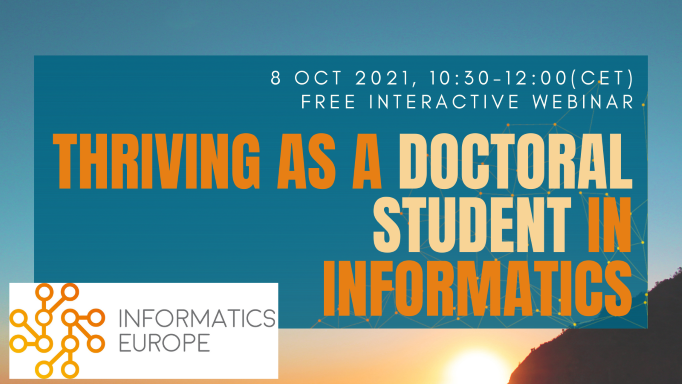
Thriving as a Doctoral Student in Informatics
Facilitators: Prof. Dr. Geraldine Fitzpatrick, TU Wien, Austria & Prof. Dr. Austen Rainer, Queen’s University Belfast, UK.
The summary of the webinar is available here: Board 1, Board 2, PDF Summary.
Read More
Date: 8 October 2021, 10:30-12:00 CET
Informatics Europe wants to support and grow a thriving community of European PhD researchers and invites you to contribute to defining and growing this community.
- Meet like-minded PhD students from across Europe
- Network
- Share challenges and experiences
- Learn from each other
- Influence Informatics Europe’s action in this area
What are your challenges as a PhD student, especially in COVID times? What experiences can you share that would help others in a similar situation? What additional support would you find useful?
Here are some examples of challenges PhD students face during their studies:
- Doing the research itself (literature reviews, theory, methodology, critical thinking),
- Engaging with management (managing their time, managing their supervisors),
- Collaborating with others e.g., co-authorship, proper credit for their contributions,
- Engaging wider stakeholders (e.g., participation recruitment).
- Looking after yourself, especially as a result of COVID
In this webinar, we provide space for facilitated, small group discussion with feedback.
The webinar is co-led by Prof. Dr. Geraldine Fitzpatrick and Prof. Dr. Austen Rainer: two experienced Informatics academics and facilitators of Informatics Europe's Academic Leadership Development Course.
Free Interactive Webinar "Creating the New Academic Normal for Informatics Researchers"
Facilitators: Prof. Dr. Geraldine Fitzpatrick, TU Wien, Austria & Prof. Dr. Austen Rainer, Queen’s University Belfast, UK.
Invited Speaker: Prof. Matthijs Bal, University of Lincoln, UK.
Watch the video of the webinar featuring Prof. Geraldine Fitzpatrick here and read the results of the Menti poll here. Watch Prof. Bal's talk here.
Read More
Date: 25 June, 2020
What do we want to take forward into our New Academic Normal? What do we want to leave behind? How will we thrive, and not just survive? How can we lead ourselves and others in research, education and civic duty whilst working remotely? How can we strengthen our collegiality in physically-distancing spaces? How do we balance our academic and personal lives where boundaries between these become increasingly blurred? Those and further questions were addressed during the FREE 90-minute, interactive webinar.
In the webinar participants:
- received some seeding content on responding to, and learning from, these challenging times;
- networked with colleagues from across Europe;
- shared experiences and gained positive perspectives and new ideas;
- influenced Informatics Europe policy in this area.
The webinar was co-led by two experienced facilitators:
- Prof. Dr. Geraldine Fitzpatrick, TU Wien, Austria,
- Prof. Dr. Austen Rainer, Queen’s University Belfast, UK.
Invited speaker: Prof. Matthijs Bal, University of Lincoln, UK.
Academia beyond Covid-19: A psychological perspective
Abstract: The Covid-19 crisis has posed a number of challenges to universities and academics globally. Universities and academics will have to change in the near future in response to the crisis. However, there is very little known about the specifics of how academic life will look beyond the current crisis. In this (brief) talk, Matthijs Bal talked about the short- and long-term implications of the crisis, and what academics can do themselves. He would make use of the Manifesto for the Future of Work and Organizational Psychology which has been published in 2019. Watch Prof. Bal's talk here.
We provided space for facilitated, small group discussion and feedback (in Zoom breakouts) and crowdsourced larger-scale feedback (through Zoom chat), aggregate these, and distribute it to participants after the event. The strategic plan of Informatics Europe is to not only speak about curricula but also to recognize responsibility for the personal development of people. This webinar was the first step. The webinar was followed up with the online Academic Leadership Development Course in September 2020.
Download the webinar chat and worksheet feedback here, participant worksheet here.
Webinars: Gender Equality
Each society is constituted by individuals that are unique and diverse from each other. Diversity within any group or society is a winning factor. It implies the presence of different viewpoints and ideas that can significantly empower the group, leading to effective results.
Launched in June 2022, this Gender Equality in Informatics webinar series aimed to contribute to sharing best practices as well as relevant research about gender equality and diversity in computer science. The series is a way to strengthen both the understanding as well as the action perspective of this topic.
Informatics Europe, in collaboration with European Network for Gender Balance in Informatics (EUGAIN) COST Action, organised this webinar series.
Past Webinars
Challenges and Opportunities of Gender Inclusion Worldwide in Open-Source Software
Speaker: Ayushi Rastogi, University of Groningen (the Netherlands)
Watch the webinar here and download the presentation here.
Read More
Date: 10 July 2023 (Mon) at 5pm CEST

Abstract:
The gender gap in the software industry is alarming and varies across regions. Are there different factors influencing gender differences worldwide? Do we need unique solutions to bridge the gender gap regionally? This talk shows how gender diversity has evolved with insights from open-source software. There is a silver lining with small yet significant improvements in gender diversity since 2014. The talk further presents the challenges and opportunities in gender inclusion worldwide.
About the speaker: Dr. Ayushi Rastogi is an Assistant Professor in Software Engineering at the University of Groningen, the Netherlands. Over the years, she analyzed signals from software development activities to understand and improve developer productivity and promote diversity and inclusion. Several of her works are in collaboration with software companies, including Microsoft and Meta, and academic partners worldwide. She continues to solve problems relevant to the software industry and society. She is a member of the Equity, Diversity, and Inclusion working groups in the IPN - the Dutch ICT community, and Informatics Europe.
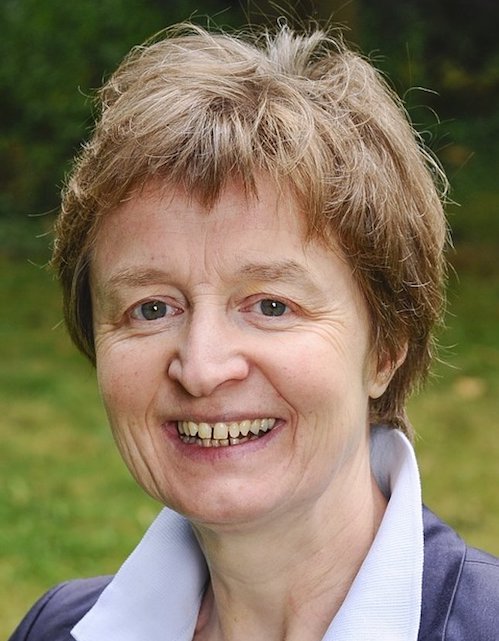
Several Female Support Activities Later – What have we learned?
Speaker: Gerti Kappel, TU Wien (Austria)
Watch the webinar here and download the presentation here.
Read More
Webinar Date: 19 June 2023 (Mon) at 5pm CEST
Abstract:
After 20+ years of implementing, nudging, and pushing female support measures at TU Wien, the learnings have become obvious. It’s all about role models, early opportunities to get in touch with computational thinking, starting even in primary school, networking opportunities from the very beginning when female students enter university, and affirmative action. The webinar will shed some light on our findings and showcase the path to receiving the 2022 Informatics Europe Minerva Equality Award.
About the speaker: Gerti Kappel is dean of the Faculty of Informatics of TU Wien since beginning of 2020. She has been a full professor of business informatics at the Institute of Information Systems Engineering at TU Wien since 2001 and heads the Business Informatics Group. Previously, she was a full professor of computer science (database systems) and head of the Information Systems Department at Johannes Kepler University Linz from 1993 to 2001. From 2004 to 2007, she was Dean of Studies for Business Informatics. From 2003 to 2007, she initiated and led the internationally renowned Women Postgraduate College of Internet Technologies (WIT, www.wit.at), which paved the way for several ongoing support programs for women at university level. From 2014 to 2017, she was on the Board of Trustees of the Austrian Science Fund (FWF). From 2016 to 2019 she was on the Dean's Team of the Faculty of Informatics, responsible for Research, Diversity and Finance. Her current research interests include Model Engineering, Web Engineering, and Process Engineering with a special focus on cyber-physical production systems. Her concern for the unity of research and teaching is evidenced by the scientific textbooks "UML@Work" (dpunkt.verlag, 3rd edition, 2005, co-author), "UML@Classroom " (Springer, 2015, co-author) and "Web Engineering" (Wiley, 2006, co-editor).
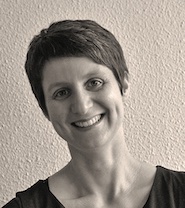
The Gender-Equality Committee at IRISA/Inria Rennes
Speakers: Nicolas Markey, Camille Maumet, Anne Siegel, IRISA/Inria Rennes (France)
Watch the webinar here and download the presentation slides here.
Read More
Webinar Date: 22 May 2023 (Mon) at 5:00pm CEST


Abstract:
The gender-equality committee of IRISA and Inria Center at Rennes University was created in 2017. It gathers ca. 15 active members, who have initiated numerous actions to help women blossom and develop their careers in the institute's 80%-masculine laboratory; these actions include a mentoring programme, coaching for applications, women-only discussions, a library of feminist books, a series of conferences on topics related to gender equality, etc. The speakers will present some of these actions and the impact they had in the lab, and discuss our plans for the future.
About the speaker:
Nicolas Markey is a CNRS researcher at IRISA/Inria Rennes. His research focus is in the development of formal methods for ensuring correctness of computer systems, especially with quantitative aspects. He obtained his PhD in computer science from University of Orleans in 2003 on the study of various temporal logics for model checking, and spent a one-year postdoctoral stay at Université Libre de Bruxelles, working on verification and synthesis of real-time systems. He was recruited at CNRS in 2004, working at École Normale Supérieure de Cachan, before joining Rennes University in 2016. He supervised 12 PhD students and 9 postdoc students. He participated in several national and european projects, and in particular was the coordinator of the H2020 Fet Open project Cassting. He currently is responsible for the department "Languages and Software Engineering" at IRISA.
Camille Maumet is a research scientist in neuroinformatics at Inria, Univ Rennes, CNRS, Inserm in Rennes, France. She studies neuroimaging reproducibility. Her current research focuses on the variability of analytical pipelines and its impact on our ability to use and reuse brain imaging datasets. She obtained her PhD in computer science at the University of Rennes on the analyses of clinical neuroimaging datasets in functional magnetic resonance imaging. She was then a postdoctoral research fellow at the University of Warwick and the University of Oxford, where she focused on meta-analyses and standards for neuroimaging data sharing. She is also an open science advocate, involved in the development of more inclusive research practices and community-led research and participates in many collaborative efforts including Brainhack, the INCF, and the Open Science Special Interest Group of the Organization for Human Brain Mapping that she chaired in 2020.
Anne Siegel is a research director at CNRS since 2010 and works at the IRISA lab, the Institut de recherche en informatique et systèmes aléatoires, in Rennes, in the Bioinformatics Dyliss Group. Her research activities in bioinformatics are focused on interfaces between computer sciences and biology: she develops symbolic methods for knowledge representation and integration, in order to analyse large-scale biological systems. She obtained her phD in mathematics at the University of Aix-Marseille. She served in different national committees (comité national du CNRS, inria evaluation committee). She was the leader of the Dyliss bioinformatics team in the laboratory and then the head of the department “Data and knowledge management”. She also served as Scientific deputy and now as Deputy Scientific Director for the computer science department of the headquarters of CNRS. She was involved in several gender equality initiatives: inria gender equality committee, creation of the IRISA-lab gender equality group, and now in charge of the gender equality policy in the computer science laboratories of CNRS.
Promoting Gender Balance and Diversity in Informatics Through A Better Involvement of Young People
Speaker: Anna Szlavi, Norwegian University of Science and Technology (Norway)
Watch the webinar here and download the presentation slides here.
Read More
Webinar Date: 8 May 2023 (Mon) at 5:00pm CEST

Abstract:
There is a constantly growing need for skilled professionals in the computing field, which poses challenges for finding the right people for the job. According to the 2022 Digital Economy and Society Index, 55% of companies have problems
filling their tech positions. At the same time, the computing sector is going through a diversity crisis, as the majority of its players are Global Northern, heterosexual, white, able-bodied, cis men. Technology permeates our lives, so a lack of diversity in the tech industry, especially when designing software, can lead to bias and exclusionary user experiences. As a consequence, we need to attract young people -- for instance, Generation Z (GenZ), born between the mid-1990s and the 2010s -- to computing. Moreover, there is a need for actions with a retention plan and a strategy to guide a more diverse group toward leadership roles both in academia and industry. Even though the awareness about Diversity, Equity, and Inclusion (DEI) is continually being raised, interventions that focus on inclusiveness are still necessary. With the present talk, the speaker aims to present EUGAIN, a Horizon Europe-sponsored COST Action, whose purpose is to create a European network that enhances gender balance and diversity in the field of computing. More specifically, she will focus on a recent intervention project, designed by the Action, with the aim of including younger people in computing. According to research, GenZ cares about social values and a meaningful contribution to society, that is, DEI, as part of their work. Within the frames of this project, the speaker and her team collected testimonials by stakeholders working in computing and performed content analysis to investigate to what extent the experiences listed by CS professionals and the interests of GenZ align with one another. Findings show that professionals in the field recognize the social embeddedness of computing, which aligns with younger students’ values and confirms that computing is a valid choice to achieve their goals of making a positive change in society. With this talk, the speaker is to contribute to a better alignment of how to design interventions for including younger people, thus enhancing diversity and gender balance in computing.
About the speaker: Anna Szlavi is a postdoctoral researcher at the Norwegian University of Science and Technology (NTNU), in Trondheim, Norway. Her research focuses on Diversity, Equity, and Inclusion (DEI), more specifically gender balance, in computing. With an interdisciplinary background, she approaches DEI through the lenses of intersectionality and explores specifically mentoring as a means of building diversity in computing. She is the Young Researcher and Innovator Coordinator of COST Action 19122 EUGAIN, a European-level project that aims to build a European network for gender balance in computing. In her role as the YRI Coordinator, she is building a peer support network for early career academics in order to enhance the retention and involvement of (cis and non-cis) women in computing. She is also in the Executive Committee of Erasmus+ project Women STEM UP, which concentrates on gender balance in STEM education. As the leader of WP3, Anna is responsible for supervising the creation of a Leadership and Inspiration Academy and mentorship system in the 5 European partner institutions.
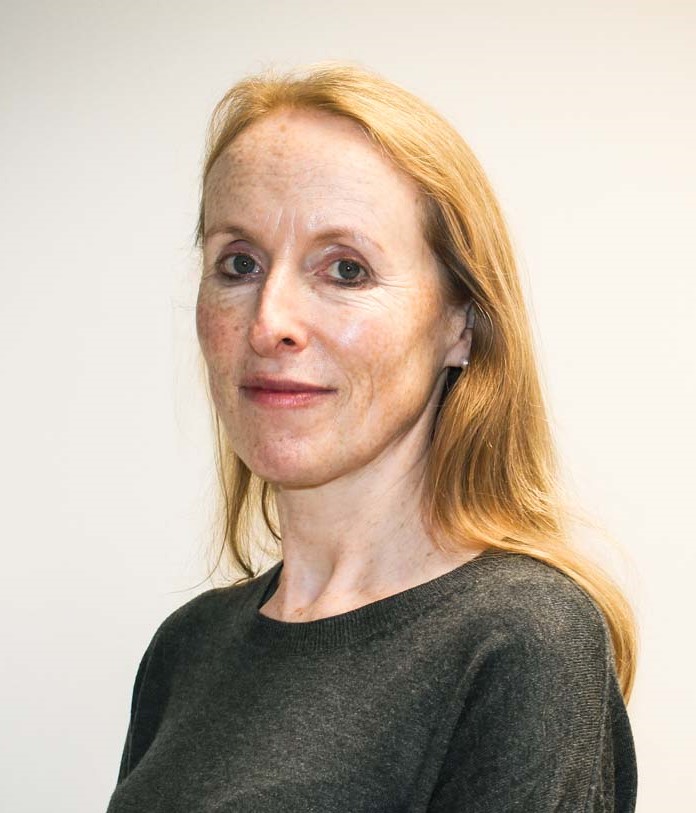
Technological University Dublin – Case Study of Gender Balance Initiatives in Computer Science
Speaker: Susan McKeever, TUDublin (Ireland)
Watch the webinar here and download the presentation slides here.
Read More
Webinar Date: 24 Apr 2023 (Mon) at 5:00pm CEST
Abstract:
TU Dublin, like many universities, has faced the problem of imbalanced gender intakes in their computing courses. Over the past number of years, the School of Computer Science has undertaken a number of active steps to improve both the recruitment and retention of female students. The School has seen a marked improvement in gender balance, moving it to one of the top-performing computer science schools in the country in terms of gender balance. Their tactics have ranged from targeted programme offerings that attract females through to really putting themselves in the shoes of their female students to see how to make their college time a better experience. In this webinar, the speaker will take you through the details of what the School has done, and what they are continuing to work on – to bring and keep more females in the sector.
About the speaker: Susan McKeever is the Head of Data Science and AI in the School of Computer Science at TU Dublin School of Computer Science. She has a deep interest in addressing gender imbalance in STEM, and has led a number of initiatives that have contributed to TU Dublin’s high rankings on both student and staff gender balance in computer science. She coordinated a winning Minerva award initiative, and was a project member of the international W-STEM initiative to boost gender balance in South American universities. In addition to gender balance research and initiatives, her main research areas are in the area of application of machine learning and AI to real-world problems. Examples of current projects include abusive content moderation and child abuse detection in social media, and the application of AI to improve both heart problem detection and the development of eye health outcomes in premature babies. Prior to joining academia, Susan worked as a consultant for Accenture.
Alice & Eve/Recommendations on Hiring and Promoting Women for CS Departments
Speaker: Marieke Huisman, University of Twente (the Netherlands)
Watch the webinar here and download the presentation slides here.
Read More
Webinar Date: 23 January 2023 (Mon) at 5:00pm CET

Abstract:
In this talk, Prof. Huisman will discuss two different initiatives related to diversity & inclusion, in which she has been involved over the last years.
In January 2020 the first Alice & Eve event at the University of Twente was organised. Alice & Eve, a celebration of women in computing in the Netherlands, was organized as a one-day event open to everybody, from Bachelor's and Master's students up to full professors. The event featured a symposium with contributions from and about female computer scientists, a poster contest and an exhibition portraying the achievements of 25 women in computing. The exhibition was accompanied by a booklet with more in-depth information about these 25 women. Alice & Eve is now turning into an annual event. Moreover, a digital version of the exhibition has been made, with added information about another 5 female computer scientists.
In 2021, the Dutch national working group on equity, diversity and inclusion in computer science choose the hiring and promotion of female researchers as one of her action points. Representatives of all Dutch CS departments have been interviewed about do’s and don’ts in their hiring practices. Based on these interviews, a report with concrete recommendations was created, which was then discussed with the heads of the Dutch computer science departments.
In this talk, Prof. Huisman will discuss both activities, talk about lessons learned and their future plans.
About the speaker: Marieke Huisman is a professor in Software Reliability at the University of Twente. She is well-known for her work on program verification of concurrent software. In 2011, she obtained an ERC Starting Grant, which she used to start development of the VerCors verifier, a tool for the verification of concurrent software. Currently, as part of her NWO personal VICI grant Mercedes, she is working on further improving verification techniques, both by enabling the verification of a larger class of properties, and by making verification more automatic. Since 2019 she is SC chair of ETAPS. Besides her scientific work, she also actively works on topics related to diversity, equity and inclusion, as well as science policy. She chairs the national working group on on equity, diversity, and inclusion in computer science, chaired the advisory board on diversity and inclusion at the University of Twente, and she also is a member of the executive board of VERSEN, the Dutch assocation of software researchers, and chaired this association from 2018 until 2021.
Removing Barriers and Strengthening Self-Assurance of Women in Computer Science:
From Discovery of Own Talent to Professional Confidence
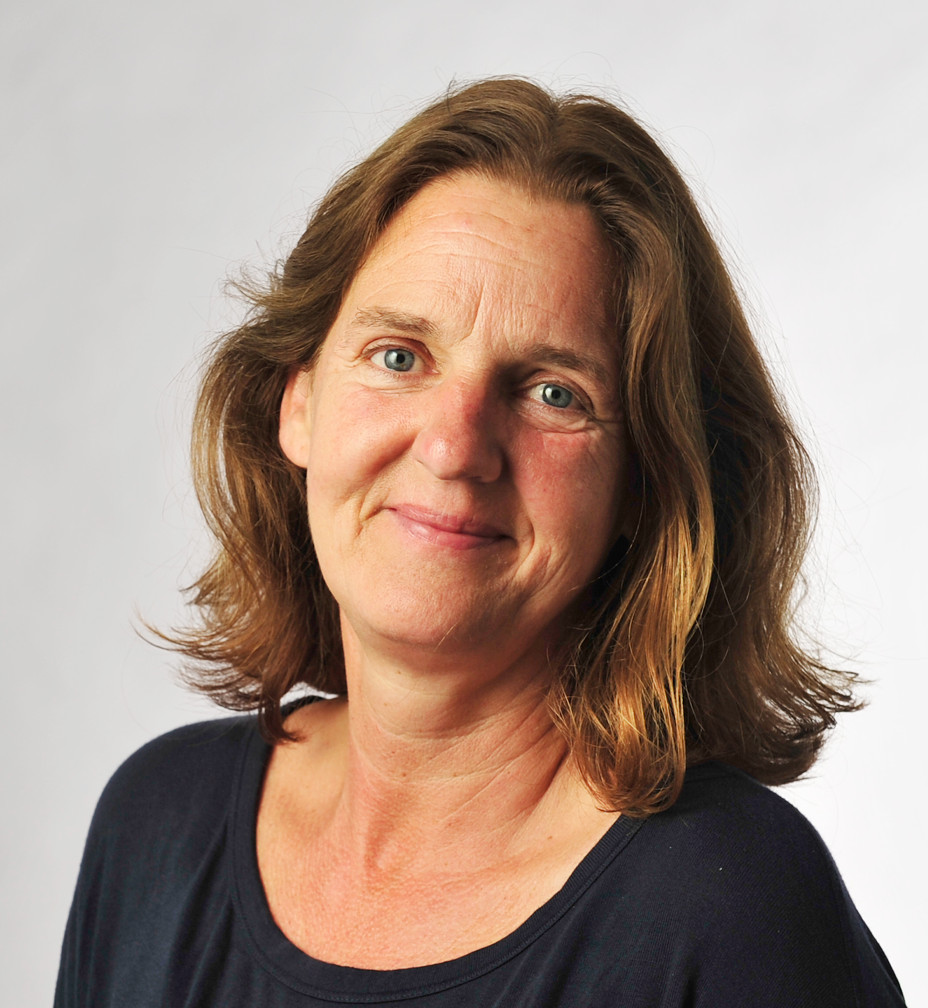
Speaker: Ute Schmid, University of Bamberg (Germany)
Watch the webinar here and download the presentation slides here.
Read More
Webinar Date: 7 November 2022 (Mon) at 5:00pm CET
Abstract:
Despite a growing number of activities, women are still underrepresented in computer science in academia as well as industry. Consequently, continued effort is necessary to implement effective measures to encourage and to investigate barriers which hinder women to engage in computer science. In the talk, Ute Schmid will present different types of measures which are designed to (a) help young girls to discover their own talent and interest in computer science, and (b) encourage female students to persue more ambitious career plans and follow their vocational interests. Specifically, it will be discussed how role models can help to realize that pursuing an academic career or a leadership position in industry can be succesfully balanced with family responsibilities. Finally, empirical findings are presented which highlight how effective different measures are to strengthen self-assurance of women in computer science.
About the speaker: Ute Schmid is a professor of Applied Computer Science at University of Bamberg, leading the Cognitive Systems group. She has also a background in psychology and her research focus is in cognitive AI, mainly combining machine learning with knowledge-based approaches and methods for explanatory and interactive machine learning. Ute Schmid is women's represenative of her department since 2005 and in 2018 she won the Minerva Gender Equality Award of Informatics Europe for her university. She initiated a variety of measures to support women in computer science, such as regular hands-on workshops for girls of different age groups, a mentoring program pairing highschool students with computer science students, and an annual seminar for on gender aspects of informatics. Currently, she is involved in the European Network For Gender Balance in Informatics.
Challenges on Academic Path as Female Informatics Scientists
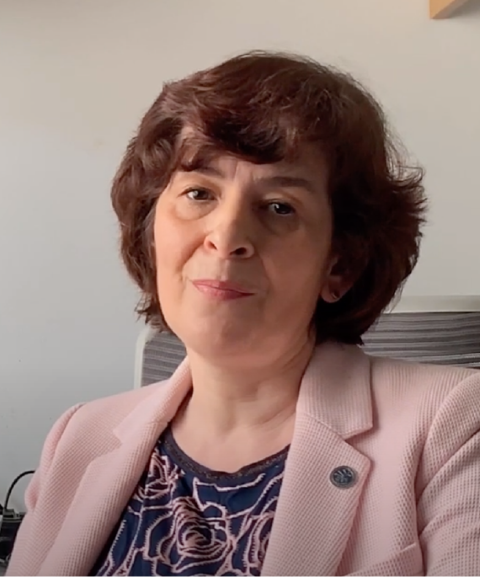
Speaker: Prof. Simona Motogna, Babes Bolyai University (Romania)
Watch the webinar here and download the presentation here.
Read More
Webinar Date: 10 October 2022 (Mon) at 5:00pm CEST
Abstract:
Higher education and public research institutions in Europe have encountered a o low interest of women for advanced studies or an academic career in Computer Science (CS). CS is a field intertwined with multiple dimensions of society, including the economic dimension and it has a reputation, corroborated by many studies over the years, of being a field in which men have been the makers of history. We try to identify which are the most important challenges that women perceive as threats and obstacles in their academic path in Informatics, and how can we build solutions to overcome them. We argue that only continuous and corroborated effort can have an impact on current status.
About the speaker: Simona Motogna is full professor in computer science at Babes Bolyai University, Cluj-Napoca and leads the Software Engineering research center. Her research interests focus on Empirical Methods and Software Quality. She is an active member of the COST EUGAIN project, advocating Gender Balance in Computer Science for highschools, students and academics.
Good Practices throughout Academic Careers: from PhD to Professor
Speaker: Steve Kremer, Inria (France)
Watch the webinar here and download the presentation here.
Read More
Webinar Date: 12 September 2022 (Mon) at 5:00pm CEST

Abstract:
Despite growing awareness, women are still underrepresented in computer science. In this talk, we identify some of the key issues and problems, unpack reasons why women remain underrepresented, and detail strategies to improve gender balance and diversity throughout the academic career - from PhD to Professor. We also illustrate some of these strategies by existing initiatives. The work leading to these results was carried out by the Working Group "From PhD to Professor" of the COST Action EUGAIN CA19122 (European Network For Gender Balance in Informatics).
About the speaker: Steve Kremer is Research Director at Inria Nancy where he is the head of the PESTO team on proof techniques for security protocols. His research focuses on formal methods and automated reasoning applied to security, in particular the verification of security protocols. His research has been awarded an ERC Consolidator grant in 2014. Since 2018 he is co-leading Inria's Committee on Gender Equality and Equal Opportunities. He is also part of the COST Action EUGAIN CA19122 (European Network For Gender Balance in Informatics) in which he is in charge of Working Group 3 - From PhD to Professor.
Current Actions and Opportunities Emphasising Gender Equality in IT
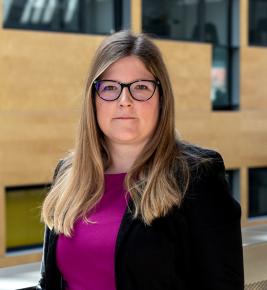
Speaker: Asst. Prof. Lili Nemec Zlatolas, University of Maribor (Slovenia)
Watch the webinar here and download the presentation here.
Read More
Recording Date: 11 July 2022 (Mon) at 5:00pm CEST
Abstract:
According to the European Commission’s Women in Digital Scoreboard, only 19% of ICT specialists and 33% of STEM graduates were female. The scoreboard confirms a substantial gender gap in specialist digital skills, and most worryingly, the figures have not changed over the last years. Gender-balanced teams usually have higher levels of productivity and better job satisfaction. Creating gender equality plans and following guidelines has been a priority for many institutions in the last few years because the European Commission introduced the Gender Equality Plan as a basic requirement for participants in the Horizon Europe programs. It is important that initiatives and projects are founded for reducing the gender gap in STEM fields. Even more important are indicators that organisations set to measure and reflect on their approach to reducing the gender gap and can be measured and reflected on. During the webinar, we will look at some of the existing initiatives and best practices as well as possible indicators to use.
About the speaker: Lili Nemec Zlatolas is an assistant professor in informatics at the Faculty of Electrical Engineering and Computer Science at the University of Maribor. She obtained her PhD on the topic of social networking sites’ privacy. Her research work covers gender balance in STEM, information privacy and security, mostly focusing on user aspects of it and the use of privacy and security while using information communication technologies. She is a founding member of the Ladies in Informatics initiative at her Faculty. She is currently involved in COST action EUGAIN (European Network For Gender Balance in Informatics), H2020 project CONCORDIA (Cyber security cOmpeteNCe fOr Resarh anD InnovAtion) and Erasmus+ projects CIC and DiT4LL and is holding a bilateral project with the USA on gender diversity in STEM. She has also been actively involved in organising several international conferences held in Slovenia (EJC 2009, EAEEIE 2011, EJC 2015, LTEC 2015, EAPRIL 2018, ADBIS 2019 and IFIP SEC 2020) and has received the title of Slovenian Congress Ambassador 2021.
Lessons on the Increasing Role of Diversity in Tech - the Story of Czechitas
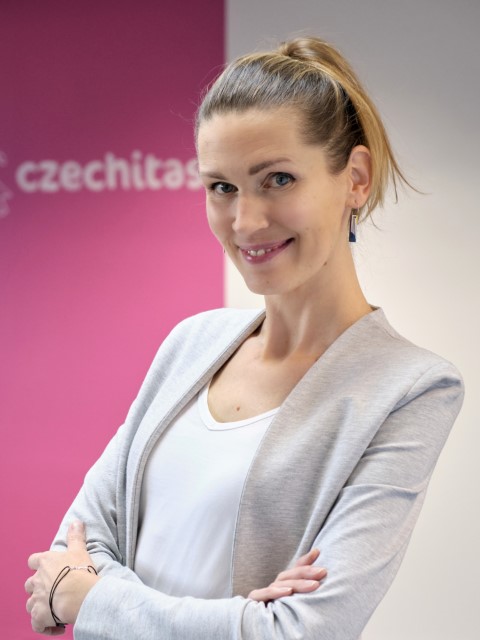
Speaker: Barbora Bühnová, Vice-Dean at Faculty of Informatics, Masaryk University & Co-Founder of Czechitas (Czech Republic)
Watch the webinar here and download the presentation here.
Read More
Recording Date: 7 June 2022 (Tue) at 5:00pm CEST
Abstract:
In an increasingly technology-driven world and a rapidly changing economic environment, tech/computing innovation and creativity cannot be cherished to its full potential if it is formed by homogeneous expertise. More so within the software engineering community, which needs to increasingly encourage innovation across boundaries. In this context, a question often comes up - Why do women choose particular interests, study programs and careers as alternative to tech/computer science? What are the triggers and benefits of these alternatives that tech/CS is lacking? In this webinar, Barbora Bühnová will share findings from a recent questionnaire study, revealing the frustrations that women feel along their way to tech/CS, whether they have stayed in, or have dropped out and are trying to re-establish the connection later. After identifying the frustrations, which all seem to be preventable, Barbora Bühnová will share a story of a non-profit organization, called Czechitas, which started with a simple idea of bringing tech closer to girls and girls closer to tech, and has over the past seven years transformed into a major social change in the Czech Republic, influencing over 30,000 women towards tech/CS education and career.
About the speaker: Barbora (Bara) Bühnová is an Associate Professor and Vice-Dean at Masaryk University (MU), Faculty of Informatics (FI MU) in Brno. Following her research career in Germany and Australia, she now leads multiple research teams at FI MU (software architecture, critical infrastructures). Next to her academic activities, she is passionate about tech education among general public, being a Co-Founding and Governing Board member of Czechitas, a non-profit organisation aiming at making IT skills more accessible to youth and women (with 30,000+ graduates). Bara is a member of multiple initiatives engaging more women in tech (e.g. Informatics Europe working group Women in Informatics Research and Education (WIRE), EUGAIN: European Network for Gender Balance in Informatics) reaching across the entire Europe. Within EUGAIN, which involves 37 European countries to share best practices on the topic, she is the Vice-Chair of the whole network. Furthermore, she is a devoted speaker and author of multiple research studies on gender-sensitive tech education.
Webinars: Ethics
Our Ethics Working Group initiated the Ethics Webinar Series, and one of their goals is to increase literacy on ethics among Informatics lecturers and decision-makers (CEOs, policymakers, and political organizations).
Past Webinars
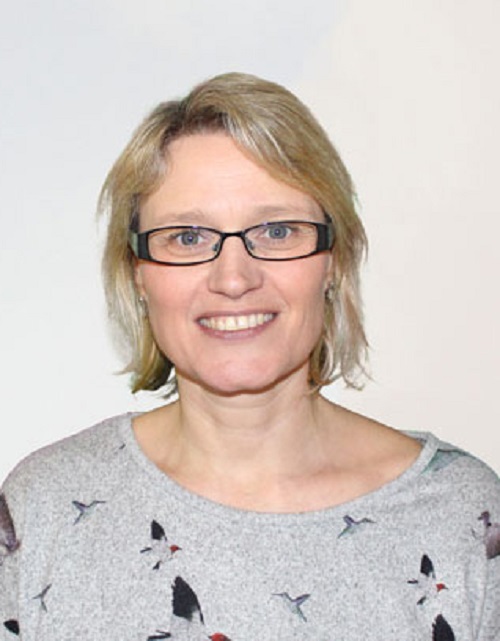
HCI4AI: The EU AI Act and the Crucial Role of Human-Computer Interaction in Developing Human-Centric AI
Speaker: Dympna O' Sullivan, TU Dublin (Ireland)
Download the presentation here and watch the webinar here.
Read More
Date: 4 December 2023 (Mon)
Abstract:
The EU AI Act represents a landmark regulatory framework that addresses the ethical and legal challenges associated with artificial intelligence (AI) development and deployment within the European Union. One crucial aspect highlighted in the act is the emphasis on human-centric AI. Human-Computer Interaction (HCI) plays a pivotal role in achieving this objective by prioritizing the integration of user perspectives, ethical considerations, and the well-being of individuals into the design and implementation of AI systems. A robust HCI approach ensures that AI technologies are developed with a keen understanding of human needs, values, and societal implications, promoting responsible and inclusive innovation.
About the speaker: Dympna O’Sullivan is the Academic Lead for the Digital Futures Research Hub at TU Dublin. Prior to joining TU Dublin, she worked as a lecturer in Computer Science at Aston University in Birmingham and as a Senior Lecturer in Health Informatics at City University of London. She completed her post-doctoral work with the Mobile Emergency Triage research group at the University of Ottawa. She holds a BSc and PhD in Computer Science from University College Dublin. Her research is in the area of Applied Social Computing and includes Computing Ethics. She investigates the societal impacts of emerging technologies, which include artificial intelligence. algorithmic decision-making and the associated privacy, fairness, transparency and bias implications of AI. She develops methodologies for Explainable AI which aim to enhance the intelligibility of AI systems for end users. Her research is underpinned by governance and legislation to ensure Trustworthy AI.
AI risk as a global environmental problem
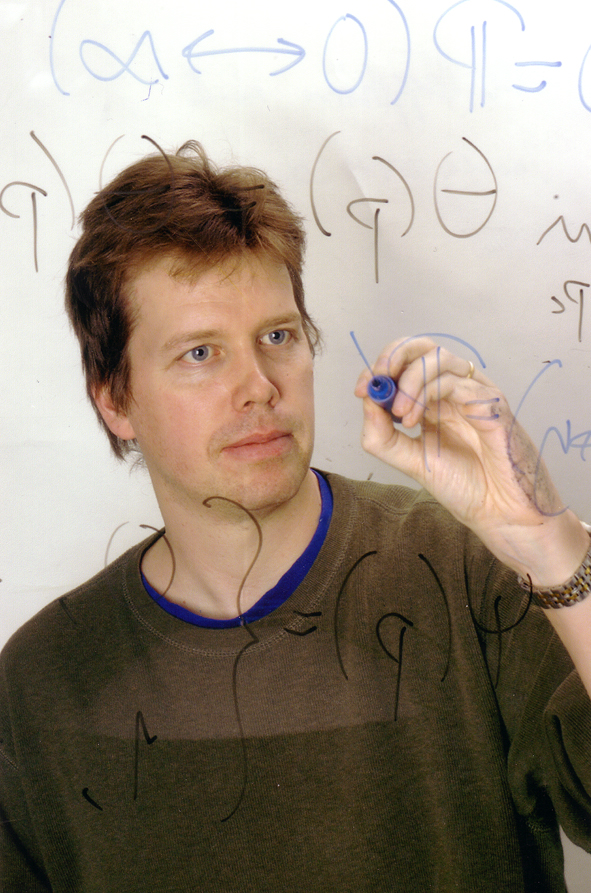
Speaker: Olle Häggström, Chalmers University of Technology (Sweden)
Download the presentation here and watch the webinar here.
Read More
Date: 3 November 2023 (Fri)
Abstract:
We are at a crucial moment in human history, when we are automating and offloading to machines the one key asset that has brought our tremendous success so far: our intelligence. At this point, to ask “What could possibly go wrong?” is obviously a rhetorical question. The speaker will explain why he thinks aspects of AI risk can properly be framed as a global environmental problem. But there is also hope, and he will discuss how we might get our act together and steer towards a long and flourishing future.
About the speaker: Olle Häggström is a professor of mathematical statistics at Chalmers University of Technology and a member of the Royal Swedish Academy of Sciences. At present his main research focus is on AI futurology, existential risk and the long-term future of humanity. Of his five books, the two latest are Here Be Dragons: Science, Technology and the Future of Humanity (Oxford University Press, 2016) and Tänkande maskiner: Den artificiella intelligensens framtid (Fri Tanke , 2021). (In Swedish: Thinking Machines: The Future of Artificial Intelligence”)
Integrating Large Language Models into Higher Education: Guidelines for Effective Implementation
Speaker: Karl de Fine Licht, Chalmers University of Technology (Sweden)
Download the presentation here and watch the webinar here.
Read More
Date: 29 September 2023 (Fri)

Abstract:
The rise of large language models (LLMs) like OpenAI's GPT-4 has opened new possibilities in higher education, sparking debate about their role in educational curricula. This presentation will argue that the discussions have often missed the need for proper guidelines for LLMs' utilization. It emphasizes a transparent and inclusive approach involving faculty, administration, and students in decision-making. The importance of clear rationales for LLM guidelines and an effective implementation plan will be highlighted to foster acceptance and compliance.
About the speaker: Karl de Fine Licht is an associate professor in ethics and technology at Chalmers University of Technology. He has a wide array of research interests, including AI in public decision-making and, more recently, AI in higher education. de Fine Licht is also a member of the ethics committee at the Chalmers AI Research Centre (CHAIR), and serves as a pedagogical leader (PEDUL). He is responsible for coordinating the implementation efforts at Chalmers related to AI tools in higher education.
Webinars: Scientific
The Scientific Webinar Series is designed as a platform for renowned scholars to present and share their latest research achievements in informatics.
Past Webinars
Automated Program Reasoning
Speaker: Prof. Laura Kovacs, TU Wien (Austria)
Watch the webinar here and download the presentation here.
Read More
Date: 30 May 2022 (Mon) at 5:00pm CEST

Abstract:
Automated reasoning, and in particular first-order theorem proving, is one of the earliest research areas within artificial intelligence. It is undergoing rapid development thanks to its successful use in program analysis and verification, security analysis, symbolic computation, theorem proving in mathematics, and other related areas. Breakthrough results in all areas of theorem proving have been obtained, including improvements in theory, implementation, and the development of powerful theorem proving tools.
In this talk, Prof. Kovacs will describe recent developments in applications of first-order theorem proving in program analysis, in particular in the setting of generating inductive loop properties and proving partial correctness of program loops.
About the speaker: Laura Kovacs is a full professor in computer science at the TU Wien, leading the automated program reasoning (APRe) group of the Formal Methods in Systems Engineering Division. Her research focuses on the design and development of new theories, technologies, and tools for program analysis, with a particular focus on automated assertion generation, symbolic summation, computer algebra, and automated theorem proving. She is the co-developer of the Vampire theorem prover and a Wallenberg Academy Fellow of Sweden. Her research has also been awarded with an ERC Starting Grant 2014, an ERC Proof of Concept Grant 2018 and an ERC Consolidator Grant 2020.
Bioinformatics and Its Relation to Data and Computer Science
Speaker: Prof. Jaap Heringa, Vrije Universiteit (VU) Amsterdam (the Netherlands)
Watch the webinar here and download the presentation here.
Read More
Date: 24 March 2022 (Thu) at 5:30pm CET

Abstract:
Bioinformatics is at the crossroads of computer science, mathematics, biology and physical chemistry, and has become indispensable in modern biology and medicine. It is predominantly a data science, studying systems with billions of components, for example constituting an organism with a complex and dynamic relationship with its environment. Gaining actionable insight in molecular systems often requires detailed knowledge about the functioning and interactions of components, which should be implemented in large-scale analytics and modelling pipelines. Computational methods have abounded in bioinformatics, for example based on evolutionary considerations such as common ancestry, which allow comparative analyses of DNA or protein sequences across organisms, or based on network representations to model molecular interactions. More recently and given the multimodal and distributed nature of bioinformatics data resources, semantic web technologies and FAIR data principles have become increasingly important, the acuteness of which was underscored dramatically by the recent and ongoing Covid-19 pandemic. In this webinar, Prof. Heringa will give an introduction to bioinformatics, including its origin, historical developments and the type of research problems tackled in the field.
About the speaker: Jaap Heringa is full professor of Bioinformatics at Vrije Universiteit (VU) Amsterdam, The Netherlands since 2002, and head of the Department of Computer Science at VU since 2018. He has been scientific co-director of the Netherlands Bioinformatics Centre (NBIC) from 2009-2013. Heringa has served as deputy Head of Node of ELIXIR-NL (i.e. the Dutch node of the ESFRI Landmark ELIXIR)) from 2013-2016, and is Head of Node since April 2016. Since 2014 he is director of the Netherlands Bioinformatics and Systems Biology Research School (BioSB) and as of January 2016 he is scientific lead of the Dutch Techcentre for Life Sciences (DTL). Heringa has been executive editor of Computational Chemistry and Biology (Elsevier) from 2014-2018 and was founding editor of Molecular Data Science (Elsevier) in 2018-2020. His areas of research are Bioinformatics and Systems Biology, while current research interests revolve around formal modelling strategies, sequence analysis, protein structure and interaction prediction, cancer-related data integration, molecular data science, data stewardship (FAIR data principles) and data-tools interoperability.
Programming Distributed Decentralized Applications
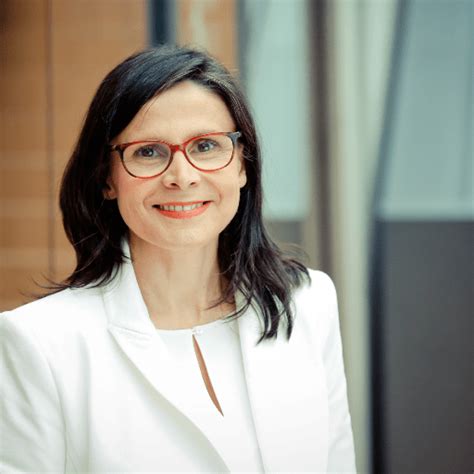
Speaker: Prof. Mira Mezini, Technical University of Darmstadt (Germany)
Watch the webinar here.
Read More
Date: 23 February 2022 (Wed) at 5:00pm CET
Abstract:
Today’s applications - ranging from mobile digital services (instant messengers, multiplayer games, etc.), collaborative workflows (Google Docs, Figma, Trello, etc.), real-time businesses (cross-organizational workflows, collaborative condition monitoring, etc.), autonomous vehicle services, production 4.0 software, and more - are very different from traditional ones: They run on globally distributed computing infrastructures, consistently interact with the outside world and are data-driven. In this talk, I will argue that to cope with challenges posed by these new computing realities we need programming models and technologies that offer safety and security properties by-design. More specifically, I will talk about language-integrated solutions that offer formally-proven consistency guarantees “out-of-the-box” in a decentralized and privacy-preserving manner and will present the ideas in the context of REScala (rescala-lang.com) - a library-based Scala extension.
About the speaker: Mira Mezini is full professor of Computer Science at Technical University of Darmstadt and leads the Software Technology Lab. After her PhD in Computer Science at the University of Siegen in Germany, she spent two years as a visiting assistant professor at Northeastern University in Boston (USA), before joining TU Darmstadt in 2000. She is member of the board of the National Research Center for Applied Cyber Security ATHENE and spokesperson of the Hessian Center for Artificial Intelligence.
Mira has published more than 200 peer-reviewed papers, many of the them in the most prestigious venues in programming languages and software engineering. She is elected member of the German Academy of Science and Engineering (acatech) and has received various research awards, including IBM Eclipse Innovation Awards, a Google Research Award, the German IT Security Award, and an Advanced Grant of the European Research Council (ERC).
Accurate and Reliable What-If Analysis of Business Processes: Is it Achievable?
Speaker: Prof. Marlon Dumas, University of Tartu (Estonia)
Watch the webinar here and download the presentation here.
Read More
Date: 18 January 2022 at 5:00pm CET
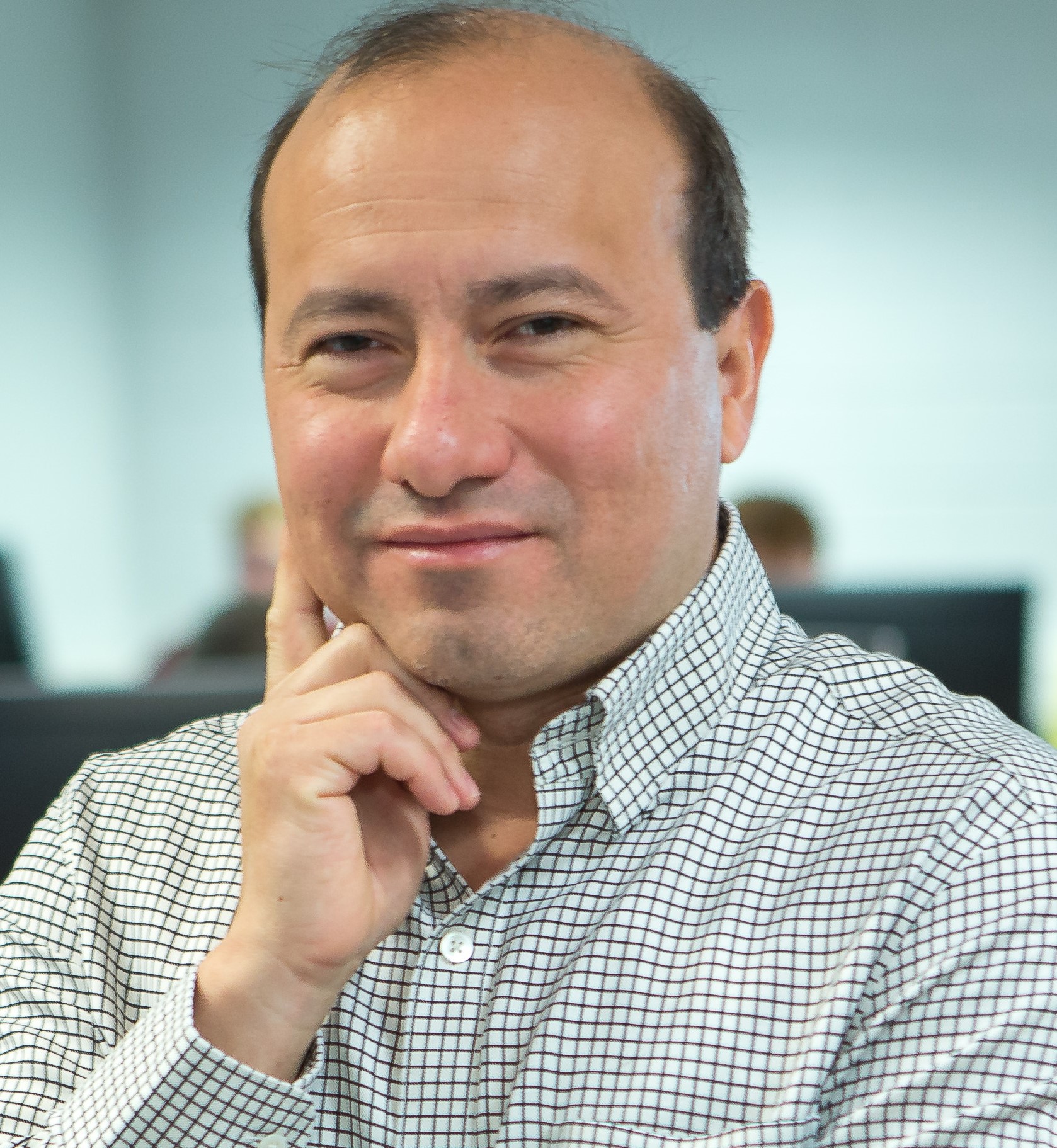
Abstract:
Business Process Management (BPM) is a cross-disciplinary field of study at the intersection between Informatics, Industrial Engineering, and Management Science. The goal of BPM is to provide conceptual frameworks, methods, and tools to enable organizations to continuously monitor and improve the way they perform work, in order to fulfill the ever-changing expectations of their customers and other stakeholders.
A central activity in the field of BPM is business process redesign: Applying changes to a business process (a.k.a. interventions) with the aim of improving it with respect to one or more quantitative performance measures such as cycle time, cost, or defect rate. Examples of interventions include automating part of a business process, adding or re-deploying human resources, or changing the flow of activities in a process.
In this talk, we will discuss a decades-old problem in the field of BPM, namely "what-if process analysis". In simple terms, this problem can be posed as follows: How to reliably and accurately predict the impact of an intervention on a business process in terms of one or more business process performance measures? We will discuss the limitations of approaches based on discrete event simulation developed in the 1990s, which have been relatively successful in the context of repetitive manufacturing processes but have largely failed in the context of human-intensive processes. We will then present ongoing efforts to tackle this problem by combining observational data, experimental data, and domain knowledge using hybrid modeling methods drawing from the fields of discrete event simulation, machine learning, and causal inference.
About the speaker: Marlon Dumas is Professor of Information Systems at University of Tartu (Estonia) and co-founder of Apromore – a spin-off company that develops open-source solutions for process mining and optimization. His research focuses on data-driven methods for business process management, including process mining, predictive process monitoring and data-driven process simulation. He is recipient of an Advanced Grant from the European Research Council with the mission of developing algorithms for automated discovery and assessment of business process improvement opportunities from execution data.
Power of Algorithms in Discrete Optimisation
Speaker: Prof. Stanislav Živný, University of Oxford (UK)
Watch the webinar here and download the presentation here.
Read More
Date: 25 November 2021 at 5:00pm CET
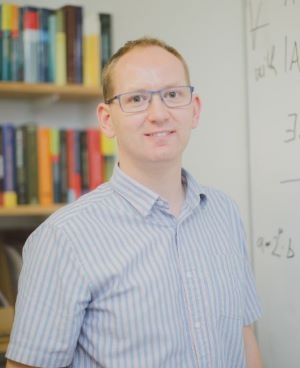
Abstract: Which discrete optimisation problems can be solved efficiently and why? Prof. Živný's research is concerned with designing efficient algorithms and finding the exact borderline of tractability. For a broad class of computational problems, known as constraint satisfaction problems (CSPs), we now have a good understanding of this fundamental question for exact solvability. In this talk, Prof. Živný will survey his work on the power of convex relaxations (such as linear and semidefinite programming relaxations) for constraint satisfaction problems.
About the speaker: Stanislav (Standa) Živný is a Full Professor of Computer Science at the University of Oxford, where he has been a faculty member since 2013. He is also a Tutorial Fellow at Oxford’s Jesus College. His PhD thesis received the 2011 ACP Doctoral Research Award. His research has been funded by a Royal Society University Research Fellowship and an ERC Starting Grant.
SMT Solving: Past, Present and Future
Speaker: Prof. Dr. Erika Abraham, RWTH Aachen University (Germany)
Watch the webinar here and download the presentation here.
Read More
Date: 21 October 2021 at 5:00pm CET
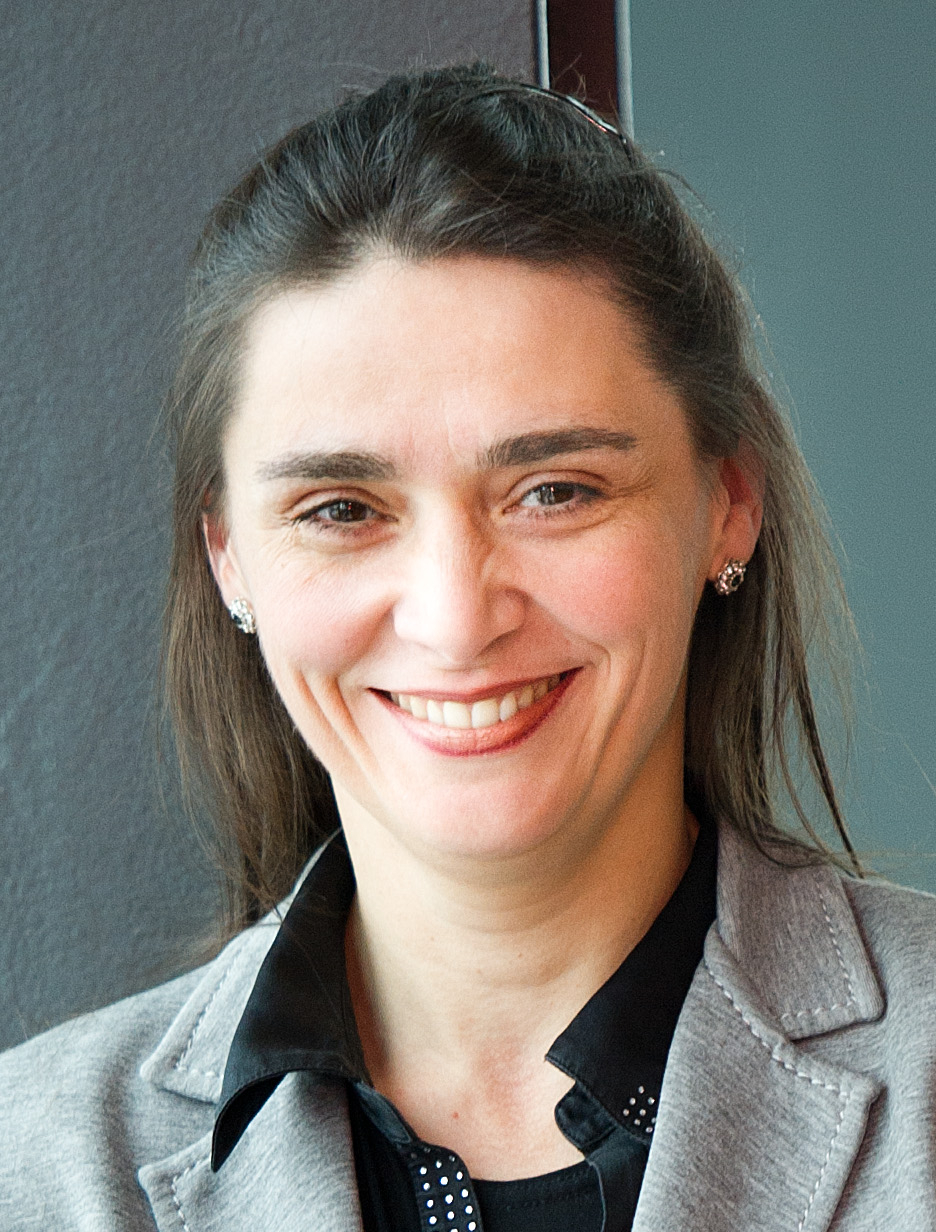
Abstract: Since the development of the first computer algebra systems in the '60s, automated decision procedures for checking the satisfiability of logical formulas gained more and more importance. Besides symbolic computation techniques, some major achievements were made in the '90s in the relatively young area of satisfiability checking, and resulted in powerful SAT and SAT-modulo-theories (SMT) solvers. Nowadays, these sophisticated tools are at the heart of many techniques for the analysis of programs and probabilistic, timed, hybrid and cyber-physical systems, for test-case generation, for solving large combinatorial problems and complex scheduling tasks, for product design optimisation, planning and controller synthesis, just to mention a few well-known areas. In this talk we give a historical overview of this development, describe shortly our own solver SMT-RAT, and discuss applications and some fascinating new developments for checking the satisfiability of real-arithmetic formulas.
About the speaker: Erika Abraham graduated at the Christian-Albrechts-University Kiel (Germany), and received her PhD from the University of Leiden (The Netherlands) for her work on the development and application of deductive proof systems for concurrent programs. Then she moved to the Albert-Ludwigs-University Freiburg (Germany), where she started to work on the development and application of SAT and SMT solvers. Since 2008 she is professor at RWTH Aachen University (Germany), with main research focus on SMT solving for real and integer arithmetic, and formal methods for probabilistic and hybrid systems.
Storing and Analyzing Viral Sequences through Data-driven Genomic Computing
What you always wanted to know about the COVID-19 virus and never dared to ask
Speaker: Prof. Stefano Ceri, Politecnico di Milano (Italy)
Watch the webinar here and download the presentation here.
Read More
Date: 22 September 2021 at 5:00pm CET

Abstract: In the first part of the seminar, Prof. Ceri will give a simple and data-inspired illustration of what is a viral sequence, what are mutations, how mutated sequences become organized forming a “variant”, what are the effects of individual mutations and of variants. Then, Prof. Ceri will illustrate the process of deposition of viral sequences to public repositories (GenBank, COGUK, GISAID). In the second part of the seminar, Prof. Ceri will discuss the systems that were developed within his group, thanks to ERC and EIT funding. Specifically, he will illustrate (i)ViruSurf, a search system enabling free meta-data driven search over the integrated and curated databases, now hitting about 3 million SARS-CoV-2 sequences, continuously updated from the above repositories; (ii)VirusViz, a data visualization tool for comparatively analyzing query results; (iii)VirusLab, a tool for exploring user-provided viral sequences; (iv) EpiSurf, a tool for intersecting viral sequences with epitopes - used in vaccine design. Prof. Ceri will also hint at ongoing projects for viral surveillance and for exploring a knowledge base of viral resources.
About the speaker: Stefano Ceri is a professor of Data Management at Politecnico di Milano. His main research interests are extending data management and then acting as data scientists in numerous domains - including social analytics, fake news detection, genomics for biology and for precision medicine, and recently studies concerning the SARS-CoV-2 viral genome. He is the recipient of two ERC AdG, “Search Computing” (2008-2013) and “data-driven Genomic Computing” (2016-2021). He received the ACM-SIGMOD "Edward T. Codd Innovation Award" (June 2013). He is an ACM Fellow.
Webinars
The Informatics Europe webinar series is designed as a platform for informatics scientists to share their latest research achievements in informatics and exchange insights into career development related to informatics research. All featured speakers (except the Career Development series) come from our member institutions, but the webinars are open to all, fostering knowledge exchange within the overall Informatics/Computer Science community.
Since September 2021, several series of live webinars have been hosted by informatics researchers and leaders from across Europe. Please register for the webinars through their dedicated links. Recorded versions are available within a week for two weeks exclusively to registered participants, after which the recordings will be posted to the Informatics Europe YouTube channel.
Interested in presenting a webinar? Please follow this link.
We look forward to your active participation in our upcoming webinars!
Our Ethics Working Group initiated the Ethics Webinar Series, and one of their goals is to increase literacy on ethics among Informatics lecturers and decision-makers (CEOs, policymakers, and political organizations).
Past Webinars
HCI4AI: The EU AI Act and the Crucial Role of Human-Computer Interaction in Developing Human-Centric AI
Speaker: Dympna O' Sullivan, TU Dublin (Ireland)
Download the presentation here and watch the webinar here.Read More
Date: 4 December 2023 (Mon)
Abstract:
The EU AI Act represents a landmark regulatory framework that addresses the ethical and legal challenges associated with artificial intelligence (AI) development and deployment within the European Union. One crucial aspect highlighted in the act is the emphasis on human-centric AI. Human-Computer Interaction (HCI) plays a pivotal role in achieving this objective by prioritizing the integration of user perspectives, ethical considerations, and the well-being of individuals into the design and implementation of AI systems. A robust HCI approach ensures that AI technologies are developed with a keen understanding of human needs, values, and societal implications, promoting responsible and inclusive innovation.About the speaker: Dympna O’Sullivan is the Academic Lead for the Digital Futures Research Hub at TU Dublin. Prior to joining TU Dublin, she worked as a lecturer in Computer Science at Aston University in Birmingham and as a Senior Lecturer in Health Informatics at City University of London. She completed her post-doctoral work with the Mobile Emergency Triage research group at the University of Ottawa. She holds a BSc and PhD in Computer Science from University College Dublin. Her research is in the area of Applied Social Computing and includes Computing Ethics. She investigates the societal impacts of emerging technologies, which include artificial intelligence. algorithmic decision-making and the associated privacy, fairness, transparency and bias implications of AI. She develops methodologies for Explainable AI which aim to enhance the intelligibility of AI systems for end users. Her research is underpinned by governance and legislation to ensure Trustworthy AI.
AI risk as a global environmental problem
Speaker: Olle Häggström, Chalmers University of Technology (Sweden)
Download the presentation here and watch the webinar here.Read More
Date: 3 November 2023 (Fri)
Abstract:
We are at a crucial moment in human history, when we are automating and offloading to machines the one key asset that has brought our tremendous success so far: our intelligence. At this point, to ask “What could possibly go wrong?” is obviously a rhetorical question. The speaker will explain why he thinks aspects of AI risk can properly be framed as a global environmental problem. But there is also hope, and he will discuss how we might get our act together and steer towards a long and flourishing future.About the speaker: Olle Häggström is a professor of mathematical statistics at Chalmers University of Technology and a member of the Royal Swedish Academy of Sciences. At present his main research focus is on AI futurology, existential risk and the long-term future of humanity. Of his five books, the two latest are Here Be Dragons: Science, Technology and the Future of Humanity (Oxford University Press, 2016) and Tänkande maskiner: Den artificiella intelligensens framtid (Fri Tanke , 2021). (In Swedish: Thinking Machines: The Future of Artificial Intelligence”)
Integrating Large Language Models into Higher Education: Guidelines for Effective Implementation
Speaker: Karl de Fine Licht, Chalmers University of Technology (Sweden)
Download the presentation here and watch the webinar here.Read More
Date: 29 September 2023 (Fri)
Abstract:
The rise of large language models (LLMs) like OpenAI's GPT-4 has opened new possibilities in higher education, sparking debate about their role in educational curricula. This presentation will argue that the discussions have often missed the need for proper guidelines for LLMs' utilization. It emphasizes a transparent and inclusive approach involving faculty, administration, and students in decision-making. The importance of clear rationales for LLM guidelines and an effective implementation plan will be highlighted to foster acceptance and compliance.About the speaker: Karl de Fine Licht is an associate professor in ethics and technology at Chalmers University of Technology. He has a wide array of research interests, including AI in public decision-making and, more recently, AI in higher education. de Fine Licht is also a member of the ethics committee at the Chalmers AI Research Centre (CHAIR), and serves as a pedagogical leader (PEDUL). He is responsible for coordinating the implementation efforts at Chalmers related to AI tools in higher education.
Each society is constituted by individuals that are unique and diverse from each other. Diversity within any group or society is a winning factor. It implies the presence of different viewpoints and ideas that can significantly empower the group, leading to effective results.
Launched in June 2022, this Gender Equality in Informatics webinar series aimed to contribute to sharing best practices as well as relevant research about gender equality and diversity in computer science. The series is a way to strengthen both the understanding as well as the action perspective of this topic.
Informatics Europe, in collaboration with European Network for Gender Balance in Informatics (EUGAIN) COST Action, organised this webinar series.
Past Webinars
Challenges and Opportunities of Gender Inclusion Worldwide in Open-Source Software
Speaker: Ayushi Rastogi, University of Groningen (the Netherlands)
Watch the webinar here and download the presentation here.Read More
Date: 10 July 2023 (Mon) at 5pm CEST
Abstract:
The gender gap in the software industry is alarming and varies across regions. Are there different factors influencing gender differences worldwide? Do we need unique solutions to bridge the gender gap regionally? This talk shows how gender diversity has evolved with insights from open-source software. There is a silver lining with small yet significant improvements in gender diversity since 2014. The talk further presents the challenges and opportunities in gender inclusion worldwide.About the speaker: Dr. Ayushi Rastogi is an Assistant Professor in Software Engineering at the University of Groningen, the Netherlands. Over the years, she analyzed signals from software development activities to understand and improve developer productivity and promote diversity and inclusion. Several of her works are in collaboration with software companies, including Microsoft and Meta, and academic partners worldwide. She continues to solve problems relevant to the software industry and society. She is a member of the Equity, Diversity, and Inclusion working groups in the IPN - the Dutch ICT community, and Informatics Europe.
Several Female Support Activities Later – What have we learned?
Speaker: Gerti Kappel, TU Wien (Austria)
Watch the webinar here and download the presentation here.Read More
Webinar Date: 19 June 2023 (Mon) at 5pm CEST
Abstract:
After 20+ years of implementing, nudging, and pushing female support measures at TU Wien, the learnings have become obvious. It’s all about role models, early opportunities to get in touch with computational thinking, starting even in primary school, networking opportunities from the very beginning when female students enter university, and affirmative action. The webinar will shed some light on our findings and showcase the path to receiving the 2022 Informatics Europe Minerva Equality Award.About the speaker: Gerti Kappel is dean of the Faculty of Informatics of TU Wien since beginning of 2020. She has been a full professor of business informatics at the Institute of Information Systems Engineering at TU Wien since 2001 and heads the Business Informatics Group. Previously, she was a full professor of computer science (database systems) and head of the Information Systems Department at Johannes Kepler University Linz from 1993 to 2001. From 2004 to 2007, she was Dean of Studies for Business Informatics. From 2003 to 2007, she initiated and led the internationally renowned Women Postgraduate College of Internet Technologies (WIT, www.wit.at), which paved the way for several ongoing support programs for women at university level. From 2014 to 2017, she was on the Board of Trustees of the Austrian Science Fund (FWF). From 2016 to 2019 she was on the Dean's Team of the Faculty of Informatics, responsible for Research, Diversity and Finance. Her current research interests include Model Engineering, Web Engineering, and Process Engineering with a special focus on cyber-physical production systems. Her concern for the unity of research and teaching is evidenced by the scientific textbooks "UML@Work" (dpunkt.verlag, 3rd edition, 2005, co-author), "UML@Classroom " (Springer, 2015, co-author) and "Web Engineering" (Wiley, 2006, co-editor).
The Gender-Equality Committee at IRISA/Inria Rennes
Speakers: Nicolas Markey, Camille Maumet, Anne Siegel, IRISA/Inria Rennes (France)
Watch the webinar here and download the presentation slides here.Read More
Webinar Date: 22 May 2023 (Mon) at 5:00pm CEST
Abstract:
The gender-equality committee of IRISA and Inria Center at Rennes University was created in 2017. It gathers ca. 15 active members, who have initiated numerous actions to help women blossom and develop their careers in the institute's 80%-masculine laboratory; these actions include a mentoring programme, coaching for applications, women-only discussions, a library of feminist books, a series of conferences on topics related to gender equality, etc. The speakers will present some of these actions and the impact they had in the lab, and discuss our plans for the future.About the speaker:
Nicolas Markey is a CNRS researcher at IRISA/Inria Rennes. His research focus is in the development of formal methods for ensuring correctness of computer systems, especially with quantitative aspects. He obtained his PhD in computer science from University of Orleans in 2003 on the study of various temporal logics for model checking, and spent a one-year postdoctoral stay at Université Libre de Bruxelles, working on verification and synthesis of real-time systems. He was recruited at CNRS in 2004, working at École Normale Supérieure de Cachan, before joining Rennes University in 2016. He supervised 12 PhD students and 9 postdoc students. He participated in several national and european projects, and in particular was the coordinator of the H2020 Fet Open project Cassting. He currently is responsible for the department "Languages and Software Engineering" at IRISA.
Camille Maumet is a research scientist in neuroinformatics at Inria, Univ Rennes, CNRS, Inserm in Rennes, France. She studies neuroimaging reproducibility. Her current research focuses on the variability of analytical pipelines and its impact on our ability to use and reuse brain imaging datasets. She obtained her PhD in computer science at the University of Rennes on the analyses of clinical neuroimaging datasets in functional magnetic resonance imaging. She was then a postdoctoral research fellow at the University of Warwick and the University of Oxford, where she focused on meta-analyses and standards for neuroimaging data sharing. She is also an open science advocate, involved in the development of more inclusive research practices and community-led research and participates in many collaborative efforts including Brainhack, the INCF, and the Open Science Special Interest Group of the Organization for Human Brain Mapping that she chaired in 2020.
Anne Siegel is a research director at CNRS since 2010 and works at the IRISA lab, the Institut de recherche en informatique et systèmes aléatoires, in Rennes, in the Bioinformatics Dyliss Group. Her research activities in bioinformatics are focused on interfaces between computer sciences and biology: she develops symbolic methods for knowledge representation and integration, in order to analyse large-scale biological systems. She obtained her phD in mathematics at the University of Aix-Marseille. She served in different national committees (comité national du CNRS, inria evaluation committee). She was the leader of the Dyliss bioinformatics team in the laboratory and then the head of the department “Data and knowledge management”. She also served as Scientific deputy and now as Deputy Scientific Director for the computer science department of the headquarters of CNRS. She was involved in several gender equality initiatives: inria gender equality committee, creation of the IRISA-lab gender equality group, and now in charge of the gender equality policy in the computer science laboratories of CNRS.Promoting Gender Balance and Diversity in Informatics Through A Better Involvement of Young People
Speaker: Anna Szlavi, Norwegian University of Science and Technology (Norway)
Watch the webinar here and download the presentation slides here.Read More
Webinar Date: 8 May 2023 (Mon) at 5:00pm CEST
Abstract:
There is a constantly growing need for skilled professionals in the computing field, which poses challenges for finding the right people for the job. According to the 2022 Digital Economy and Society Index, 55% of companies have problems
filling their tech positions. At the same time, the computing sector is going through a diversity crisis, as the majority of its players are Global Northern, heterosexual, white, able-bodied, cis men. Technology permeates our lives, so a lack of diversity in the tech industry, especially when designing software, can lead to bias and exclusionary user experiences. As a consequence, we need to attract young people -- for instance, Generation Z (GenZ), born between the mid-1990s and the 2010s -- to computing. Moreover, there is a need for actions with a retention plan and a strategy to guide a more diverse group toward leadership roles both in academia and industry. Even though the awareness about Diversity, Equity, and Inclusion (DEI) is continually being raised, interventions that focus on inclusiveness are still necessary. With the present talk, the speaker aims to present EUGAIN, a Horizon Europe-sponsored COST Action, whose purpose is to create a European network that enhances gender balance and diversity in the field of computing. More specifically, she will focus on a recent intervention project, designed by the Action, with the aim of including younger people in computing. According to research, GenZ cares about social values and a meaningful contribution to society, that is, DEI, as part of their work. Within the frames of this project, the speaker and her team collected testimonials by stakeholders working in computing and performed content analysis to investigate to what extent the experiences listed by CS professionals and the interests of GenZ align with one another. Findings show that professionals in the field recognize the social embeddedness of computing, which aligns with younger students’ values and confirms that computing is a valid choice to achieve their goals of making a positive change in society. With this talk, the speaker is to contribute to a better alignment of how to design interventions for including younger people, thus enhancing diversity and gender balance in computing.About the speaker: Anna Szlavi is a postdoctoral researcher at the Norwegian University of Science and Technology (NTNU), in Trondheim, Norway. Her research focuses on Diversity, Equity, and Inclusion (DEI), more specifically gender balance, in computing. With an interdisciplinary background, she approaches DEI through the lenses of intersectionality and explores specifically mentoring as a means of building diversity in computing. She is the Young Researcher and Innovator Coordinator of COST Action 19122 EUGAIN, a European-level project that aims to build a European network for gender balance in computing. In her role as the YRI Coordinator, she is building a peer support network for early career academics in order to enhance the retention and involvement of (cis and non-cis) women in computing. She is also in the Executive Committee of Erasmus+ project Women STEM UP, which concentrates on gender balance in STEM education. As the leader of WP3, Anna is responsible for supervising the creation of a Leadership and Inspiration Academy and mentorship system in the 5 European partner institutions.
Technological University Dublin – Case Study of Gender Balance Initiatives in Computer Science
Speaker: Susan McKeever, TUDublin (Ireland)
Watch the webinar here and download the presentation slides here.
Read More
Webinar Date: 24 Apr 2023 (Mon) at 5:00pm CEST
Abstract:
TU Dublin, like many universities, has faced the problem of imbalanced gender intakes in their computing courses. Over the past number of years, the School of Computer Science has undertaken a number of active steps to improve both the recruitment and retention of female students. The School has seen a marked improvement in gender balance, moving it to one of the top-performing computer science schools in the country in terms of gender balance. Their tactics have ranged from targeted programme offerings that attract females through to really putting themselves in the shoes of their female students to see how to make their college time a better experience. In this webinar, the speaker will take you through the details of what the School has done, and what they are continuing to work on – to bring and keep more females in the sector.About the speaker: Susan McKeever is the Head of Data Science and AI in the School of Computer Science at TU Dublin School of Computer Science. She has a deep interest in addressing gender imbalance in STEM, and has led a number of initiatives that have contributed to TU Dublin’s high rankings on both student and staff gender balance in computer science. She coordinated a winning Minerva award initiative, and was a project member of the international W-STEM initiative to boost gender balance in South American universities. In addition to gender balance research and initiatives, her main research areas are in the area of application of machine learning and AI to real-world problems. Examples of current projects include abusive content moderation and child abuse detection in social media, and the application of AI to improve both heart problem detection and the development of eye health outcomes in premature babies. Prior to joining academia, Susan worked as a consultant for Accenture.
Alice & Eve/Recommendations on Hiring and Promoting Women for CS Departments
Speaker: Marieke Huisman, University of Twente (the Netherlands)
Watch the webinar here and download the presentation slides here.
Read More
Webinar Date: 23 January 2023 (Mon) at 5:00pm CET
Abstract:
In this talk, Prof. Huisman will discuss two different initiatives related to diversity & inclusion, in which she has been involved over the last years.
In January 2020 the first Alice & Eve event at the University of Twente was organised. Alice & Eve, a celebration of women in computing in the Netherlands, was organized as a one-day event open to everybody, from Bachelor's and Master's students up to full professors. The event featured a symposium with contributions from and about female computer scientists, a poster contest and an exhibition portraying the achievements of 25 women in computing. The exhibition was accompanied by a booklet with more in-depth information about these 25 women. Alice & Eve is now turning into an annual event. Moreover, a digital version of the exhibition has been made, with added information about another 5 female computer scientists.
In 2021, the Dutch national working group on equity, diversity and inclusion in computer science choose the hiring and promotion of female researchers as one of her action points. Representatives of all Dutch CS departments have been interviewed about do’s and don’ts in their hiring practices. Based on these interviews, a report with concrete recommendations was created, which was then discussed with the heads of the Dutch computer science departments.
In this talk, Prof. Huisman will discuss both activities, talk about lessons learned and their future plans.About the speaker: Marieke Huisman is a professor in Software Reliability at the University of Twente. She is well-known for her work on program verification of concurrent software. In 2011, she obtained an ERC Starting Grant, which she used to start development of the VerCors verifier, a tool for the verification of concurrent software. Currently, as part of her NWO personal VICI grant Mercedes, she is working on further improving verification techniques, both by enabling the verification of a larger class of properties, and by making verification more automatic. Since 2019 she is SC chair of ETAPS. Besides her scientific work, she also actively works on topics related to diversity, equity and inclusion, as well as science policy. She chairs the national working group on on equity, diversity, and inclusion in computer science, chaired the advisory board on diversity and inclusion at the University of Twente, and she also is a member of the executive board of VERSEN, the Dutch assocation of software researchers, and chaired this association from 2018 until 2021.
Removing Barriers and Strengthening Self-Assurance of Women in Computer Science:
From Discovery of Own Talent to Professional ConfidenceSpeaker: Ute Schmid, University of Bamberg (Germany)
Watch the webinar here and download the presentation slides here.
Read More
Webinar Date: 7 November 2022 (Mon) at 5:00pm CET
Abstract:
Despite a growing number of activities, women are still underrepresented in computer science in academia as well as industry. Consequently, continued effort is necessary to implement effective measures to encourage and to investigate barriers which hinder women to engage in computer science. In the talk, Ute Schmid will present different types of measures which are designed to (a) help young girls to discover their own talent and interest in computer science, and (b) encourage female students to persue more ambitious career plans and follow their vocational interests. Specifically, it will be discussed how role models can help to realize that pursuing an academic career or a leadership position in industry can be succesfully balanced with family responsibilities. Finally, empirical findings are presented which highlight how effective different measures are to strengthen self-assurance of women in computer science.About the speaker: Ute Schmid is a professor of Applied Computer Science at University of Bamberg, leading the Cognitive Systems group. She has also a background in psychology and her research focus is in cognitive AI, mainly combining machine learning with knowledge-based approaches and methods for explanatory and interactive machine learning. Ute Schmid is women's represenative of her department since 2005 and in 2018 she won the Minerva Gender Equality Award of Informatics Europe for her university. She initiated a variety of measures to support women in computer science, such as regular hands-on workshops for girls of different age groups, a mentoring program pairing highschool students with computer science students, and an annual seminar for on gender aspects of informatics. Currently, she is involved in the European Network For Gender Balance in Informatics.
Challenges on Academic Path as Female Informatics Scientists
Speaker: Prof. Simona Motogna, Babes Bolyai University (Romania)
Watch the webinar here and download the presentation here.
Read More
Webinar Date: 10 October 2022 (Mon) at 5:00pm CEST
Abstract:
Higher education and public research institutions in Europe have encountered a o low interest of women for advanced studies or an academic career in Computer Science (CS). CS is a field intertwined with multiple dimensions of society, including the economic dimension and it has a reputation, corroborated by many studies over the years, of being a field in which men have been the makers of history. We try to identify which are the most important challenges that women perceive as threats and obstacles in their academic path in Informatics, and how can we build solutions to overcome them. We argue that only continuous and corroborated effort can have an impact on current status.About the speaker: Simona Motogna is full professor in computer science at Babes Bolyai University, Cluj-Napoca and leads the Software Engineering research center. Her research interests focus on Empirical Methods and Software Quality. She is an active member of the COST EUGAIN project, advocating Gender Balance in Computer Science for highschools, students and academics.
Good Practices throughout Academic Careers: from PhD to Professor
Speaker: Steve Kremer, Inria (France)
Watch the webinar here and download the presentation here.
Read More
Webinar Date: 12 September 2022 (Mon) at 5:00pm CEST
Abstract:
Despite growing awareness, women are still underrepresented in computer science. In this talk, we identify some of the key issues and problems, unpack reasons why women remain underrepresented, and detail strategies to improve gender balance and diversity throughout the academic career - from PhD to Professor. We also illustrate some of these strategies by existing initiatives. The work leading to these results was carried out by the Working Group "From PhD to Professor" of the COST Action EUGAIN CA19122 (European Network For Gender Balance in Informatics).About the speaker: Steve Kremer is Research Director at Inria Nancy where he is the head of the PESTO team on proof techniques for security protocols. His research focuses on formal methods and automated reasoning applied to security, in particular the verification of security protocols. His research has been awarded an ERC Consolidator grant in 2014. Since 2018 he is co-leading Inria's Committee on Gender Equality and Equal Opportunities. He is also part of the COST Action EUGAIN CA19122 (European Network For Gender Balance in Informatics) in which he is in charge of Working Group 3 - From PhD to Professor.
Current Actions and Opportunities Emphasising Gender Equality in IT
Speaker: Asst. Prof. Lili Nemec Zlatolas, University of Maribor (Slovenia)
Watch the webinar here and download the presentation here.
Read More
Recording Date: 11 July 2022 (Mon) at 5:00pm CEST
Abstract:
According to the European Commission’s Women in Digital Scoreboard, only 19% of ICT specialists and 33% of STEM graduates were female. The scoreboard confirms a substantial gender gap in specialist digital skills, and most worryingly, the figures have not changed over the last years. Gender-balanced teams usually have higher levels of productivity and better job satisfaction. Creating gender equality plans and following guidelines has been a priority for many institutions in the last few years because the European Commission introduced the Gender Equality Plan as a basic requirement for participants in the Horizon Europe programs. It is important that initiatives and projects are founded for reducing the gender gap in STEM fields. Even more important are indicators that organisations set to measure and reflect on their approach to reducing the gender gap and can be measured and reflected on. During the webinar, we will look at some of the existing initiatives and best practices as well as possible indicators to use.About the speaker: Lili Nemec Zlatolas is an assistant professor in informatics at the Faculty of Electrical Engineering and Computer Science at the University of Maribor. She obtained her PhD on the topic of social networking sites’ privacy. Her research work covers gender balance in STEM, information privacy and security, mostly focusing on user aspects of it and the use of privacy and security while using information communication technologies. She is a founding member of the Ladies in Informatics initiative at her Faculty. She is currently involved in COST action EUGAIN (European Network For Gender Balance in Informatics), H2020 project CONCORDIA (Cyber security cOmpeteNCe fOr Resarh anD InnovAtion) and Erasmus+ projects CIC and DiT4LL and is holding a bilateral project with the USA on gender diversity in STEM. She has also been actively involved in organising several international conferences held in Slovenia (EJC 2009, EAEEIE 2011, EJC 2015, LTEC 2015, EAPRIL 2018, ADBIS 2019 and IFIP SEC 2020) and has received the title of Slovenian Congress Ambassador 2021.
Lessons on the Increasing Role of Diversity in Tech - the Story of Czechitas
Speaker: Barbora Bühnová, Vice-Dean at Faculty of Informatics, Masaryk University & Co-Founder of Czechitas (Czech Republic)
Watch the webinar here and download the presentation here.
Read More
Recording Date: 7 June 2022 (Tue) at 5:00pm CEST
Abstract:
In an increasingly technology-driven world and a rapidly changing economic environment, tech/computing innovation and creativity cannot be cherished to its full potential if it is formed by homogeneous expertise. More so within the software engineering community, which needs to increasingly encourage innovation across boundaries. In this context, a question often comes up - Why do women choose particular interests, study programs and careers as alternative to tech/computer science? What are the triggers and benefits of these alternatives that tech/CS is lacking? In this webinar, Barbora Bühnová will share findings from a recent questionnaire study, revealing the frustrations that women feel along their way to tech/CS, whether they have stayed in, or have dropped out and are trying to re-establish the connection later. After identifying the frustrations, which all seem to be preventable, Barbora Bühnová will share a story of a non-profit organization, called Czechitas, which started with a simple idea of bringing tech closer to girls and girls closer to tech, and has over the past seven years transformed into a major social change in the Czech Republic, influencing over 30,000 women towards tech/CS education and career.About the speaker: Barbora (Bara) Bühnová is an Associate Professor and Vice-Dean at Masaryk University (MU), Faculty of Informatics (FI MU) in Brno. Following her research career in Germany and Australia, she now leads multiple research teams at FI MU (software architecture, critical infrastructures). Next to her academic activities, she is passionate about tech education among general public, being a Co-Founding and Governing Board member of Czechitas, a non-profit organisation aiming at making IT skills more accessible to youth and women (with 30,000+ graduates). Bara is a member of multiple initiatives engaging more women in tech (e.g. Informatics Europe working group Women in Informatics Research and Education (WIRE), EUGAIN: European Network for Gender Balance in Informatics) reaching across the entire Europe. Within EUGAIN, which involves 37 European countries to share best practices on the topic, she is the Vice-Chair of the whole network. Furthermore, she is a devoted speaker and author of multiple research studies on gender-sensitive tech education.
The Scientific Webinar Series is designed as a platform for renowned scholars to present and share their latest research achievements in informatics.
Past Webinars
Automated Program Reasoning
Speaker: Prof. Laura Kovacs, TU Wien (Austria)
Watch the webinar here and download the presentation here.
Read More
Date: 30 May 2022 (Mon) at 5:00pm CEST
Abstract:
Automated reasoning, and in particular first-order theorem proving, is one of the earliest research areas within artificial intelligence. It is undergoing rapid development thanks to its successful use in program analysis and verification, security analysis, symbolic computation, theorem proving in mathematics, and other related areas. Breakthrough results in all areas of theorem proving have been obtained, including improvements in theory, implementation, and the development of powerful theorem proving tools.
In this talk, Prof. Kovacs will describe recent developments in applications of first-order theorem proving in program analysis, in particular in the setting of generating inductive loop properties and proving partial correctness of program loops.About the speaker: Laura Kovacs is a full professor in computer science at the TU Wien, leading the automated program reasoning (APRe) group of the Formal Methods in Systems Engineering Division. Her research focuses on the design and development of new theories, technologies, and tools for program analysis, with a particular focus on automated assertion generation, symbolic summation, computer algebra, and automated theorem proving. She is the co-developer of the Vampire theorem prover and a Wallenberg Academy Fellow of Sweden. Her research has also been awarded with an ERC Starting Grant 2014, an ERC Proof of Concept Grant 2018 and an ERC Consolidator Grant 2020.
Bioinformatics and Its Relation to Data and Computer Science
Speaker: Prof. Jaap Heringa, Vrije Universiteit (VU) Amsterdam (the Netherlands)
Watch the webinar here and download the presentation here.
Read More
Date: 24 March 2022 (Thu) at 5:30pm CET
Abstract:
Bioinformatics is at the crossroads of computer science, mathematics, biology and physical chemistry, and has become indispensable in modern biology and medicine. It is predominantly a data science, studying systems with billions of components, for example constituting an organism with a complex and dynamic relationship with its environment. Gaining actionable insight in molecular systems often requires detailed knowledge about the functioning and interactions of components, which should be implemented in large-scale analytics and modelling pipelines. Computational methods have abounded in bioinformatics, for example based on evolutionary considerations such as common ancestry, which allow comparative analyses of DNA or protein sequences across organisms, or based on network representations to model molecular interactions. More recently and given the multimodal and distributed nature of bioinformatics data resources, semantic web technologies and FAIR data principles have become increasingly important, the acuteness of which was underscored dramatically by the recent and ongoing Covid-19 pandemic. In this webinar, Prof. Heringa will give an introduction to bioinformatics, including its origin, historical developments and the type of research problems tackled in the field.About the speaker: Jaap Heringa is full professor of Bioinformatics at Vrije Universiteit (VU) Amsterdam, The Netherlands since 2002, and head of the Department of Computer Science at VU since 2018. He has been scientific co-director of the Netherlands Bioinformatics Centre (NBIC) from 2009-2013. Heringa has served as deputy Head of Node of ELIXIR-NL (i.e. the Dutch node of the ESFRI Landmark ELIXIR)) from 2013-2016, and is Head of Node since April 2016. Since 2014 he is director of the Netherlands Bioinformatics and Systems Biology Research School (BioSB) and as of January 2016 he is scientific lead of the Dutch Techcentre for Life Sciences (DTL). Heringa has been executive editor of Computational Chemistry and Biology (Elsevier) from 2014-2018 and was founding editor of Molecular Data Science (Elsevier) in 2018-2020. His areas of research are Bioinformatics and Systems Biology, while current research interests revolve around formal modelling strategies, sequence analysis, protein structure and interaction prediction, cancer-related data integration, molecular data science, data stewardship (FAIR data principles) and data-tools interoperability.
Programming Distributed Decentralized Applications
Speaker: Prof. Mira Mezini, Technical University of Darmstadt (Germany)
Watch the webinar here.
Read More
Date: 23 February 2022 (Wed) at 5:00pm CET
Abstract:
Today’s applications - ranging from mobile digital services (instant messengers, multiplayer games, etc.), collaborative workflows (Google Docs, Figma, Trello, etc.), real-time businesses (cross-organizational workflows, collaborative condition monitoring, etc.), autonomous vehicle services, production 4.0 software, and more - are very different from traditional ones: They run on globally distributed computing infrastructures, consistently interact with the outside world and are data-driven. In this talk, I will argue that to cope with challenges posed by these new computing realities we need programming models and technologies that offer safety and security properties by-design. More specifically, I will talk about language-integrated solutions that offer formally-proven consistency guarantees “out-of-the-box” in a decentralized and privacy-preserving manner and will present the ideas in the context of REScala (rescala-lang.com) - a library-based Scala extension.About the speaker: Mira Mezini is full professor of Computer Science at Technical University of Darmstadt and leads the Software Technology Lab. After her PhD in Computer Science at the University of Siegen in Germany, she spent two years as a visiting assistant professor at Northeastern University in Boston (USA), before joining TU Darmstadt in 2000. She is member of the board of the National Research Center for Applied Cyber Security ATHENE and spokesperson of the Hessian Center for Artificial Intelligence.
Mira has published more than 200 peer-reviewed papers, many of the them in the most prestigious venues in programming languages and software engineering. She is elected member of the German Academy of Science and Engineering (acatech) and has received various research awards, including IBM Eclipse Innovation Awards, a Google Research Award, the German IT Security Award, and an Advanced Grant of the European Research Council (ERC).Accurate and Reliable What-If Analysis of Business Processes: Is it Achievable?
Speaker: Prof. Marlon Dumas, University of Tartu (Estonia)
Watch the webinar here and download the presentation here.
Read More
Date: 18 January 2022 at 5:00pm CET
Abstract:
Business Process Management (BPM) is a cross-disciplinary field of study at the intersection between Informatics, Industrial Engineering, and Management Science. The goal of BPM is to provide conceptual frameworks, methods, and tools to enable organizations to continuously monitor and improve the way they perform work, in order to fulfill the ever-changing expectations of their customers and other stakeholders.A central activity in the field of BPM is business process redesign: Applying changes to a business process (a.k.a. interventions) with the aim of improving it with respect to one or more quantitative performance measures such as cycle time, cost, or defect rate. Examples of interventions include automating part of a business process, adding or re-deploying human resources, or changing the flow of activities in a process.
In this talk, we will discuss a decades-old problem in the field of BPM, namely "what-if process analysis". In simple terms, this problem can be posed as follows: How to reliably and accurately predict the impact of an intervention on a business process in terms of one or more business process performance measures? We will discuss the limitations of approaches based on discrete event simulation developed in the 1990s, which have been relatively successful in the context of repetitive manufacturing processes but have largely failed in the context of human-intensive processes. We will then present ongoing efforts to tackle this problem by combining observational data, experimental data, and domain knowledge using hybrid modeling methods drawing from the fields of discrete event simulation, machine learning, and causal inference.
About the speaker: Marlon Dumas is Professor of Information Systems at University of Tartu (Estonia) and co-founder of Apromore – a spin-off company that develops open-source solutions for process mining and optimization. His research focuses on data-driven methods for business process management, including process mining, predictive process monitoring and data-driven process simulation. He is recipient of an Advanced Grant from the European Research Council with the mission of developing algorithms for automated discovery and assessment of business process improvement opportunities from execution data.
Power of Algorithms in Discrete Optimisation
Speaker: Prof. Stanislav Živný, University of Oxford (UK)
Watch the webinar here and download the presentation here.
Read More
Date: 25 November 2021 at 5:00pm CET
Abstract: Which discrete optimisation problems can be solved efficiently and why? Prof. Živný's research is concerned with designing efficient algorithms and finding the exact borderline of tractability. For a broad class of computational problems, known as constraint satisfaction problems (CSPs), we now have a good understanding of this fundamental question for exact solvability. In this talk, Prof. Živný will survey his work on the power of convex relaxations (such as linear and semidefinite programming relaxations) for constraint satisfaction problems.
About the speaker: Stanislav (Standa) Živný is a Full Professor of Computer Science at the University of Oxford, where he has been a faculty member since 2013. He is also a Tutorial Fellow at Oxford’s Jesus College. His PhD thesis received the 2011 ACP Doctoral Research Award. His research has been funded by a Royal Society University Research Fellowship and an ERC Starting Grant.
SMT Solving: Past, Present and Future
Speaker: Prof. Dr. Erika Abraham, RWTH Aachen University (Germany)
Watch the webinar here and download the presentation here.
Read More
Date: 21 October 2021 at 5:00pm CET
Abstract: Since the development of the first computer algebra systems in the '60s, automated decision procedures for checking the satisfiability of logical formulas gained more and more importance. Besides symbolic computation techniques, some major achievements were made in the '90s in the relatively young area of satisfiability checking, and resulted in powerful SAT and SAT-modulo-theories (SMT) solvers. Nowadays, these sophisticated tools are at the heart of many techniques for the analysis of programs and probabilistic, timed, hybrid and cyber-physical systems, for test-case generation, for solving large combinatorial problems and complex scheduling tasks, for product design optimisation, planning and controller synthesis, just to mention a few well-known areas. In this talk we give a historical overview of this development, describe shortly our own solver SMT-RAT, and discuss applications and some fascinating new developments for checking the satisfiability of real-arithmetic formulas.
About the speaker: Erika Abraham graduated at the Christian-Albrechts-University Kiel (Germany), and received her PhD from the University of Leiden (The Netherlands) for her work on the development and application of deductive proof systems for concurrent programs. Then she moved to the Albert-Ludwigs-University Freiburg (Germany), where she started to work on the development and application of SAT and SMT solvers. Since 2008 she is professor at RWTH Aachen University (Germany), with main research focus on SMT solving for real and integer arithmetic, and formal methods for probabilistic and hybrid systems.
Storing and Analyzing Viral Sequences through Data-driven Genomic Computing
What you always wanted to know about the COVID-19 virus and never dared to ask
Speaker: Prof. Stefano Ceri, Politecnico di Milano (Italy)
Watch the webinar here and download the presentation here.
Read More
Date: 22 September 2021 at 5:00pm CET
Abstract: In the first part of the seminar, Prof. Ceri will give a simple and data-inspired illustration of what is a viral sequence, what are mutations, how mutated sequences become organized forming a “variant”, what are the effects of individual mutations and of variants. Then, Prof. Ceri will illustrate the process of deposition of viral sequences to public repositories (GenBank, COGUK, GISAID). In the second part of the seminar, Prof. Ceri will discuss the systems that were developed within his group, thanks to ERC and EIT funding. Specifically, he will illustrate (i)ViruSurf, a search system enabling free meta-data driven search over the integrated and curated databases, now hitting about 3 million SARS-CoV-2 sequences, continuously updated from the above repositories; (ii)VirusViz, a data visualization tool for comparatively analyzing query results; (iii)VirusLab, a tool for exploring user-provided viral sequences; (iv) EpiSurf, a tool for intersecting viral sequences with epitopes - used in vaccine design. Prof. Ceri will also hint at ongoing projects for viral surveillance and for exploring a knowledge base of viral resources.
About the speaker: Stefano Ceri is a professor of Data Management at Politecnico di Milano. His main research interests are extending data management and then acting as data scientists in numerous domains - including social analytics, fake news detection, genomics for biology and for precision medicine, and recently studies concerning the SARS-CoV-2 viral genome. He is the recipient of two ERC AdG, “Search Computing” (2008-2013) and “data-driven Genomic Computing” (2016-2021). He received the ACM-SIGMOD "Edward T. Codd Innovation Award" (June 2013). He is an ACM Fellow.
The Career Development webinar series is a collection of webinars/online events targeting early career researchers in computer science and related disciplines.
Past Webinars
Thriving as a Doctoral Student in Informatics
Facilitators: Prof. Dr. Geraldine Fitzpatrick, TU Wien, Austria & Prof. Dr. Austen Rainer, Queen’s University Belfast, UK.
The summary of the webinar is available here: Board 1, Board 2, PDF Summary.
Read More
Date: 8 October 2021, 10:30-12:00 CET
Informatics Europe wants to support and grow a thriving community of European PhD researchers and invites you to contribute to defining and growing this community.
- Meet like-minded PhD students from across Europe
- Network
- Share challenges and experiences
- Learn from each other
- Influence Informatics Europe’s action in this area
What are your challenges as a PhD student, especially in COVID times? What experiences can you share that would help others in a similar situation? What additional support would you find useful?
Here are some examples of challenges PhD students face during their studies:
- Doing the research itself (literature reviews, theory, methodology, critical thinking),
- Engaging with management (managing their time, managing their supervisors),
- Collaborating with others e.g., co-authorship, proper credit for their contributions,
- Engaging wider stakeholders (e.g., participation recruitment).
- Looking after yourself, especially as a result of COVID
In this webinar, we provide space for facilitated, small group discussion with feedback.
The webinar is co-led by Prof. Dr. Geraldine Fitzpatrick and Prof. Dr. Austen Rainer: two experienced Informatics academics and facilitators of Informatics Europe's Academic Leadership Development Course.
Free Interactive Webinar "Creating the New Academic Normal for Informatics Researchers"
Facilitators: Prof. Dr. Geraldine Fitzpatrick, TU Wien, Austria & Prof. Dr. Austen Rainer, Queen’s University Belfast, UK.
Invited Speaker: Prof. Matthijs Bal, University of Lincoln, UK.
Watch the video of the webinar featuring Prof. Geraldine Fitzpatrick here and read the results of the Menti poll here. Watch Prof. Bal's talk here.
Read More
Date: 25 June, 2020
What do we want to take forward into our New Academic Normal? What do we want to leave behind? How will we thrive, and not just survive? How can we lead ourselves and others in research, education and civic duty whilst working remotely? How can we strengthen our collegiality in physically-distancing spaces? How do we balance our academic and personal lives where boundaries between these become increasingly blurred? Those and further questions were addressed during the FREE 90-minute, interactive webinar.
In the webinar participants:
- received some seeding content on responding to, and learning from, these challenging times;
- networked with colleagues from across Europe;
- shared experiences and gained positive perspectives and new ideas;
- influenced Informatics Europe policy in this area.
The webinar was co-led by two experienced facilitators:
- Prof. Dr. Geraldine Fitzpatrick, TU Wien, Austria,
- Prof. Dr. Austen Rainer, Queen’s University Belfast, UK.
Invited speaker: Prof. Matthijs Bal, University of Lincoln, UK.
Academia beyond Covid-19: A psychological perspective
Abstract: The Covid-19 crisis has posed a number of challenges to universities and academics globally. Universities and academics will have to change in the near future in response to the crisis. However, there is very little known about the specifics of how academic life will look beyond the current crisis. In this (brief) talk, Matthijs Bal talked about the short- and long-term implications of the crisis, and what academics can do themselves. He would make use of the Manifesto for the Future of Work and Organizational Psychology which has been published in 2019. Watch Prof. Bal's talk here.
We provided space for facilitated, small group discussion and feedback (in Zoom breakouts) and crowdsourced larger-scale feedback (through Zoom chat), aggregate these, and distribute it to participants after the event. The strategic plan of Informatics Europe is to not only speak about curricula but also to recognize responsibility for the personal development of people. This webinar was the first step. The webinar was followed up with the online Academic Leadership Development Course in September 2020.
Download the webinar chat and worksheet feedback here, participant worksheet here.
SCHIER Previous Cohorts
PREVIOUS COHORTS
SCHIER 2025 at UCLouvain in Louvain-la-Neuve, Belgium
Participants of this cohort affiliated to
|
|
Schedule
|
Monday |
Tuesday |
Wednesday |
Thursday |
Friday |
|
|
Morning |
Qualitative Methods (I) |
Qualitative Methods (II) |
Pedagogy and Tools (II) |
Quantitative Methods (I) |
Quantitative Methods (II) |
|
13:00-14:00 Lunch Break |
|||||
|
Afternoon |
Student Self-Presentations — Poster Session (16:15-18:00) |
Pedagogy and Tools (I) |
IBM Invited Presentation Structured Poster Discussions |
Study Design & Case Studies (I) |
Study Design & Case Studies (II) |
|
City Visit |
Social Dinner |
Social Event |
|||
Curriculum
Qualitative Methods with Inge Hutter, Erasmus University Rotterdam (the Netherlands)
Session description: This two-session lecture addresses various methods used for qualitative research, that is the kind of investigations where insights on activities, accounts and artefacts relative to the phenomena under study do not come from the mathematical methods which are the basis of quantitative research. Among the most relevant of these methods are interviews, focus groups, observational studies, content analysis, and data collection.
About the instructor: Inge Hutter is professor of Participatory and Qualitative Research in Population and Development at the International Institute of Social Studies (ISS), The Hague, of Erasmus University Rotterdam (EUR). She is a cultural anthropologist and demographer by training and conducted qualitative research (anthropology) within a quantitative discipline (demography).
Her qualitative research projects formed the basis for her co-authored Sage book, Qualitative Research Methods, by Hennink, Hutter and Bailey (2011) of which a second edition appeared in 2020 with two additional chapters on the participatory (action) approach to qualitative research, co-authored with Christine Fenenga.
Inge is trained in several leadership styles through courses and workshops in: academic leadership; connecting leadership; professional communication from systemic work perspective; value-driven leadership and transformative leadership. She was also an instructor at SCHIER 2024.
Pedagogy and Tools with Andreas Mühling, IPN (Germany)
Session description: This two-session lecture provides an introduction to the main learning theories (e.g., behaviorism, cognitivism, constructivism) and pedagogical approaches such as active learning, collaborative learning, cooperative learning and blended learning. They help describe and analyse the complex set of relationships developing between teachers and students across various learning contexts and for different learning activities. Examples of pedagogies specifically developed for teaching Informatics (e.g., pair programming, use-modify-create) and technical tools used within these (e.g., visualisation, gamification) are discussed in greater depth.
About the instructor: Andreas Mühling is heading the computer science education research group at the Leibniz Institute for Mathematics and Science Education (IPN) and at Kiel University. He focuses on empirical research in K12 computer science with a focus on programming and AI literacy both from learners and teachers persepctives.
He has co-chaired several CSE related conferences, most recently Koli Calling 2023 and 2024, has organized docotoral consortia and serves as a steering board member for the WiPSCE conference. He also currently serves as Associate Editor for Computer Science Education, as part of the steering board of the German Informatics Society's CSE group and as co-speaker of its regional chapter.
Quantitative Methods with Laura Trinchera, NEOMA Business School (France)
Session description: This two-session course equips participants with essential statistical and data analysis skills for conducting research in Informatics Education. The first session covers key concepts in descriptive statistics, along with the reasoning behind statistical inference, including tests and confidence intervals, for validating findings at the population level. Participants also learn how to perform regression analysis and ANOVA. In the second session, we introduce the basics of psychometric scale use and the analysis of latent variable models, providing a foundation for working with survey data in educational research.
About the instructor: Laura Trinchera is a Professor of Statistics and Data Science at NEOMA Business School in France. She holds a Master’s degree in Business and Economics (2004) and a PhD in Statistics (2008) from the University of Naples Federico II, Italy. Laura has been a visiting researcher at several esteemed institutions, including the University of California, Santa Barbara, the University of Michigan, Ann Arbor, the University of Hamburg, Charles University in Prague, HEC School of Management in Paris, and has served as an external lecturer at ESSEC Business School, Sciences Po Paris, and Sorbonne University in Abu-Dhabi. Her research has been published in internationally recognized journals, such as Structural Equation Modeling: A Multidisciplinary Journal, Journal of Production Economics, Journal of Organizational Behavior, Recherche et Applications en Marketing, International Journal of Information Management and Management Decision. She is the coordinator of the Data Science for Insights & Value Creation research group at NEOMA Business School.
Study Design & Case Studies with Jan Vahrenhold, University of Münster (Germany)
Session description: This two-session lecture addresses the identification, formulation, and articulation of research questions, discussing various ways they can be implemented, executed, and evaluated. They also cover how research papers should be written and reviewed. Additionally, a detailed analysis and discussion of one or two case studies published in the literature are provided. Special attention is paid to bias and unfounded assumptions, as well as strategies to avoid them.
About the instructor: Jan Vahrenhold has been Professor for Efficient Algorithms and Algorithm Engineering at the University of Münster since 2012. His research focuses on algorithms and data structures for geometric problems, algorithm engineering with a focus on resource efficiency and computer science education.
Jan Vahrenhold is co-editor-in-chief of "Computer Science Education" and associate editor of "ACM Inroads". He has (co-)chaired several conferences in the field of computer science and computer science education, most recently the ACM International Computing Education Research Conference (ICER 2021/2022). He is a member of the national consortium for the "International Computer and Information Literacy Study" (ICILS 2028). He is also a current member of the Informatics Europe Board, and speaker of the "Computer Science and Education" section of the German Informatics Society. He was an instructor at SCHIER 2024.
Student Self Presentations
Session description: Students attending the school are invited to very briefly (3 min. each) self present themselves: professional background and research topic(s) they are interested in.
Poster Session and Structured Poster Discussions
Session description: Once accepted, participants are invited to submit a poster describing their work, which may focus on their PhD thesis or any topic of their current interest. These posters are evaluated by the Scientific Committee, and those accepted are presented for structured discussions among participants, guided by the Scientific Committee, on both Monday and Wednesday afternoons. Posters should indicatively contain the following elements:
- a description of the problem being addressed;
- why this problem has been chosen, overall research goals and specific research questions;
- the research methods applied or considered;
- a broad research plan (optionally with contingency alternatives);
- the current status of the work and any preliminary results obtained.
IBM Presentation "Education in Quantum Computing" by Fabio Scafirimuto, IBM Research
Session description: The Wednesday afternoon session hosts an invited presentation on Education in Quantum Computing at IBM Quantum by Fabio Scafirimuto, IBM Quantum Education and Workforce Development EMEA Team Lead.
About the instructor: Dr. Fabio Scafirimuto earned his Ph.D. from ETH Zurich while conducting research at the IBM Research Lab in Zurich, specializing in experimental quantum condensed matter physics with a focus on polaritonics. He later joined IBM Quantum’s Community Team, where he contributed to the development of educational content using Qiskit. Since 2021, he has led a team within IBM Quantum dedicated to workforce development, education, and advocacy across the EMEA region.
Scientific Committee
Formed by members of the IE Education Research Working Group
- Enrico Nardelli, Università di Roma "Tor Vergata", Italy (Chair)
- Violetta Lonati, Università di Milano, Italy
- Kim Mens, Université catholique de Louvain, Belgium
- Jan Vahrenhold, University of Münster, Germany
SCHIER 2024 at IBM Innovation Studio & Think Lab Zurich in Rüschlikon, Switzerland
Participants of this cohort affiliated to
|
|
What SCHIER 2024 Participants Say
"Excellent opportunity to get a comprehensive view of the scientific aspects of Informatics education and to build a network of researchers."
Sara Capecchi, University of Turin (Italy)
"Very good for PhD students at their beginning of study. Interesting topics and a very good place for networking with experts in their fields. Overall I feel full of new ideas for my research journey."
Jakub Krcho, Comenius University Bratislava (Slovakia)
"Highly prolific time with great talks and enlightenment moments that generated nice ideas for the future."
Natalia Silvis-Cividjian, Vrije Universiteit Amsterdam (the Netherlands)
"It is a good opportunity to find contacts from other countries and hear what is being done in your field."
Hanna Toom, Tallinn University of Technology (Estonia)
"Fruitful, informative, network sharing. Thank you indeed. You welcomed us with a smiling face and guided us well and in a helpful way during the organisation."
Emel TOPÇU, Bahçeşehir University (Turkey)
"It offers a deep dive into the subject with expert instructors, hands-on activities, and the opportunity to network with like-minded professionals, all of which make it an incredibly valuable learning experience."
Drishti Yadav, TU Wien (Austria)
"Very valuable opportunity to learn several aspects about the (Informatics Education Research) field. Excellent choice of topics and speakers. Hope to have new editions!"
Abuzer Yakaryilmaz, University of Latvia (Latvia)
Photo Gallery
*Please note that the photos below are better viewed when applying zoom out.


Schedule
The first two days covered foundational theoretical and methodological aspects of research on teaching and learning, while the subsequent sessions delved into the more practical aspects of designing and implementing research in these areas. All sessions featured a first part with a more traditional, lecture-style, material and a second part focused more on practical and hands-on work.
The program was enhanced with a behind-the-scenes look at IBM's oldest and largest European research lab, featuring special visits to their Quantum Computing Lab and Nanotechnology Center.
| Mon, 2 Sep | Tue, 3 Sep | Wed, 4 Sep | Thu, 5 Sep | Fri, 6 Sep | |||||
|
Morning |
Learning Science | Quantitative Methods | Part 1: Responsible Tech Part 2: Study Design |
Secondary School (11-18) |
Pedagogical Approaches | ||||
| 13:00 - 14:00 Lunch Break | |||||||||
|
Afternoon Mon from 14:00-18:15, with a coffee break at 15:45-16:30 Tue-Fri from 14:00-18:00, with a coffee break at 15:45-16:15 |
Cognitive Science | Qualitative Methods | Primary School (6-10) Case Studies |
Technology and Tools | Students’ Cases | ||||
| 1800-1830 Visit IBM's Quantum Computing Lab / Nanotechnology Center |
Social Evening | 1800-1830 Visit IBM's Quantum Computing Lab / Nanotechnology Center |
|||||||
Monday afternoon's coffee break featured a behind-the-scenes look at IBM's Think lab. On Tuesday, participants splited into two groups: one visited the Quantum Computing Lab, and the other the Nanotechnology Center from 18:00-18:30. The groups swapped location of visit on Thursday evening.
Curriculum
Learning Science with Eleni Kyza, Cyprus University of Technology (Cypus)
Session description: The learning sciences is an interdisciplinary field that explores the mechanisms and processes involved in human learning, frequently taking place in real-life contexts. This exploration entails a nuanced examination of individual and collaborative learning scenarios, seeking to understand various sociocultural contexts, and carefully considering how the design and utilization of artefacts and tools, including technology, can shape the learning experience.
The session will begin with a presentation of the foundational aspects of the learning sciences. It will offer a retrospective analysis of the field and will explain its defining characteristics. It will also discuss the distinctive characteristics of the learning sciences, drawing connections to seminal literature and influential scholars in the field, while providing illustrative examples of pioneering work.
About the instructor: Dr. Eleni A. Kyza is a Professor of Information Society in the Department of Communication and Internet Studies at the Cyprus University of Technology, where she leads the Media, Cognition, and Learning Research Group (http://mcl.cut.ac.cy). She has a background in educational technology, cognitive science and the learning sciences, and a continuous interest in how digital technologies can support learning, critical reflection, and the development of active and informed citizens. She holds a PhD from the Learning Sciences program at Northwestern University, with a specialization in Cognitive Science, a master's degree in Technology in Education from the Harvard Graduate School of Education, a B.Sc. in Education, summa cum laude, with a concentration in Educational Media and Technology from Boston University, and a Teacher's Diploma from the Pedagogical Academy of Cyprus. Her research investigates technology-enhanced learning environments to support motivated, meaningful, and reflective practices. Her work has examined, among others, inquiry-based learning, teacher learning and professional development, scaffolding student learning, collaborative learning, and media & information literacy on social media. With her colleagues, she has developed and empirically investigated learning technologies, such as the web-based learning and teaching platform STOCHASMOS for promoting evidence-based reasoning in science education, TraceReaders, an augmented reality platform for scaffolding students’ inquiry learning in informal and non-formal contexts, and CompARe, a mixed reality (VR and AR) environment. She is the Editor-in-Chief of Instructional Science. She is the past President of the European Association for Research on Learning and Instruction (EARLI) (2021-2023), a past president of the International Society of the Learning Sciences (ISLS), and an Inaugural Fellow of the ISLS.
Cognitive Science with Martin Fischer, University of Potsdam (Germany)
Session description: The lecture will introduce the foundational concepts relative to the processes of human cognition, that is how people acquire knowledge and understanding such as brain, perception, attention, memory, learning, cognitive development, problem-solving, transfer effect and cognitive load while discussing also the various levels at which cognitive processes happen and how they are related.
About the instructor: Martin Fischer is a professor of cognitive sciences with a background in attention research and motor control. He is an expert in numerical cognition. He is the leader of the Potsdam Embodied Cognition Group. After studying psychology at RWTH Aachen/Germany, Fischer worked in Massachusetts/USA from 1991-1996. He studied eye and body movements and their effects on spatial attention to obtain my PhD. After 3 years as a post-doc at the Ludwig-Maximilians-University in Munich/Germany, Fischer moved to the University of Dundee/Scotland. There he worked for 12 years on various interdisciplinary topics, such as poetry reception, humanoid robots and numerical cognition, before becoming a full professor of cognitive science at the University of Potsdam in 2011. Martin's current research focus is on embodied cognition.
Quantitative Methods with Mattia Monga, University of Milan (Italy)
Session description: The lecture will address the main issues relative to providing quantitative measures on data collected during research. They cover both descriptive statistics (e.g. dependent and independent variables, descriptive graphics, numerical descriptions), which provides ways to quantify the actual data recorded, and inferential statistics (e.g. hypothesis testing, inferential tests), which allows to possibly extend our findings beyond the actual samples.
About the instructor:Mattia Monga is an Associate Professor at Università degli Studi di Milano, Milan, Italy with the Department of Computer Science. He holds a PhD in Computer and Automation Engineering from Politecnico di Milano, Italy. He is one of the founders of the ALaDDIn group (http://aladdin.unimi.it) and the Deputy Director of the CINI National Laboratory on Computer Science and School.
Qualitative Methods with Inge Hutter;Erasmus University Rotterdam (the Netherlands)
Session description: The lecture will address the various methods used for qualitative research, that is the kind of investigations where insights on activities, accounts and artefacts relative to the phenomena under study do not come from the mathematical methods which are the basis of quantitative research. Among the most relevant of these methods are interviews, focus groups, observational studies, content analysis, and data collection.
Learn more about the instructor Inge Hutter.
Responsible Tech with Elisabeth Daly, IBM Research Europe
Session description: This session will provide an introduction to tech ethics and their implications, addressing also governance and risk models. Governance of AI Foundation Models will also be discussed.
About the instructor: Elizabeth M. Daly is a Research Scientist leading the Interactive AI Group at the IBM Research Laboratory, Dublin. She is also an Adjunct Assistant Professor in the School of Computer Science and Statistics at Trinity College Dublin.
She received her Ph.D. in Computer Science from Trinity College Dublin in November 2007 with her thesis entitled 'Social Network Analysis for Routing in Disconnected Delay-Tolerant MANETs'. Before joining IBM Research - Dublin she was a post-doctoral researcher in the IBM Research Centre for Social Software in Cambridge, MA. There her work focused on the intersection of social networks and information systems. More recently her team is researching innovative solutions for interactive AI by introducing mechanisms to facilitate AI and humans negotiate a common objective. She is on the program committee of high impact conference such as RecSys, IUI, WWW, UMAP and ICWSM. She is currently serving on the Royal Irish Academy’s committee on Engineering and Computer Science.
Study Design with Ambrish Rawat, IBM Research Europe
Session description: This session will address the identification of research questions, and their evaluation, formulation, articulation, and execution, using the approach of “Design Thinking for Research & Science”.
About the instructor: Ambrish Rawat is a Research Scientist in the AI Security & Privacy team at IBM. His research interests are at the cross-sections of security, privacy and Artificial Intelligence (AI). Most recently, he has worked on Privacy Enhancing Technologies (PETs) like Federated Learning and Differential Privacy. He is passionate about building trustworthy AI systems with security and privacy guarantees within the regulatory demands of GDPR as well as EU AI and Digital Acts.
He holds a Master of Philosophy in Machine Learning and Machine Intelligence from the University of Cambridge, UK, and a Master of Technology in Mathematics and Computing from the Indian Institute of Technology, Delhi (IIT Delhi). He joined IBM in 2016 and has since been leading and contributing to numerous efforts in AI and ML at the Dublin Research Lab.
His work has been published at top AI conferences and he's an active contributor to open source software projects. He have been recognised as Master Inventor at IBM for his contributions to IBM patent portfolio and has also received Research Division Award and several Outstanding Technical Accomplishment Awards for the contributions to the vast array of cutting-edge research at IBM.
Primary School Case Studies with Jane Waite, University of Cambridge (UK)
Session description: This session will present one to two case studies published in the literature for this level of school (6 to 10 years old), analyze and discuss them, paying attention to biases and how to avoid them.
Learn more about the instructor Jane Waite.
Secondary School Case Studies with Jan Vahrenhold, University of Münster (Germany)
Session description: This session will present one to two case studies published in the literature for this level of school (11 to 18 years old), analyze and discuss, paying attention to bias and how to avoid them.
About the instructor: Jan Vahrenhold is Professor for Efficient Algorithms and Algorithm Engineering at the Westfälische Wilhelms-Universität Münster since 2012. His research focuses on algorithms and data structures for geometric problems, algorithm engineering with a focus on resource efficiency and computer science education.
Jan Vahrenhold is co-editor-in-chief of "Computer Science Education" and associate editor of "ACM Inroads" and "Journal of Computational Geometry". He has (co-)chaired several conferences in the field of computer science and computer science education, most recently the ACM International Computing Education Research Conference (ICER 2021/2022). He is member of the national consortium for the current "International Computer and Information Literacy Study" (ICILS 2023), member of the board of Informatics Europe, and speaker of the "Computer Science and Education" section of the German Informatics Society.
Technology and Tools with Karthik Mukkavilli, IBM Research Europe
Session Description: The lecture will present and discuss the role of tools and technology in Informatics Education and Informatics Education Research, by analyzing advantages and disadvantages. They will also cover research issues related to Human-Computer Interaction and AI-assisted education.
Learn more about Karthik Mukkavilli.
Pedagogical Approaches with Lauri Malmi Aalto University (Finland)
Session Description: The lecture will provide an introduction to the main pedagogical approaches, such as active learning, collaborative learning, cooperative learning and blended learning, which allow to describe and analyze the complex set of relationships developing between the teacher and students in the various learning contexts and for the different learning activities.
About the instructor: Lauri Malmi has been a professor of computer science at Helsinki University of Technology and Aalto University since 2001. His main research field is computing education research. He is leading the Learning+Technology research group (LeTech) which mainly focuses on improving programming education in terms of building advanced learning tools to support students and teachers, as well as analyzing their impact on students’ learning results, motivation, studying practices and teachers’ work. The group is very actively researching novel AI-driven tools in this area. His interests also include research on educational technology to support engineering education. He received the ACM SIGCSE award for Outstanding Contribution to Computer Science Education in 2020 and was nominated as ACM distinguished member in 2023.
Students’ Cases with SCHIER 2024 Scientific Committee
Session Description: SCHIER participants will be asked to present one possible research topic, on which they plan to work or have already started to work, for a joint discussion. Depending on the number of students and proposals, the work can be done in groups.
Scientific Committee
- Enrico Nardelli, Università di Roma "Tor Vergata", IE Education Research Working Group
- Mattia Monga, University of Milan (Italy)
- Ambrish Rawat, IBM Research Europe
- Mira Wolf-Bauwens, IBM Research Europe
Policy Recommendations
Empowering Members and Shaping the Future of the Discipline
Informatics Europe contributes to shaping public policy in Informatics research and education through the development of policy outputs such as statements, position papers, reports, recommendations and responses to public consultations. These contributions address issues aligned with the organisation's strategic goals and may target specific stakeholders or a broader audience.
To ensure IE recommendations and responses to public consultations go beyond individual views and personal bias, they are developed by IE Working Groups or designated Board Directors and reviewed by the IE Board before gaining community endorsement.
In particular, the policy recommendations activity aims at empowering members in developing their own strategies, for example, policy recommendations on research evaluation can support member departments in evidence-based discussions with peer departments, university leadership and public authorities. You can explore IE's existing outcomes at the bottom of this page.
Policy Recommendations Working Group
To develop consensus-based cross-national policies, Informatics Europe established a permanent Working Group with volunteer representatives of national Informatics associations, who are members of Informatics Europe. The Working Group consists of:
- An IE Director designated by the Board to serve as the Working Group coordinator;
- A representative of each national association that is a member of Informatics Europe, nominated by their respective association.
Topics of interest may be proposed by any of the WG members, in representation of their institutions/associations, and are reviewed and approved by the Informatics Europe Board. The Working Group aims to focus on high-impact policy contributions, typically two to three per year.
Policy documents are generally developed online using collaborative tools (e.g. shared documents), following a transparent process in which all Working Group members are invited to contribute until a consensus is reached. When a unified position cannot be achieved, we would aim at a ‘state-of-the-art’ summary of positions.
Depending on the nature of the policy recommendation, outputs may include a single document co-signed by all participating stakeholders, or shared resources that members of the Working Group can draw upon when responding to consultations (e.g. surveys or polls). In any case, all final outputs are published on the Informatics Europe website following one or more rounds of feedback from our members.
The outcomes below include contributions from the Policy Recommendations Working Group as well as IE Board-led statements and initiatives.
IE provides feedback on the European Commission's proposal to simplify the digital legislative framework and the Digital Omnibus Package on AI and data, outlining key recommendations to strengthen AI research, education, and literacy in Europe while supporting regulatory simplification, scientific sovereignty, and EU competitiveness.
IE raises serious concerns about the rising costs and inequities of Gold Open Access publishing models and calls for fairer pricing, stronger support for alternative publishing models such as Diamond and Green OA, and collective action to rebalance publishing toward transparency, equity, and academic integrity.
IE, alongside our member National Informatics Associations, calls for software recognition in the EIC Work Programme through dedicated funding and stronger public-private collaborations—essential for Europe’s competitiveness, digital autonomy, and tackling key challenges like cybersecurity and sustainability.
providing a set of policy recommendations directed to policymakers, at national and European level. It contains concise and practical measures that policymakers can adopt to support gender balance in Informatics.
Policy statement prepared by the Board of Directors of Informatics Europe regarding the Cyber Resilience Act (CRA), a European regulatory initiative, aiming at increasing the quality and security standards of IT products.
Ethical guidelines on the use of artificial intelligence and data in teaching and learning for educators prepared by the EU Commission Expert Group on AI and Data in Education and Training, where Prof. Viola Schiaffonati (Politecnico di Milano), represented Informatics Europe.
Feedback provided by Informatics Europe to the European Commission for public consultation on the formulation of a set of principles to promote and uphold EU values in the digital space.
Feedback provided by Informatics Europe on the Draft Report of the Computing Curricula 2020 (CC2020) task force. CC2020 is a joint project launched by professional computing societies to examine the current curricular guidelines for academic degree programs in Computing and provide a vision for the future of Computing.
Feeback provided by Informatics Europe to the European Commission Public Consultation Questionnaire regarding the White Paper on Artificial Intelligence - A European Approach.
Feedback provided by Informatics Europe to the European Commission Online Consultation Questionnaire regarding the European Strategy for Data.
Joint Statement issued by Informatics Europe and the undersigned National Informatics Associations.
Policy statement prepared by the Board of Directors of Informatics Europe regarding the use of tracking technology in the efforts to control COVID-19 infection spread.
Joint white paper of Informatics Europe Ethics Working Group and ACM Europe on automated decision making (ADM).
Here are our initiatives seeking community endorsement - sign and share among your communities!
-
"Open Citations Letter", an initiative started in January 2022, to convince all major publishers in the area of Informatics to freely share their bibliographic metadata and citation data.
- "Rome Declaration", established in March 2019, an appeal to national and international institutions to promote Informatics education in school and for all citizens.
-
Current members:
- Heri Ramampiaro, NTNU, Norway (Chair)
- Roderick Bloem, Informatik Austria, Austria
- Maike Klein, GI - Gesellschaft für Informatik, Germany
- Eirini Ntoutsi, FTI - Fakultätentag Informatik, Germany
- Pierre Paradinas, SIF - Société Informatique de France, France
- Silvio Peroni, GRIN - Associazione Italiana dei Docenti Universitari di Informatica, Italy
- Francisco José Quiles Flor, SCIE - Sociedad Científica Informática de España, Spain
Past members:
- Hannes Werthner, TU Wien, Austria
- Elisabeth Schauermann, GI - Gesellschaft für Informatik, Germany
- Heike Trautmann, FTI - Fakultätentag Informatik, Germany
- Antonio Vallecillo, SCIE - Sociedad Científica Informática de España, Spain
Join and Contribute
Network and exchange expertise with informatics scientists and jointly shape the European agenda on the topic of your interest.



 Netlogica